01 / 10
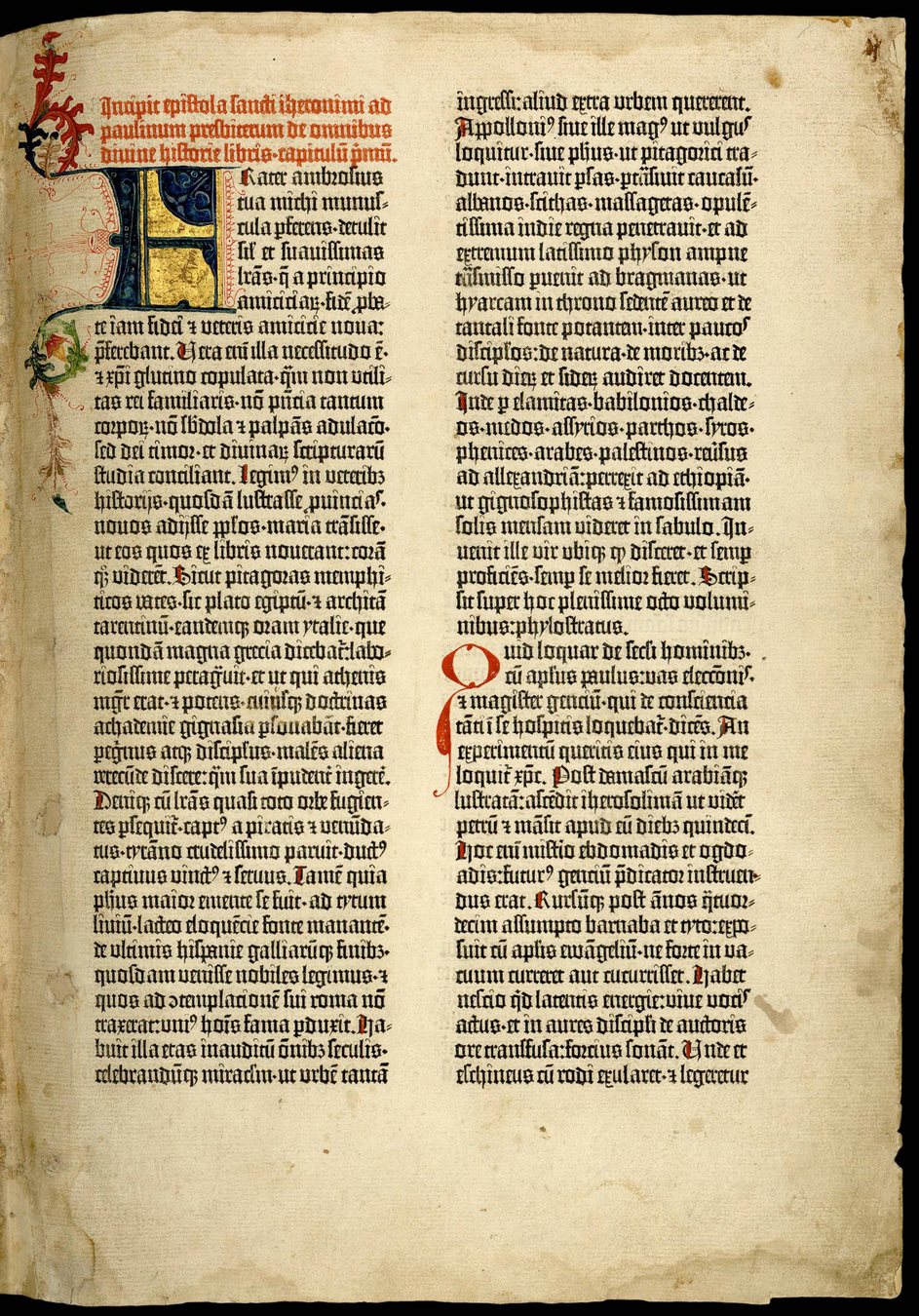
c. 1450
The Printing Press
The Machine That Made Knowledge Harder to Control
Read the rethink
Independent media · Culture & society
Rethink Society is an independent media startup exploring the people, ideas, cultures and conversations that shape our lives and the societies we share.
We look for the stories behind the stories, the questions beneath the obvious, and perspectives that deserve a closer look.
Stories · World History
Ten moments when humanity changed what it believed was possible, knowable or permanent.
01 / 10
01 / 10
c. 1450
The Machine That Made Knowledge Harder to Control
Read the rethink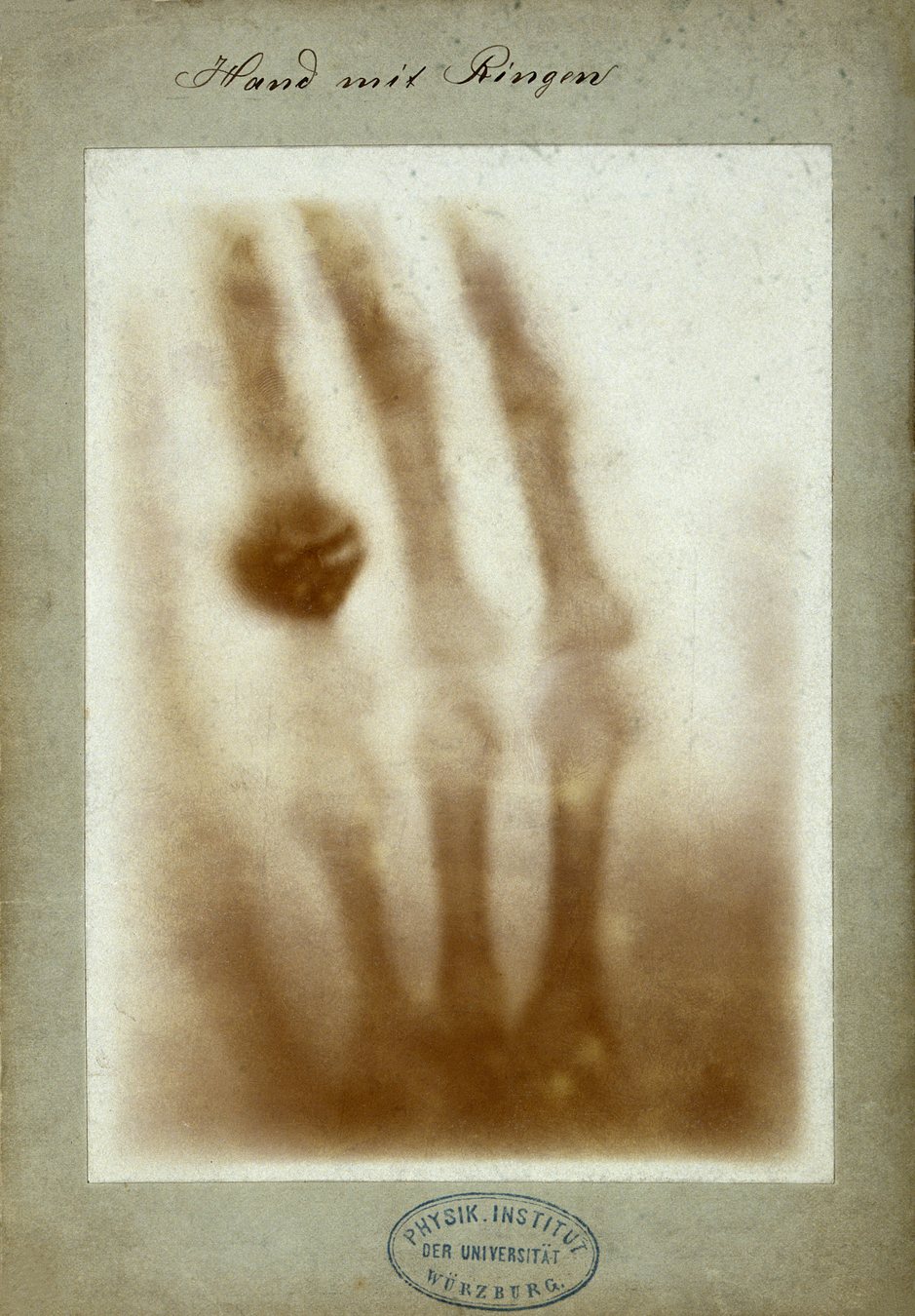
02 / 10
1895
The Day Humanity Learned to See the Invisible
Read the rethink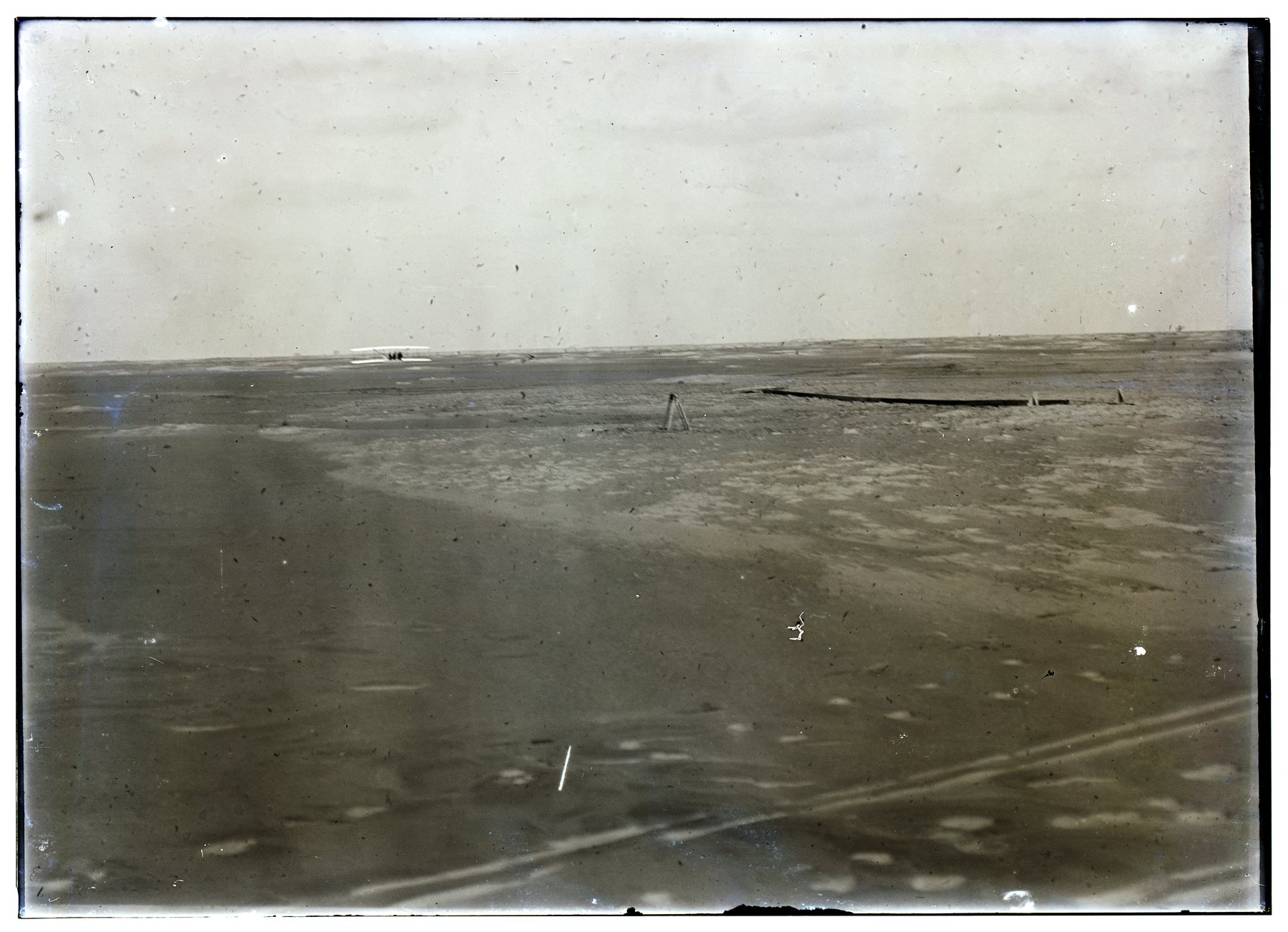
03 / 10
17 December 1903
The 12 Seconds That Changed How Humanity Saw Distance
Read the rethink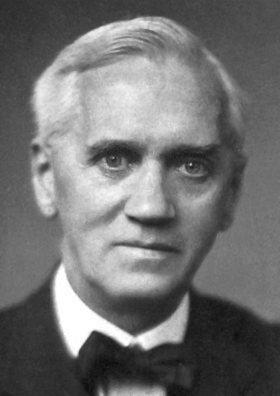
04 / 10
1928
The Discovery That Changed Humanity's Relationship With Infection
Read the rethink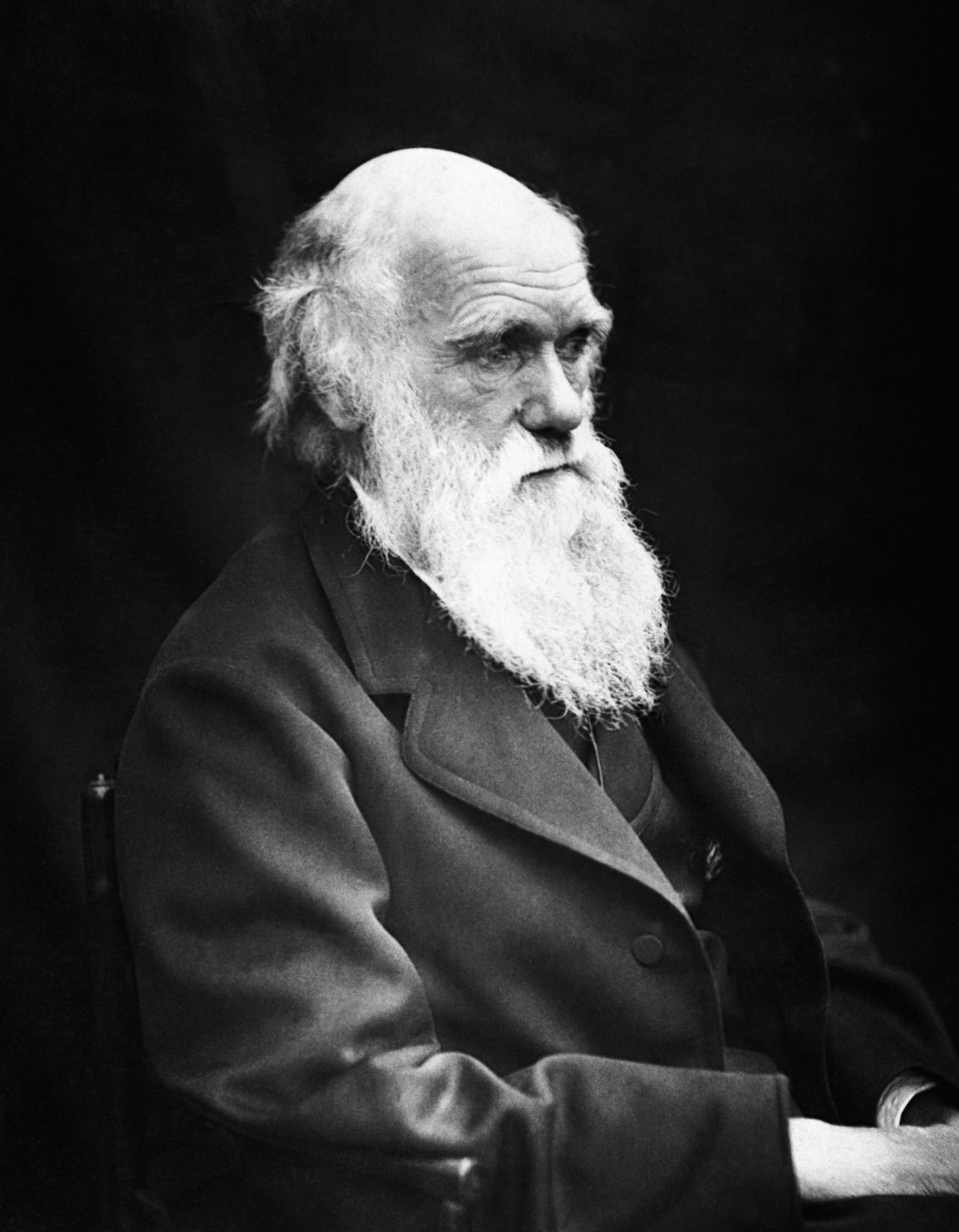
05 / 10
1859
The Idea That Changed Humanity's Place in Nature
Read the rethink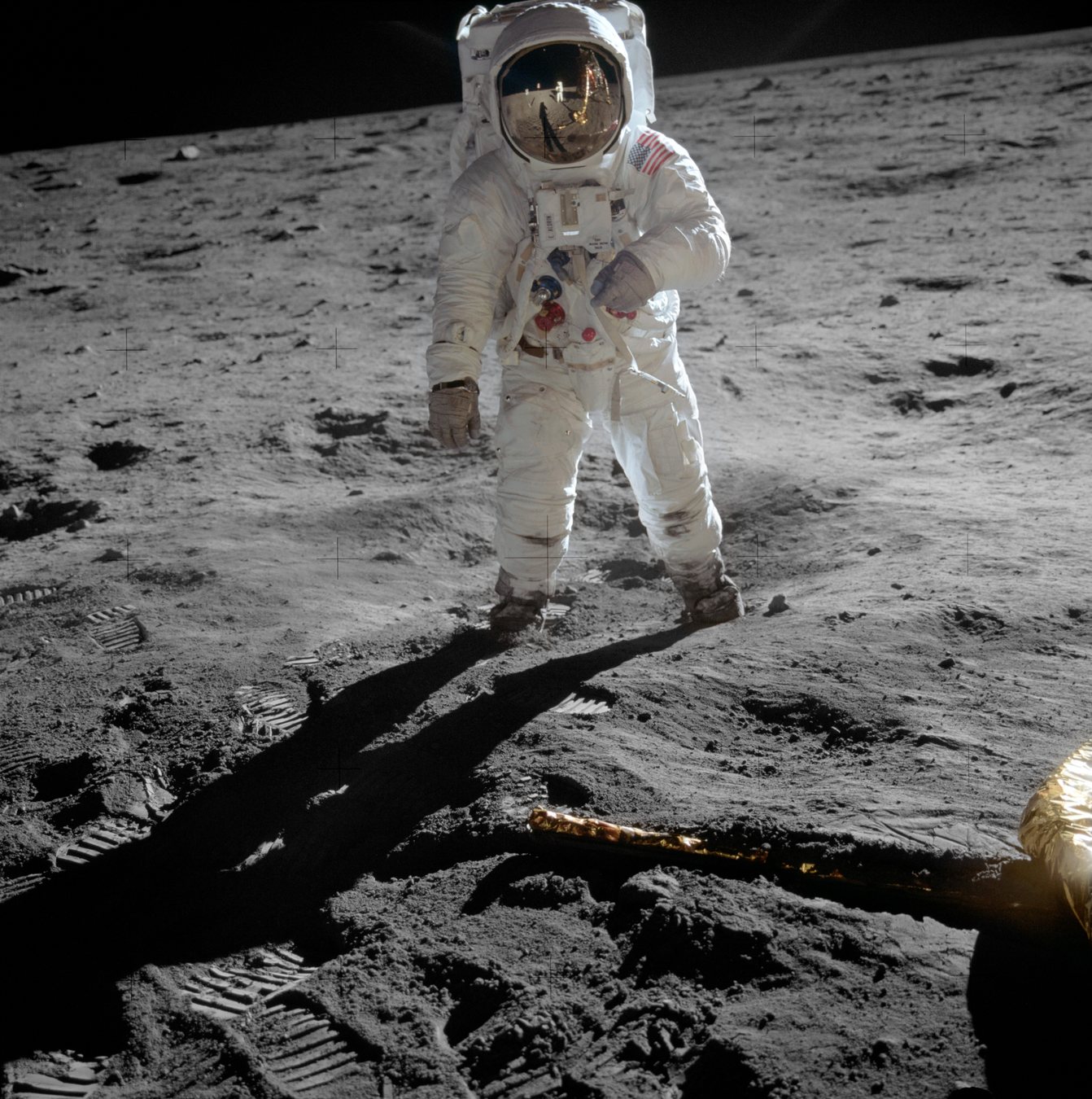
06 / 10
20 July 1969
The Moment Humanity Looked Back at Earth
Read the rethink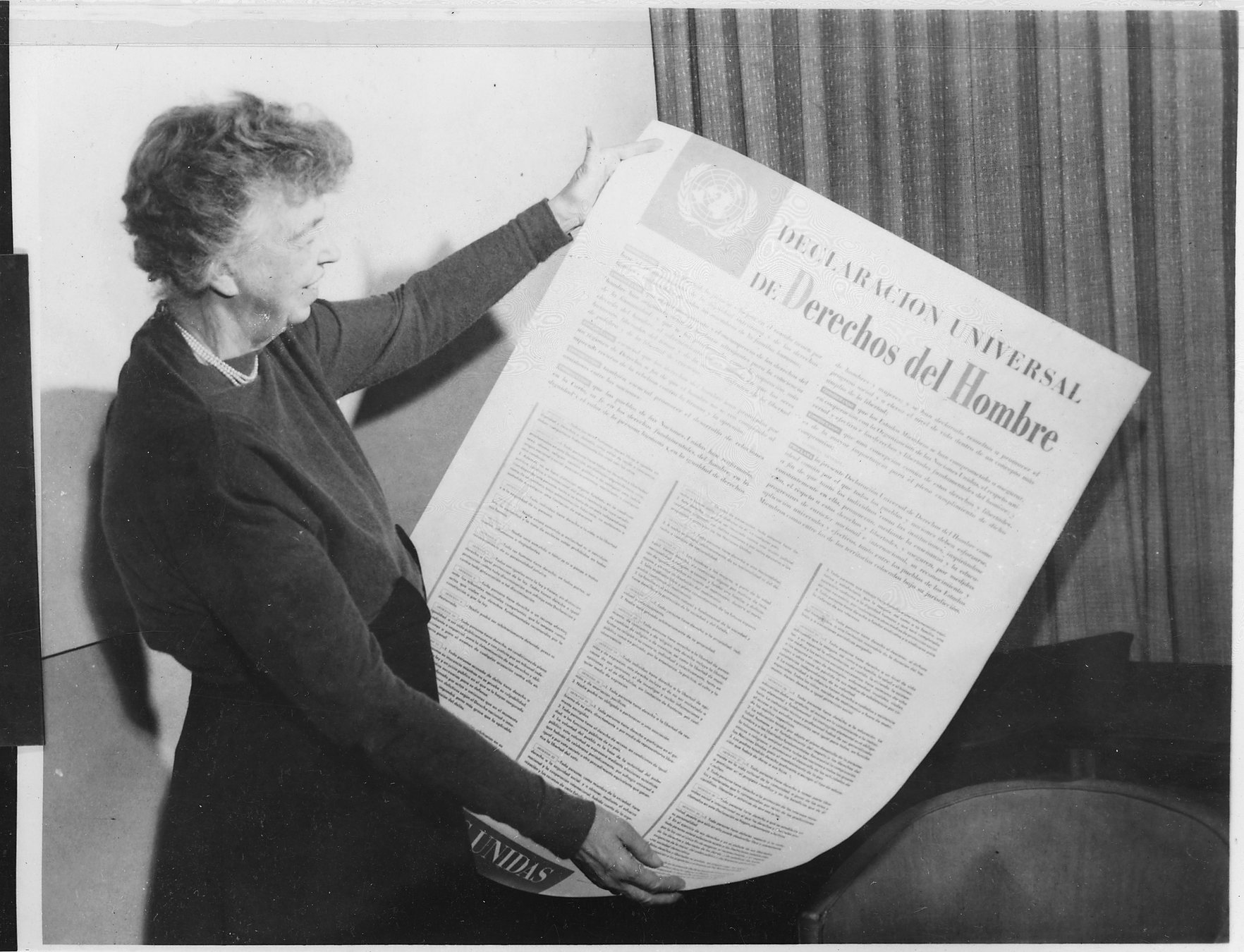
07 / 10
10 December 1948
The Day the World Tried to Define What Every Human Being Deserves
Read the rethink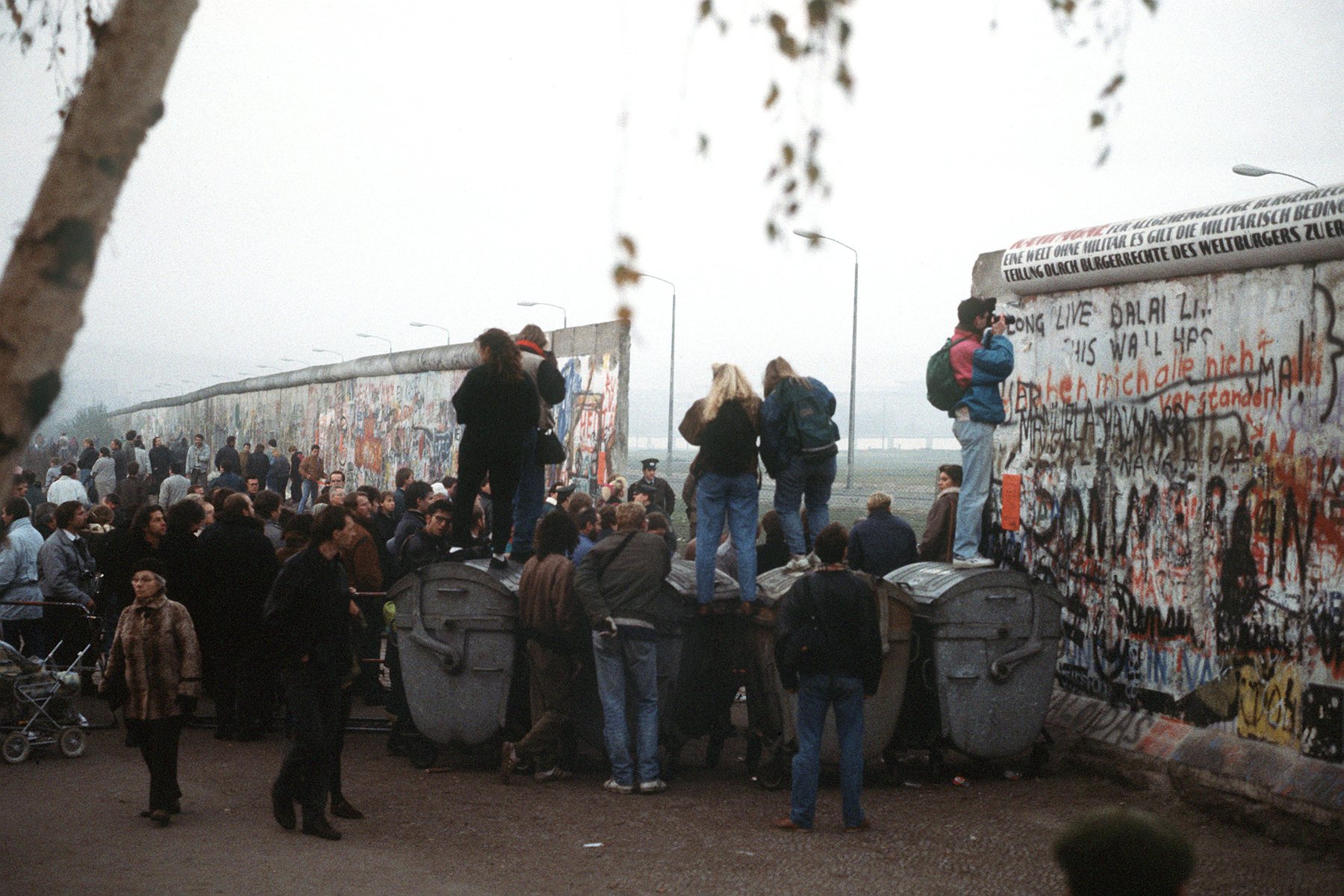
08 / 10
9 November 1989
The Night Something That Seemed Permanent Suddenly Wasn't
Read the rethink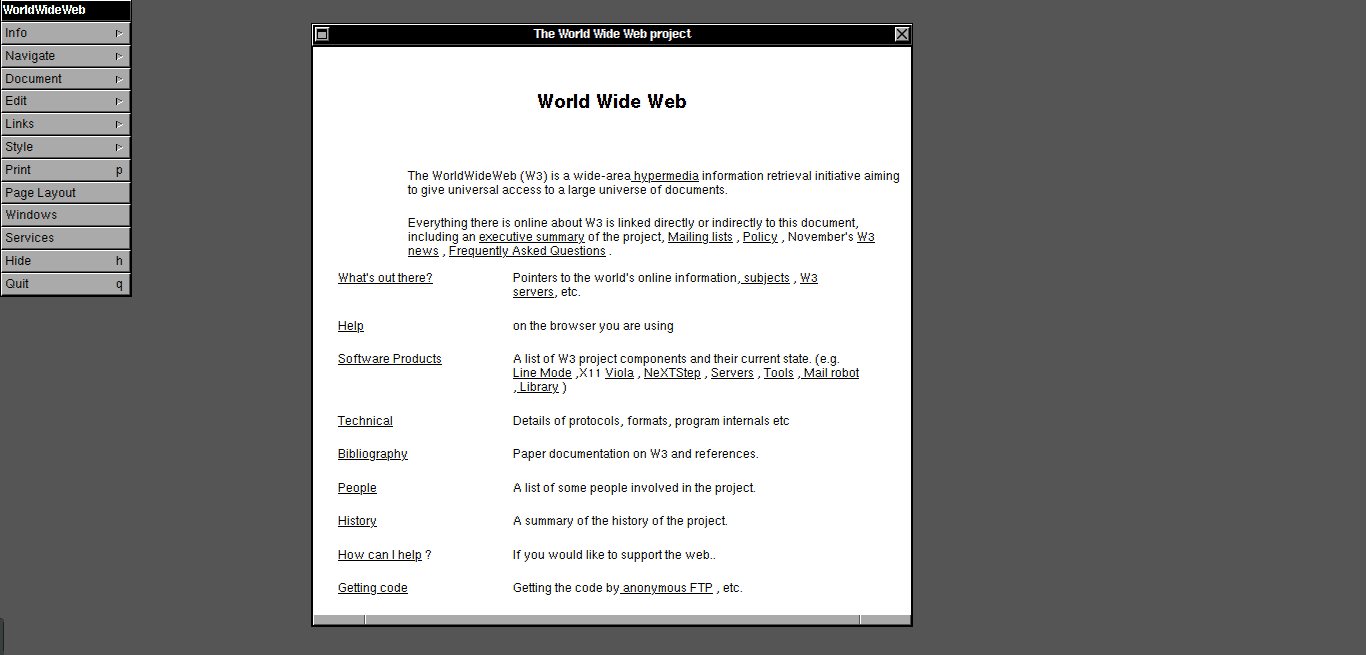
09 / 10
1989–1991
The Decision That Connected Humanity
Read the rethink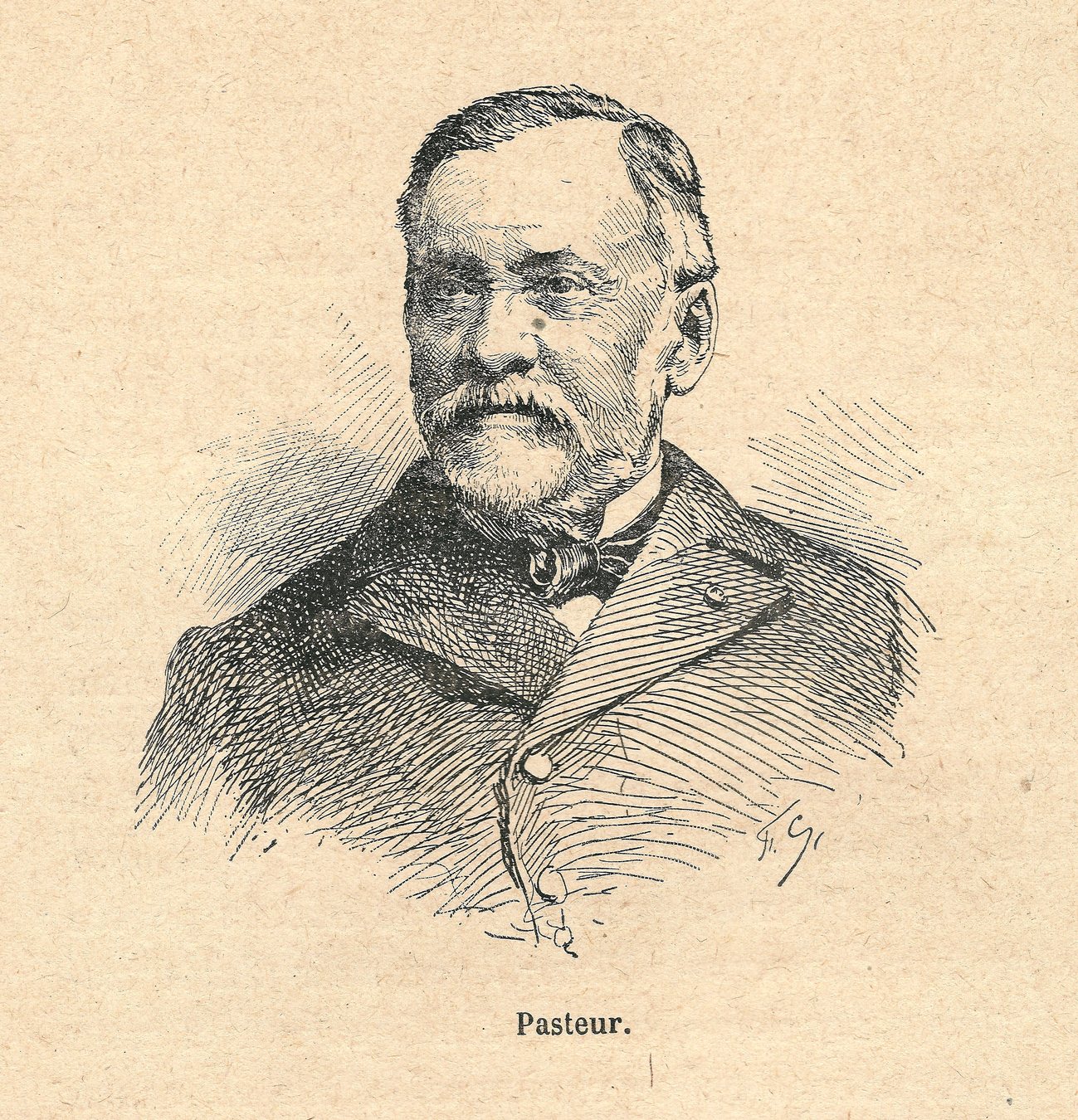
10 / 10
1840s–1880s
The Discovery That Changed What Humanity Feared
Read the rethinkFeatured
An ordinary feature of modern life has a history worth questioning: Why Do Humans Believe Things That Are Not True.
People · Biography
People whose ideas, discoveries, creations, achievements or actions had a substantial and demonstrable effect on the world.
200 people · Noble People 100 · 100 Architects
01 / 200
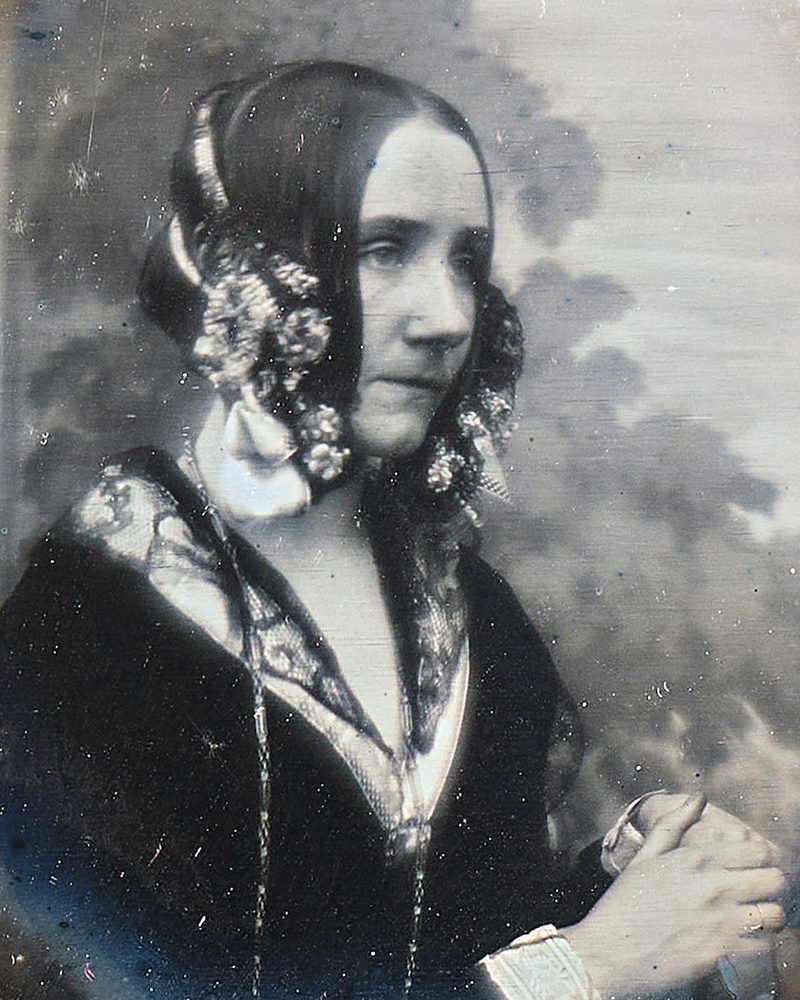
01 / 200 · 1815–1852
Mathematician
English mathematician who, in notes appended to her 1843 translation of a paper on Charles Babbage's proposed Analytical Engine, published what is widely regarded as the first algorithm intended for machine execution. She also argued that such a machine could manipulate symbols beyond numbers, anticipating general-purpose computing more than a century before it was built.
Read biography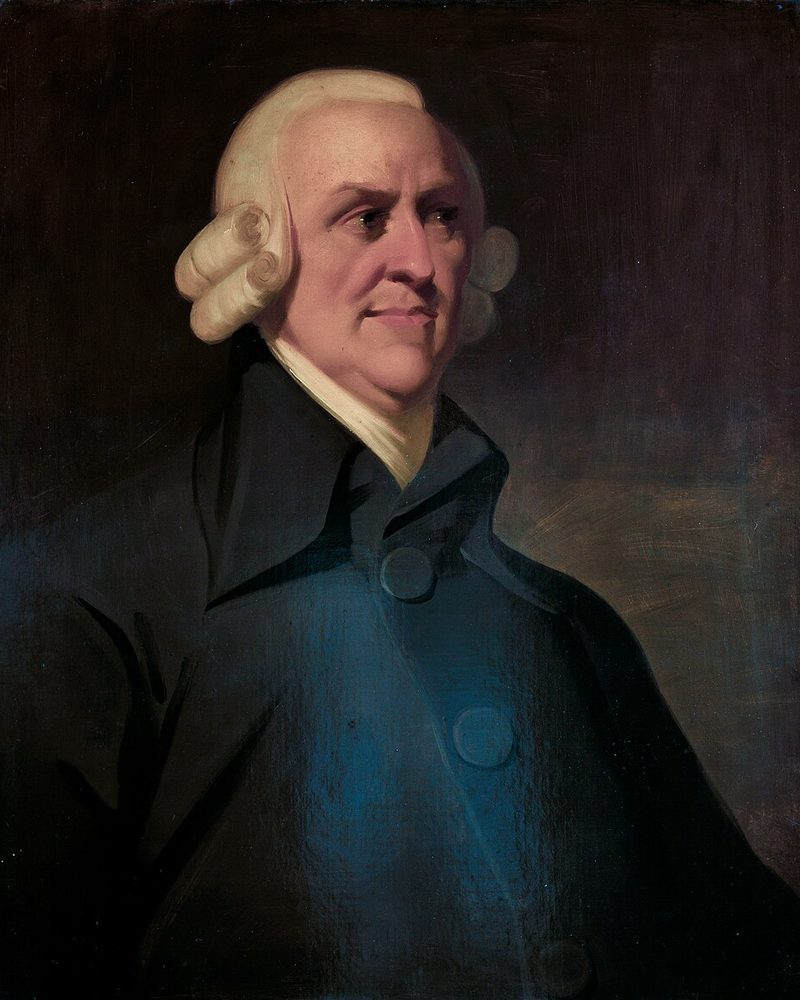
02 / 200 · 1723–1790
Moral philosopher and economist
Scottish moral philosopher whose The Theory of Moral Sentiments (1759) and An Inquiry into the Nature and Causes of the Wealth of Nations (1776) helped establish political economy as a field. He analysed the division of labour, markets and self-interest, while also writing on sympathy, and on the limits of merchants' influence over public policy.
Read biography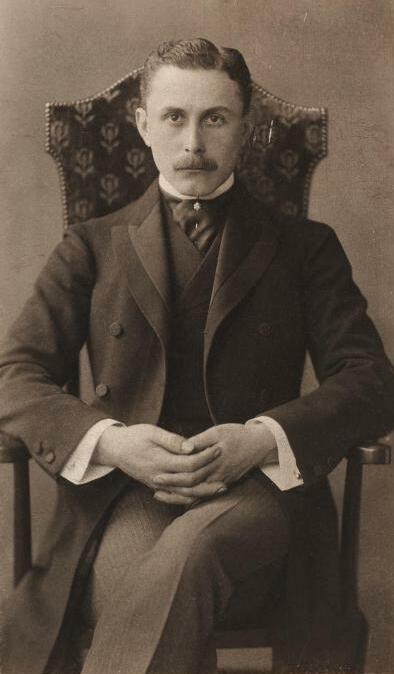
03 / 200 · 1870–1933
Austro-Czech architect and critic
Critiqued historicist ornament and advanced a radical conception of modern domestic architecture.
Read biography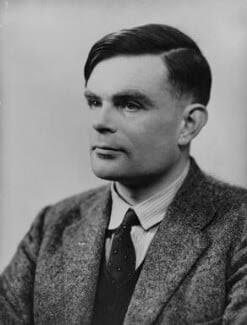
04 / 200 · 1912–1954
Mathematician and computer scientist
British mathematician whose 1936 paper on computable numbers defined the theoretical machine underlying modern computing. At Bletchley Park he led work on breaking German naval Enigma traffic, designing the Bombe with Gordon Welchman. He later proposed the imitation game, now the Turing test. Convicted in 1952 under British laws criminalising homosexual acts, he died two years later; he received a posthumous pardon in 2013.
Read the full feature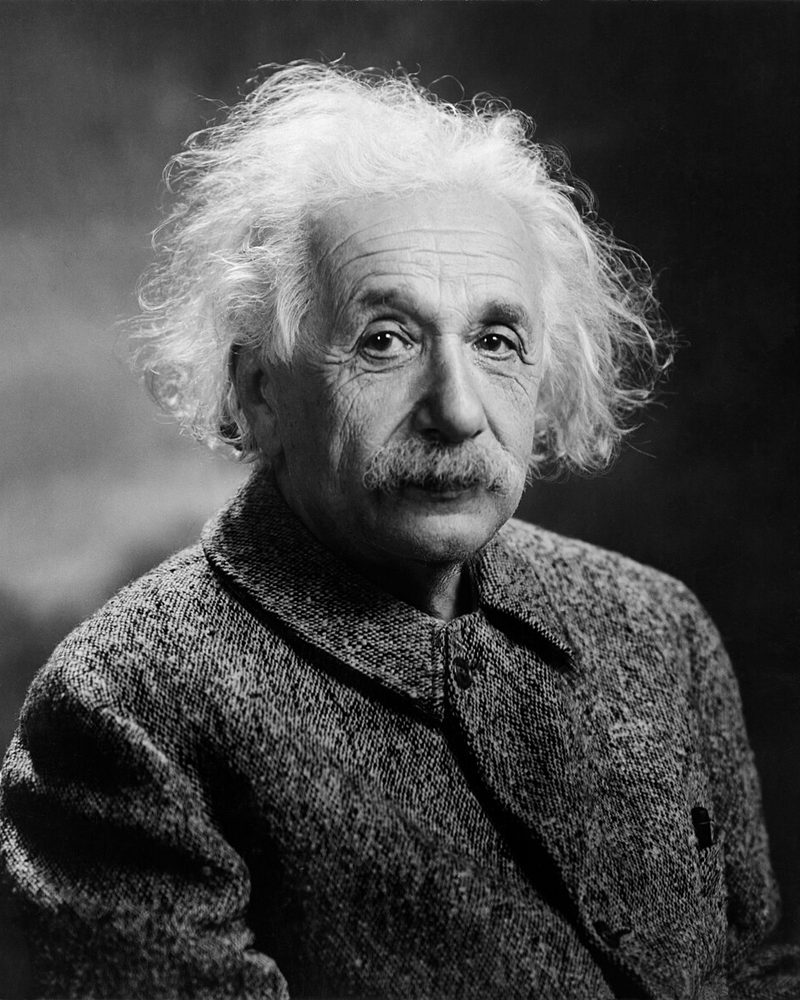
05 / 200 · 1879–1955
Theoretical physicist
German-born theoretical physicist who published the special theory of relativity in 1905 and the general theory of relativity in 1915, reshaping the understanding of space, time and gravitation. He received the 1921 Nobel Prize in Physics for his explanation of the photoelectric effect. He emigrated to the United States in 1933 and spent his later career at the Institute for Advanced Study in Princeton.
Read biography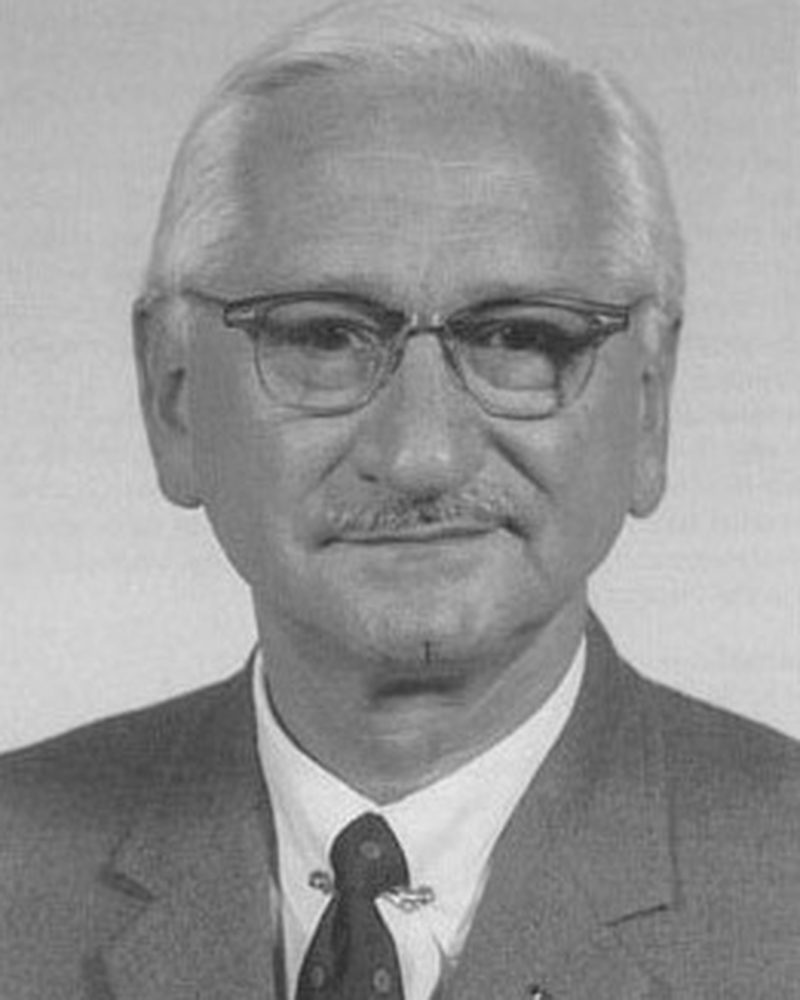
06 / 200 · 1906–1993
Virologist
Polish-born American virologist who developed the oral live-attenuated polio vaccine, first tested at scale in the Soviet Union around 1959 and adopted worldwide because it was cheap, easy to administer and interrupted transmission. His vaccine became the principal tool of global polio eradication campaigns. He also researched encephalitis, dengue and other viral diseases.
Read biography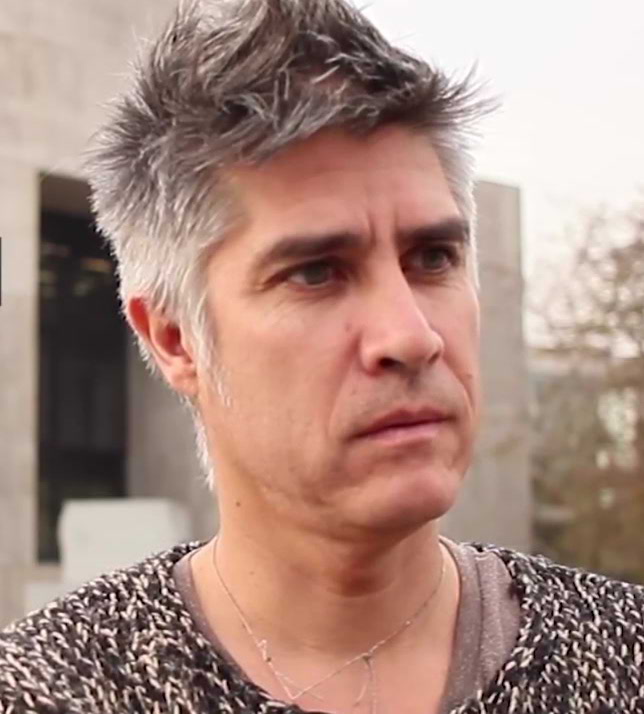
07 / 200 · 1967–
Postwar & Regional Modernisms
Developed participatory and incremental housing strategies addressing social and economic constraints.
Read biography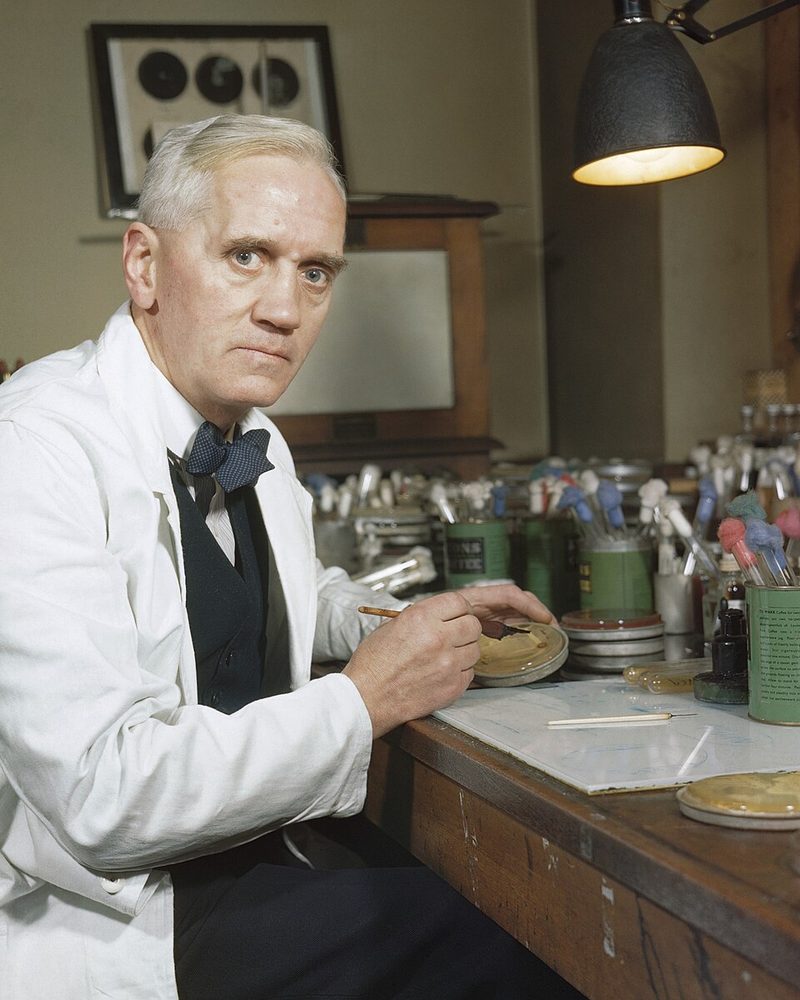
08 / 200 · 1881–1955
Bacteriologist
Scottish bacteriologist who observed in 1928 that a Penicillium mould inhibited bacterial growth on a contaminated culture plate, identifying penicillin. He was unable to purify or mass-produce it; that work was carried out by Howard Florey, Ernst Chain and their Oxford team. The three shared the 1945 Nobel Prize, and Fleming publicly warned early about antibiotic resistance.
Read biography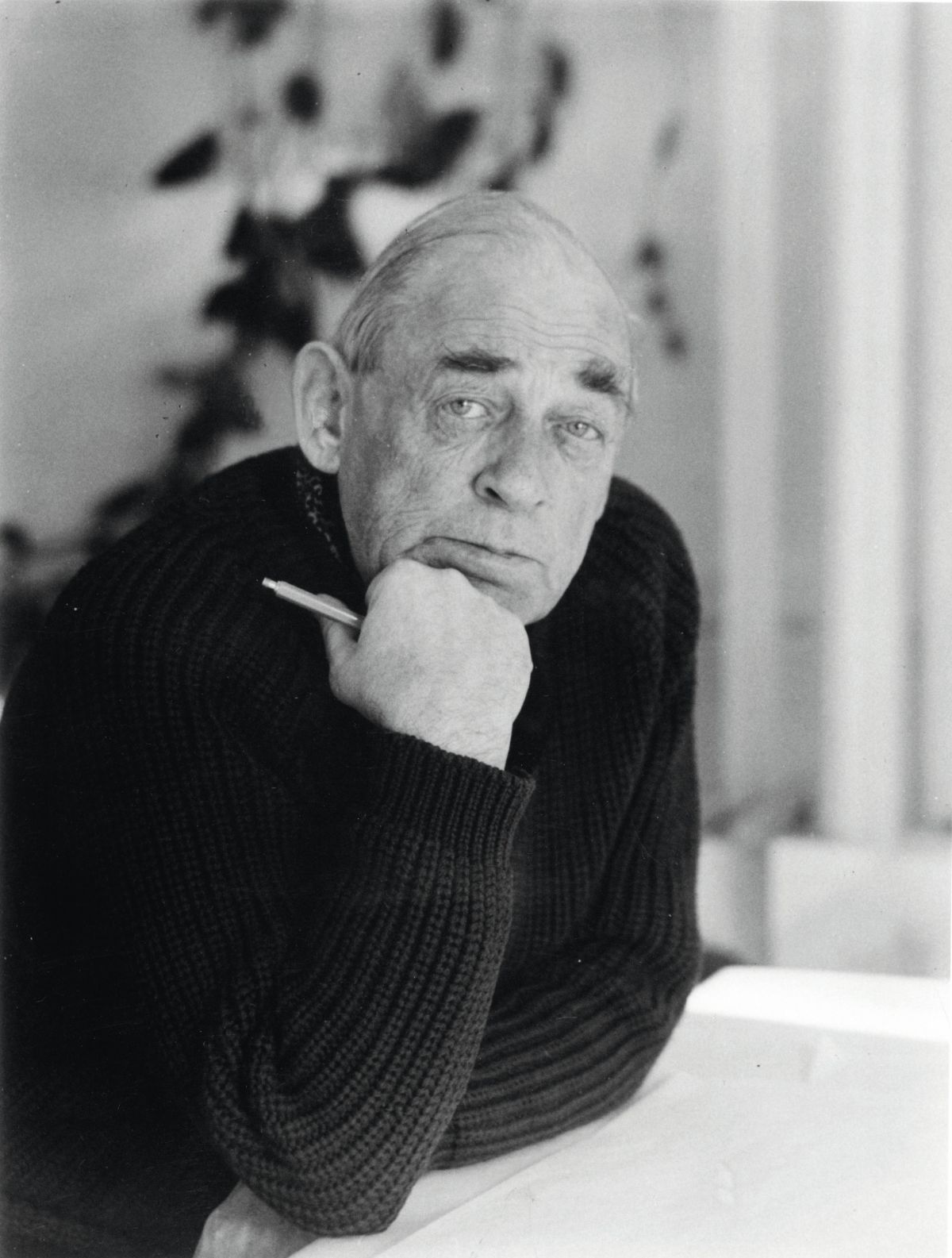
09 / 200 · 1898–1976
Finnish architect and designer
Humanized modernism through natural materials, light, acoustics and responsive forms.
Read biography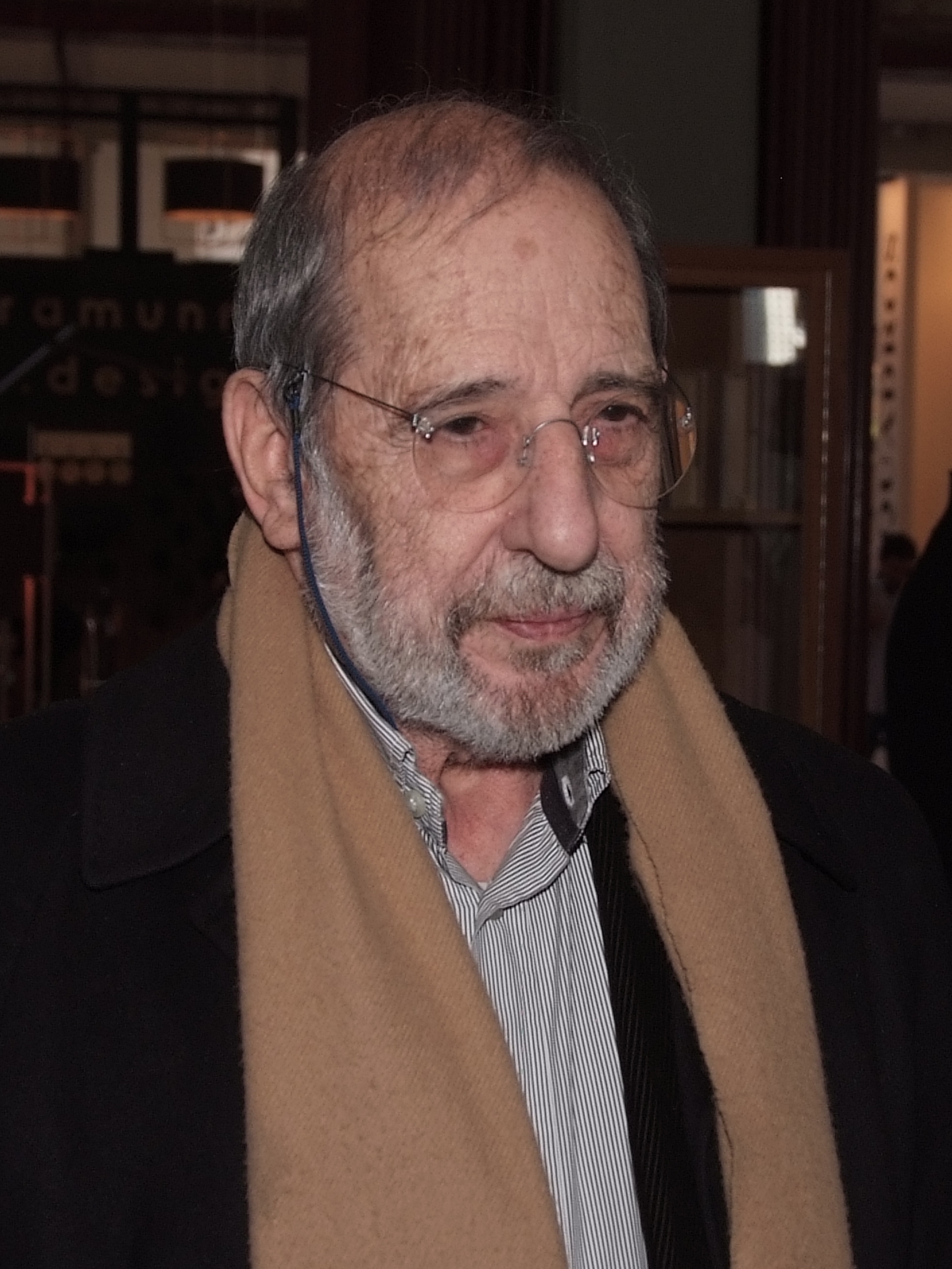
10 / 200 · 1933–
Portuguese architect
Developed a precise modern architecture grounded in site, proportion, material and everyday experience.
Read biography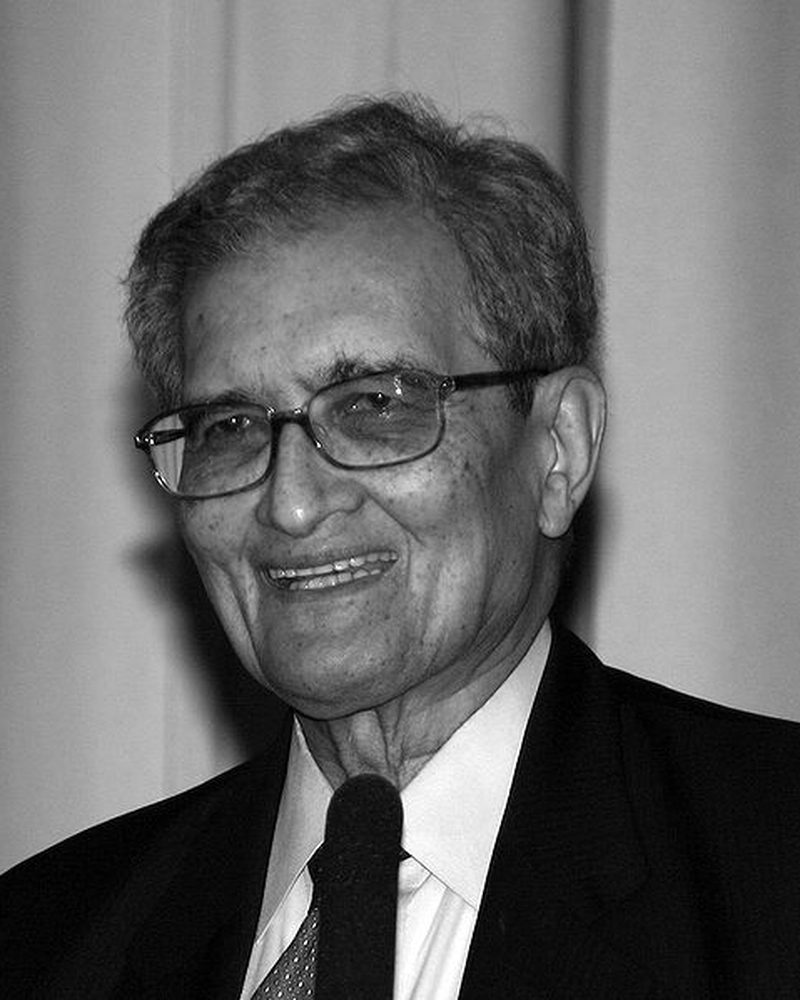
11 / 200 · born 1933
Economist and philosopher
Indian economist and philosopher awarded the 1998 Nobel Memorial Prize for work in welfare economics and social choice theory. His research on famines argued they can occur without a fall in food supply, driven instead by loss of entitlement. His capability approach, developed with Martha Nussbaum, underpins the United Nations Human Development Index.
Read biography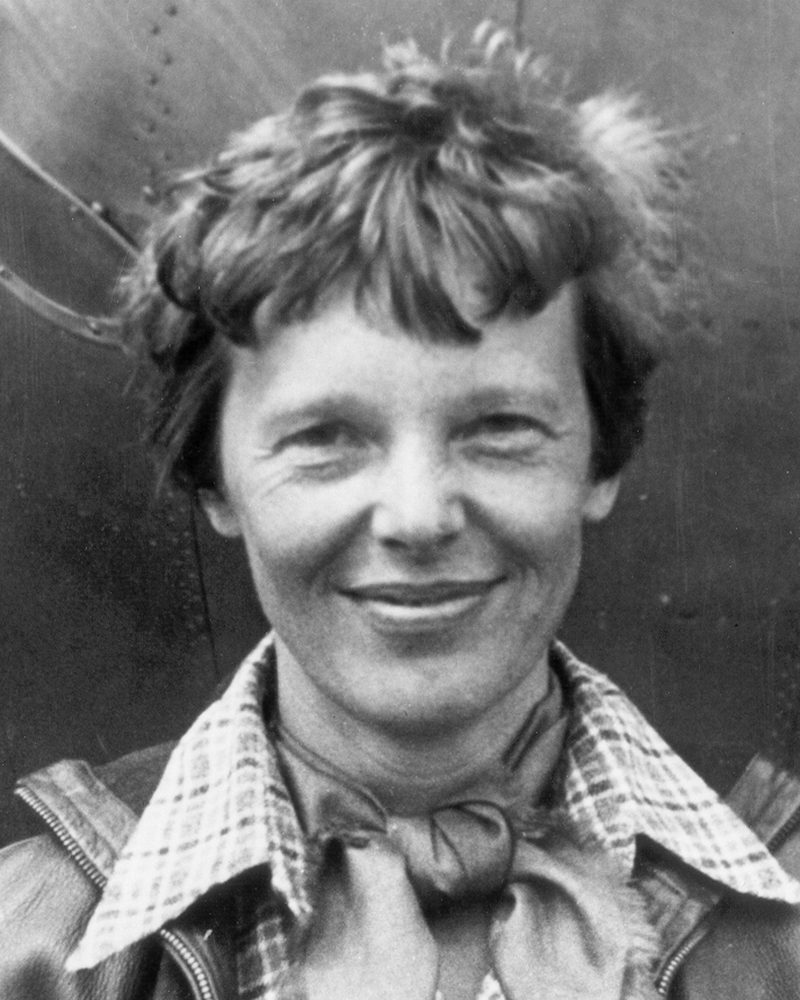
12 / 200 · 1897–disappeared 1937
Aviator
American aviator who in 1932 became the first woman to fly solo across the Atlantic and later set multiple distance and altitude records. She helped found The Ninety-Nines, an organisation for women pilots, and wrote and lectured widely on aviation. She disappeared over the central Pacific in 1937 during an attempted circumnavigation; her fate remains undetermined.
Read biography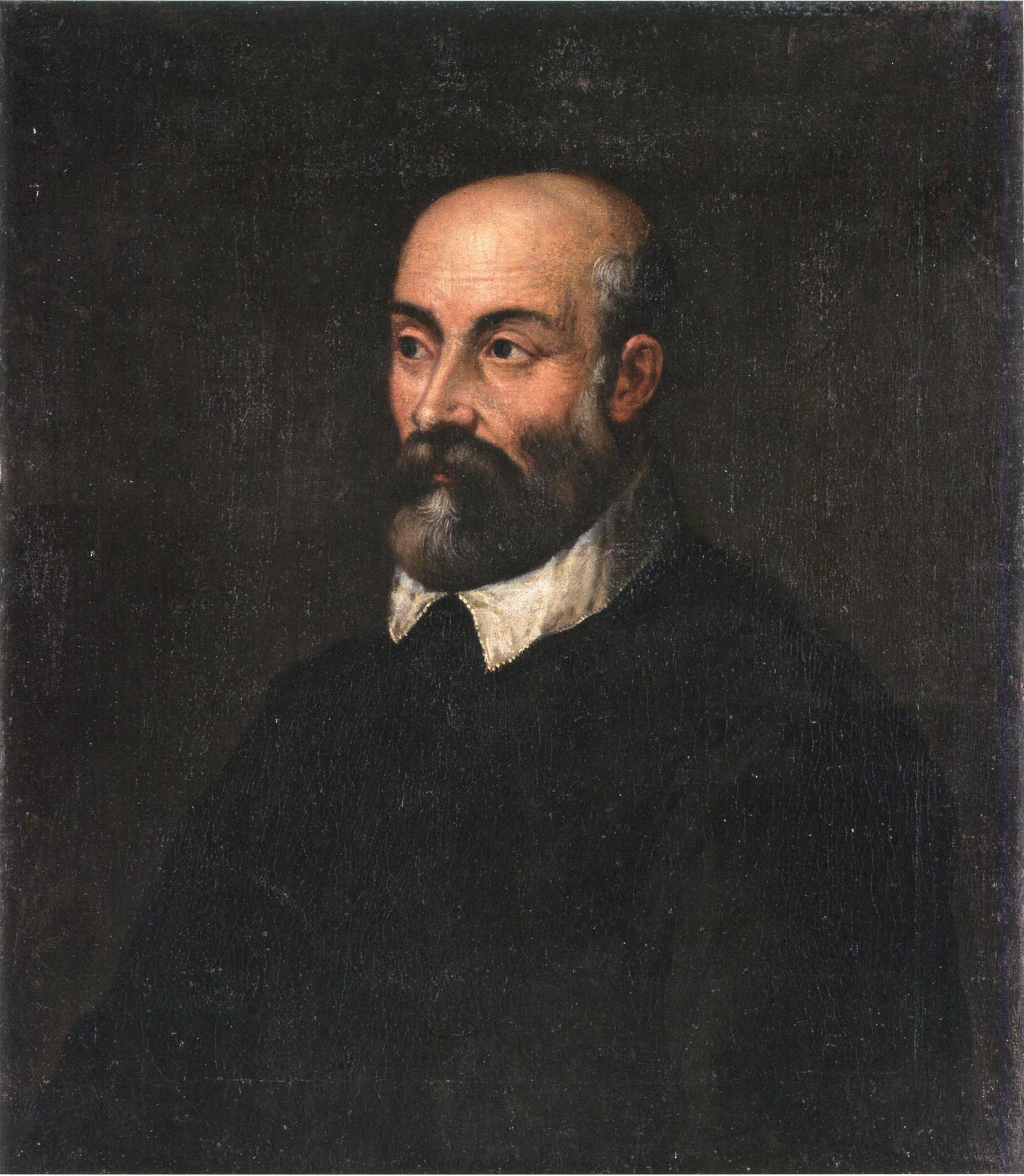
13 / 200 · 1508–1580
Italian architect
Established a proportion-based architectural language that profoundly influenced Europe and later global architecture.
Read biography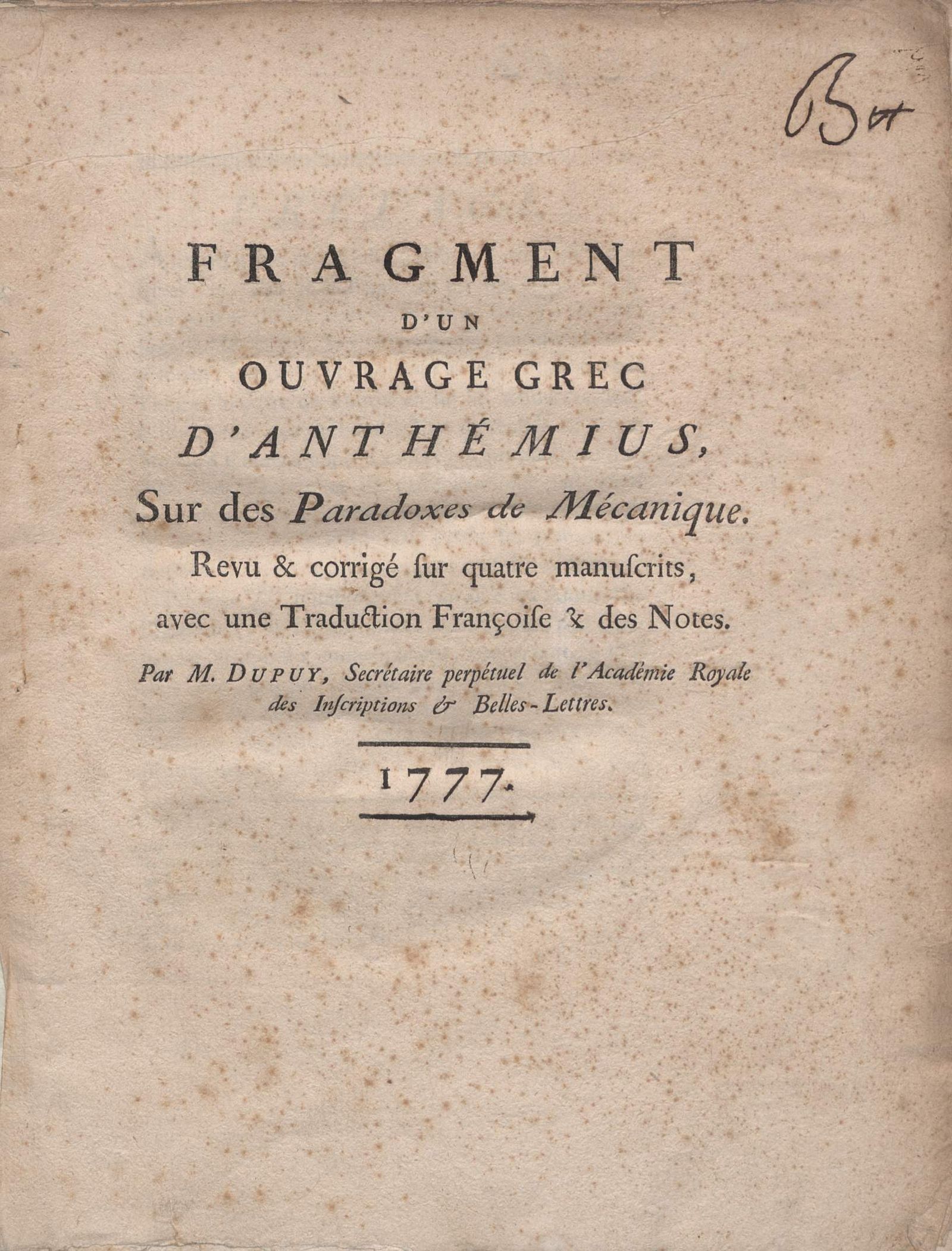
14 / 200 · c. 474–c. 558
Byzantine mathematician and architect
Mathematician and architect who, with Isidore of Miletus, designed Hagia Sophia.
Read biography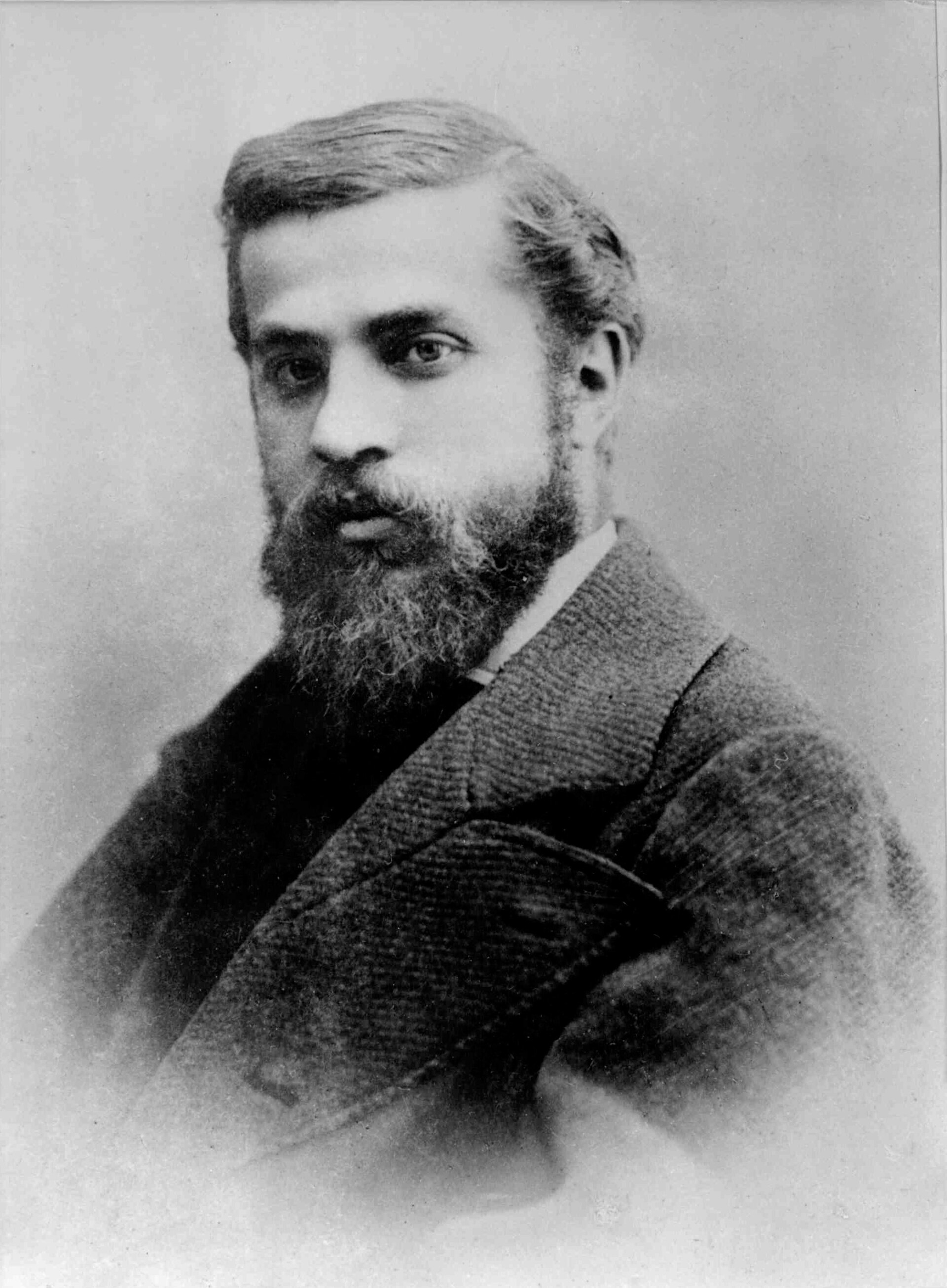
15 / 200 · 1852–1926
Catalan architect
Developed an intensely personal architecture integrating structure, nature, craft and ornament.
Read biography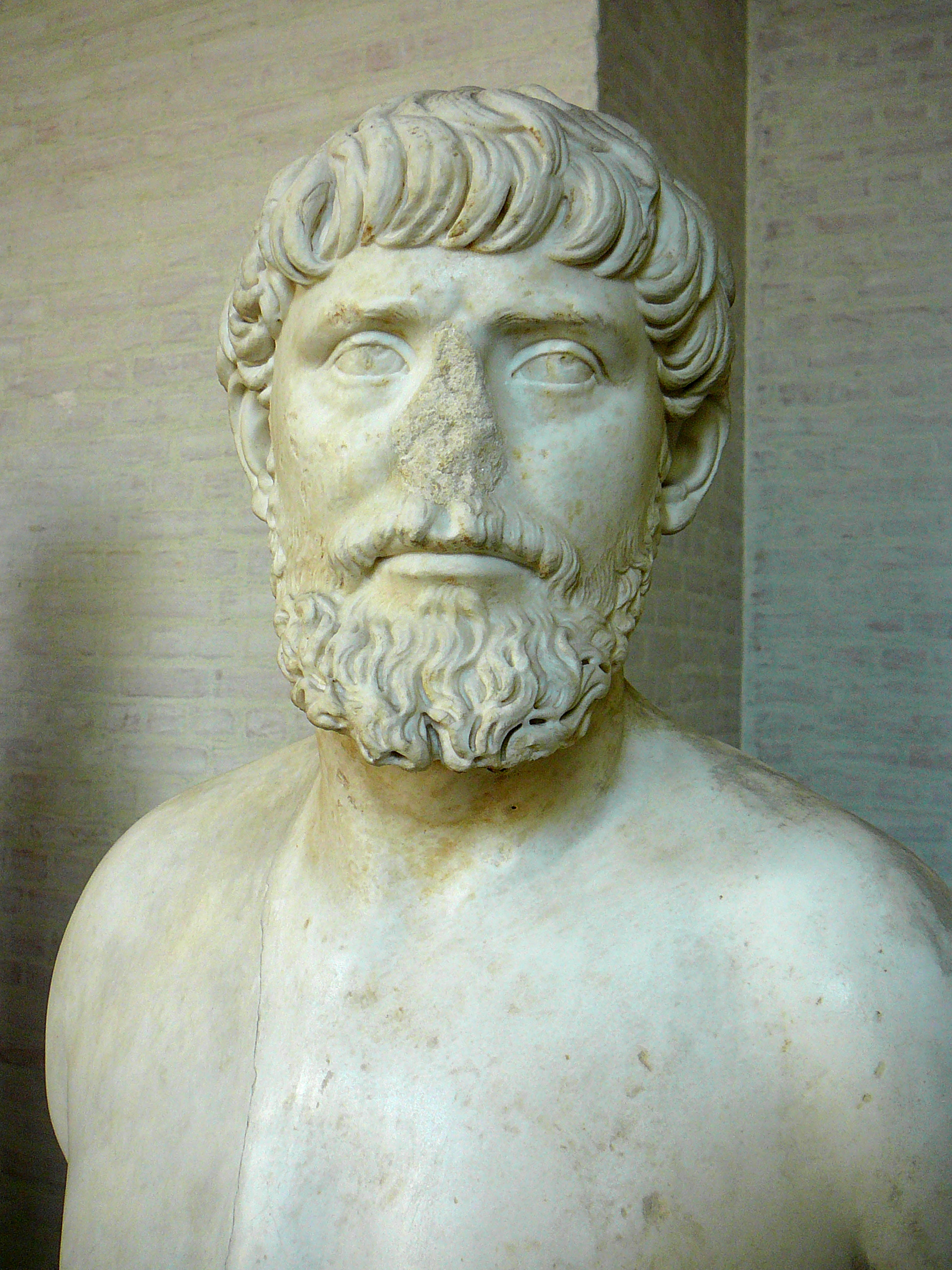
16 / 200 · 2nd century CE
Roman architect and engineer
Architect and engineer associated with major imperial Roman building projects.
Read biography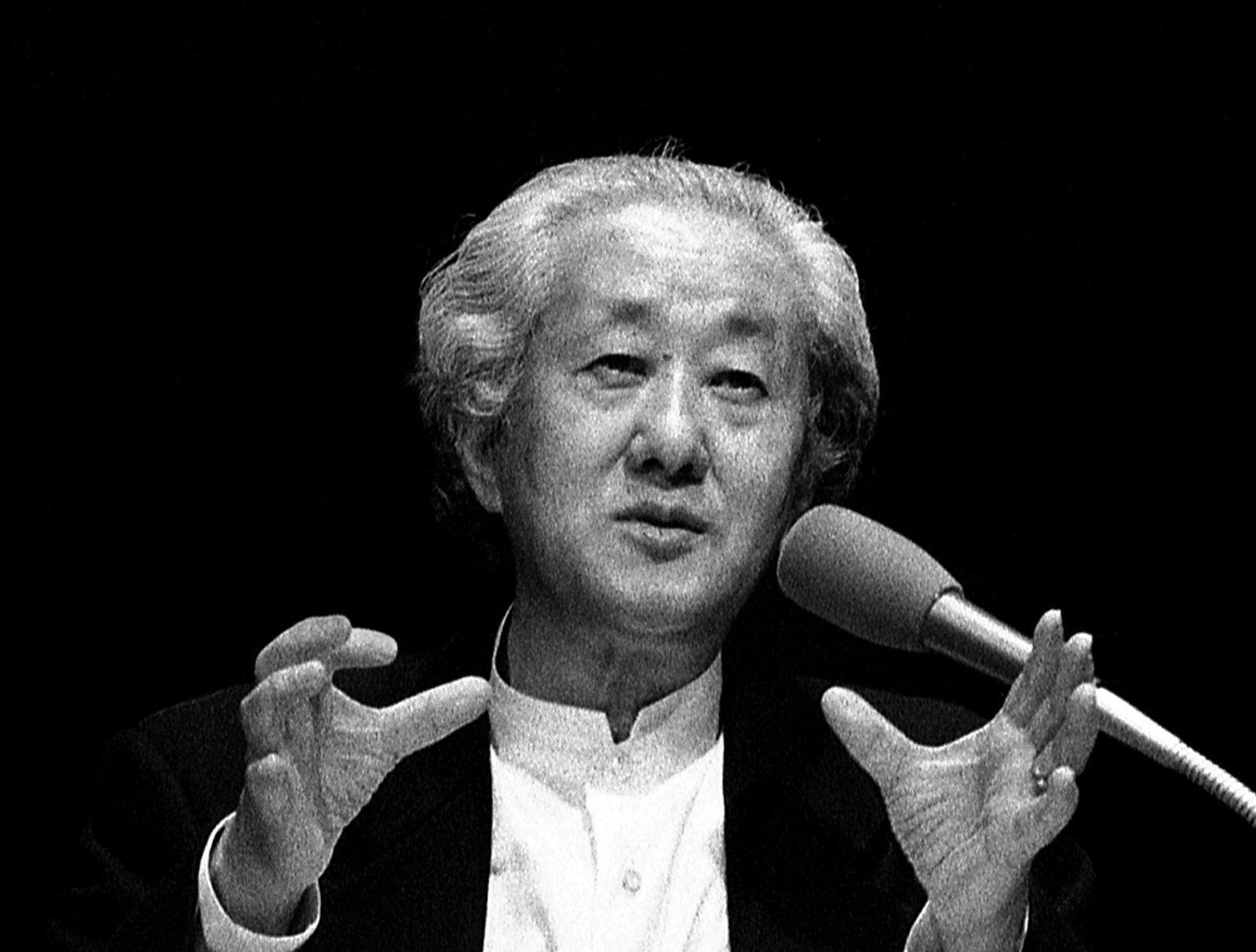
17 / 200 · 1931–2022
Modernism
Worked across modernism, postmodernism and cultural architecture with a strongly international practice.
Read biography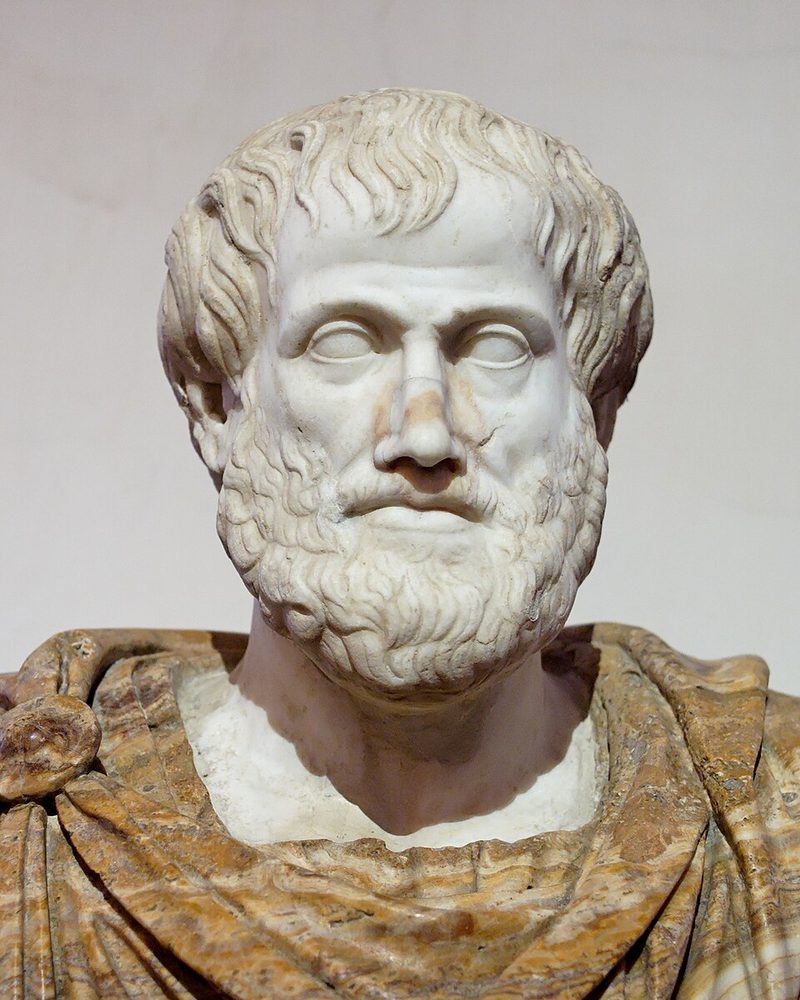
18 / 200 · 384–322 BCE
Philosopher and scientist
Greek philosopher who studied under Plato and tutored Alexander the Great before founding the Lyceum in Athens. He wrote systematically on logic, biology, physics, ethics, politics, rhetoric and poetics, establishing formal logic and empirical classification. His texts dominated European and Islamic scholarship for centuries, and several of his scientific conclusions were later disproved by observation.
Read biography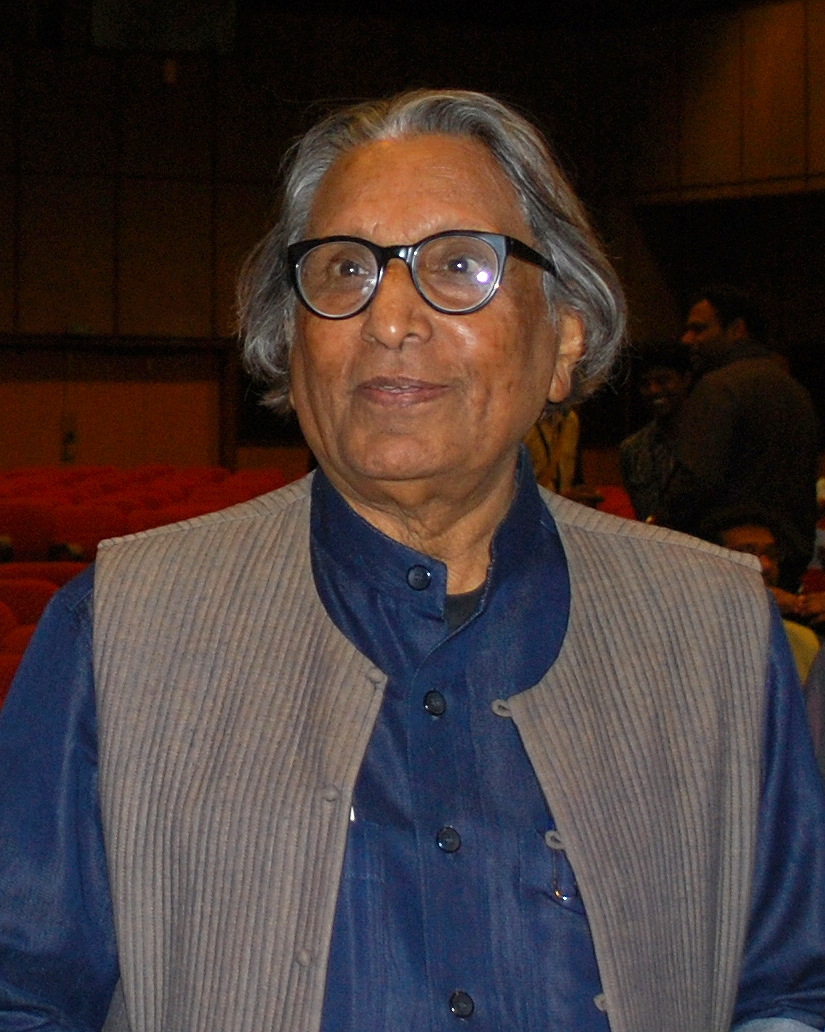
19 / 200 · 1927–2023
Indian architect and educator
Integrated modernist principles with Indian climate, community and social housing needs.
Read biography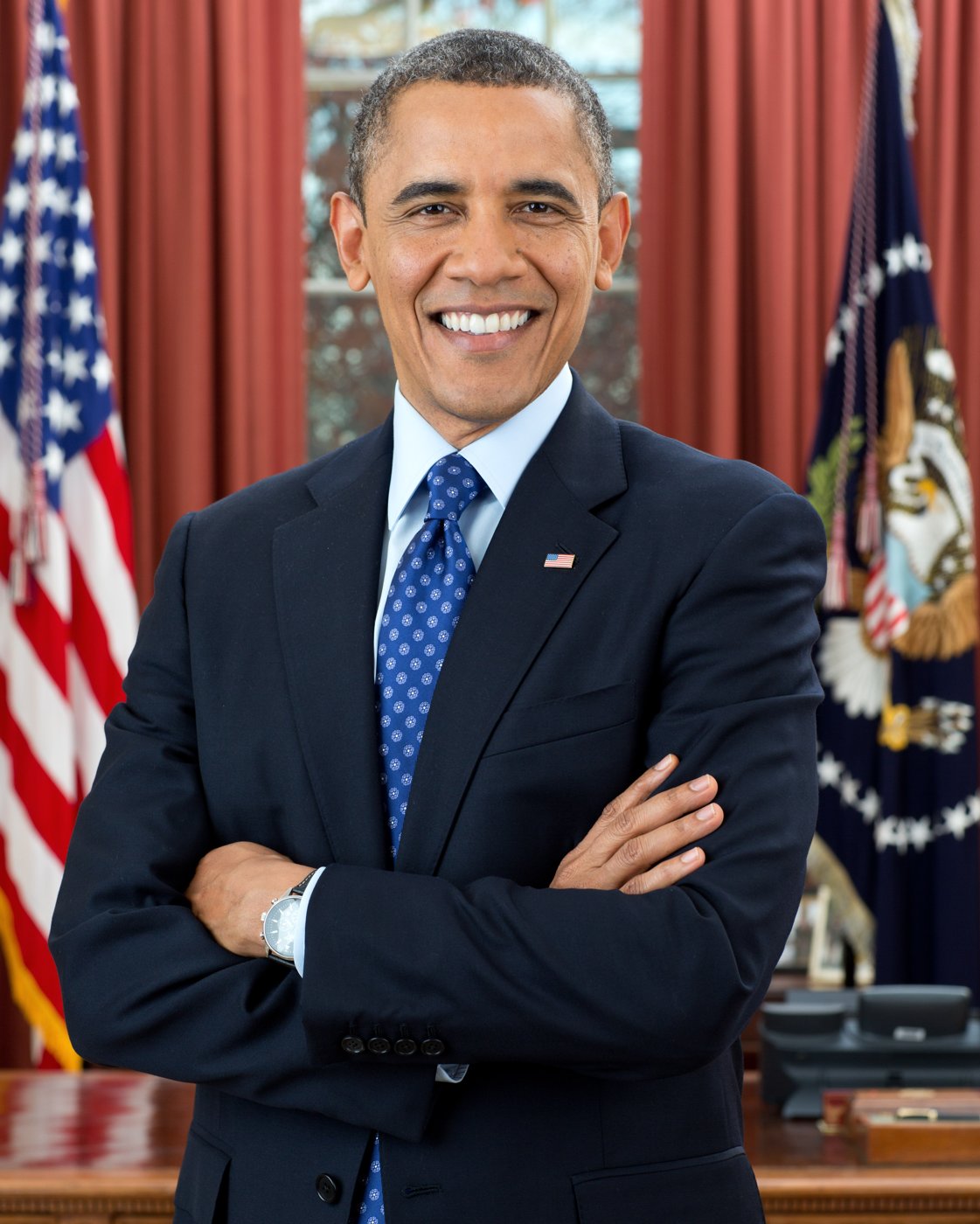
20 / 200 · born 1961
Lawyer and 44th US president
American lawyer, community organiser and politician who served as US senator for Illinois before winning the 2008 presidential election, becoming the first African American president of the United States. He served two terms to 2017. Domestic legislation included the Affordable Care Act; foreign policy included the Iran nuclear agreement and the Paris climate accord. He received the 2009 Nobel Peace Prize.
Read the full feature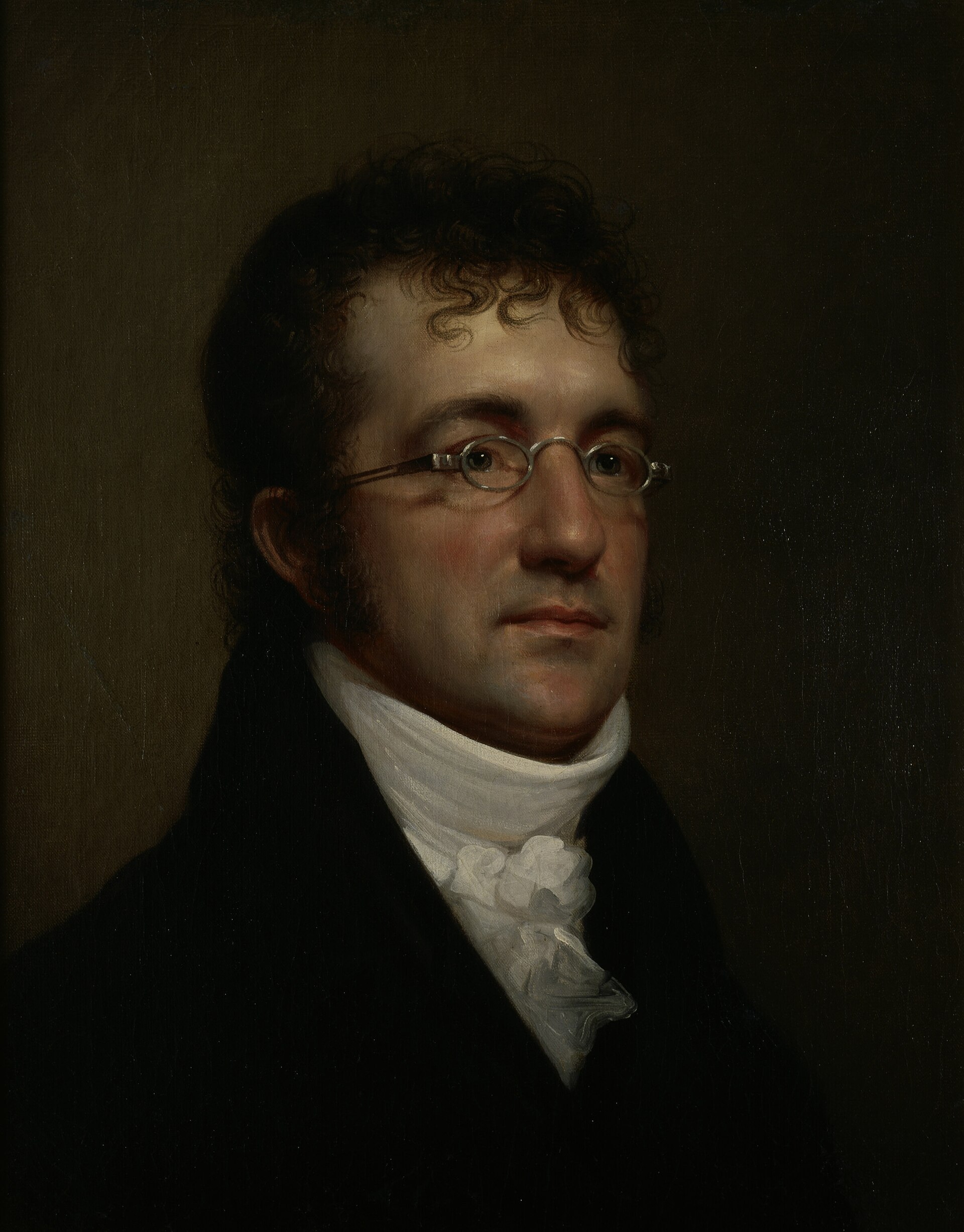
21 / 200 · 1764–1820
Neoclassical & Early Modern
Early major American architect who helped establish Neoclassical architecture in the United States.
Read biography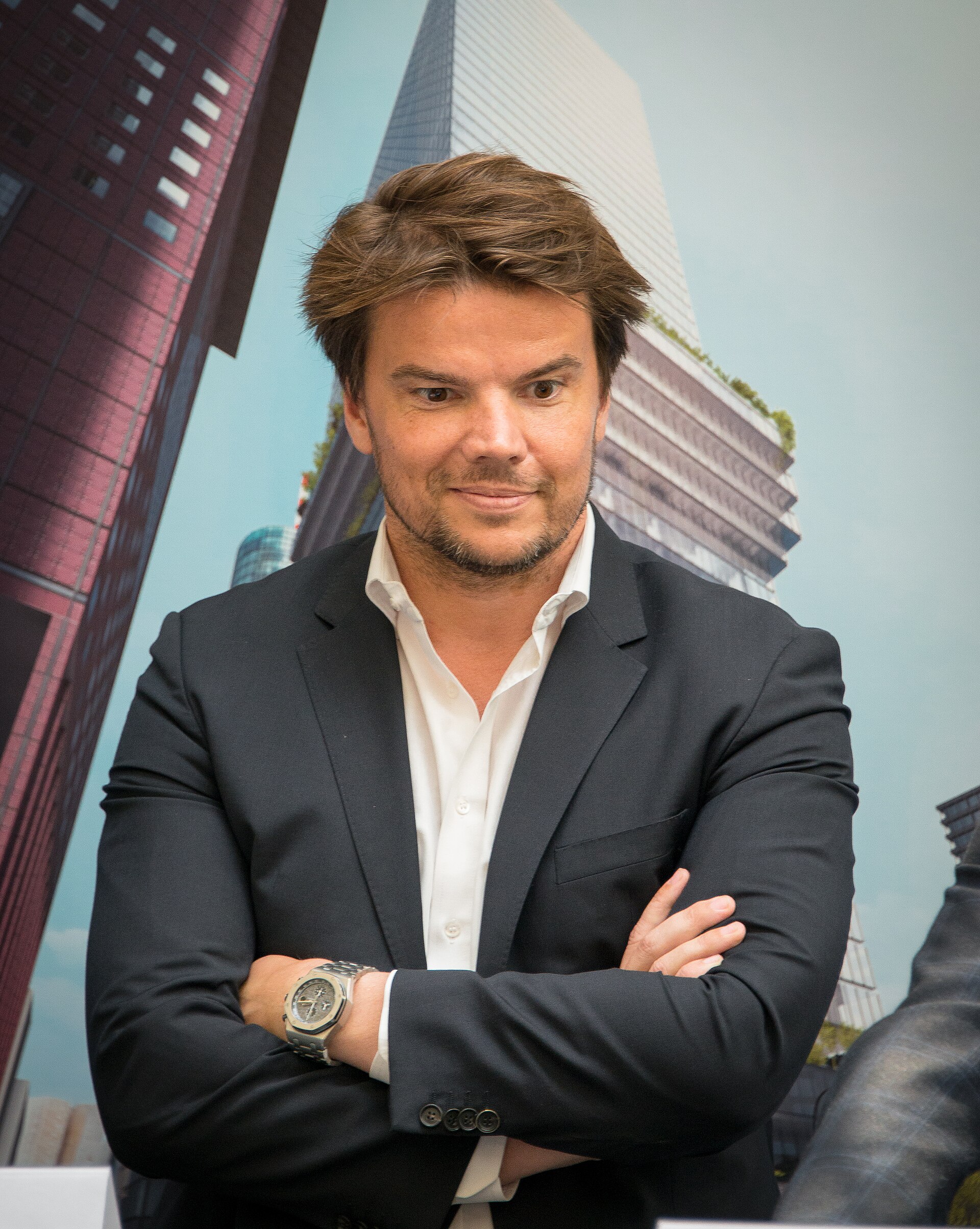
22 / 200 · 1974–
Danish architect
Known for combining pragmatic planning, environmental strategies and highly legible architectural concepts.
Read biography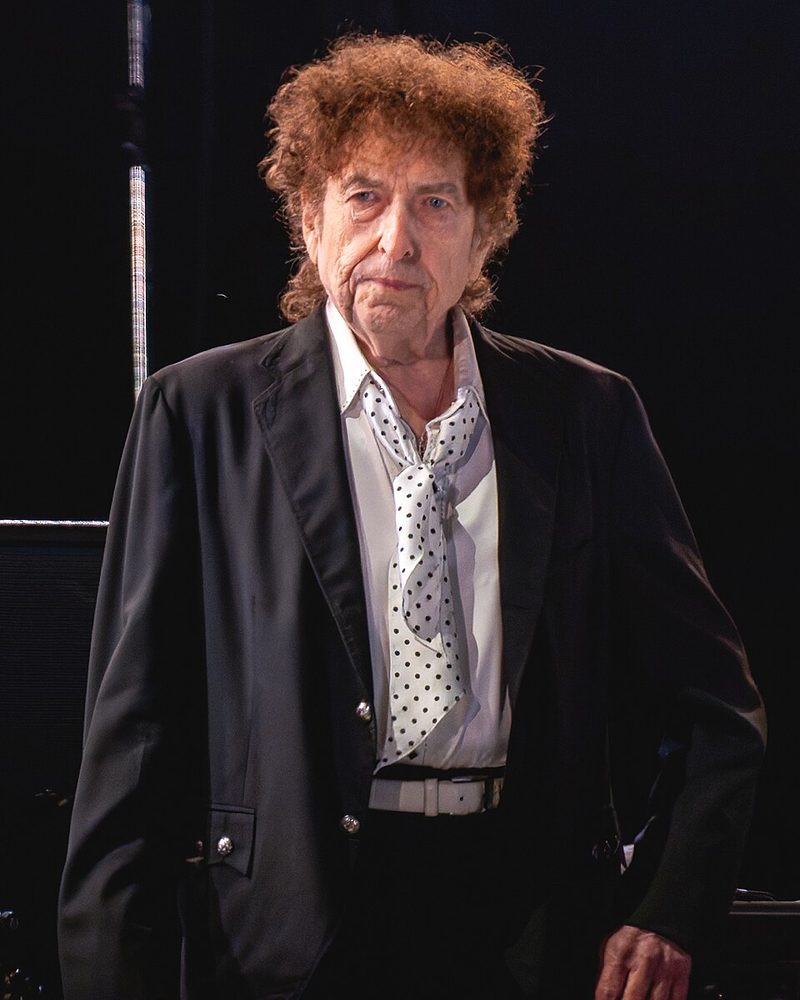
23 / 200 · born 1941
Songwriter and musician
American songwriter whose work from the early 1960s, including Blowin' in the Wind and The Times They Are a-Changin', expanded the lyrical range of popular song. His move to electric instrumentation in 1965 divided the folk audience and reshaped rock music. He received the 2016 Nobel Prize in Literature for creating new poetic expressions within the American song tradition.
Read biography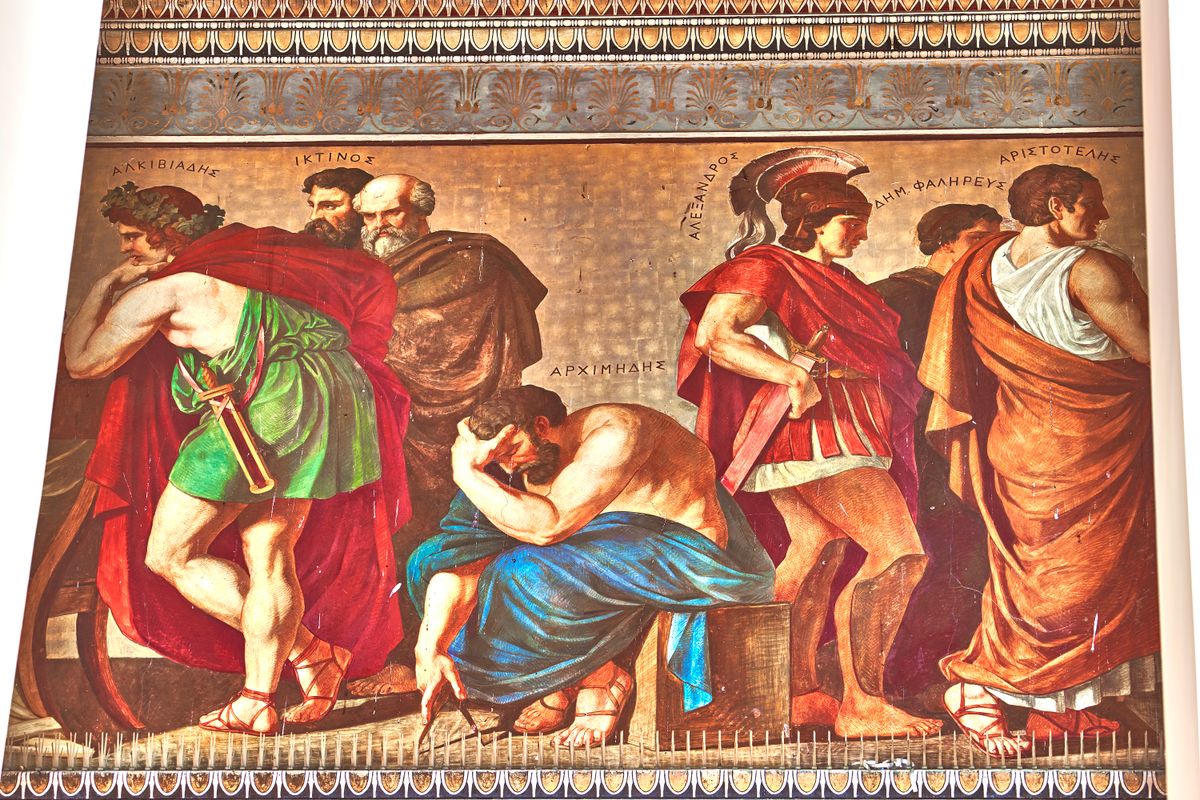
24 / 200 · 5th century BCE
Greek architect
Architect associated with major Athenian monuments of the classical period.
Read biography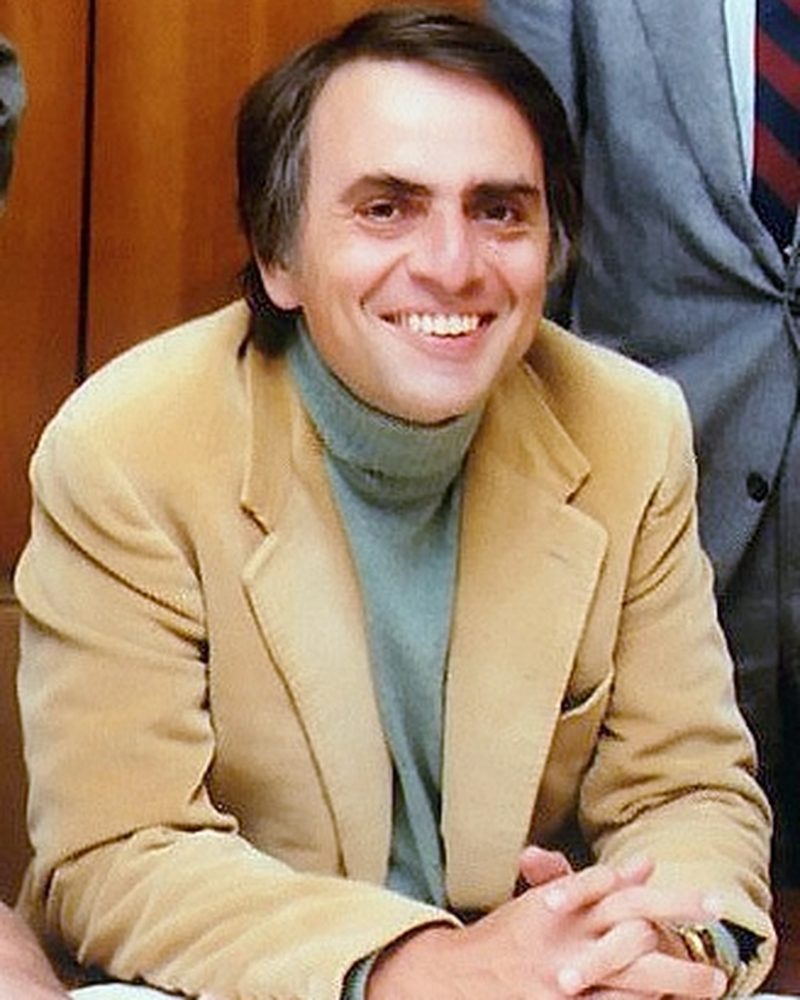
25 / 200 · 1934–1996
Astronomer and science communicator
American astronomer and planetary scientist who contributed to NASA's Mariner, Viking, Voyager and Galileo missions and researched planetary atmospheres and the possibility of extraterrestrial life. He co-created the television series Cosmos, which reached audiences in more than sixty countries, and wrote widely read books on science and scepticism, including The Demon-Haunted World.
Read biography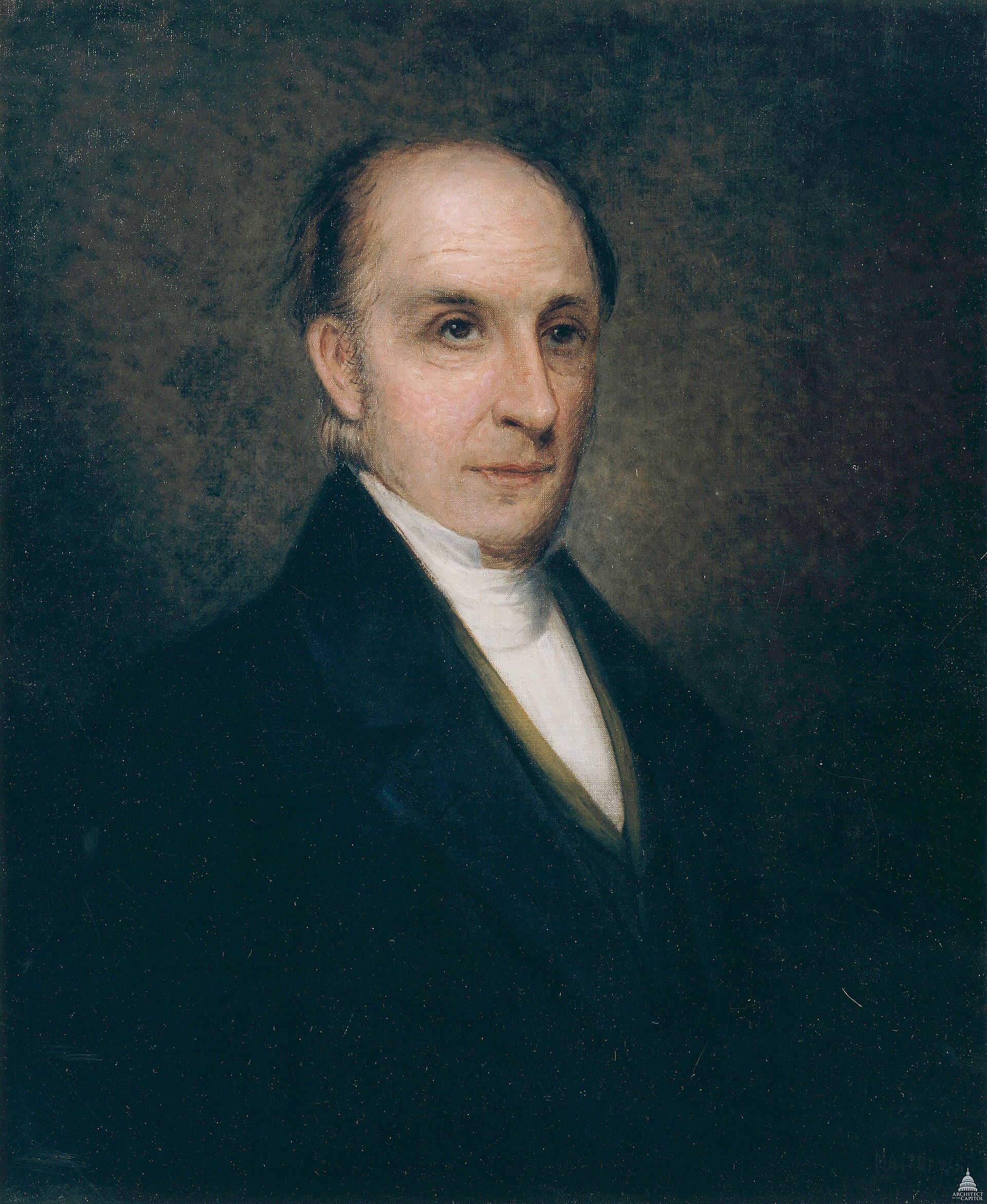
26 / 200 · 1763–1844
Neoclassical & Early Modern
Prominent early American architect associated with a distinct Federal style.
Read biography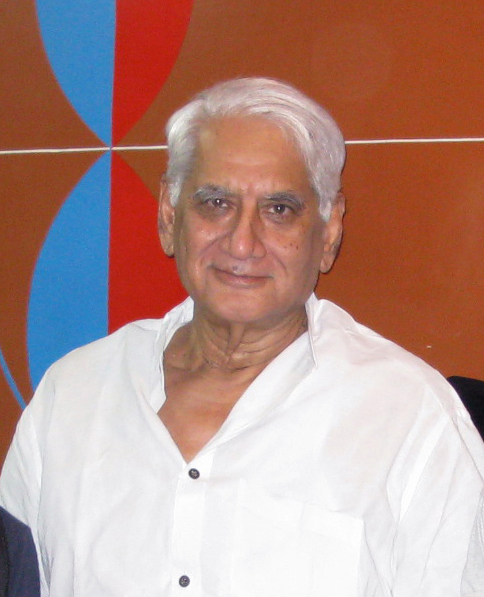
27 / 200 · 1930–2015
Indian architect and urban planner
Developed an Indian modernism attentive to climate, public space, culture and urban growth.
Read biography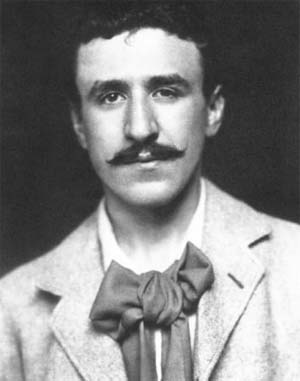
28 / 200 · 1868–1928
Scottish architect and designer
Created a distinctive synthesis of architecture, furniture, geometry and modern design.
Read biography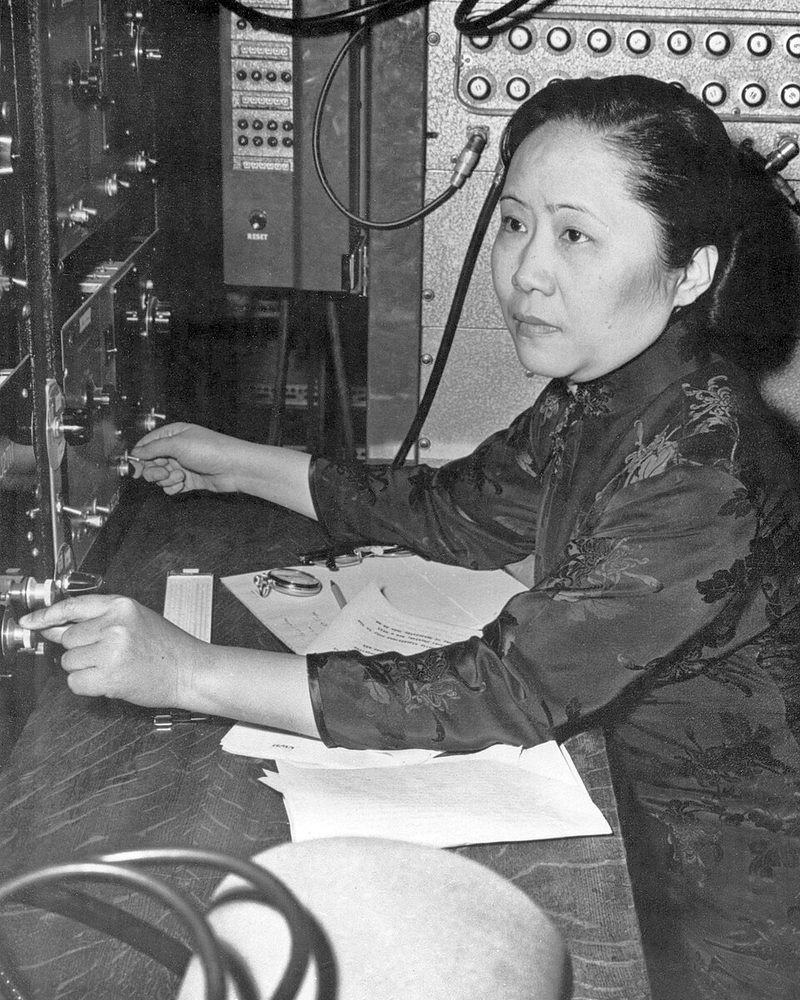
29 / 200 · 1912–1997
Experimental physicist
Chinese-American experimental physicist whose 1956 cobalt-60 experiment demonstrated that parity is not conserved in weak nuclear interactions, overturning an assumed symmetry of physics. The theorists who proposed the test received the Nobel Prize; she did not. She also worked on the Manhattan Project's uranium enrichment and conducted research on beta decay and sickle-cell disease.
Read biography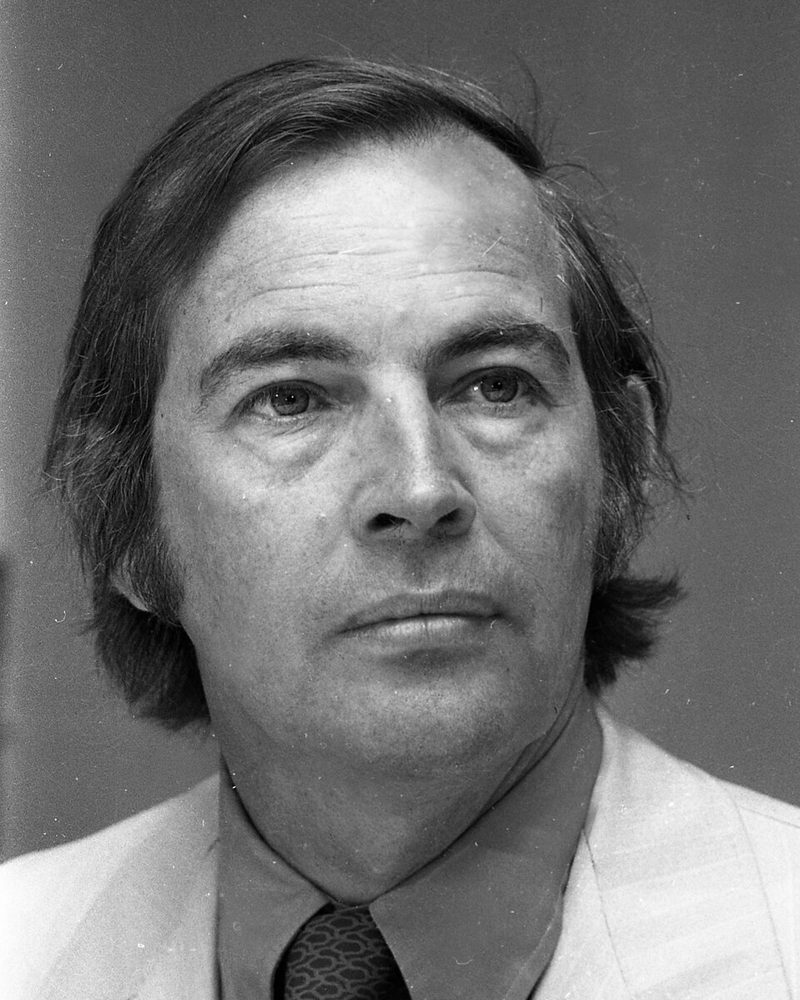
30 / 200 · 1922–2001
Cardiac surgeon
South African cardiac surgeon who performed the first human-to-human heart transplant in December 1967 at Groote Schuur Hospital in Cape Town. The patient survived eighteen days before dying of pneumonia. The operation drew global attention and accelerated work on transplant immunology, surgical technique and definitions of death, and he continued transplant work as survival rates improved.
Read biography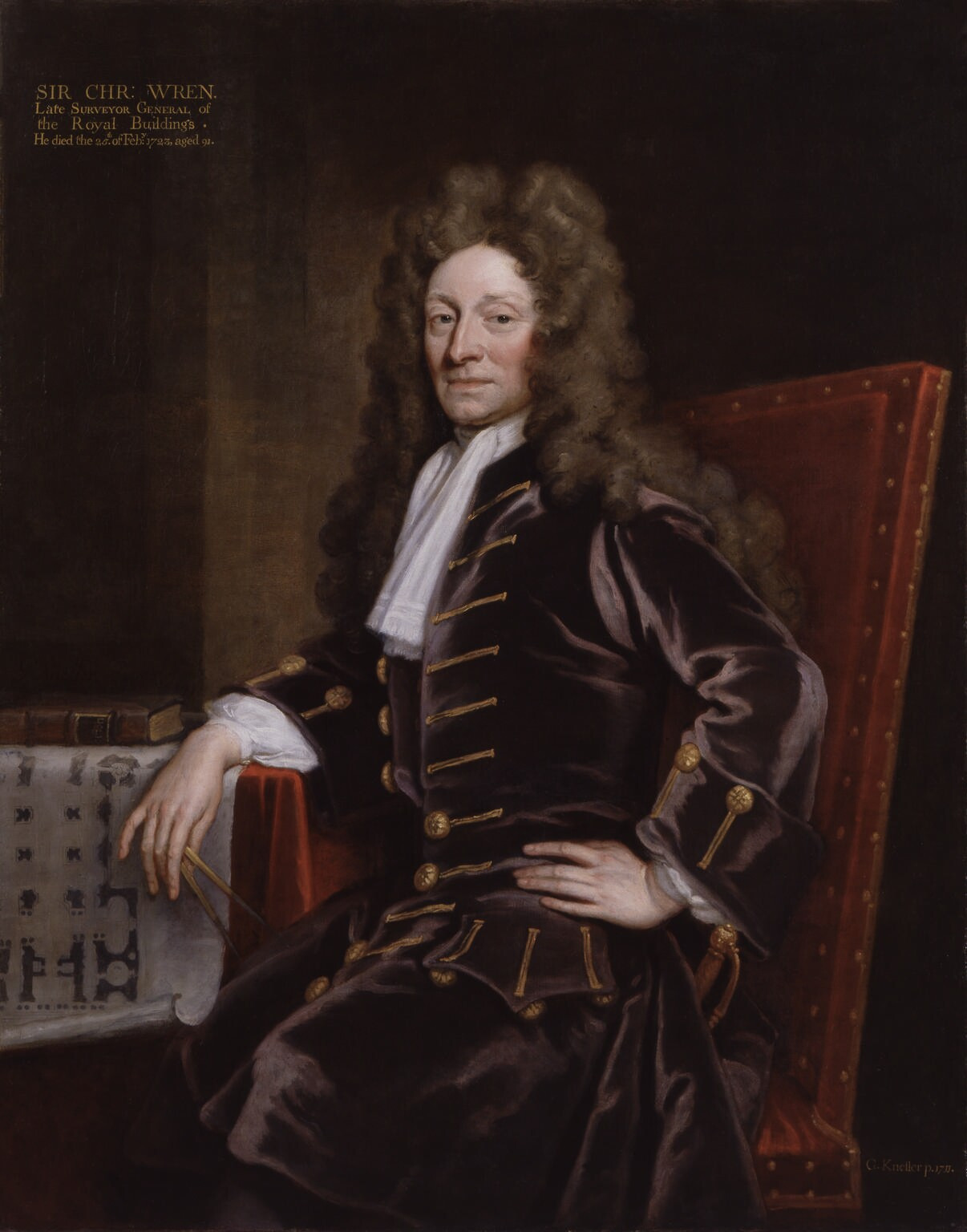
31 / 200 · 1632–1723
English astronomer and architect
Rebuilt much of London after the Great Fire and developed a distinctive English Baroque architecture.
Read biography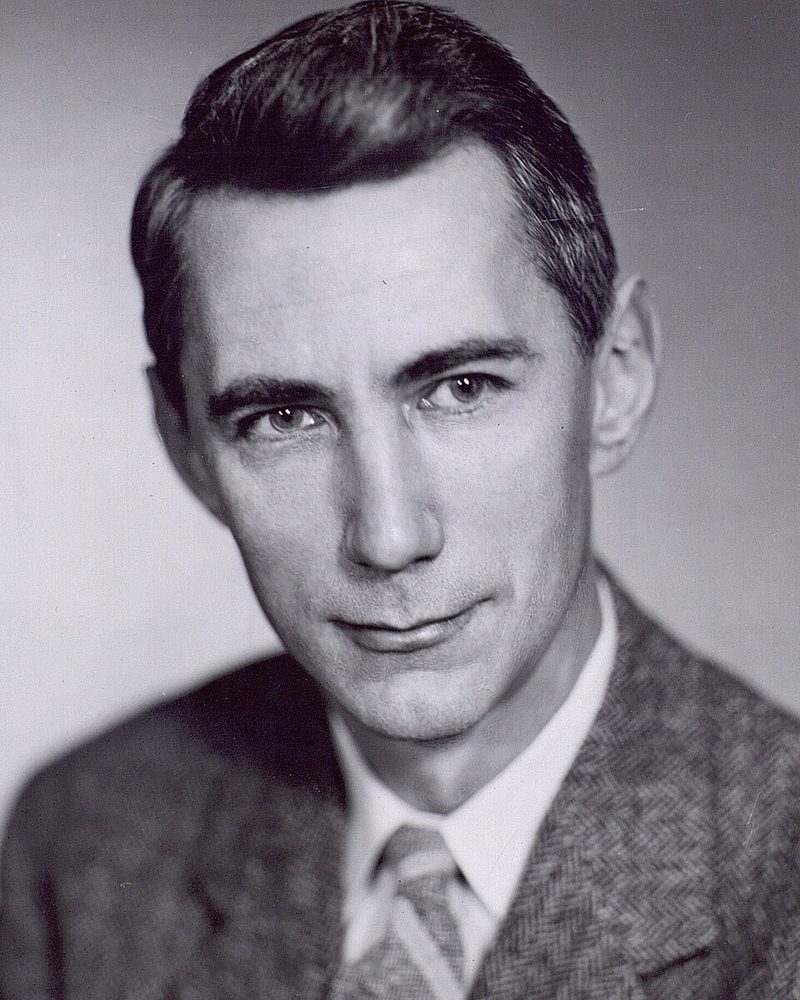
32 / 200 · 1916–2001
Mathematician and engineer
American mathematician and engineer whose 1948 paper A Mathematical Theory of Communication founded information theory, defining information in bits and establishing limits on data compression and error-free transmission. His earlier master's thesis applied Boolean algebra to electrical circuits, providing the logical basis for digital circuit design. He spent much of his career at Bell Labs and MIT.
Read biography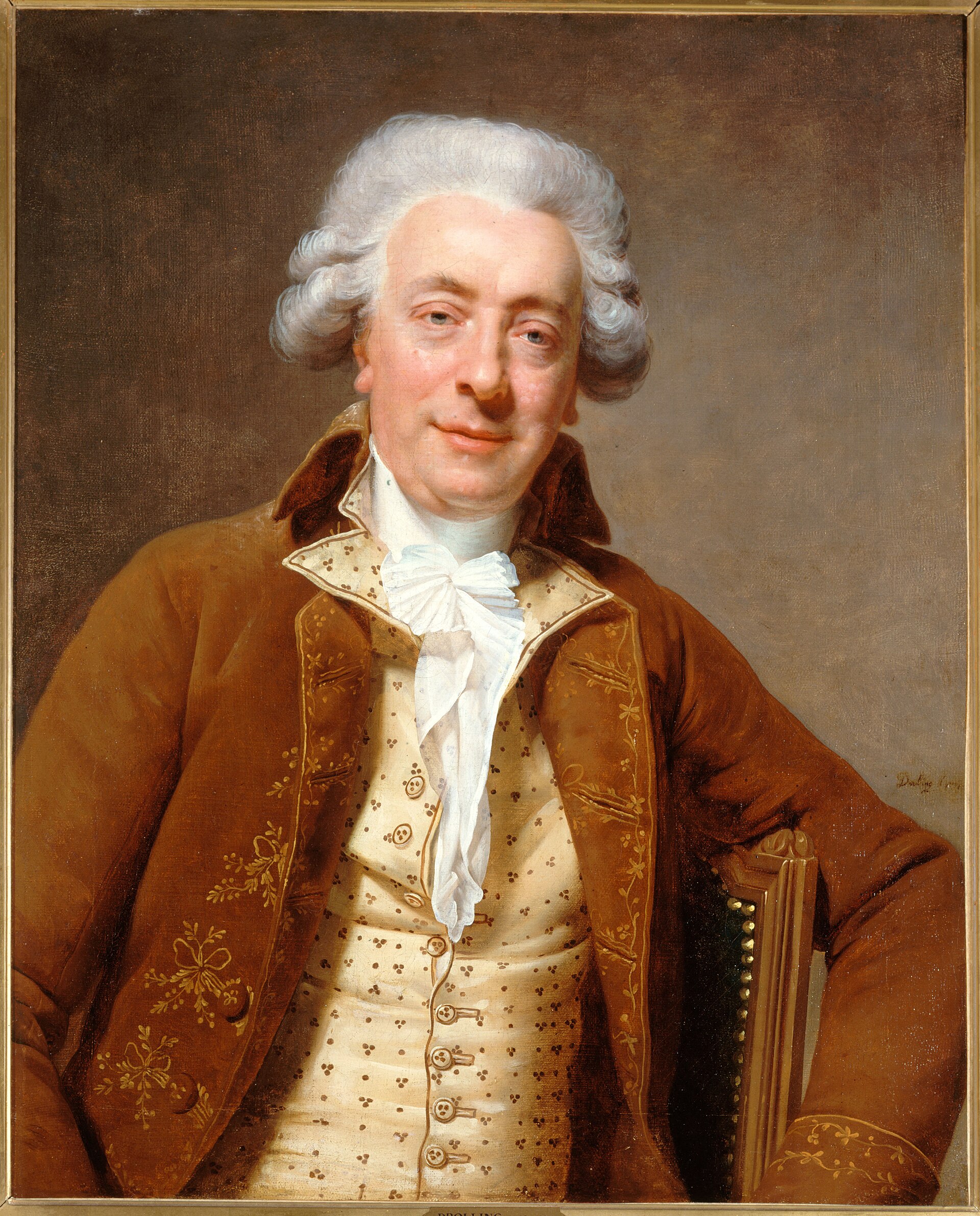
33 / 200 · 1736–1806
French architect
Developed visionary neoclassical architecture with social and symbolic ambitions.
Read biography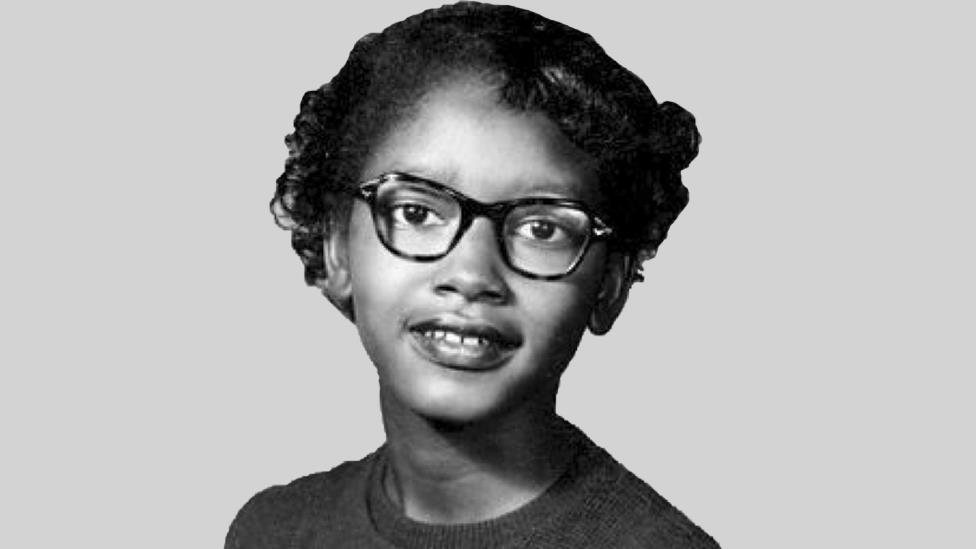
34 / 200 · born 1939
Civil rights witness and plaintiff
American civil rights figure who, aged fifteen in March 1955, refused to give up her seat to a white passenger on a segregated Montgomery bus and was arrested, nine months before Rosa Parks. She was one of four plaintiffs in Browder v. Gayle, the 1956 federal case that ruled Alabama's bus segregation laws unconstitutional. She later worked for decades as a nurse's aide in New York.
Read the full feature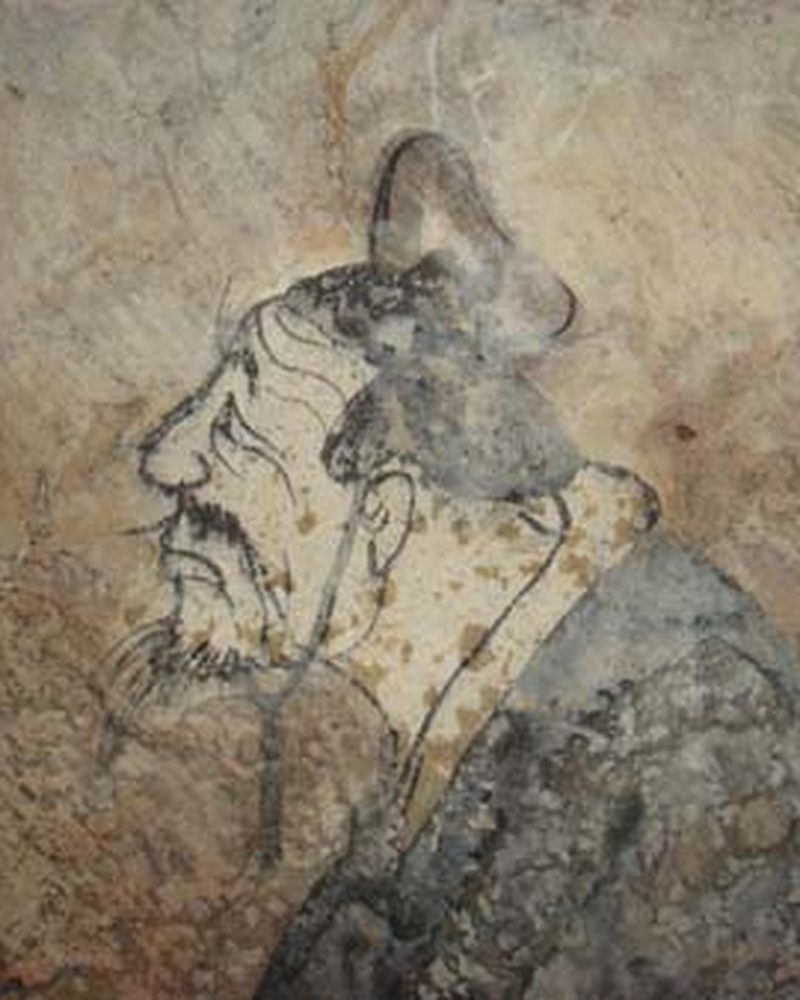
35 / 200 · 551–479 BCE
Philosopher and teacher
Chinese philosopher and teacher whose sayings, collected by followers in the Analects, centre on ethical conduct, family obligation, ritual propriety and learning. His thought became the organising framework of Chinese imperial administration and examination systems for roughly two millennia and shaped social and political life across East Asia, including Korea, Japan and Vietnam.
Read biography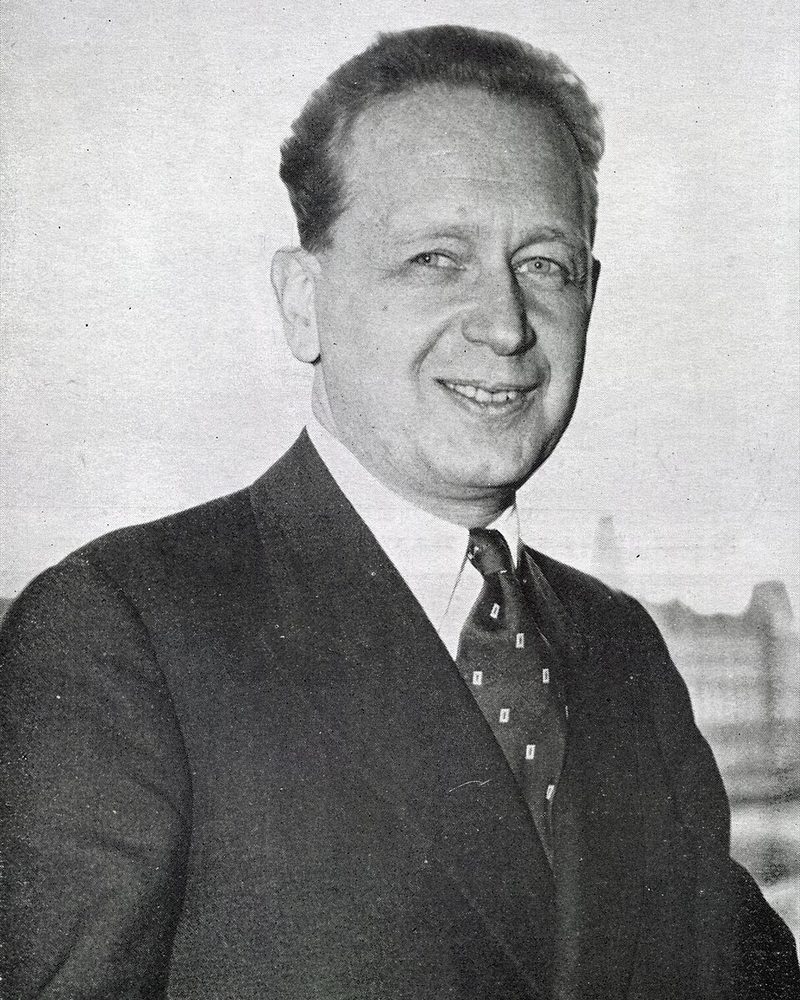
36 / 200 · 1905–1961
Diplomat and UN Secretary-General
Swedish economist and diplomat who served as the second Secretary-General of the United Nations from 1953 until his death. He developed the framework for UN peacekeeping, deploying the first emergency force during the 1956 Suez Crisis, and expanded the office's independent diplomatic role. He died in a plane crash in what is now Zambia and was awarded the Nobel Peace Prize posthumously.
Read biography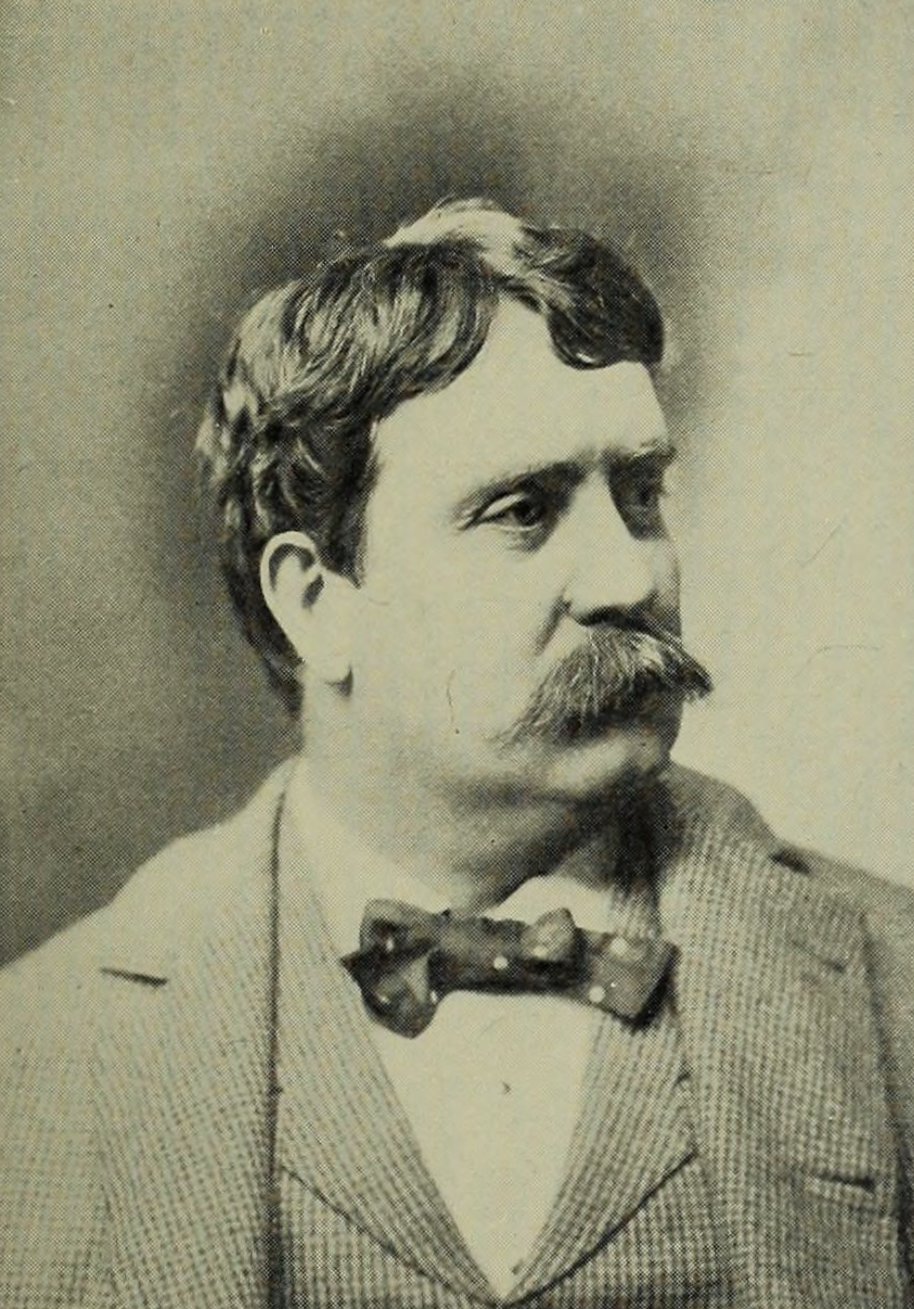
37 / 200 · 1846–1912
American architect and urban planner
Major planner and architect whose City Beautiful work shaped American urban development.
Read biography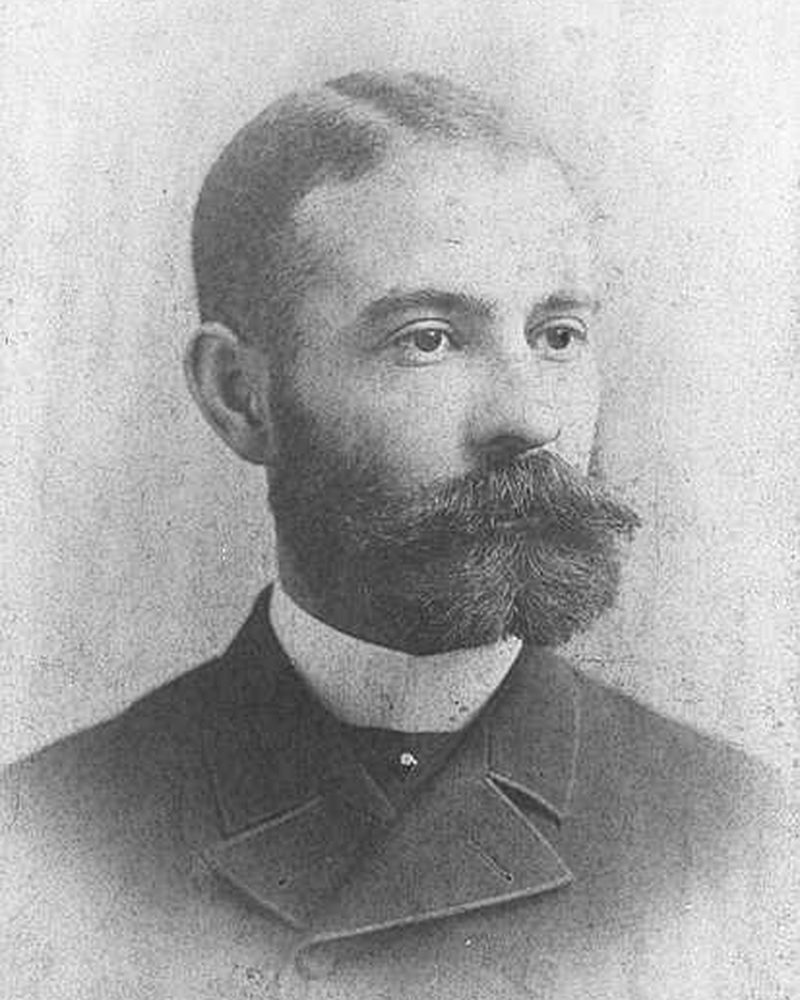
38 / 200 · 1856–1931
Surgeon
American surgeon who in 1893 performed one of the first documented successful pericardial surgeries, repairing the sac around a stabbing victim's heart. He founded Provident Hospital in Chicago in 1891, the first Black-owned and interracial hospital in the United States, which also ran a nursing school for Black students at a time of widespread exclusion from training.
Read biography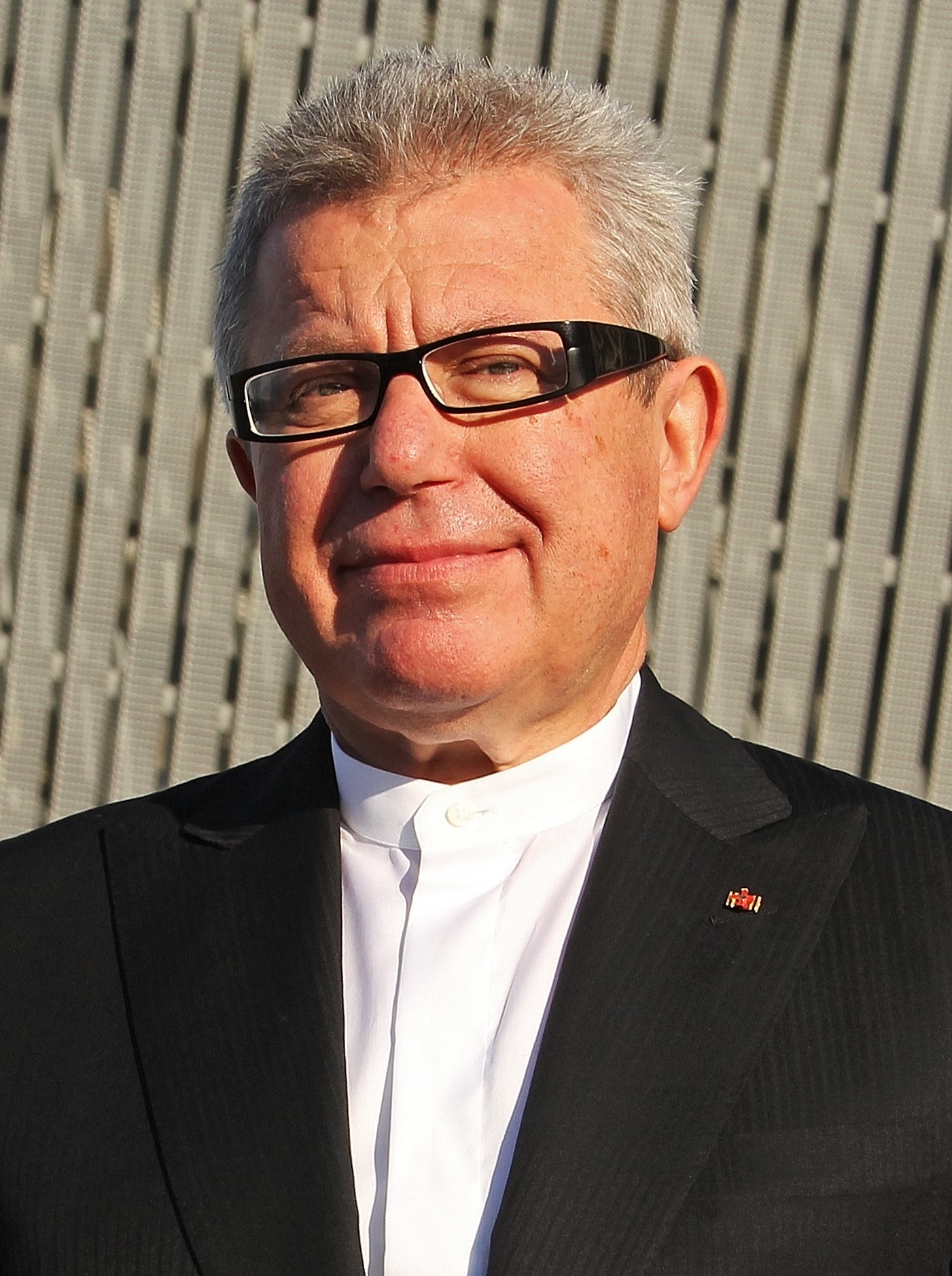
39 / 200 · 1946–
Polish-American architect
Uses fragmented geometry and cultural memory to create architecture with strong symbolic narratives.
Read biography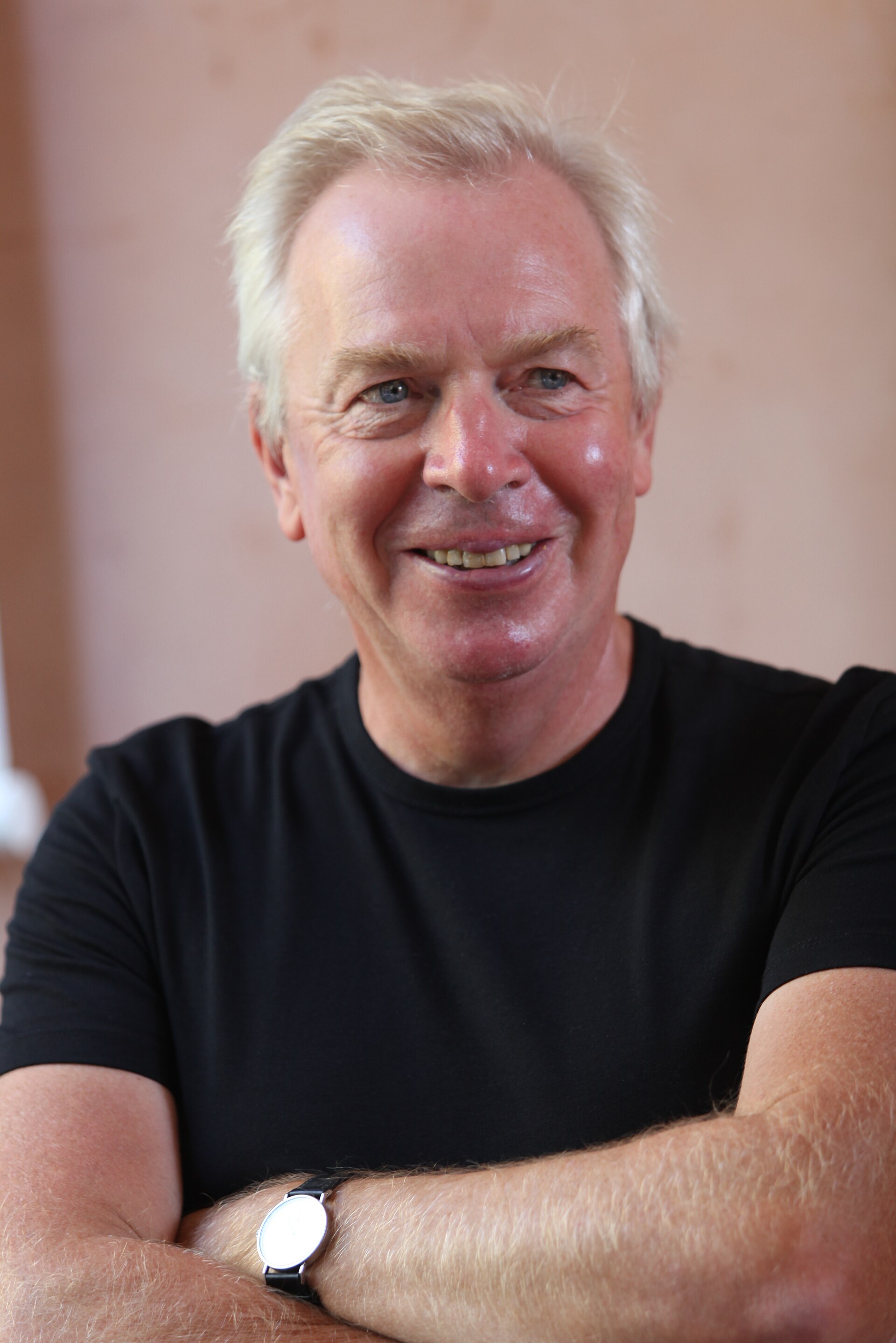
40 / 200 · 1953–
British architect
Known for disciplined modern architecture, adaptive reuse and careful relationships with historic contexts.
Read biography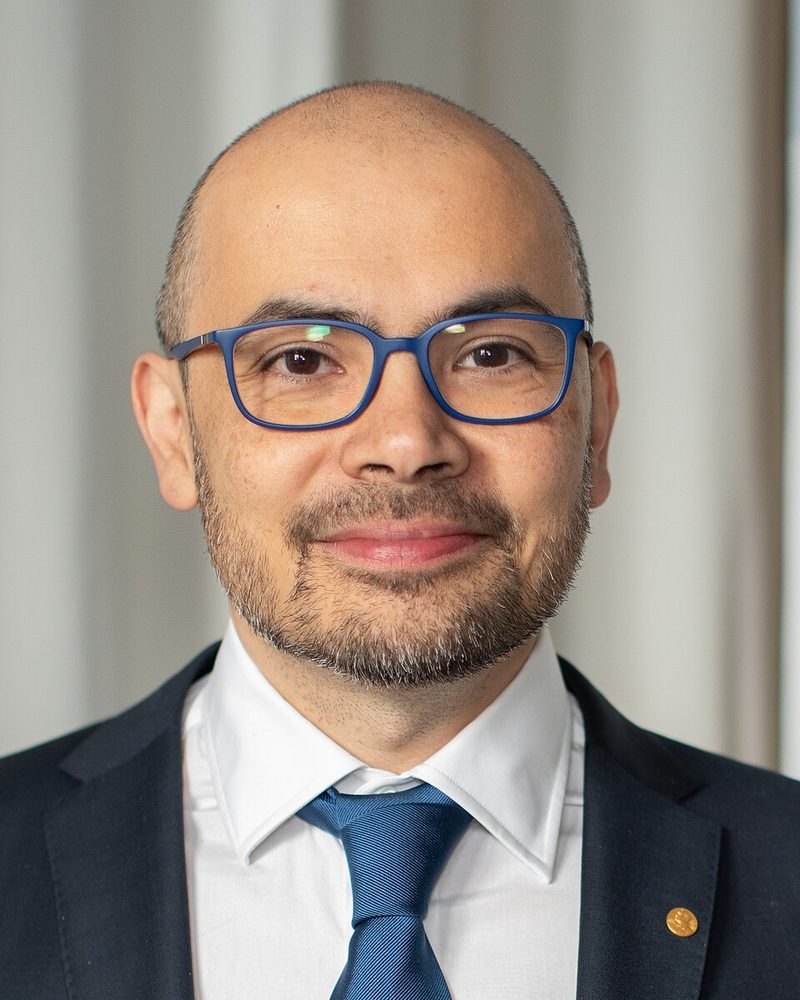
41 / 200 · born 1976
Artificial intelligence researcher
British artificial intelligence researcher, former games developer and neuroscientist who co-founded DeepMind in 2010. Systems developed under his direction include AlphaGo, which defeated a leading professional Go player in 2016, and AlphaFold, which predicted protein structures at scale and released a public database. He shared the 2024 Nobel Prize in Chemistry for the protein-structure work.
Read biography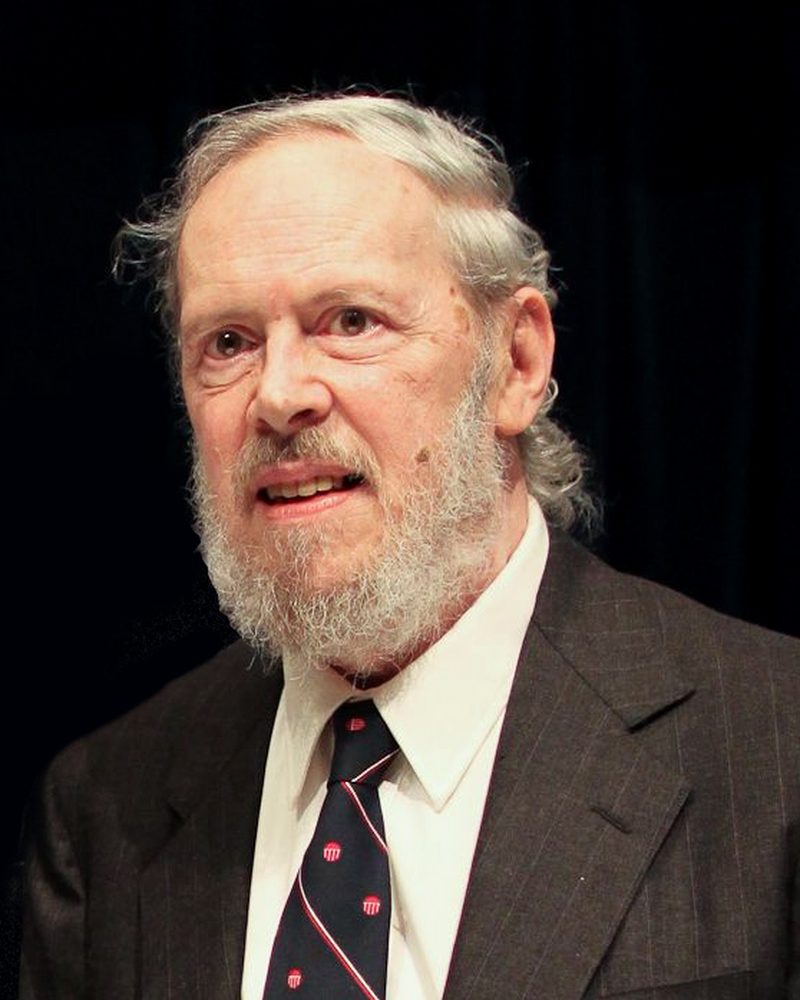
42 / 200 · 1941–2011
Computer scientist
American computer scientist who created the C programming language at Bell Labs in the early 1970s and co-developed the Unix operating system with Ken Thompson. C and Unix shaped operating systems, networking software and programming practice for decades, and their descendants run in most modern computing environments. He received the Turing Award in 1983.
Read biography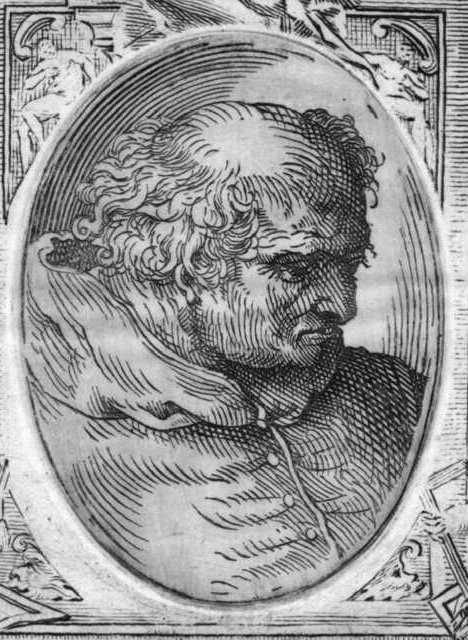
43 / 200 · 1444–1514
Italian architect
Key architect of the High Renaissance whose centralized compositions shaped later monumental architecture.
Read biography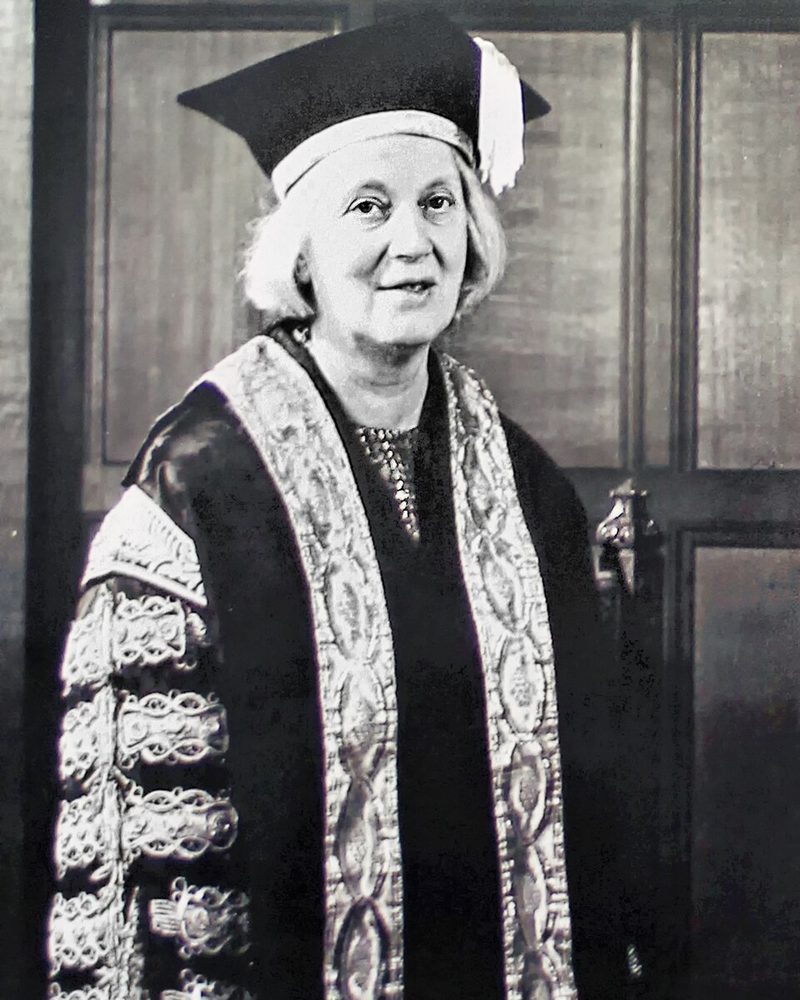
44 / 200 · 1910–1994
Chemist and crystallographer
British chemist who advanced X-ray crystallography to determine the three-dimensional structures of biologically important molecules, including penicillin, vitamin B12 and, later, insulin. She received the 1964 Nobel Prize in Chemistry, remaining the only British woman to have done so, and worked at Oxford for most of her career while campaigning on scientific cooperation across Cold War borders.
Read biography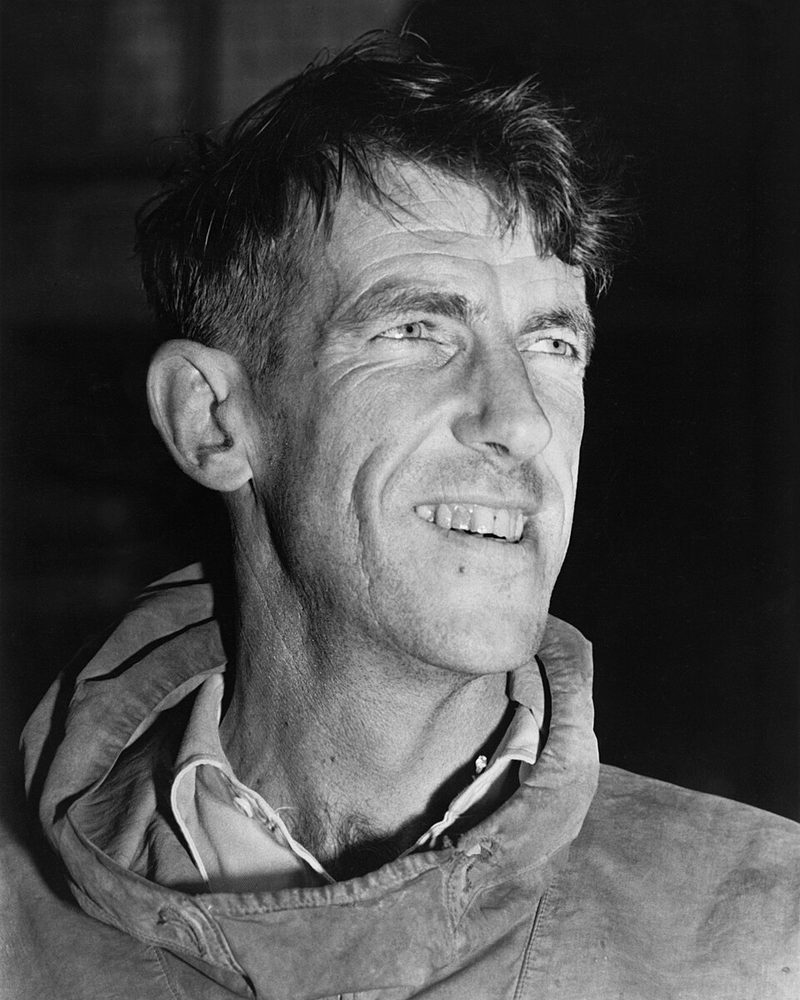
45 / 200 · 1919–2008
Mountaineer and philanthropist
New Zealand mountaineer who, with Tenzing Norgay, made the first confirmed ascent of Mount Everest on 29 May 1953. He later reached the South Pole overland and climbed extensively in the Himalaya. Through the Himalayan Trust he spent decades funding schools, hospitals and airstrips in Nepal's Solukhumbu region and campaigned on the environmental costs of expedition tourism.
Read biography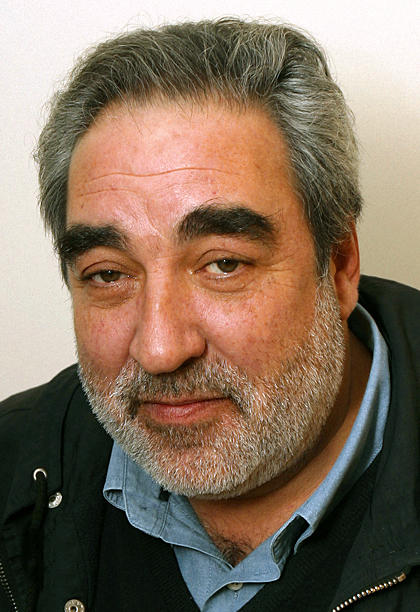
46 / 200 · 1952–
Portuguese architect
Known for restrained modern architecture integrating material, structure and landscape.
Read biography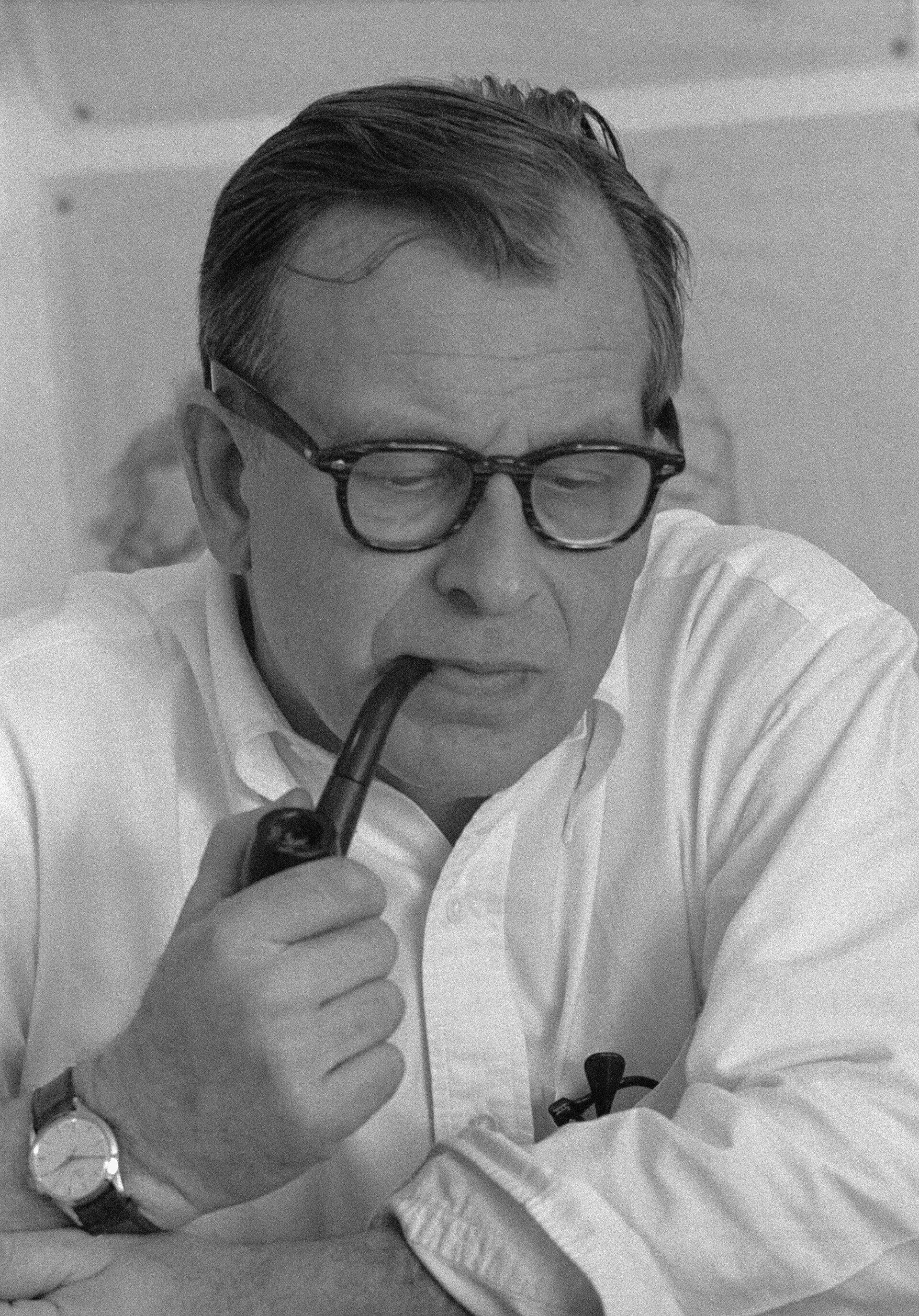
47 / 200 · 1910–1961
Finnish-American architect
Used structural and sculptural innovation to create expressive civic and institutional buildings.
Read biography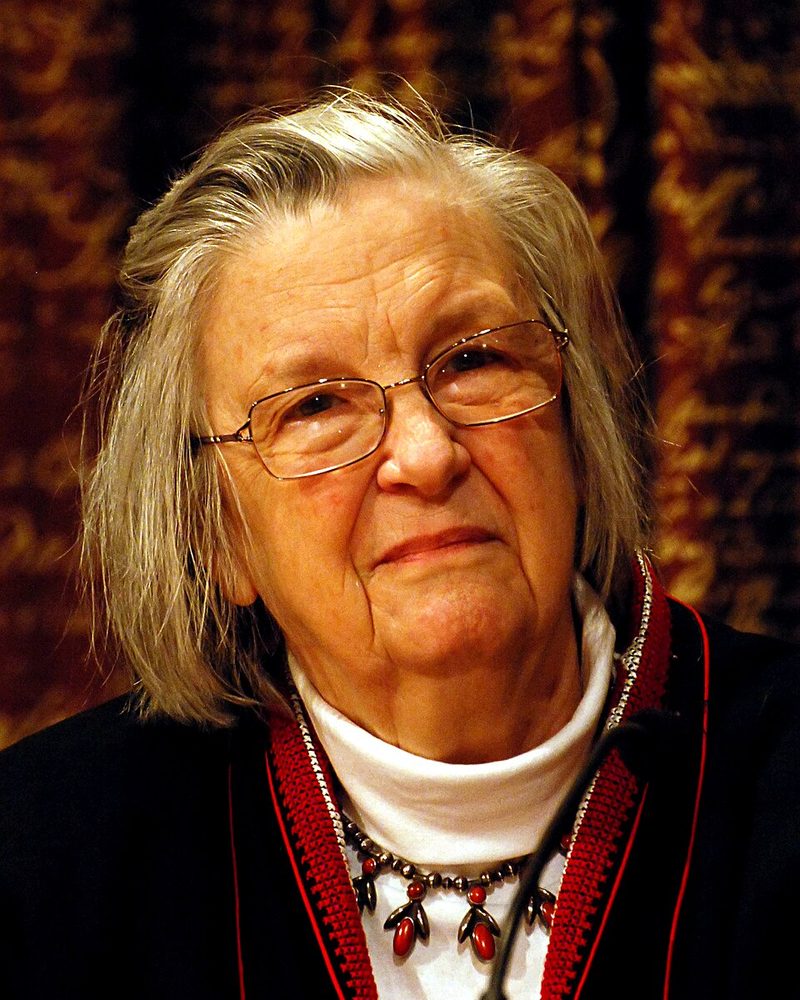
48 / 200 · 1933–2012
Political economist
American political economist whose fieldwork on fisheries, forests, irrigation systems and pastures documented how communities govern shared resources sustainably through local rules, monitoring and sanctions. Her book Governing the Commons challenged the assumption that common resources inevitably collapse without privatisation or state control. In 2009 she became the first woman awarded the Nobel Memorial Prize in Economic Sciences.
Read biography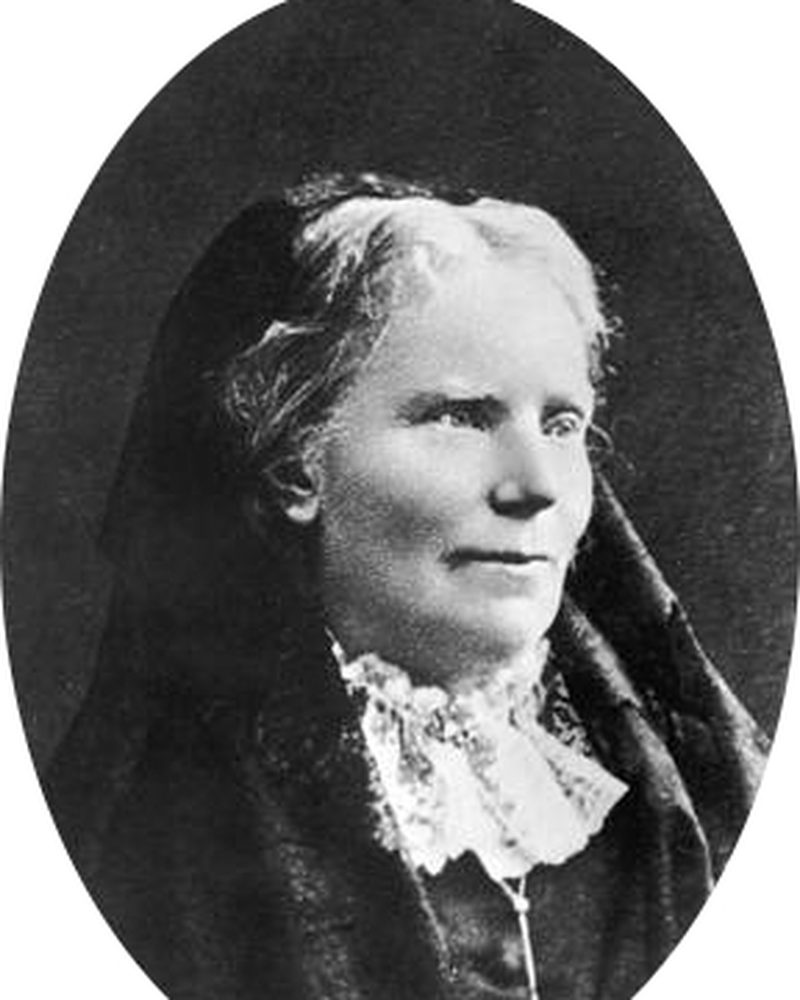
49 / 200 · 1821–1910
Physician
British-American physician who in 1849 became the first woman to receive a medical degree in the United States, graduating first in her class at Geneva Medical College after numerous rejections. She co-founded the New York Infirmary for Indigent Women and Children, established a women's medical college, and later helped found the London School of Medicine for Women.
Read biography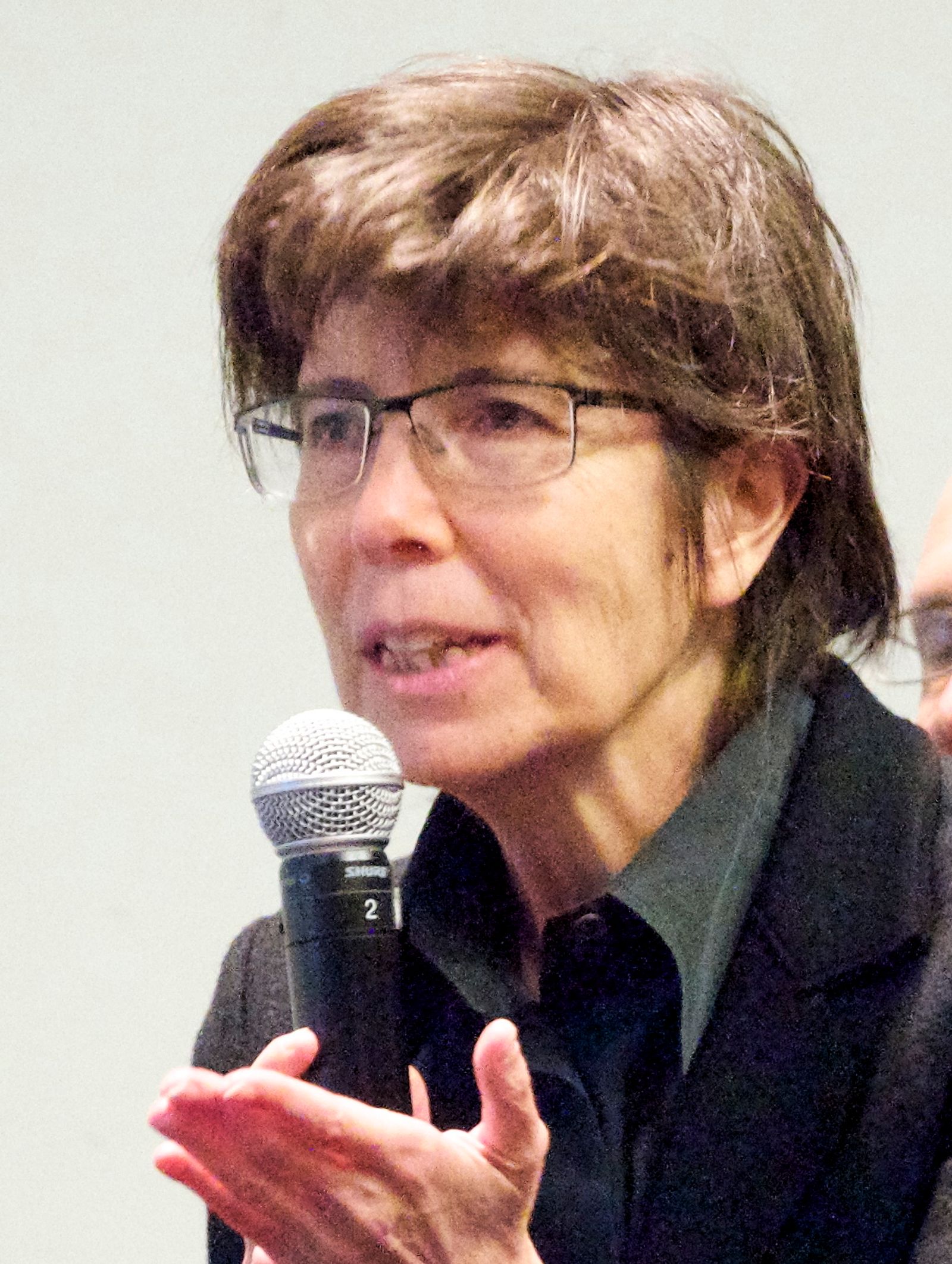
50 / 200 · 1954–
American architect and artist
Works across architecture, public space and cultural production, often challenging conventional building typologies.
Read biography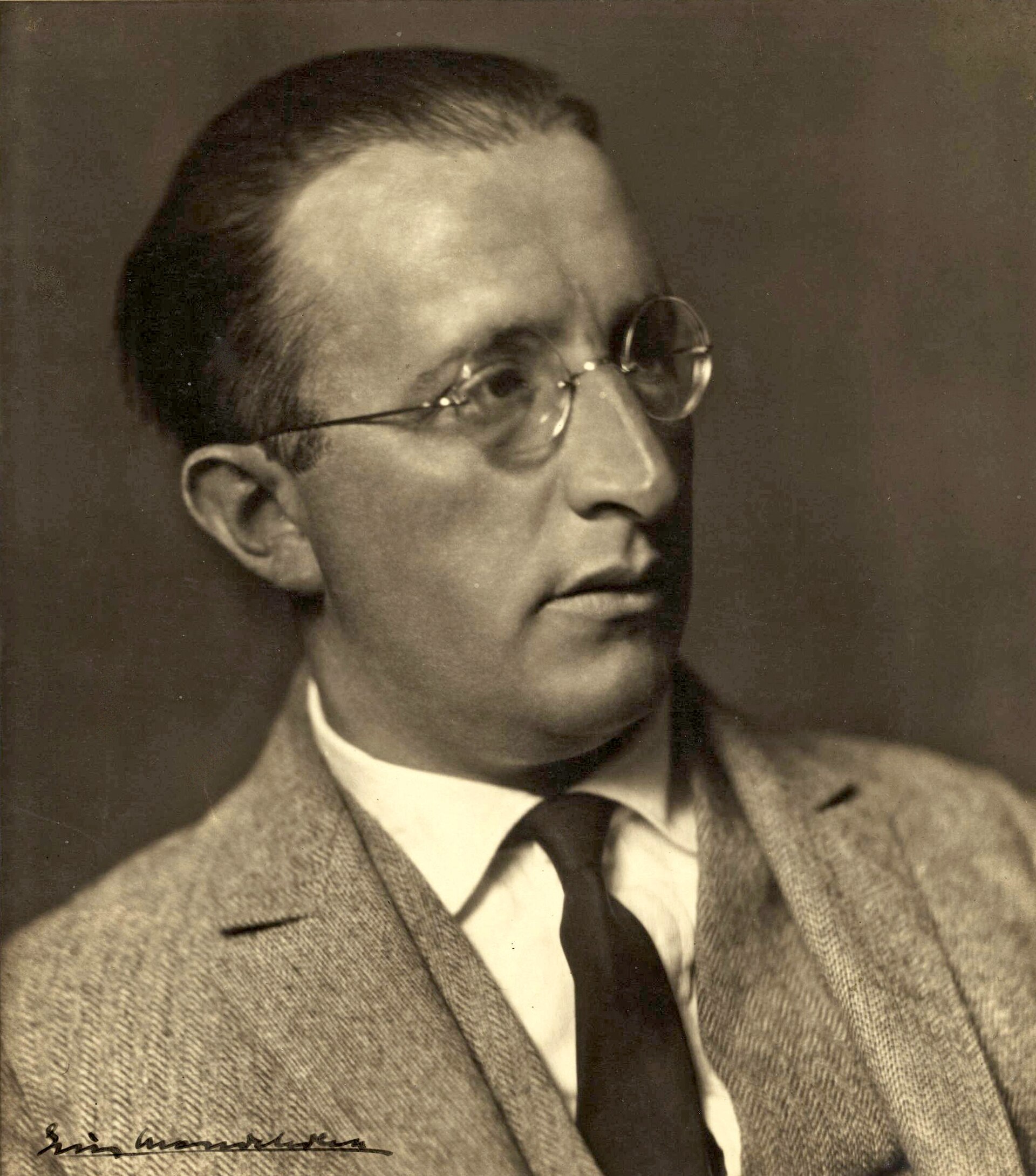
51 / 200 · 1887–1953
Modernism
Developed expressive modern architecture emphasizing dynamic form and new construction technologies.
Read biography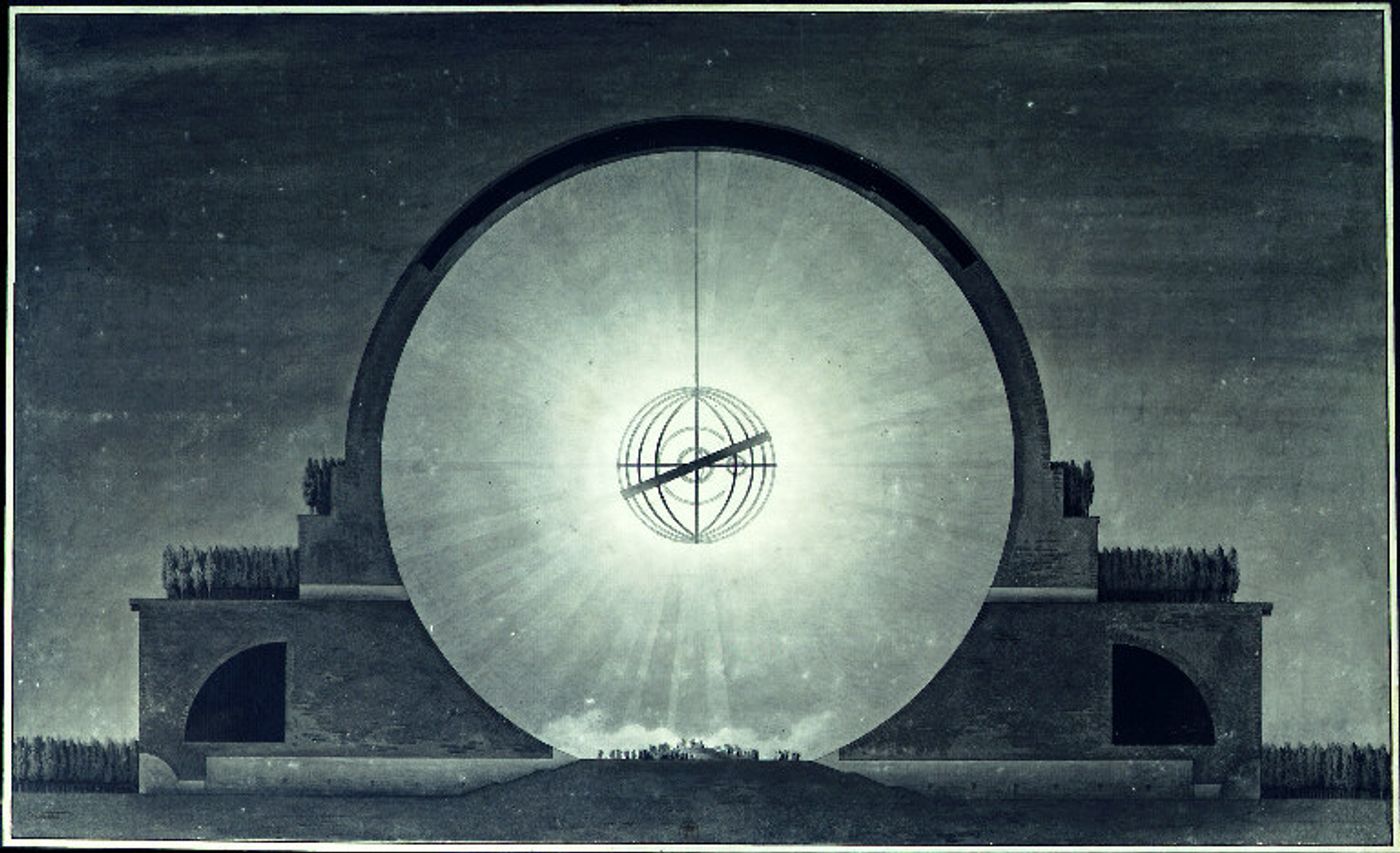
52 / 200 · 1728–1799
French architect and theorist
Visionary architect whose unbuilt geometric projects influenced later modern architectural imagination.
Read biography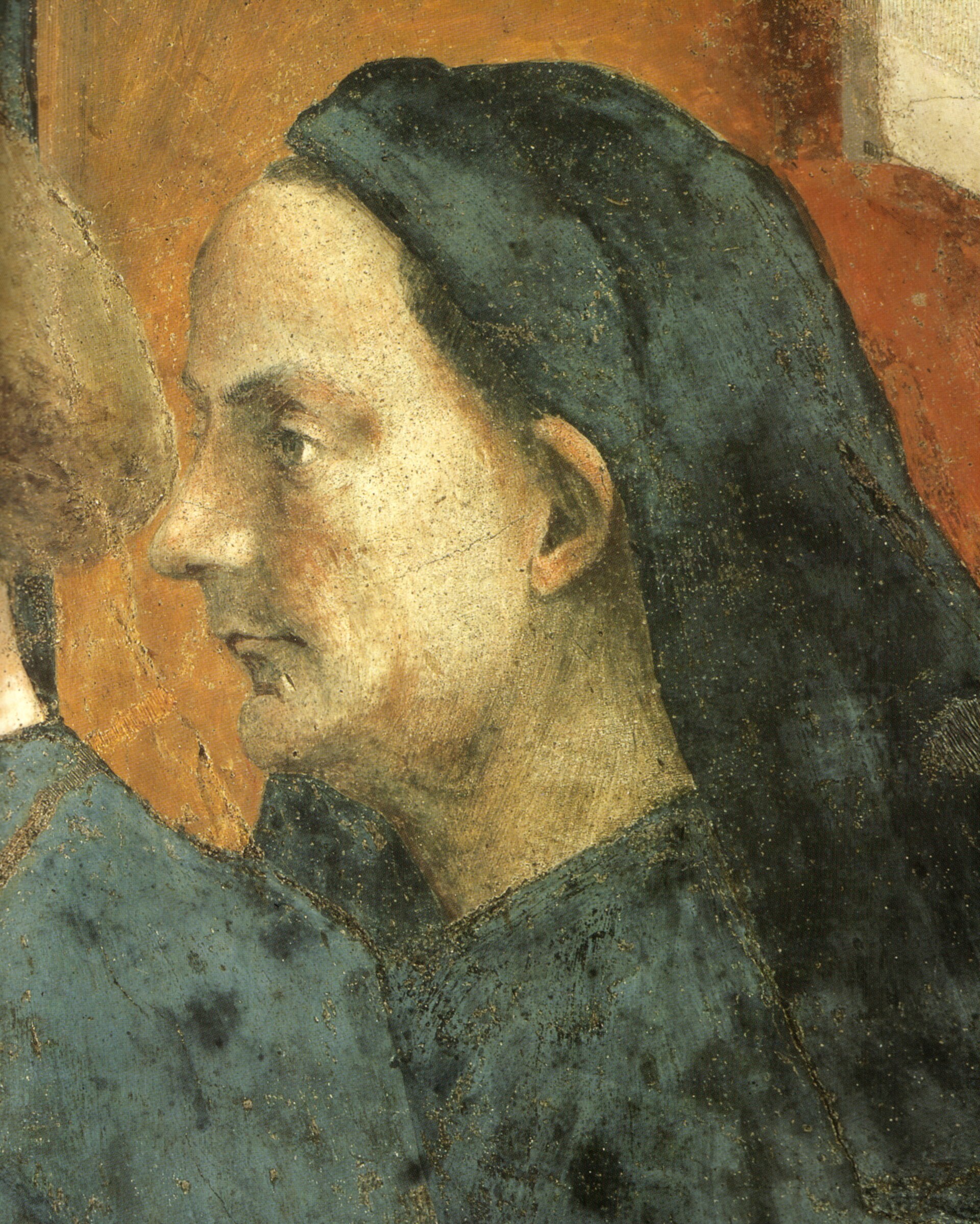
53 / 200 · 1377–1446
Italian architect and engineer
Transformed Renaissance architecture through structural experimentation, geometry and classical revival.
Read biography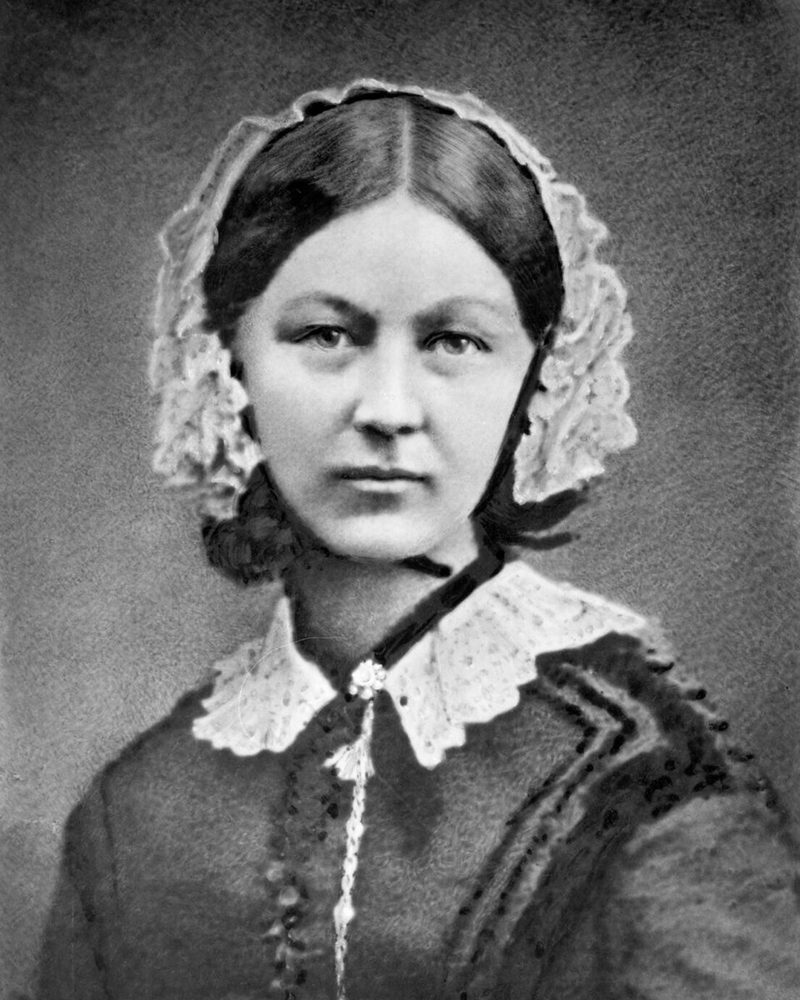
54 / 200 · 1820–1910
Nurse and statistician
British nurse and statistician who organised nursing care during the Crimean War and used statistical analysis, including polar-area diagrams, to demonstrate that most soldier deaths came from preventable disease. Her subsequent reports shaped British military and civilian sanitation policy, and the training school she founded at St Thomas' Hospital in 1860 helped establish nursing as a professional discipline.
Read biography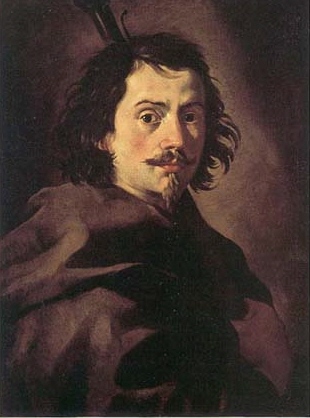
55 / 200 · 1599–1667
Italian architect
Expanded Baroque architecture through complex geometry, movement and unconventional spatial forms.
Read biography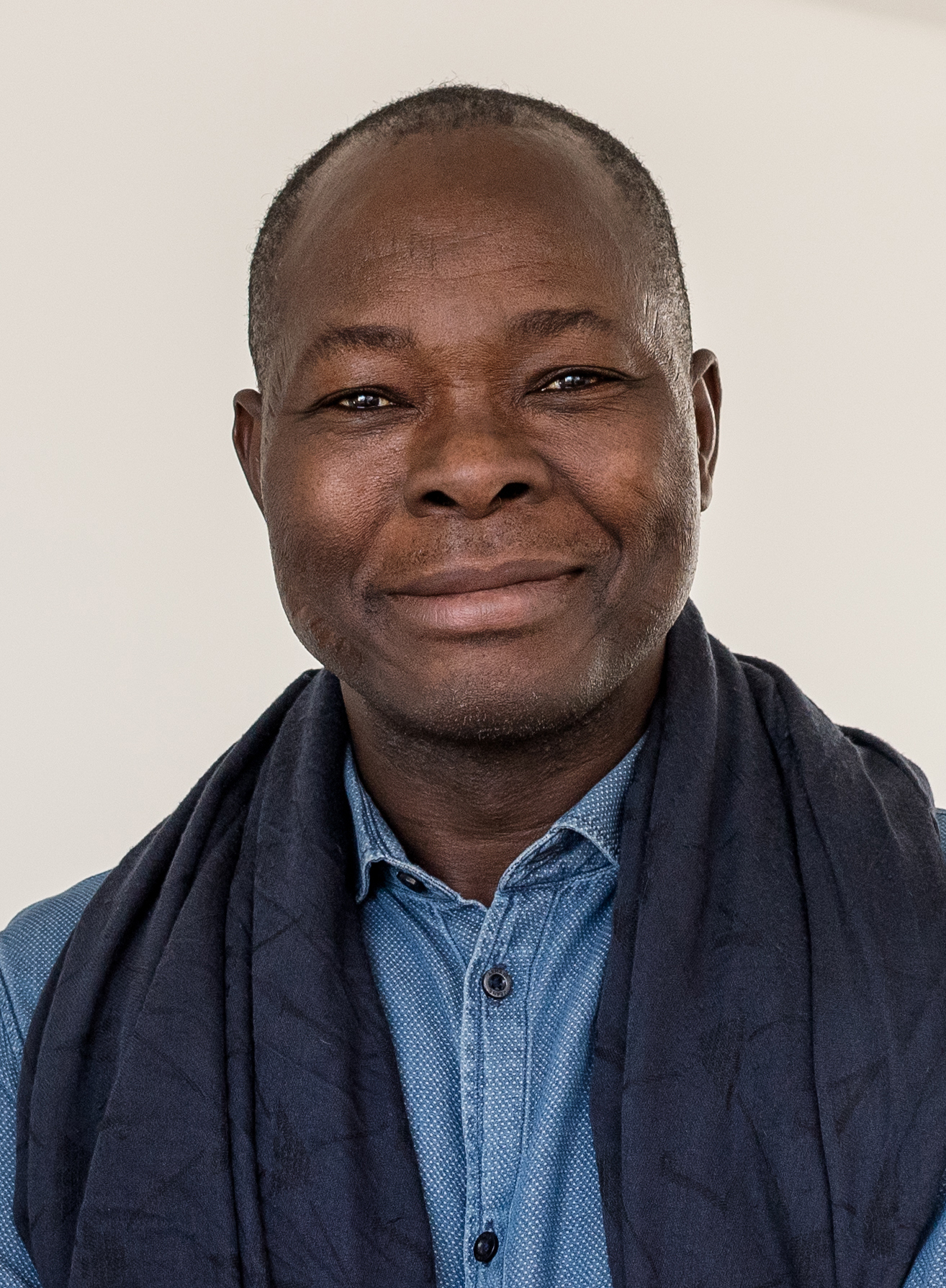
56 / 200 · 1965–
Burkinabè architect
Uses local materials, community participation and climate-responsive design to create socially grounded architecture.
Read biography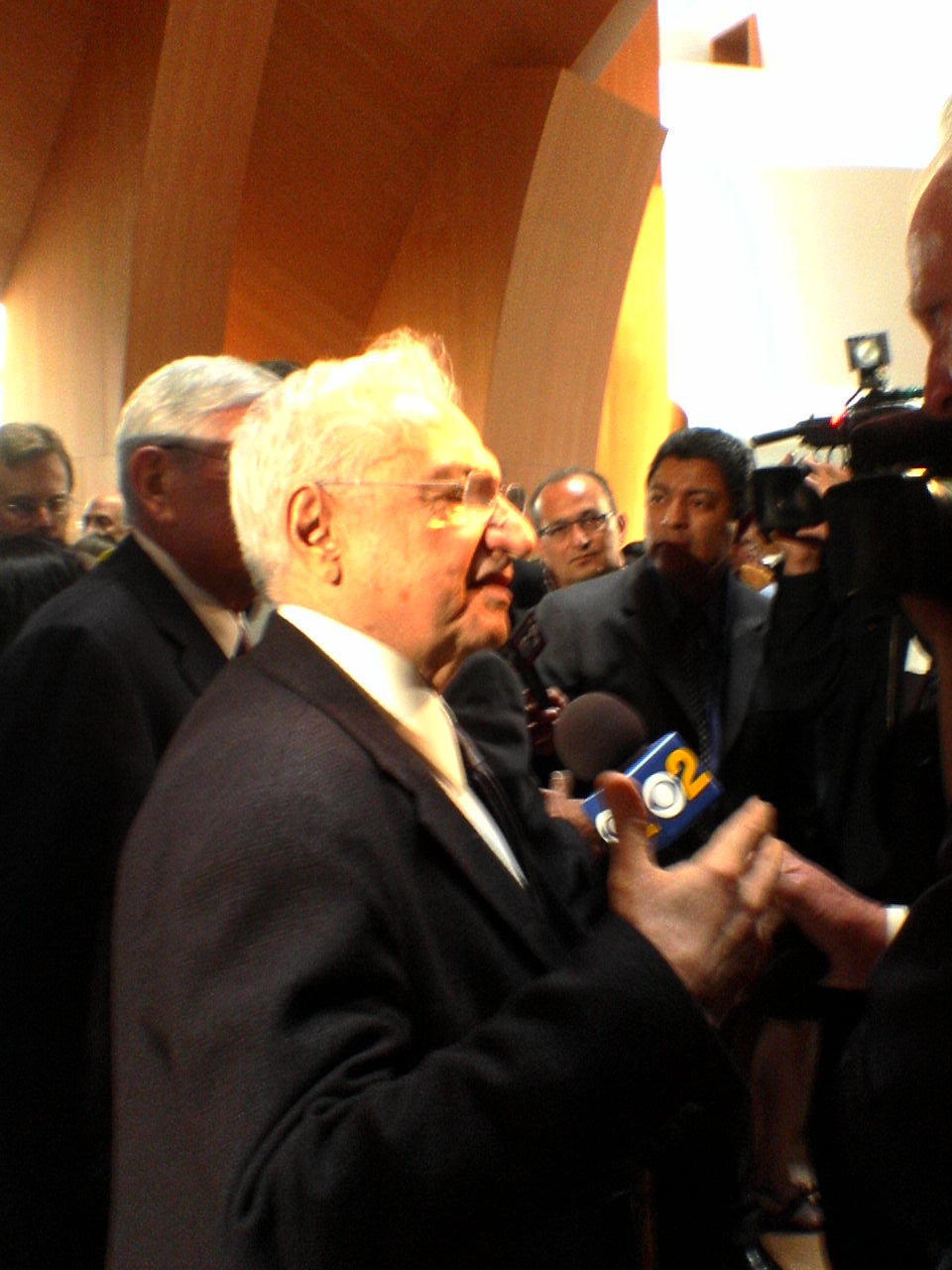
57 / 200 · 1929–2025
Canadian-American architect
Expanded late twentieth-century architecture through sculptural forms, digital fabrication and unconventional materials.
Read biography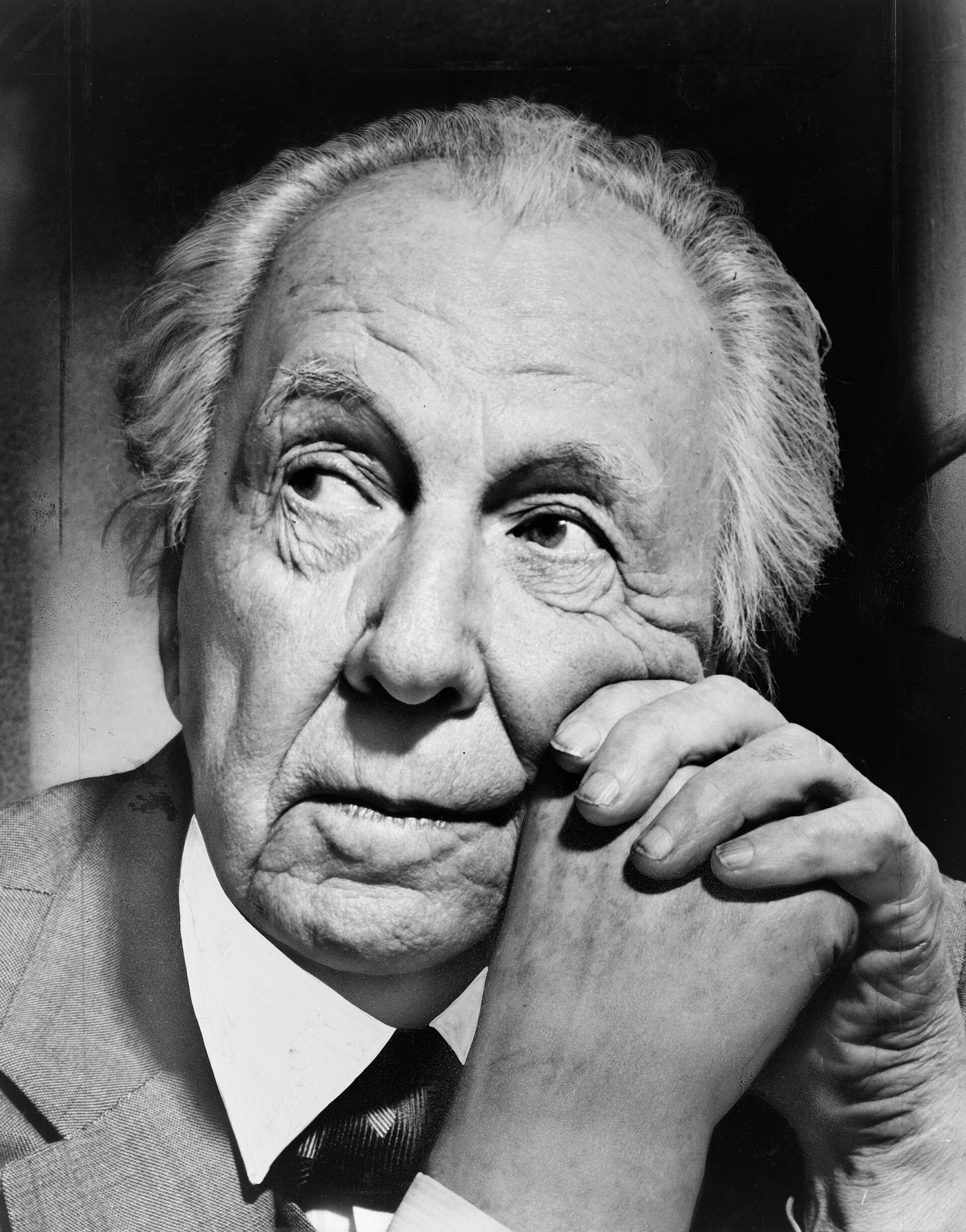
58 / 200 · 1867–1959
American architect
Developed organic architecture and transformed ideas about the relationship between building, site and everyday life.
Read biography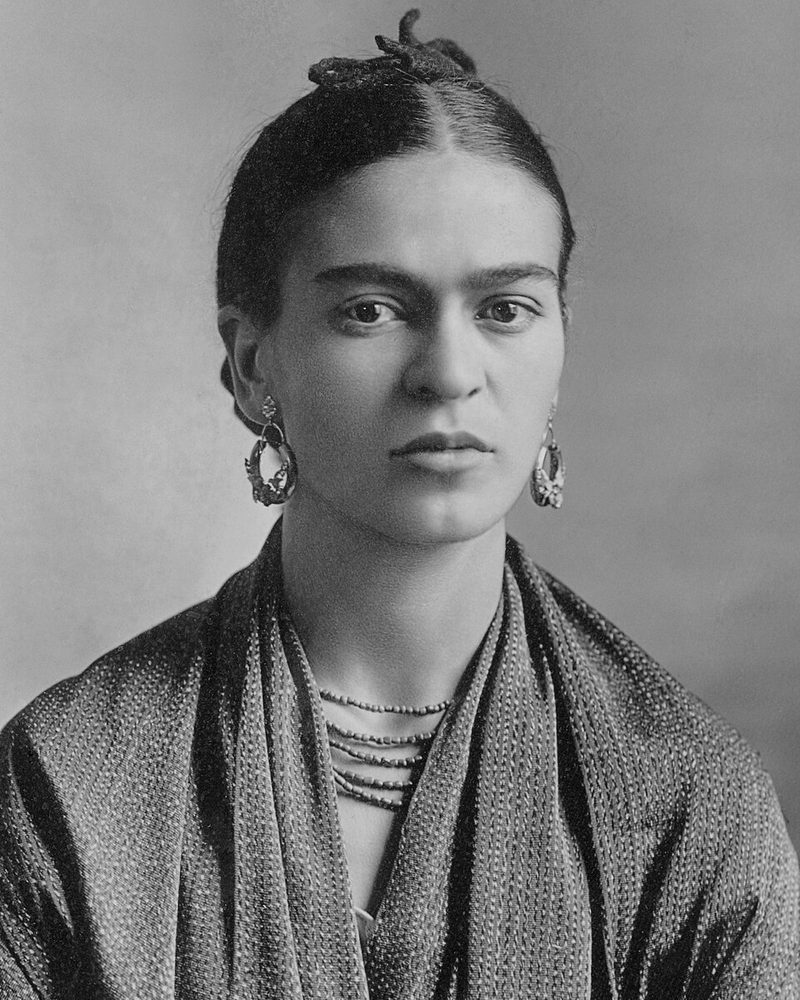
59 / 200 · 1907–1954
Painter
Mexican painter known for self-portraits that combine Mexican folk traditions, symbolism and direct depiction of physical pain following a severe bus accident at eighteen. She painted around 143 works, more than a third of them self-portraits, and engaged with questions of identity, the body and post-revolutionary Mexican culture. Her international reputation grew substantially after her death.
Read biography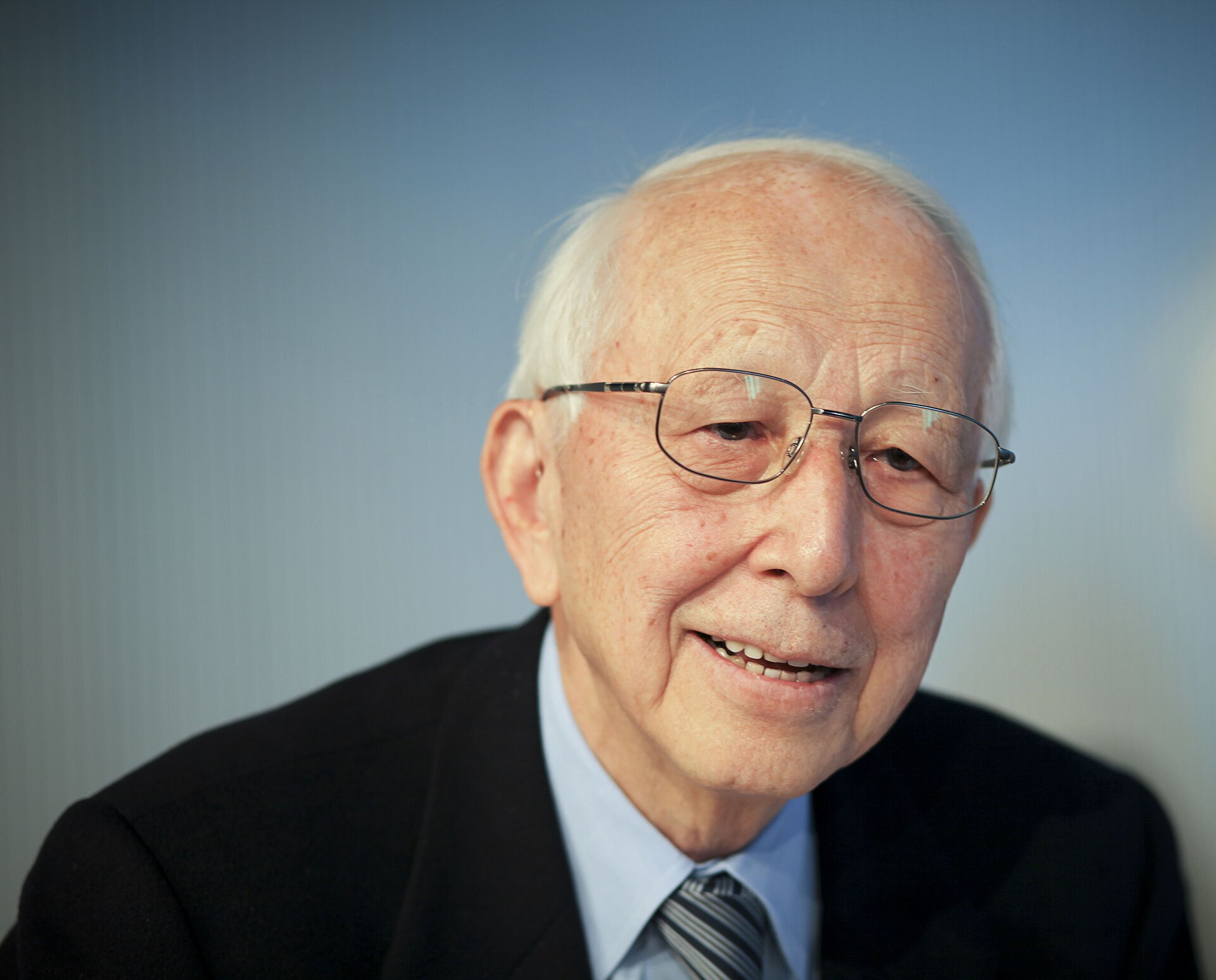
60 / 200 · 1928–2024
Modernism
Developed refined modern architecture focused on collective form, context and urban fabric.
Read biography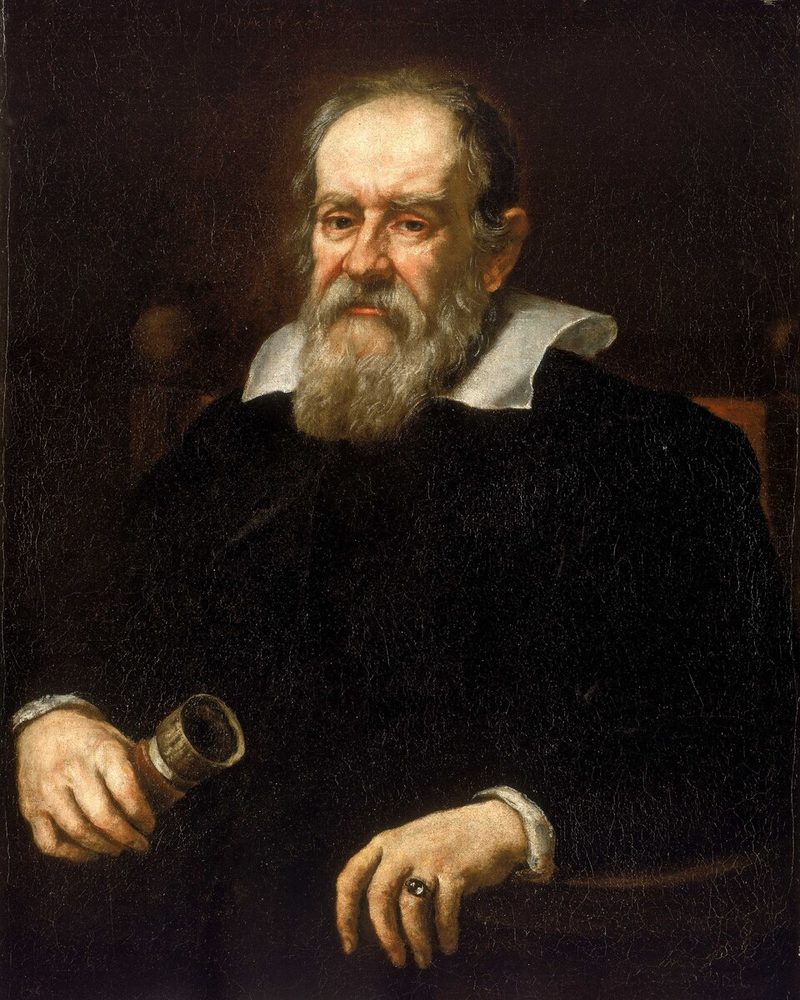
61 / 200 · 1564–1642
Astronomer and physicist
Italian astronomer, physicist and mathematician whose telescopic observations documented Jupiter's four largest moons, the phases of Venus and lunar topography. His work on motion and his advocacy of heliocentrism advanced observational astronomy and experimental method. In 1633 the Roman Inquisition tried him over his defence of Copernican theory and he spent his remaining years under house arrest.
Read biography
62 / 200 · 1919–2003
Sri Lankan architect
Developed Tropical Modernism by integrating architecture, climate, vegetation and landscape.
Read biography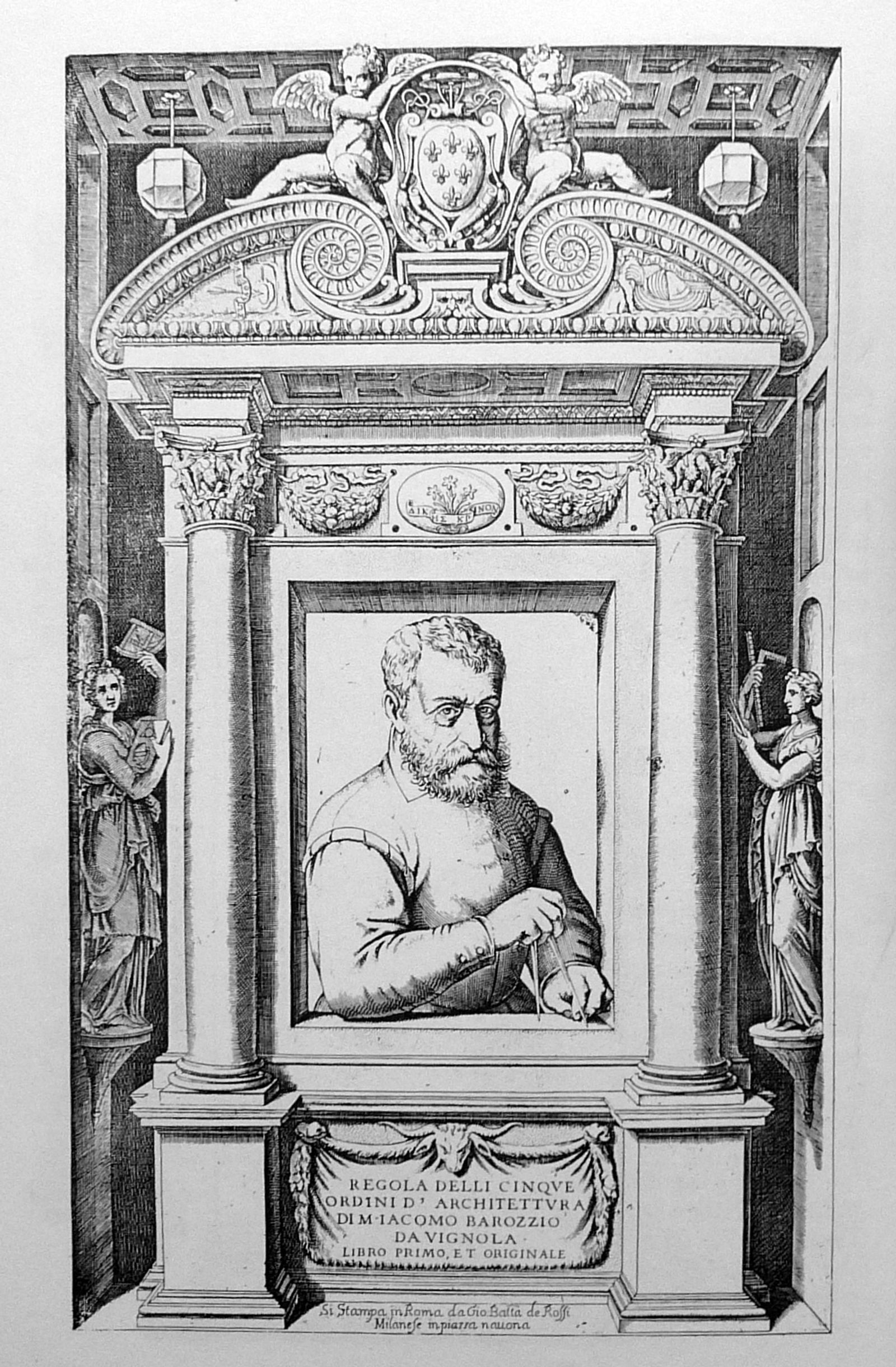
63 / 200 · 1507–1573
Italian architect and theorist
Major late Renaissance architect and theorist of proportion.
Read biography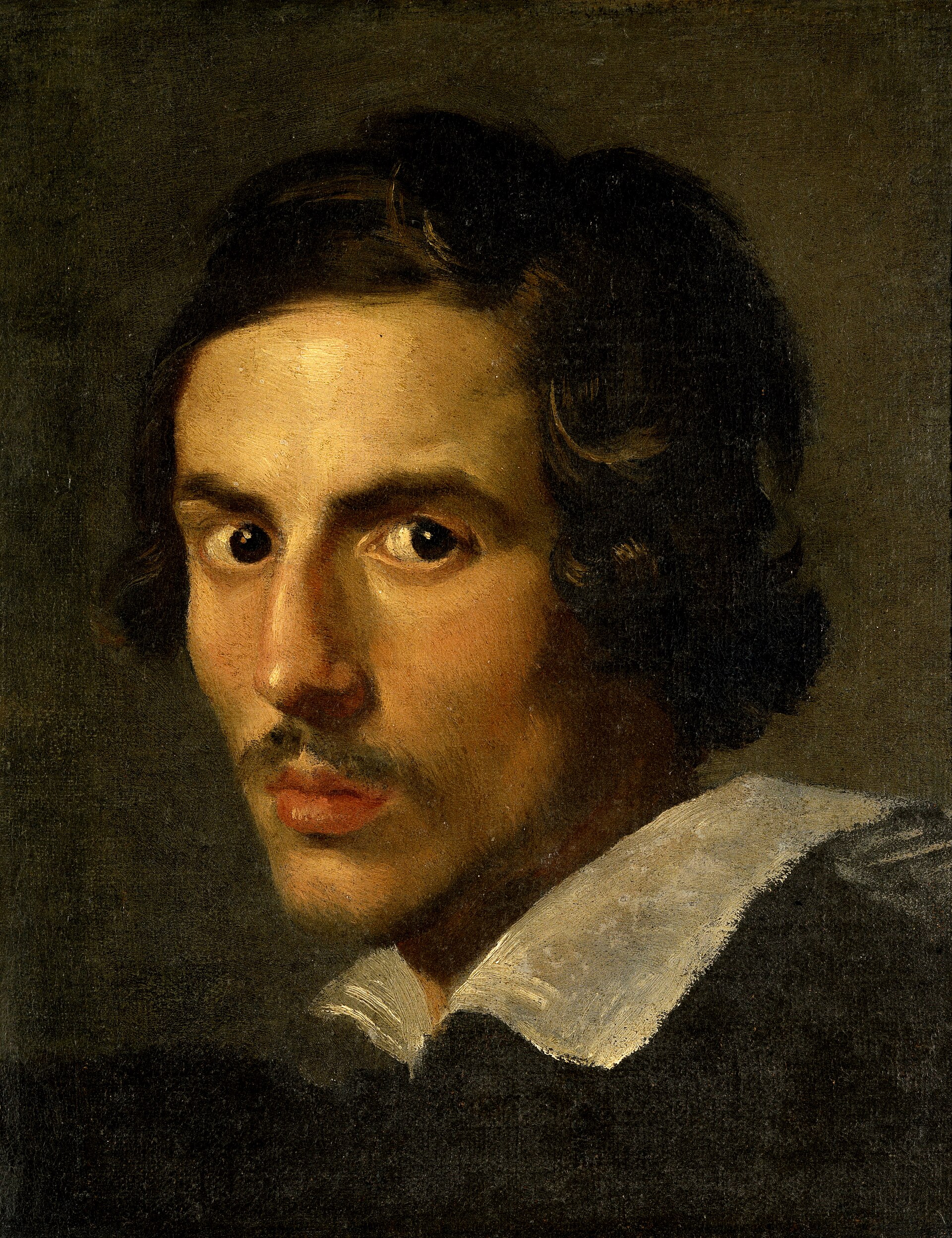
64 / 200 · 1598–1680
Italian sculptor and architect
Central figure in Baroque architecture, integrating buildings, sculpture and urban space.
Read biography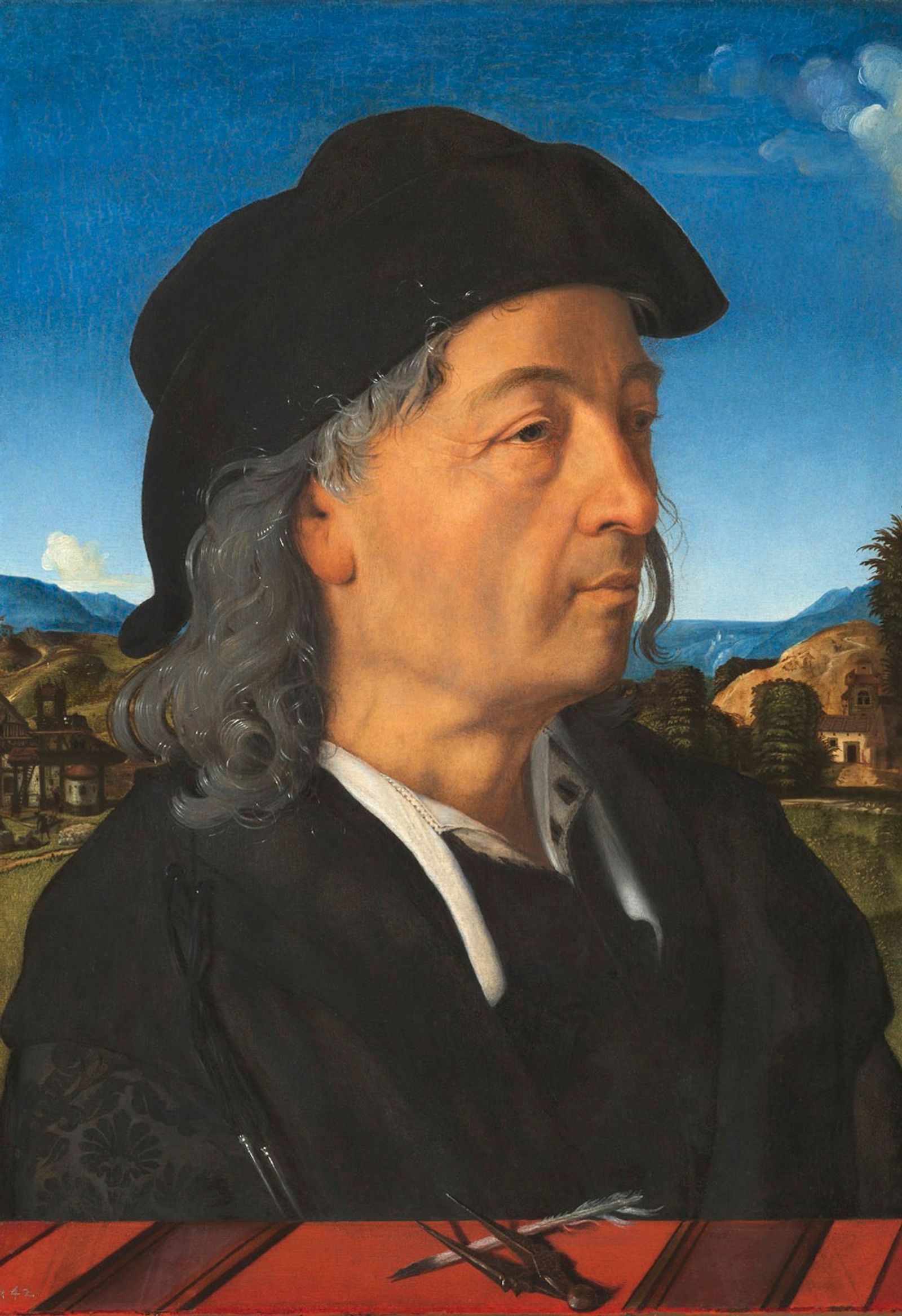
65 / 200 · 1445–1516
Renaissance
Important Renaissance architect known for translating classical ideas into innovative church and palace designs.
Read biography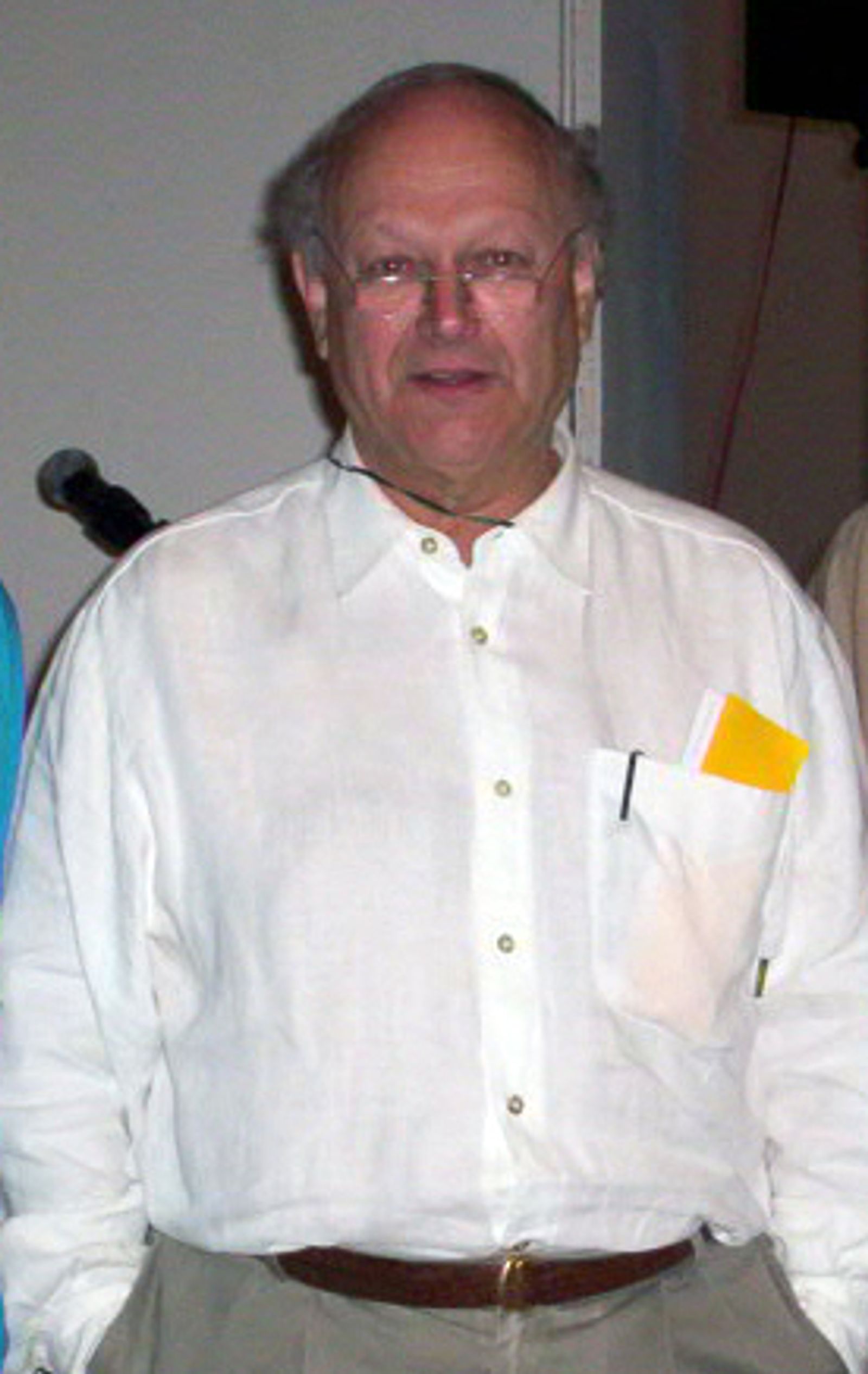
66 / 200 · 1936–
Australian architect
Developed climate-responsive architecture closely tuned to landscape, ventilation, light and lightweight construction.
Read biography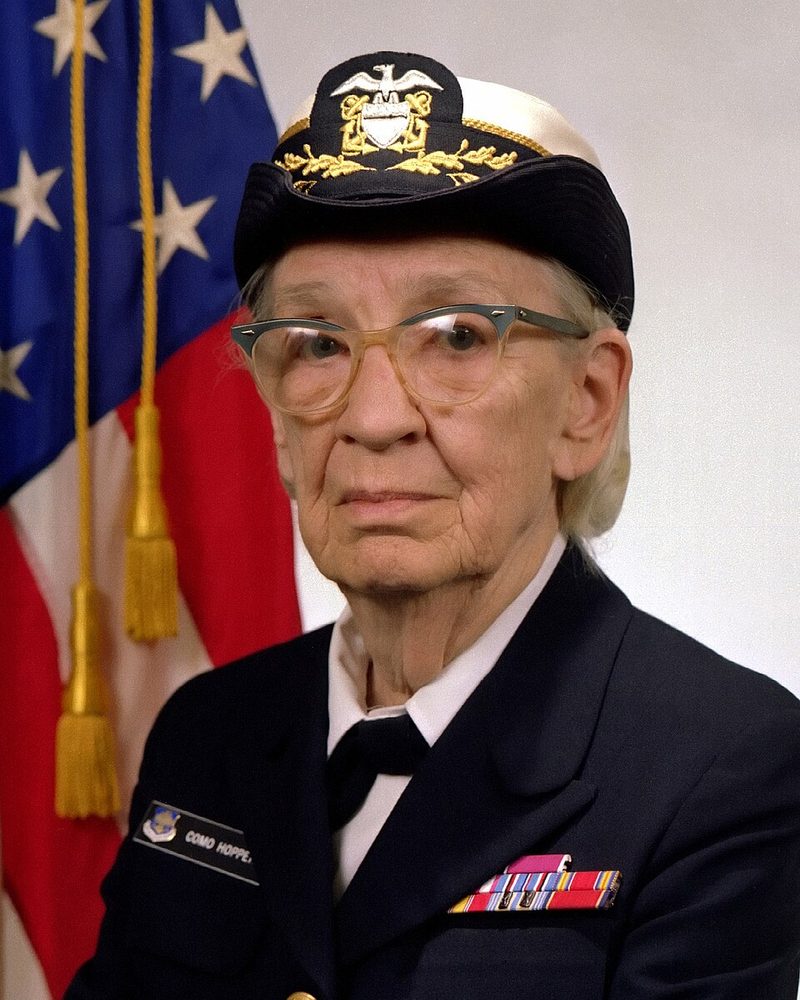
67 / 200 · 1906–1992
Computer scientist and naval officer
American computer scientist and United States Navy rear admiral who worked on the Harvard Mark I, developed one of the first compilers, and promoted machine-independent programming languages. Her work directly influenced the creation of COBOL, which ran business and government systems for decades. She retired from the Navy at 79 as one of its oldest serving officers.
Read biography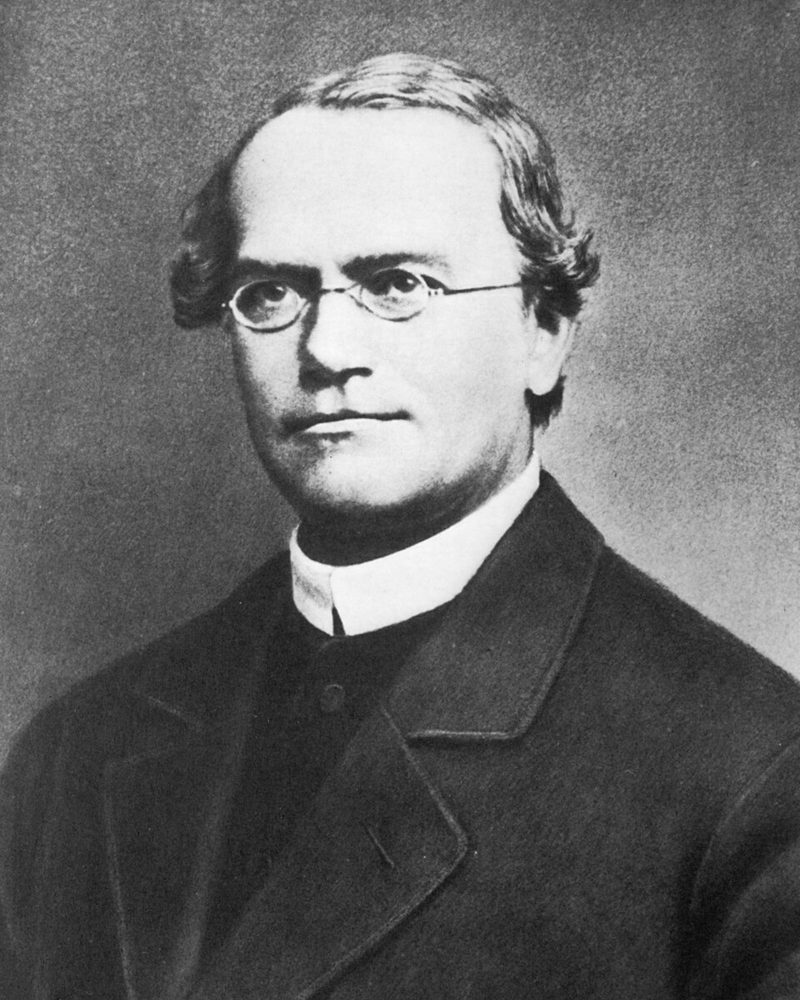
68 / 200 · 1822–1884
Scientist and Augustinian friar
Augustinian friar and scientist in Brno whose experiments with pea plants, published in 1866, established statistical laws of inheritance now known as Mendelian genetics. His results were largely overlooked during his lifetime and were rediscovered around 1900, becoming a foundation of modern genetics. He later served as abbot of his monastery, which reduced his time for research.
Read biography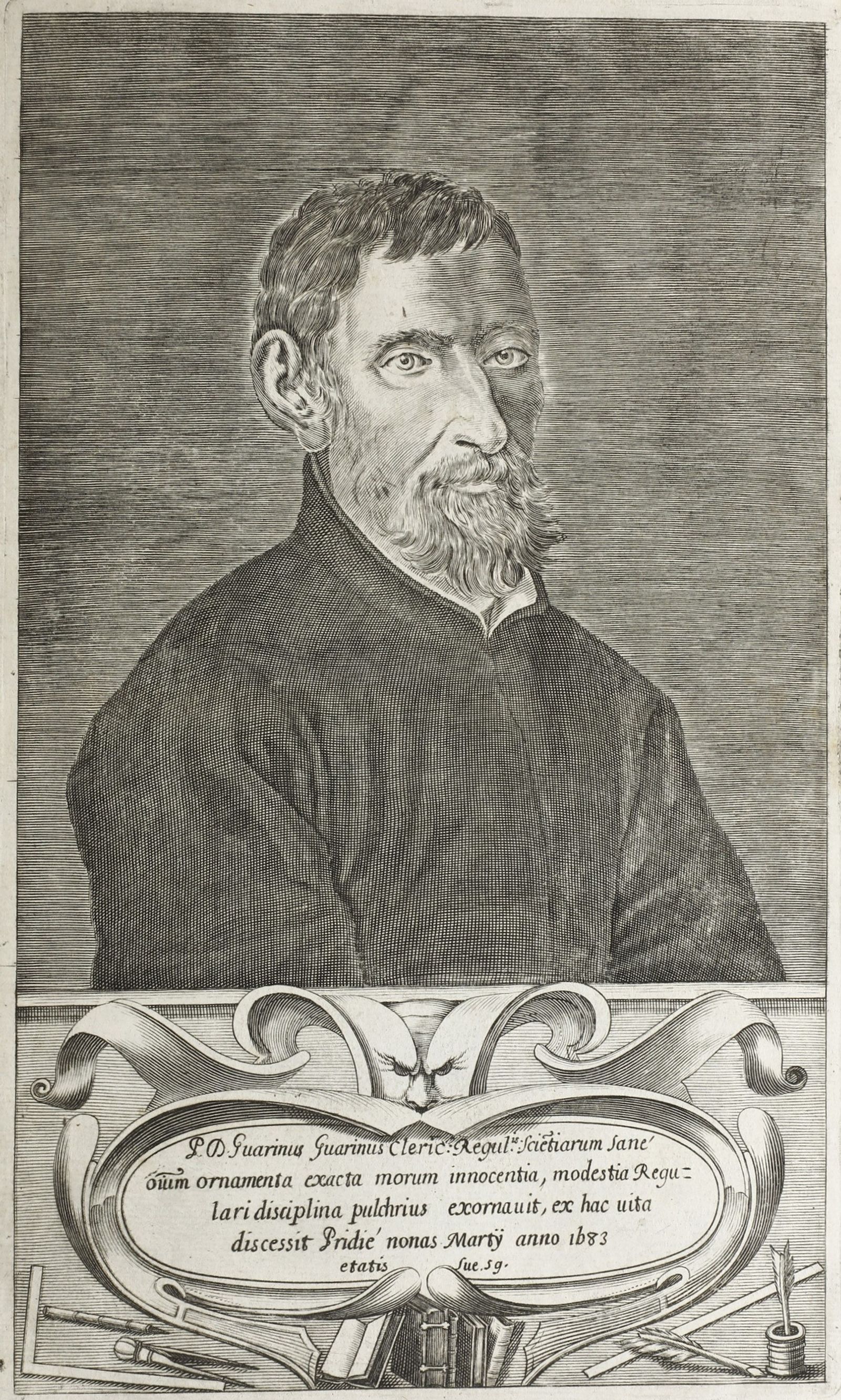
69 / 200 · 1624–1683
Renaissance
Combined geometry, mathematics and dramatic spatial structures in late Baroque architecture.
Read biography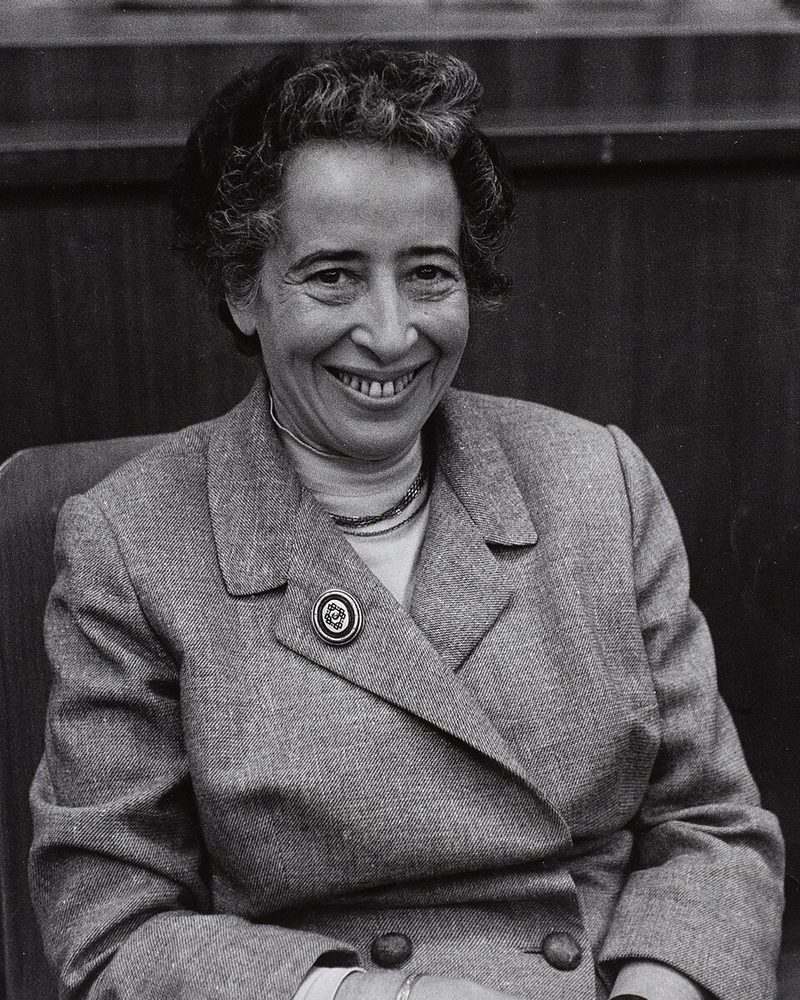
70 / 200 · 1906–1975
Political theorist
German-born American political theorist who fled Nazi Germany and later analysed totalitarian rule in The Origins of Totalitarianism (1951). The Human Condition examined labour, work and political action. Her reporting on the Eichmann trial introduced the phrase the banality of evil and provoked lasting controversy, including over her account of Jewish councils under Nazi occupation.
Read biography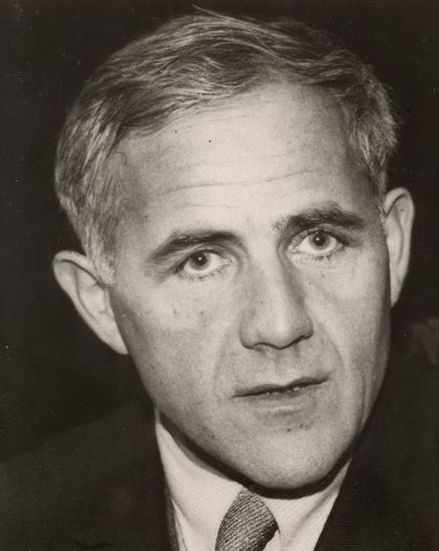
71 / 200 · 1889–1954
Modernism
Bauhaus director who emphasized social function, collective needs and evidence-based design.
Read biography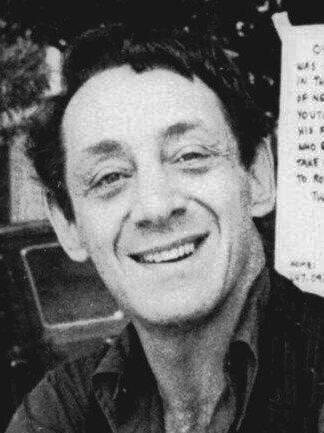
72 / 200 · 1930–1978
Politician and activist
American politician who in 1977 was elected to the San Francisco Board of Supervisors, among the first openly gay elected officials in the United States. He built coalitions across neighbourhood, labour and minority groups, sponsored a city gay rights ordinance, and campaigned against the Briggs Initiative. He was assassinated in City Hall in November 1978 alongside Mayor George Moscone.
Read the full feature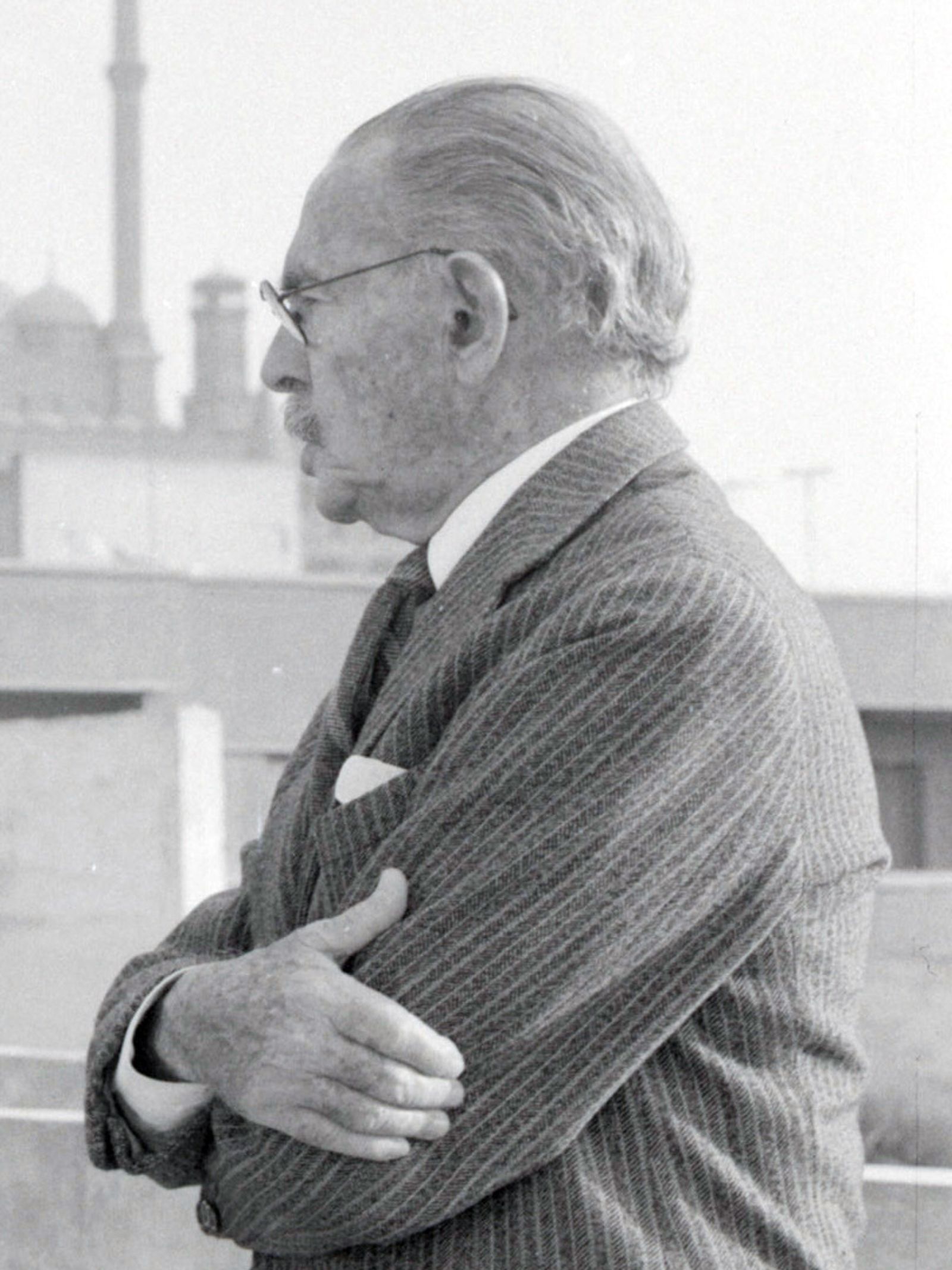
73 / 200 · 1900–1989
Modernism
Advanced low-cost, climate-responsive architecture using local materials and community participation.
Read biography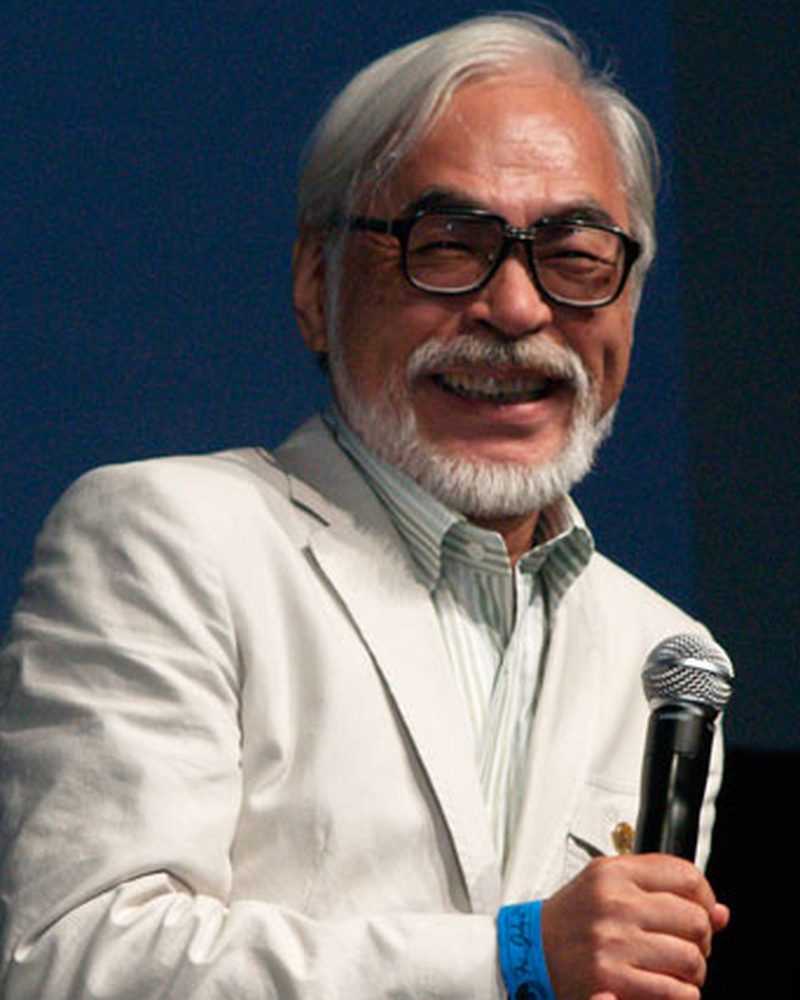
74 / 200 · born 1941
Animator and film director
Japanese animator and director who co-founded Studio Ghibli in 1985 and directed films including My Neighbor Totoro, Princess Mononoke and Spirited Away, which won the Academy Award for Best Animated Feature in 2003. His hand-drawn work, recurring environmental themes and complex young protagonists influenced animation practice and its critical standing worldwide.
Read biography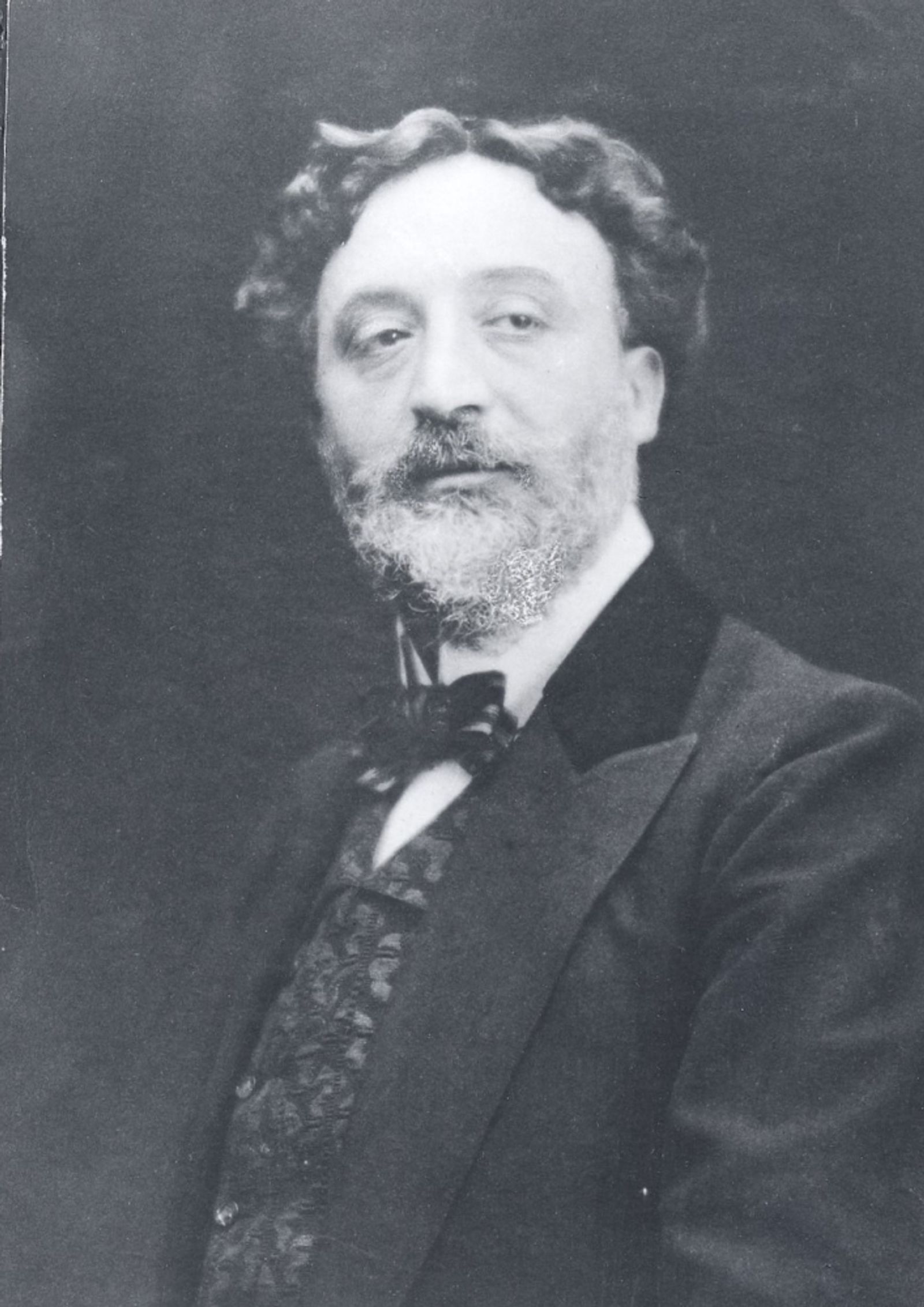
75 / 200 · 1867–1942
French architect and designer
Made Art Nouveau architecture highly visible in Paris through organic forms and crafted details.
Read biography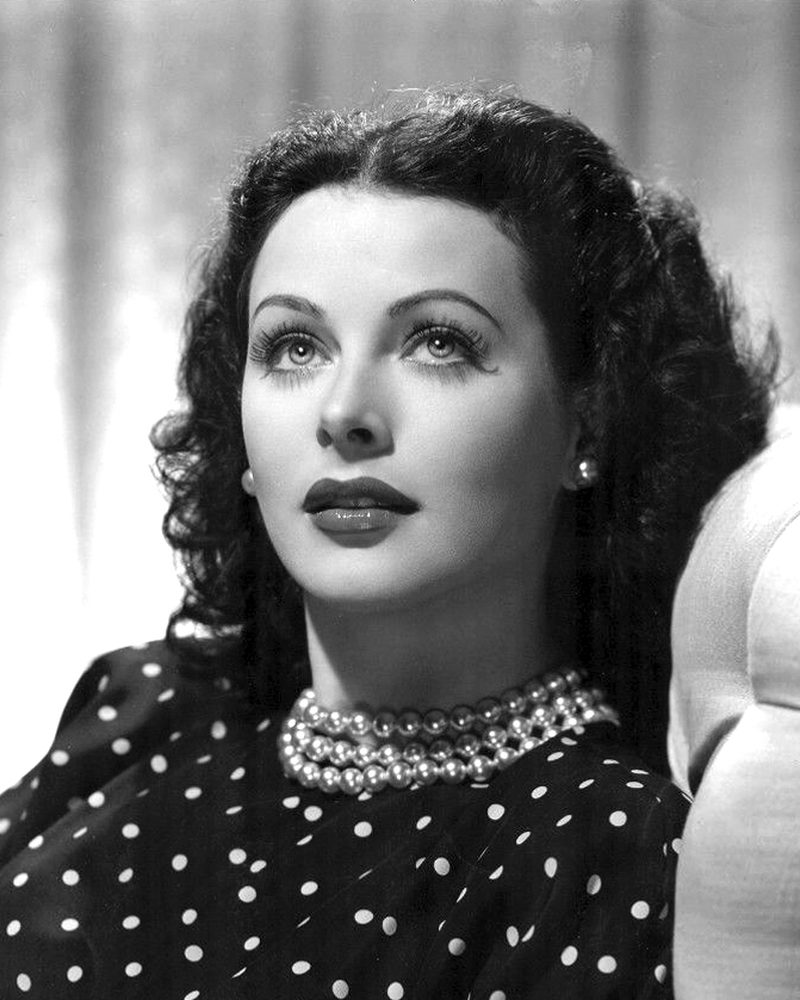
76 / 200 · 1914–2000
Actor and inventor
Austrian-American film actor and inventor who, with composer George Antheil, patented a frequency-hopping spread-spectrum system in 1942 intended to prevent the jamming of radio-guided torpedoes. The US Navy did not adopt it at the time, but related techniques later informed secure and wireless communications. Her inventing work received little public recognition until late in her life.
Read biography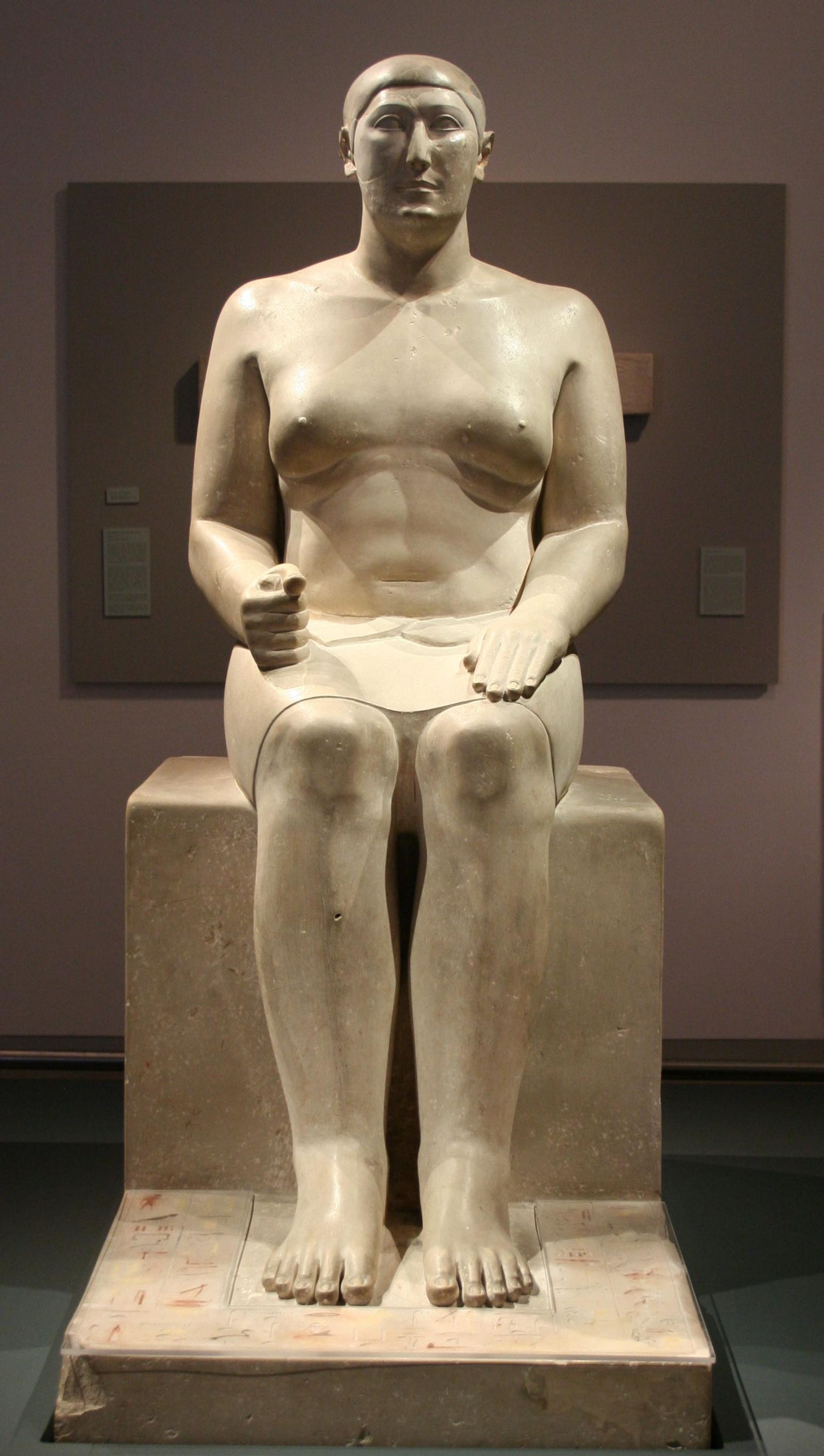
77 / 200 · c. 26th century BCE
Egyptian vizier and overseer of works
Traditionally associated with the planning of the Great Pyramid and its monumental geometric organization.
Read biography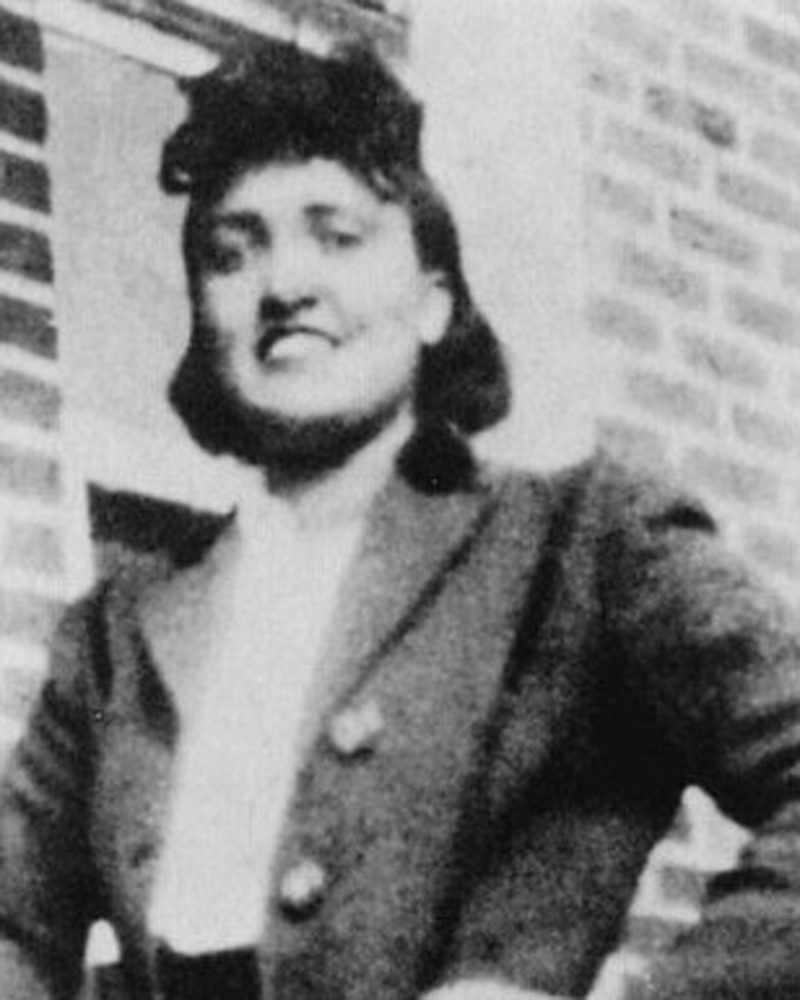
78 / 200 · 1920–1951
Source of the HeLa cell line
American woman whose cervical cancer cells were taken during treatment at Johns Hopkins in 1951 without her knowledge or consent. The resulting HeLa line was the first human cells to grow indefinitely in culture and has been used in tens of thousands of studies, including polio vaccine testing and cancer research. Her case became central to debates on medical consent and compensation.
Read biography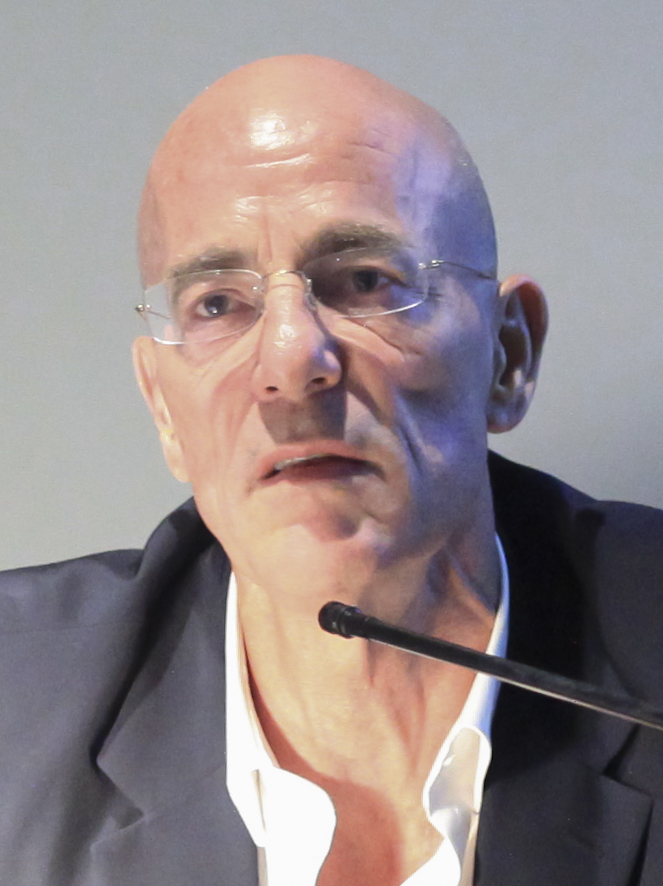
79 / 200 · 1950–
Swiss architect
Co-founder of Herzog & de Meuron; developed material experimentation and adaptive reuse at global scale.
Read biography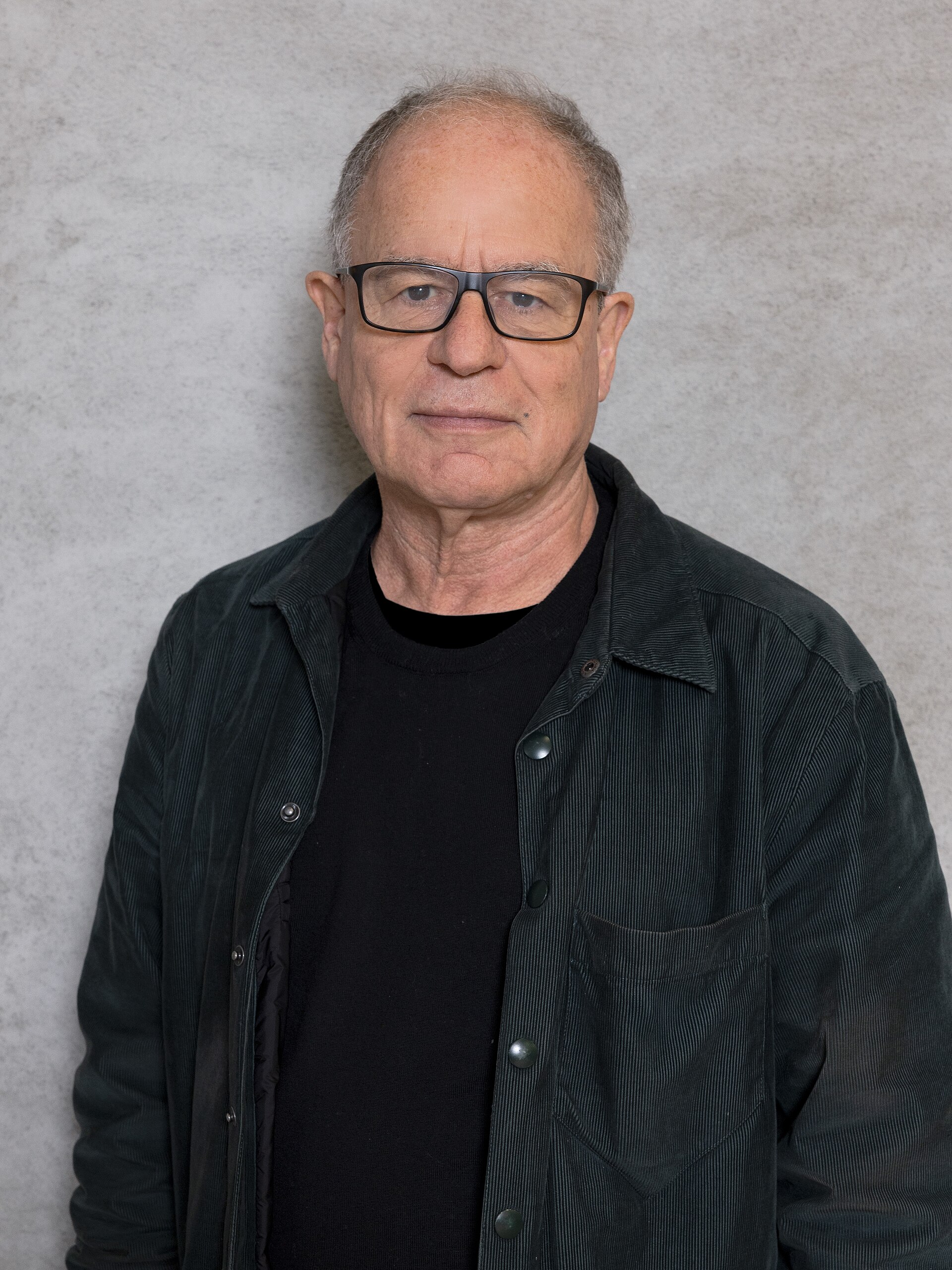
80 / 200 · 1950–
Swiss architect
Co-founder of Herzog & de Meuron; influential for material research, cultural buildings and urban interventions.
Read biography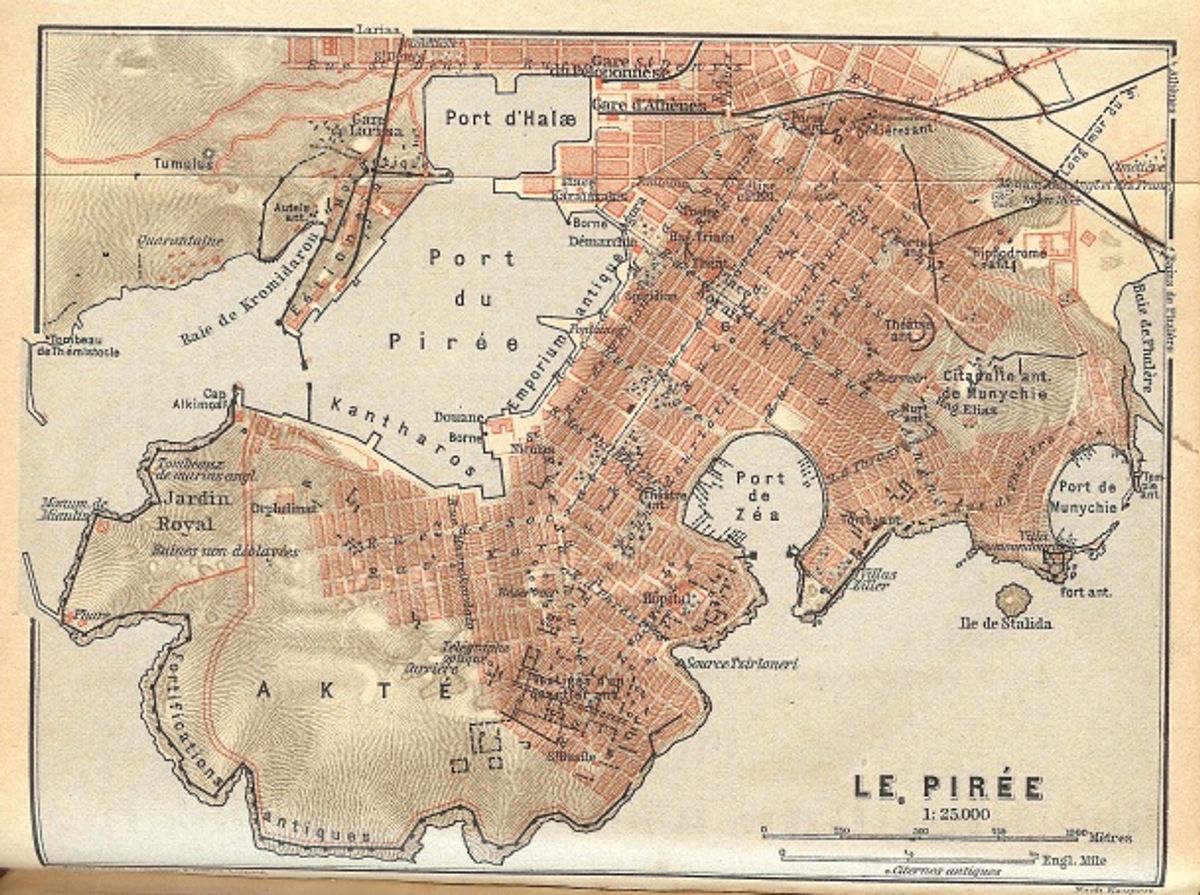
81 / 200 · c. 498–408 BCE
Greek planner and political theorist
Associated with systematic urban planning and the grid plan.
Read biography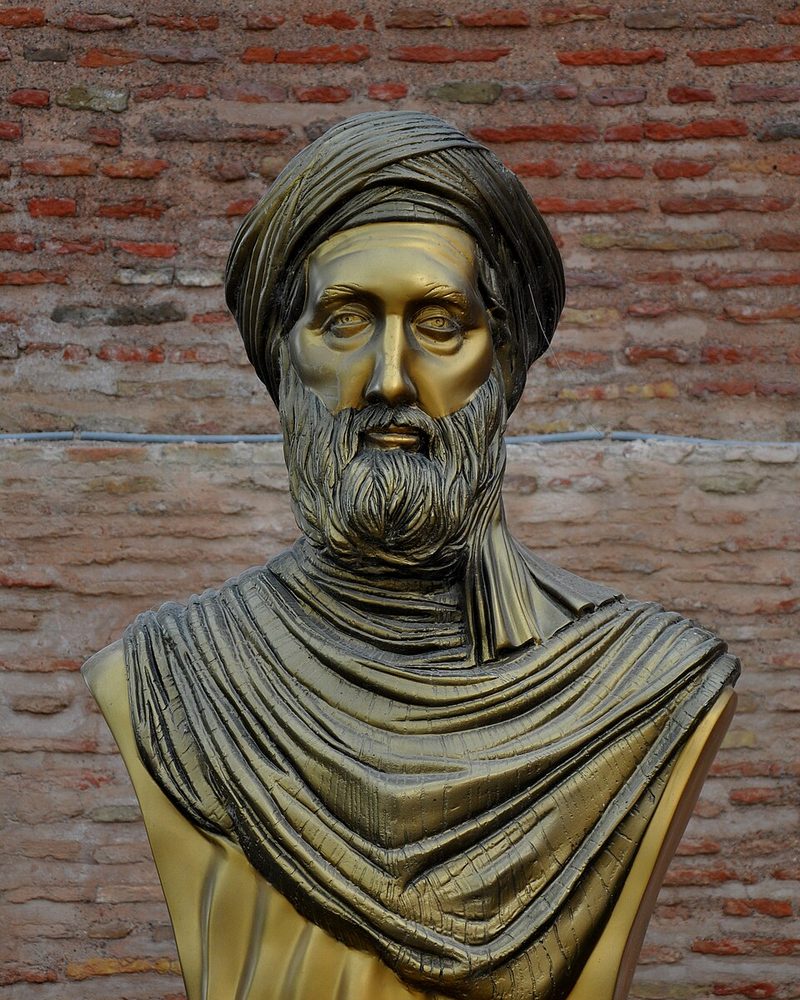
82 / 200 · 1332–1406
Historian and social theorist
North African historian and jurist whose Muqaddimah, written in 1377 as an introduction to universal history, analysed the rise and decline of states through social cohesion, economics, geography and group solidarity. Modern scholars regard it as an early work of sociology, historiography and economics. He also served as a judge and diplomat under several dynasties.
Read biography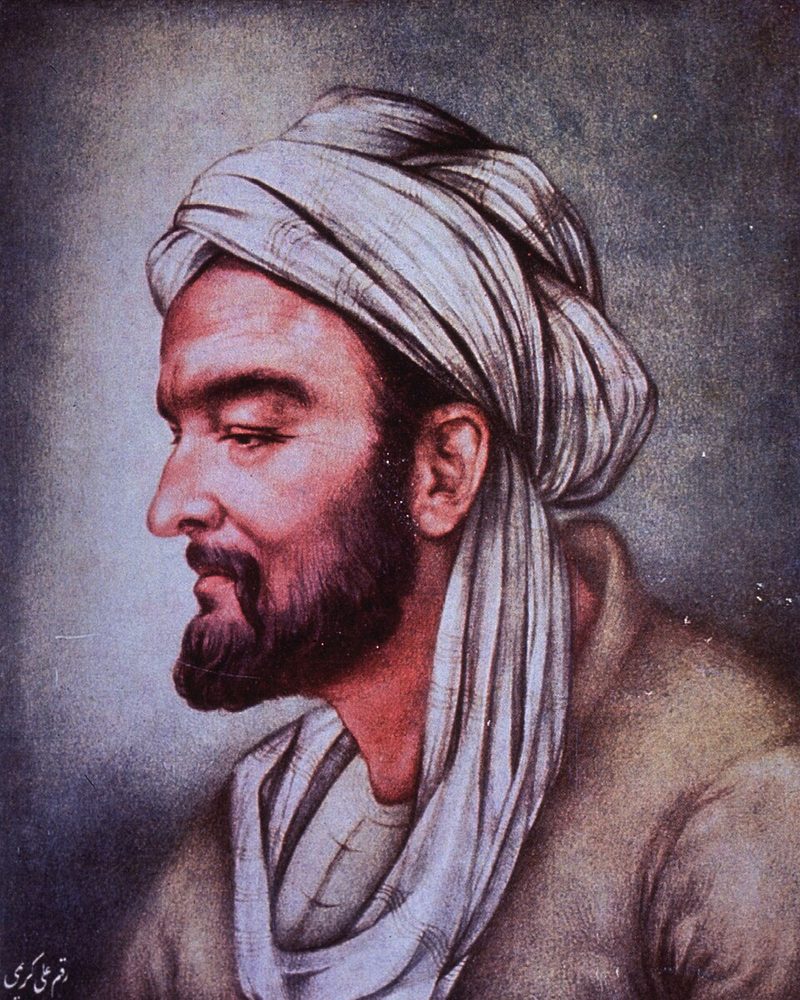
83 / 200 · c. 980–1037
Physician and philosopher
Persian physician and philosopher whose Canon of Medicine synthesised Greek, Persian and Arabic medical knowledge and served as a standard reference in Europe and the Islamic world into the seventeenth century. His Book of Healing covered logic, natural science and metaphysics, and his arguments on existence and the soul influenced later Islamic, Jewish and Christian philosophy.
Read biography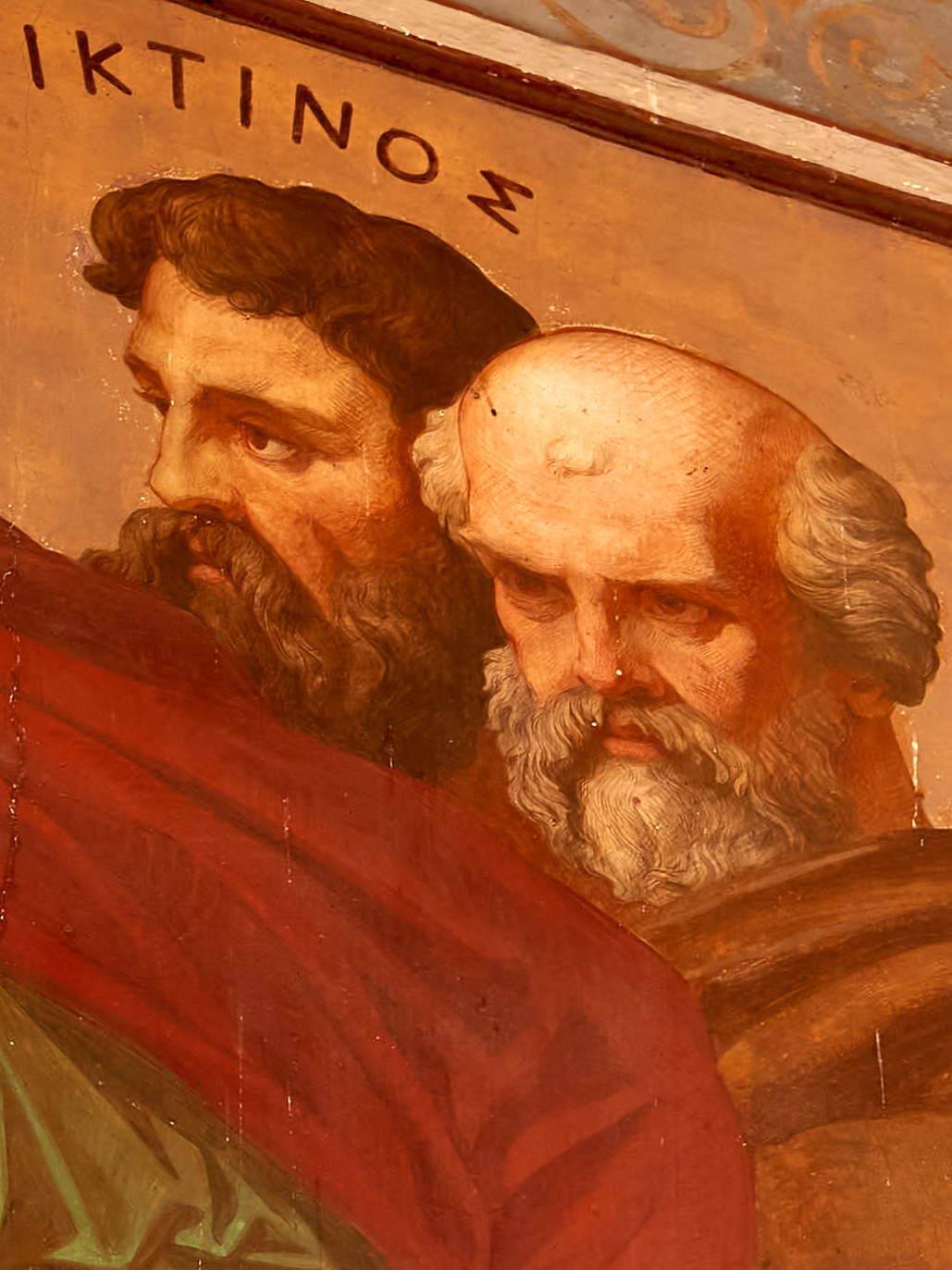
84 / 200 · 5th century BCE
Greek architect
Architect associated with the Parthenon and classical architecture's mature synthesis of proportion and structure.
Read biography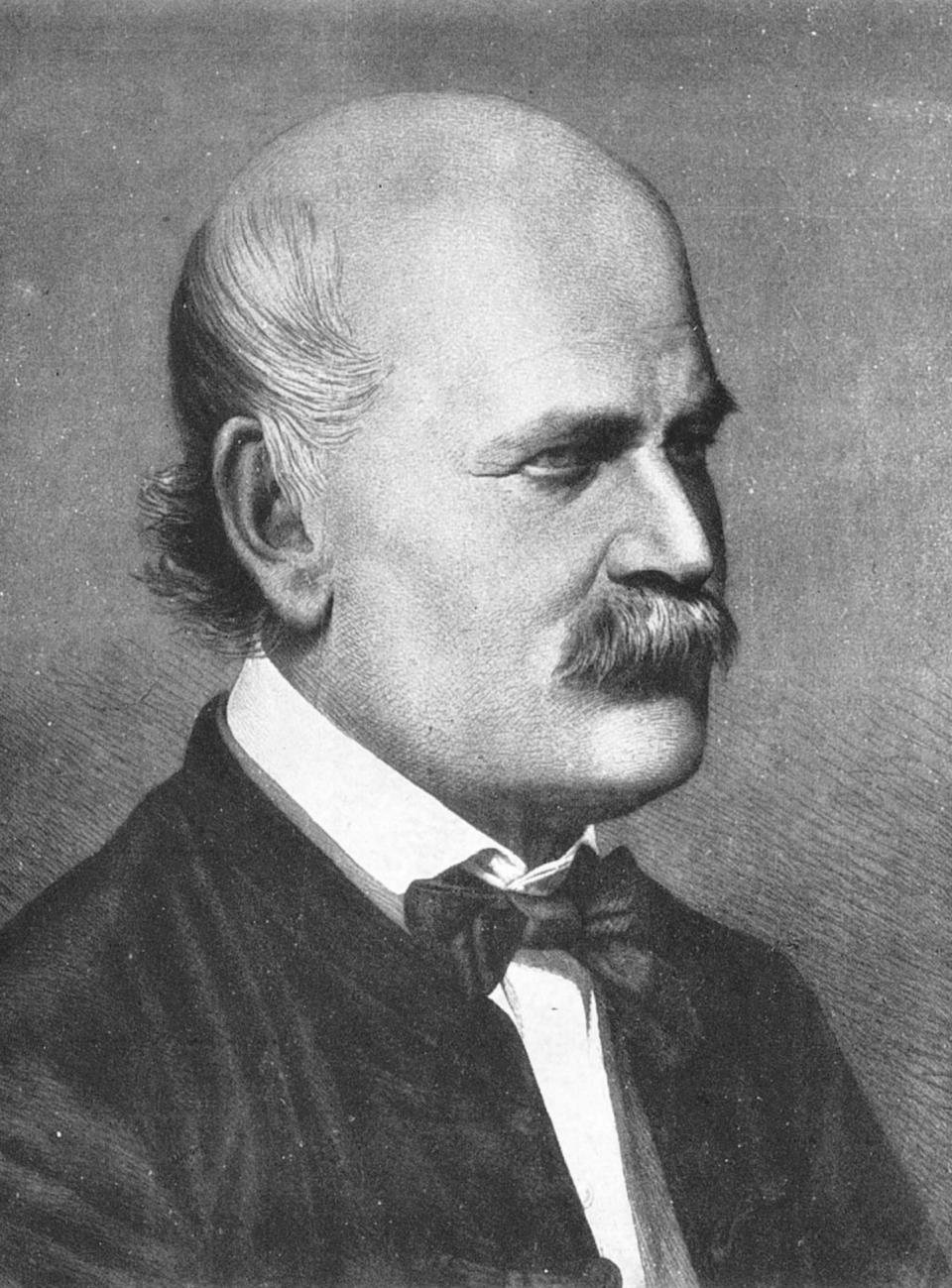
85 / 200 · 1818–1865
Physician and obstetrician
Hungarian physician who, working in Vienna's maternity clinics in 1847, showed that hand disinfection with chlorinated lime sharply reduced deaths from puerperal fever. His findings preceded germ theory and were rejected by much of the medical establishment. He was committed to an asylum and died there at 47; his conclusions were vindicated by the later work of Pasteur and Lister.
Read the full feature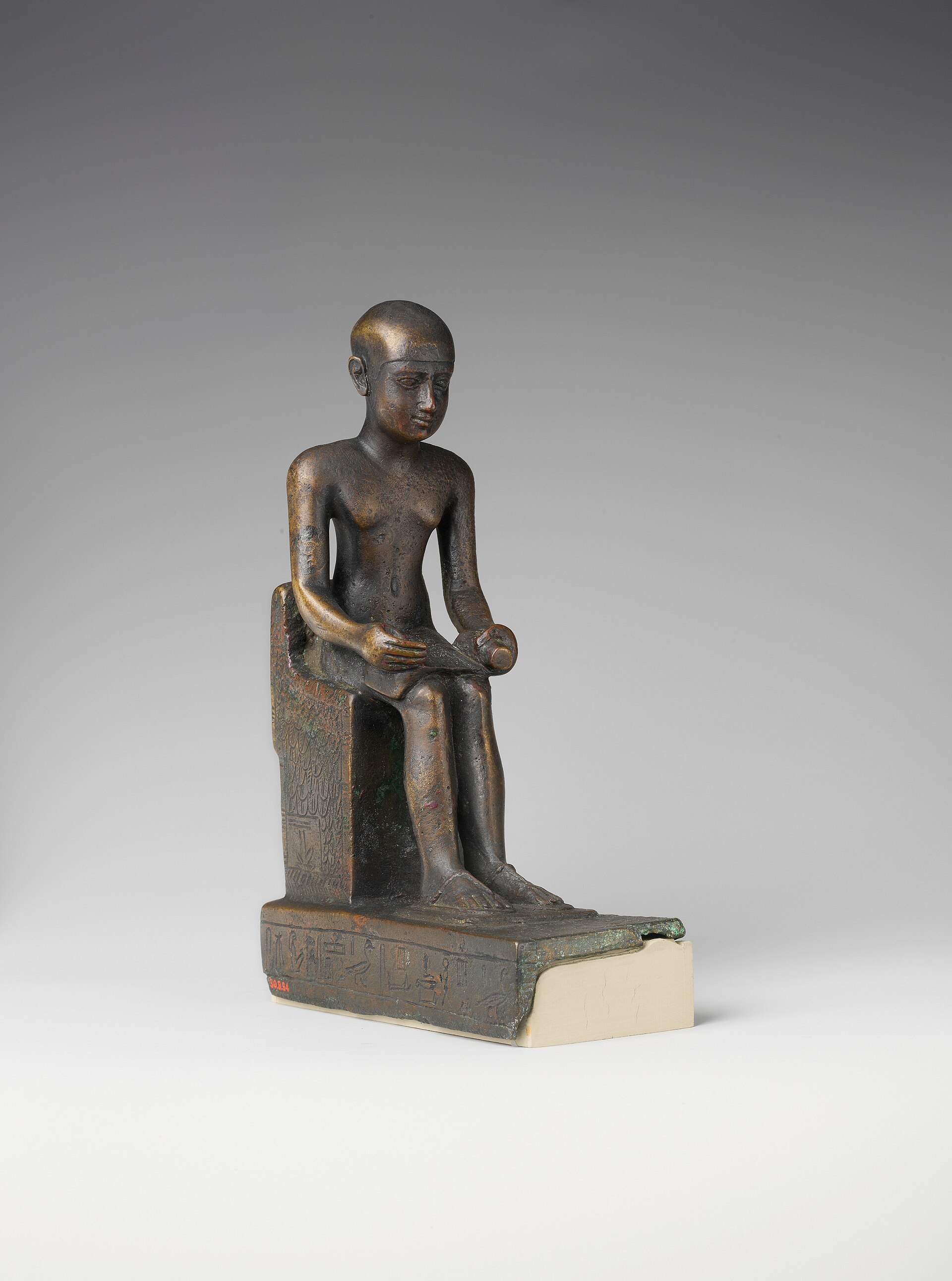
86 / 200 · c. 27th century BCE
Egyptian official and builder
Pioneer of monumental stone architecture and one of the earliest named architects.
Read biography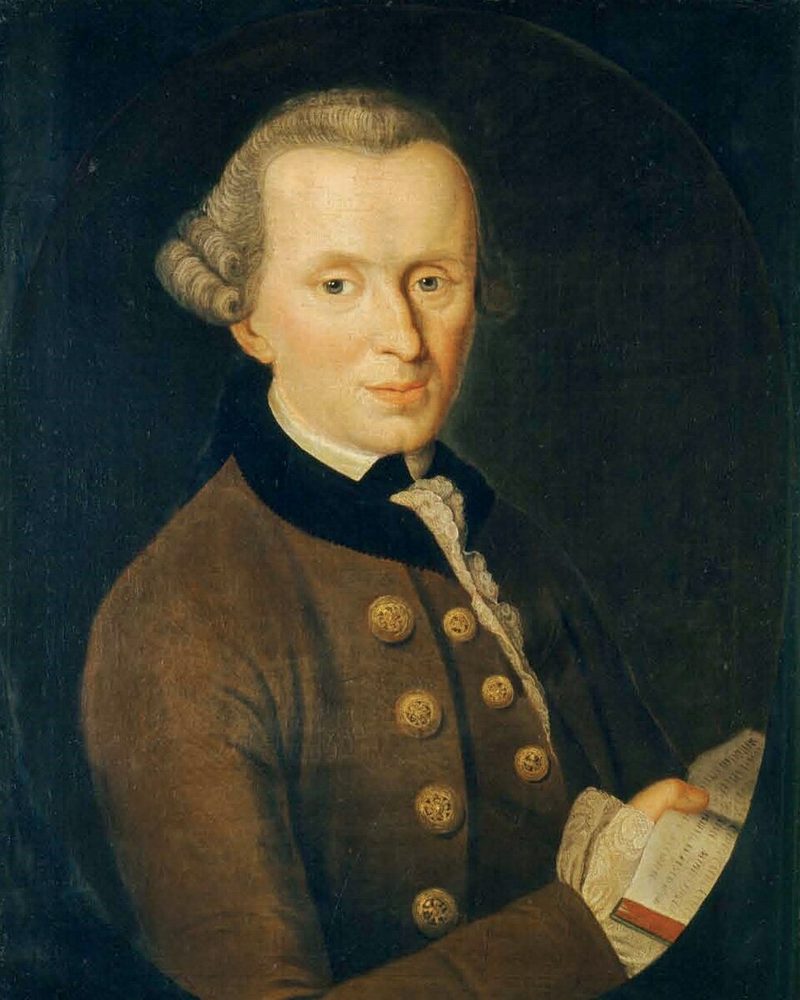
87 / 200 · 1724–1804
Philosopher
German philosopher whose Critique of Pure Reason (1781) argued that the mind actively structures experience, reframing debates between rationalism and empiricism. In ethics he proposed the categorical imperative, judging actions by whether their principle could be universalised. His essay Perpetual Peace influenced later thinking on international law. Passages in his writings on race have drawn substantial modern criticism.
Read biography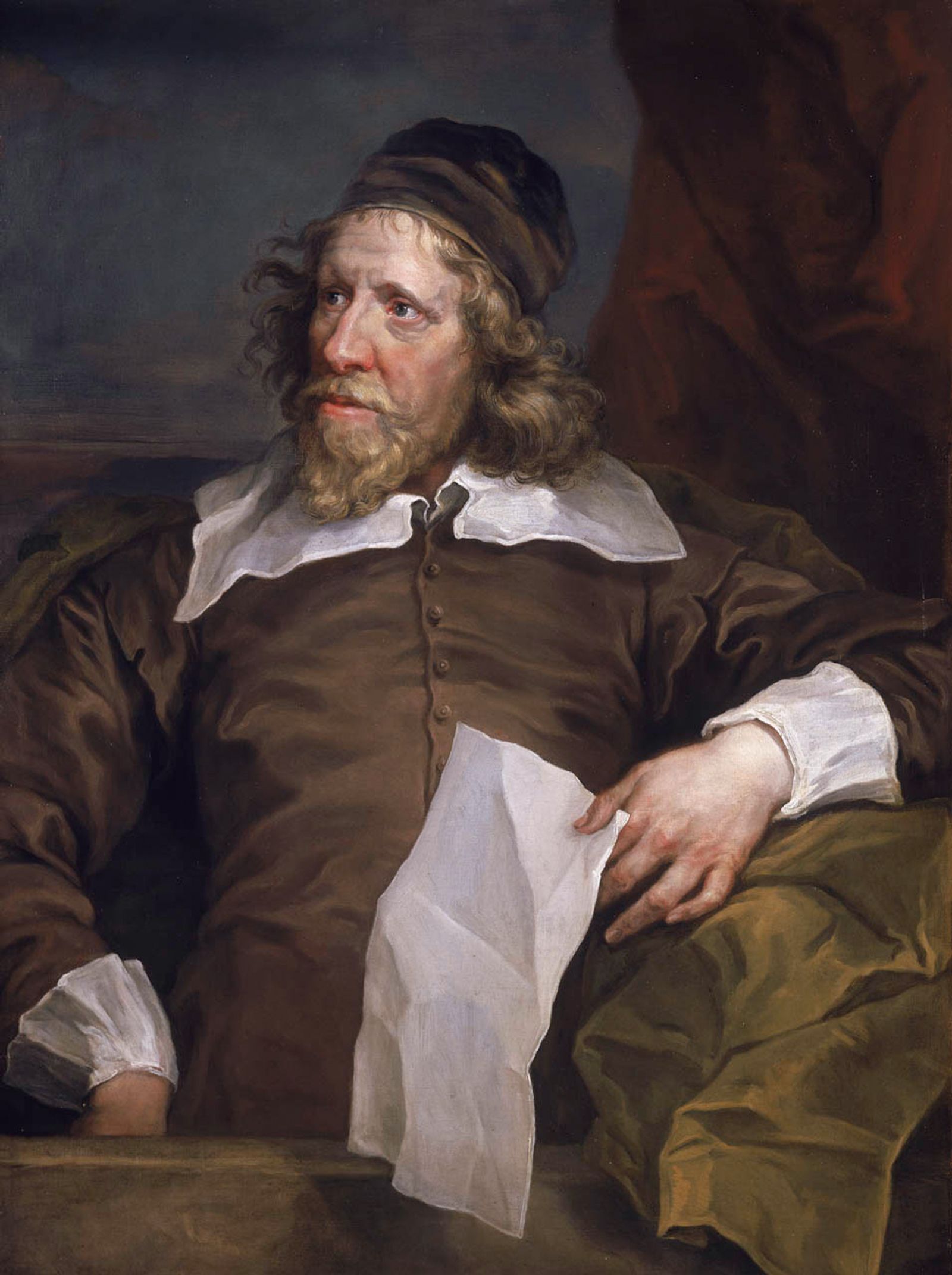
88 / 200 · 1573–1652
English architect and stage designer
Introduced a sustained Renaissance and Palladian influence into English architecture.
Read biography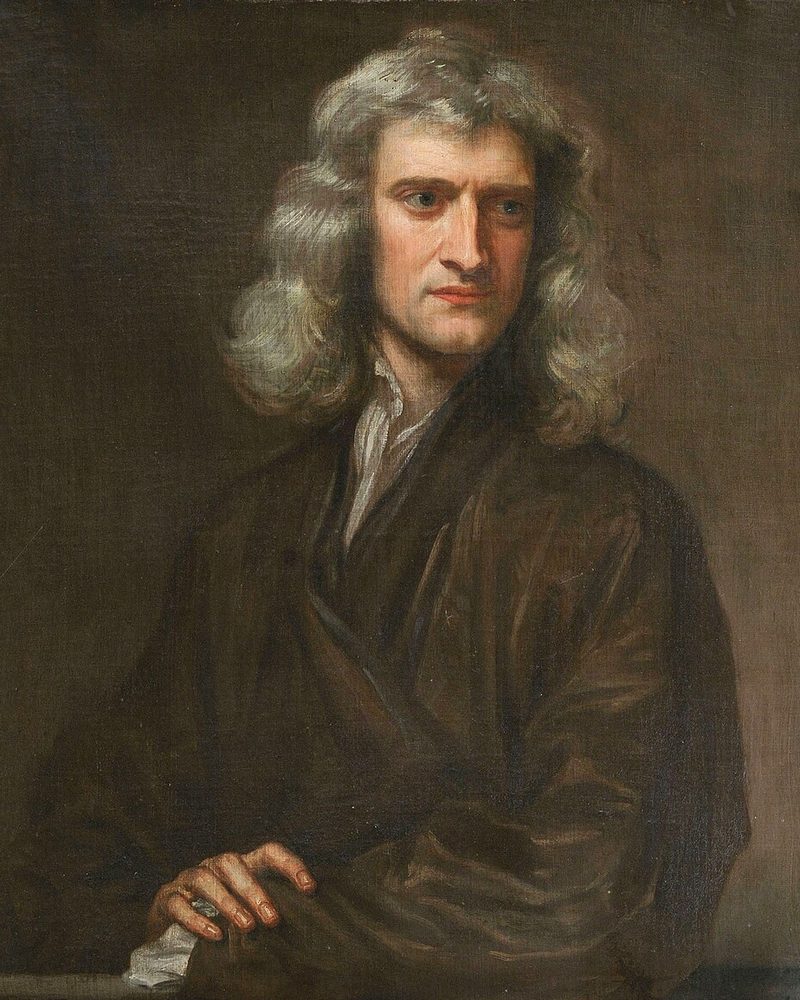
89 / 200 · 1642–1727
Mathematician and physicist
English mathematician and physicist whose Philosophiæ Naturalis Principia Mathematica (1687) set out the laws of motion and universal gravitation, providing the framework for classical mechanics for more than two centuries. He developed calculus independently of Leibniz, conducted foundational work in optics, and served as Warden and then Master of the Royal Mint and President of the Royal Society.
Read biography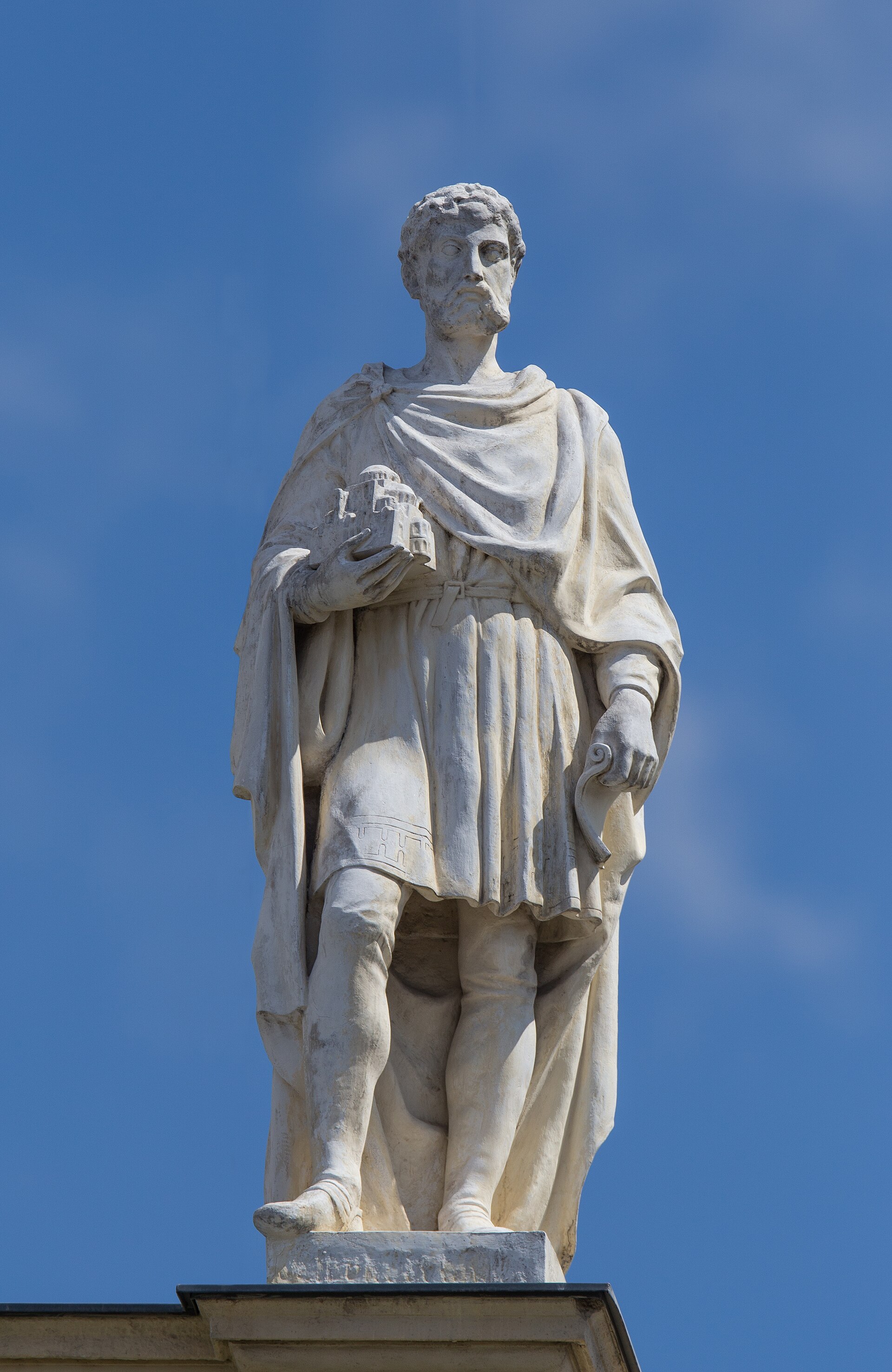
90 / 200 · 6th century CE
Byzantine mathematician and architect
Architect, engineer and mathematician who helped create Hagia Sophia's revolutionary dome system.
Read biography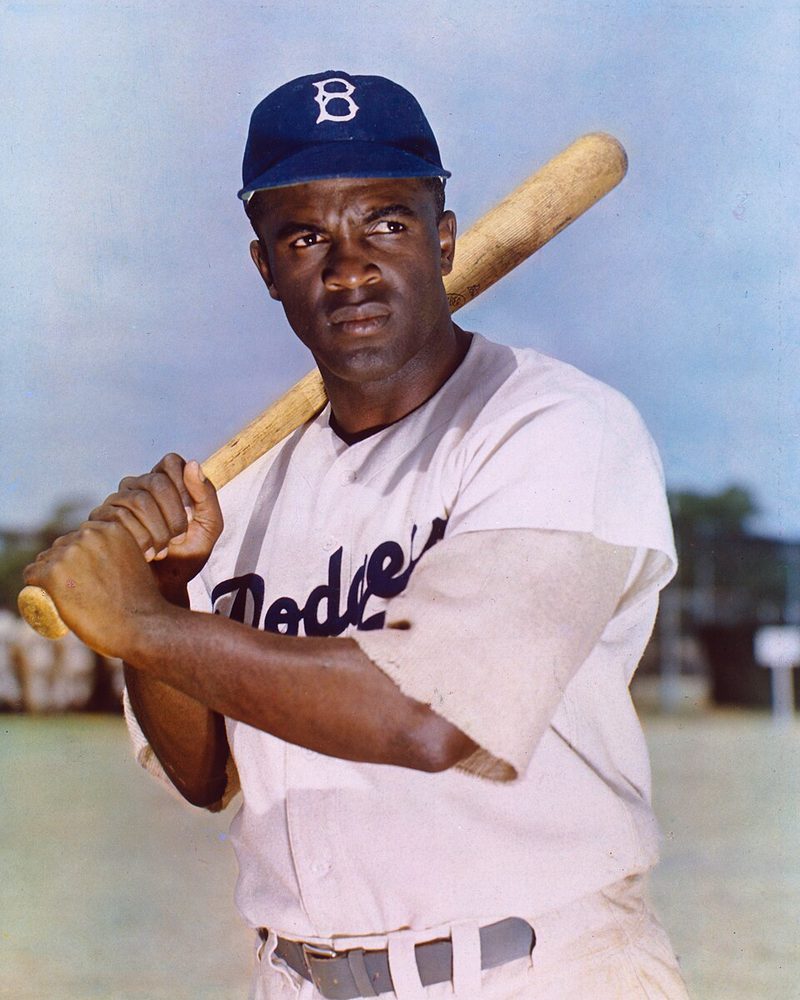
91 / 200 · 1919–1972
Baseball player
American baseball player who in 1947 became the first Black athlete in the modern era to play in Major League Baseball, ending roughly sixty years of segregation in the sport. He won Rookie of the Year and later Most Valuable Player while facing sustained abuse from crowds and opponents. He campaigned for civil rights after retirement, and his number 42 is retired league-wide.
Read biography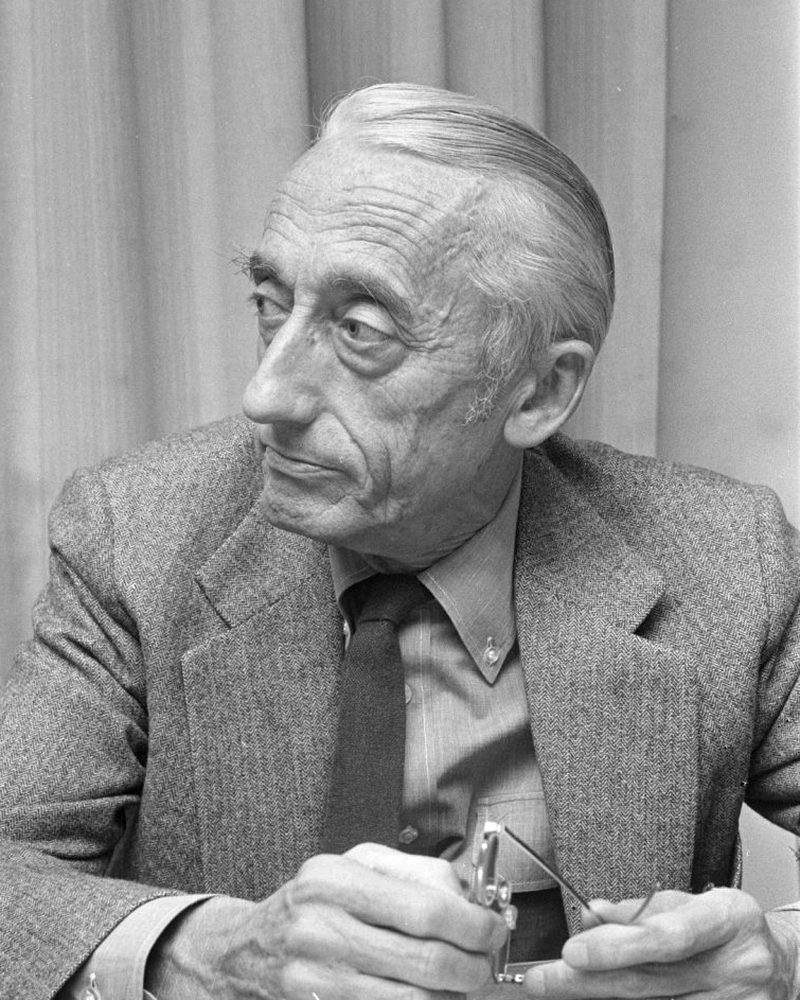
92 / 200 · 1910–1997
Oceanographer and filmmaker
French naval officer, oceanographer and filmmaker who co-developed the Aqua-Lung in 1943, making self-contained underwater diving practical. His films and the television series The Undersea World of Jacques Cousteau brought marine environments to mass audiences over decades, and he later campaigned against ocean dumping and for marine protection, including a moratorium on mineral exploitation in Antarctica.
Read biography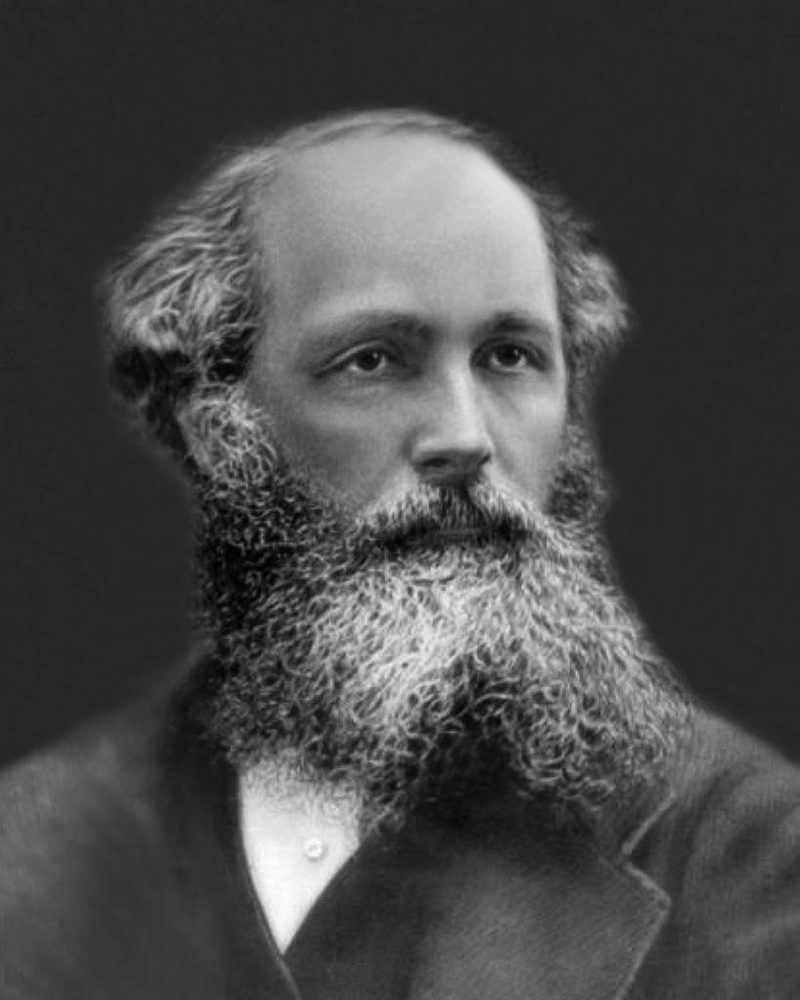
93 / 200 · 1831–1879
Mathematical physicist
Scottish physicist who unified electricity, magnetism and light in a single theory, published in the 1860s as a set of equations describing the electromagnetic field. His prediction of electromagnetic waves was confirmed experimentally after his death and enabled radio and later telecommunications. He also contributed to the kinetic theory of gases and produced the first durable colour photograph in 1861.
Read biography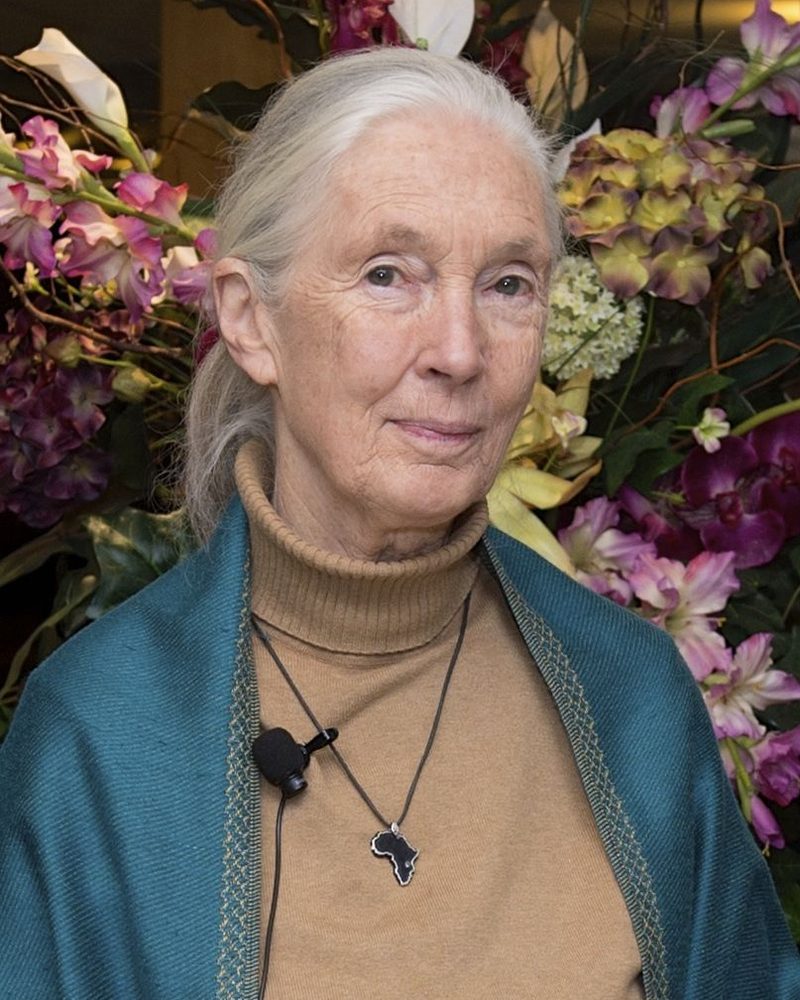
94 / 200 · 1934–2025
Primatologist and conservationist
British primatologist whose long-term field study of wild chimpanzees at Gombe Stream in Tanzania, begun in 1960, documented tool use, hunting and complex social behaviour, altering scientific assumptions about the boundary between humans and other animals. She founded the Jane Goodall Institute in 1977 and the Roots & Shoots youth programme, and spent decades advocating for conservation and animal welfare.
Read biography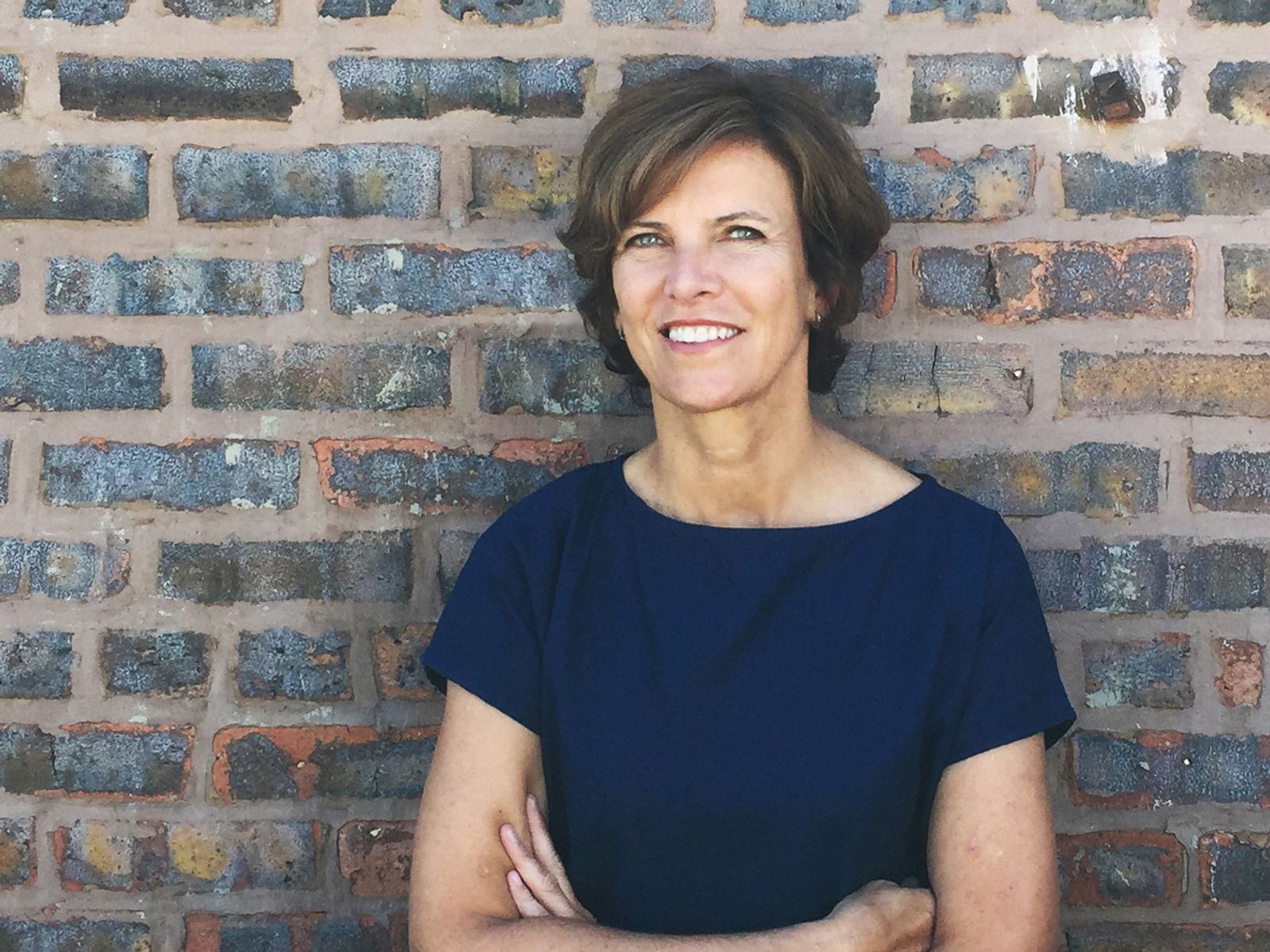
95 / 200 · 1964–
American architect
Combines ecological thinking, structural experimentation and community-oriented design.
Read biography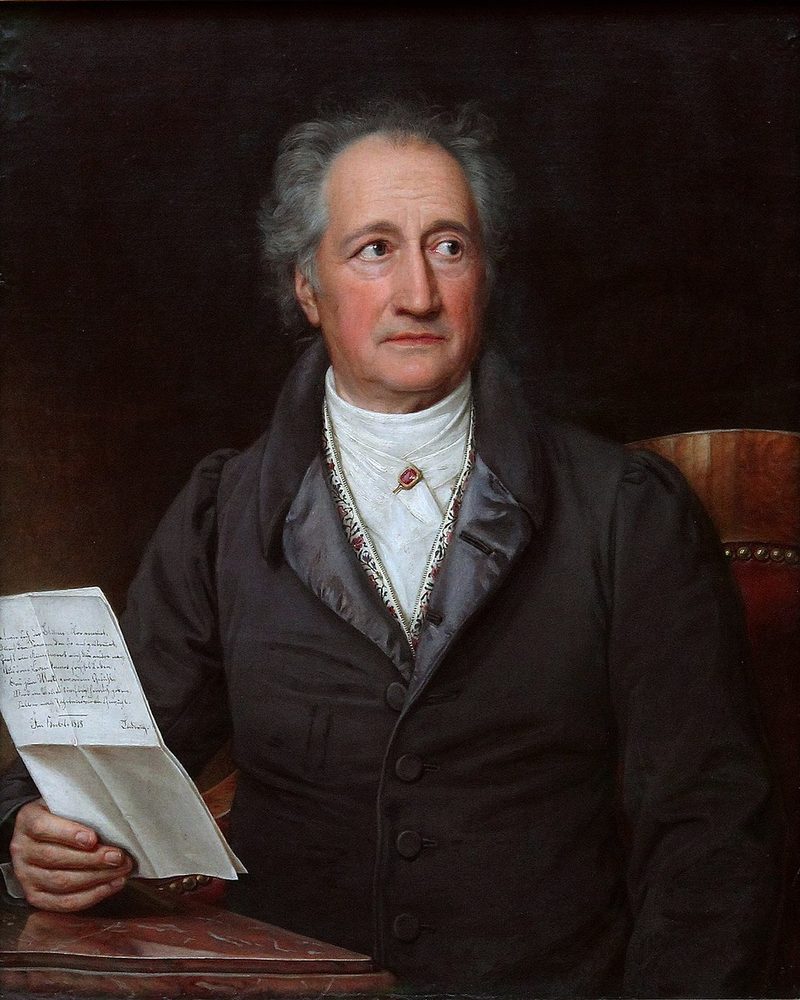
96 / 200 · 1749–1832
Writer and scientist
German writer, statesman and natural scientist whose works include The Sorrows of Young Werther, the two-part drama Faust, and extensive lyric poetry. He served in the Weimar court administration and pursued scientific studies in botany, comparative anatomy and colour theory. His writing shaped German literature and the Romantic movement across Europe.
Read biography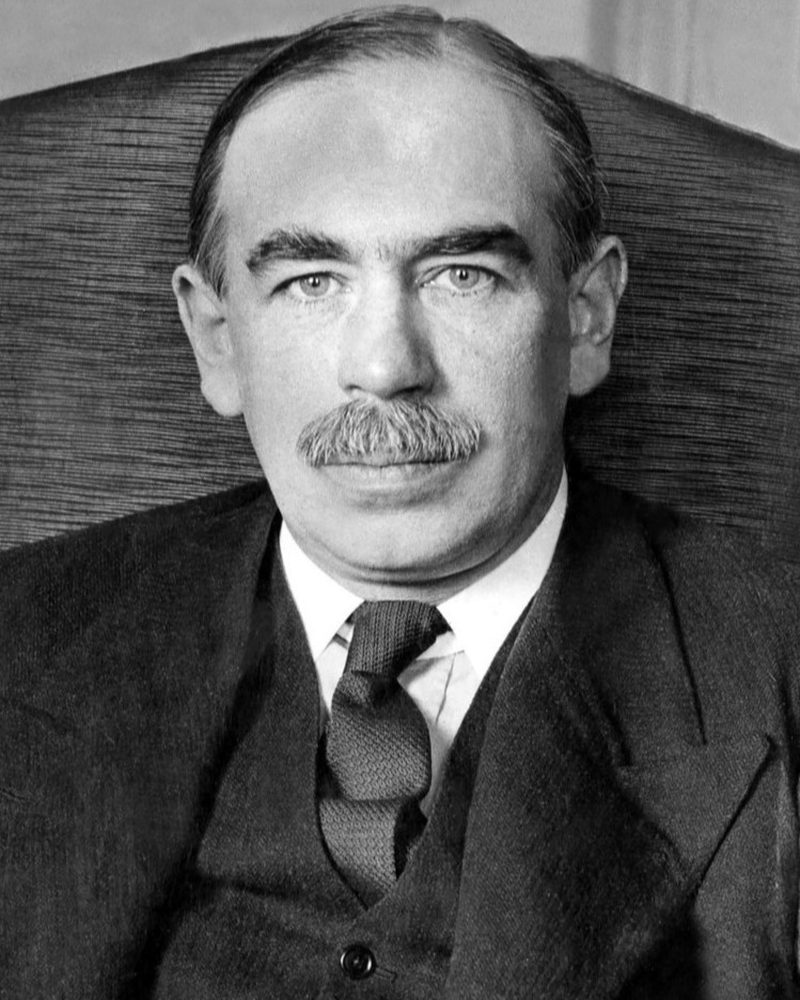
97 / 200 · 1883–1946
Economist
British economist whose The General Theory of Employment, Interest and Money (1936) argued that aggregate demand drives output and employment and that governments can act to counter deep recessions. His ideas shaped post-war economic policy across many countries. He led the British delegation at the 1944 Bretton Woods conference, which established the IMF and the World Bank.
Read biography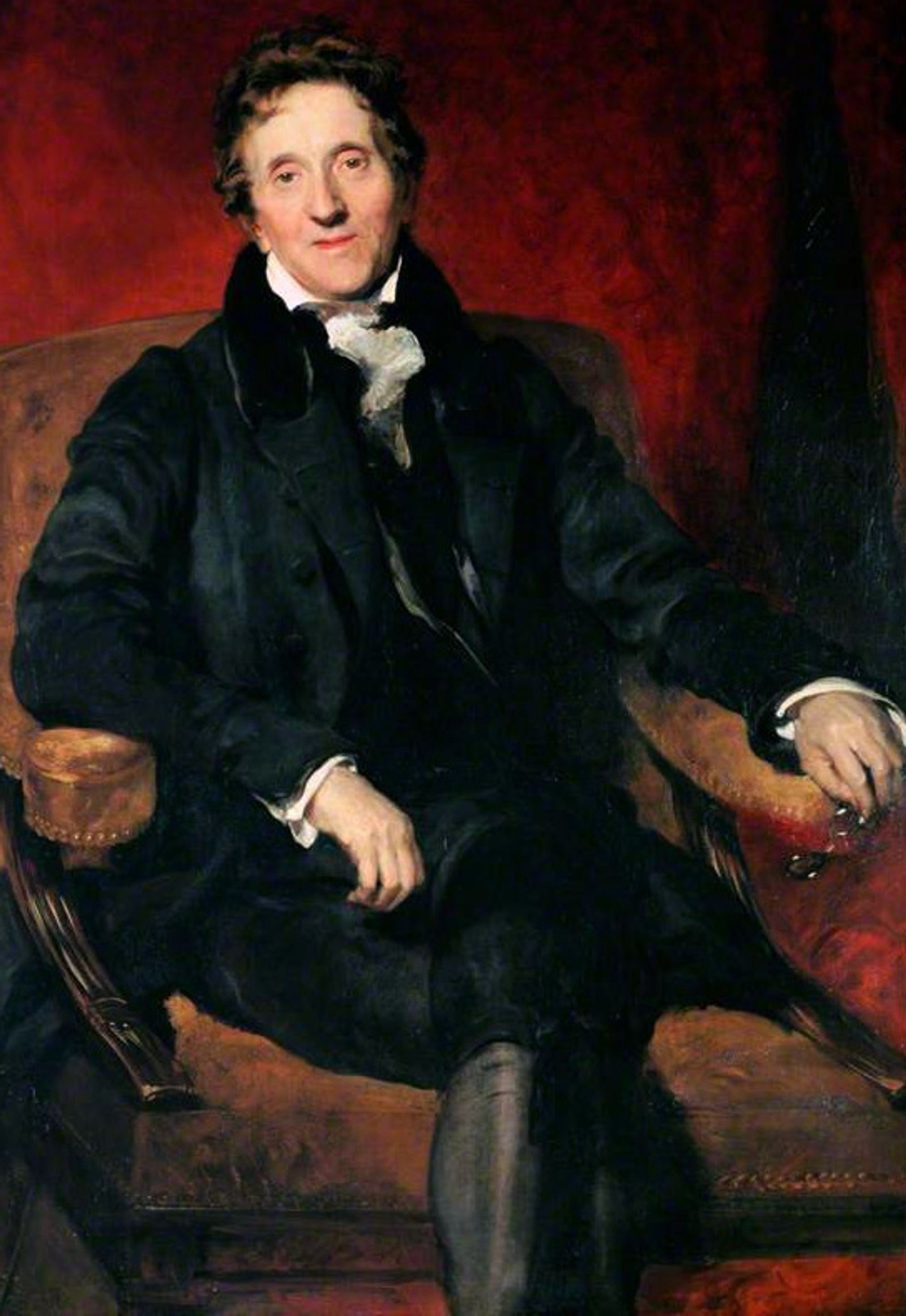
98 / 200 · 1753–1837
Baroque & Enlightenment
Innovative architect whose spatial sequences, lighting and historic eclecticism influenced later museum and civic design.
Read biography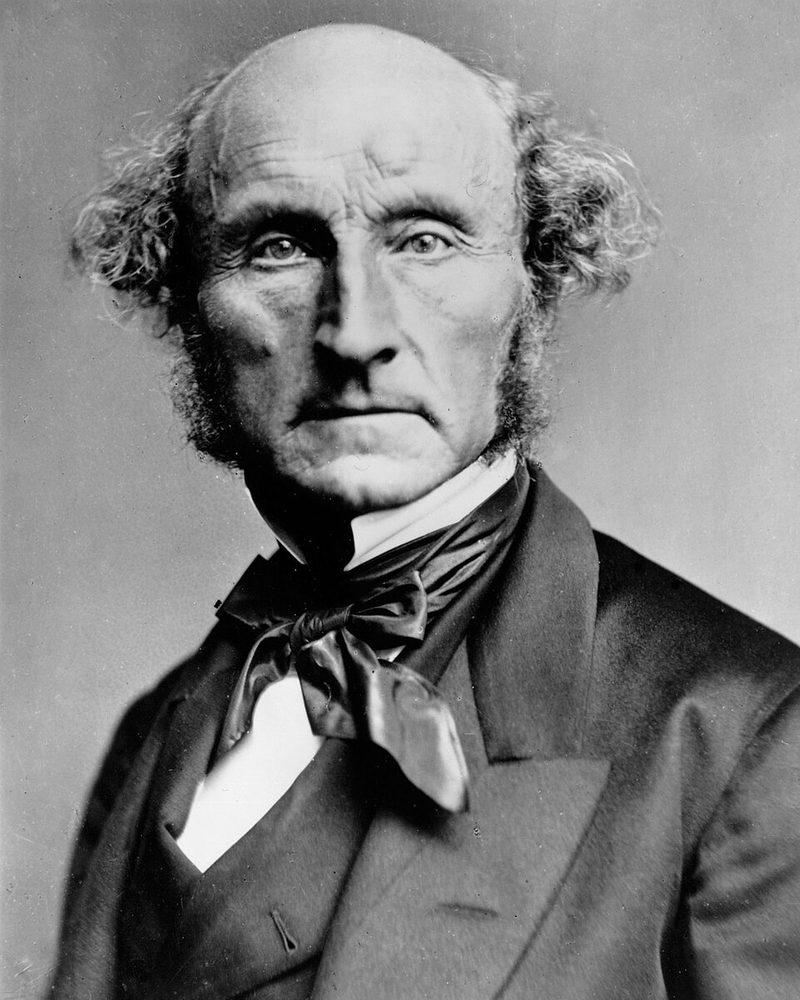
99 / 200 · 1806–1873
Philosopher and political economist
British philosopher and political economist whose On Liberty (1859) argued that state or social power over the individual is justified mainly to prevent harm to others, and whose Utilitarianism refined Bentham's framework. With Harriet Taylor Mill he wrote The Subjection of Women. As a member of Parliament he proposed extending the vote to women in 1867. He also worked for the East India Company.
Read biography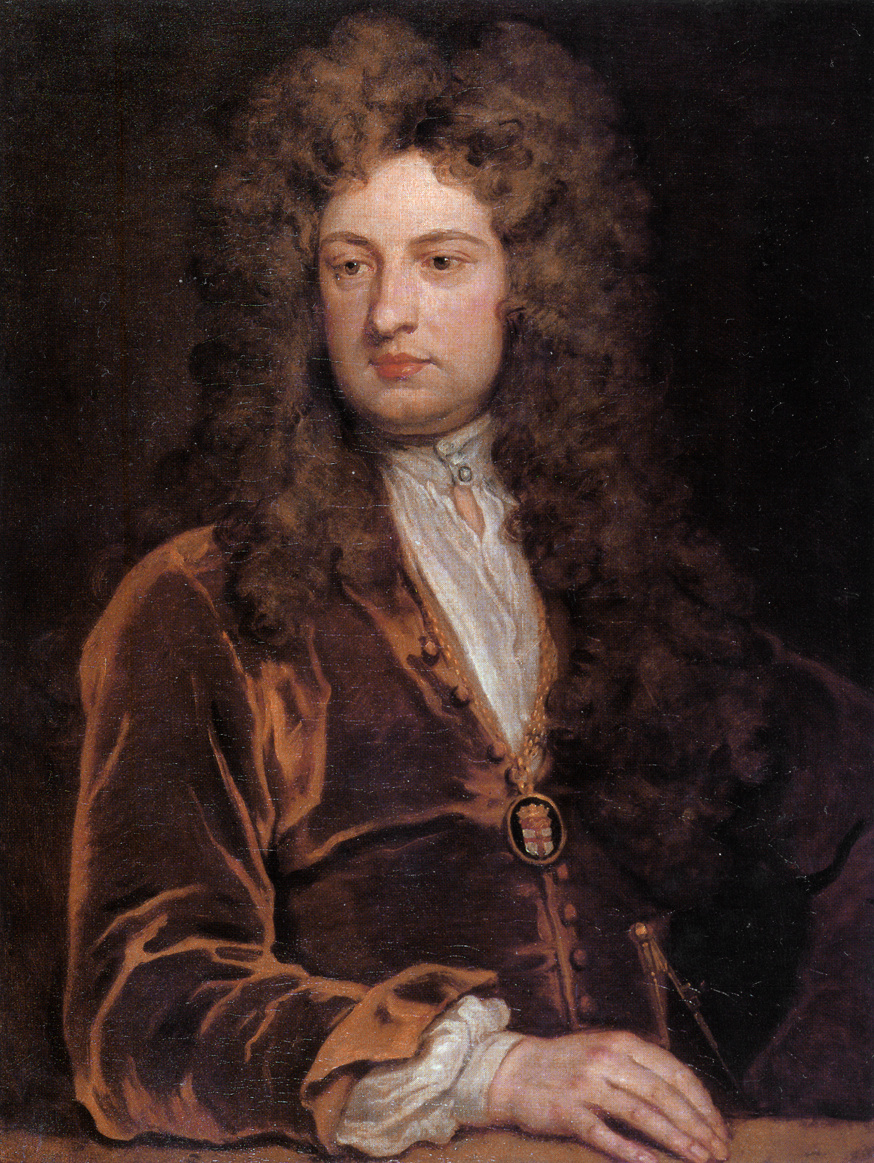
100 / 200 · 1664–1726
English playwright and architect
Developed a monumental English Baroque style in collaboration with Nicholas Hawksmoor.
Read biography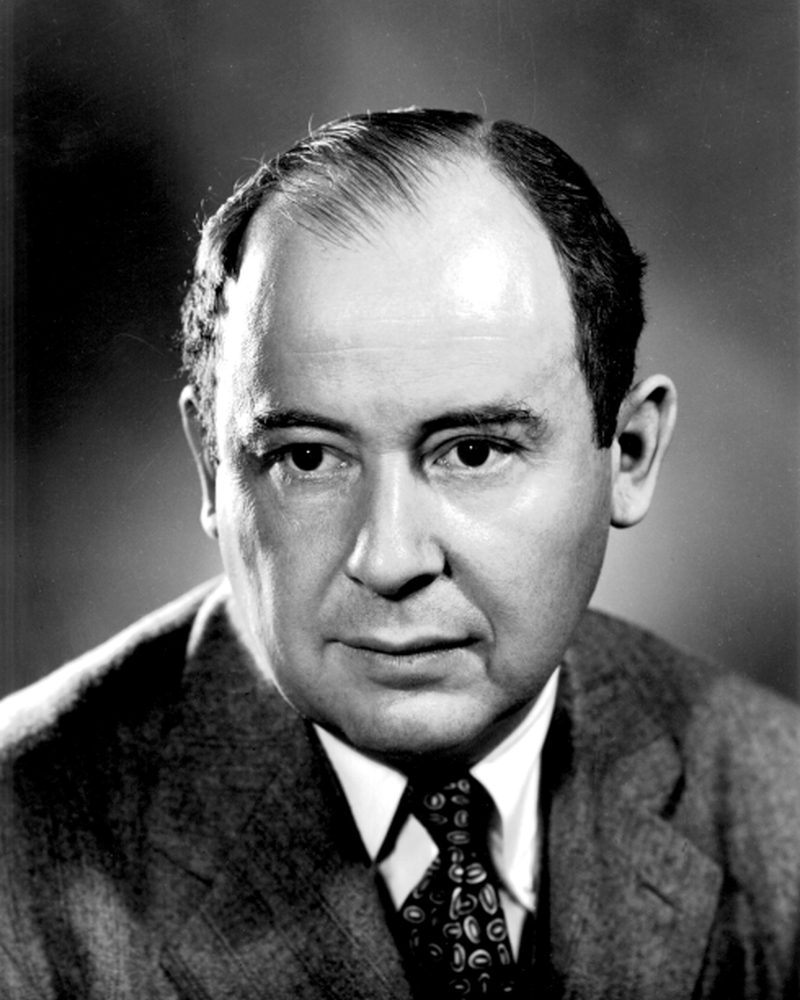
101 / 200 · 1903–1957
Mathematician
Hungarian-American mathematician who made foundational contributions to game theory, quantum mechanics, numerical analysis and computing. The stored-program design described in his 1945 report on the EDVAC became the standard architecture for digital computers. He also worked on the Manhattan Project and on early nuclear strategy, and contributed to the theory of self-replicating automata.
Read biography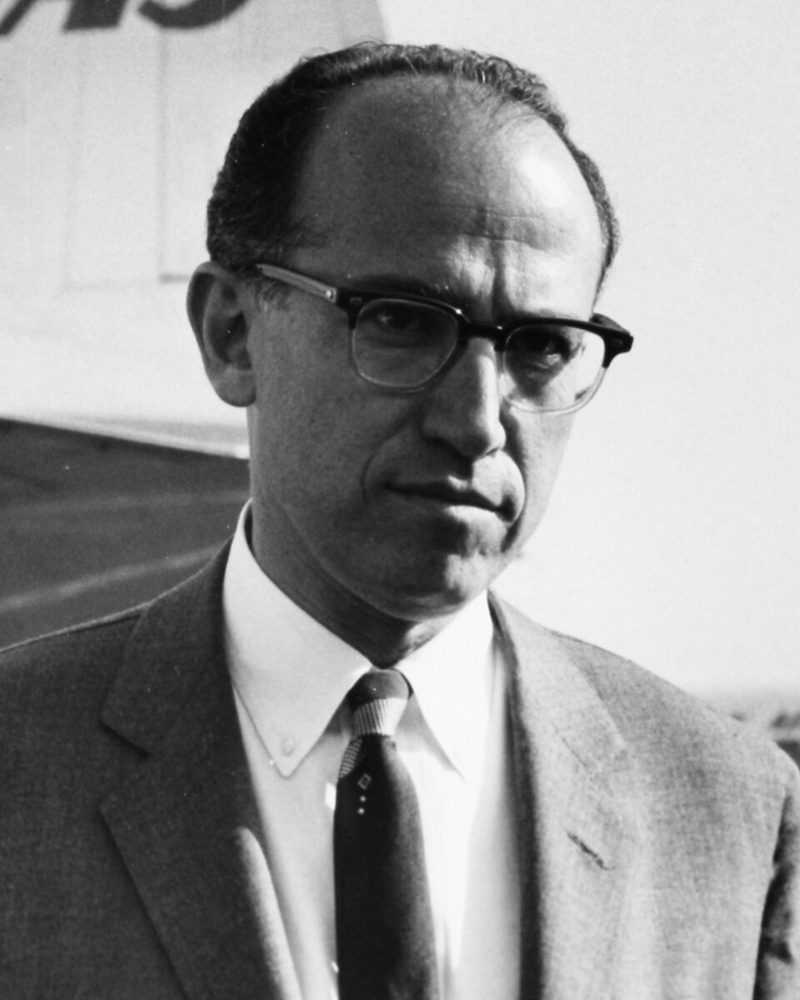
102 / 200 · 1914–1995
Virologist
American virologist who developed the first widely used inactivated polio vaccine, tested in a mass field trial in 1954 and licensed in 1955 as epidemics were disabling and killing children across many countries. He declined to patent the vaccine, and later founded the Salk Institute for Biological Studies in La Jolla, California.
Read biography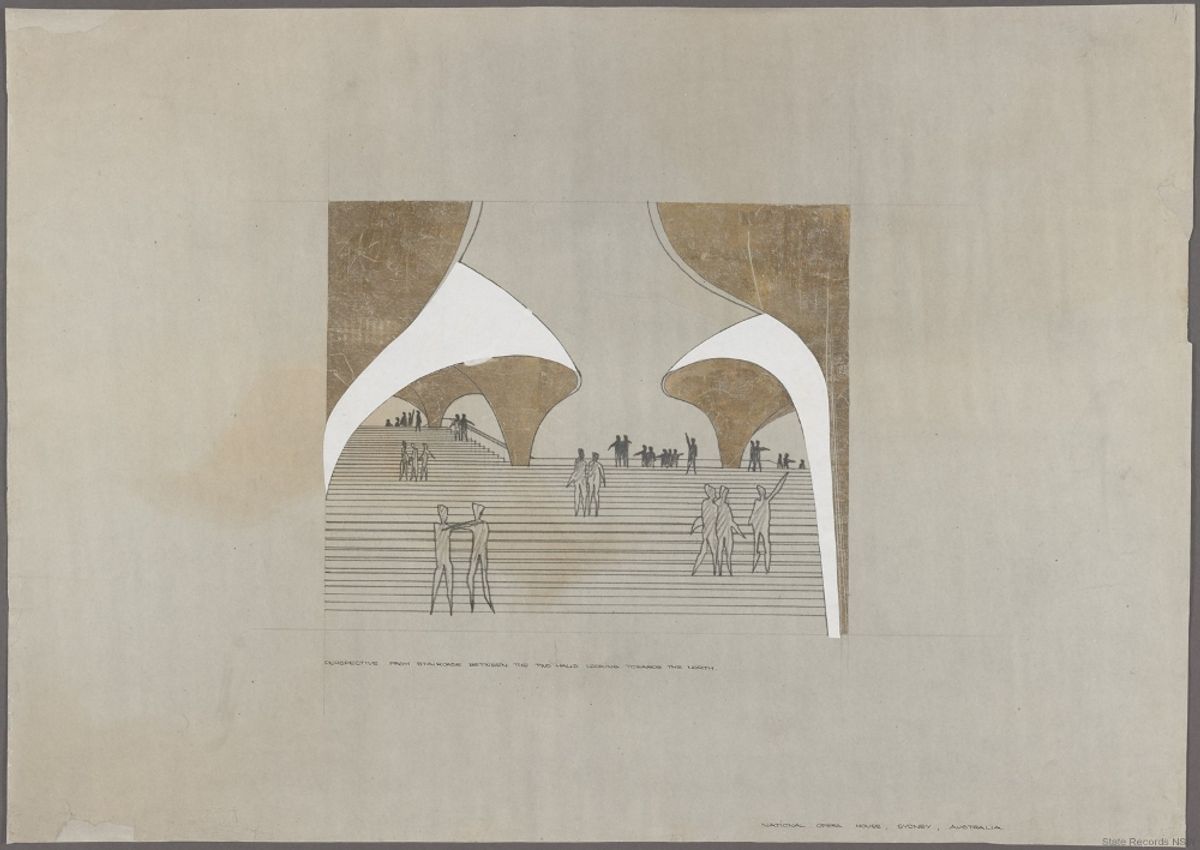
103 / 200 · 1918–2008
Danish architect
Created architecture that combines structural invention, monumental geometry and sensitivity to landscape and culture.
Read biography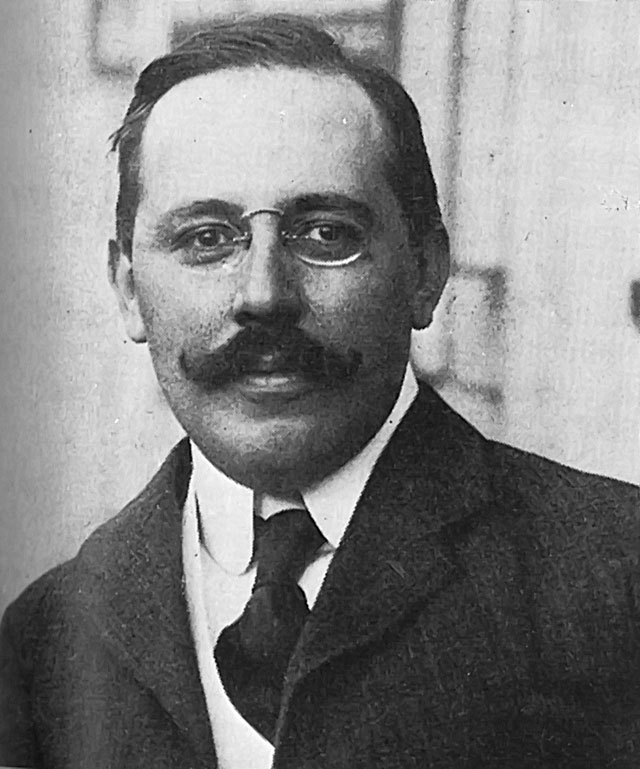
104 / 200 · 1870–1956
Austrian architect and designer
Key Vienna Secession architect who integrated architecture, interiors and design.
Read biography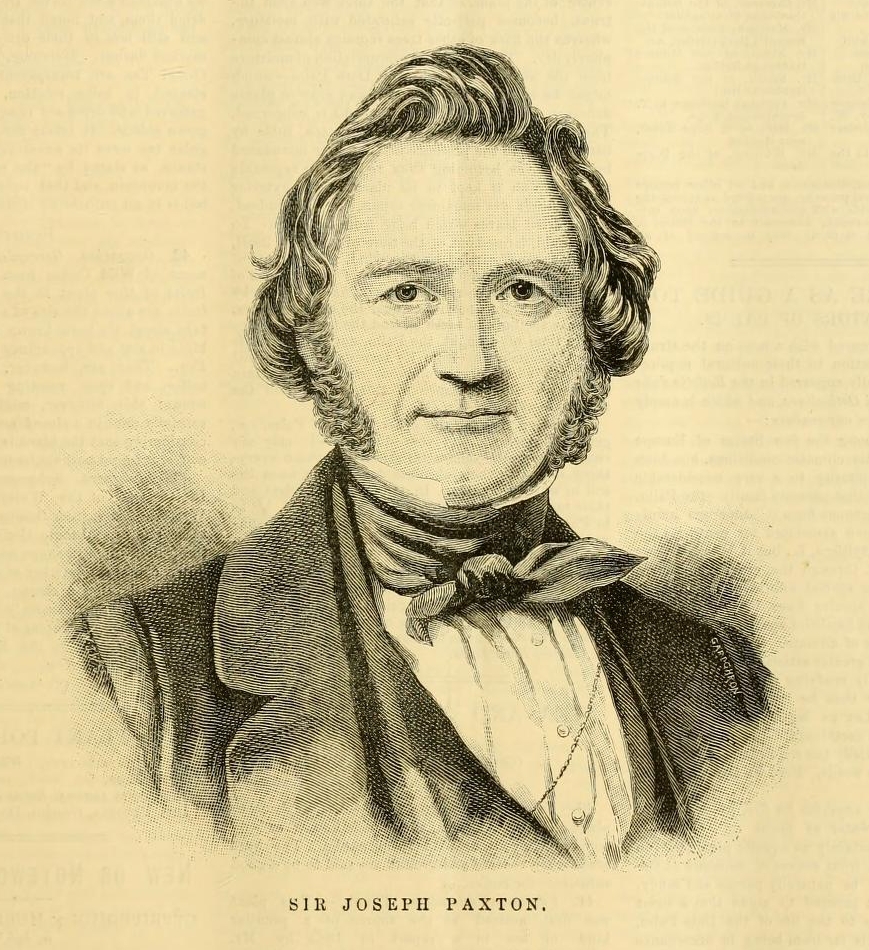
105 / 200 · 1803–1865
Architect, gardener and designer
Joseph Paxton was an English gardener, designer and architect whose work helped demonstrate how industrial manufacturing could transform architecture. His most famous building, the Crystal Palace, was created for the Great Exhibition of 1851 in London. Built largely from prefabricated iron and glass components, the enormous structure could be manufactured, transported and assembled at unprecedented speed and scale. Paxton's work helped demonstrate that architecture could become lighter, more modular, repeatable and closely connected to industrial production.
Read biography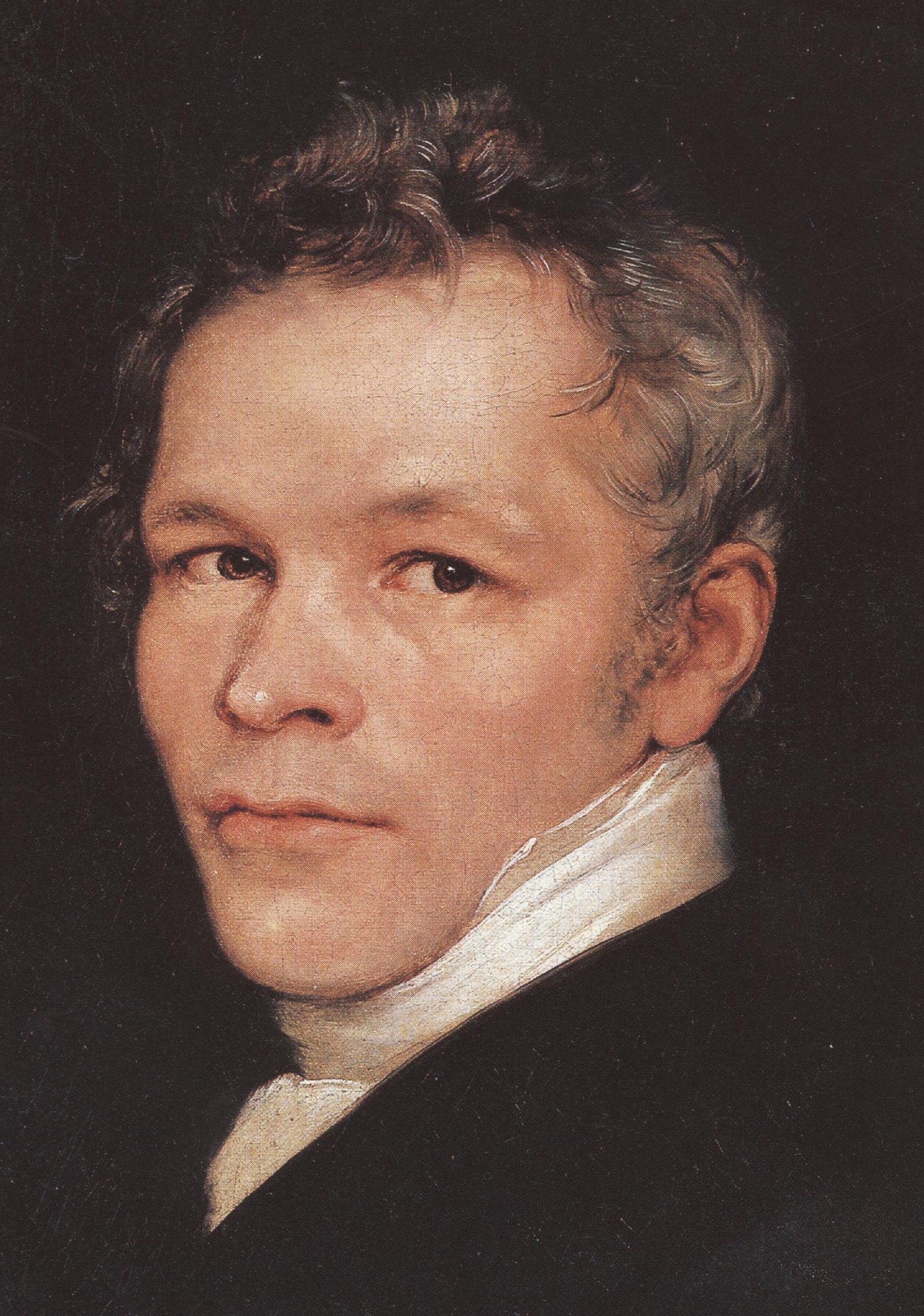
106 / 200 · 1781–1841
Prussian architect and planner
Leading German Neoclassical architect who shaped civic architecture and architectural education.
Read biography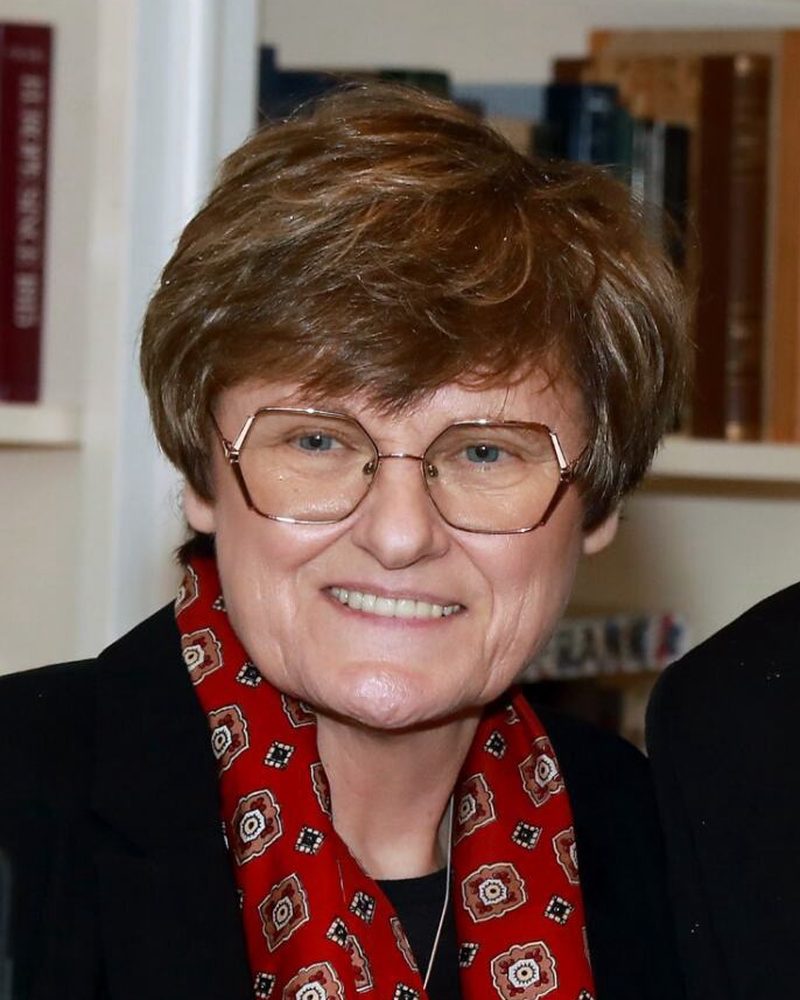
107 / 200 · born 1955
Biochemist
Hungarian-American biochemist whose research with Drew Weissman, published in 2005 after years of rejected grant applications, showed how modified nucleosides allow messenger RNA to enter cells without triggering a destructive immune response. The discovery underpinned the mRNA COVID-19 vaccines. She shared the 2023 Nobel Prize in Physiology or Medicine and has worked in both academia and industry.
Read biography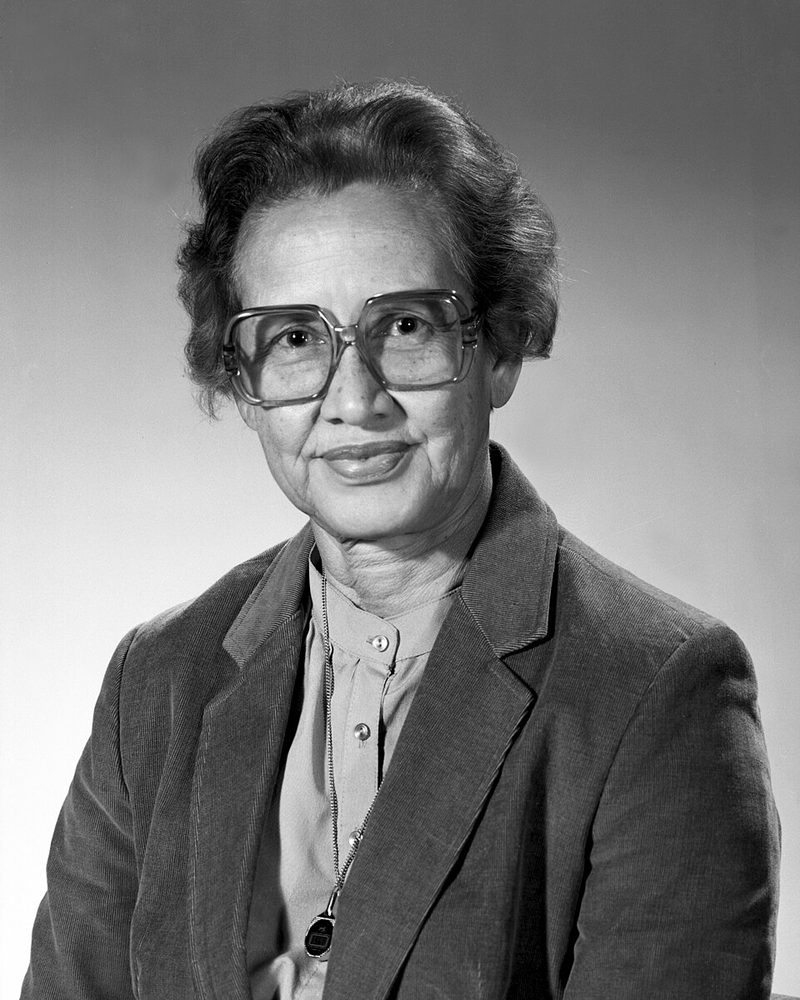
108 / 200 · 1918–2020
Mathematician
American mathematician at NACA and later NASA whose orbital-mechanics calculations supported the first US crewed spaceflights, including Alan Shepard's 1961 flight and John Glenn's 1962 orbit, which Glenn asked her to verify. She worked in the segregated West Area Computing unit and contributed to Apollo mission calculations. She received the Presidential Medal of Freedom in 2015.
Read biography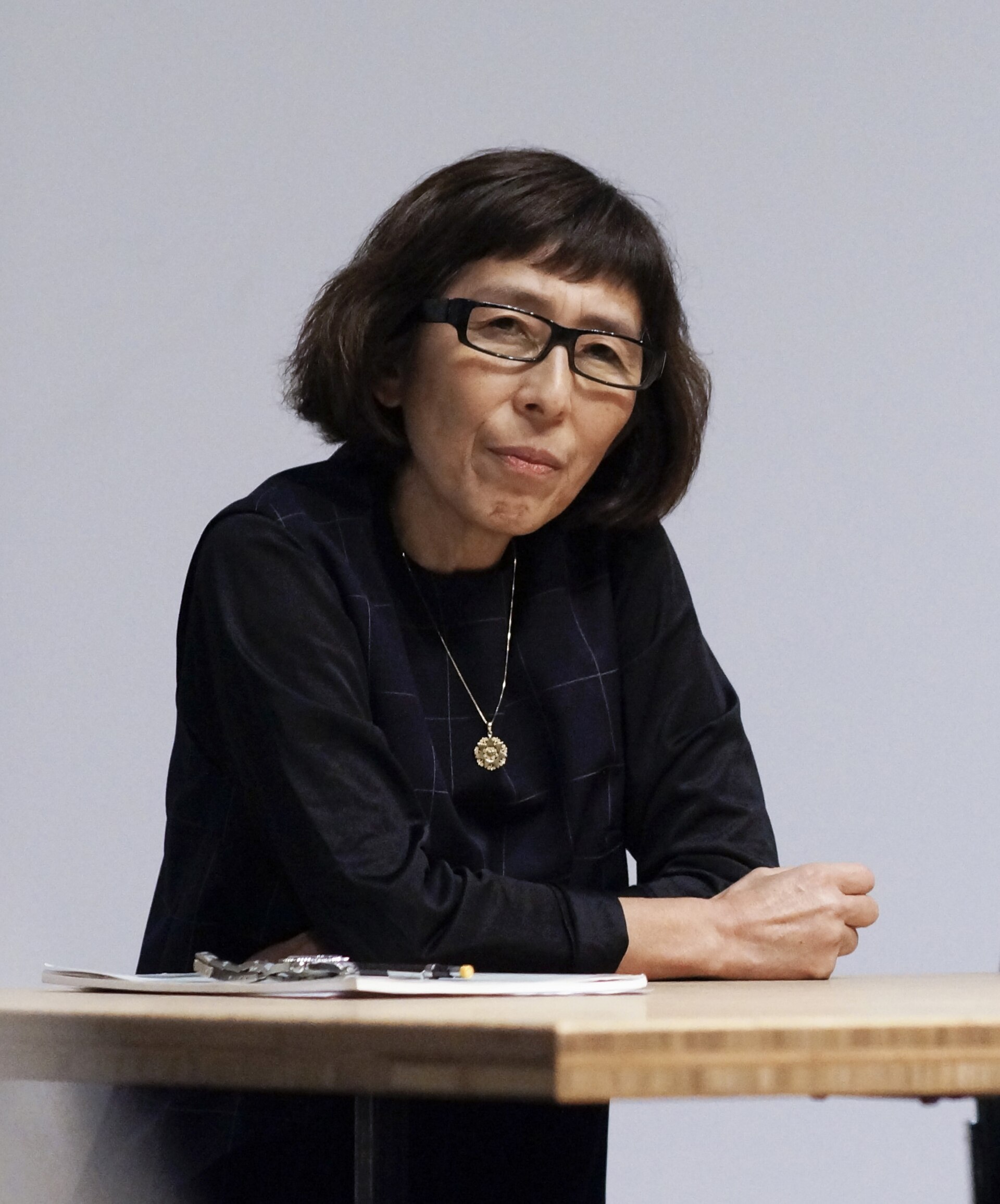
109 / 200 · 1956–
Japanese architect
Known for transparent, fluid and socially open spatial arrangements.
Read biography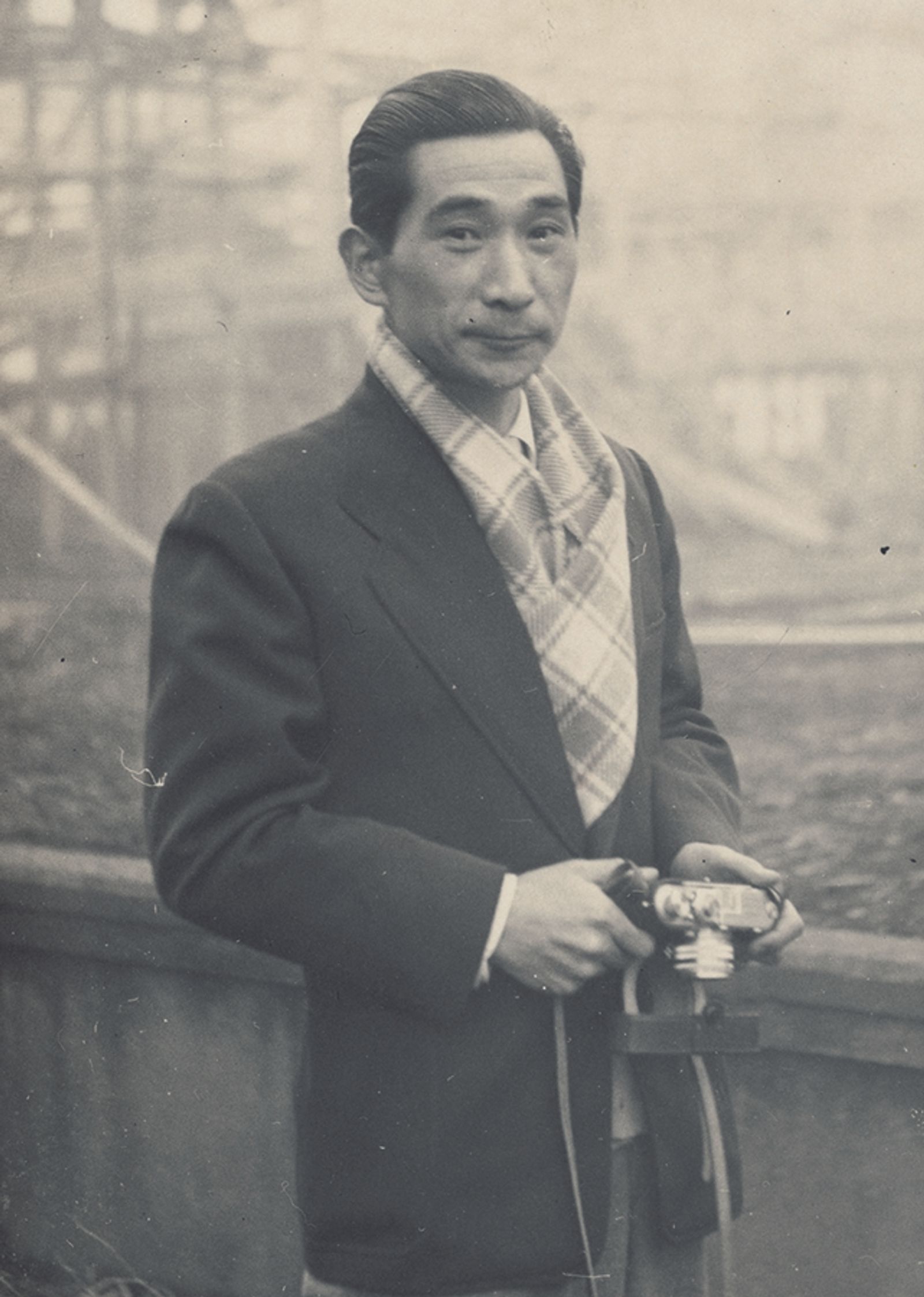
110 / 200 · 1913–2005
Japanese architect and planner
Connected modernist planning with Japanese spatial traditions and postwar reconstruction.
Read biography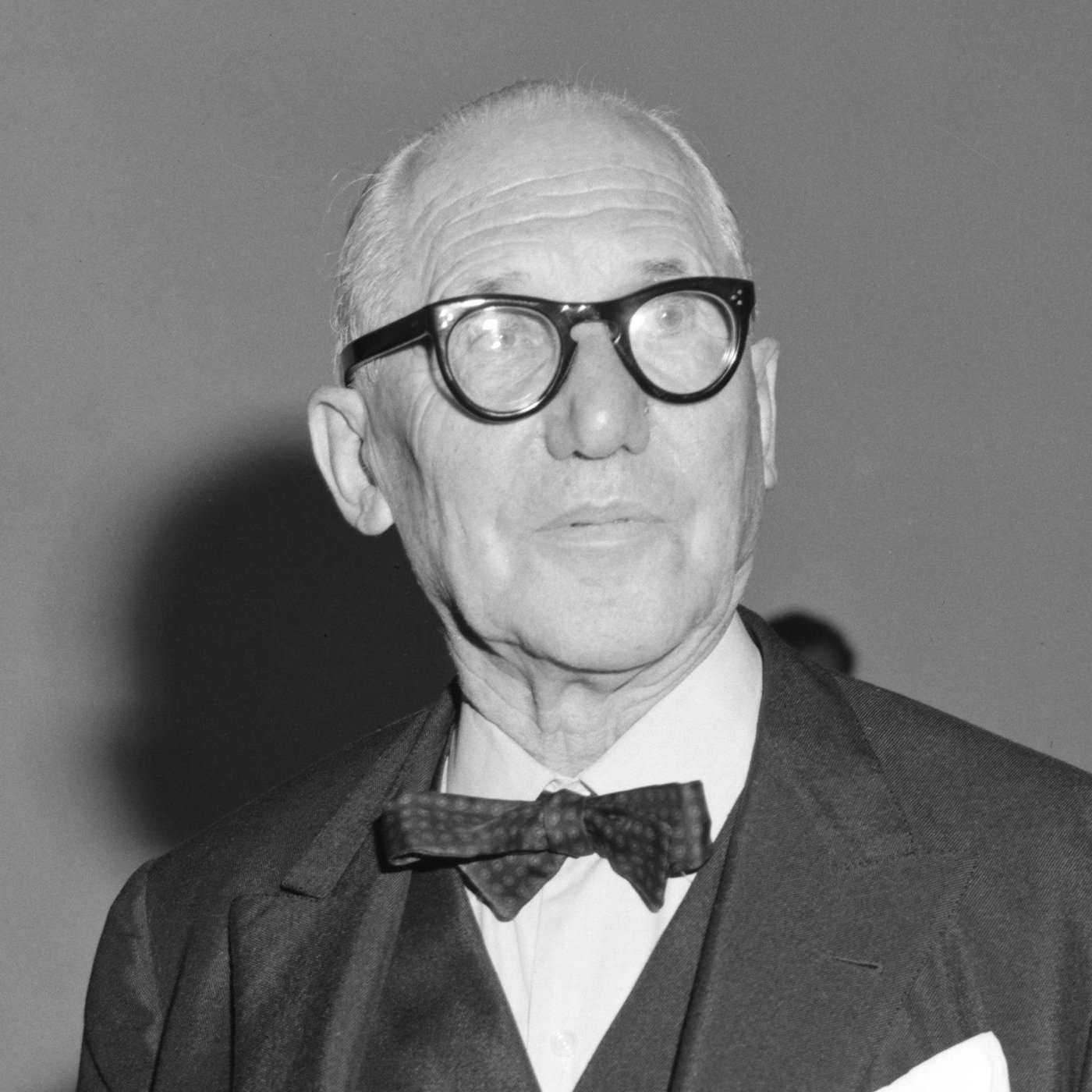
111 / 200 · 1887–1965
Swiss-French architect and urbanist
Central figure of modernism whose buildings and writings transformed twentieth-century architecture and urban planning.
Read biography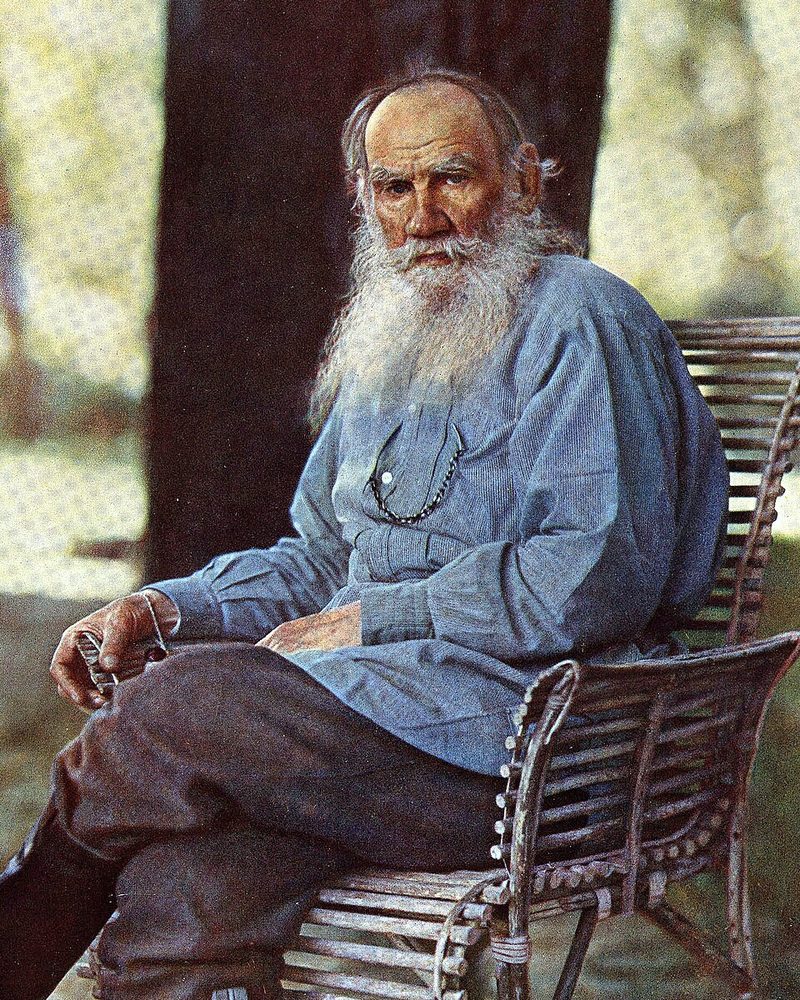
112 / 200 · 1828–1910
Novelist and essayist
Russian novelist whose War and Peace and Anna Karenina are regarded among the major achievements of realist fiction. After a moral crisis he adopted a form of Christian anarchism and pacifism, set out in works such as The Kingdom of God Is Within You, which influenced Gandhi. He founded a school for peasant children on his estate at Yasnaya Polyana.
Read biography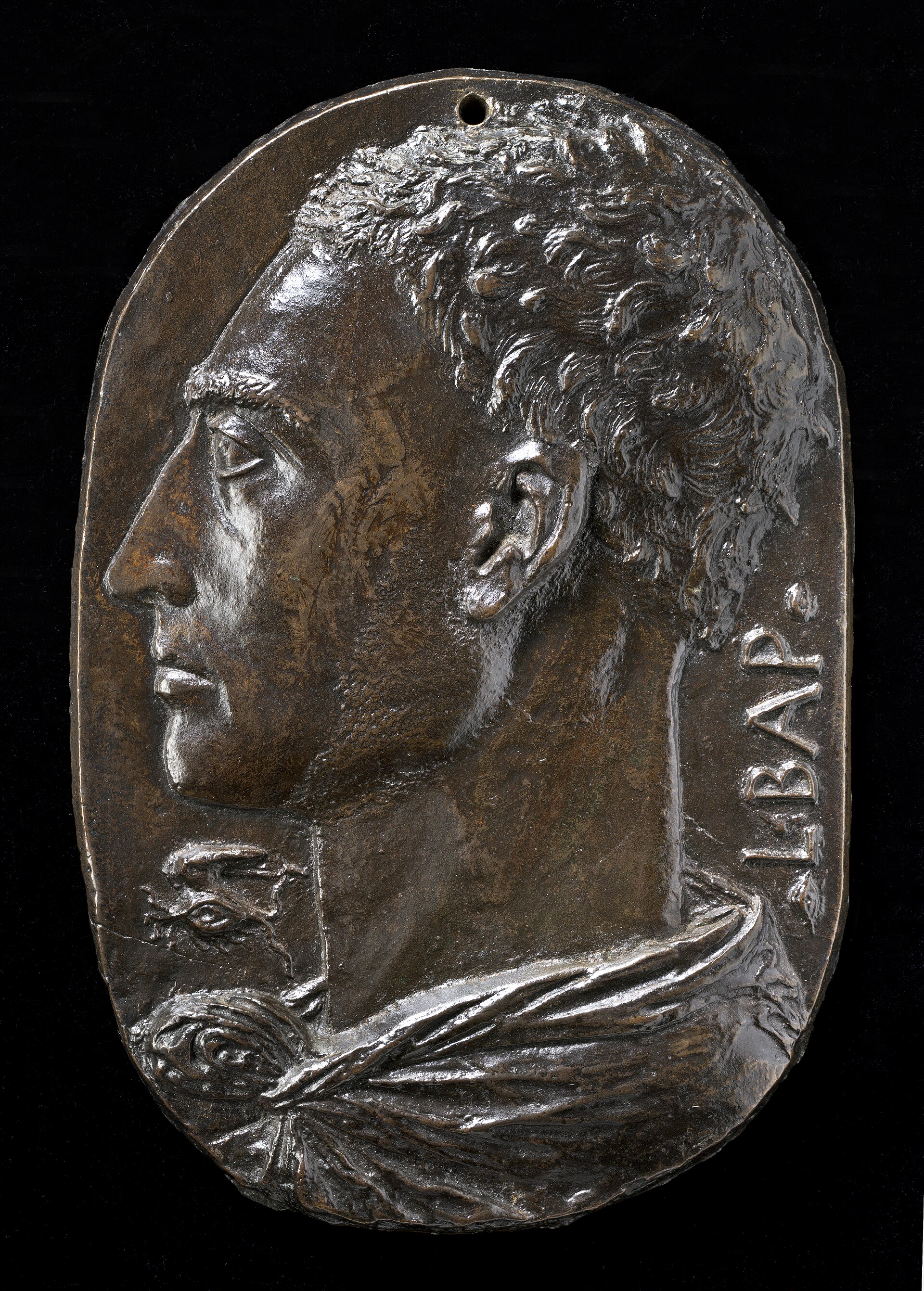
113 / 200 · 1404–1472
Italian humanist and architect
Architect and theorist who helped define Renaissance architecture as an intellectual discipline.
Read biography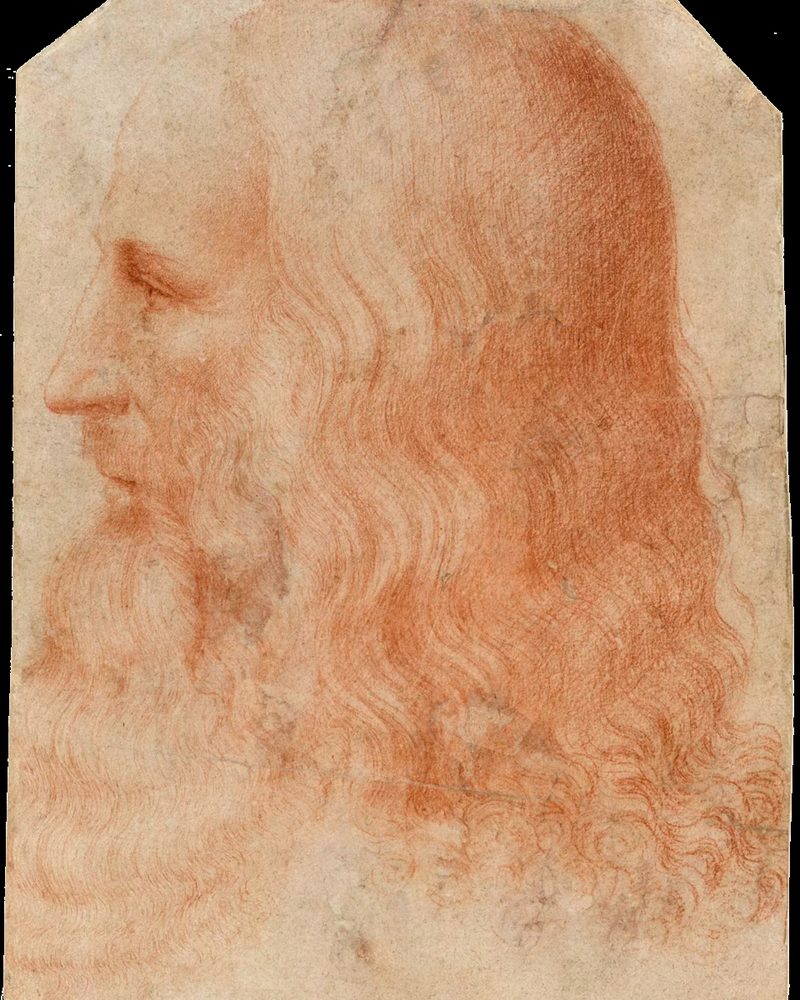
114 / 200 · 1452–1519
Artist and engineer
Italian painter, draughtsman and engineer whose works include the Mona Lisa and The Last Supper. His notebooks, running to thousands of pages, contain anatomical studies based on dissection, hydraulic and mechanical designs, and observations on optics and geology, most unpublished in his lifetime. He is often cited as the defining example of Renaissance breadth across art and science.
Read biography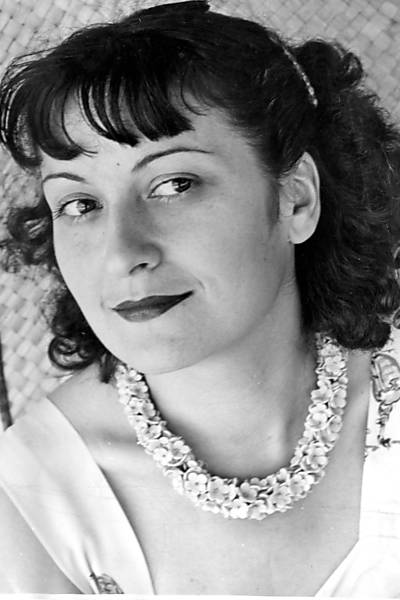
115 / 200 · 1914–1992
Italian-Brazilian architect
Developed socially engaged architecture that connected modern design with public life and Brazilian culture.
Read biography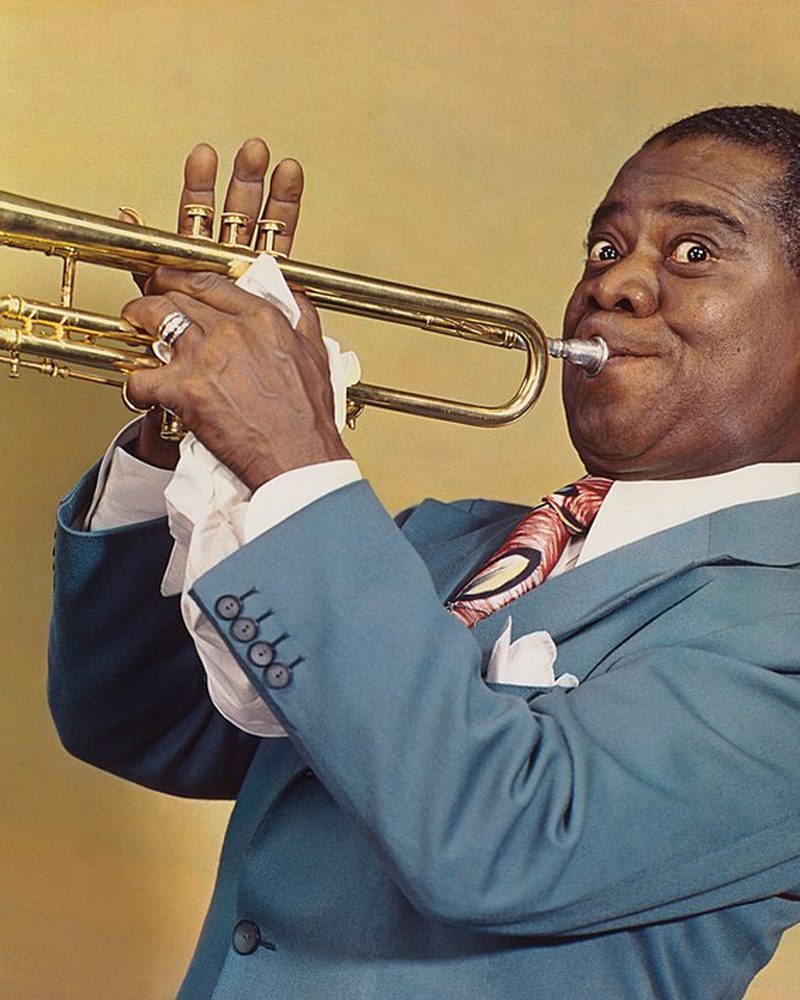
116 / 200 · 1901–1971
Trumpeter and singer
American trumpeter and singer from New Orleans whose Hot Five and Hot Seven recordings in the 1920s shifted jazz from collective ensemble playing toward the improvised solo. His phrasing and scat singing influenced generations of instrumentalists and vocalists across genres. He toured internationally for decades, and his public caution on civil rights drew criticism from some contemporaries.
Read biography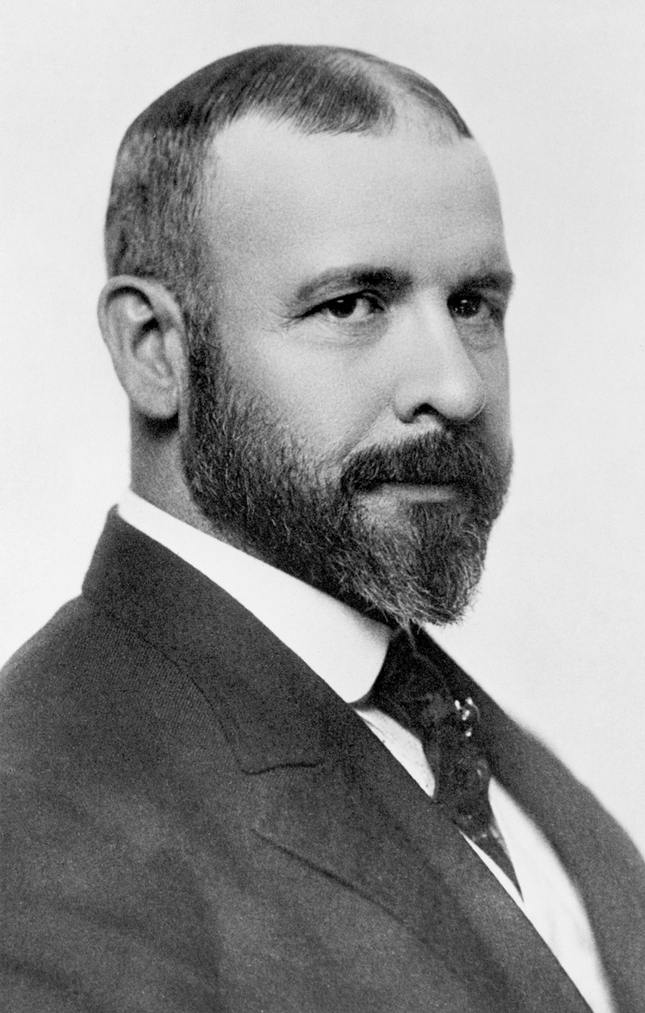
117 / 200 · 1856–1924
American architect
Advanced the early skyscraper and formulated influential ideas about form, function and ornament.
Read biography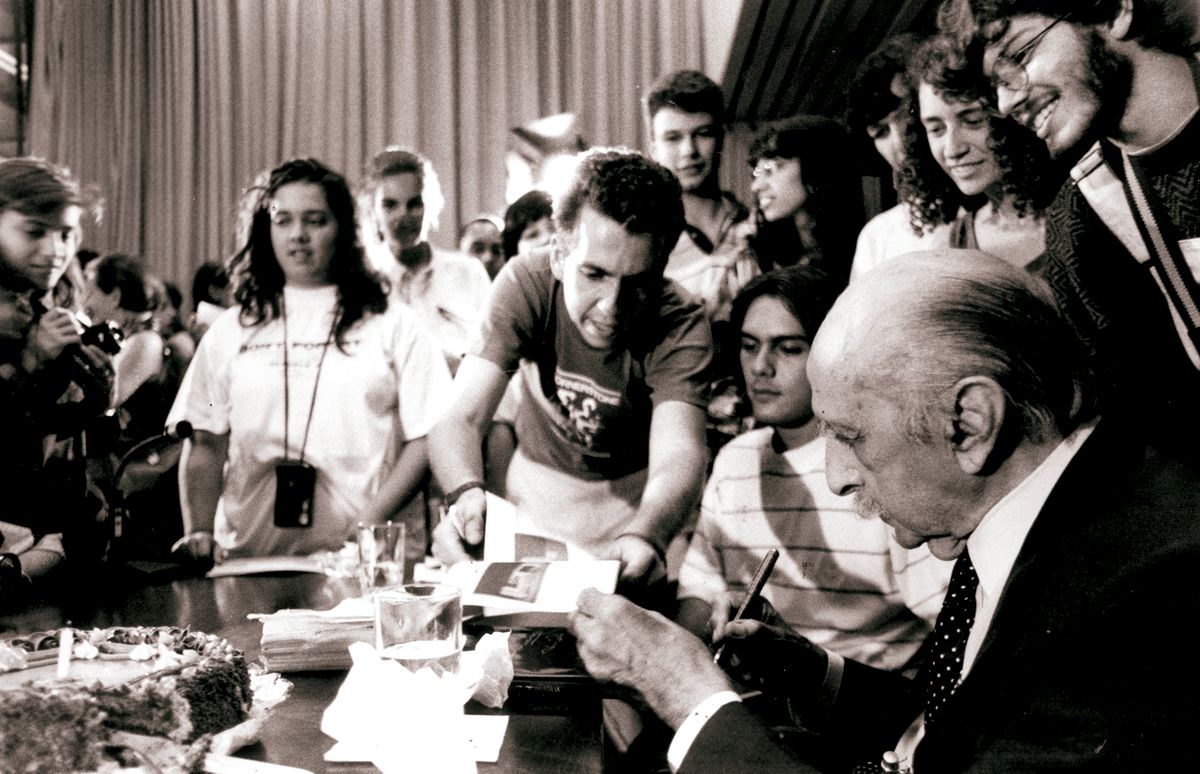
118 / 200 · 1902–1998
Modernism
Urban planner and architect whose Brasília plan provided the framework for Brazil's modern capital.
Read biography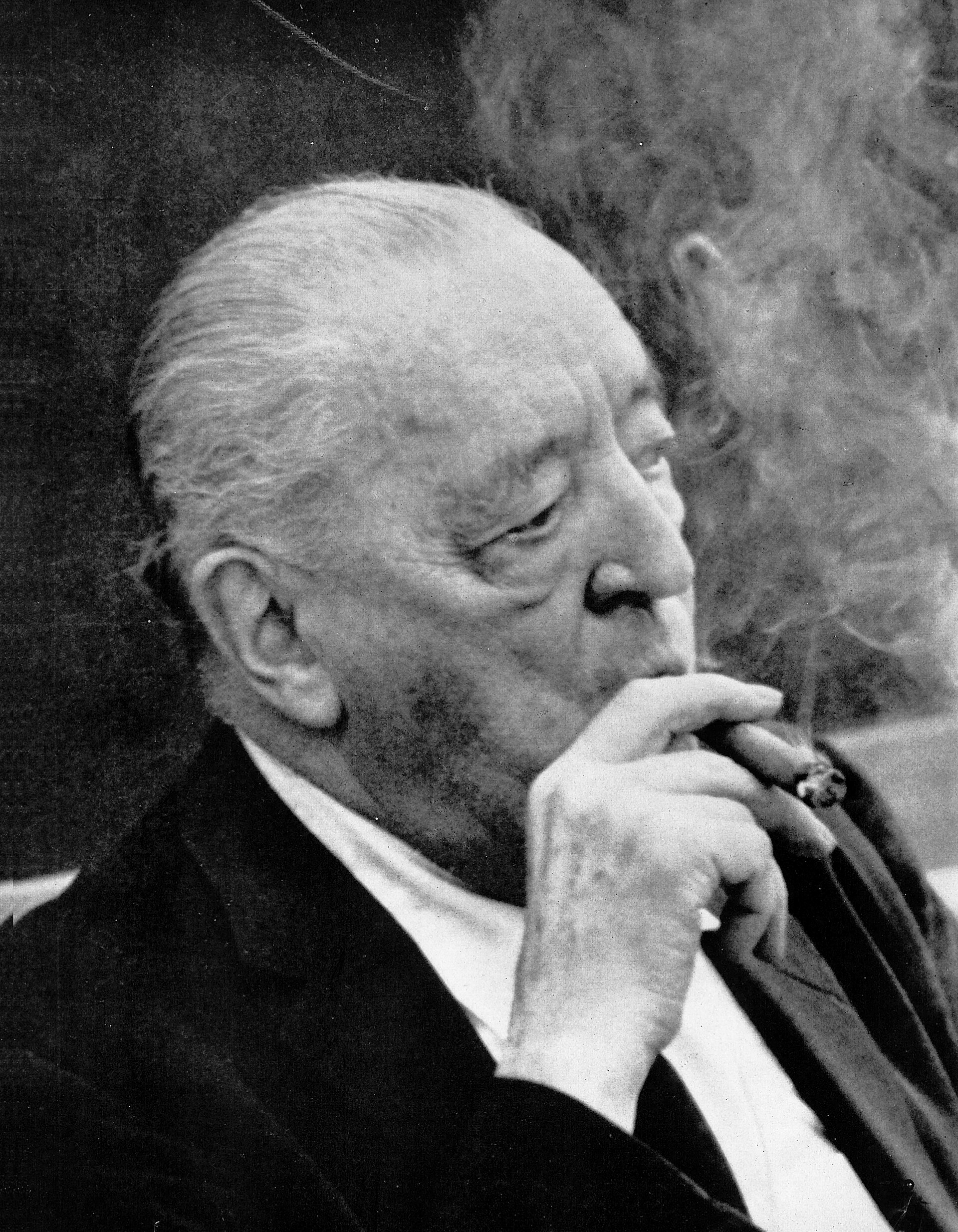
119 / 200 · 1886–1969
German-American architect
Defined a powerful minimalist language of structure, proportion, glass and steel.
Read biography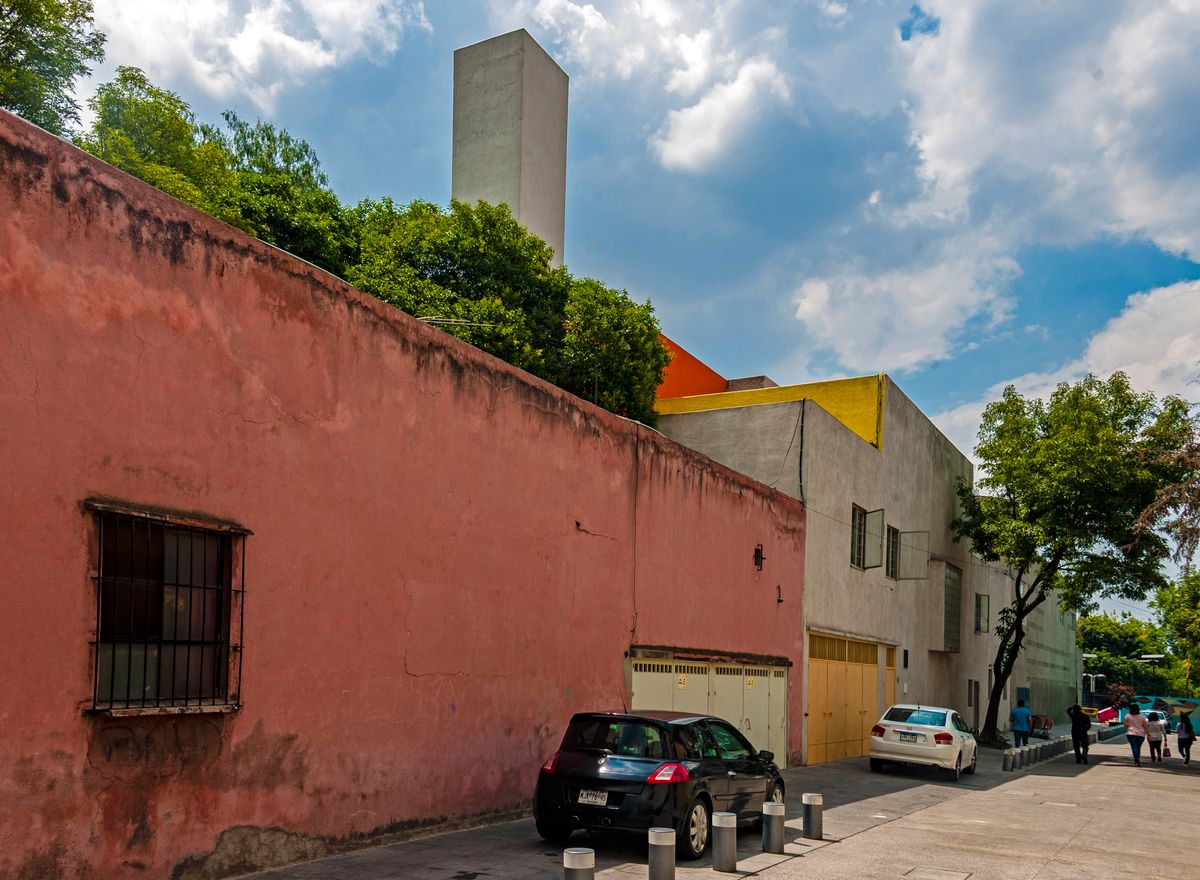
120 / 200 · 1902–1988
Mexican architect and engineer
Created a highly influential architecture of color, light, landscape and contemplative space.
Read biography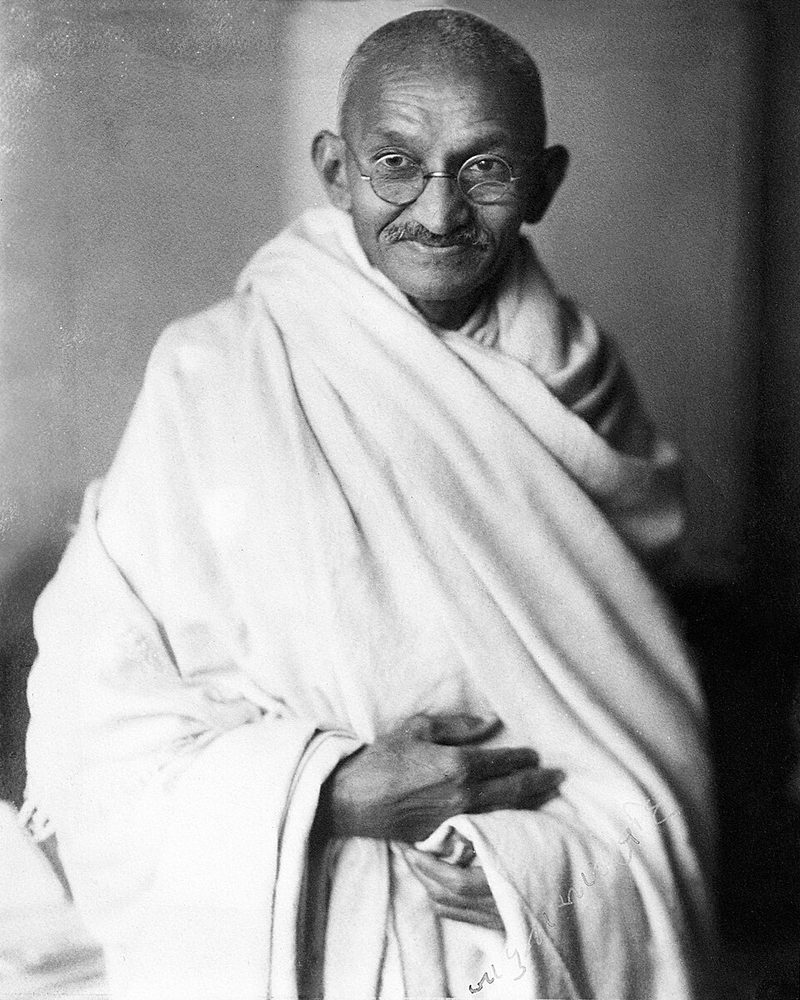
121 / 200 · 1869–1948
Lawyer and independence leader
Indian lawyer who developed mass nonviolent civil resistance, first in South Africa and then in the Indian independence movement, leading campaigns including the 1930 Salt March. His methods influenced later civil rights and anti-colonial movements. His views on caste and some of his personal conduct have been subject to significant historical criticism. He was assassinated in January 1948.
Read biography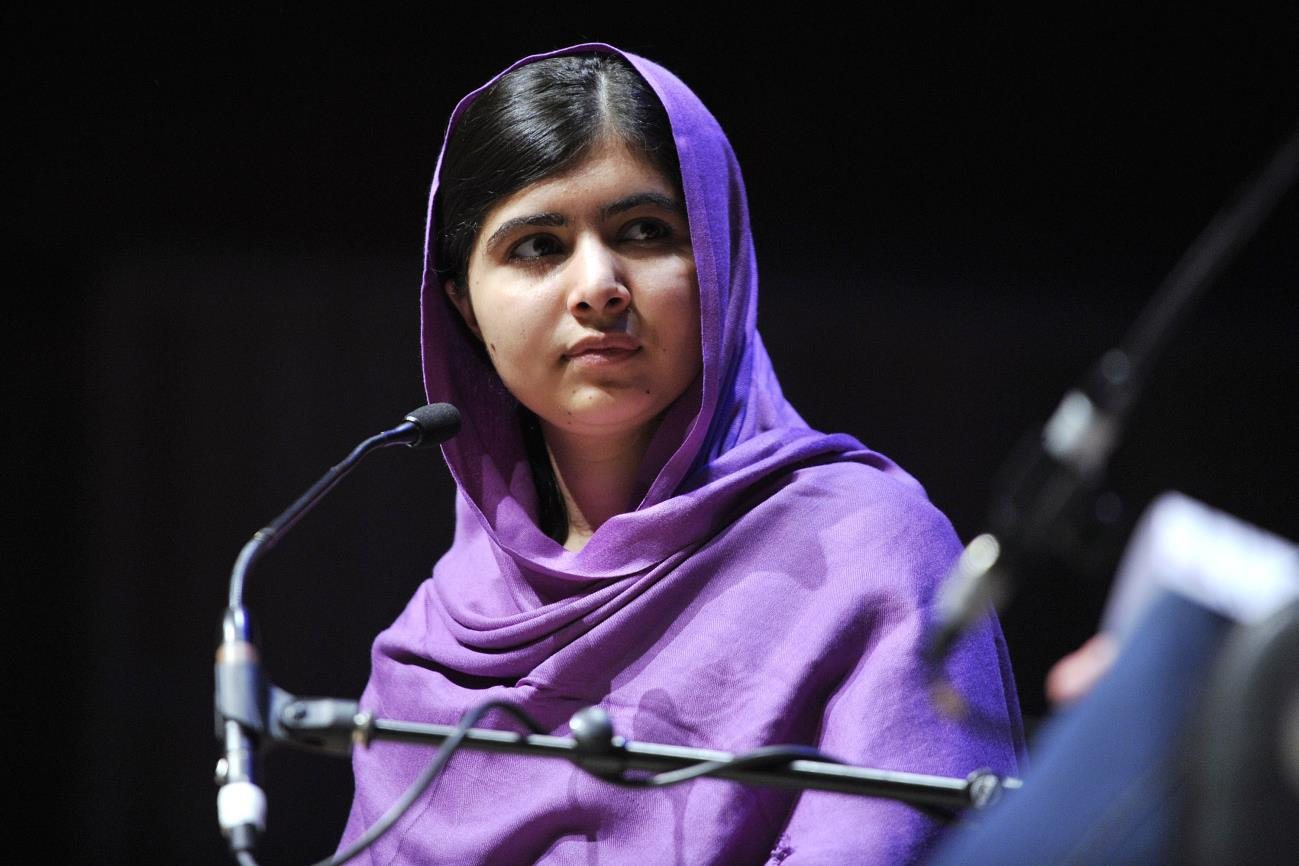
122 / 200 · born 1997
Education campaigner
Pakistani education campaigner who wrote anonymously for the BBC about life under Taliban rule in the Swat Valley as a schoolgirl. She was shot in the head by a gunman in October 2012 and recovered after treatment in Birmingham. She co-founded the Malala Fund, addressed the United Nations, and in 2014 became the youngest Nobel Peace Prize laureate. She graduated from Oxford in 2020.
Read the full feature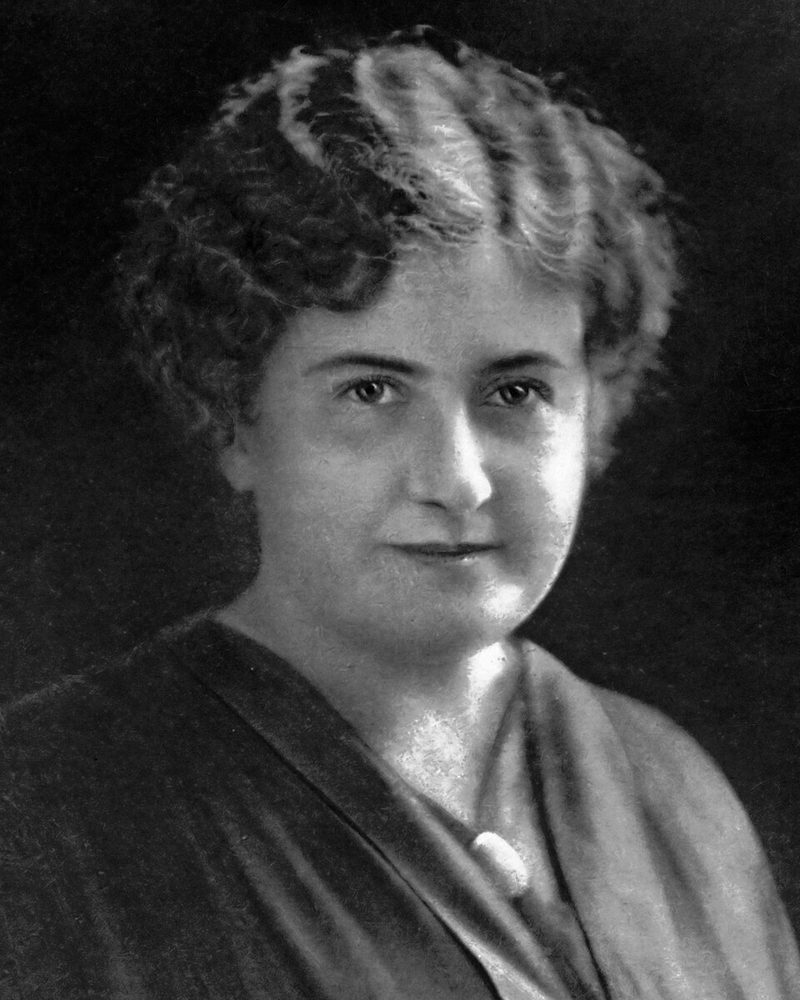
123 / 200 · 1870–1952
Physician and educator
Italian physician and educator, among the first women to qualify in medicine in Italy, who opened the Casa dei Bambini in Rome in 1907. Her observational method emphasised prepared environments, self-directed activity and mixed-age classes. Montessori schools now operate in more than a hundred countries, and she was nominated several times for the Nobel Peace Prize.
Read biography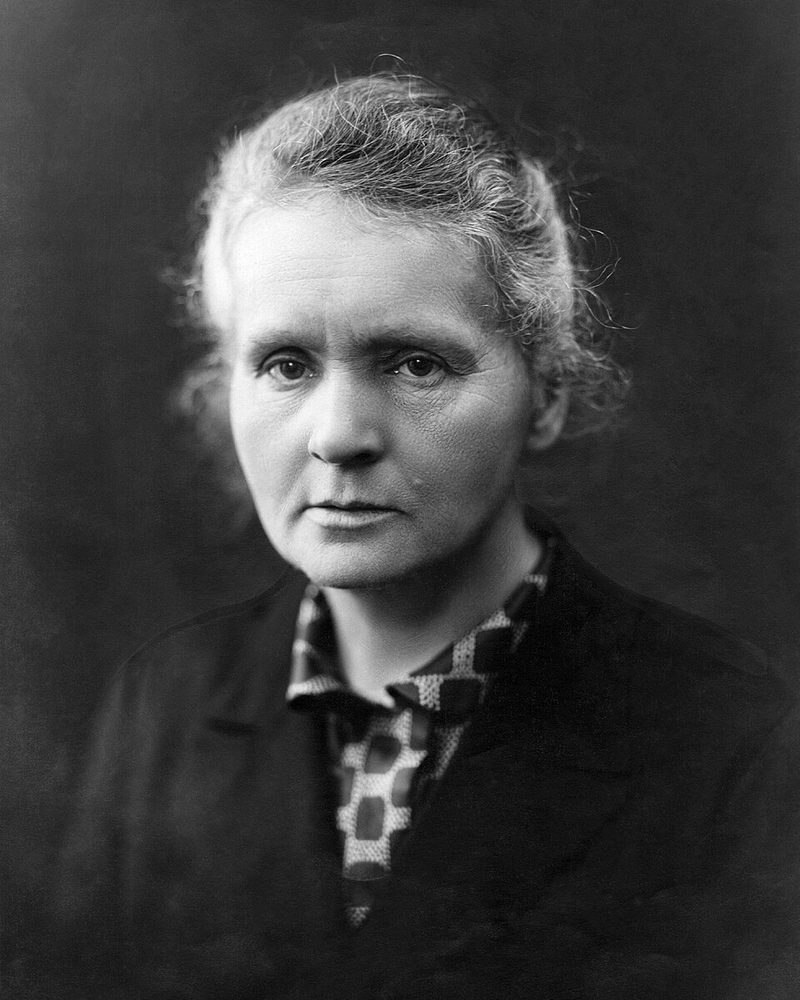
124 / 200 · 1867–1934
Physicist and chemist
Polish-born physicist and chemist who conducted pioneering research on radioactivity, a term she coined, and who discovered the elements polonium and radium with Pierre Curie. She was the first woman to win a Nobel Prize, the first person to win in two scientific fields, and she organised mobile radiography units during the First World War. She died of aplastic anaemia linked to radiation exposure.
Read biography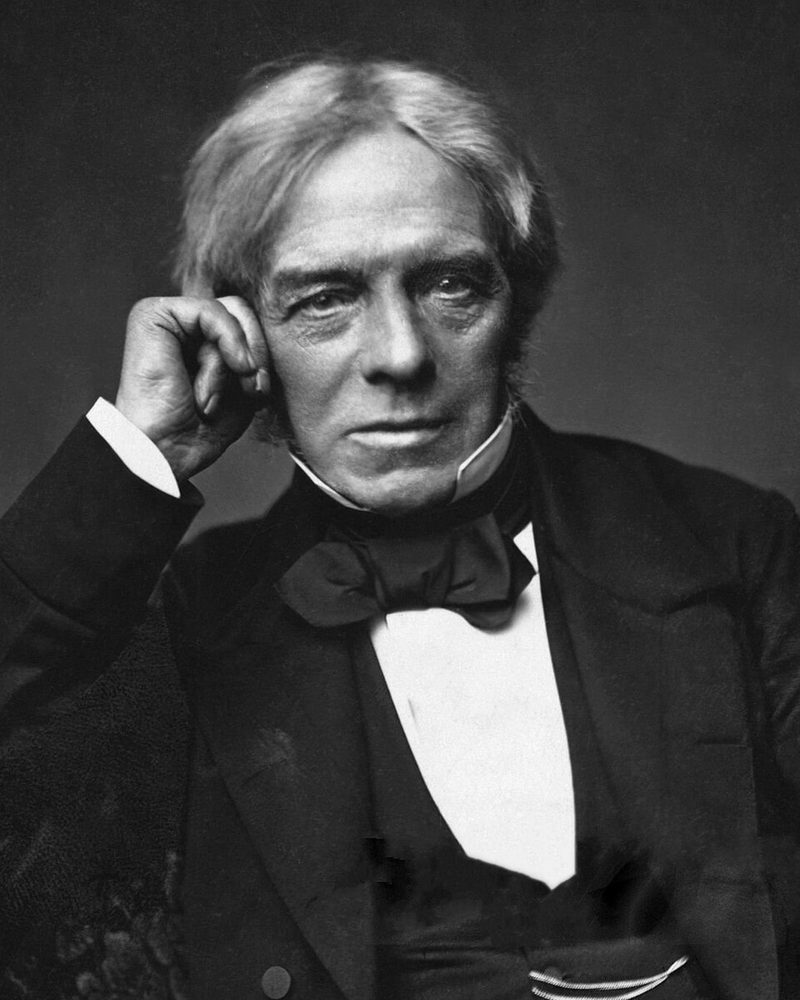
125 / 200 · 1791–1867
Chemist and physicist
English scientist, largely self-taught, whose discovery of electromagnetic induction in 1831 underpins electric generators and transformers. He described the laws of electrolysis, discovered benzene, introduced the concept of the electromagnetic field, and identified diamagnetism. Working at the Royal Institution, he also established the Christmas Lectures, a long-running tradition of public science communication.
Read biography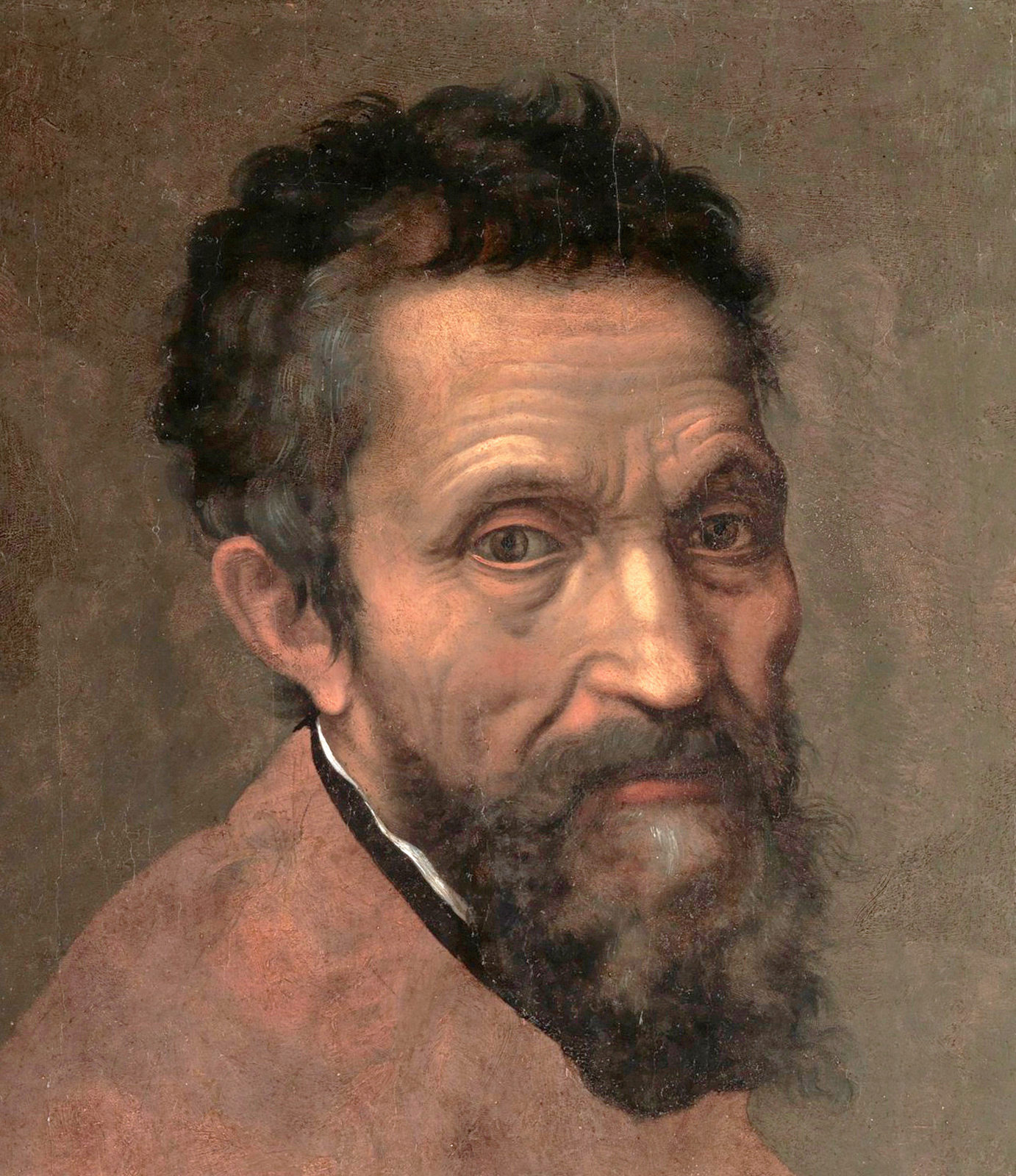
126 / 200 · 1475–1564
Italian sculptor, painter and architect
Reinterpreted classical architecture through powerful spatial composition and sculptural form.
Read biography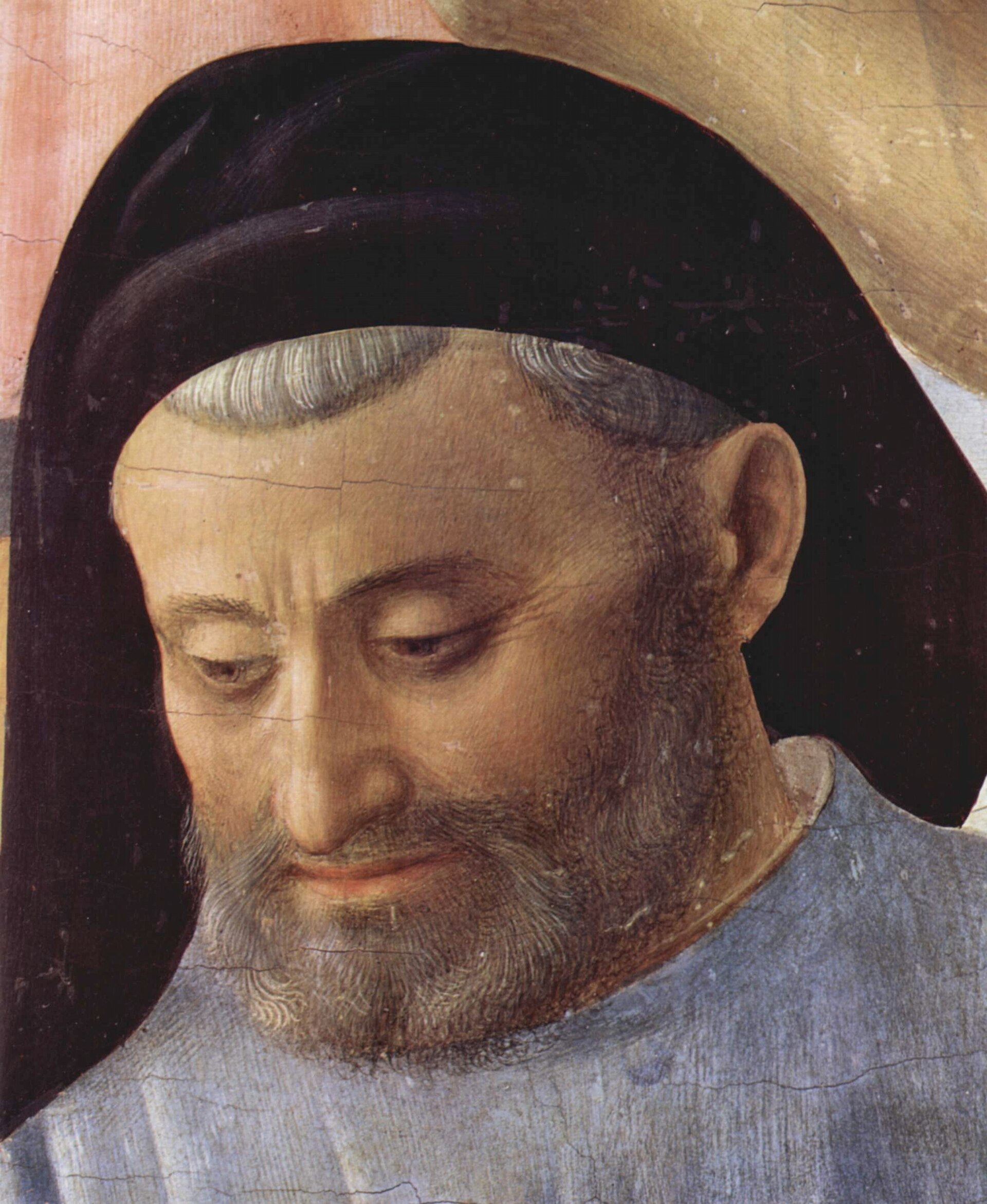
127 / 200 · 1396–1472
Renaissance
Developed an influential Renaissance language of urban palaces and spatial hierarchy.
Read biography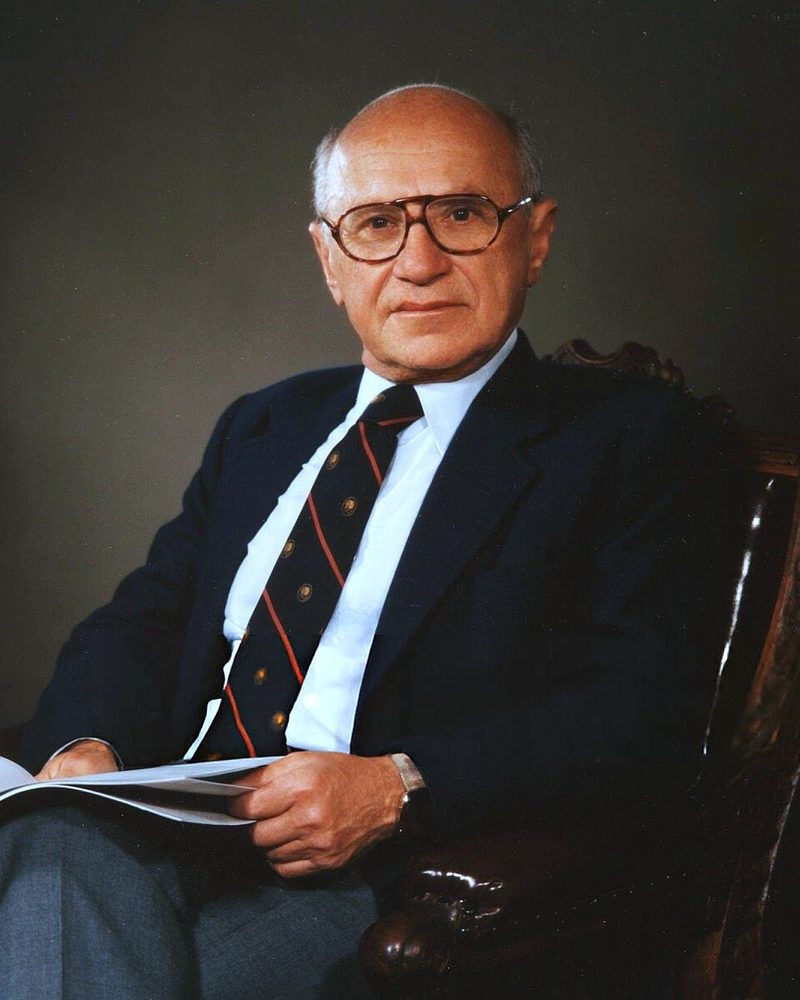
128 / 200 · 1912–2006
Economist
American economist and 1976 Nobel laureate known for monetary theory, the permanent income hypothesis and A Monetary History of the United States, written with Anna Schwartz. He argued for limited government intervention, floating exchange rates and rule-based monetary policy. His ideas influenced policy in several countries, and his advisory contacts, including with Chile in the 1970s, remain contested.
Read biography
129 / 200 · c. 1489–1588
Ottoman chief imperial architect
Ottoman chief architect who developed a highly influential language of centralized domed architecture.
Read biography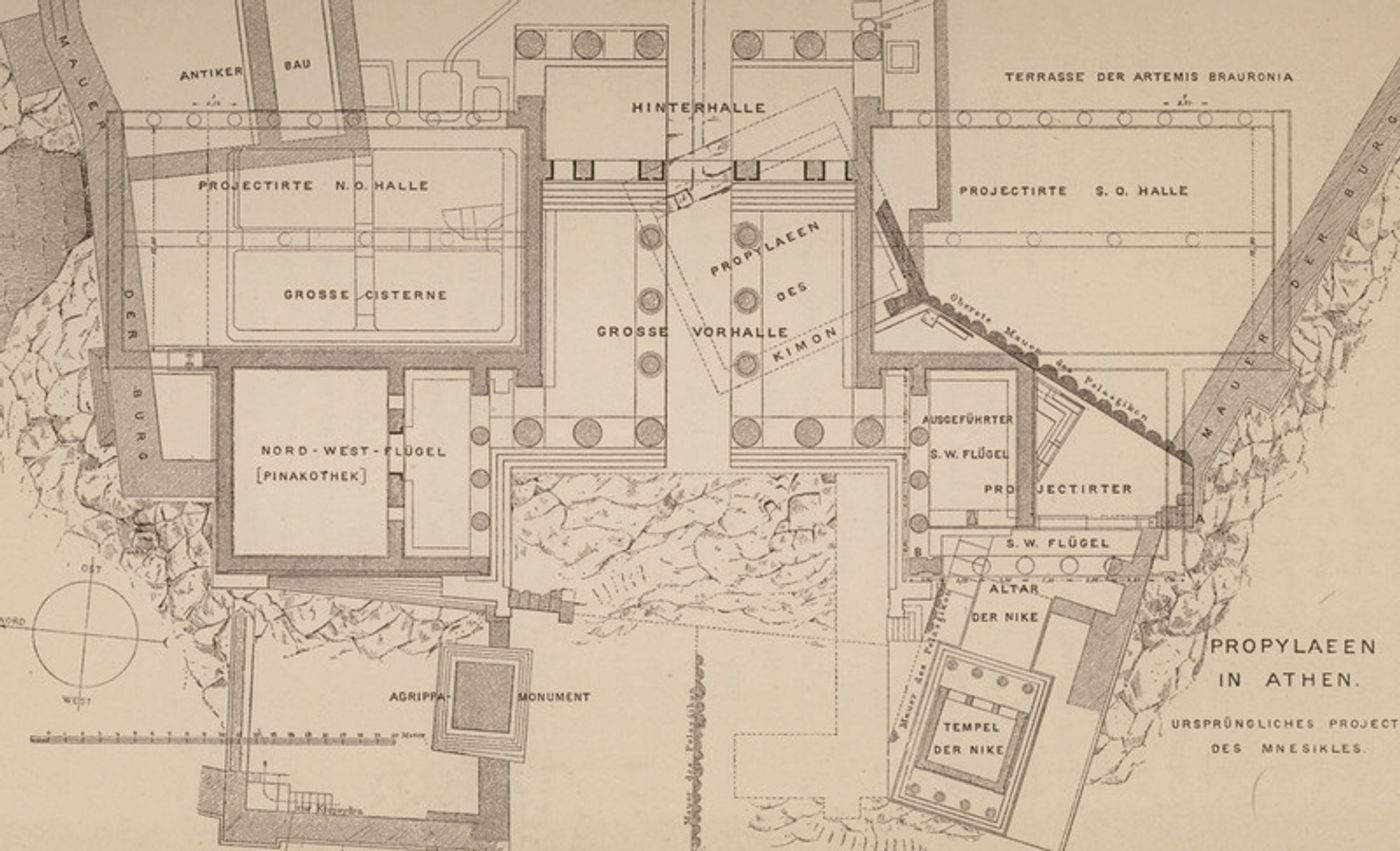
130 / 200 · 5th century BCE
Greek architect
Designed the monumental gateway to the Athenian Acropolis.
Read biography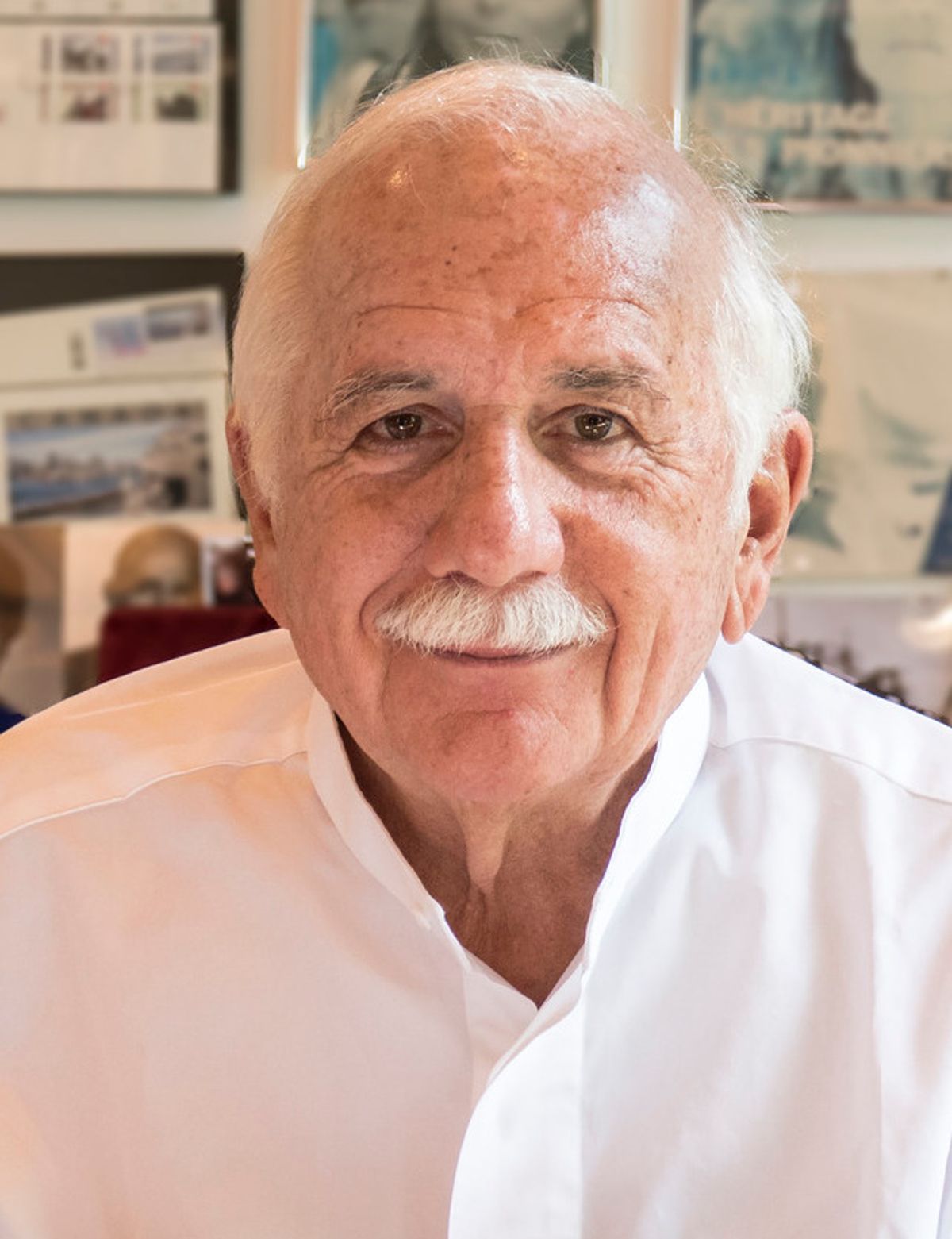
131 / 200 · 1938–
Israeli-Canadian architect
Explored modular housing, dense urban form and large civic complexes.
Read biography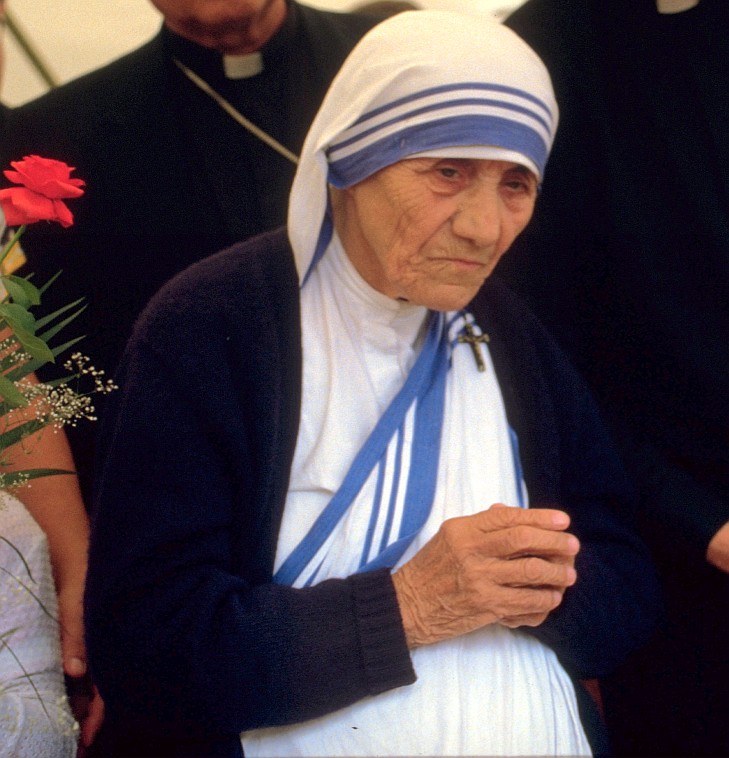
132 / 200 · 1910–1997
Catholic nun and missionary
Albanian-Indian Catholic nun, born Anjezë Gonxhe Bojaxhiu, who founded the Missionaries of Charity in Calcutta in 1950. The order grew to run homes for the dying, orphanages and clinics in more than a hundred countries. She received the 1979 Nobel Peace Prize and was canonised in 2016. Critics have questioned the medical standards of her facilities and the handling of donations.
Read the full feature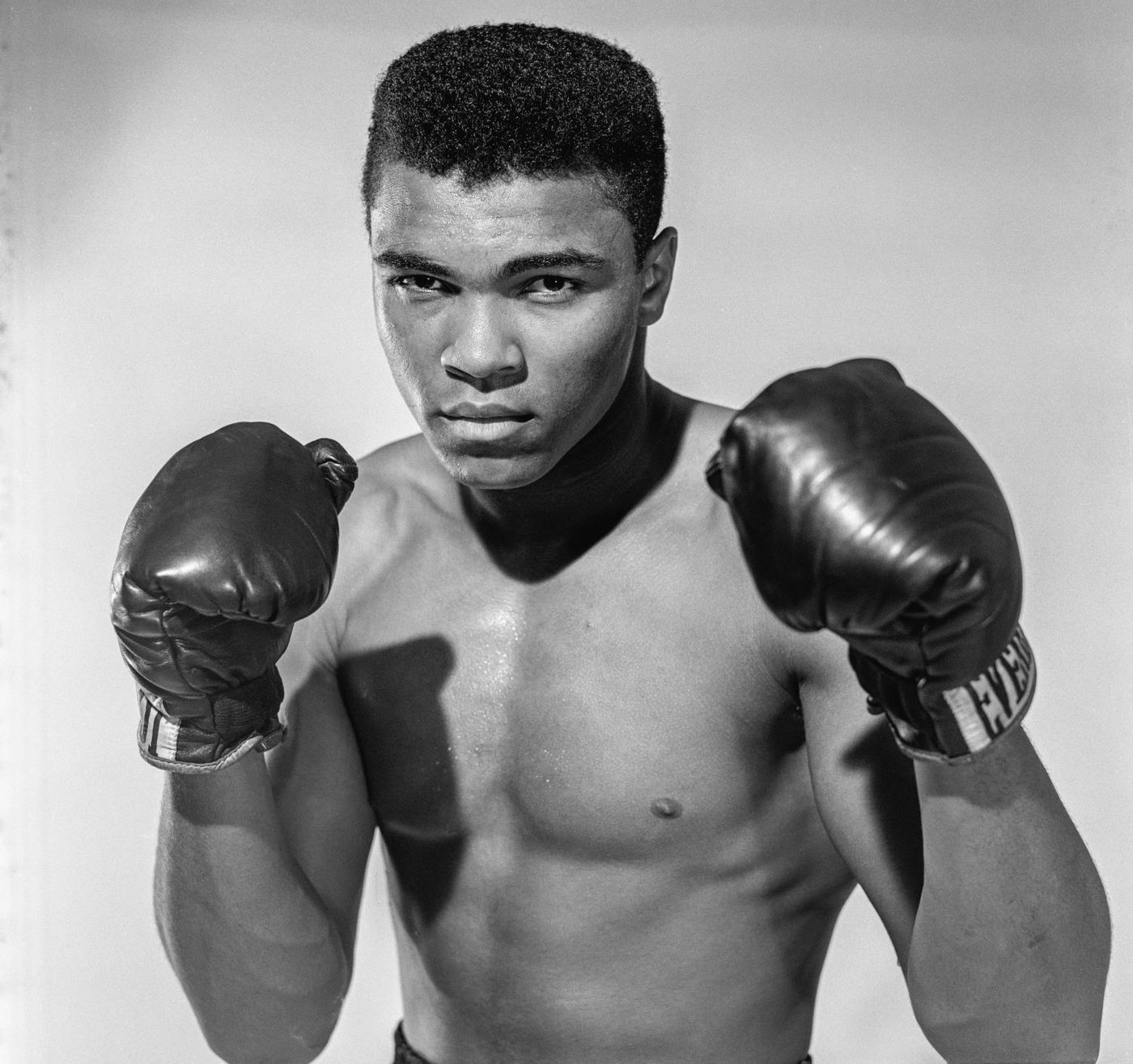
133 / 200 · 1942–2016
Boxer
American boxer, born Cassius Clay, who won the world heavyweight title three times, including the 1974 Rumble in the Jungle. He joined the Nation of Islam and changed his name in 1964. Refusing induction into the US military in 1967 on religious grounds, he was stripped of his title and convicted; the Supreme Court overturned the conviction in 1971. He later lived with Parkinson's disease.
Read the full feature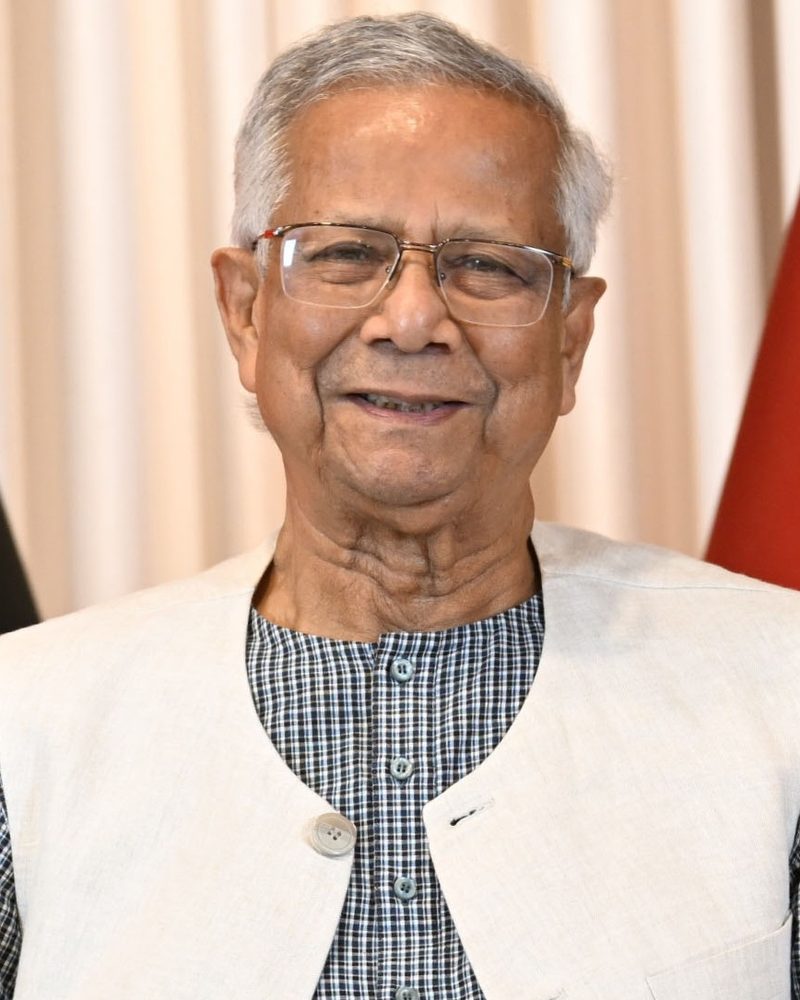
134 / 200 · born 1940
Economist and social entrepreneur
Bangladeshi economist who founded Grameen Bank in 1983, extending small collateral-free loans, largely to women in rural Bangladesh, and popularising microcredit worldwide. He shared the 2006 Nobel Peace Prize with the bank. Later research produced mixed evidence on microcredit's poverty effects, and he served as head of Bangladesh's interim government from 2024.
Read biography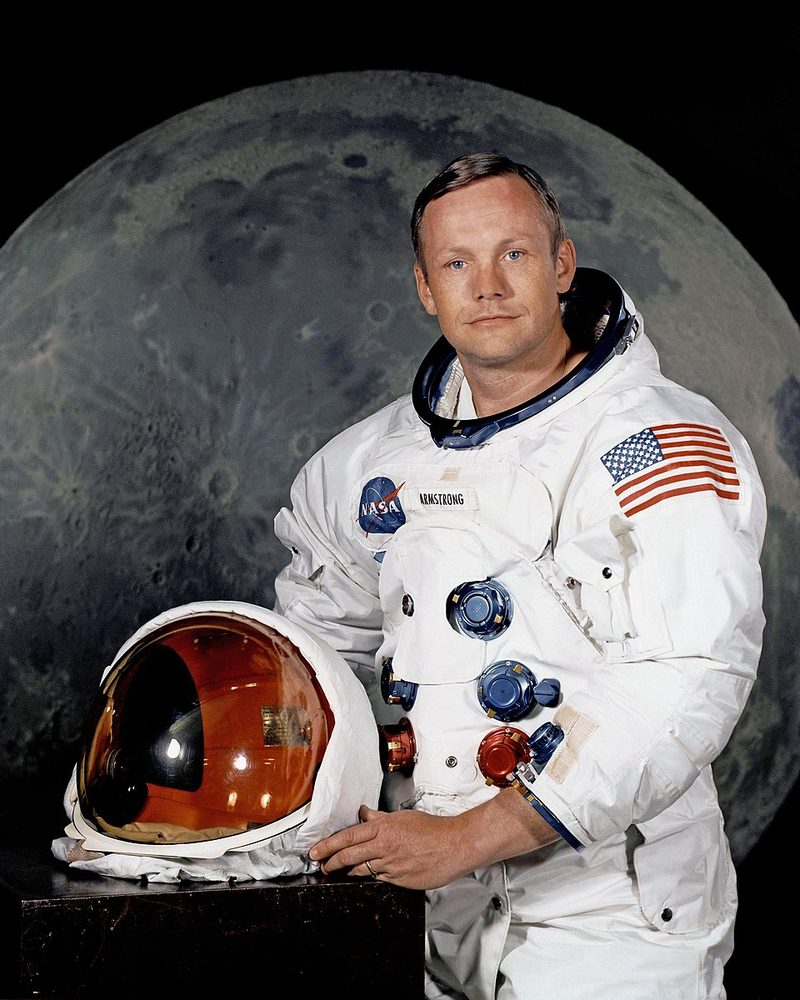
135 / 200 · 1930–2012
Astronaut and aeronautical engineer
American naval aviator, test pilot and astronaut who commanded Apollo 11 and on 20 July 1969 became the first person to walk on the Moon, watched by an estimated global television audience of hundreds of millions. He had earlier commanded Gemini 8, performing the first docking of two spacecraft in orbit. He later taught aerospace engineering at the University of Cincinnati.
Read biography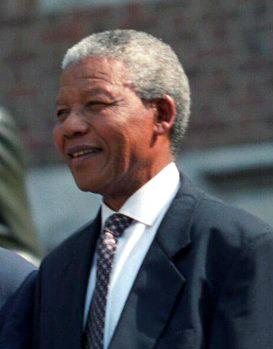
136 / 200 · 1918–2013
Lawyer, prisoner and president
South African lawyer and anti-apartheid leader, imprisoned for twenty-seven years after the 1964 Rivonia Trial. Released in 1990, he led negotiations that ended apartheid, shared the 1993 Nobel Peace Prize with F. W. de Klerk, and served as South Africa's first democratically elected president from 1994 to 1999, establishing the Truth and Reconciliation Commission.
Read the full feature
137 / 200 · c. 1661–1736
English architect
Key English Baroque architect whose churches combined monumental massing with inventive compositions.
Read biography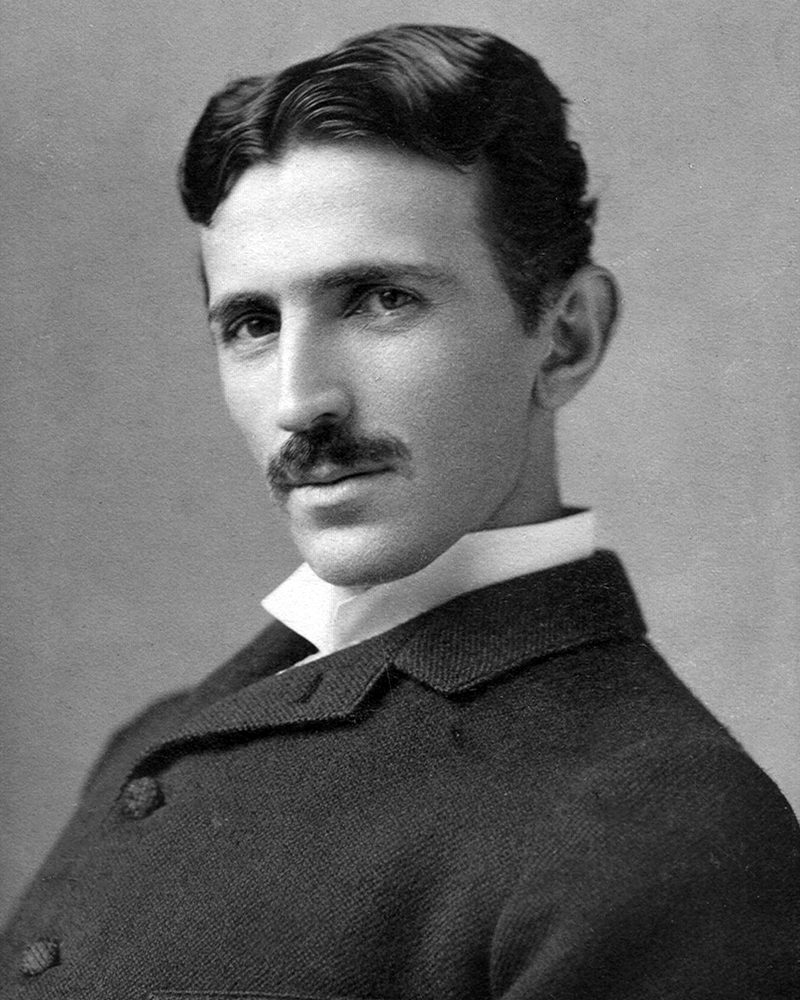
138 / 200 · 1856–1943
Electrical engineer and inventor
Serbian-American electrical engineer whose work on alternating-current systems, including the induction motor and polyphase transmission, shaped modern electrical power distribution. He held around 300 patents worldwide and experimented with high-frequency currents, wireless transmission and radio. Several of his most ambitious later projects, including Wardenclyffe Tower, went unfunded and unfinished, and he died in comparative obscurity.
Read biography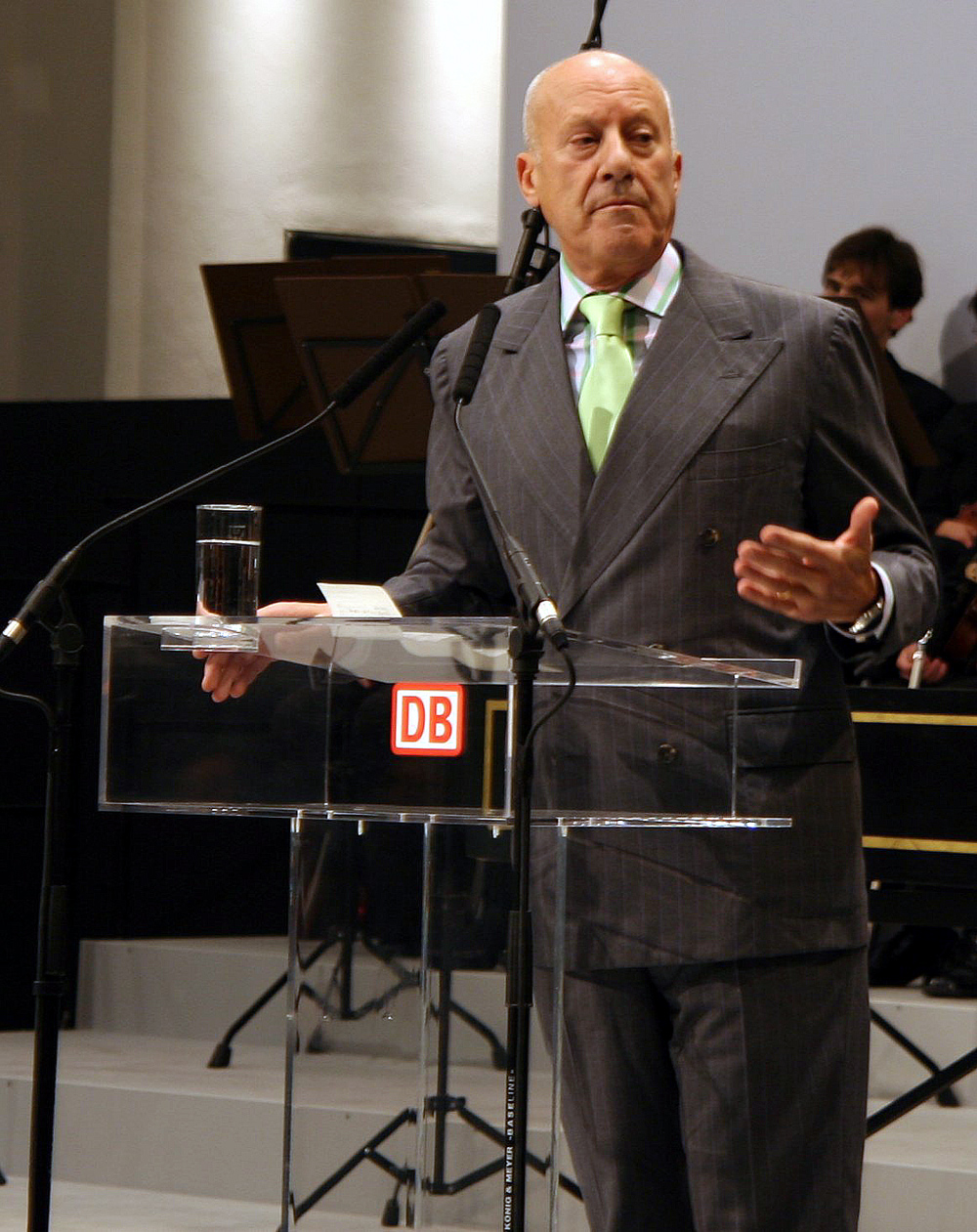
139 / 200 · 1935–
British architect
Leading High-Tech architect known for structural expression, engineering integration and large-scale urban projects.
Read biography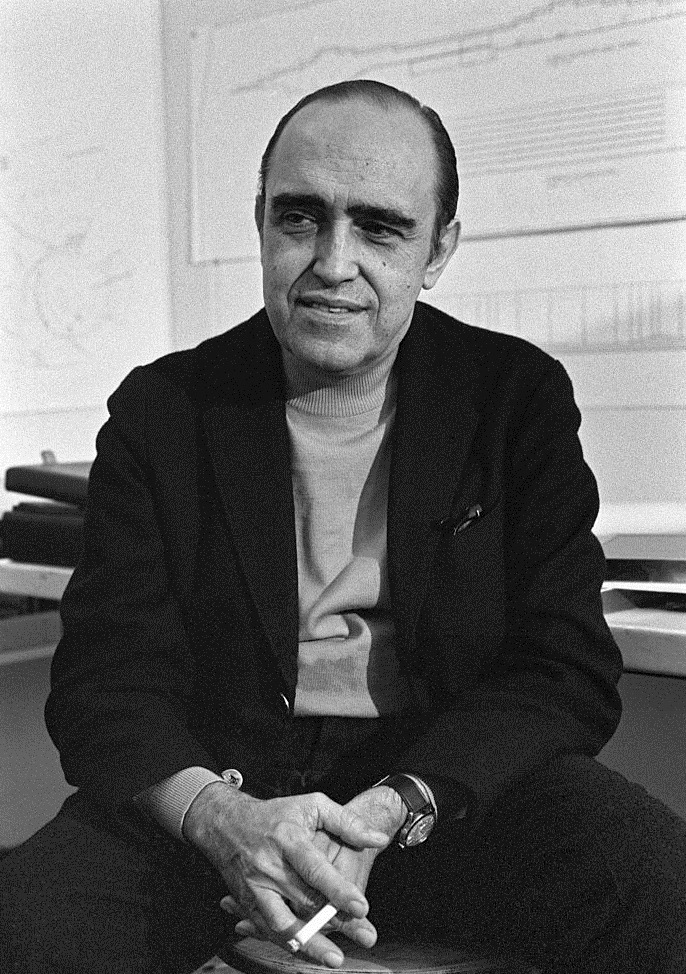
140 / 200 · 1907–2012
Brazilian architect
Expanded modernism through sweeping curves, monumental civic spaces and Brazilian modern identity.
Read biography
141 / 200 · 1841–1918
Austrian architect and urban designer
Helped move Viennese architecture toward modernity through rational planning and new materials.
Read biography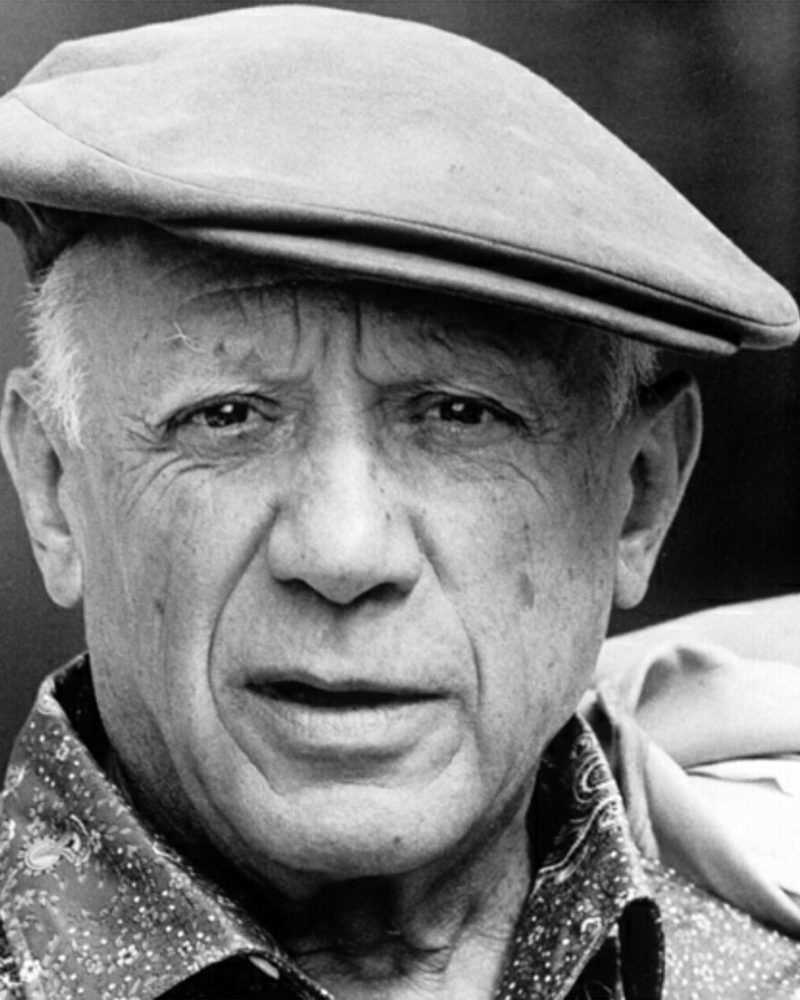
142 / 200 · 1881–1973
Artist
Spanish painter and sculptor who co-founded Cubism with Georges Braque and worked across periods and media over seven decades, producing works including Les Demoiselles d'Avignon and Guernica, painted in response to the 1937 bombing of the Basque town. His influence on twentieth-century art is extensive; his treatment of several women in his life has drawn sustained criticism.
Read biography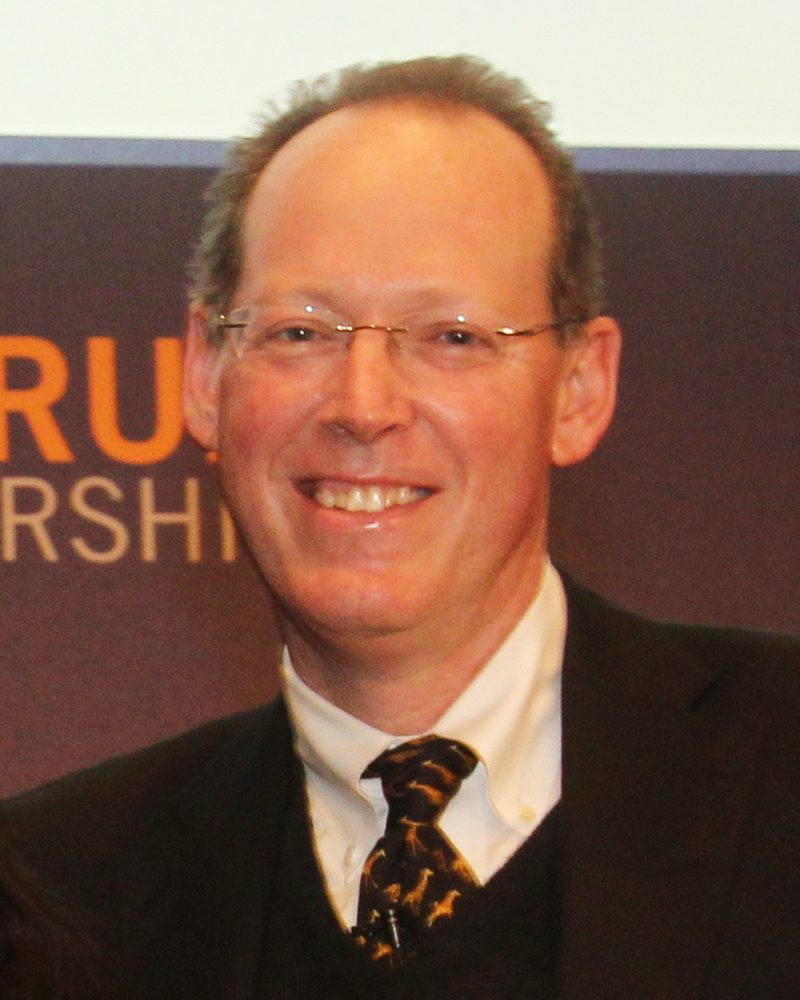
143 / 200 · 1959–2022
Physician and medical anthropologist
American physician and anthropologist who co-founded Partners In Health in 1987, building community-based treatment programmes in Haiti, Rwanda, Peru and elsewhere. He argued and demonstrated that complex treatments for HIV and drug-resistant tuberculosis could be delivered effectively in low-income settings, a position that changed global health policy. He also taught at Harvard Medical School.
Read biography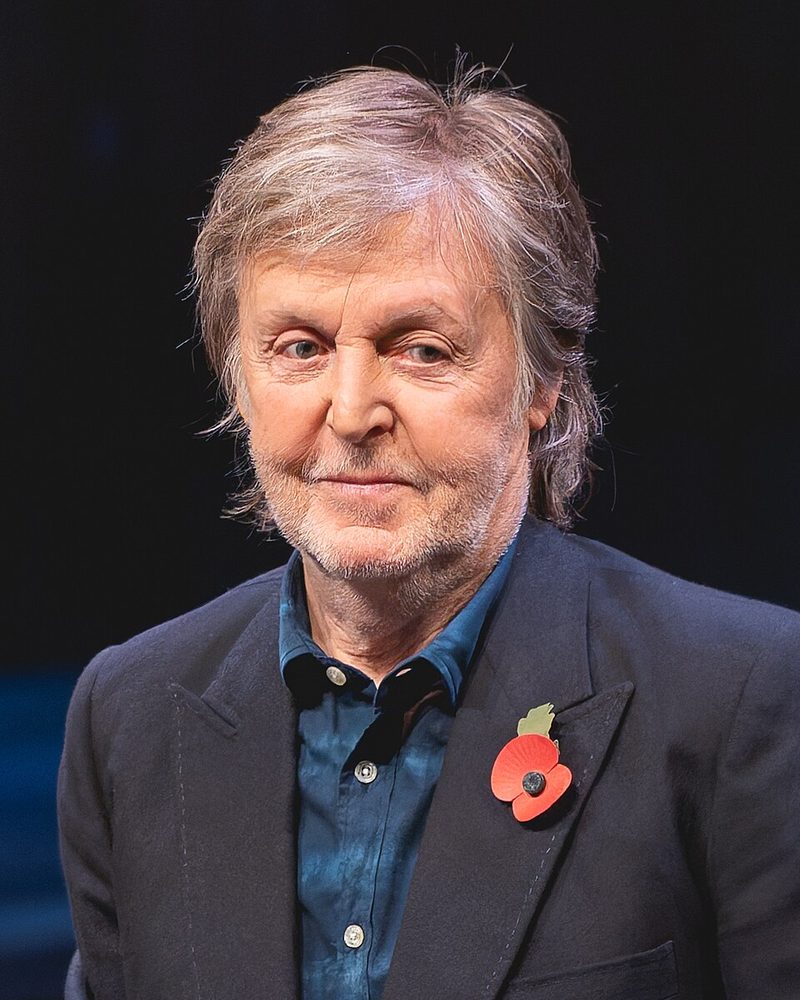
144 / 200 · born 1942
Musician and songwriter
English musician and songwriter, bassist and co-principal writer of the Beatles, whose partnership with John Lennon produced a catalogue that reshaped popular music, recording practice and songwriting through the 1960s. He later formed Wings and has sustained a long solo career. He is among the most commercially successful songwriters in recorded history.
Read biography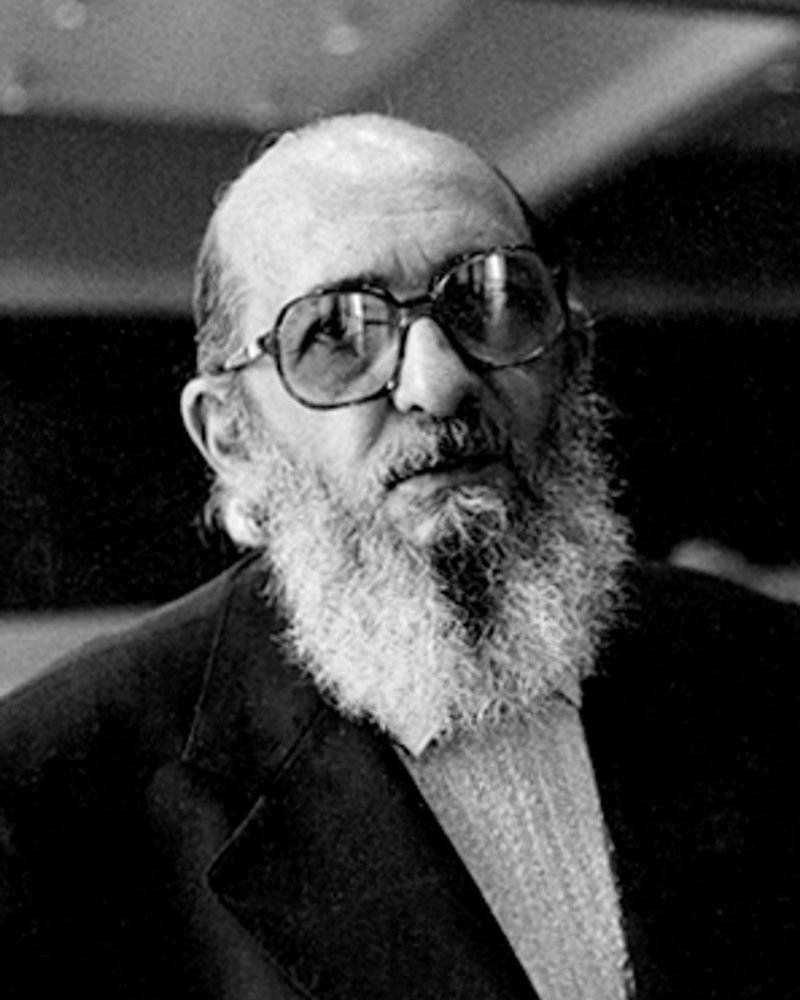
145 / 200 · 1921–1997
Educator and philosopher
Brazilian educator whose adult literacy programmes in north-east Brazil linked reading with analysis of learners' own social conditions. Pedagogy of the Oppressed (1968) criticised what he called the banking model of education and became one of the most cited books in the social sciences. He was imprisoned and exiled after the 1964 coup and later served as São Paulo's education secretary.
Read biography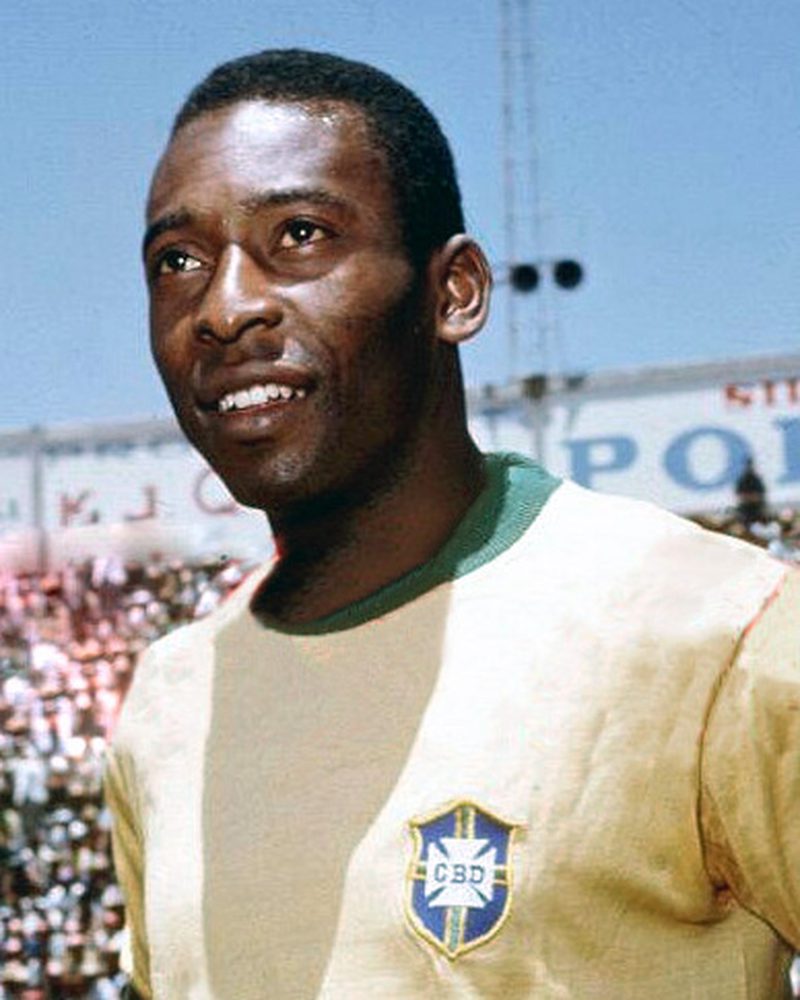
146 / 200 · 1940–2022
Footballer
Brazilian footballer, born Edson Arantes do Nascimento, who won the World Cup three times, in 1958, 1962 and 1970, the only player to do so. He scored over a thousand career goals by common count and spent most of his club career at Santos before joining the New York Cosmos, a move credited with expanding interest in football in the United States.
Read biography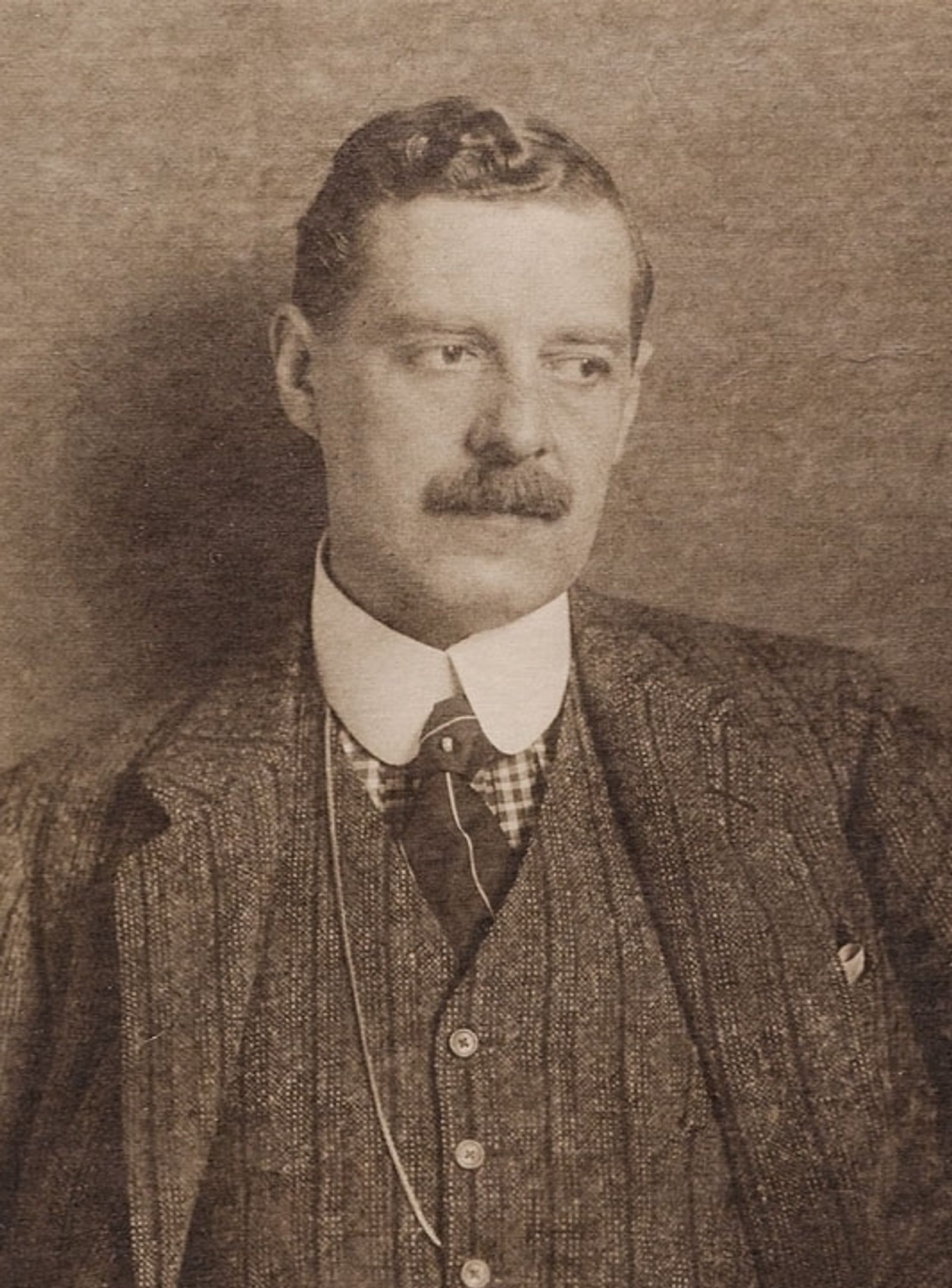
147 / 200 · 1868–1940
Industrial & Urban Modernity
Important bridge between industrial design, architecture and modern corporate identity.
Read biography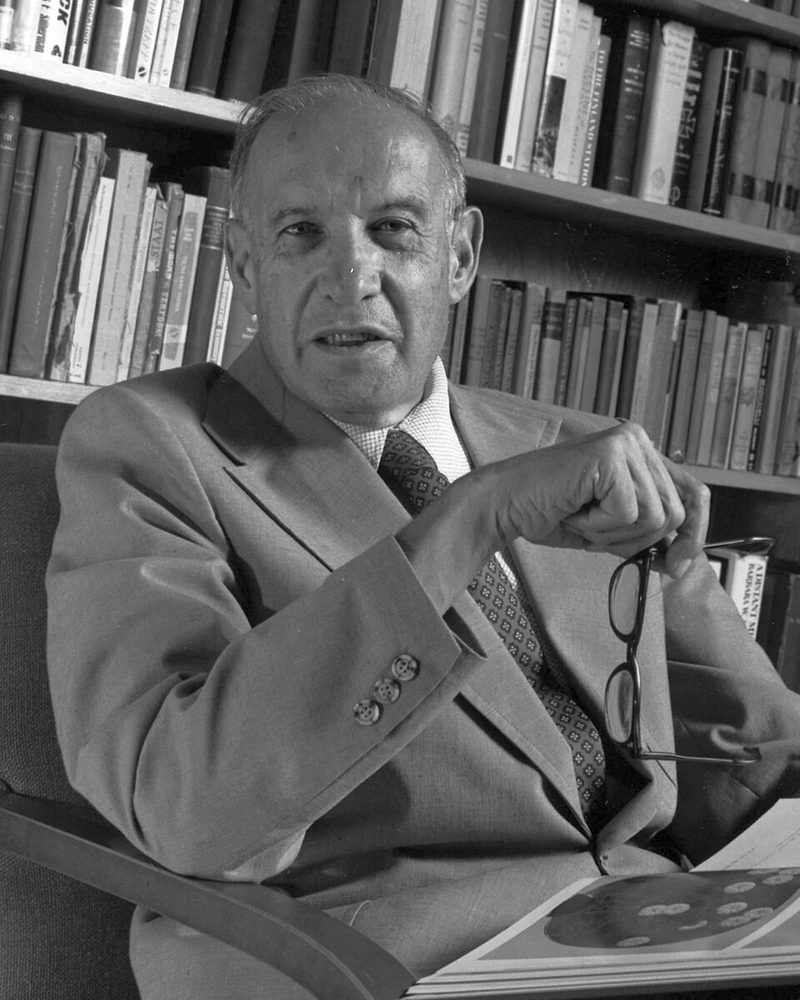
148 / 200 · 1909–2005
Management theorist
Austrian-American writer and consultant widely described as the founder of modern management as a discipline. Across some thirty-nine books he introduced or popularised concepts including management by objectives, decentralisation, and the knowledge worker. He advised corporations, governments and non-profits, and argued that the purpose of a business is defined by the customer rather than by profit alone.
Read biography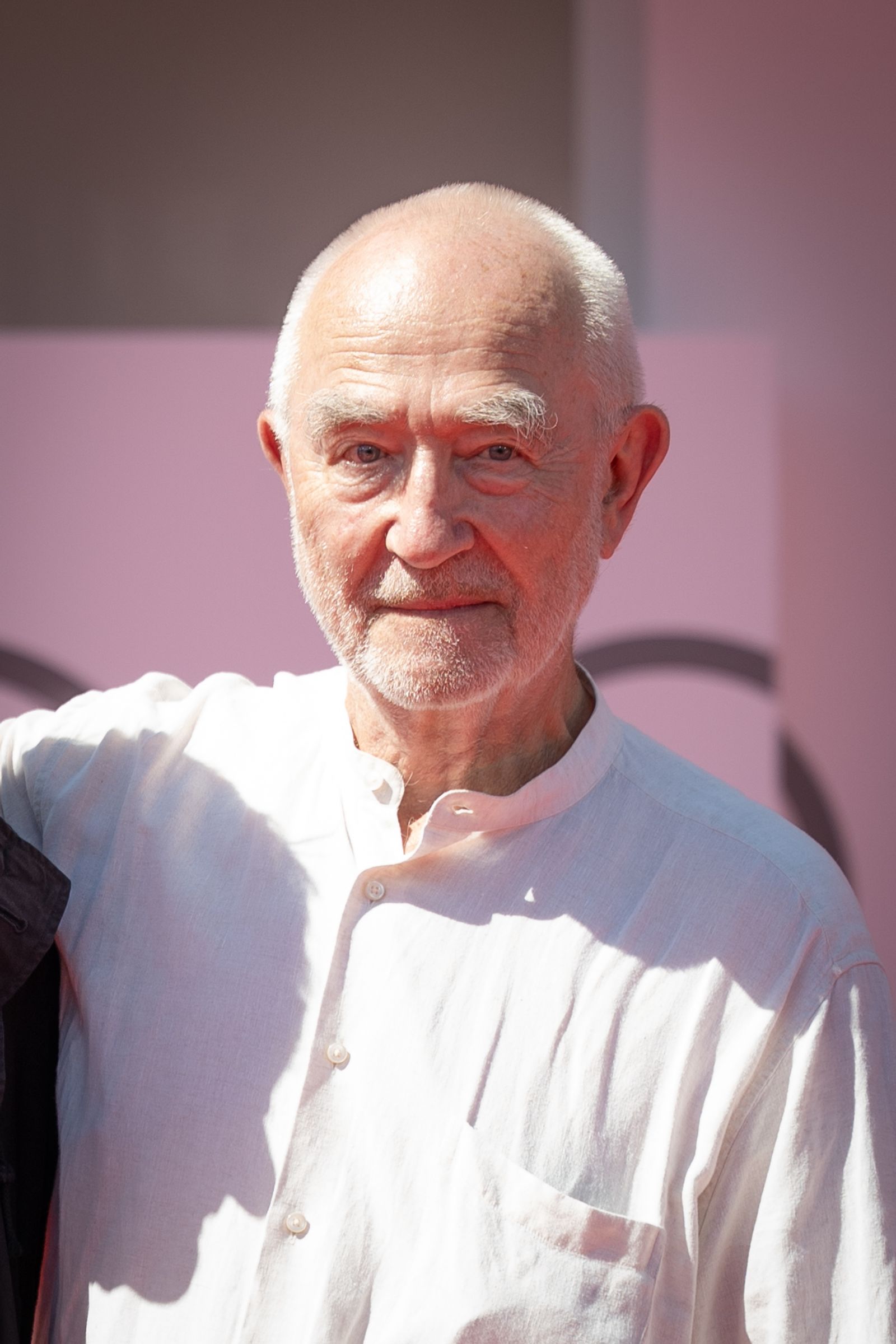
149 / 200 · 1943–
Swiss architect
Developed an architecture centered on material, atmosphere, sensory experience and precise construction.
Read biography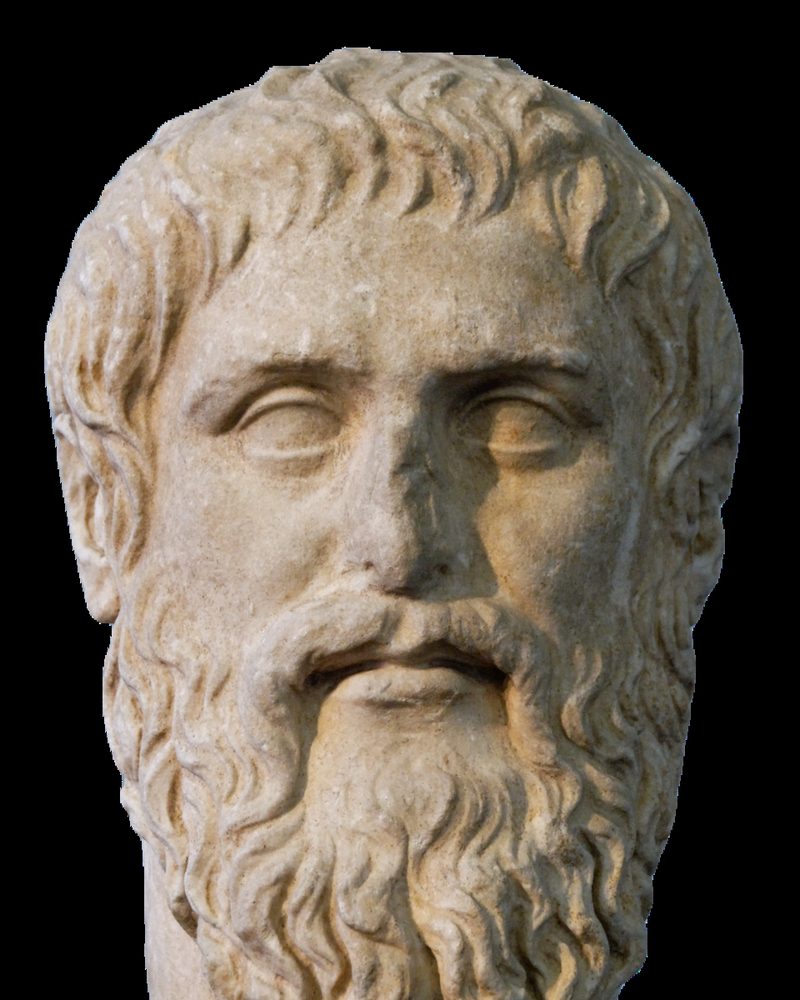
150 / 200 · c. 428–348 BCE
Philosopher
Athenian philosopher, student of Socrates and founder of the Academy, among the earliest institutions of higher learning in the Western world. His dialogues, including the Republic, Phaedo and Symposium, examine justice, knowledge, politics and the nature of reality, and introduced the theory of forms. His work shaped Western philosophy so thoroughly that later thinkers defined themselves in relation to it.
Read biography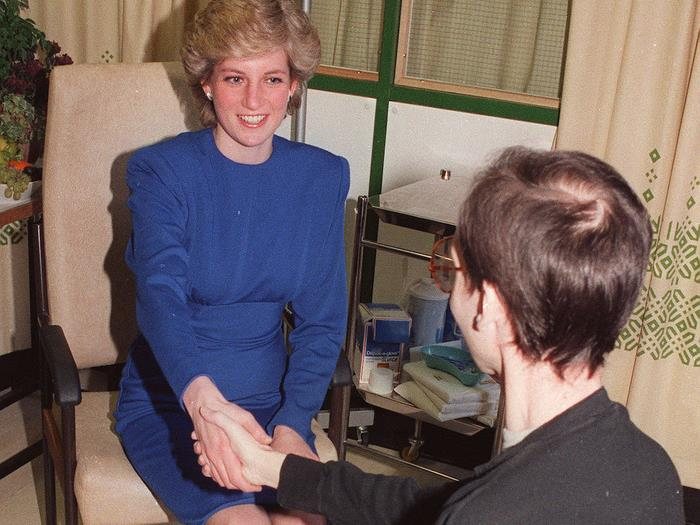
151 / 200 · 1961–1997
Princess of Wales and campaigner
Princess of Wales from her 1981 marriage to Charles until their 1996 divorce. She used extensive public attention to support causes including HIV and AIDS care, where a widely photographed 1987 handshake with a patient countered fears about casual transmission, homelessness and the campaign against anti-personnel landmines. She died in a car crash in Paris in 1997.
Read the full feature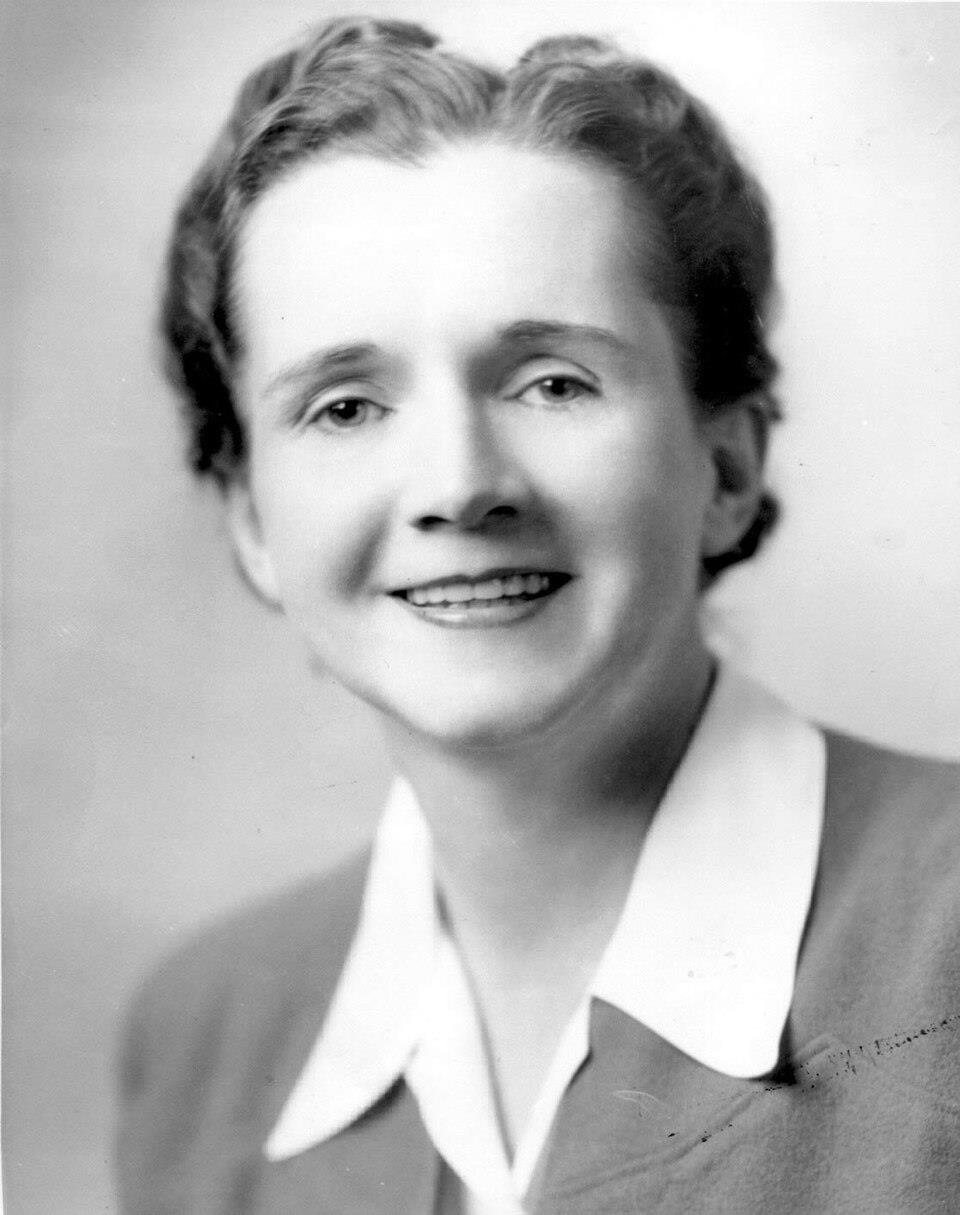
152 / 200 · 1907–1964
Marine biologist and writer
American marine biologist and writer whose sea trilogy, including The Sea Around Us, reached wide audiences before Silent Spring (1962) documented the ecological effects of synthetic pesticides, particularly DDT. The book drew sustained attack from parts of the chemical industry, prompted a presidential science advisory review, and contributed to the pesticide regulation and environmental movement of the following decade.
Read the full feature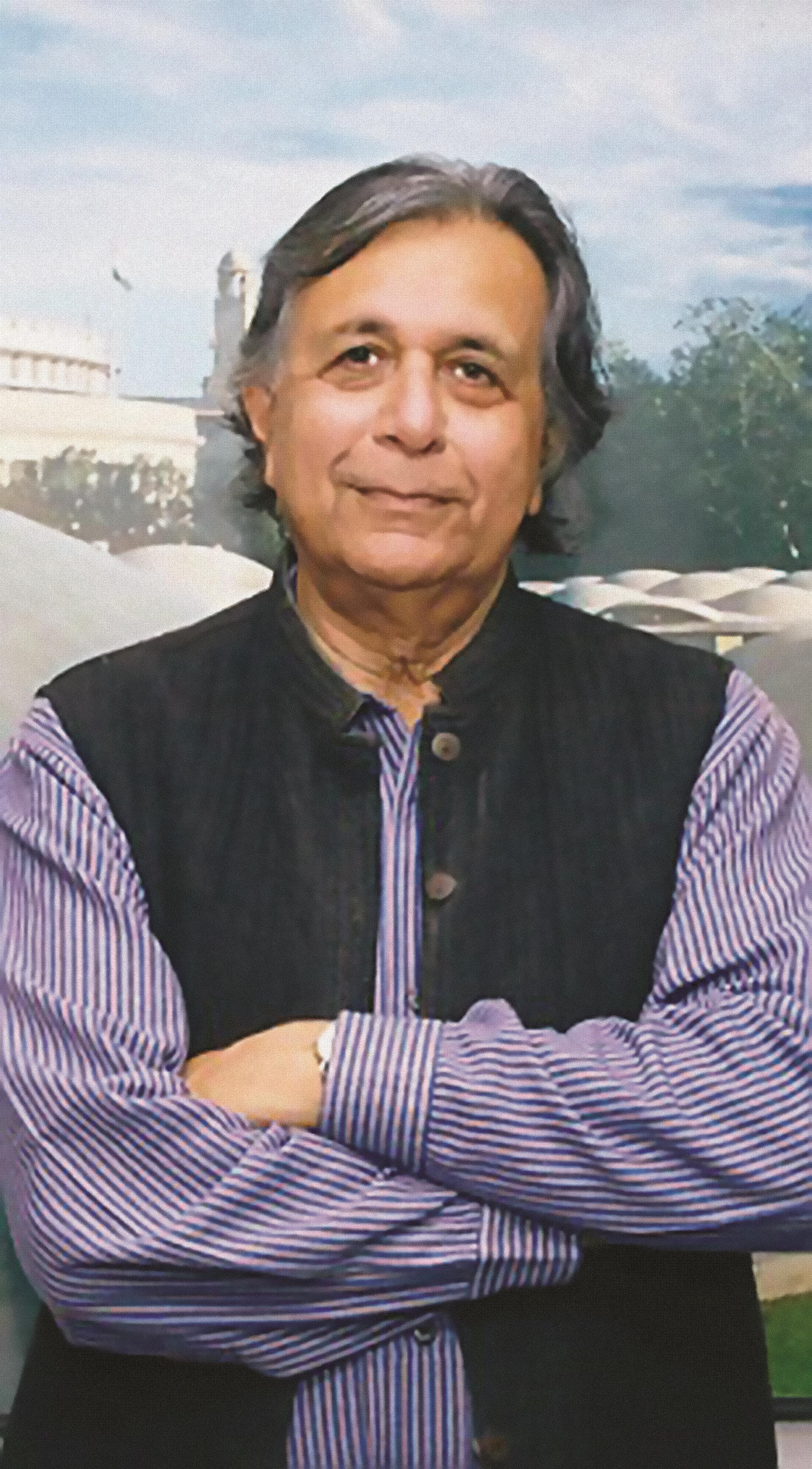
153 / 200 · 1934–2025
Modernism
Combined modern structural systems with spatial ideas drawn from Indian architectural traditions.
Read biography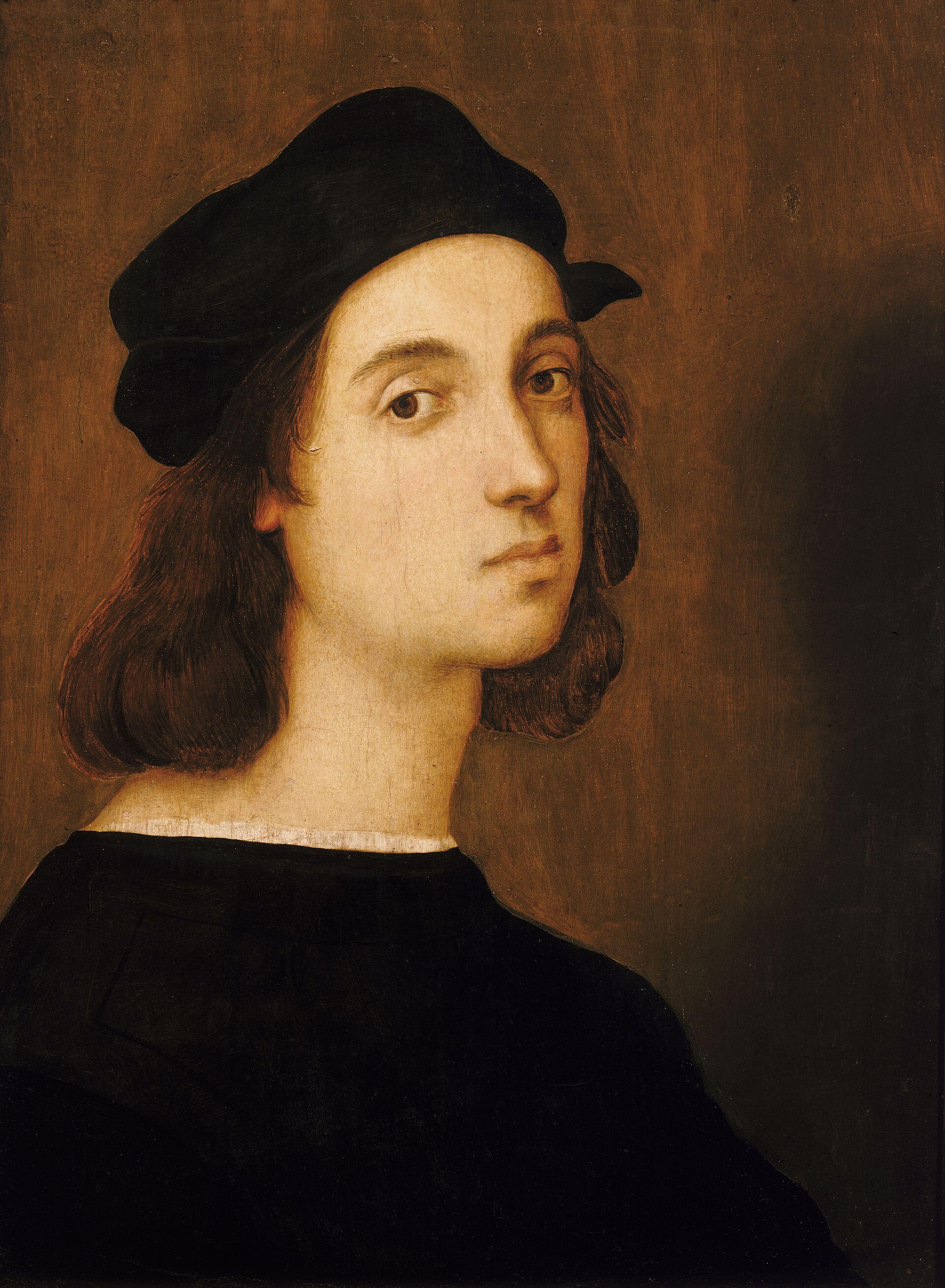
154 / 200 · 1483–1520
Renaissance
Painter and architect whose architectural work helped consolidate High Renaissance classicism.
Read biography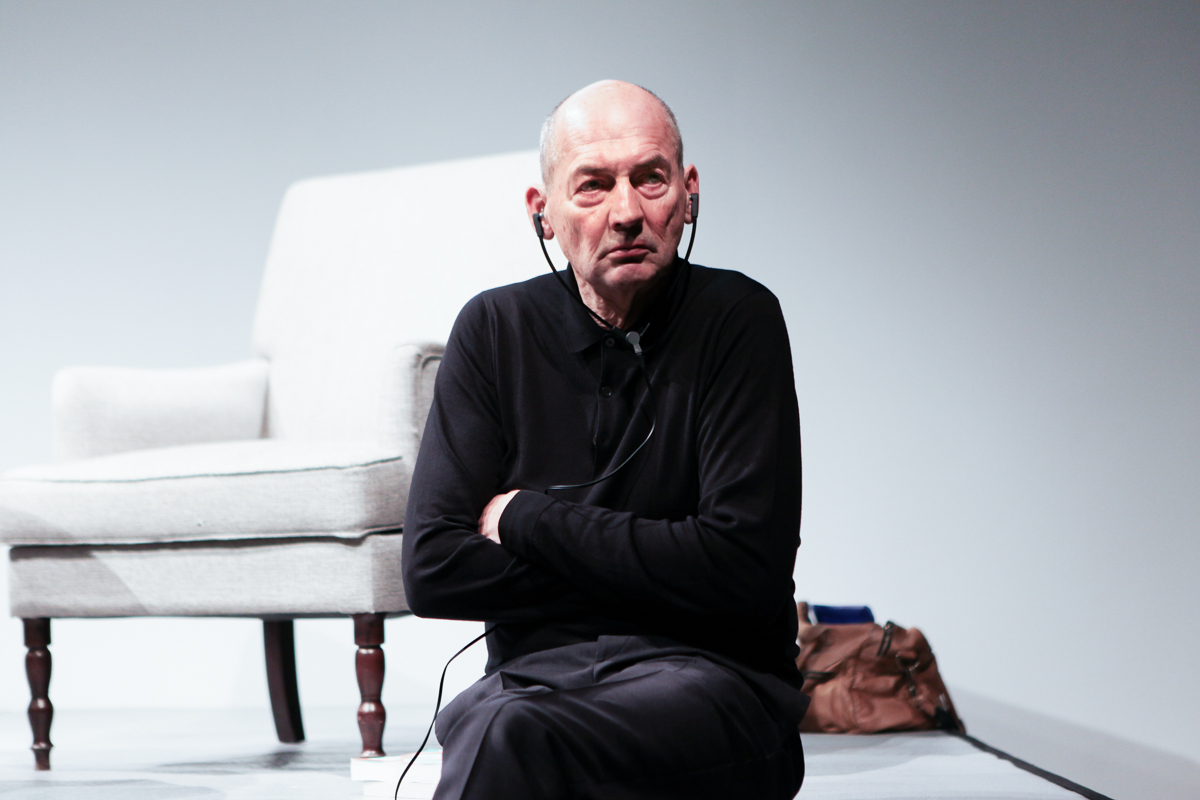
155 / 200 · 1944–
Dutch architect and theorist
Architect and theorist whose work and writing examine density, program, congestion and contemporary urban life.
Read biography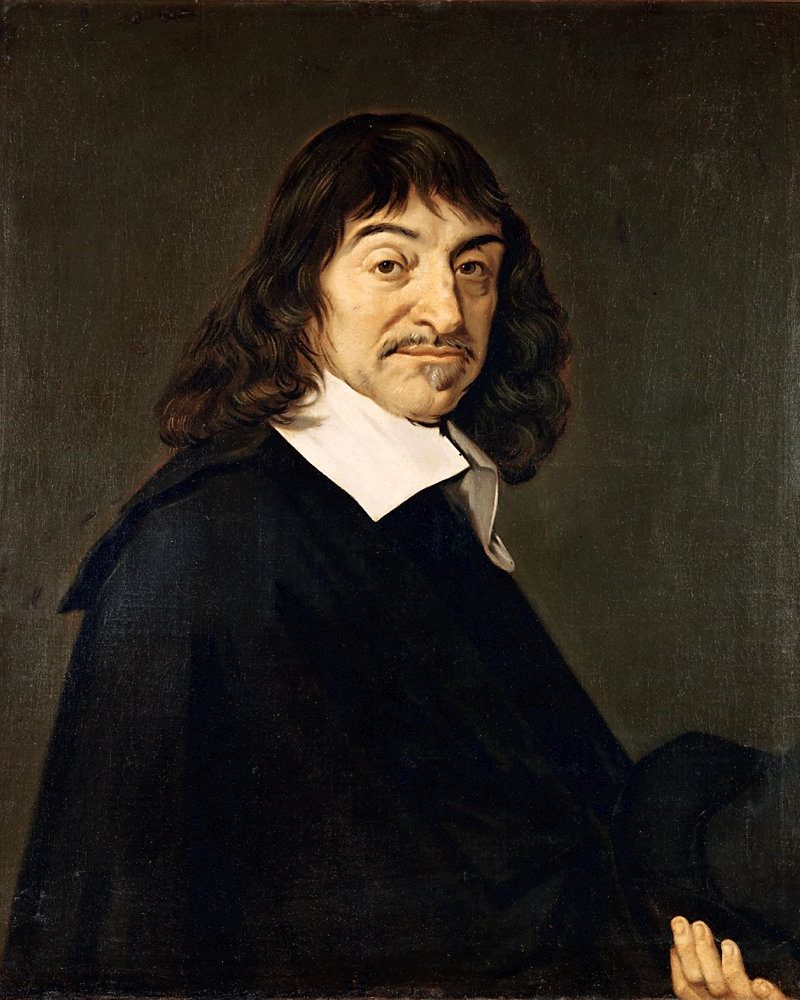
156 / 200 · 1596–1650
Philosopher and mathematician
French philosopher and mathematician who sought certain knowledge through systematic doubt, formulating the principle usually rendered as I think, therefore I am. He developed analytic geometry, linking algebra and geometry through the coordinate system that bears his name, and his mind-body dualism set terms for centuries of debate in philosophy of mind.
Read biography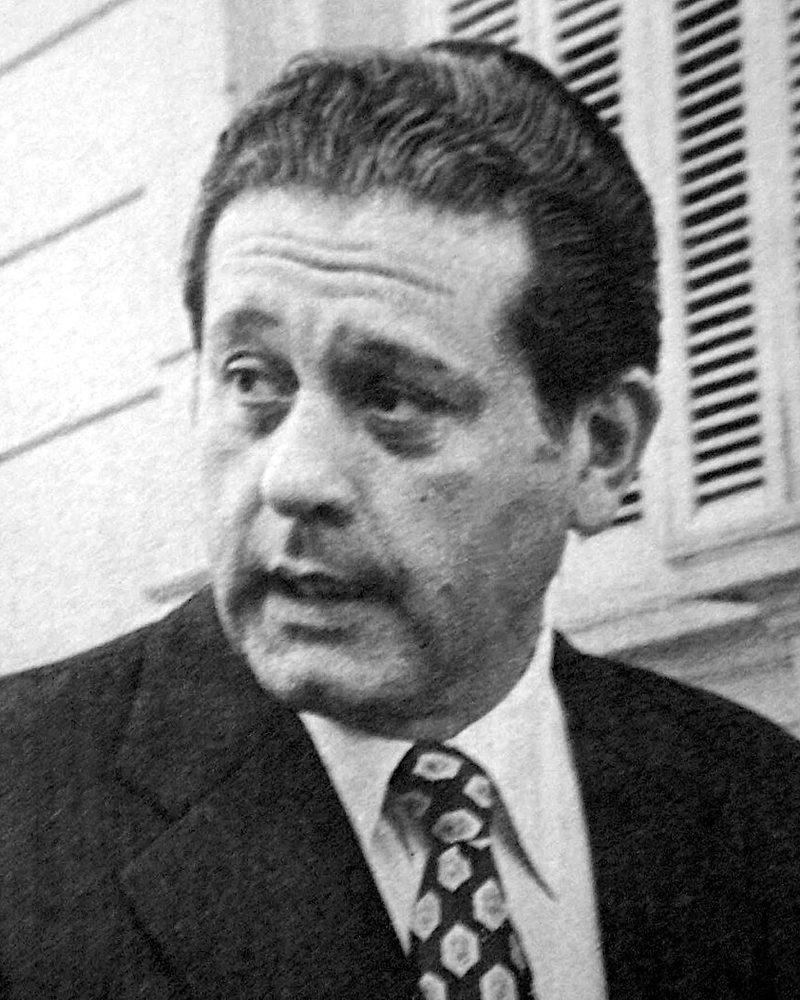
157 / 200 · 1923–2000
Cardiac surgeon
Argentine cardiac surgeon who, working at the Cleveland Clinic in the late 1960s, standardised coronary artery bypass grafting using the saphenous vein, one of the most frequently performed operations of the following decades. He returned to Argentina to found a teaching and research foundation, and campaigned on access to cardiac care until his death by suicide amid the foundation's financial crisis.
Read biography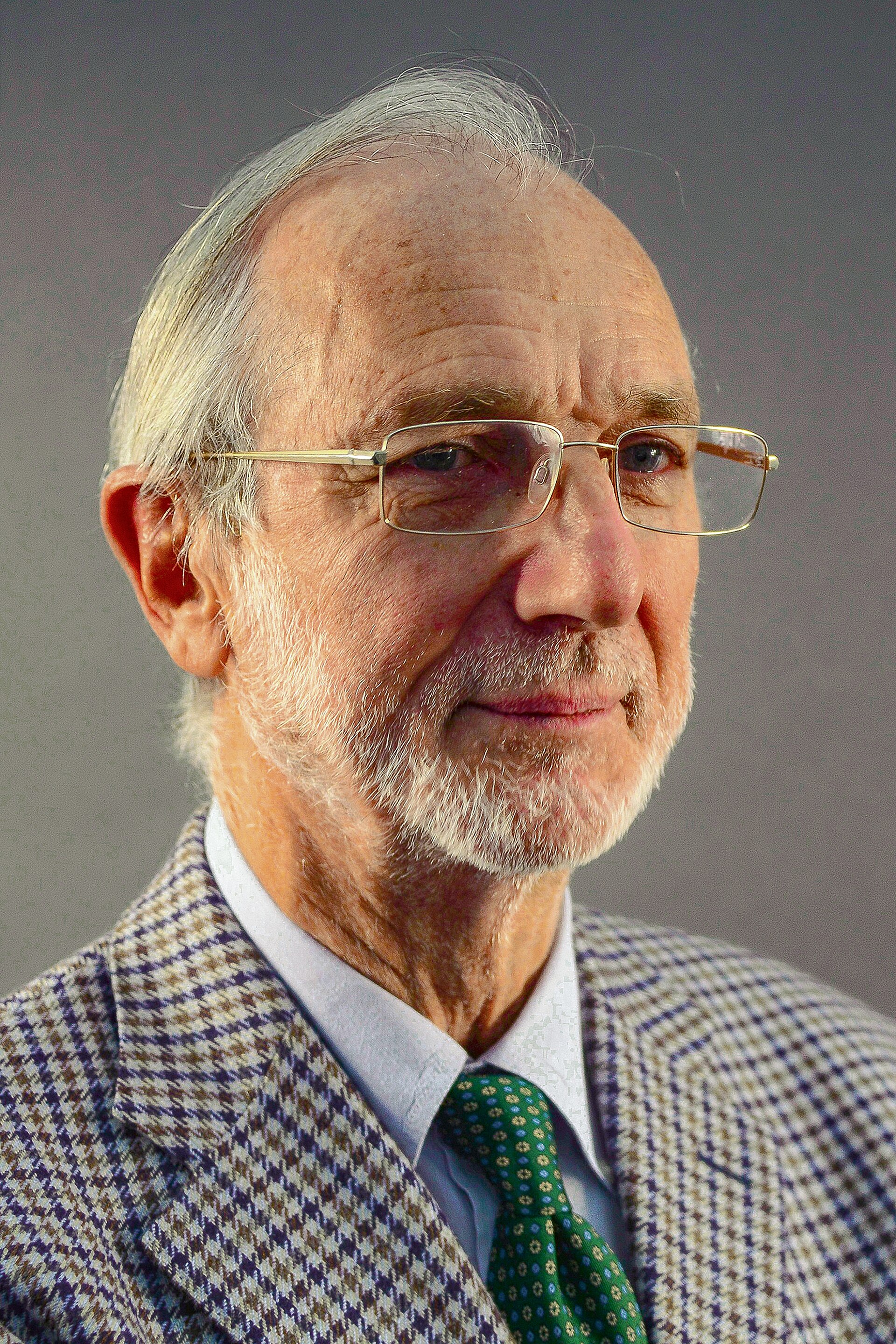
158 / 200 · 1937–
Italian architect
Developed technically inventive cultural and civic architecture emphasizing lightness, detail and public use.
Read biography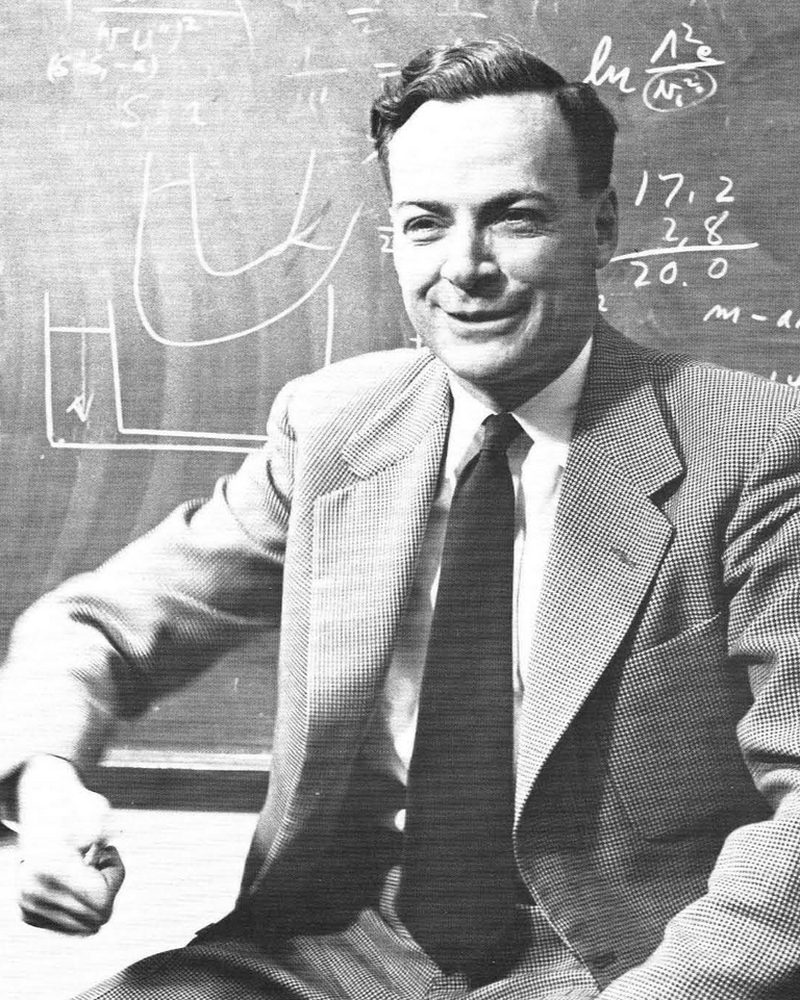
159 / 200 · 1918–1988
Theoretical physicist
American theoretical physicist who shared the 1965 Nobel Prize for work on quantum electrodynamics and introduced the diagrammatic method now known as Feynman diagrams. He worked on the Manhattan Project, taught influential undergraduate physics lectures at Caltech, and served on the commission investigating the 1986 Challenger disaster, where he publicly demonstrated the failure of the shuttle's O-ring seals.
Read biography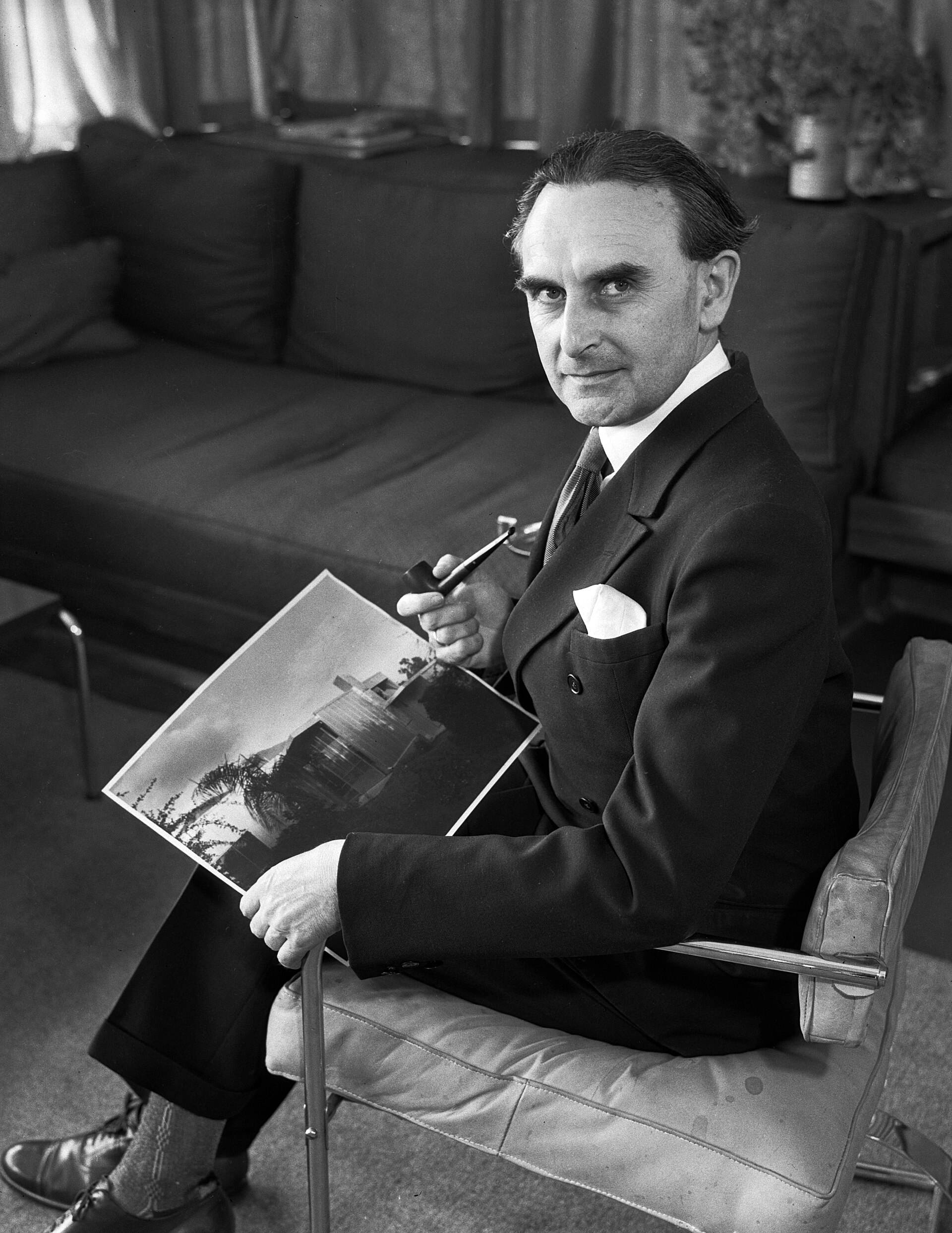
160 / 200 · 1892–1970
Austrian-American architect
Advanced modern residential architecture through indoor-outdoor relationships and industrial materials.
Read biography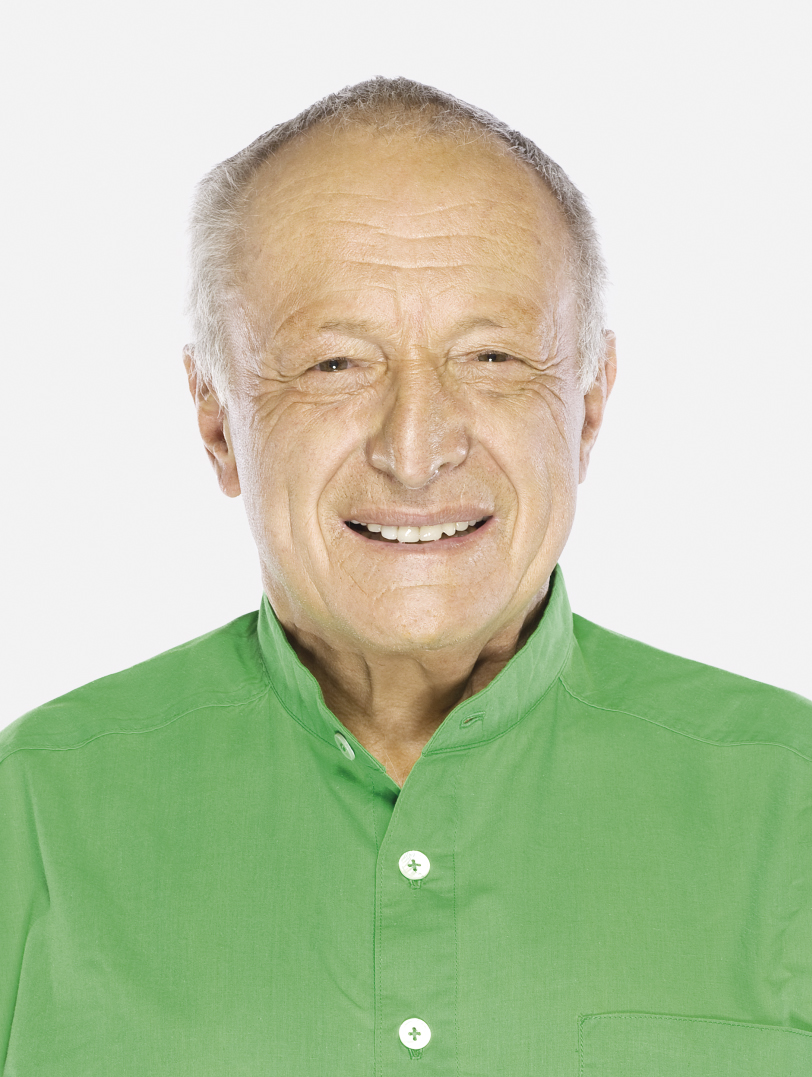
161 / 200 · 1933–2021
British-Italian architect
Made exposed structure and services a central architectural language of High-Tech architecture.
Read biography
162 / 200 · born 1938
Electrical engineer
American electrical engineer who helped design ARPANET's packet-switching hardware and, with Vint Cerf, developed the TCP/IP protocols enabling open interconnection between networks. He later founded the Corporation for National Research Initiatives and developed the Digital Object Identifier system used to identify digital records. He shared the 2004 Turing Award with Cerf.
Read biography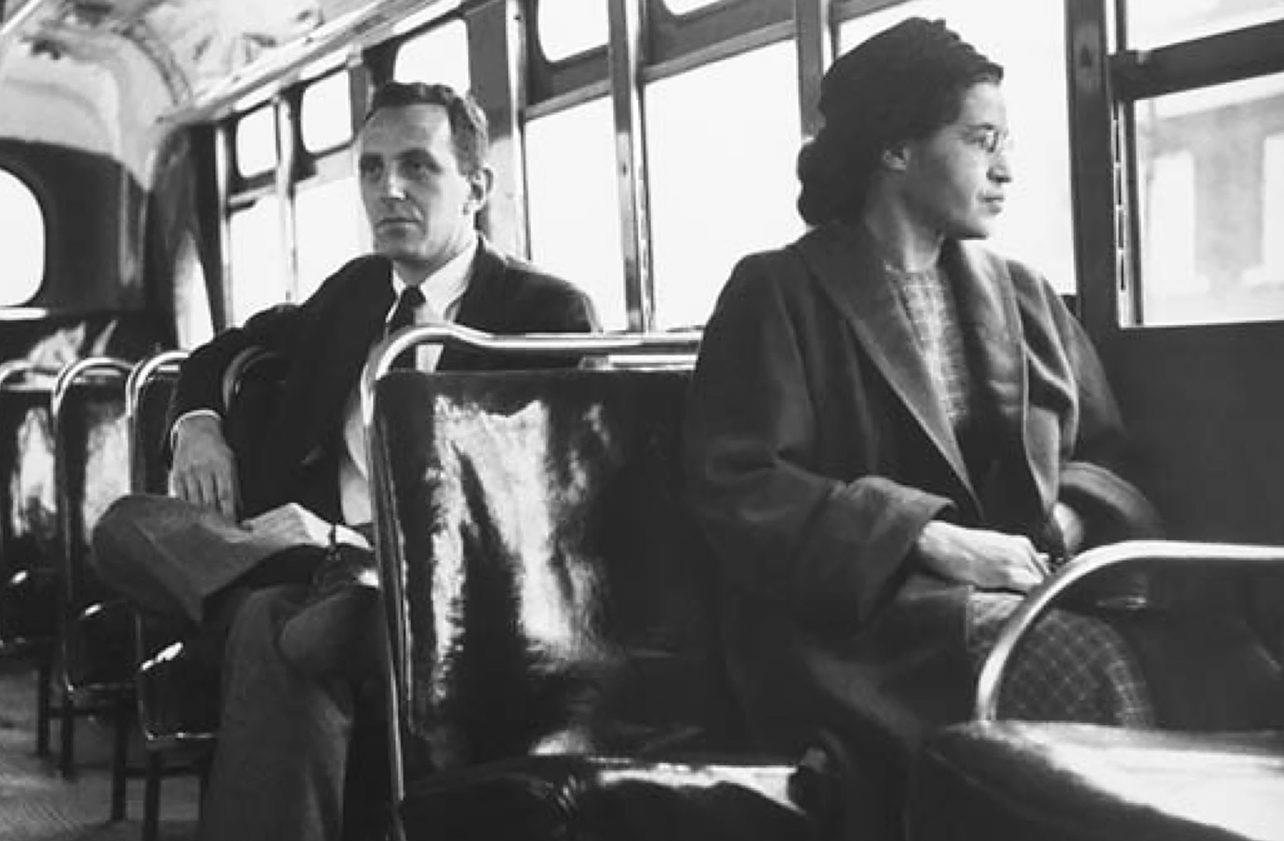
163 / 200 · 1913–2005
Civil rights activist
American civil rights activist and long-serving secretary of the Montgomery NAACP chapter, trained at the Highlander Folk School. Her arrest on 1 December 1955 for refusing to give up her bus seat triggered the 381-day Montgomery bus boycott. She lost her job and moved to Detroit, where she worked for Congressman John Conyers and remained active in civil rights for decades.
Read the full feature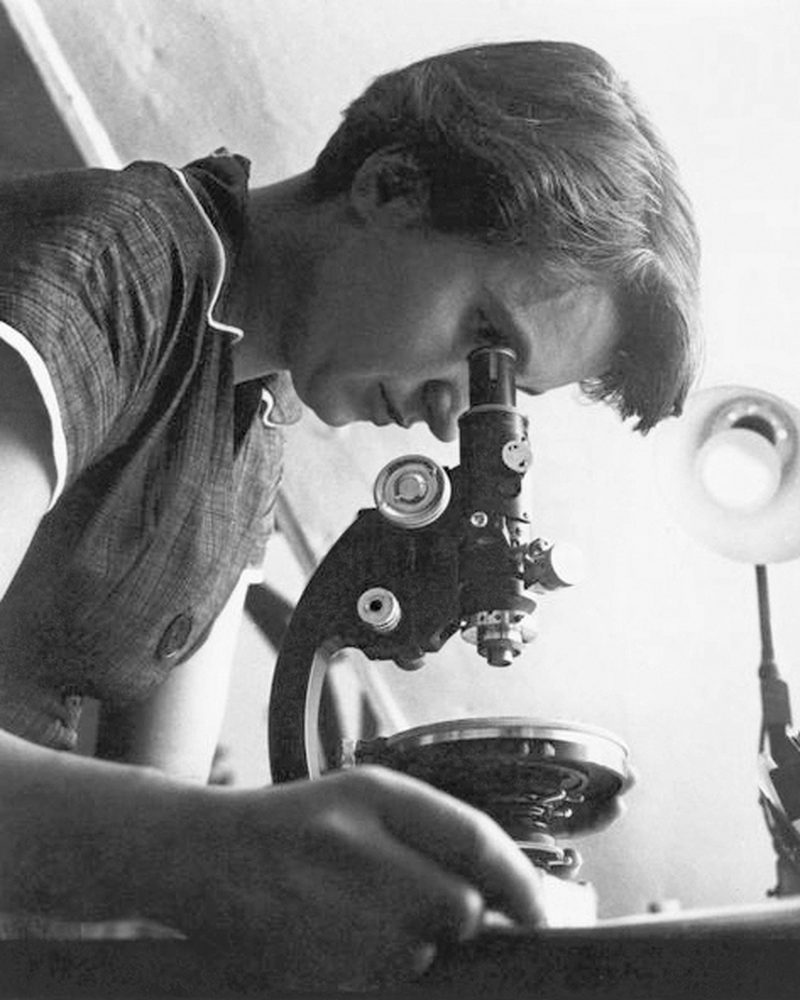
164 / 200 · 1920–1958
Chemist and X-ray crystallographer
British chemist whose X-ray diffraction images of DNA at King's College London, notably Photograph 51, provided critical evidence for the double-helix structure. Her data was shown to Watson and Crick without her knowledge. She also produced important work on the structures of viruses, coal and graphite. She died of ovarian cancer at 37, before the Nobel Prize was awarded for DNA.
Read biography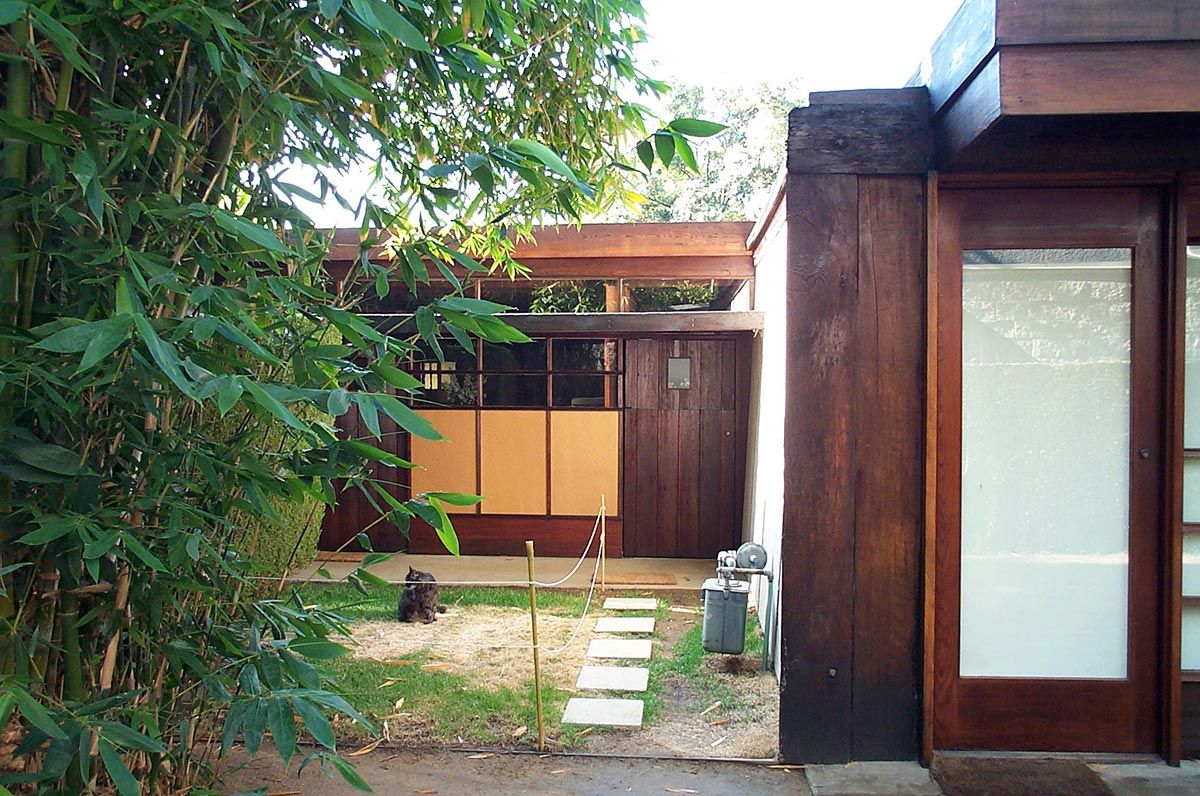
165 / 200 · 1887–1953
Austrian-American architect
Experimental modernist whose spatial planning challenged conventional domestic layouts.
Read biography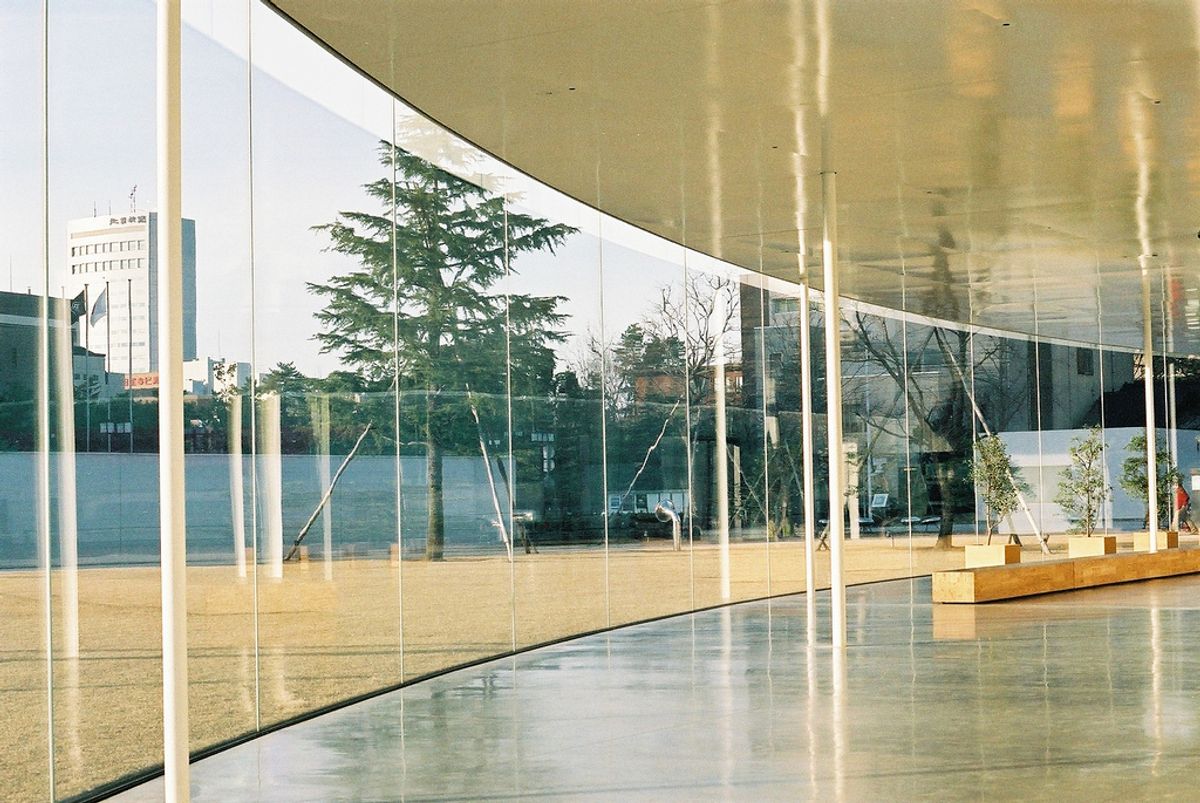
166 / 200 · 1966–
Japanese architect
Developed light, porous architecture with an emphasis on landscape, movement and collective space.
Read biography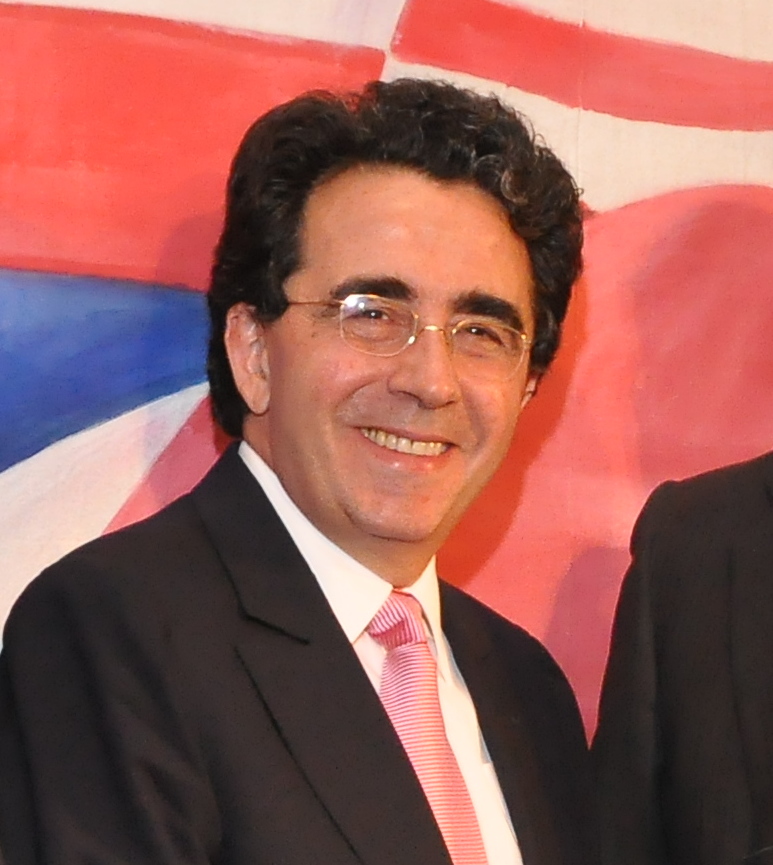
167 / 200 · 1951–
Spanish architect and engineer
Combines architecture, engineering and sculptural structure in expressive large-scale works.
Read biography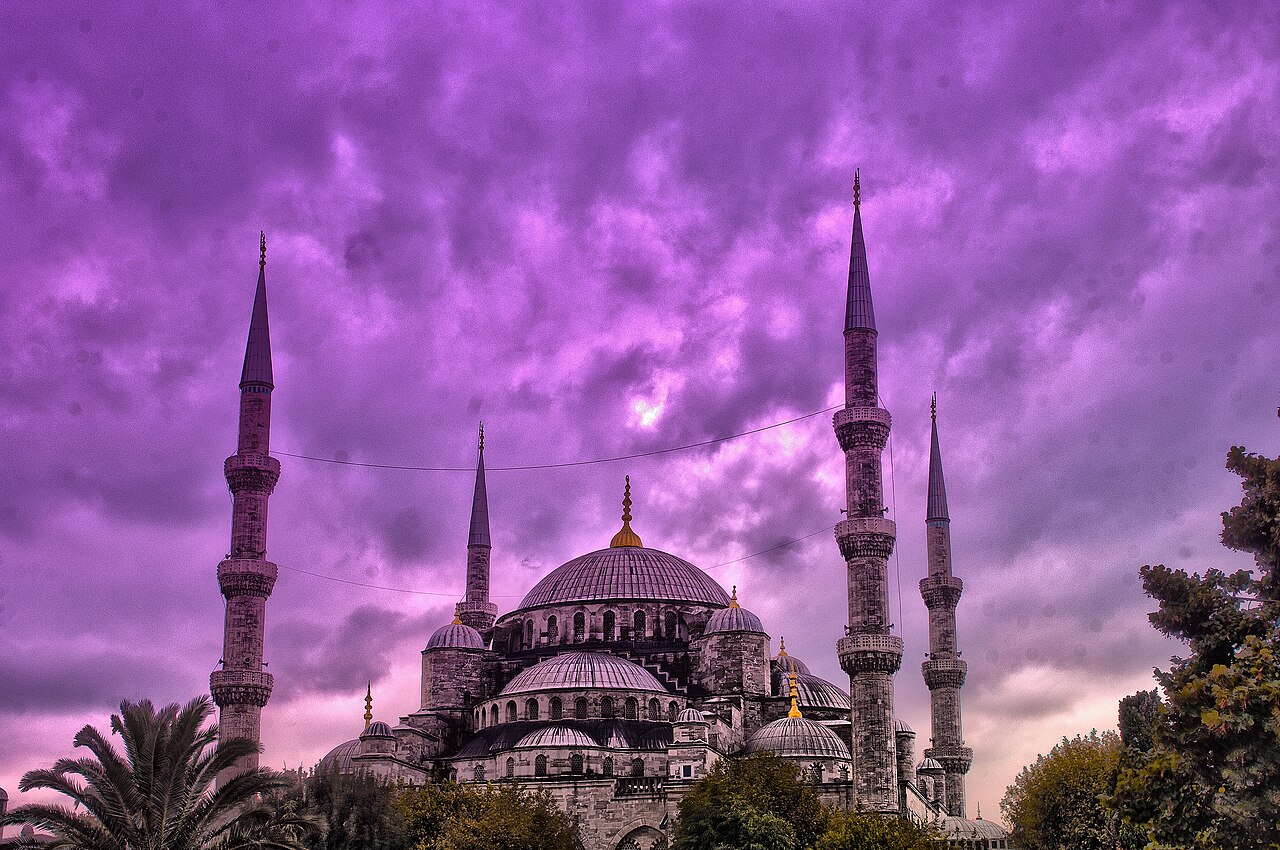
168 / 200 · c. 1540–1617
Renaissance
Ottoman architect associated with the Sultan Ahmed Mosque in Istanbul.
Read biography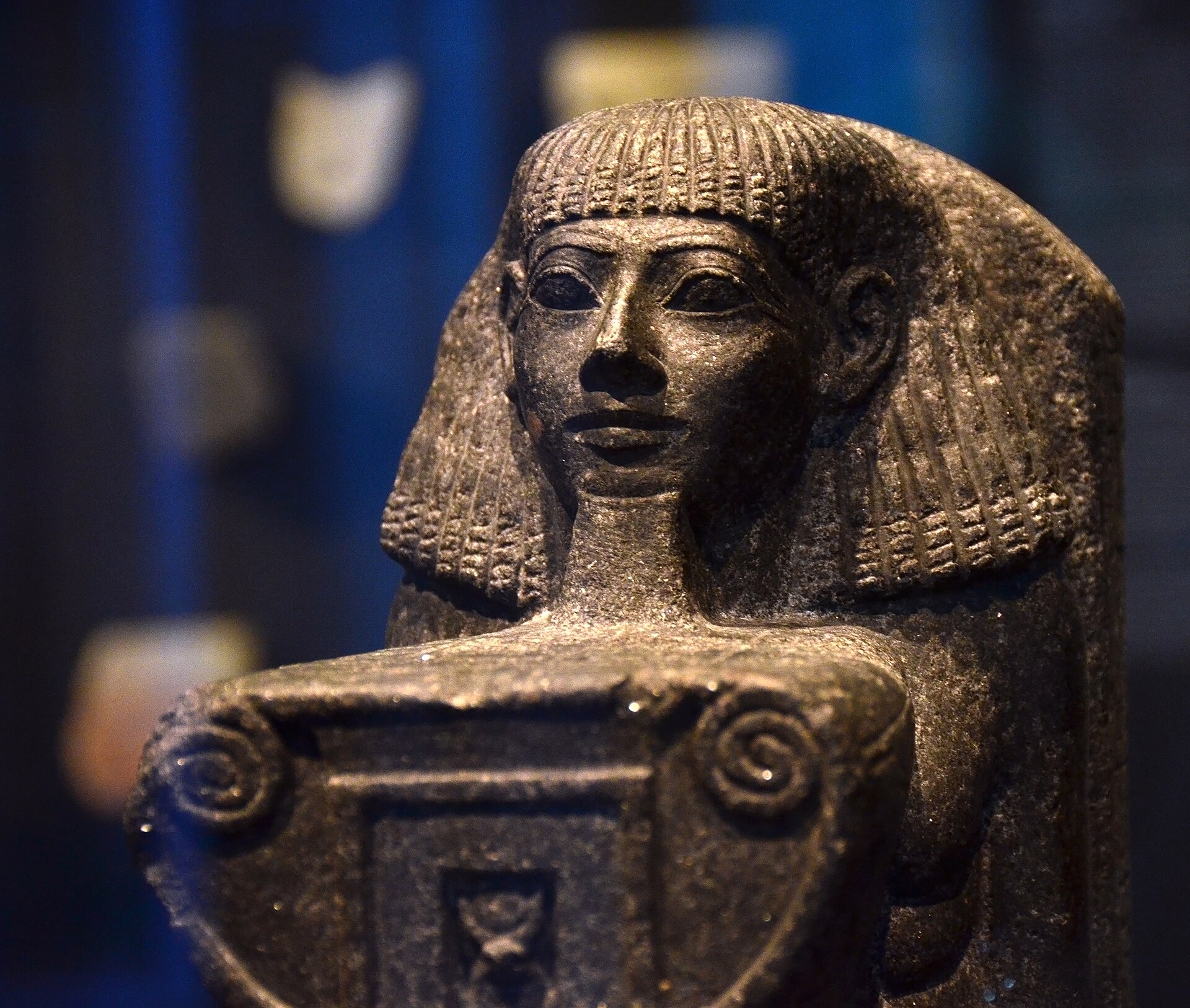
169 / 200 · c. 15th century BCE
Egyptian steward and architect
Court official and architect associated with one of ancient Egypt’s most sophisticated terraced monuments.
Read biography
170 / 200 · born 1981
Tennis player
American tennis player who won twenty-three Grand Slam singles titles in the Open era, along with fourteen women's doubles majors with her sister Venus and four Olympic gold medals. She held the world number one ranking across multiple spells over more than a decade, returned to competition after serious childbirth complications, and has spoken publicly about maternal health and equal prize money.
Read biography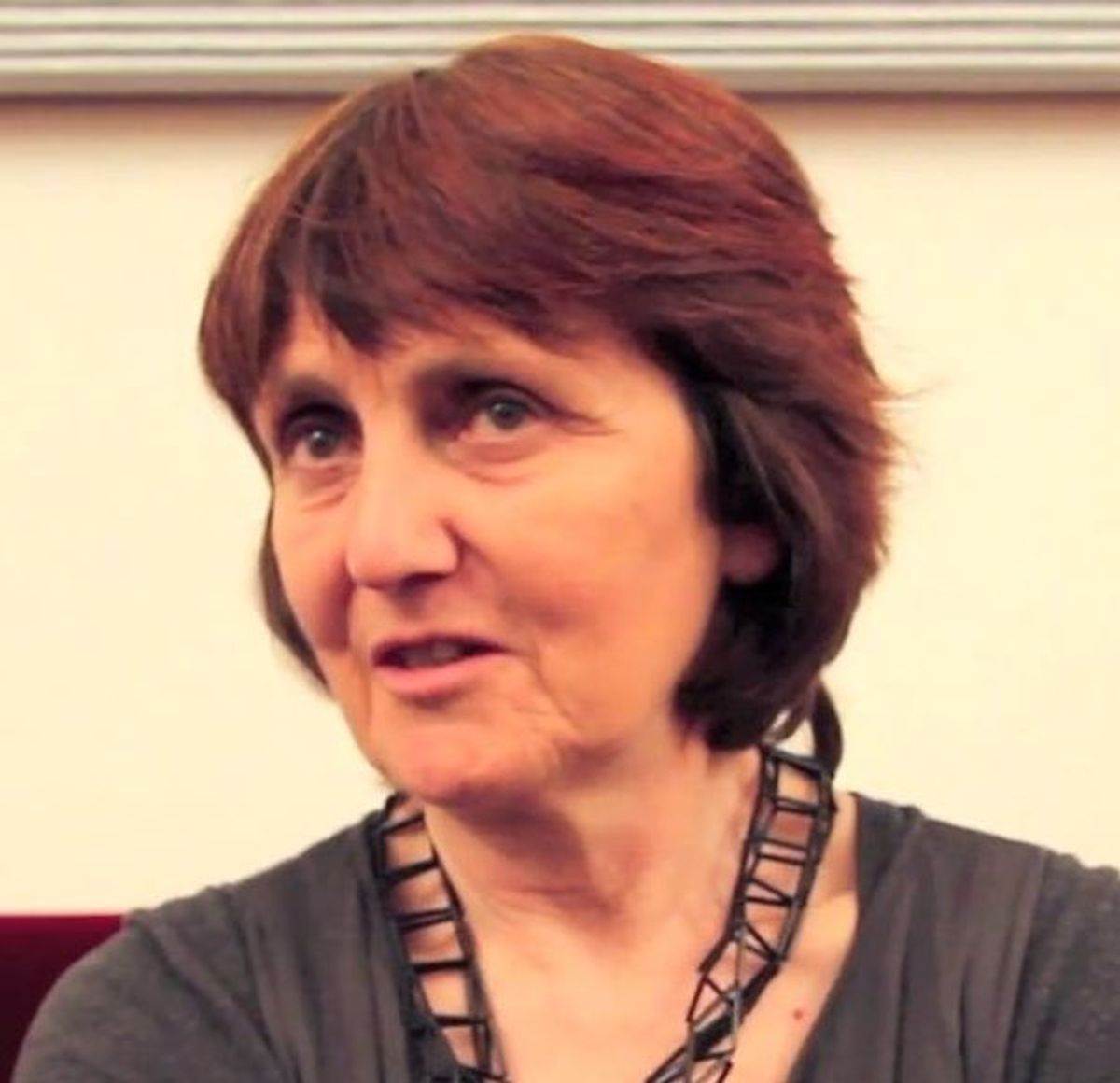
171 / 200 · 1952–
Contemporary Architecture
Co-founder of Grafton Architects whose work explores monumental civic space and contextual urban architecture.
Read biography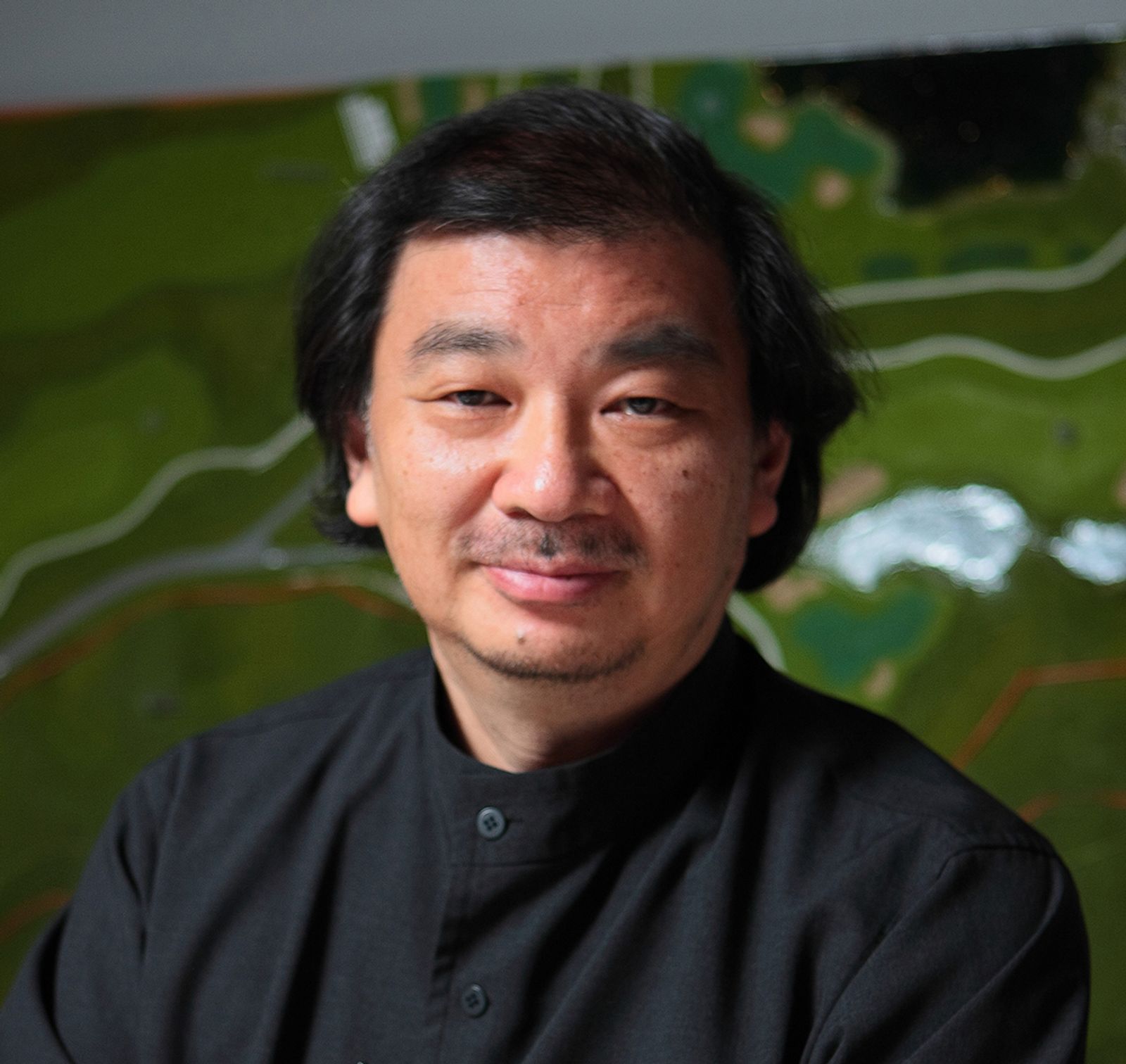
172 / 200 · 1957–
Japanese architect
Combined refined architecture with humanitarian applications and experimental recyclable materials.
Read biography
173 / 200 · born 1997
Gymnast
American artistic gymnast and the most decorated gymnast in World Championship and Olympic history by combined medal count, with several skills named after her in the sport's code of points. She withdrew from events at the Tokyo Olympics in 2021 citing mental health and disorientation known as the twisties, and returned to win further titles. She also testified before the US Senate on abuse in gymnastics.
Read biography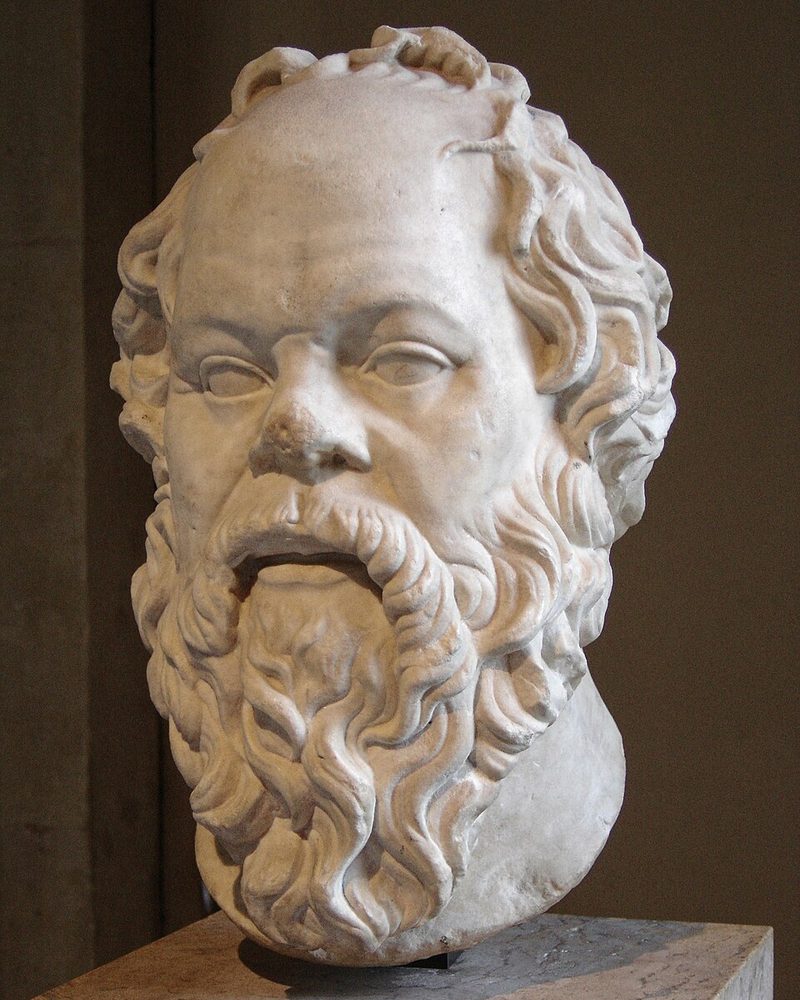
174 / 200 · c. 470–399 BCE
Philosopher
Athenian philosopher who wrote nothing himself and is known through the accounts of Plato, Xenophon and Aristophanes. He practised a method of persistent questioning that exposed contradictions in confident claims, an approach still called Socratic. Tried for impiety and corrupting the young, he was sentenced to death and drank hemlock, a case long debated in discussions of dissent and law.
Read biography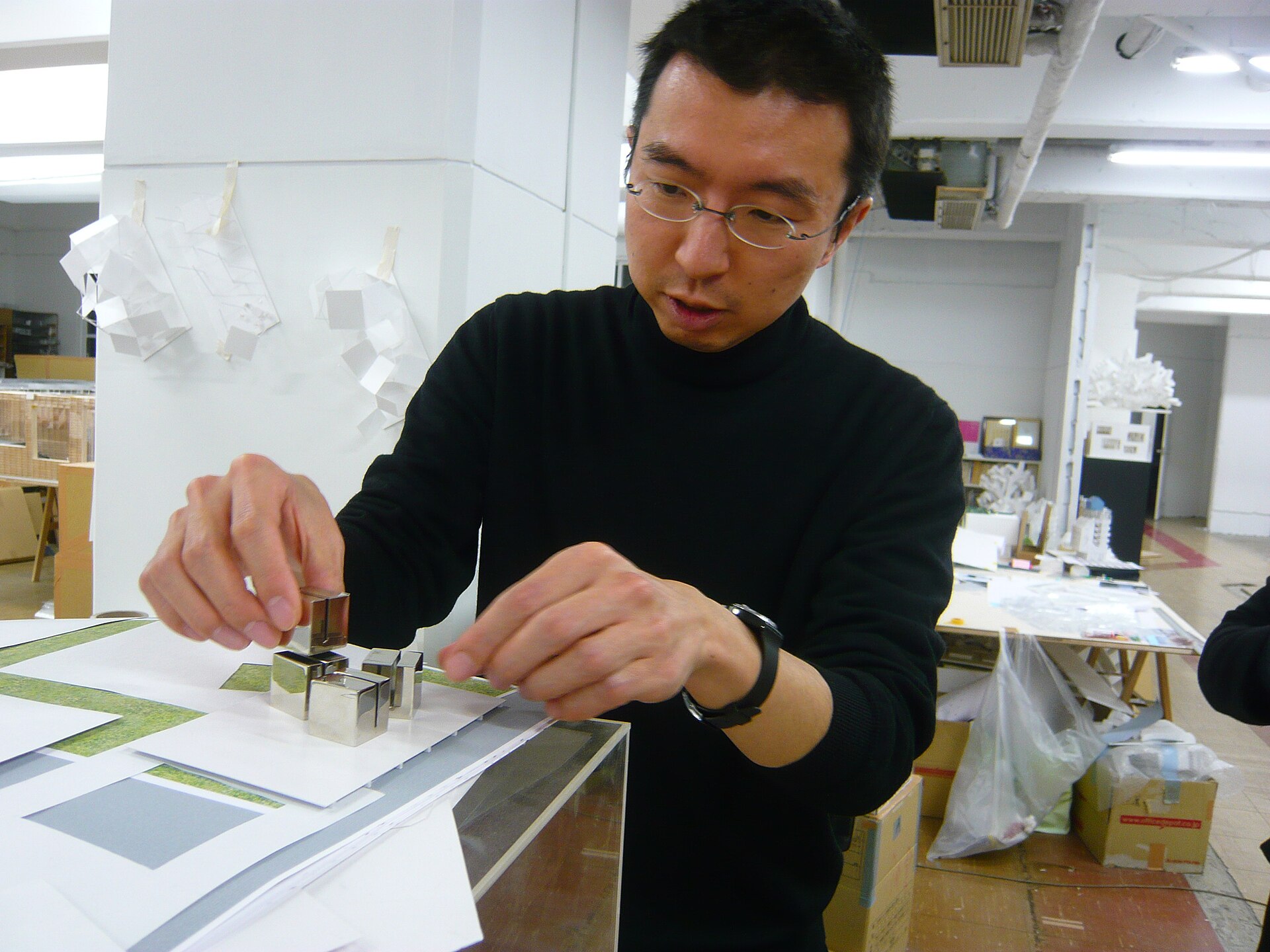
175 / 200 · 1971–
Japanese architect
Explores blurred boundaries between architecture, nature, transparency and domestic life.
Read biography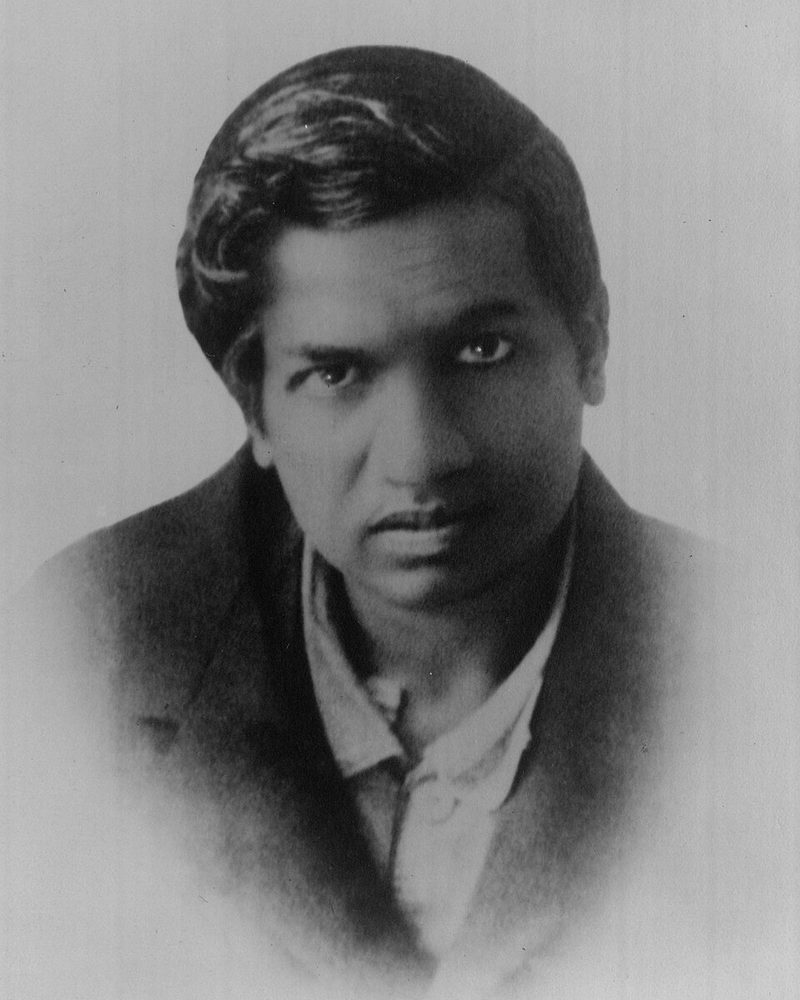
176 / 200 · 1887–1920
Mathematician
Indian mathematician with almost no formal training in pure mathematics who produced thousands of original results in number theory, infinite series, continued fractions and partitions. Invited to Cambridge by G. H. Hardy in 1914, he published jointly during a five-year collaboration before ill health forced his return to India. His notebooks continued to generate new mathematics long after his death at 32.
Read biography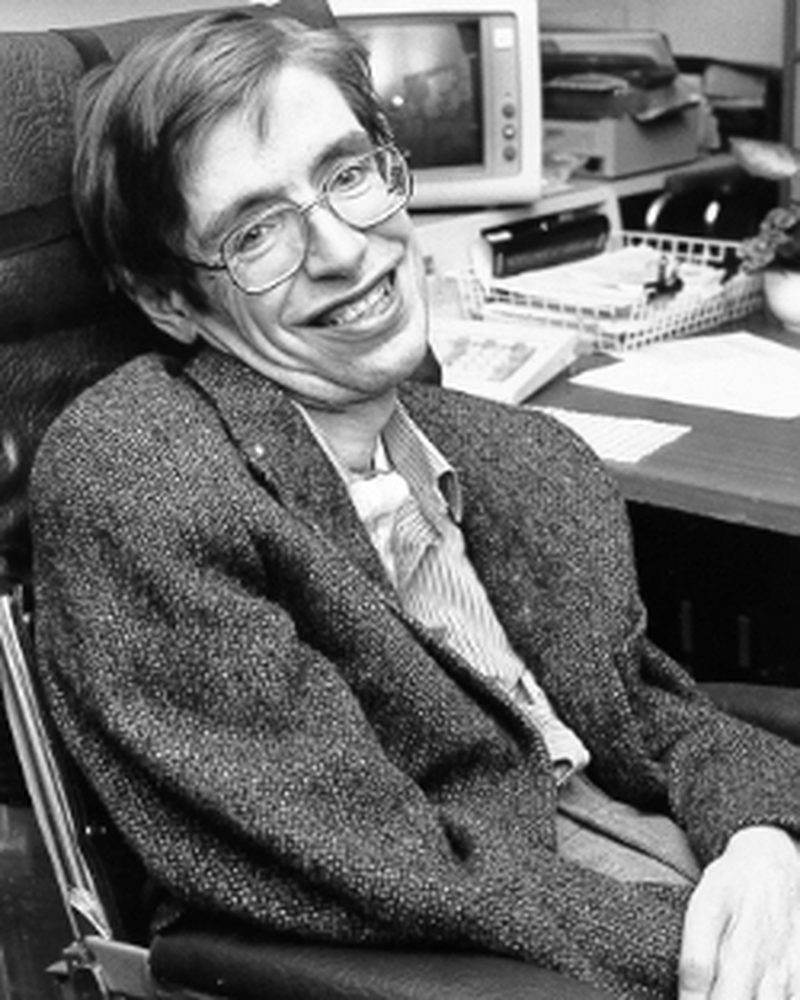
177 / 200 · 1942–2018
Theoretical physicist and cosmologist
British theoretical physicist known for work on black holes and cosmology, including singularity theorems developed with Roger Penrose and the prediction that black holes emit radiation, now called Hawking radiation. Diagnosed with motor neurone disease in his early twenties, he held the Lucasian Chair at Cambridge for thirty years and reached a wide public through A Brief History of Time.
Read biography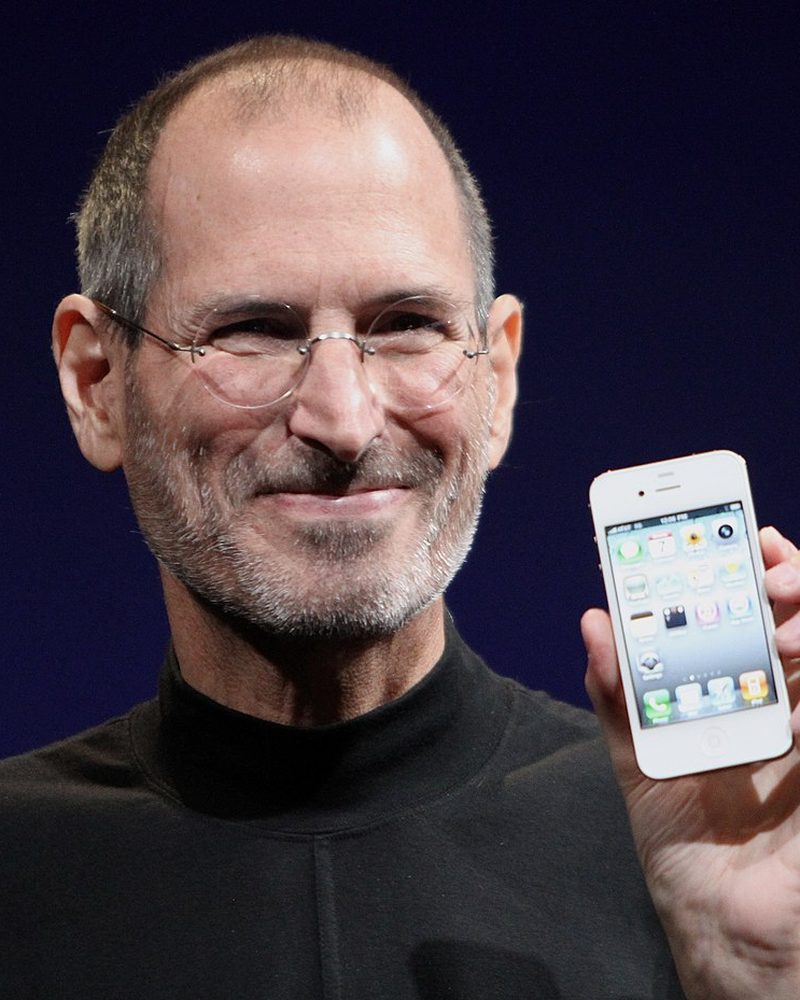
178 / 200 · 1955–2011
Entrepreneur and product designer
American entrepreneur who co-founded Apple in 1976, was forced out in 1985, founded NeXT, acquired and led Pixar, and returned to Apple in 1997. Products developed under his direction, including the iMac, iPod, iPhone and iPad, reshaped personal computing, music distribution and mobile phones. Accounts of his management style describe both demanding standards and abrasive treatment of colleagues.
Read biography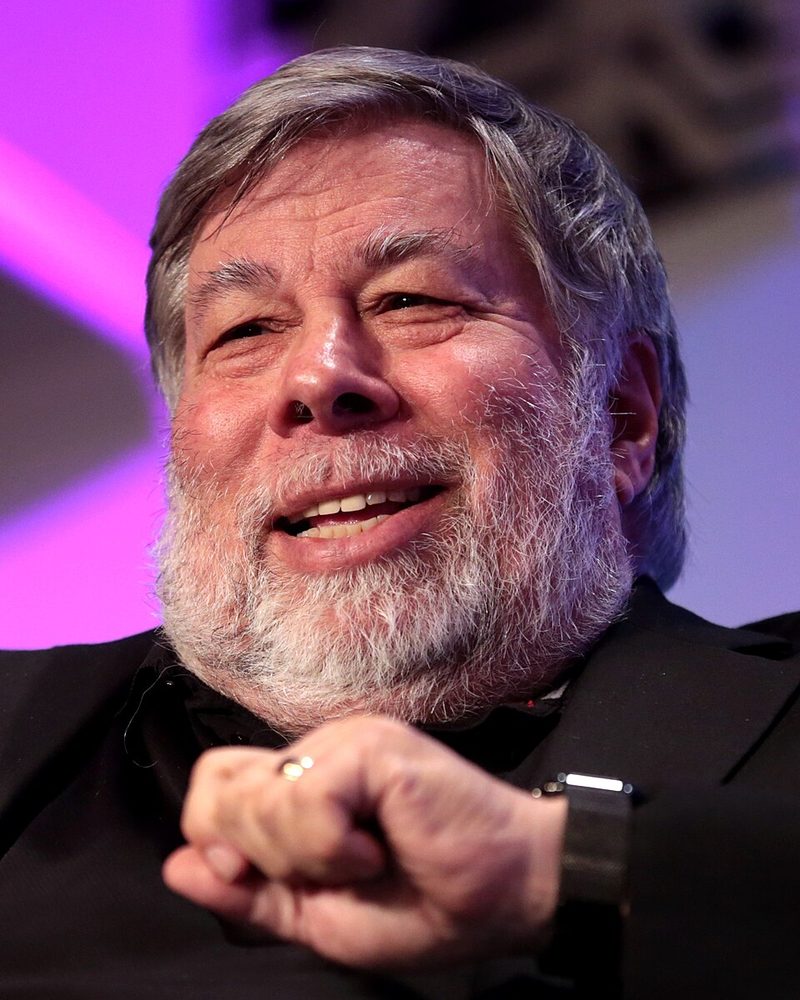
179 / 200 · born 1950
Engineer and computer designer
American engineer who designed the Apple I and Apple II computers, largely single-handedly. The Apple II, released in 1977, combined colour graphics, expansion slots and an approachable design, and became one of the first mass-market personal computers. He co-founded Apple with Steve Jobs and Ronald Wayne in 1976 and later worked in technology education and philanthropy.
Read biography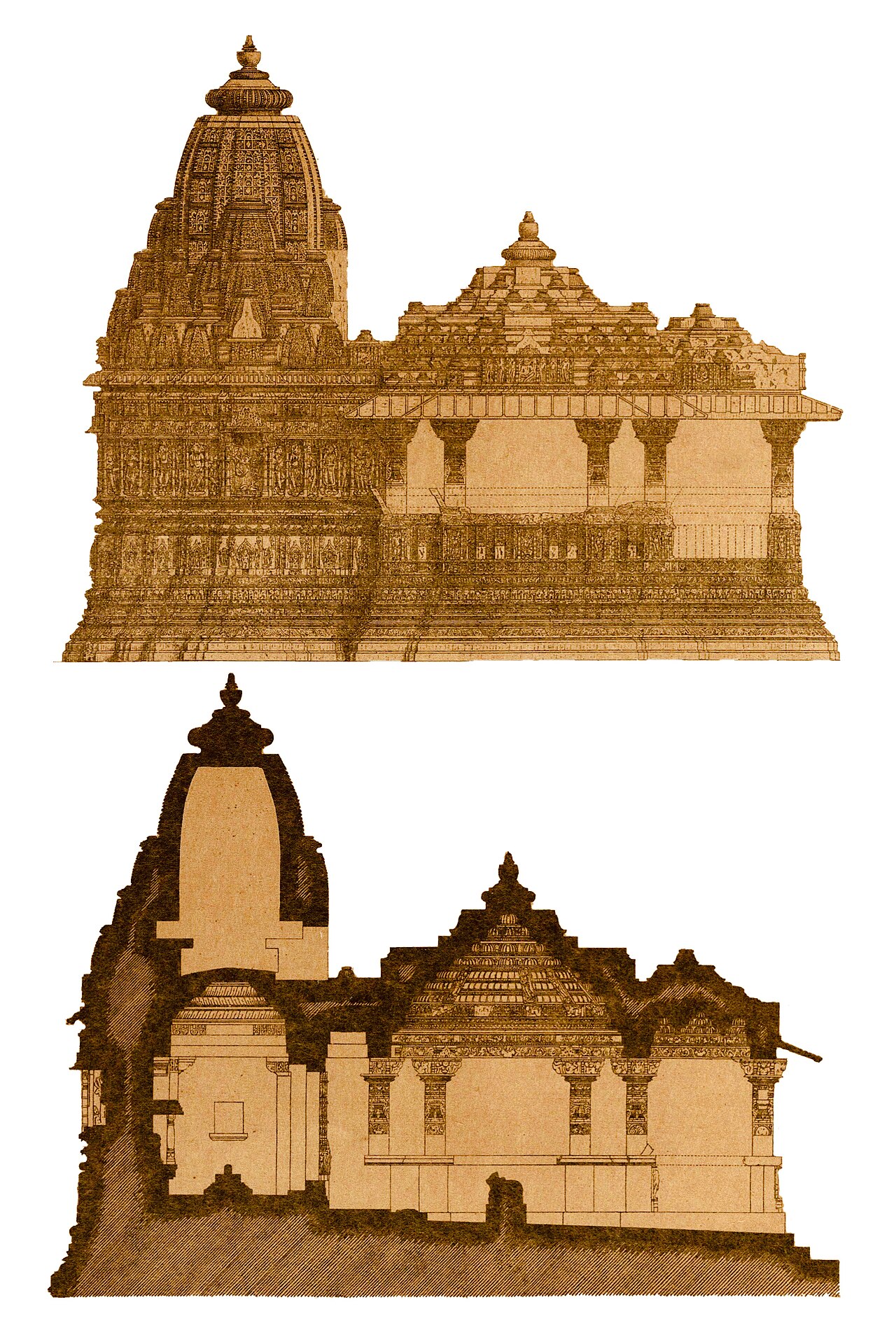
180 / 200 · medieval period
South Asian & Islamic Traditions
Representative of the hereditary architectural tradition behind major Jain and Hindu temple complexes.
Read biography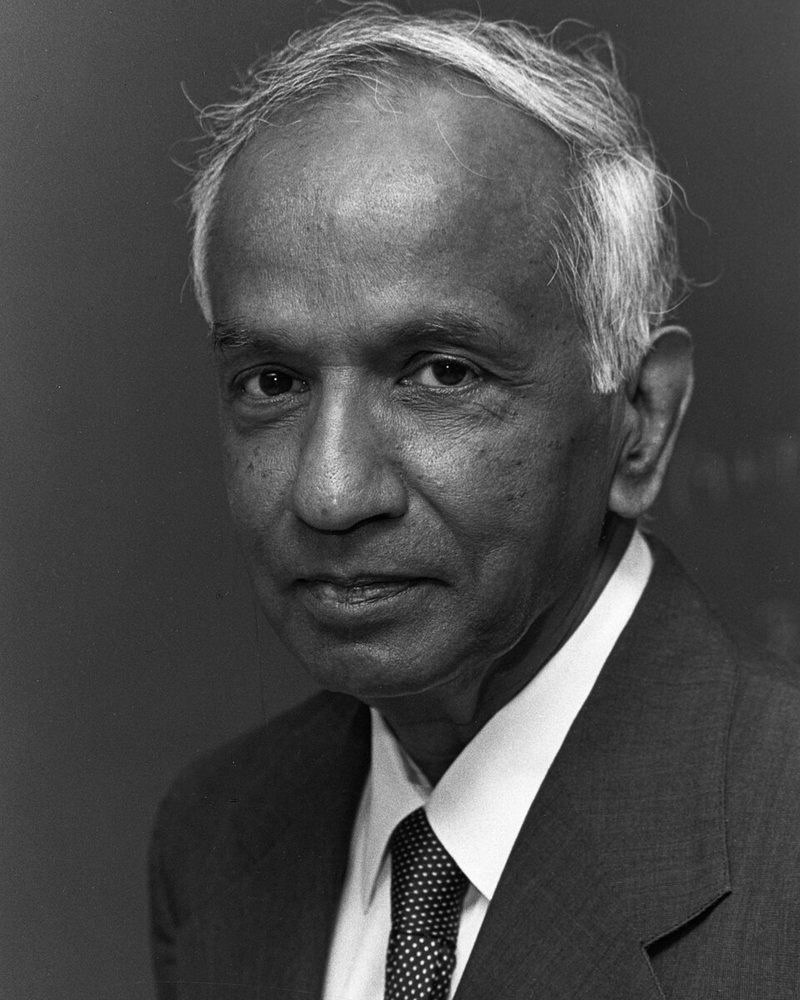
181 / 200 · 1910–1995
Astrophysicist
Indian-American astrophysicist who calculated, at the age of nineteen, the maximum mass of a stable white dwarf star, now called the Chandrasekhar limit, implying that heavier stars must collapse further. The result was publicly dismissed by Arthur Eddington and accepted decades later. He shared the 1983 Nobel Prize in Physics and worked for many years at the University of Chicago.
Read biography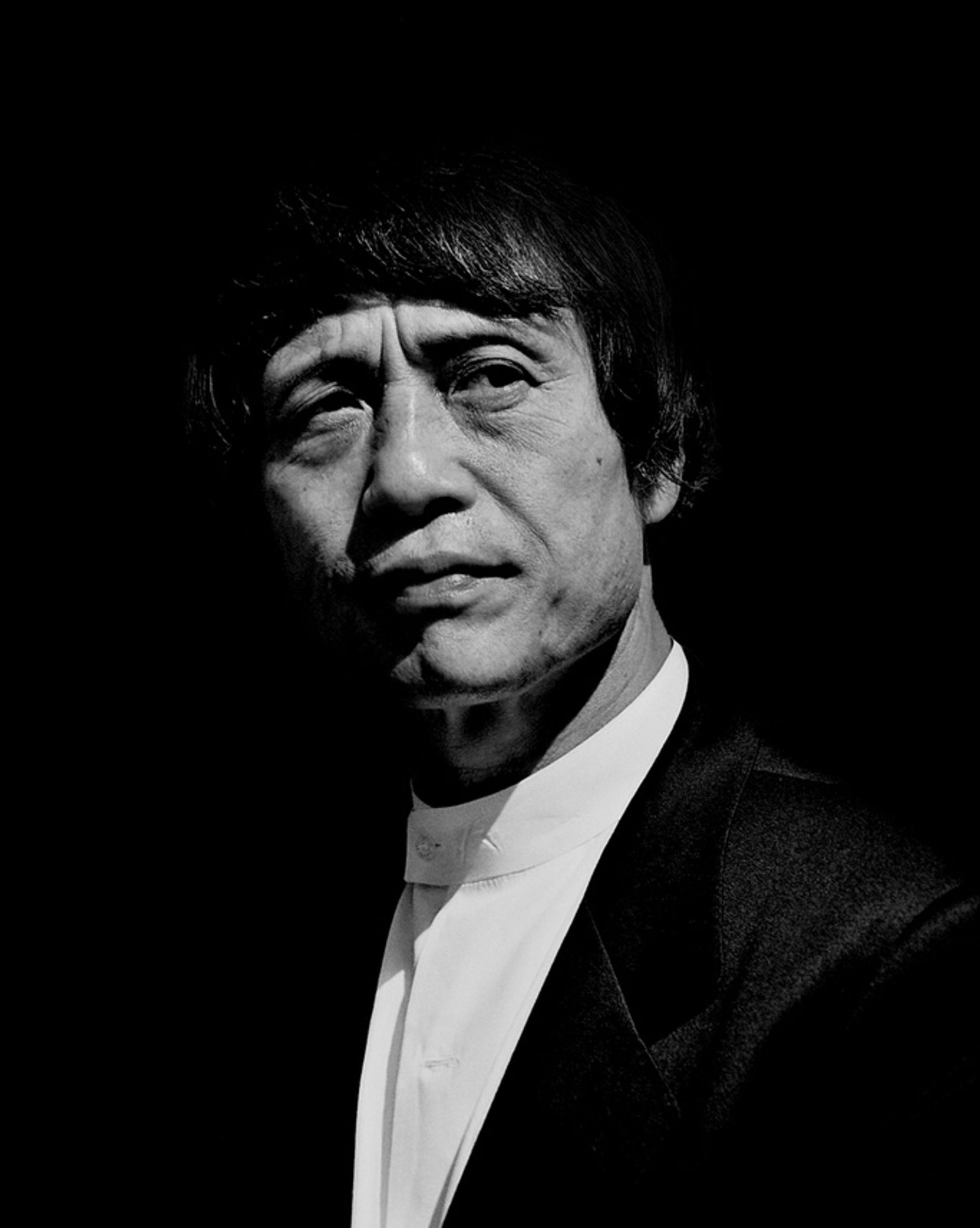
182 / 200 · 1941–
Japanese architect
Known for concrete, light, geometry and carefully choreographed relationships between architecture and landscape.
Read biography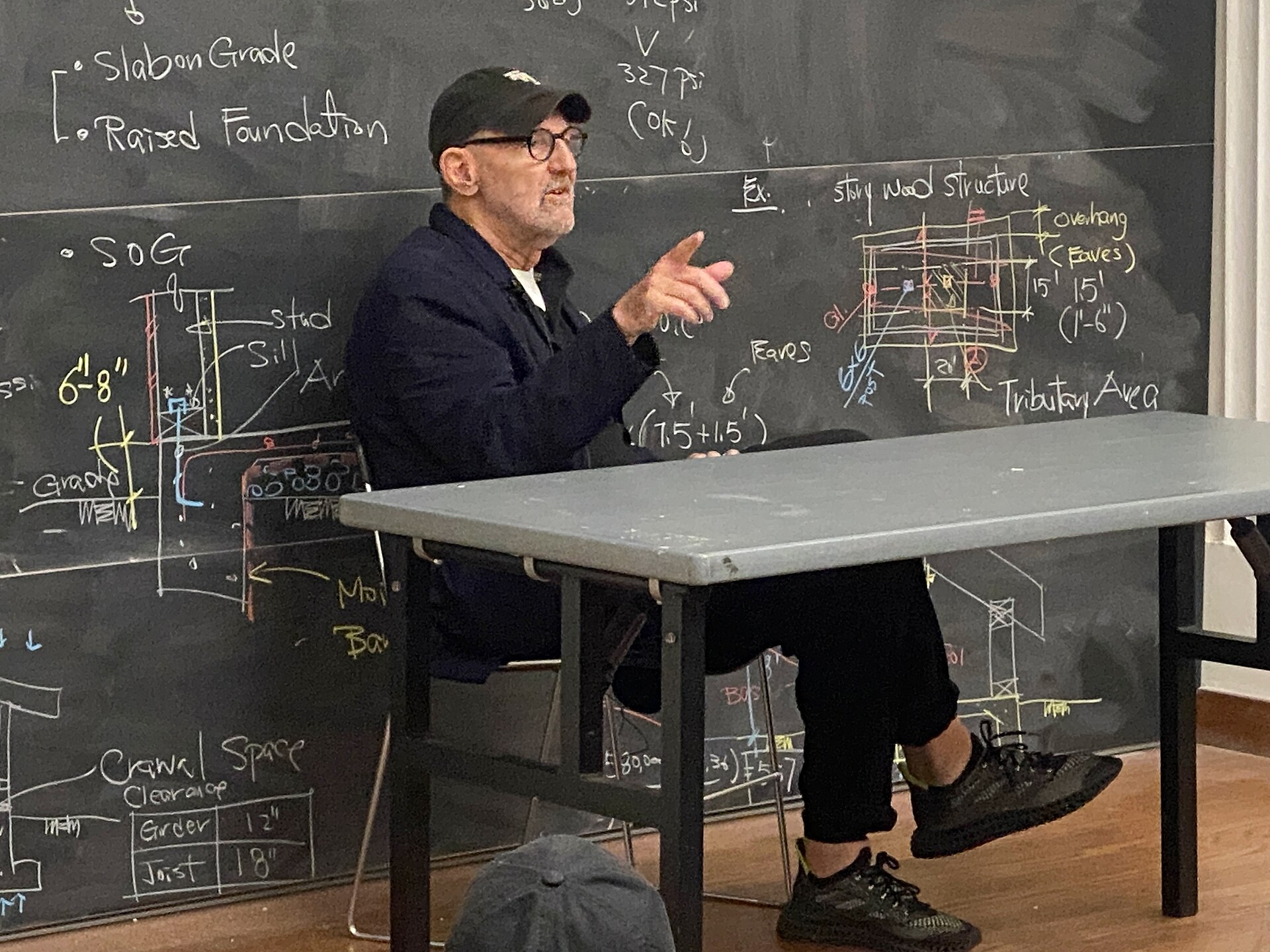
183 / 200 · 1944–
American architect
Developed an assertive contemporary architecture focused on urban complexity and formal experimentation.
Read biography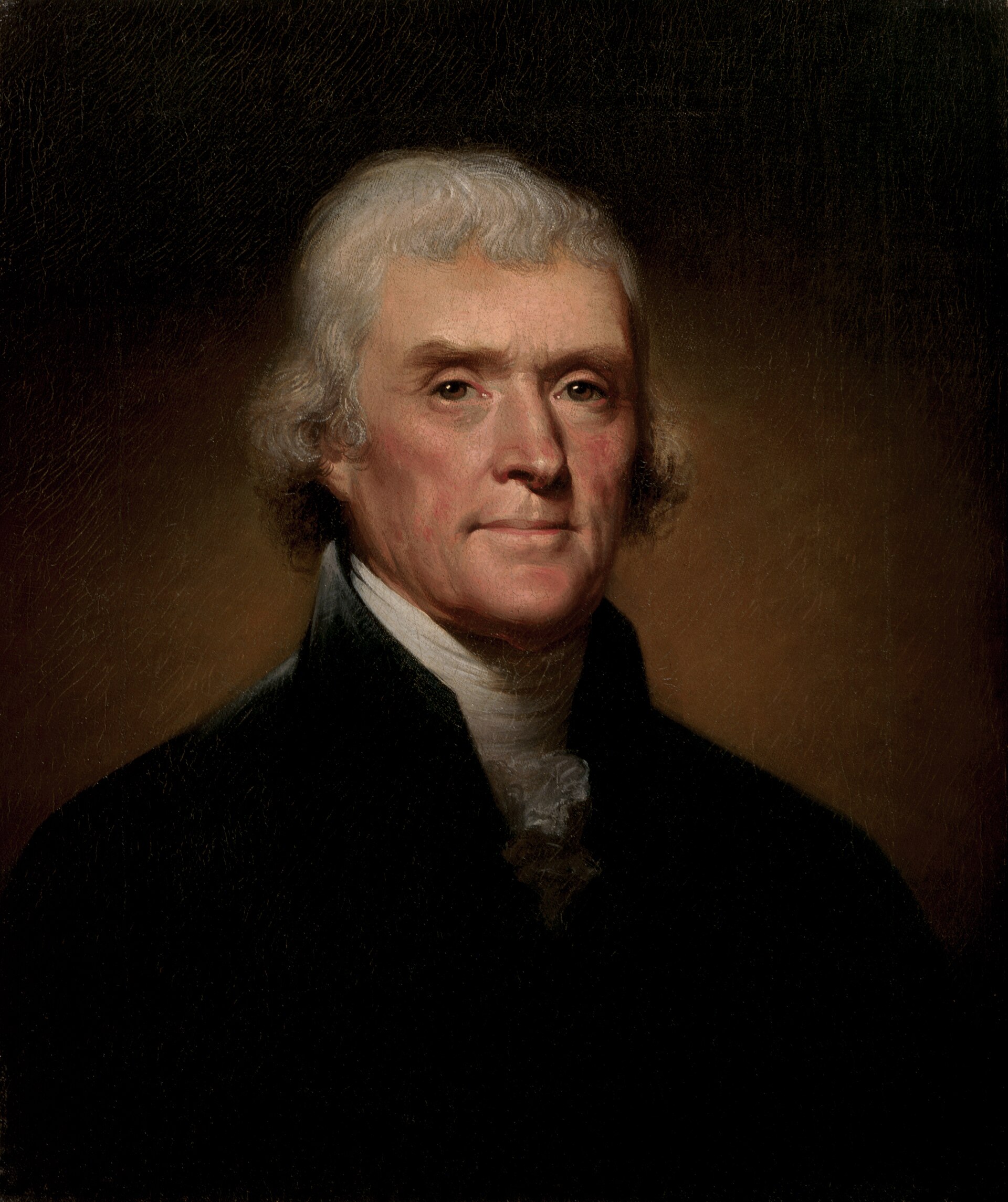
184 / 200 · 1743–1826
Neoclassical & Early Modern
Architect and statesman whose classical planning influenced American civic and educational architecture.
Read biography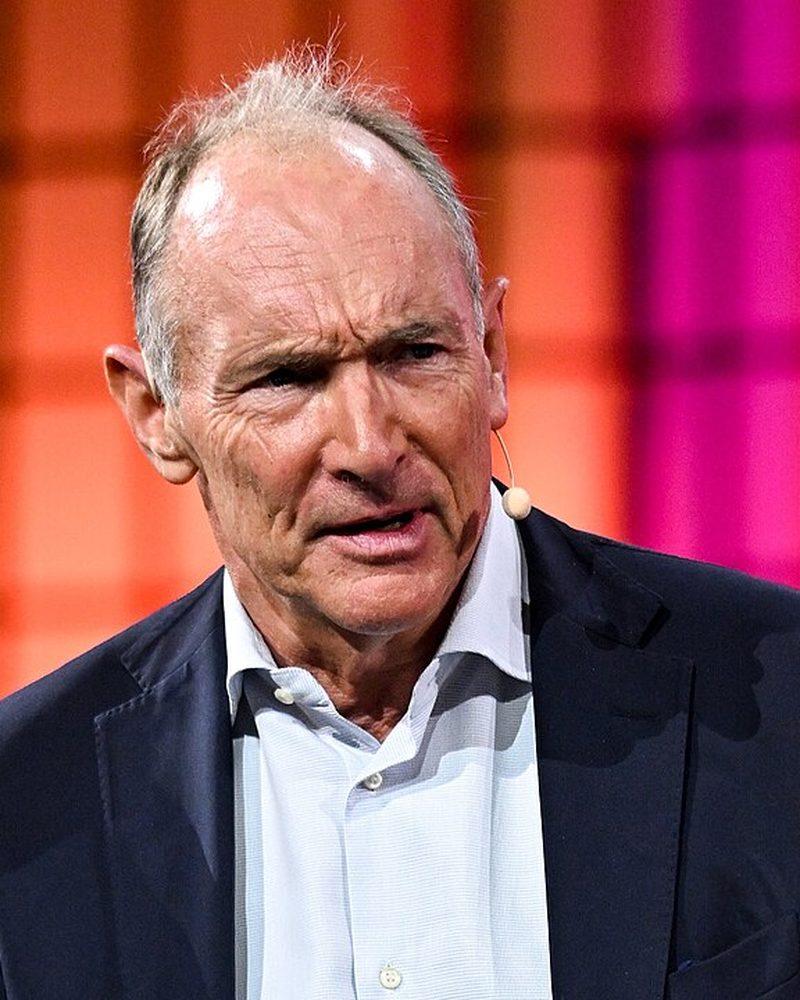
185 / 200 · born 1955
Computer scientist
British computer scientist who, while at CERN in 1989–1991, proposed and built the World Wide Web, writing the first browser, server, HTML specification and URL and HTTP schemes. CERN released the technology royalty-free in 1993. He founded the World Wide Web Consortium, and has since campaigned on web standards, open data and personal control of data.
Read biography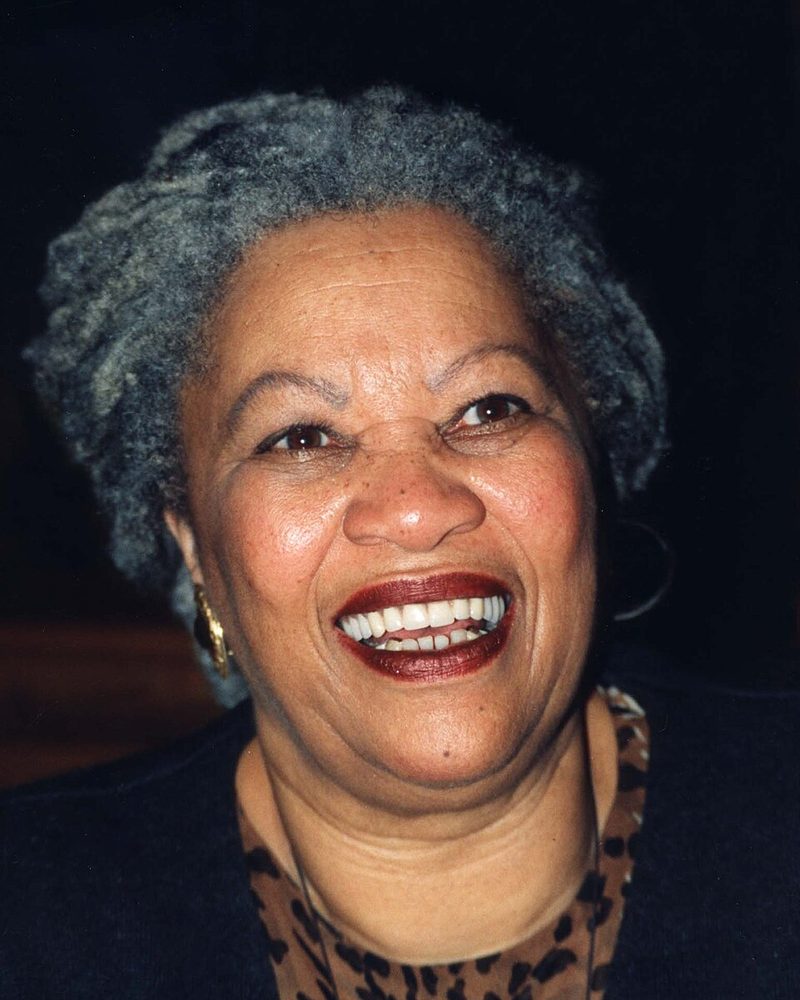
186 / 200 · 1931–2019
Novelist and editor
American novelist and editor whose works, including Song of Solomon, Beloved and Jazz, examine African American history, memory and identity. Beloved won the Pulitzer Prize in 1988, and in 1993 she became the first Black woman to receive the Nobel Prize in Literature. As an editor at Random House she published a generation of Black writers, and she later taught at Princeton.
Read biography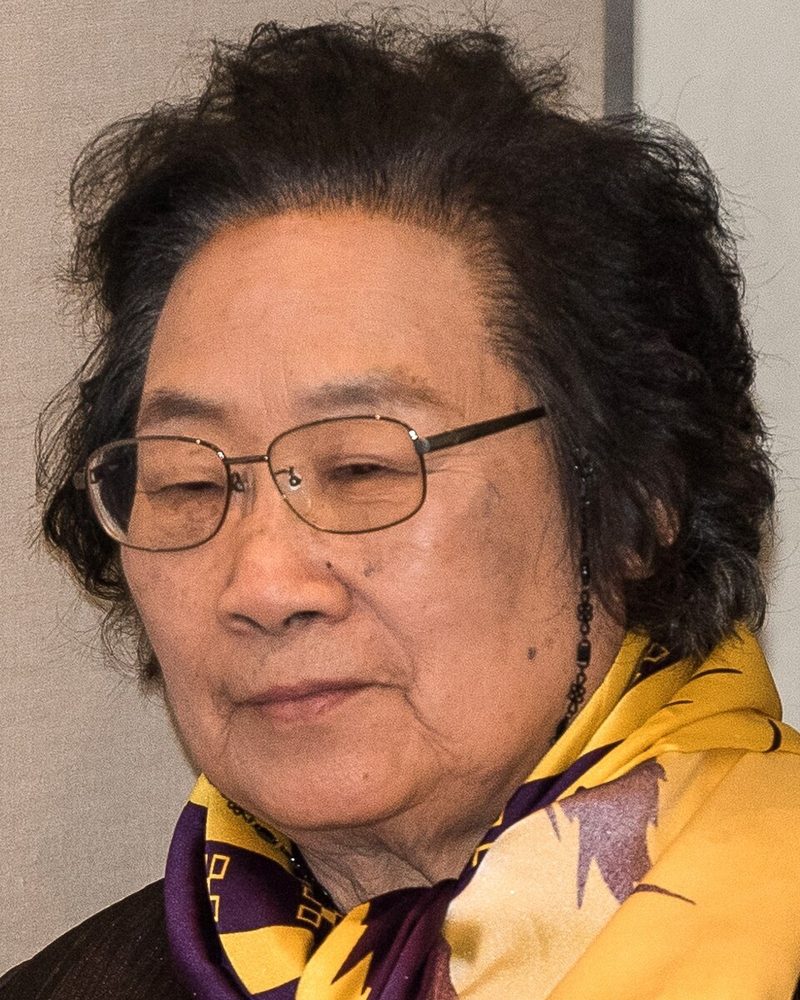
187 / 200 · born 1930
Pharmaceutical chemist
Chinese pharmaceutical chemist who led research that isolated artemisinin from sweet wormwood, drawing on classical Chinese medical texts and systematic screening. Artemisinin-based combination therapies became the standard treatment for malaria and are credited with saving millions of lives. She shared the 2015 Nobel Prize in Physiology or Medicine, becoming the first Chinese woman to receive a Nobel Prize in the sciences.
Read biography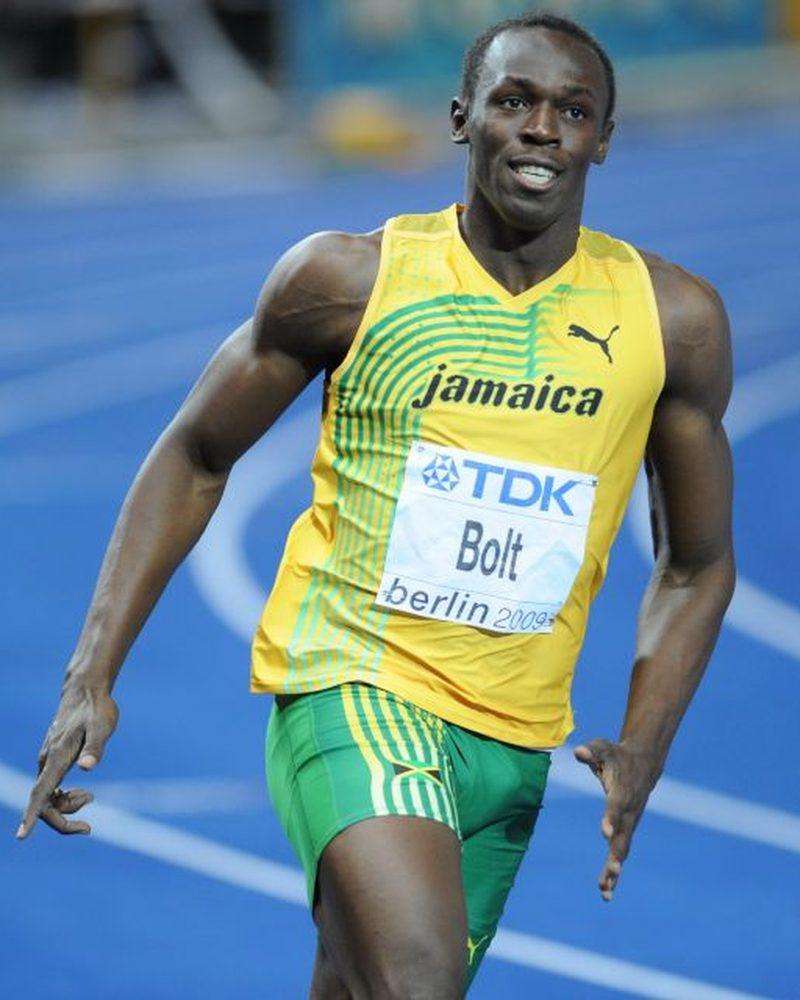
188 / 200 · born 1986
Sprinter
Jamaican sprinter who holds the world records in the 100 metres at 9.58 seconds and the 200 metres at 19.19 seconds, both set at the 2009 World Championships in Berlin. He won eight Olympic gold medals across three Games and is widely regarded as the fastest timed human over those distances in recorded competition.
Read biography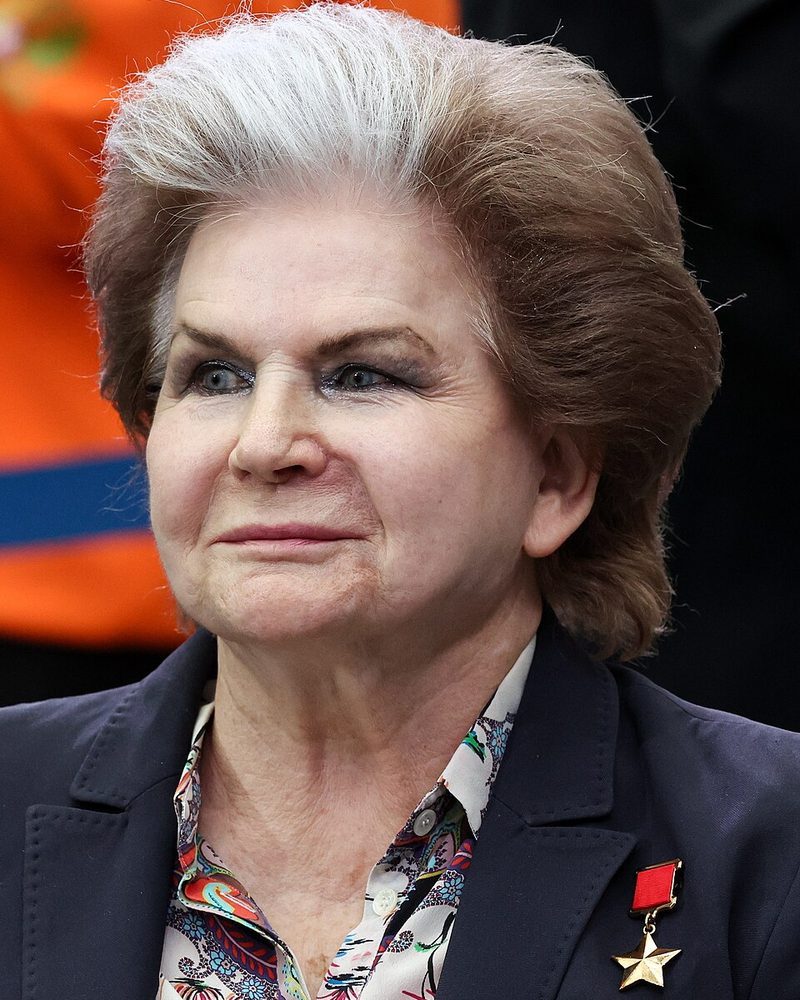
189 / 200 · born 1937
Cosmonaut
Soviet cosmonaut who became the first woman in space on 16 June 1963, flying solo aboard Vostok 6 and completing forty-eight orbits over almost three days. A former textile worker and amateur parachutist, she was selected from more than four hundred applicants. She later trained as an engineer and held political office in the Soviet Union and Russia.
Read biography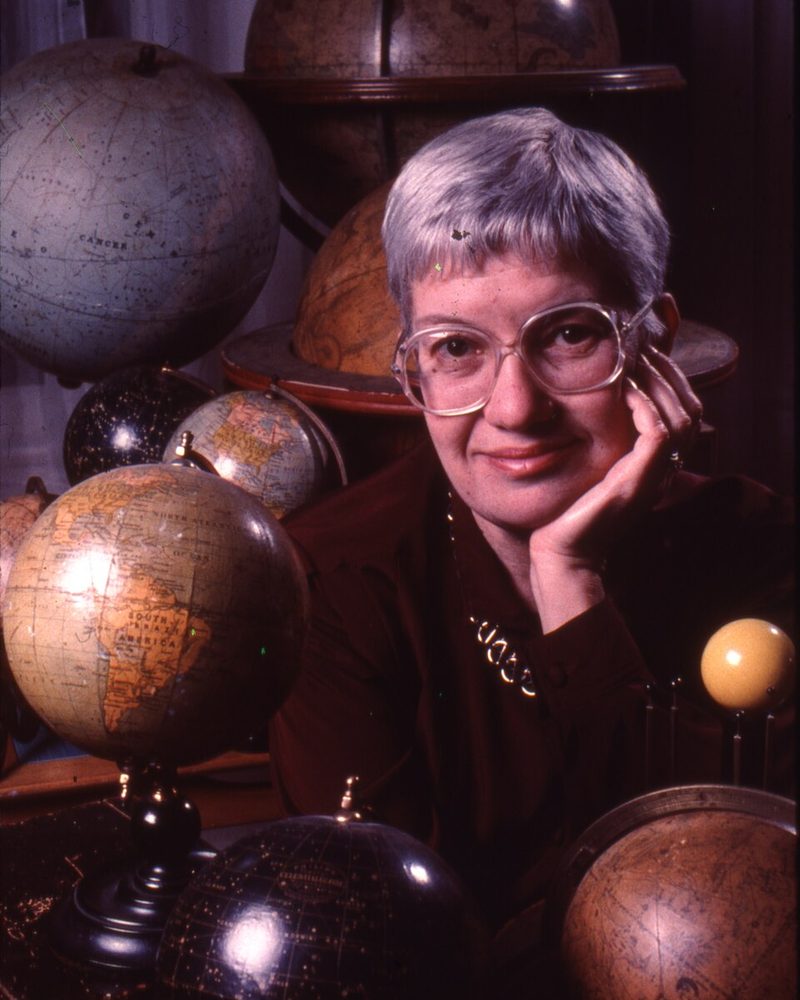
190 / 200 · 1928–2016
Astronomer
American astronomer whose measurements of the rotation of spiral galaxies, carried out with Kent Ford in the 1970s, showed that stars at the outer edges move faster than visible mass predicts. The finding provided strong observational evidence for dark matter and reframed cosmology. She also advocated persistently for the inclusion of women in professional astronomy.
Read biography
191 / 200 · 1861–1947
Belgian architect
Pioneered Art Nouveau architecture through flowing plans, iron structures and integrated ornament.
Read biography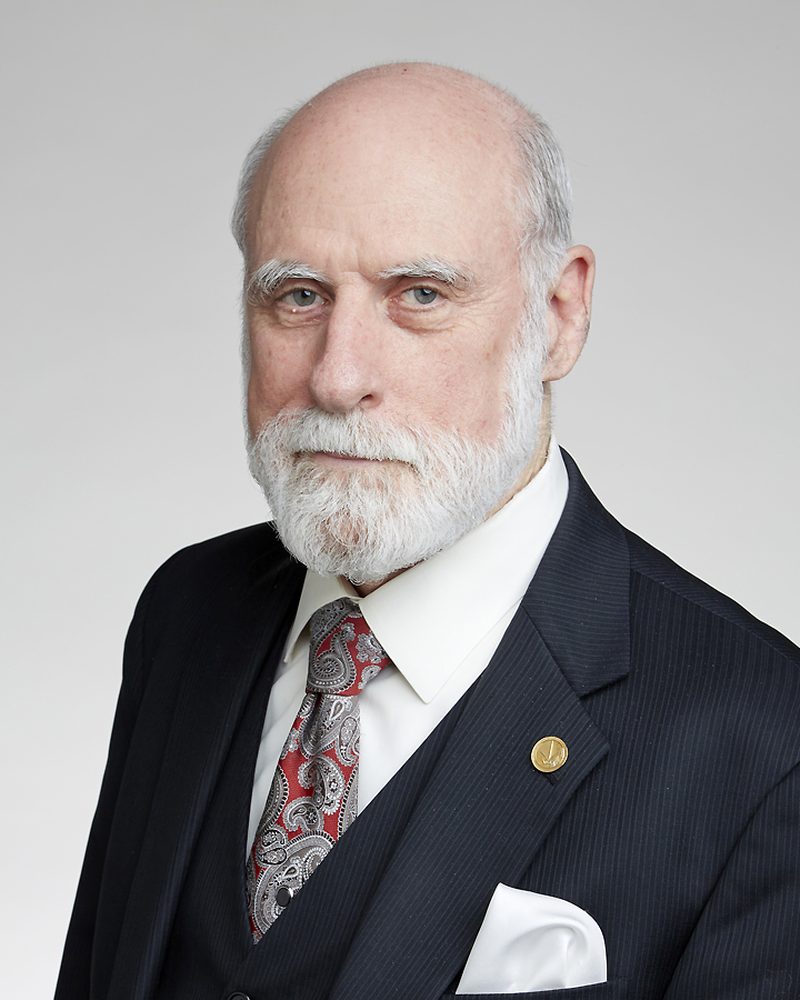
192 / 200 · born 1943
Computer scientist
American computer scientist who, with Robert Kahn, designed the TCP/IP protocol suite that allows independent computer networks to interconnect, the technical basis of the internet. He worked on ARPANET, helped found the Internet Society, chaired ICANN, and has since worked on interplanetary networking protocols. He shared the 2004 Turing Award with Kahn.
Read biography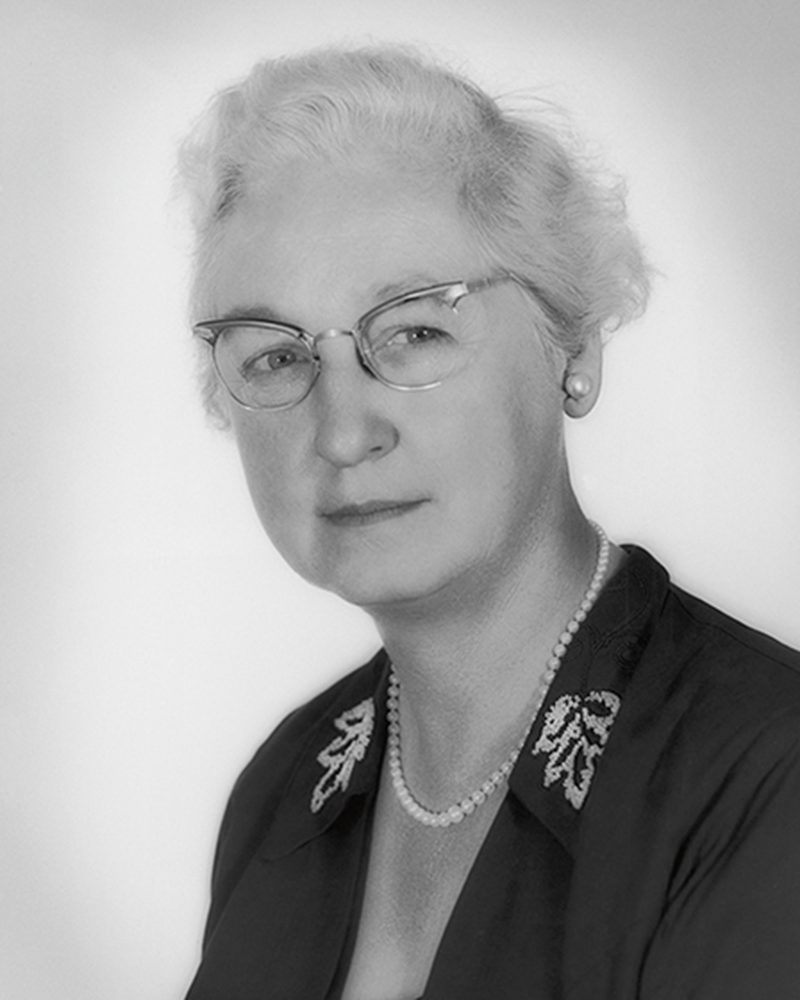
193 / 200 · 1909–1974
Anaesthesiologist
American anaesthesiologist who devised the Apgar score in 1952, a rapid five-point assessment of a newborn's condition in the minutes after birth. The score gave clinicians a standard, comparable measure and is credited with substantially improving newborn survival worldwide. She later led research programmes on birth defects at the March of Dimes and helped establish perinatology as a field.
Read biography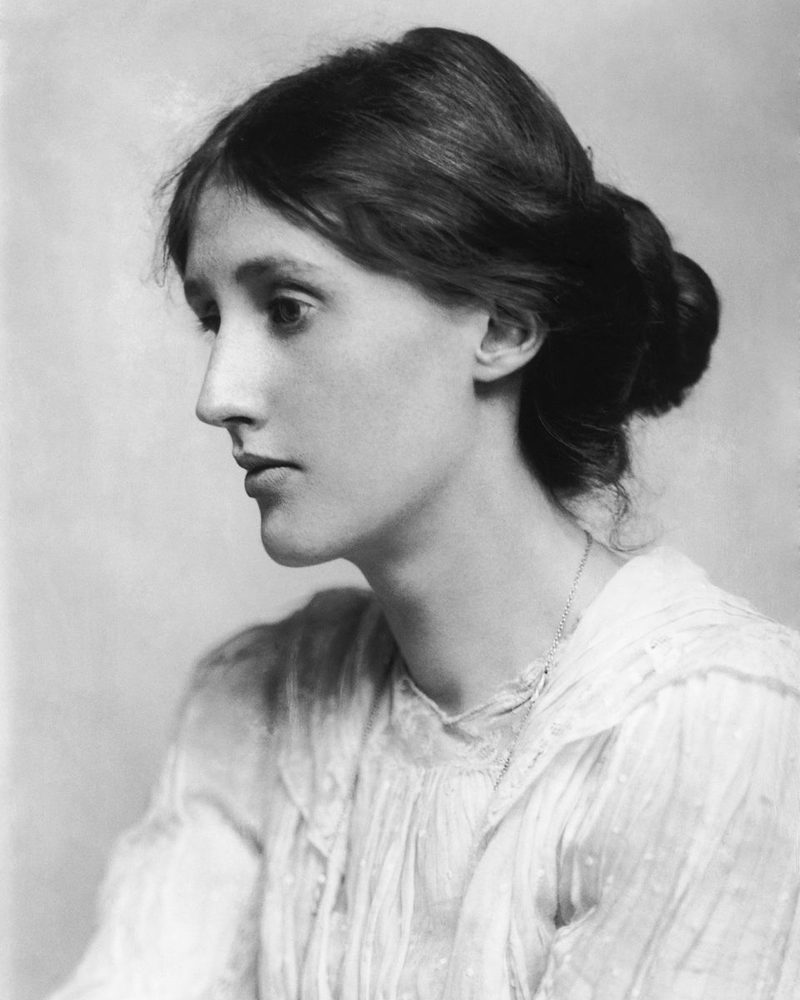
194 / 200 · 1882–1941
Novelist and essayist
English novelist and essayist central to literary modernism, whose works include Mrs Dalloway, To the Lighthouse and The Waves, developing narrative techniques that follow consciousness rather than external plot. Her essay A Room of One's Own examined the material conditions required for women to write. She co-founded the Hogarth Press and lived with recurrent mental illness until her death by suicide.
Read biography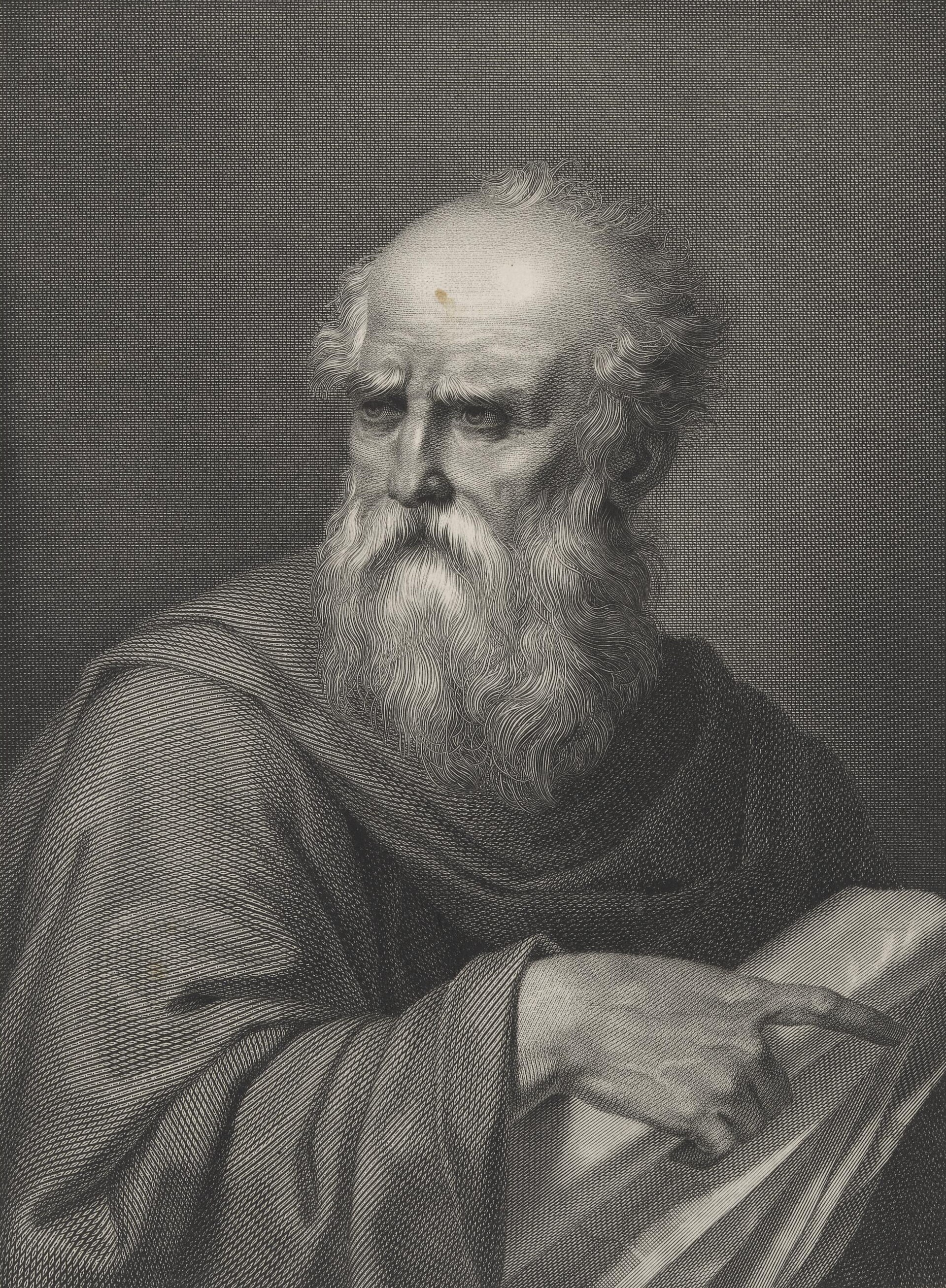
195 / 200 · c. 80–15 BCE
Roman architect and engineer
Roman architect and author whose treatise became foundational to later architectural theory.
Read biography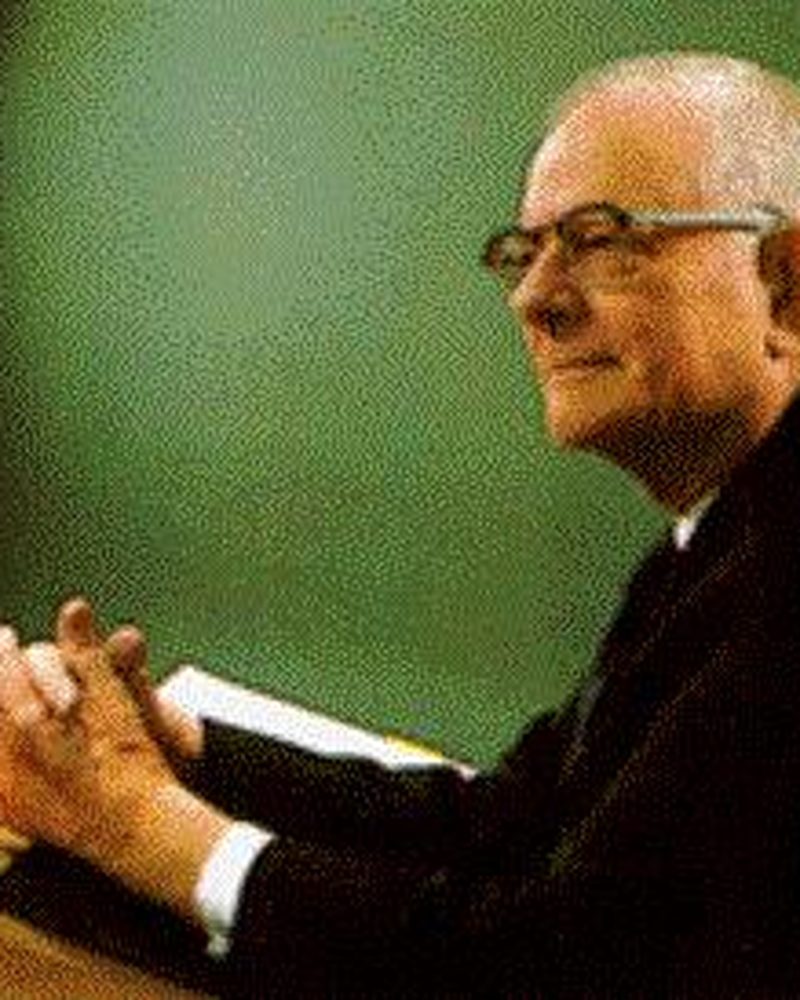
196 / 200 · 1900–1993
Statistician and quality theorist
American statistician whose teaching on statistical process control and systemic quality management was widely adopted by Japanese manufacturers from 1950 onward and is associated with the post-war rise of Japanese industrial quality. His later work, including the fourteen points for management, argued that most defects originate in systems rather than individual workers. Japan's Deming Prize is named after him.
Read biography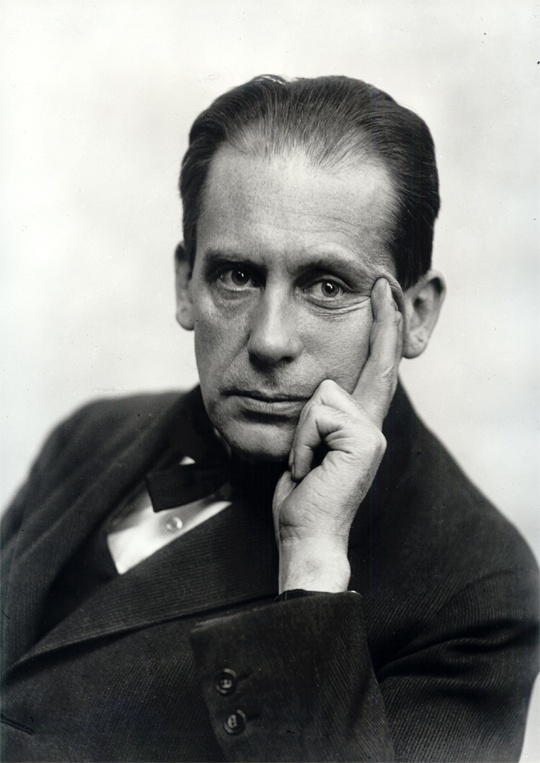
197 / 200 · 1883–1969
German-American architect and educator
Founder of the Bauhaus and a major force in modern architecture and design education.
Read biography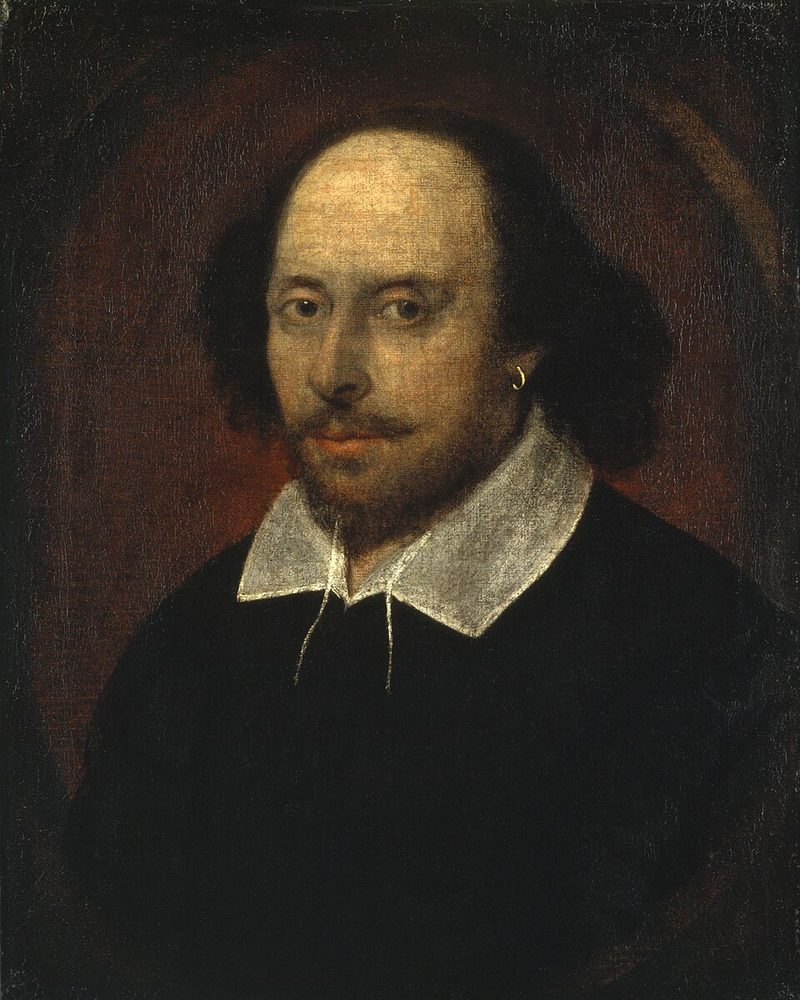
198 / 200 · 1564–1616
Playwright and poet
English playwright, poet and actor whose surviving work includes around thirty-eight plays and 154 sonnets, among them Hamlet, King Lear, Macbeth and A Midsummer Night's Dream. His plays have been translated into every major living language and are performed more often than those of any other playwright, and his vocabulary and phrasing left a lasting mark on English.
Read biography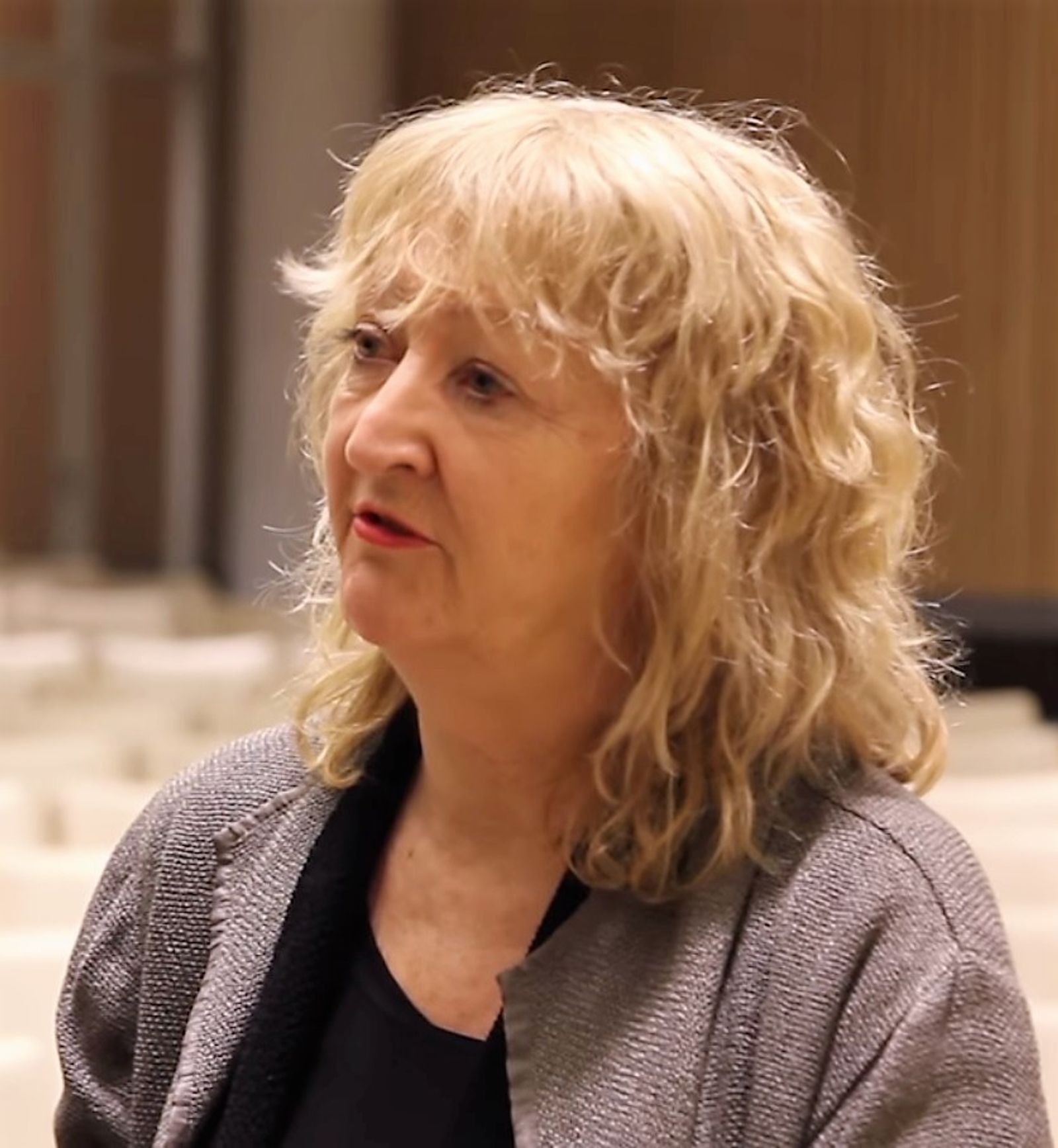
199 / 200 · 1951–
Contemporary Architecture
Co-founder of Grafton Architects, known for civic architecture that emphasizes space, structure and urban relationships.
Read biography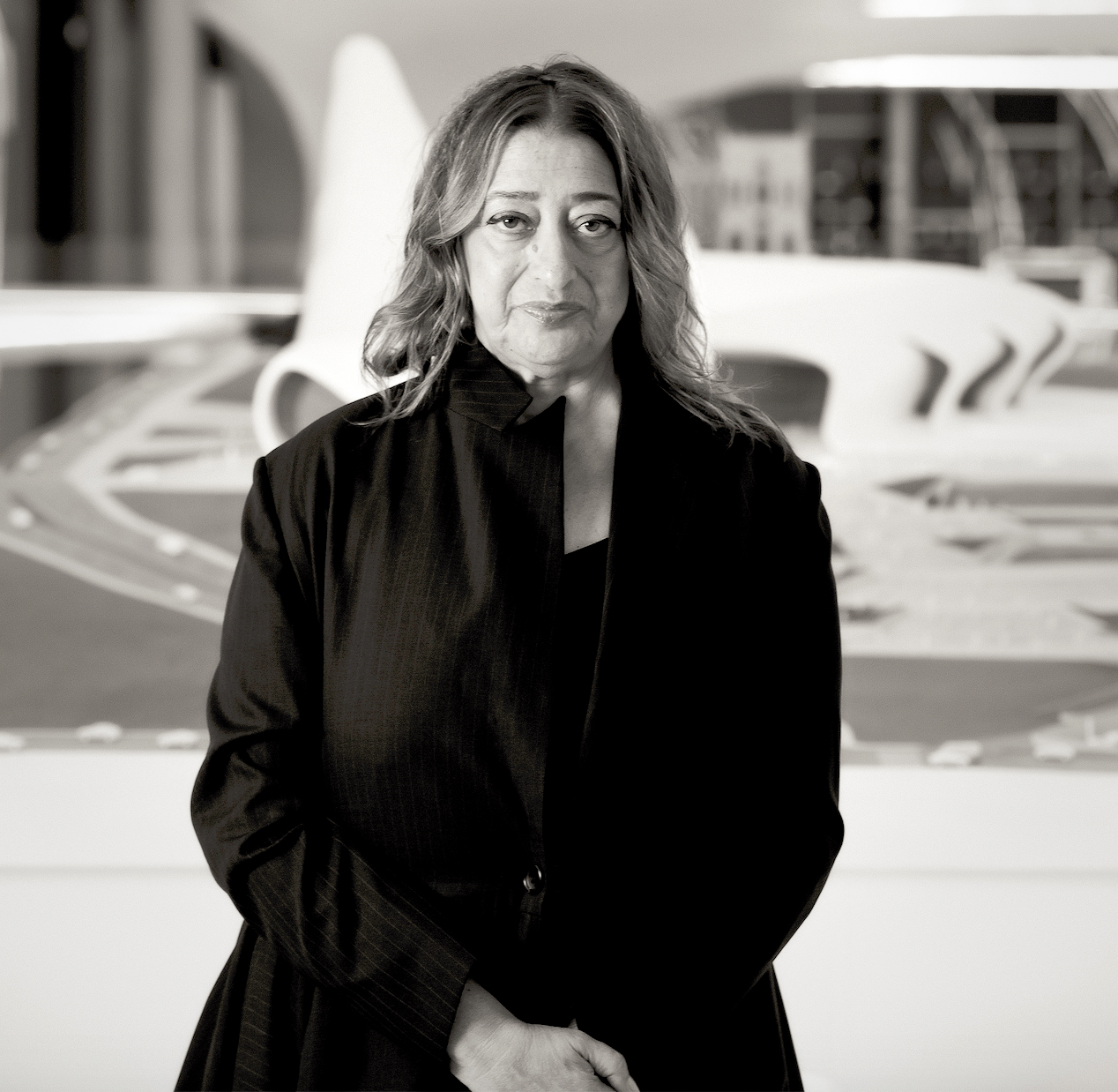
200 / 200 · 1950–2016
Iraqi-British architect
Transformed architectural form through fluid geometries and digital design, becoming a defining figure of late twentieth- and early twenty-first-century architecture.
Read biographyLatest collection · Ideas · Moving Pictures
Moving pictures as a technology, cultural institution and social force — changing how images were made, experienced, regulated, represented and understood.
01 / 12
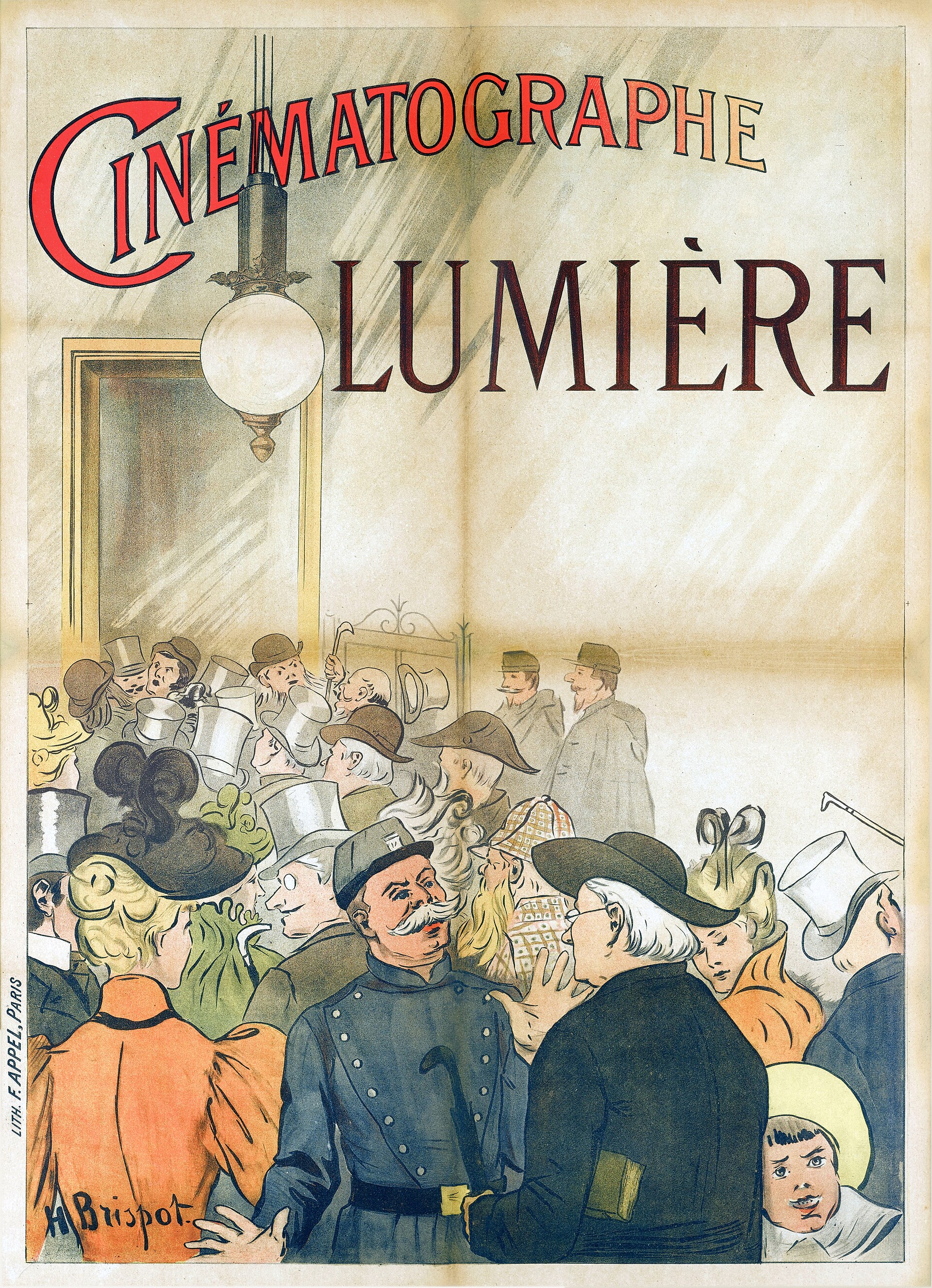
01 / 12
28 December 1895
In December 1895, a room in Paris became a new kind of public space. People watched reality move — together.
Read article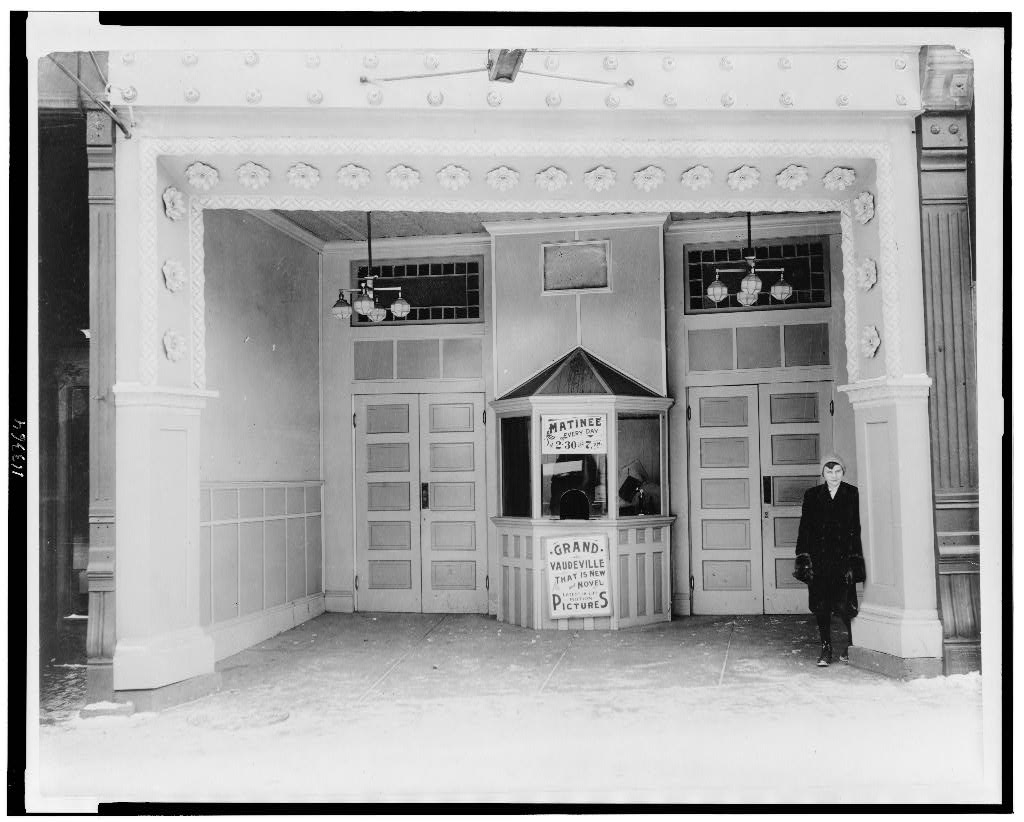
02 / 12
1905–1915
Cinema became a place where strangers could disappear into darkness and share the same imagined world.
Read article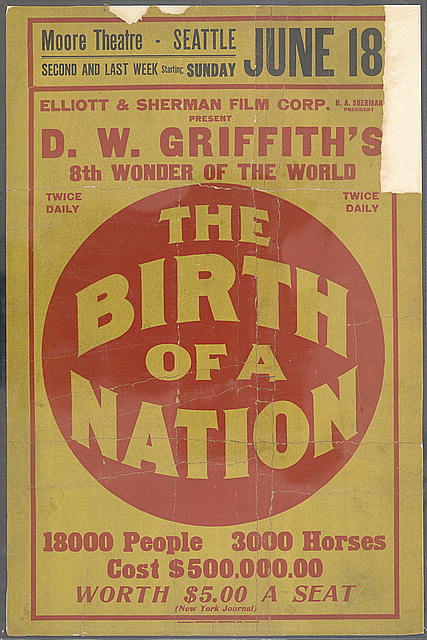
03 / 12
1915
A technically influential film demonstrated cinema’s capacity to turn prejudice into spectacle and influence public belief.
Read article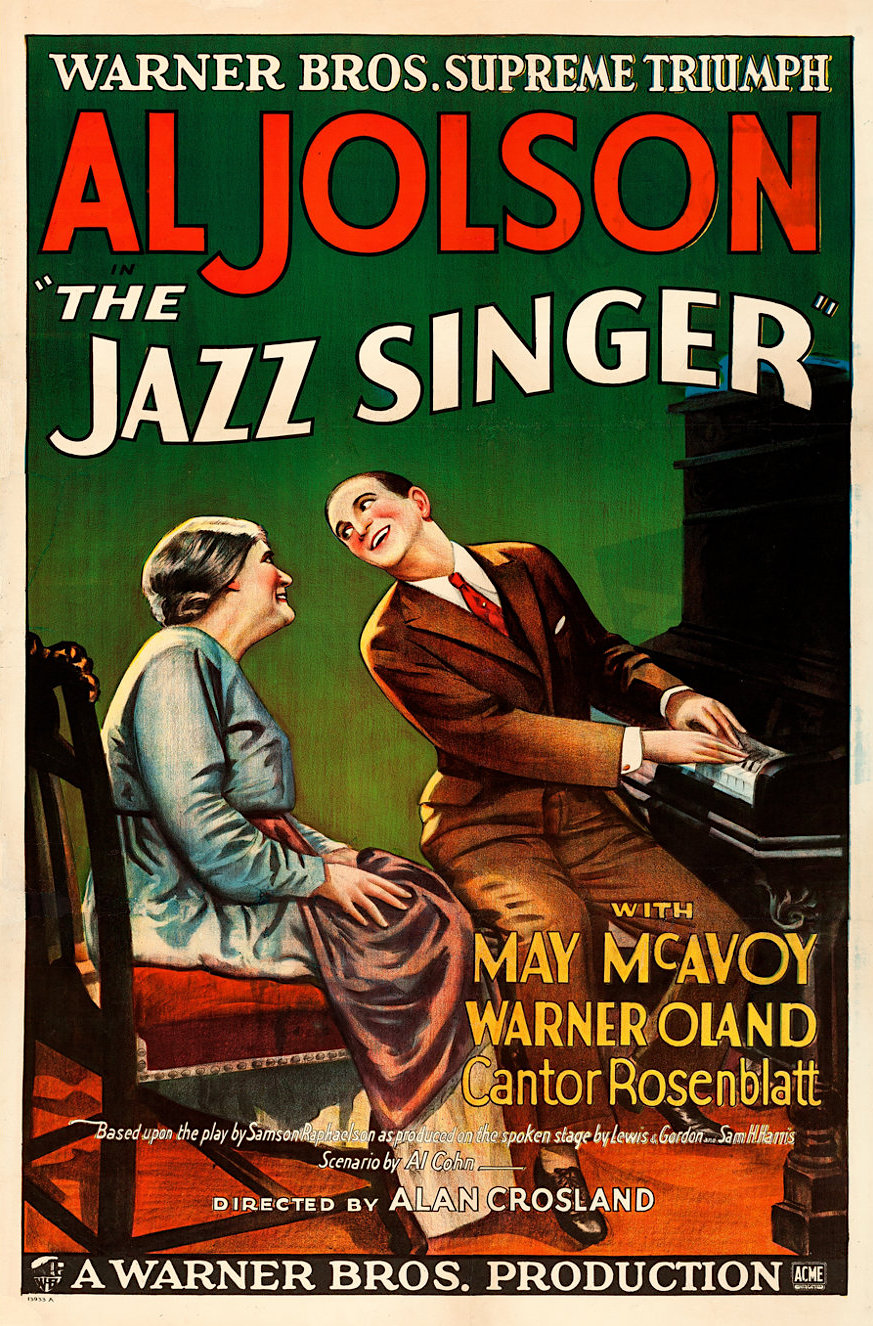
04 / 12
1927
Synchronised sound changed the basic grammar of popular cinema.
Read article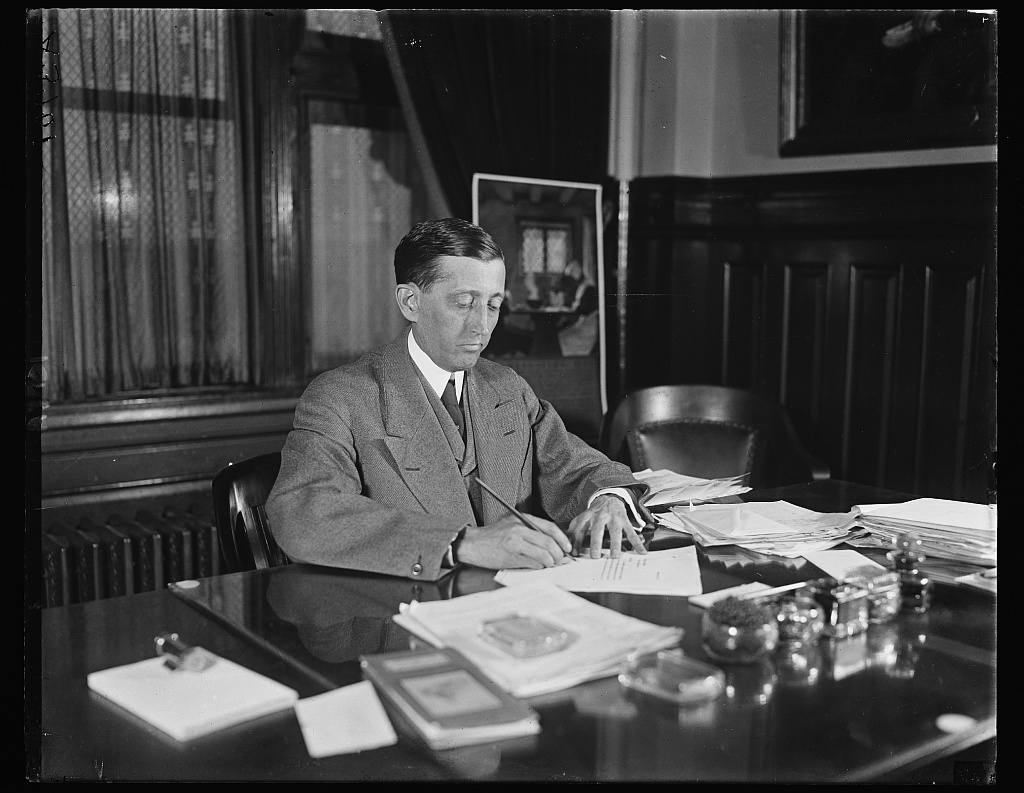
05 / 12
1930–1968
As cinema became more powerful, pressure grew to control what audiences could see.
Read article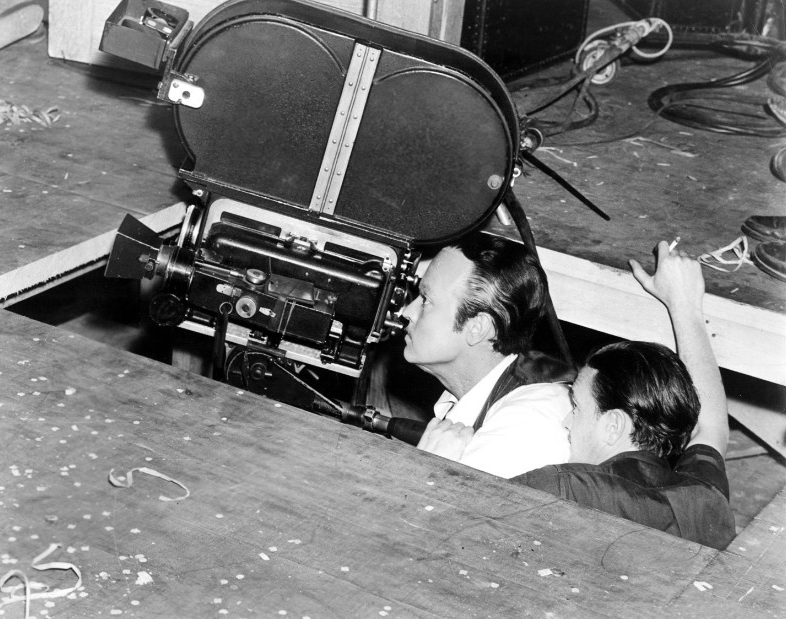
06 / 12
1941
A film could have a point of view as distinctive as a novel, painting or piece of music.
Read article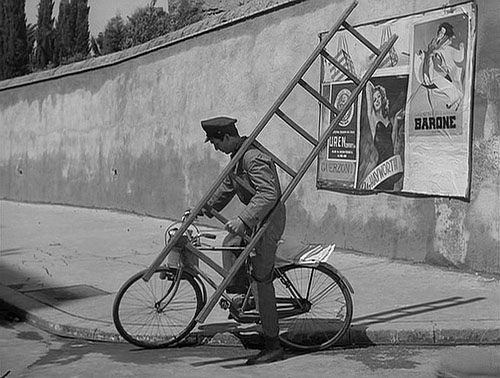
07 / 12
1948
Postwar Italian neorealism placed ordinary people and everyday hardship at the centre of cinema.
Read article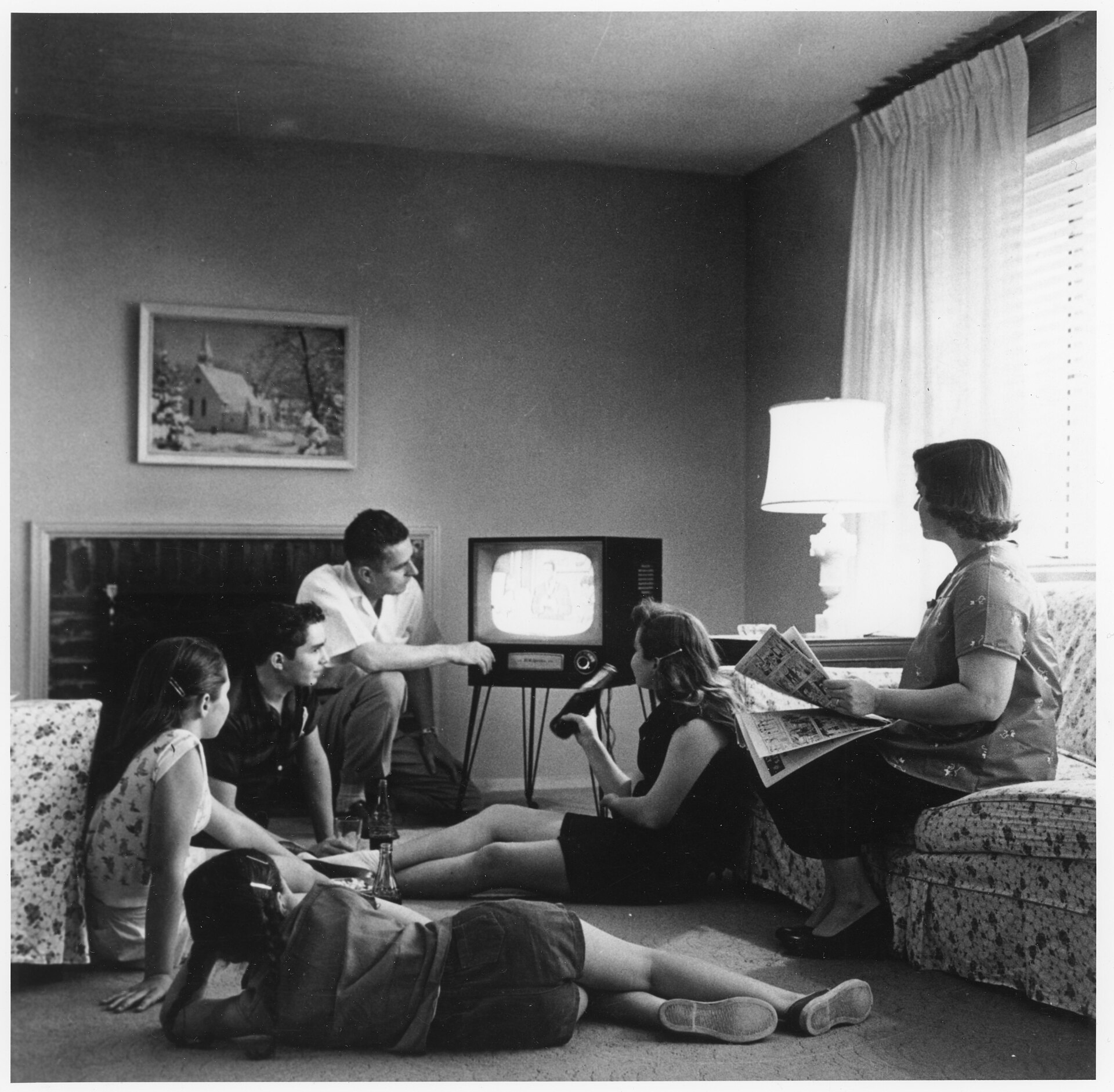
08 / 12
1947–1955
The screen stopped being a destination and became part of everyday domestic life.
Read article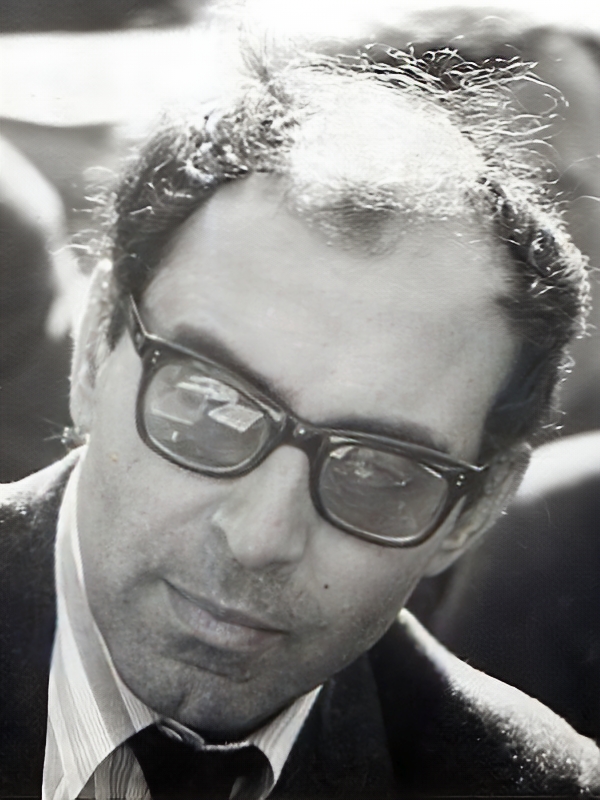
09 / 12
1958–1964
A new generation treated cinema’s rules less as laws than as suggestions.
Read article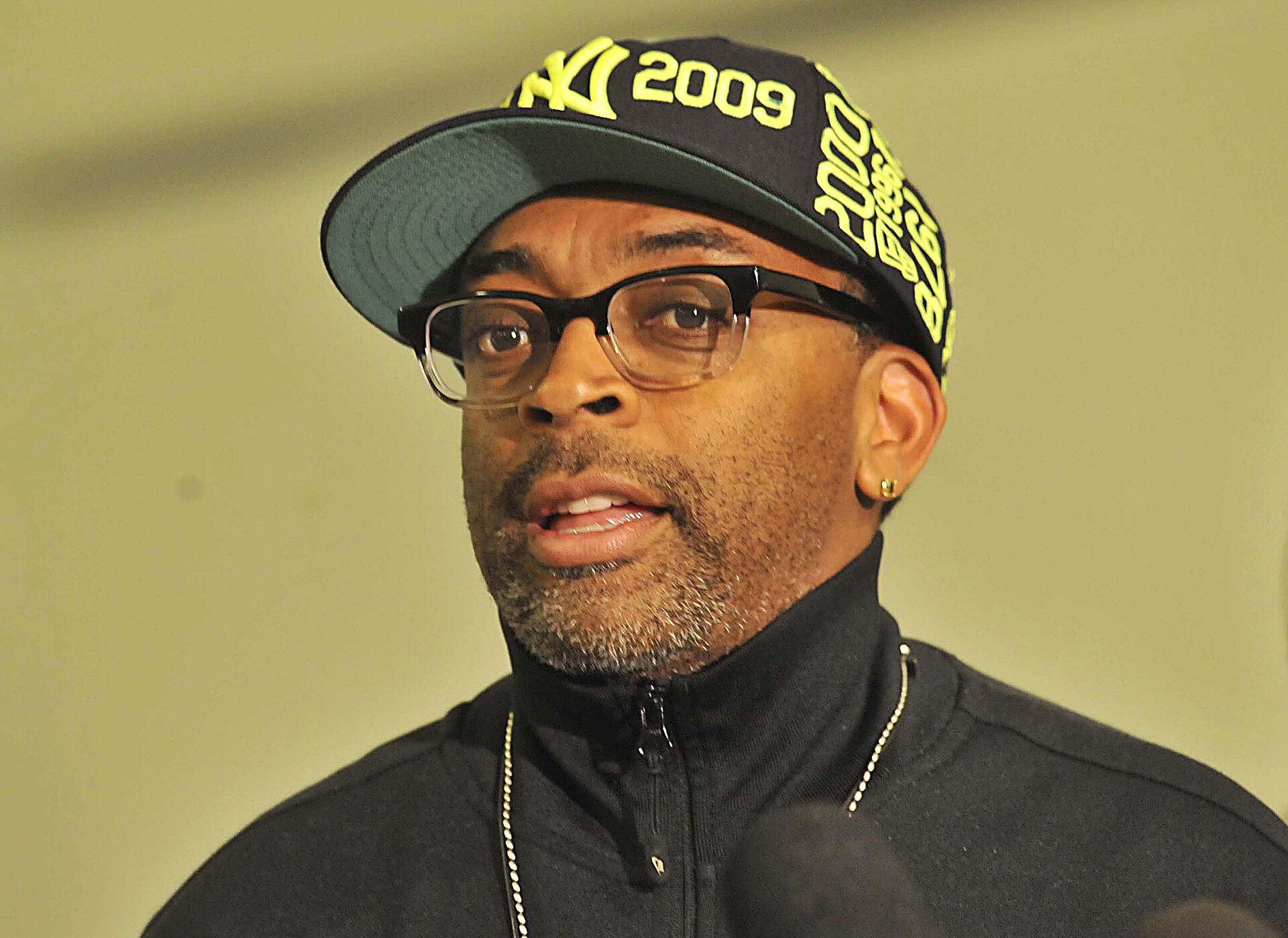
10 / 12
1989
Black cinema insisted that representation could be authorship, argument and confrontation.
Read article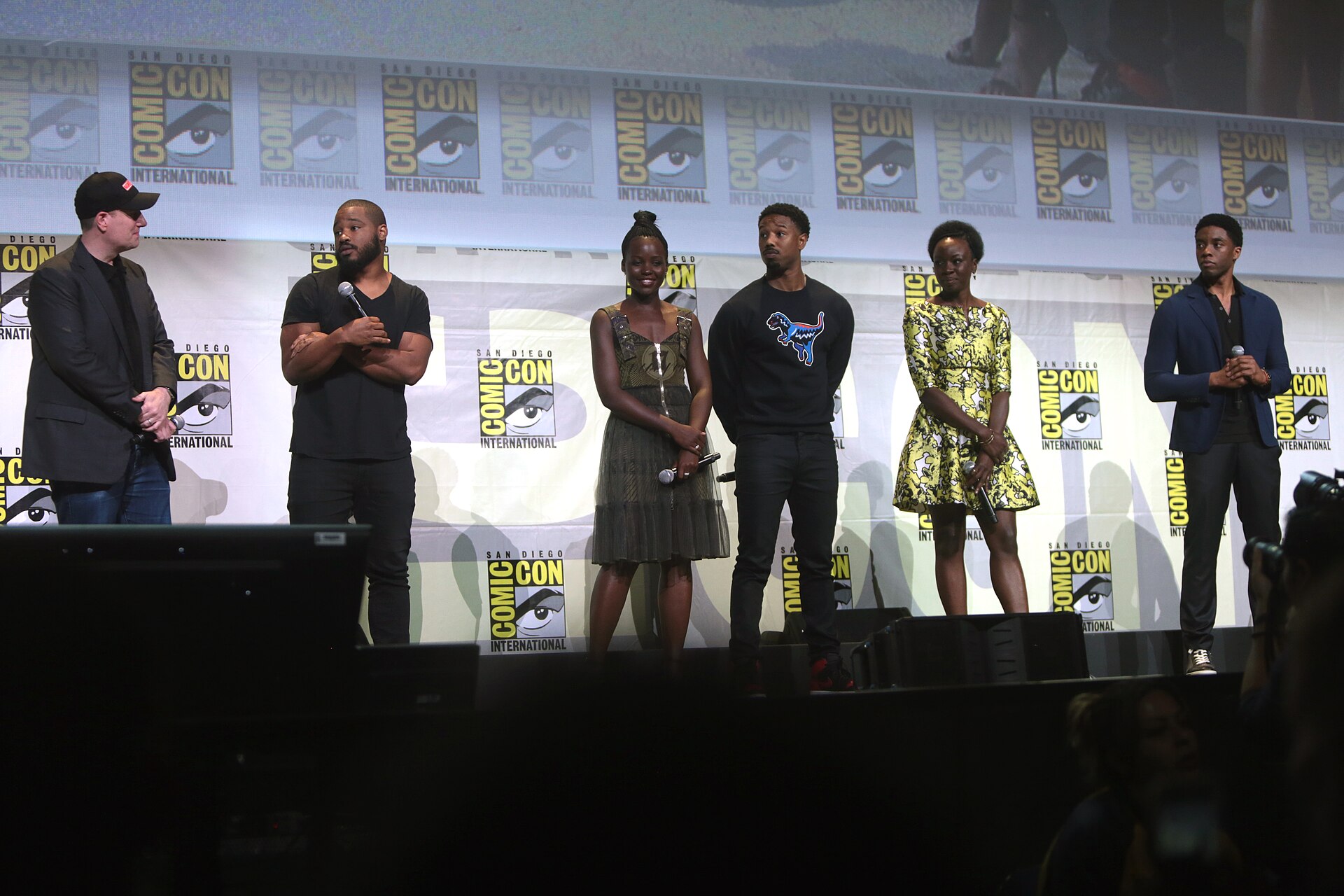
11 / 12
2018
A film centred on Black identity became a global cultural event at blockbuster scale.
Read article
12 / 12
2007–present
Moving pictures no longer need a theatre, broadcast schedule or television set. They need a connection.
Read articleCulture. People. Society. Ideas.
Start exploring
Lives that made society stop and look again.
Cultural revolutions and the art that changed how we see ourselves.
A deck of 100 questions worth sitting with.
What we are building and publishing next.
Takes you to a story, person or moment already published here.
Filed under Society
An ordinary feature of modern life has a history worth questioning: Why Do We Copy Other People.
Filed under Society
An ordinary feature of modern life has a history worth questioning: Why Do We Form Groups.
Filed under Society
An ordinary feature of modern life has a history worth questioning: Why Do Humans Follow Rules.
Filed under Society
An ordinary feature of modern life has a history worth questioning: Why Do Societies Create Institutions.
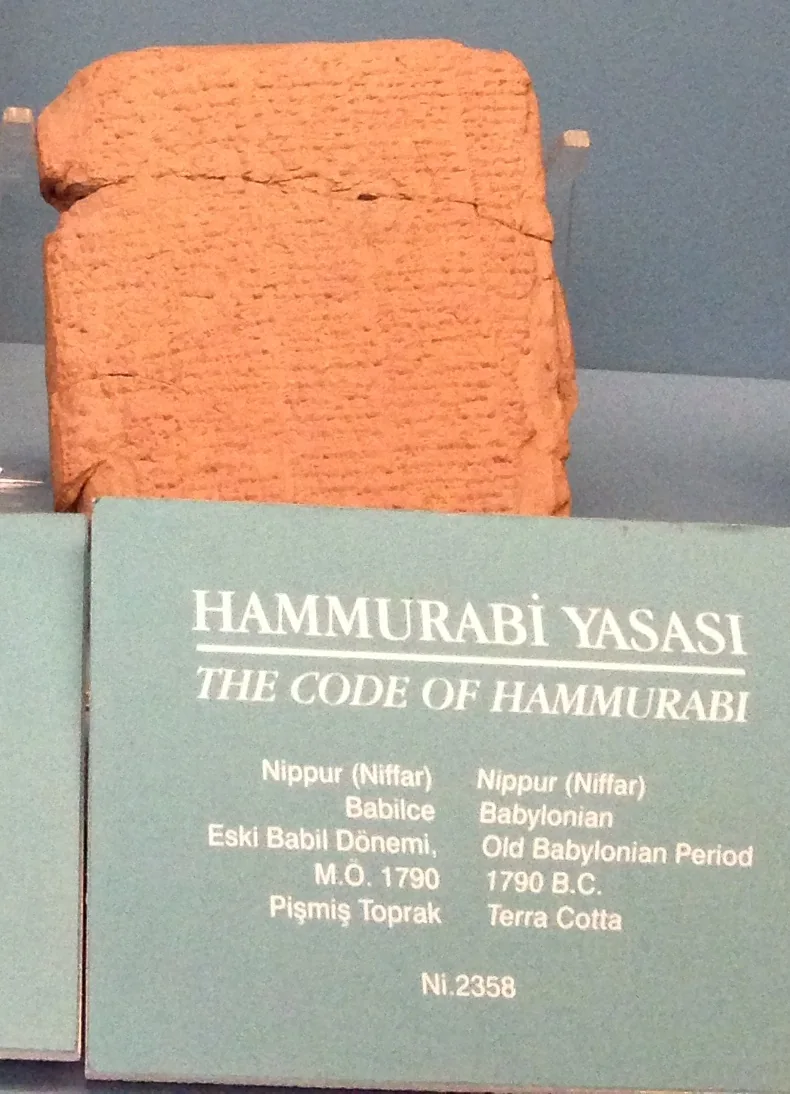
Filed under Society
An ordinary feature of modern life has a history worth questioning: Why Do Laws Exist.
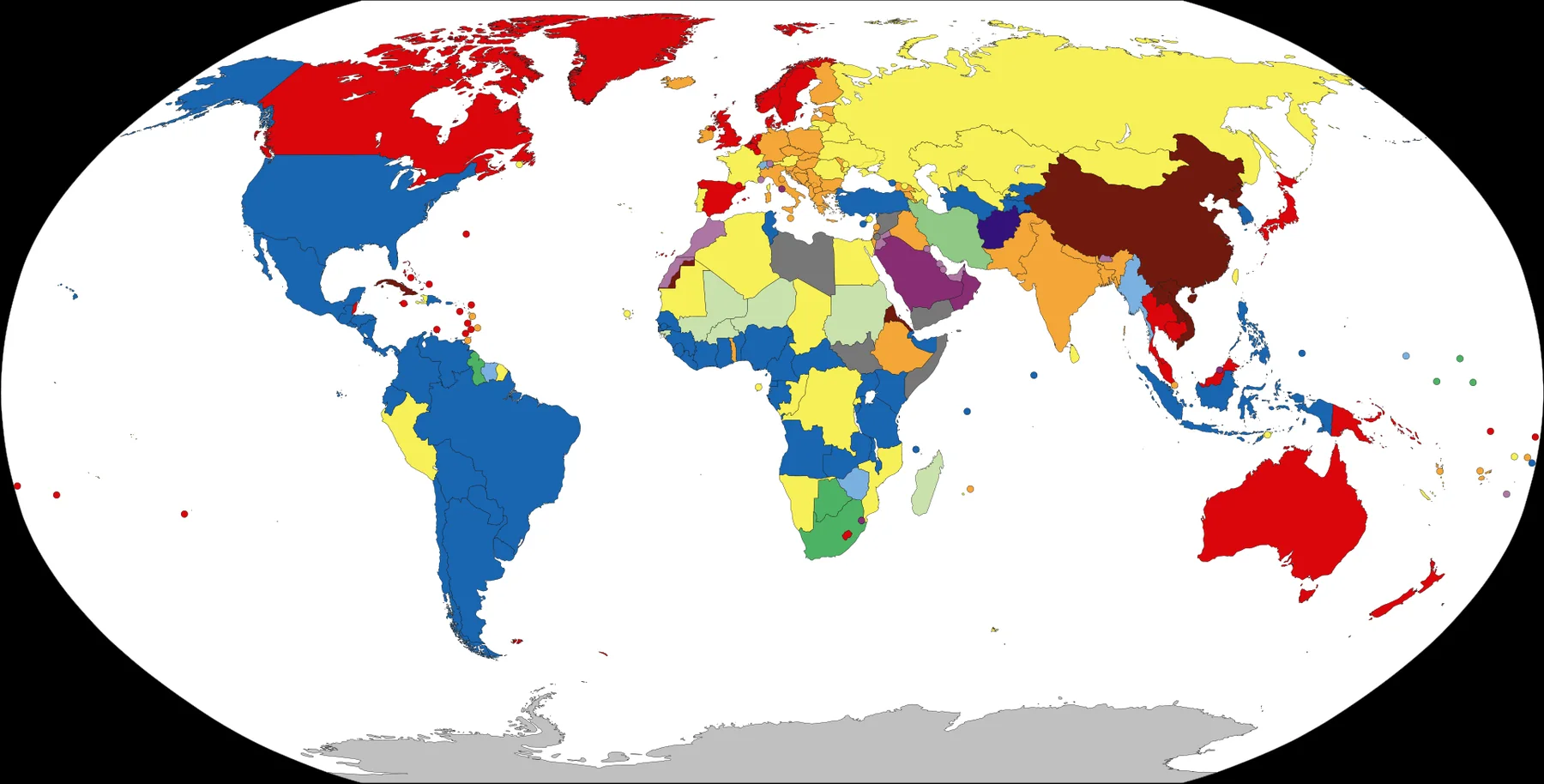
Filed under Society
An ordinary feature of modern life has a history worth questioning: Why Do Governments Exist.
Portraits, voices and lives — the people whose experiences shape how we understand society.
How we live together — work, inequality, belonging, institutions and the systems around us.
Music, language, art, ritual and the everyday habits that quietly tell us who we are.
Visual culture, art history and the images that reshape how we see the world.
Sound, song and the musical movements that changed how we listen and live.
Arguments, theories and questions that ask us to reconsider something we took as settled.
The past that still shapes the present — events, memory and the record we inherit.
Moments worth sharing — narratives that stay with us long after the last line.
Collective action that produced meaningful social, political, legal, environmental or community change.
This collection treats architecture as a history of moments when humanity changed its understanding of what buildings, cities, landscapes and constructed space could do.
Landscape is not simply scenery. It is where geology, climate, ecology, settlement, memory and human intervention become visible together.
Engineering transforms accumulated knowledge into systems that cross distances, control forces, move energy, communicate, build cities and explore environments.
Editors Digest
The Editors Digest is how a story gets told — the same subject can arrive as a conversation, an essay or a closer look. Topics stay primary; format follows the story.
Rethink
Open questions we keep returning to — the kind that rarely have one tidy answer.
One subject, seen from more than one place — including places we rarely stand.
Exchanges and disagreements, kept open rather than resolved too quickly.
Come curious. Rethink with us.
Get involved
Rethink Society is built on moments — the ones that made you think, smile, question, or change your mind. If you have a story, an idea, or a question worth asking, bring it to us.
Support
Curiosity should not have a paywall. Your support helps us keep creating, researching and publishing independent work while keeping our content freely accessible.
Support independent media