Filed under Ideas · Ideas
Do the Right Thing When the Screen Started Answering Back
Black filmmakers had been working in American cinema for decades. By the late twentieth century, a growing body of Black cinema insisted that representation could be a form of authorship, argument and confrontation.
- Share “Do the Right Thing: When the Screen Started Answering Back” on X
- Share “Do the Right Thing: When the Screen Started Answering Back” on Facebook
- Share “Do the Right Thing: When the Screen Started Answering Back” on LinkedIn
- Share “Do the Right Thing: When the Screen Started Answering Back” on WhatsApp
- Share “Do the Right Thing: When the Screen Started Answering Back” on Telegram
- Share “Do the Right Thing: When the Screen Started Answering Back” on Reddit
- Share “Do the Right Thing: When the Screen Started Answering Back” on Email
THE OLD NORMAL
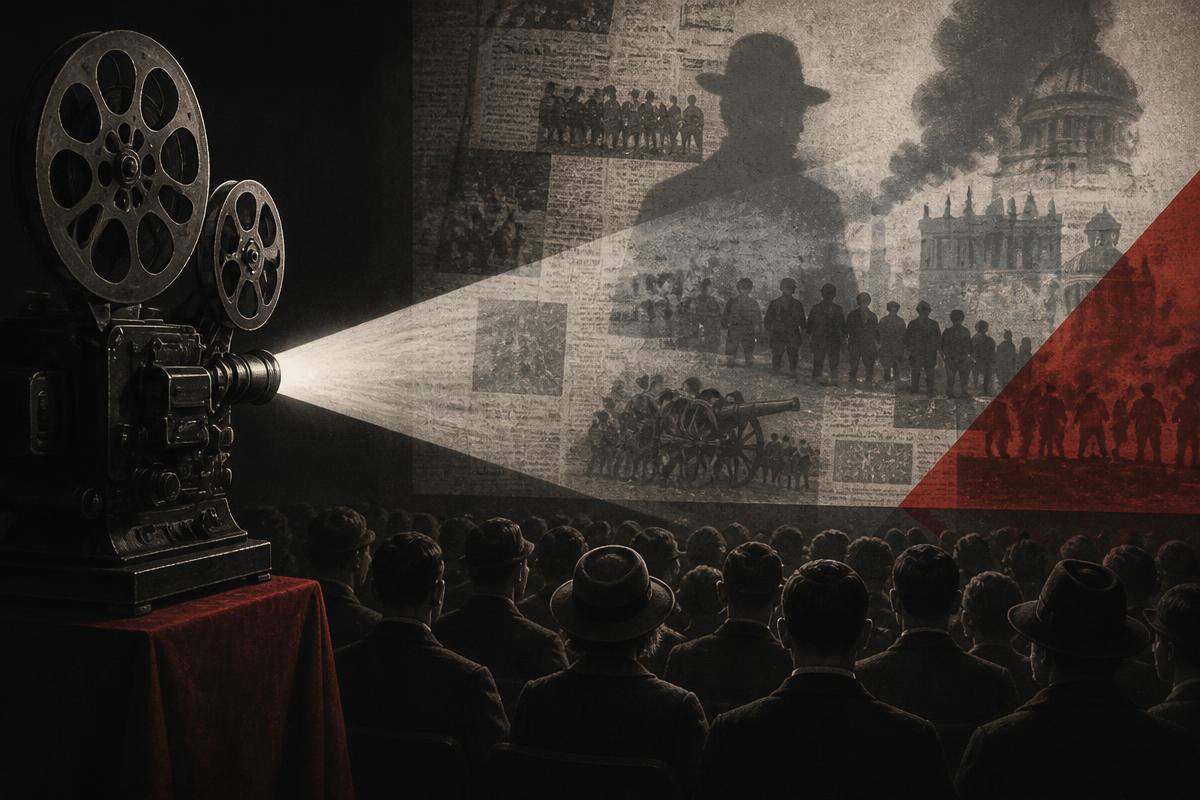
American cinema had a long history of Black performers and filmmakers, but representation was often shaped by stereotypes, exclusion and unequal access to production and distribution.
THE QUESTION
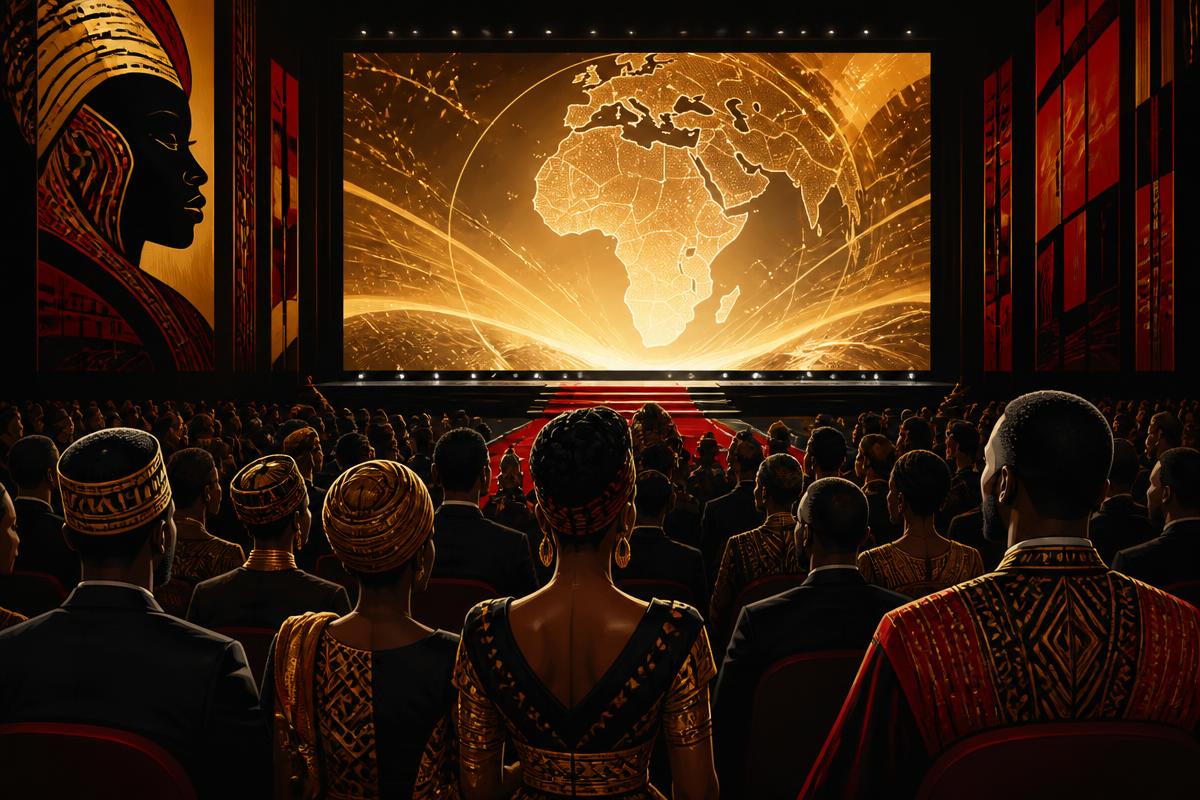
What changes when communities who have been represented by others gain greater control over the stories and images themselves?
THE BREAKTHROUGH
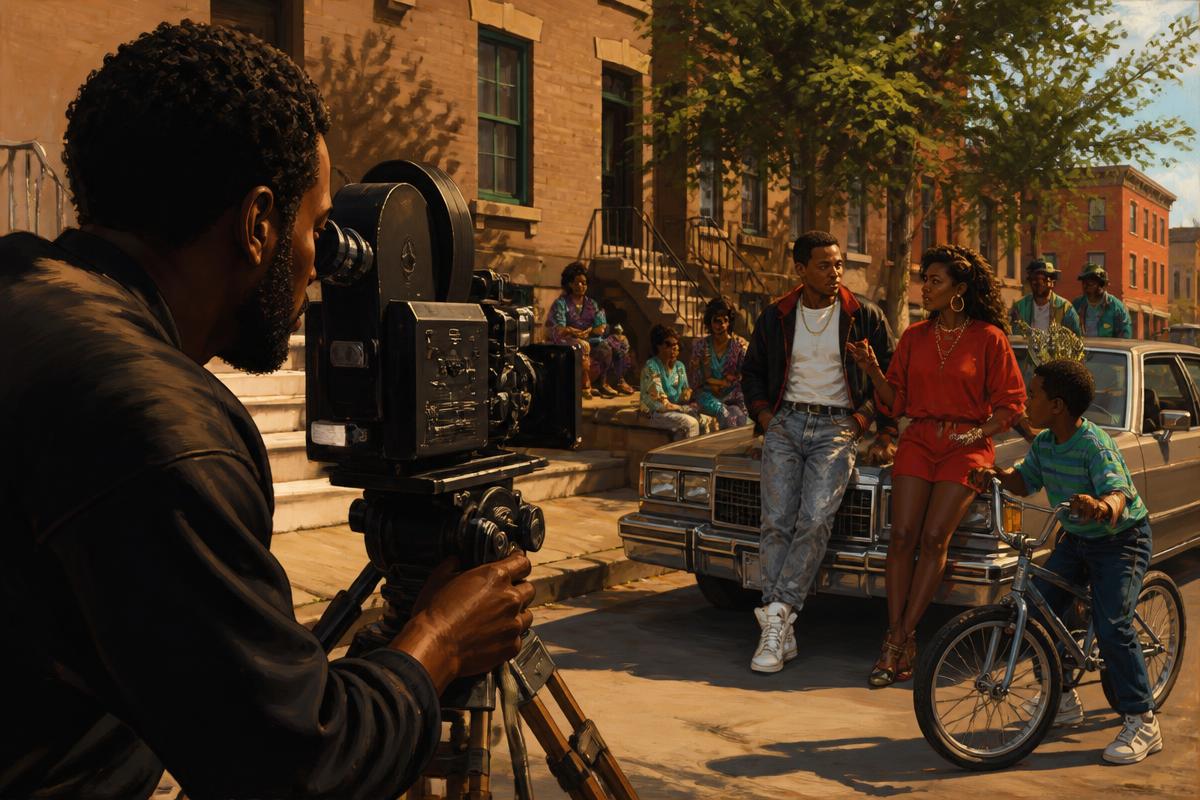
Do the Right Thing, directed by Spike Lee and released in 1989, became a major example of politically charged American filmmaking about race, community, policing and power. It belongs to a much longer history of Black cinema that includes figures such as Oscar Micheaux and many independent filmmakers.
THE CHANGE
The film demonstrated that representation could be both cultural expression and social argument. The camera could ask difficult questions rather than simply reproduce familiar stereotypes.
THE NEW NORMAL
Black filmmakers increasingly occupied more visible positions in American film culture, while debates about who controls representation became more prominent.
WHAT WE STILL MISUNDERSTAND
One film cannot represent an entire community. Black cinema is diverse, historically layered and shaped by many filmmakers, genres and audiences.
THE MODERN CONNECTION
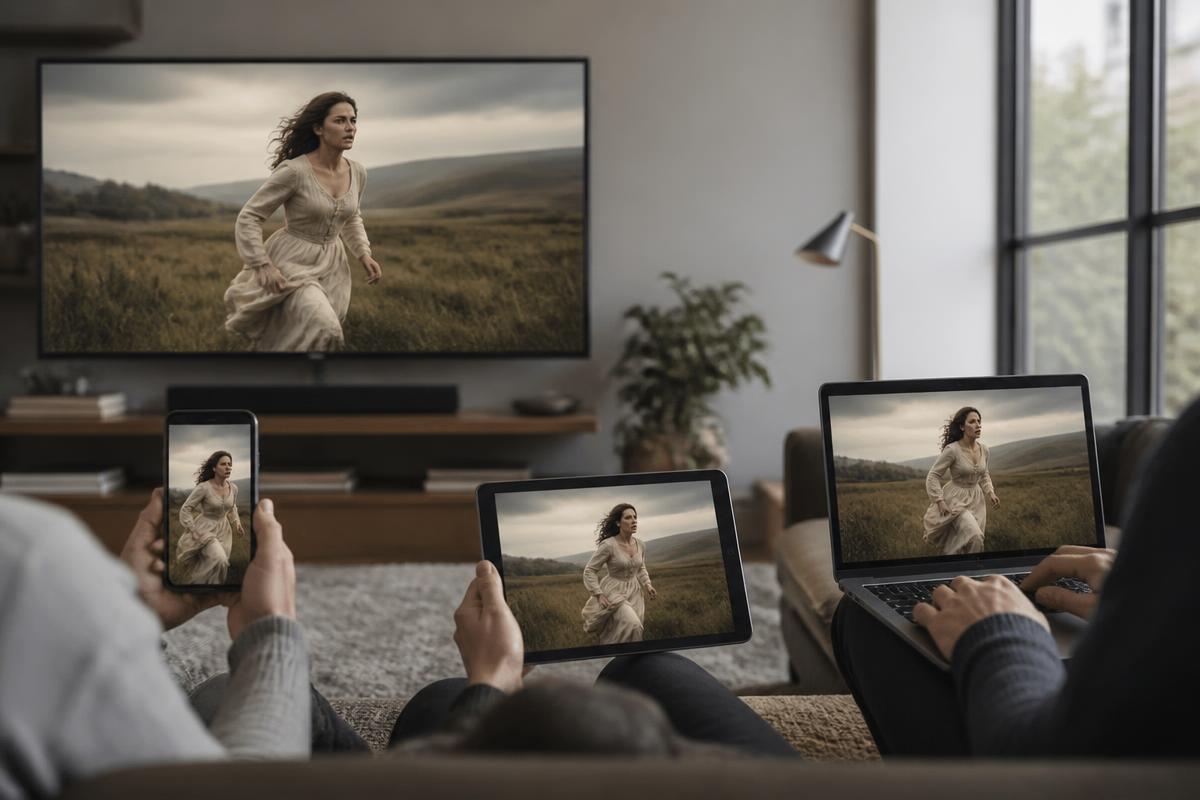
Questions of representation now extend to streaming commissioning, social media creators, casting, algorithmic recommendation and AI-generated imagery.
THE RETHINK
Representation is not only about appearing on screen. It is also about having a hand in deciding what the screen says.