
Stories
Moments worth sharing.
Everything we have published so far, gathered in one place. New stories appear here automatically as they are published.
Stories · Social Rethinks
10 Moments in World History That Made Us Rethink What Is Possible
Ten turning points that challenged accepted limits and changed how humanity understood knowledge, health, freedom, distance and possibility.
01 / 10
01 / 10
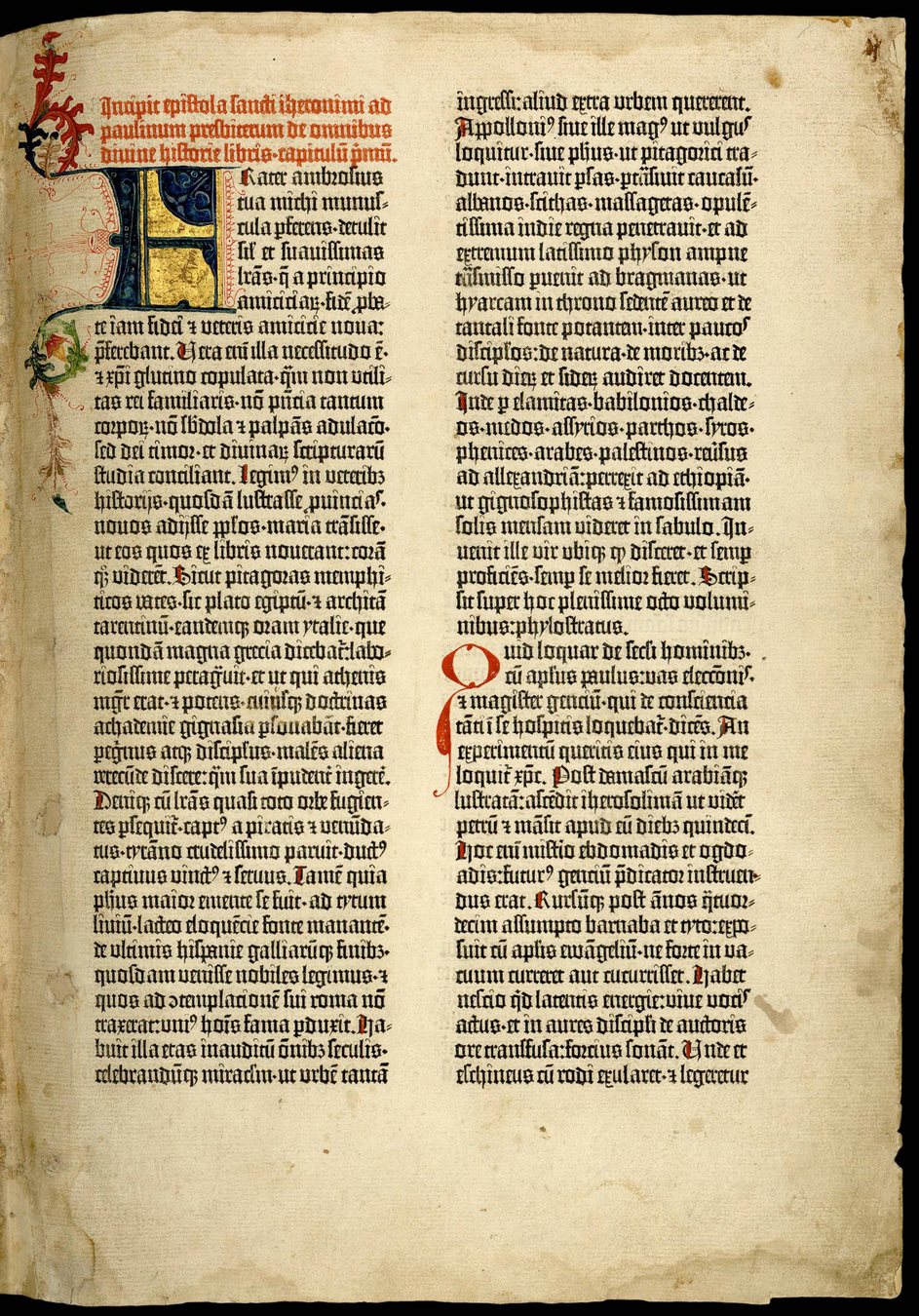
c. 1450
The Printing Press
Read article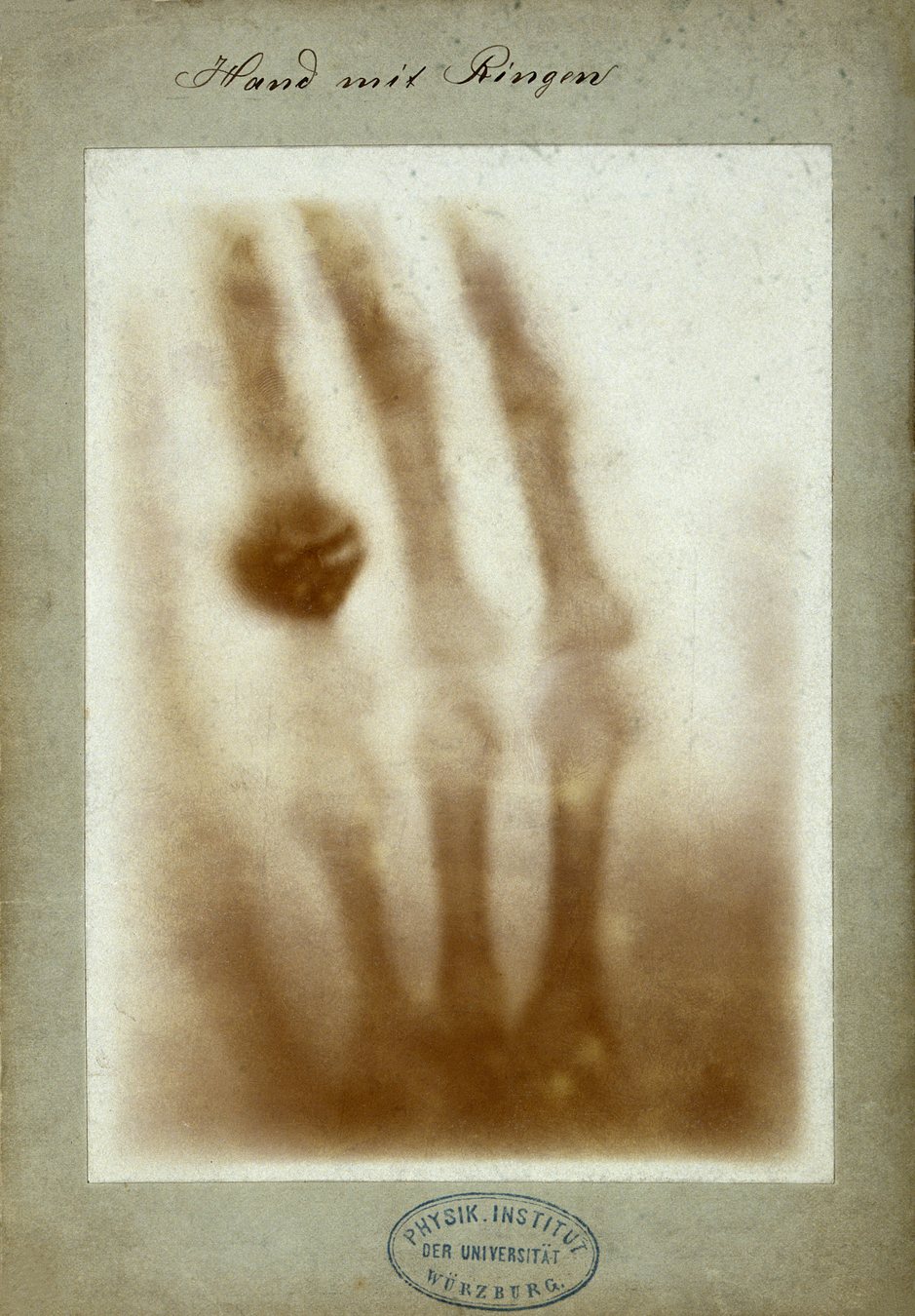
02 / 10
1895
The Discovery of X-Rays
Read article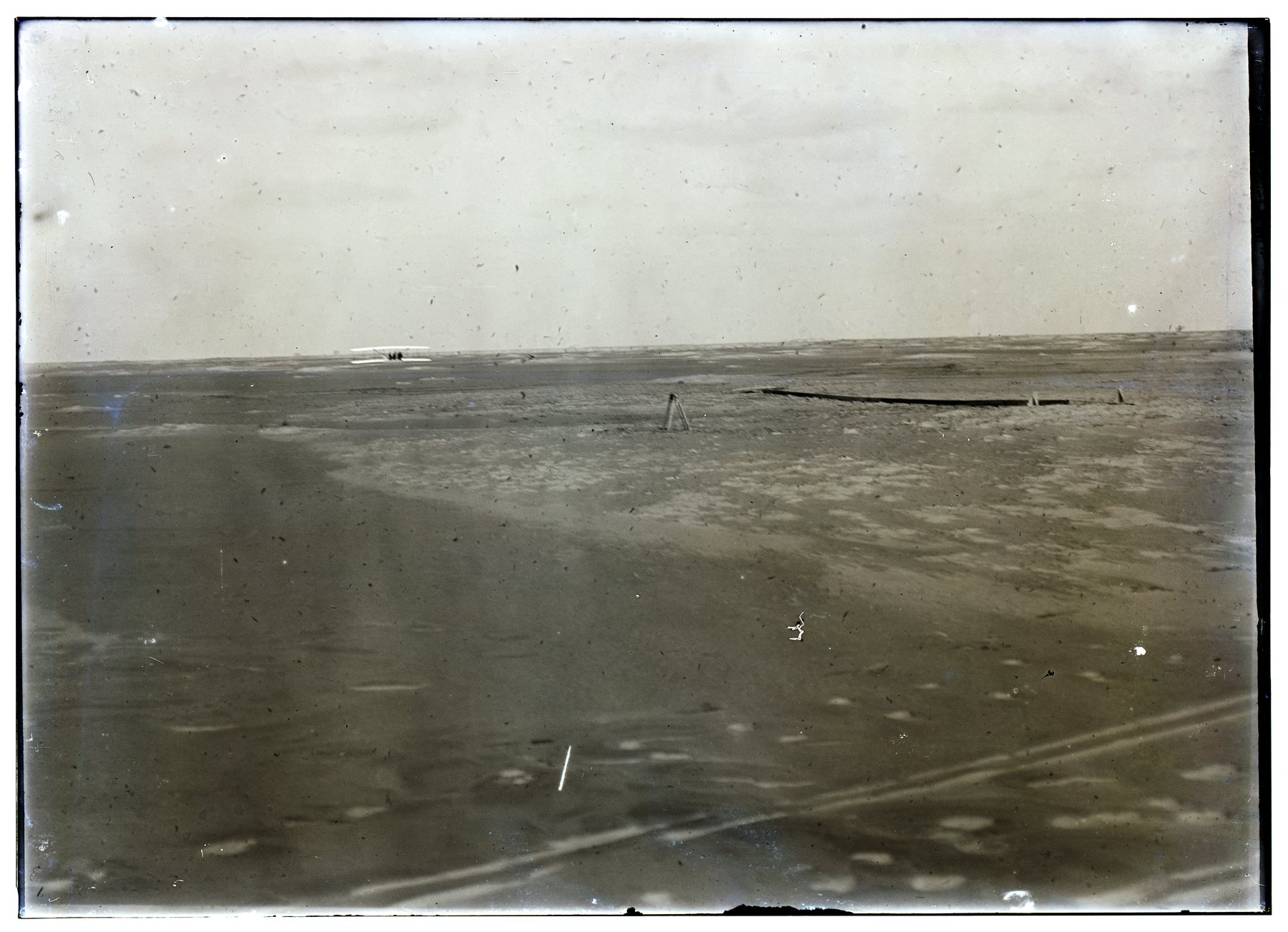
03 / 10
17 December 1903
The Wright Brothers and Human Flight
Read article
04 / 10
1928
Penicillin
Read article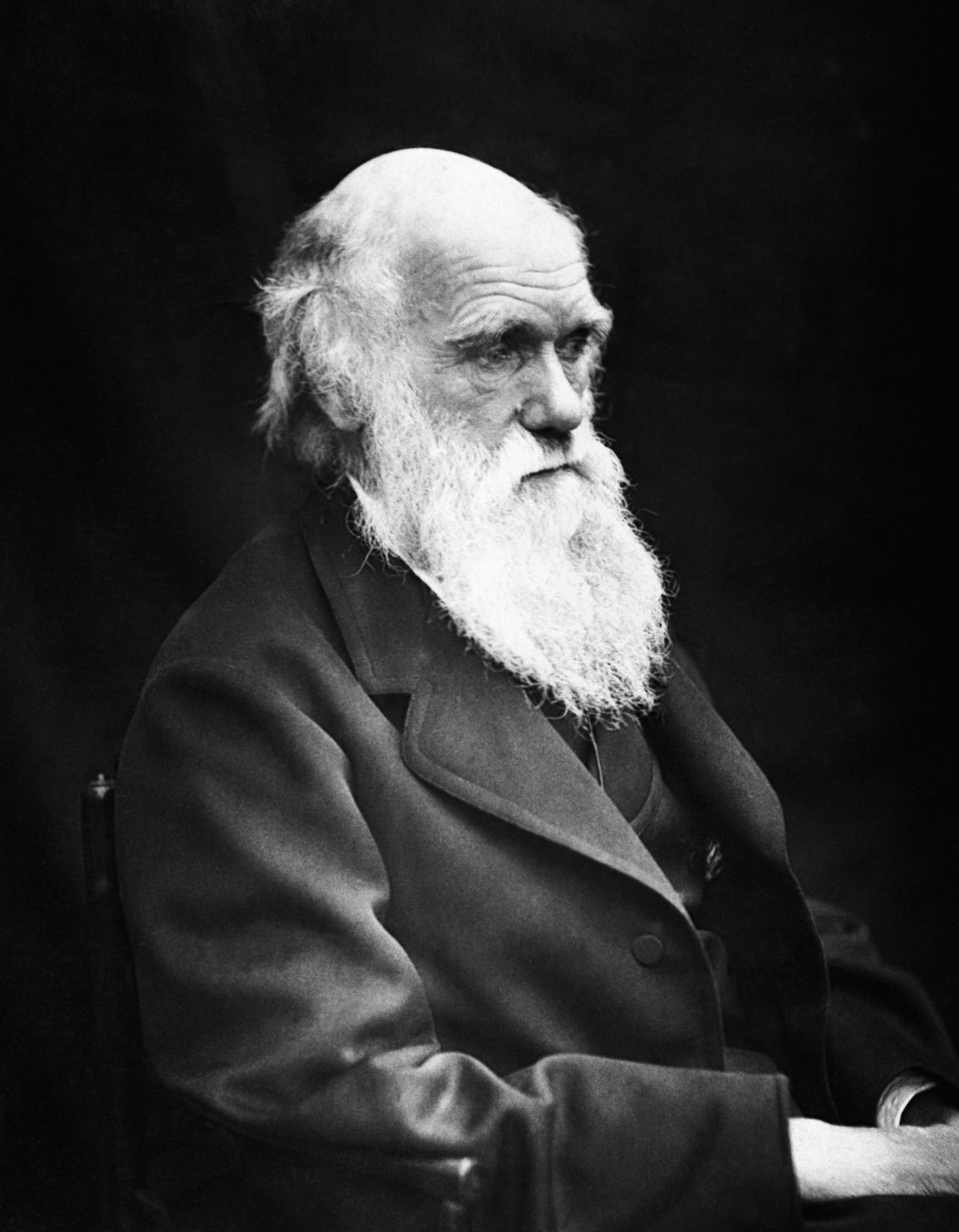
05 / 10
1859
Charles Darwin and Evolution
Read article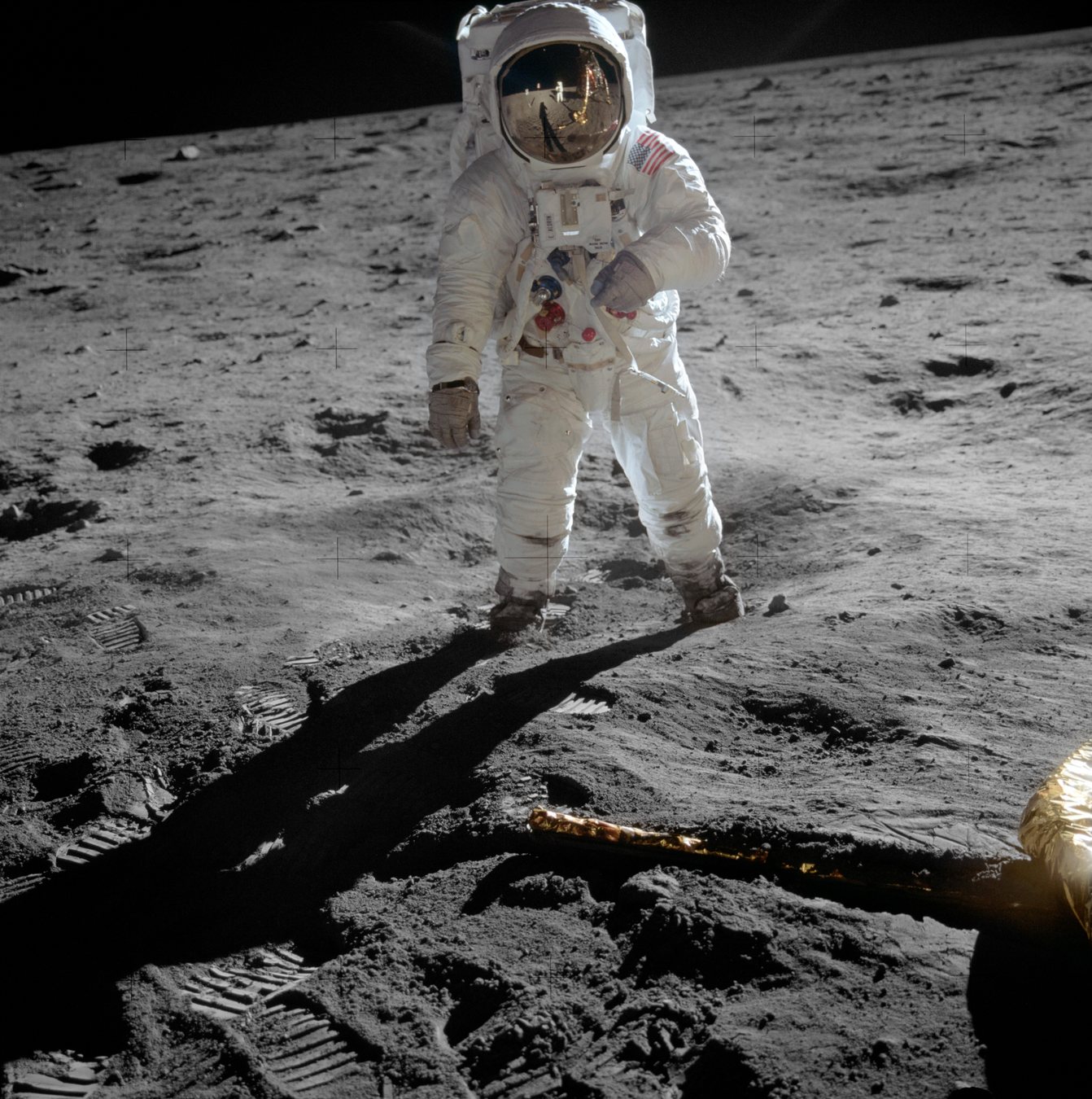
06 / 10
20 July 1969
The Moon Landing
Read article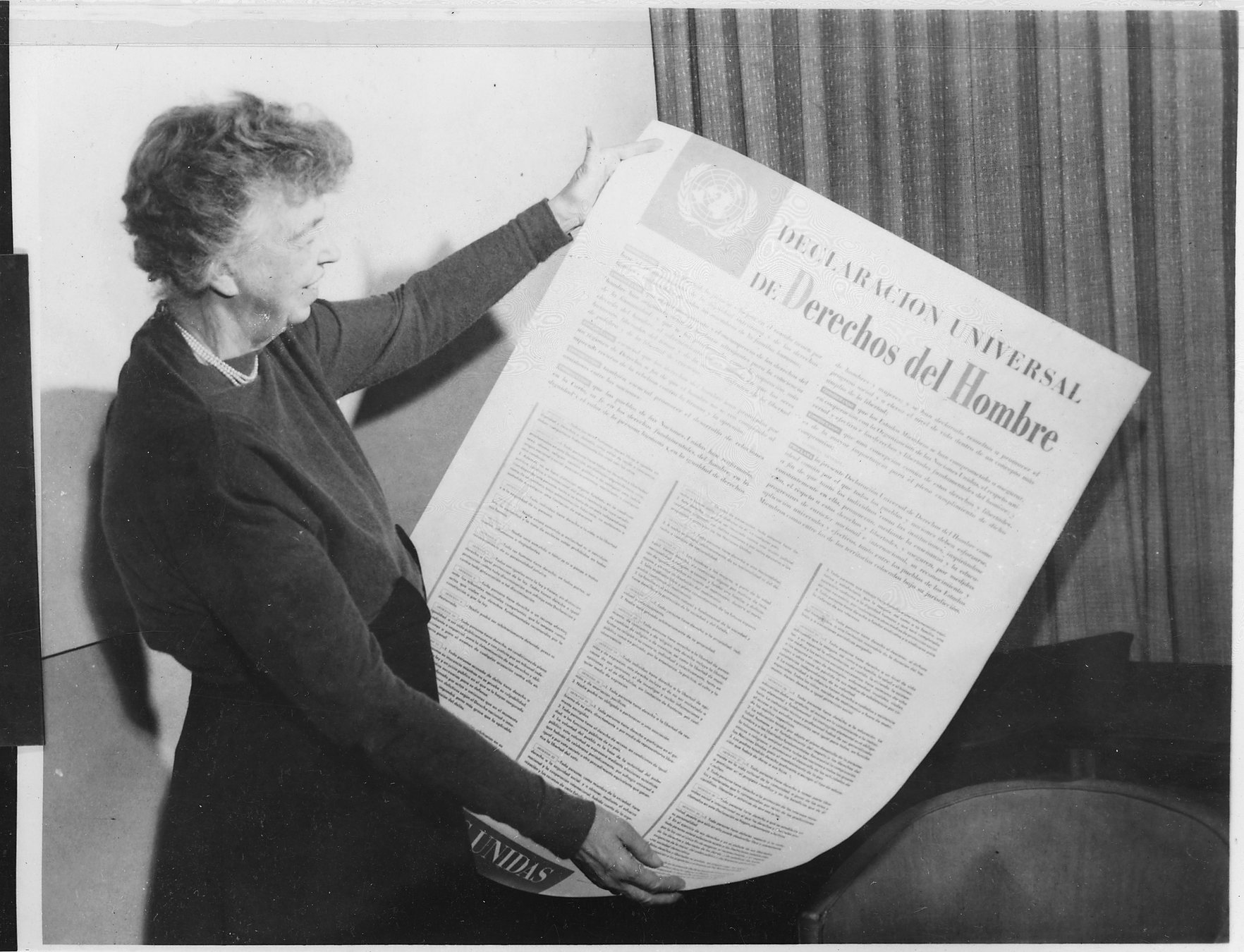
07 / 10
10 December 1948
The Universal Declaration of Human Rights
Read article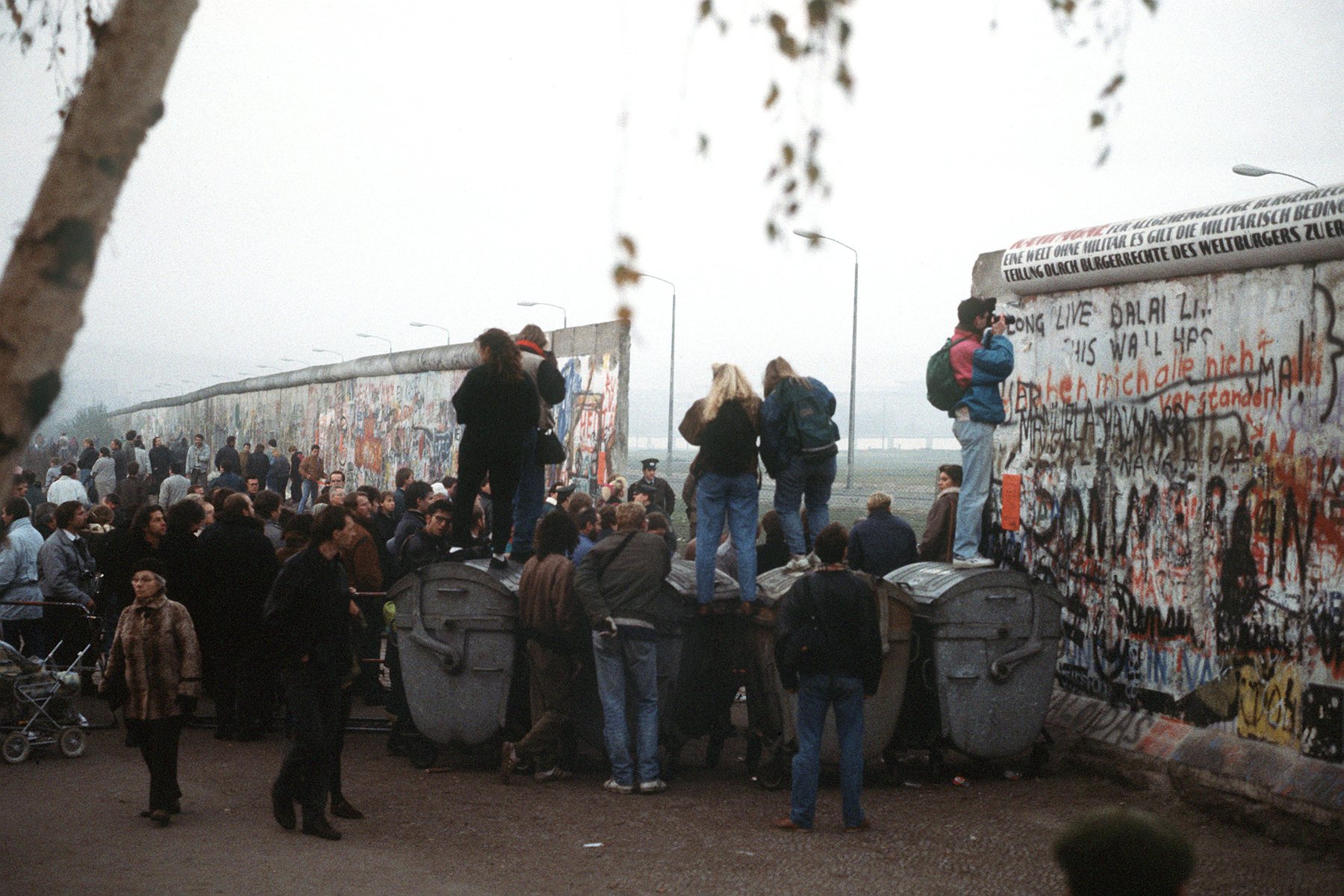
08 / 10
9 November 1989
The Fall of the Berlin Wall
Read article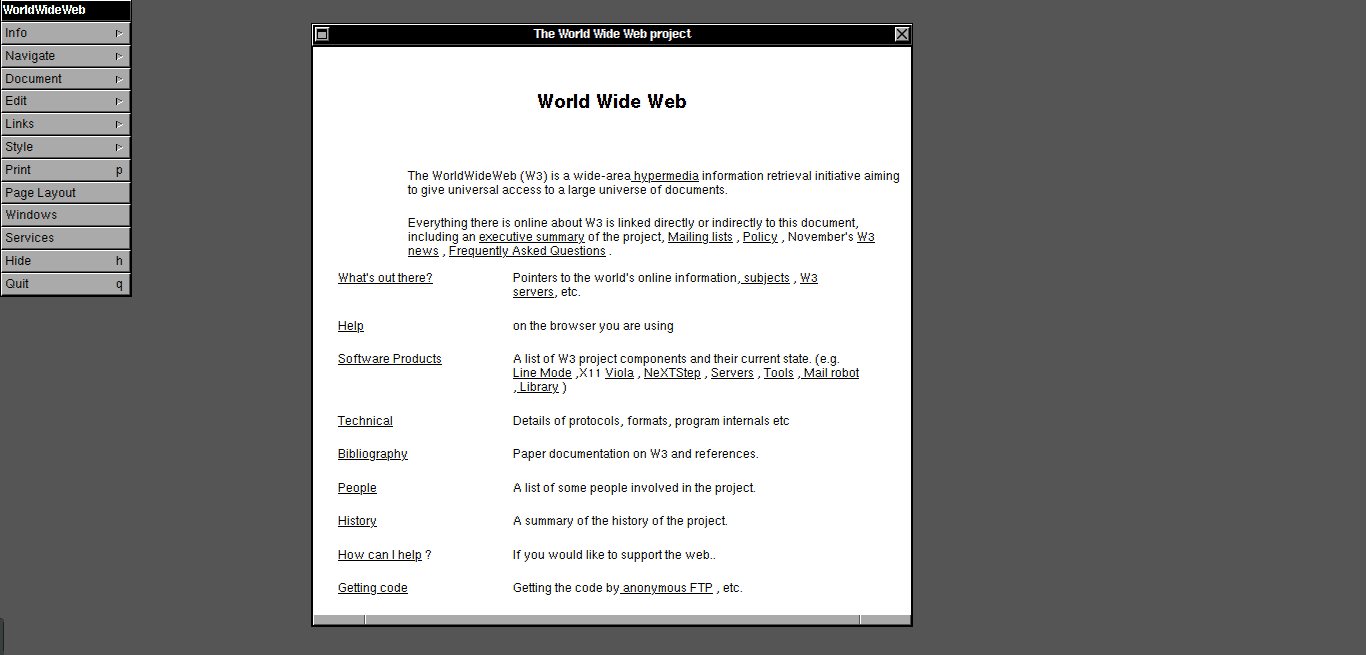
09 / 10
1989–1991
The World Wide Web
Read article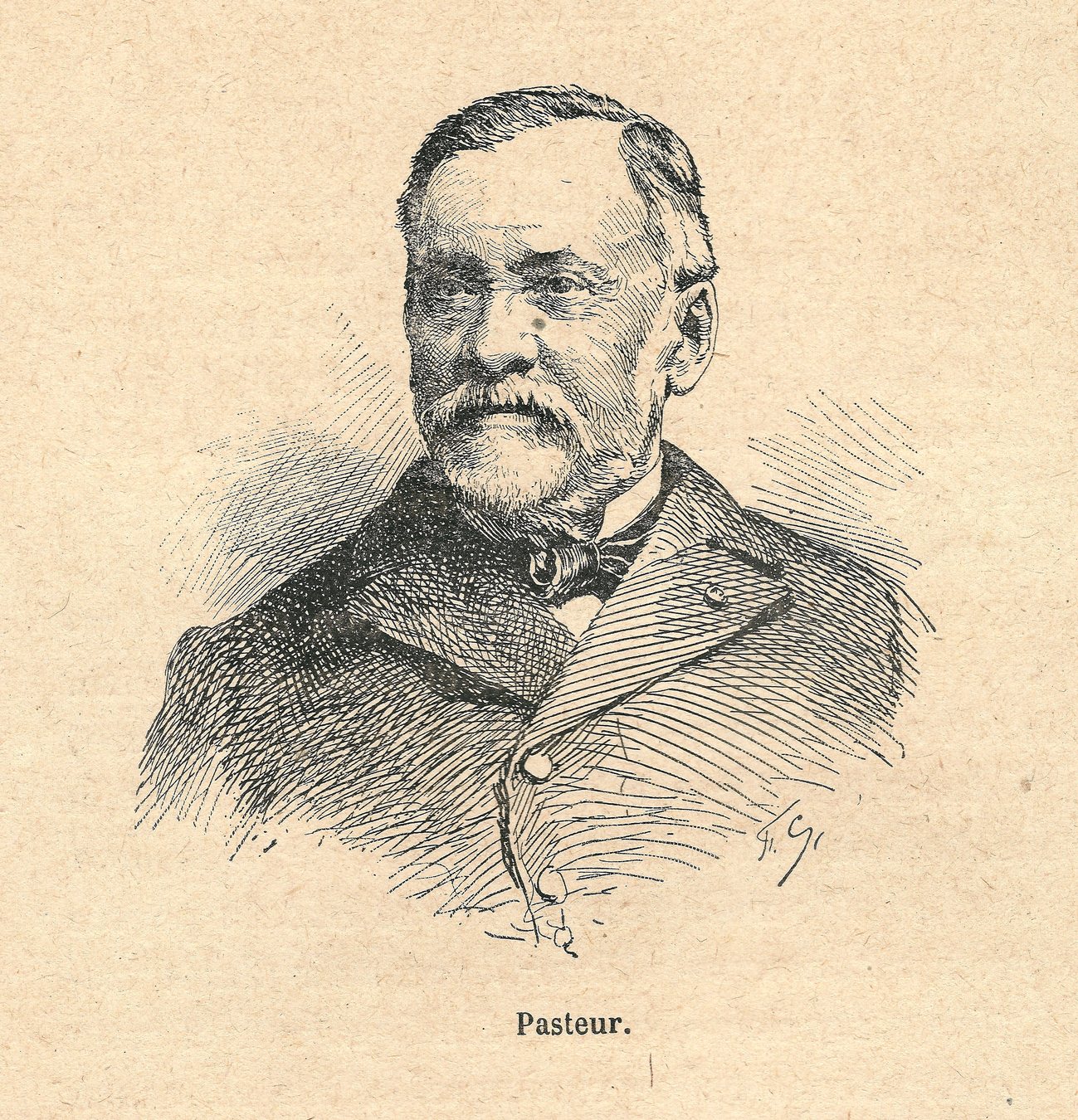
10 / 10
1840s–1880s
Germ Theory
Read article
Rethink Society Programme · 122 articles
The Rethink Society 122-Article Programme
Every question in the programme, numbered 01 to 122 and grouped by series.
WHY DOES THIS EXIST? · 12
- 01Why Do We Have Time Zones?
- 02Why Does the Week Have Seven Days?
- 03Why Are There 60 Minutes in an Hour?
- 04Why Do We Drive on Different Sides of the Road?
- 05Why Do Countries Have Borders?
- 06Why Do Countries Have Flags?
- 07Why Do We Have National Anthems?
- 08Why Do We Have Weekends?
- 09Why Do We Have Public Holidays?
- 10Why Do We Shake Hands?
- 11Why Do We Say “Hello” When We Answer the Phone?
- 12Why Do We Use the Latin Alphabet?
BIOGRAPHY: THE QUESTION BEHIND THE PERSON · 10
- 13Einstein: What Did He Actually Change?
- 14Marie Curie: Why Was Her Work So Important?
- 15Alan Turing: What Did He Actually Do?
- 16Ada Lovelace: Was She Really the First Computer Programmer?
- 17Leonardo da Vinci: Why Was He So Far Ahead of His Time?
- 18Socrates: Why Did He Never Write a Book?
- 19Aristotle: How Did One Man Influence So Many Fields?
- 20Ibn Sina: Why Is Avicenna Still Important?
- 21Hannah Arendt: What Did She Mean by “The Banality of Evil”?
- 22Nikola Tesla: What Did Tesla Actually Invent?
HOW DID WE GET HERE? · 12
- 23How Did the Internet Become What It Is Today?
- 24How Did Cities Become So Large?
- 25How Did Democracy Become a Global Political Ideal?
- 26How Did English Become a Global Language?
- 27How Did Universities Begin?
- 28How Did Newspapers Change Society?
- 29How Did Advertising Become So Powerful?
- 30How Did Television Change the World?
- 31How Did Social Media Change Friendship?
- 32How Did Smartphones Change Everyday Life?
- 33How Did the Modern Office Come Into Existence?
- 34How Did the Eight-Hour Workday Begin?
THE THINGS WE TAKE FOR GRANTED · 17
- 35Why Do We Have Passports?
- 36Why Do We Have Surnames?
- 37Why Do Schools Have Uniforms?
- 38Why Do We Have Traffic Lights?
- 39Why Do We Have Elevators?
- 40Why Do Supermarkets Work the Way They Do?
- 41Why Do Shopping Carts Exist?
- 42Why Do Public Libraries Exist?
- 43Why Do We Have Street Addresses?
- 44Why Do We Have Fingerprints?
- 45Why Do We Have Calendars?
- 46Why Do We Use Currency?
- 47Why Do We Queue?
- 48Why Do We Get Receipts?
- 49Why Are Clothing Sizes Standardized?
- 50Why Do Emergency Numbers Exist?
- 51The Fall of the Berlin Wall
WHAT ACTUALLY HAPPENED? · 7
WHAT IS...? · 12
WORDS THAT CHANGED THE WORLD · 10
- 71Where Did the Word “Democracy” Come From?
- 72Where Did the Word “Freedom” Come From?
- 73What Does “Republic” Actually Mean?
- 74Where Did the Word “Robot” Come From?
- 75Why Do We Call It “Cyber”?
- 76Where Did the Word “Quarantine” Come From?
- 77Why Is “OK” Called OK?
- 78Where Did the Word “Algorithm” Come From?
- 79Why Do We Call It a “Pandemic”?
- 80Where Did the Word “Utopia” Come From?
SCIENCE QUESTIONS · 12
- 81Why Is the Sky Blue?
- 82Why Does the Earth Have Seasons?
- 83Why Do We Dream?
- 84Why Does Gravity Exist?
- 85What Is Time?
- 86What Happens Inside a Black Hole?
- 87Could Humans Live on Mars?
- 88Why Do We Age?
- 89Why Can't We See Dark Matter?
- 90What Is DNA Actually Doing?
- 91How Did Life Begin?
- 92What Makes Something Alive?
THE INVENTION THAT CHANGED... · 12
- 93The Invention That Made Modern Refrigeration Possible
- 94The Invention That Made Air Travel Possible
- 95The Invention That Put Electricity Inside the Home
- 96The Invention That Changed How We Communicate
- 97The Invention That Made Mass Photography Possible
- 98The Invention That Changed Medicine Forever
- 99The Invention That Made Modern Computing Possible
- 100The Invention That Changed How We Navigate
- 101The Invention That Made the Modern City Possible
- 102The Invention That Made the World Smaller
- 103What Is Money?
- 104Why Do We Use Currency?
MONEY, TECHNOLOGY, SOCIETY & HUMAN BEHAVIOUR · 18
- 105Who Invented Banking?
- 106Why Do Banks Exist?
- 107What Is Inflation?
- 108Why Does Inflation Happen?
- 109What Is Debt?
- 110When Did Credit Cards Begin?
- 111How Did Computing Begin?
- 112What Is the Internet?
- 113How Did the Web Become the Web?
- 114Why Did Smartphones Become So Powerful?
- 115Why Do Cities Exist?
- 116Why Do Governments Exist?
- 117Why Do Laws Exist?
- 118Why Do Societies Create Institutions?
- 119Why Do Humans Follow Rules?
- 120Why Do We Form Groups?
- 121Why Do We Copy Other People?
- 122Why Do Humans Believe Things That Are Not True?
Rethink Society Series
Read in sequence
Curated editorial journeys that connect consecutive articles around one question, movement or turning point.
Ideas · Moving Pictures · 12 articles
12 Moving-Picture Rethinks That Changed Society
Moving pictures as a technology, cultural institution and social force — changing how images were made, experienced, regulated, represented and understood.
01 / 12
01 / 12
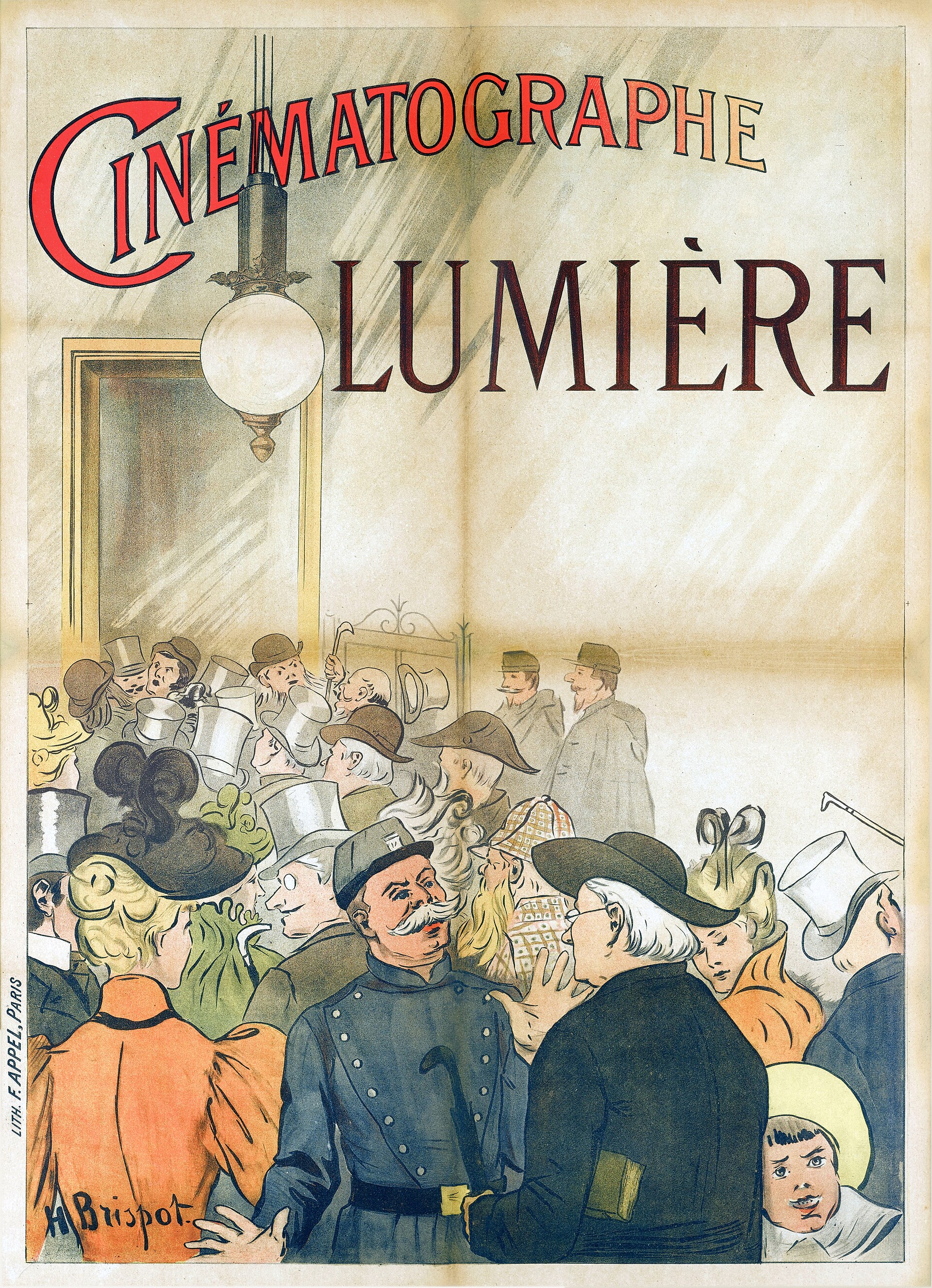
28 December 1895
The Lumière Screening When Reality Began Moving
In December 1895, a room in Paris became a new kind of public space. People watched reality move — together.
Read article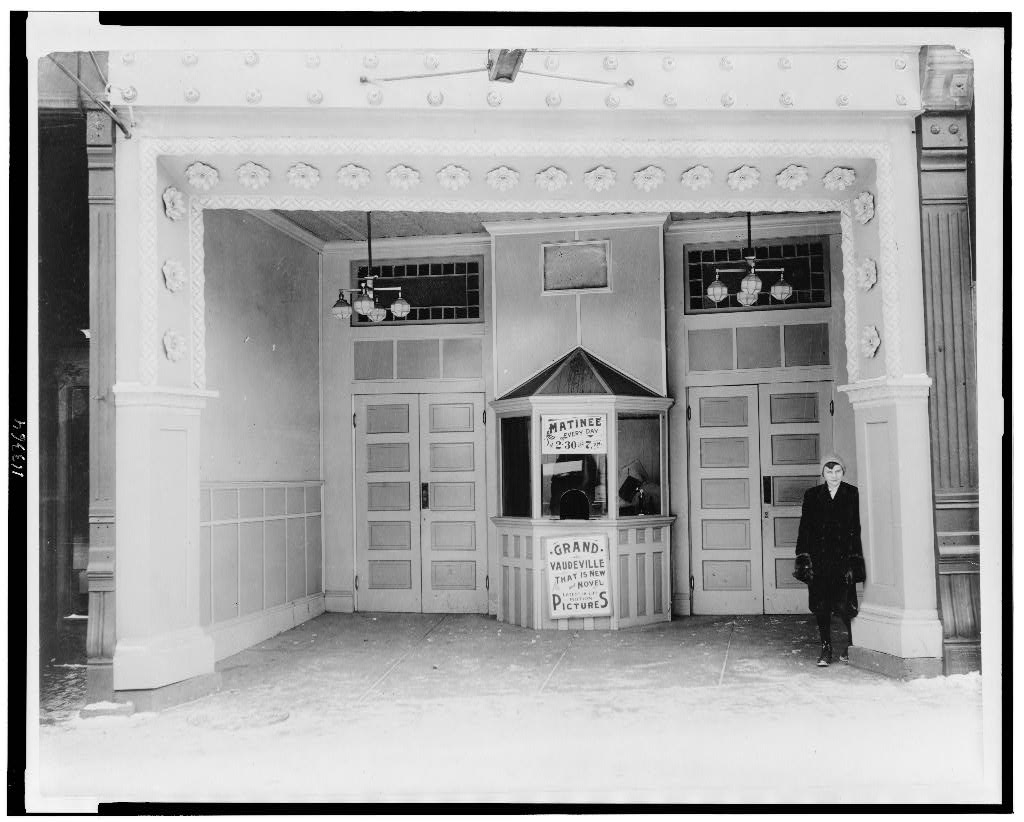
02 / 12
1905–1915
The Movie Theatre When Strangers Started Watching the Same Dream
Cinema became a place where strangers could disappear into darkness and share the same imagined world.
Read article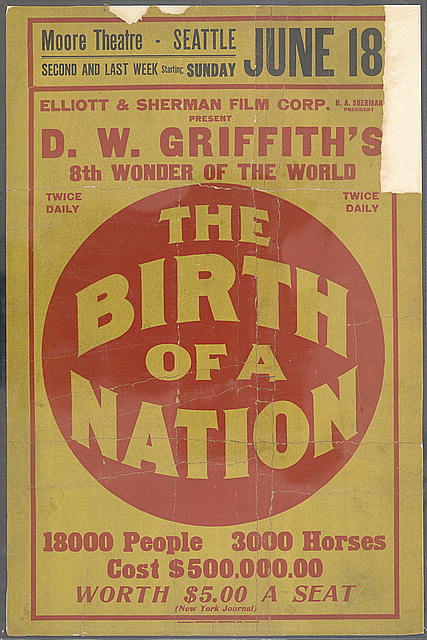
03 / 12
1915
The Birth of a Nation When Cinema Learned It Could Change What People Believed
A technically influential film demonstrated cinema’s capacity to turn prejudice into spectacle and influence public belief.
Read article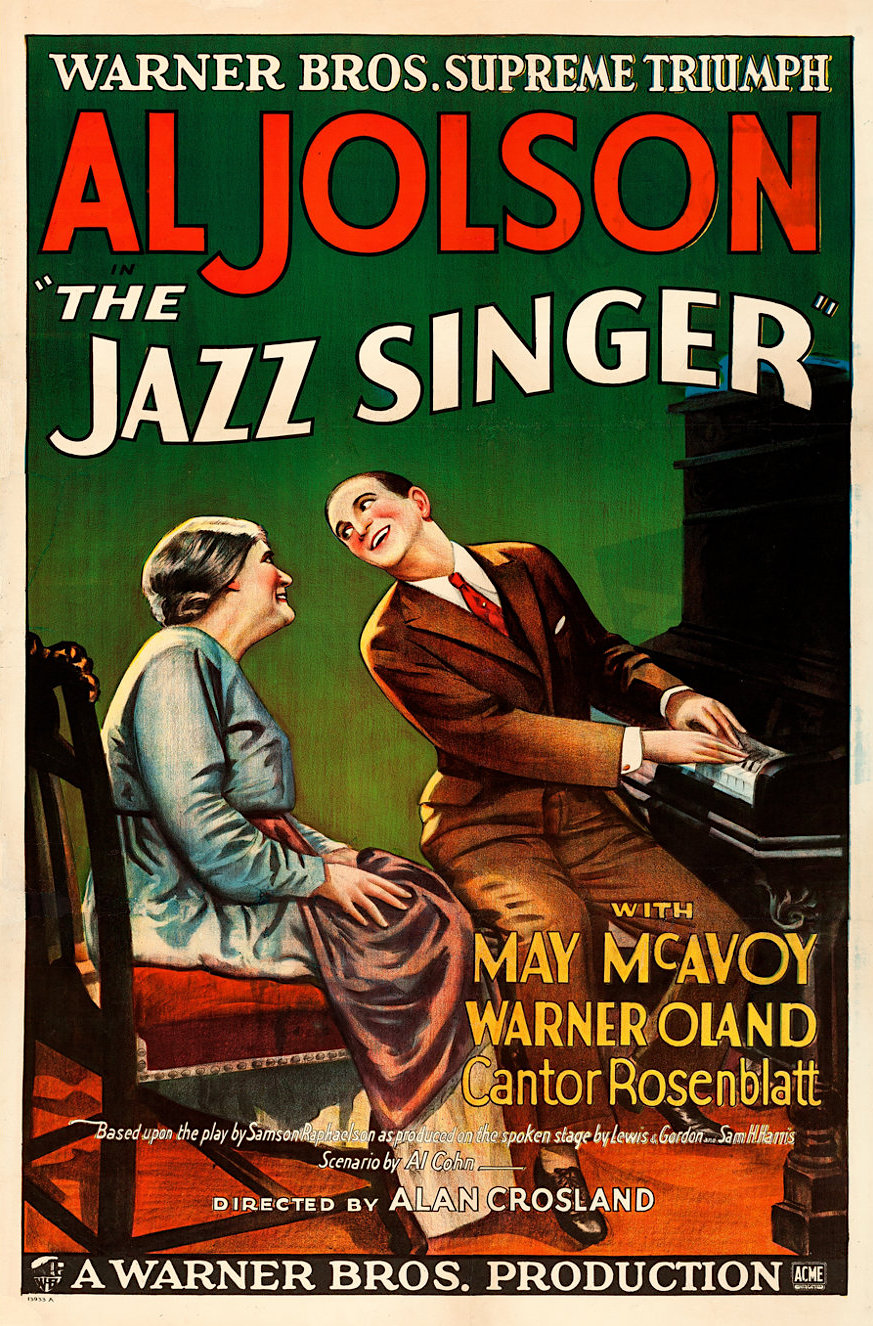
04 / 12
1927
The Jazz Singer When the Movies Found Their Voice
Synchronised sound changed the basic grammar of popular cinema.
Read article
05 / 12
1930–1968
The Hays Code When Society Tried to Decide What Movies Were Allowed to Show
As cinema became more powerful, pressure grew to control what audiences could see.
Read article
06 / 12
1941
Citizen Kane When the Camera Became an Author
A film could have a point of view as distinctive as a novel, painting or piece of music.
Read article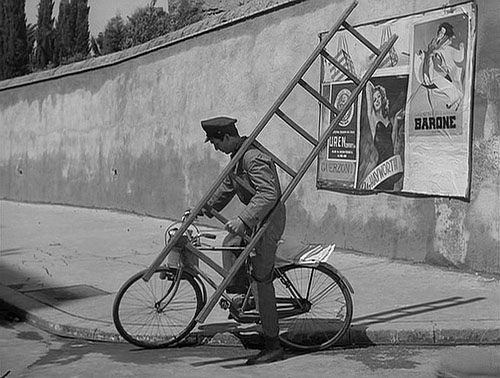
07 / 12
1948
Bicycle Thieves When Ordinary Life Became Worth Filming
Postwar Italian neorealism placed ordinary people and everyday hardship at the centre of cinema.
Read article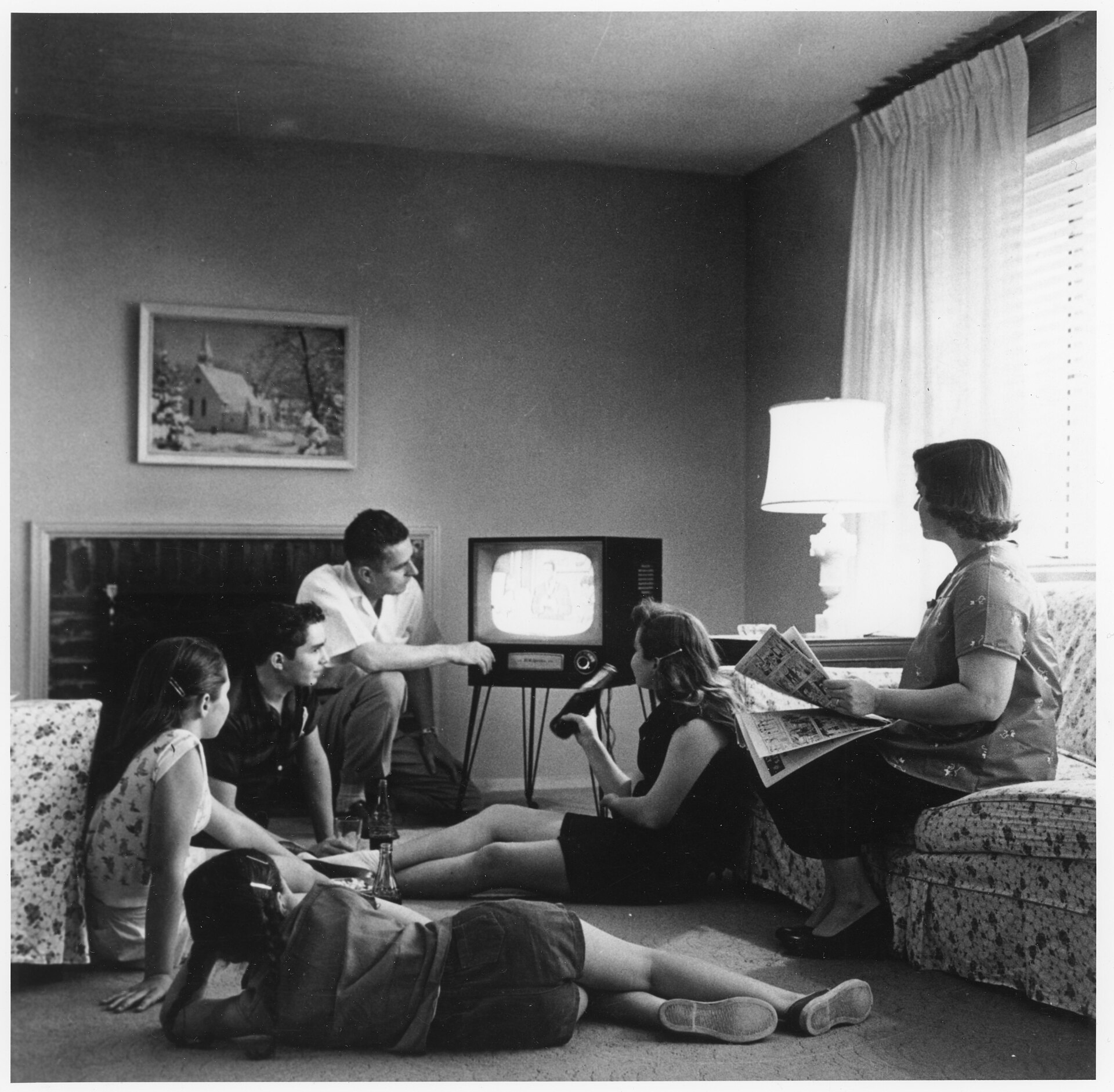
08 / 12
1947–1955
Television When Moving Pictures Came Home
The screen stopped being a destination and became part of everyday domestic life.
Read article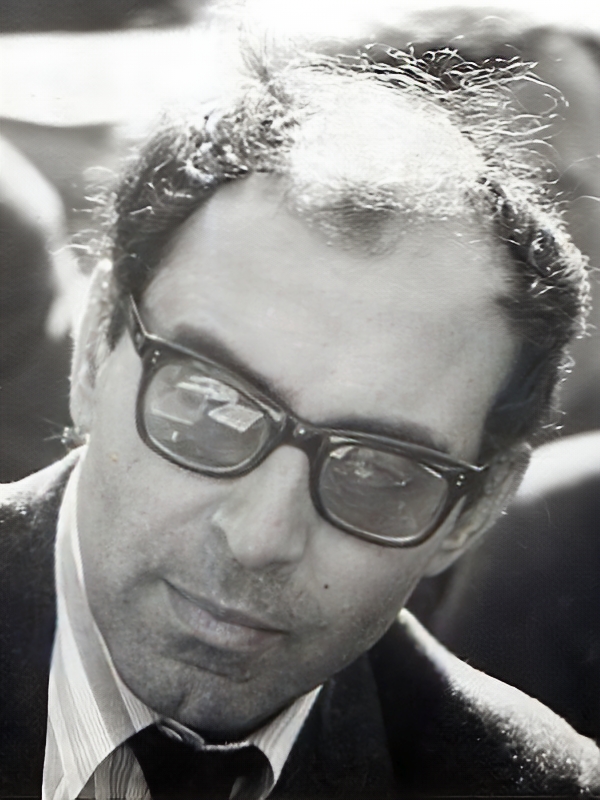
09 / 12
1958–1964
French New Wave When Filmmakers Stopped Asking Permission
A new generation treated cinema’s rules less as laws than as suggestions.
Read article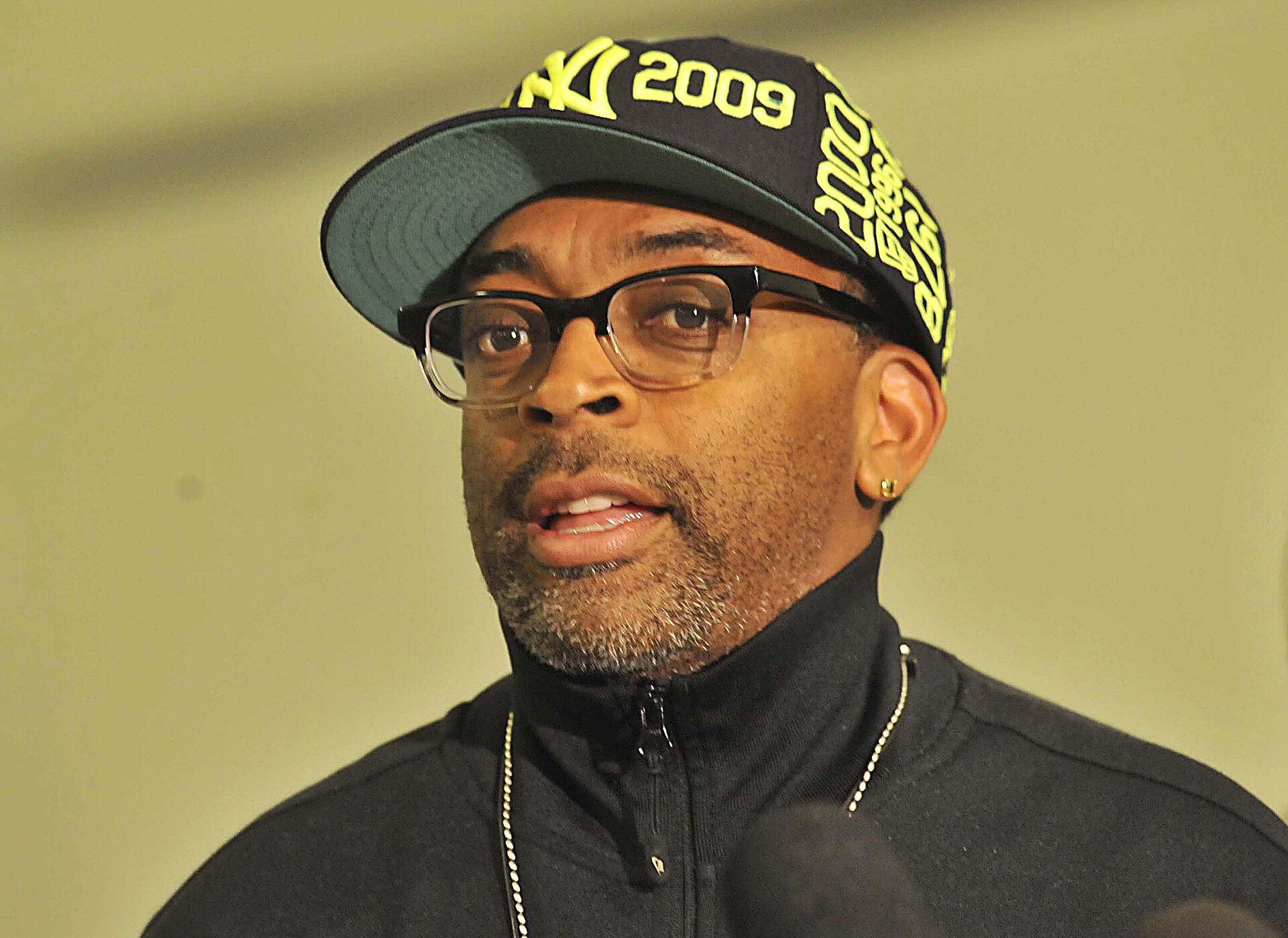
10 / 12
1989
Do the Right Thing When the Screen Started Answering Back
Black cinema insisted that representation could be authorship, argument and confrontation.
Read article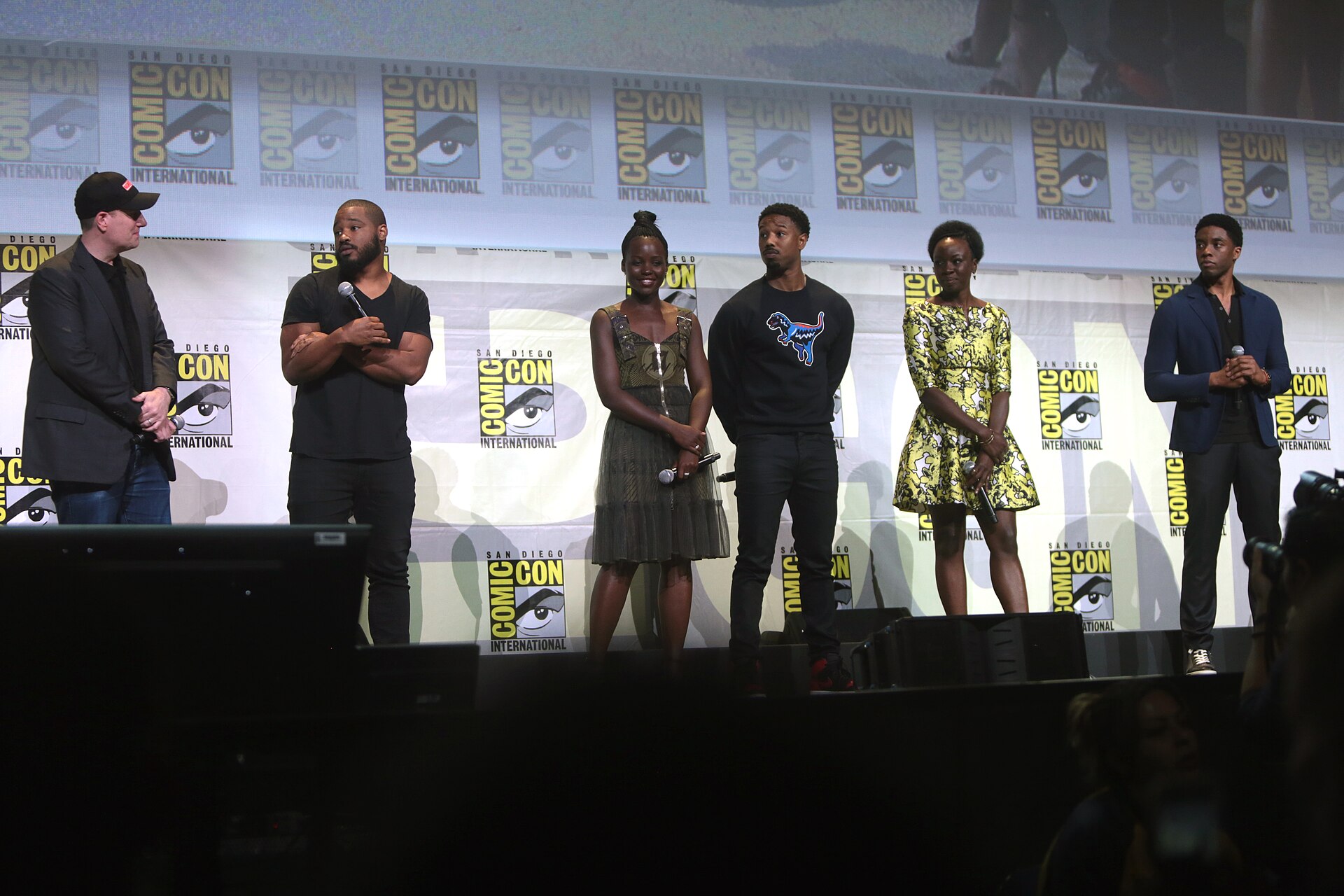
11 / 12
2018
Black Panther When Representation Became the Main Event
A film centred on Black identity became a global cultural event at blockbuster scale.
Read article
12 / 12
2007–present
Streaming When Cinema Lost Its Address
Moving pictures no longer need a theatre, broadcast schedule or television set. They need a connection.
Read article
Stories · Activism · 12 articles
12 Activism Rethinks That Changed Society
Organised people who helped change laws, institutions, political systems, public norms or community conditions across different regions and eras.
01 / 12
01 / 12
1915–1947
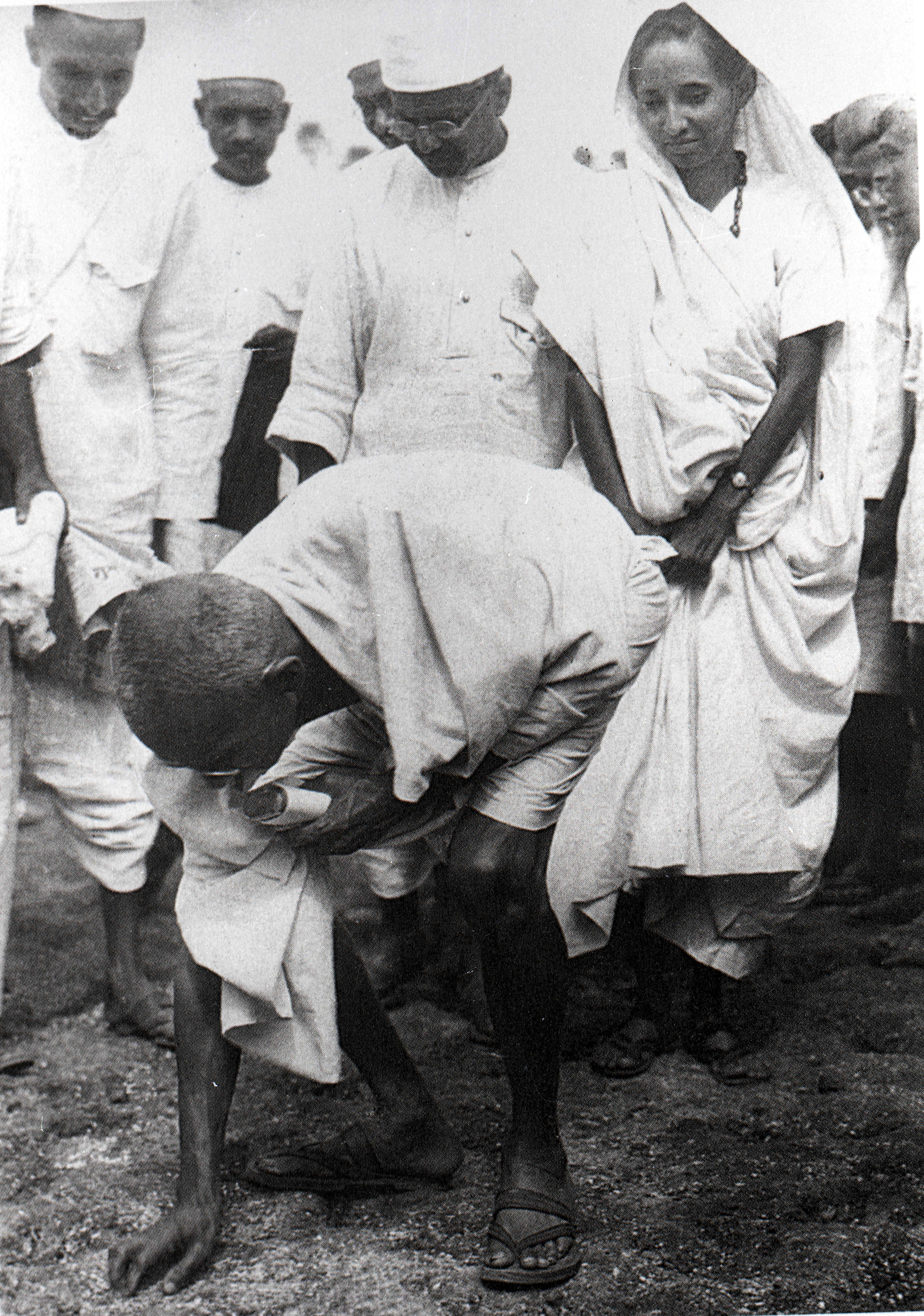
The Indian Independence Movement When Ordinary People Challenged an Empire
Decades of organising, civil resistance and mass participation helped turn independence from an aspiration into a political reality.
Read article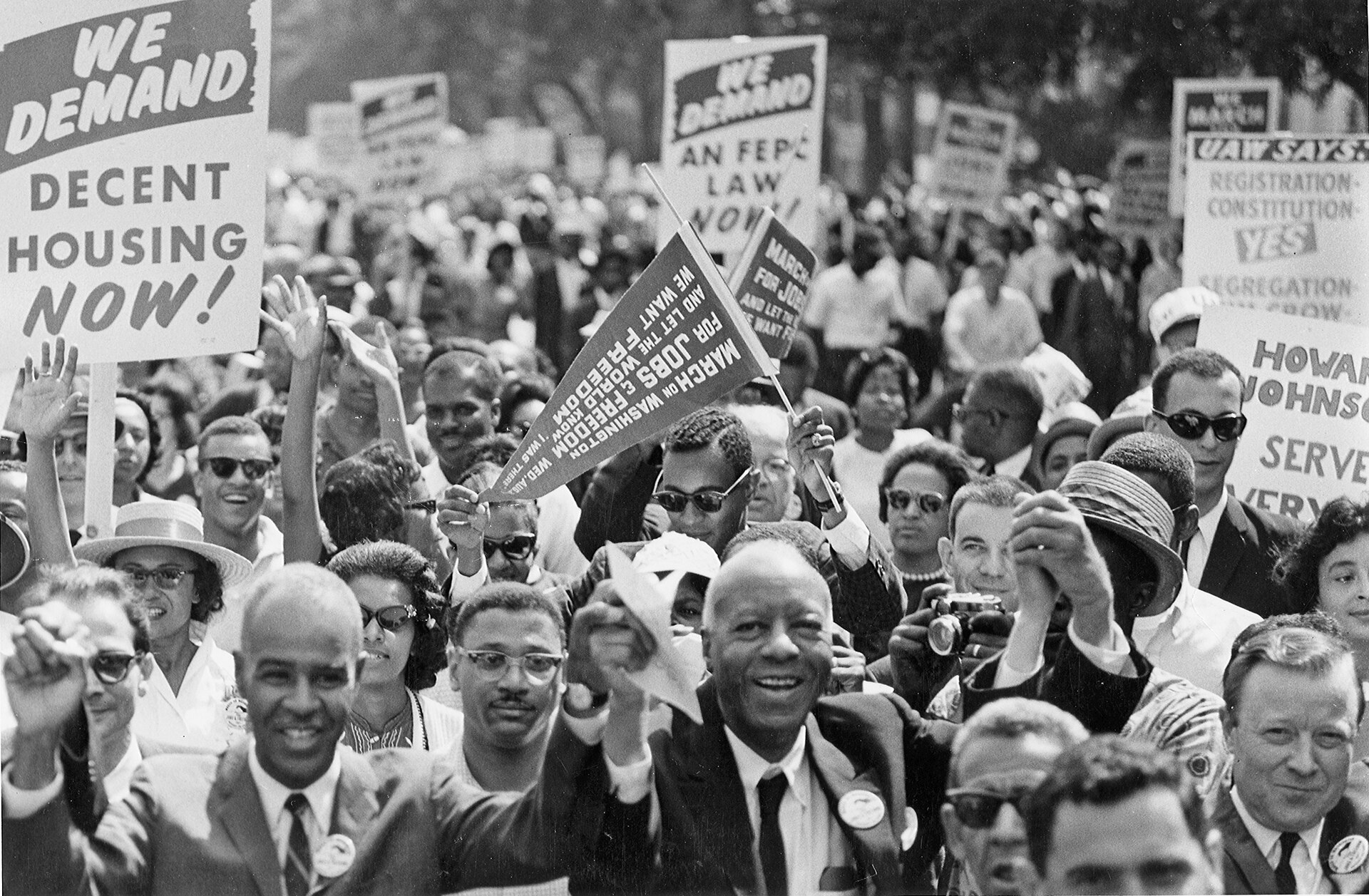
02 / 12
1954–1968
The U.S. Civil Rights Movement When Protest Became Law
Grassroots organising, legal challenges, boycotts and mass protest helped transform racial equality from a moral demand into enforceable federal law.
Read article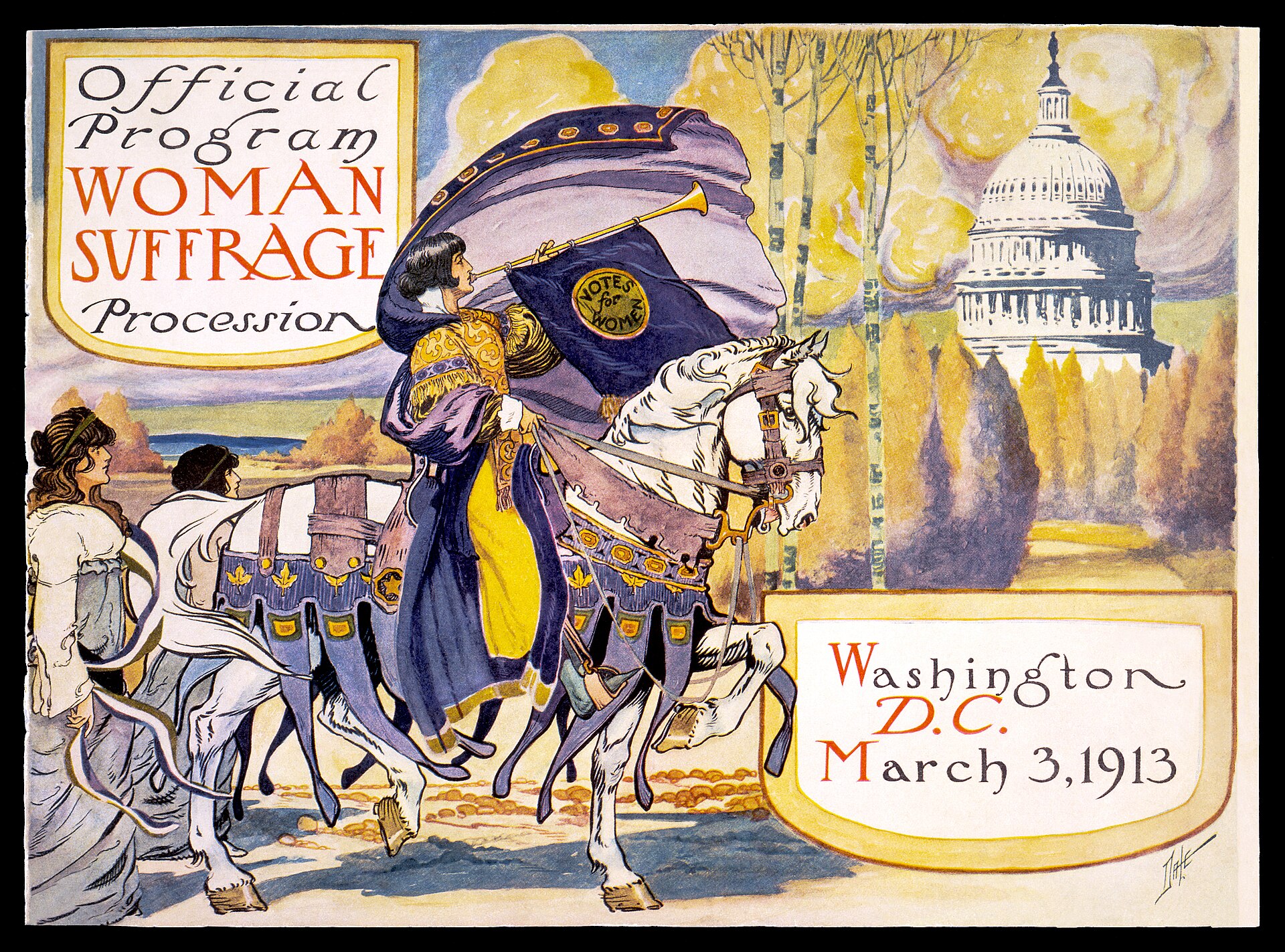
03 / 12
1848–1920
Women's Suffrage When Women Became Political Citizens
The long struggle for women's voting rights challenged one of society's most deeply normalised assumptions: that political citizenship was naturally male.
Read article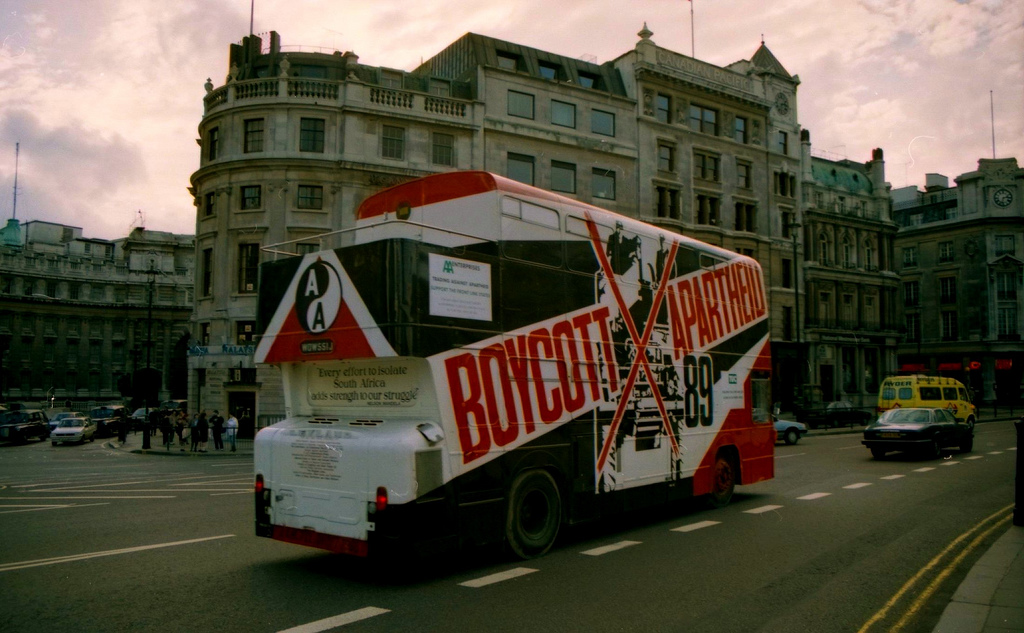
04 / 12
1948–1994
The Anti-Apartheid Movement When the World Refused to Accept Apartheid as Normal
South African resistance and international solidarity helped turn racial apartheid from an entrenched political system into an increasingly isolated one.
Read article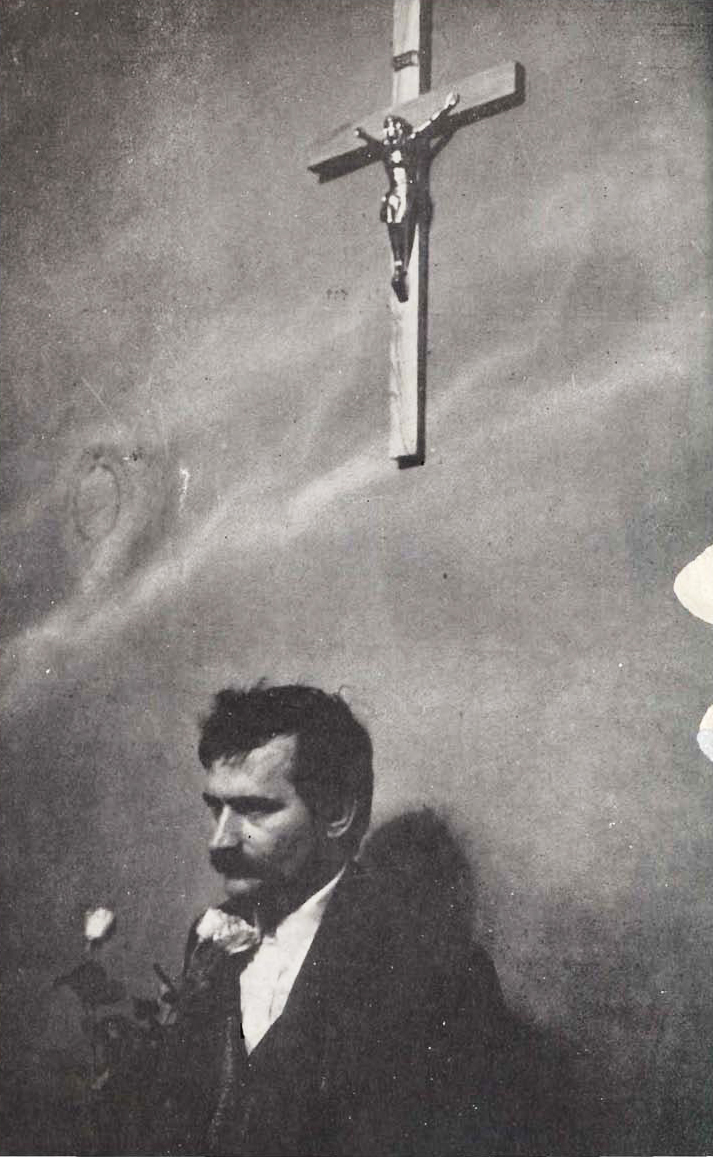
05 / 12
1980–1989
Solidarity When a Workers' Movement Changed a Country
A trade union born from strikes became a mass social movement and a crucial force in Poland's transition away from communist rule.
Read article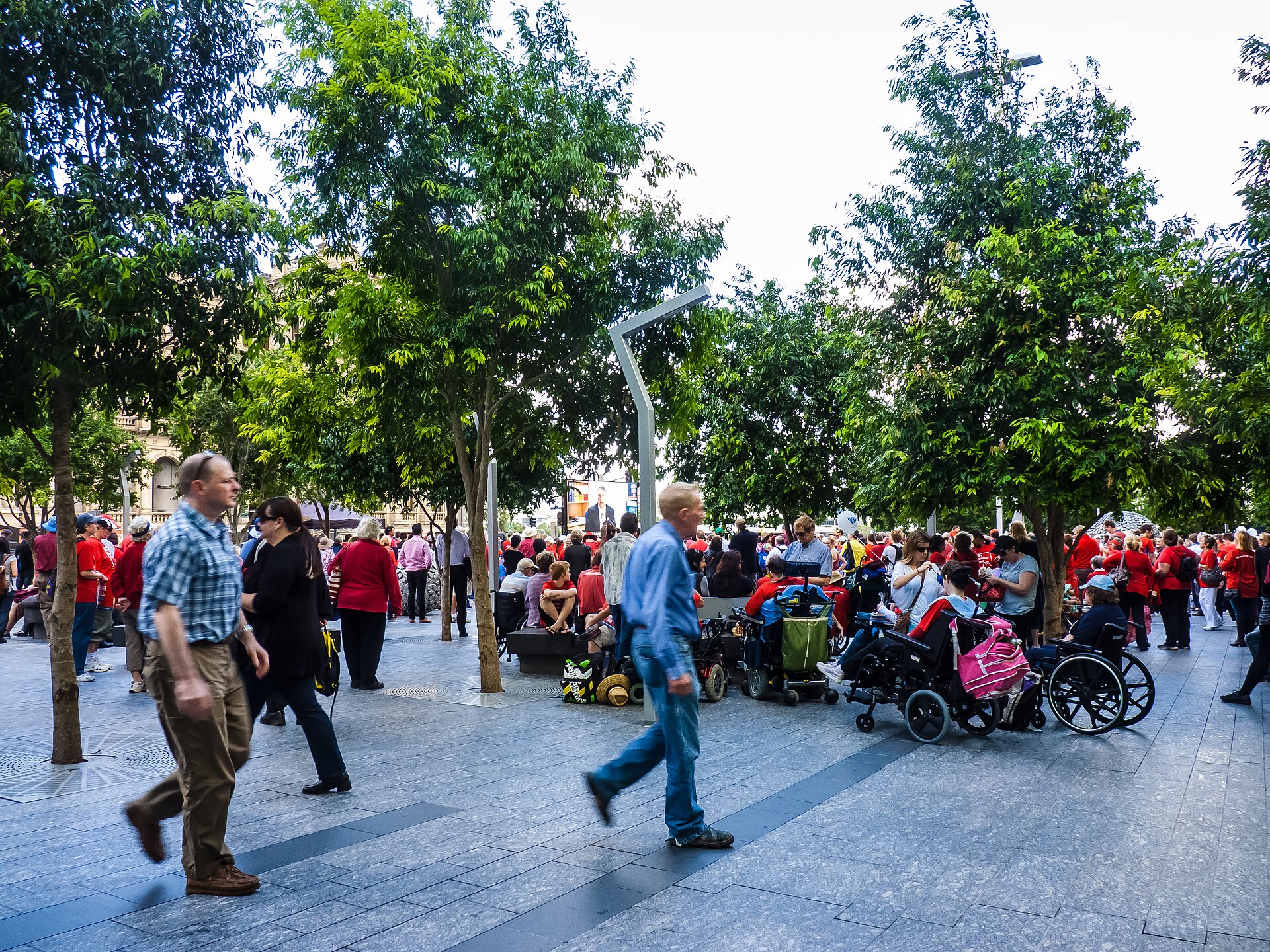
06 / 12
1970–1990
Disability Rights When Society Realised the Barrier Could Be the System
Disability activism helped move public thinking from individual limitation toward rights, accessibility and the responsibility of institutions.
Read article
07 / 12
1977
The Green Belt Movement When Planting a Tree Became an Act of Resistance
Wangari Maathai's movement connected environmental restoration with women's empowerment, livelihoods and democratic participation.
Read article
08 / 12
1992–1997
The Landmine Campaign When Activists Helped Rewrite International Law
A coalition of civil-society organisations helped turn a humanitarian demand into a landmark international treaty.
Read article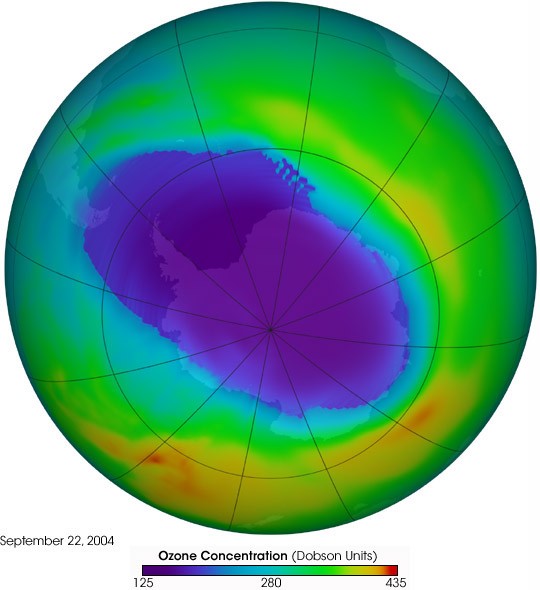
09 / 12
1985–1989
The Ozone Movement When Humanity Decided to Fix the Sky
Science, environmental activism, diplomacy and international cooperation produced one of the strongest examples of collective environmental action.
Read article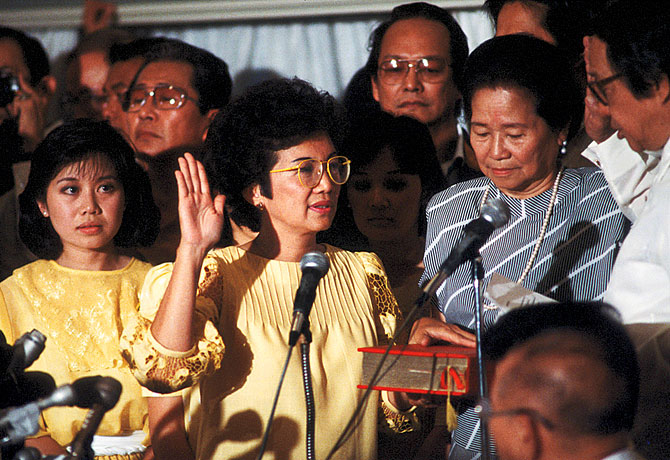
10 / 12
22–25 February 1986
People Power When Millions Stood in the Way of a Dictatorship
The 1986 Philippine uprising showed how mass civilian mobilisation could help remove an entrenched authoritarian leader.
Read article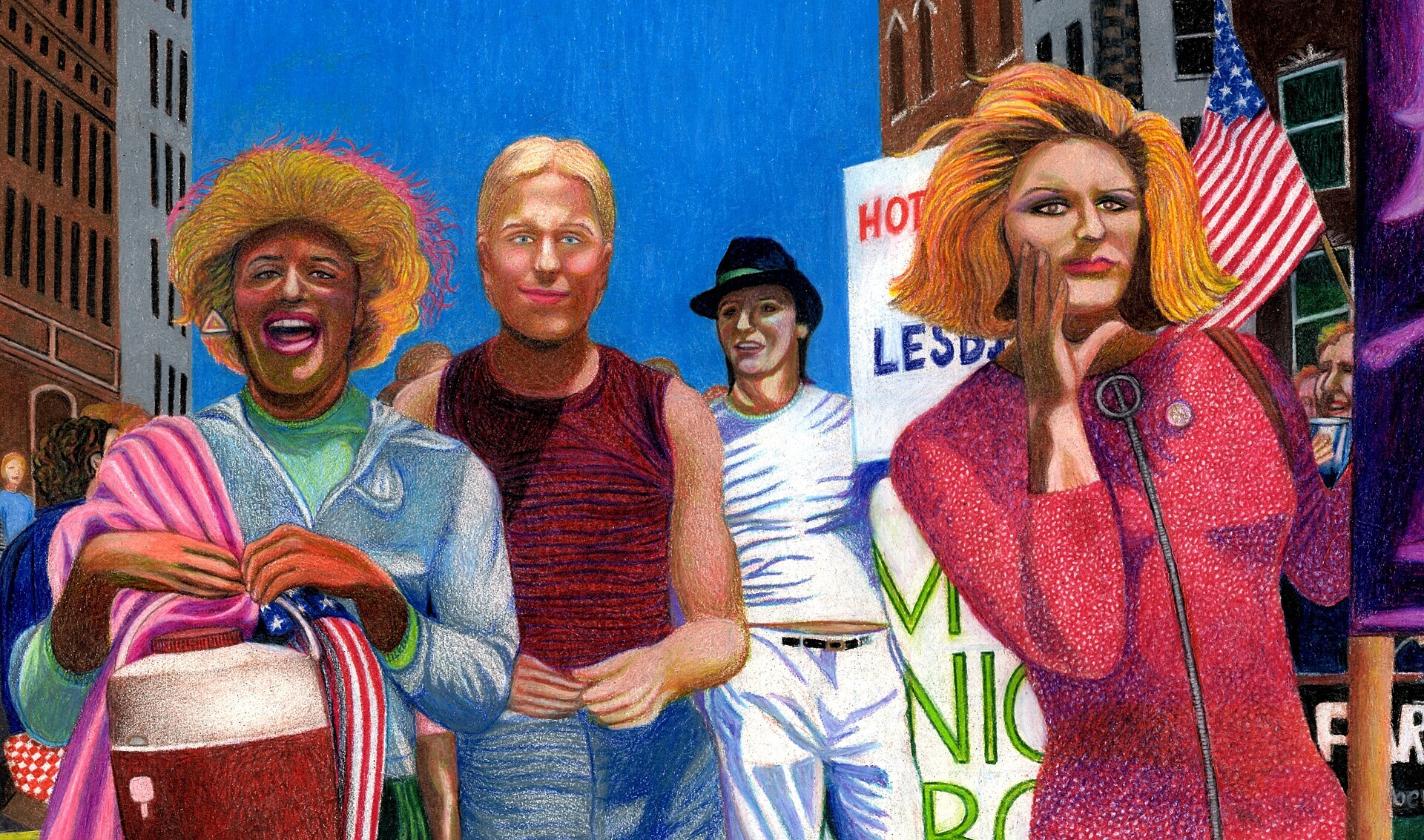
11 / 12
1969–present
LGBTQ+ Rights When Silence Was No Longer an Option
Decades of organising transformed homosexuality and LGBTQ+ identity from subjects of stigma and criminalisation into questions of rights, equality and public recognition.
Read article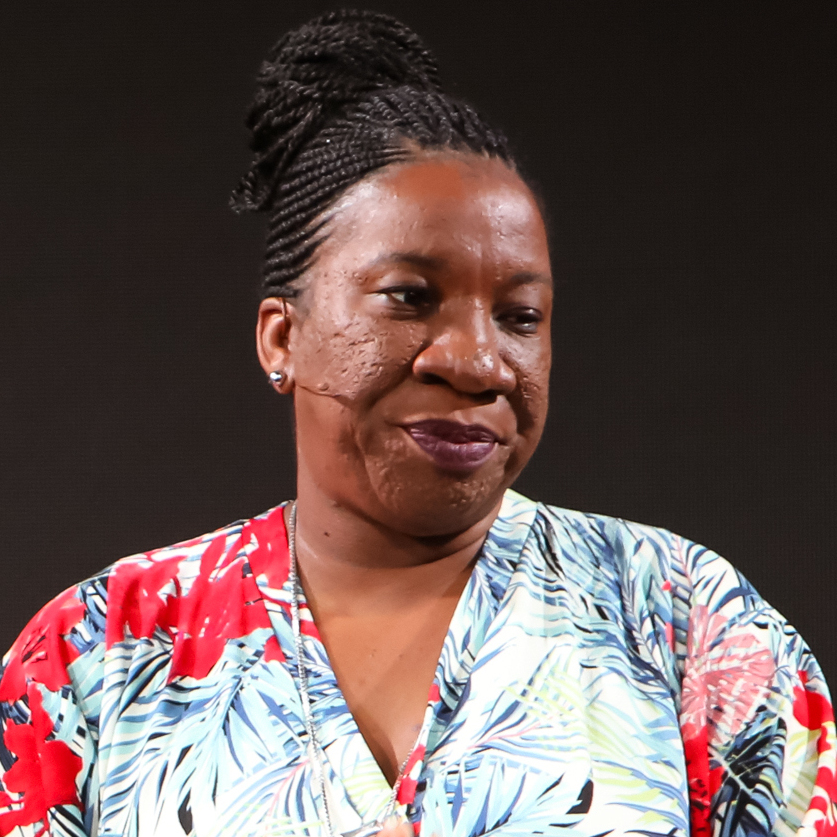
12 / 12
2006–2017
#MeToo When Millions Realised the Problem Was Bigger Than One Person
A phrase created by Tarana Burke became a global movement that changed how sexual harassment, abuse and power were discussed.
Read article
Ideas · Music · 12 articles
12 Musical Rethinks That Changed Society
Music-history moments in which technology, communities, artists or new creative practices changed what society believed music could be.
01 / 12
01 / 12
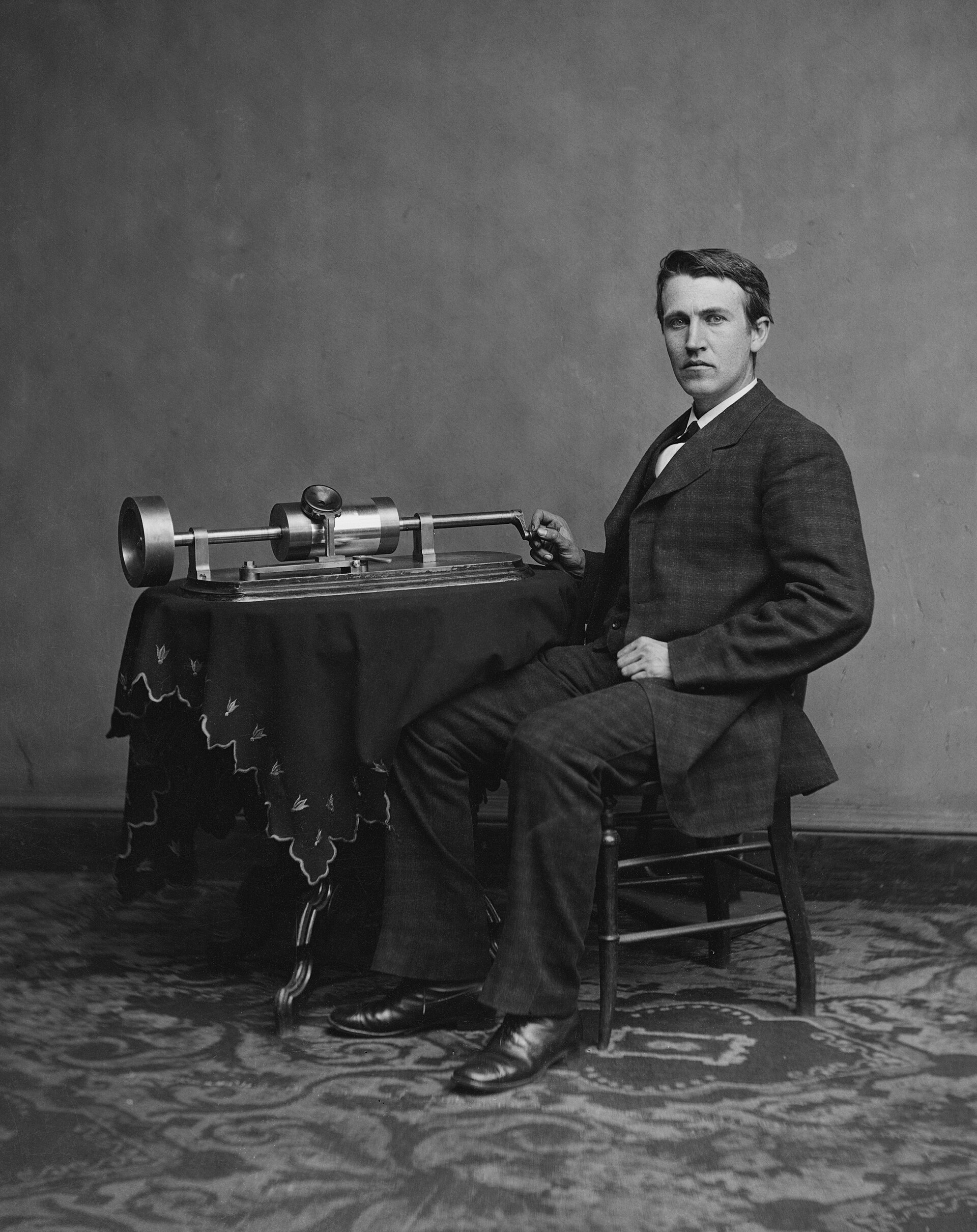
1877
The Phonograph The Moment Music Escaped the Room
How recorded sound freed music from the moment of performance.
Read article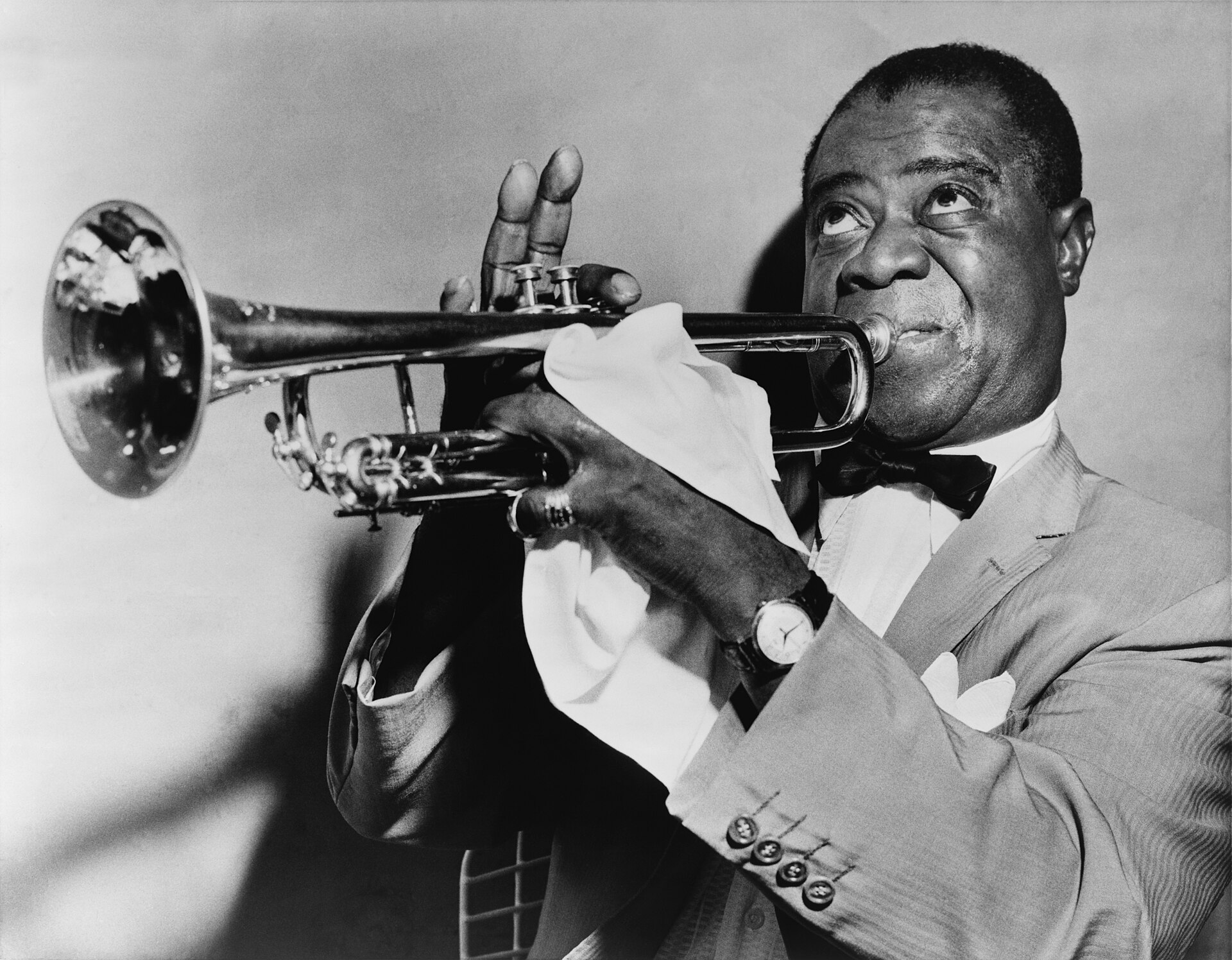
02 / 12
1910s–1930s
Jazz and the Harlem Renaissance When Black Modernity Became Impossible to Ignore
How a community reshaped the cultural centre without asking permission to enter it.
Read article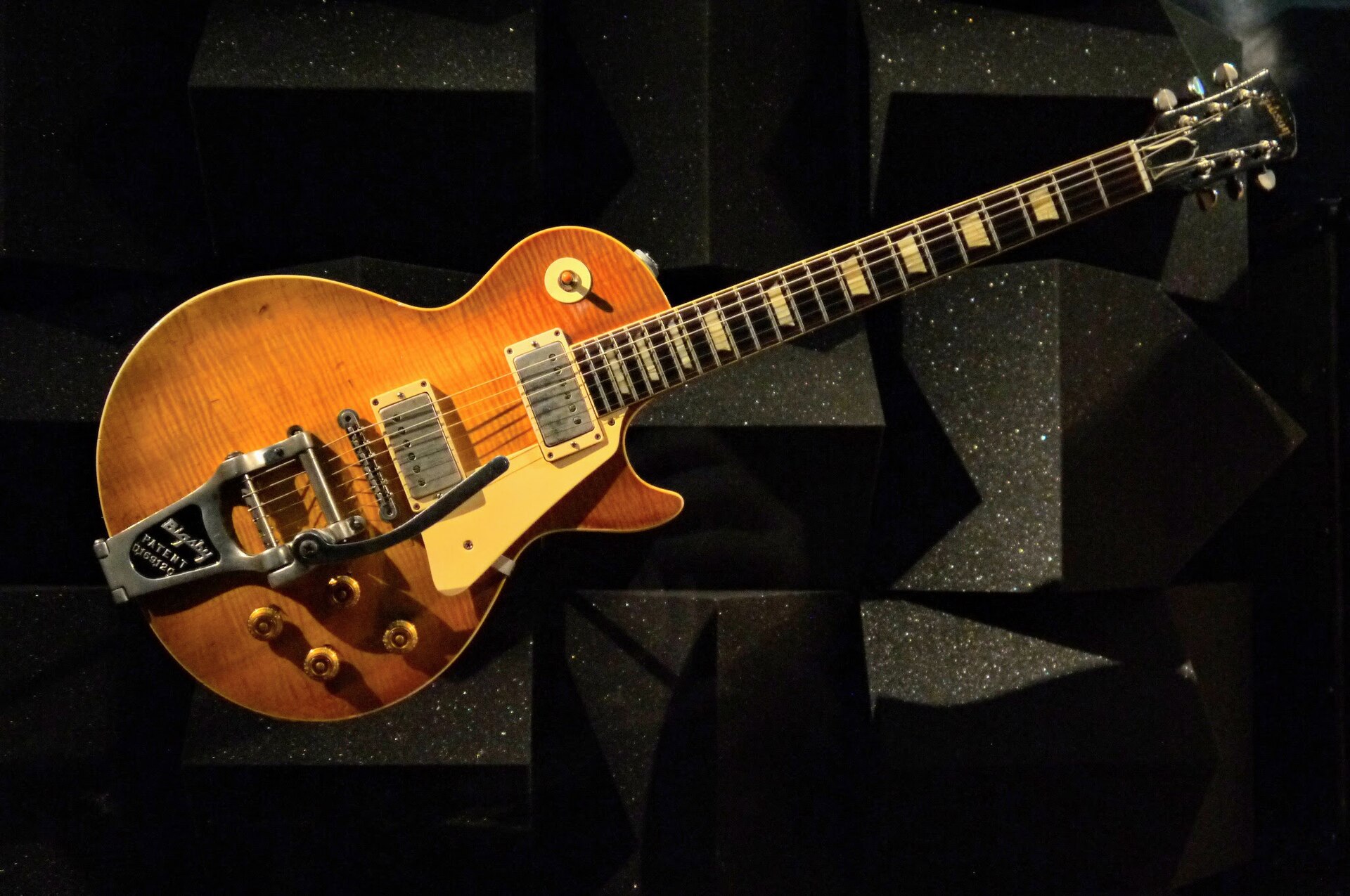
03 / 12
1930s–1950s
The Electric Revolution When an Instrument Stopped Being What It Used to Be
How amplification turned technology into part of the sound itself.
Read article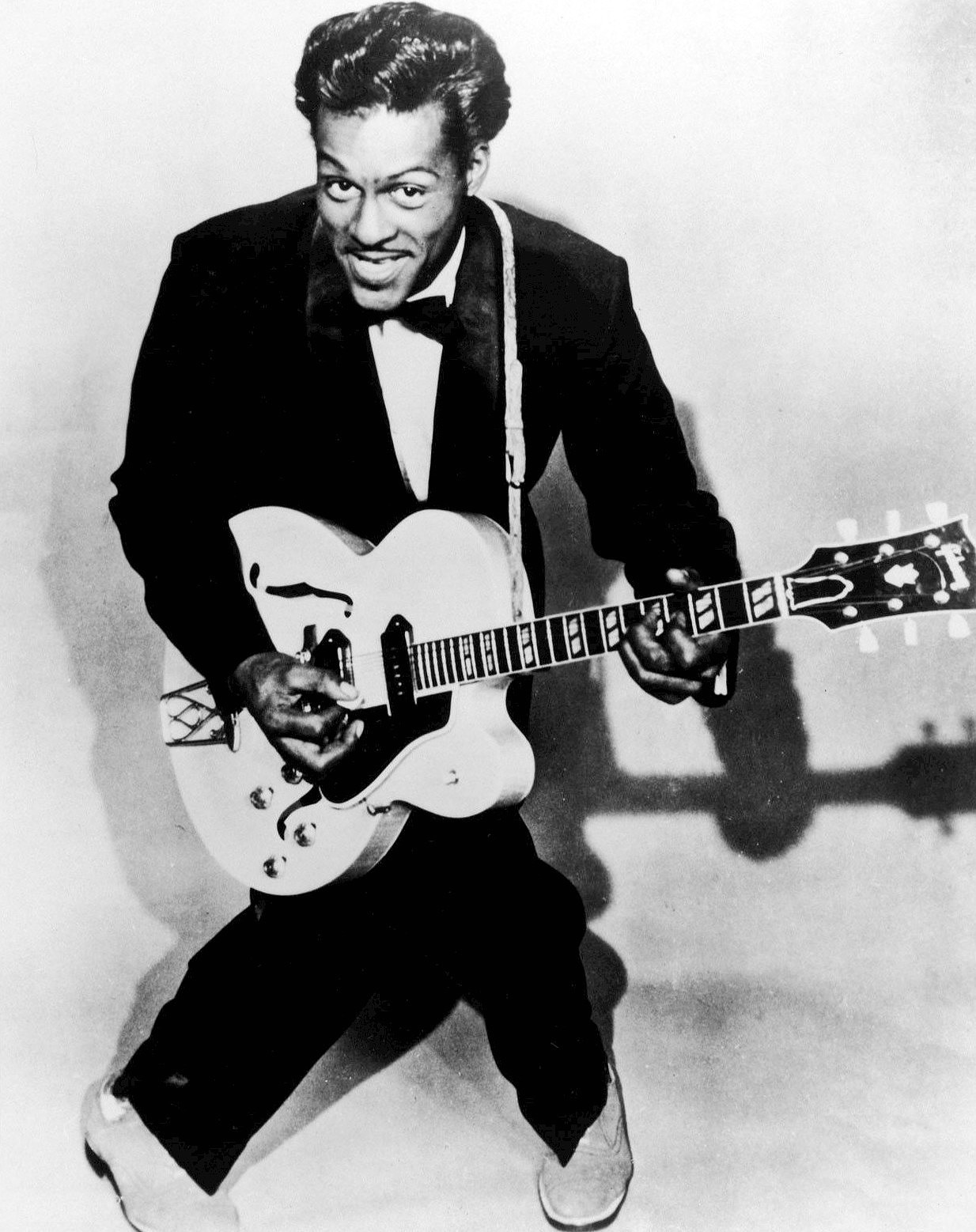
04 / 12
1950s
Rock ’n’ Roll When Teenagers Became a Cultural Force
How a new musical culture turned teenagers into a force that reshaped the adult world.
Read article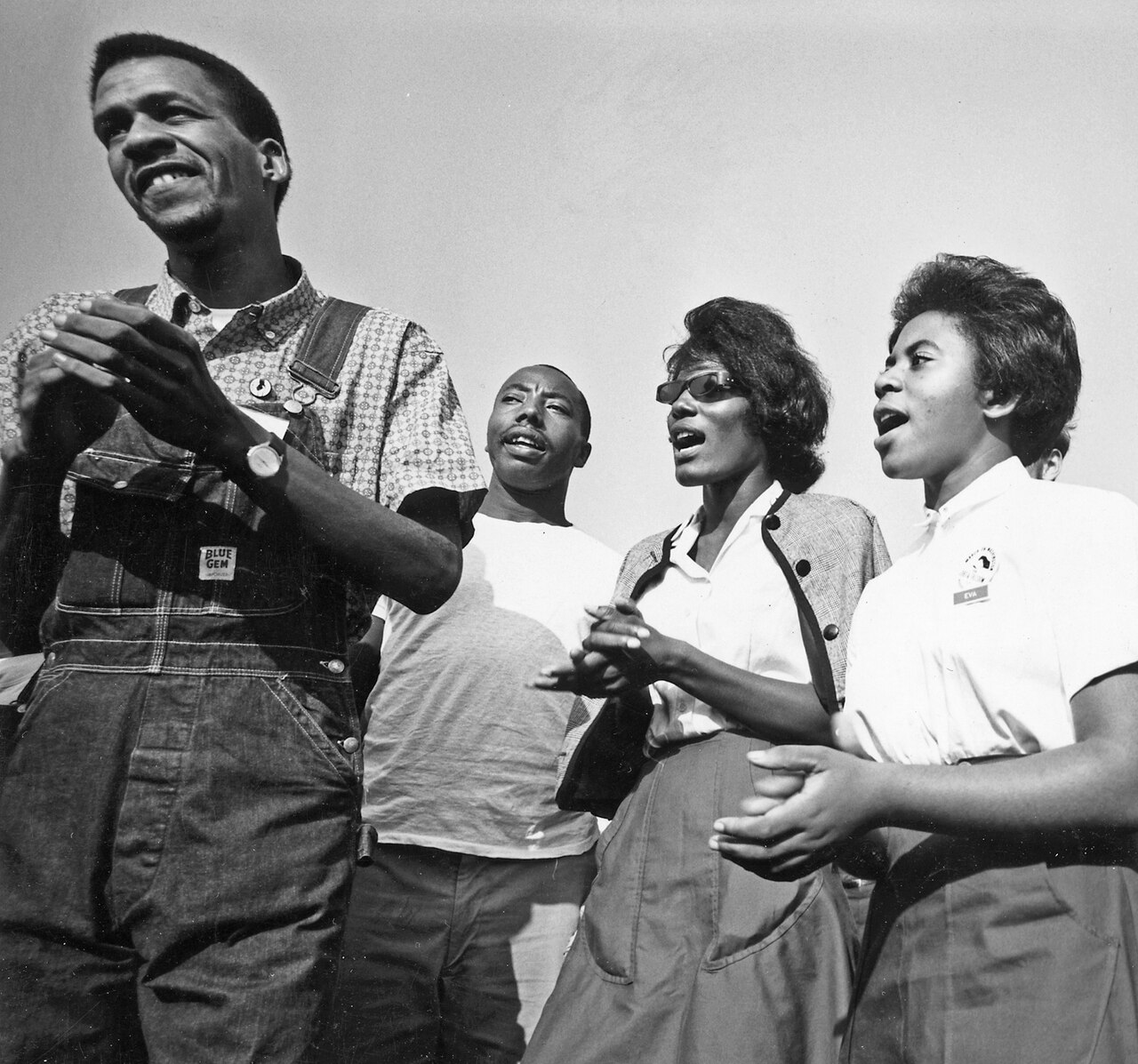
05 / 12
19th century–present
The Protest Song When Music Became a Tool for Resistance
How songs became part of the social infrastructure of political movements.
Read article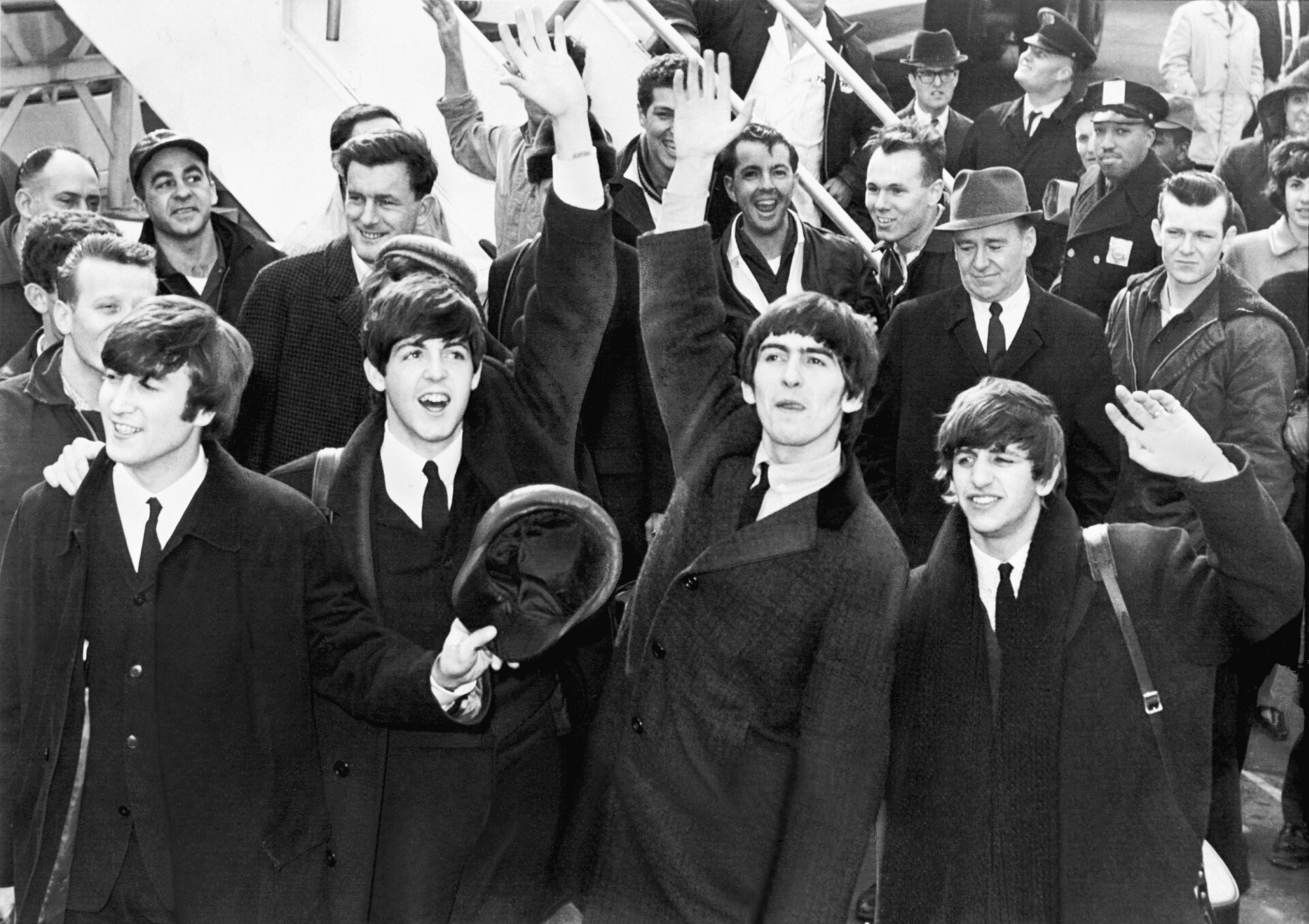
06 / 12
1965–1970
The Beatles and the Album Era When Pop Musicians Became Cultural Authors
How the album turned popular musicians into cultural authors.
Read article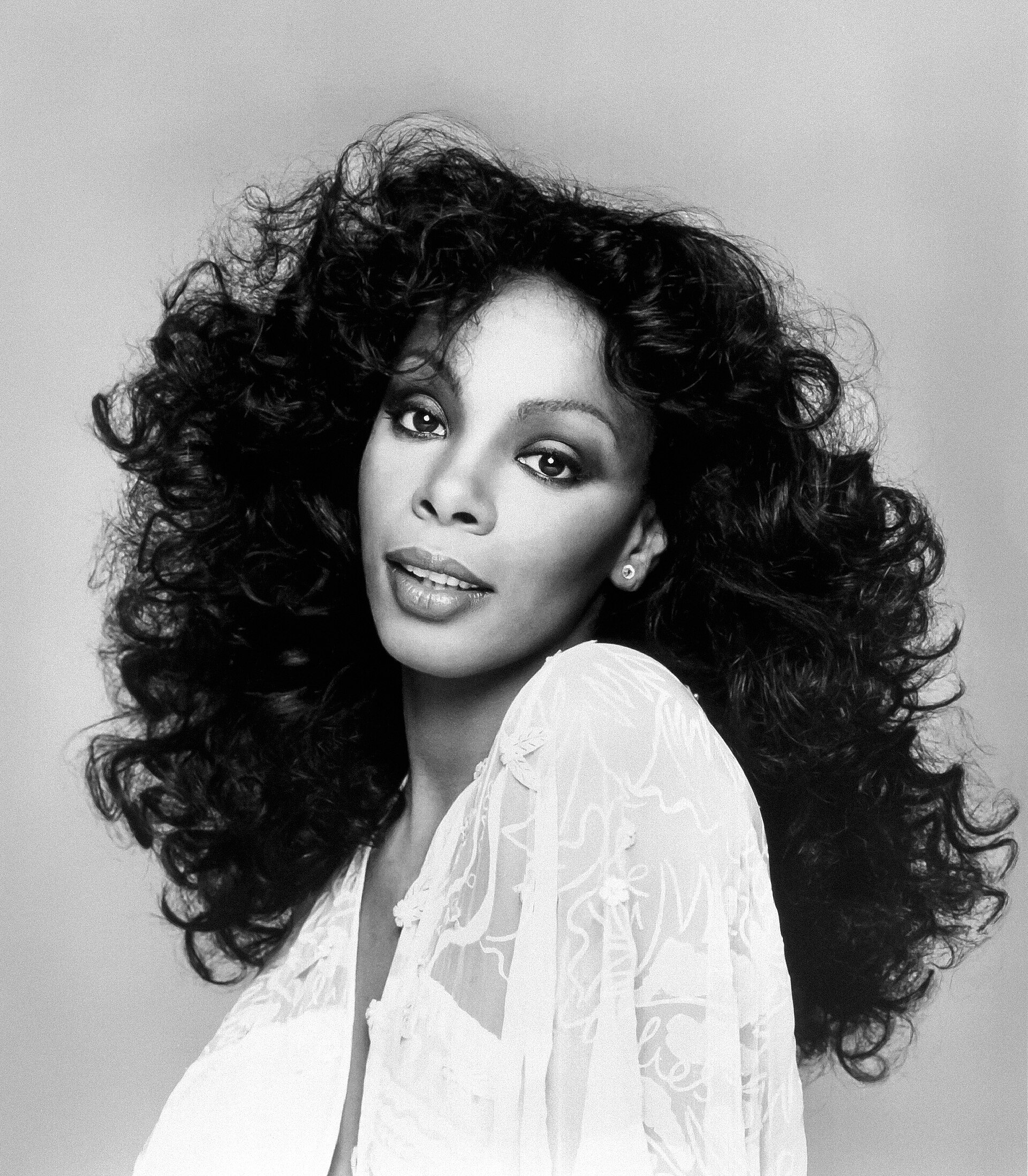
07 / 12
1970s
Disco and the Dance Floor When Marginalised Communities Built the Party
How the dance floor became a place to build identity and belonging.
Read article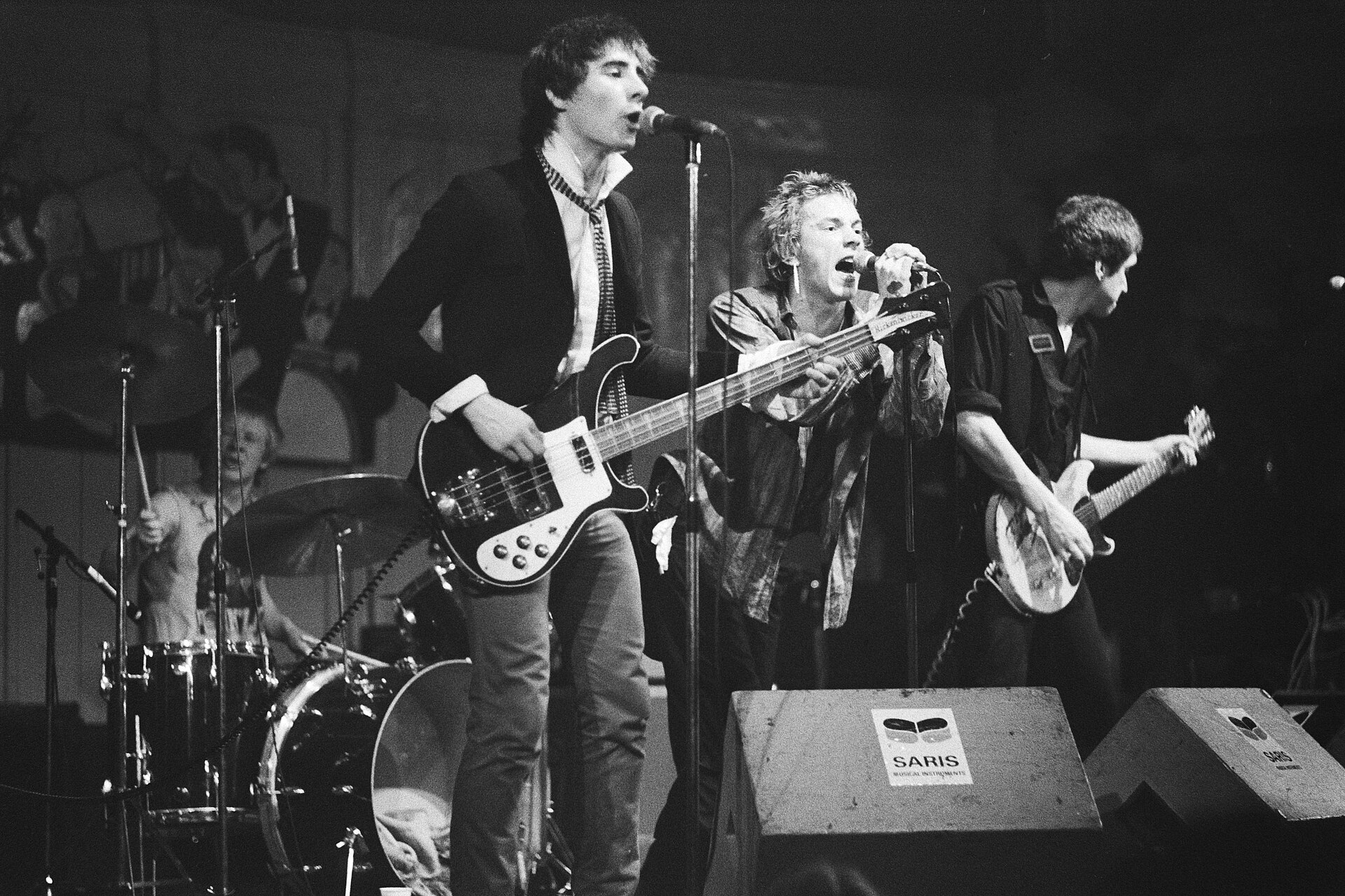
08 / 12
1974–1980
Punk When You Didn’t Need Permission to Make Music
How DIY culture dismantled the idea that participation requires permission.
Read article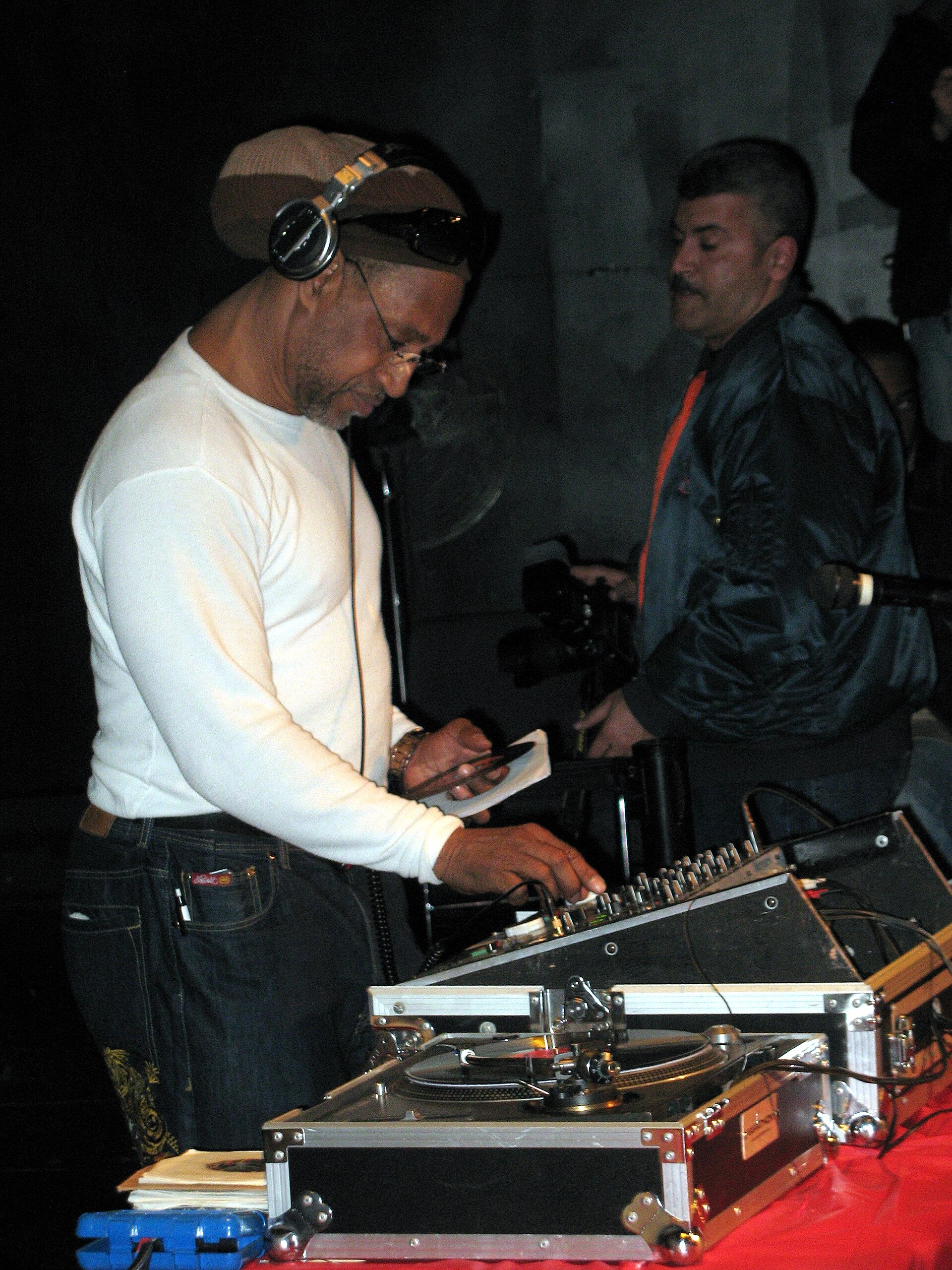
09 / 12
1973–present
Hip-Hop When the Margins Became the Microphone
How a community built its own cultural infrastructure and exported it to the world.
Read article
10 / 12
1990s–present
Digital Music and Streaming When the Record Store Disappeared
How listening moved from owning objects to accessing networks.
Read article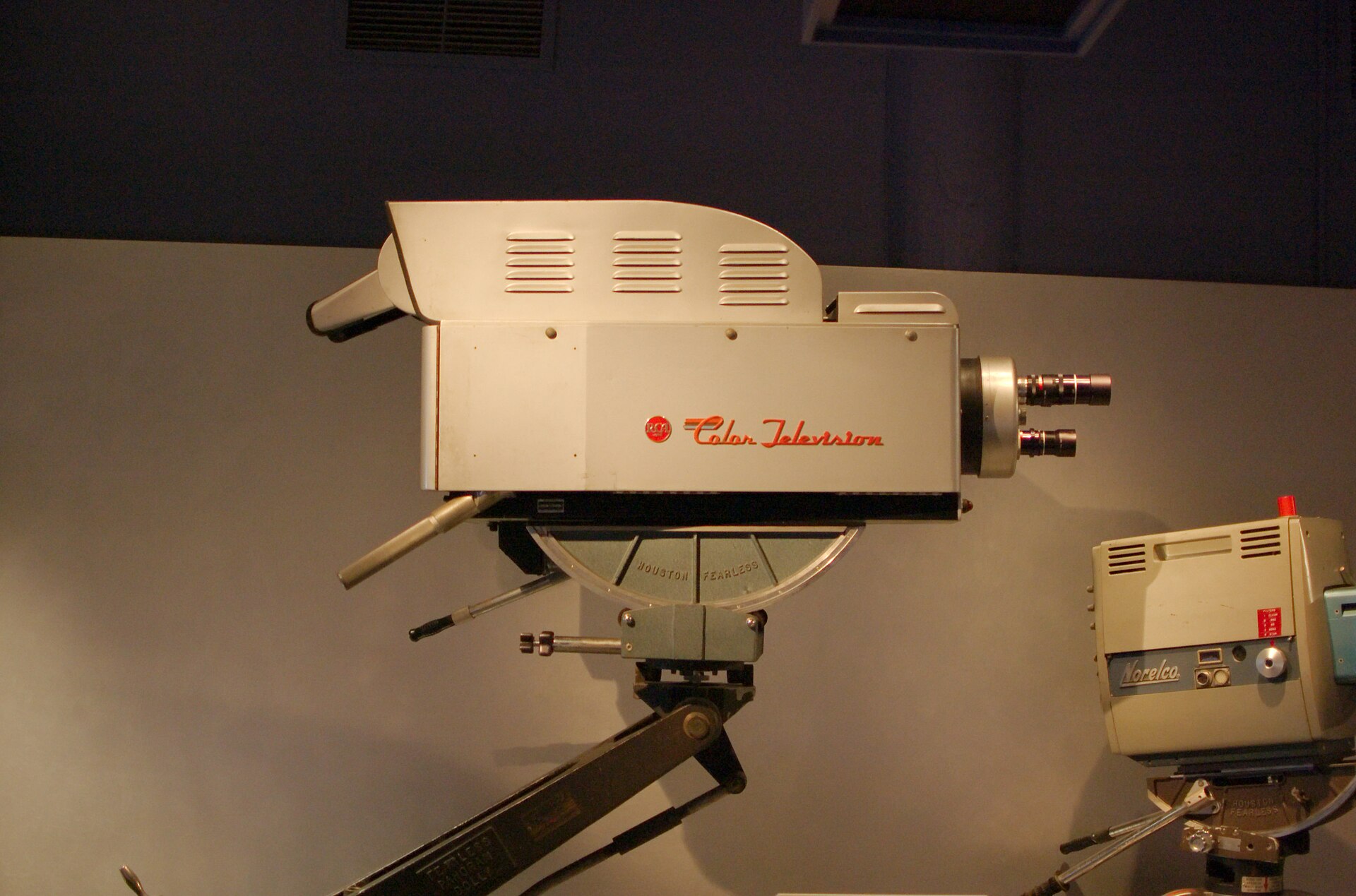
11 / 12
1981–present
The Music Video When a Song Became a Visual World
How a song gained a second identity as an image.
Read article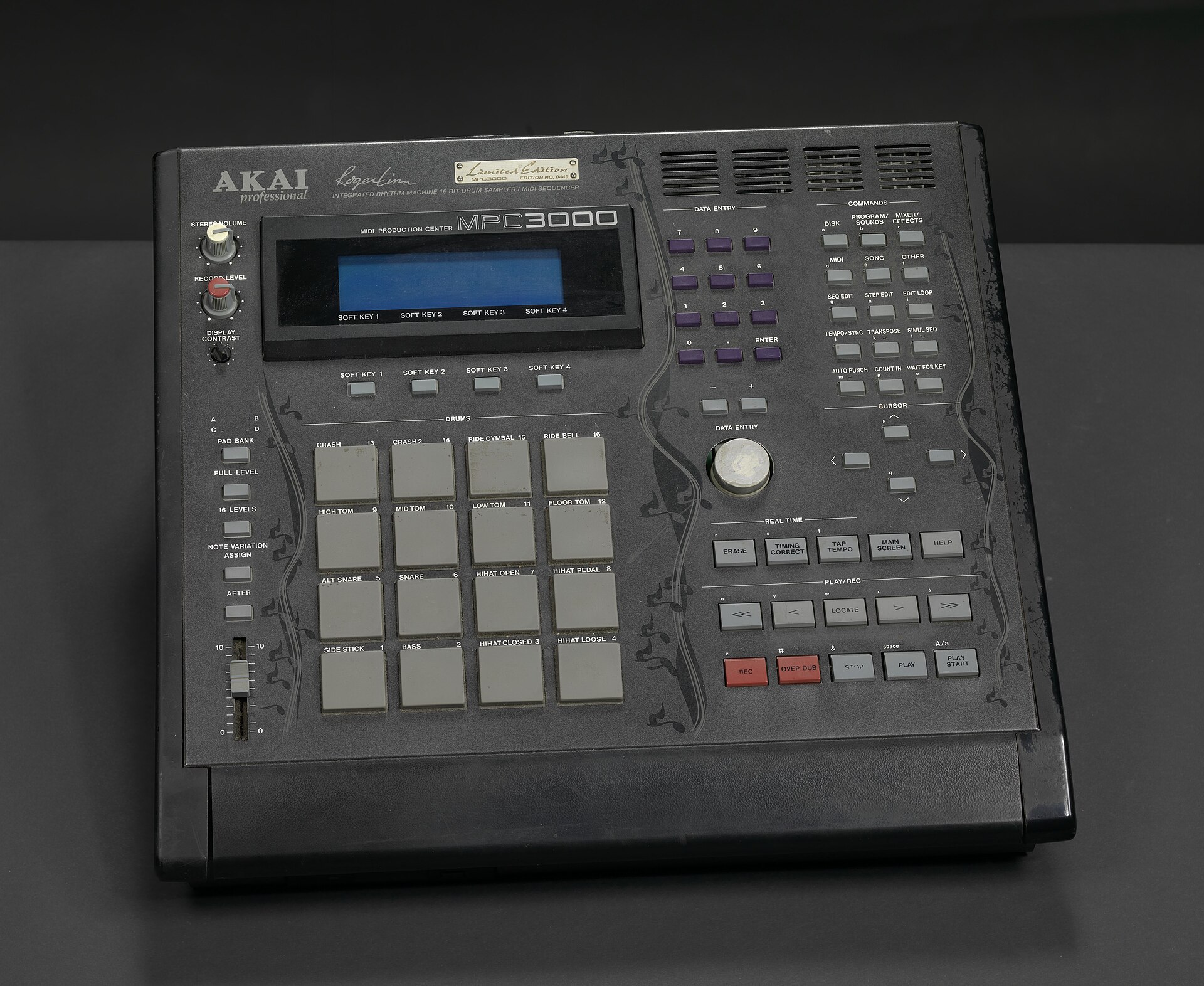
12 / 12
1970s–present
Sampling and the Remix When the Past Became Raw Material
How originality became a question about what you do with what already exists.
Read article
Culture · Art History · 10 articles
Art That Made Humanity Rethink Itself
10 transformative moments in world art history — from the first images made on stone to the machines now generating pictures of their own.
01 / 10
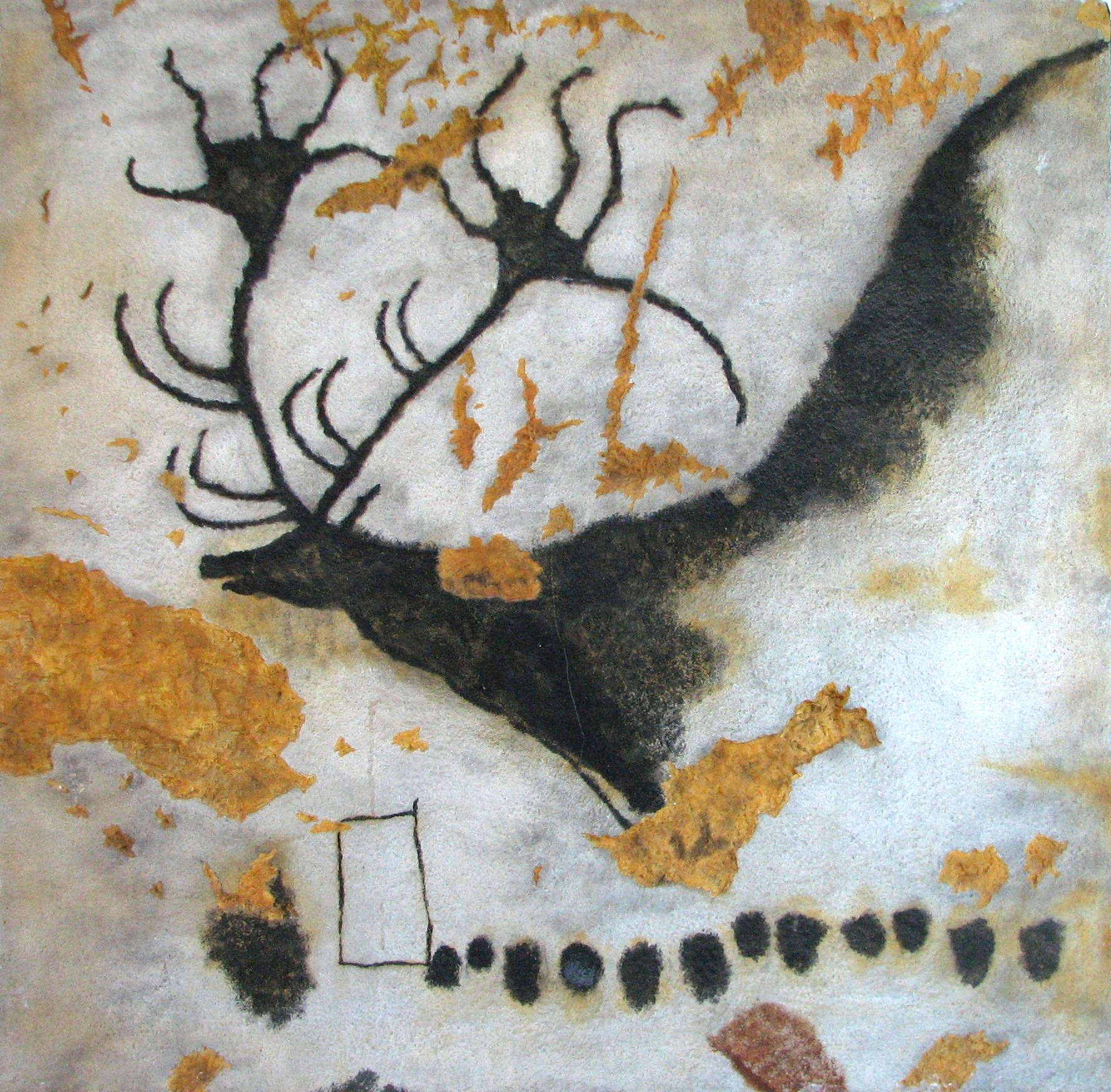
01 / 10 · Memory
c. 40,000–10,000 BCE
Prehistoric Cave Art When Humanity Began Leaving Messages for the Future
The first surviving images remind us that the human need to remember and imagine is older than civilisation.
Read article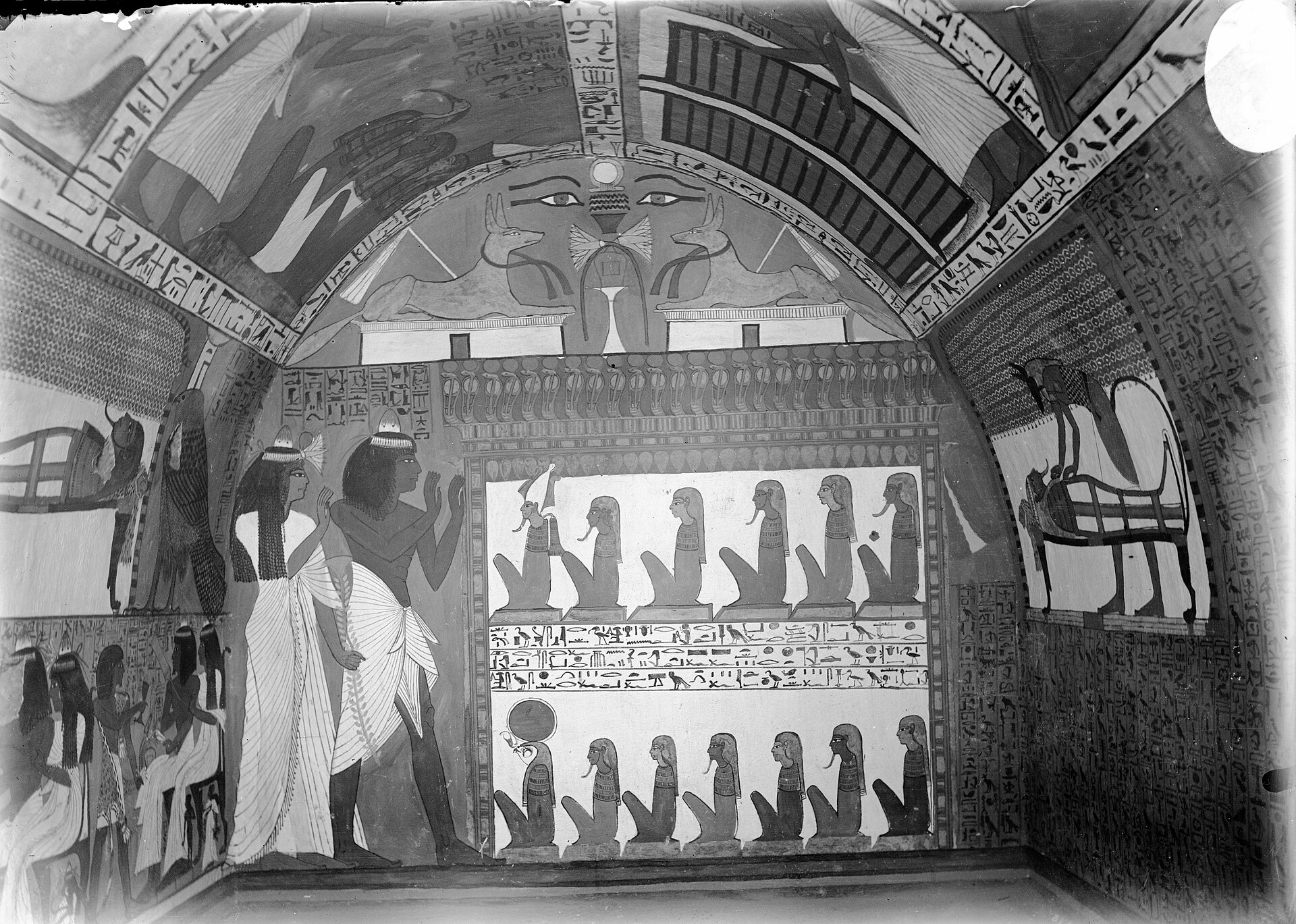
02 / 10 · Mortality
c. 3100–30 BCE
Ancient Egyptian Art The Human Refusal to Let Death Have the Final Word
Egyptian artists transformed images, text and ritual into one of history's most enduring conversations about mortality.
Read article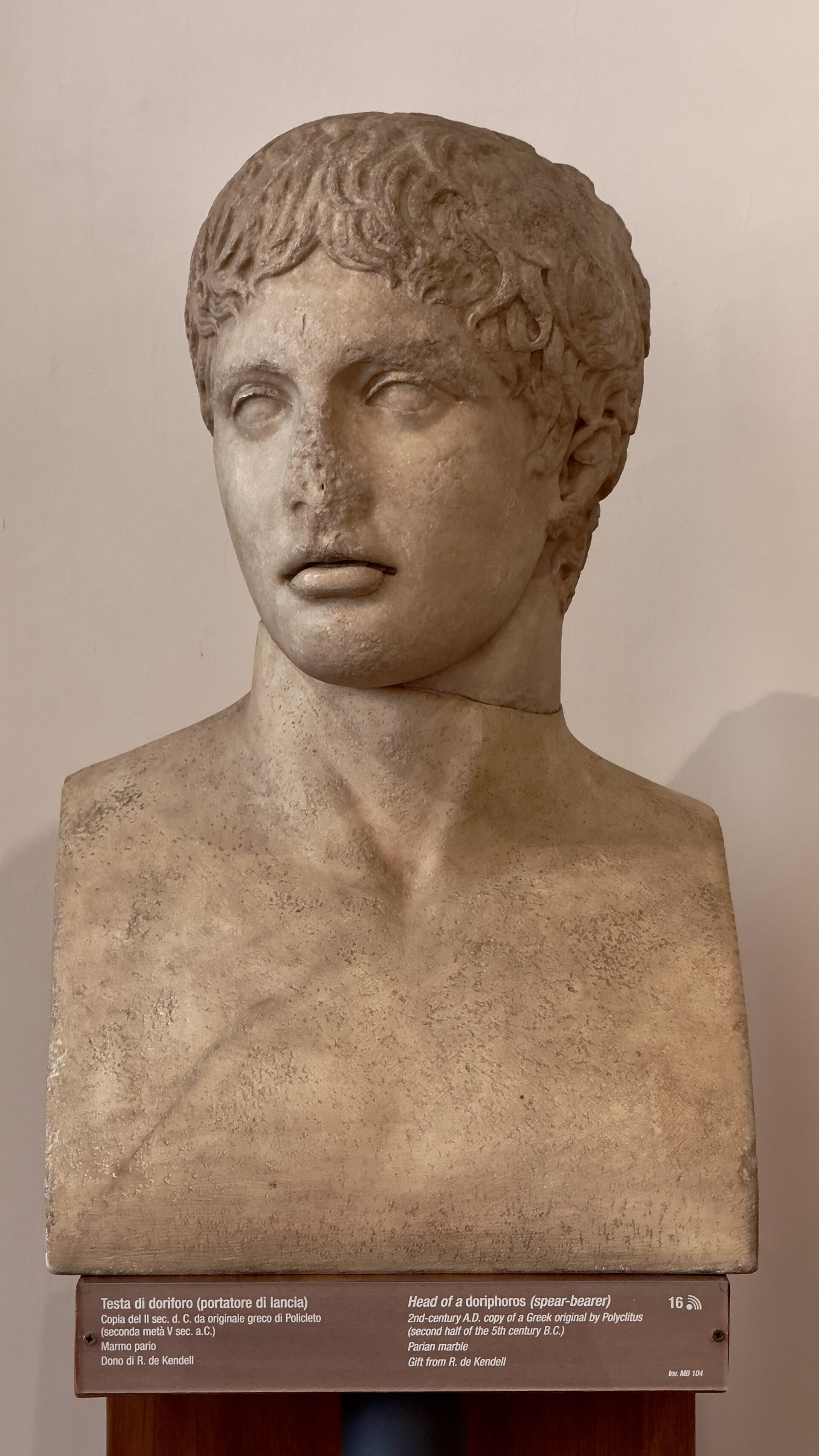
03 / 10 · The Human Ideal
5th–4th centuries BCE
Classical Greek Art When the Human Body Became a Question About Humanity
Classical Greek artists pursued vitality, harmony and representation while revealing how every ideal of the human is historically constructed.
Read article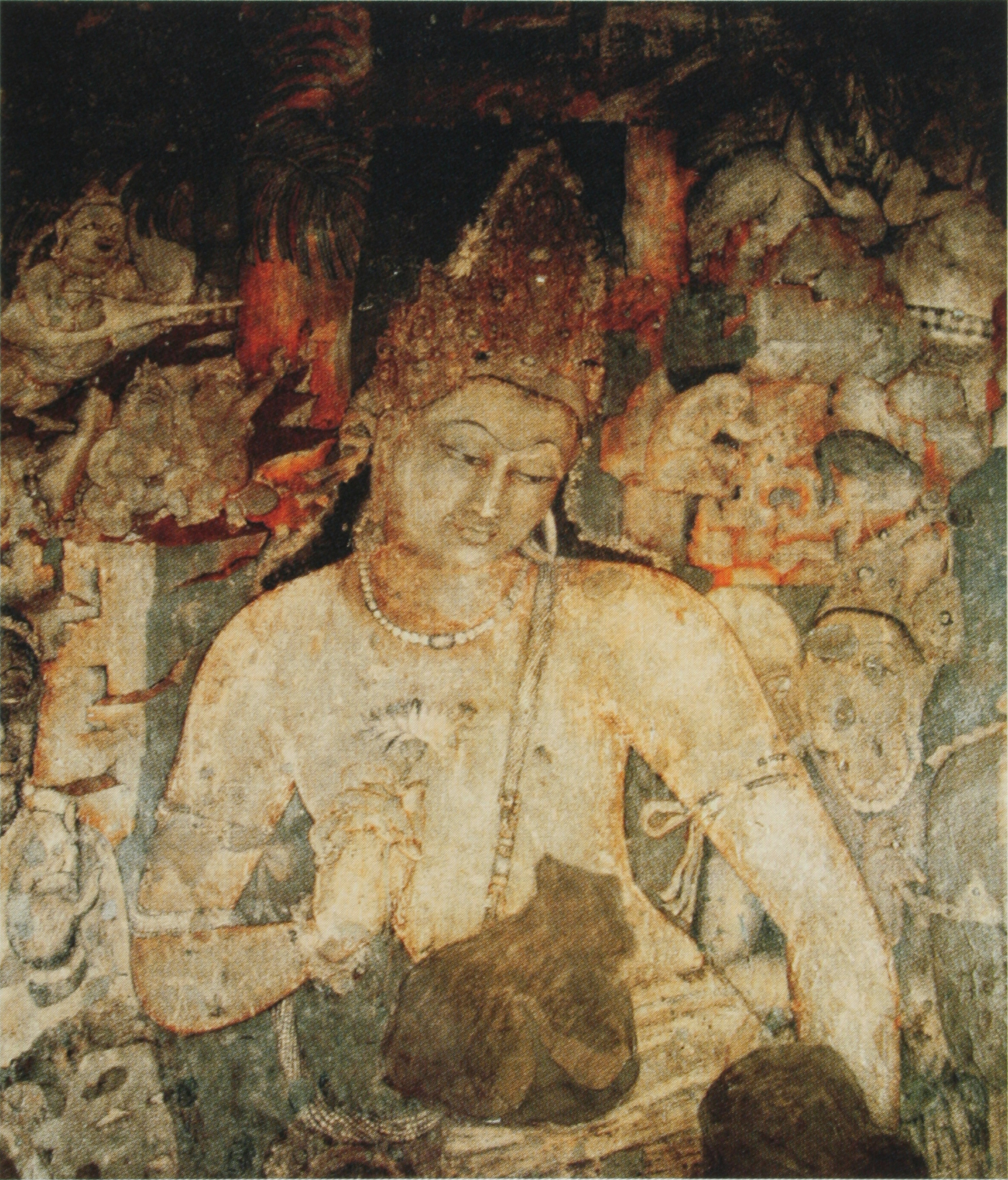
04 / 10 · Exchange
1st century BCE–8th century CE
Buddhist Art Along the Silk Roads When Images Carried Ideas Across Civilisations
Cave temples and murals reveal that artistic influence often travels through contact, translation and exchange rather than isolated genius.
Read article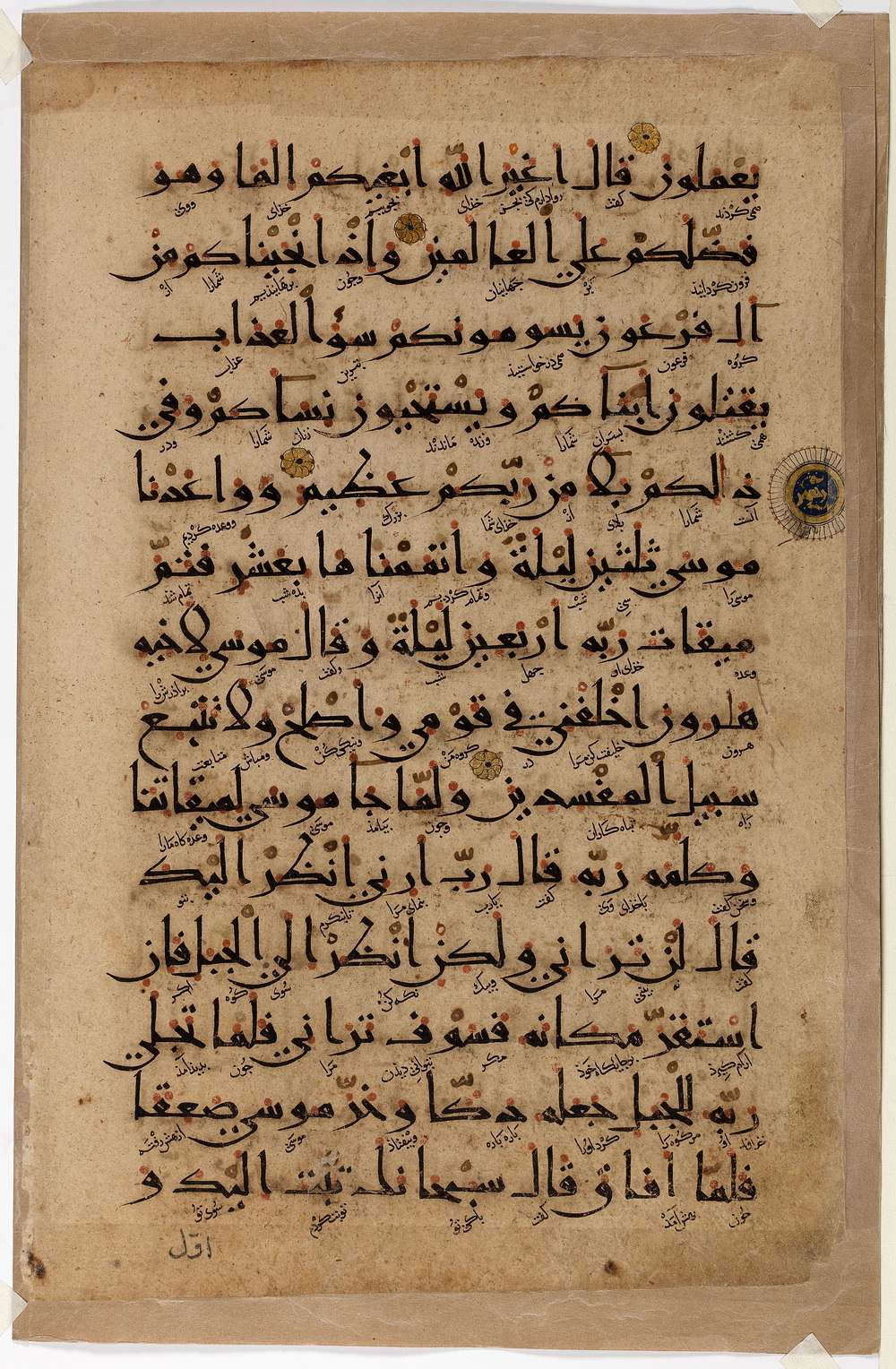
05 / 10 · Knowledge
7th century–present
Islamic Calligraphy and Geometry When Art Made Knowledge, Language and Pattern Visible
Across the Islamic world, writing and geometry became powerful artistic languages without requiring one universal style or interpretation.
Read article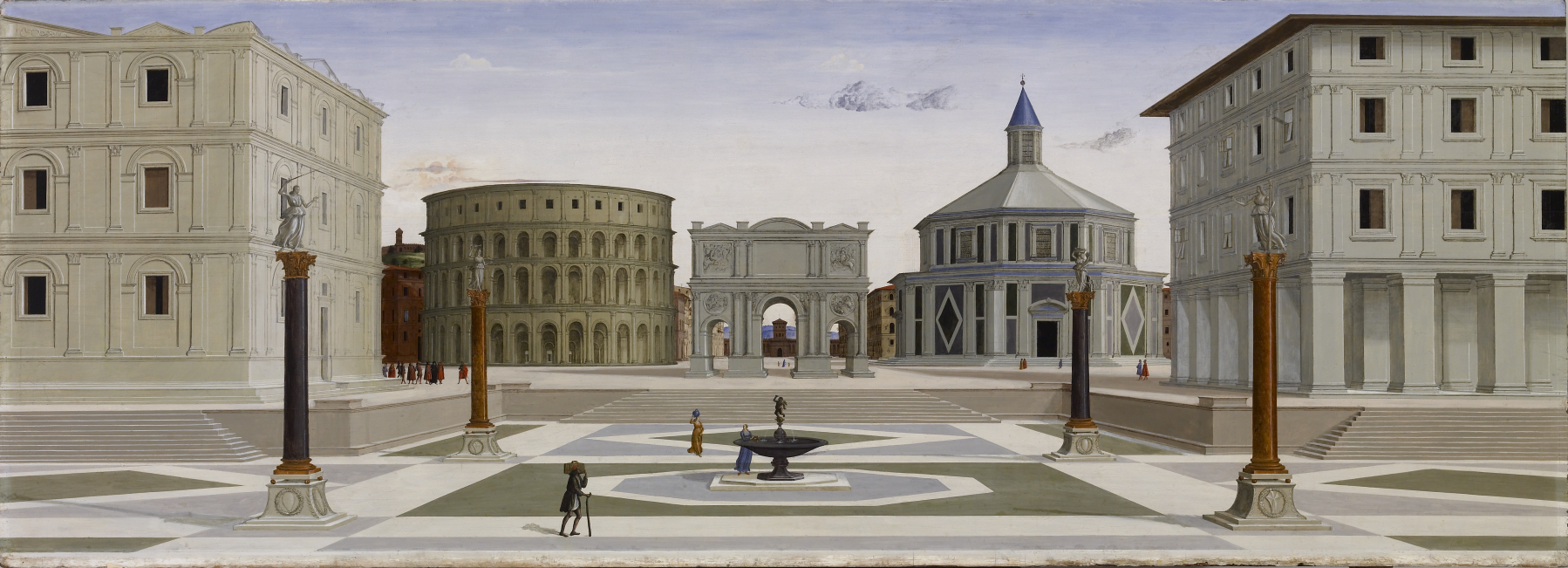
06 / 10 · Observation
15th–16th centuries
The Renaissance and Perspective When Seeing Became a Method
Renaissance innovations changed European art while demonstrating the power—and limits—of treating vision as a system that can be studied.
Read article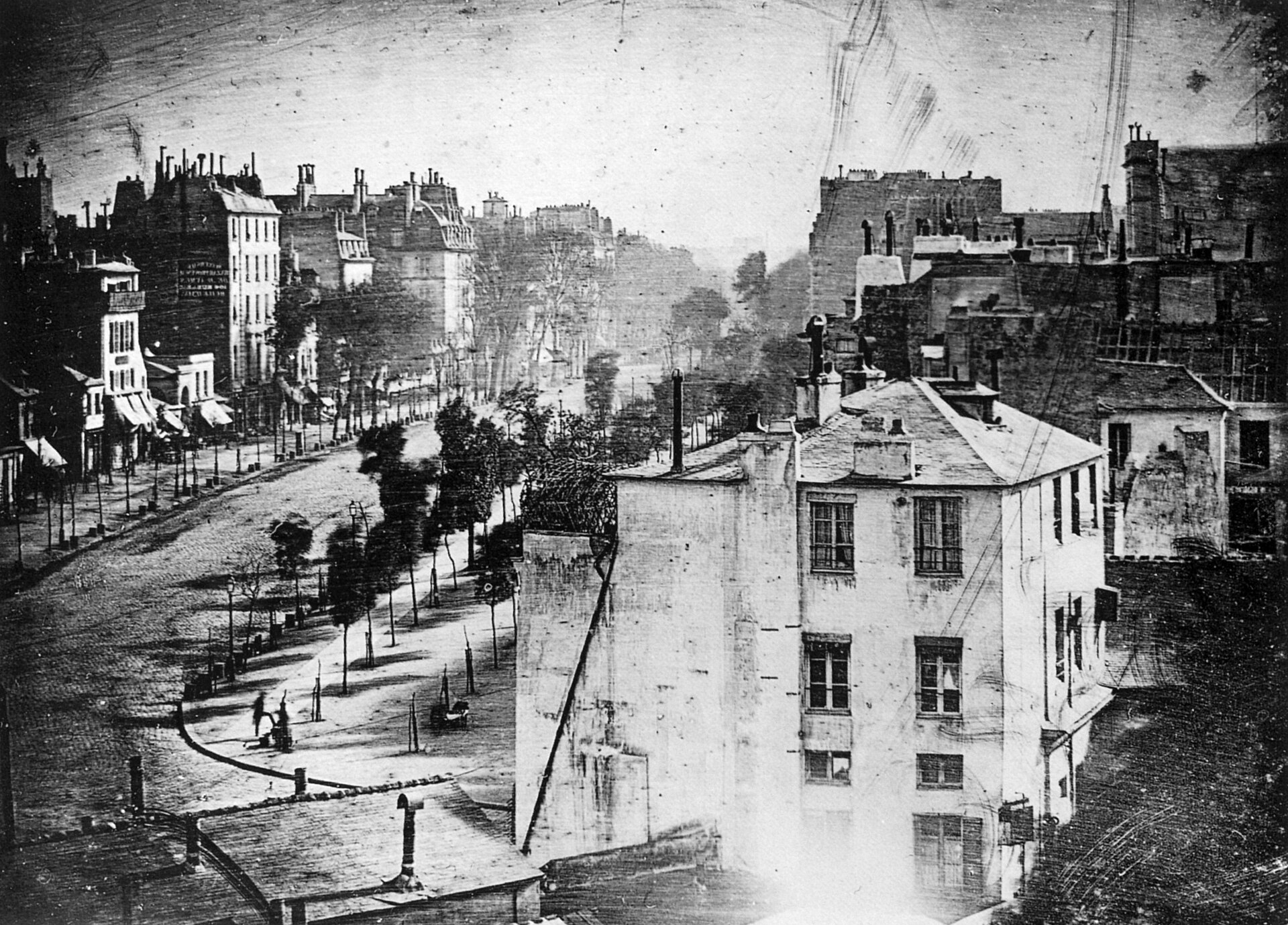
07 / 10 · Evidence
1839–present
Photography When Reality Learned to Leave a Trace
The camera transformed memory and evidence while proving that mechanical images still require interpretation.
Read article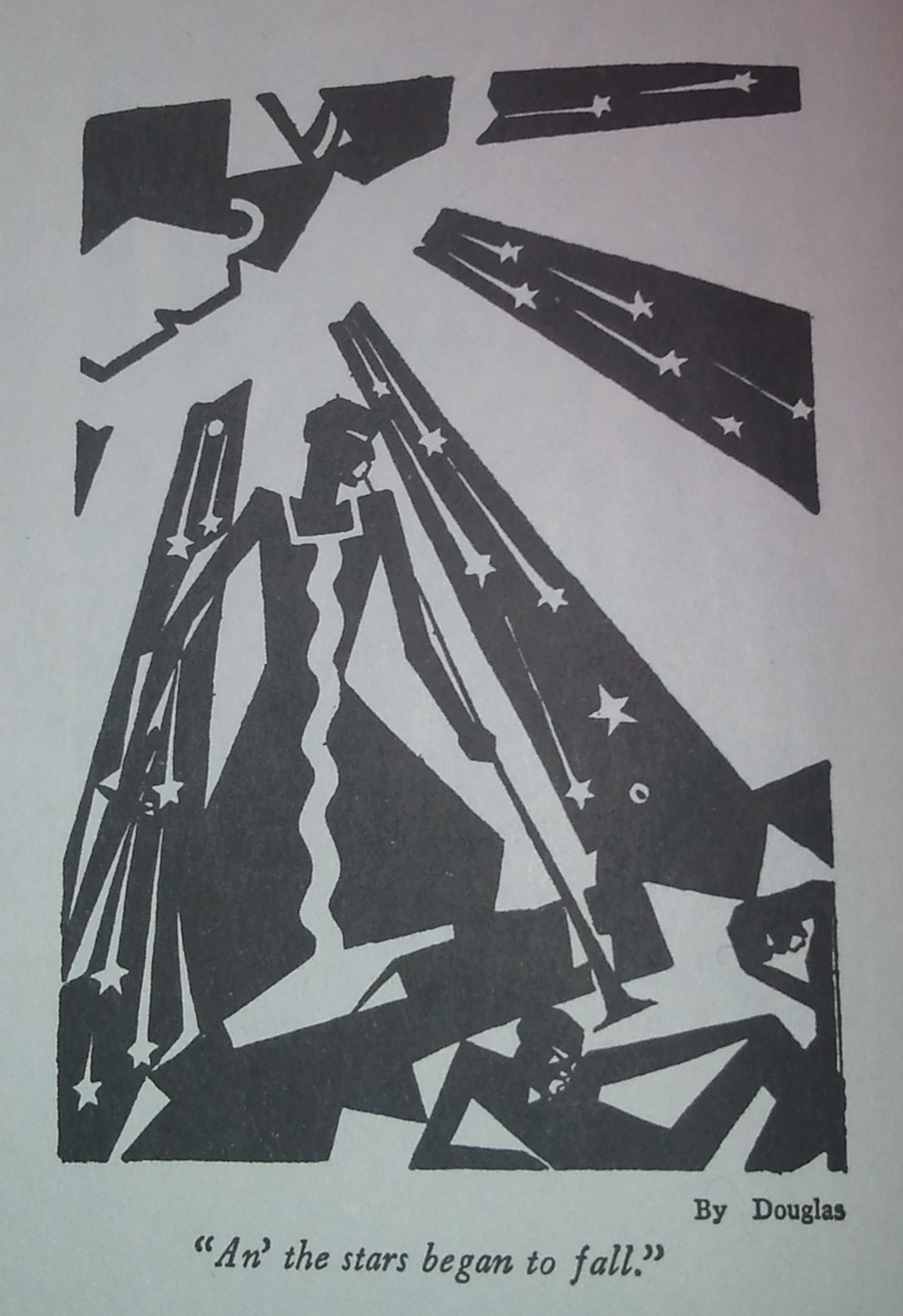
08 / 10 · Voice
c. 1918–1937
The Harlem Renaissance When Art Became a Claim to Voice, Identity and Human Dignity
Black creativity in the early twentieth century challenged who could define culture and whose experience counted as American history.
Read article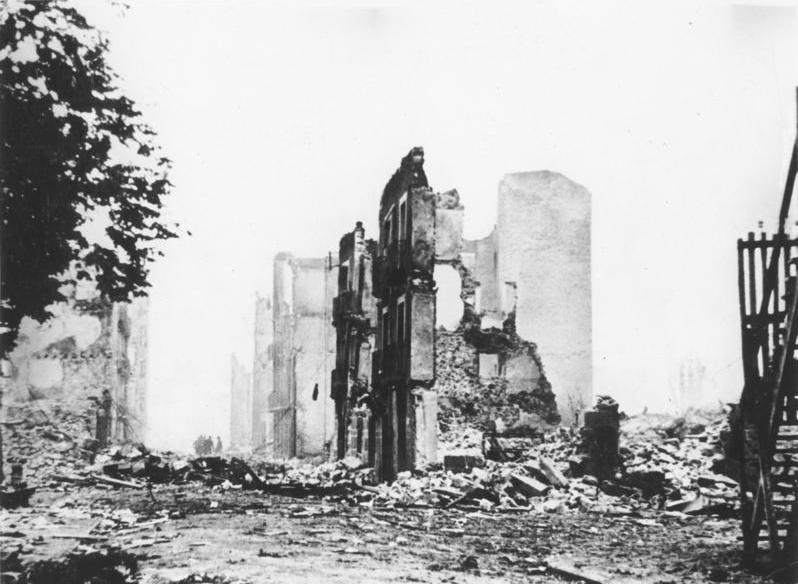
09 / 10 · Witness
1937
Guernica When Art Became a Witness Against the Destruction of War
Picasso's 1937 mural transformed one atrocity into an enduring argument about civilians, violence and collective memory.
Read article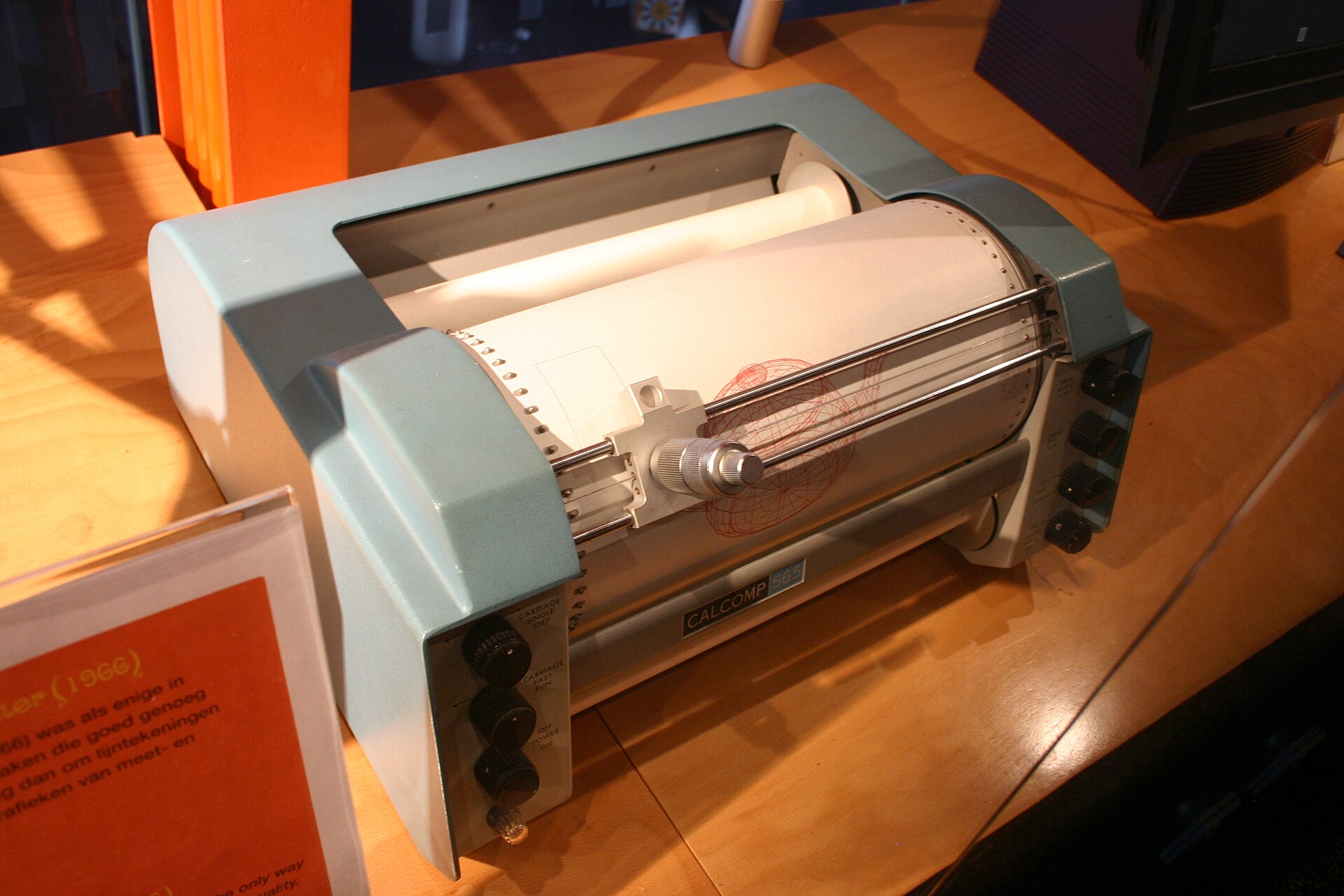
10 / 10 · Authorship
1960s–present
Digital and AI Art When Humanity Had to Ask Who the Artist Is
Computers expanded artistic creation; generative AI now intensifies older questions about authorship, originality and meaning.
Read article
Culture · Flagship collection · 10 articles
10 Cultural Revolutions That Made Humanity Rethink Society
Learn the story. Understand the context. Rethink society.
01 / 10
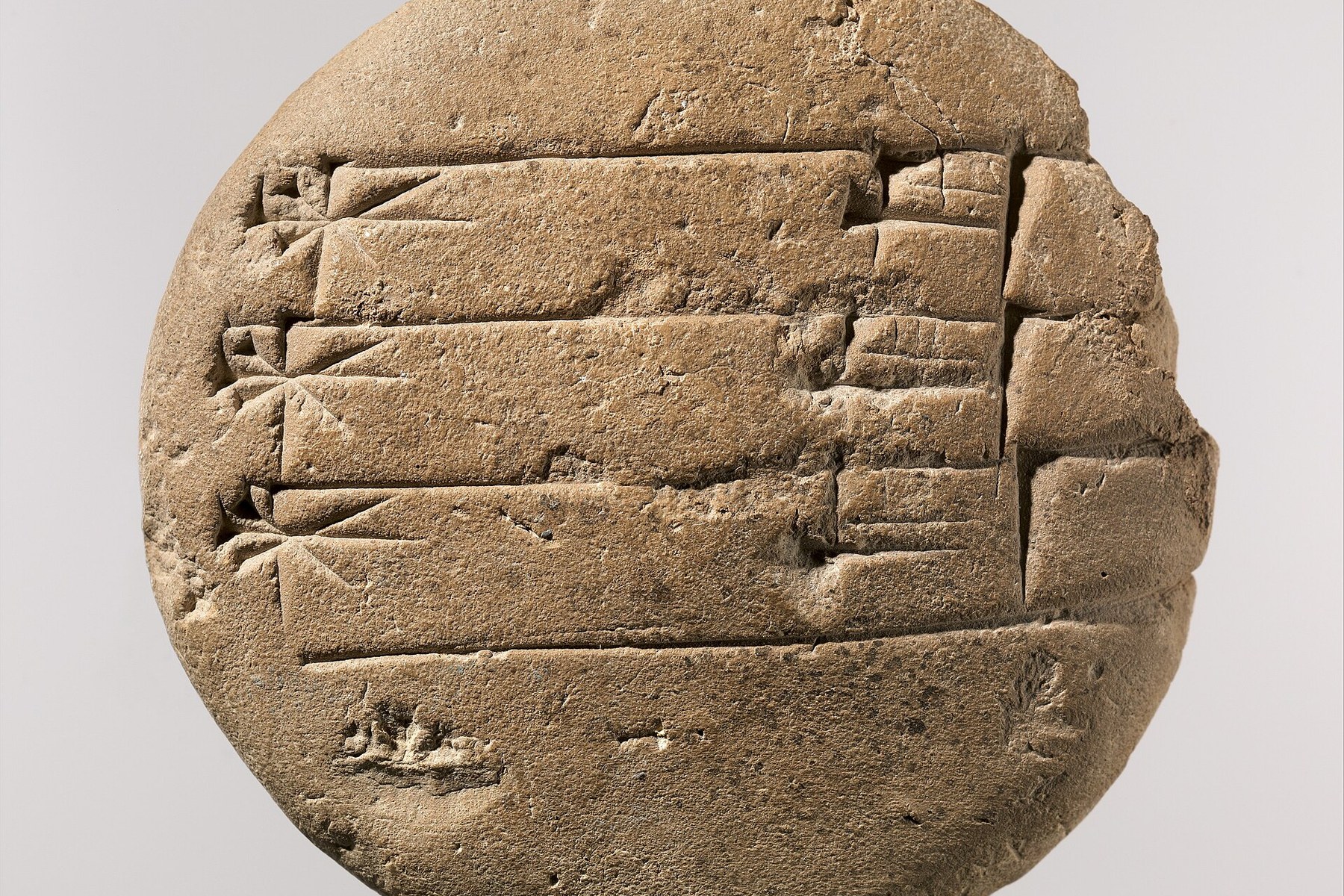
01 / 10 · Knowledge
c. 3400–3200 BCE
The Development of Writing When Humanity Learned to Remember
Writing transformed memory, power and humanity’s ability to learn across generations.
Read article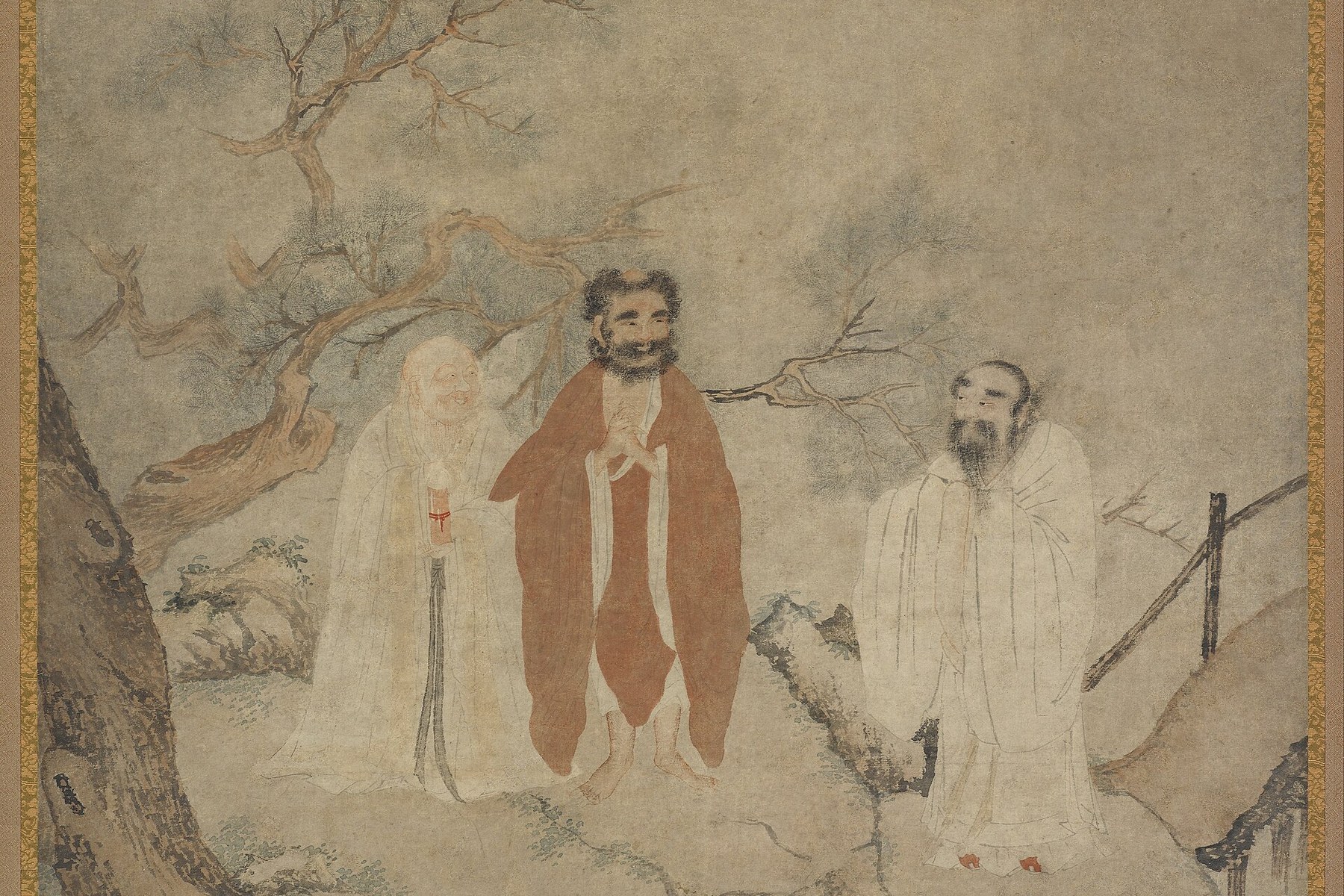
02 / 10 · Ideas
c. 6th–4th centuries BCE
The Birth of Philosophy When Humanity Began Questioning Everything
Questioning became a cultural force across multiple ancient intellectual traditions.
Read article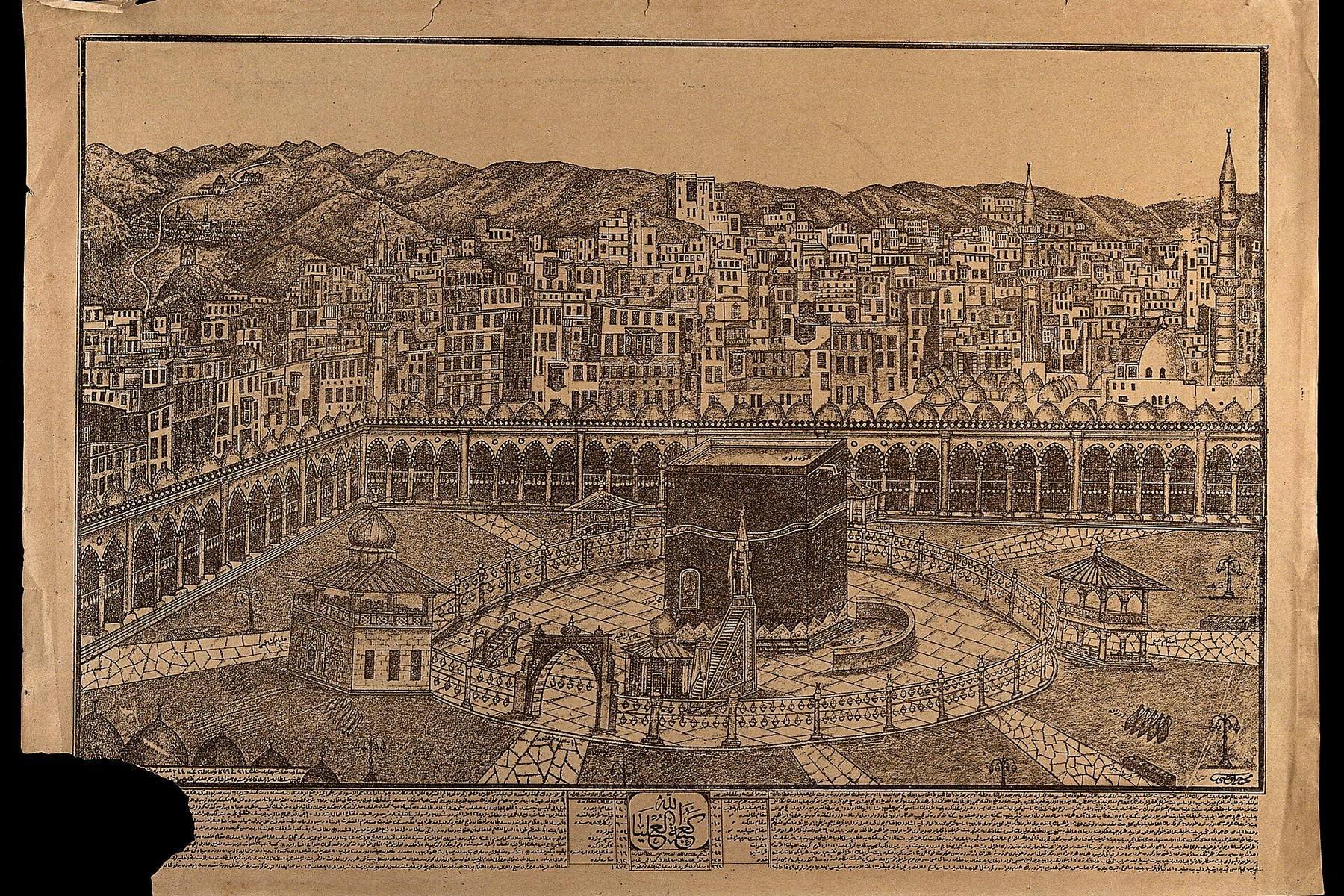
03 / 10 · Belief
prehistory–present
Religion and Spiritual Thought How Shared Beliefs Created Civilisations
Shared beliefs built communities, inspired culture and shaped moral life.
Read article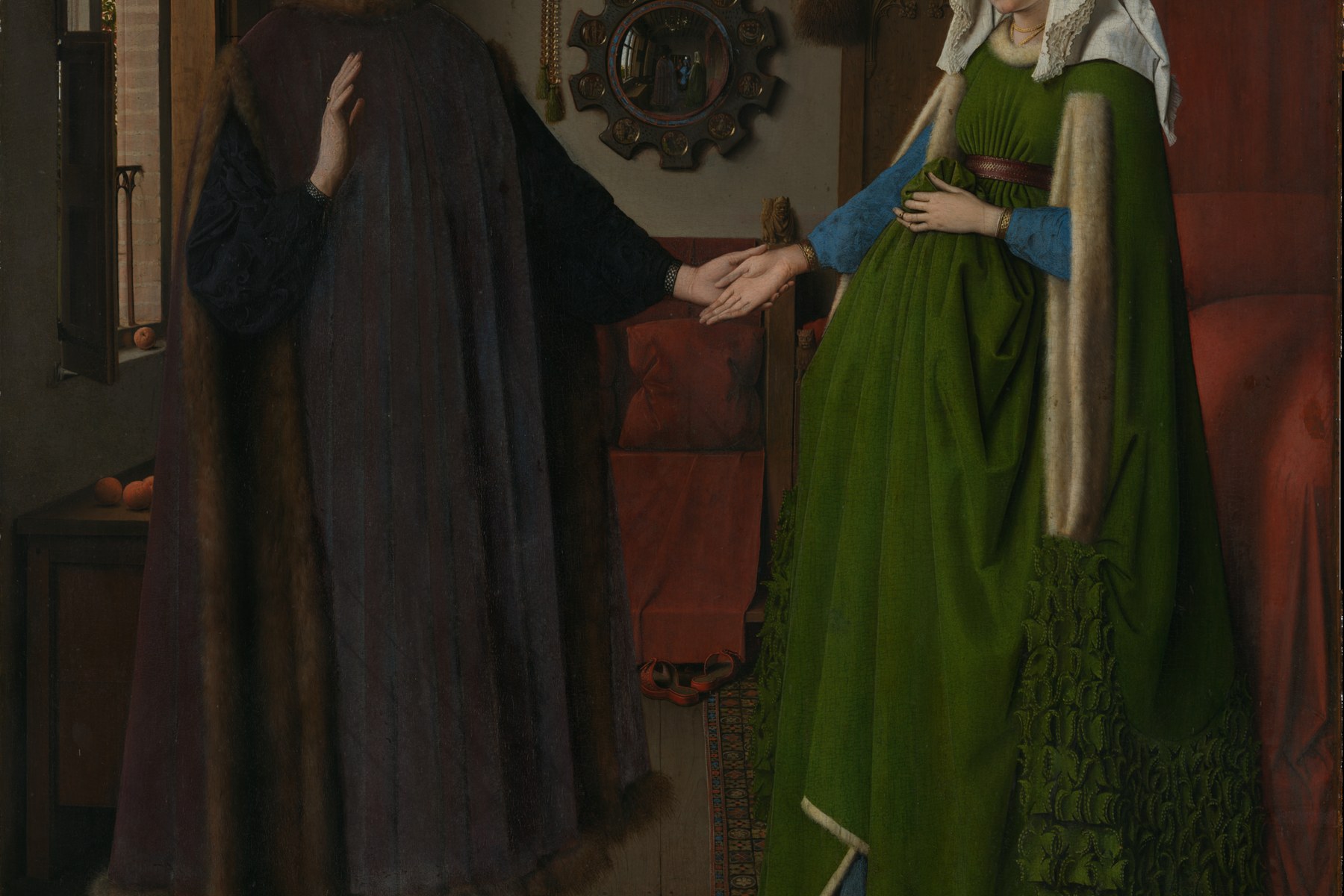
04 / 10 · Humanism
14th–17th centuries
The Renaissance When Humanity Rediscovered Itself
Humanism changed how people understood creativity, education and human potential.
Read article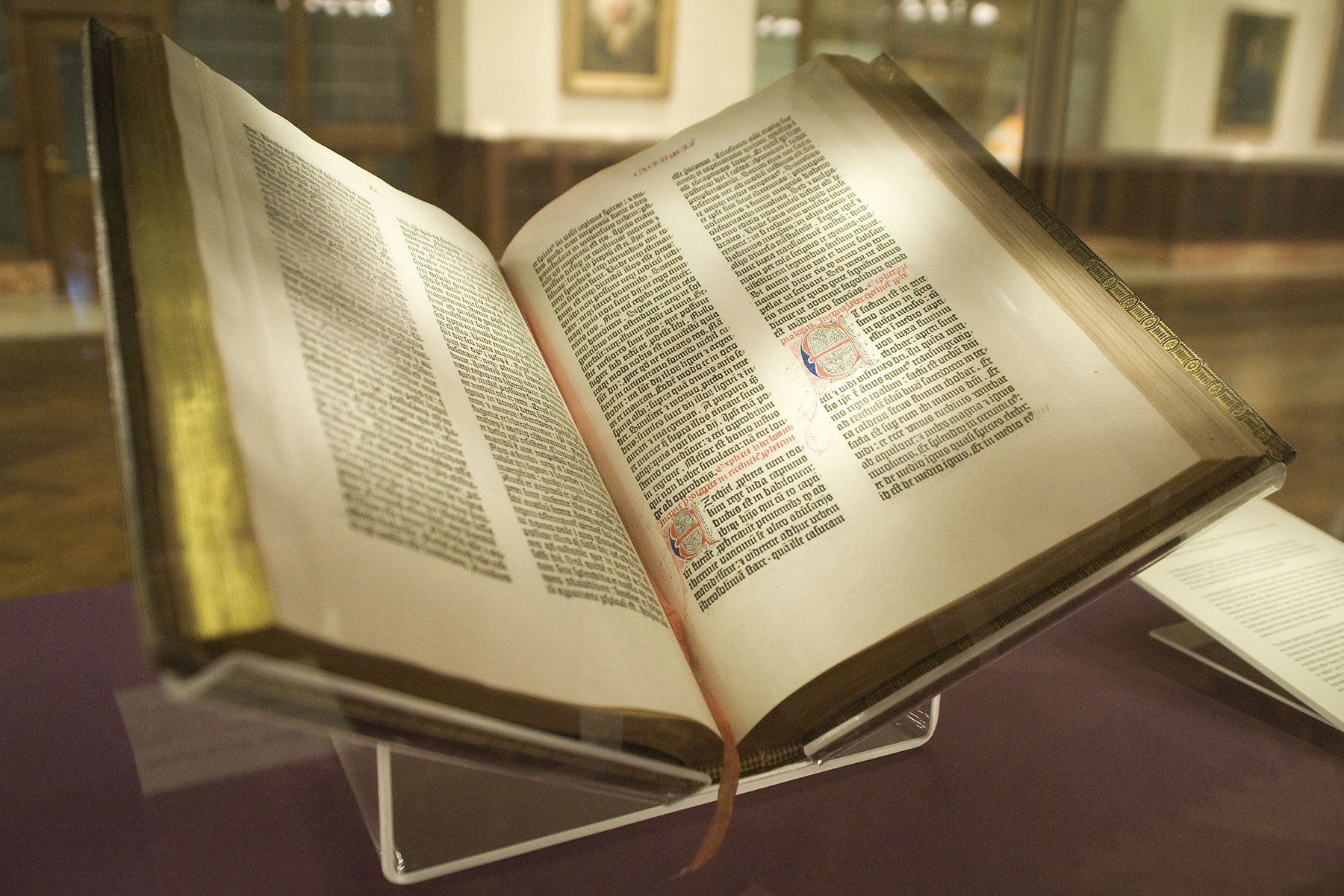
05 / 10 · Information
c. 1450 onward
The Printing Revolution When Knowledge Escaped the Elite
Printing changed who could publish, learn and influence society.
Read article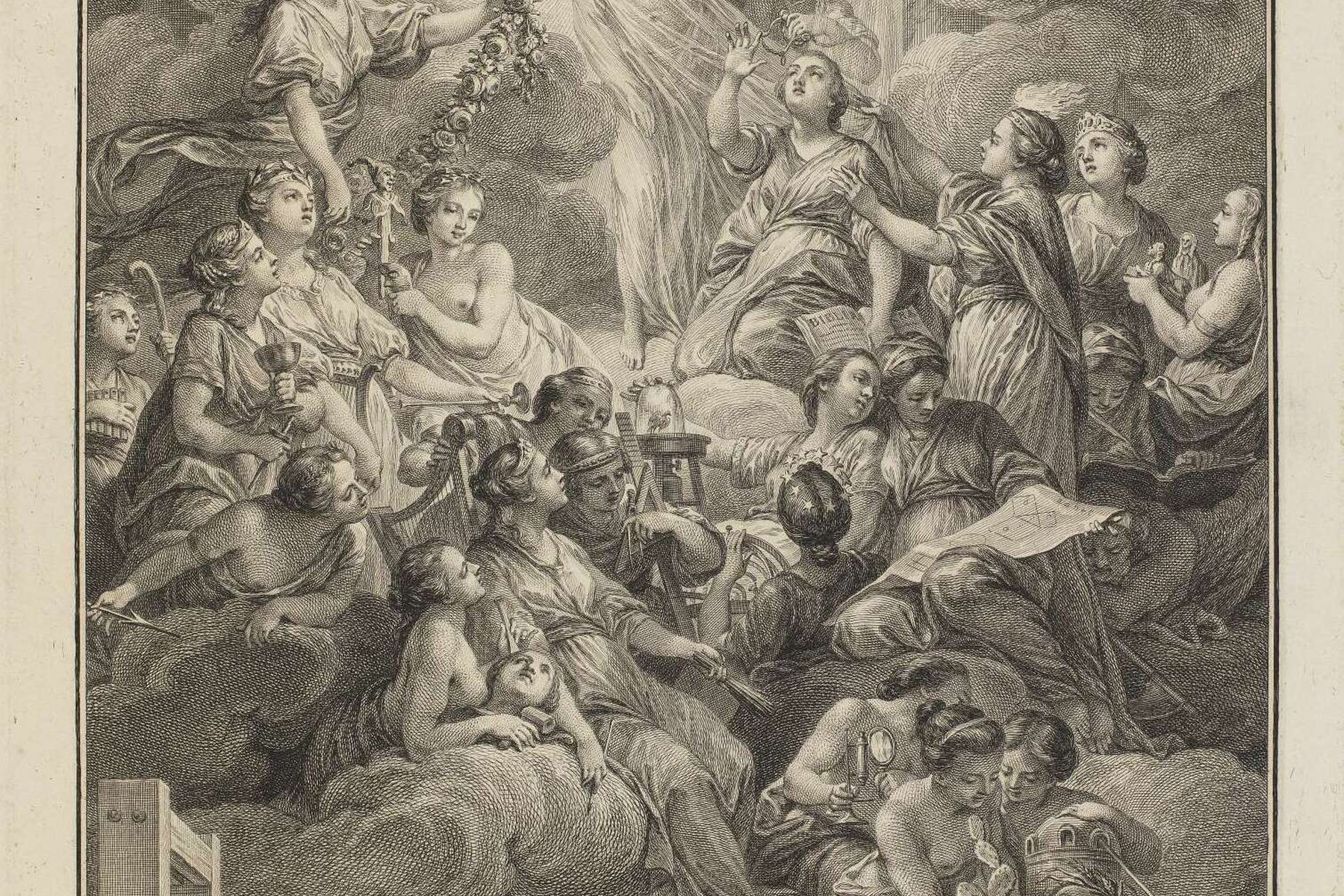
06 / 10 · Freedom
17th–18th centuries
The Enlightenment When Society Began Questioning Authority
Inherited authority faced a lasting demand for evidence, liberty and accountability.
Read article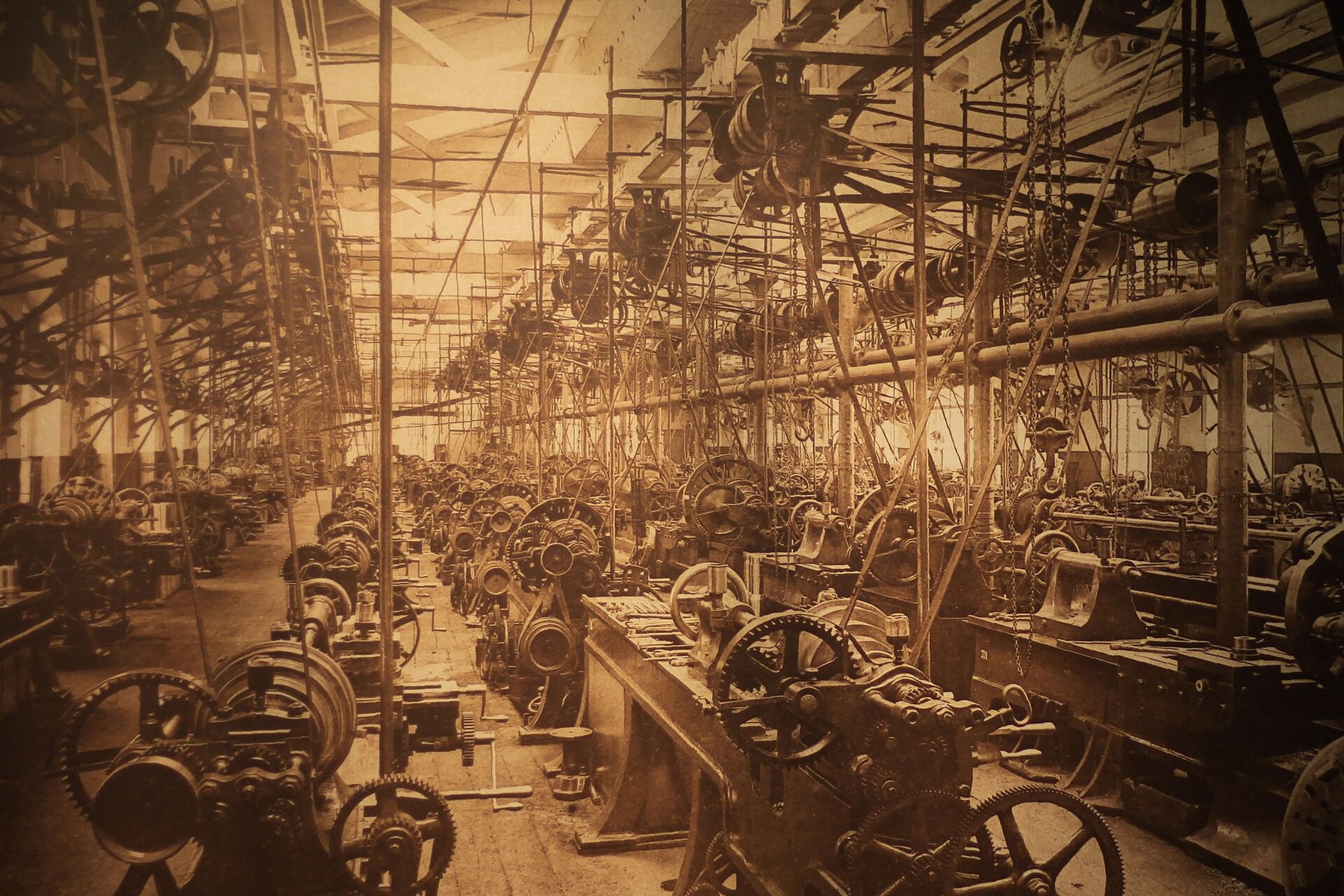
07 / 10 · Industry
c. 1760–1840
The Industrial Revolution When Progress Changed the Meaning of Human Life
Industrialisation created modern wealth, modern work and modern inequality.
Read article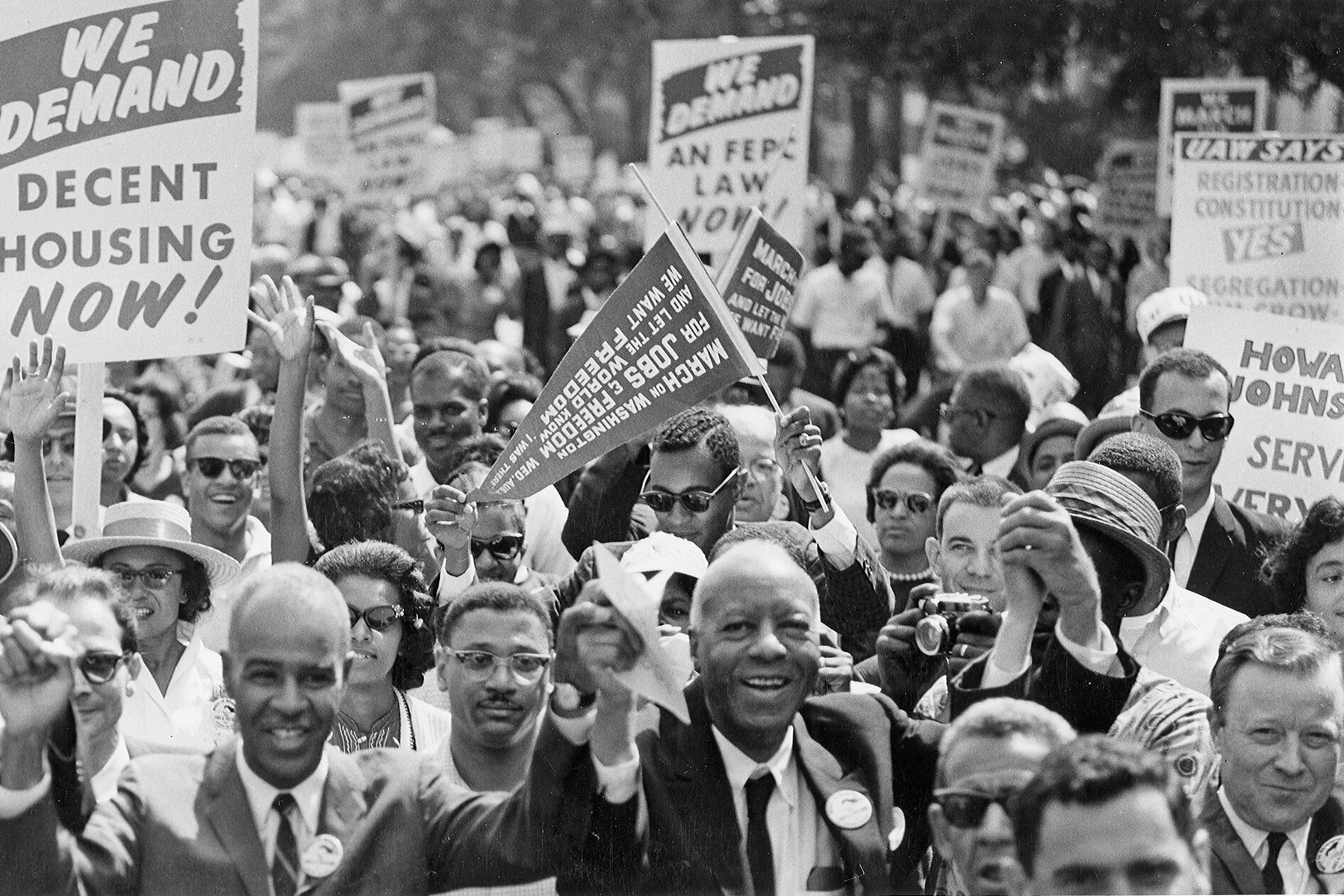
08 / 10 · Equality
18th century–present
The Global Struggle for Equality Who Gets to Belong in Society?
People across movements and continents expanded society’s definition of belonging.
Read article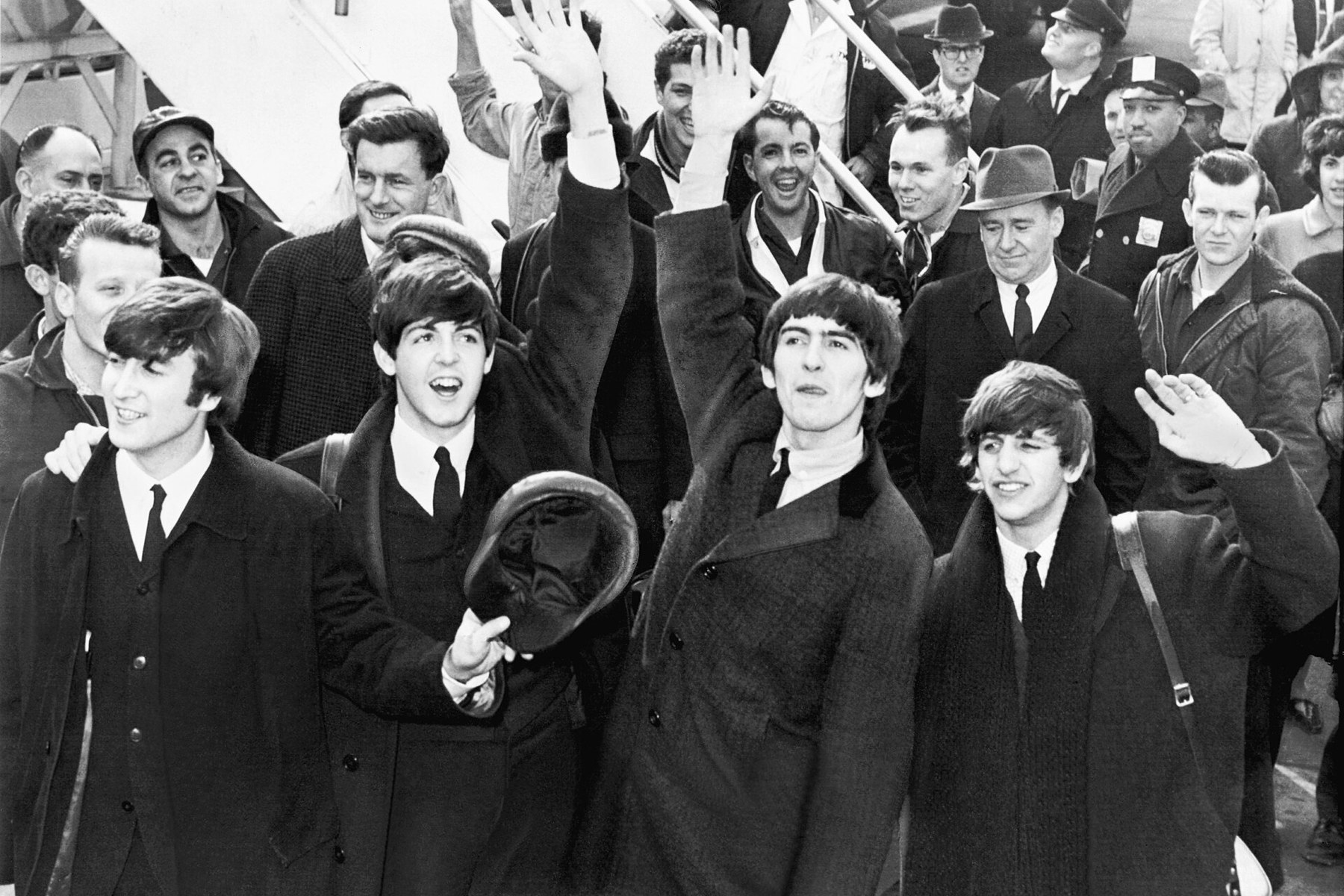
09 / 10 · Global Culture
20th century–present
The Globalisation of Popular Culture When Culture Crossed Every Border
Music, film and media created global communities while raising new questions of power.
Read article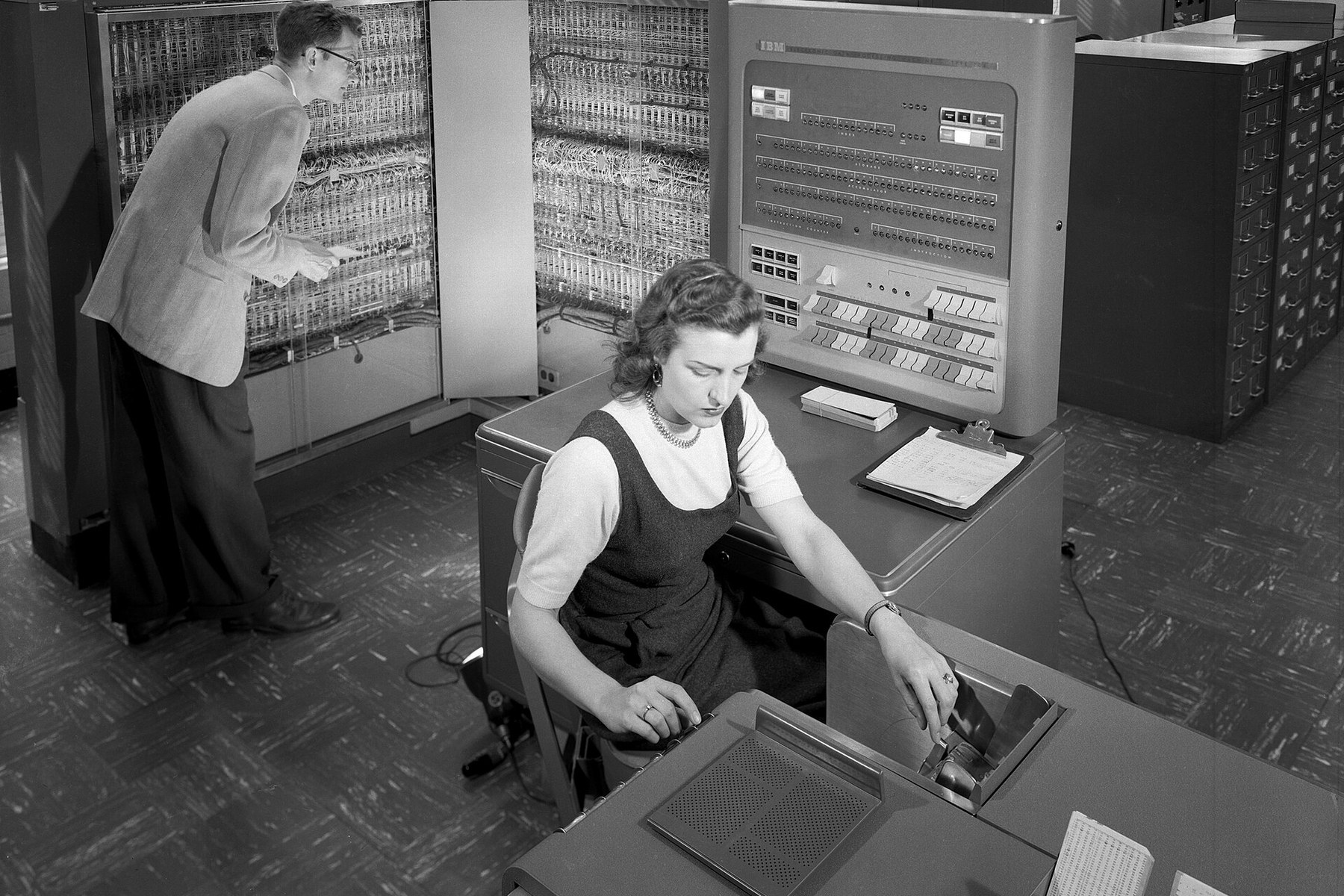
10 / 10 · Digital Humanity
mid-20th century–present
The Digital Revolution Is Humanity Still in Control of Its Own Future?
Digital systems changed memory, truth, identity and power within a generation.
Read article
Ideas · 10 articles
Ideas Worth Rethinking
A collection of ideas that challenged assumptions and changed how we understand society, humanity and what is possible.
01 / 10
01 / 10
17th–18th centuries
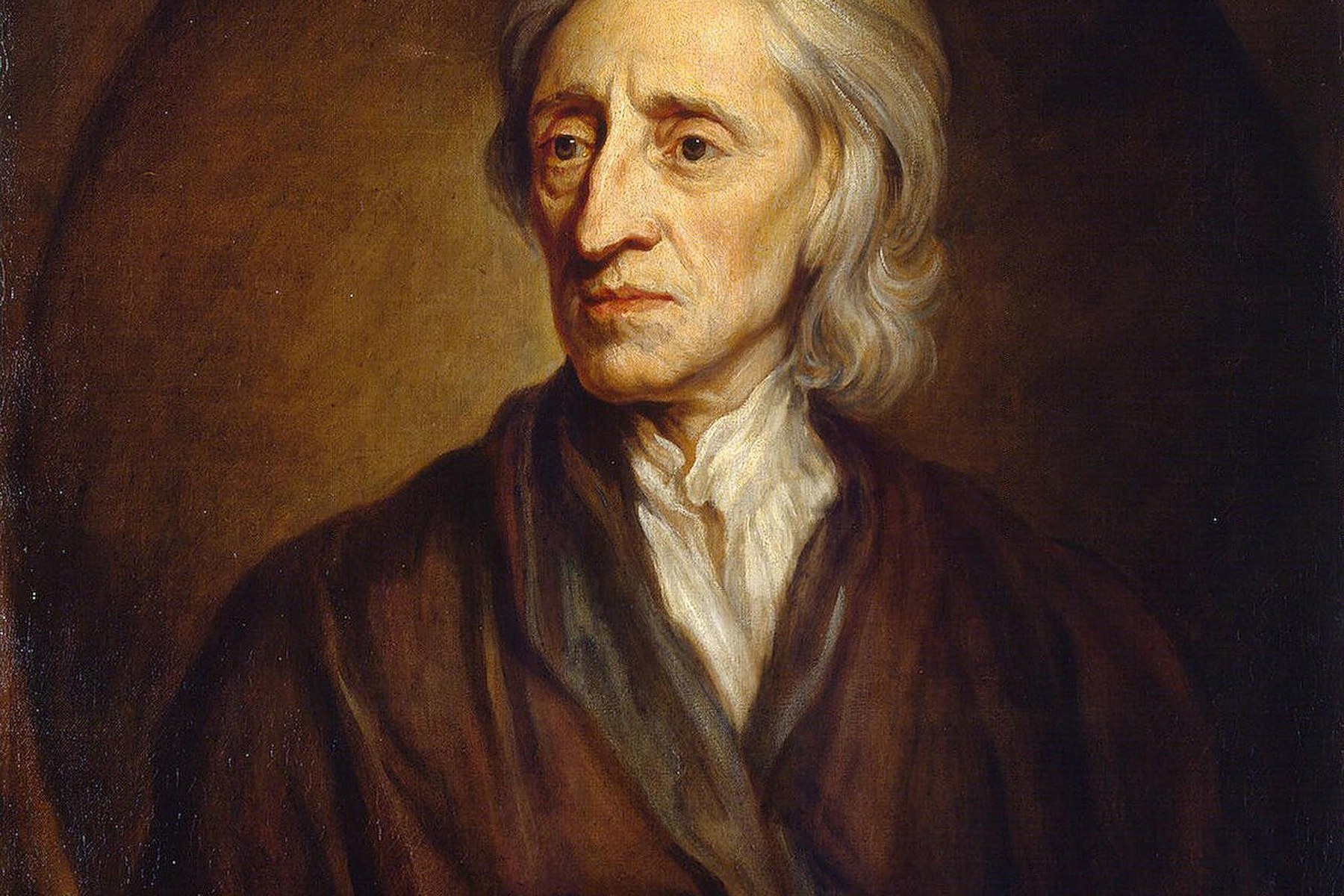
The Agreement Nobody Signed
How the social contract made rulers answerable to the people.
Read article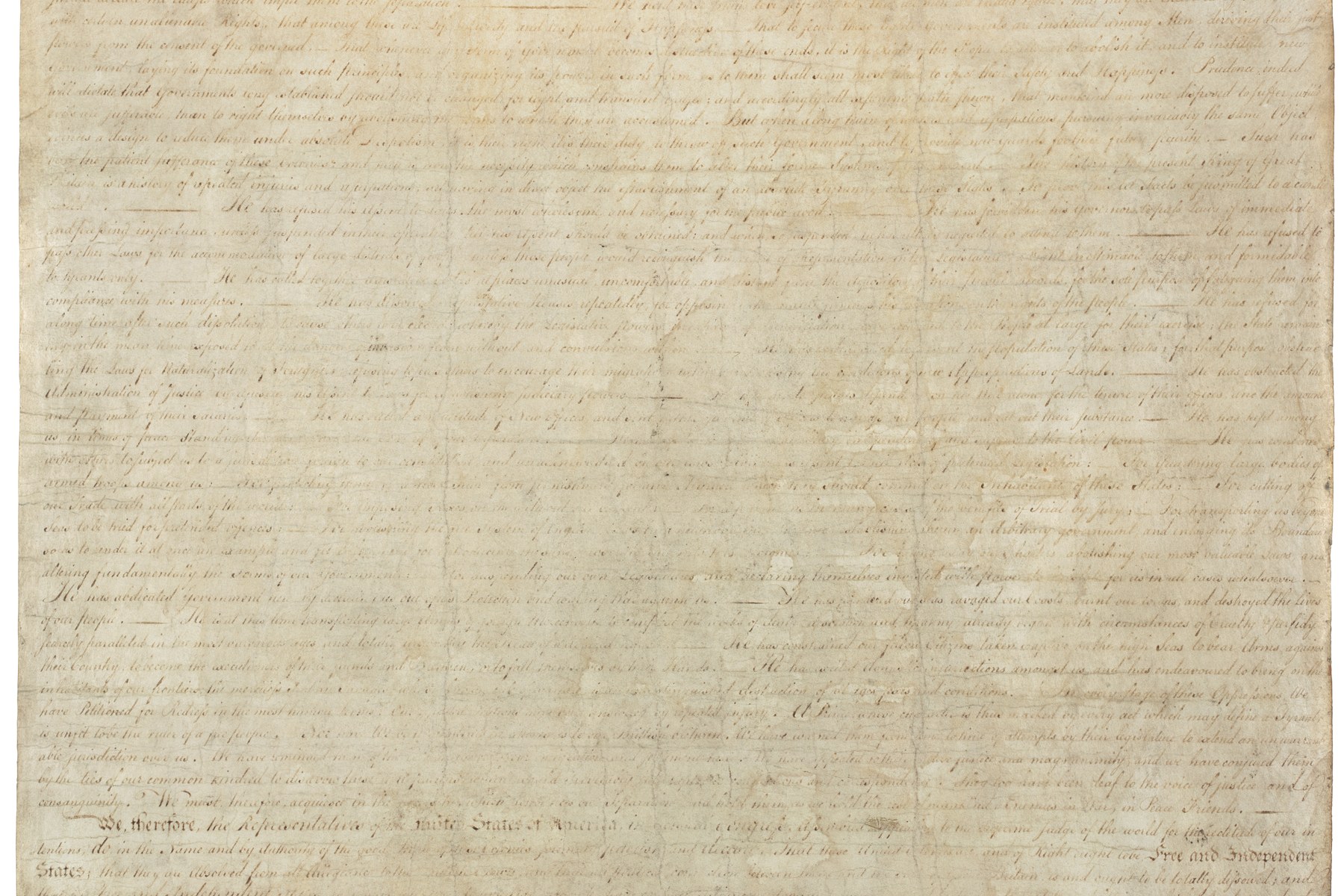
02 / 10
17th–18th centuries
The Rights No One Handed Out
How natural rights became a universal language for demanding justice.
Read article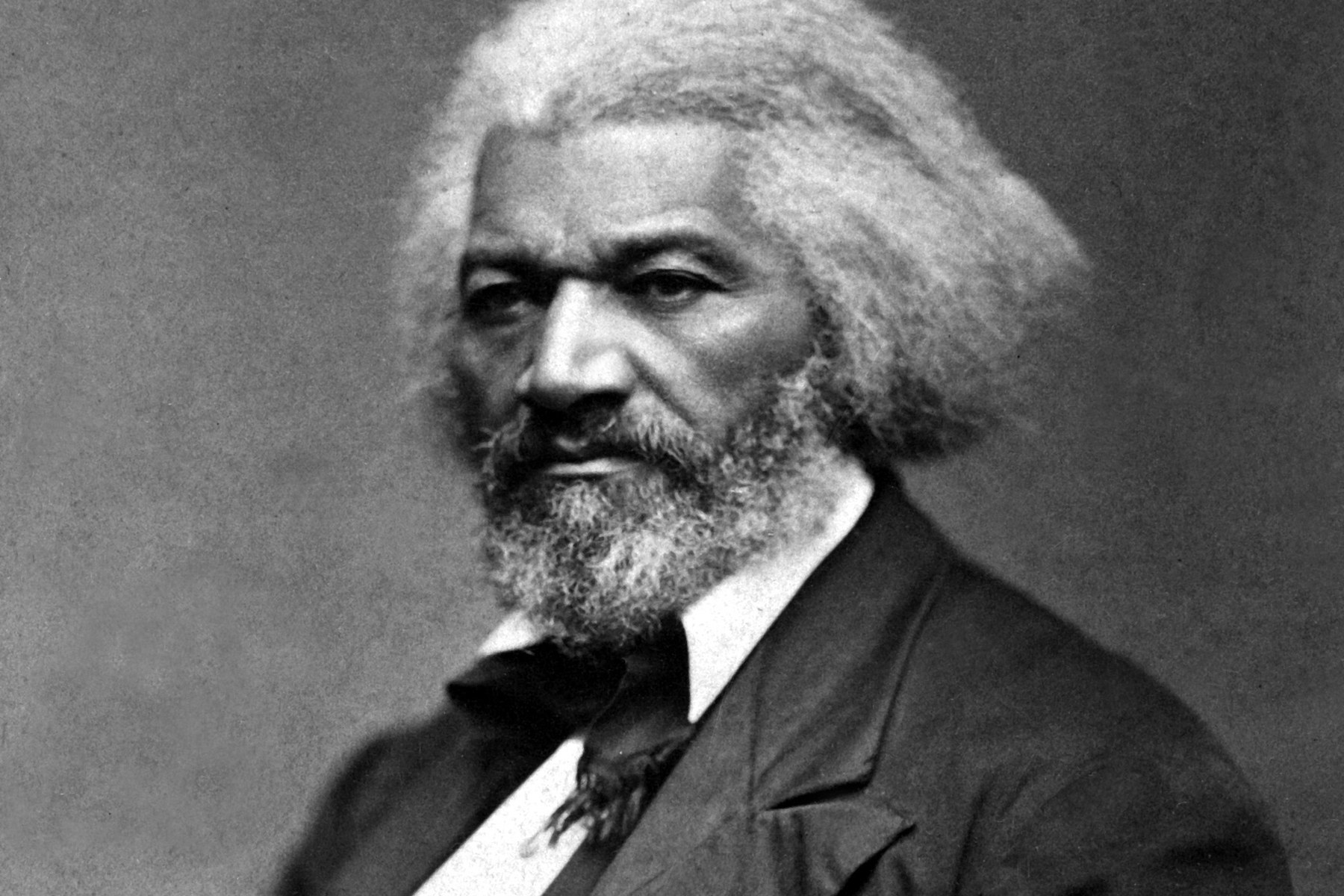
03 / 10
18th–19th centuries
From Commerce to Conscience
How abolition redefined a person as something that could never be owned.
Read article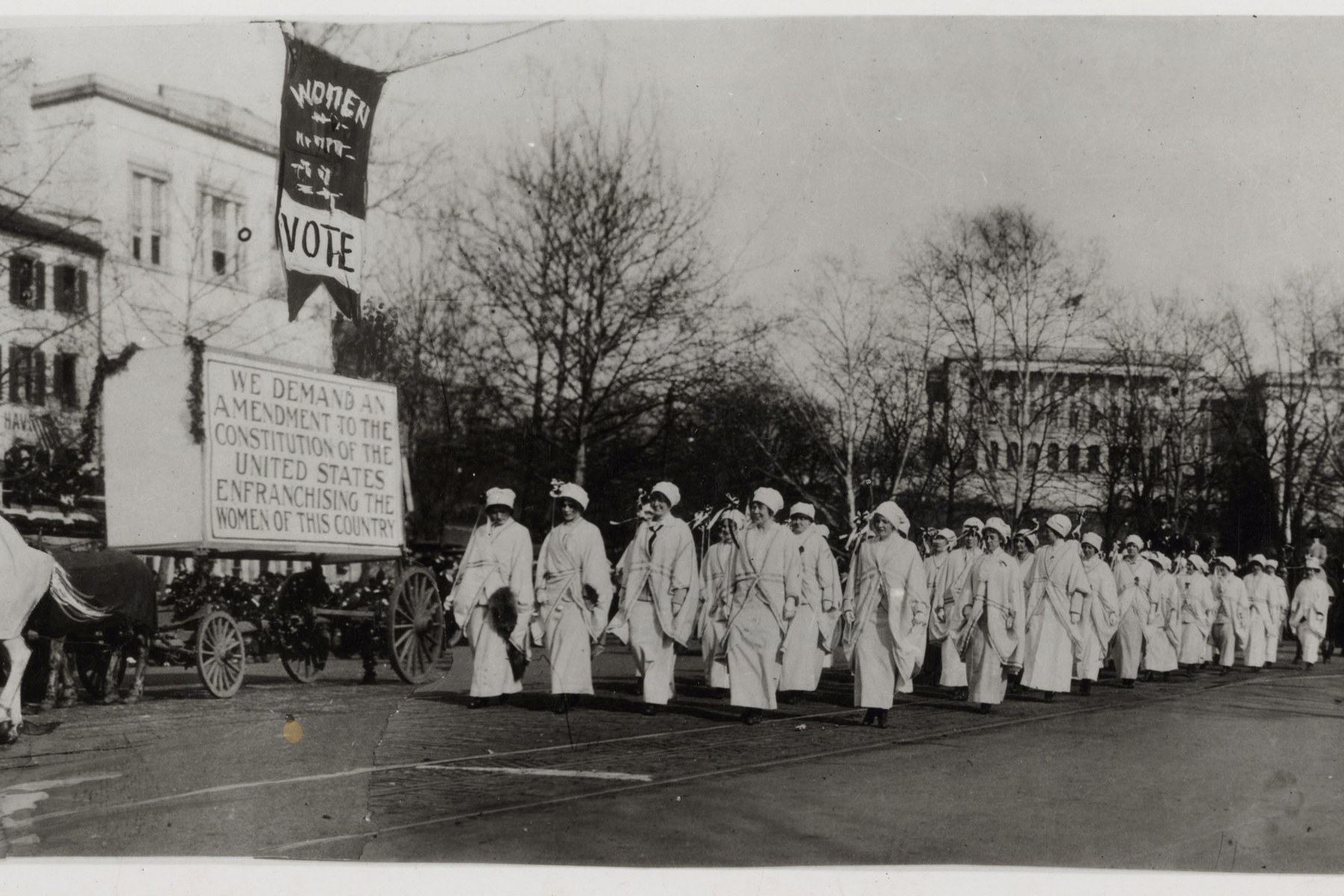
04 / 10
5th century BCE–present
The Experiment That Never Quite Ended
How democracy became the world’s most claimed and contested political ideal.
Read article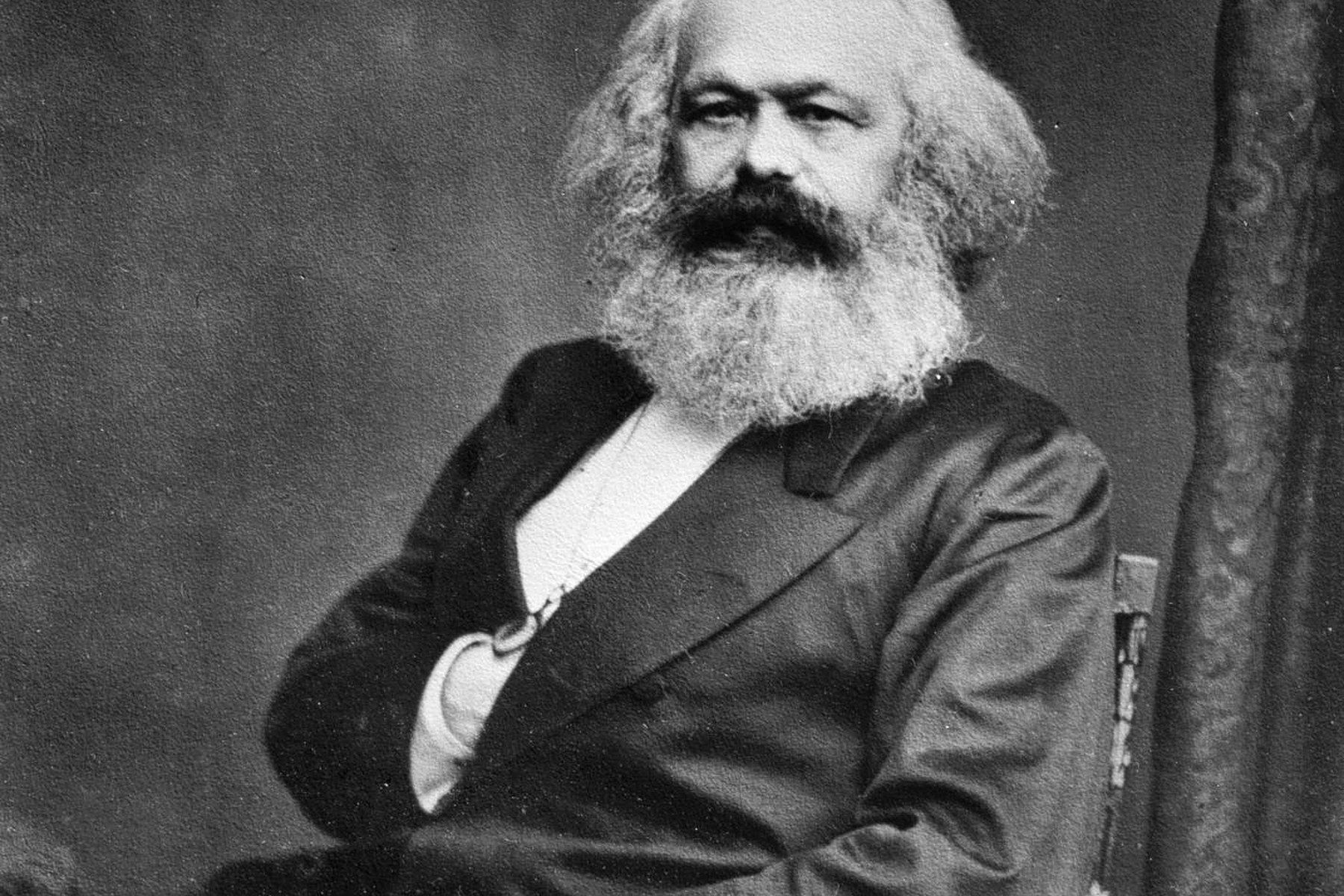
05 / 10
1848–1867
The Lens That Changed What History Was About
How class analysis changed the way society explains inequality.
Read article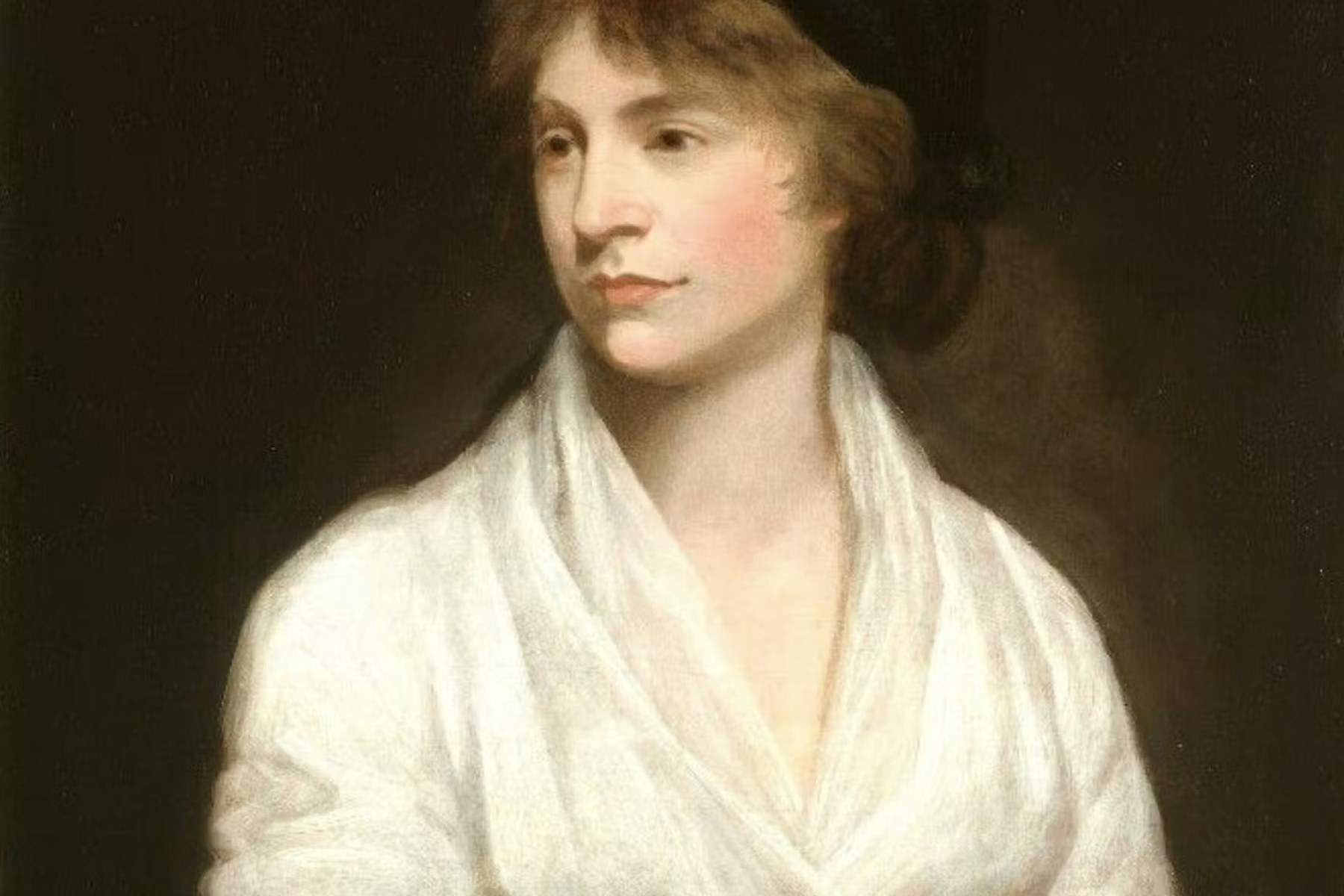
06 / 10
18th century–present
The Inferiority That Was Never Natural
How feminism reframed inequality as law and custom rather than nature.
Read article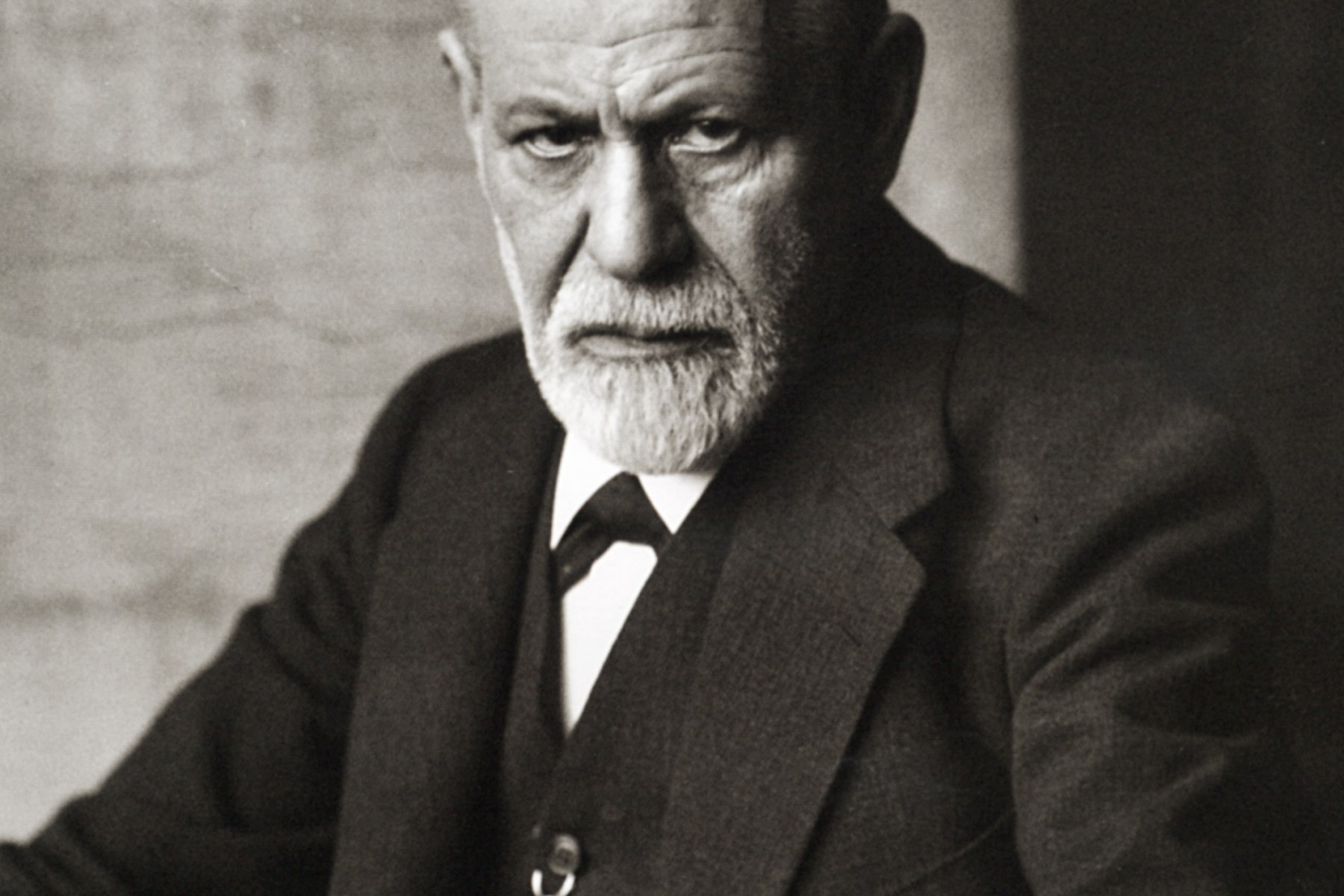
07 / 10
1890s–1930s
The Mind That Wasn’t Fully in Charge
How the unconscious unsettled the idea of the fully rational individual.
Read article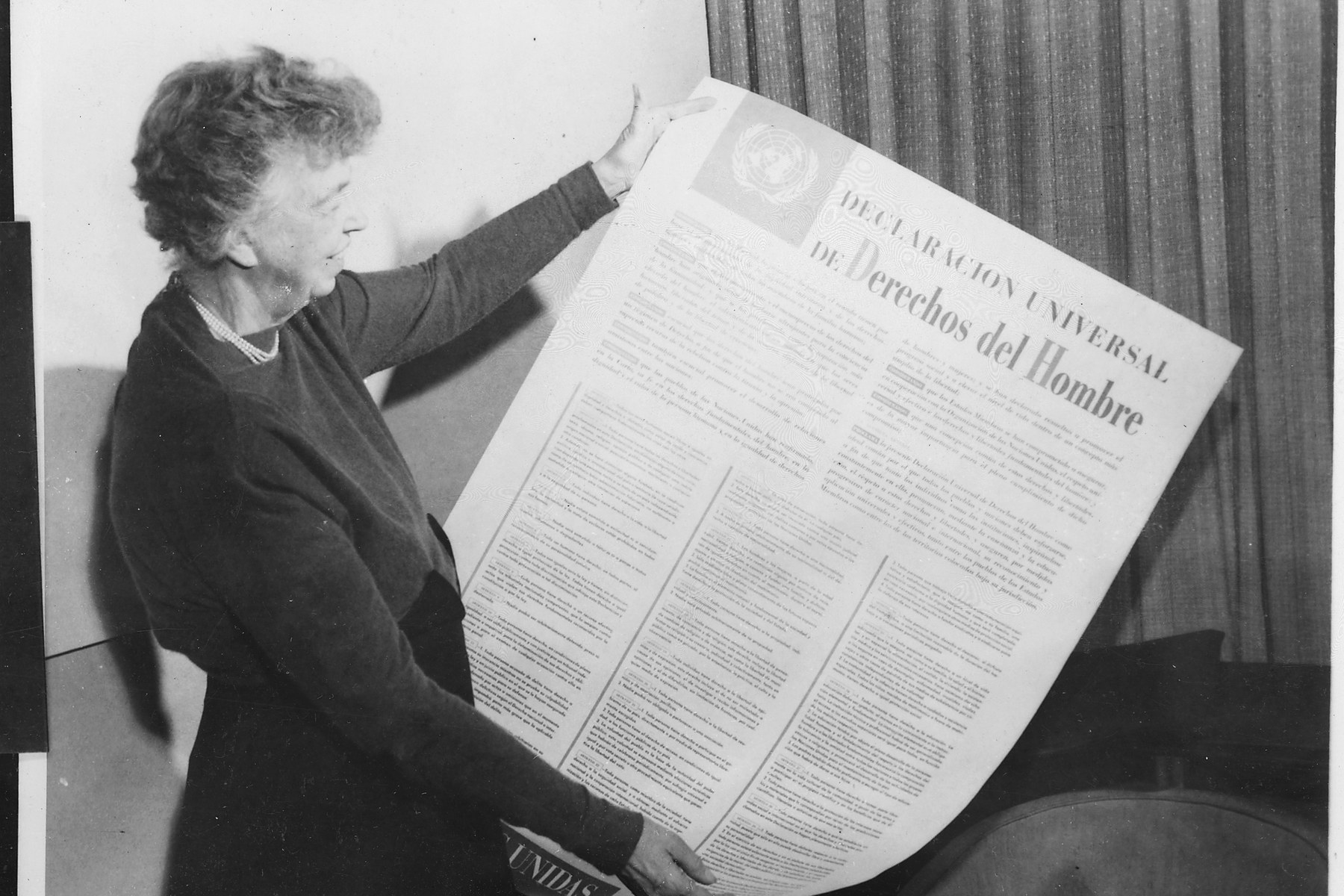
08 / 10
The Document With No Army
How a declaration without enforcement reshaped global expectations of dignity.
Read article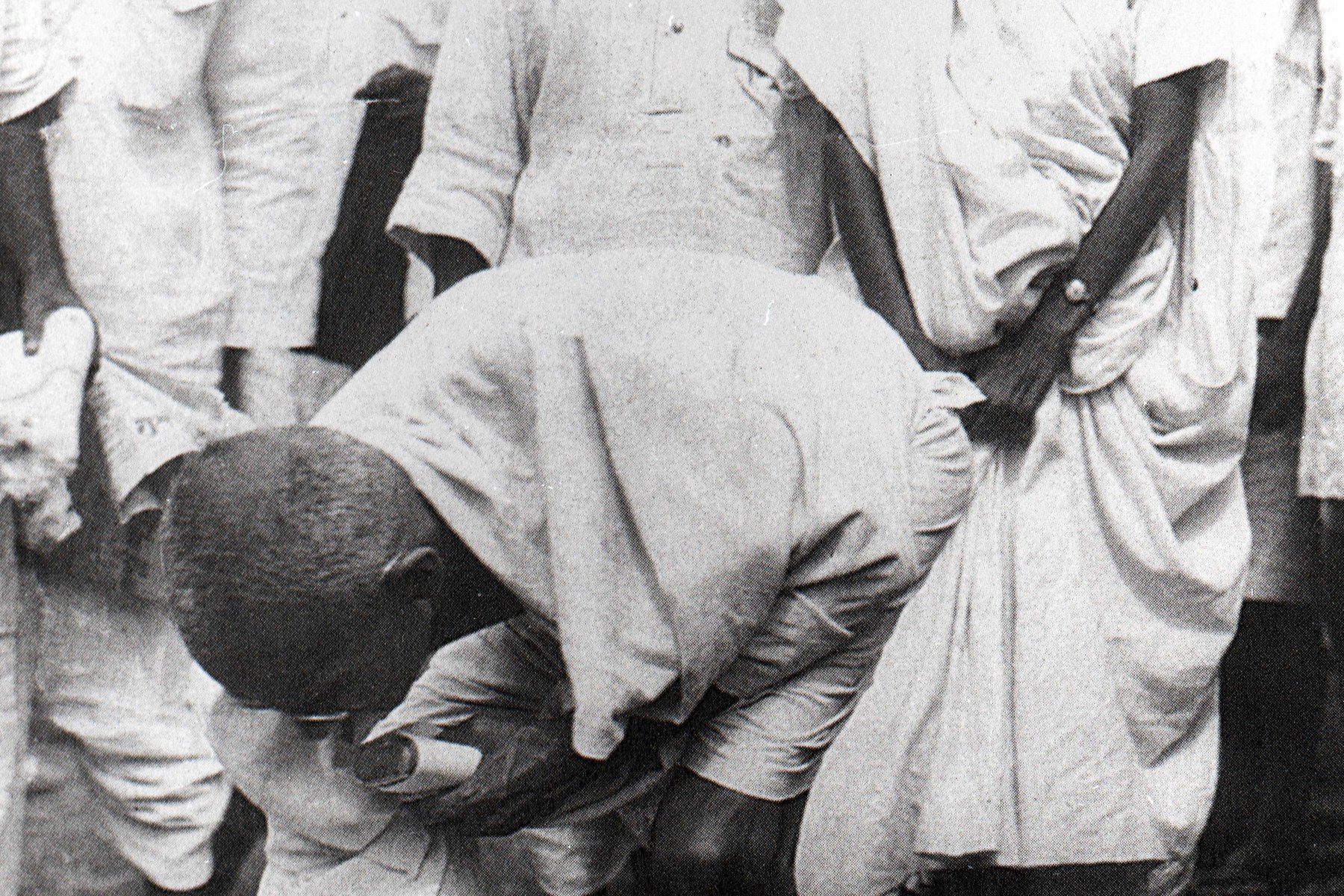
09 / 10
1906–1948
The Weapon That Wasn’t One
How organized nonviolence became a powerful strategy for political change.
Read article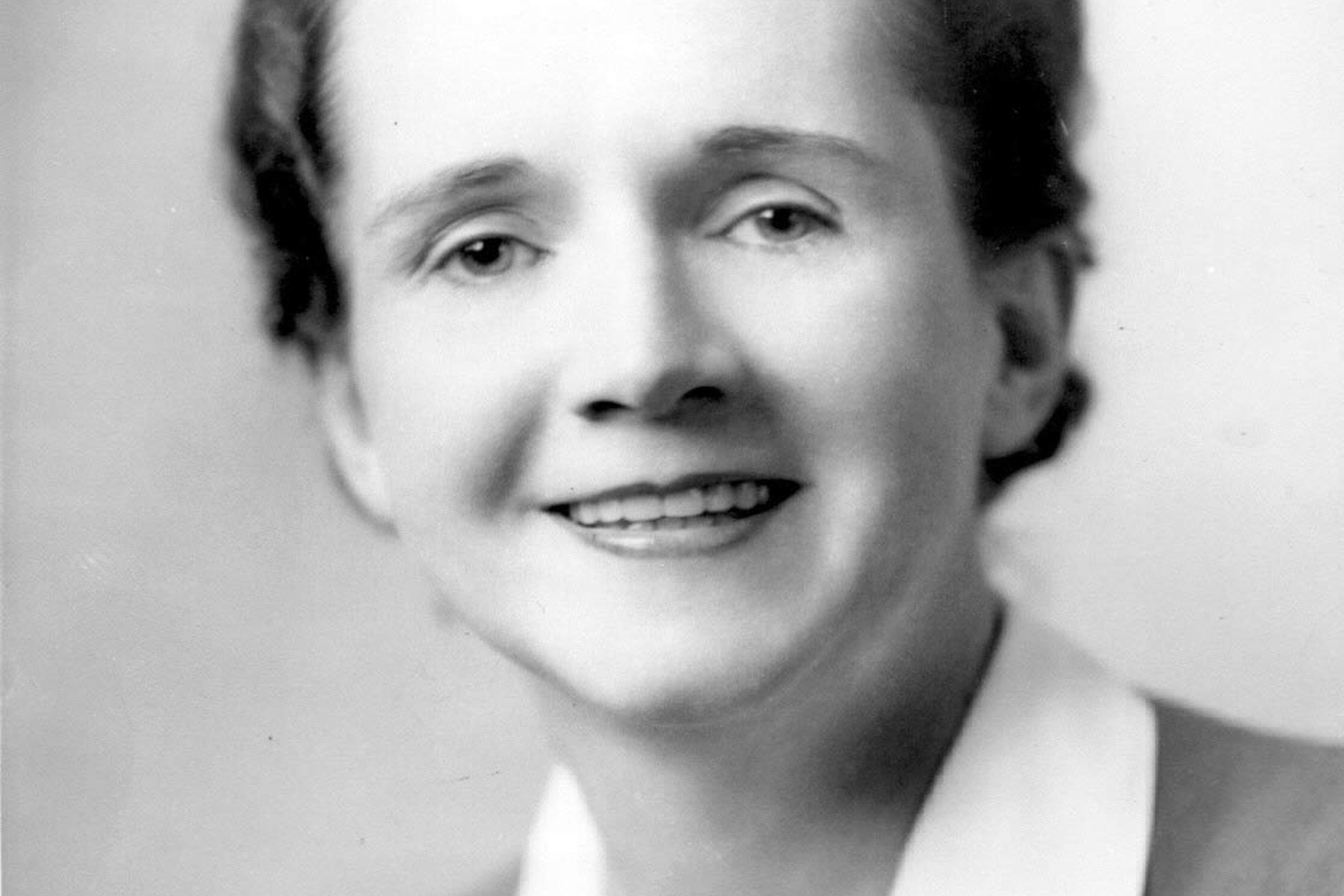
10 / 10
1962–present
The Growth That Couldn’t Go On Forever
How ecological limits challenged the promise of endless industrial growth.
Read article
Browse by topic
Loading stories…
Topics
People
Portraits, voices and lives — the people whose experiences shape how we understand society.
Society
How we live together — work, inequality, belonging, institutions and the systems around us.
Culture
Music, language, art, ritual and the everyday habits that quietly tell us who we are.
Art
Visual culture, art history and the images that reshape how we see the world.
Music
Sound, song and the musical movements that changed how we listen and live.
Ideas
Arguments, theories and questions that ask us to reconsider something we took as settled.
History
The past that still shapes the present — events, memory and the record we inherit.
Stories
Moments worth sharing — narratives that stay with us long after the last line.
Activism
Collective action that produced meaningful social, political, legal, environmental or community change.
Architecture
Built environments, spatial ideas and the structures that shape how humanity lives, gathers and imagines the future.
Landscape
Places where geology, climate, ecology, settlement and memory make us rethink humanity’s relationship with the planet.
Engineering
Systems, structures and practical breakthroughs that changed what humanity could build, move, power, connect and repair.