
Architecture
50+2 Architectural Moments That Changed How Humanity Builds.
This collection treats architecture as a history of moments when humanity changed its understanding of what buildings, cities, landscapes and constructed space could do.
What did humanity believe architecture could be before this moment — and what became possible afterward?
This is not “52 famous buildings.” It is 52 moments when humanity changed its idea of what a building could be.
The editorial map
52 moments · 12 lenses
01 / 52
01 / 52 · Origins & Monumentality
c. 9600–8200 BCE
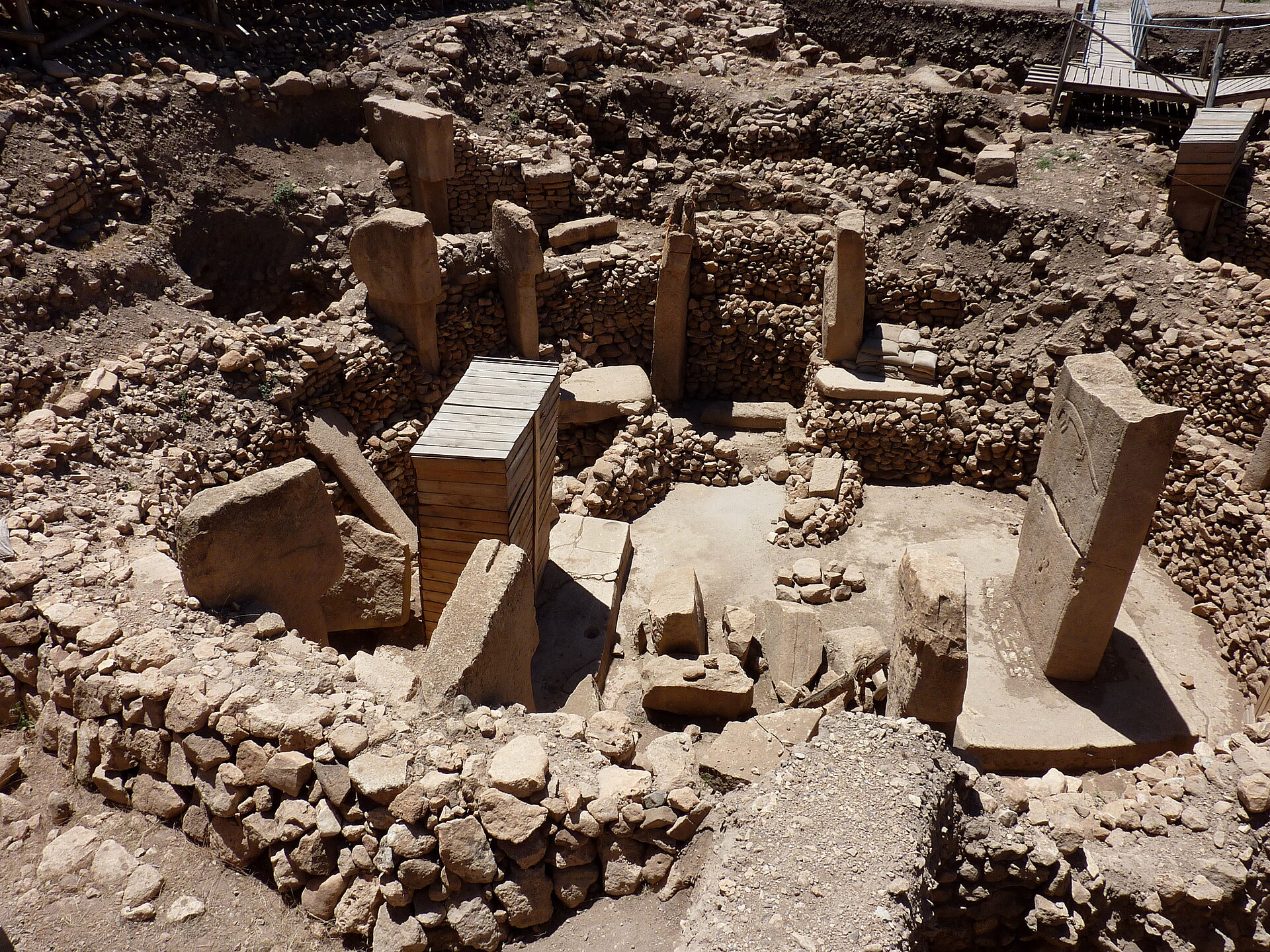
The Architecture That Came Before the City
Göbekli Tepe
- The Moment
- Humans created monumental communal architecture before conventional cities had emerged.
02 / 52 · Origins & Monumentality
c. 7400–6200 BCE
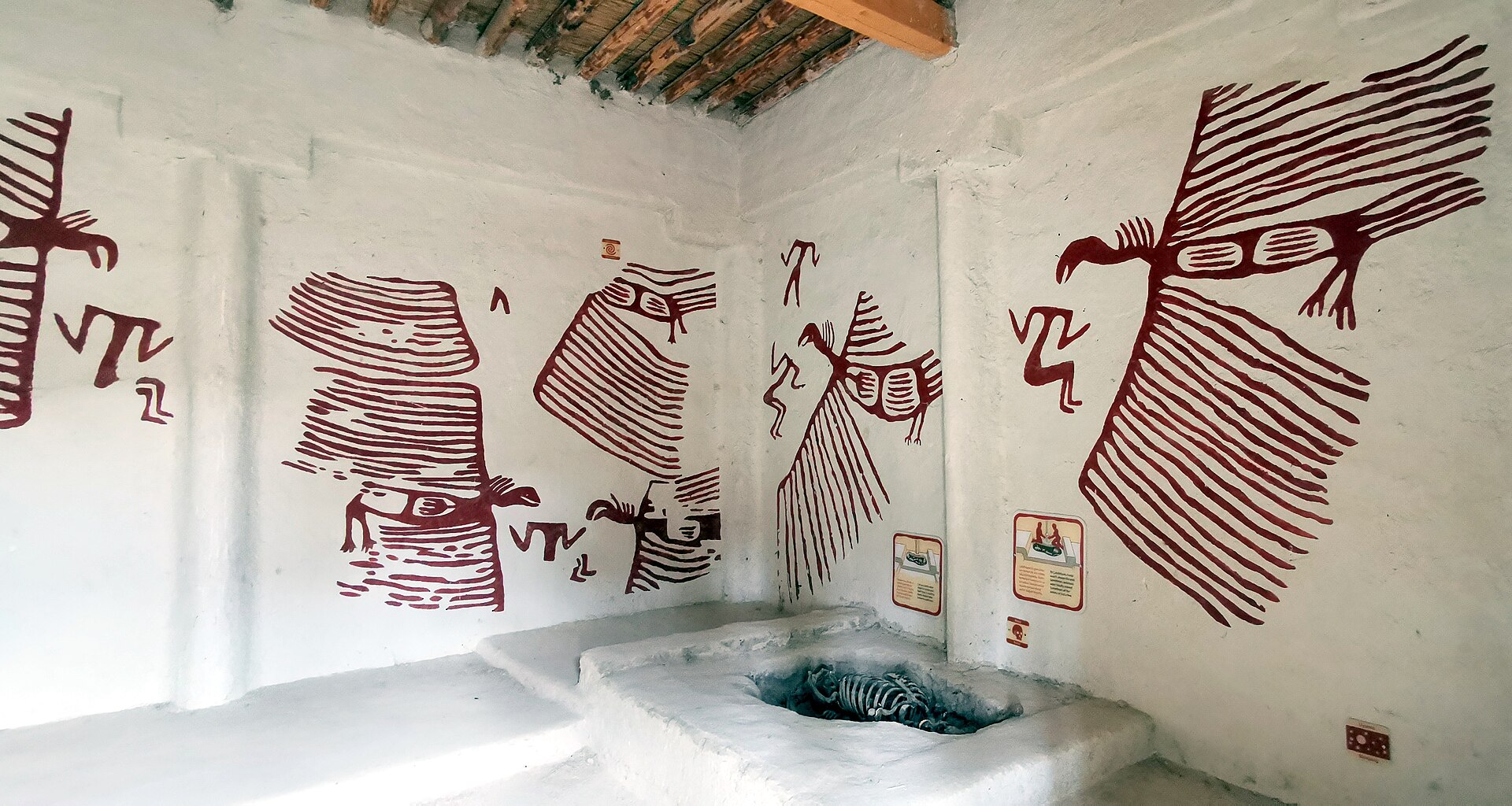
When Houses Became a City
Çatalhöyük
- The Moment
- A dense settlement developed without conventional streets, with movement often occurring across rooftops.
03 / 52 · Origins & Monumentality
c. 3000–1600 BCE
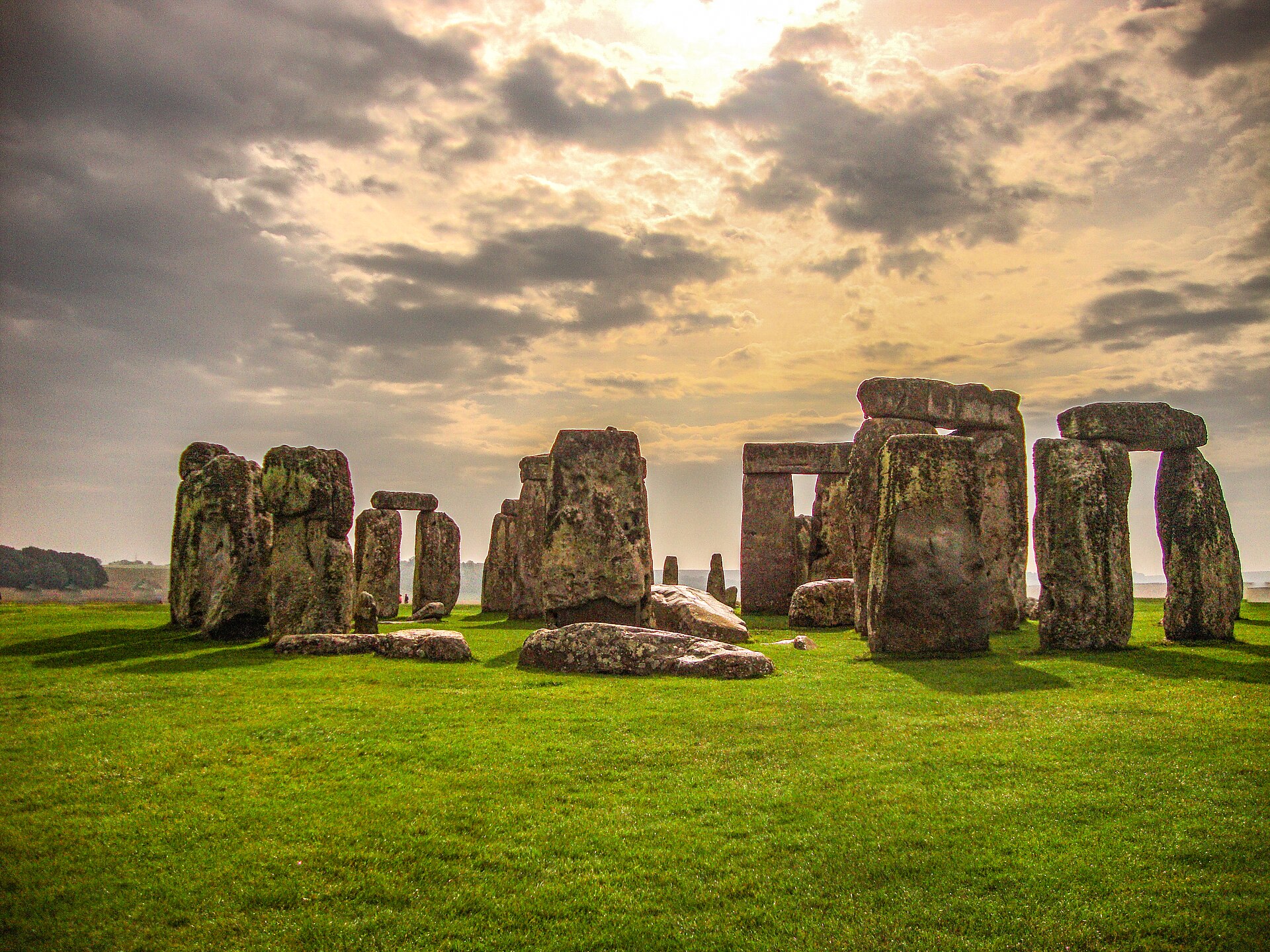
Building With the Landscape
Stonehenge
- The Moment
- Enormous stones were transported, positioned and organized into a monumental landscape.
04 / 52 · Origins & Monumentality
c. 2570 BCE
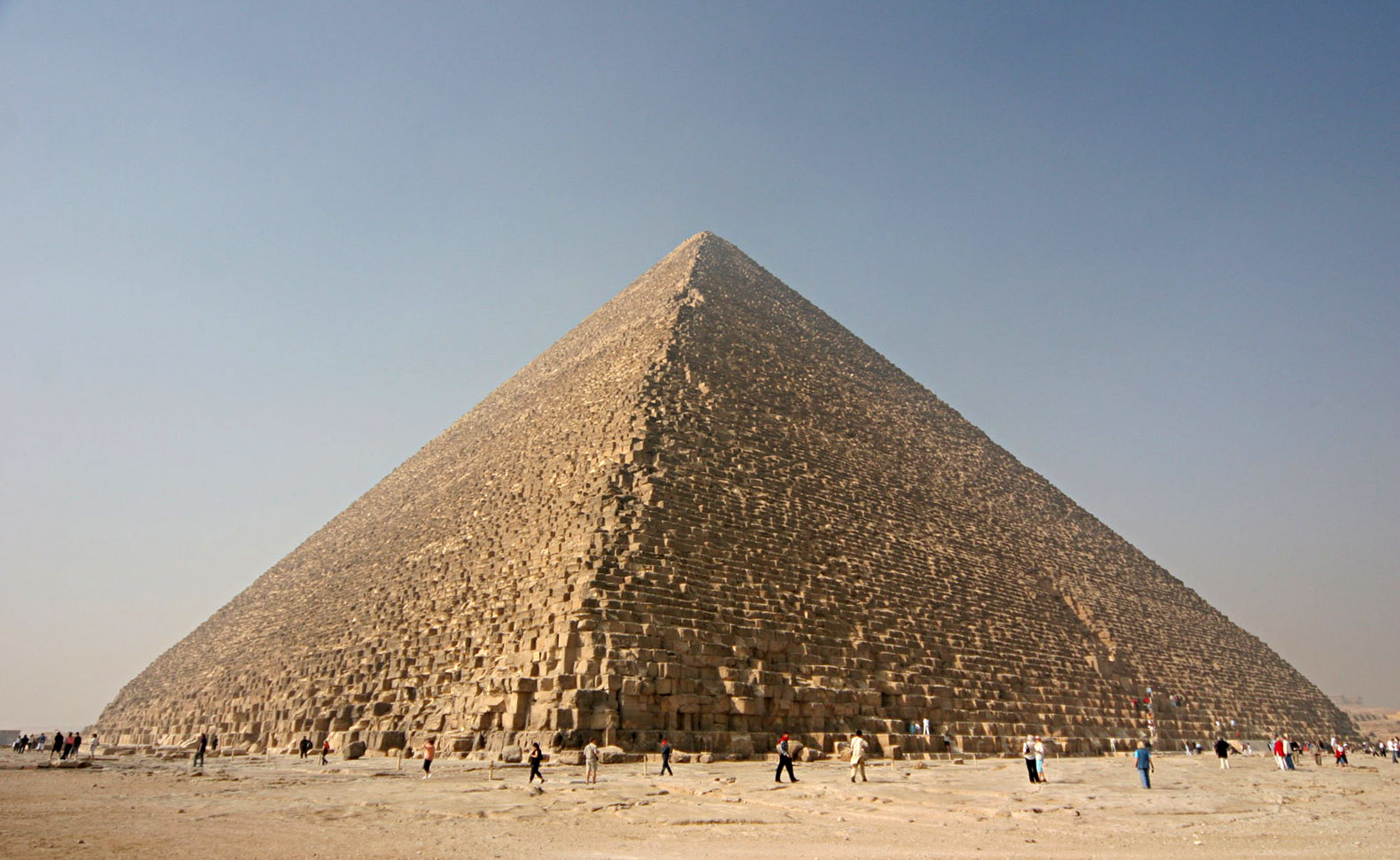
When Geometry Became Monumental
The Great Pyramid of Giza
- The Moment
- Monumental stone construction reached an extraordinary scale and precision.
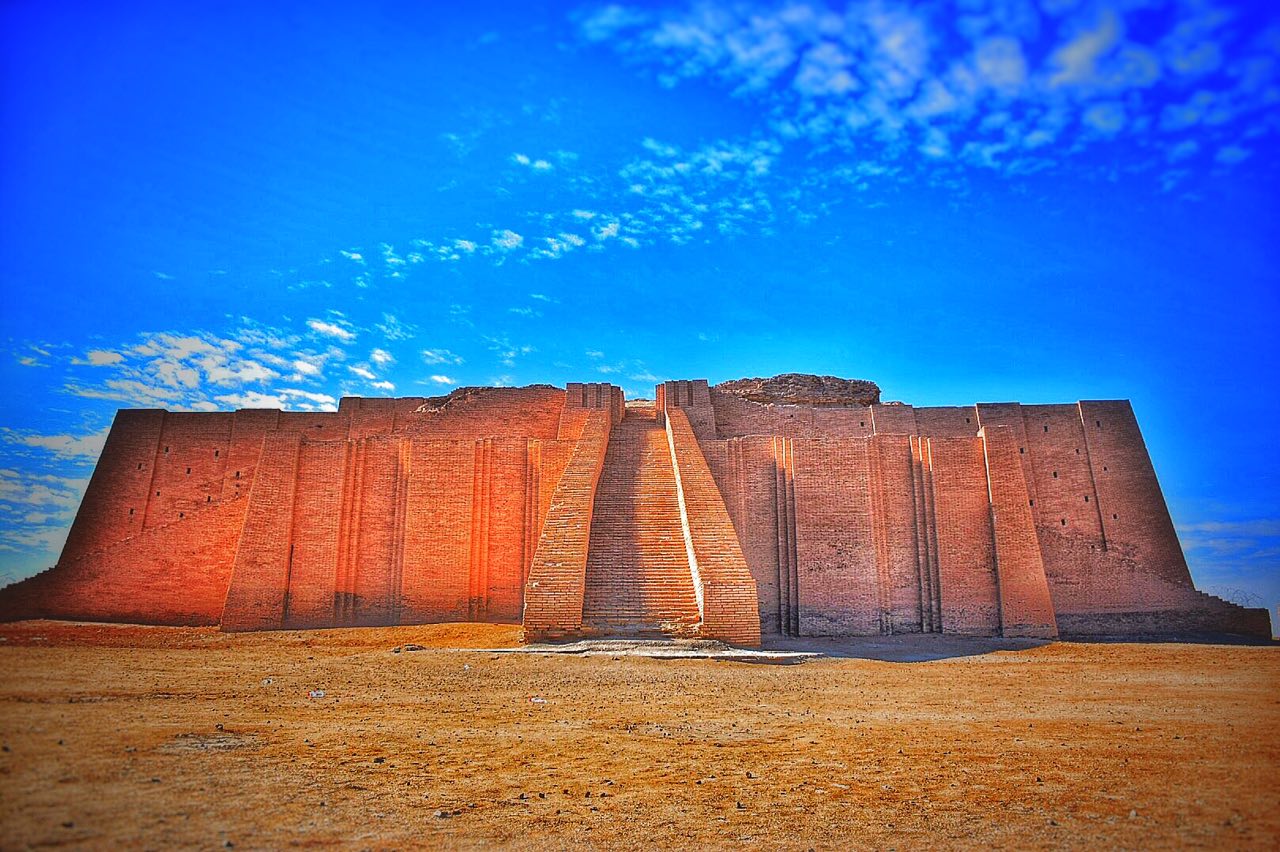
05 / 52 · Cities, Civilizations & Infrastructure
3rd millennium BCE
The Mountain Humans Built
Mesopotamian Ziggurats
- The Moment
- The temple became a monumental artificial mountain.
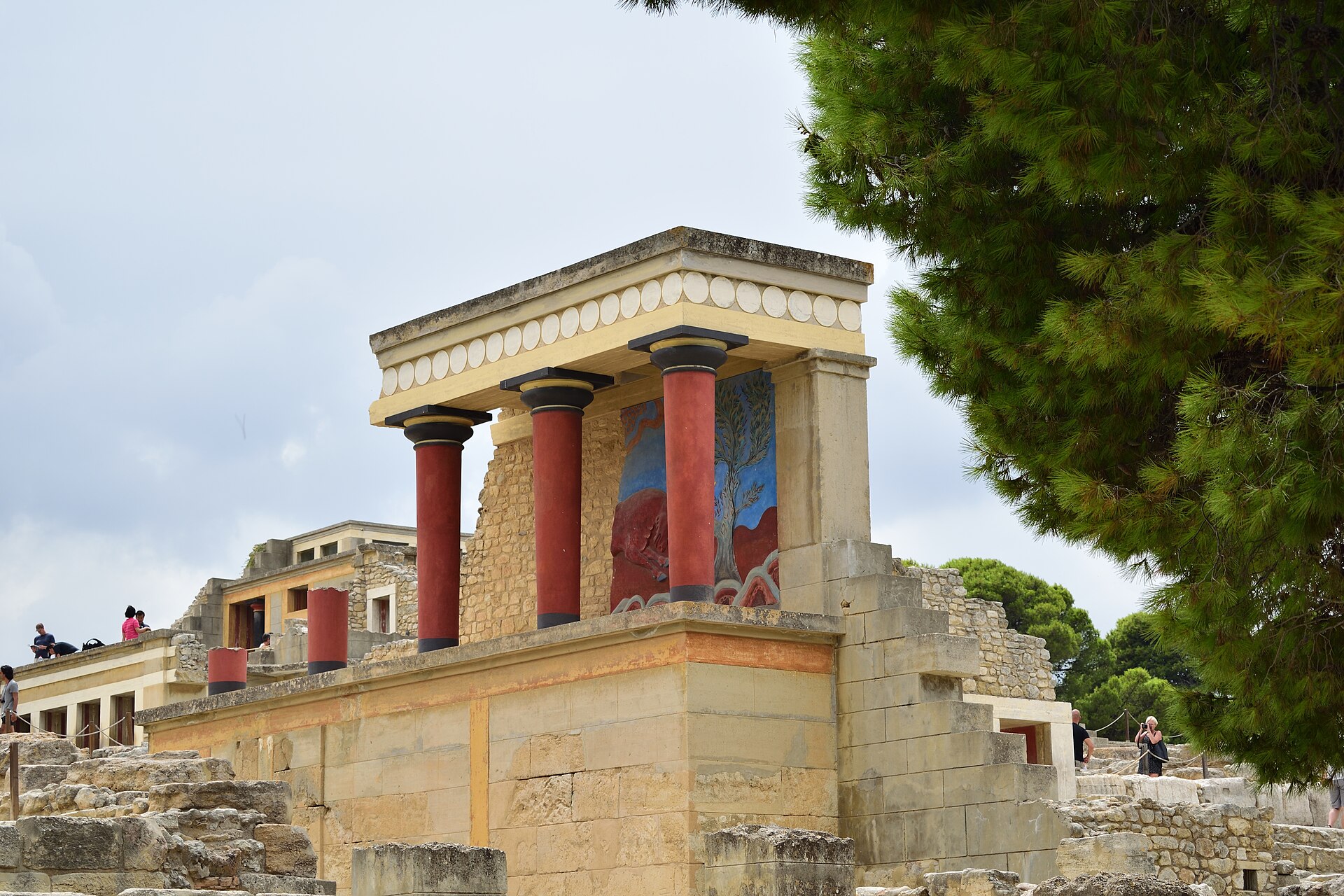
06 / 52 · Cities, Civilizations & Infrastructure
c. 1900–1450 BCE
When a Building Became a Social Machine
The Minoan Palaces
- The Moment
- Palace complexes integrated administration, storage, ritual, circulation and public space.
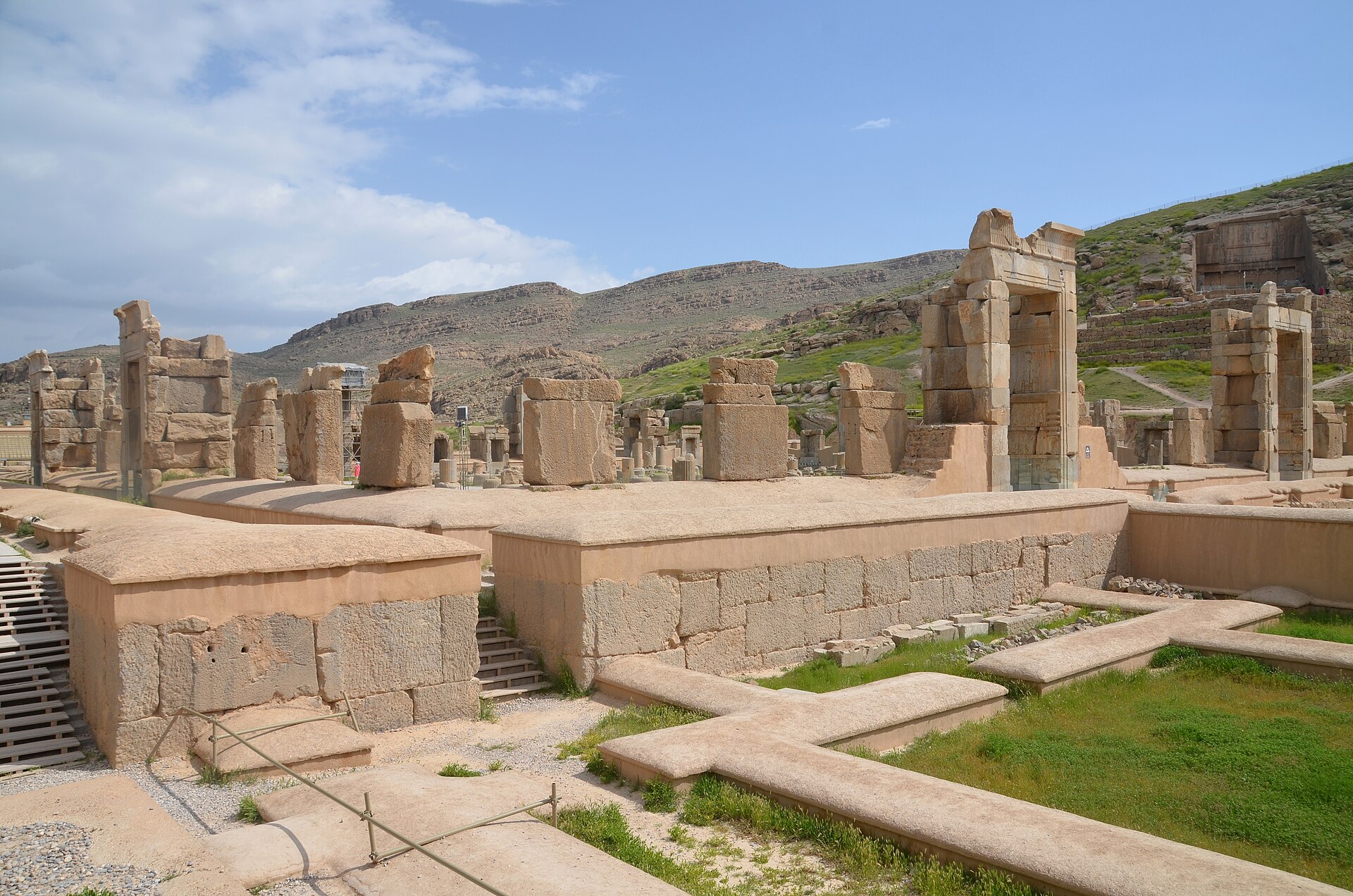
07 / 52 · Cities, Civilizations & Infrastructure
c. 518–330 BCE
Architecture for an Empire
Persepolis
- The Moment
- Imperial architecture brought different traditions together within a vast ceremonial complex.
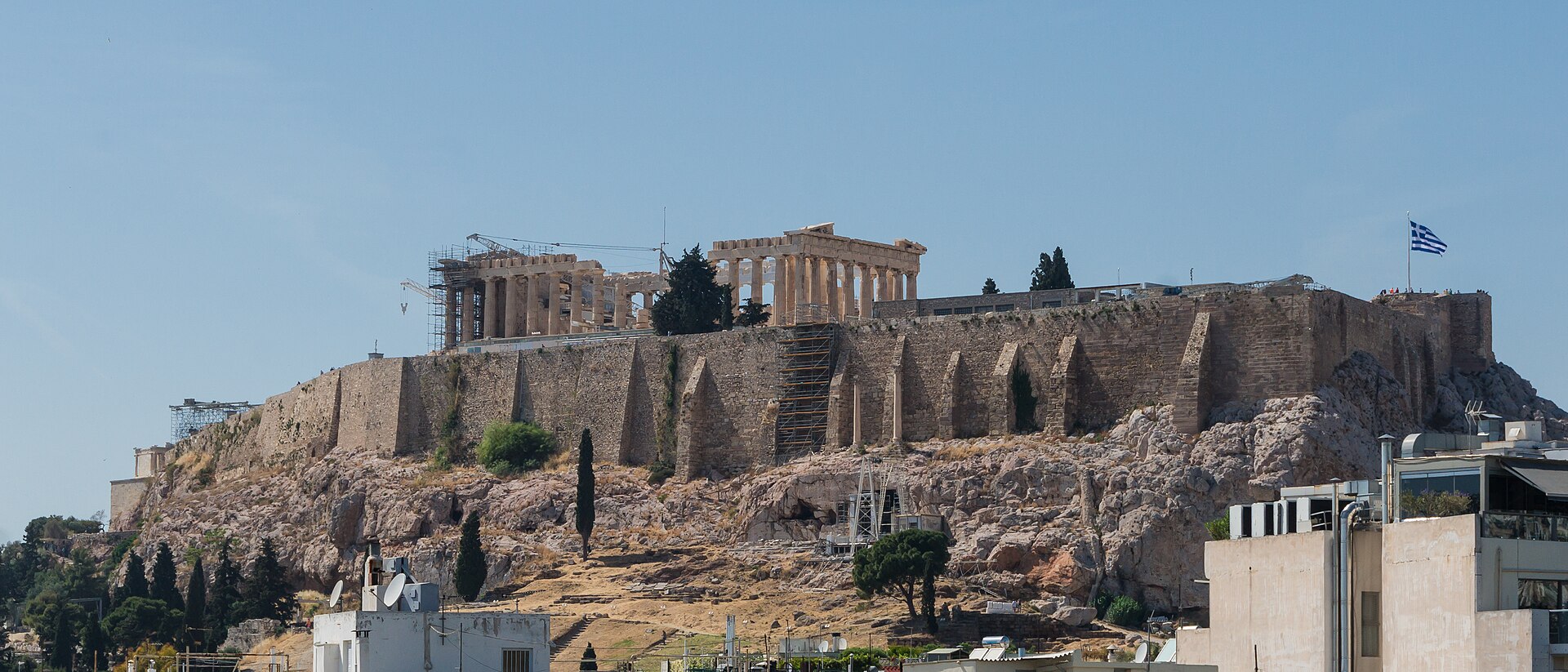
08 / 52 · Cities, Civilizations & Infrastructure
5th century BCE
When a City Built an Ideal
The Acropolis of Athens
- The Moment
- Architecture, sculpture, religion, politics and landscape were brought together into a monumental civic composition.
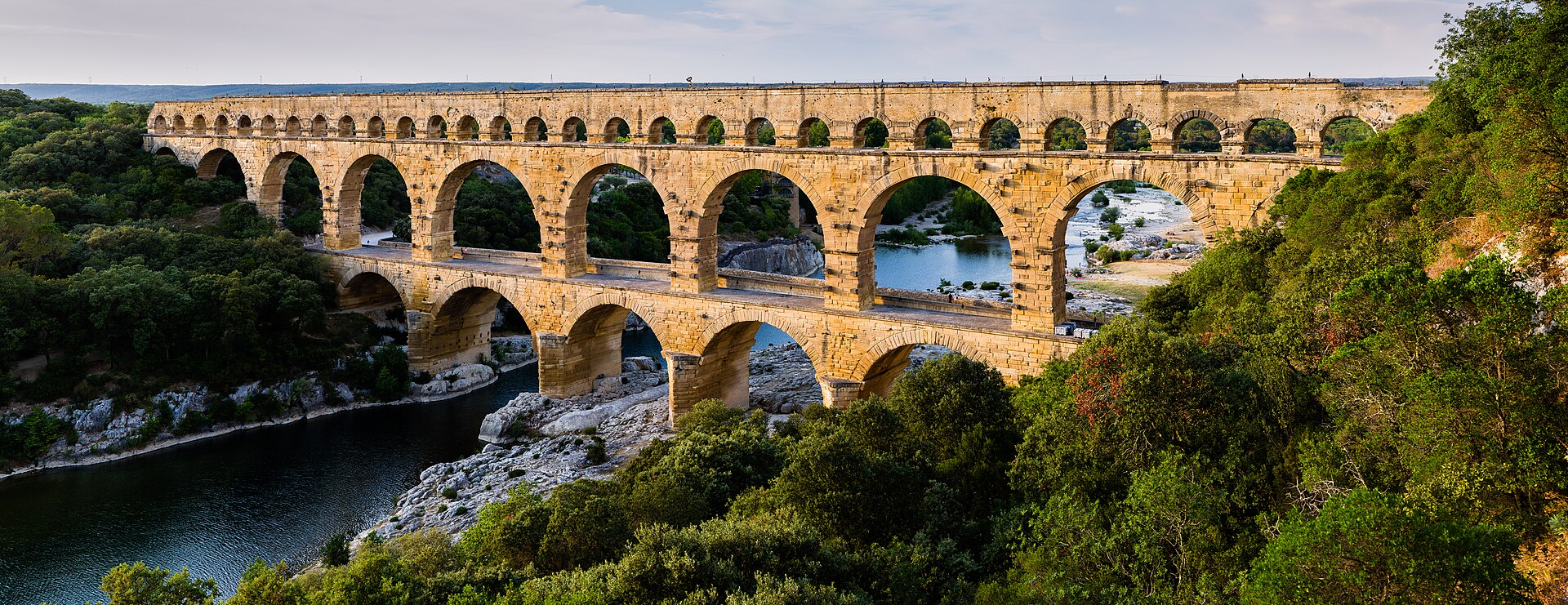
09 / 52 · Cities, Civilizations & Infrastructure
3rd century BCE onward
When Architecture Learned to Span Distance
The Roman Arch, Vault & Aqueduct
- The Moment
- Arches, vaults and concrete transformed large-scale construction.

10 / 52 · Cities, Civilizations & Infrastructure
c. 1st century BCE–4th century CE
When Architecture Became Urban Infrastructure
The Roman City
- The Moment
- Roads, forums, baths, theatres, housing and water systems formed interconnected urban environments.
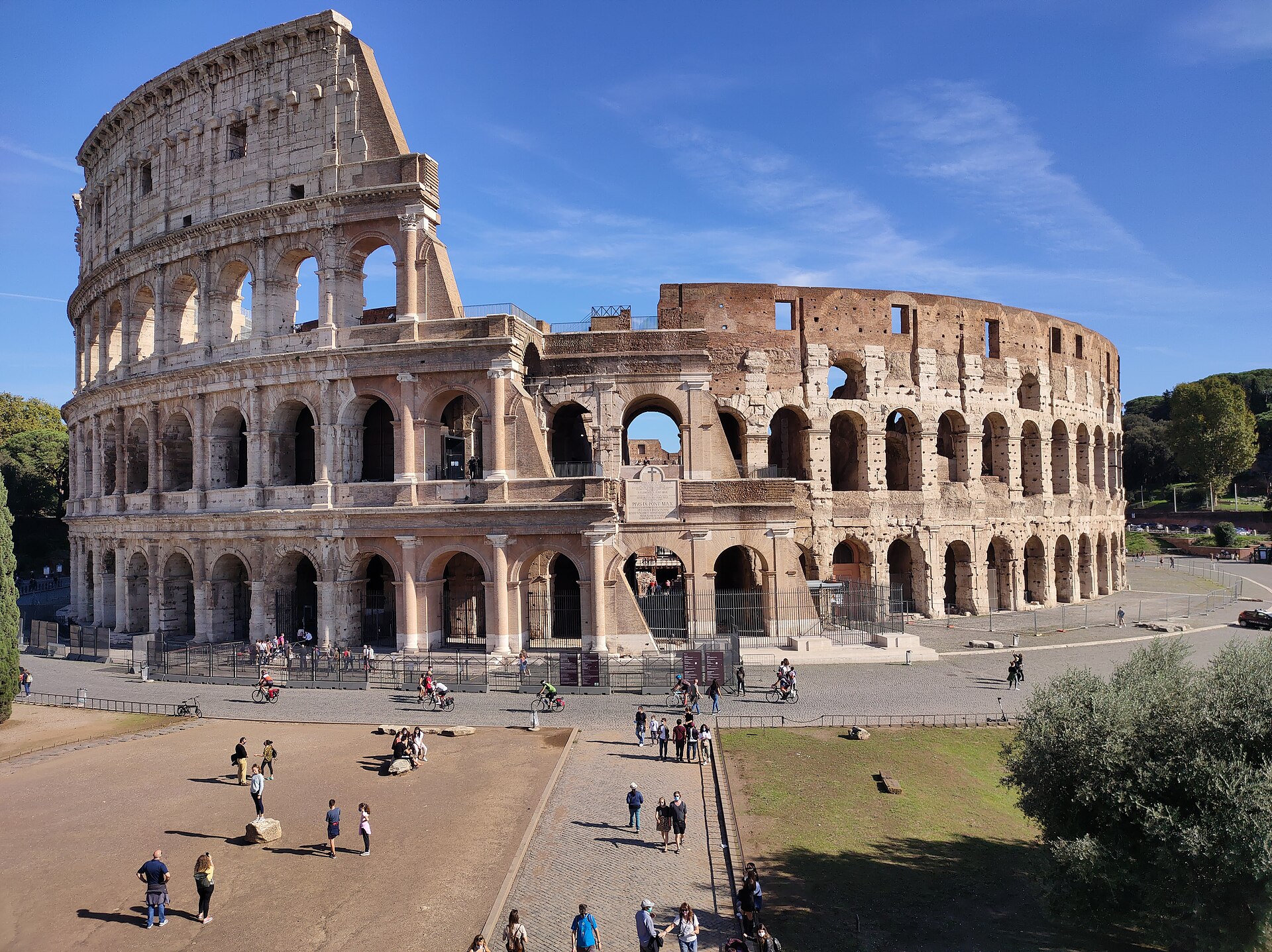
11 / 52 · Cities, Civilizations & Infrastructure
70–80 CE
Designing for Thousands at Once
The Colosseum
- The Moment
- A huge public venue combined monumental scale with sophisticated circulation and audience organization.
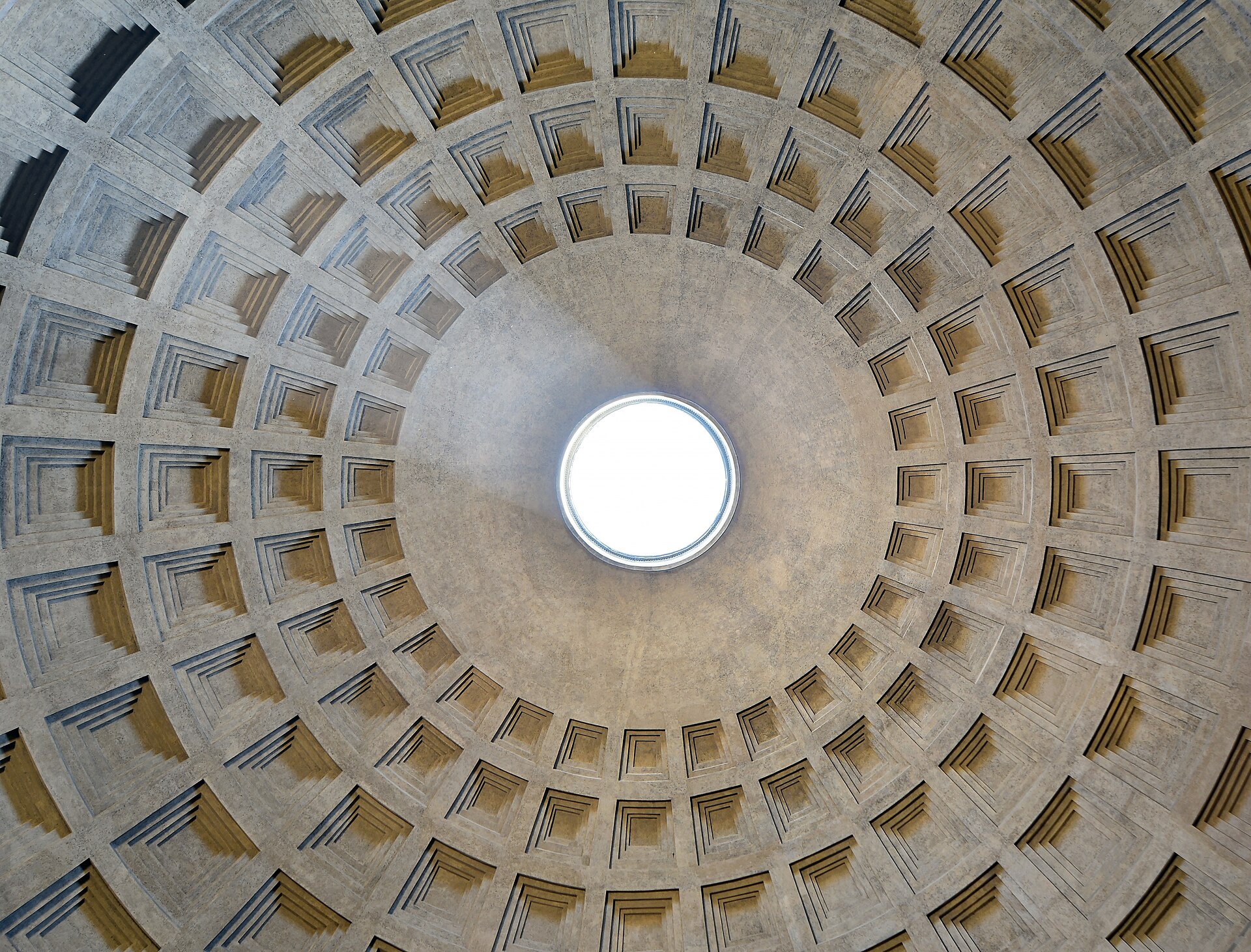
12 / 52 · Cities, Civilizations & Infrastructure
c. 118–125 CE
The Room That Became a Universe
The Pantheon
- The Moment
- A vast concrete dome transformed interior space into a monumental geometric volume.
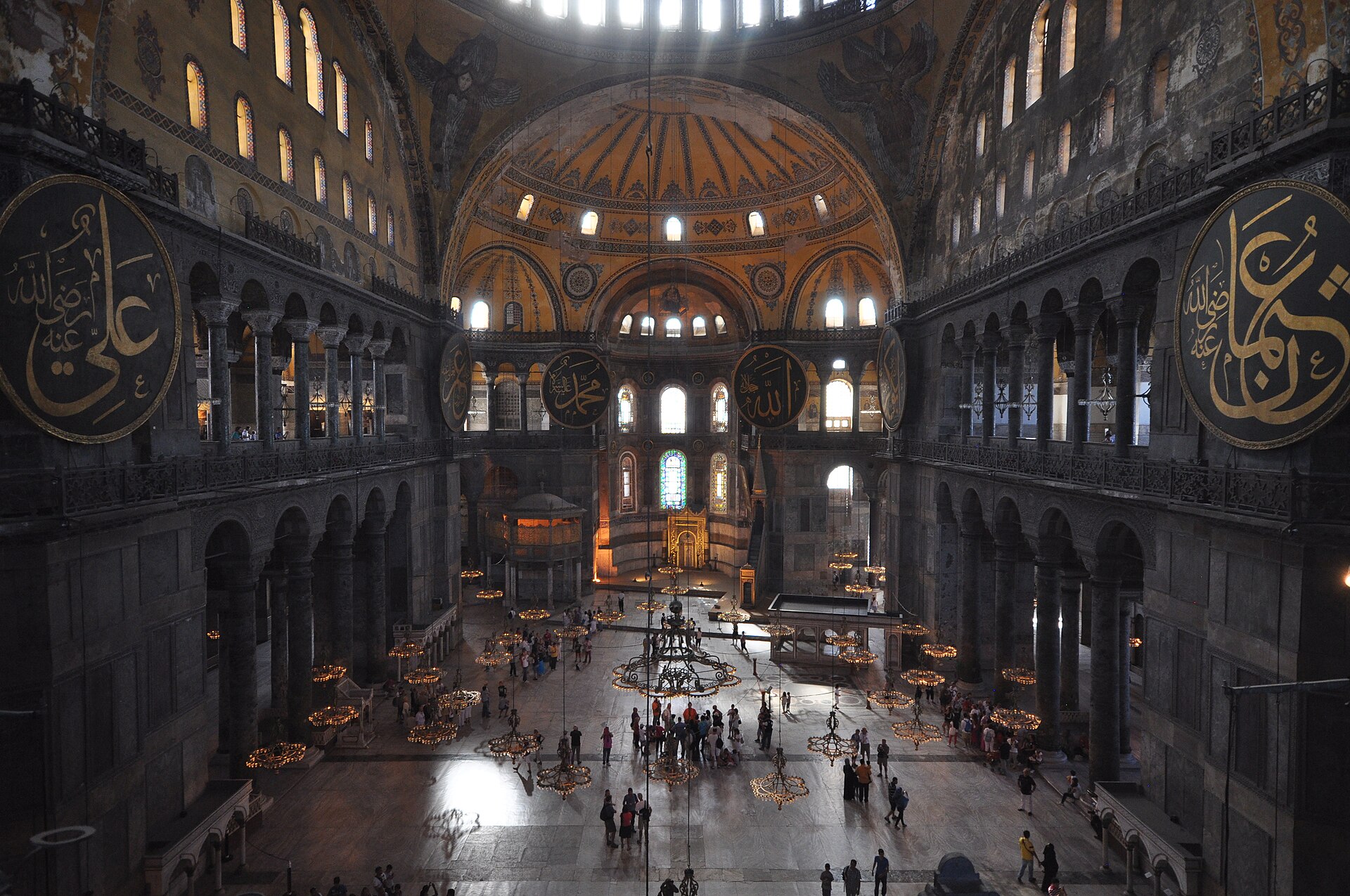
13 / 52 · Sacred Space
532–537
The Dome That Changed Interior Space
Hagia Sophia
- The Moment
- A monumental dome transformed the interior into an extraordinary spatial experience.
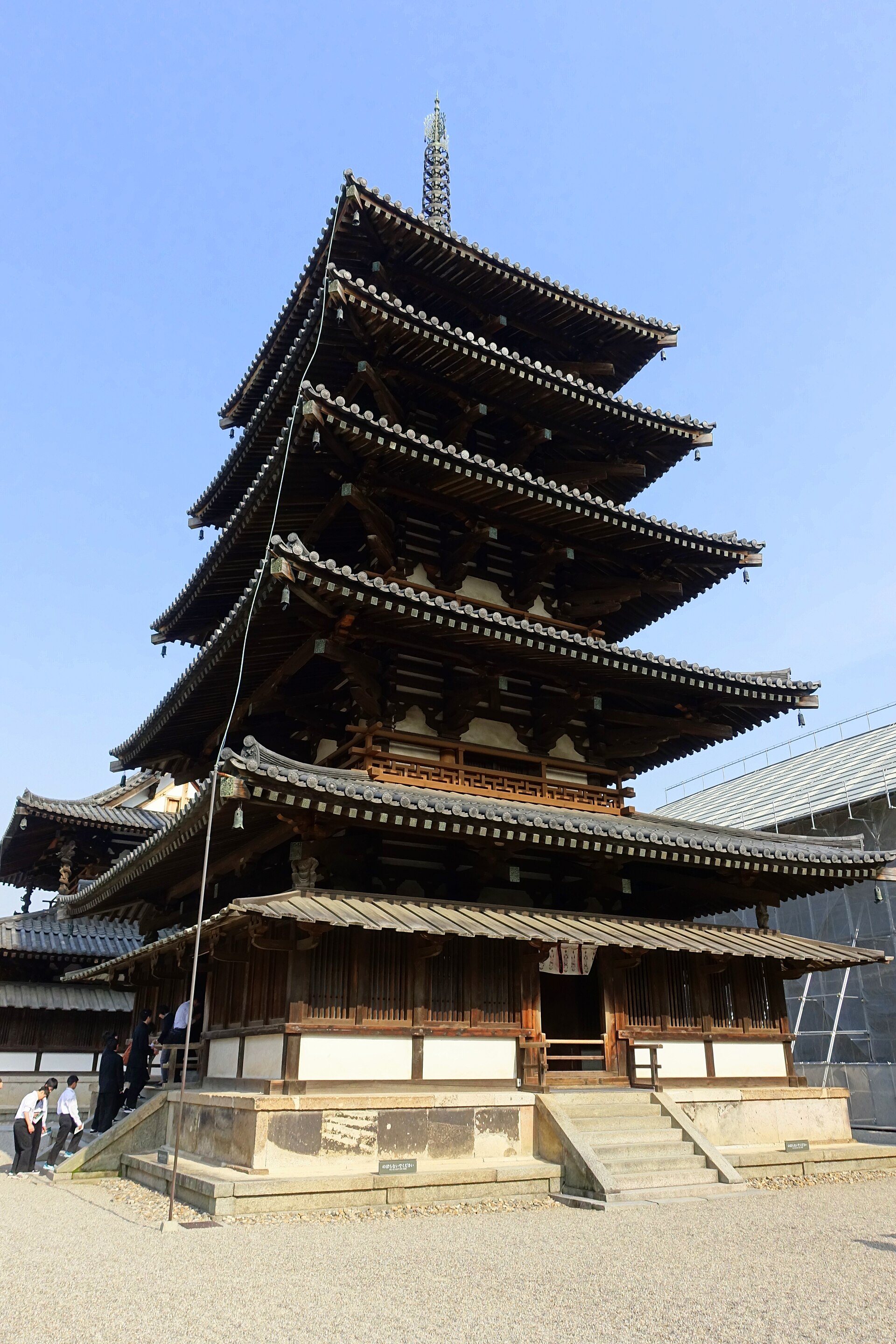
14 / 52 · Sacred Space
late 7th century onward
When Wood Became Monumental
Horyu-ji
- The Moment
- Sophisticated timber construction produced some of the world's oldest surviving wooden buildings.
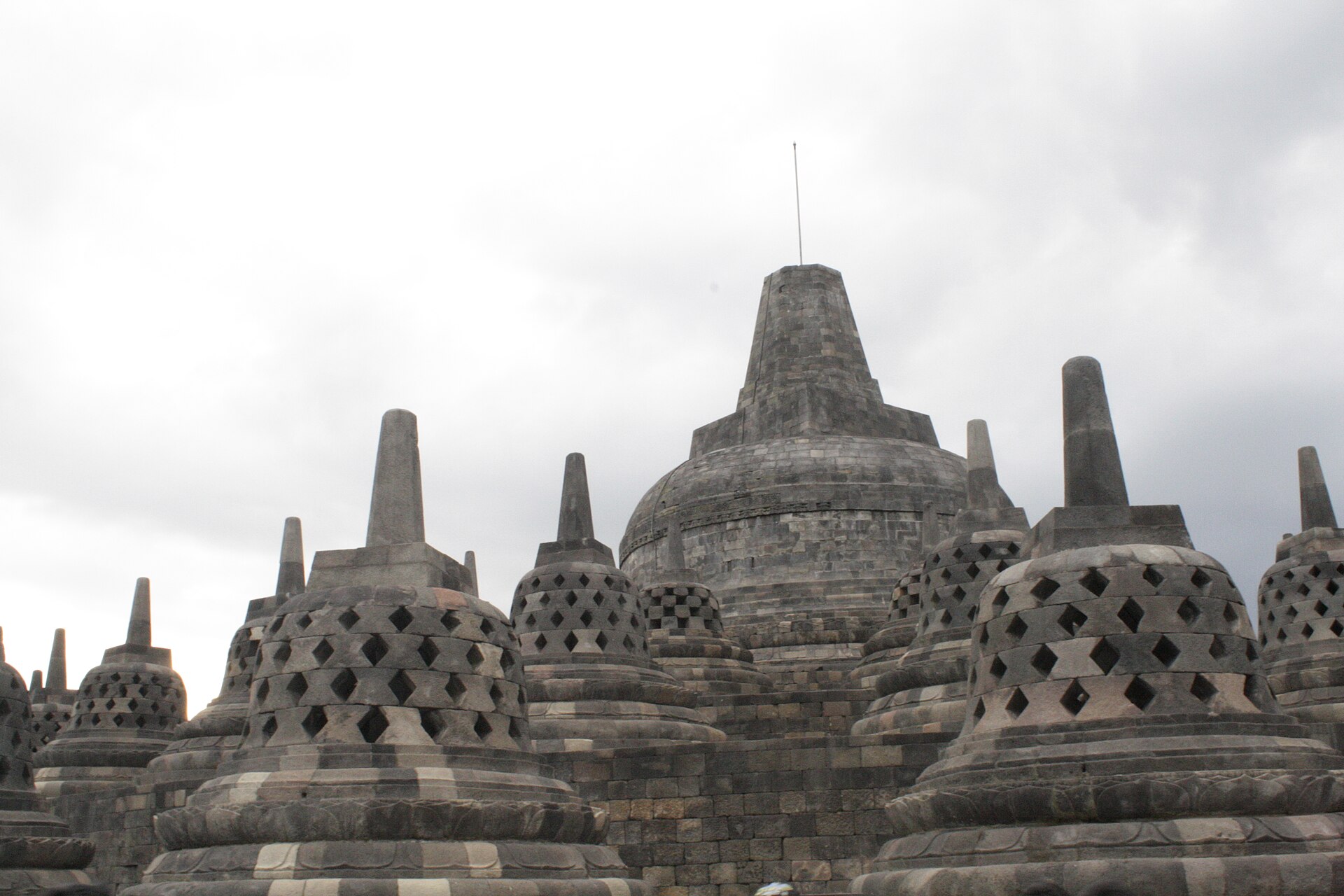
15 / 52 · Sacred Space
8th–9th centuries
A Building You Could Walk Through
Borobudur
- The Moment
- A Buddhist monument transformed architectural movement into a spiritual journey.
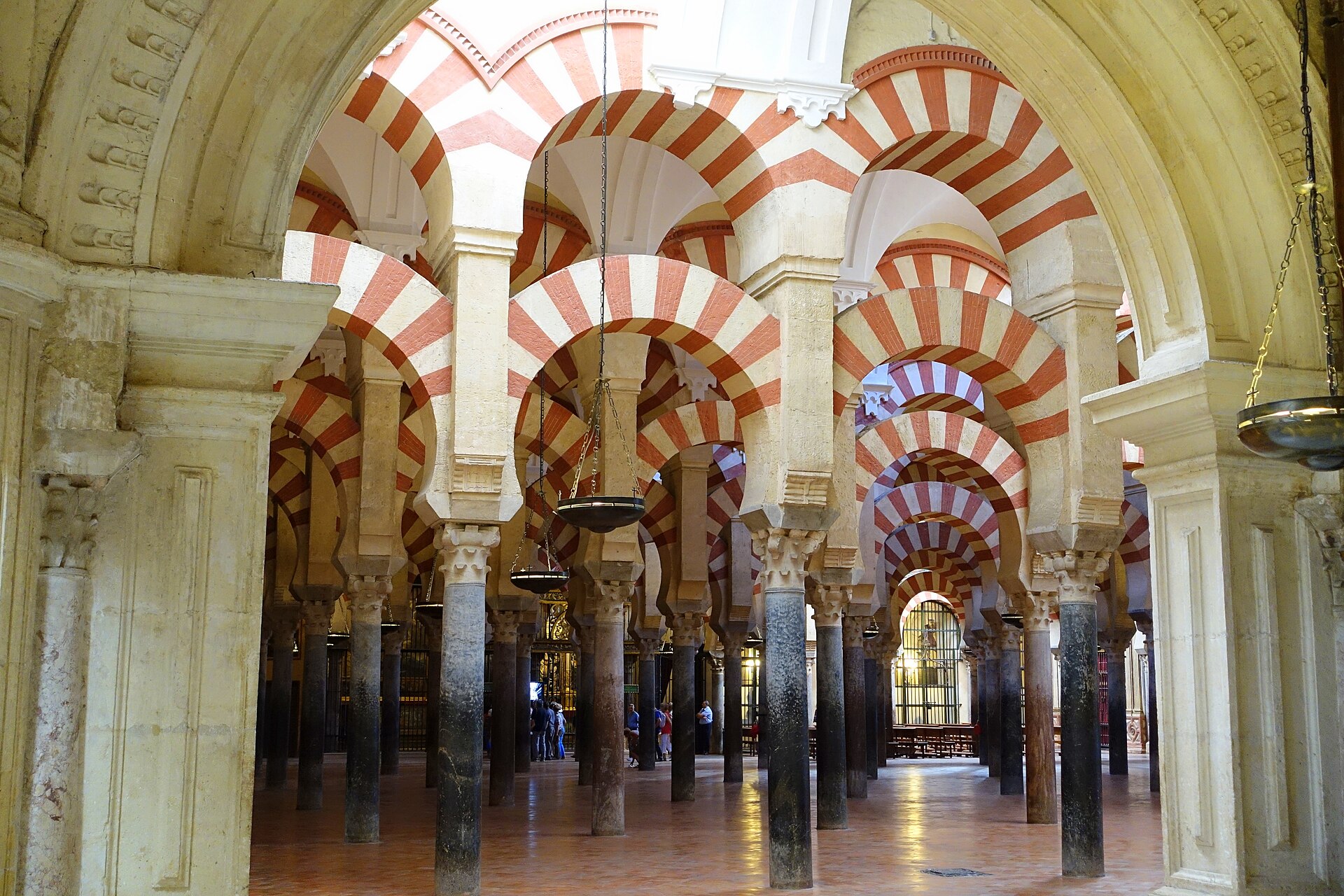
16 / 52 · Sacred Space
8th–10th centuries
The Architecture of Repetition
Great Mosque of Córdoba
- The Moment
- Columns and arches created an extraordinary interior landscape.
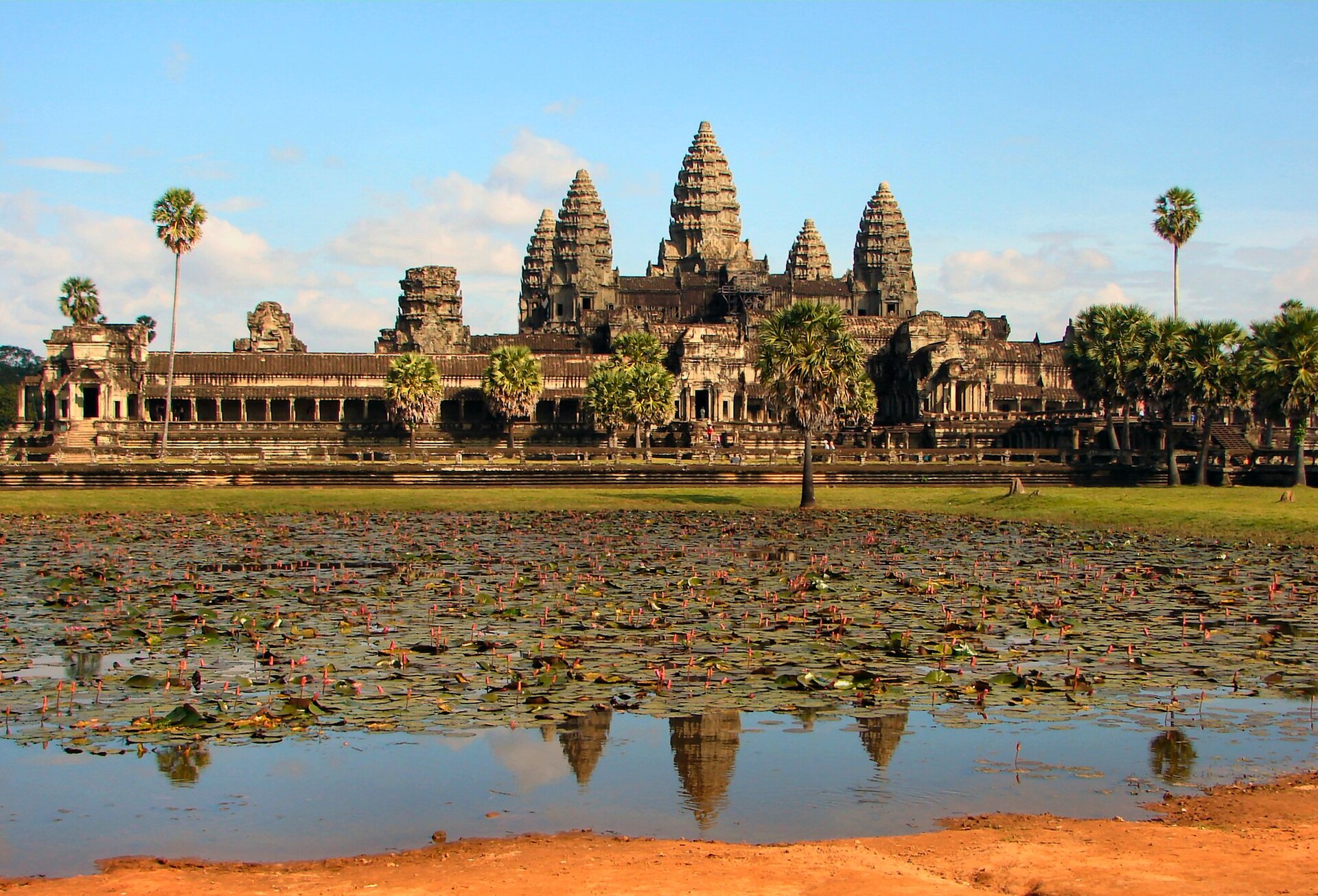
17 / 52 · Sacred Space
early 12th century
When a Temple Became a World
Angkor Wat
- The Moment
- Architecture, water management, urban planning and cosmology converged on an enormous scale.
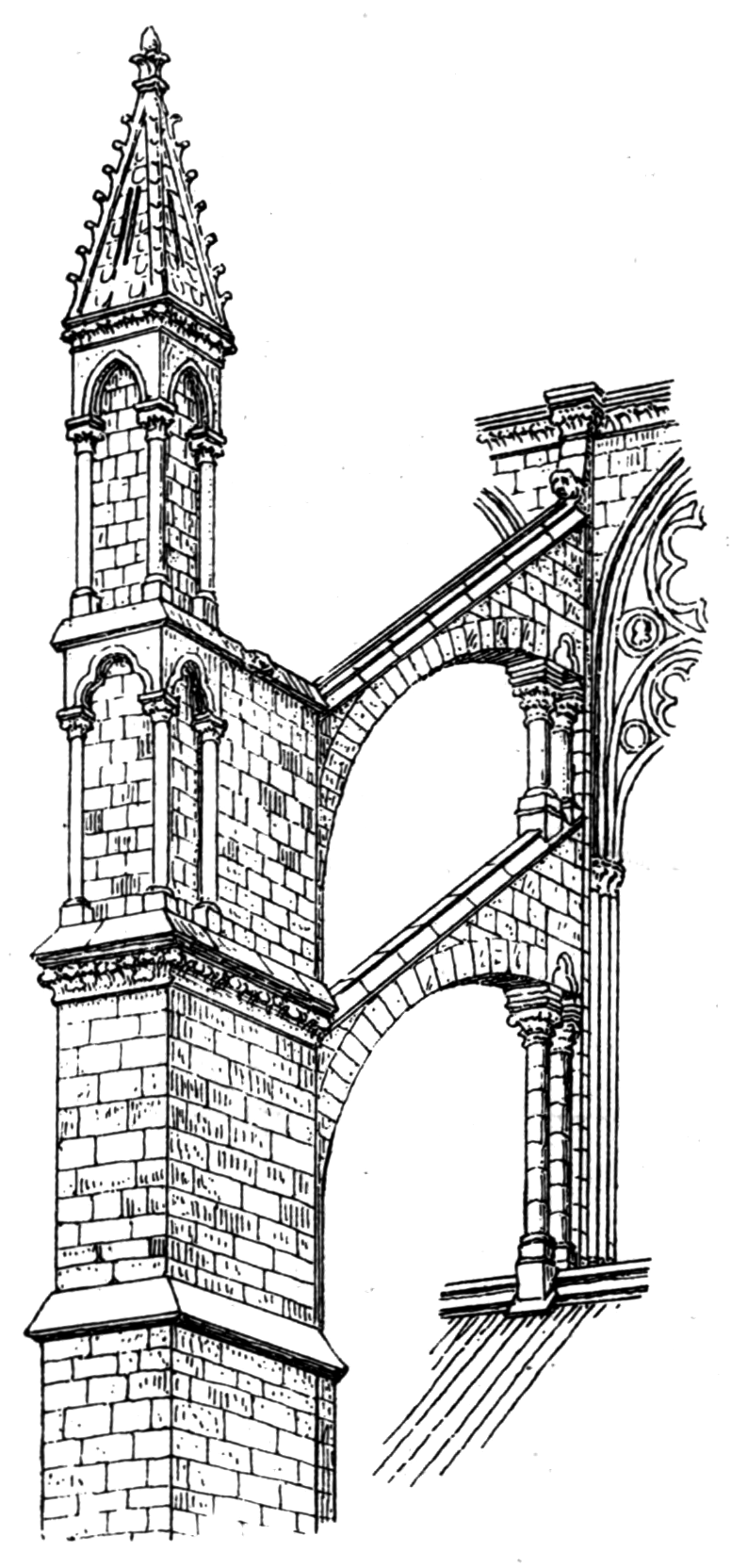
18 / 52 · Sacred Space
12th–16th centuries
When Walls Began to Disappear
Gothic Cathedral
- The Moment
- Pointed arches, rib vaults and flying buttresses allowed walls to become lighter and taller.
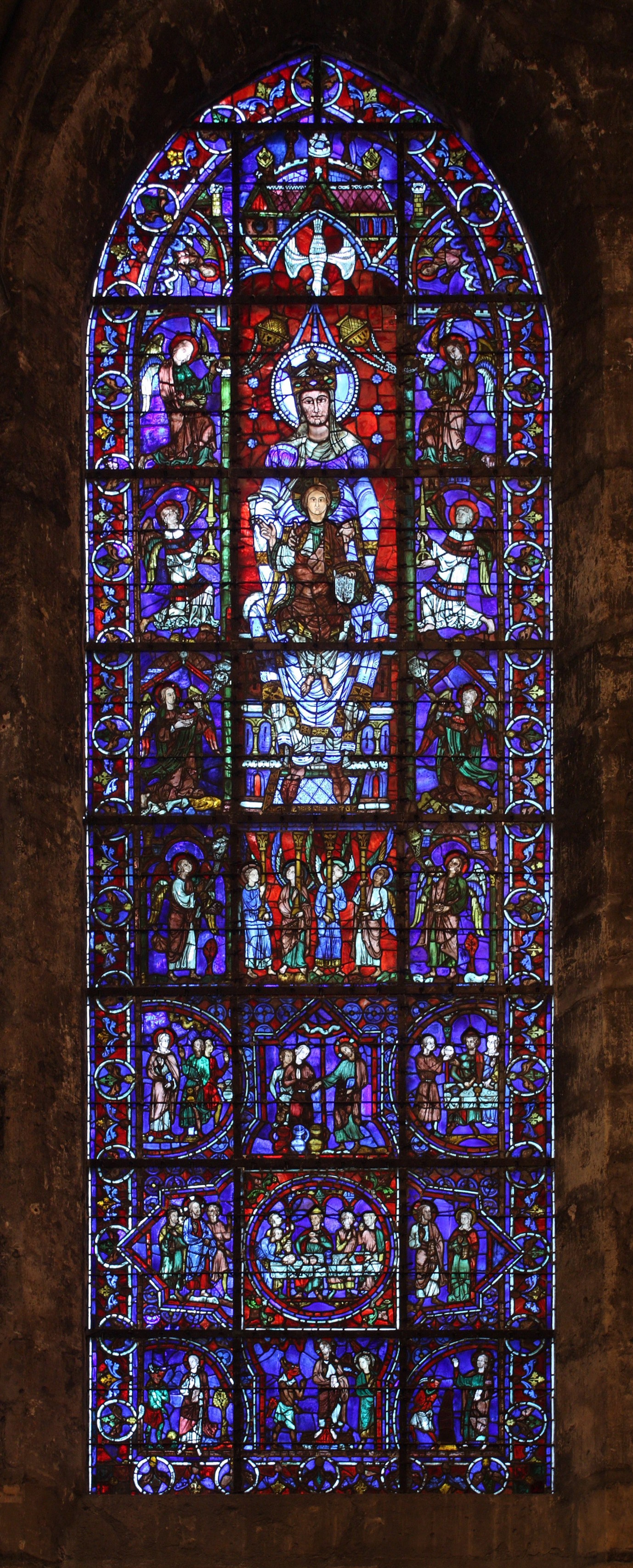
19 / 52 · Sacred Space
1194–c. 1220
When Light Became Architecture
Chartres Cathedral
- The Moment
- Architecture became an environment of verticality, colour and stained glass.
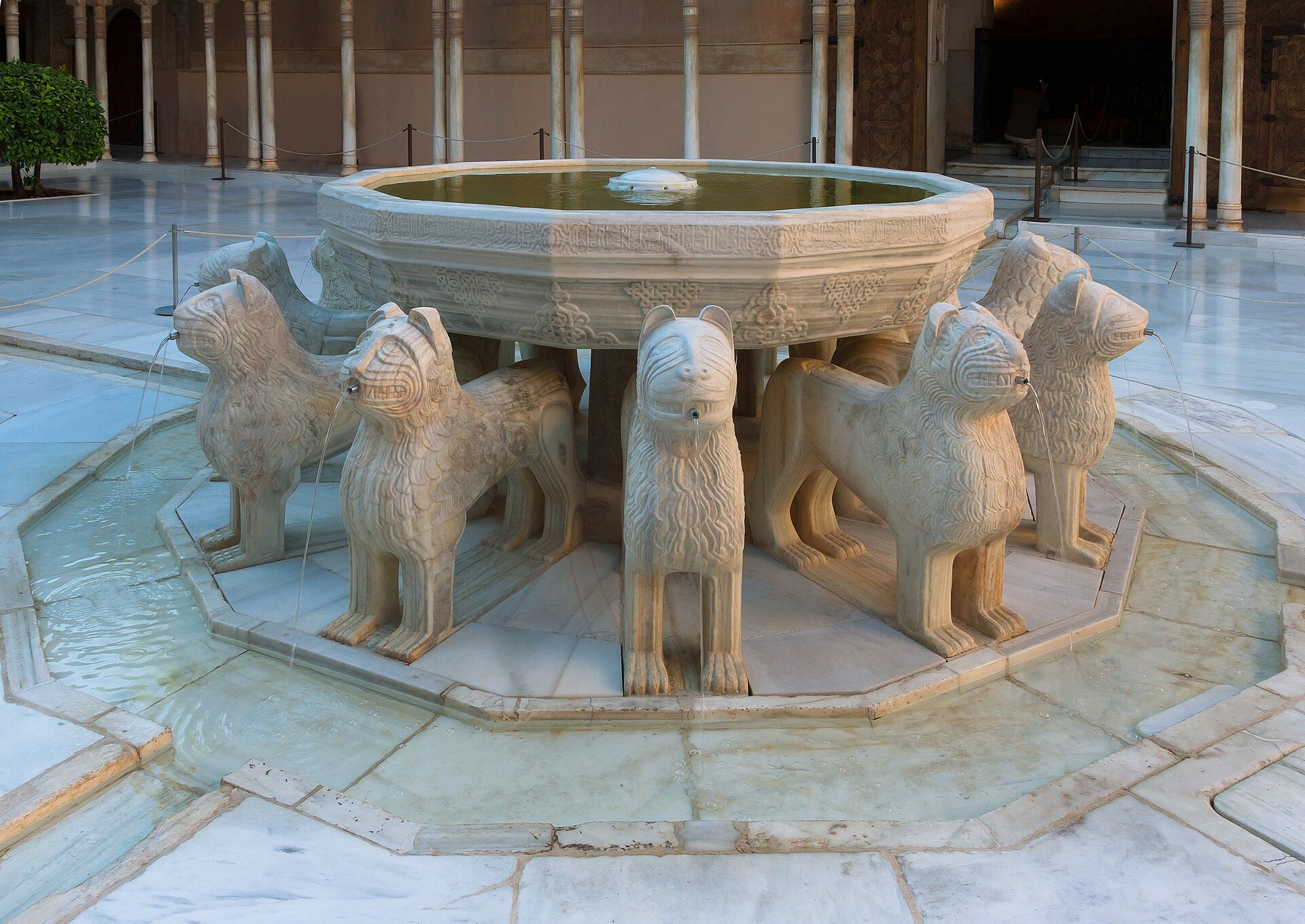
20 / 52 · Architecture Across Cultures
13th–14th centuries
Architecture as Atmosphere
Alhambra
- The Moment
- Courtyards, water, geometry, ornament, vegetation and light became inseparable from the architecture.
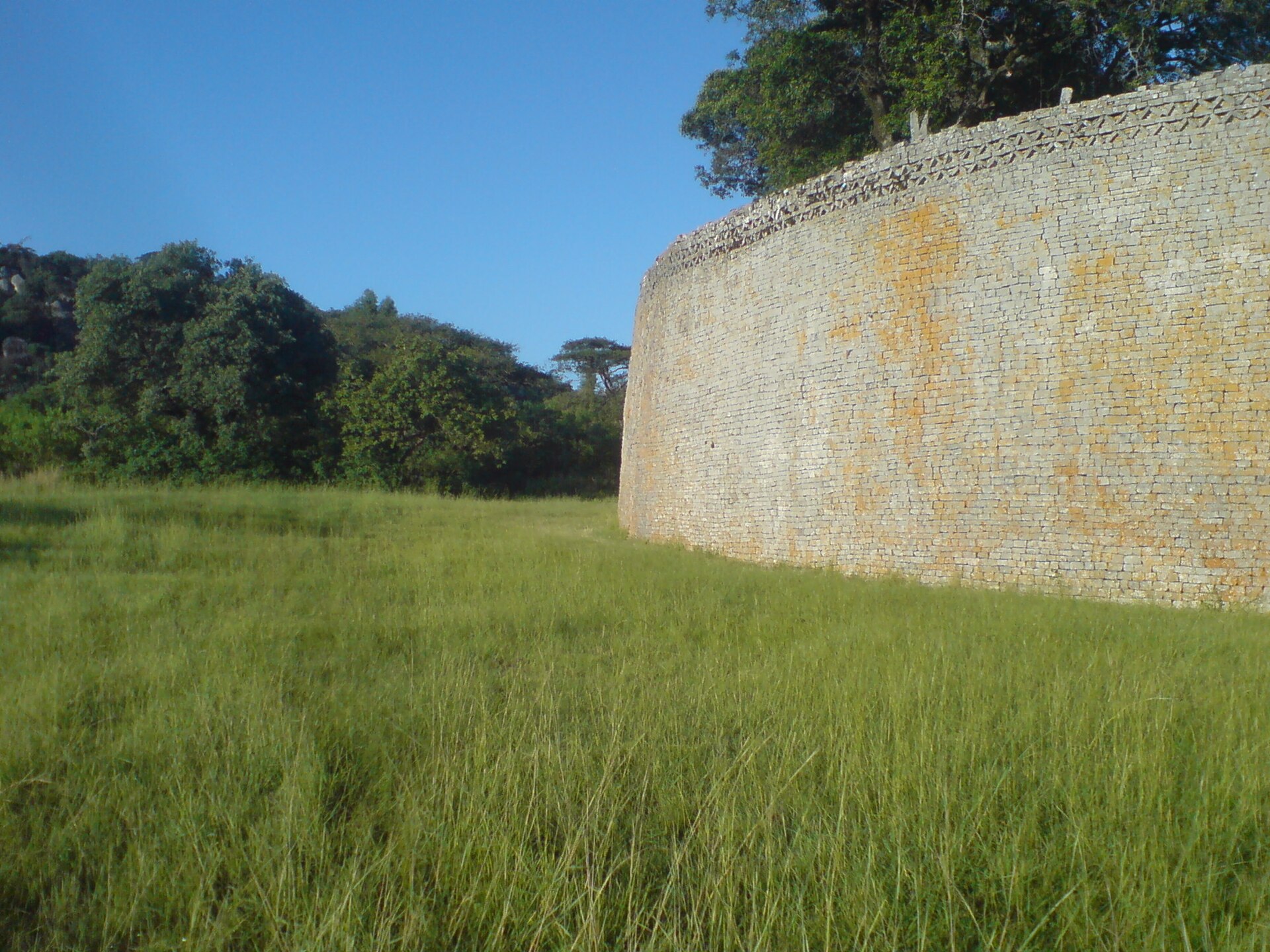
21 / 52 · Architecture Across Cultures
11th–15th centuries
The Monumental Architecture We Were Not Taught
Great Zimbabwe
- The Moment
- Monumental dry-stone construction created a major urban and ceremonial centre in southern Africa.
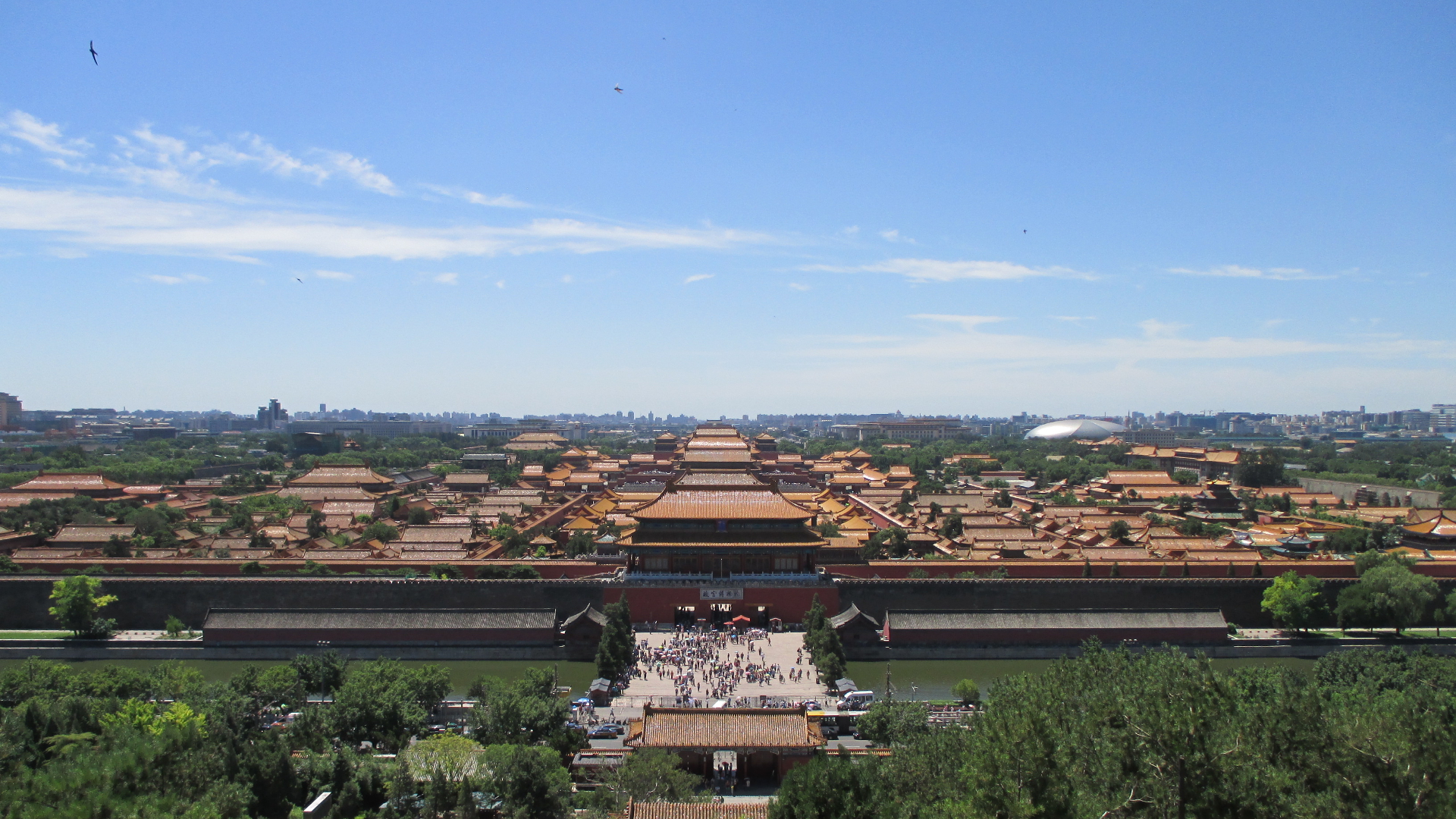
22 / 52 · Architecture Across Cultures
1406–1420
When Space Expressed Power
Forbidden City
- The Moment
- A vast sequence of gates, courtyards and halls organized political and ceremonial hierarchy.
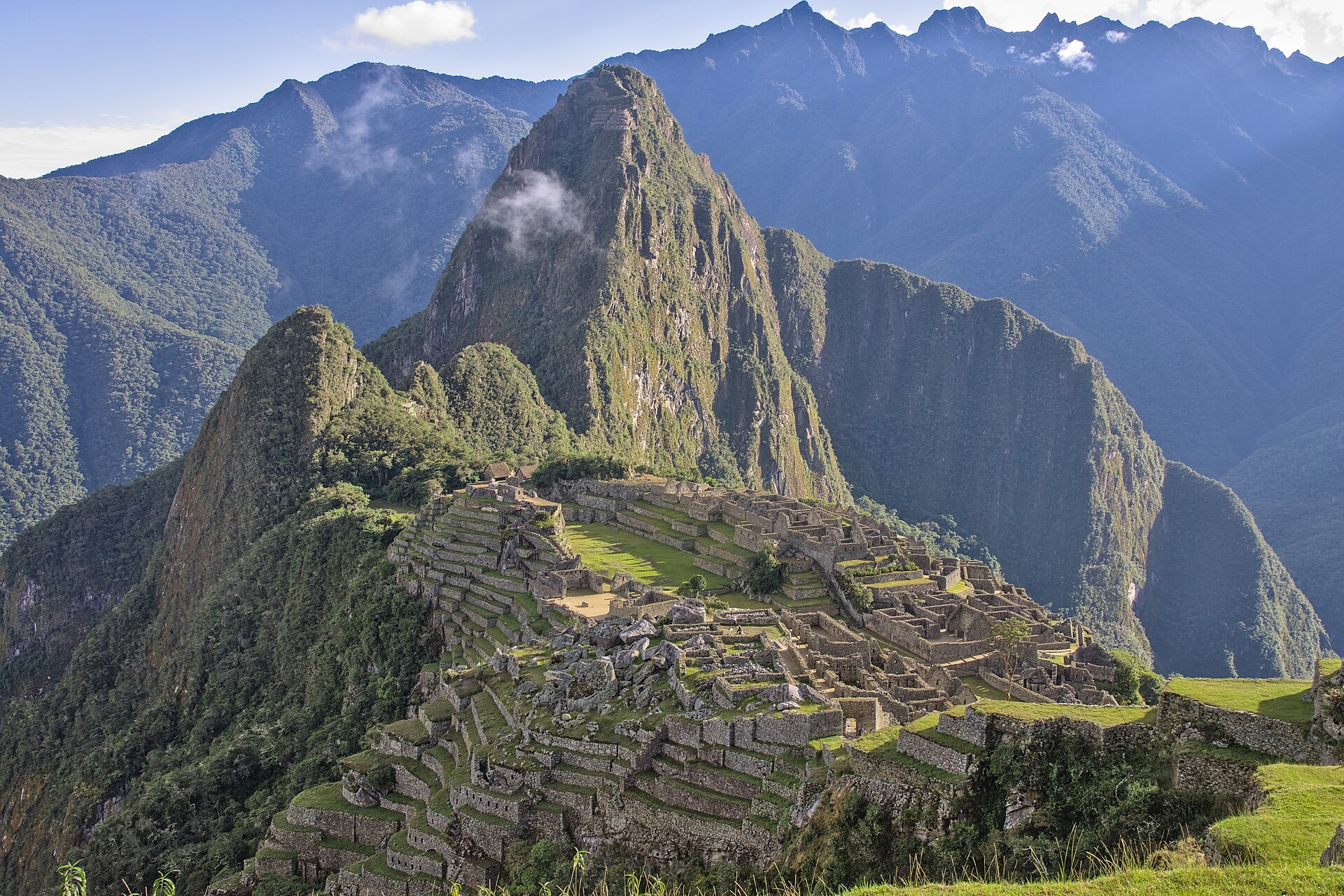
23 / 52 · Architecture Across Cultures
15th century
Building With the Mountain
Machu Picchu
- The Moment
- Buildings, terraces, roads, drainage and mountains were integrated into one system.
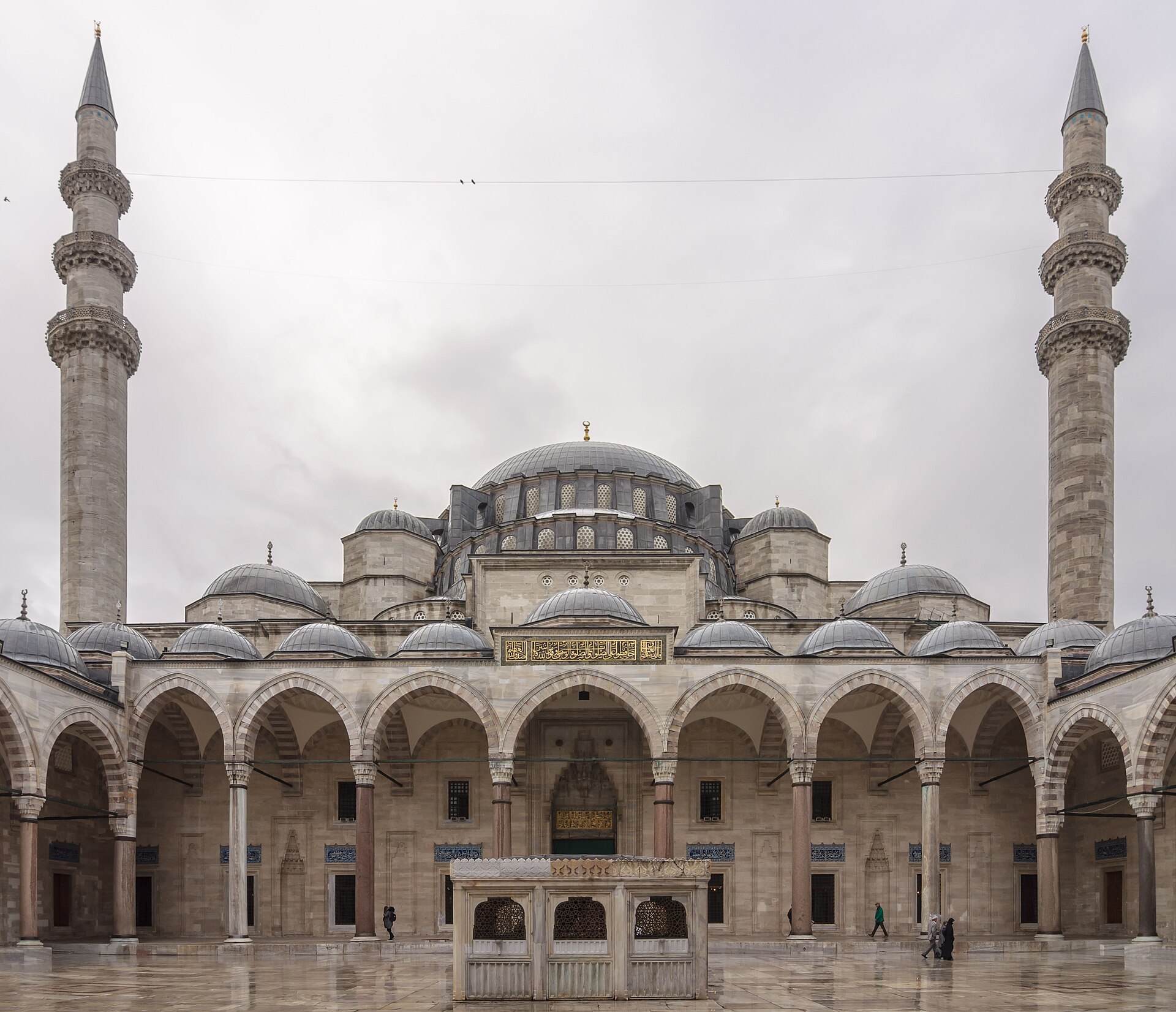
24 / 52 · Architecture Across Cultures
16th century
When a Dome Became a Language
Ottoman Central-Dome Mosque
- The Moment
- The central dome became the organizing principle of a new monumental Islamic architectural tradition.
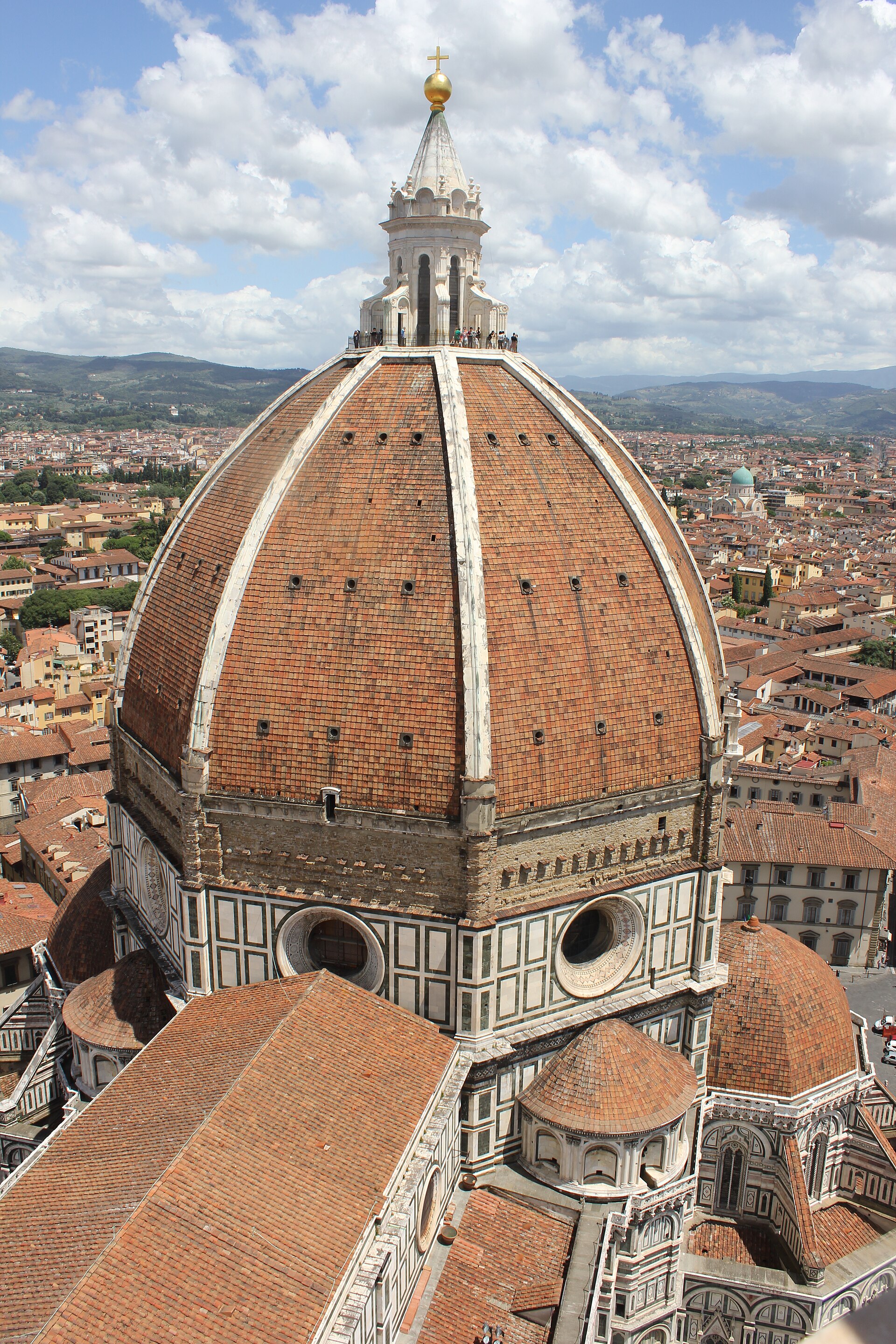
25 / 52 · Renaissance & the Invention of the Architect
1420–1436
The Dome That Had to Be Solved
Brunelleschi's Dome
- The Moment
- Brunelleschi's solution to Florence Cathedral's structural challenge marked a turning point.
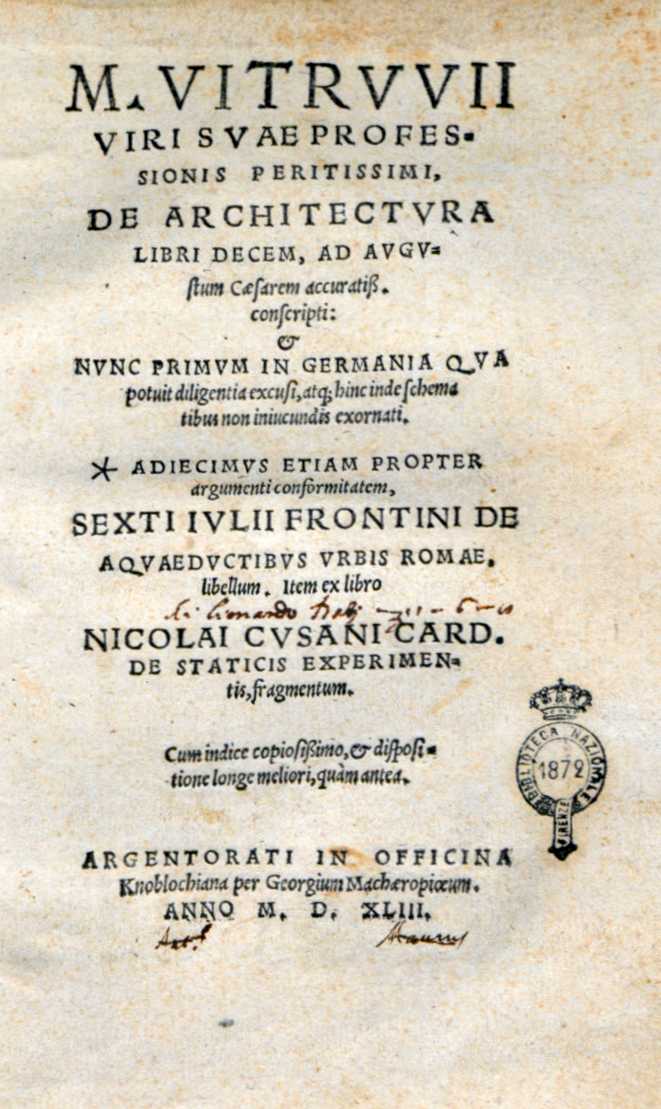
26 / 52 · Renaissance & the Invention of the Architect
15th–16th centuries
When Architecture Became an Idea
Renaissance Architectural Theory
- The Moment
- Architecture became increasingly formalized through written theory, geometry, proportion and classical precedent.
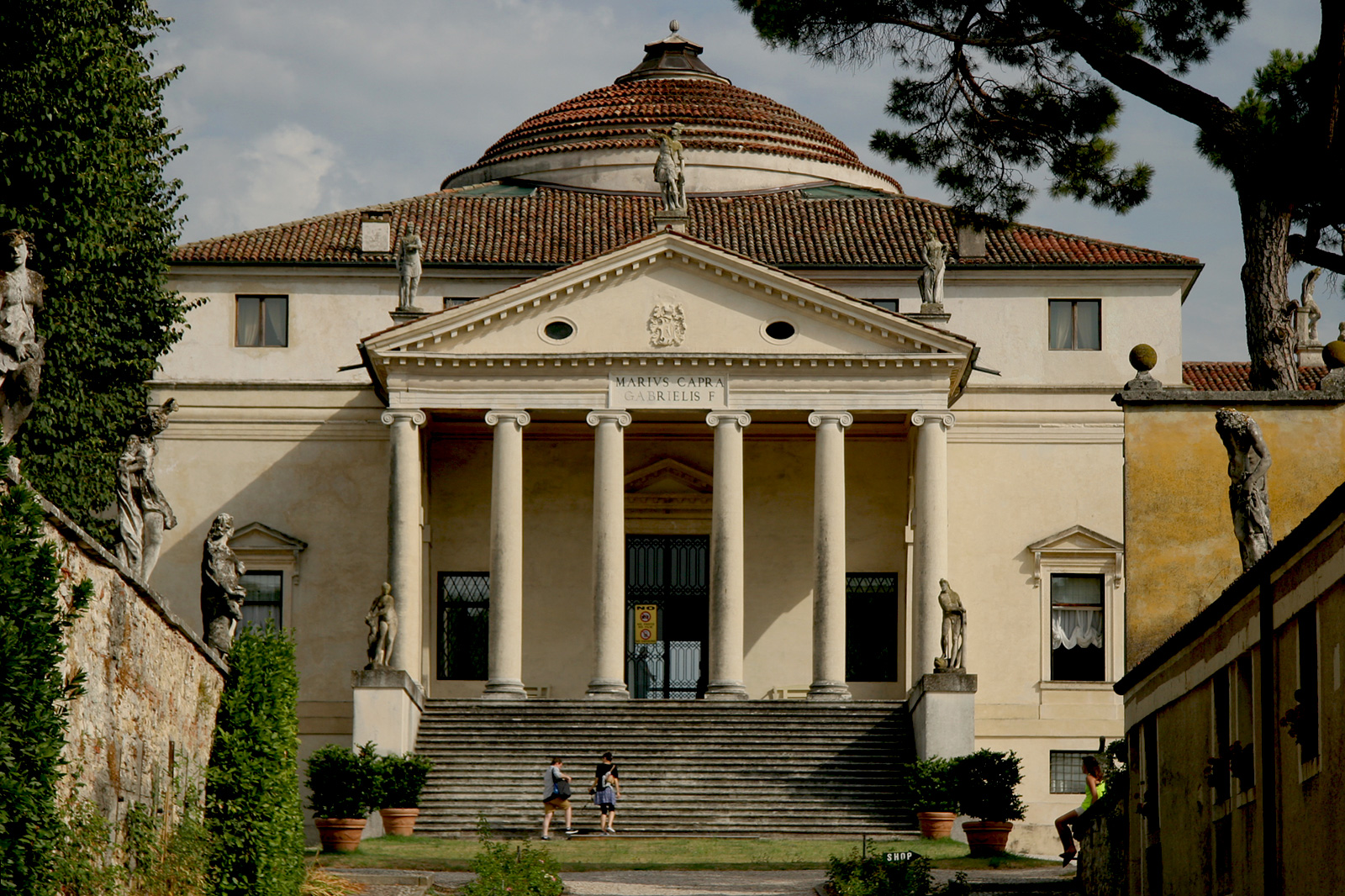
27 / 52 · Renaissance & the Invention of the Architect
16th century
When the House Became a System
Palladian Villa
- The Moment
- Palladio transformed the country house into a carefully proportioned architectural system.
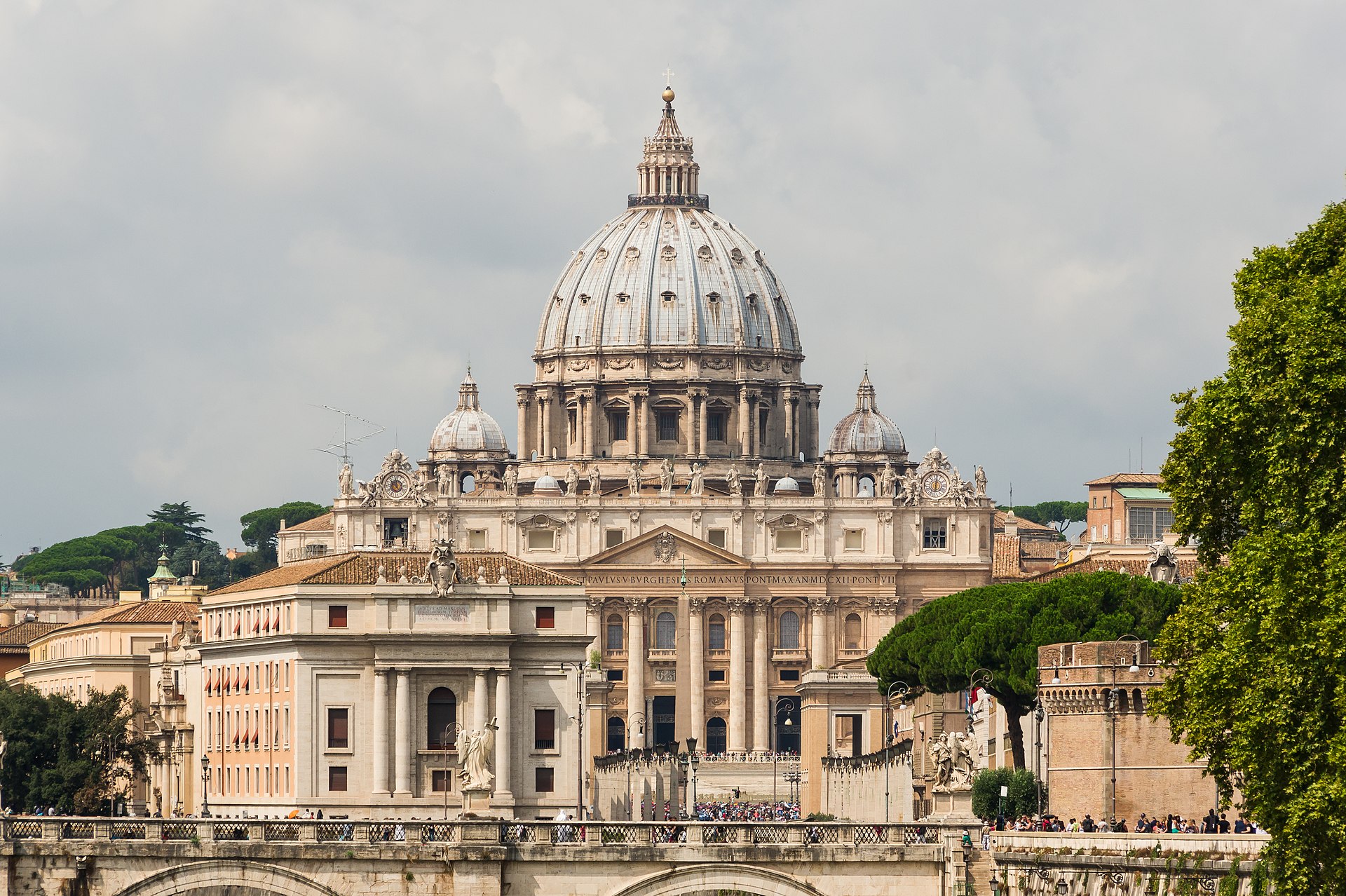
28 / 52 · Renaissance & the Invention of the Architect
1506–1626
The Building That Took Generations
St Peter's Basilica
- The Moment
- Generations of architects transformed one building into a monumental synthesis of Renaissance and Baroque architecture.
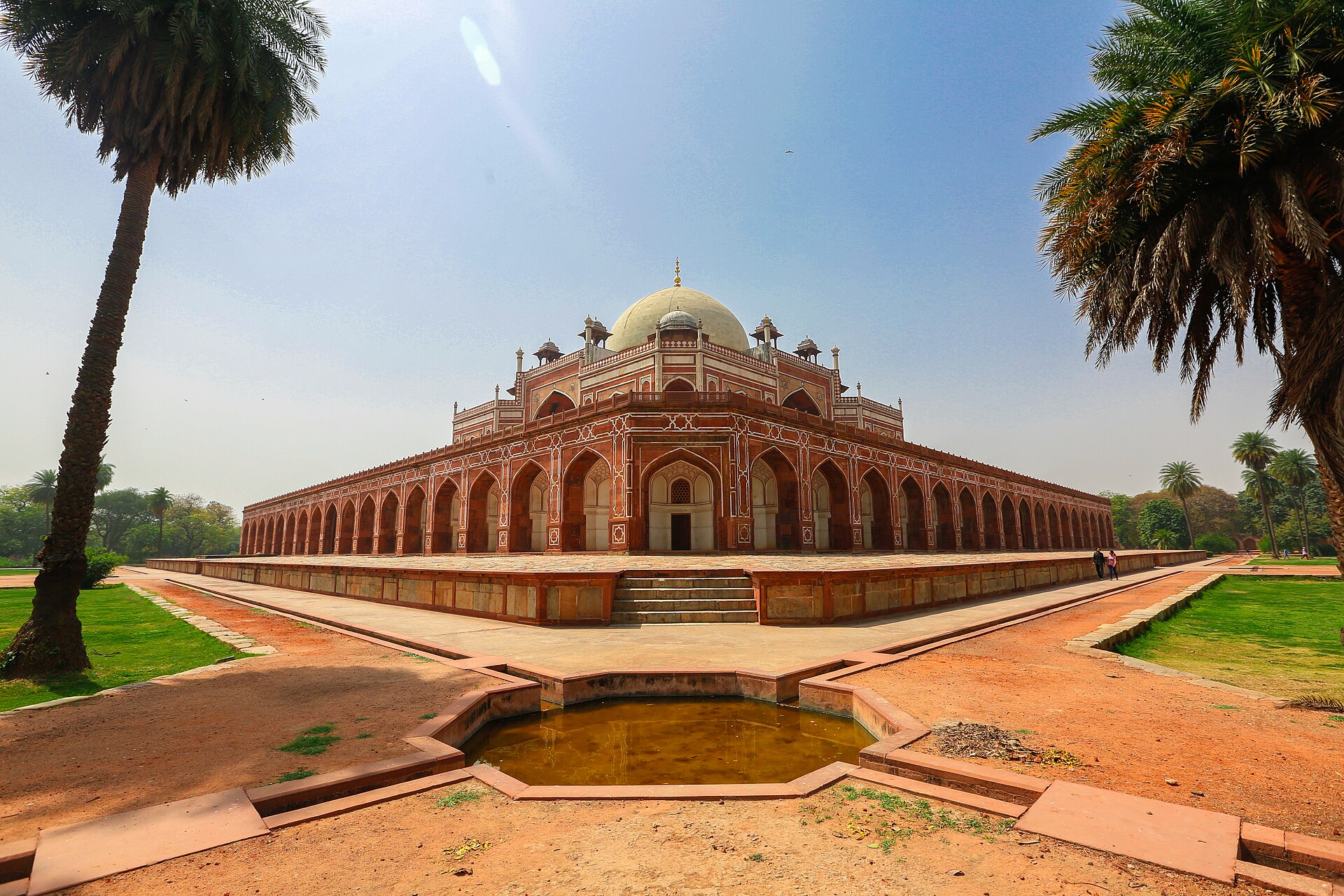
29 / 52 · Palaces, Gardens & Urban Power
1565–1572
When the Garden Became Architecture
Humayun's Tomb
- The Moment
- The garden-tomb established a major Mughal architectural model.
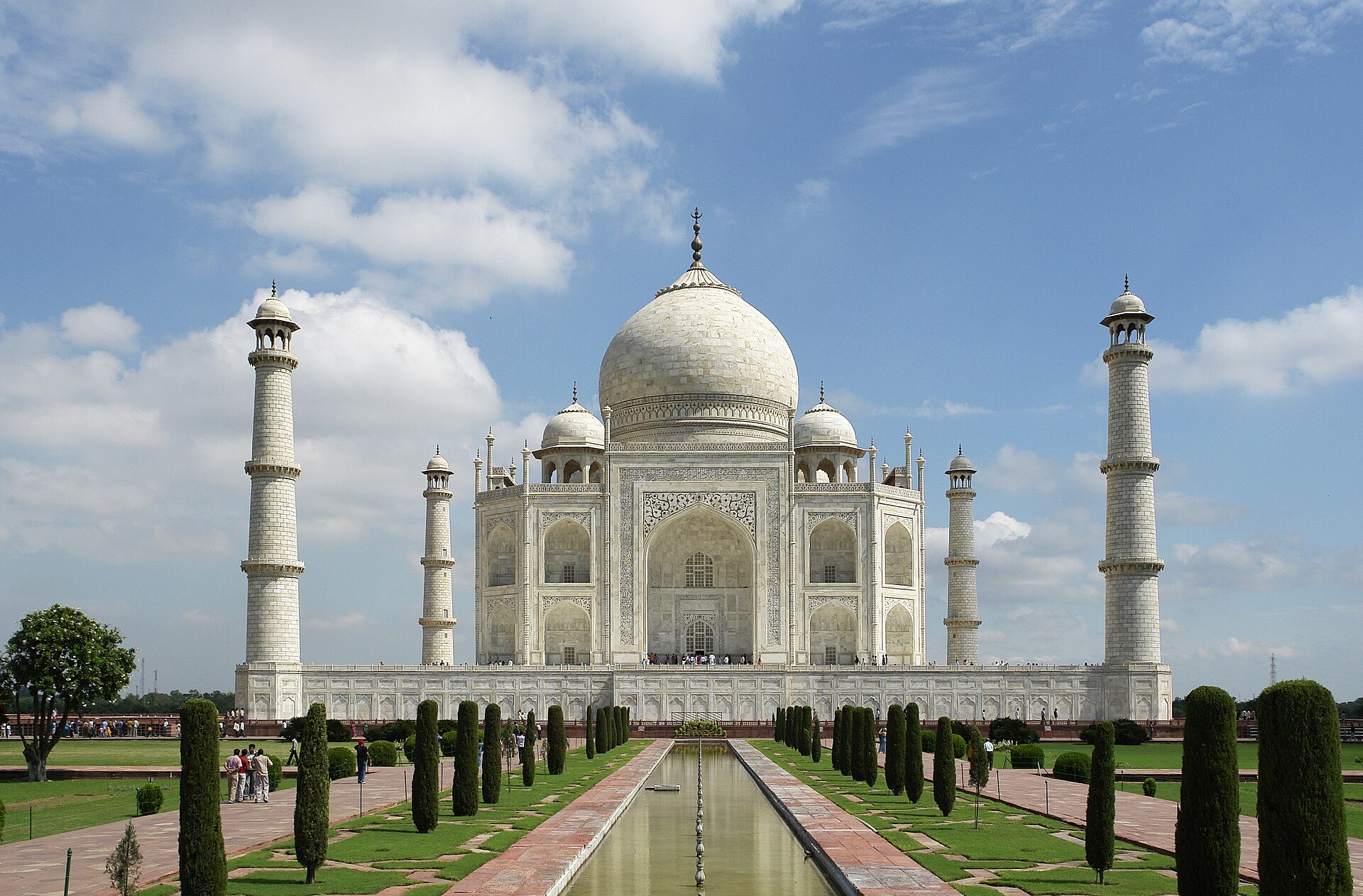
30 / 52 · Palaces, Gardens & Urban Power
1632–1653
Architecture, Memory and Perfect Symmetry
Taj Mahal
- The Moment
- Architecture, garden, water, symmetry, ornament and memory were combined into one composition.
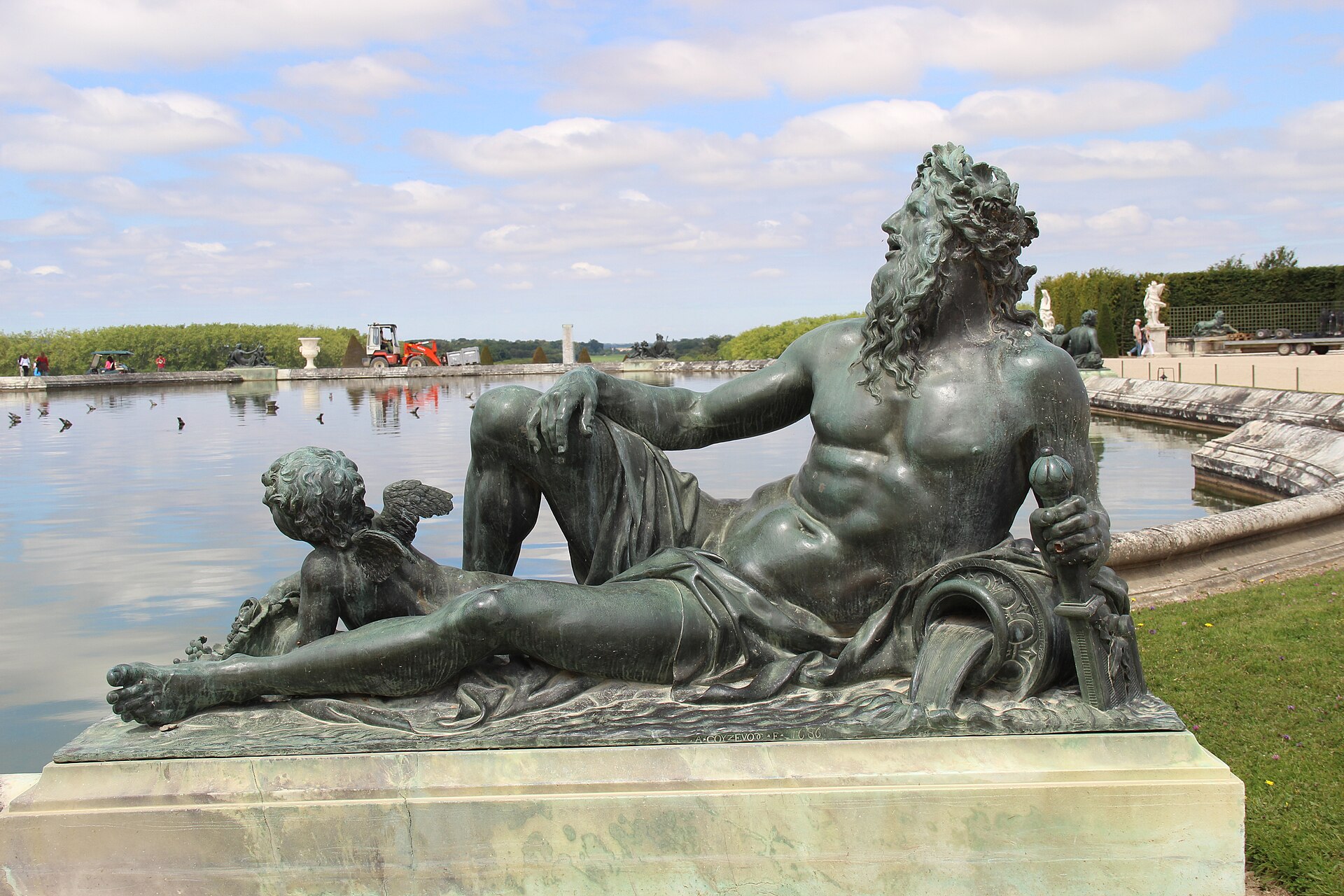
31 / 52 · Palaces, Gardens & Urban Power
1661–1715
When a Palace Became a Landscape
Versailles
- The Moment
- Palace architecture expanded into gardens, axes, ceremonial routes and an entire landscape.
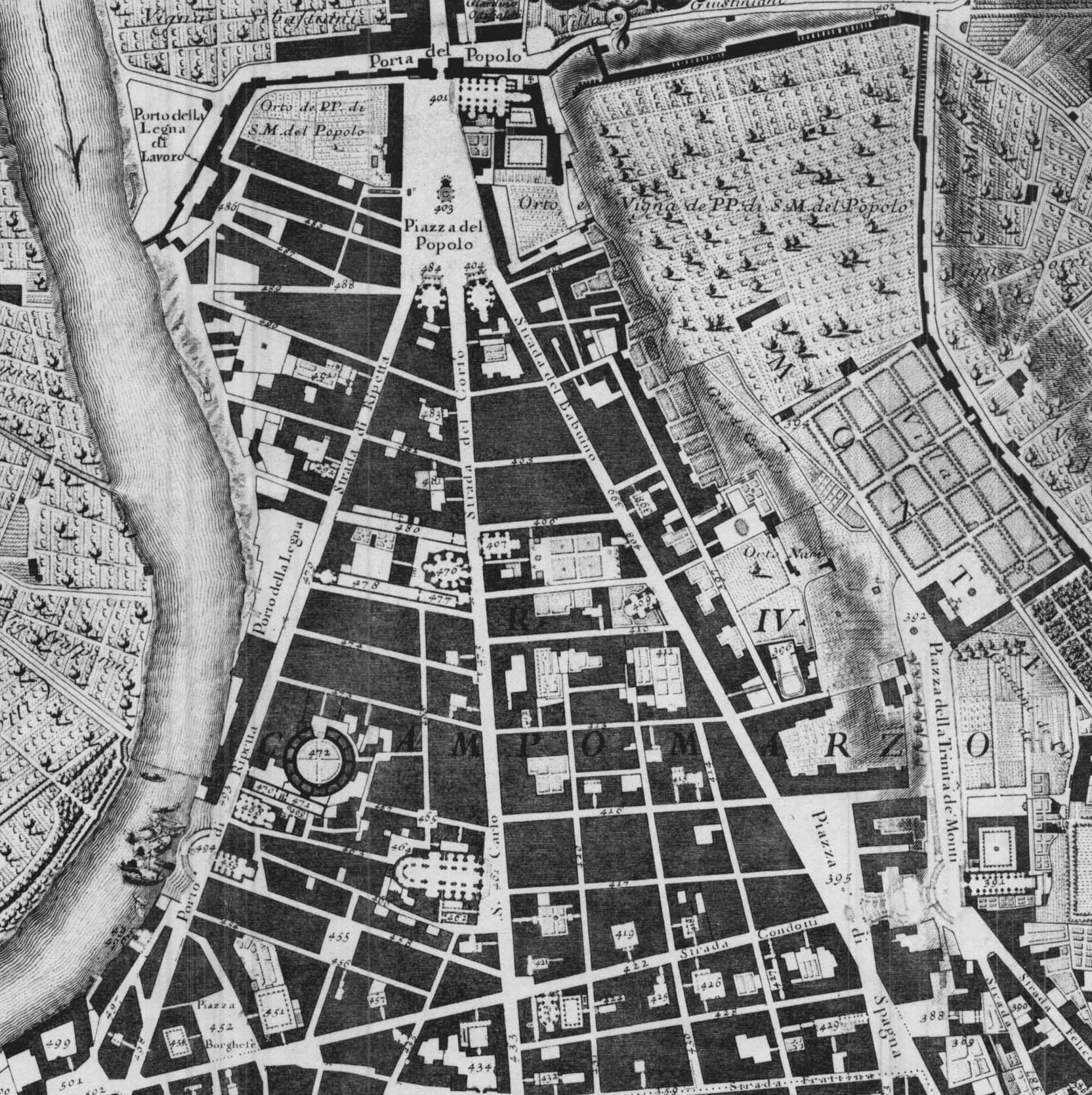
32 / 52 · Palaces, Gardens & Urban Power
17th–18th centuries
When Cities Learned to Choreograph Movement
The Baroque City
- The Moment
- Streets, plazas, monuments and perspectives became deliberately choreographed.
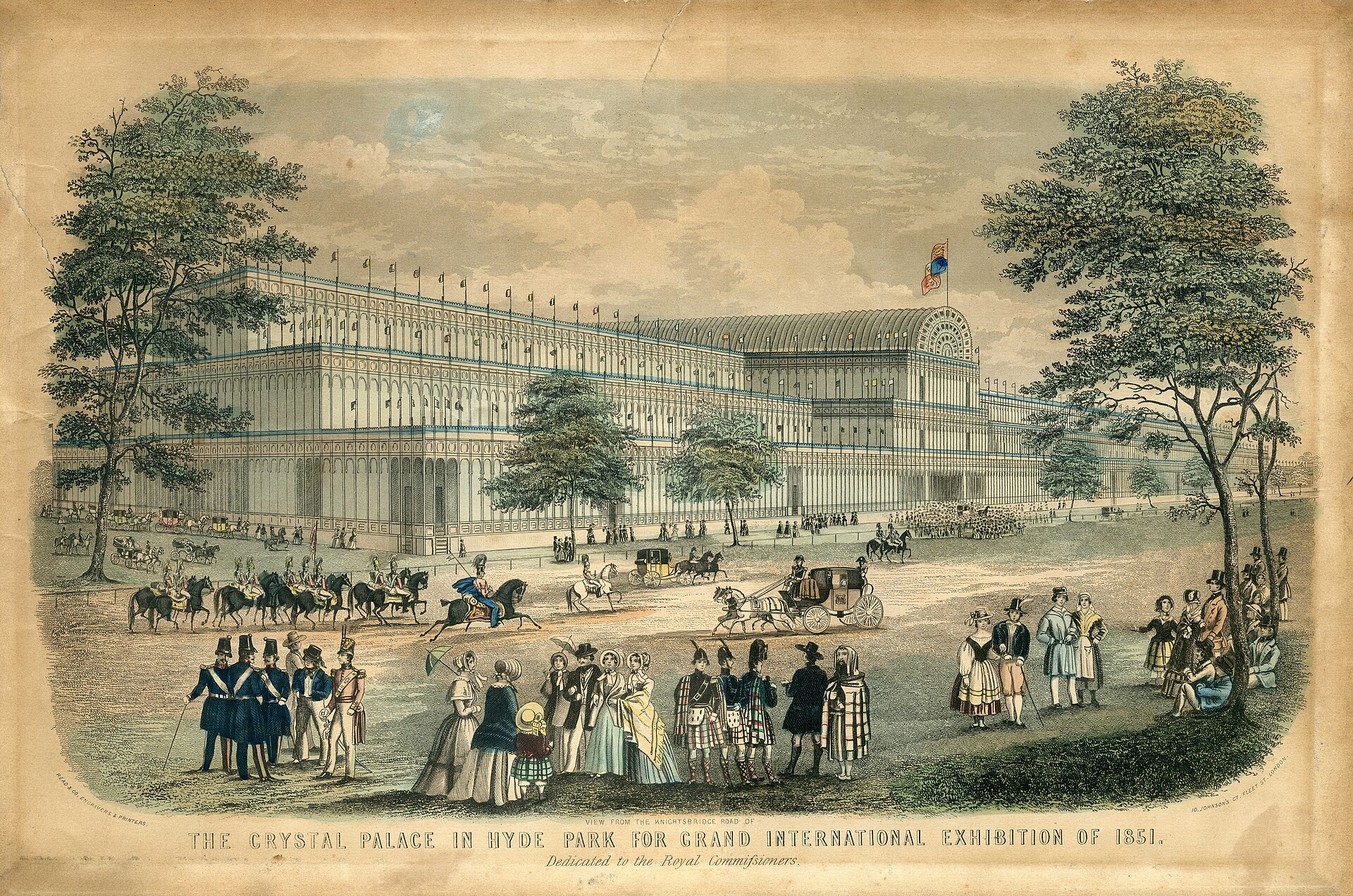
33 / 52 · Industry Changes Architecture
1851
When Architecture Learned to Be Manufactured
The Crystal Palace
- The Moment
- Iron, glass and industrial prefabrication produced a building on a new scale.
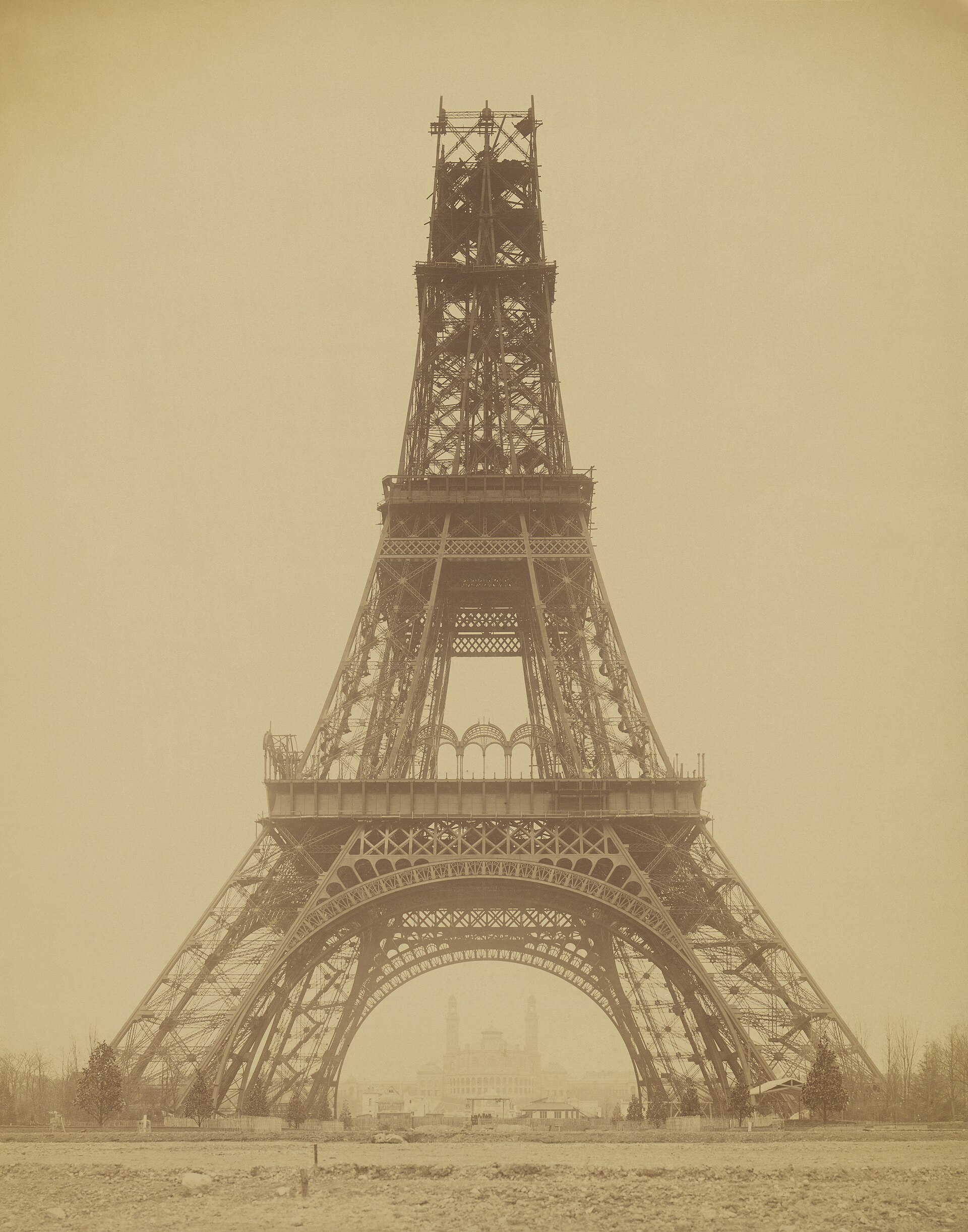
34 / 52 · Industry Changes Architecture
1887–1889
When Structure Became the Architecture
The Eiffel Tower
- The Moment
- Structural engineering became the visual identity of the building.
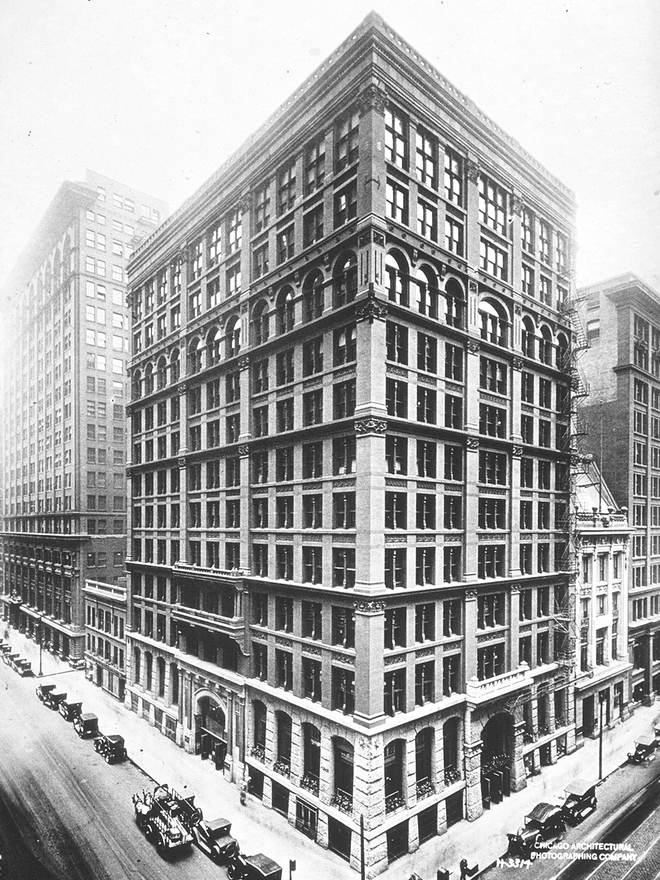
35 / 52 · Industry Changes Architecture
1880s–1890s
When the City Learned to Grow Upward
The Chicago School
- The Moment
- Steel-frame construction, elevators and commercial development transformed urban height.
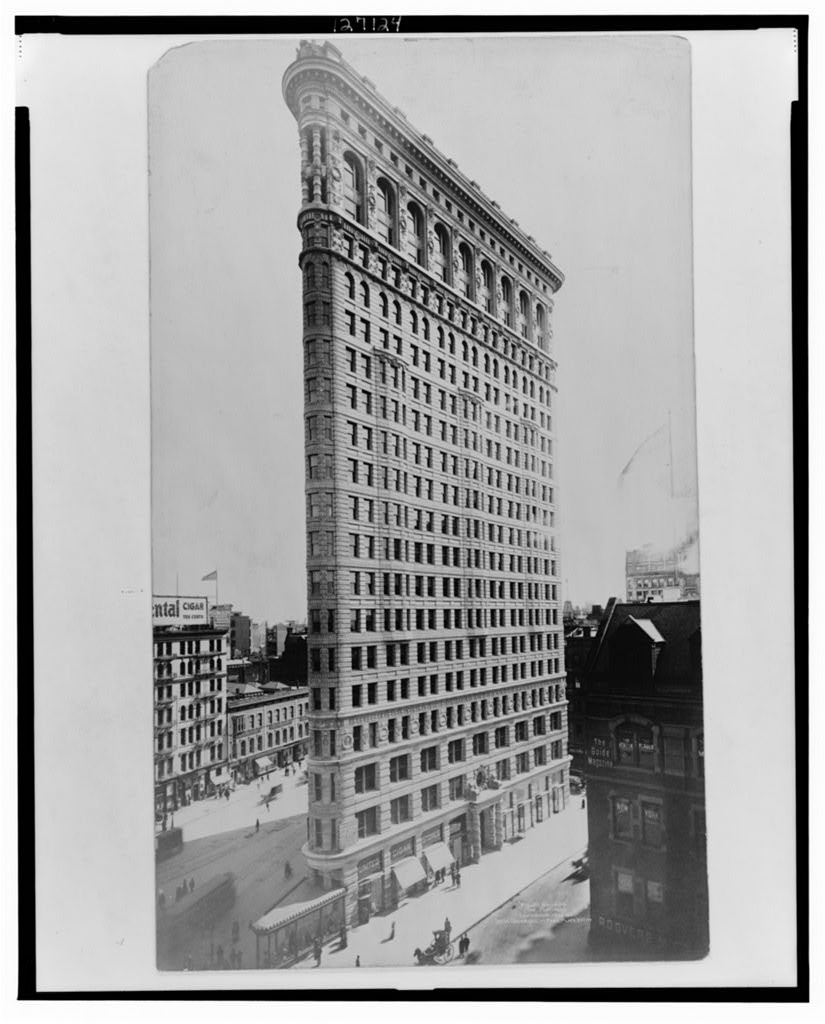
36 / 52 · Industry Changes Architecture
late 19th–early 20th centuries
When Walls Stopped Carrying the Building
The Early Skyscraper
- The Moment
- Structural frames increasingly separated the building's skeleton from its exterior envelope.
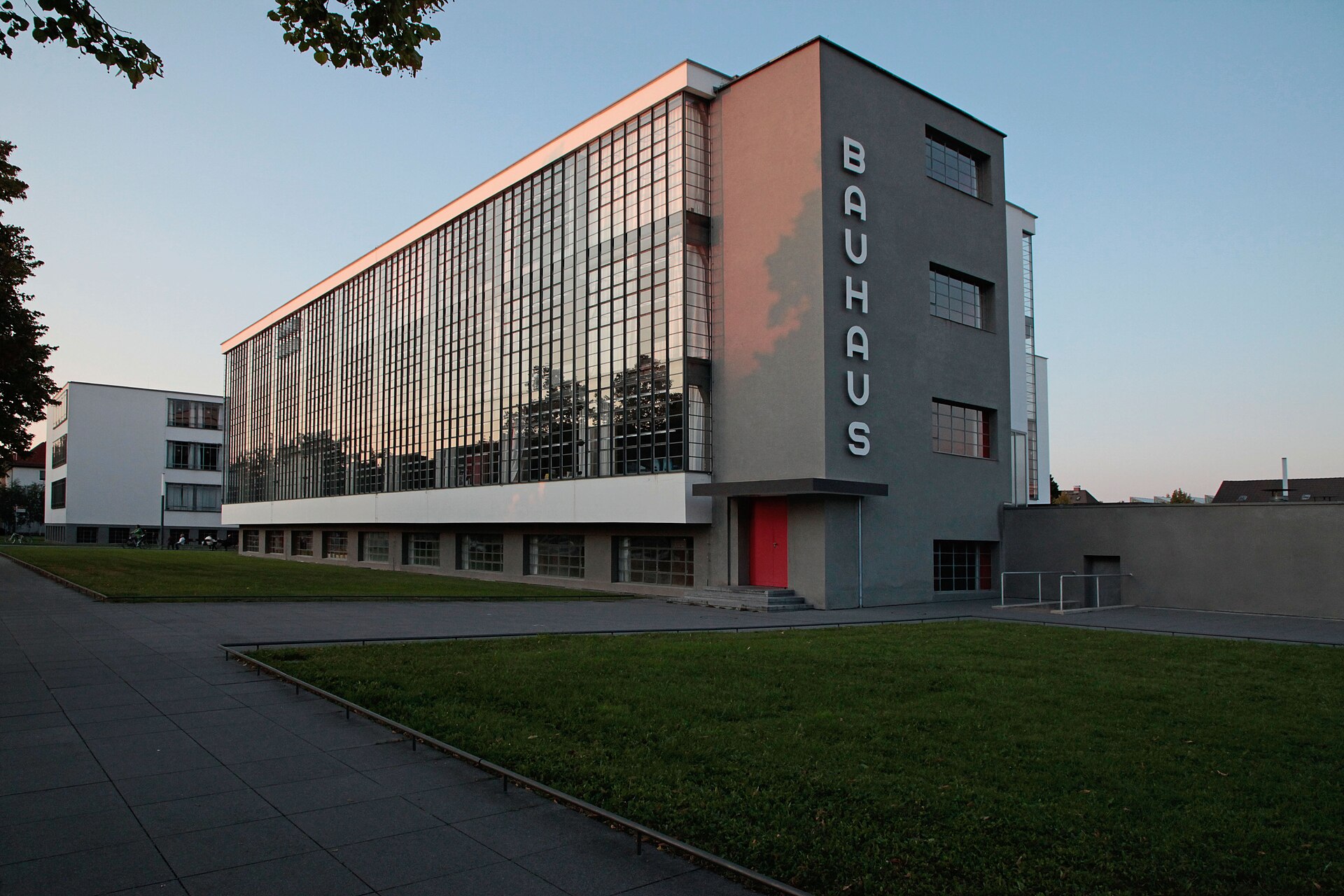
37 / 52 · Modernism & the New Building
1919–1933
When Architecture Tried to Redesign Everyday Life
Bauhaus
- The Moment
- Architecture, art, design, craft and industrial production were brought into one creative system.
38 / 52 · Modernism & the New Building
1928–1931
The House as a Modern Machine
Villa Savoye
- The Moment
- Le Corbusier's house expressed Modern Movement principles through open planning, pilotis, horizontal windows and a roof terrace.
39 / 52 · Modernism & the New Building
1935–1939
When a House Became Part of Nature
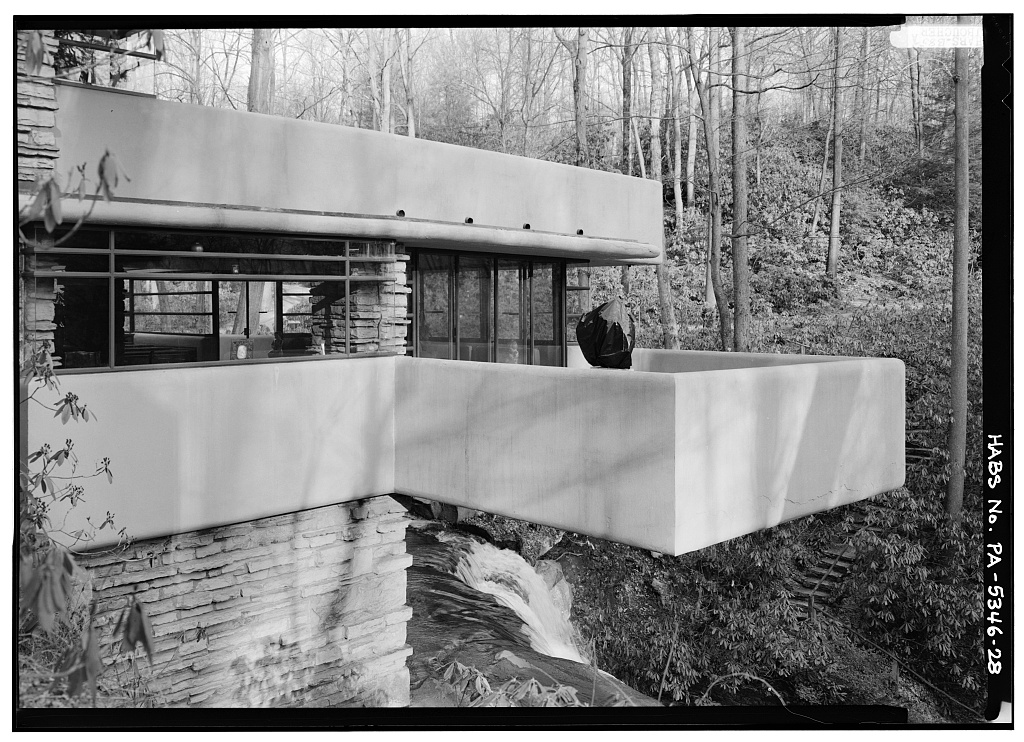
Fallingwater
- The Moment
- Frank Lloyd Wright placed the house directly into its natural setting above a waterfall.
40 / 52 · Modernism & the New Building
1956–1960
When an Entire Capital Became a Design
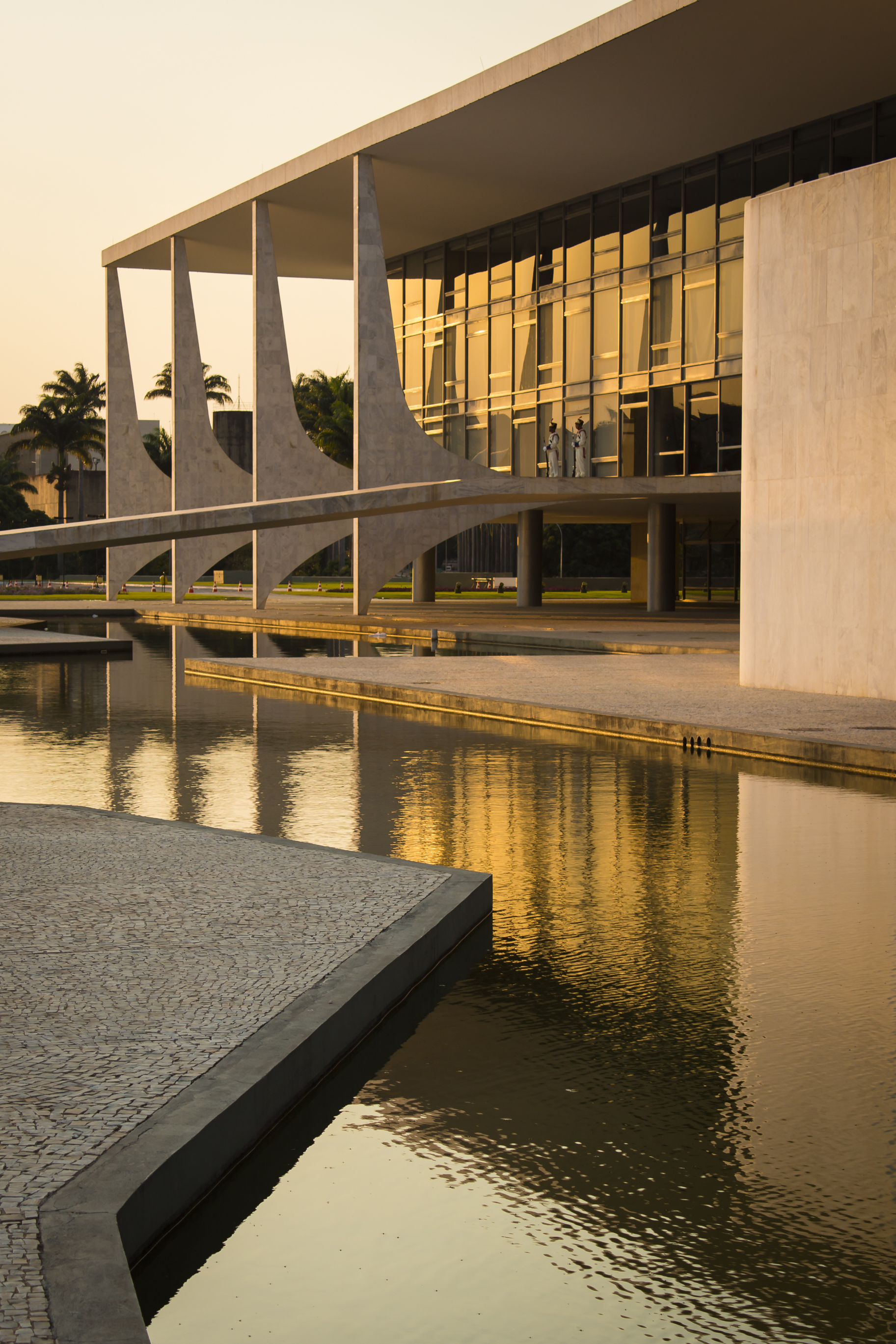
Brasília
- The Moment
- A national capital was planned and built around a modernist vision.
41 / 52 · Modernism & the New Building
1951–1966
Designing a New Civic Identity
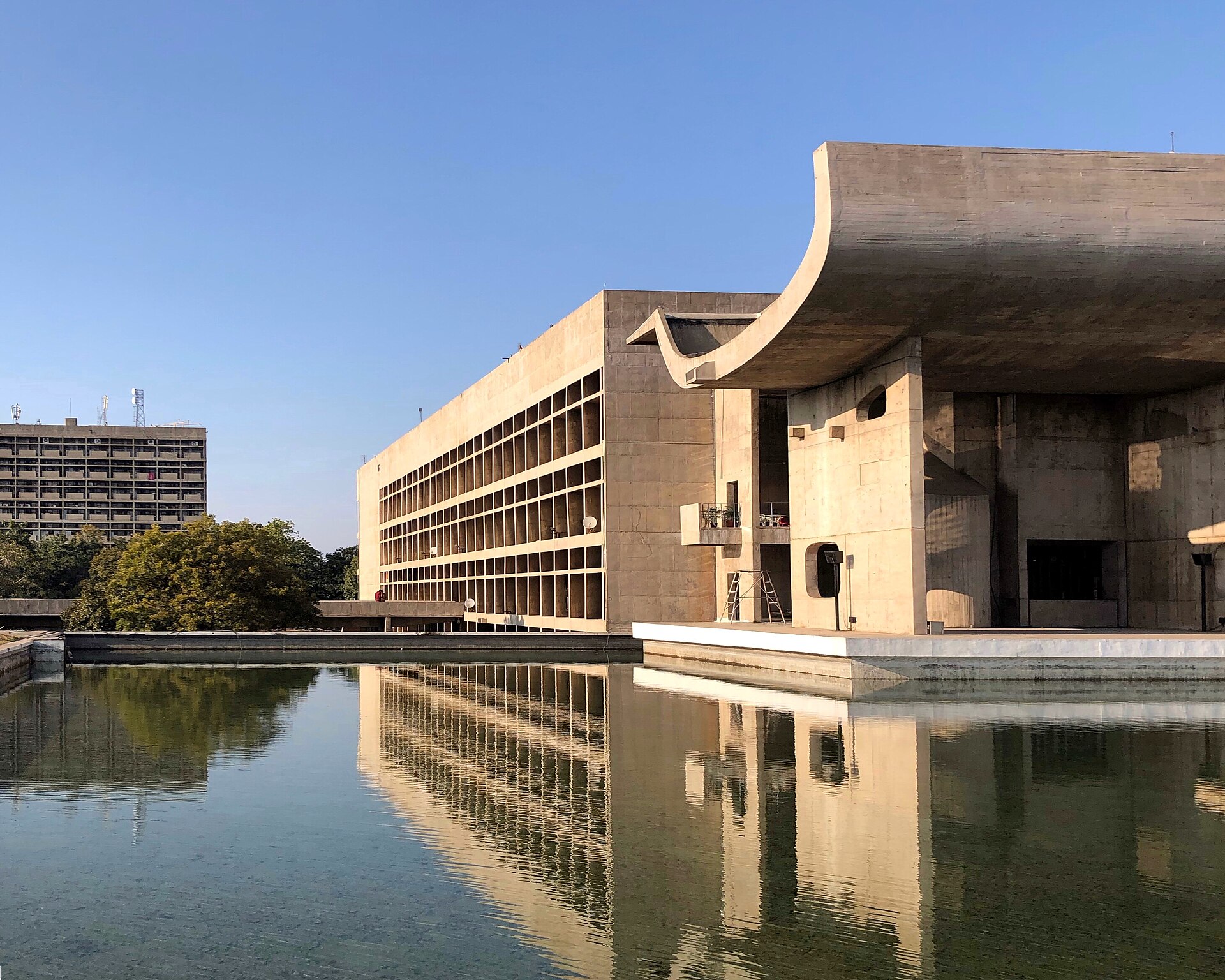
Chandigarh
- The Moment
- Modernist principles were applied to a newly planned postcolonial city.
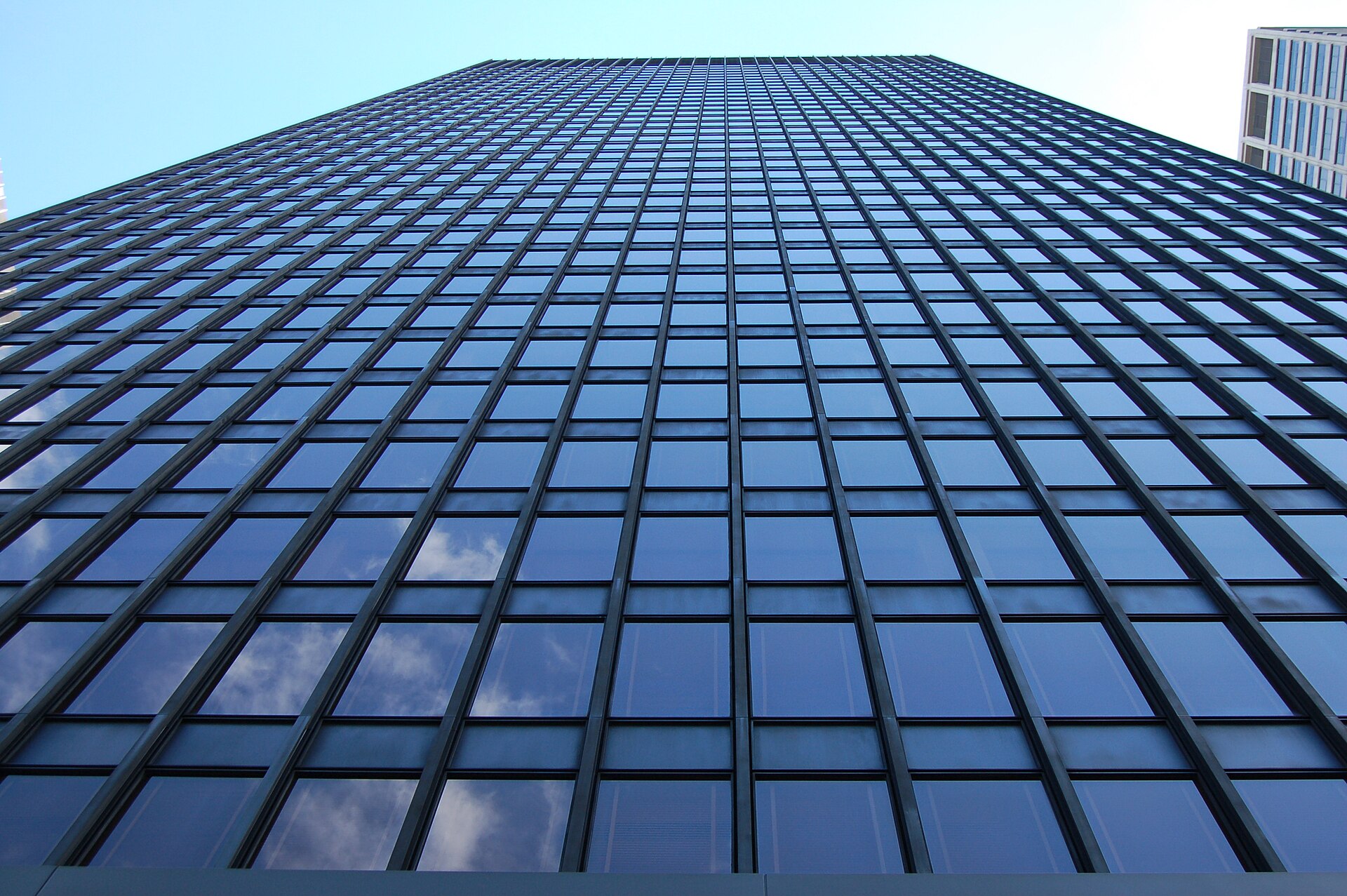
42 / 52 · Modernism & the New Building
1954–1958
The Skyscraper as Discipline
Seagram Building
- The Moment
- Structure, proportion, materials and urban setback were reduced to a highly disciplined language.
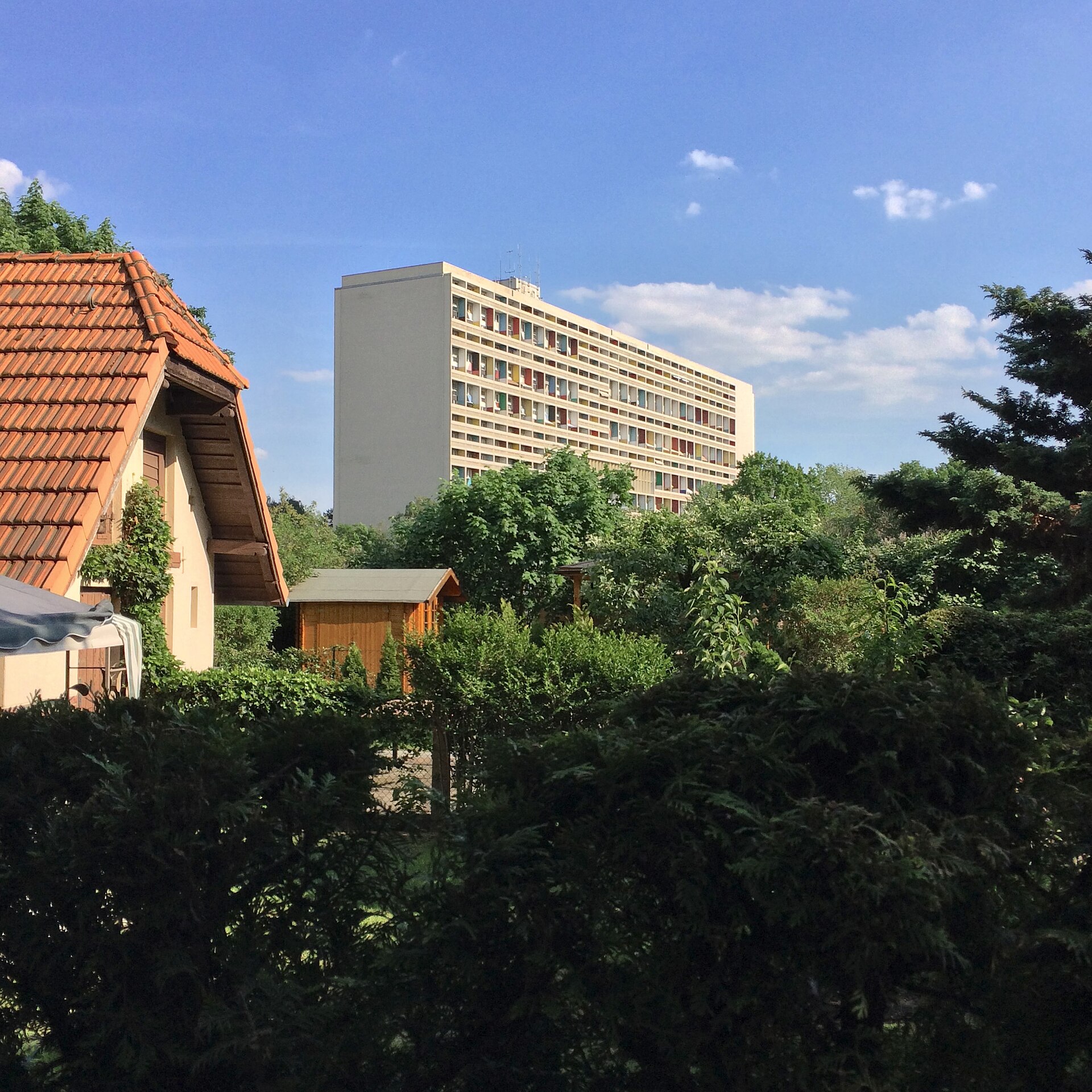
43 / 52 · Architecture & Society
1947–1952
When an Apartment Building Became a Neighbourhood
Unité d'Habitation
- The Moment
- Housing was reconceived as a vertical community containing homes and shared facilities.
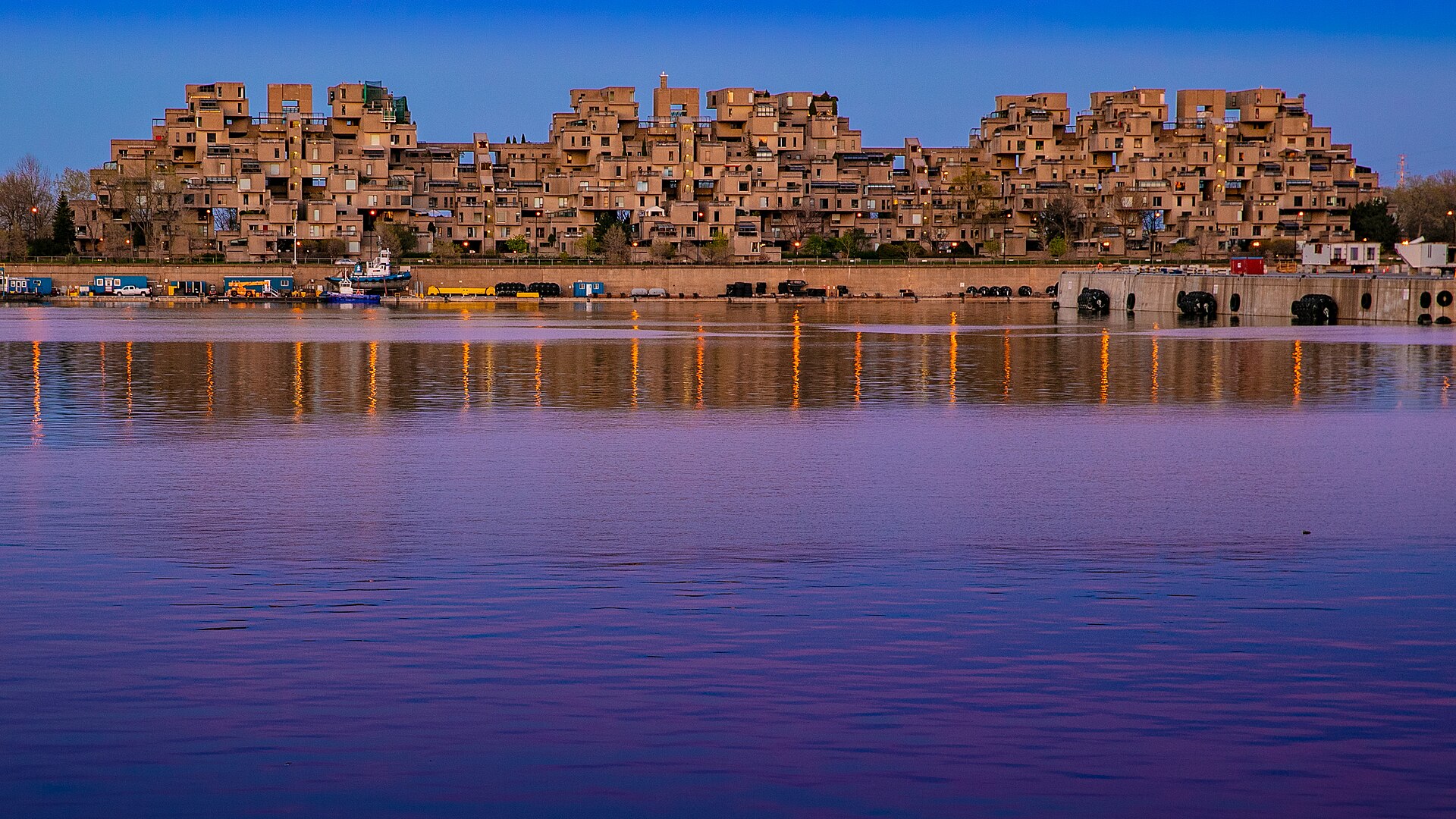
44 / 52 · Architecture & Society
1967
Can Density Still Feel Like Home?
Habitat 67
- The Moment
- Modular housing was assembled into a dense three-dimensional neighbourhood with private terraces.
45 / 52 · Architecture & Society
1971–1977
When the Building Turned Itself Inside Out
Centre Pompidou
- The Moment
- Structure, circulation and mechanical services were deliberately exposed.
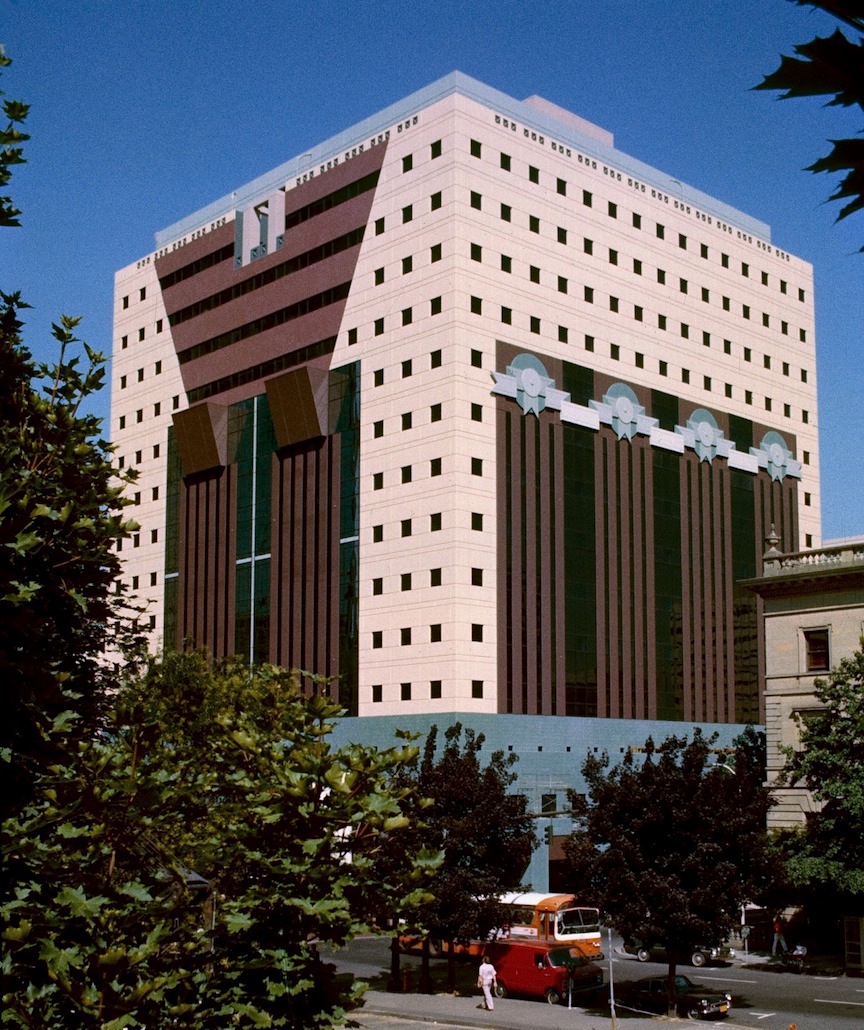
46 / 52 · Postmodernism & New Forms
1960s–1980s
When Architecture Started Questioning Modernism
Postmodern Architecture
- The Moment
- Architects challenged the universal language of Modernism through historical references, symbolism, colour and complexity.
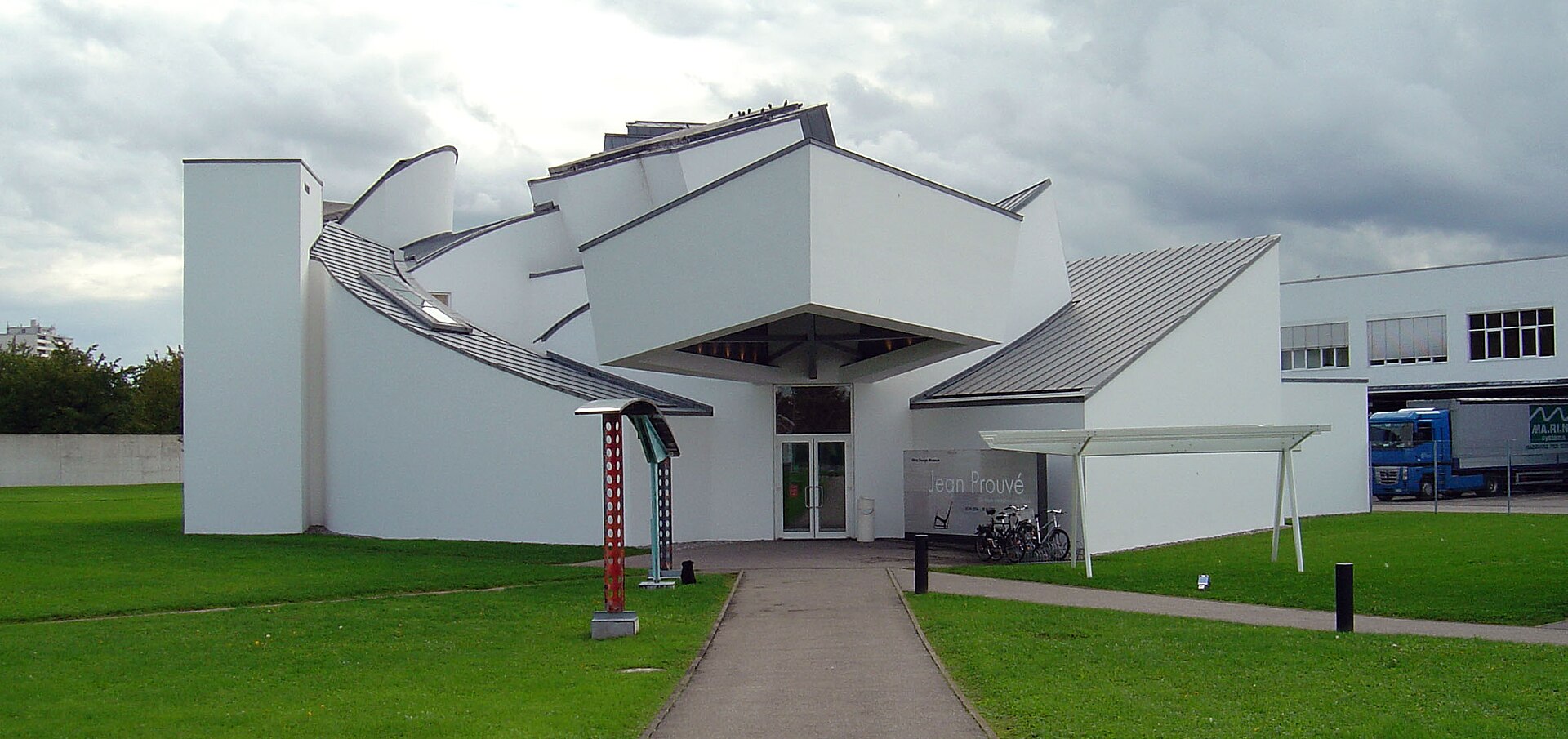
47 / 52 · Postmodernism & New Forms
1980s onward
When Buildings Stopped Looking Stable
Deconstructivist Architecture
- The Moment
- Conventional assumptions about symmetry, geometry, stability and order were challenged.
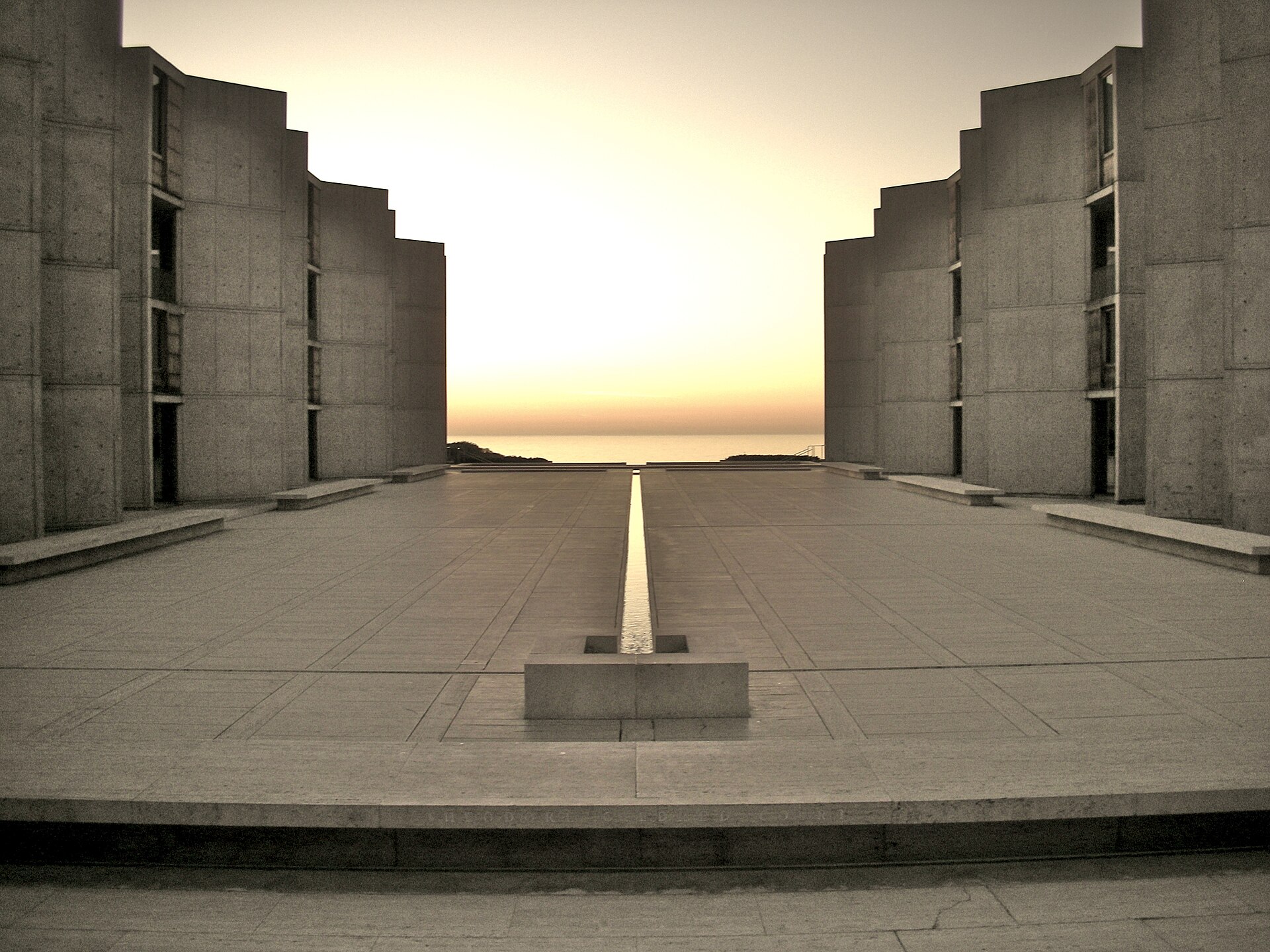
48 / 52 · Postmodernism & New Forms
1959–1965
Designing a Place for Thought
Salk Institute
- The Moment
- Scientific research architecture became a dialogue between geometry, light, concentration and landscape.
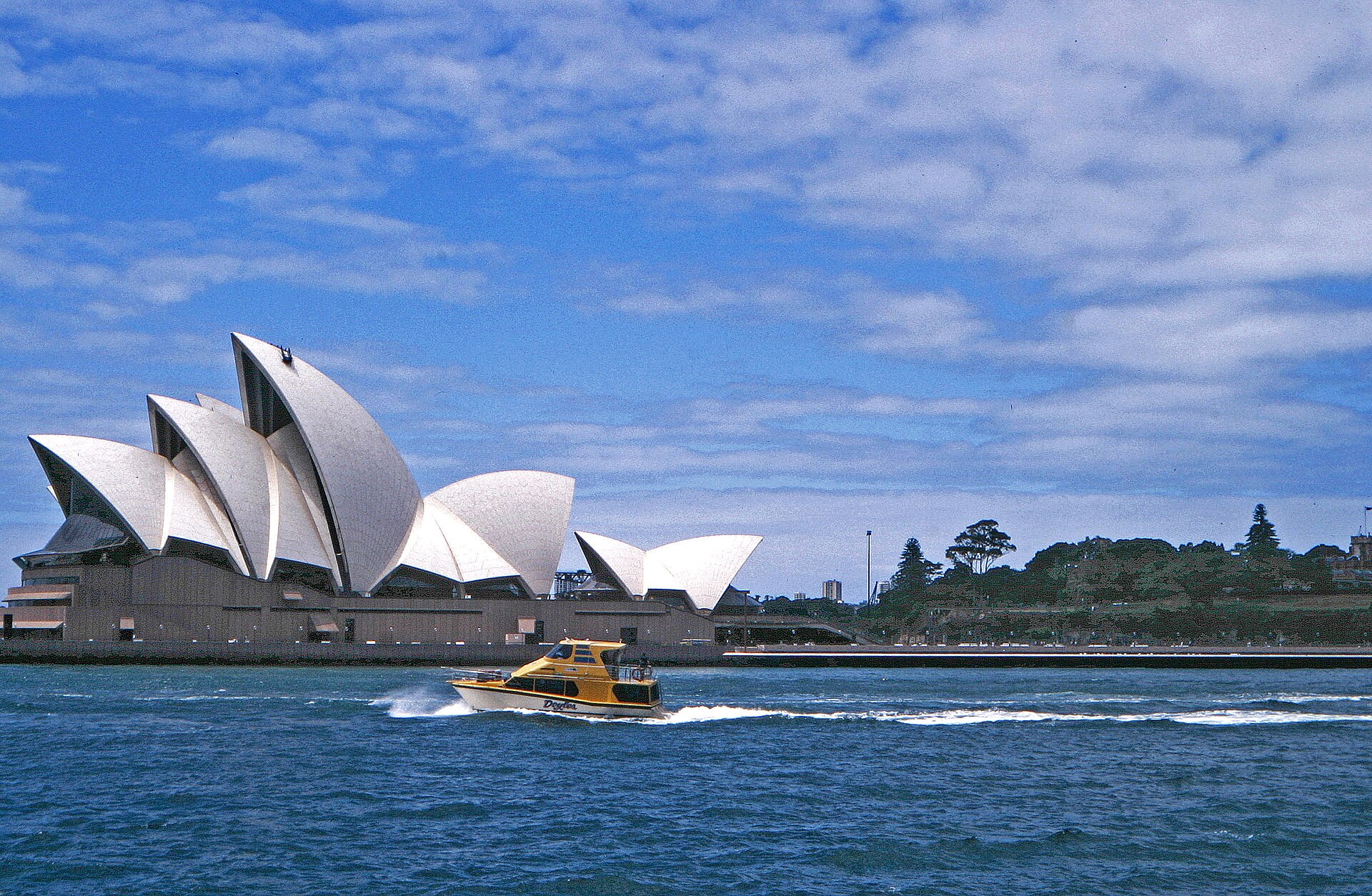
49 / 52 · Global Cultural Icons
1957–1973
When Architecture Became a National Symbol
Sydney Opera House
- The Moment
- An ambitious structural and architectural concept became a defining symbol of a city and country.
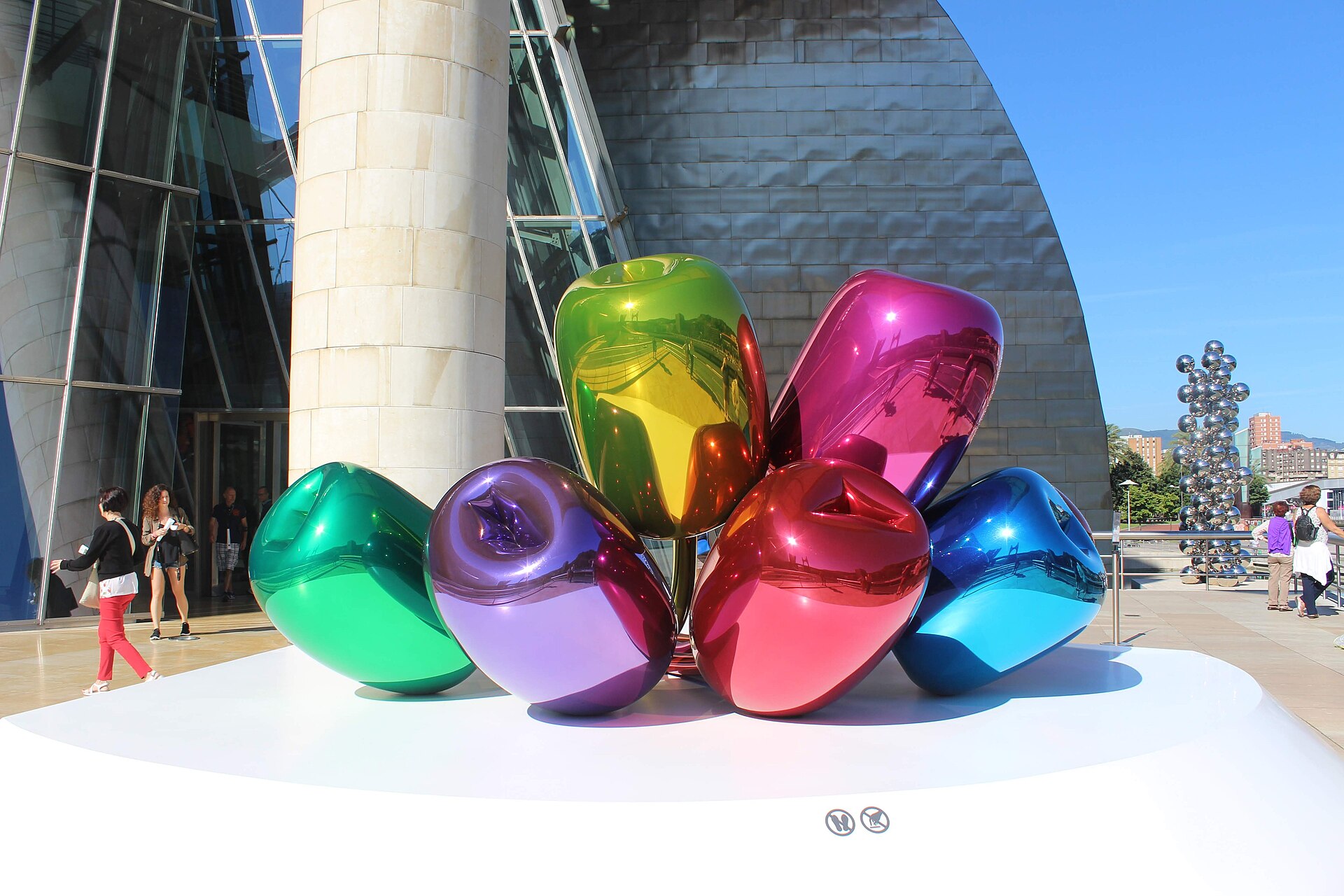
50 / 52 · Global Cultural Icons
1991–1997
When a Museum Helped Reinvent a City
Guggenheim Museum Bilbao
- The Moment
- Digital modelling, complex geometry and advanced fabrication created a building inseparable from its city's cultural identity.
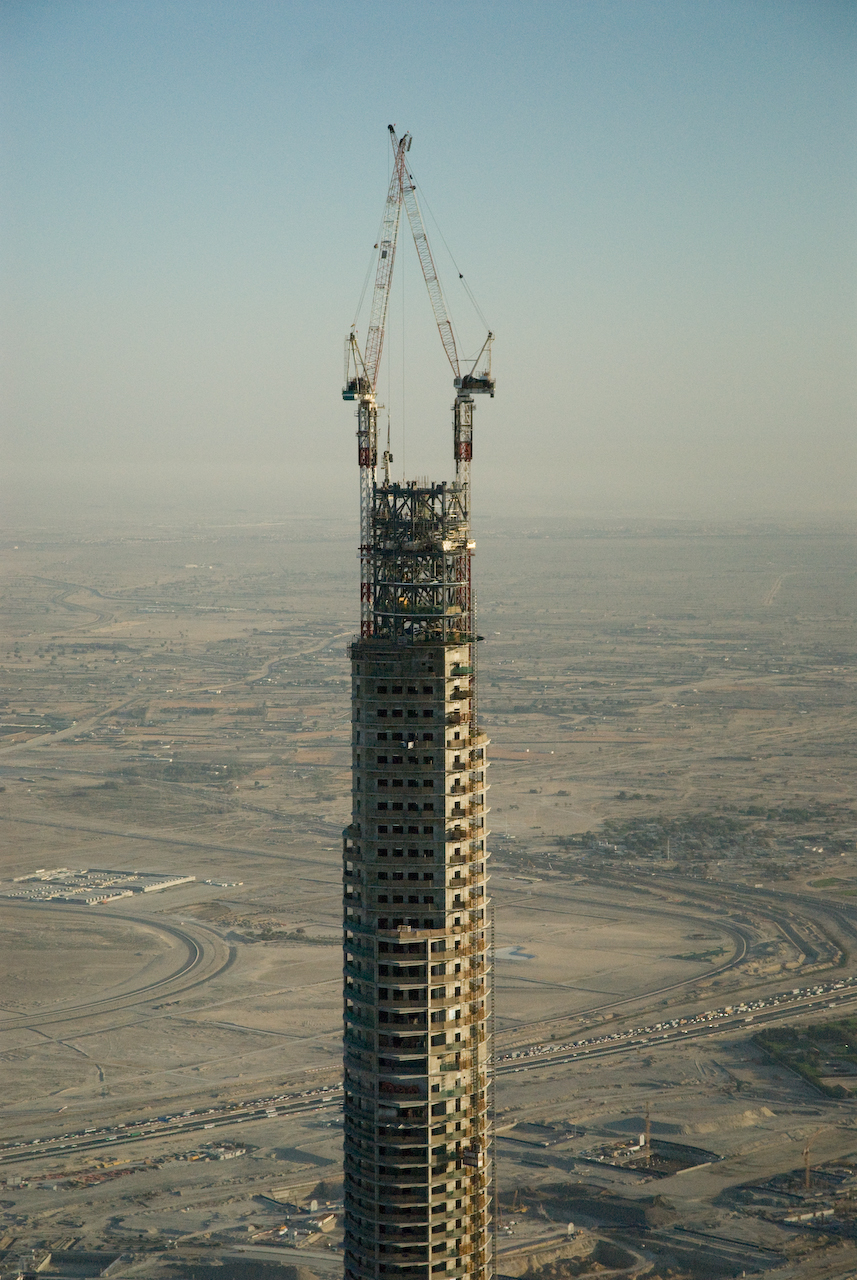
51 / 52 · The Future of Architecture
2004–2010
How High Can Architecture Go?
Burj Khalifa
- The Moment
- High-rise architecture reached a new structural and technological scale.
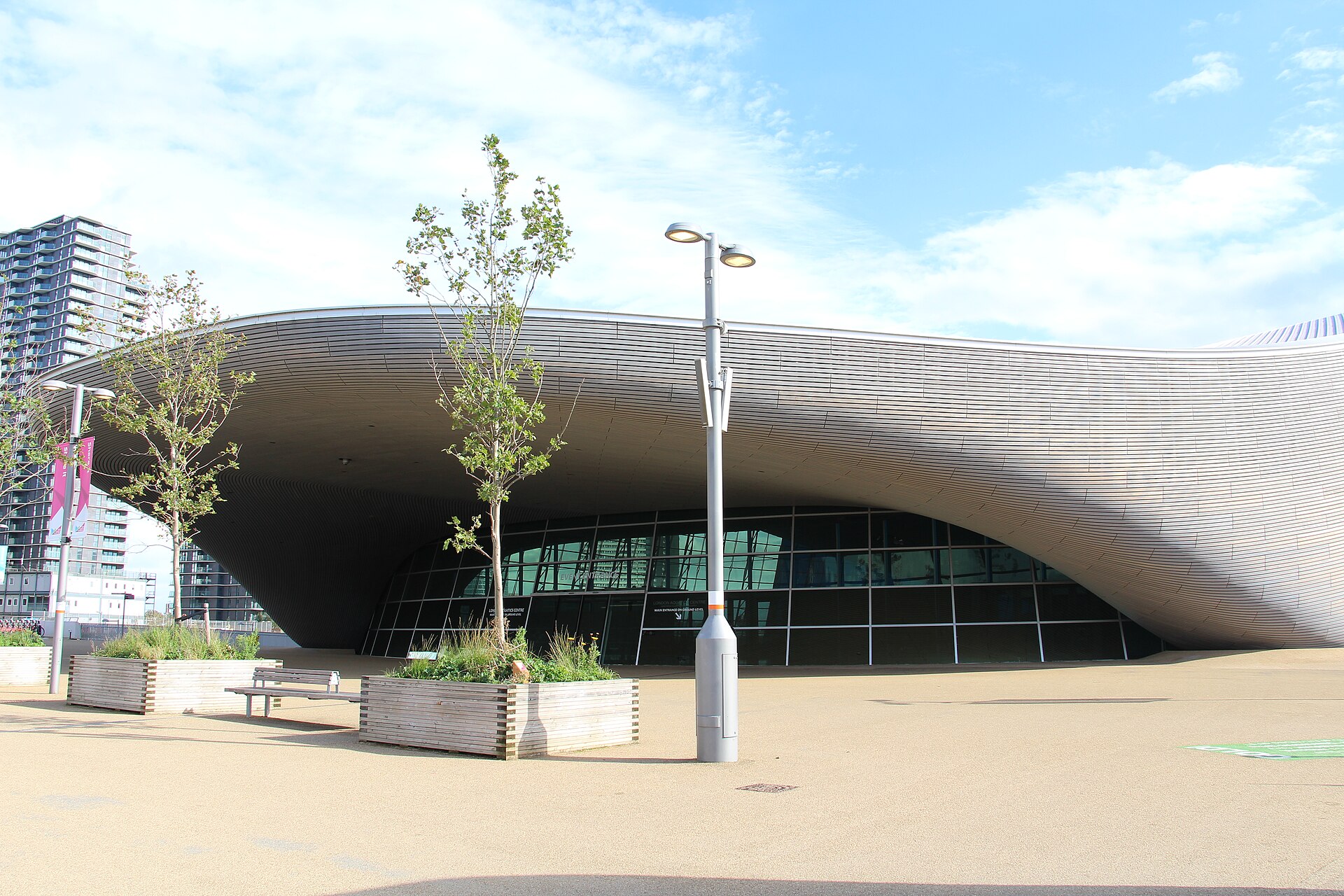
52 / 52 · The Future of Architecture
late 20th century–present
When Computers Started Shaping Buildings
Computational & Parametric Architecture
- The Moment
- Digital modelling, parametric systems and digitally controlled fabrication changed the relationship between architectural idea and construction.