Filed under Stories · Social Rethinks
Charles Darwin and Evolution
The Idea That Changed Humanity’s Place in Nature
- Share “Charles Darwin and Evolution” on X
- Share “Charles Darwin and Evolution” on Facebook
- Share “Charles Darwin and Evolution” on LinkedIn
- Share “Charles Darwin and Evolution” on WhatsApp
- Share “Charles Darwin and Evolution” on Telegram
- Share “Charles Darwin and Evolution” on Reddit
- Share “Charles Darwin and Evolution” on Email
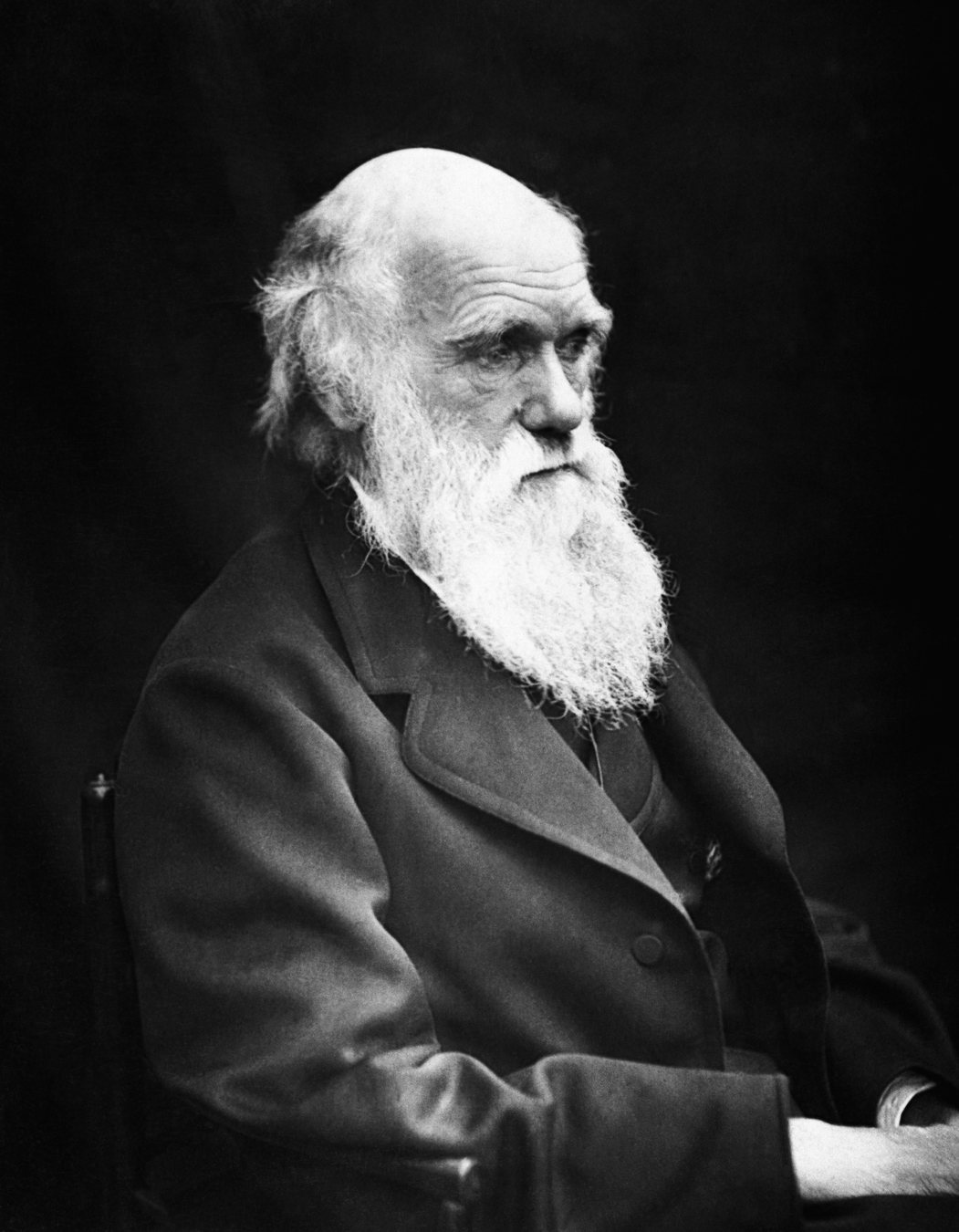
When Charles Darwin published On the Origin of Species in 1859, he offered a framework that challenged established ideas about the natural world. Species, he argued, were not fixed forever. They could change over long periods through natural selection.
Darwin was not the first person to suggest that life changes. Scientific and philosophical ideas about evolution existed before him, and Alfred Russel Wallace independently developed a closely related theory of natural selection. What Darwin contributed was an extensive argument supported by observations from geography, fossils, breeding and variation.
The basic idea was powerful. Individuals within a population vary. Some variations can influence survival and reproduction. Over generations, inherited traits associated with reproductive success can become more common. Given enough time and accumulated change, populations can diverge.
The theory did not answer every question. Darwin did not know the modern mechanisms of genetics. DNA would not be understood until decades later. Evolutionary biology developed through the integration of natural selection with genetics, molecular biology, palaeontology and ecology.
That is precisely why evolution is an important Social Rethink. Scientific ideas are not frozen at the moment they are proposed. Strong ideas survive because they can be tested, challenged and improved.
Evolution also changed humanity's philosophical position. Humans were no longer easily imagined as separate from the rest of life. Biology increasingly described humans as part of a natural history shared with other organisms.
The idea was controversial for scientific, religious and cultural reasons. Some objections reflected genuine questions about evidence. Others reflected fear about what evolution might mean for human identity. Those debates continue in different forms today.
It is important not to misuse Darwin. Evolutionary theory has been distorted to justify racism, eugenics and social inequality. Those political ideologies are not scientific requirements of natural selection. Explaining how populations change is not the same as deciding how societies should treat people.
The Social Rethink
THE OLD NORMAL: Species were often understood as permanently fixed.
THE QUESTION: Could the diversity of life emerge through natural processes over immense periods of time?
THE THEORY: Natural selection offered a mechanism for evolutionary change.
THE CHANGE: Biology gained a unifying framework that connected organisms across time.
THE WARNING: Scientific ideas can be politically misused.
Darwin's most lasting impact was not a slogan about survival. It was a new way of asking questions. Instead of assuming that every feature of life had always existed as it does now, scientists could ask how it emerged.
That shift made history part of biology.
The modern evidence for evolution comes from many fields, including fossils, comparative anatomy and genetics. The theory has changed since Darwin, but its central insight remains one of science's most important.
The question for today is uncomfortable and liberating: if humanity is part of nature rather than outside it, what responsibilities do we have toward the living systems that make our own existence possible?
The Longer Legacy
Evolution became a foundation of modern biology because it connected questions that once appeared separate. Why do organisms share structures? Why do fossils show change? Why are island species distinctive? Why can populations develop resistance to drugs?
Modern genetics provided evidence Darwin did not possess. DNA made inheritance easier to investigate at the molecular level. The theory therefore became stronger through evidence Darwin could never have imagined.
What We Still Misunderstand
Evolution is not a ladder leading inevitably toward 'higher' organisms. It is not a moral ranking system. Natural selection describes a process shaped by environment, variation and reproduction.
The Modern Connection
Climate change, biodiversity loss and emerging disease all depend partly on evolutionary thinking. Understanding that humans are embedded in biological systems may be one of the most practical consequences of Darwin's rethink.