Filed under Ideas · Ideas
The Jazz Singer When the Movies Found Their Voice
The arrival of synchronised sound changed the basic grammar of popular cinema. Suddenly, moving pictures could speak, sing and sound like the world itself.
- Share “The Jazz Singer: When the Movies Found Their Voice” on X
- Share “The Jazz Singer: When the Movies Found Their Voice” on Facebook
- Share “The Jazz Singer: When the Movies Found Their Voice” on LinkedIn
- Share “The Jazz Singer: When the Movies Found Their Voice” on WhatsApp
- Share “The Jazz Singer: When the Movies Found Their Voice” on Telegram
- Share “The Jazz Singer: When the Movies Found Their Voice” on Reddit
- Share “The Jazz Singer: When the Movies Found Their Voice” on Email
THE OLD NORMAL
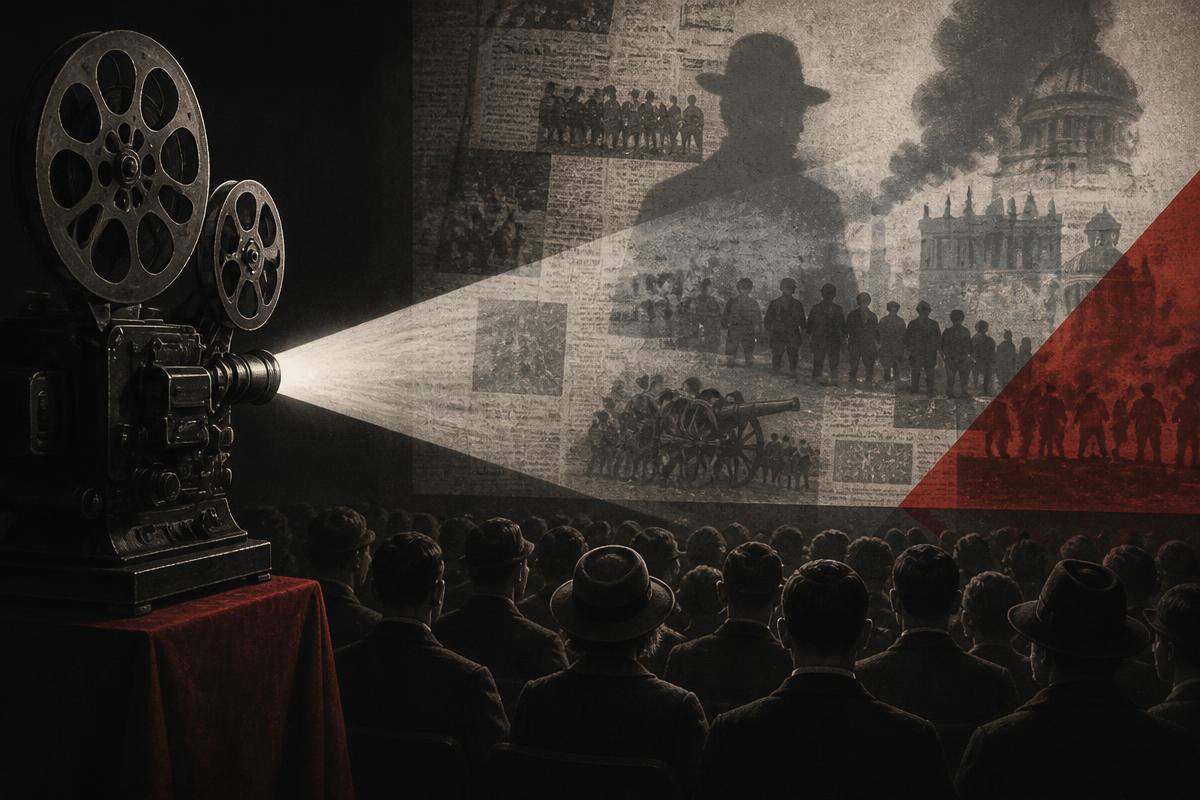
Silent cinema was never truly silent: screenings often included live musicians, narration or sound effects. But the image itself did not carry synchronised recorded dialogue.
THE QUESTION
Could a moving picture speak with a recorded human voice?
THE BREAKTHROUGH
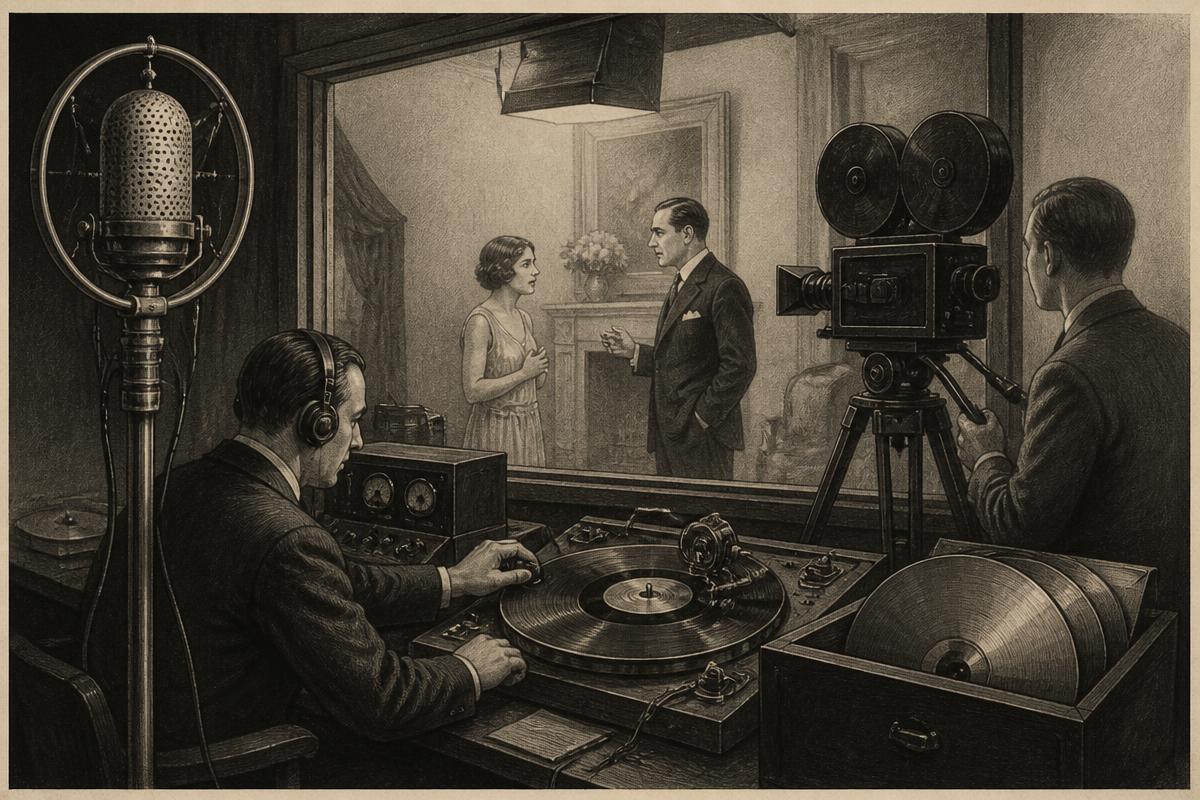
Warner Bros.’ Vitaphone system demonstrated the commercial potential of synchronised sound. The 1926 presentation of Don Juan used recorded musical accompaniment, while The Jazz Singer, released in 1927, became the landmark popular breakthrough for spoken and sung sequences.
THE CHANGE
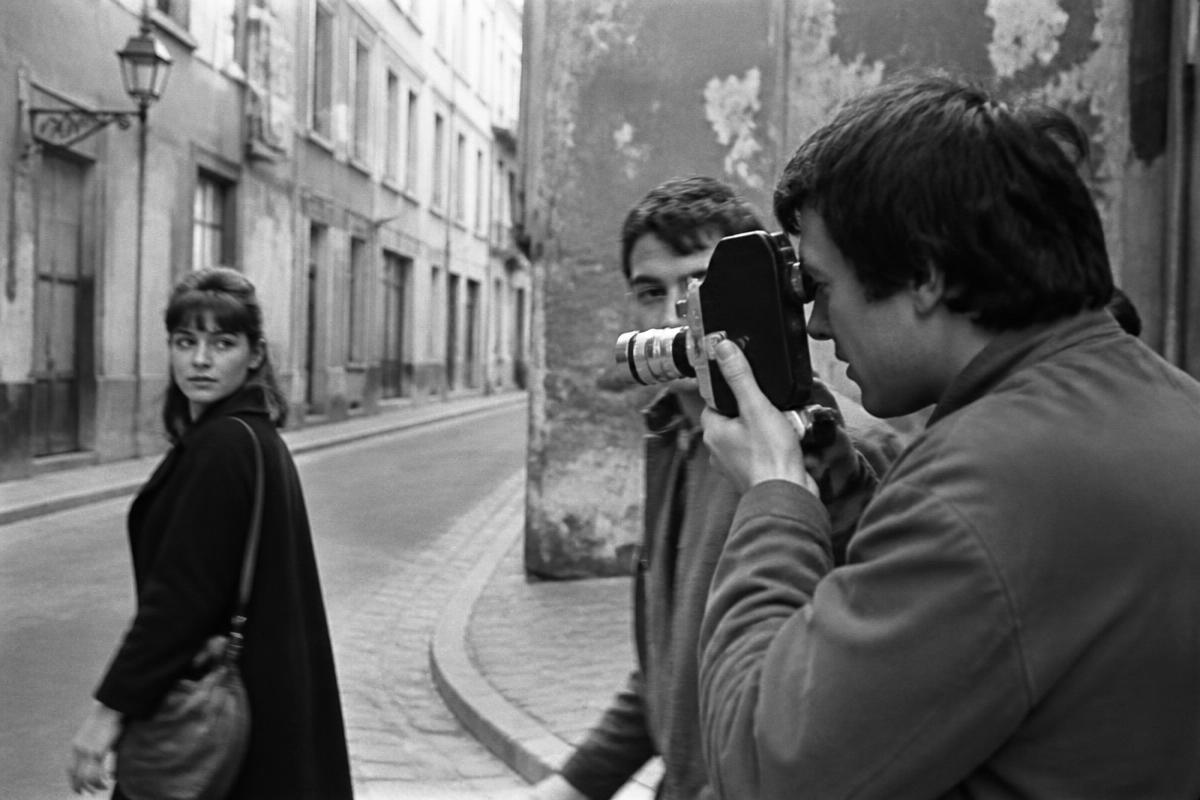
Sound altered performance, writing, editing and production. Actors now had voices. Dialogue became central. Music could be recorded with the picture rather than supplied live.
THE NEW NORMAL
Talking pictures rapidly became standard. The technological transition also reshaped careers, studios and filmmaking practices.
WHAT WE STILL MISUNDERSTAND
The transition was not instantaneous and was not created by one film alone. Sound cinema emerged from competing technologies, business decisions and experiments. The Jazz Singer matters because it made the possibility culturally undeniable.
THE MODERN CONNECTION
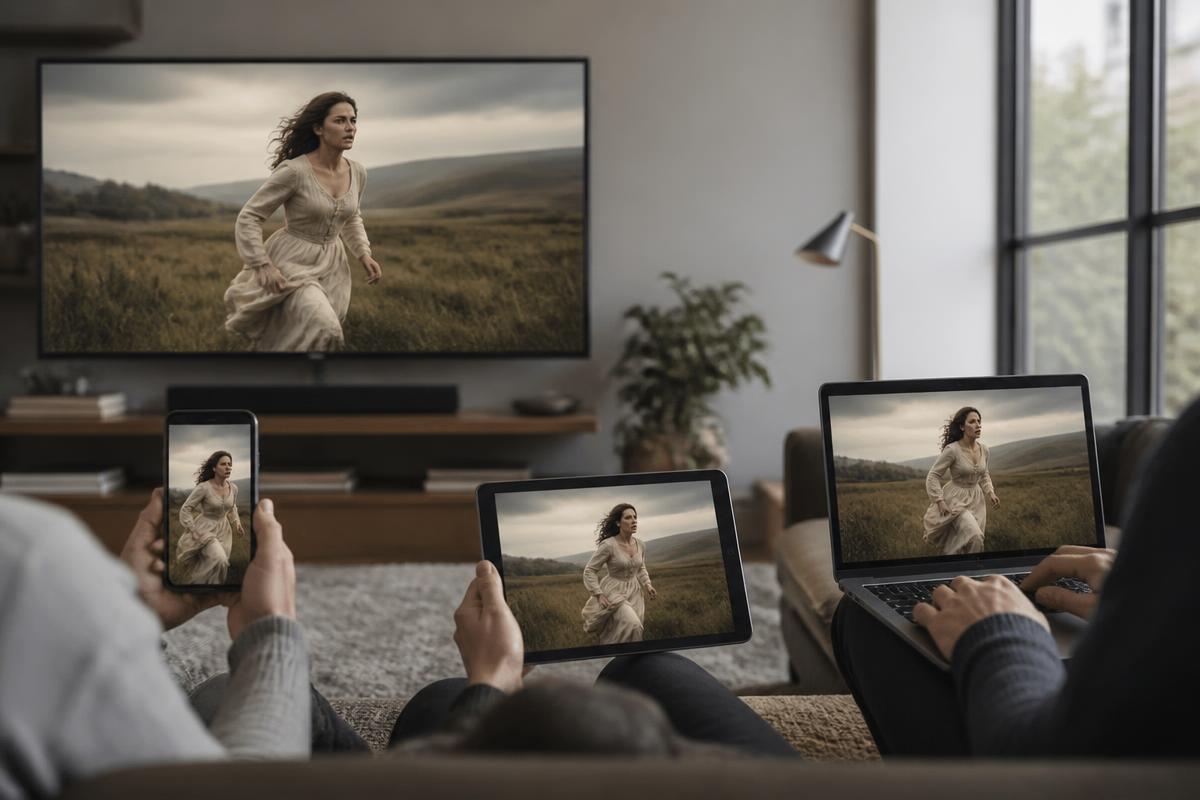
Every film trailer, podcast-video hybrid and social video with synchronised speech inherits this basic transformation: moving images can carry a voice that travels with them.
THE RETHINK
The moving picture did not simply become more realistic. It gained another dimension of expression: sound.