Filed under Ideas · Ideas
The Hays Code When Society Tried to Decide What Movies Were Allowed to Show
As cinema became more powerful, pressure grew to control what audiences could see. The result was one of the most influential systems of self-censorship in film history.
- Share “The Hays Code: When Society Tried to Decide What Movies Were Allowed to Show” on X
- Share “The Hays Code: When Society Tried to Decide What Movies Were Allowed to Show” on Facebook
- Share “The Hays Code: When Society Tried to Decide What Movies Were Allowed to Show” on LinkedIn
- Share “The Hays Code: When Society Tried to Decide What Movies Were Allowed to Show” on WhatsApp
- Share “The Hays Code: When Society Tried to Decide What Movies Were Allowed to Show” on Telegram
- Share “The Hays Code: When Society Tried to Decide What Movies Were Allowed to Show” on Reddit
- Share “The Hays Code: When Society Tried to Decide What Movies Were Allowed to Show” on Email
THE OLD NORMAL
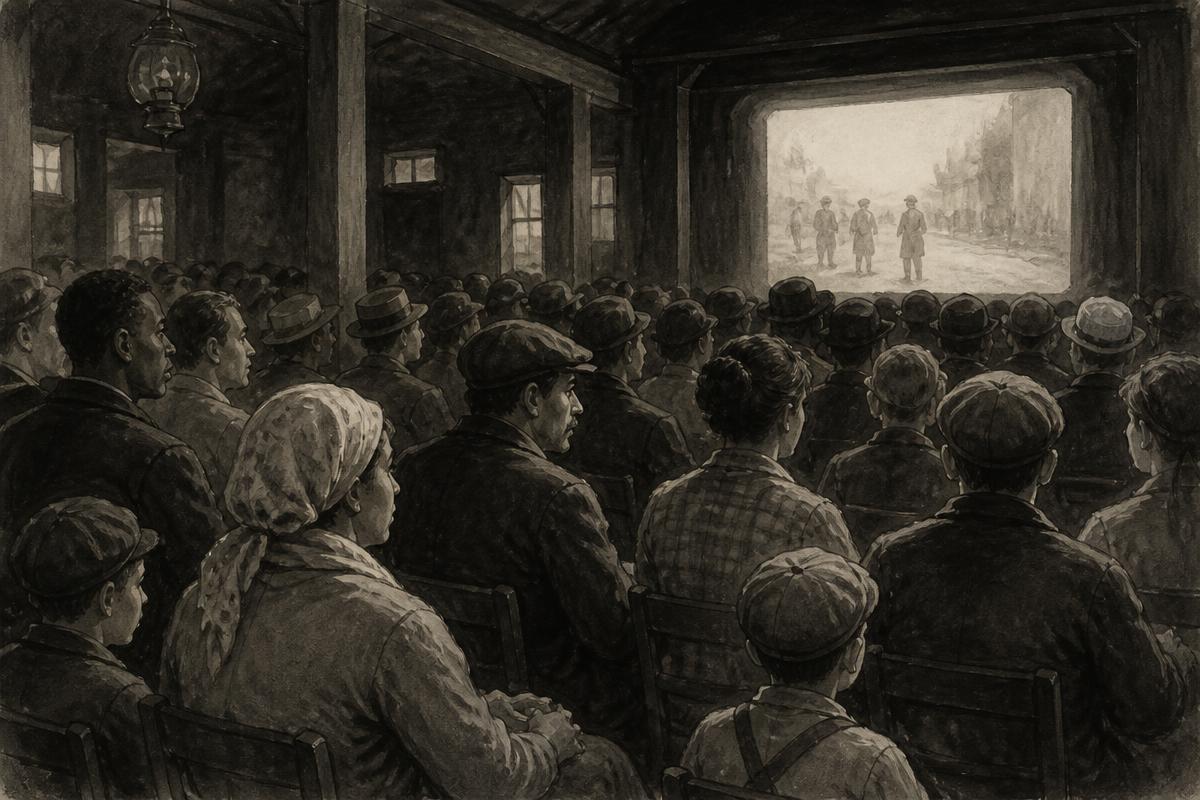
As movies became more popular, critics argued that the medium could influence behaviour and morality. Religious groups, reformers and political voices demanded greater control.
THE QUESTION
If moving pictures could influence millions, who should decide what they were permitted to show?
THE BREAKTHROUGH
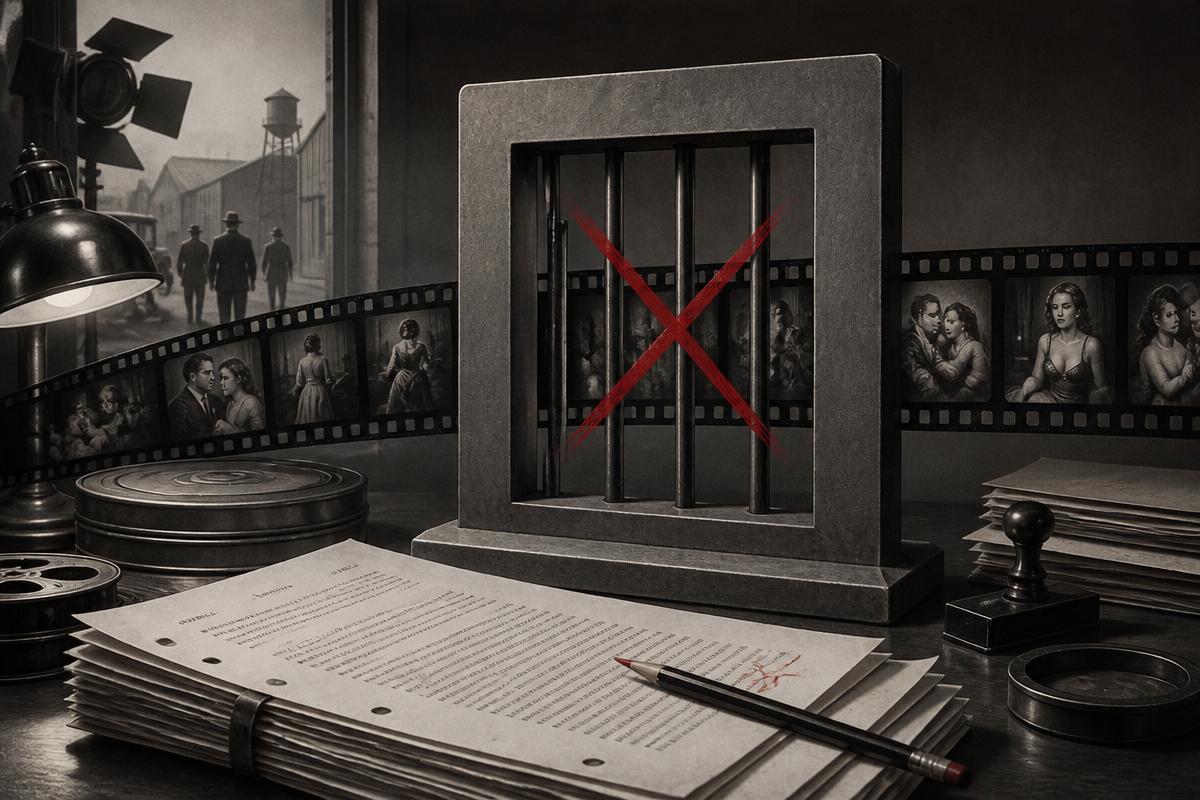
The Motion Picture Production Code, commonly known as the Hays Code, was adopted in the 1930s and enforced much more strictly from 1934. It imposed detailed restrictions on subjects including sexuality, crime and moral conduct.
THE CHANGE
For decades, filmmakers worked within a system that shaped scripts, costumes, relationships, dialogue and endings. Some subjects became difficult to depict directly; others were encoded through suggestion.
THE NEW NORMAL
Censorship became embedded in the production process. Filmmakers learned to work around restrictions, while audiences learned to read meanings between the lines.
WHAT WE STILL MISUNDERSTAND
The code was not simply a list of arbitrary rules imposed by one person. It reflected wider social pressures and anxieties about mass entertainment. Its history also shows that censorship can shape art even when it is presented as moral protection.
THE MODERN CONNECTION
Today’s debates have shifted toward platform moderation, age ratings, advertiser pressure and algorithmic distribution. The central question remains: what should a powerful visual medium be allowed to show?
THE RETHINK
When a society fears an image, it has already admitted that images have power.