
Filed under Society
Why Do Humans Believe Things That Are Not True?
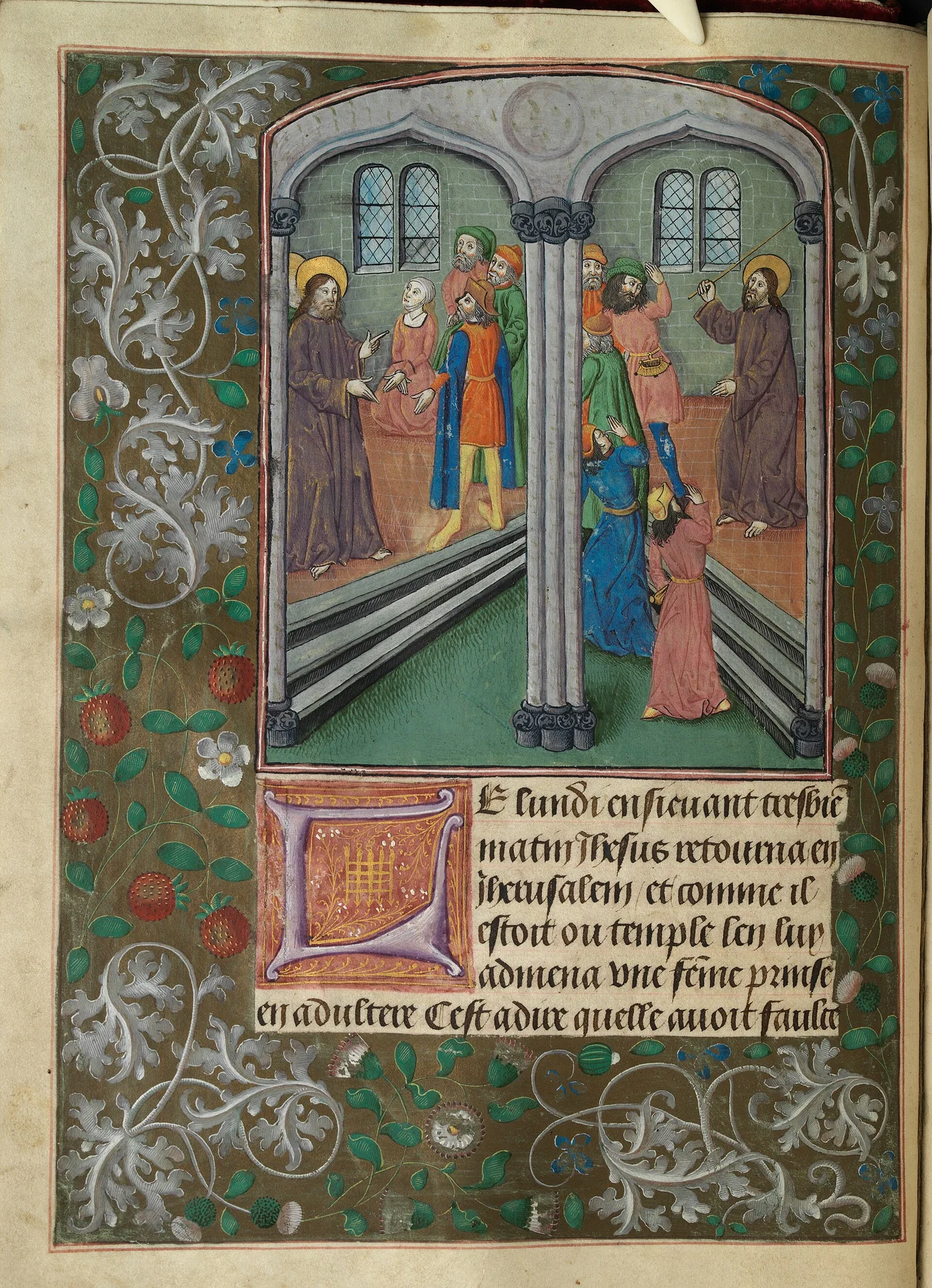
An ordinary feature of modern life has a history worth questioning: Why Do Humans Believe Things That Are Not True.
Stories
The past that still shapes the present — events, memory and the record we inherit.
Filed under Society
An ordinary feature of modern life has a history worth questioning: Why Do Humans Believe Things That Are Not True.
Filed under Society
An ordinary feature of modern life has a history worth questioning: Why Do We Copy Other People.
Filed under Society
An ordinary feature of modern life has a history worth questioning: Why Do We Form Groups.
Filed under Society
An ordinary feature of modern life has a history worth questioning: Why Do Humans Follow Rules.
Filed under Society
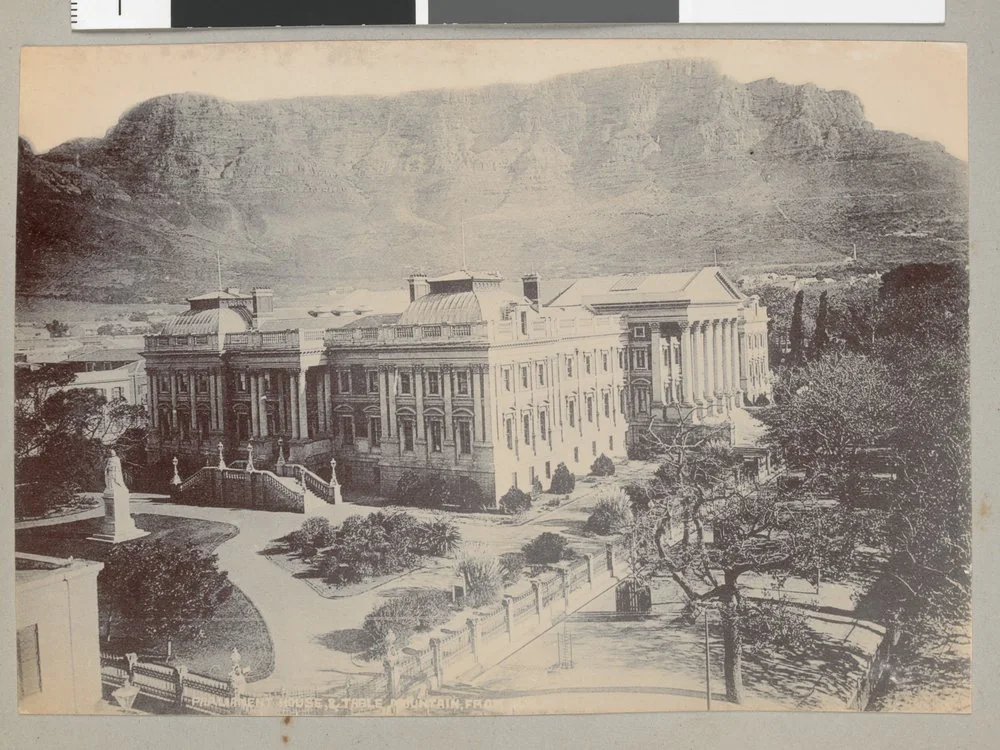
An ordinary feature of modern life has a history worth questioning: Why Do Societies Create Institutions.
Filed under Society
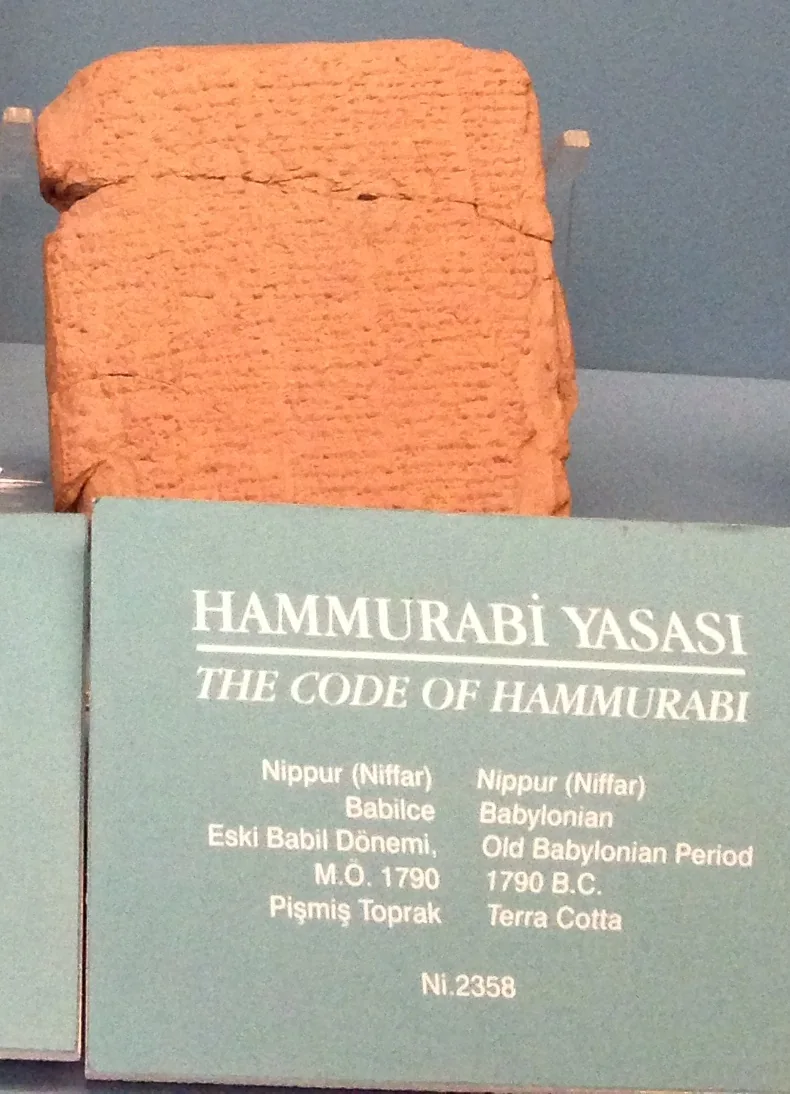
An ordinary feature of modern life has a history worth questioning: Why Do Laws Exist.
Filed under Society
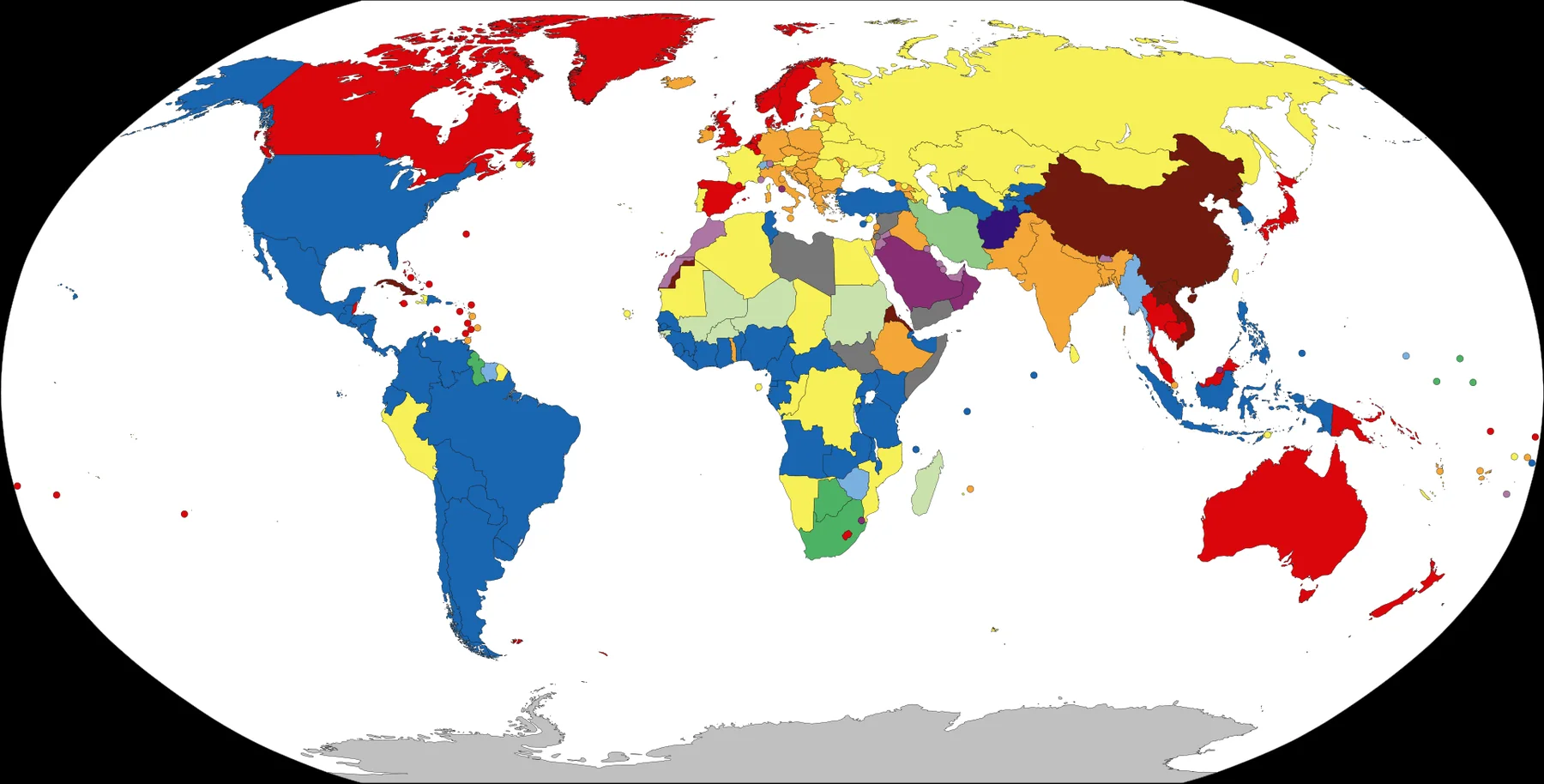
An ordinary feature of modern life has a history worth questioning: Why Do Governments Exist.
Filed under Society
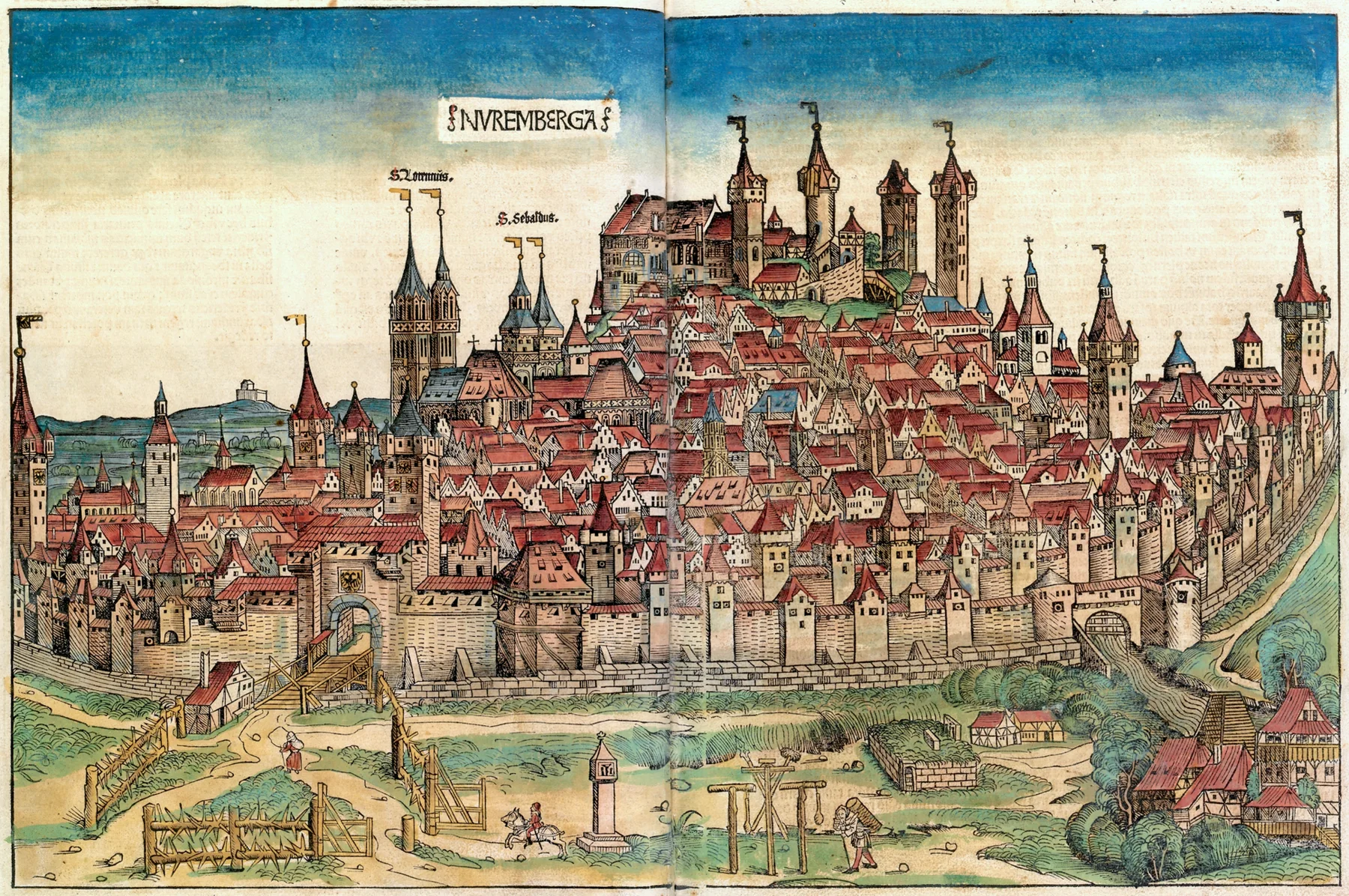
An ordinary feature of modern life has a history worth questioning: Why Do Cities Exist.

Filed under Society
An ordinary feature of modern life has a history worth questioning: Why Did Smartphones Become So Powerful.
Filed under Society
The present did not appear fully formed; it was built through choices, systems and consequences.
Filed under Society
A simple question opens onto a much larger idea about how people organise knowledge and society.
Filed under Society
The present did not appear fully formed; it was built through choices, systems and consequences.
Filed under Society
A life, idea or discovery can matter far beyond the moment in which it first appeared.

Filed under Society
A simple question opens onto a much larger idea about how people organise knowledge and society.
Filed under Society
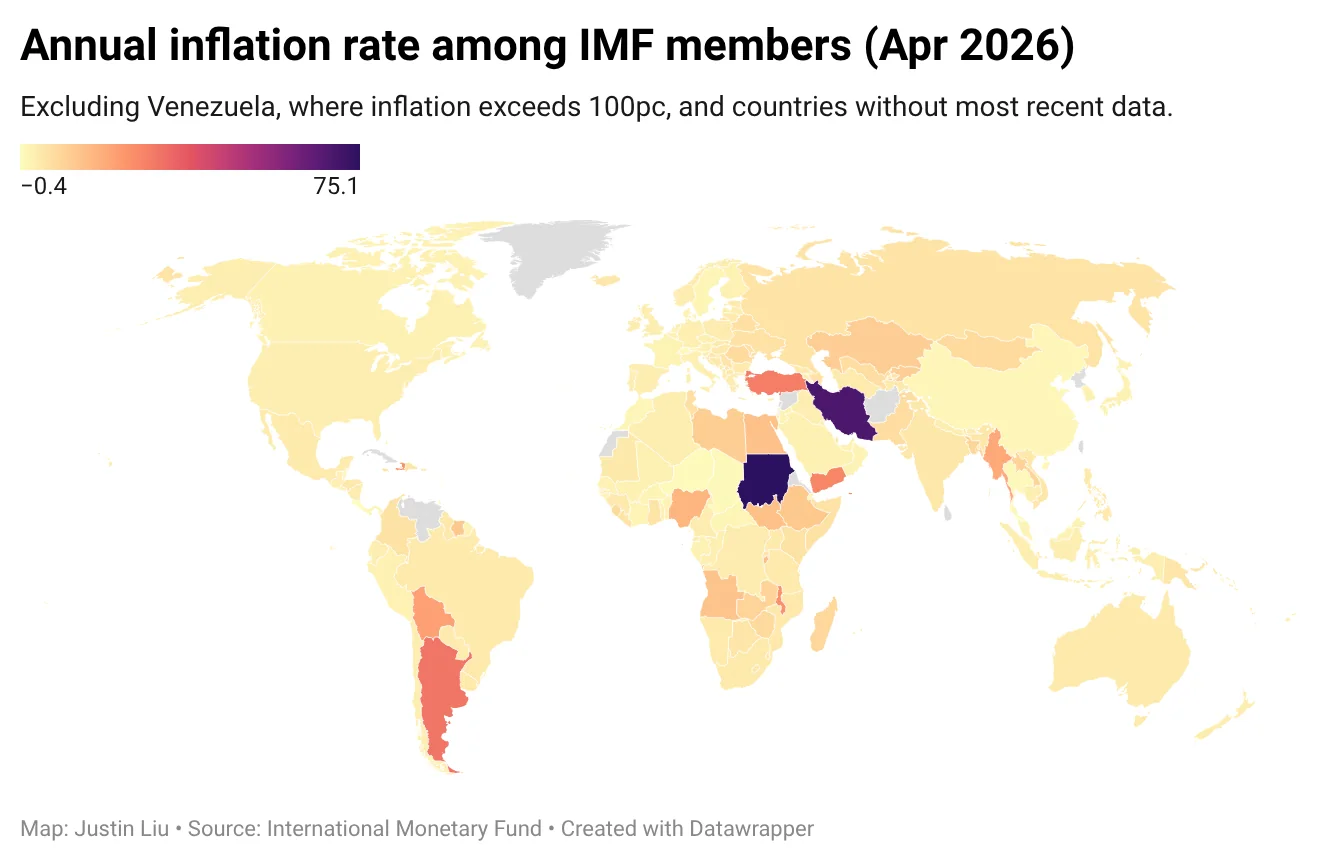
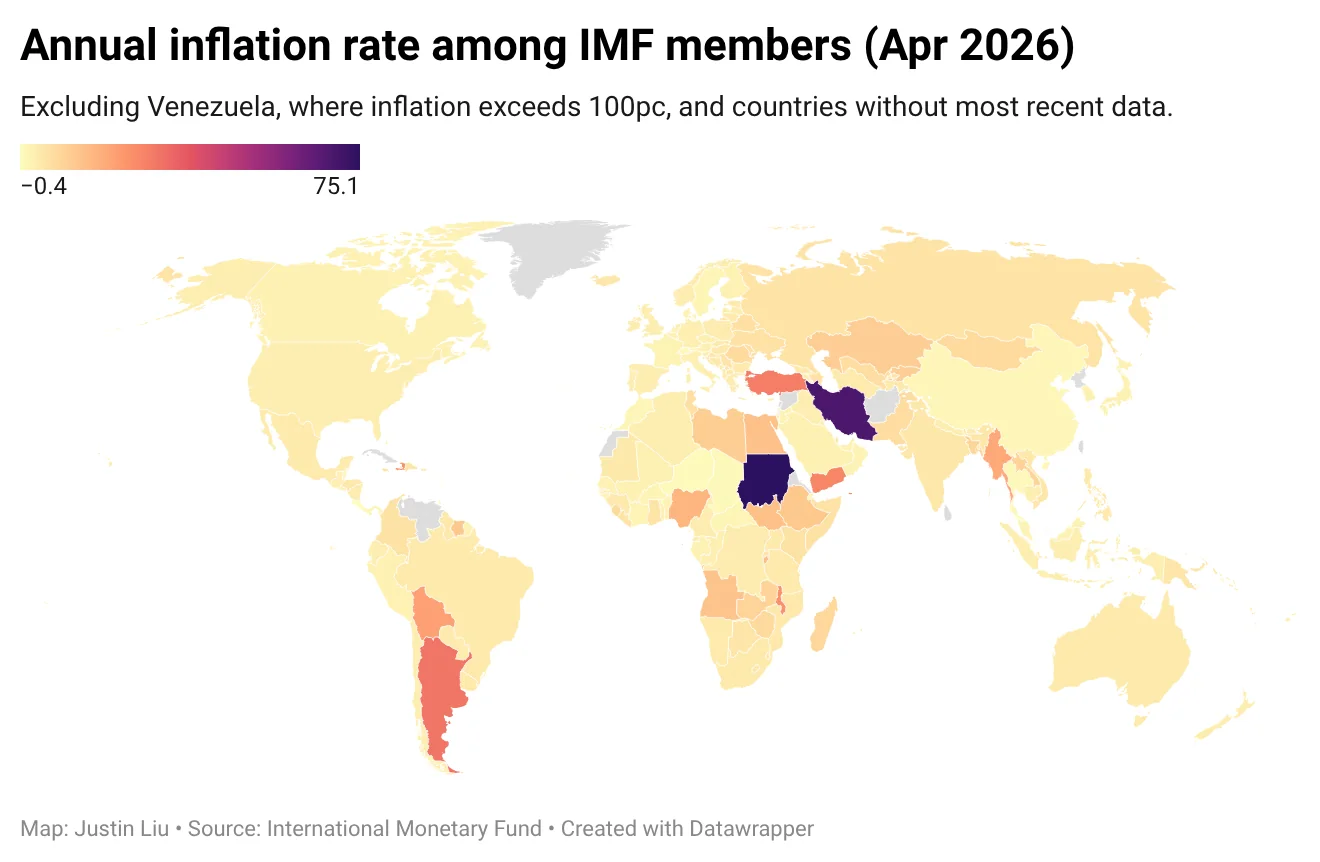
An ordinary feature of modern life has a history worth questioning: Why Does Inflation Happen.
Filed under Society
A simple question opens onto a much larger idea about how people organise knowledge and society.
Filed under Society
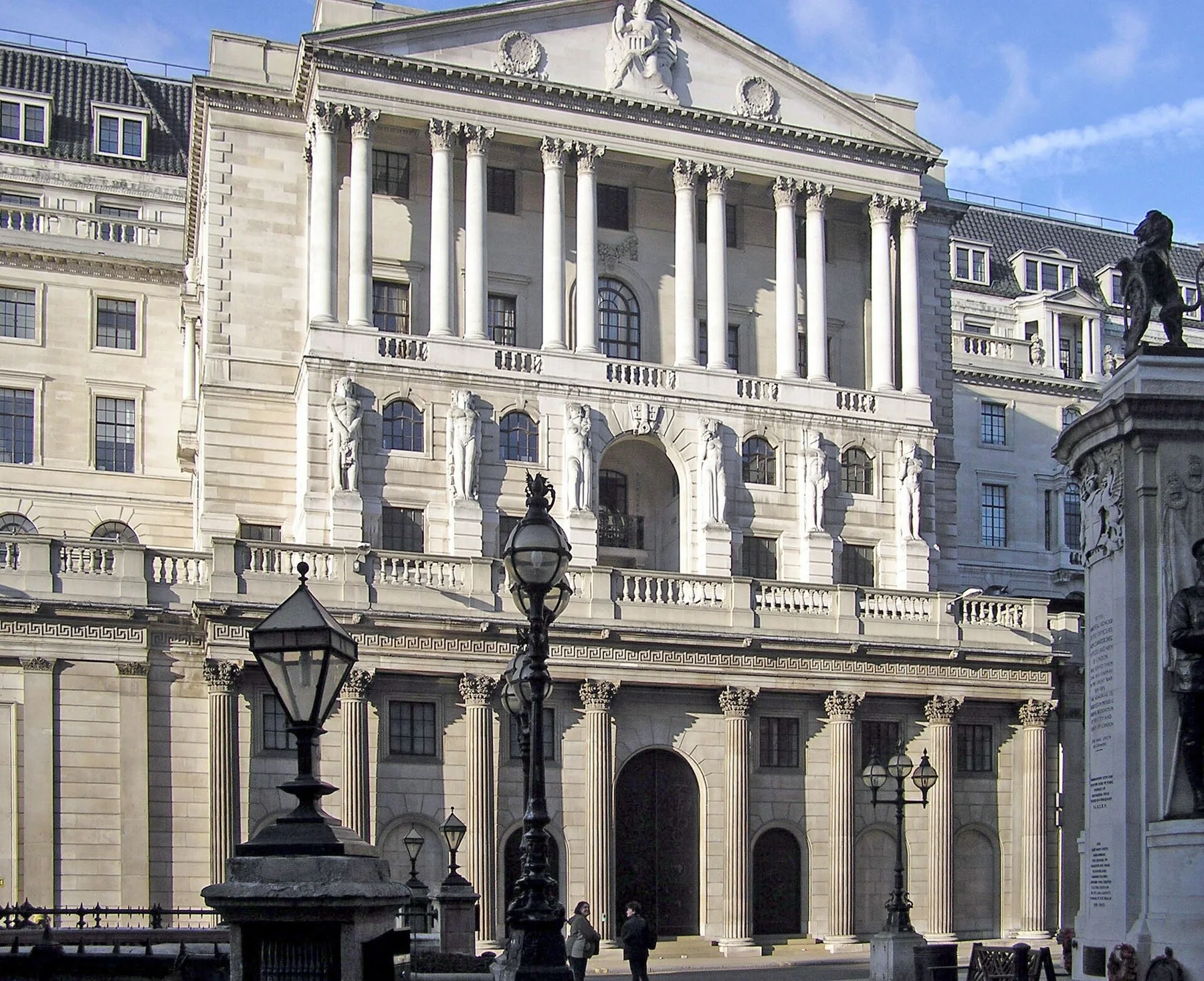
An ordinary feature of modern life has a history worth questioning: Why Do Banks Exist.
Filed under Society
A life, idea or discovery can matter far beyond the moment in which it first appeared.
Filed under Engineering
The modern world is built from inventions whose social consequences outgrew their original purpose.
Filed under Engineering
The modern world is built from inventions whose social consequences outgrew their original purpose.
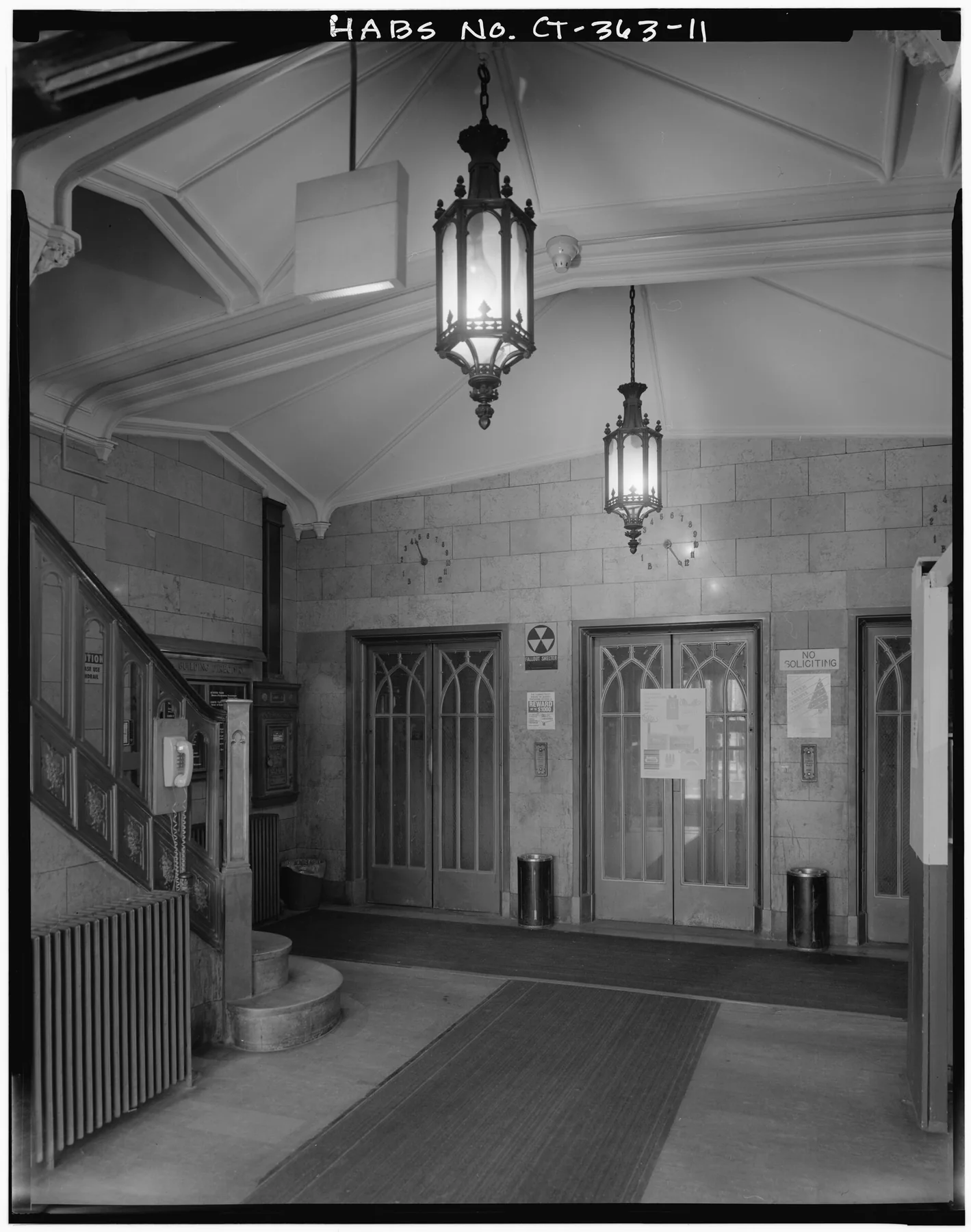
Read story: The Invention That Made the Modern City Possible
Filed under Engineering
The modern world is built from inventions whose social consequences outgrew their original purpose.
Filed under Engineering
The modern world is built from inventions whose social consequences outgrew their original purpose.
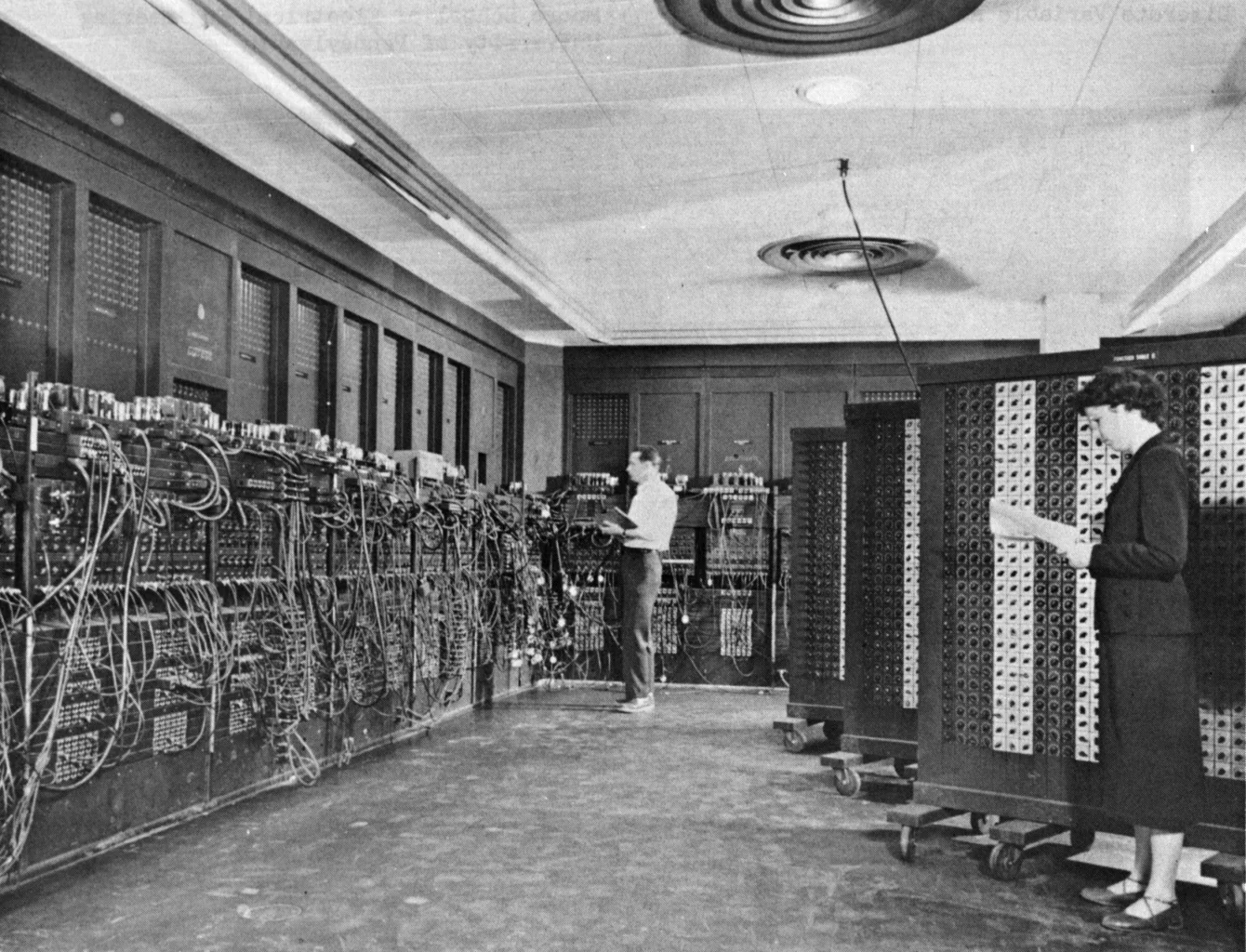
Read story: The Invention That Made Modern Computing Possible
Filed under Engineering
The modern world is built from inventions whose social consequences outgrew their original purpose.
Filed under Engineering
The modern world is built from inventions whose social consequences outgrew their original purpose.
Read story: The Invention That Made Mass Photography Possible
Filed under Engineering
The modern world is built from inventions whose social consequences outgrew their original purpose.
Filed under Engineering
The modern world is built from inventions whose social consequences outgrew their original purpose.
Read story: The Invention That Put Electricity Inside the Home
Filed under Engineering
The modern world is built from inventions whose social consequences outgrew their original purpose.
Filed under Engineering
The modern world is built from inventions whose social consequences outgrew their original purpose.
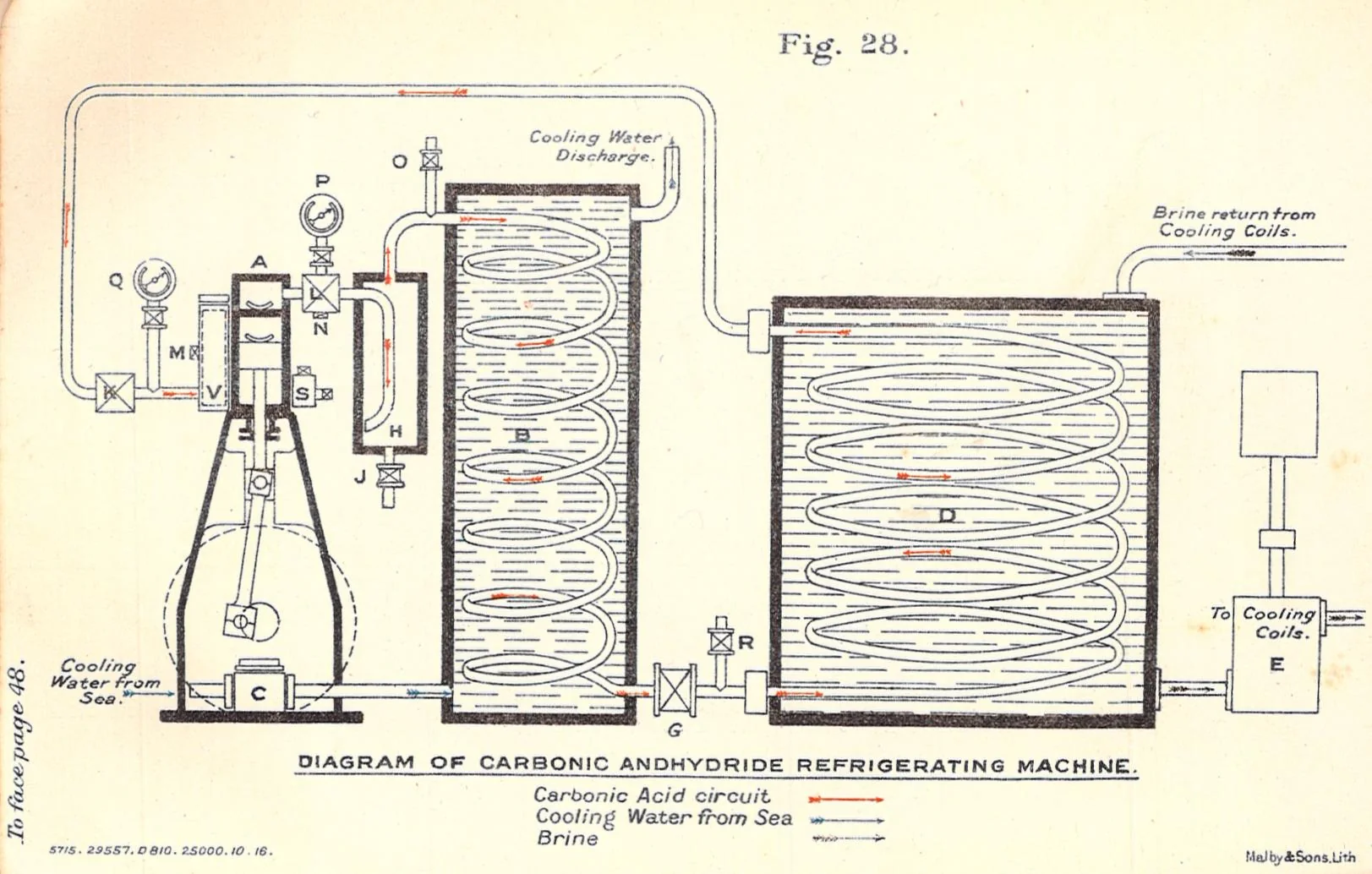
Read story: The Invention That Made Modern Refrigeration Possible
Filed under Ideas
A simple question opens onto a much larger idea about how people organise knowledge and society.
Filed under Ideas
The present did not appear fully formed; it was built through choices, systems and consequences.
Filed under Ideas
A simple question opens onto a much larger idea about how people organise knowledge and society.
Filed under Ideas
An ordinary feature of modern life has a history worth questioning: Why Can't We See Dark Matter.
Filed under Ideas
An ordinary feature of modern life has a history worth questioning: Why Do We Age.
Filed under Ideas
A life, idea or discovery can matter far beyond the moment in which it first appeared.

Filed under Ideas
A life, idea or discovery can matter far beyond the moment in which it first appeared.
Filed under Ideas
A simple question opens onto a much larger idea about how people organise knowledge and society.
Filed under Ideas
An ordinary feature of modern life has a history worth questioning: Why Does Gravity Exist.
Filed under Ideas
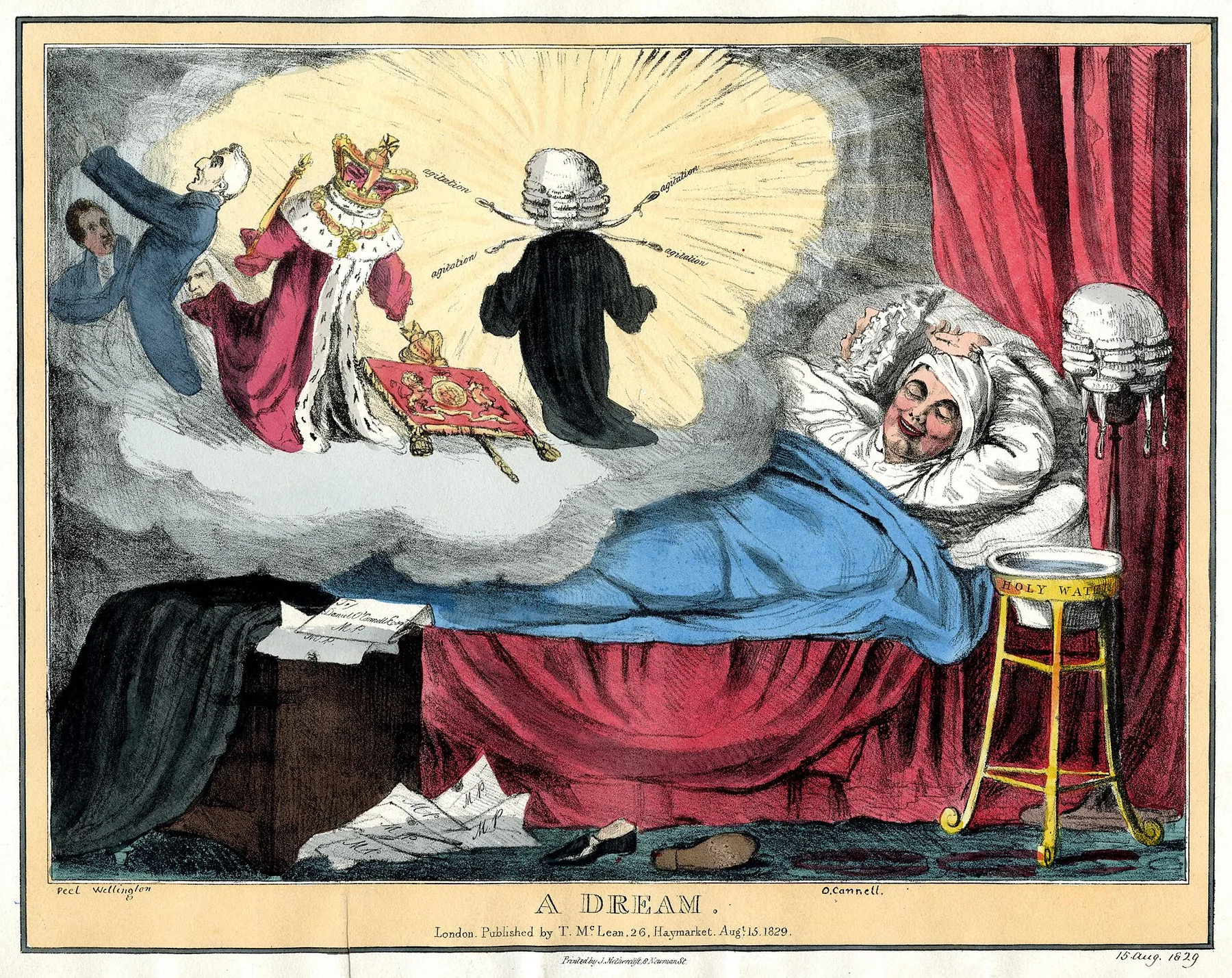
An ordinary feature of modern life has a history worth questioning: Why Do We Dream.
Filed under Ideas
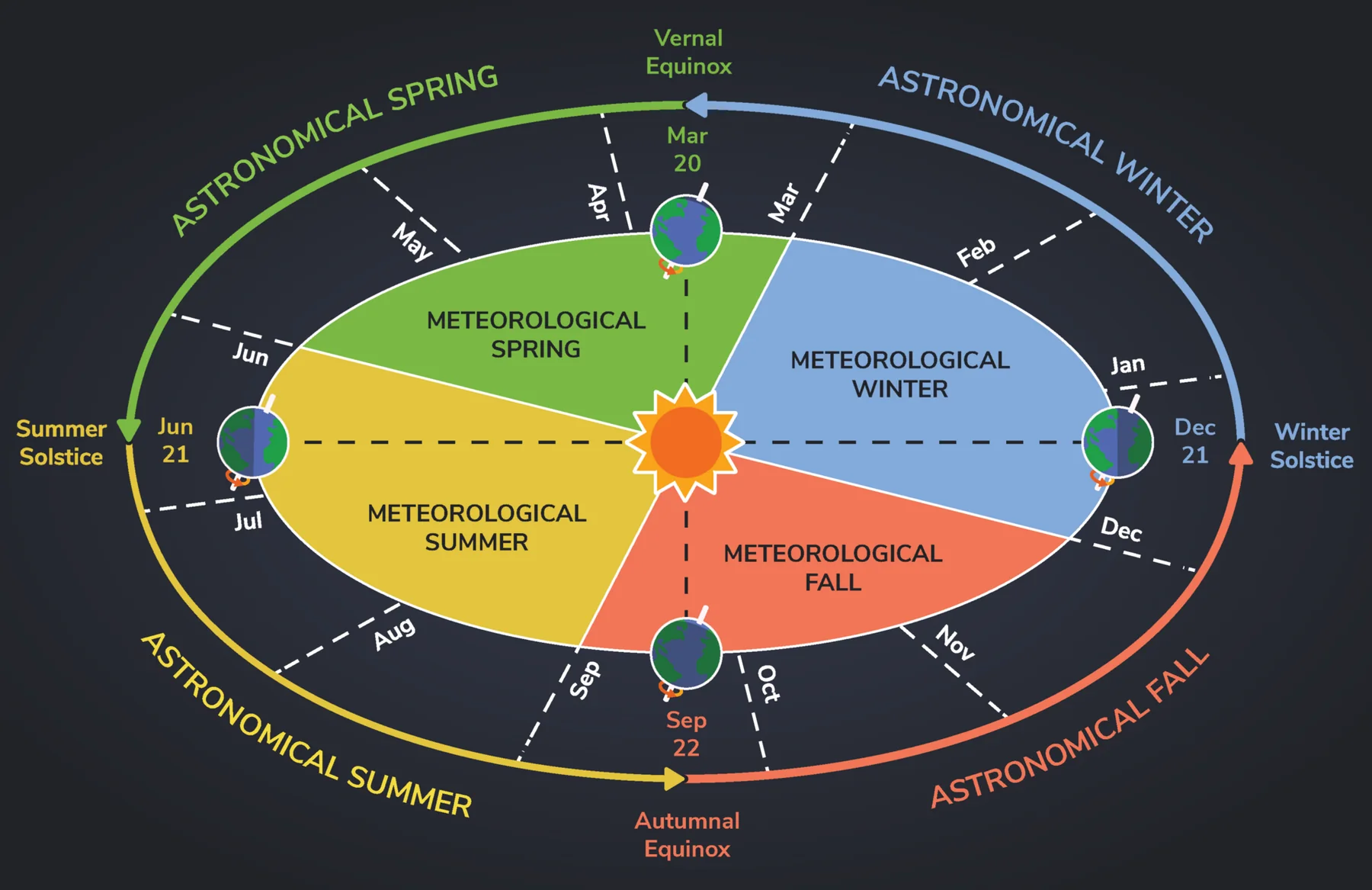
An ordinary feature of modern life has a history worth questioning: Why Does the Earth Have Seasons.
Filed under Ideas
An ordinary feature of modern life has a history worth questioning: Why Is the Sky Blue.
Filed under Ideas
A familiar word can carry centuries of history inside it.
Filed under Ideas
An ordinary feature of modern life has a history worth questioning: Why Do We Call It a “Pandemic”.
Filed under Ideas
A familiar word can carry centuries of history inside it.
Filed under Ideas
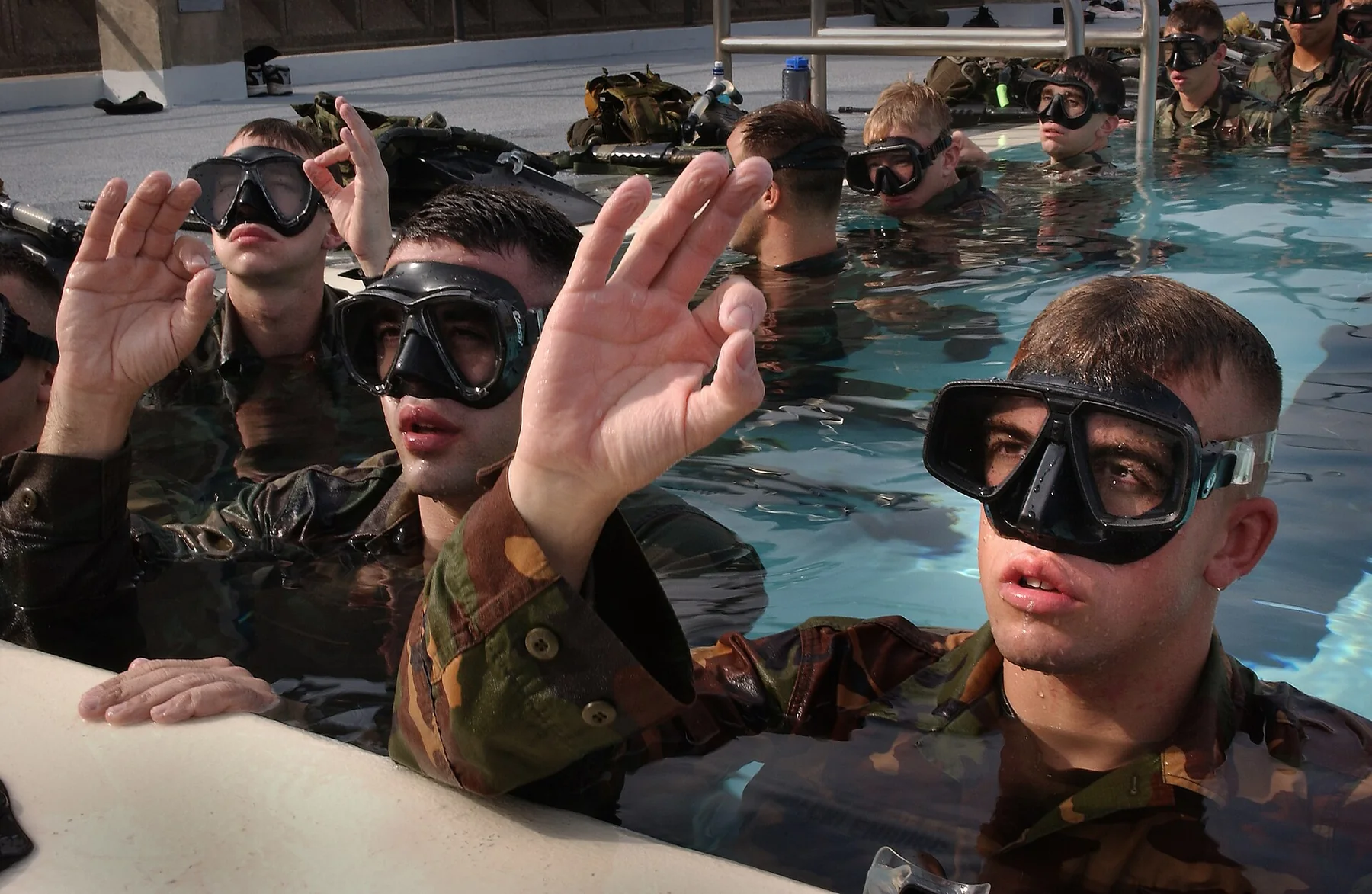
An ordinary feature of modern life has a history worth questioning: Why Is “OK” Called OK.
Filed under Ideas
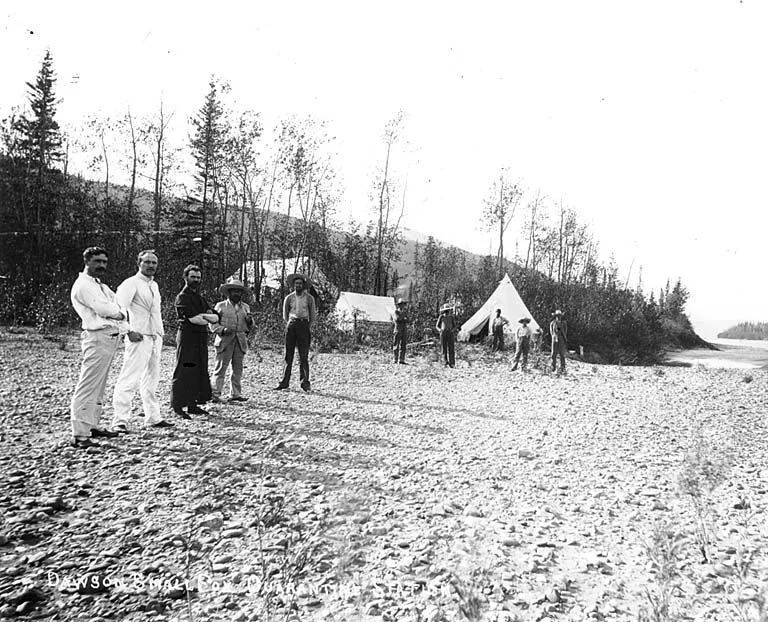
A familiar word can carry centuries of history inside it.
Filed under Ideas
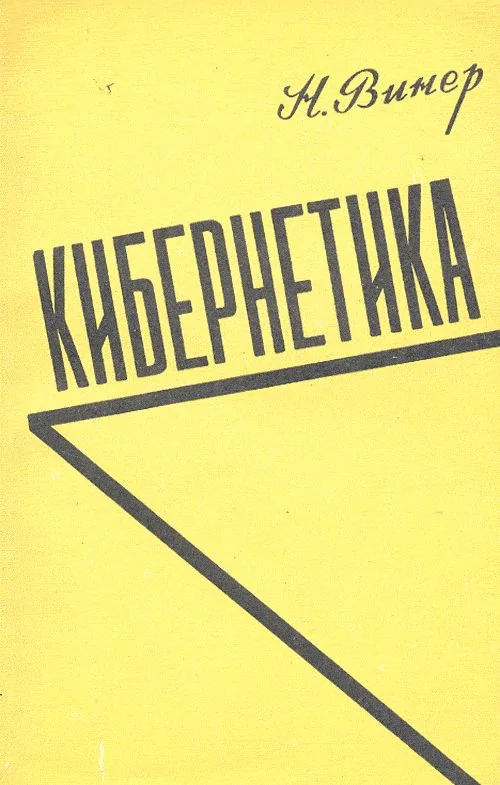
An ordinary feature of modern life has a history worth questioning: Why Do We Call It “Cyber”.
Filed under Ideas
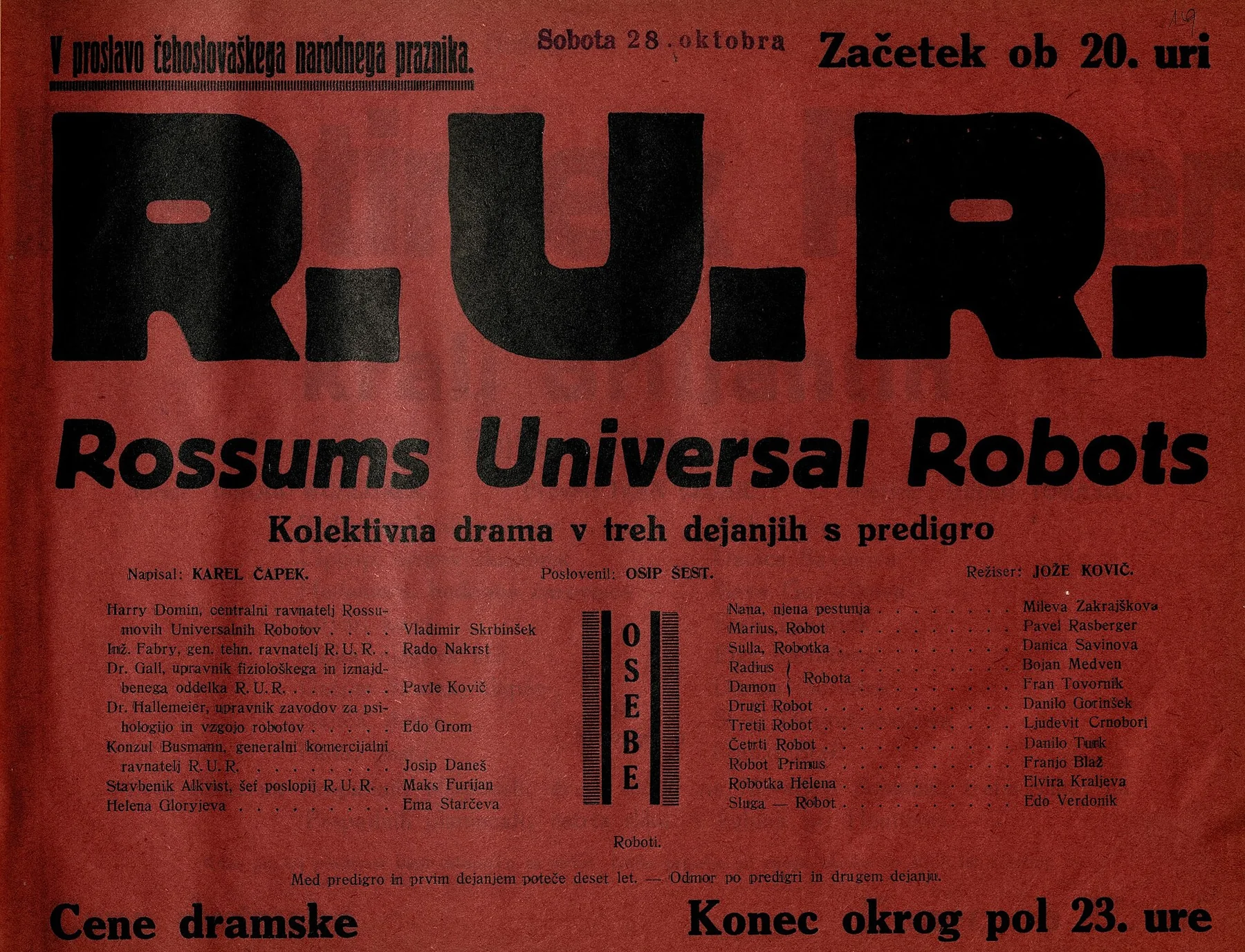
A familiar word can carry centuries of history inside it.
Filed under Ideas
A simple question opens onto a much larger idea about how people organise knowledge and society.
Filed under Ideas
A familiar word can carry centuries of history inside it.
Filed under Ideas
A familiar word can carry centuries of history inside it.
Filed under Ideas
A simple question opens onto a much larger idea about how people organise knowledge and society.
Filed under Ideas
A simple question opens onto a much larger idea about how people organise knowledge and society.
Filed under Ideas
A simple question opens onto a much larger idea about how people organise knowledge and society.

Filed under Ideas
A simple question opens onto a much larger idea about how people organise knowledge and society.
Filed under Ideas
A simple question opens onto a much larger idea about how people organise knowledge and society.
Filed under Ideas
A simple question opens onto a much larger idea about how people organise knowledge and society.
Filed under Ideas
A simple question opens onto a much larger idea about how people organise knowledge and society.
Filed under Ideas
A simple question opens onto a much larger idea about how people organise knowledge and society.
Filed under Ideas
A simple question opens onto a much larger idea about how people organise knowledge and society.
Filed under Ideas
A simple question opens onto a much larger idea about how people organise knowledge and society.

Filed under Ideas
A simple question opens onto a much larger idea about how people organise knowledge and society.
Filed under Ideas
A simple question opens onto a much larger idea about how people organise knowledge and society.
Filed under History
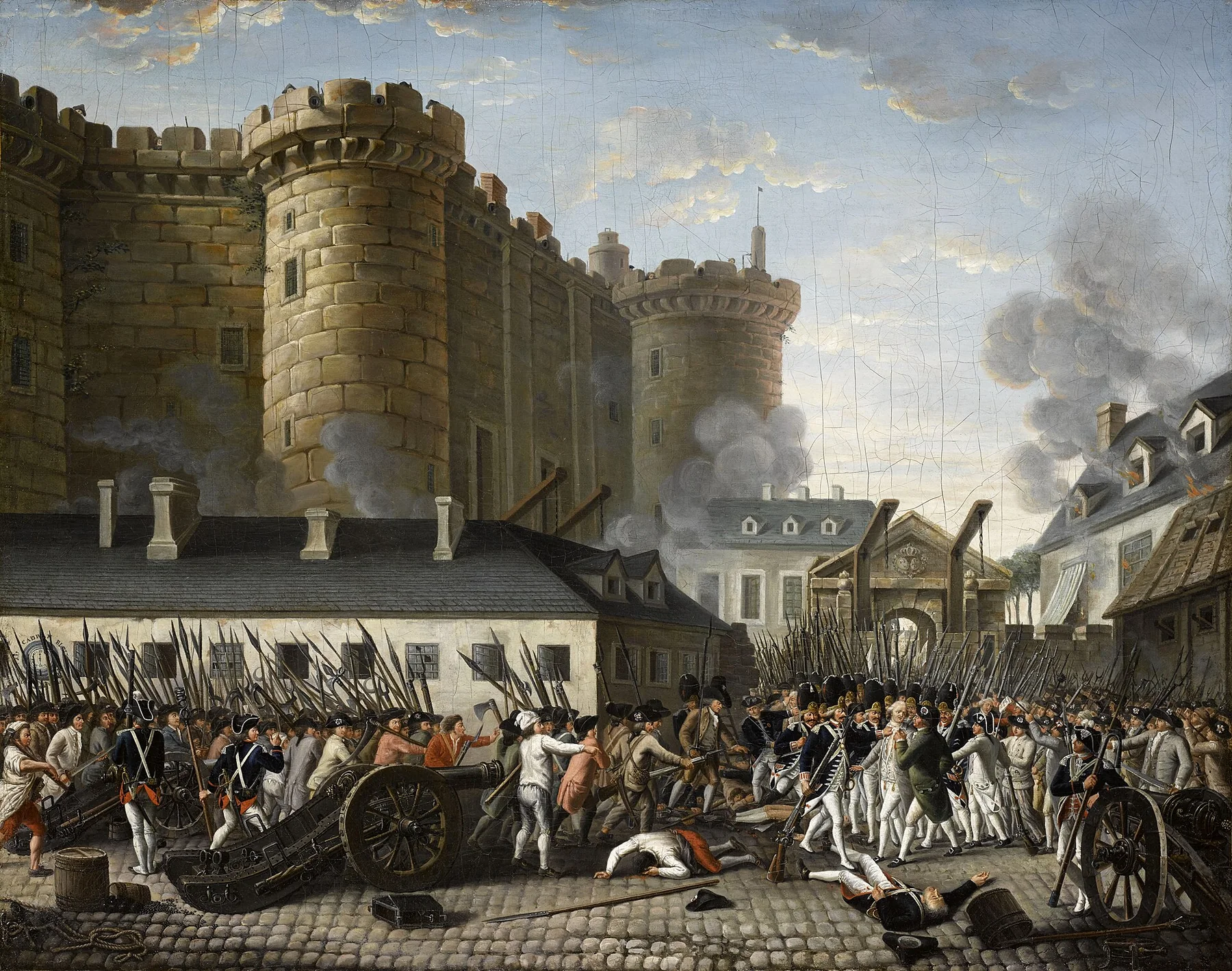
The familiar version of the story is rarely the whole story.
Read story: What Actually Happened During the French Revolution?
Filed under History
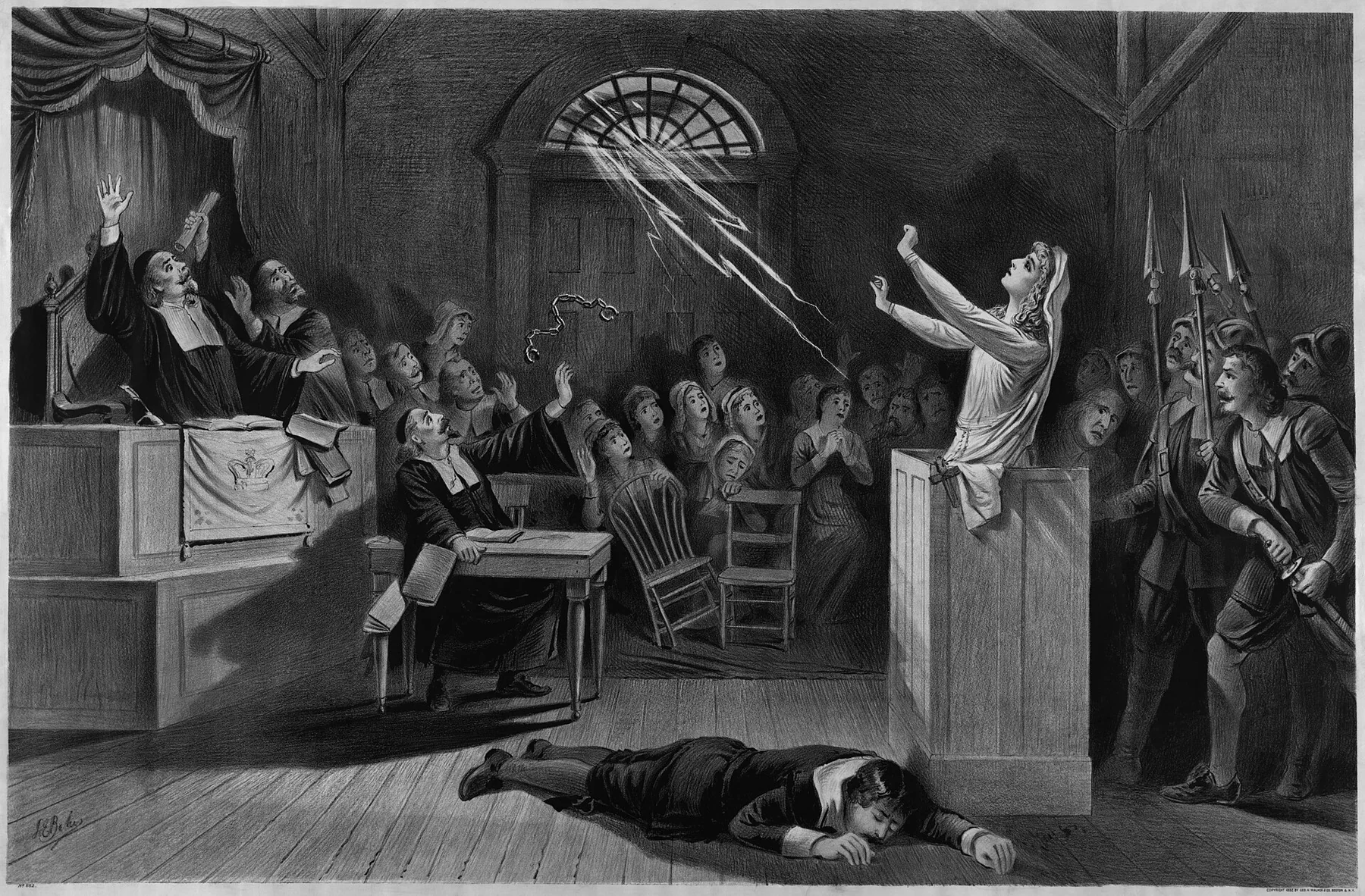
The familiar version of the story is rarely the whole story.
Filed under History
The familiar version of the story is rarely the whole story.
Read story: What Actually Happened During the Salem Witch Trials?
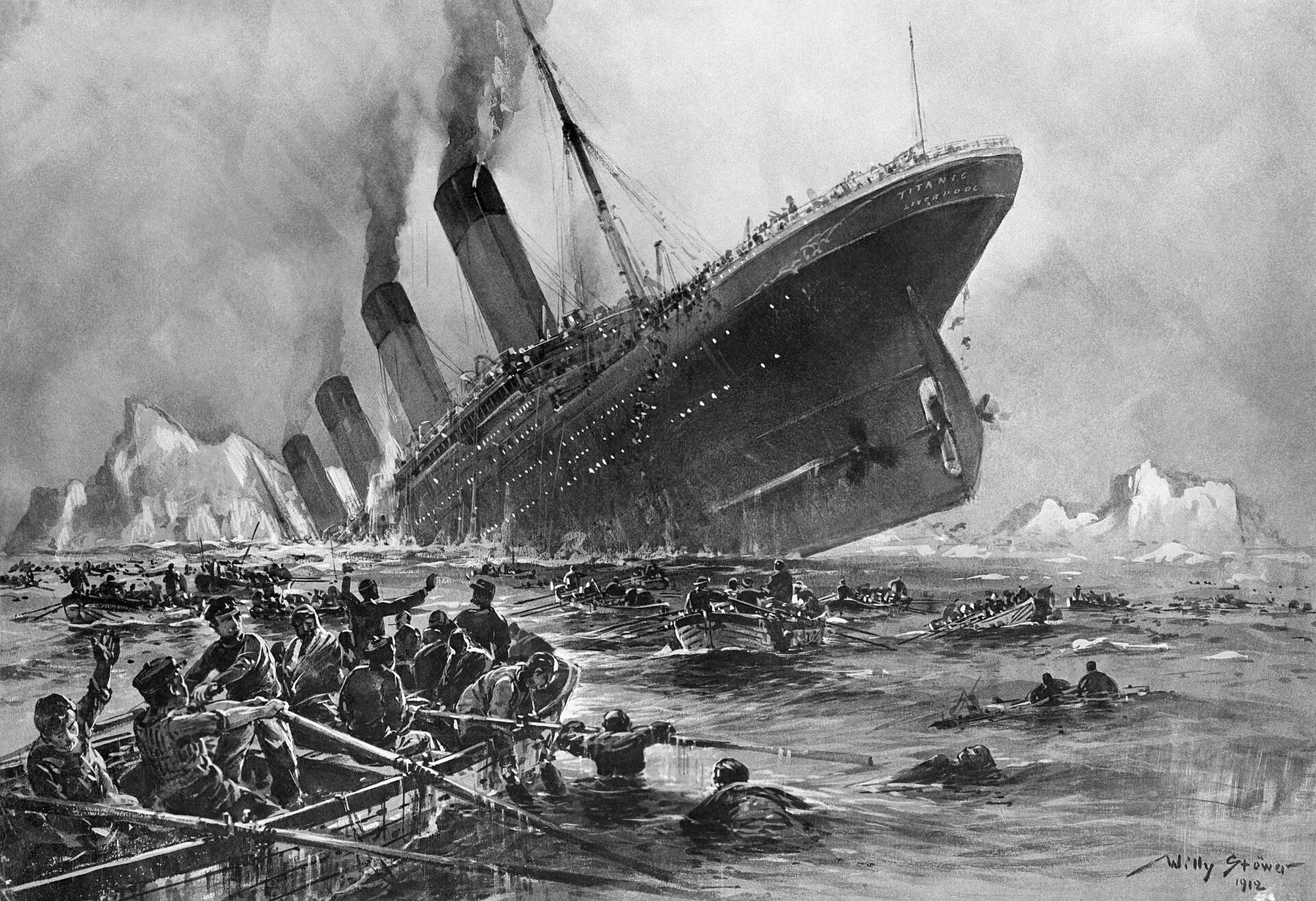
Filed under History
The familiar version of the story is rarely the whole story.
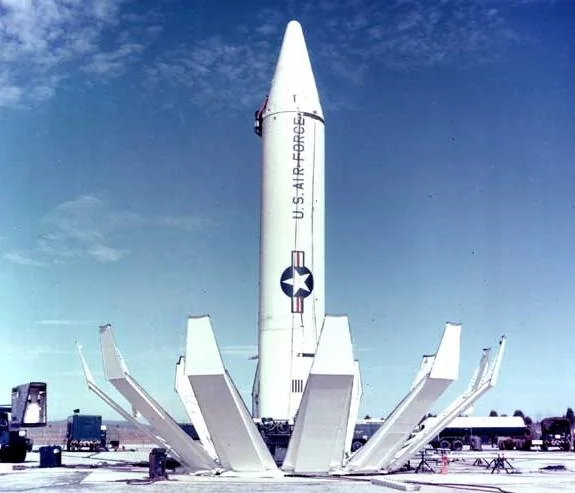
Filed under History
The familiar version of the story is rarely the whole story.
Read story: What Actually Happened During the Cuban Missile Crisis?
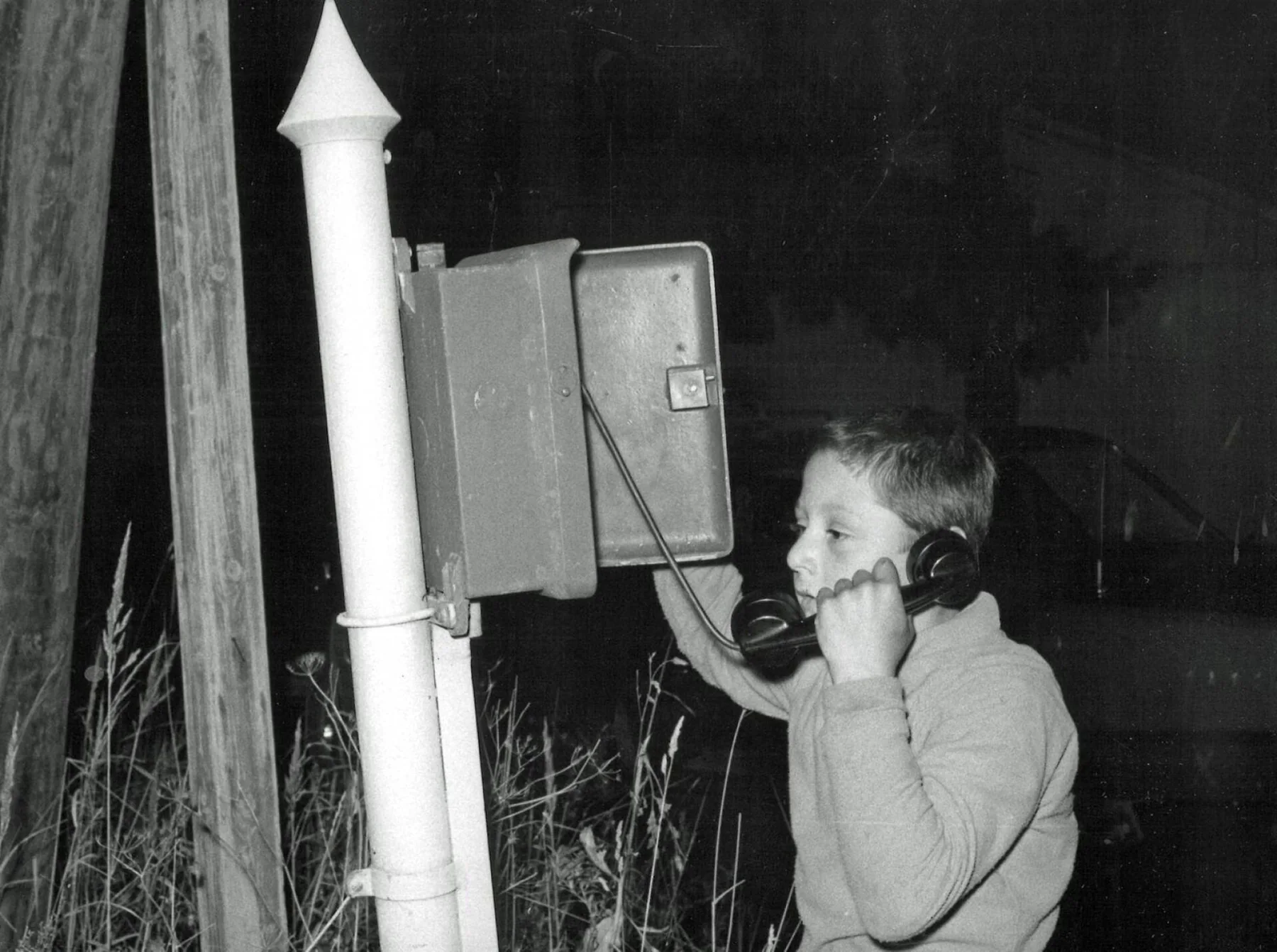
Filed under Society
An ordinary feature of modern life has a history worth questioning: Why Do Emergency Numbers Exist.
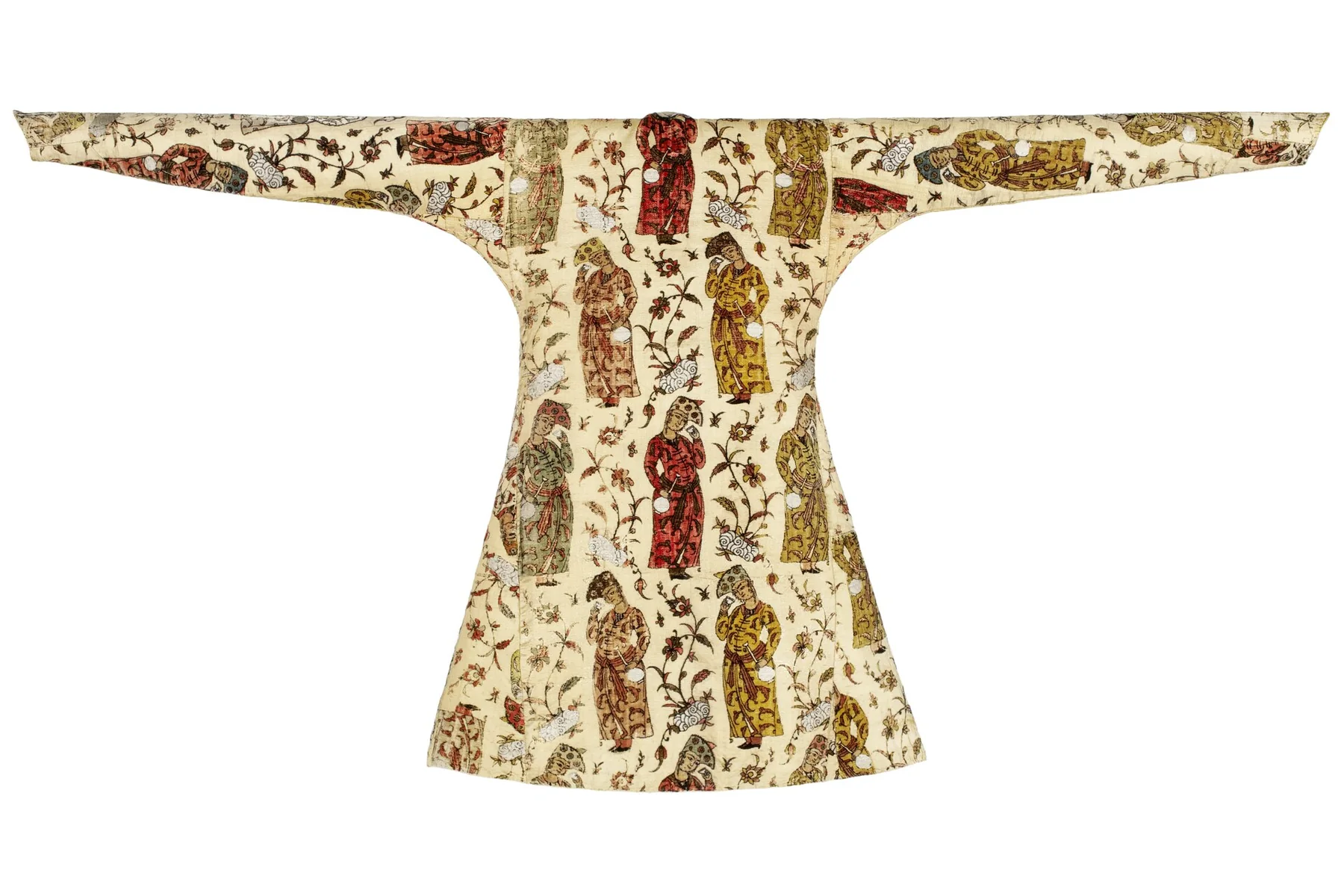
Filed under Society
An ordinary feature of modern life has a history worth questioning: Why Are Clothing Sizes Standardized.
Filed under Society
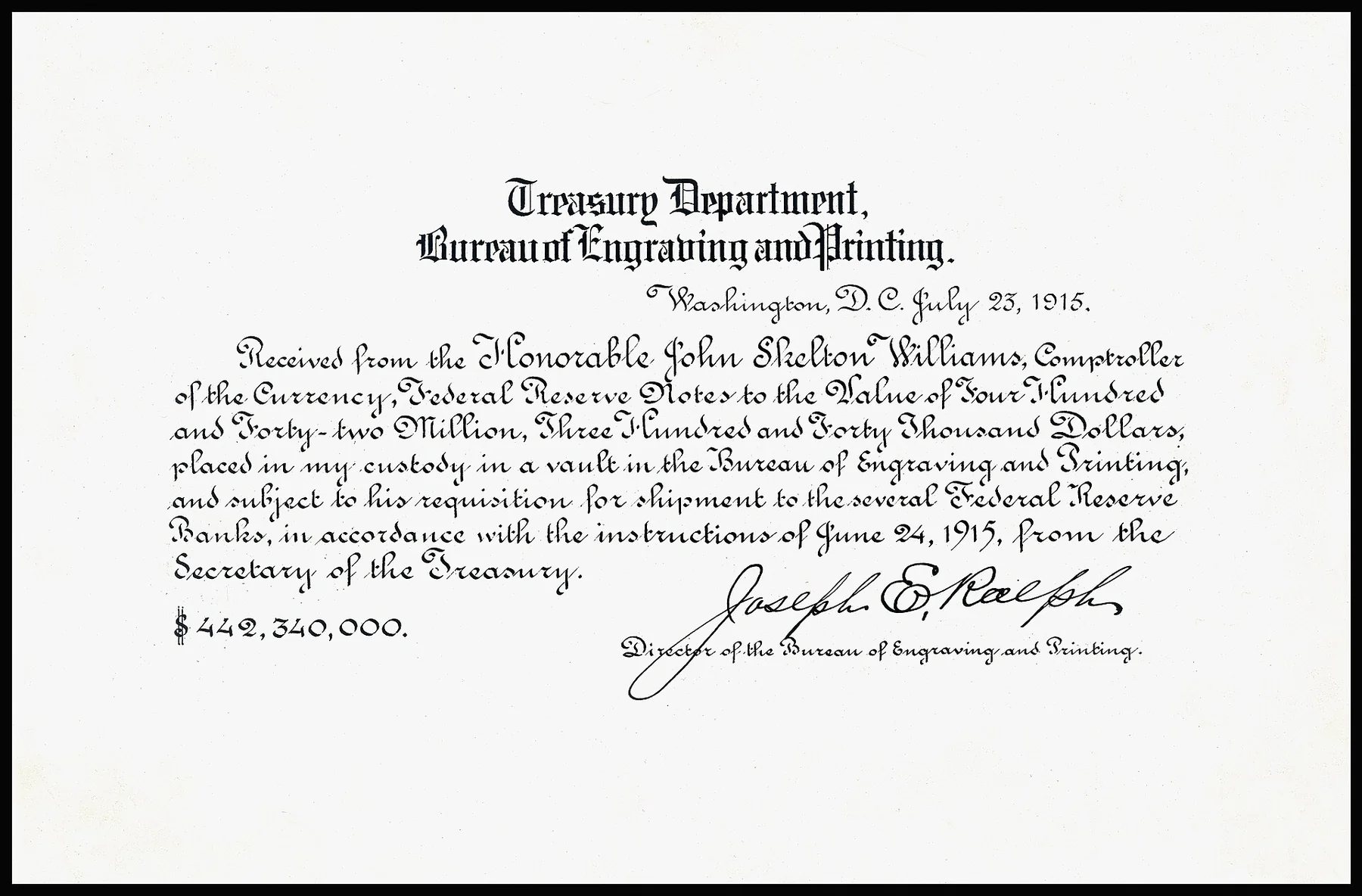
An ordinary feature of modern life has a history worth questioning: Why Do We Get Receipts.
Filed under Society
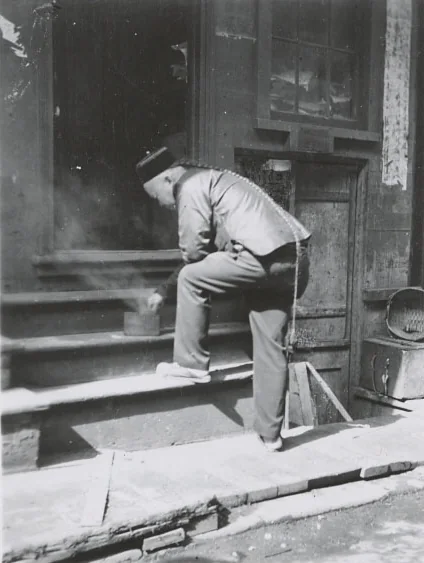
An ordinary feature of modern life has a history worth questioning: Why Do We Queue.
Filed under Society
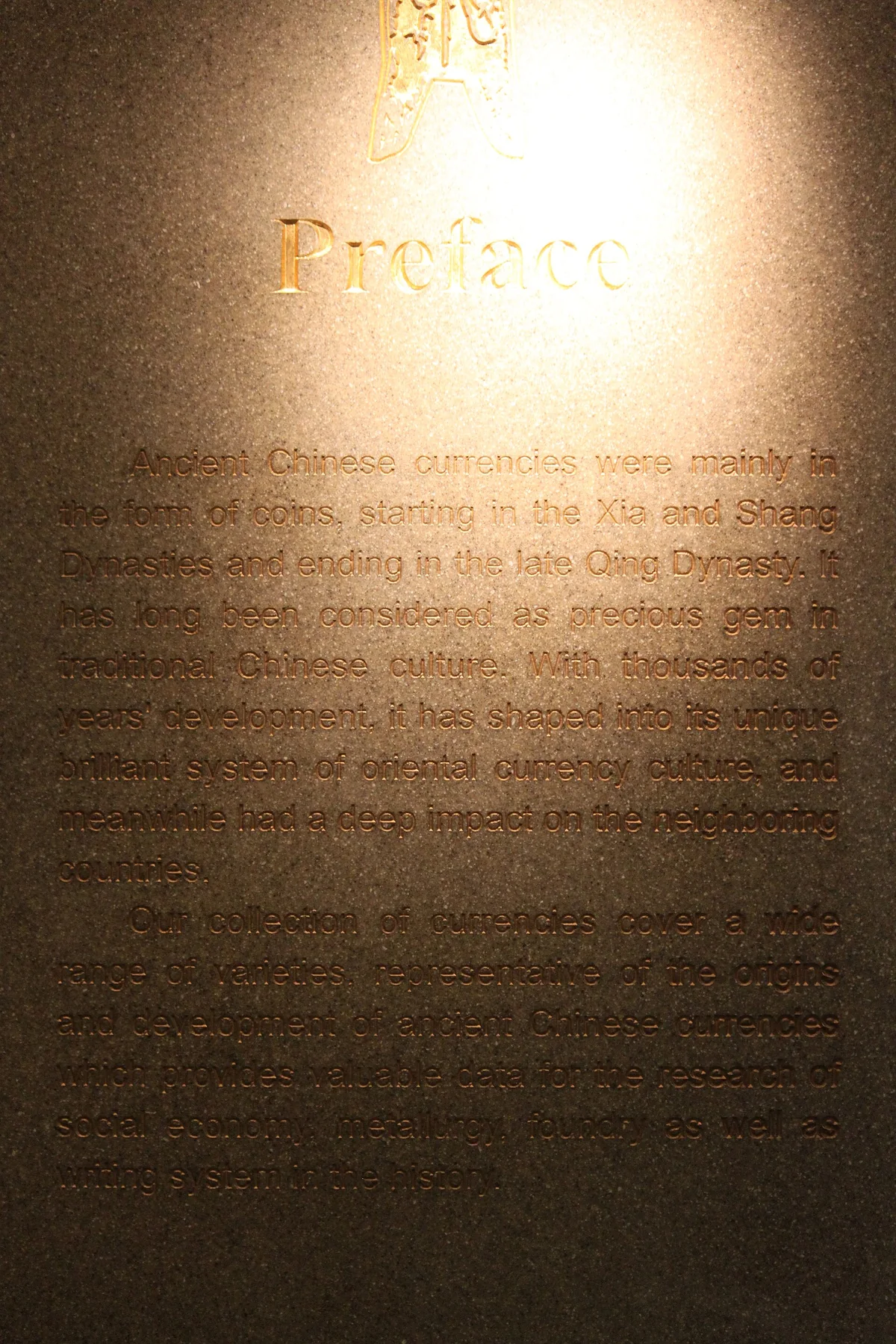
An ordinary feature of modern life has a history worth questioning: Why Do We Use Currency.
Filed under Society
An ordinary feature of modern life has a history worth questioning: Why Do We Have Calendars.
Filed under Society
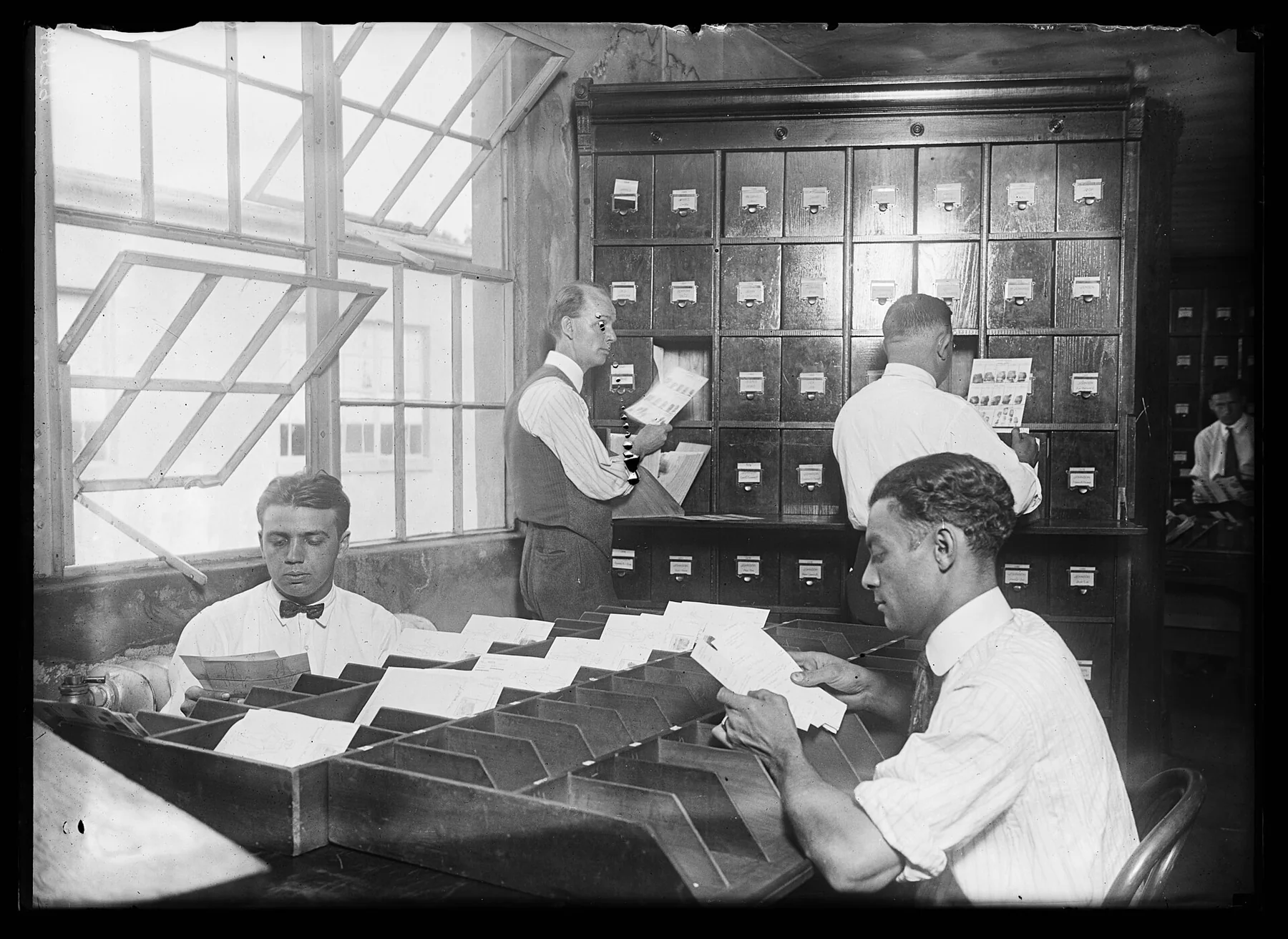
An ordinary feature of modern life has a history worth questioning: Why Do We Have Fingerprints.

Filed under Society
An ordinary feature of modern life has a history worth questioning: Why Do We Have Street Addresses.
Filed under Society
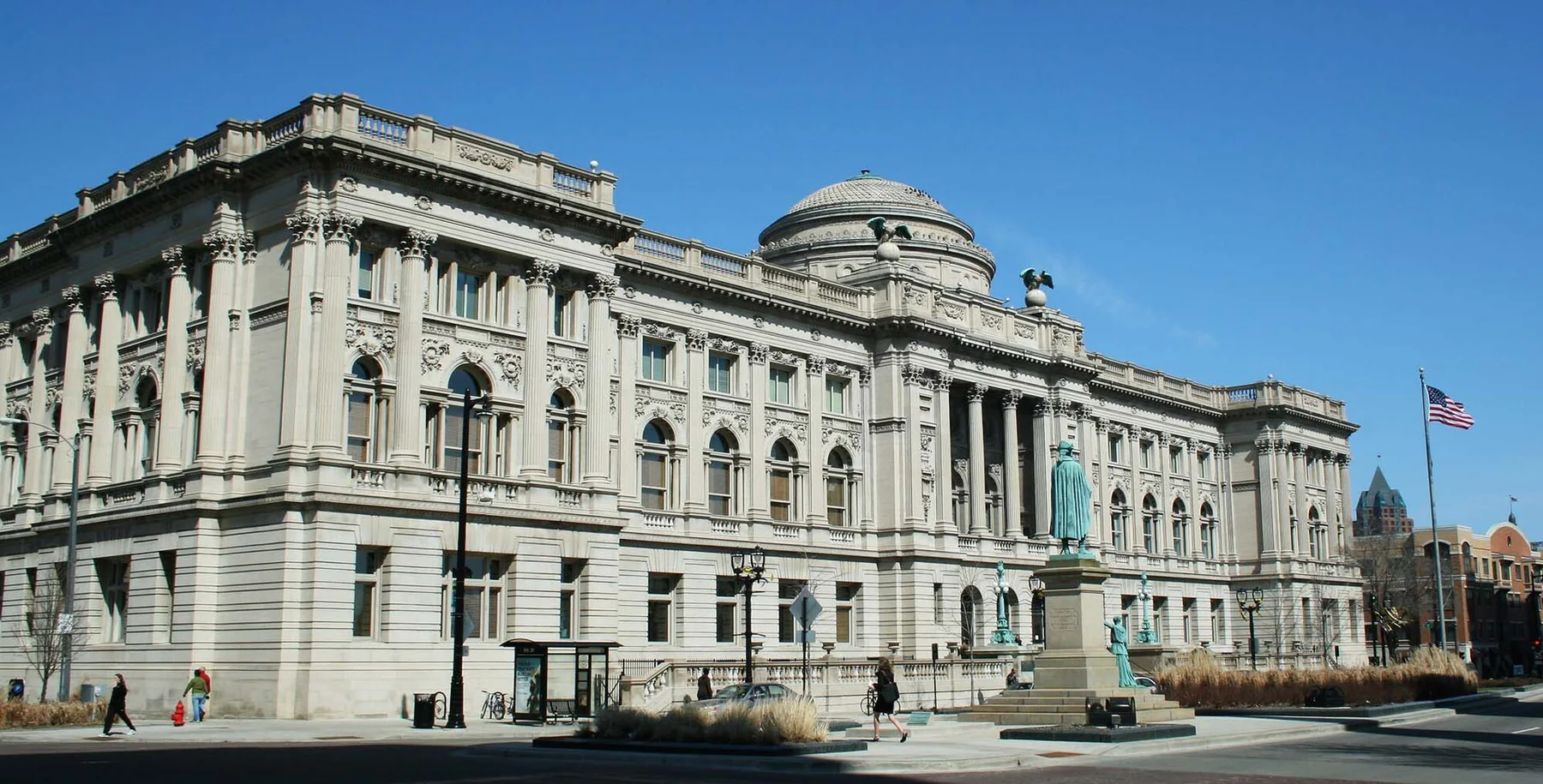
An ordinary feature of modern life has a history worth questioning: Why Do Public Libraries Exist.
Filed under Society
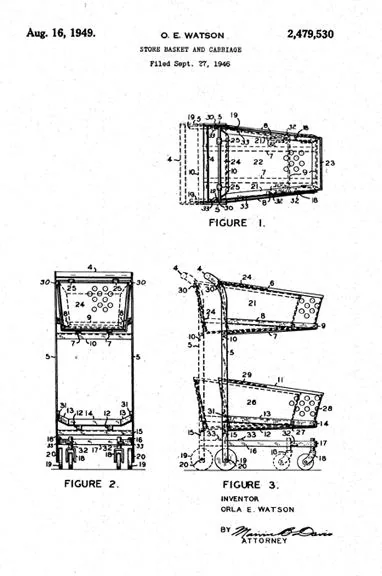
An ordinary feature of modern life has a history worth questioning: Why Do Shopping Carts Exist.
Filed under Society
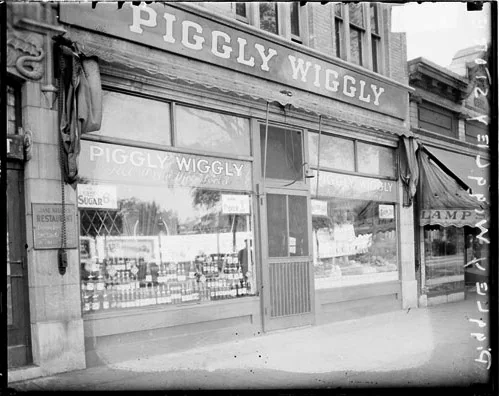
An ordinary feature of modern life has a history worth questioning: Why Do Supermarkets Work the Way They Do.
Filed under Society
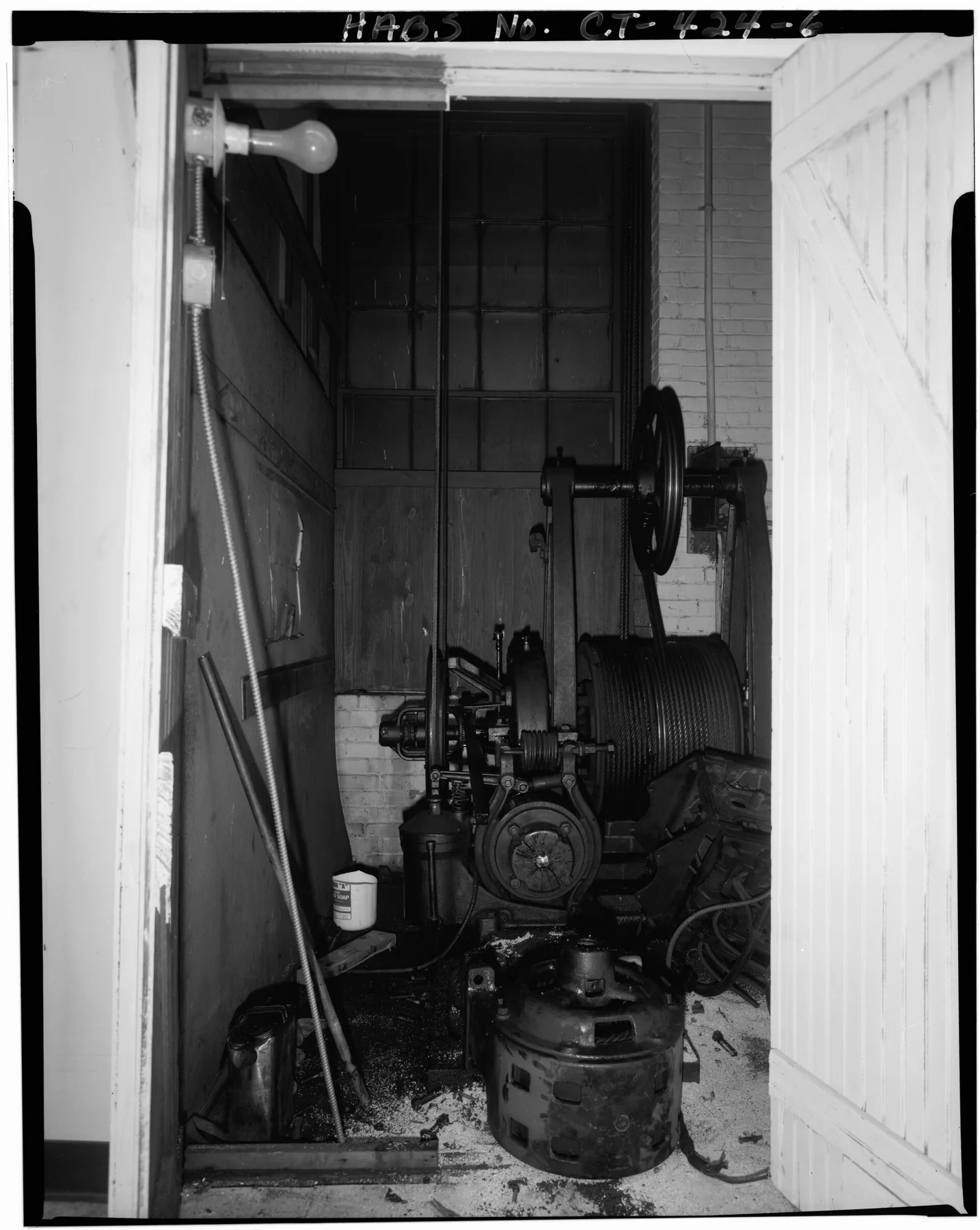
An ordinary feature of modern life has a history worth questioning: Why Do We Have Elevators.
Filed under Society
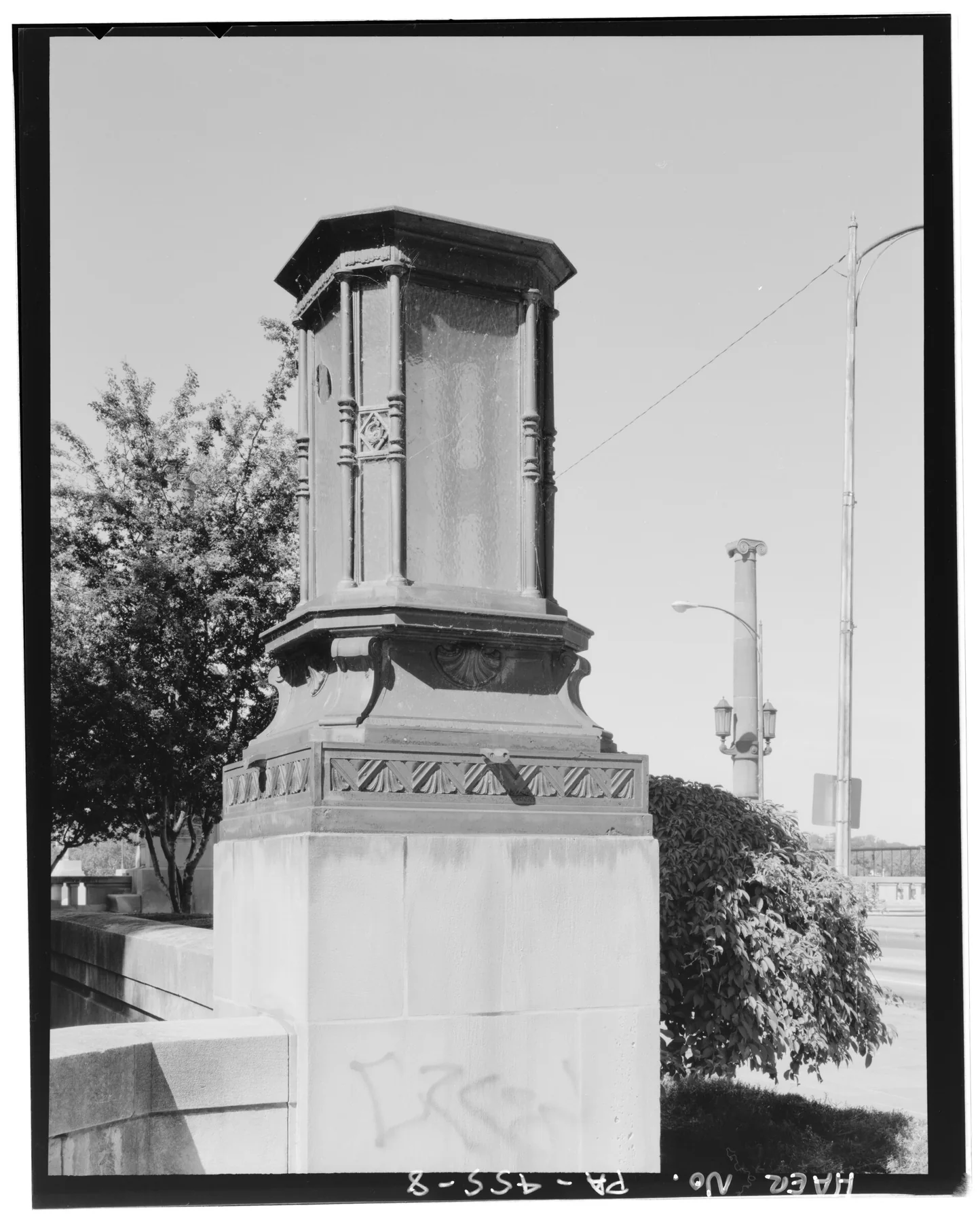
An ordinary feature of modern life has a history worth questioning: Why Do We Have Traffic Lights.
Filed under Society
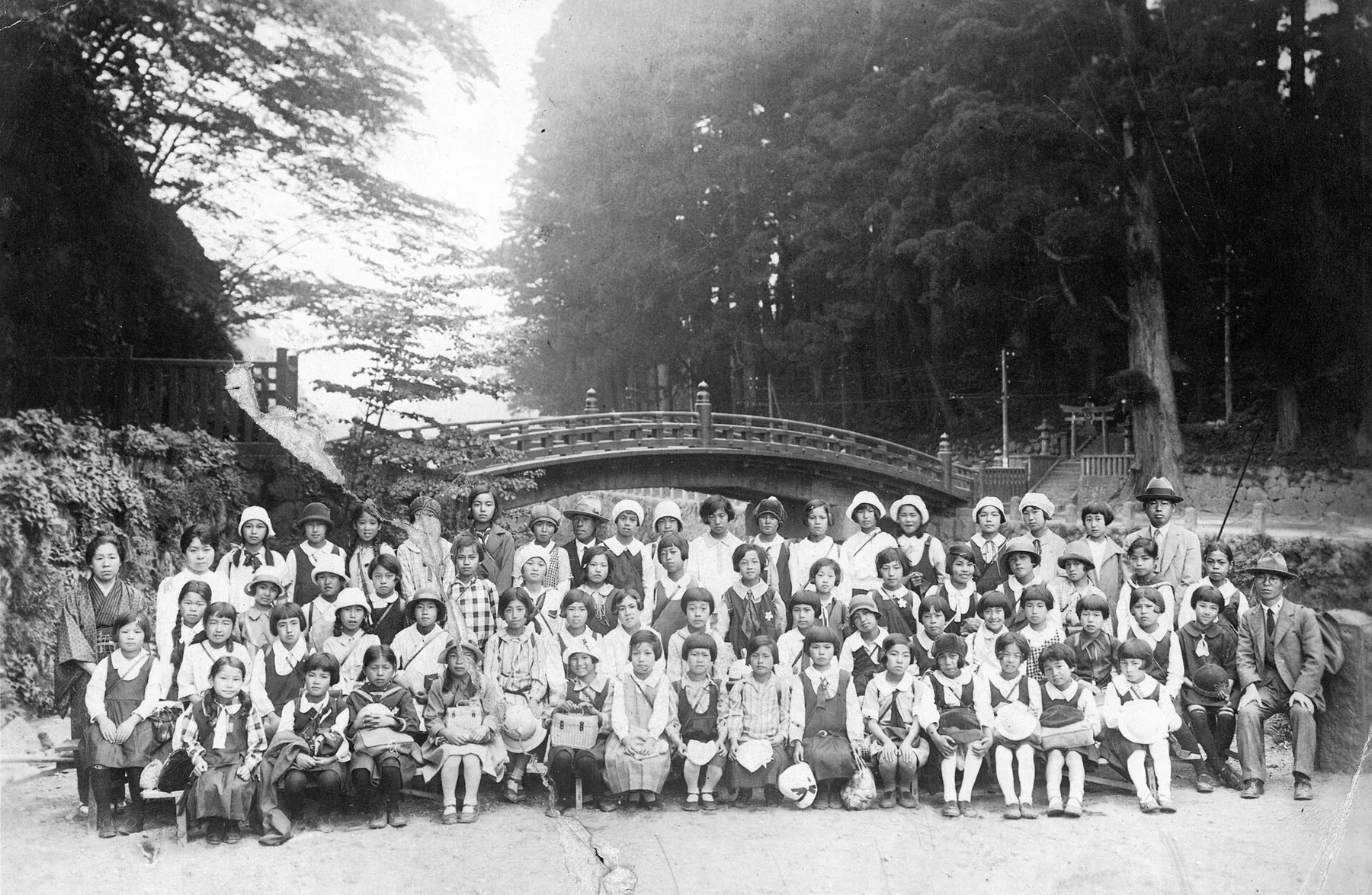
An ordinary feature of modern life has a history worth questioning: Why Do Schools Have Uniforms.
Filed under Society
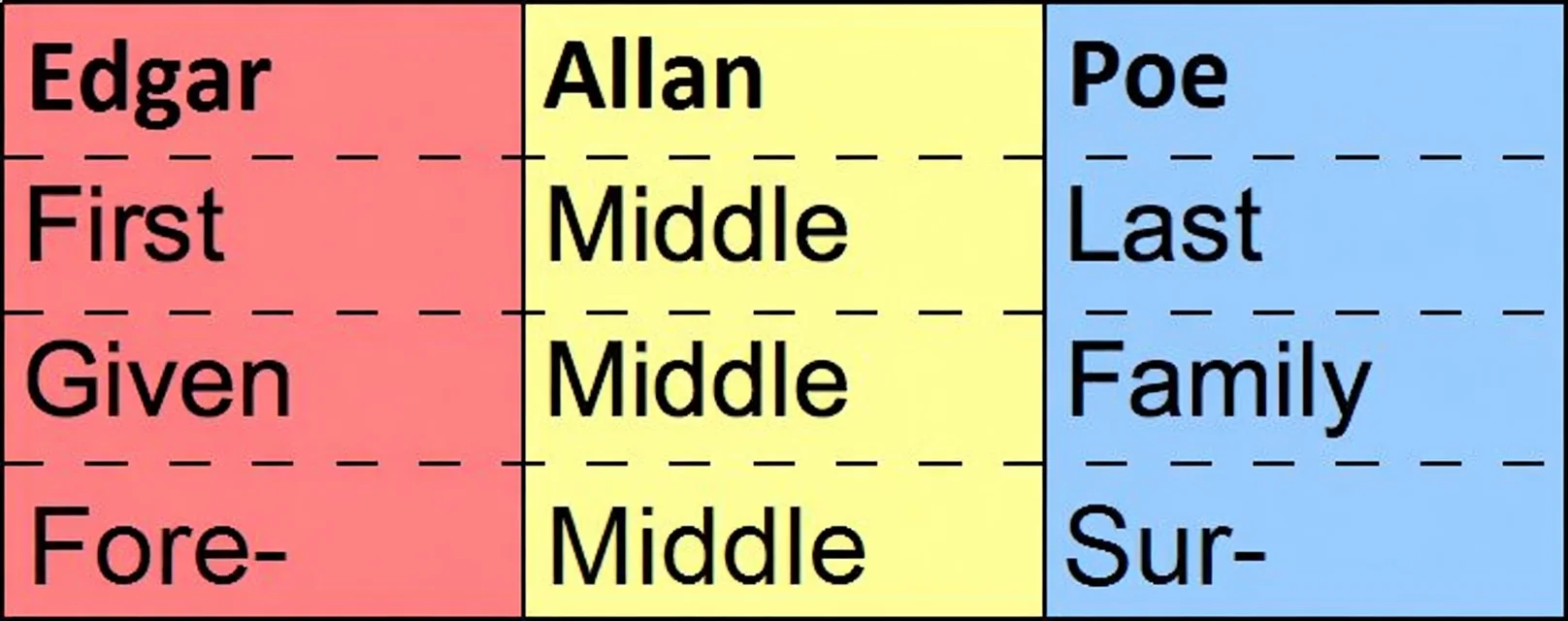
An ordinary feature of modern life has a history worth questioning: Why Do We Have Surnames.
Filed under Society
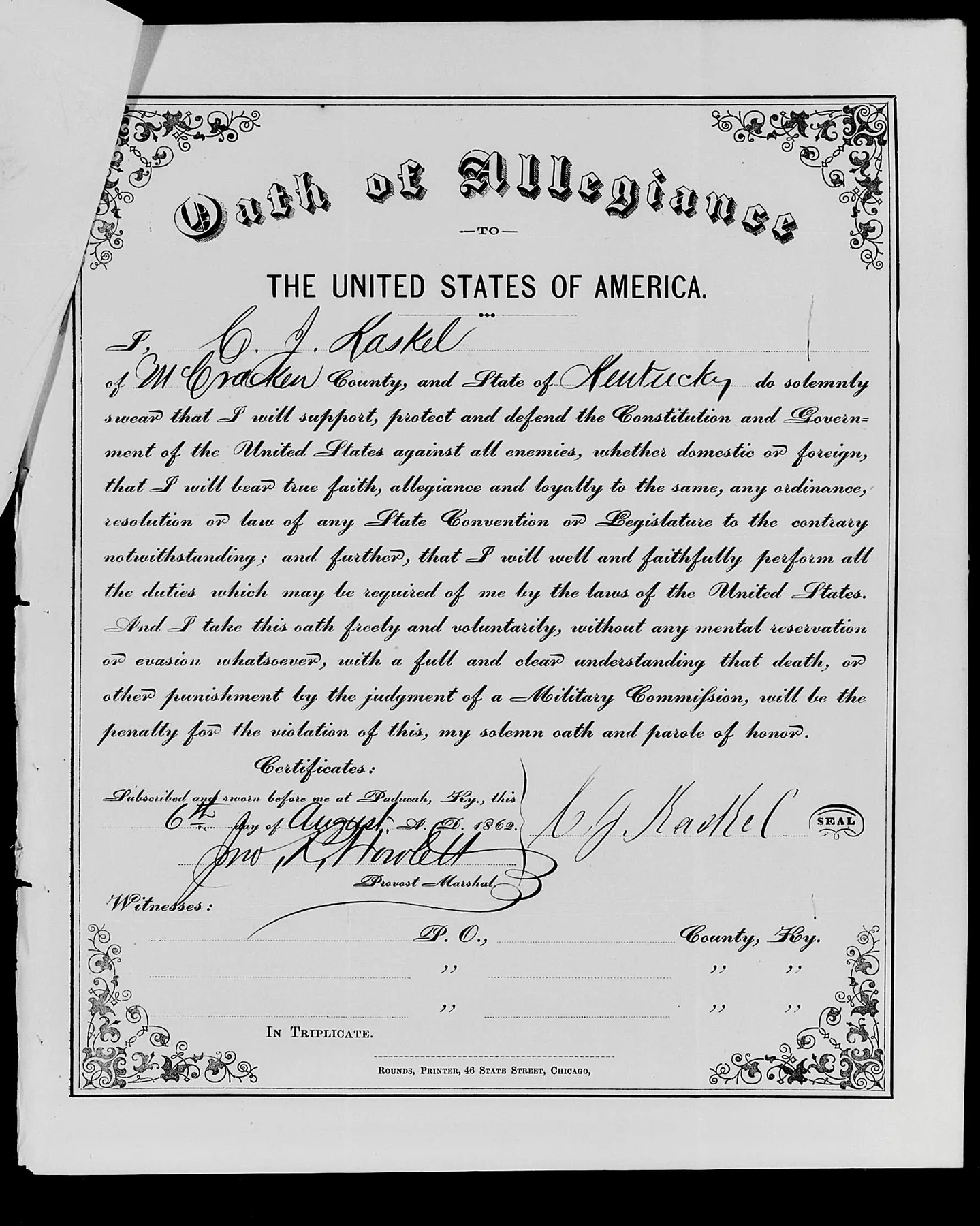
An ordinary feature of modern life has a history worth questioning: Why Do We Have Passports.
Filed under History
The present did not appear fully formed; it was built through choices, systems and consequences.
Filed under History
The present did not appear fully formed; it was built through choices, systems and consequences.

Filed under History
The present did not appear fully formed; it was built through choices, systems and consequences.
Filed under History
The present did not appear fully formed; it was built through choices, systems and consequences.
Filed under History
The present did not appear fully formed; it was built through choices, systems and consequences.
Filed under History
The present did not appear fully formed; it was built through choices, systems and consequences.
Filed under History
The present did not appear fully formed; it was built through choices, systems and consequences.
Filed under History
The present did not appear fully formed; it was built through choices, systems and consequences.
Filed under History
The present did not appear fully formed; it was built through choices, systems and consequences.
Filed under History
The present did not appear fully formed; it was built through choices, systems and consequences.
Read story: How Did Democracy Become a Global Political Ideal?
Filed under History
The present did not appear fully formed; it was built through choices, systems and consequences.
Filed under History
The present did not appear fully formed; it was built through choices, systems and consequences.
Filed under People
A life, idea or discovery can matter far beyond the moment in which it first appeared.
Filed under People
A life, idea or discovery can matter far beyond the moment in which it first appeared.
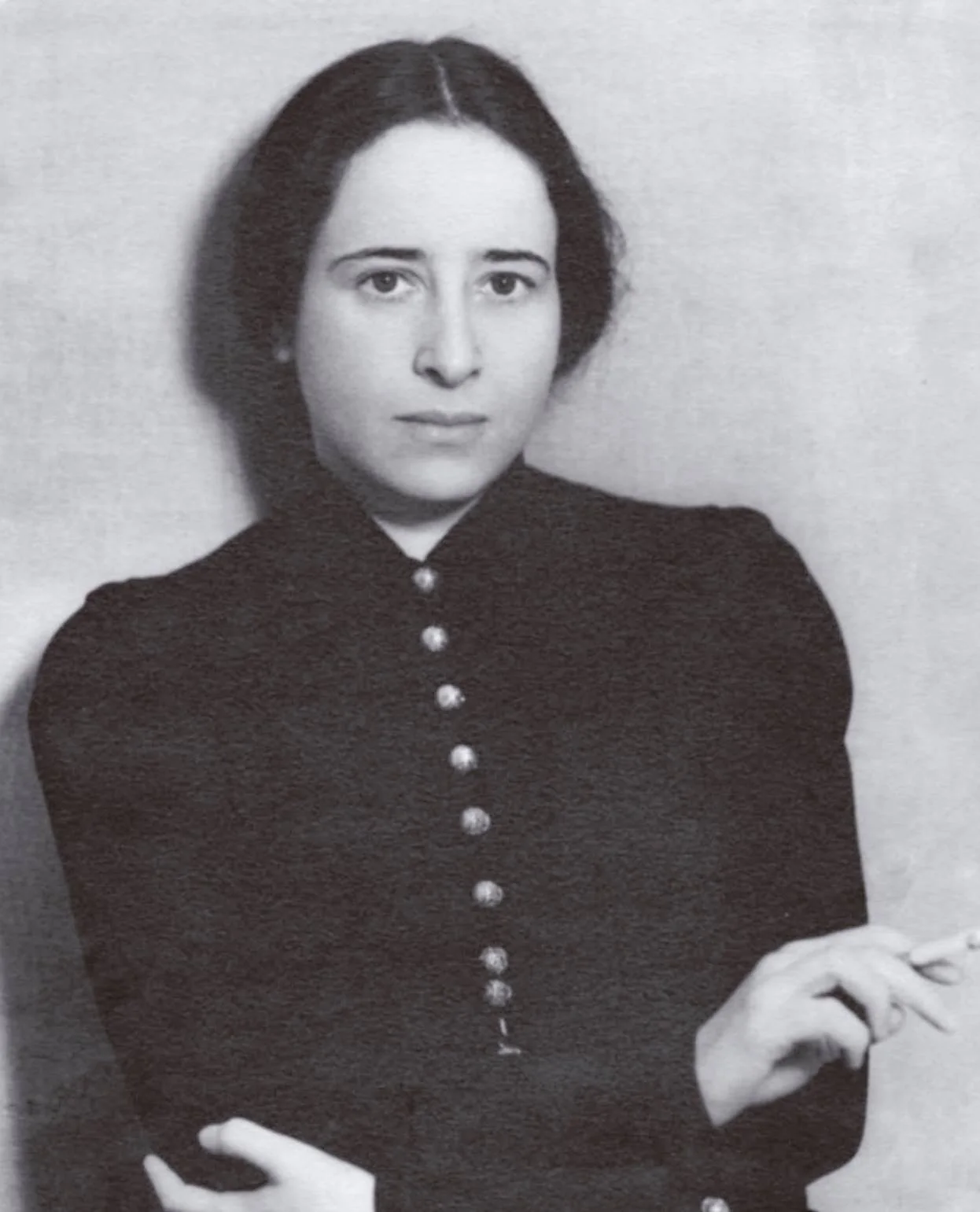
Read story: Hannah Arendt: What Did She Mean by “The Banality of Evil”?
Filed under People
A life, idea or discovery can matter far beyond the moment in which it first appeared.
Filed under People
A life, idea or discovery can matter far beyond the moment in which it first appeared.
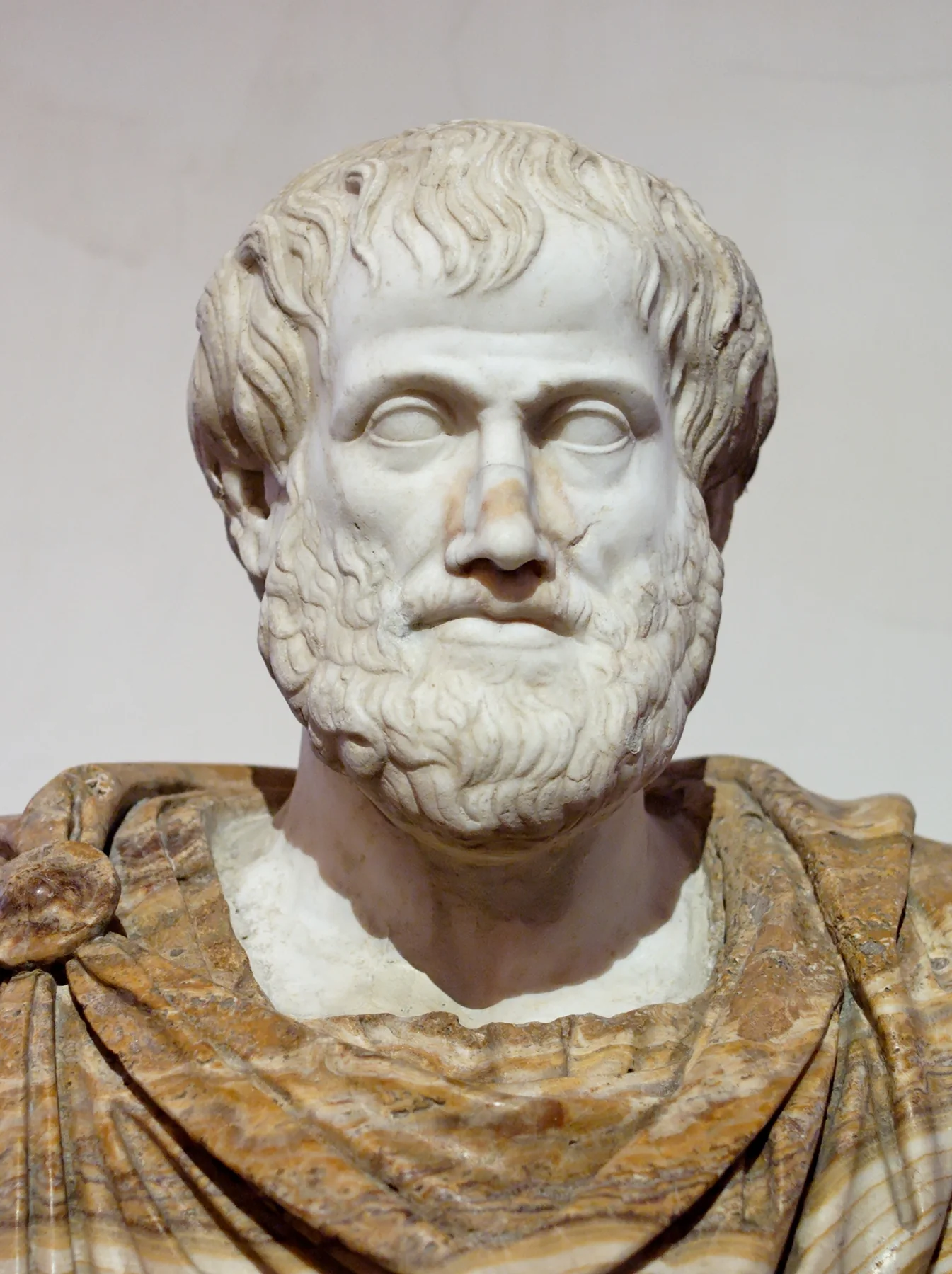
Read story: Aristotle: How Did One Man Influence So Many Fields?
Filed under People
A life, idea or discovery can matter far beyond the moment in which it first appeared.
Filed under People
A life, idea or discovery can matter far beyond the moment in which it first appeared.
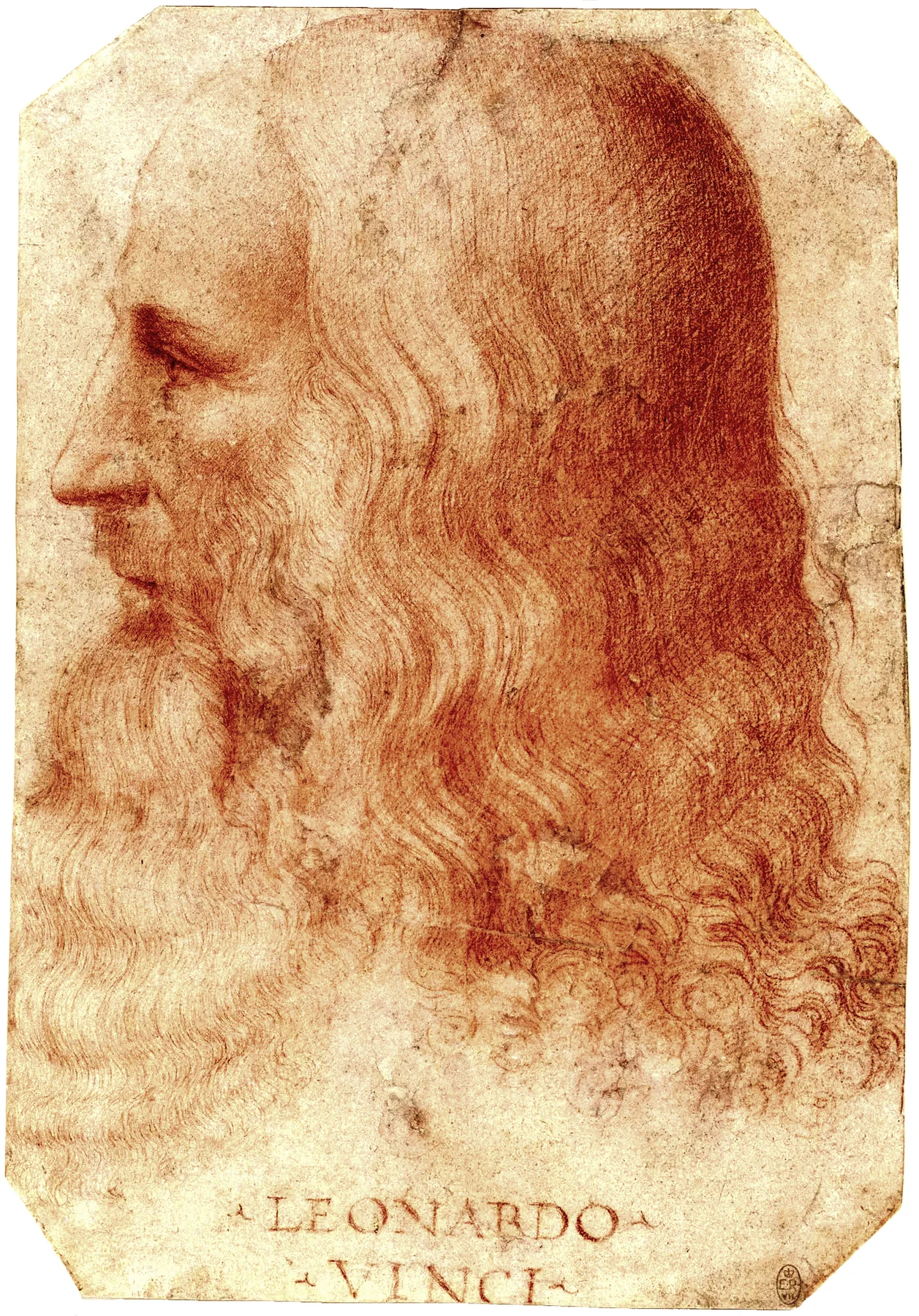
Read story: Leonardo da Vinci: Why Was He So Far Ahead of His Time?
Filed under People
A life, idea or discovery can matter far beyond the moment in which it first appeared.
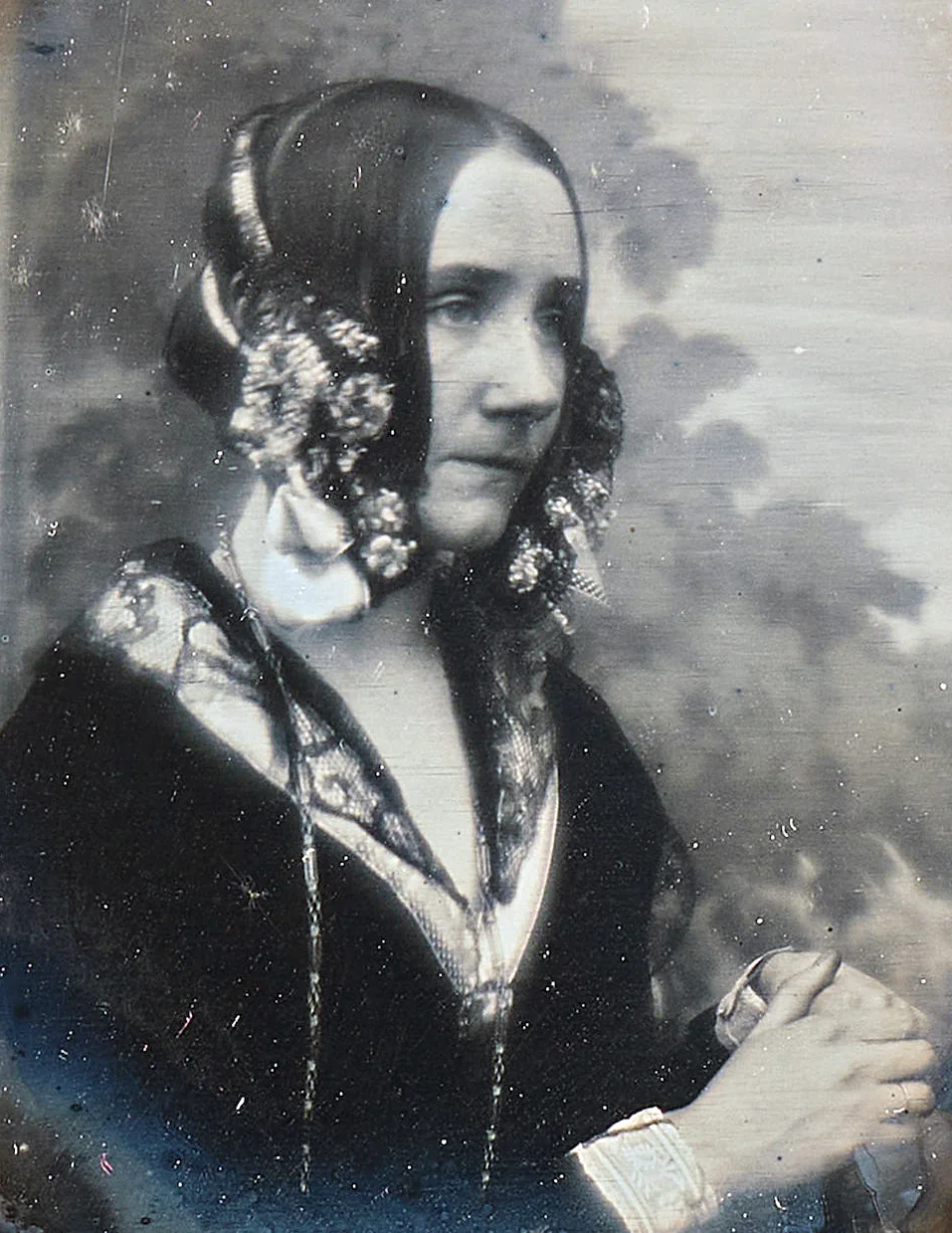
Read story: Ada Lovelace: Was She Really the First Computer Programmer?
Filed under People
A life, idea or discovery can matter far beyond the moment in which it first appeared.
Filed under People
A life, idea or discovery can matter far beyond the moment in which it first appeared.
Filed under People
A life, idea or discovery can matter far beyond the moment in which it first appeared.

Filed under Society
An ordinary feature of modern life has a history worth questioning: Why Do We Use the Latin Alphabet.
Filed under Society
An ordinary feature of modern life has a history worth questioning: Why Do We Say “Hello” When We Answer the Phone.
Filed under Society
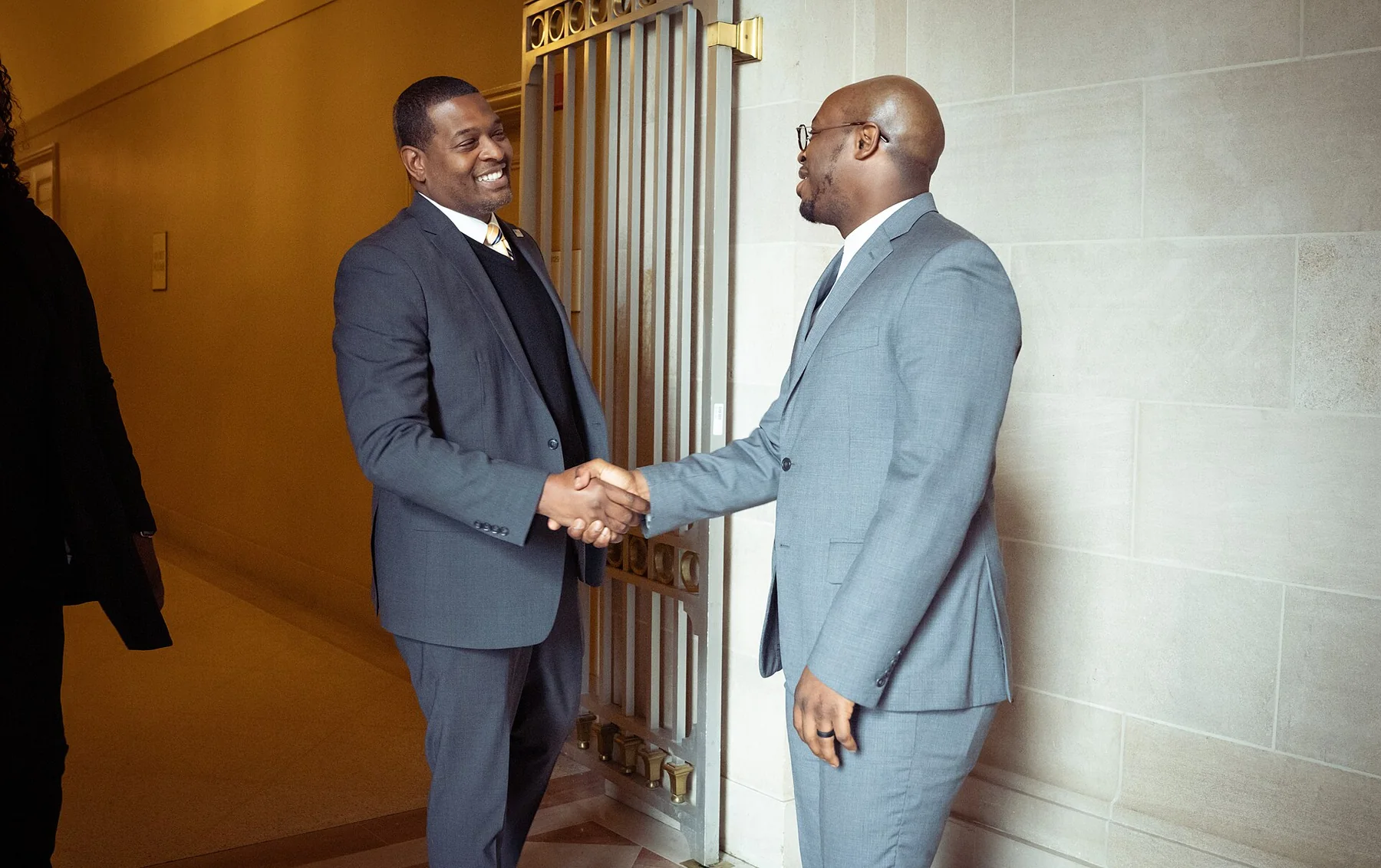
An ordinary feature of modern life has a history worth questioning: Why Do We Shake Hands.
Filed under Society
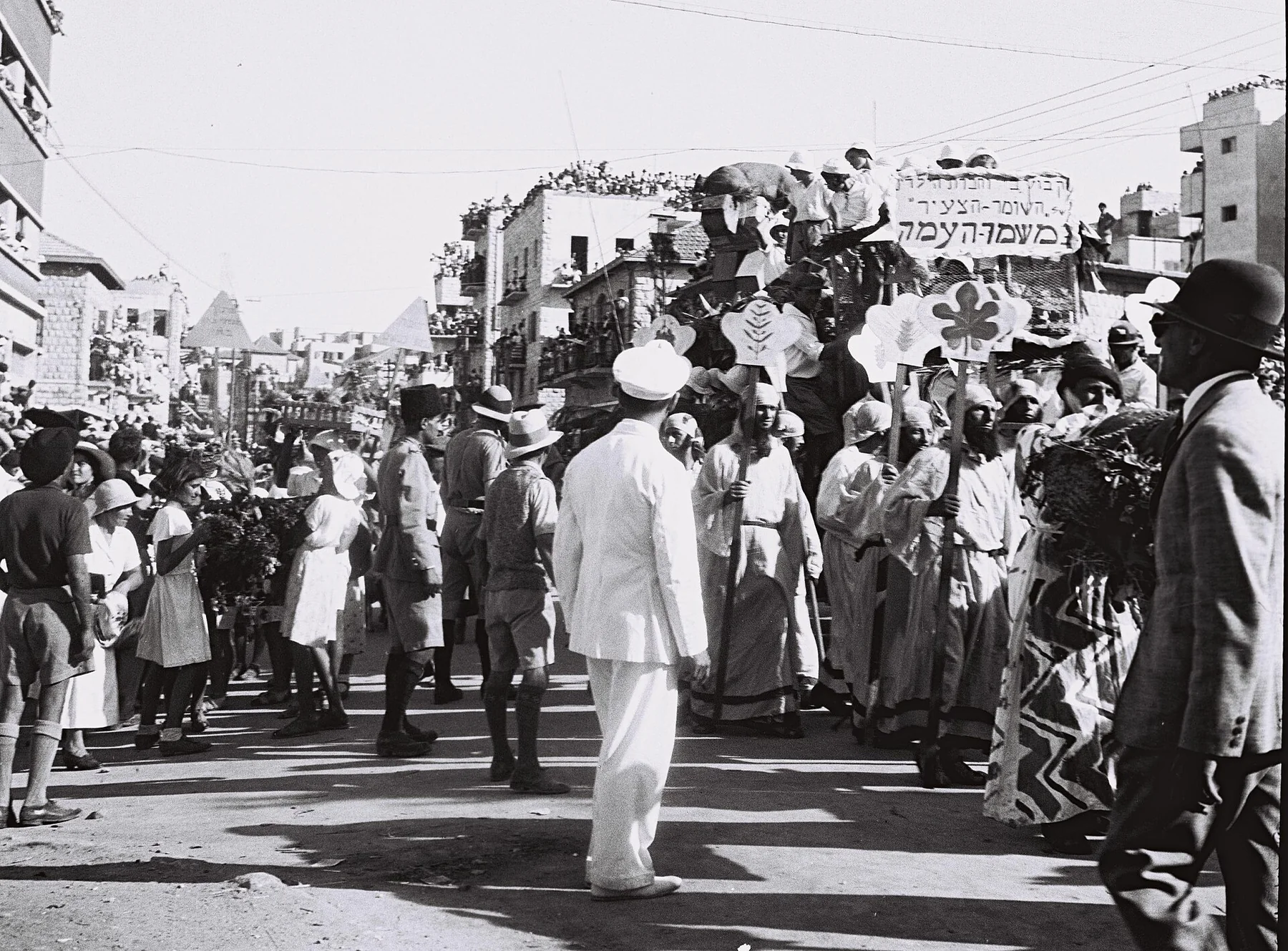
An ordinary feature of modern life has a history worth questioning: Why Do We Have Public Holidays.
Filed under Society
An ordinary feature of modern life has a history worth questioning: Why Do We Have Weekends.
Filed under Society
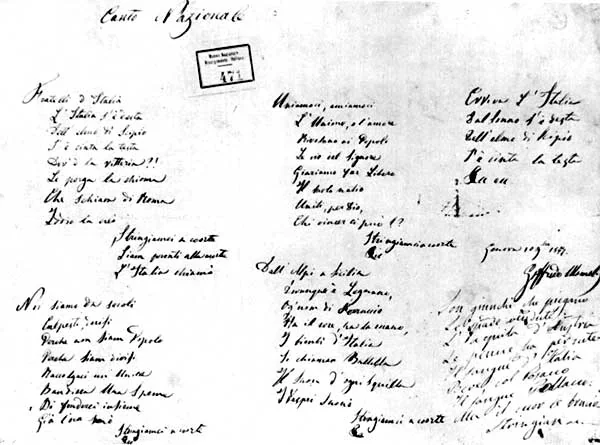
An ordinary feature of modern life has a history worth questioning: Why Do We Have National Anthems.
Filed under Society
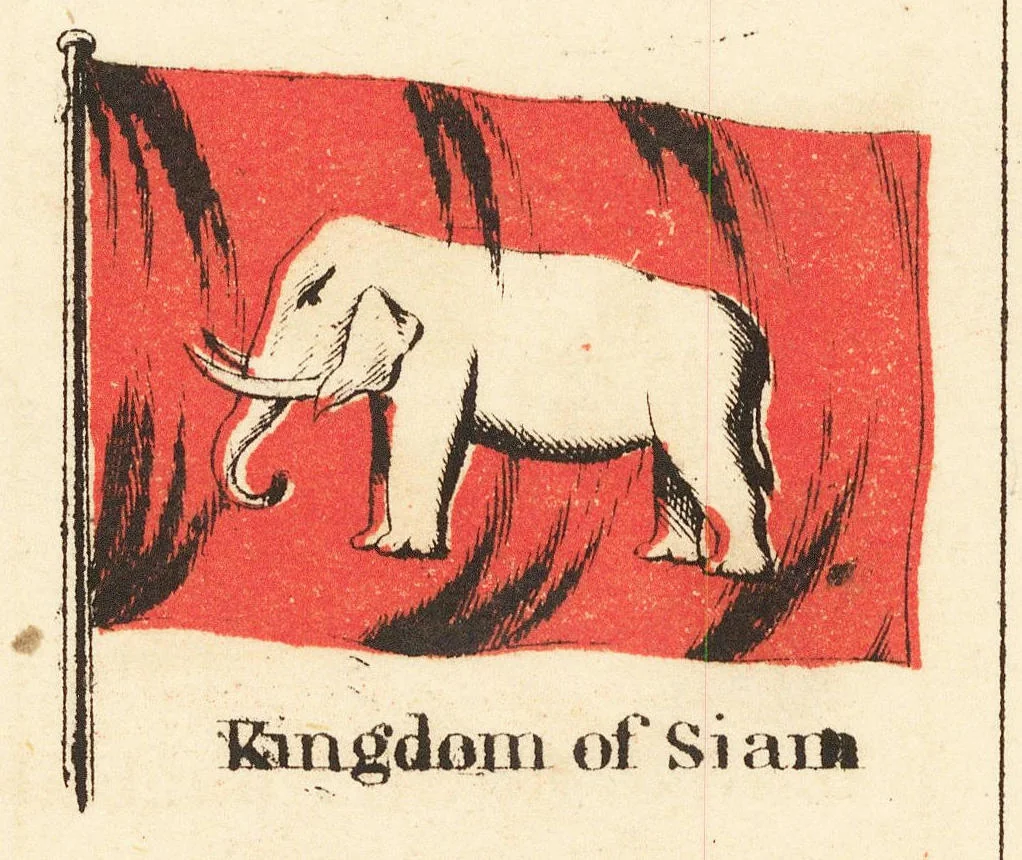
An ordinary feature of modern life has a history worth questioning: Why Do Countries Have Flags.
Filed under Society
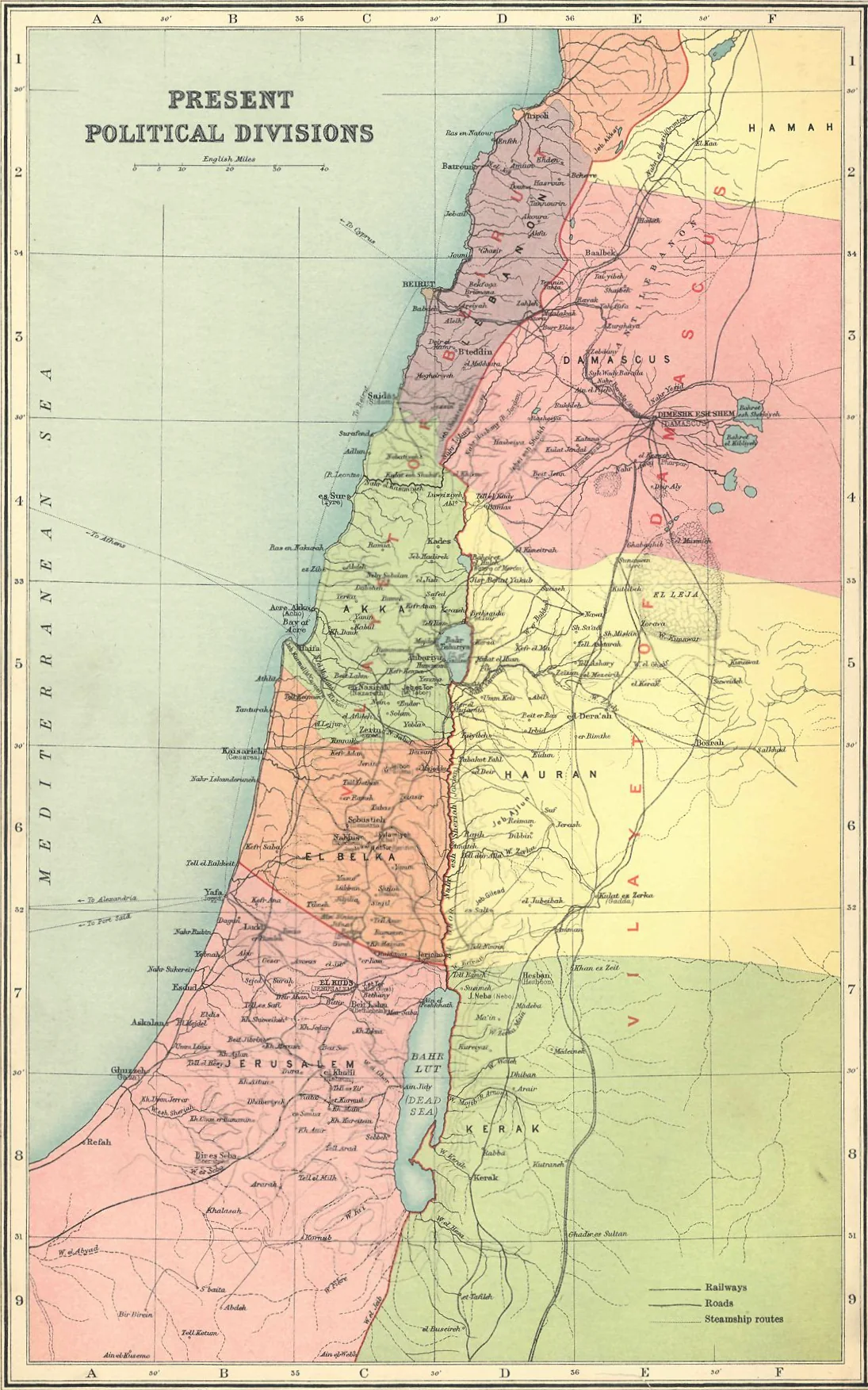
An ordinary feature of modern life has a history worth questioning: Why Do Countries Have Borders.
Filed under Society
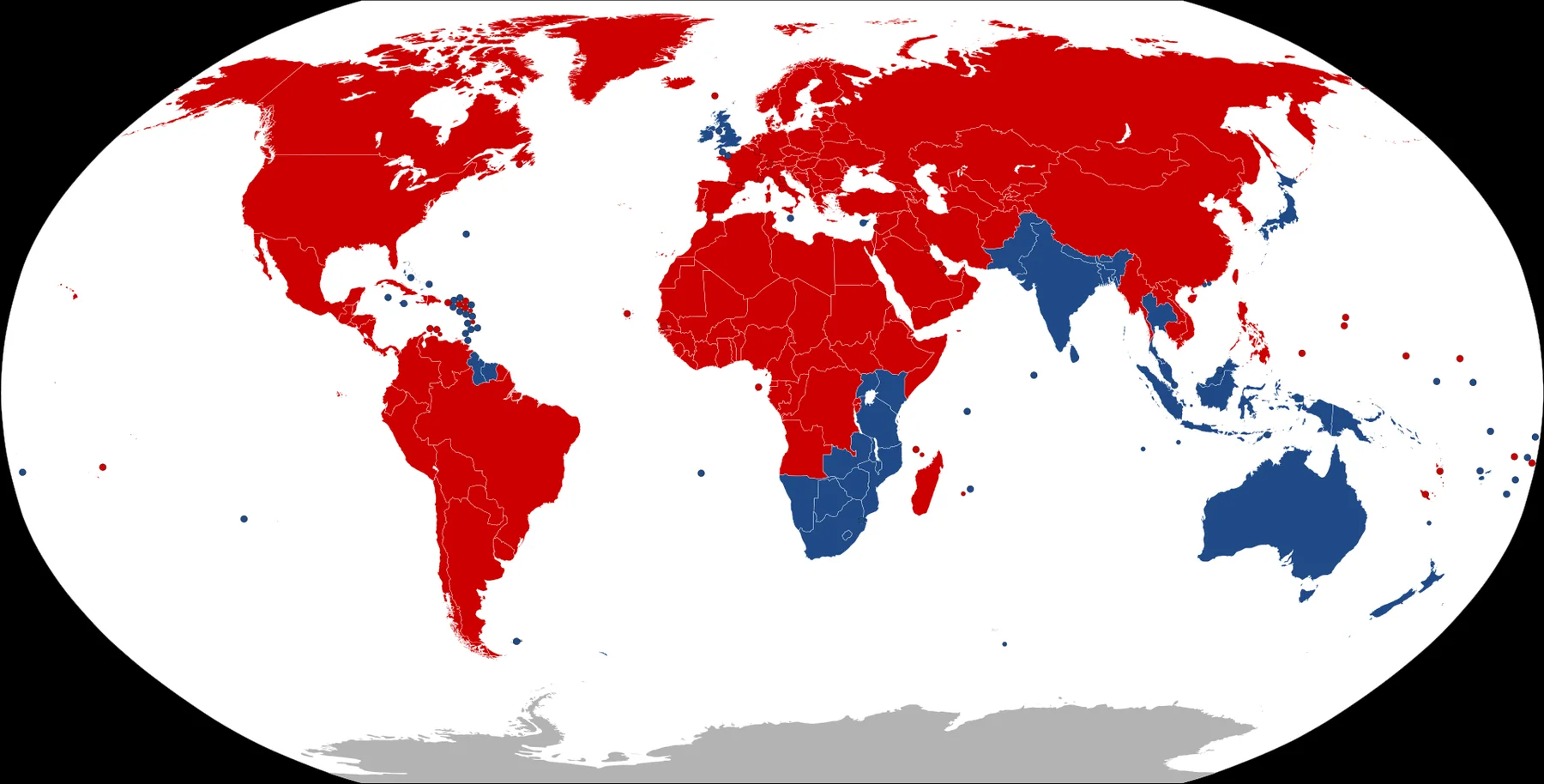
An ordinary feature of modern life has a history worth questioning: Why Do We Drive on Different Sides of the Road.
Filed under Society
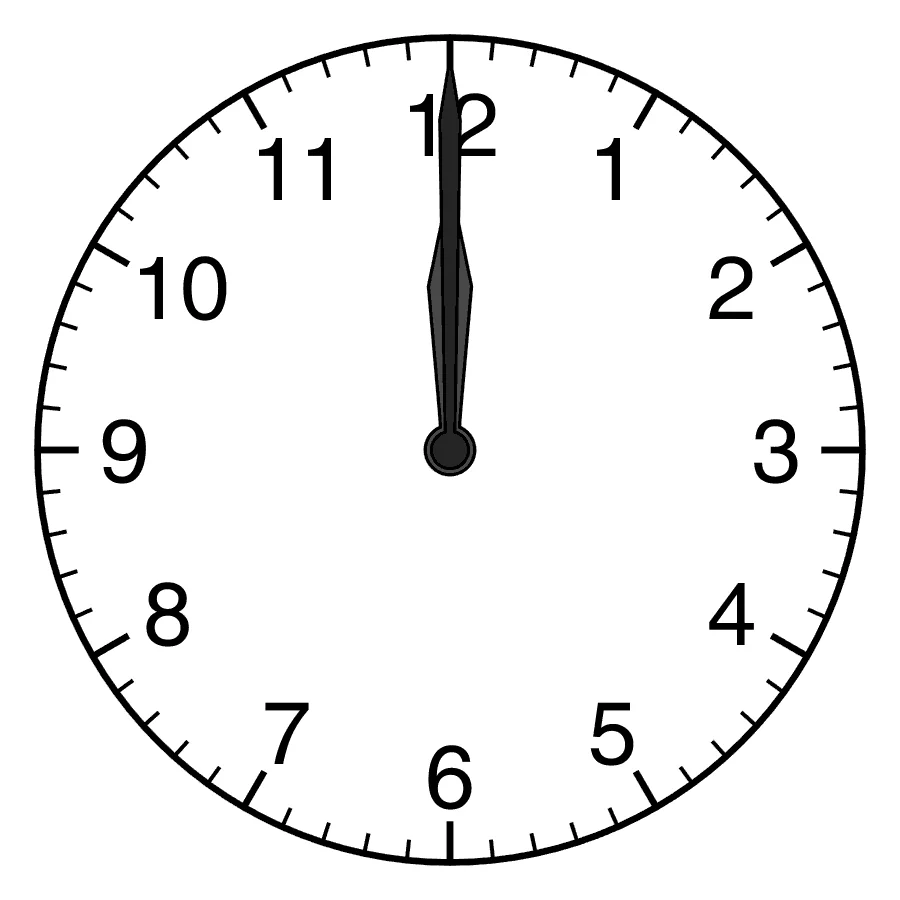
An ordinary feature of modern life has a history worth questioning: Why Are There 60 Minutes in an Hour.
Filed under Society
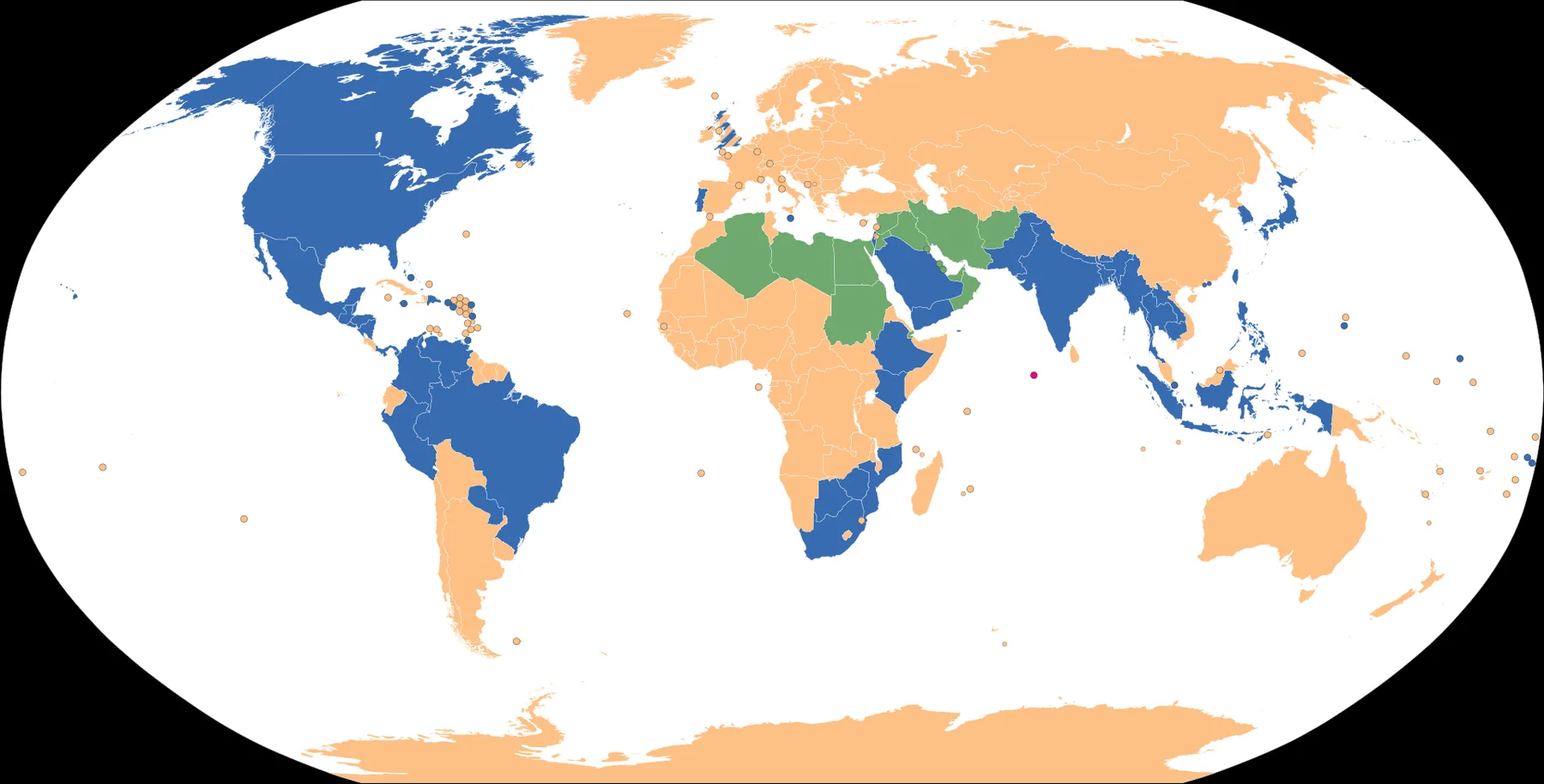
An ordinary feature of modern life has a history worth questioning: Why Does the Week Have Seven Days.
Filed under Society
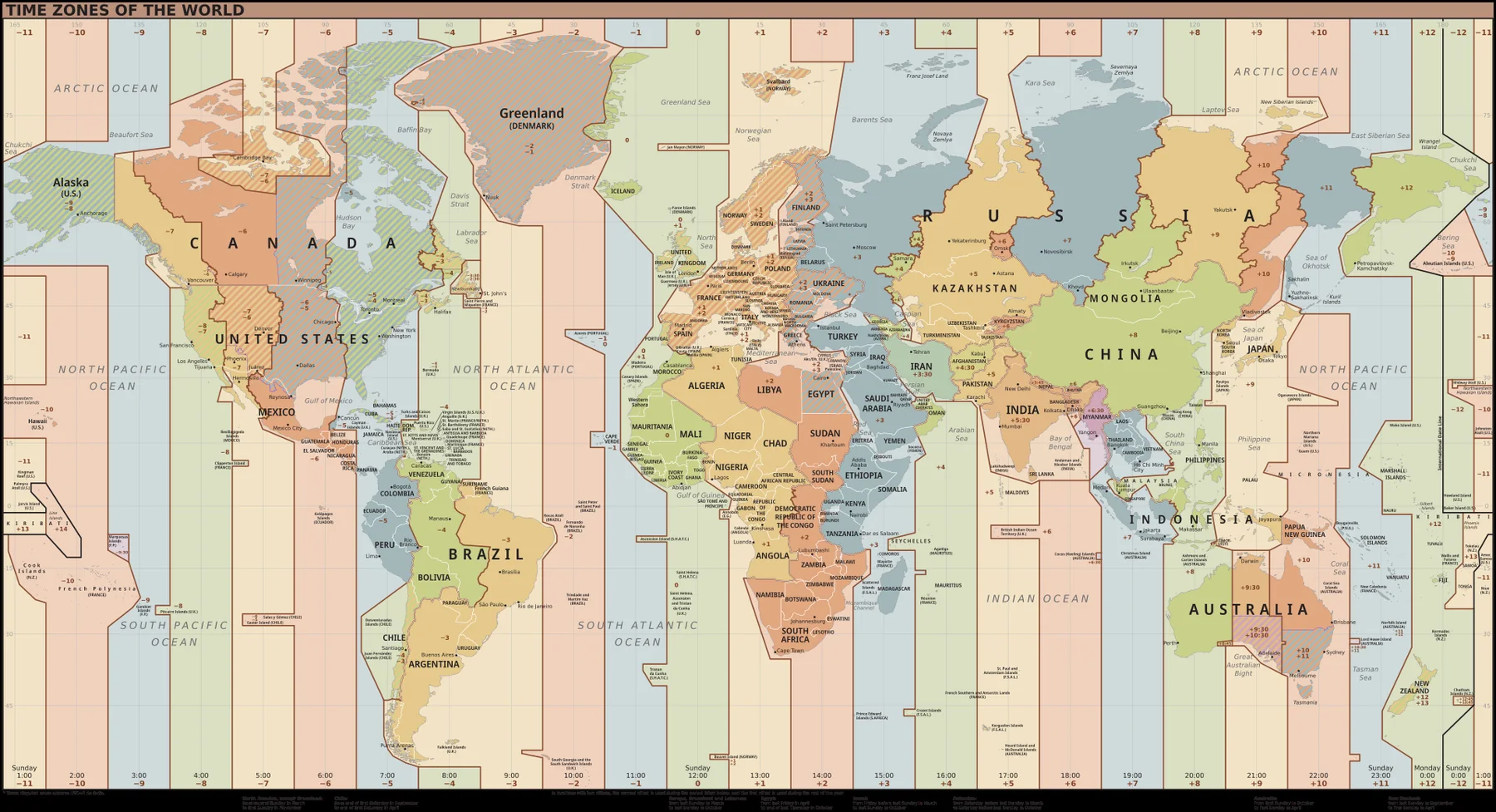
An ordinary feature of modern life has a history worth questioning: Why Do We Have Time Zones.
Filed under Activism
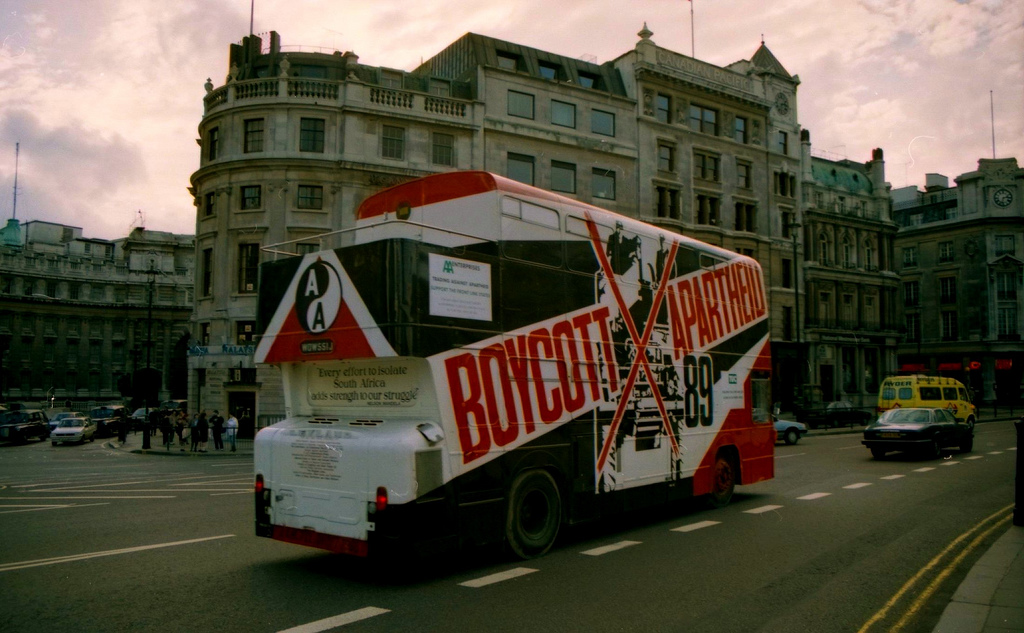
South African resistance and international solidarity helped turn racial apartheid from an entrenched political system into an increasingly isolated one.
Read story: The Anti-Apartheid Movement: When the World Refused to Accept Apartheid as Normal
Filed under Activism
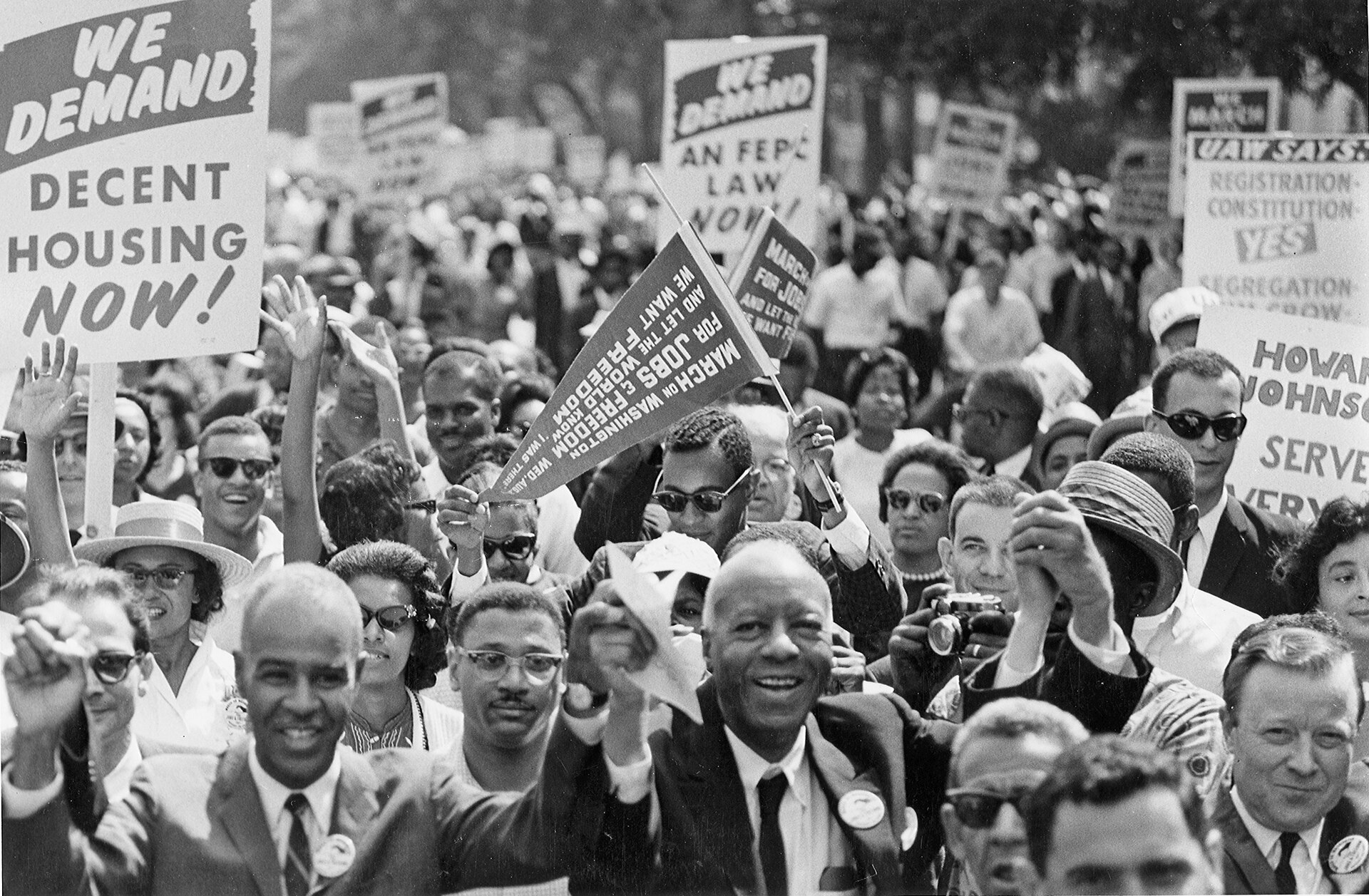
Grassroots organising, legal challenges, boycotts and mass protest helped transform racial equality from a moral demand into enforceable federal law.
Read story: The U.S. Civil Rights Movement: When Protest Became Law
Filed under Activism
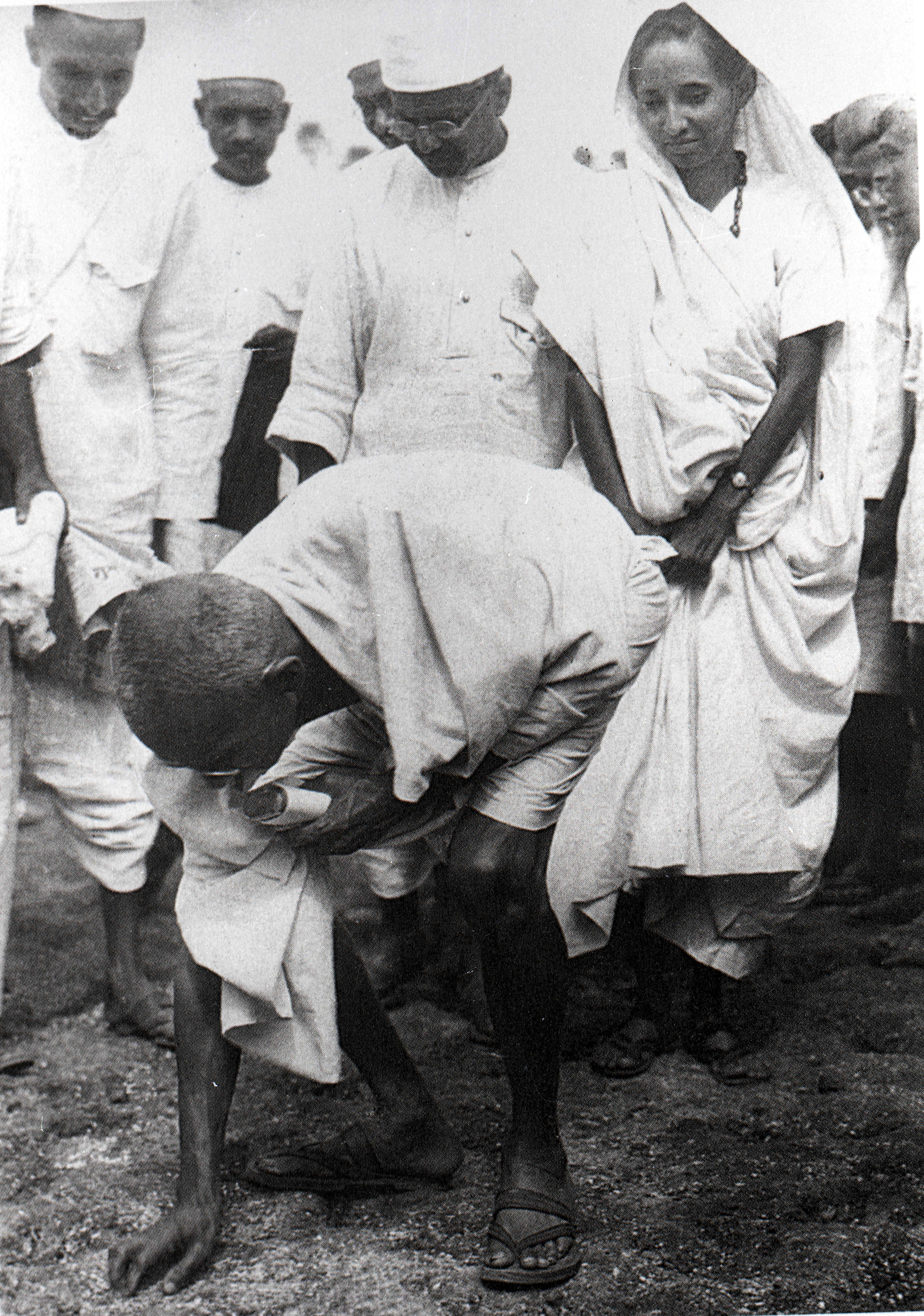
Decades of organising, civil resistance and mass participation helped turn independence from an aspiration into a political reality.
Read story: The Indian Independence Movement: When Ordinary People Challenged an Empire
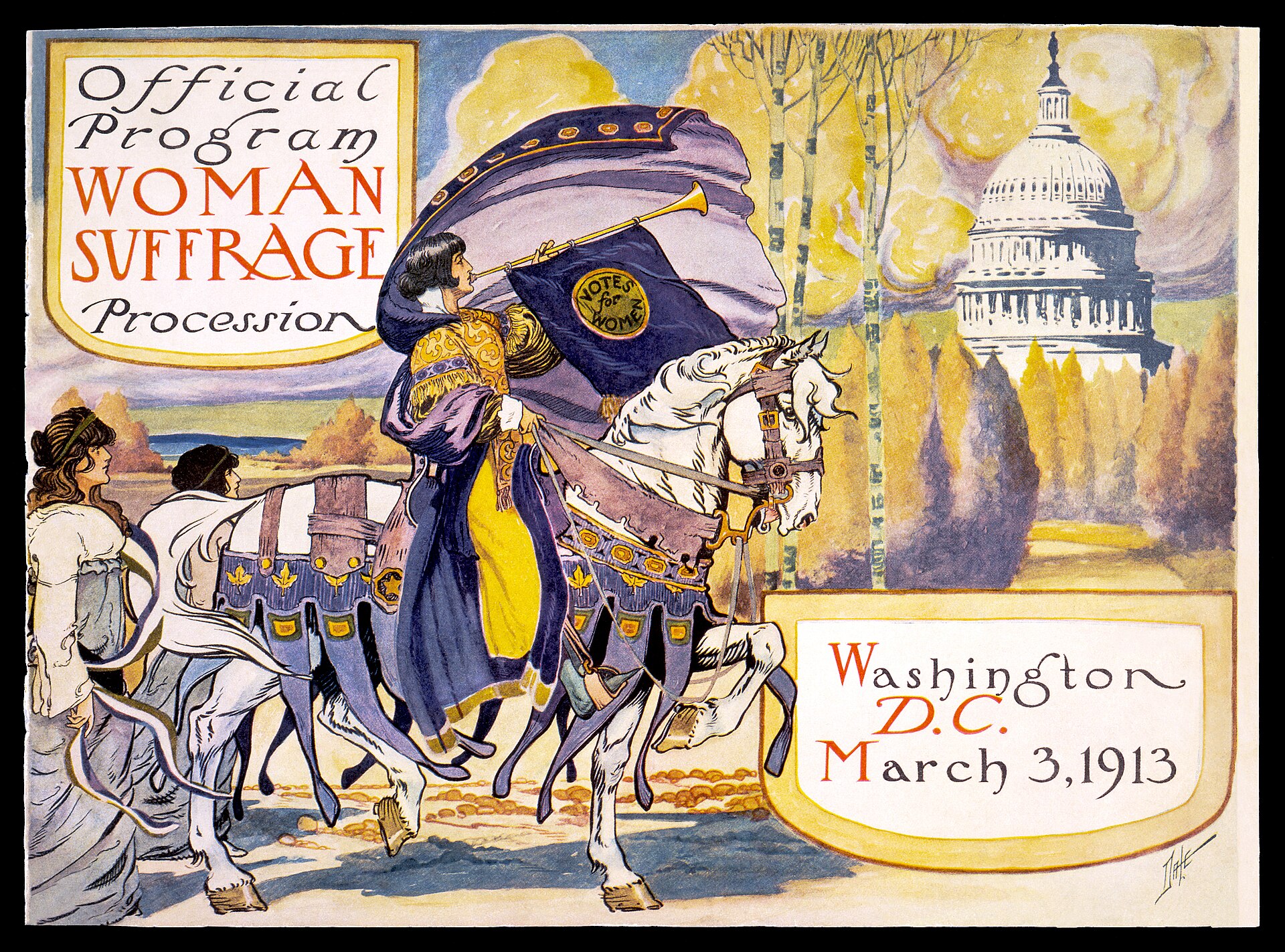
Filed under Activism
The long struggle for women's voting rights challenged one of society's most deeply normalised assumptions: that political citizenship was naturally male.
Read story: Women's Suffrage: When Women Became Political Citizens
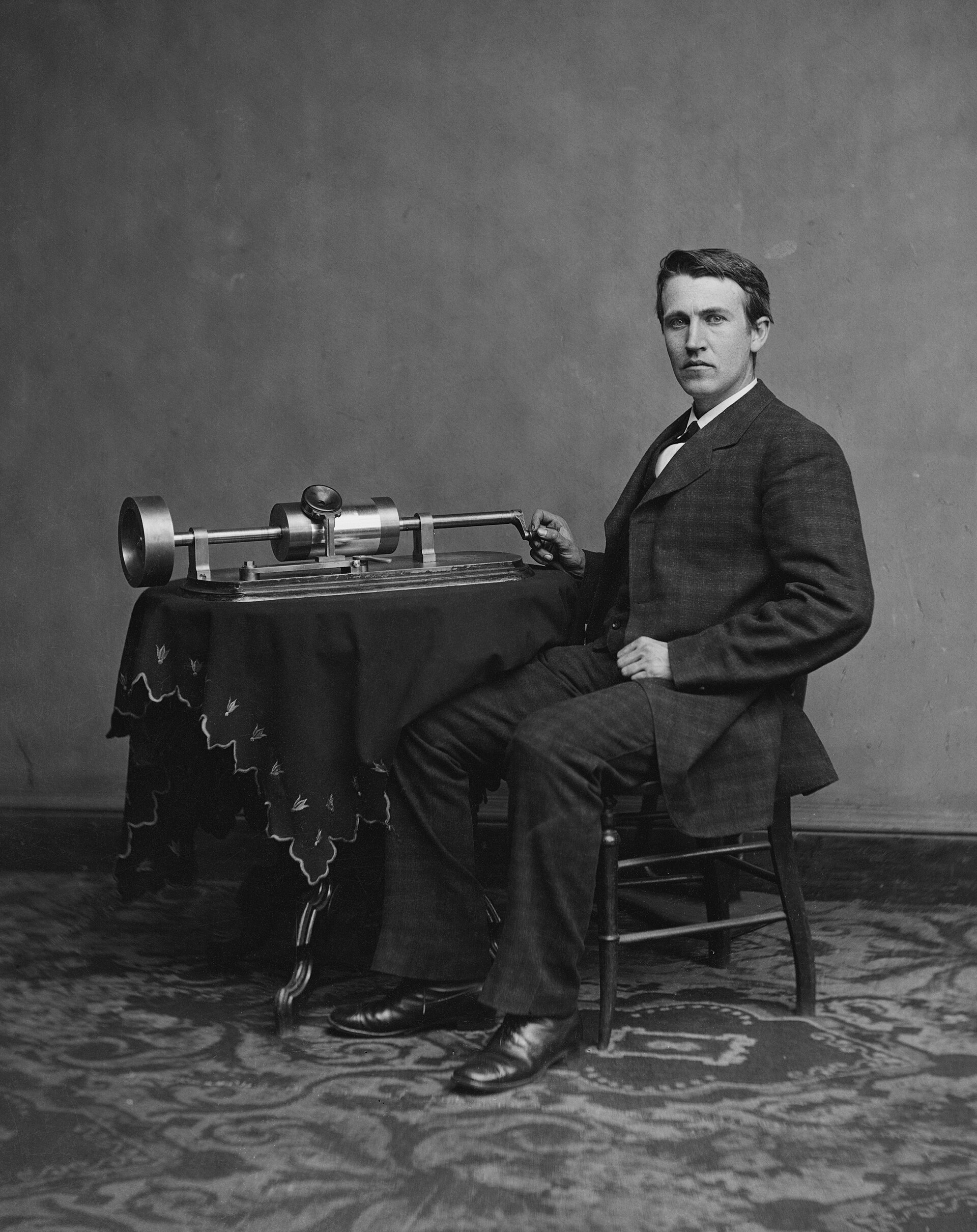
Filed under Ideas
When recorded sound turned music from a fleeting performance into something that could be preserved, reproduced and carried into homes.
Read story: The Phonograph: The Moment Music Escaped the Room
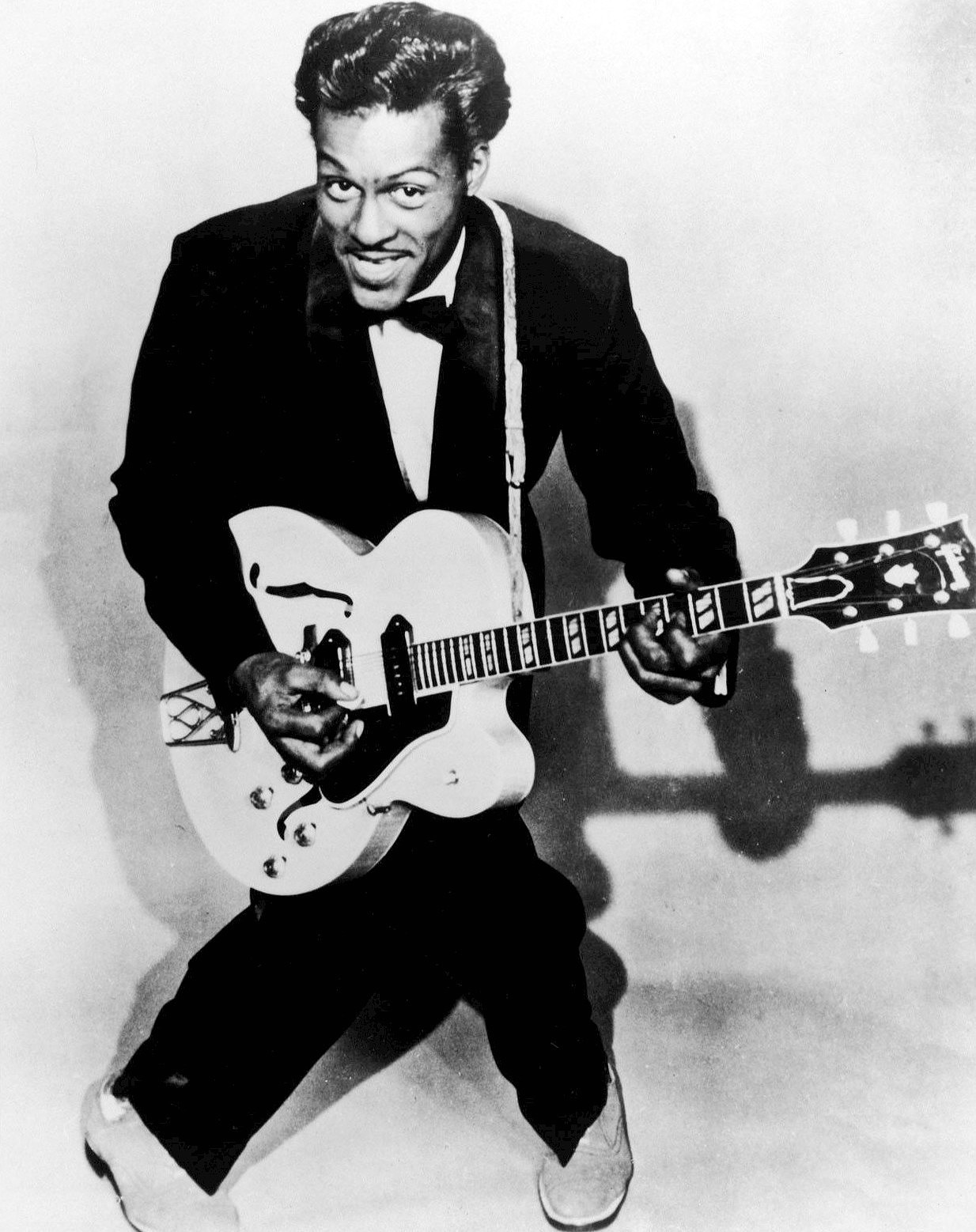
Filed under Ideas
In the 1950s, a new musical culture helped make youth identity visible, commercially powerful and increasingly independent.
Read story: Rock ’n’ Roll: When Teenagers Became a Cultural Force
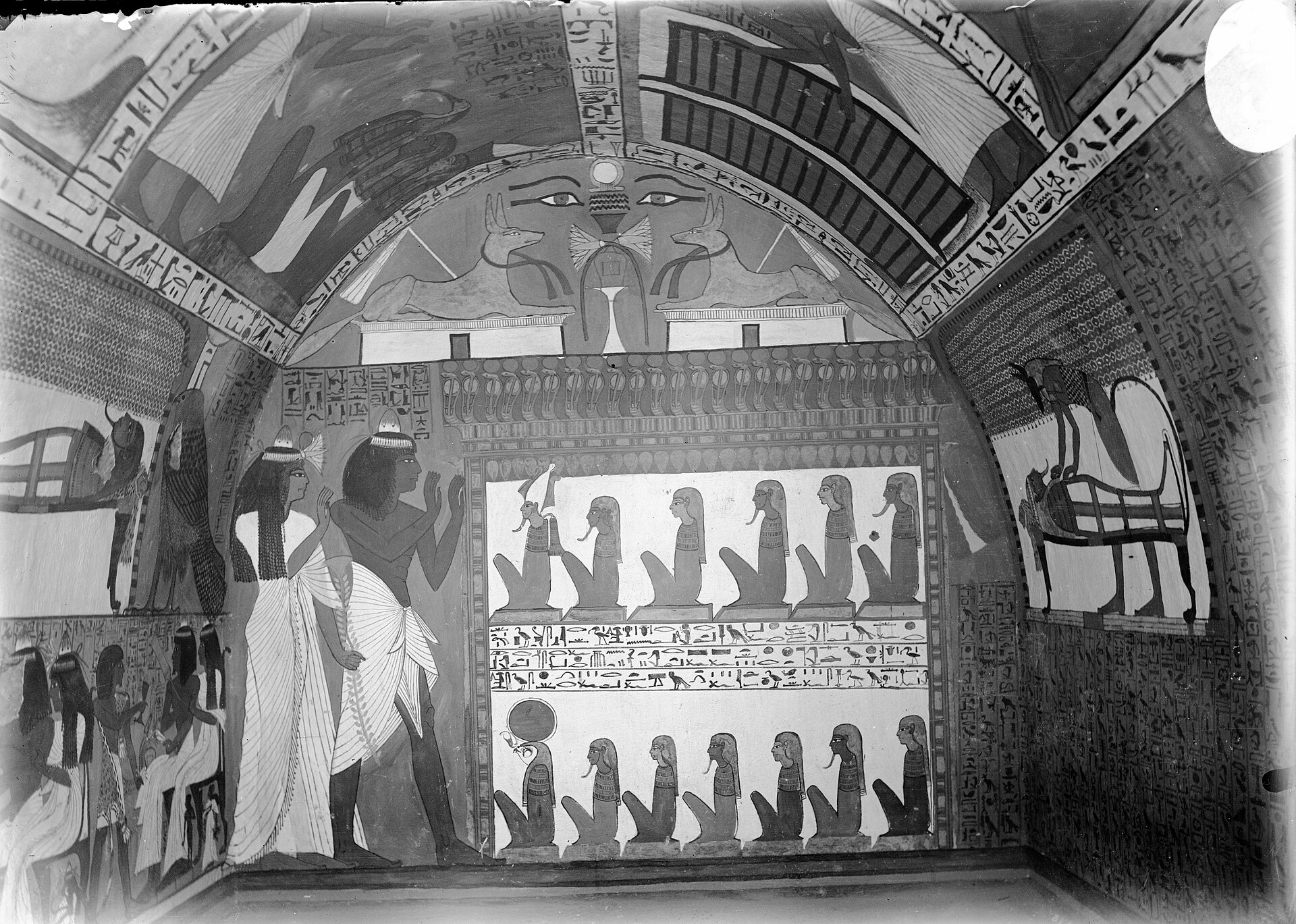
Filed under Culture
Ancient Egyptian art asks a question humanity still cannot escape: what, if anything, survives us?
Read story: Ancient Egyptian Art — The Human Refusal to Let Death Have the Final Word
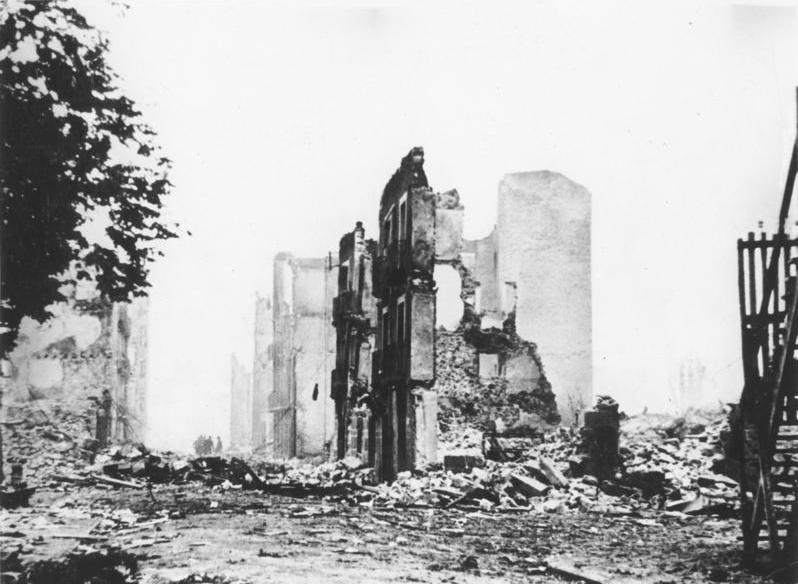
Filed under Culture
Facts can record destruction. Art can make us confront what destruction feels like. Guernica remains one of history's strongest visual arguments against war.
Read story: Guernica — When Art Became a Witness Against the Destruction of War
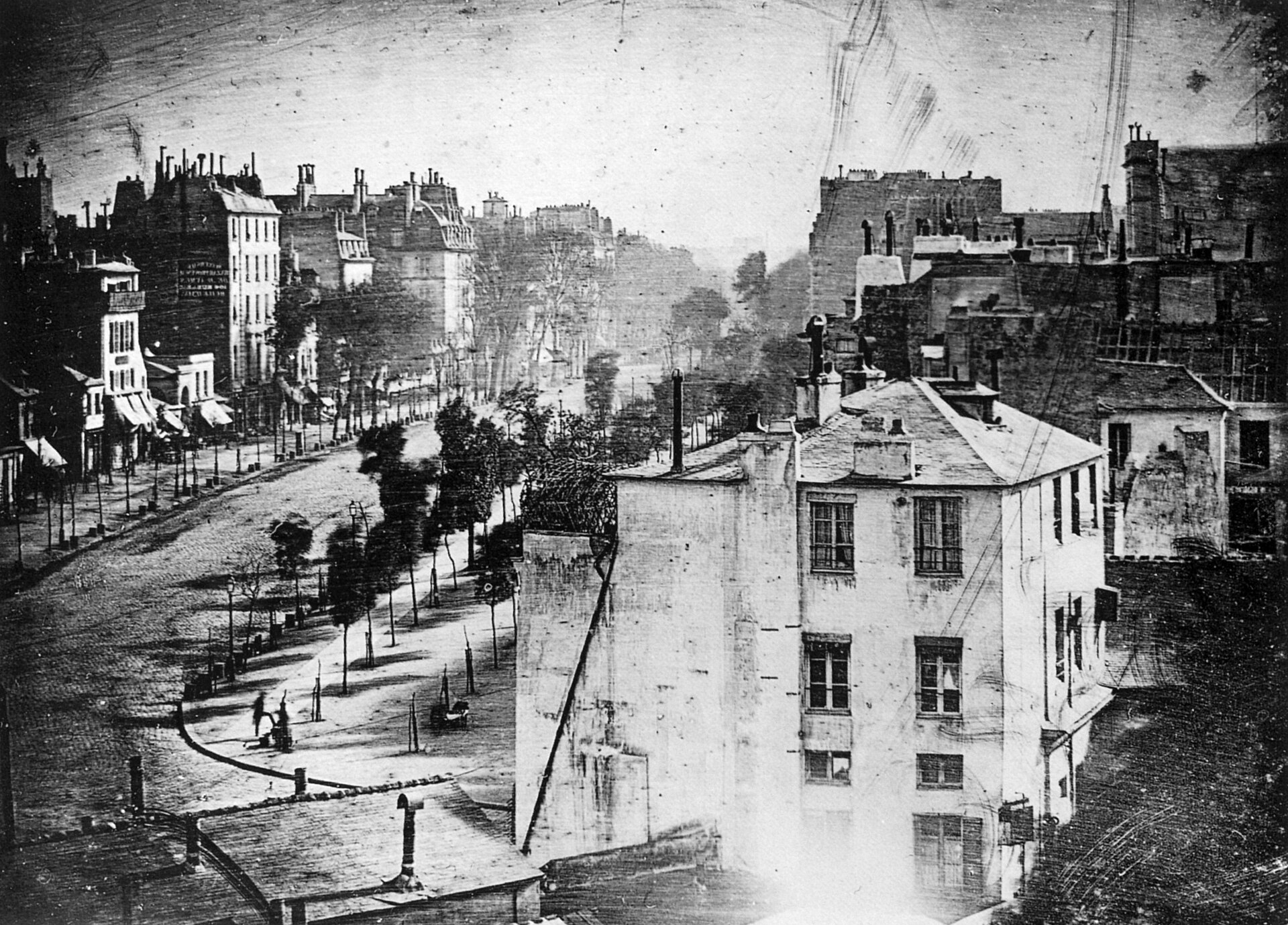
Filed under Culture
Photography changed history by preserving moments. It also taught us that an image can be real without telling the whole truth.
Read story: Photography — When Reality Learned to Leave a Trace
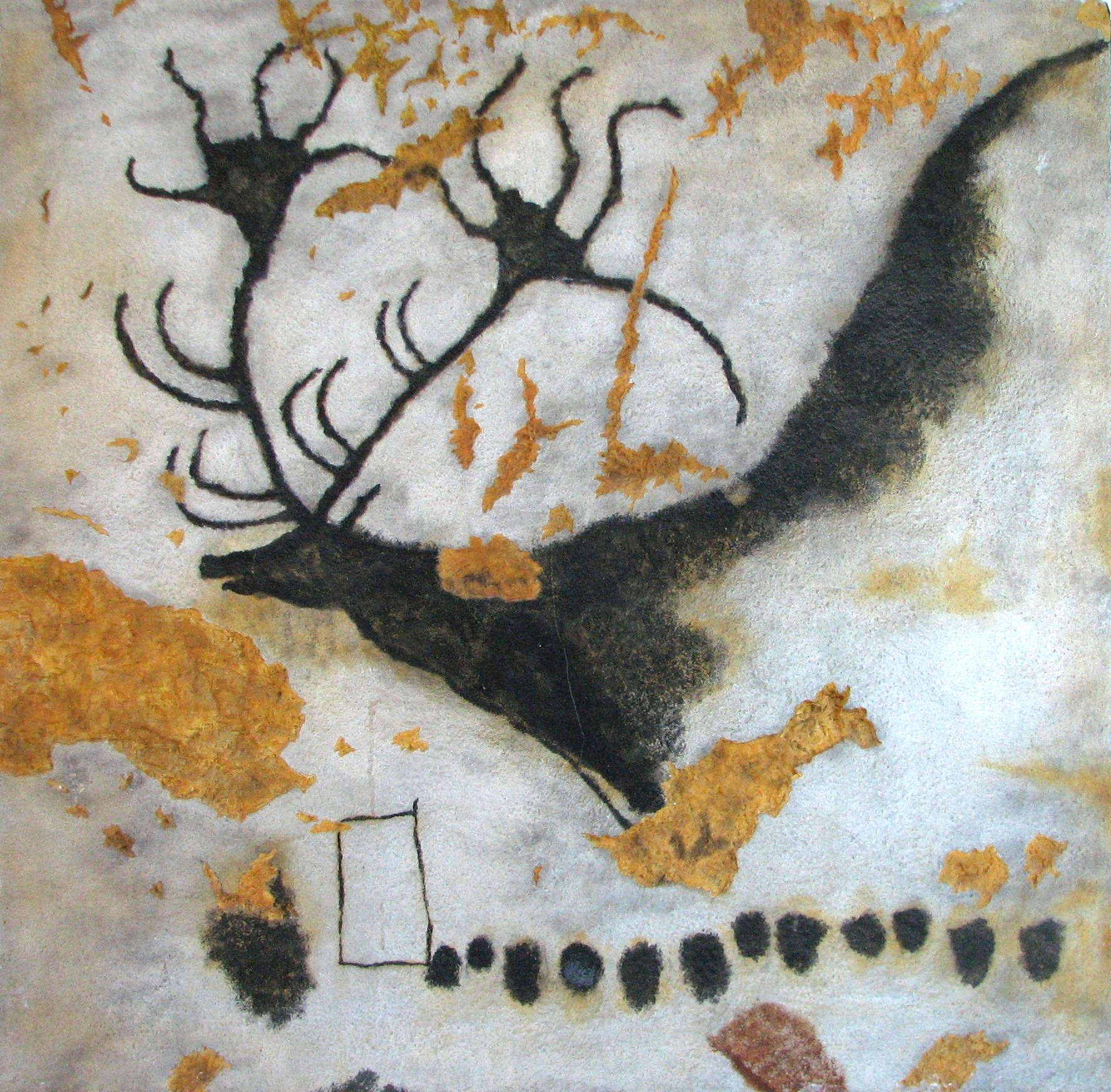
Filed under Culture
From ancient cave walls to the modern imagination: why humanity's earliest surviving art still changes how we understand ourselves.
Read story: Prehistoric Cave Art — When Humanity Began Leaving Messages for the Future
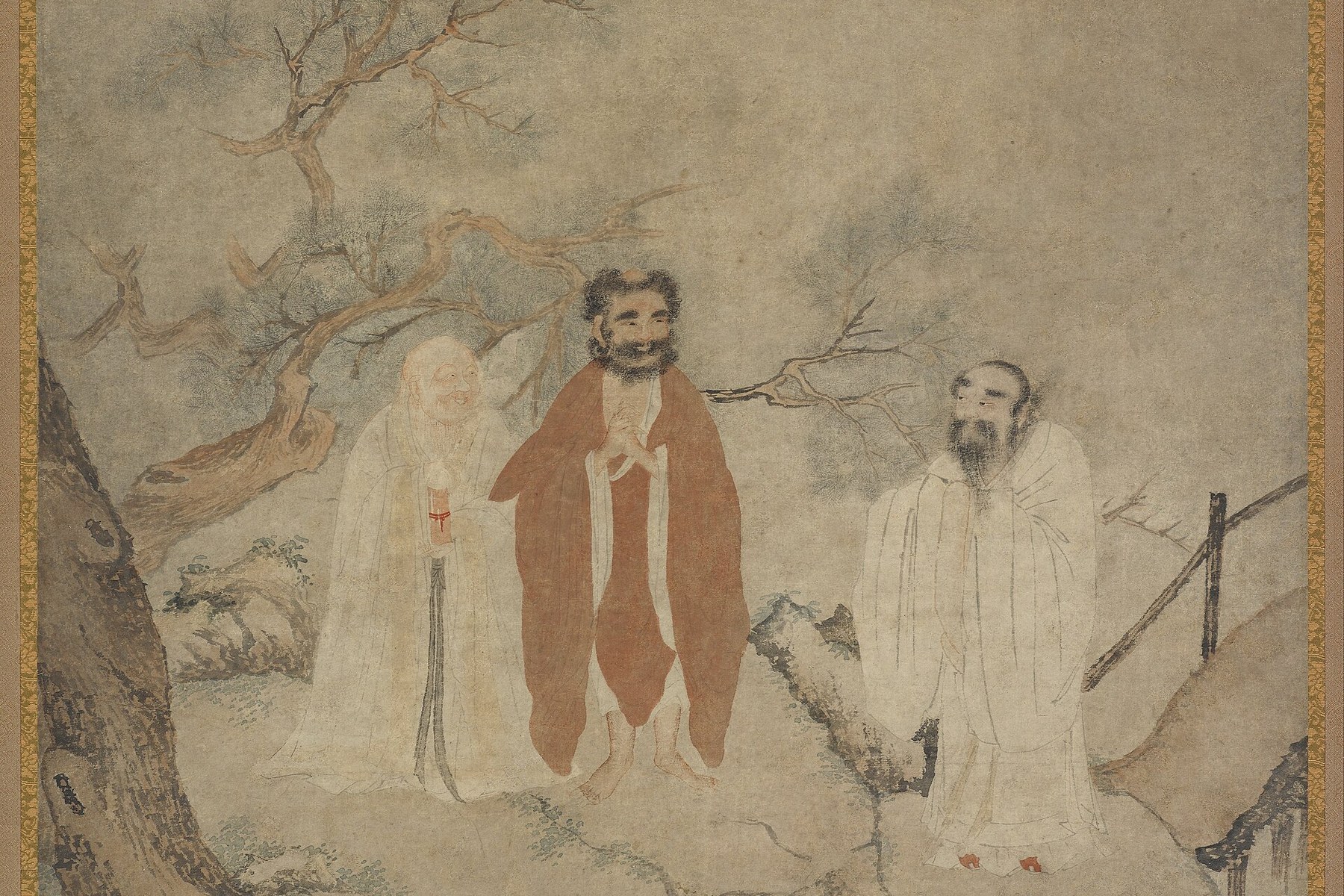
Filed under Culture
Philosophy changed society by making questions a cultural force. What happens when no belief is completely beyond examination?
Read story: The Birth of Philosophy: When Humanity Began Questioning Everything
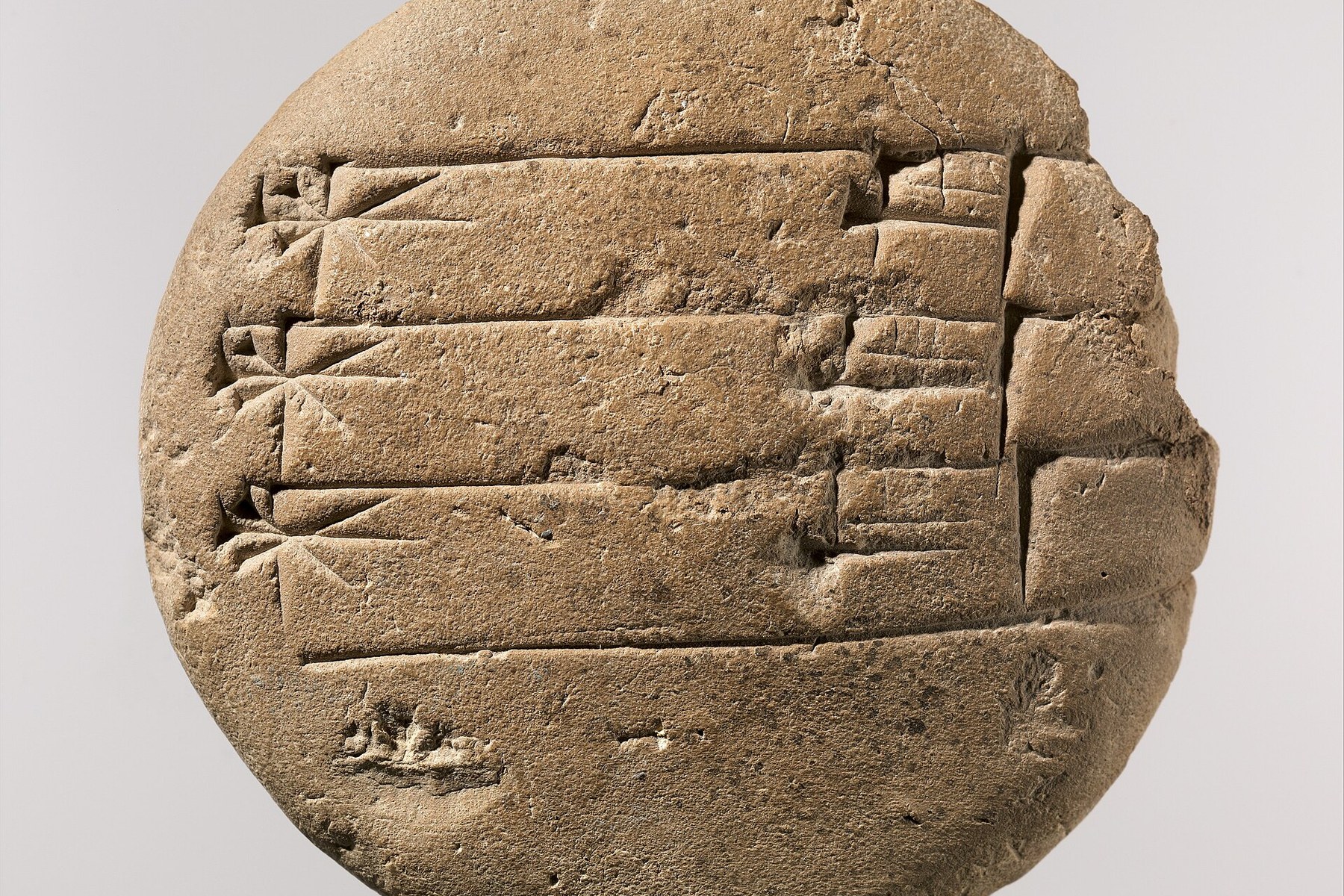
Filed under Culture
Writing changed more than communication. It transformed memory, power and humanity's ability to learn across generations.
Read story: The Development of Writing: When Humanity Learned to Remember
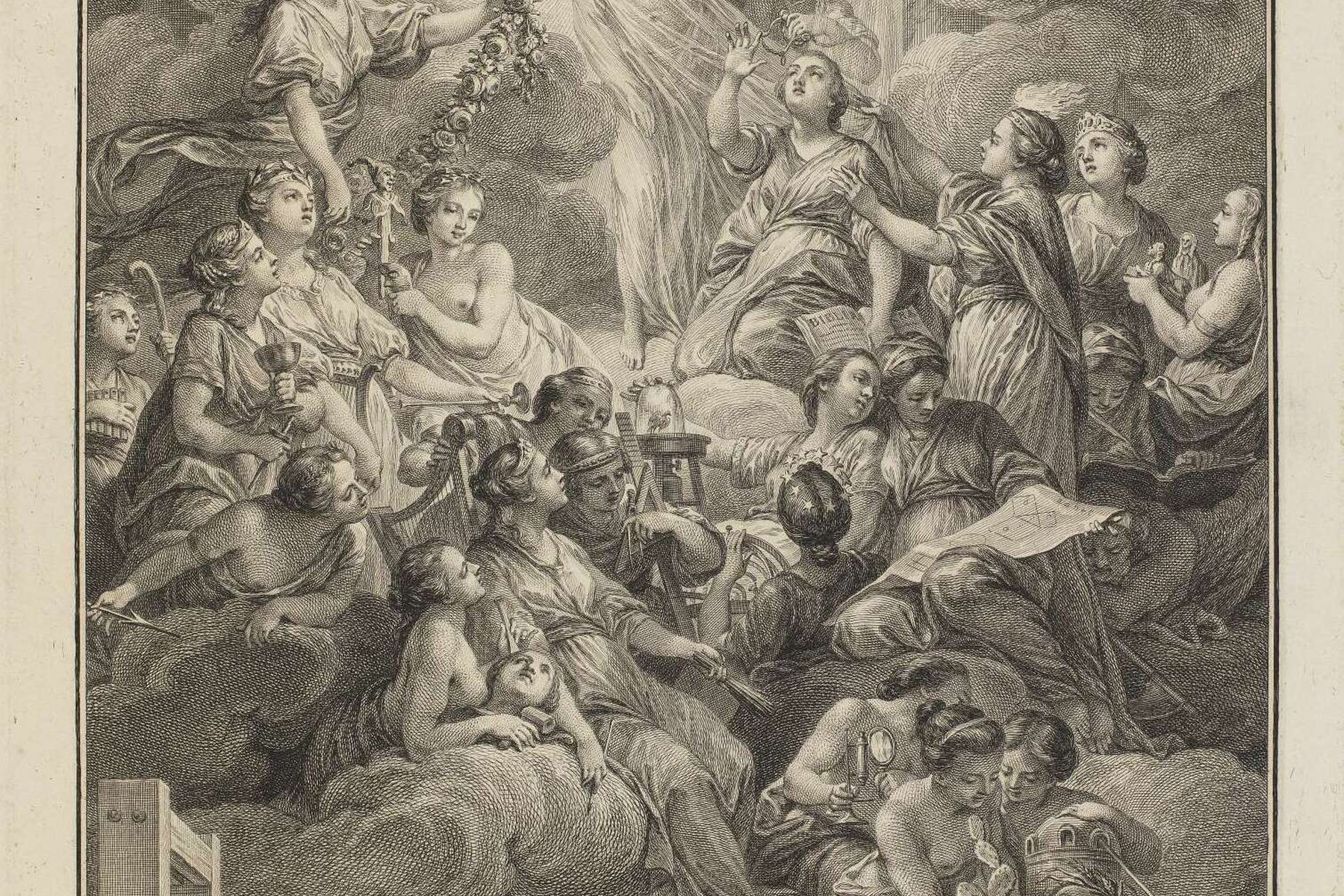
Filed under Culture
The Enlightenment asked whether inherited authority deserved obedience. That question still shapes democracy today.
Read story: The Enlightenment: When Society Began Questioning Authority
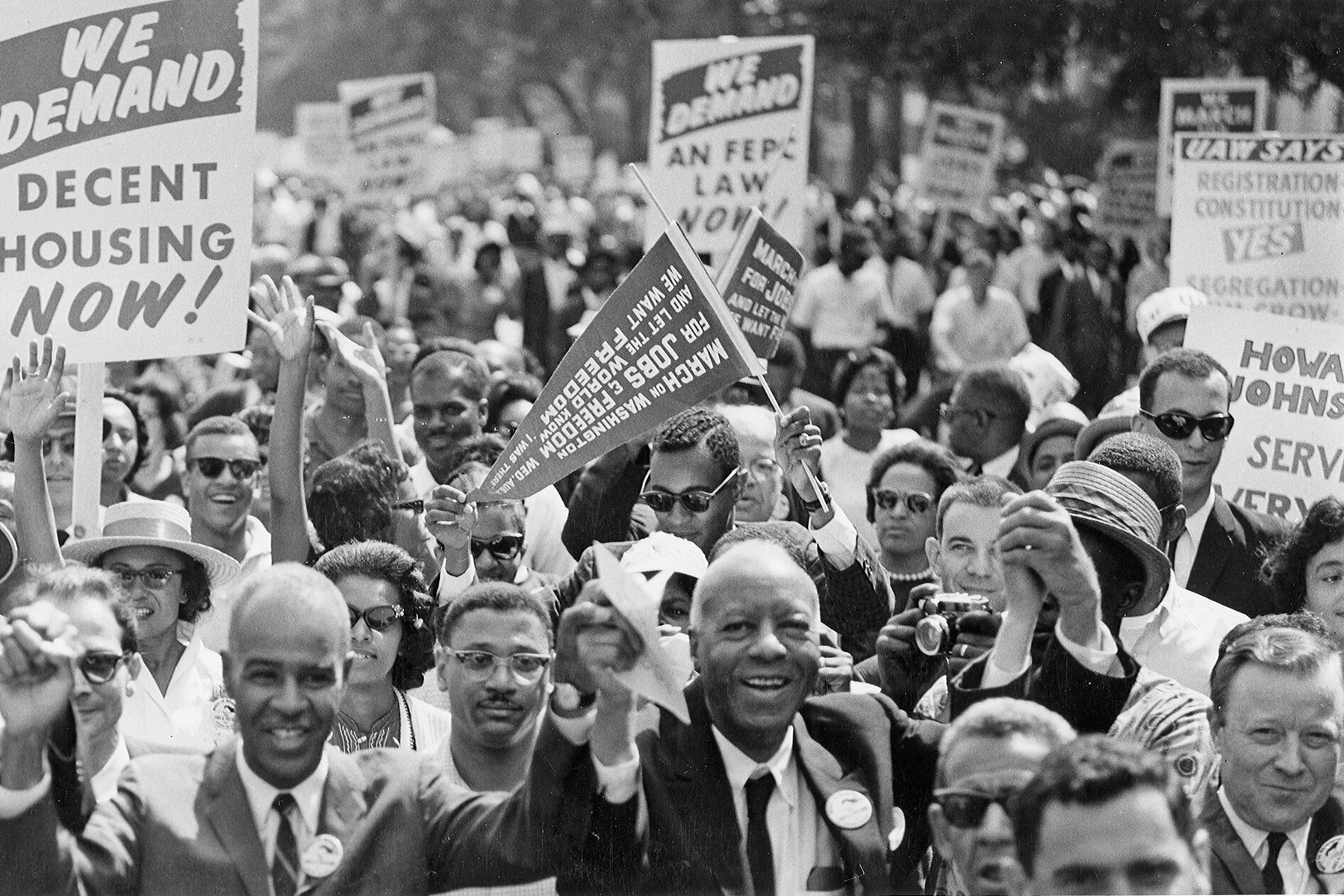
Filed under Culture
Equality was never simply granted. It was demanded by people who challenged society's definition of who belonged.
Read story: The Global Struggle for Equality: Who Gets to Belong in Society?
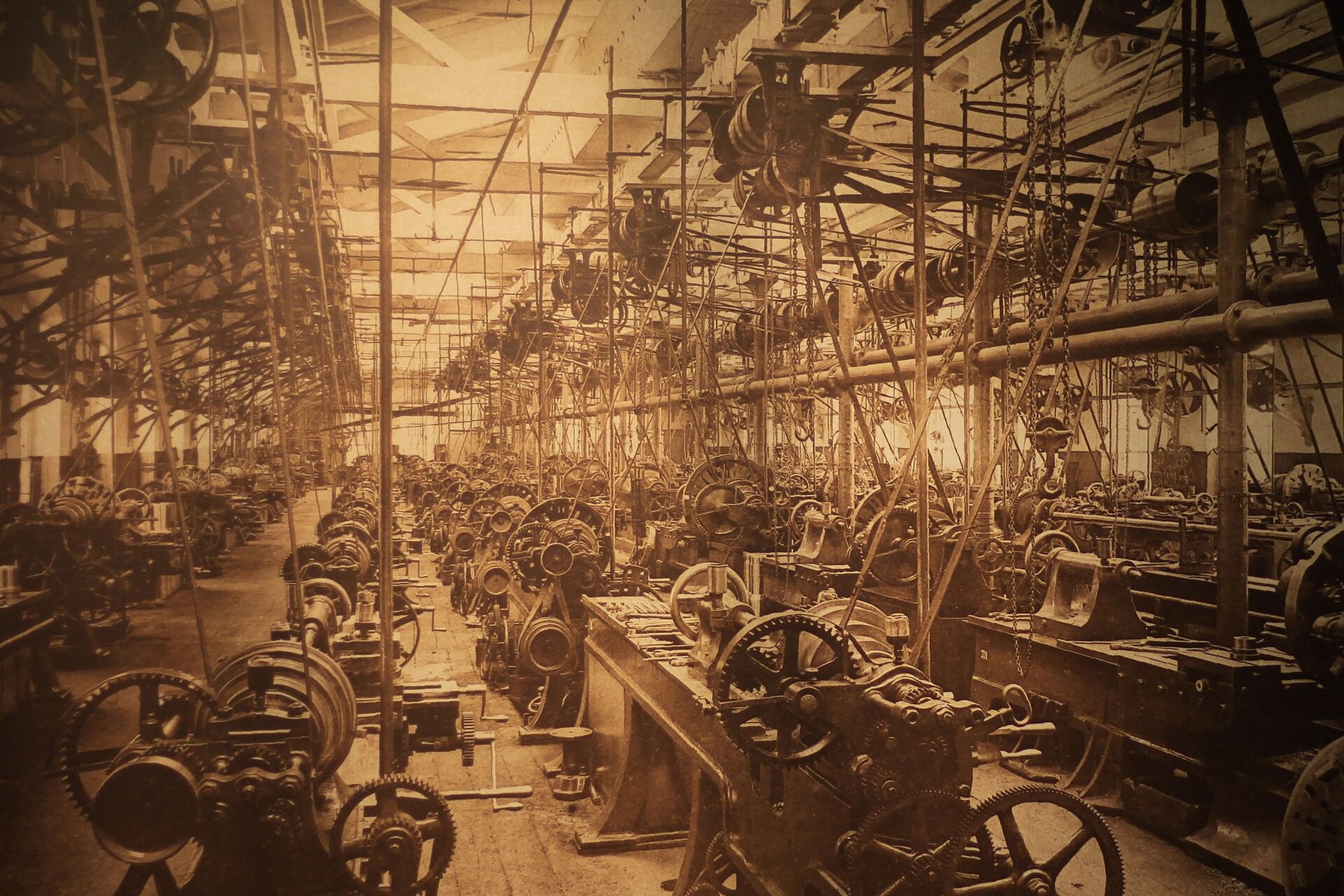
Filed under Culture
Industrialisation created modern wealth and modern inequality. What should progress mean in the age of AI?
Read story: The Industrial Revolution: When Progress Changed the Meaning of
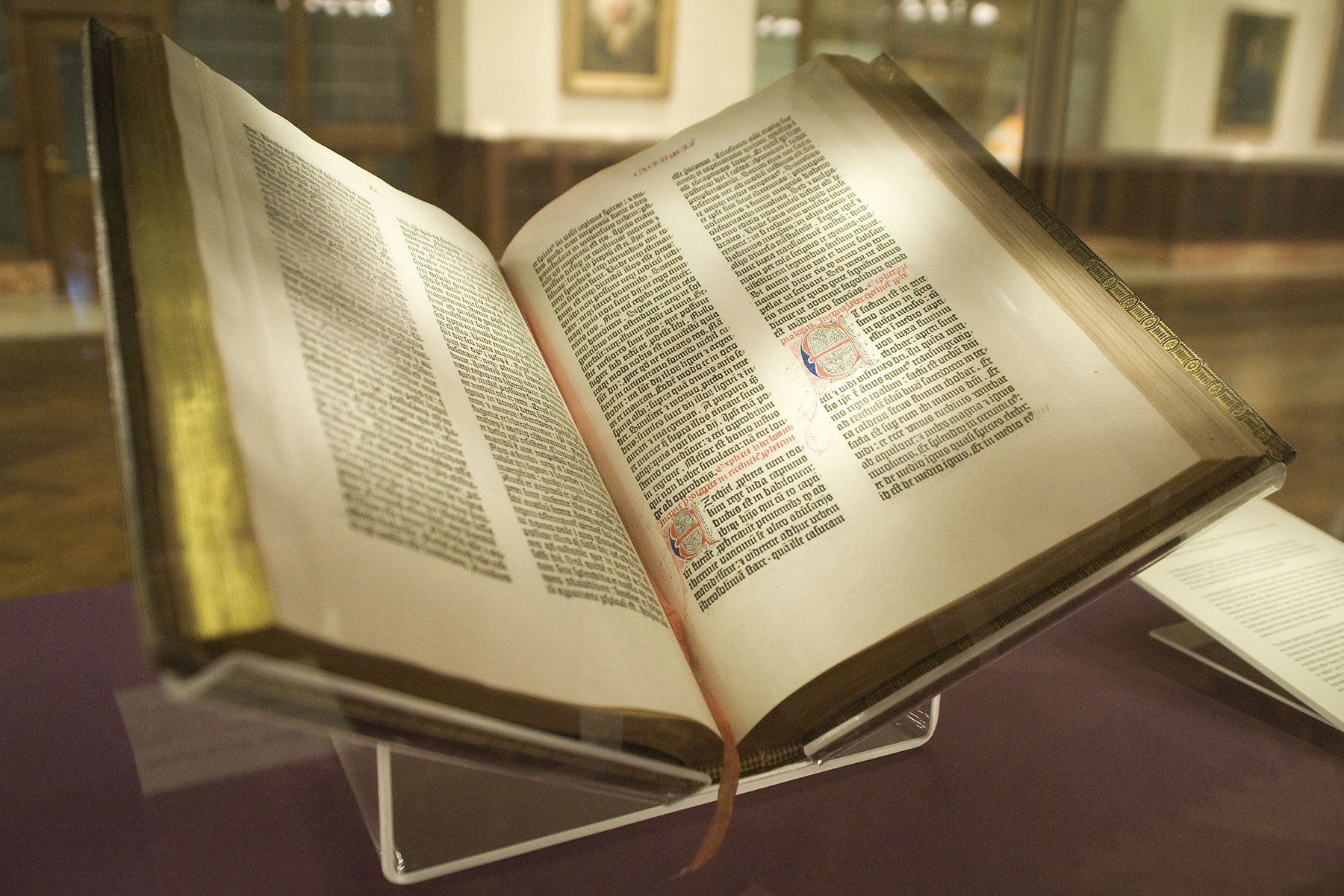
Filed under Culture
Before social media, there was another information revolution. Printing changed who could publish, learn and influence society.
Read story: The Printing Revolution: When Knowledge Escaped the Elite
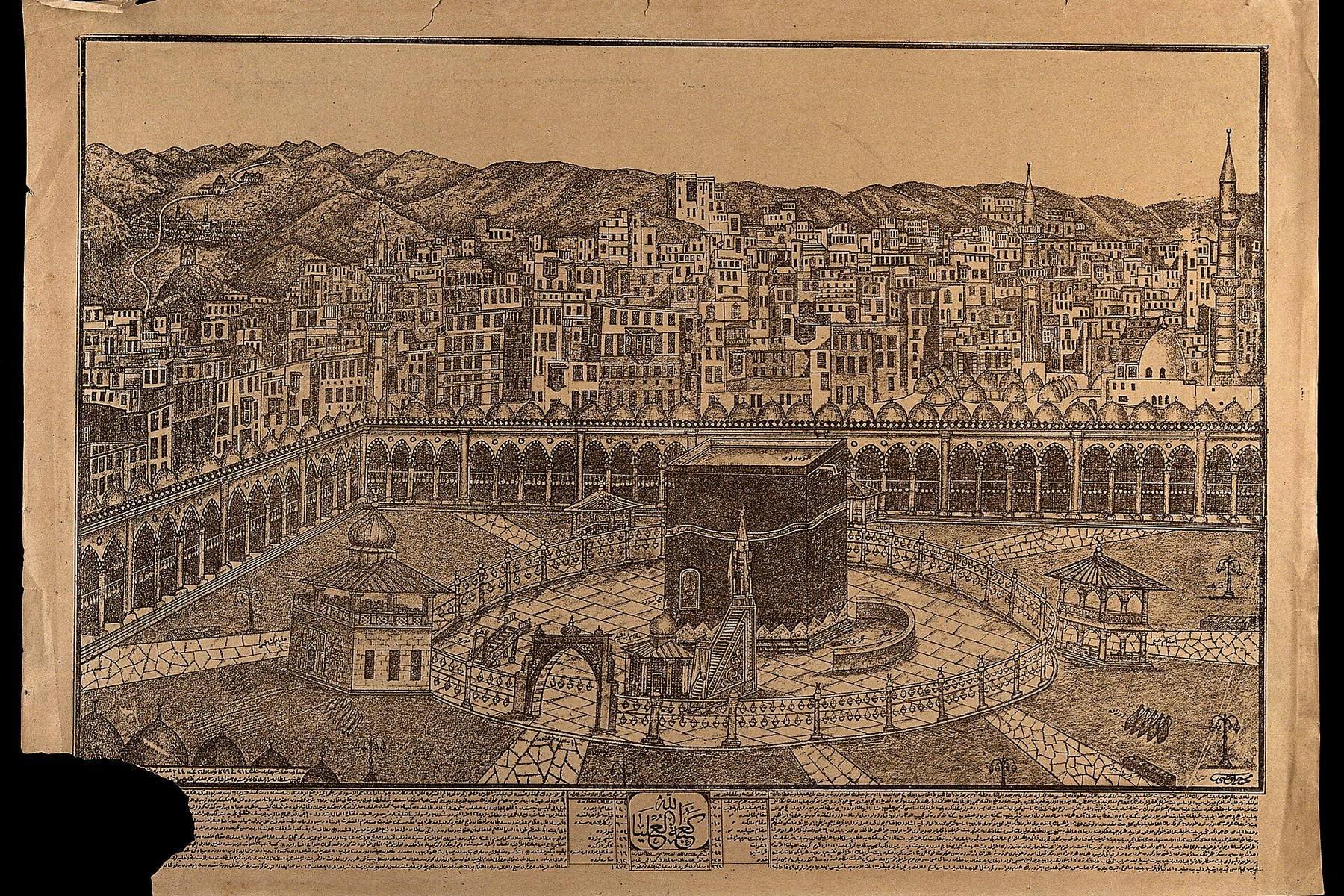
Filed under Culture
Shared beliefs built communities, inspired art and shaped moral life—but also created boundaries. What can plural societies learn from this history?
Read story: Religion and Spiritual Thought: How Shared Beliefs Created
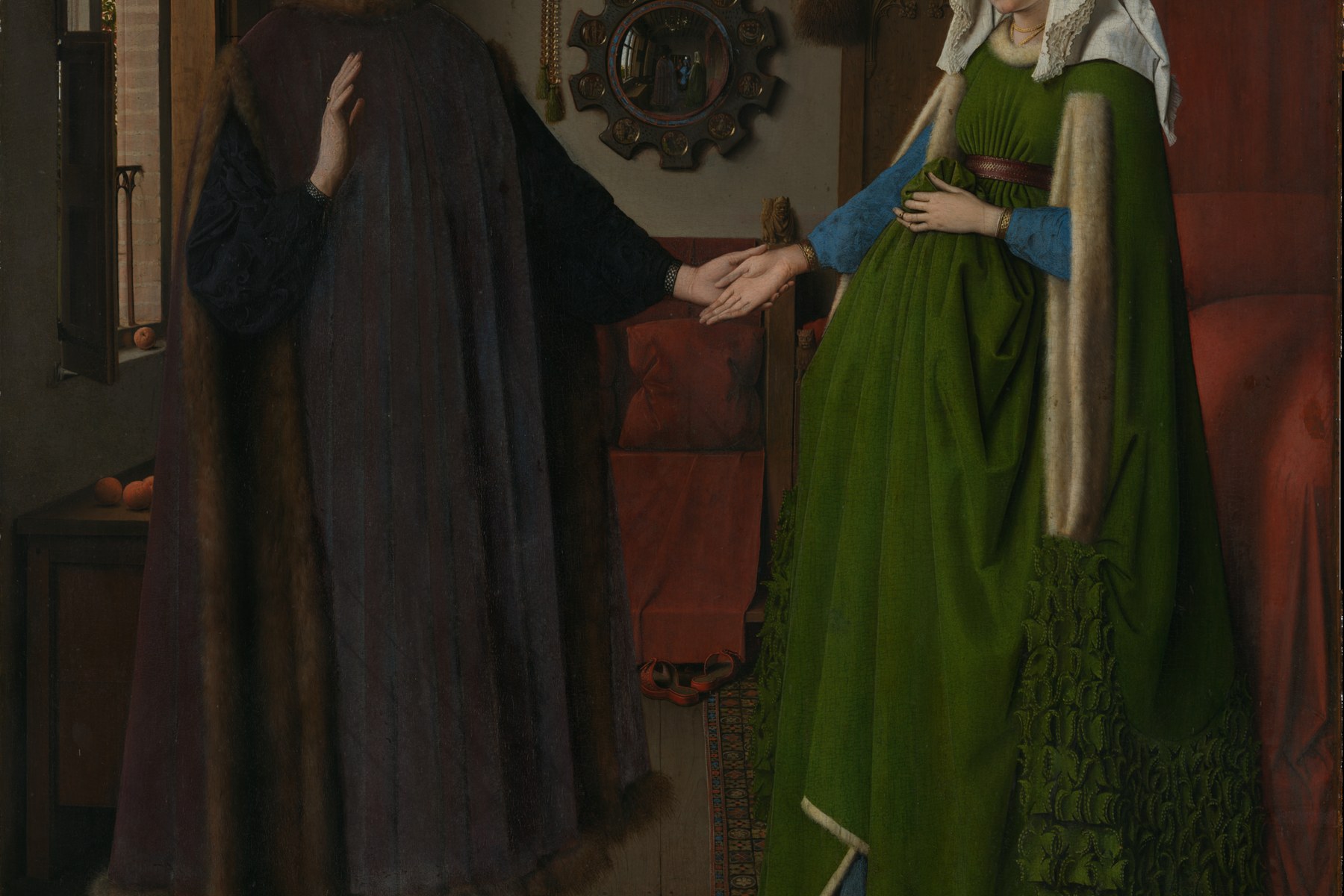
Filed under Culture
The Renaissance was more than a rebirth of art. It changed how people understood creativity, education and human potential.
Read story: The Renaissance: When Humanity Rediscovered Itself
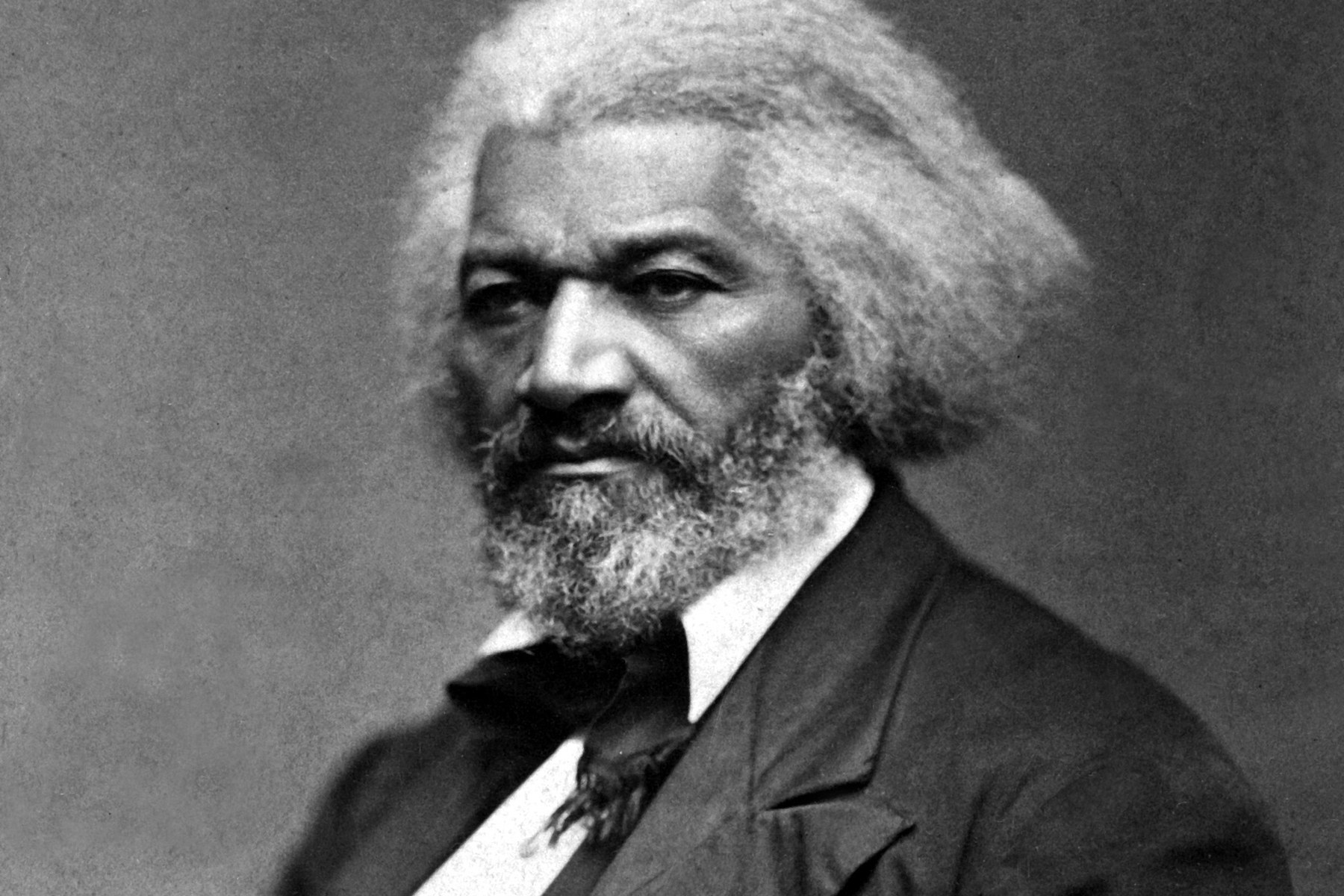
Filed under Ideas
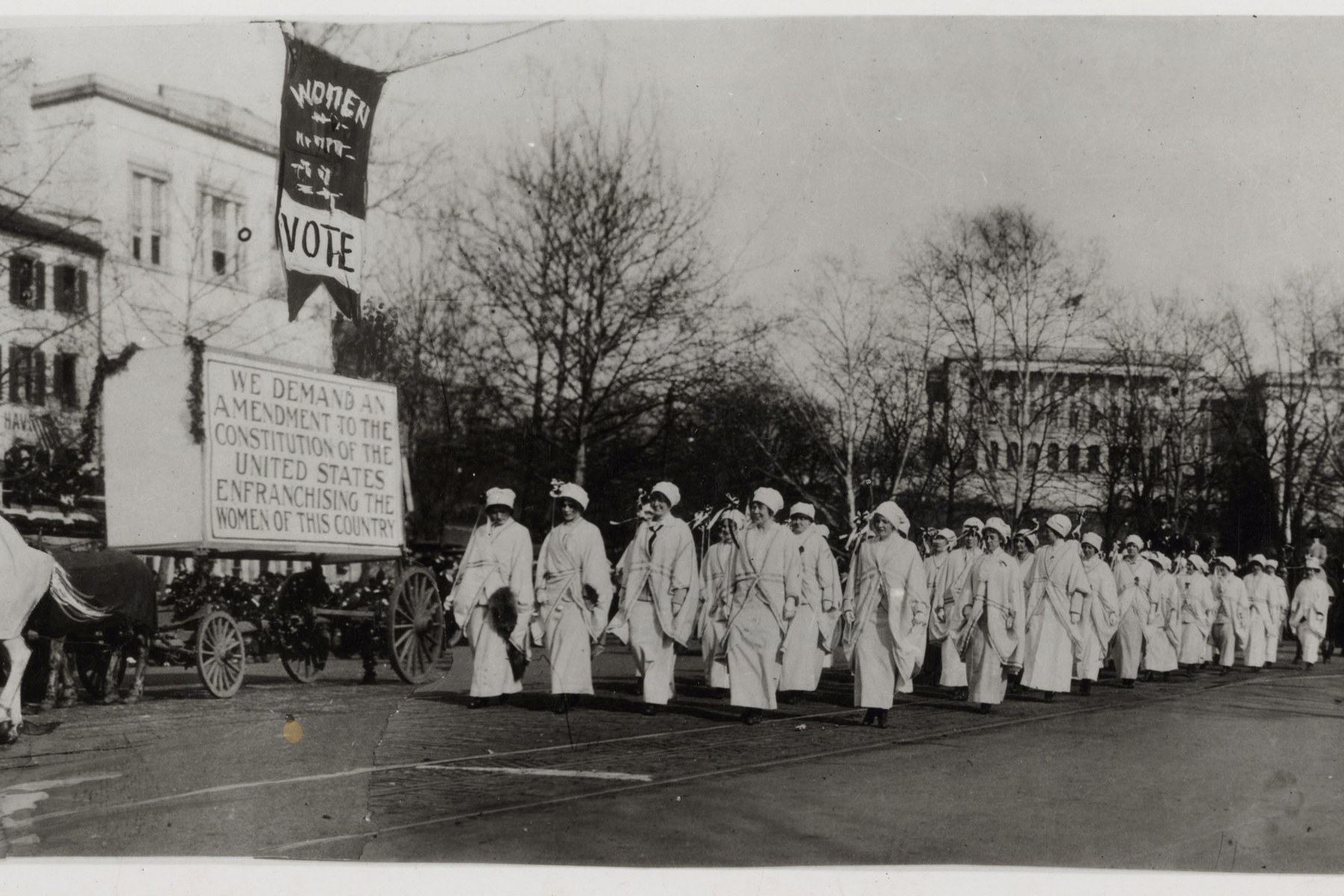
Slavery wasn't always treated as a crime — for centuries, it was simply commerce. How a movement led largely by the enslaved themselves forced the world to see it differently.
Filed under Ideas
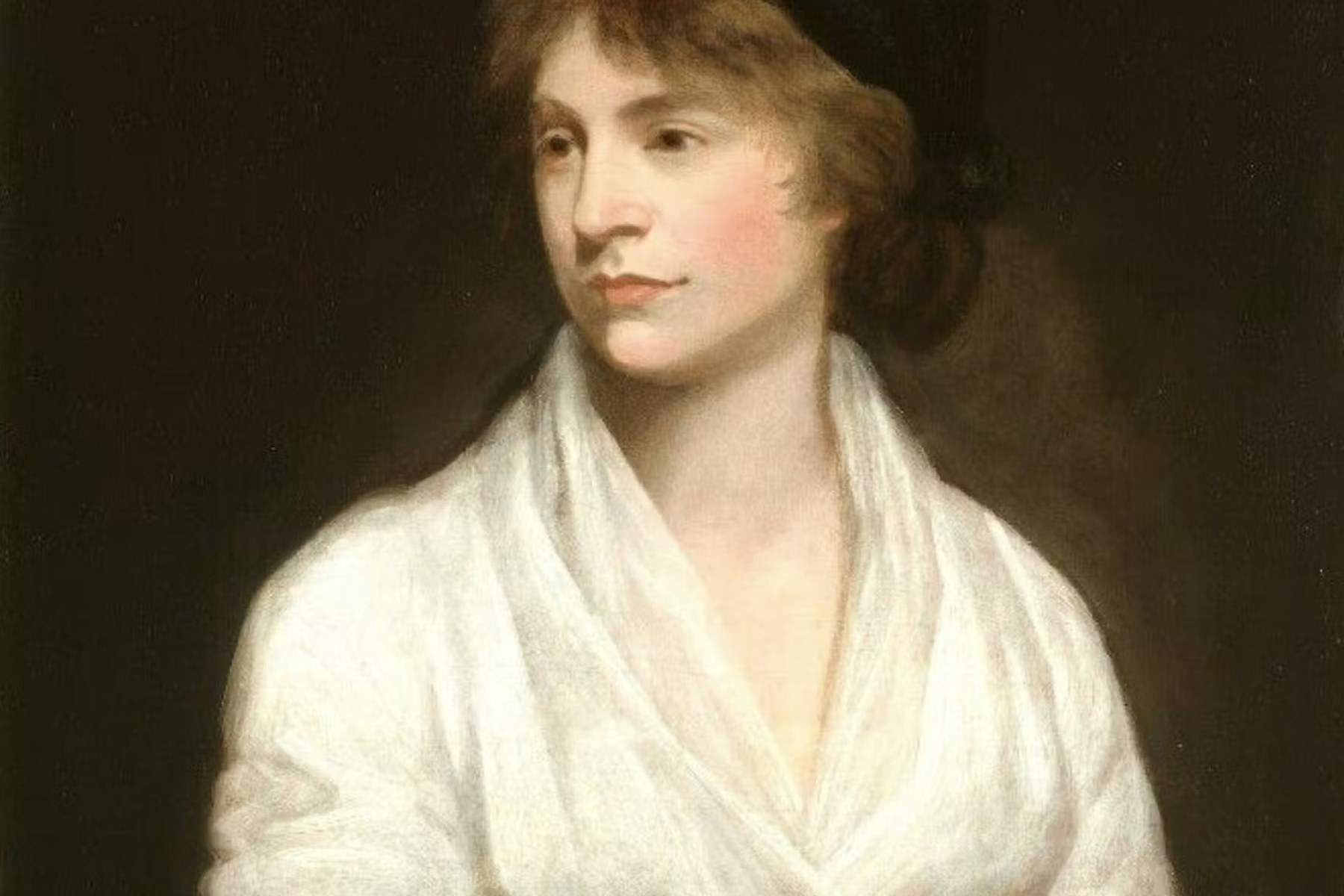
Democracy began in one ancient city, nearly vanished for two thousand years, and came back to become the ideal even dictatorships now pretend to follow. The story of an unfinished argument.
Filed under Ideas
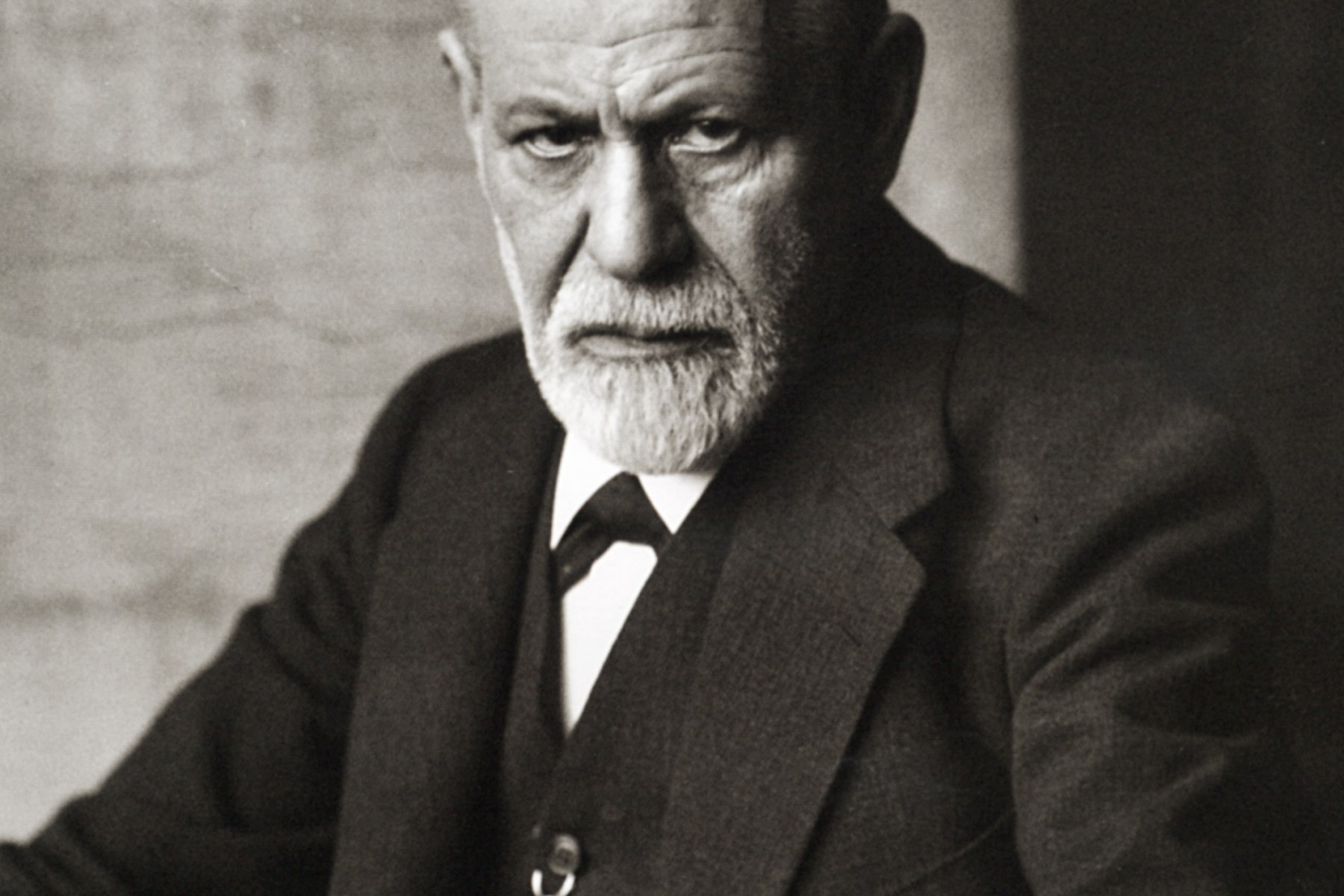
In 1792, a writer argued that women's inferiority wasn't natural — just unequal education and law. It took over a century, and it's still unfinished. The story of an idea that redefined "natural."
Filed under Ideas
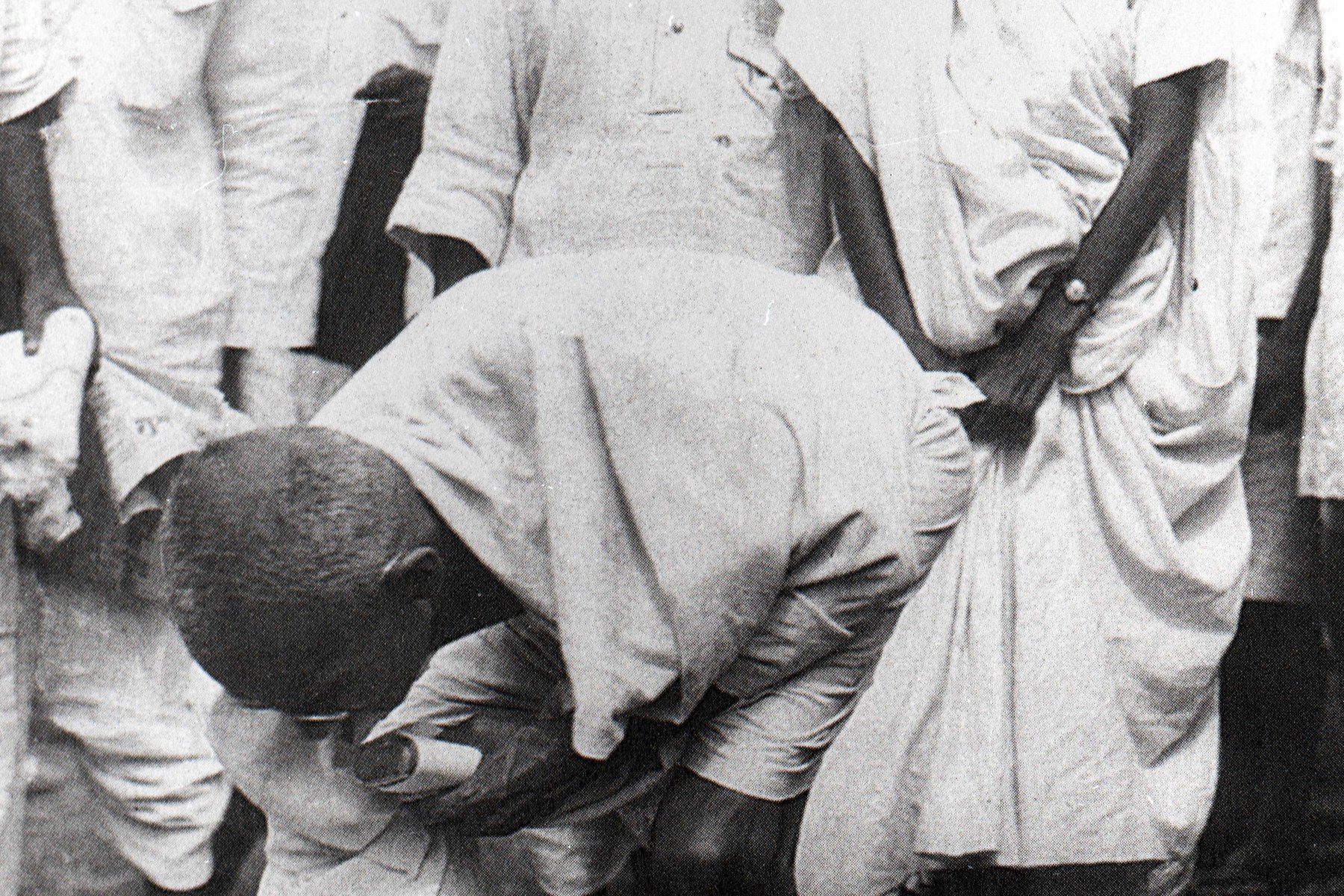
For two centuries, the mind was assumed to be rational and self-aware. Then Freud argued that most of what drives behavior happens somewhere the conscious mind can't see.
Filed under Ideas
For most of history, power that wouldn't negotiate was met with force — or not met at all. Gandhi proposed a third option, and it changed how movements around the world fight for change.
Filed under Ideas
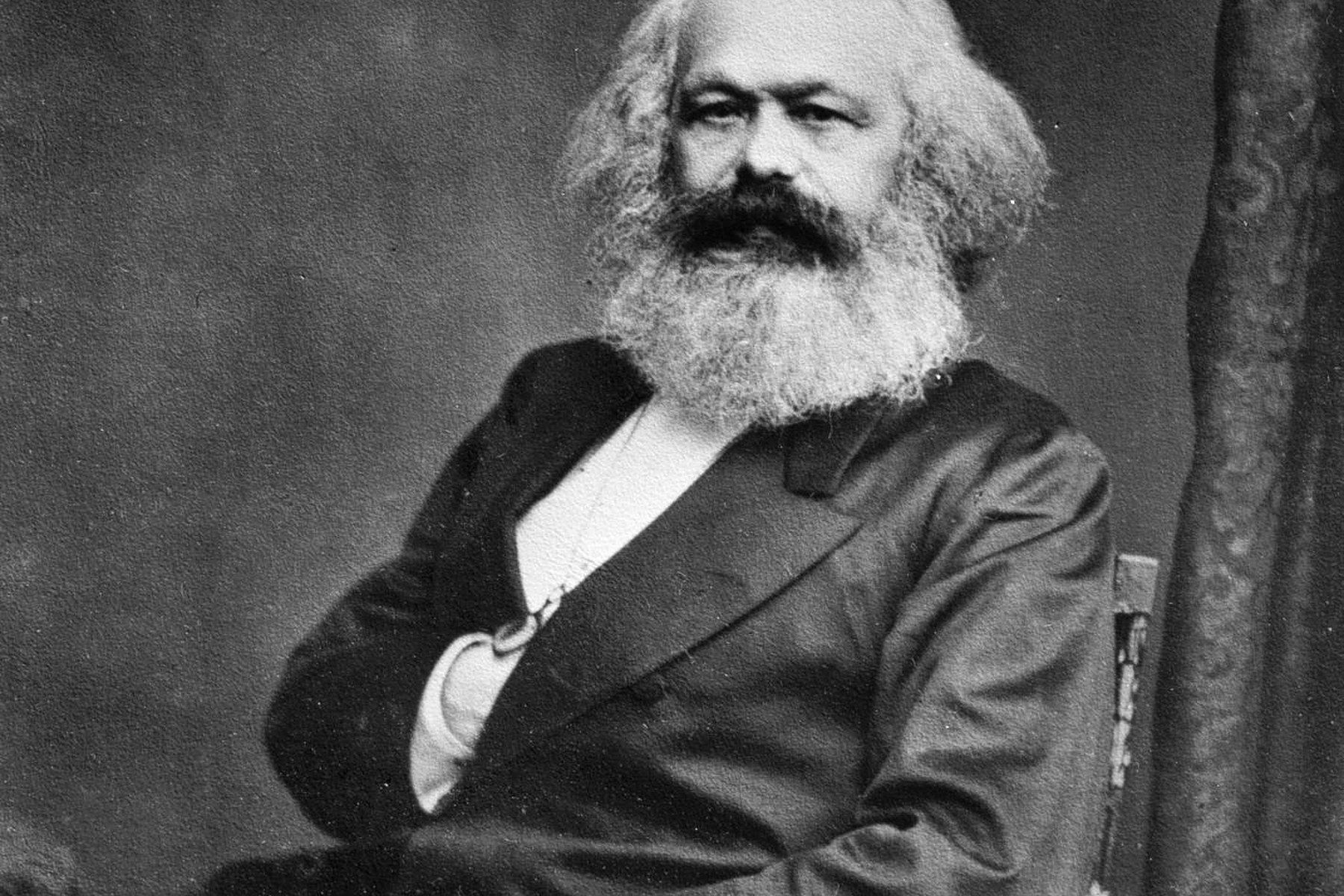
Marx didn't invent poverty or privilege — he changed how the world explained them. From personal fate to structural fact: the idea that reshaped economics, labor rights, and the modern welfare state.
Filed under Ideas
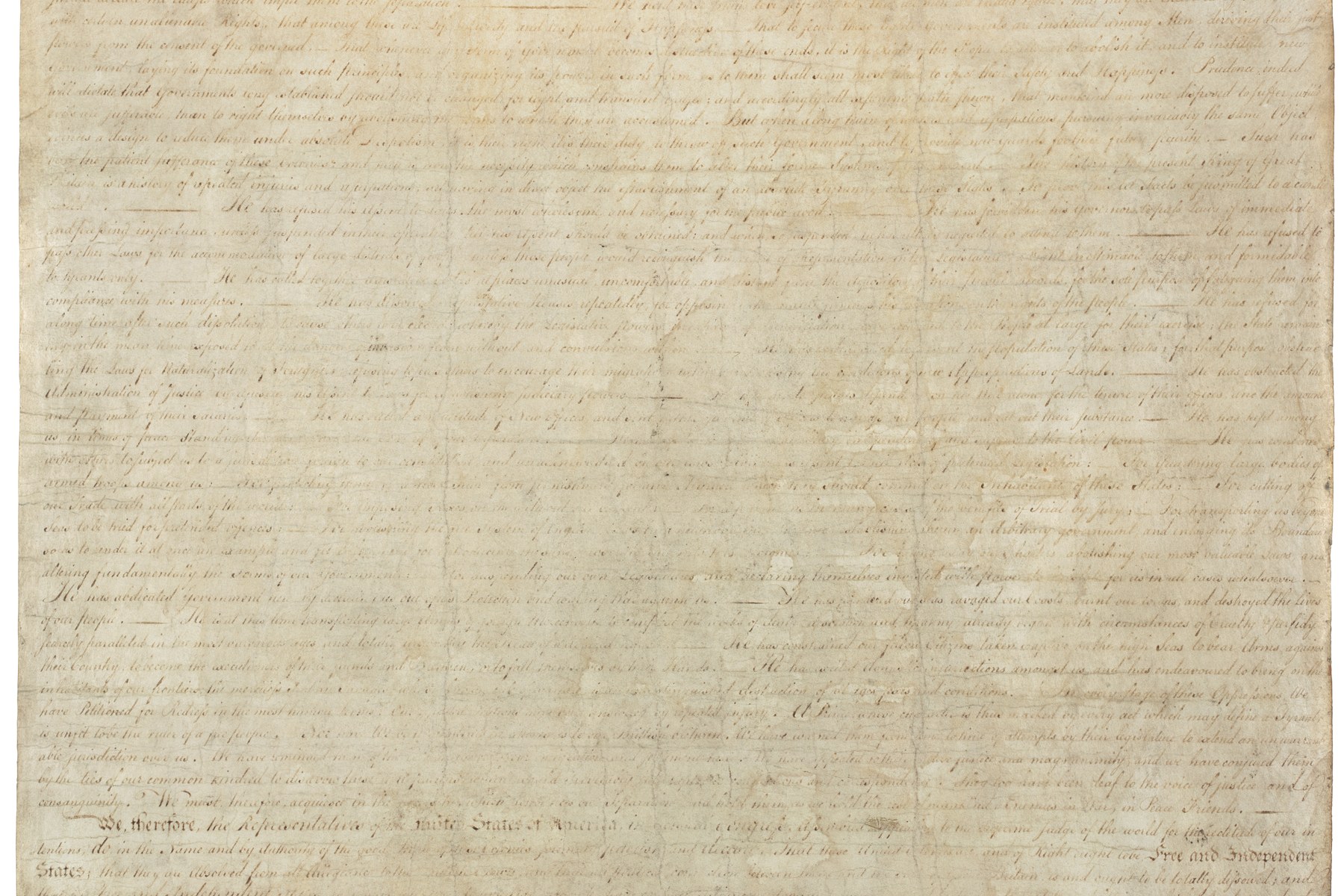
"All men are created equal" wasn't written to include everyone — but its logic couldn't stay narrow for long. How one Enlightenment idea outgrew the people who first wrote it.
Filed under Ideas
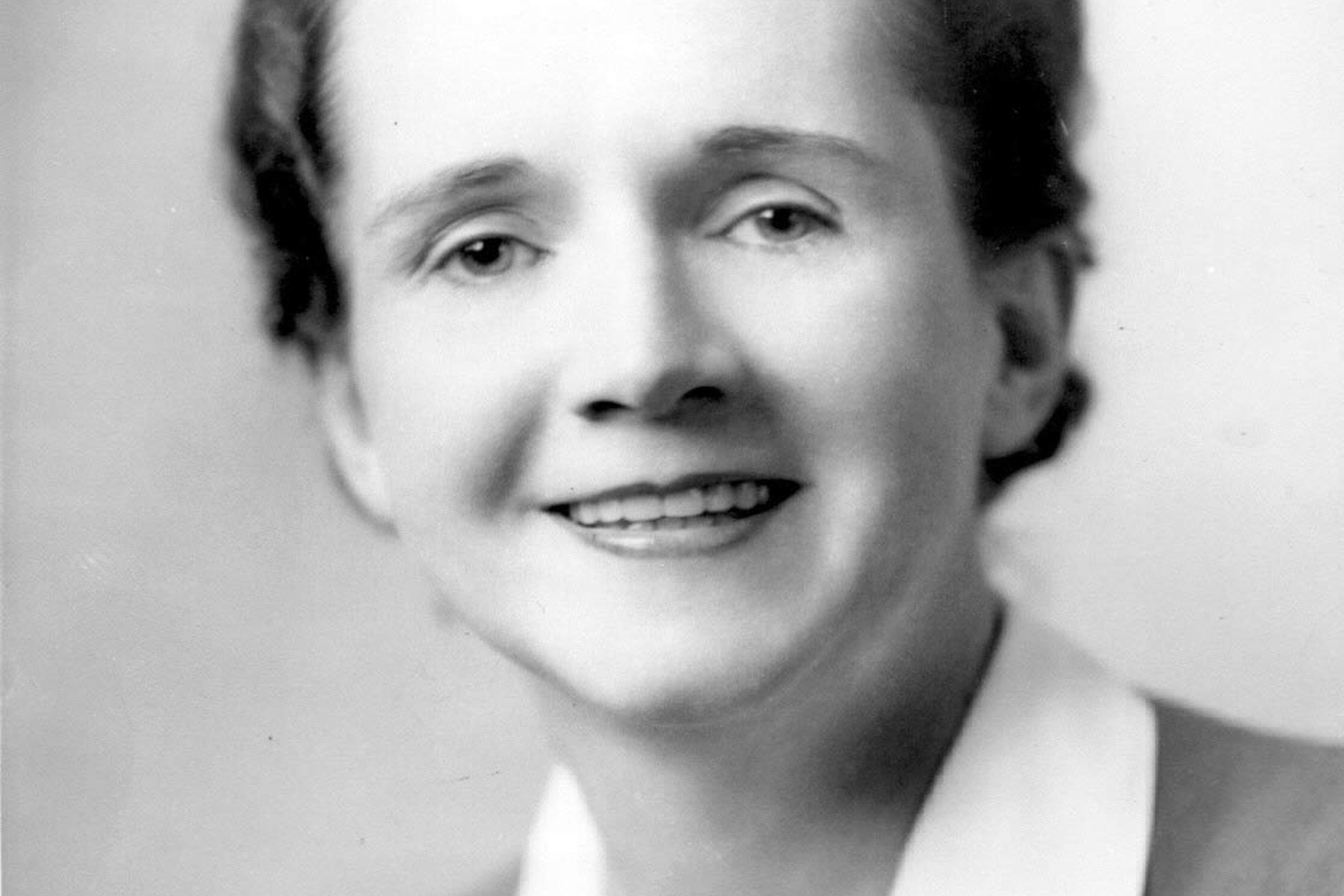
For two centuries, growth was treated as a story with no natural ending. A biologist and a team of modelers, a decade apart, argued the planet disagreed. The idea that reshaped modern economics.
Filed under Ideas
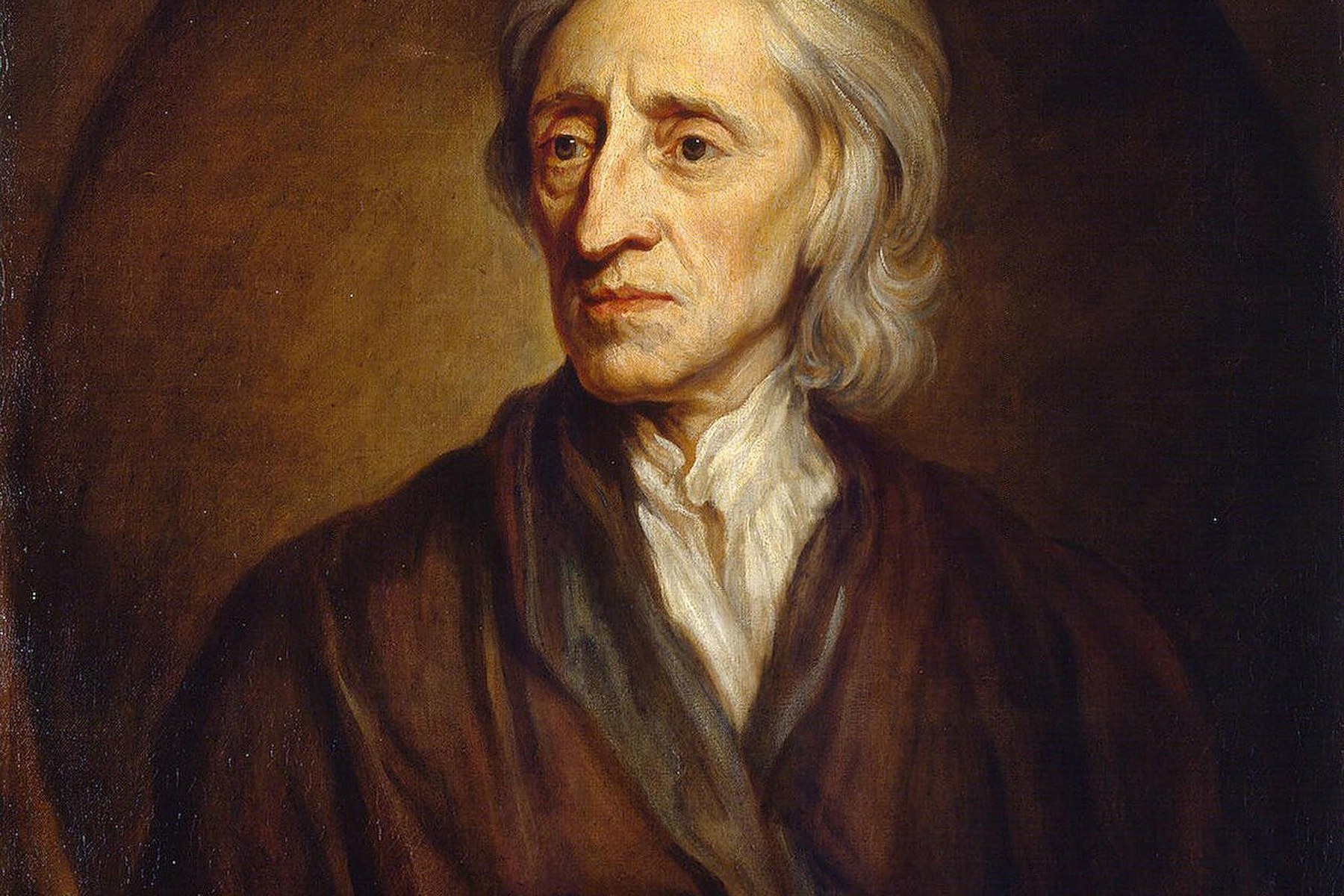
For most of history, a king didn't need a reason to rule you. Then three philosophers asked him to produce one — and the world has been arguing about the answer ever since.
Filed under Ideas
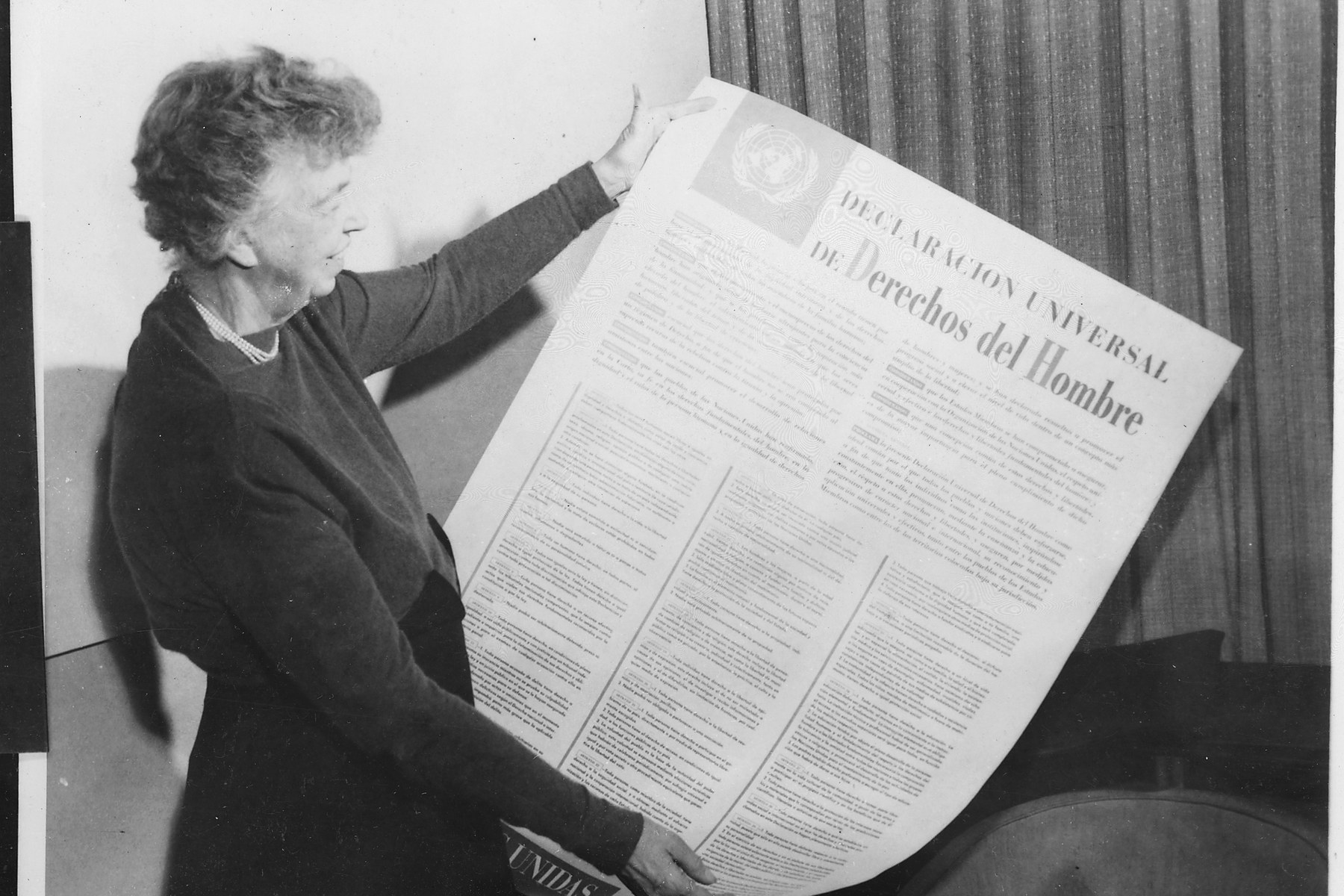
It has no army, no court, and no binding legal power. It's still one of the most influential documents in modern history. The story of the 1948 declaration that redefined human dignity.
Filed under Social Rethinks
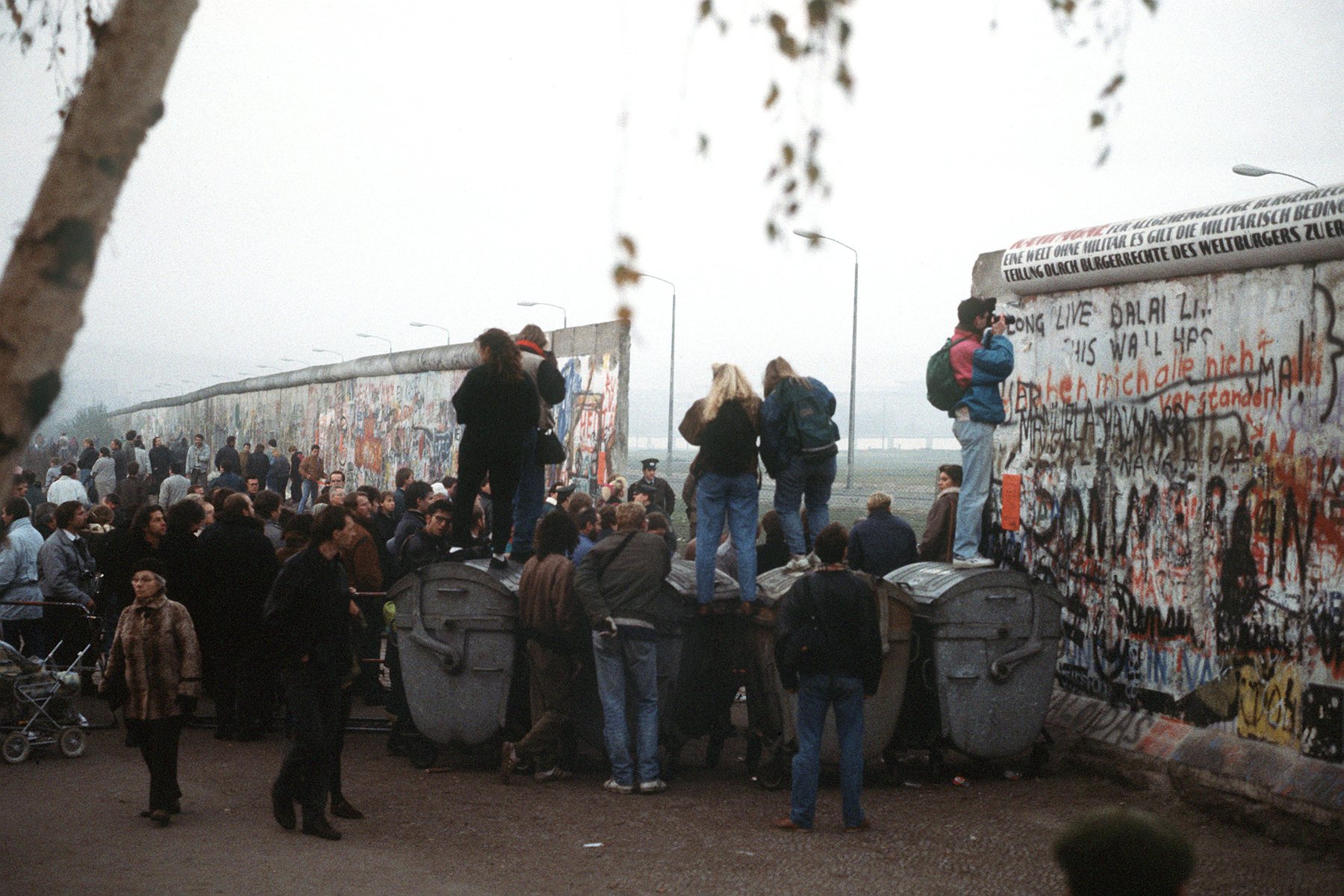
For decades the Wall looked permanent. Then history proved that permanence can be an illusion.
Filed under Social Rethinks
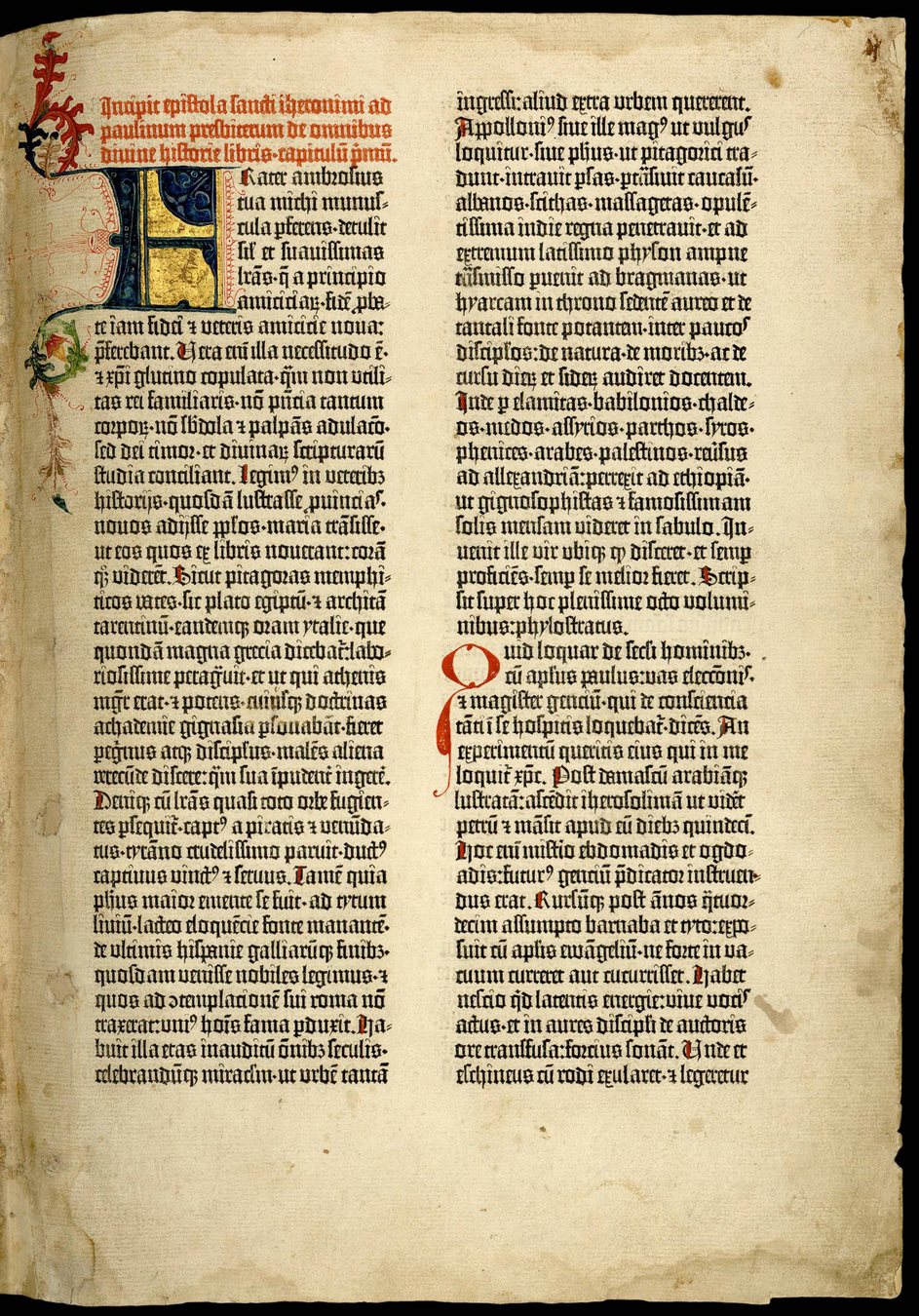
The printing press did not simply produce more books. It changed who could copy ideas, challenge authority and take part in public debate.
Filed under Social Rethinks
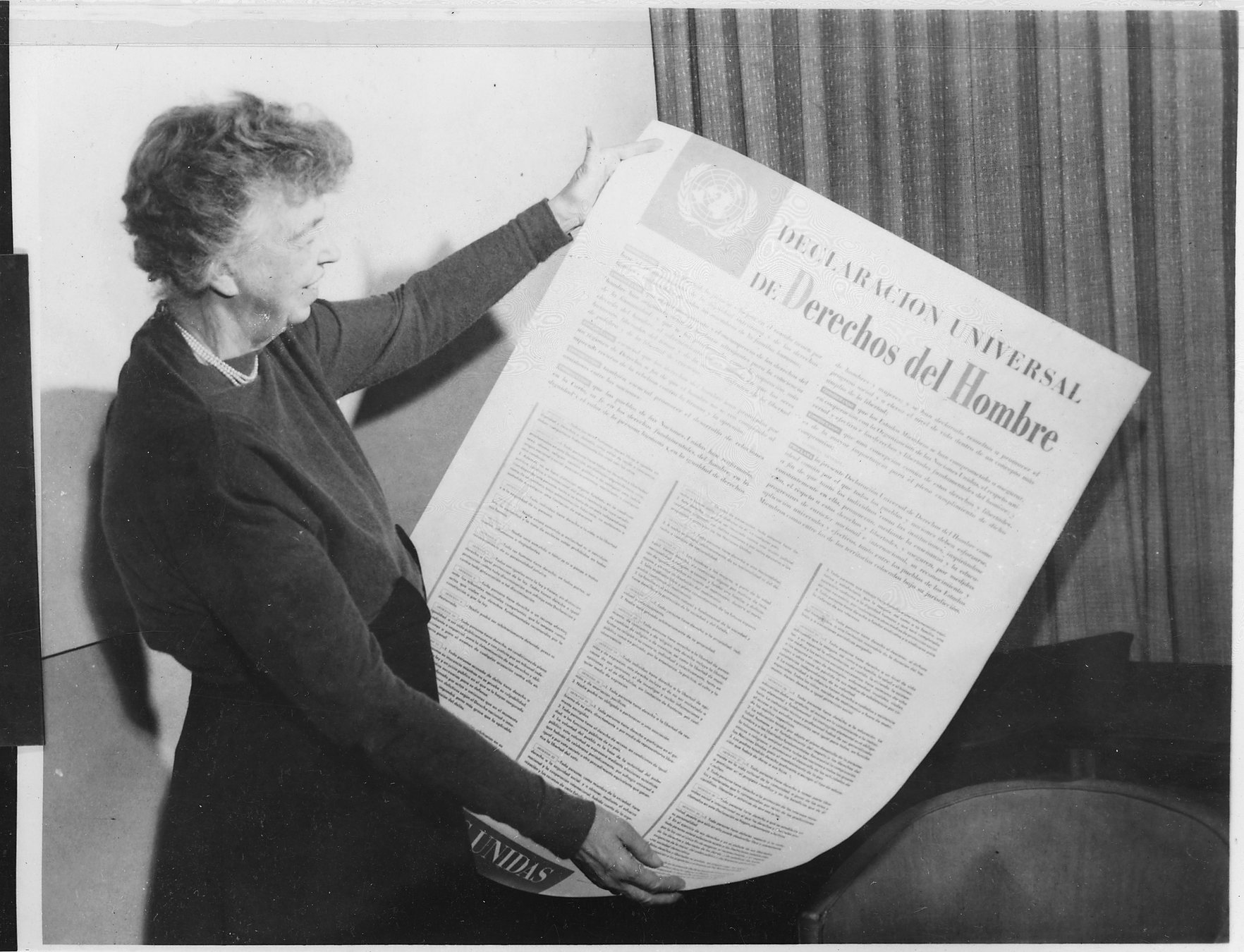
The Declaration did not end injustice. It changed the standard by which the world could judge it.
Filed under Social Rethinks
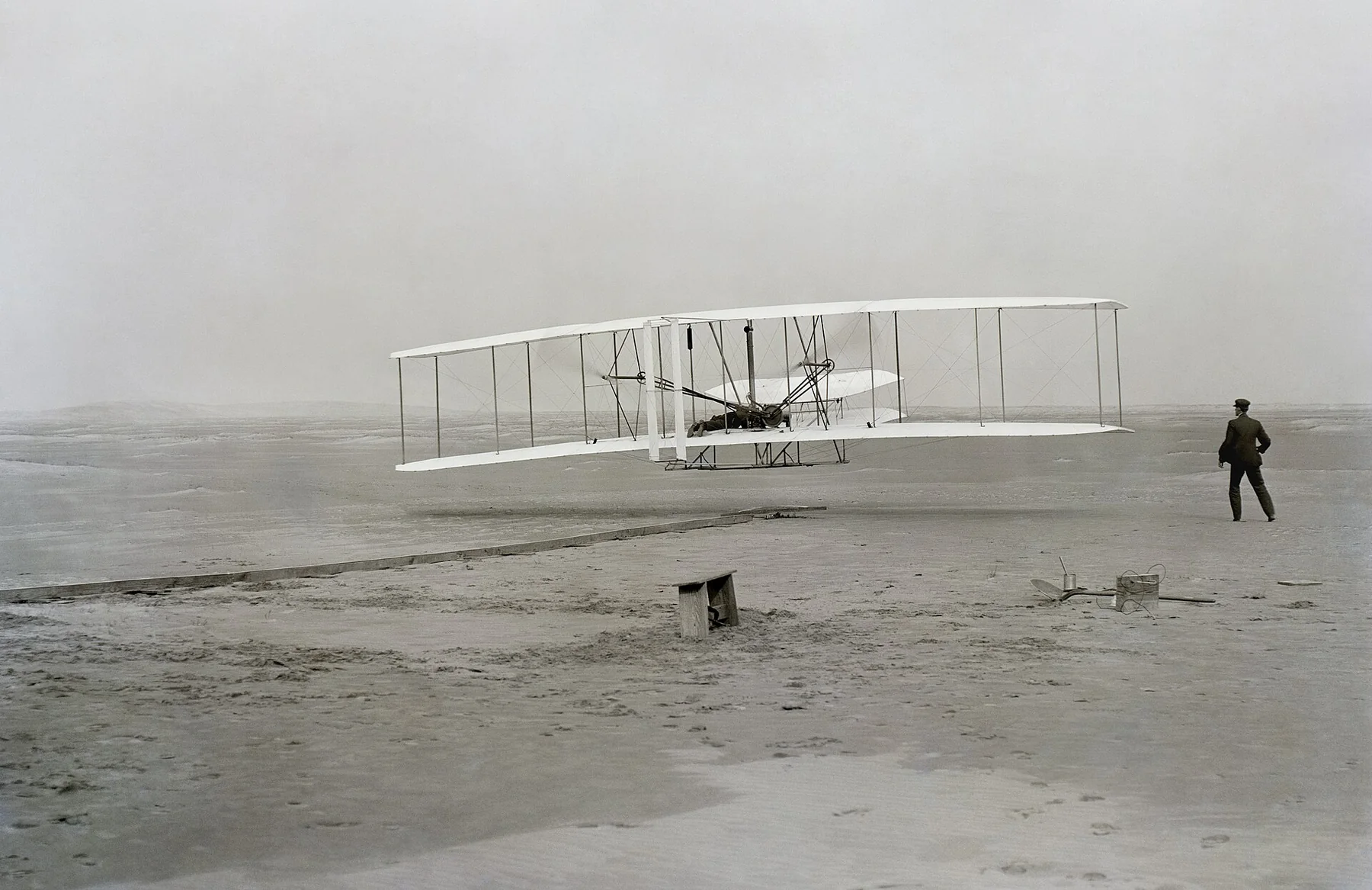
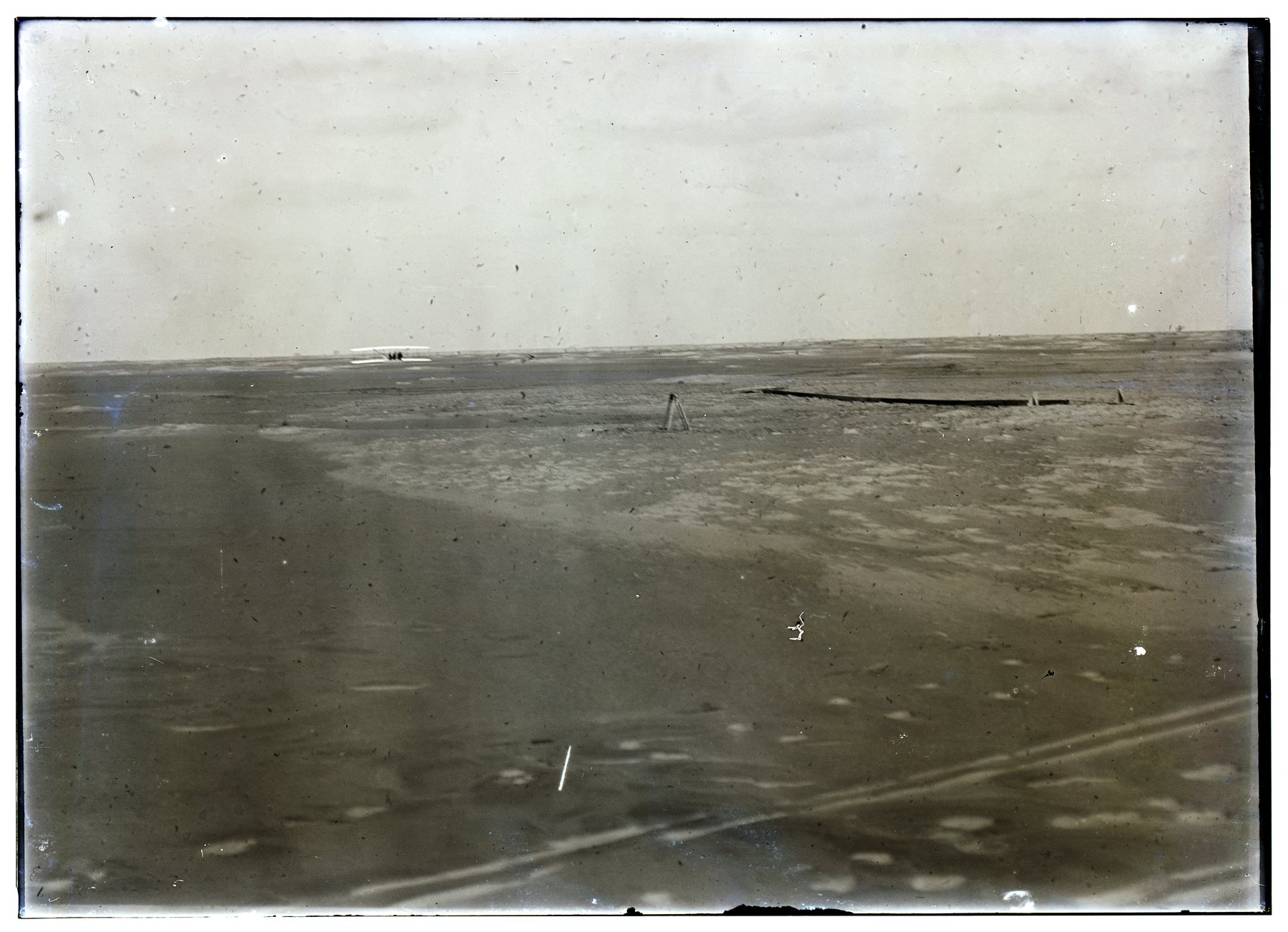
The first flight lasted 12 seconds. Its consequences changed the geography of the world.