Filed under Ideas · Ideas
Citizen Kane When the Camera Became an Author
Citizen Kane helped make a new idea visible: a film could have a point of view as distinctive as a novel, a painting or a piece of music.
- Share “Citizen Kane: When the Camera Became an Author” on X
- Share “Citizen Kane: When the Camera Became an Author” on Facebook
- Share “Citizen Kane: When the Camera Became an Author” on LinkedIn
- Share “Citizen Kane: When the Camera Became an Author” on WhatsApp
- Share “Citizen Kane: When the Camera Became an Author” on Telegram
- Share “Citizen Kane: When the Camera Became an Author” on Reddit
- Share “Citizen Kane: When the Camera Became an Author” on Email
THE OLD NORMAL
Hollywood cinema had developed a powerful studio system and a recognisable visual language. Films could be sophisticated, but commercial production often followed established conventions.
THE QUESTION
Could the camera itself become a storyteller — capable of expressing a particular point of view?
THE BREAKTHROUGH
Citizen Kane, released in 1941 and directed by Orson Welles, became a landmark in film history. Its unusual narrative structure, deep-focus compositions, low-angle photography, sound design and shifting perspectives made form part of the story. The Library of Congress later selected it for the National Film Registry.
THE CHANGE
The film helped strengthen the cultural idea of the director as an author. Technique could carry meaning, not merely decorate a plot.
THE NEW NORMAL
Filmmakers and critics increasingly treated cinema as an art form with its own language. Camera placement, editing, sound and production design could be discussed as authorship.
WHAT WE STILL MISUNDERSTAND
Citizen Kane did not invent every technique associated with it, nor was its influence immediate or simple. Cinema had been experimenting with visual language for decades. Its importance lies in how coherently it brought many possibilities together.
THE MODERN CONNECTION
Today, even short-form creators deliberately control framing, pacing, colour, sound and perspective. The idea that the camera has a voice is now almost universal.
THE RETHINK
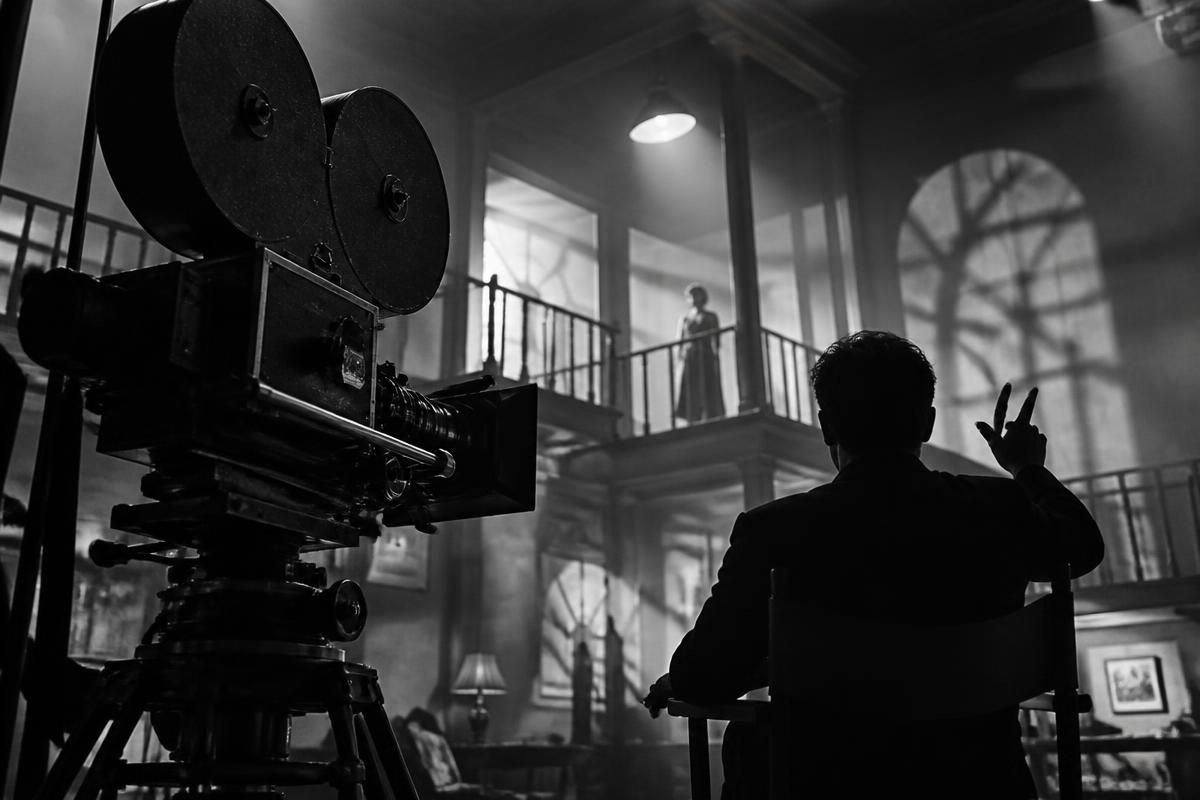
A camera does not merely record a story. It decides what the audience is allowed to see.