Filed under Ideas · Ideas
The Movie Theatre When Strangers Started Watching the Same Dream
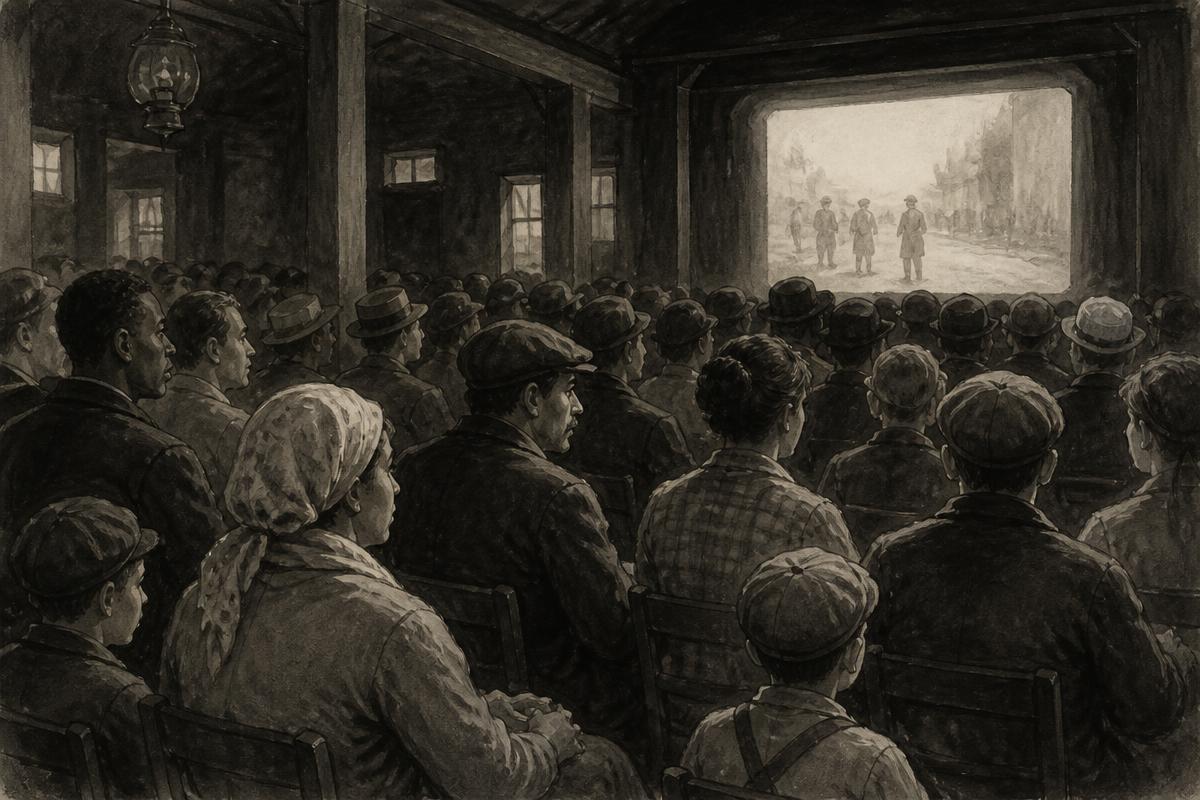
Cinema became more than a machine. It became a place where strangers could sit together, disappear into darkness and share the same imagined world.
- Share “The Movie Theatre: When Strangers Started Watching the Same Dream” on X
- Share “The Movie Theatre: When Strangers Started Watching the Same Dream” on Facebook
- Share “The Movie Theatre: When Strangers Started Watching the Same Dream” on LinkedIn
- Share “The Movie Theatre: When Strangers Started Watching the Same Dream” on WhatsApp
- Share “The Movie Theatre: When Strangers Started Watching the Same Dream” on Telegram
- Share “The Movie Theatre: When Strangers Started Watching the Same Dream” on Reddit
- Share “The Movie Theatre: When Strangers Started Watching the Same Dream” on Email
THE OLD NORMAL
Entertainment had long been social, but it usually depended on live performers, public gatherings or particular venues. A performance happened once and then disappeared.
THE QUESTION
Could a mechanical image become a social event rather than a private curiosity?
THE BREAKTHROUGH
As film exhibition expanded in the late 1890s and early 1900s, dedicated venues and storefront cinemas developed. In the United States, nickelodeons helped make short films inexpensive and accessible to large audiences. The Library of Congress records more than 5,000 nickelodeons operating by 1908.
THE CHANGE
The audience itself became part of the invention. Cinema created a temporary community of strangers united by attention. Laughter, fear, surprise and silence became collective reactions.
THE NEW NORMAL
Going to the movies became a recognisable social activity. Cinema architecture, ticketing, schedules, advertising and celebrity culture developed around it.
WHAT WE STILL MISUNDERSTAND
The theatre was not simply a container for films. It changed the meaning of film by making spectatorship communal. The same story could become a shared cultural reference point.
THE MODERN CONNECTION
Streaming has weakened the theatre’s monopoly, but the social function has not disappeared. Premieres, franchises and major releases still create moments when millions of people experience the same moving images around the same time.
THE RETHINK
Cinema was not only about making pictures move. It was about making people look together.