Filed under Ideas · Ideas
Television When Moving Pictures Came Home
The screen stopped being a destination. Television brought moving pictures into living rooms and made visual media part of everyday domestic life.
- Share “Television: When Moving Pictures Came Home” on X
- Share “Television: When Moving Pictures Came Home” on Facebook
- Share “Television: When Moving Pictures Came Home” on LinkedIn
- Share “Television: When Moving Pictures Came Home” on WhatsApp
- Share “Television: When Moving Pictures Came Home” on Telegram
- Share “Television: When Moving Pictures Came Home” on Reddit
- Share “Television: When Moving Pictures Came Home” on Email
THE OLD NORMAL
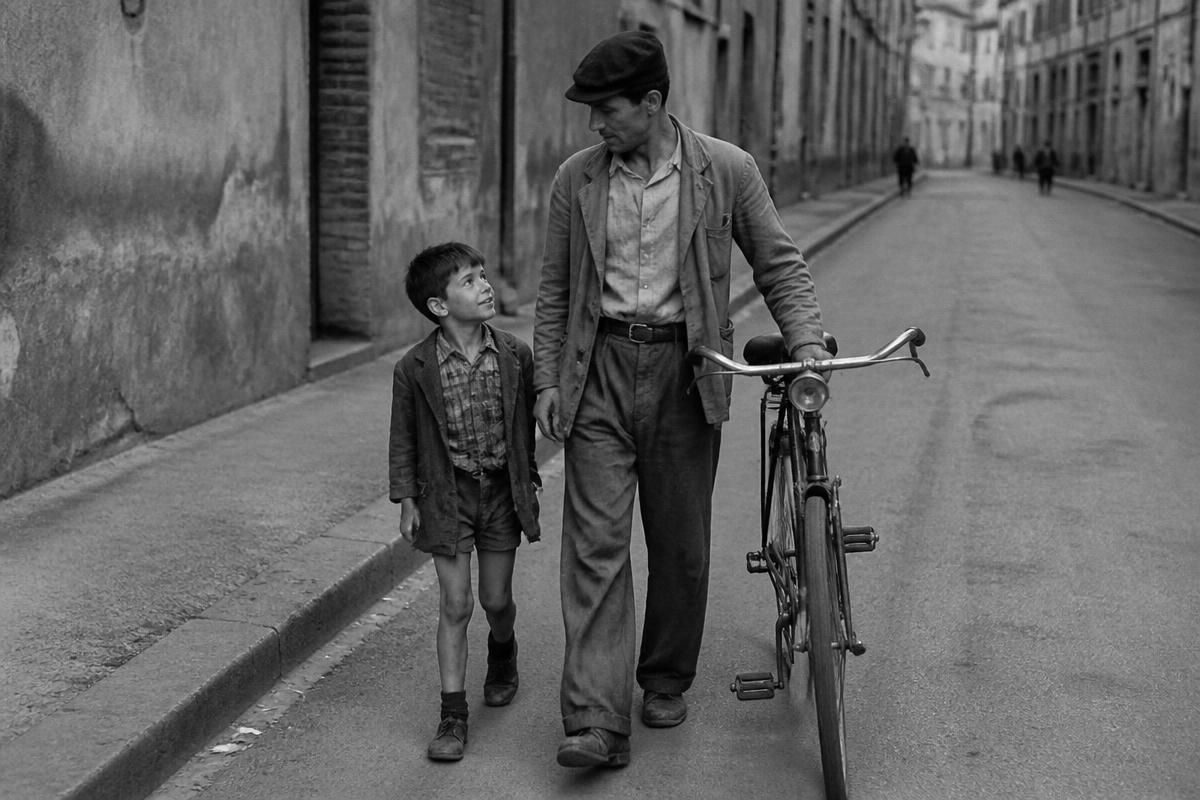
For much of early cinema’s history, watching a film meant going somewhere. The theatre was the place where moving images lived.
THE QUESTION
What happens when the screen comes to the viewer instead?
THE BREAKTHROUGH
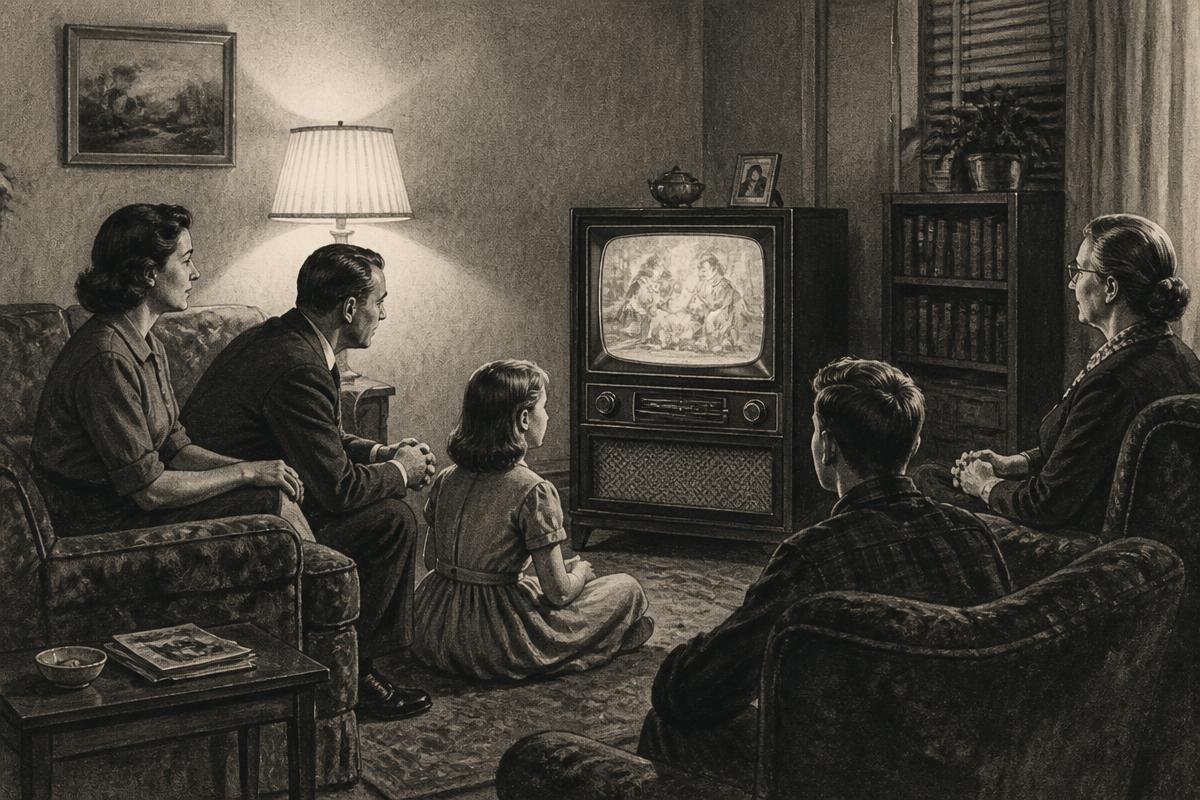
Television developed from decades of technological experimentation and expanded into mass domestic use during the mid-20th century. Moving images could now enter homes on a regular schedule.
THE CHANGE
The relationship between audience and screen became habitual. News, advertising, entertainment and major public events could reach people without requiring a theatre visit.
THE NEW NORMAL
The television set became a household object. Screen time became part of domestic routines and public life became increasingly mediated through moving images.
WHAT WE STILL MISUNDERSTAND
Television did not simply replace cinema. The two media developed different formats, rhythms and economic models. Television also created new forms of journalism, serial storytelling and advertising.
THE MODERN CONNECTION
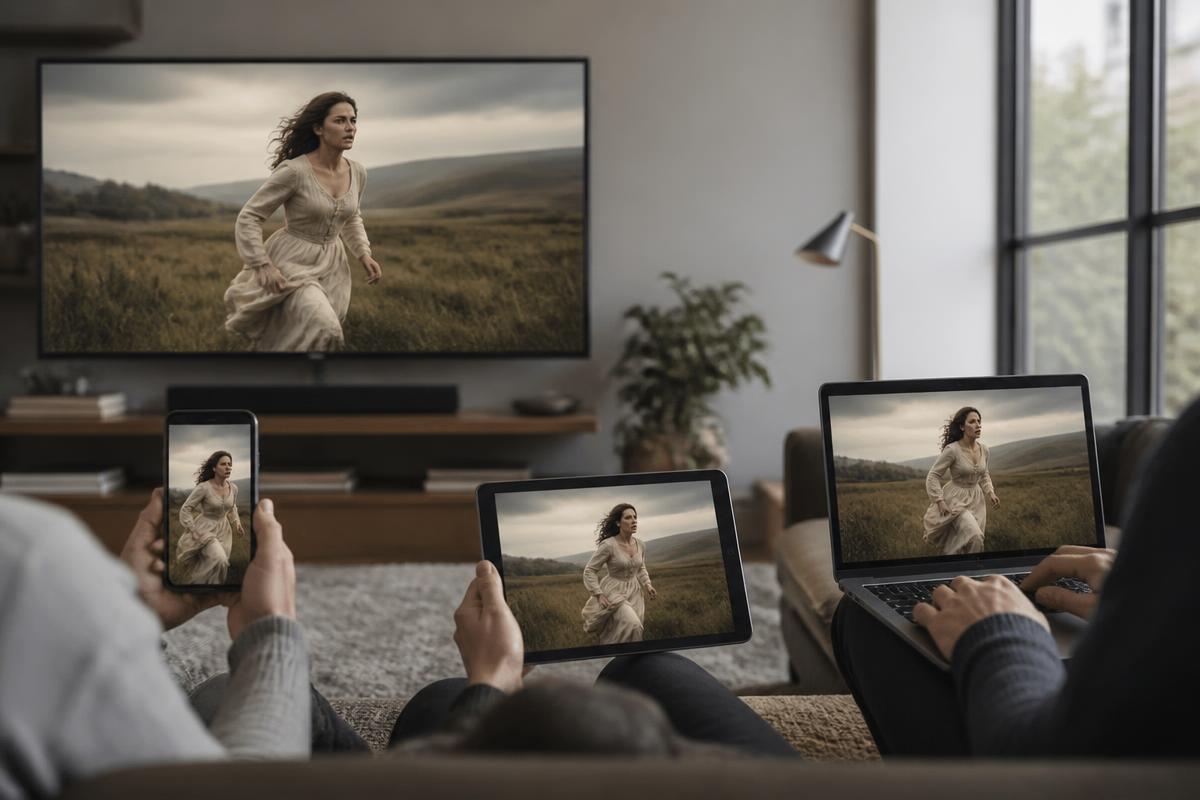
Phones, tablets and connected televisions continue the same historical movement: the screen is no longer a place we visit. It follows us.
THE RETHINK
Moving pictures changed again when the audience no longer had to leave home to find them.