Filed under Ideas · Ideas
The Birth of a Nation When Cinema Learned It Could Change What People Believed
One of cinema’s most technically influential films also demonstrated one of its darkest possibilities: moving pictures could turn prejudice into spectacle and influence public belief.
- Share “The Birth of a Nation: When Cinema Learned It Could Change What People Believed” on X
- Share “The Birth of a Nation: When Cinema Learned It Could Change What People Believed” on Facebook
- Share “The Birth of a Nation: When Cinema Learned It Could Change What People Believed” on LinkedIn
- Share “The Birth of a Nation: When Cinema Learned It Could Change What People Believed” on WhatsApp
- Share “The Birth of a Nation: When Cinema Learned It Could Change What People Believed” on Telegram
- Share “The Birth of a Nation: When Cinema Learned It Could Change What People Believed” on Reddit
- Share “The Birth of a Nation: When Cinema Learned It Could Change What People Believed” on Email
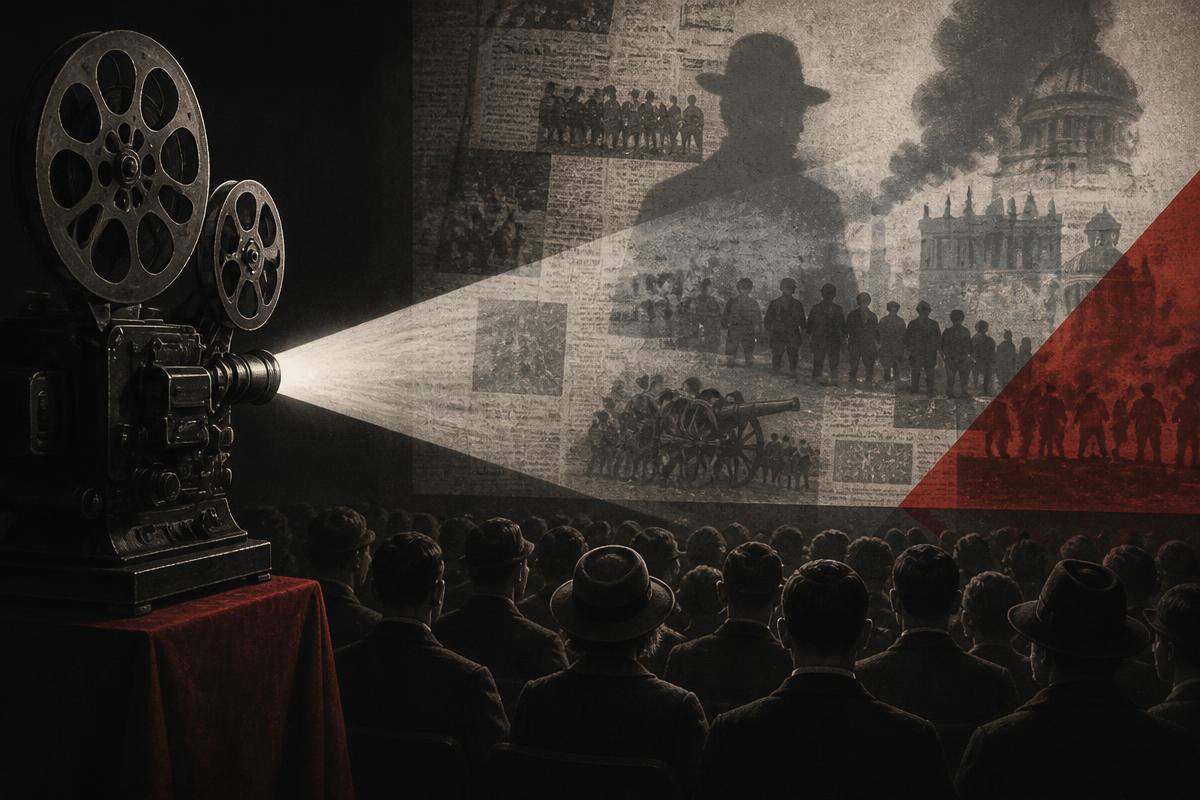
THE OLD NORMAL
Early films could entertain, amaze and document. Their influence was growing, but the social power of cinematic storytelling was still being discovered.
THE QUESTION
What happens when millions of people see the same historical story presented as fact-like spectacle?
THE BREAKTHROUGH
D.W. Griffith’s 1915 film The Birth of a Nation became a landmark in film technique and commercial success. It also presented racist depictions of Black Americans and glorified the Ku Klux Klan. The Library of Congress documents both the film’s popularity and the protests against it, including opposition from the NAACP.
THE CHANGE
The controversy demonstrated that cinema was not politically neutral. Editing, framing, characterisation and narrative could influence how audiences understood race, history and legitimacy.
THE NEW NORMAL
Film became an arena of cultural power. Questions about censorship, representation, propaganda and responsibility became inseparable from the medium’s development.
WHAT WE STILL MISUNDERSTAND
Calling a film influential does not mean endorsing its ideas. The film’s technical importance and its racist politics must be discussed together. Its history is valuable partly because it exposes the consequences of treating representation as harmless entertainment.
THE MODERN CONNECTION
The same question now extends to social video, recommendation algorithms and AI-generated images: when people encounter repeated visual narratives, who shapes the story they come to believe?
THE RETHINK
Cinema did not merely show the world. It could persuade audiences what the world meant.