Filed under Stories · Social Rethinks
The Universal Declaration of Human Rights
The Day the World Tried to Define Human Dignity
- Share “The Universal Declaration of Human Rights” on X
- Share “The Universal Declaration of Human Rights” on Facebook
- Share “The Universal Declaration of Human Rights” on LinkedIn
- Share “The Universal Declaration of Human Rights” on WhatsApp
- Share “The Universal Declaration of Human Rights” on Telegram
- Share “The Universal Declaration of Human Rights” on Reddit
- Share “The Universal Declaration of Human Rights” on Email
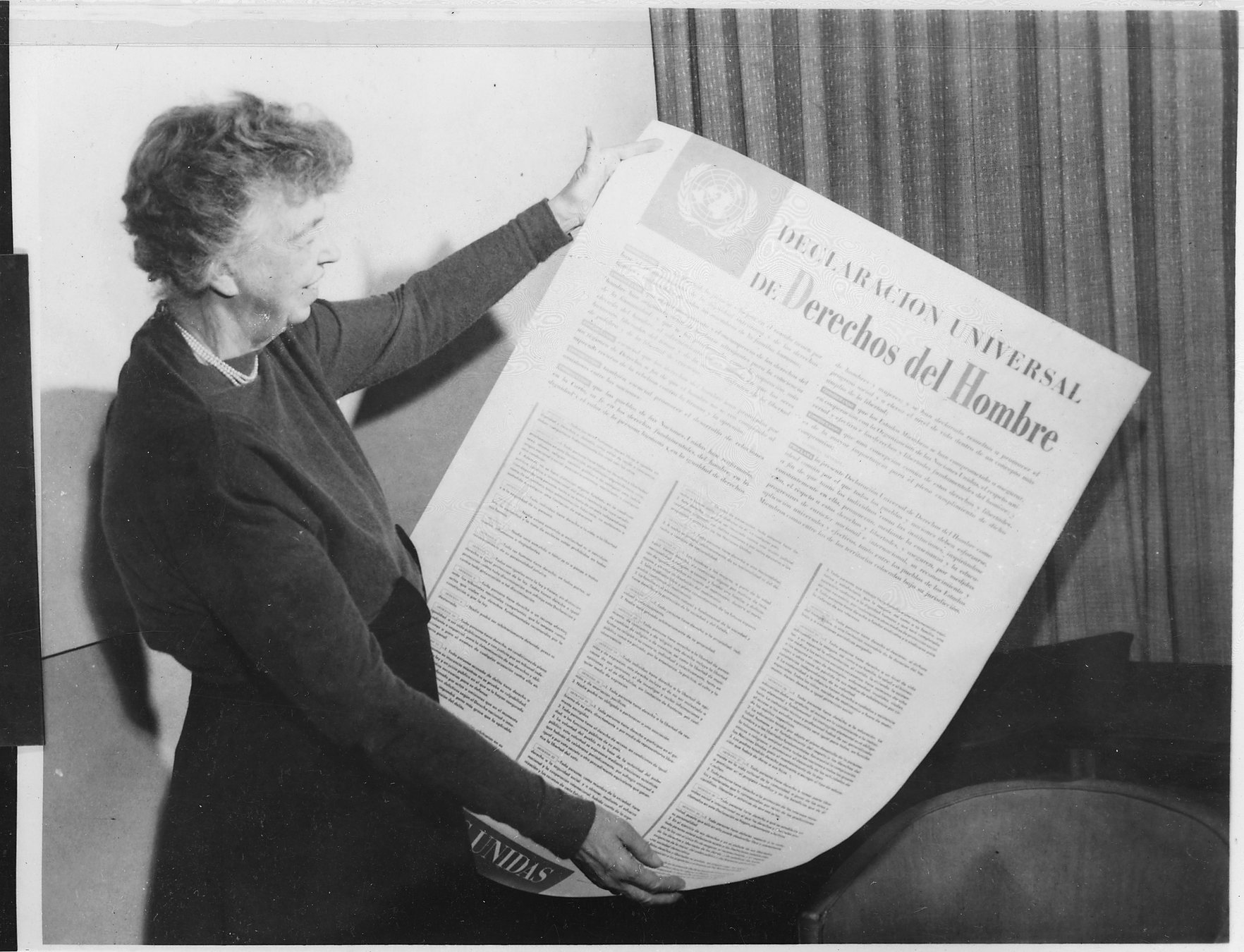
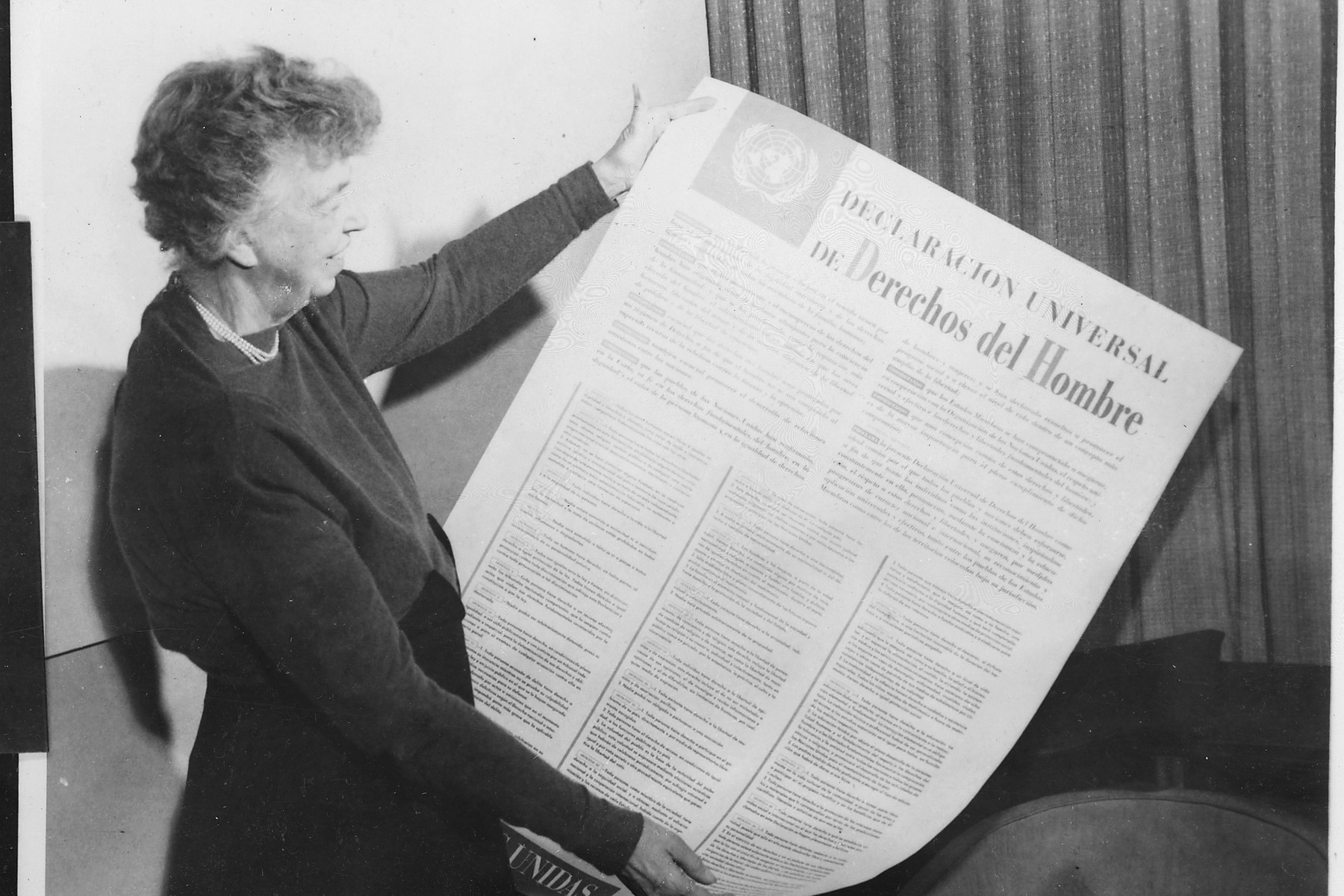
In December 1948, only three years after the end of the Second World War, the United Nations General Assembly adopted the Universal Declaration of Human Rights in Paris.
The timing mattered. The world had witnessed genocide, mass displacement, total war and atrocities on an industrial scale. The new United Nations faced a question that was both simple and extraordinarily difficult: could countries with different histories, religions and political systems agree that every human being possessed certain basic rights?
The Declaration answered yes.
Its drafting involved representatives from different regions and legal traditions. Eleanor Roosevelt chaired the UN Commission on Human Rights, but the document was shaped by many contributors, including figures such as René Cassin, Charles Malik, Peng-chun Chang and Hansa Mehta. The story is not one of a single author writing a universal text. It is a difficult international negotiation.
On 10 December 1948, the General Assembly adopted the Declaration with no votes against it, although eight states abstained. The document was not itself a legally binding treaty. That distinction matters. Its influence came from its moral and political authority and from the way its principles later shaped constitutions, treaties and legal arguments.
The Declaration begins from a radical premise: dignity and rights belong to people because they are human. Governments do not create human dignity as a gift. The document describes rights including life, liberty, security, expression, education and protection from torture and discrimination.
The idea remains unfinished. A declaration cannot guarantee that governments will obey it. Human rights violations continued after 1948 and continue today. The gap between principle and reality is part of the Declaration's story.
Yet the existence of a common standard changed international debate. Governments could still deny rights, but they increasingly had to answer a question: by what standard are you judging your actions?
The Social Rethink
THE OLD NORMAL: Rights were often treated primarily as matters decided inside individual states.
THE QUESTION: Could some rights belong to every person everywhere?
THE DECLARATION: The UN articulated a common standard of fundamental rights.
THE LIMIT: The document did not magically enforce itself.
THE CHANGE: Human dignity became a central language of international accountability.
The Declaration is sometimes criticised for claiming universality while emerging from a particular historical moment. That debate is important. Universal principles must continually be tested against cultural diversity, political power and the lived experiences of people around the world.
But the alternative question is equally difficult. If rights are not universal, who decides whose dignity matters?
That is why the UDHR remains one of history's most ambitious Social Rethinks. It did not claim humanity had become equal. It claimed equality should be the standard against which humanity judges itself.
The question for today is not whether the Declaration solved injustice. It did not.
The question is whether we are willing to live in a world where some people's basic dignity is considered negotiable.
The Longer Legacy
The Declaration's influence grew because later institutions and movements used its language. Rights became part of international treaties, national constitutions and campaigns against discrimination.
What We Still Misunderstand
The UDHR is not itself a treaty with the same enforcement mechanism as a binding convention. Its authority and influence are nevertheless immense. Understanding that difference makes the document more useful, not less.
The Modern Connection
Human rights debates now include digital privacy, artificial intelligence, migration and climate-related risks. The specific problems change. The underlying question remains: what protections should belong to people simply because they are people?