Filed under Stories · Social Rethinks
Germ Theory
The Discovery That Changed What Humanity Feared
For centuries, people struggled to explain why disease spread. Bad air, poisoned environments and imbalances inside the body were among the theories used to make sense of epidemics. Some older ideas contained observations about environmental conditions, but they did not identify the microorganisms responsible for many infectious diseases.
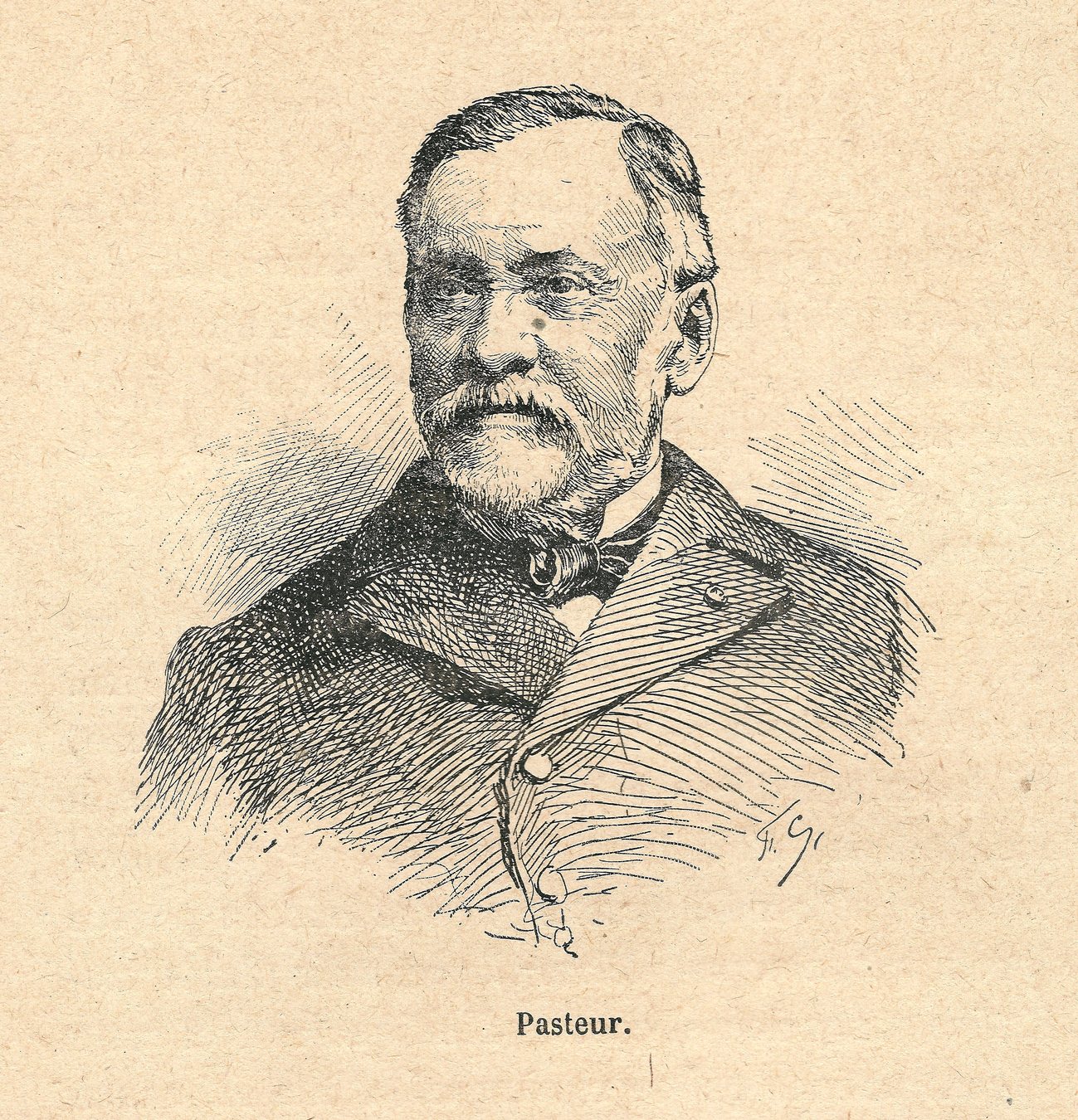
During the nineteenth century, scientific work transformed the debate. Louis Pasteur demonstrated the importance of microorganisms in processes such as fermentation and helped undermine the idea that life appeared spontaneously from non-living matter. Robert Koch developed methods that strengthened the connection between particular microorganisms and particular diseases.
Germ theory did not emerge from one experiment or one person. It developed through laboratories, hospitals, microscopes, public health investigations and the work of figures including Ignaz Semmelweis and Joseph Lister, whose efforts highlighted the importance of hygiene and antiseptic practice.
The change was revolutionary because the enemy was invisible.
Once disease could be understood as being caused by specific microorganisms, prevention became more precise. Clean water mattered. Sanitation mattered. Sterile procedures mattered. Vaccination and laboratory diagnosis became increasingly connected to an understanding of infectious processes.
Yet the popular version of the story is too simple. Doctors did not instantly move from ignorance to modern practice, and every disease is not caused by a germ. Public health also depends on nutrition, housing, environment and social conditions. Germ theory transformed medicine, but it did not replace the wider determinants of health.
Its biggest contribution was conceptual. It changed the question from 'what vague force is making people sick?' to 'what specific mechanism can we identify, test and interrupt?'
That question helped create modern epidemiology and public health.
The Social Rethink
THE OLD NORMAL: Disease was often explained through broad and poorly defined causes.
THE DISCOVERY: Microorganisms could cause specific biological processes and diseases.
THE CHANGE: Prevention and treatment became increasingly evidence-based and targeted.
THE LEGACY: Hygiene, sanitation, microbiology and public health gained new scientific foundations.
THE WARNING: A single theory can be powerful without explaining everything.
Germ theory also changed behaviour. Handwashing, sterilisation and sanitation became scientific practices rather than rituals or isolated habits. The body became understood as part of an invisible biological environment.
The modern world still lives with that rethink. Epidemics remind us that humans are never completely separate from the microscopic world. Microorganisms evolve. Ecosystems change. Public health depends on collective behaviour as much as individual choices.
The discovery of germs did not eliminate fear. It made fear more specific—and therefore more manageable.
That may be one of science's greatest gifts. It replaces vague terror with questions that can be investigated.
What is causing this?
How does it spread?
How can the chain be interrupted?
Those questions have saved lives for more than a century.
The question for today is what other invisible systems shape our lives while remaining unnoticed until science gives us the language to see them.
The Longer Legacy
Germ theory transformed practical behaviour because it linked observation with action. If a disease had a mechanism, that mechanism might be interrupted. Clean hands, sterile instruments and safer water became part of a new evidence-based approach.
What We Still Misunderstand
Microbes are not simply enemies. Human bodies and ecosystems contain vast communities of microorganisms, many of which are beneficial or essential. Germ theory identifies disease-causing organisms; it does not mean all microscopic life is dangerous.
The Modern Connection
The COVID-19 pandemic demonstrated how quickly invisible biological processes can become social, economic and political crises. Public health depends on science, but it also depends on trust, communication and collective action.
The original rethink therefore remains unfinished: understanding an invisible cause is only the first step. A society must still decide what to do with the knowledge.