
Filed under Society
Why Do Humans Believe Things That Are Not True?
An ordinary feature of modern life has a history worth questioning: Why Do Humans Believe Things That Are Not True.
Stories
Arguments, theories and questions that ask us to reconsider something we took as settled.
Ideas
A collection of ideas that challenged assumptions and changed how we understand society, humanity and what is possible.
01 / 10
01 / 10
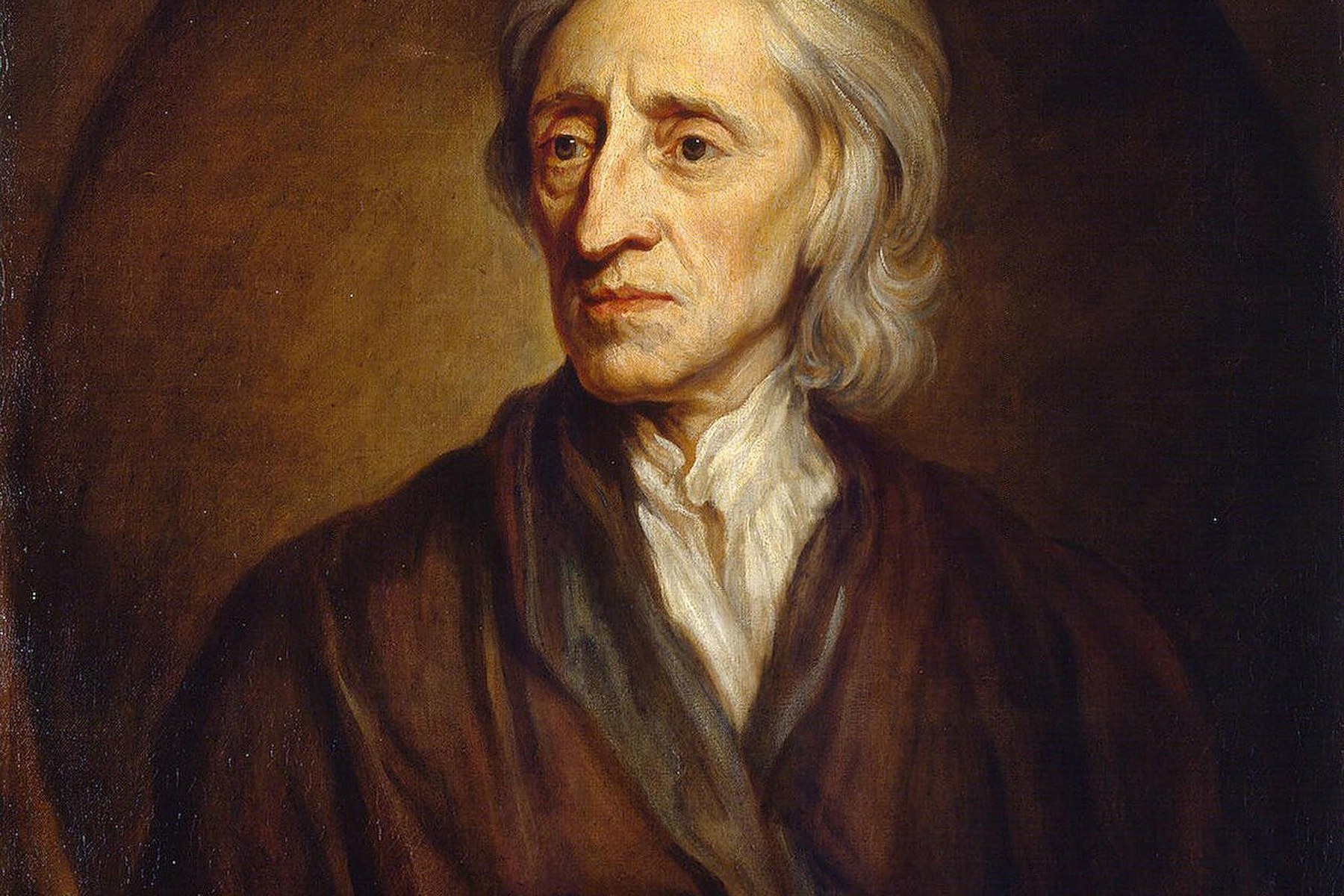
17th–18th centuries
How the social contract made rulers answerable to the people.
Read article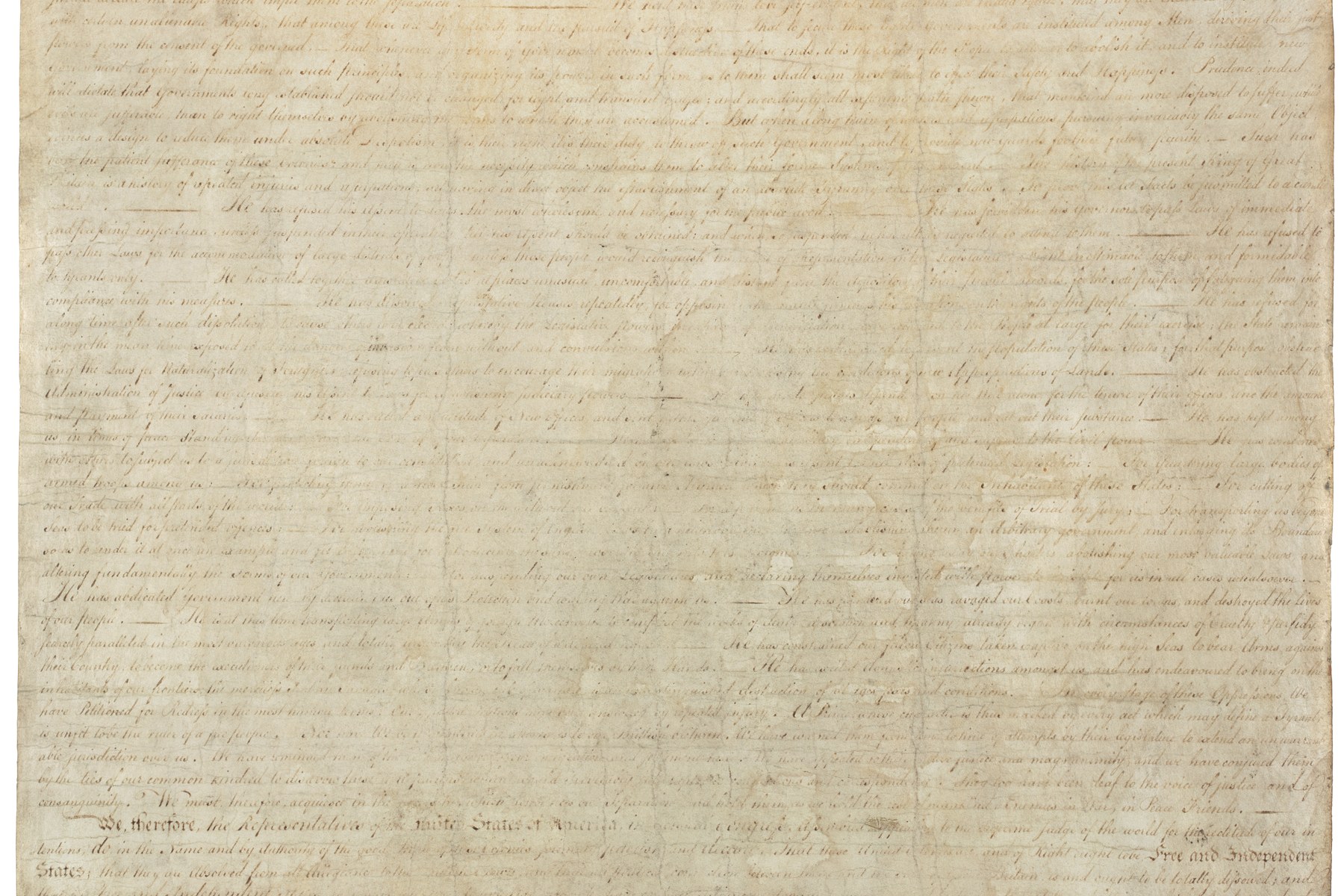
02 / 10
17th–18th centuries
How natural rights became a universal language for demanding justice.
Read article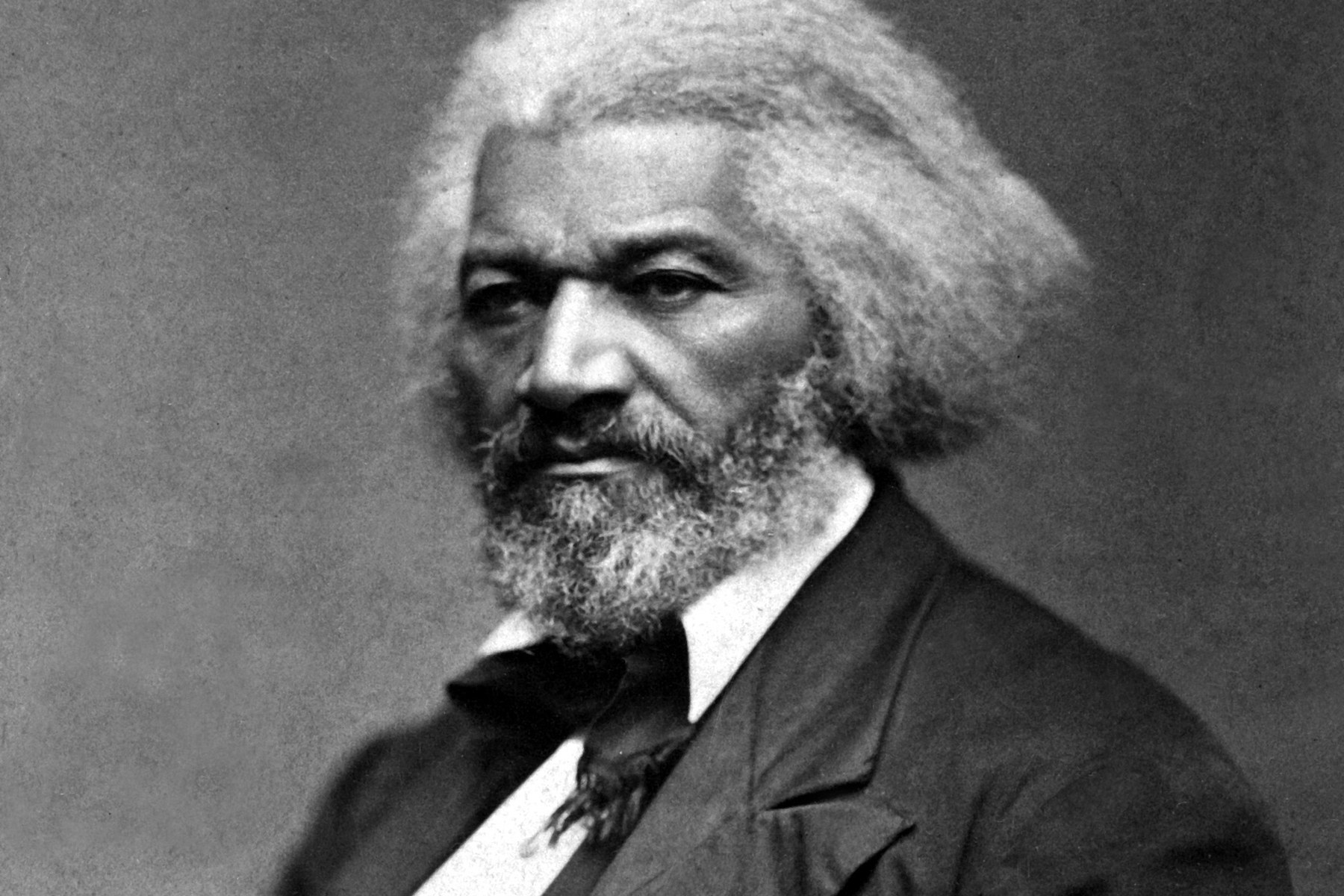
03 / 10
18th–19th centuries
How abolition redefined a person as something that could never be owned.
Read article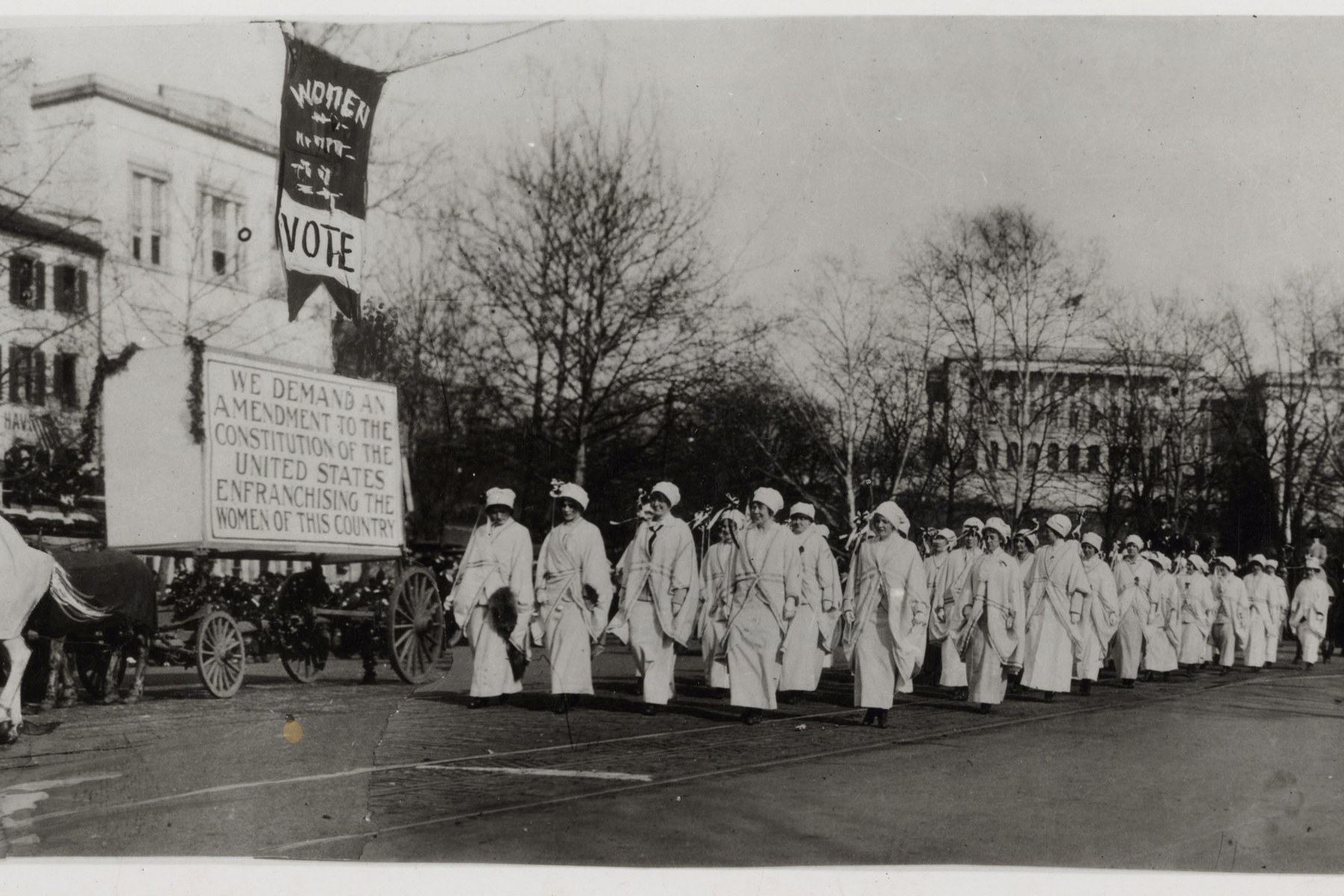
04 / 10
5th century BCE–present
How democracy became the world’s most claimed and contested political ideal.
Read article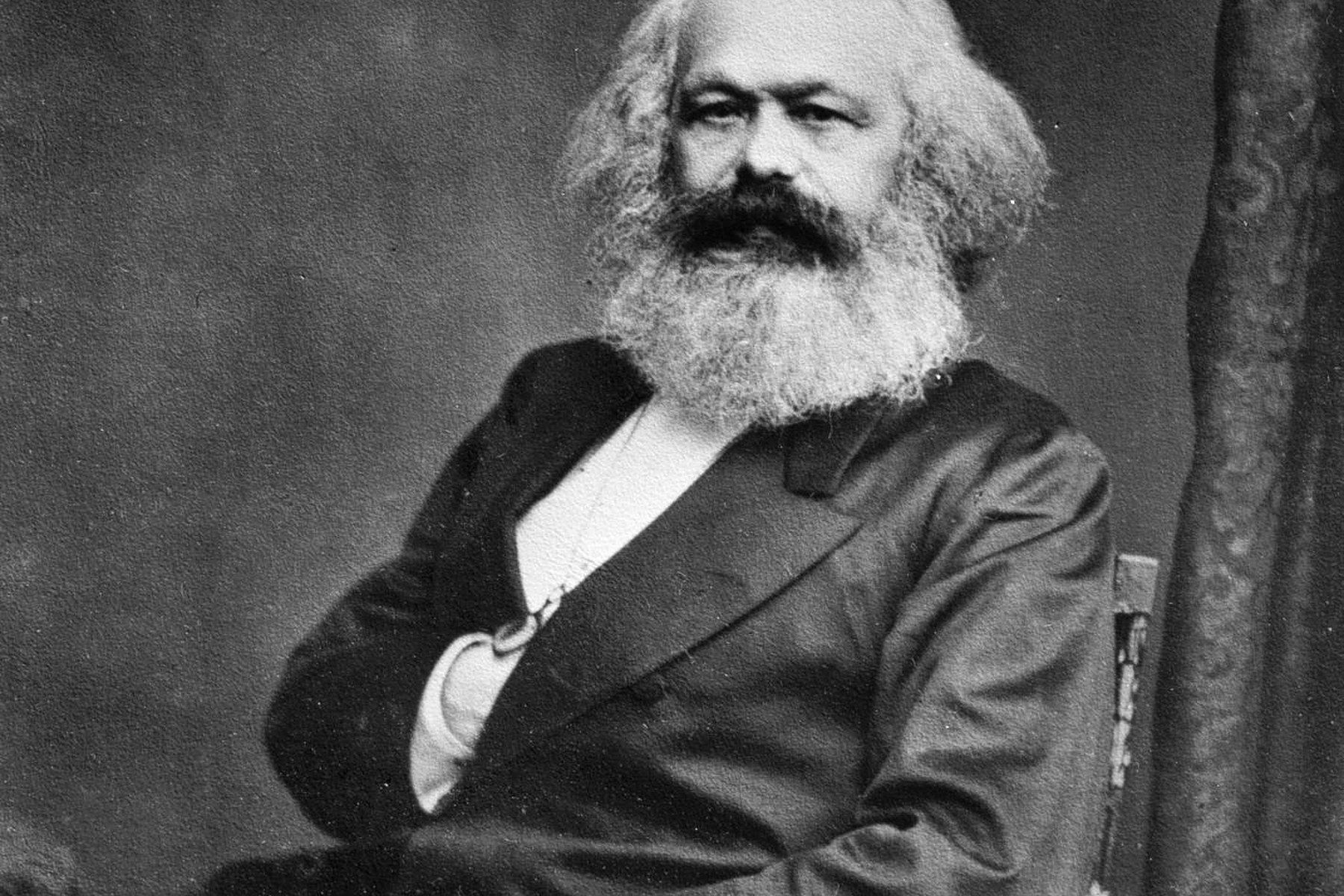
05 / 10
1848–1867
How class analysis changed the way society explains inequality.
Read article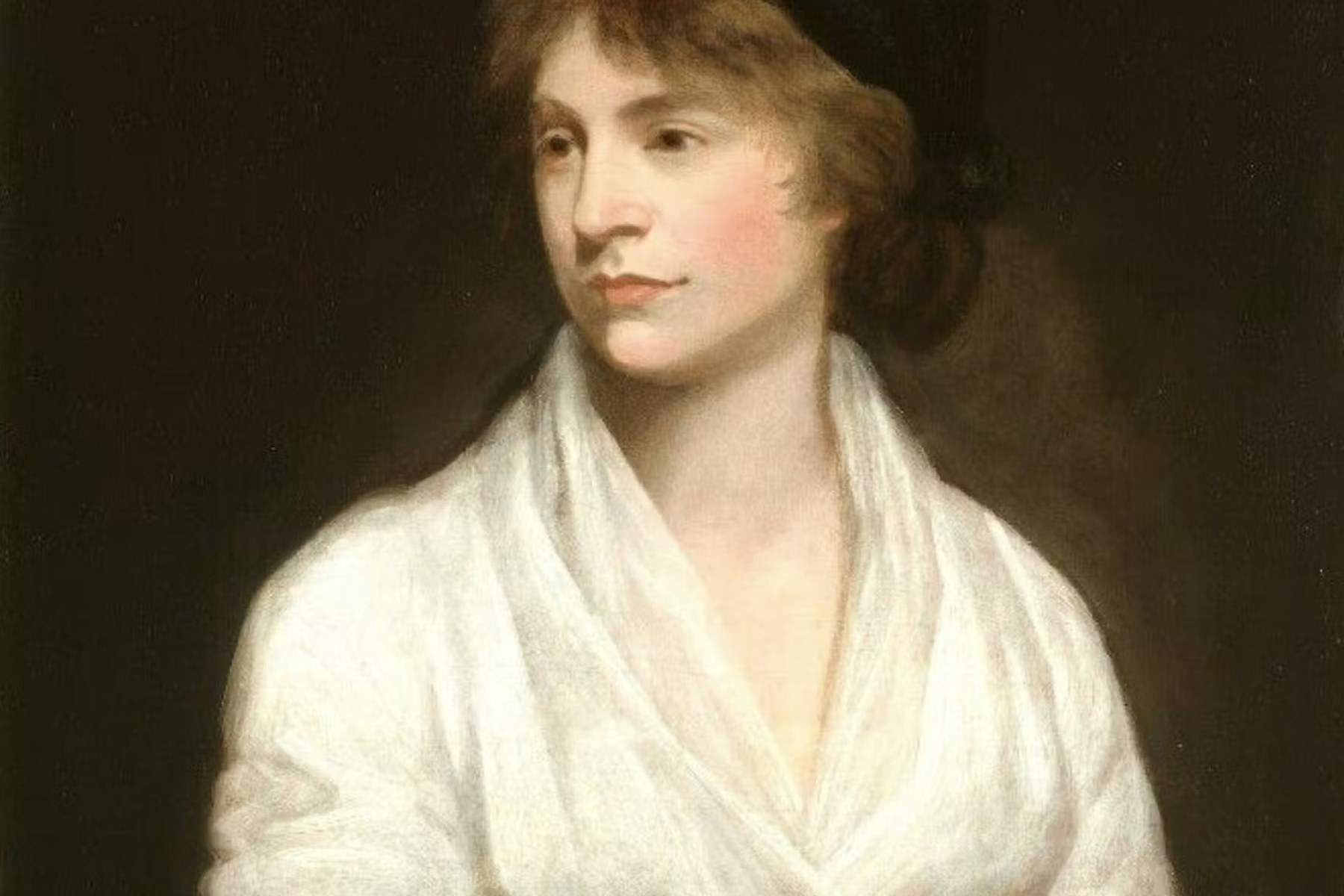
06 / 10
18th century–present
How feminism reframed inequality as law and custom rather than nature.
Read article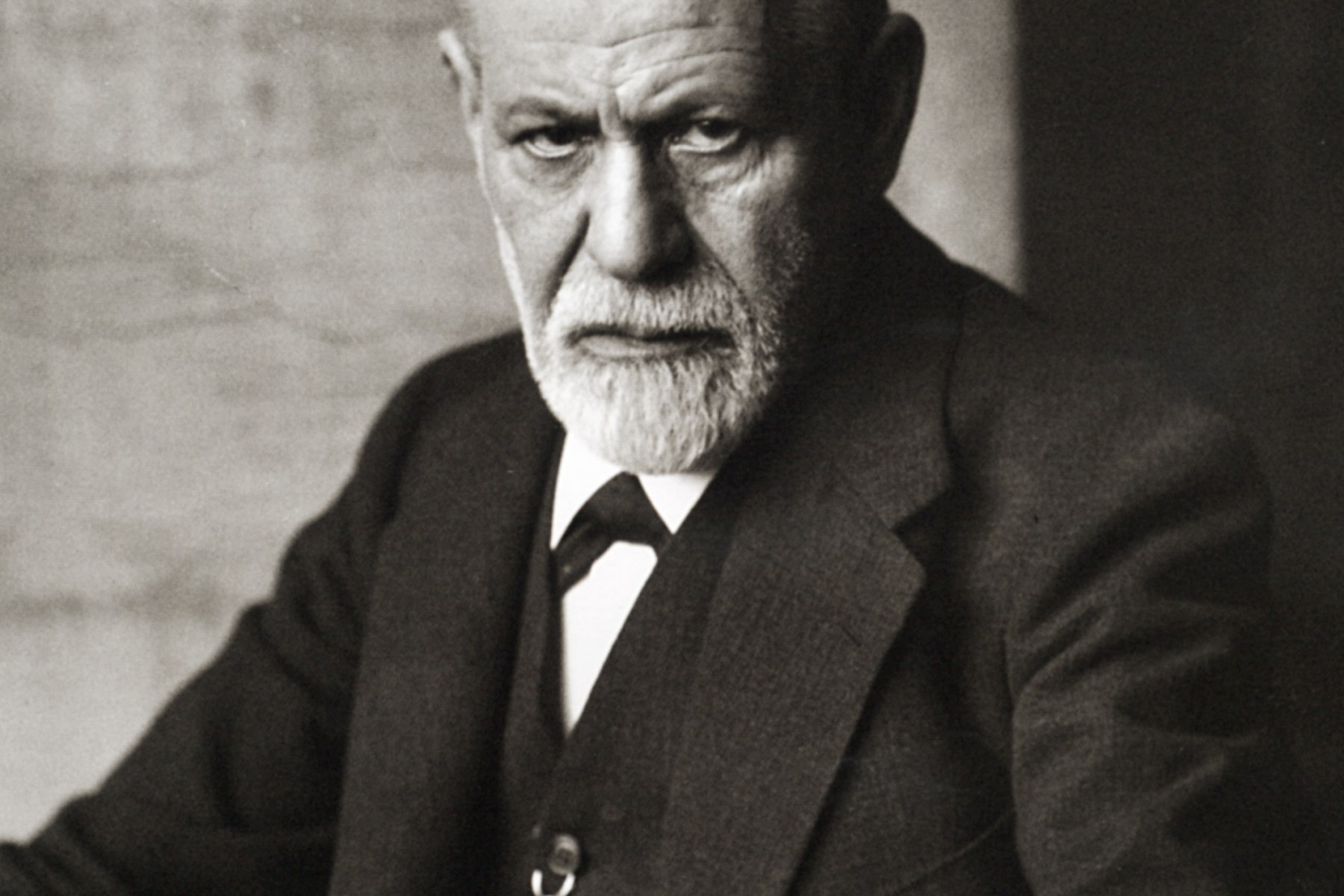
07 / 10
1890s–1930s
How the unconscious unsettled the idea of the fully rational individual.
Read article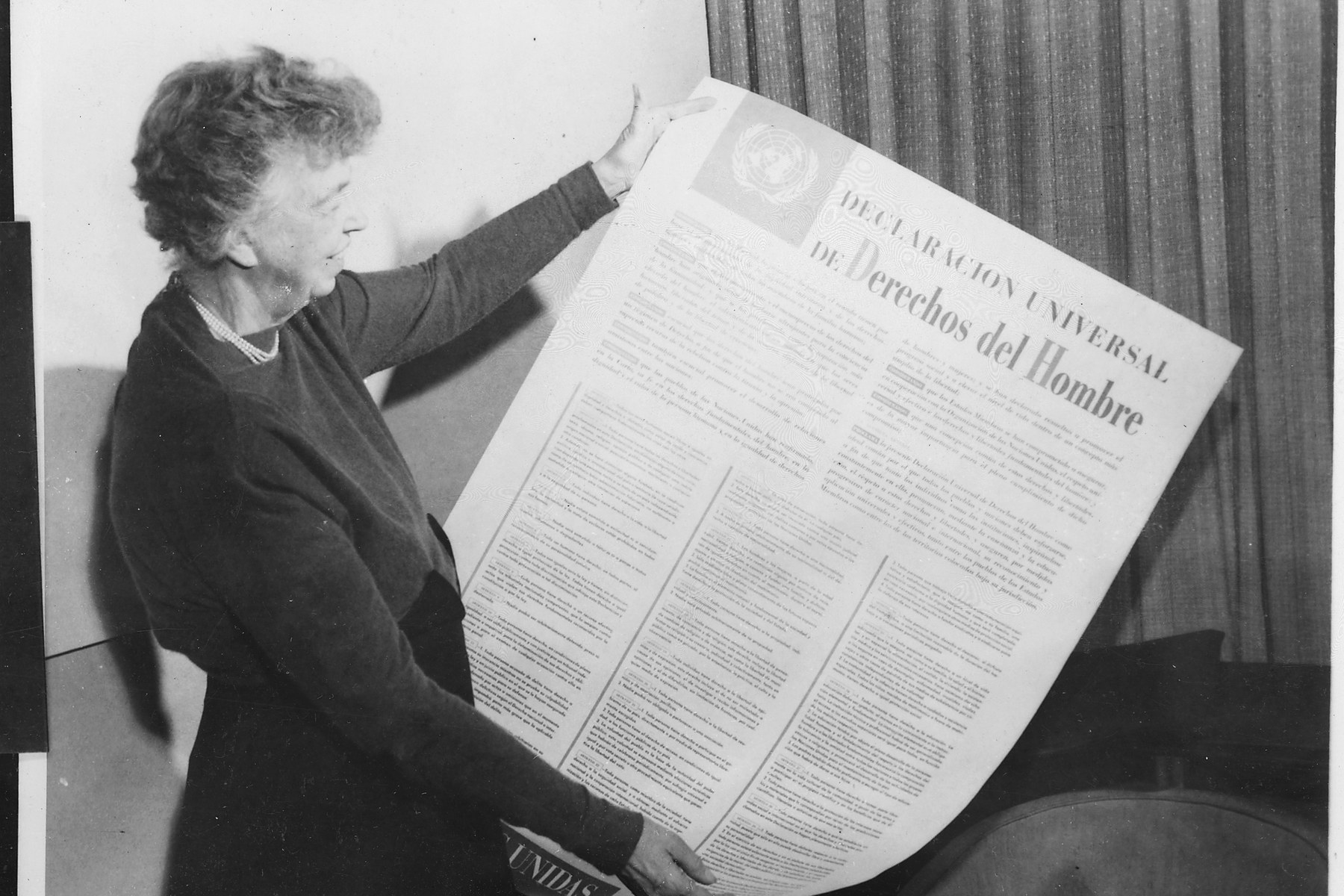
08 / 10
How a declaration without enforcement reshaped global expectations of dignity.
Read article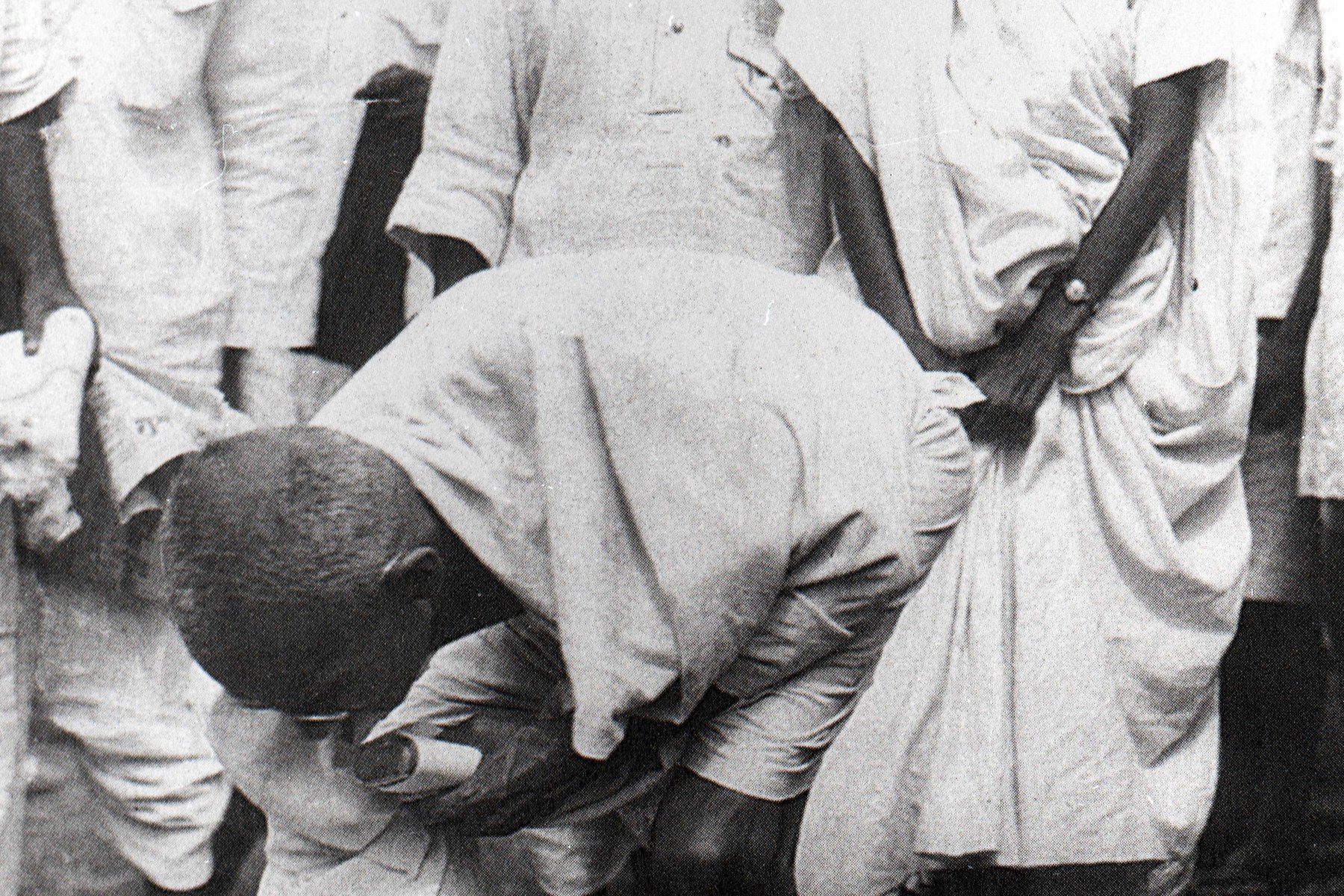
09 / 10
1906–1948
How organized nonviolence became a powerful strategy for political change.
Read article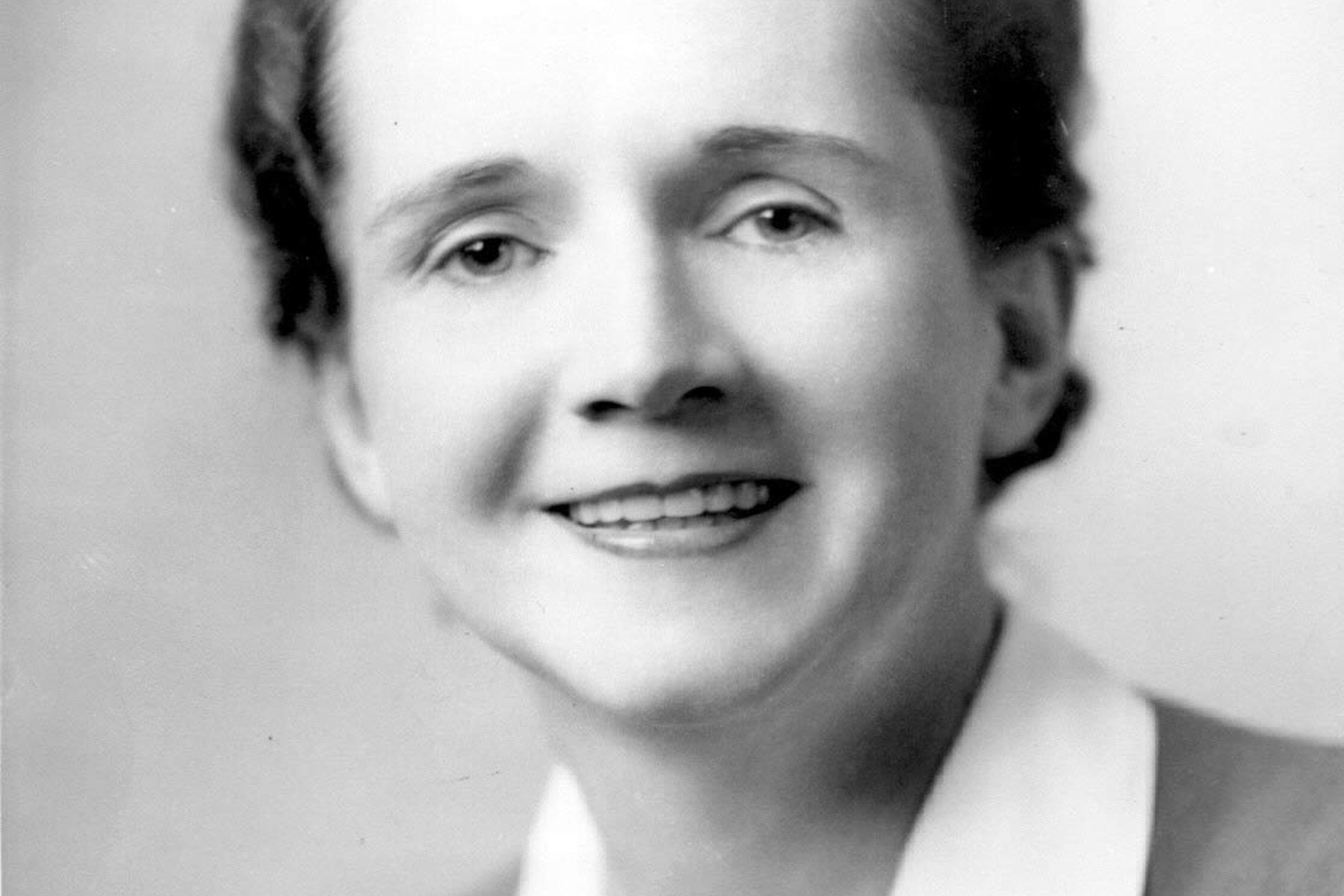
10 / 10
1962–present
How ecological limits challenged the promise of endless industrial growth.
Read articleIdeas · Music
Music-history moments in which technology, communities, artists or new creative practices changed what society believed music could be.
Explore the complete seriesThis collection is not a ranking of the twelve most important musical events. Each example was chosen because it illustrates a change in assumptions about music, participation, identity, technology or cultural power.
Explore the complete series01 / 12
01 / 12
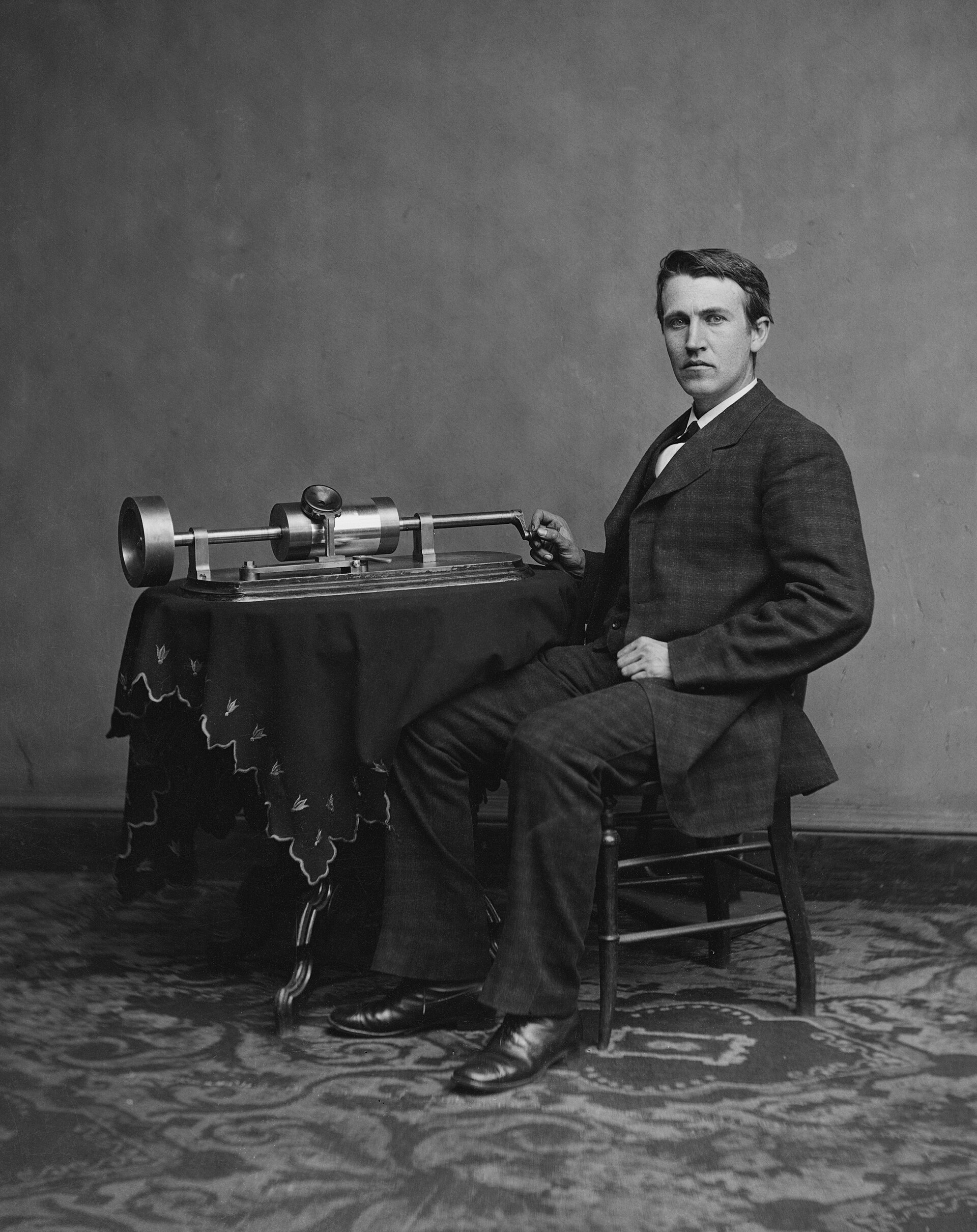
1877
How recorded sound freed music from the moment of performance.
Read article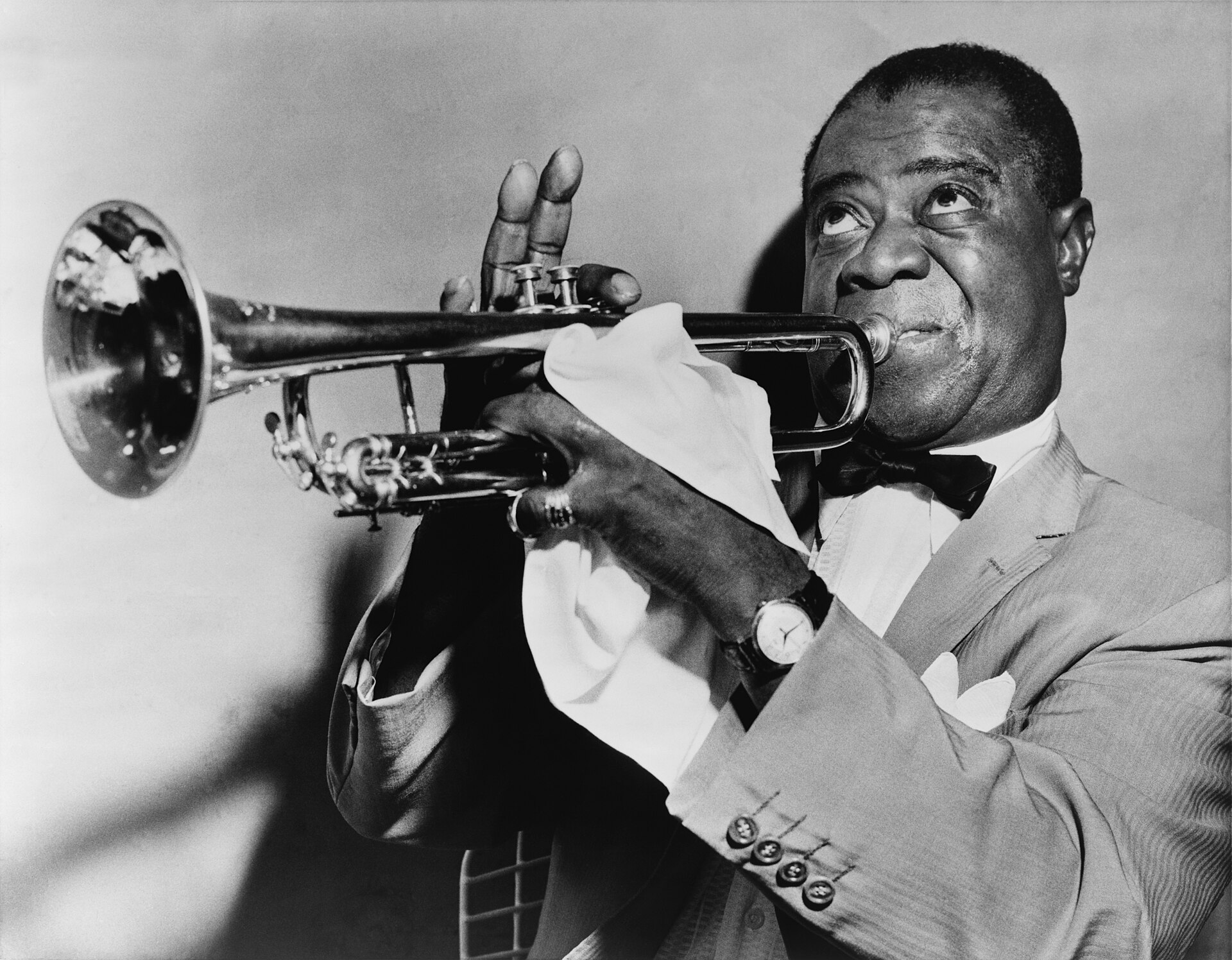
02 / 12
1910s–1930s
How a community reshaped the cultural centre without asking permission to enter it.
Read article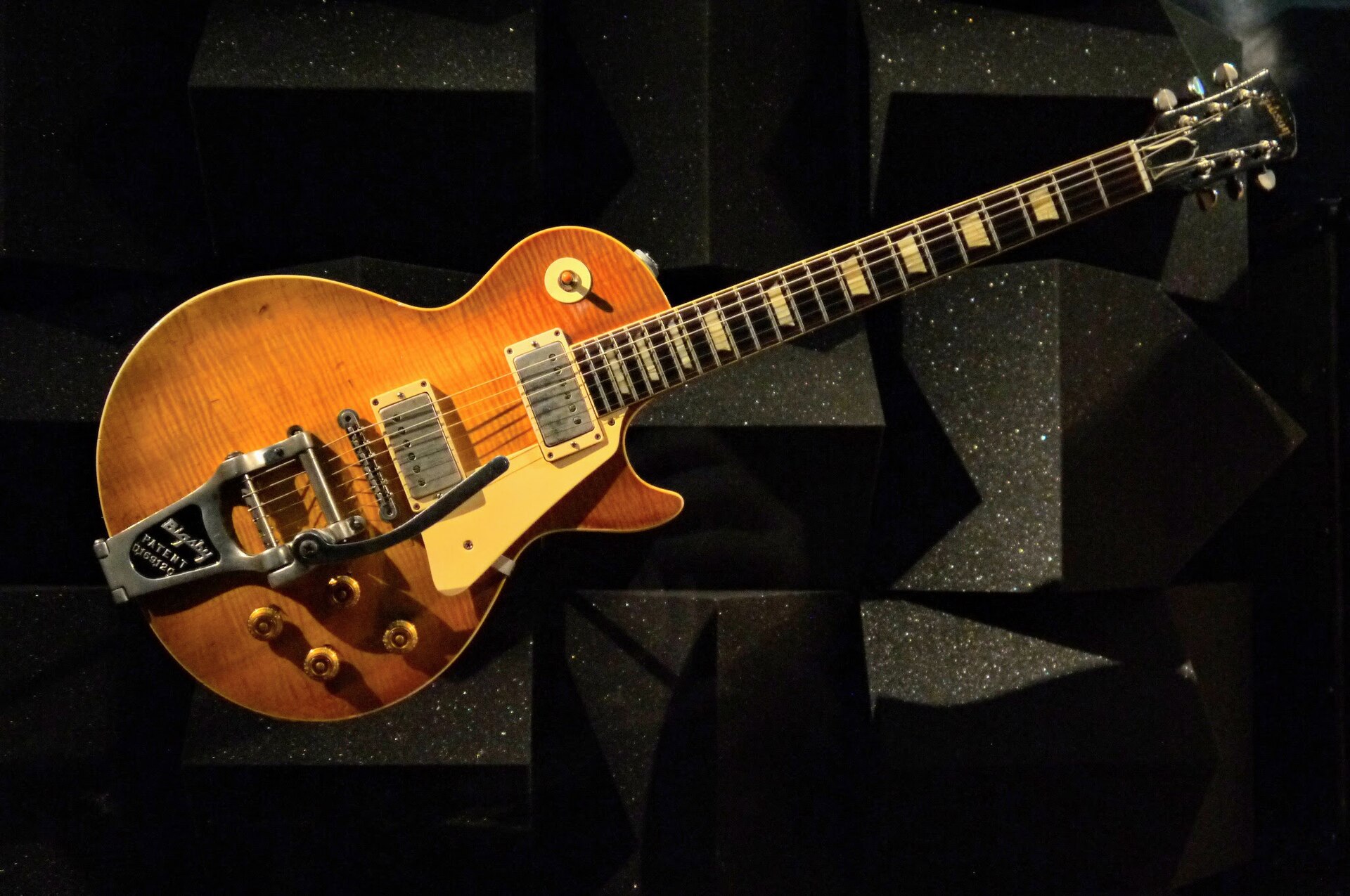
03 / 12
1930s–1950s
How amplification turned technology into part of the sound itself.
Read article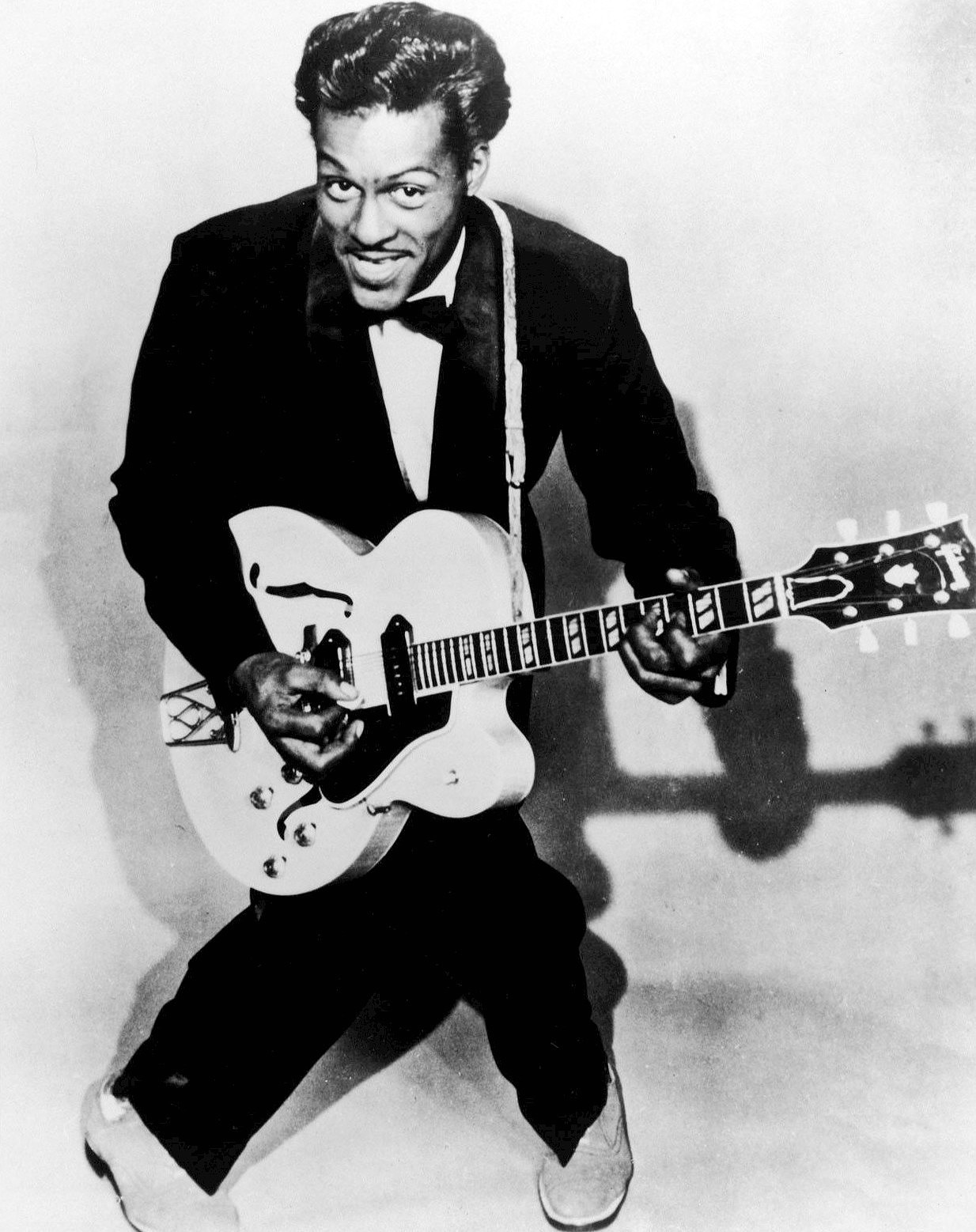
04 / 12
1950s
How a new musical culture turned teenagers into a force that reshaped the adult world.
Read article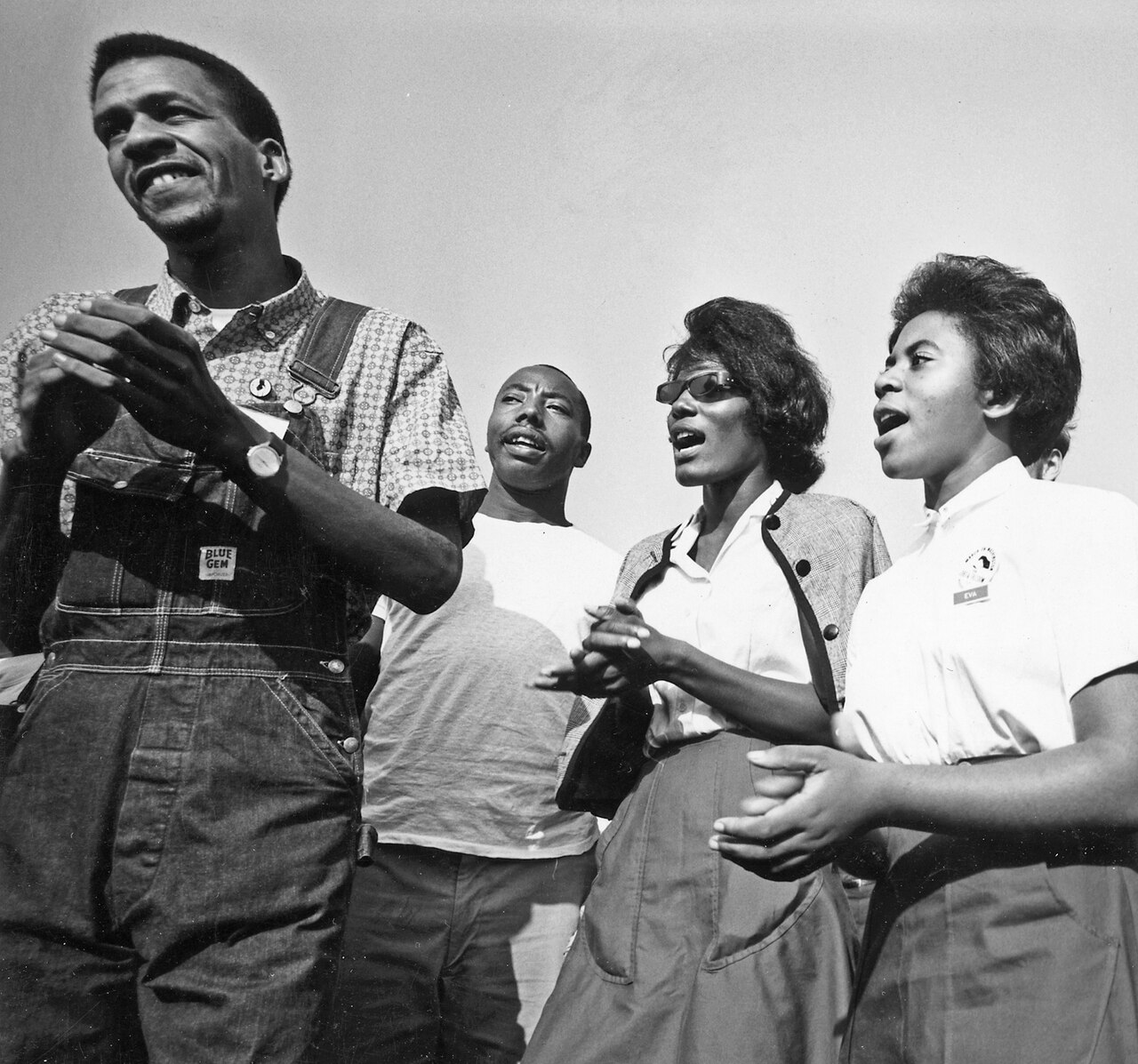
05 / 12
19th century–present
How songs became part of the social infrastructure of political movements.
Read article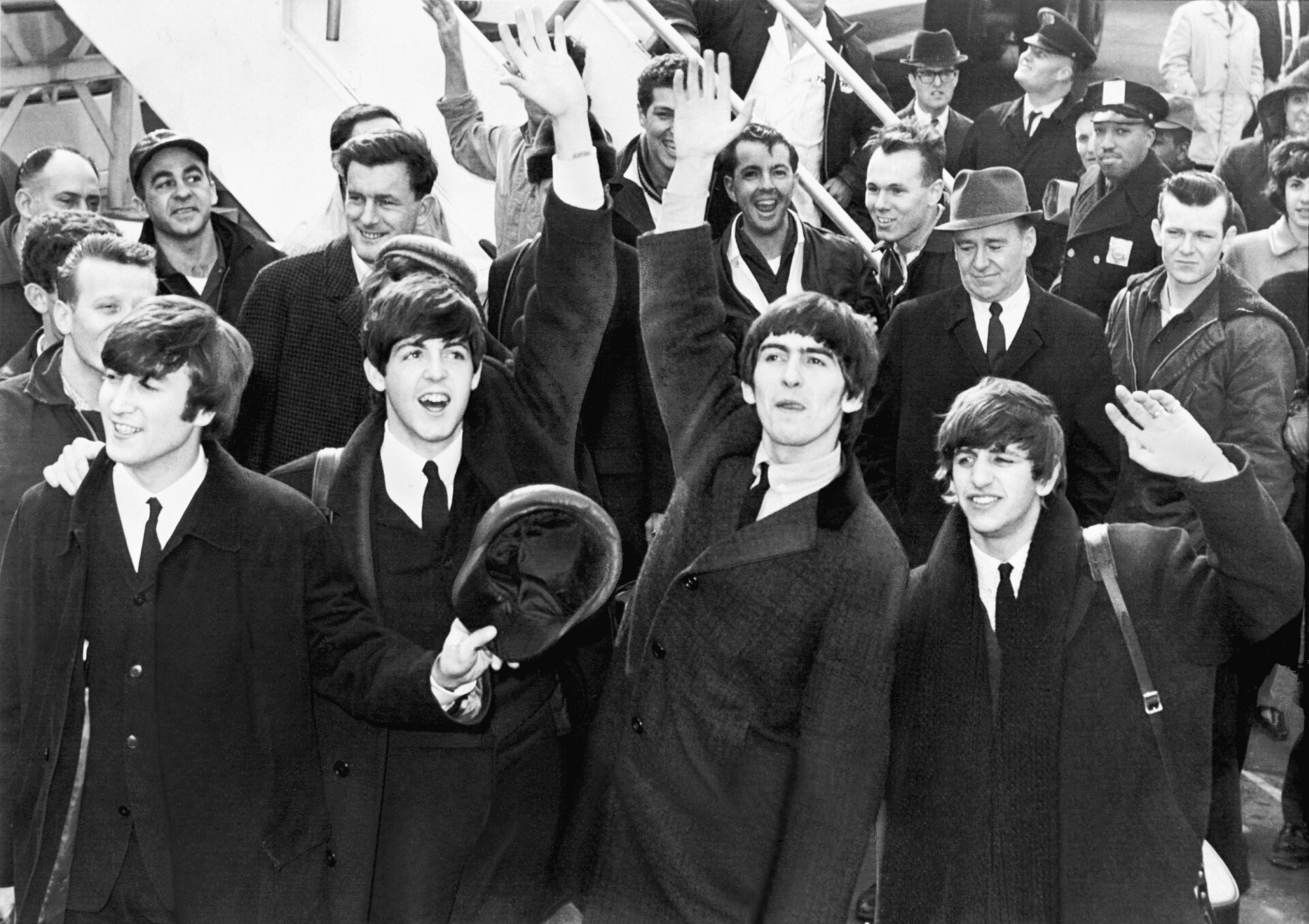
06 / 12
1965–1970
How the album turned popular musicians into cultural authors.
Read article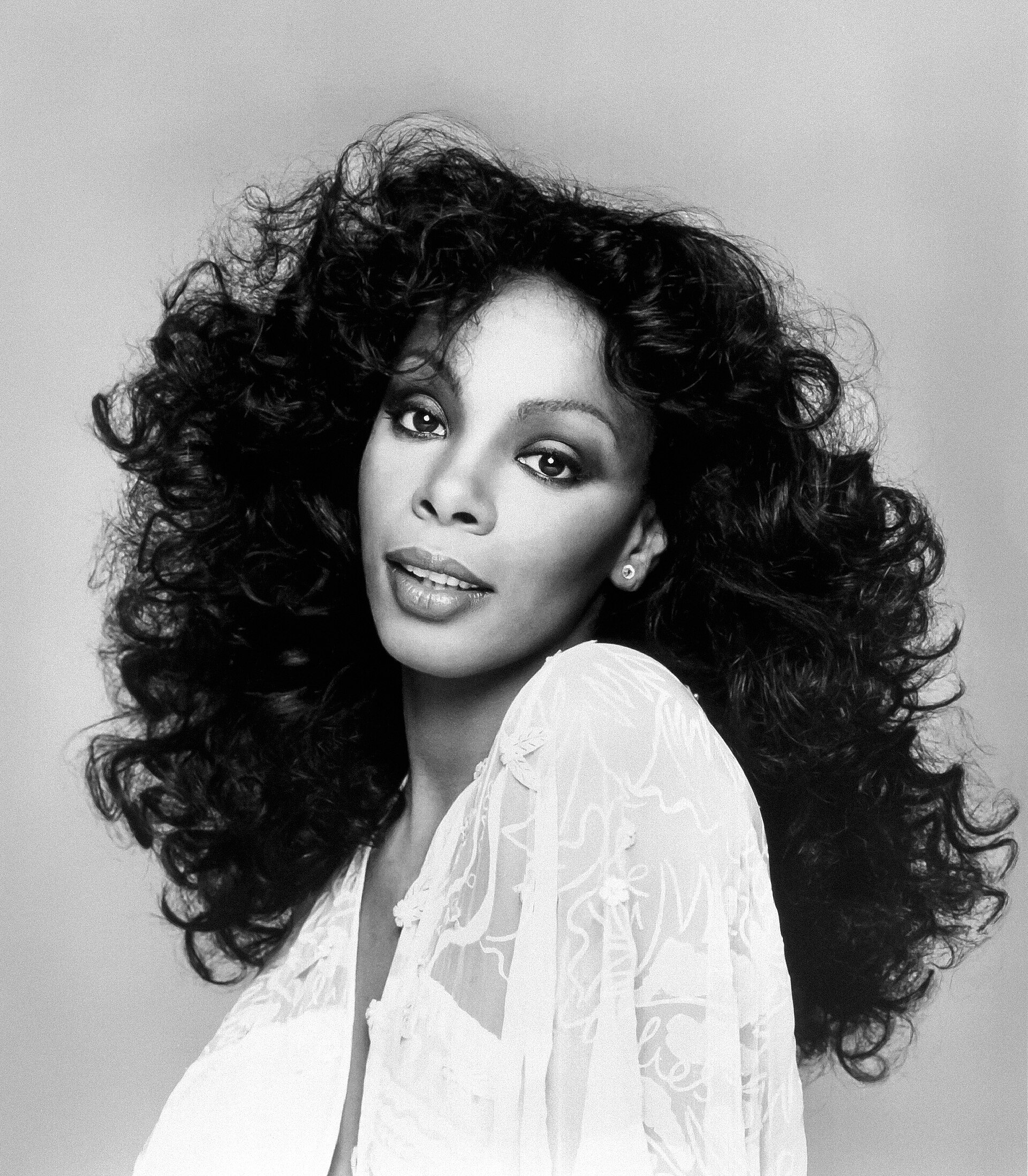
07 / 12
1970s
How the dance floor became a place to build identity and belonging.
Read article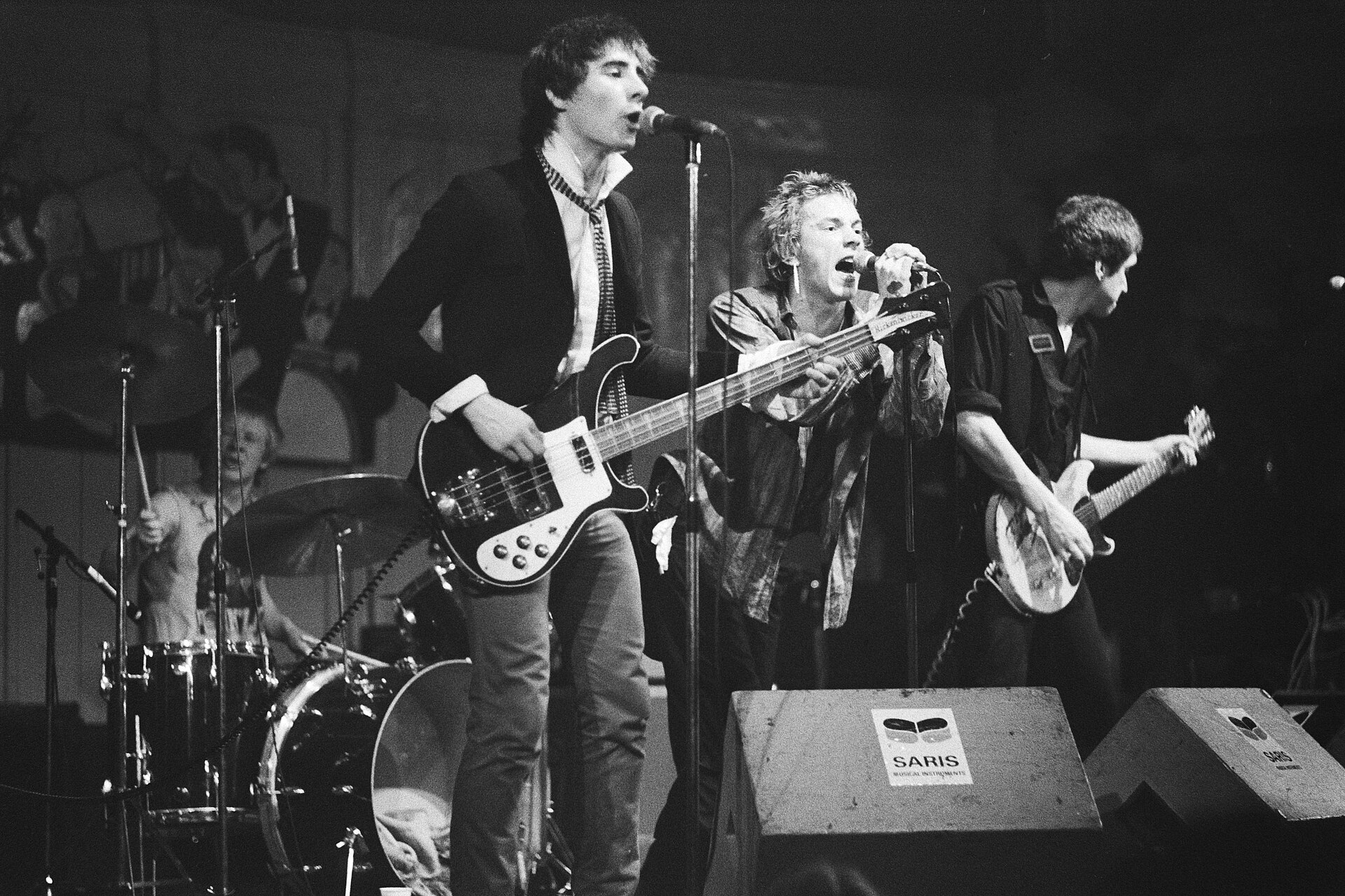
08 / 12
1974–1980
How DIY culture dismantled the idea that participation requires permission.
Read article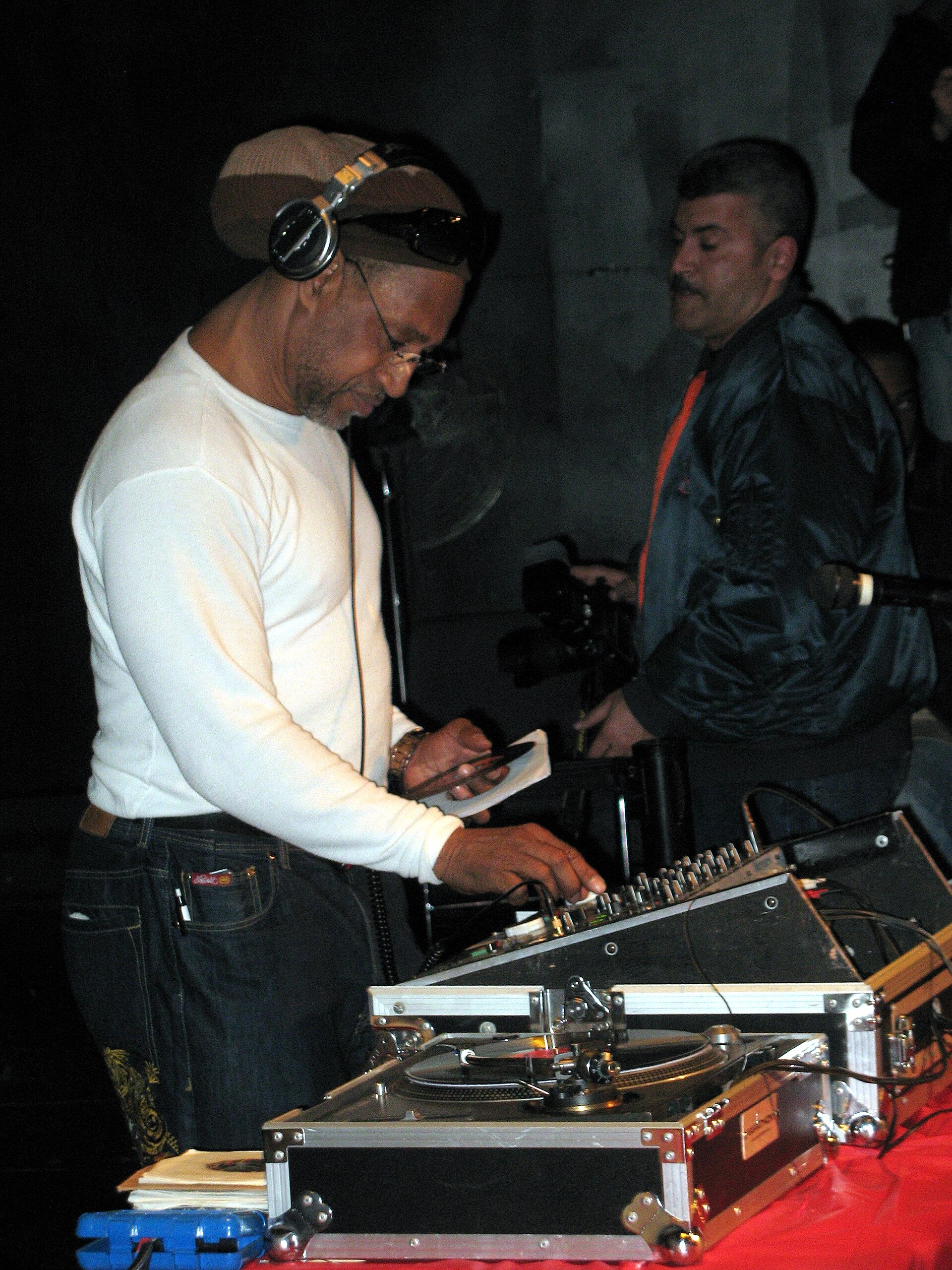
09 / 12
1973–present
How a community built its own cultural infrastructure and exported it to the world.
Read article
10 / 12
1990s–present
How listening moved from owning objects to accessing networks.
Read article
11 / 12
1981–present
How a song gained a second identity as an image.
Read article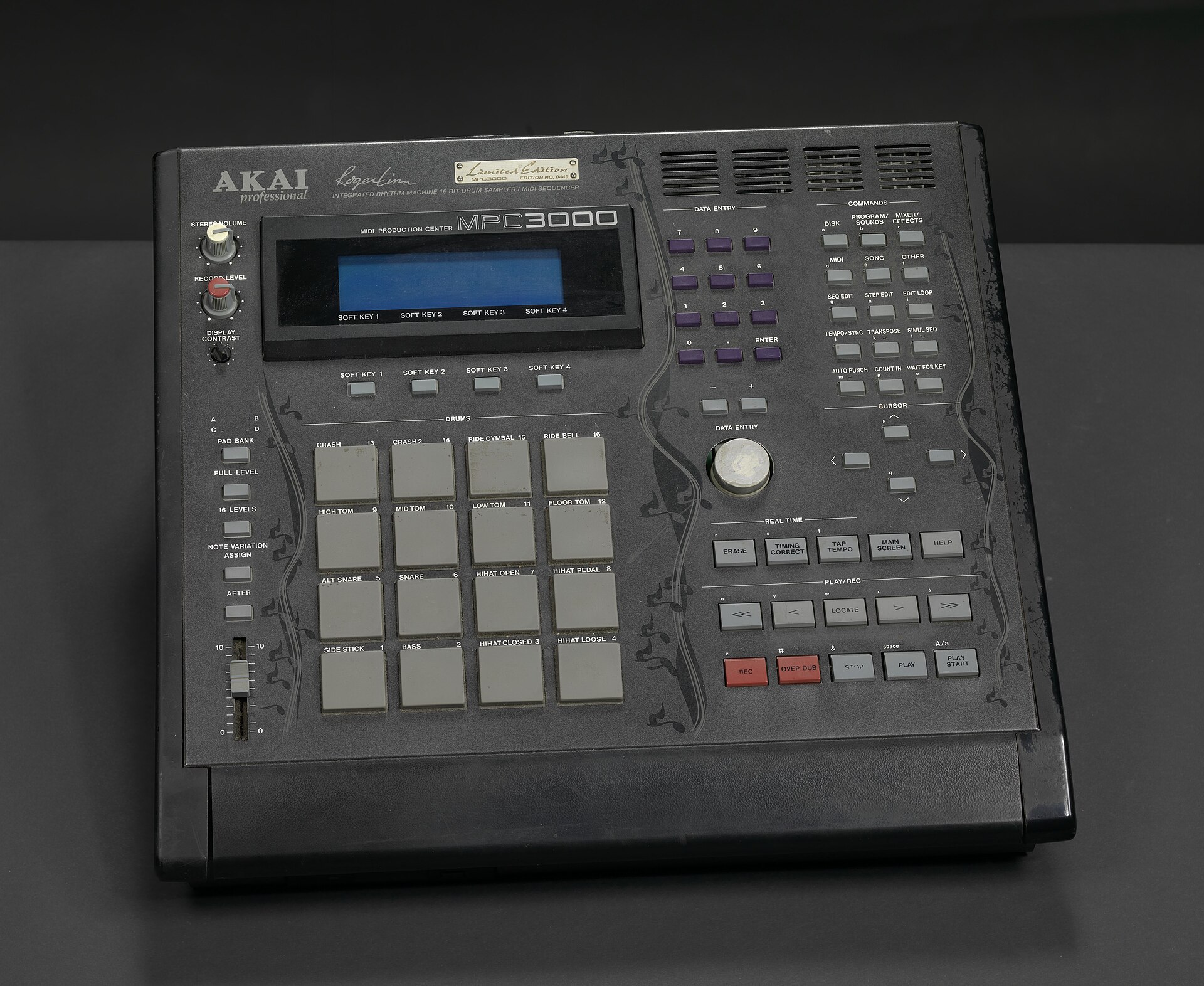
12 / 12
1970s–present
How originality became a question about what you do with what already exists.
Read articleRethink Society Series · Ideas · Moving Pictures
Moving pictures as a technology, cultural institution and social force — changing how images were made, experienced, regulated, represented and understood.
“Greatest” is treated as a curated editorial selection, not an objective ranking.
Explore the complete series01 / 12
01 / 12
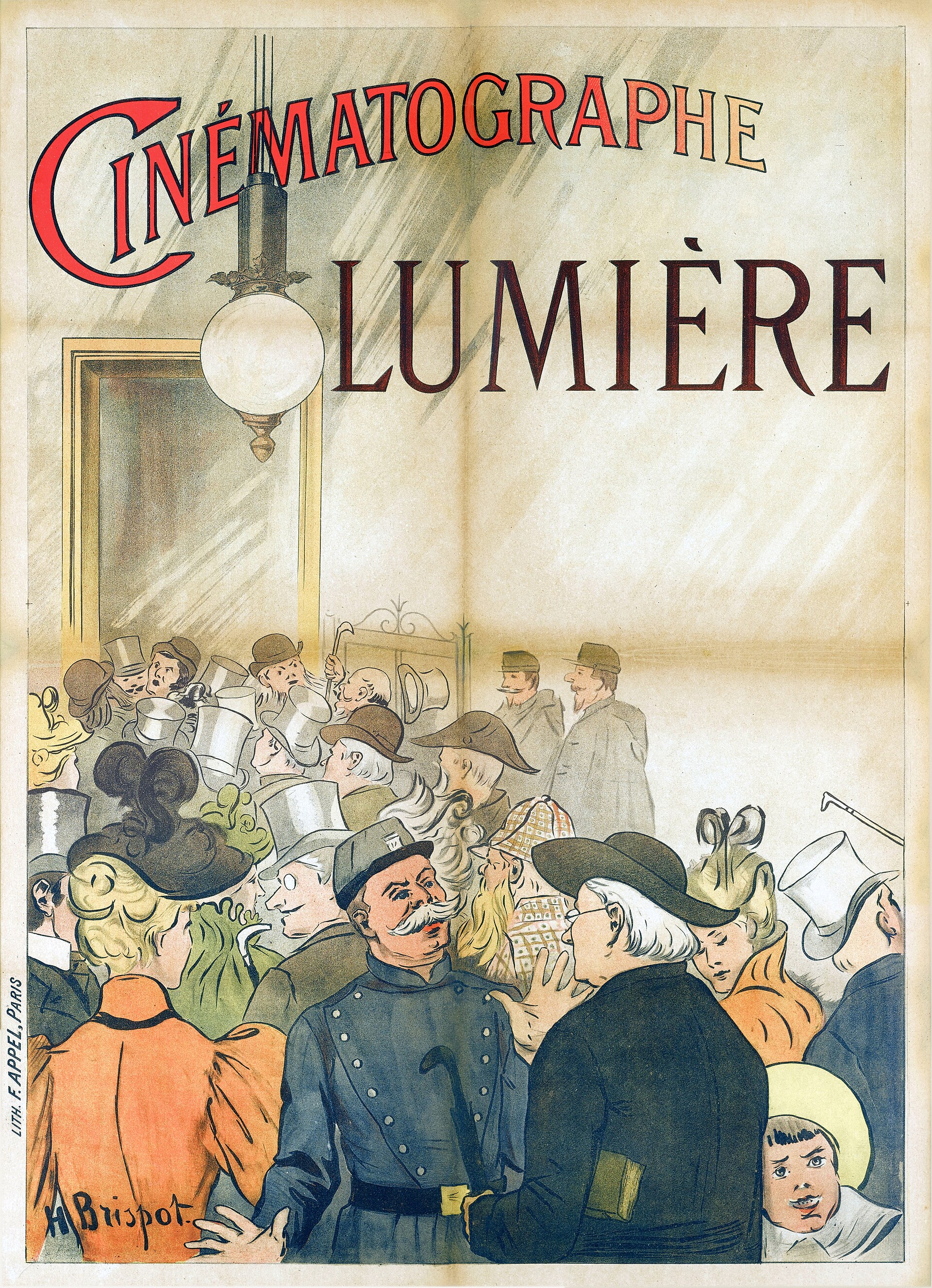
28 December 1895
In December 1895, a room in Paris became a new kind of public space. People watched reality move — together.
Read article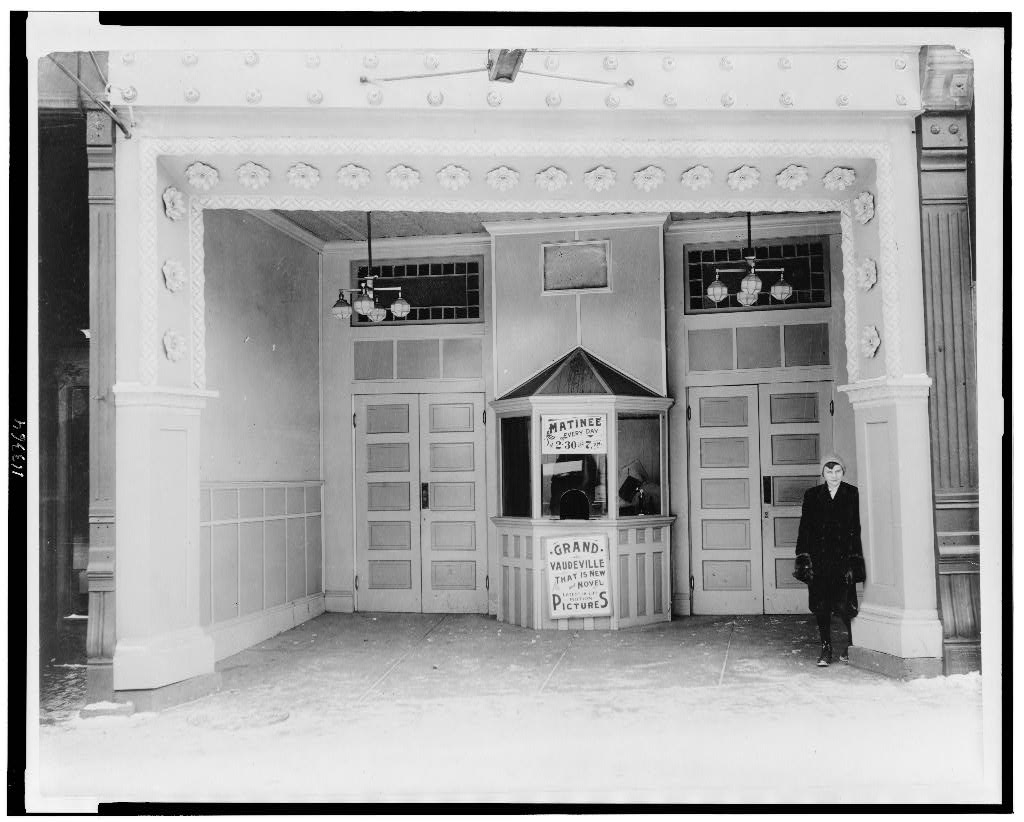
02 / 12
1905–1915
Cinema became a place where strangers could disappear into darkness and share the same imagined world.
Read article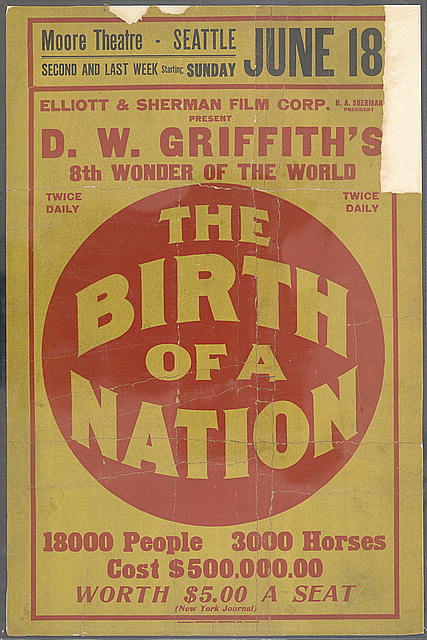
03 / 12
1915
A technically influential film demonstrated cinema’s capacity to turn prejudice into spectacle and influence public belief.
Read article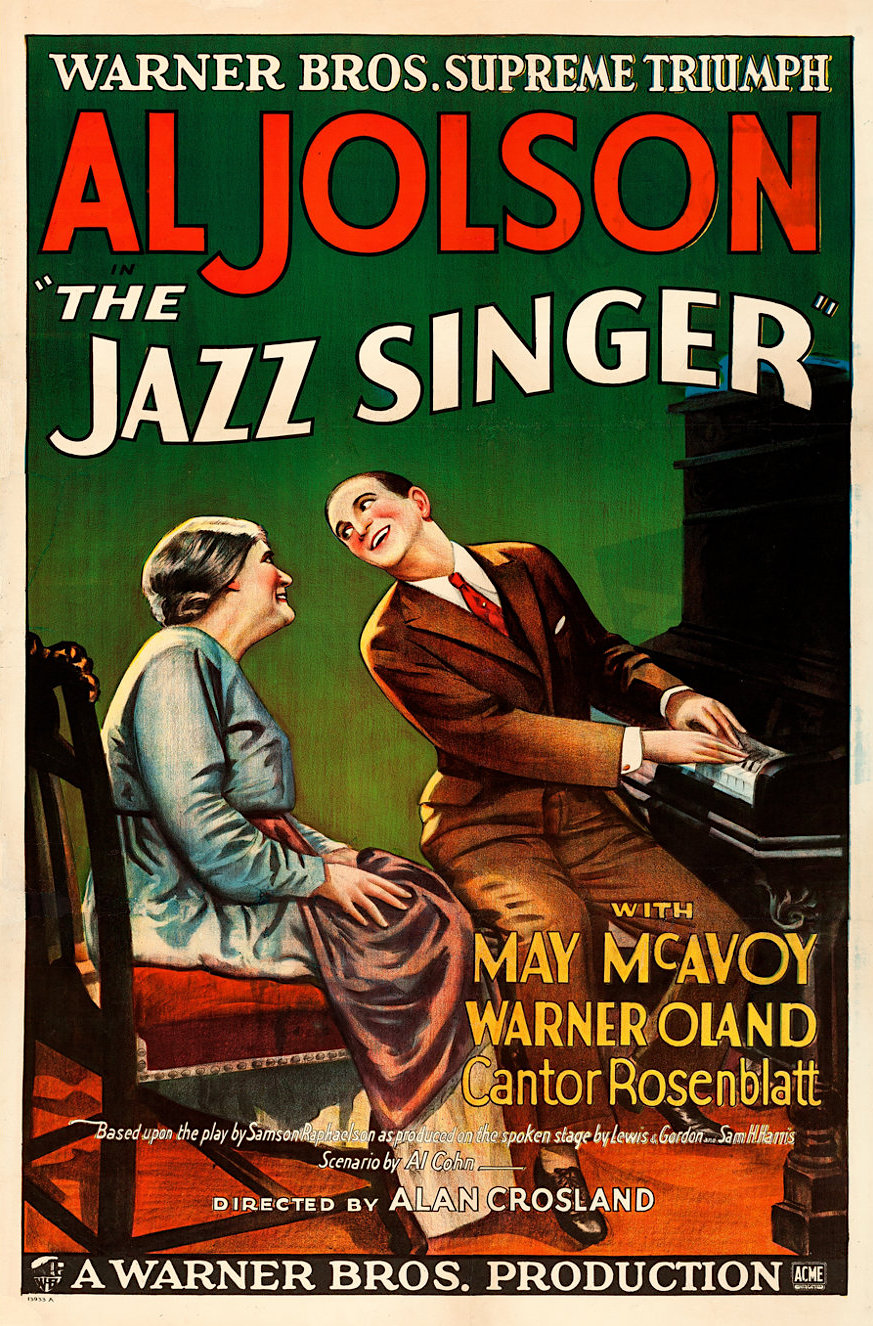
04 / 12
1927
Synchronised sound changed the basic grammar of popular cinema.
Read article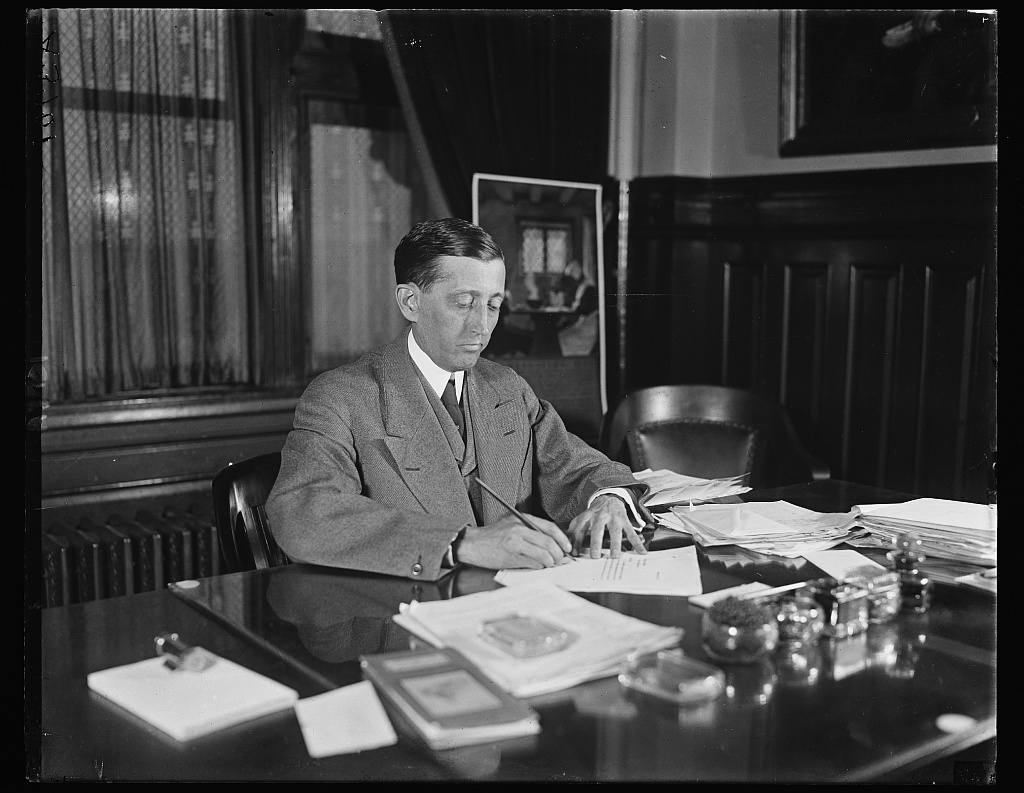
05 / 12
1930–1968
As cinema became more powerful, pressure grew to control what audiences could see.
Read article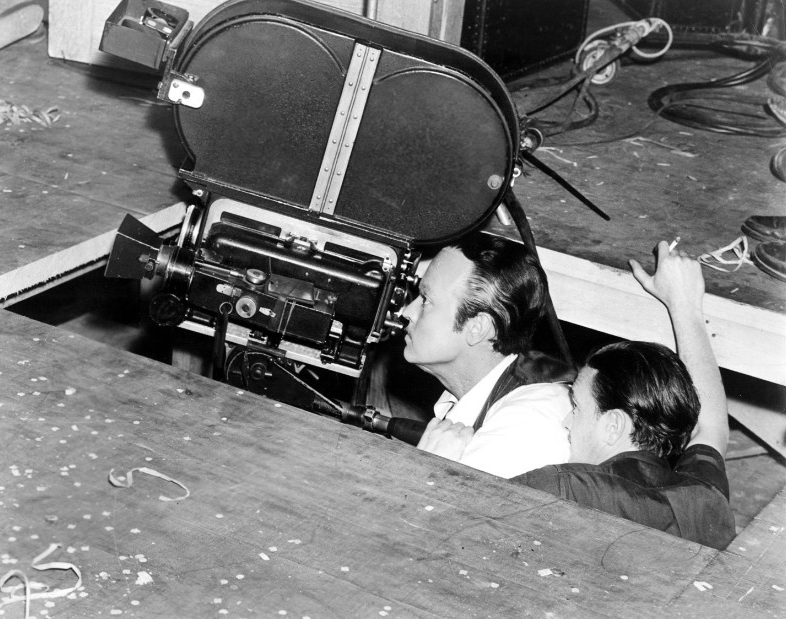
06 / 12
1941
A film could have a point of view as distinctive as a novel, painting or piece of music.
Read article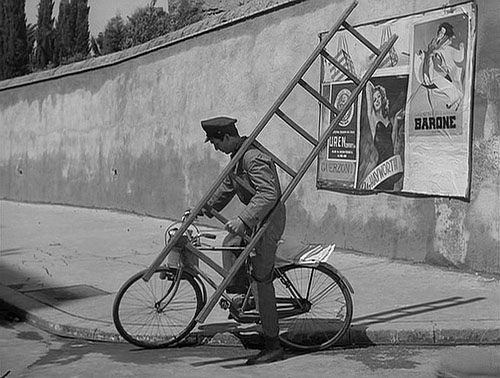
07 / 12
1948
Postwar Italian neorealism placed ordinary people and everyday hardship at the centre of cinema.
Read article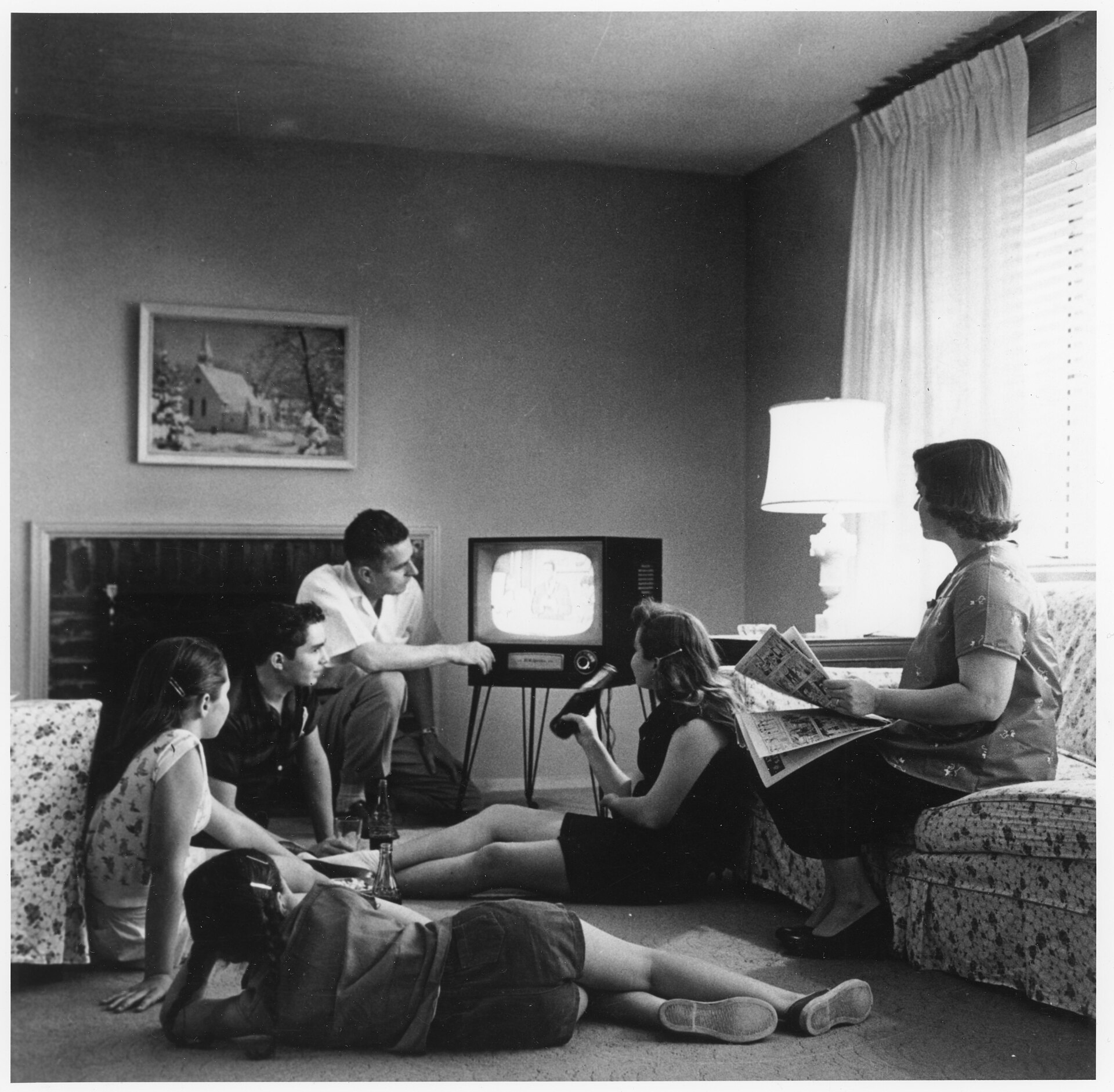
08 / 12
1947–1955
The screen stopped being a destination and became part of everyday domestic life.
Read article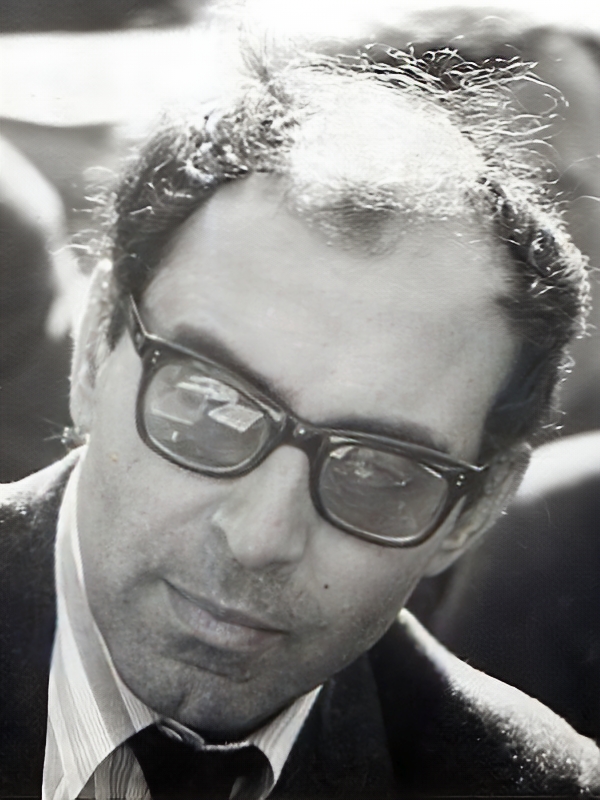
09 / 12
1958–1964
A new generation treated cinema’s rules less as laws than as suggestions.
Read article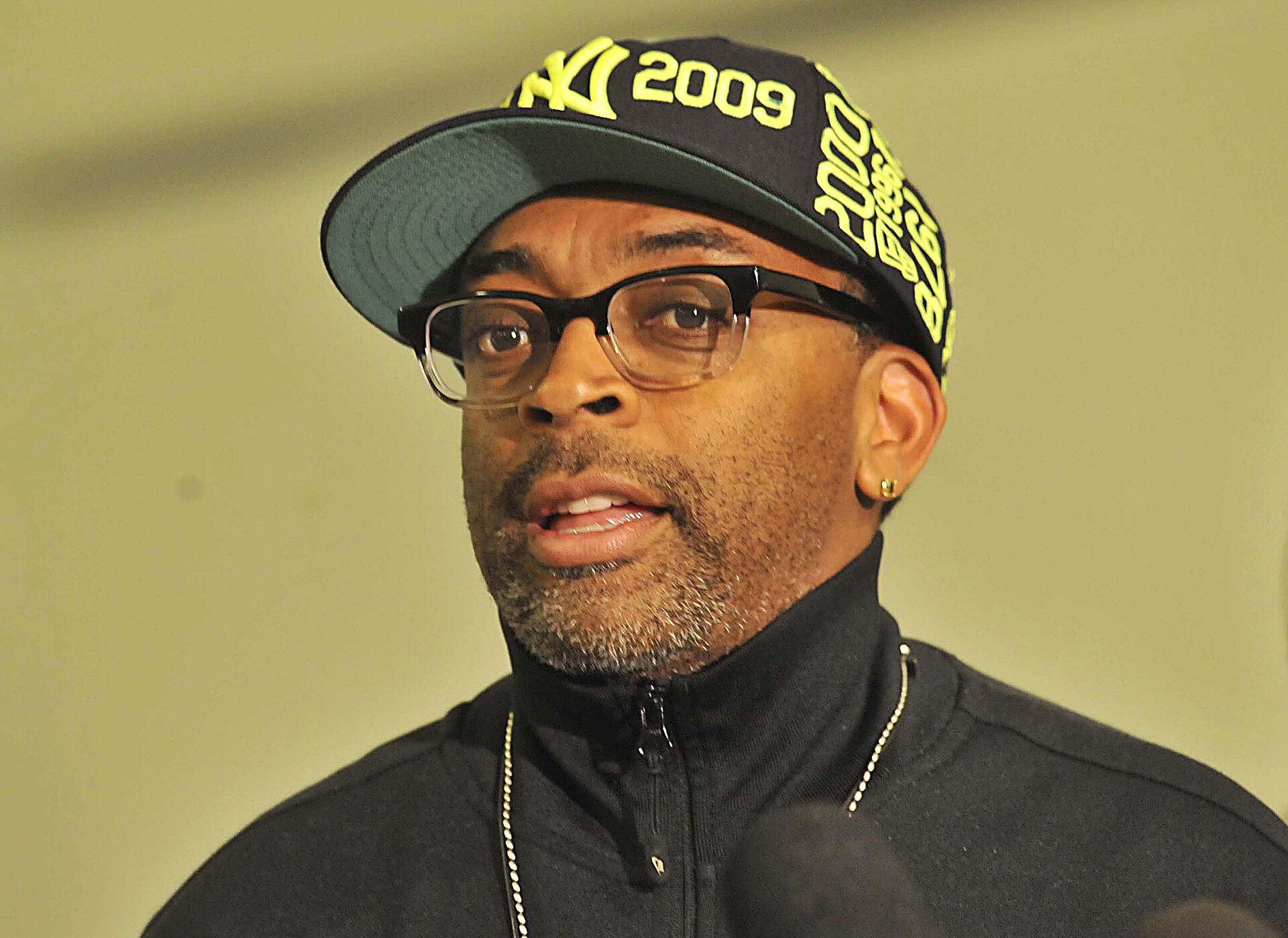
10 / 12
1989
Black cinema insisted that representation could be authorship, argument and confrontation.
Read article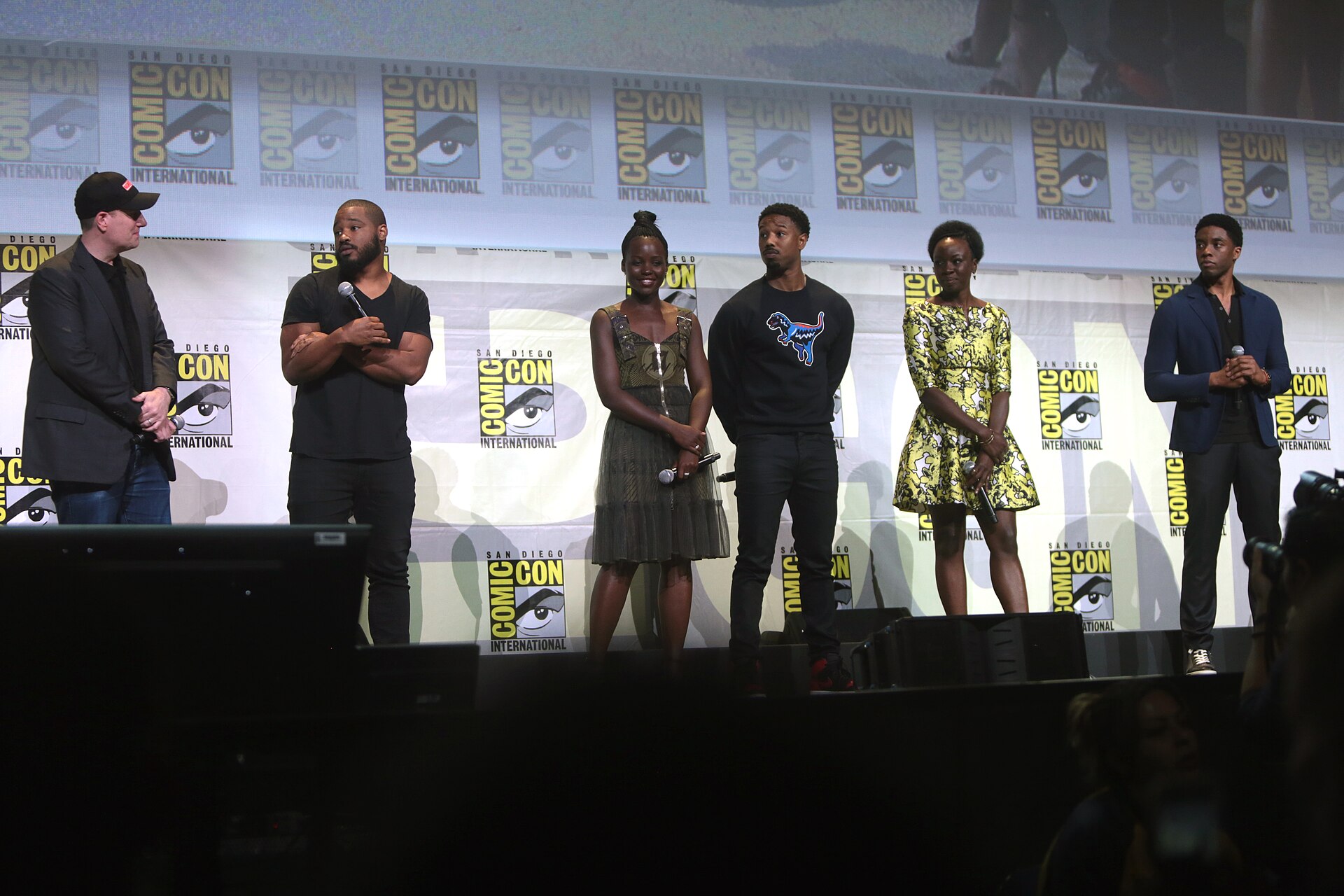
11 / 12
2018
A film centred on Black identity became a global cultural event at blockbuster scale.
Read article
12 / 12
2007–present
Moving pictures no longer need a theatre, broadcast schedule or television set. They need a connection.
Read articleFiled under Society
An ordinary feature of modern life has a history worth questioning: Why Do Humans Believe Things That Are Not True.
Filed under Society
An ordinary feature of modern life has a history worth questioning: Why Do We Copy Other People.
Filed under Society
An ordinary feature of modern life has a history worth questioning: Why Do We Form Groups.
Filed under Society
An ordinary feature of modern life has a history worth questioning: Why Do Humans Follow Rules.
Filed under Society
An ordinary feature of modern life has a history worth questioning: Why Do Societies Create Institutions.
Filed under Society
An ordinary feature of modern life has a history worth questioning: Why Do Laws Exist.
Filed under Society
An ordinary feature of modern life has a history worth questioning: Why Do Governments Exist.
Filed under Society
An ordinary feature of modern life has a history worth questioning: Why Do Cities Exist.

Filed under Society
An ordinary feature of modern life has a history worth questioning: Why Did Smartphones Become So Powerful.
Filed under Society
The present did not appear fully formed; it was built through choices, systems and consequences.
Filed under Society
A simple question opens onto a much larger idea about how people organise knowledge and society.
Filed under Society
The present did not appear fully formed; it was built through choices, systems and consequences.
Filed under Society
A life, idea or discovery can matter far beyond the moment in which it first appeared.

Filed under Society
A simple question opens onto a much larger idea about how people organise knowledge and society.
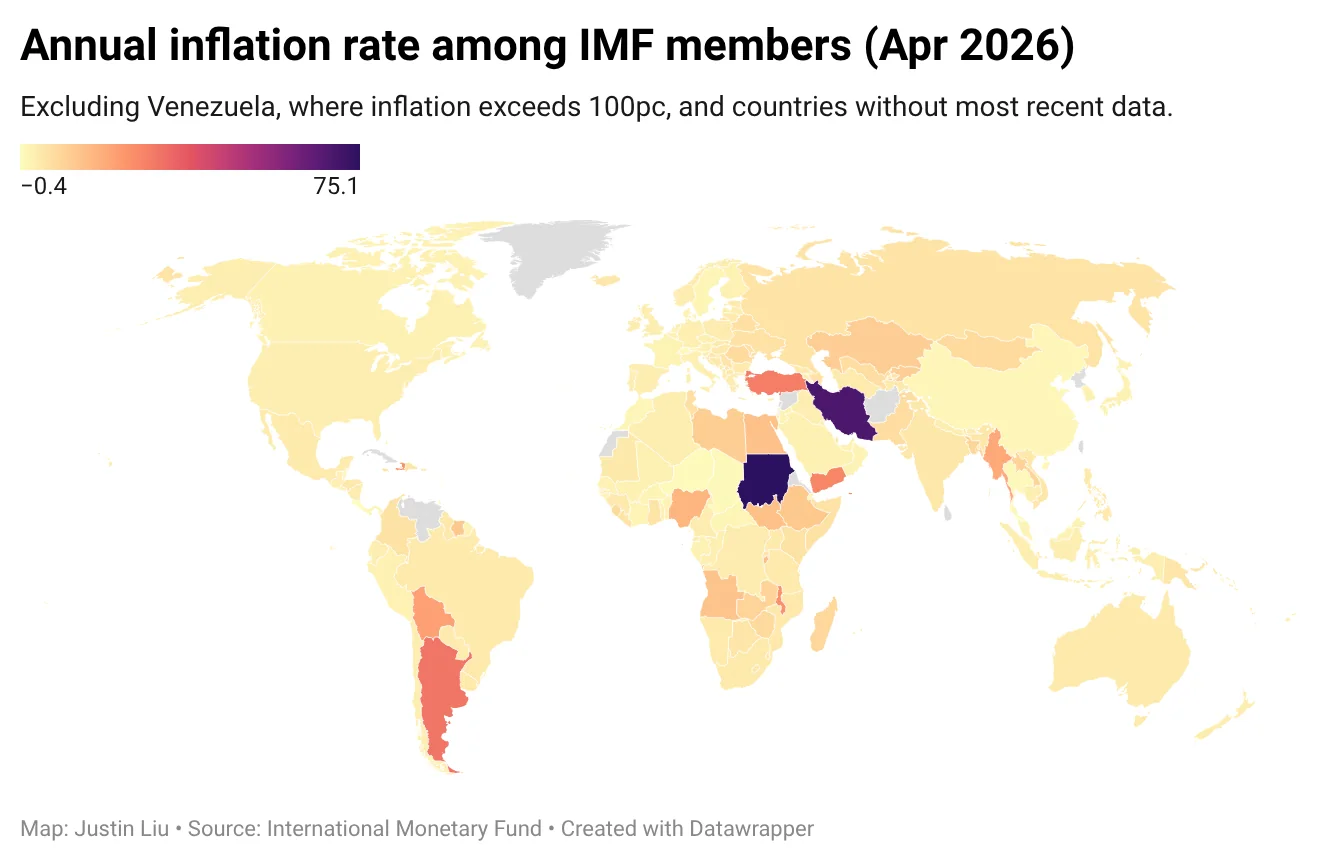
Filed under Society
An ordinary feature of modern life has a history worth questioning: Why Does Inflation Happen.
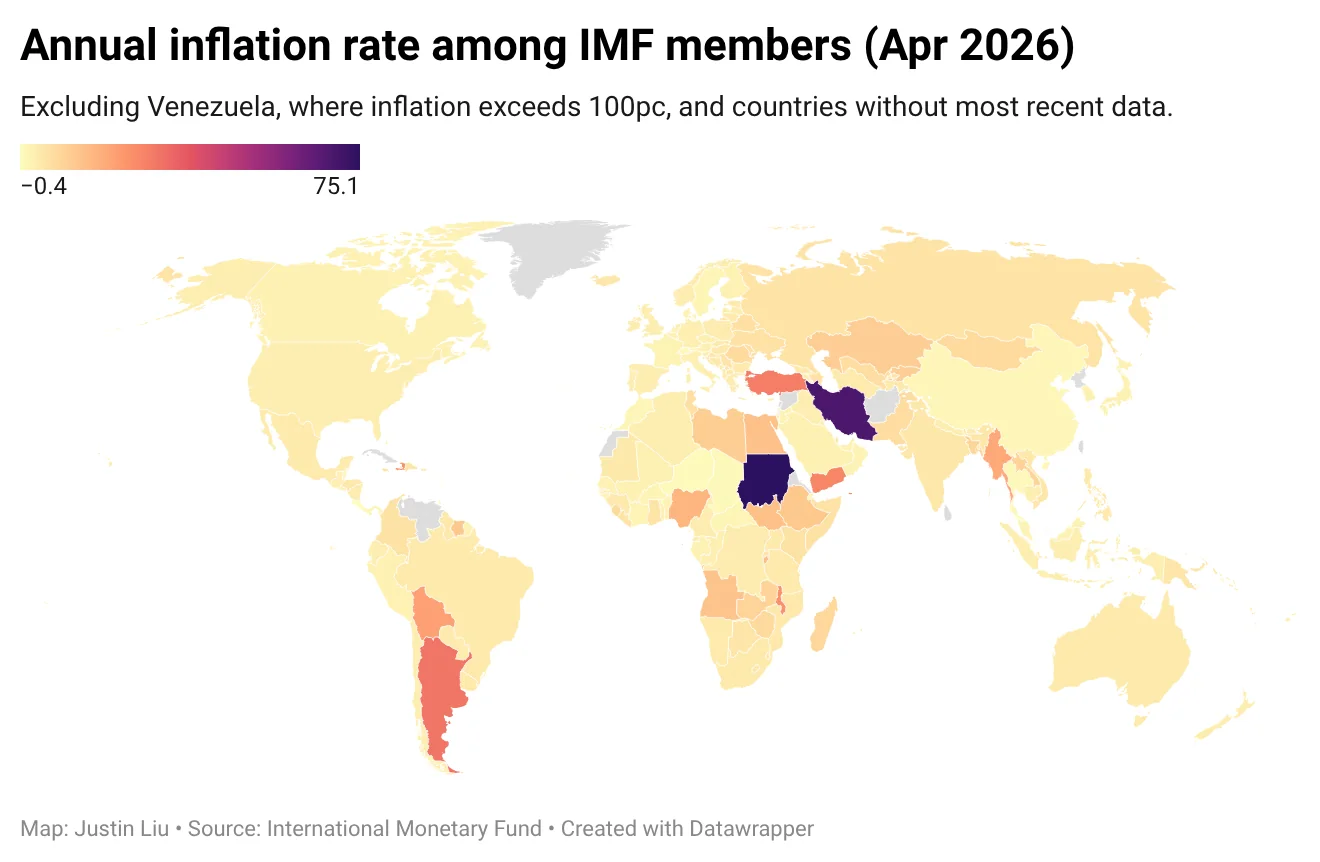
Filed under Society
A simple question opens onto a much larger idea about how people organise knowledge and society.
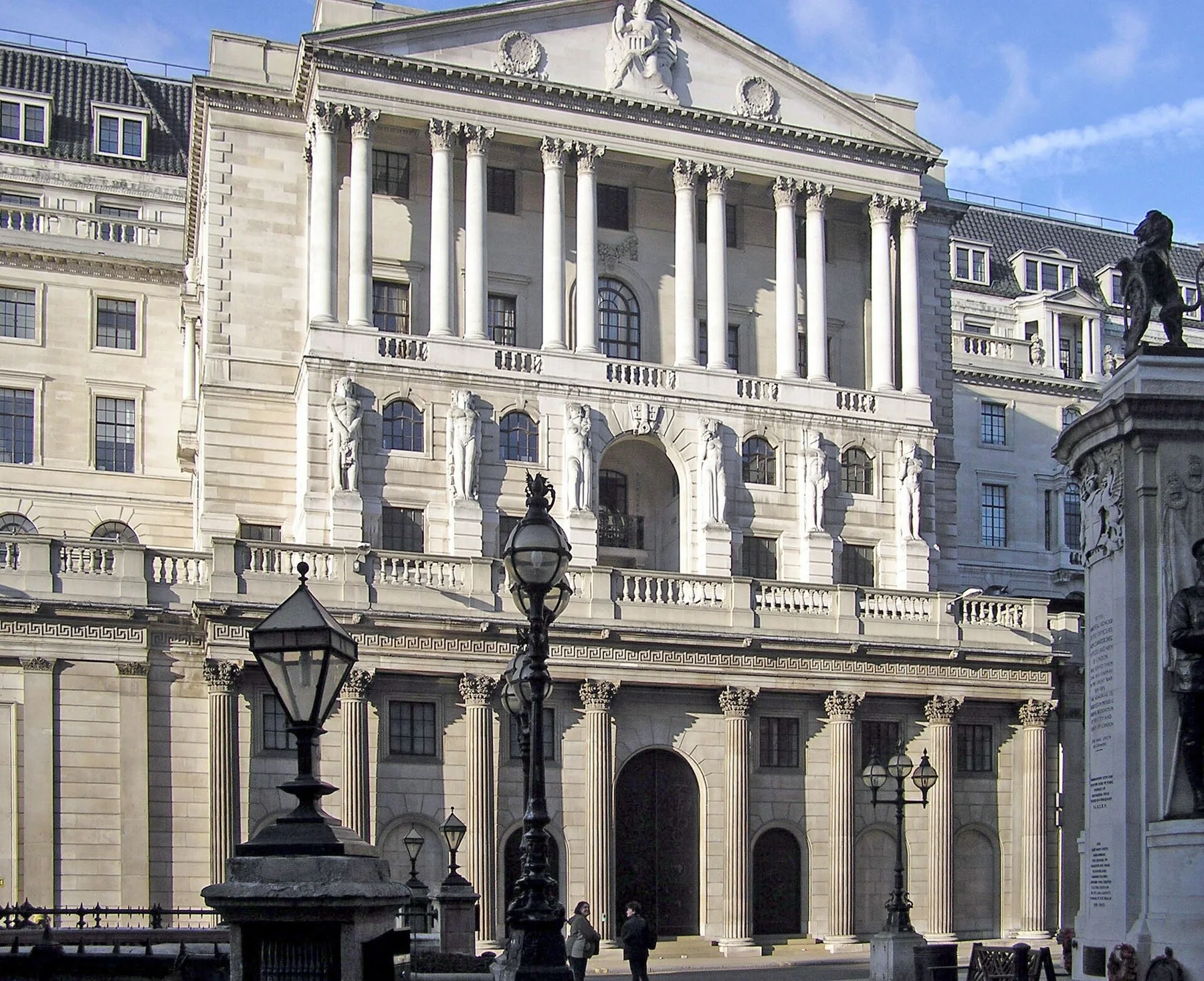
Filed under Society
An ordinary feature of modern life has a history worth questioning: Why Do Banks Exist.
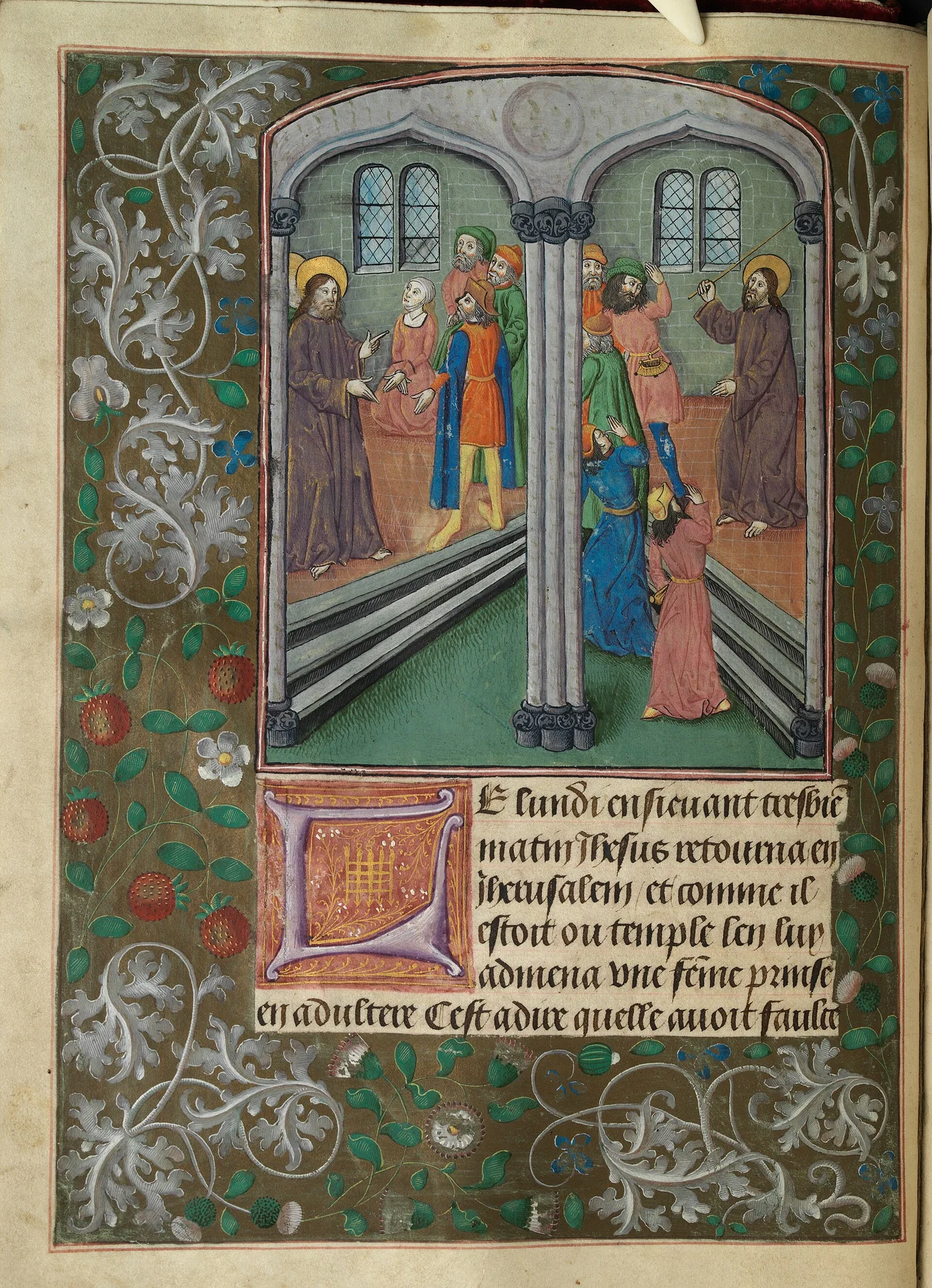
Filed under Society
A life, idea or discovery can matter far beyond the moment in which it first appeared.
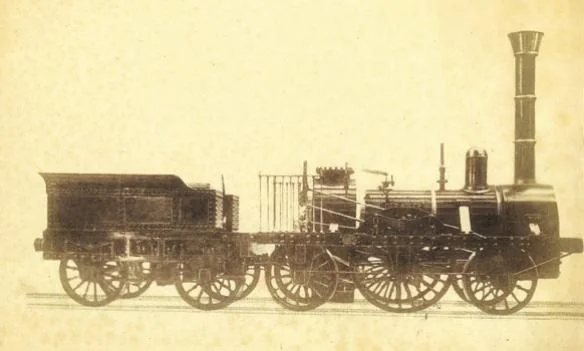
Filed under Engineering
The modern world is built from inventions whose social consequences outgrew their original purpose.
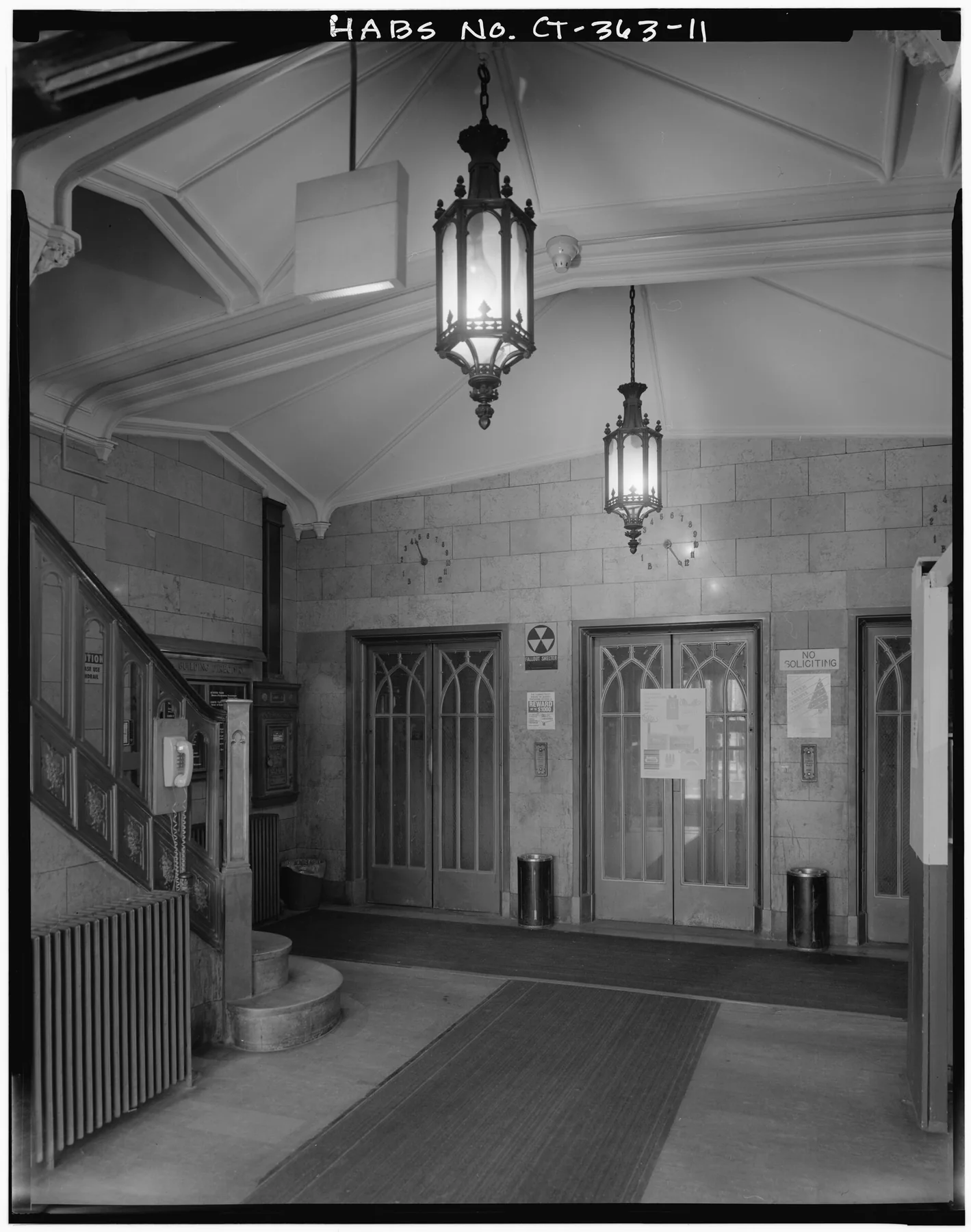
Filed under Engineering
The modern world is built from inventions whose social consequences outgrew their original purpose.
Read story: The Invention That Made the Modern City Possible
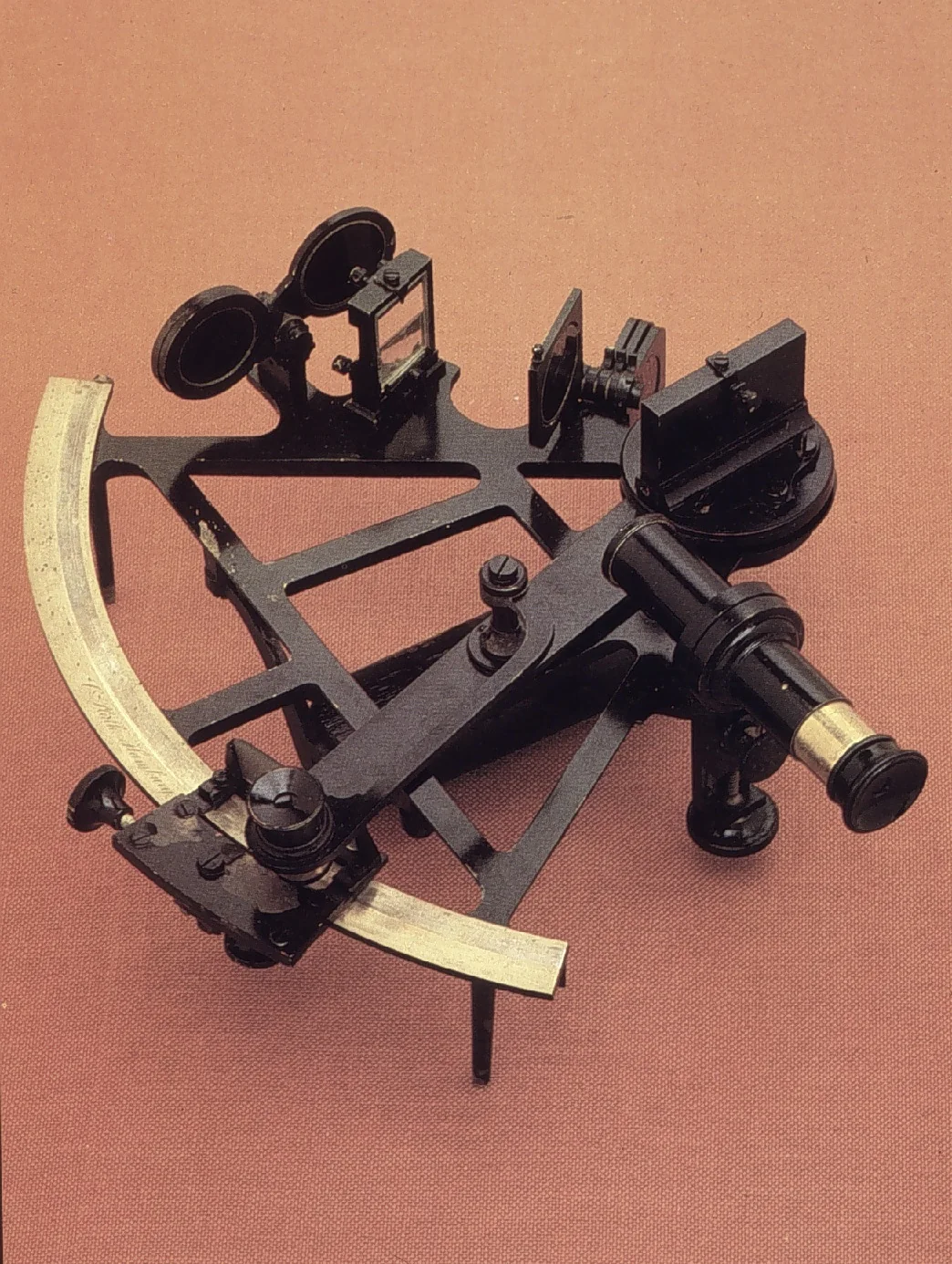
Filed under Engineering
The modern world is built from inventions whose social consequences outgrew their original purpose.
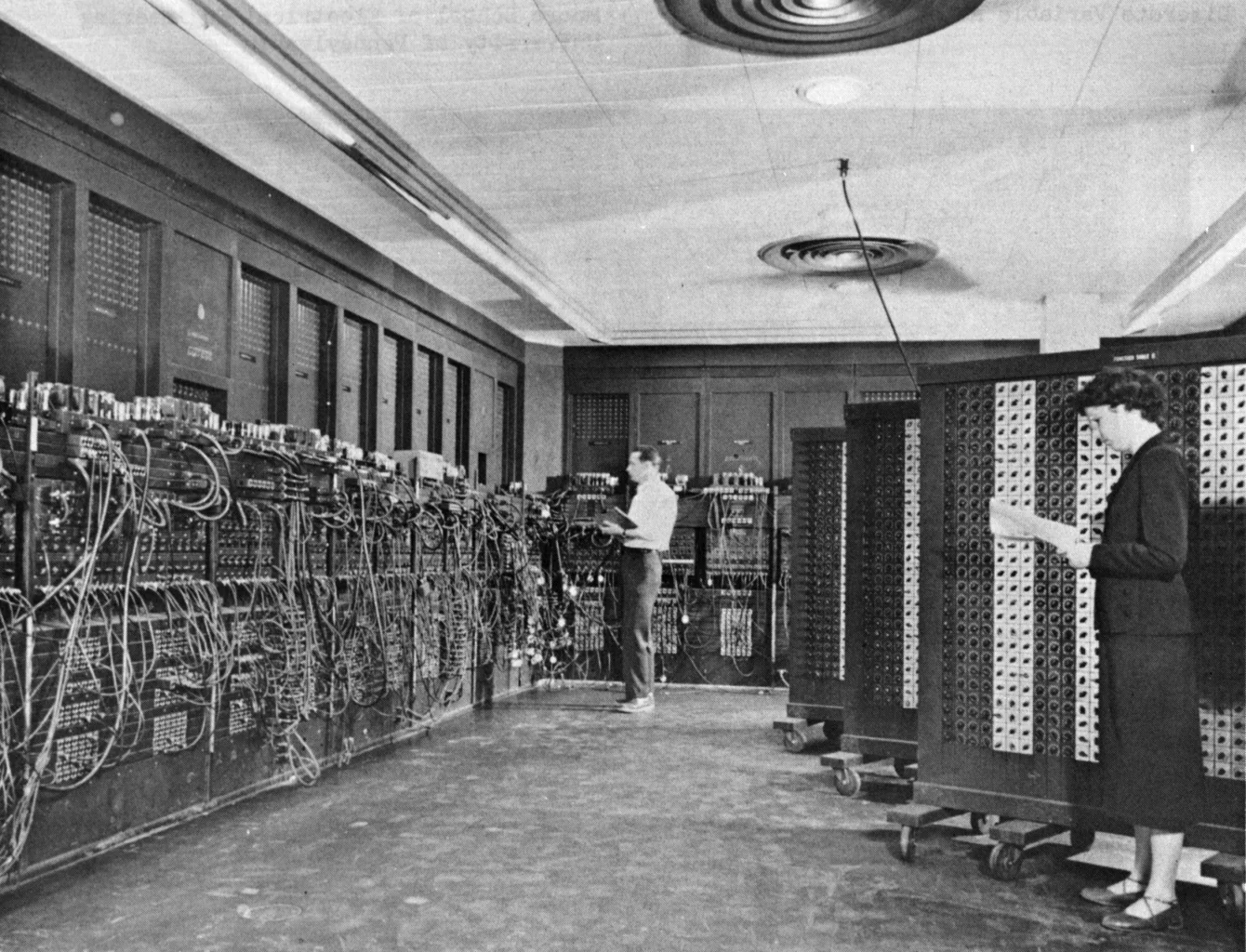
Filed under Engineering
The modern world is built from inventions whose social consequences outgrew their original purpose.
Read story: The Invention That Made Modern Computing Possible
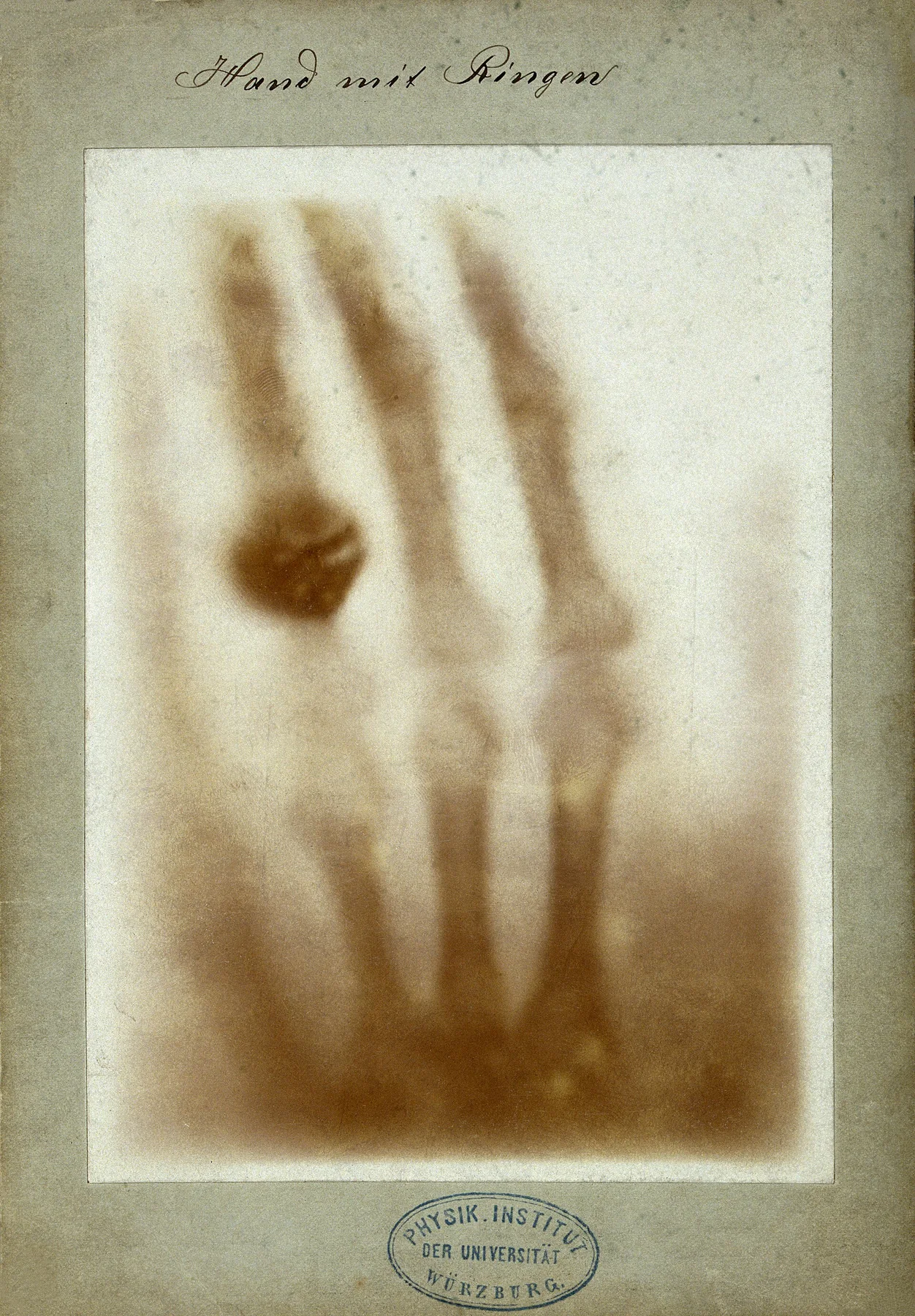
Filed under Engineering
The modern world is built from inventions whose social consequences outgrew their original purpose.

Filed under Engineering
The modern world is built from inventions whose social consequences outgrew their original purpose.
Read story: The Invention That Made Mass Photography Possible
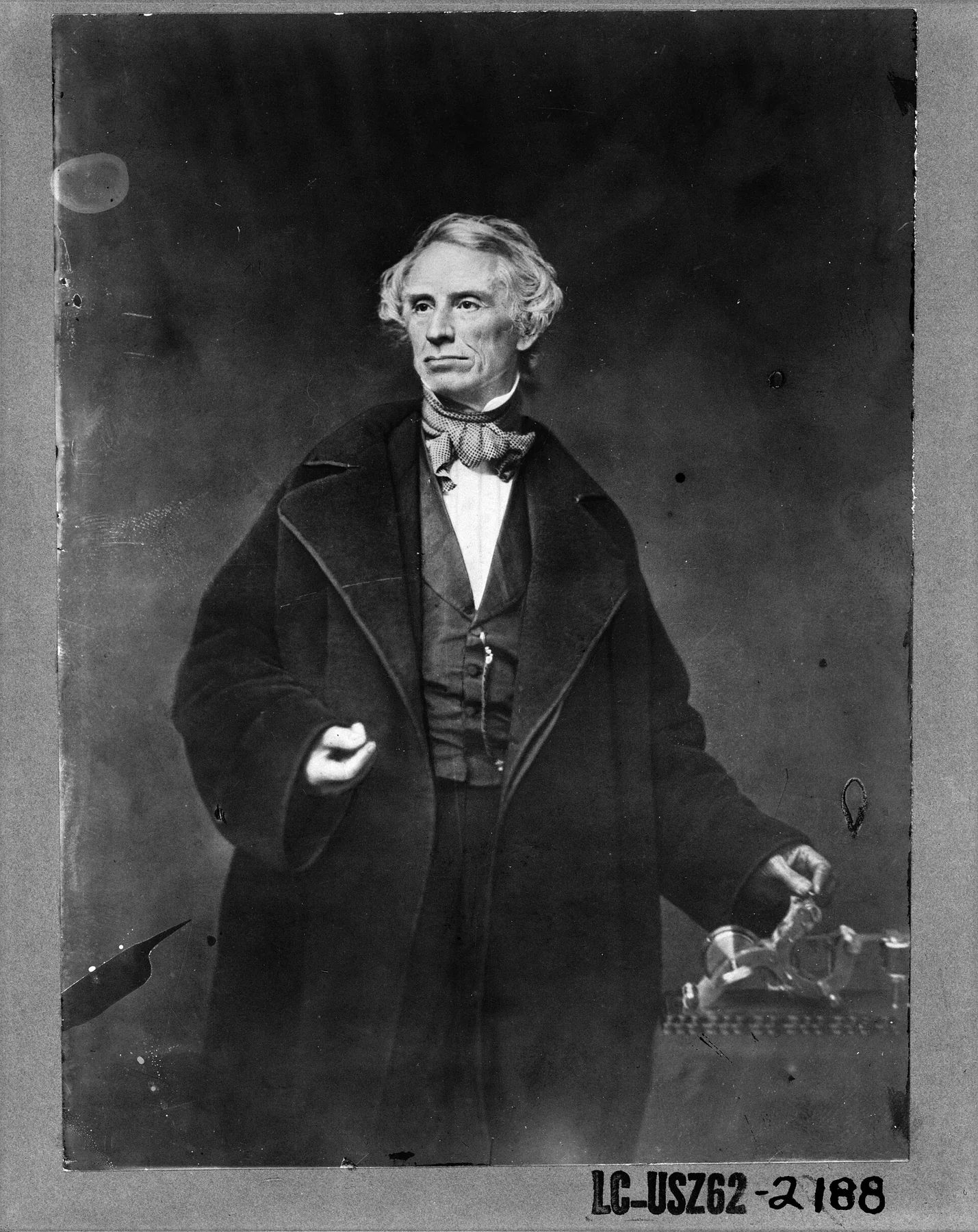
Filed under Engineering
The modern world is built from inventions whose social consequences outgrew their original purpose.
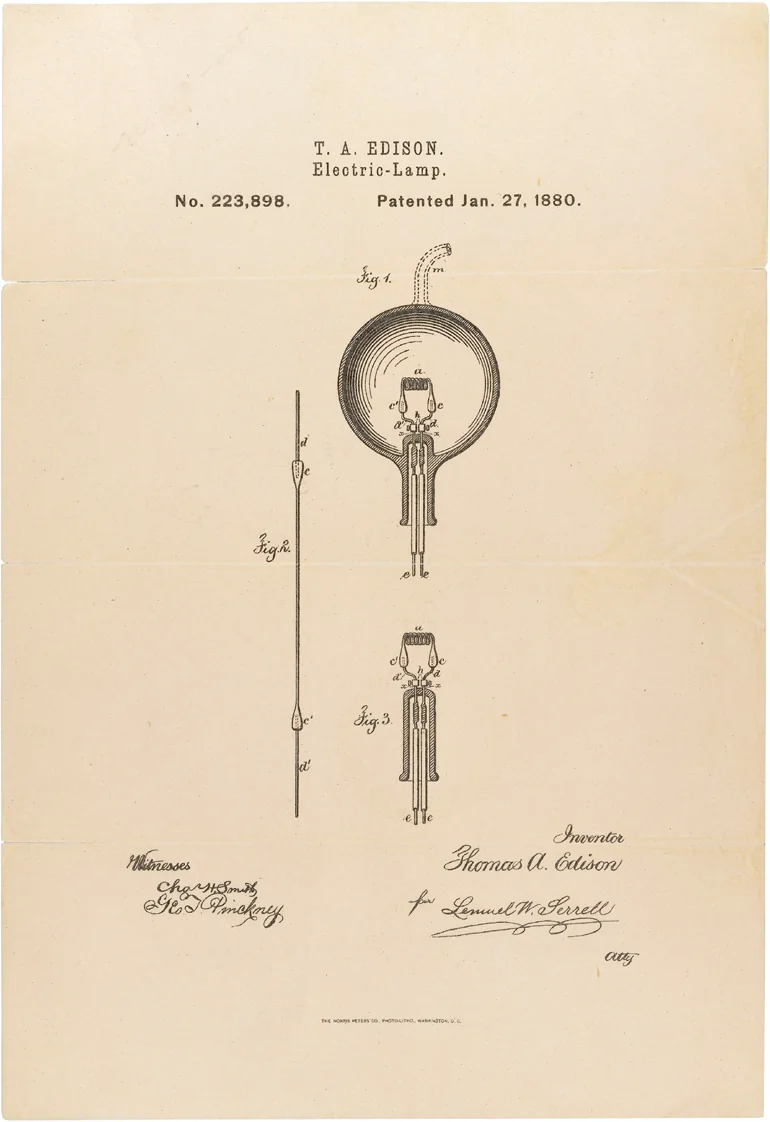
Filed under Engineering
The modern world is built from inventions whose social consequences outgrew their original purpose.
Read story: The Invention That Put Electricity Inside the Home
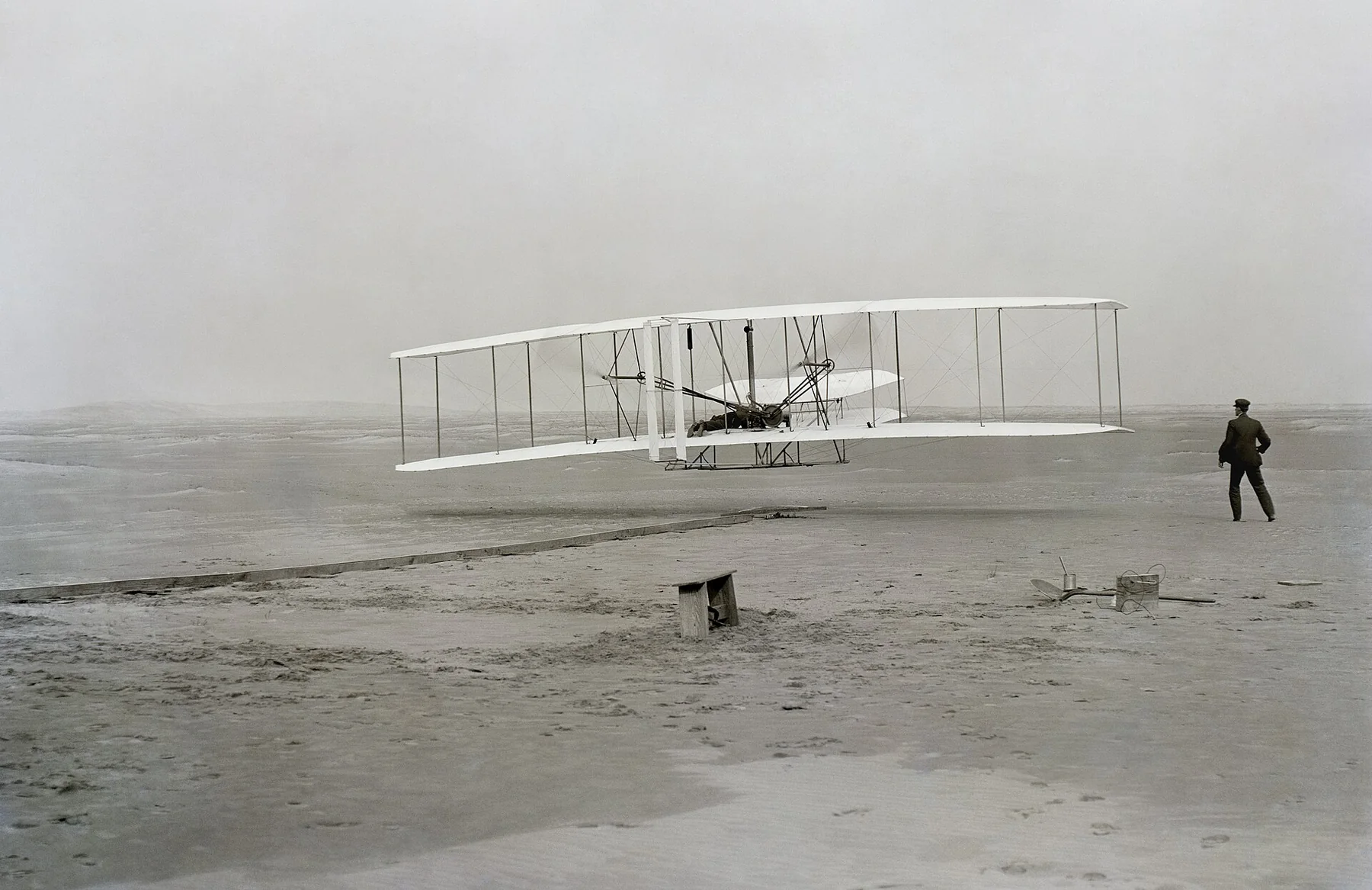
Filed under Engineering
The modern world is built from inventions whose social consequences outgrew their original purpose.
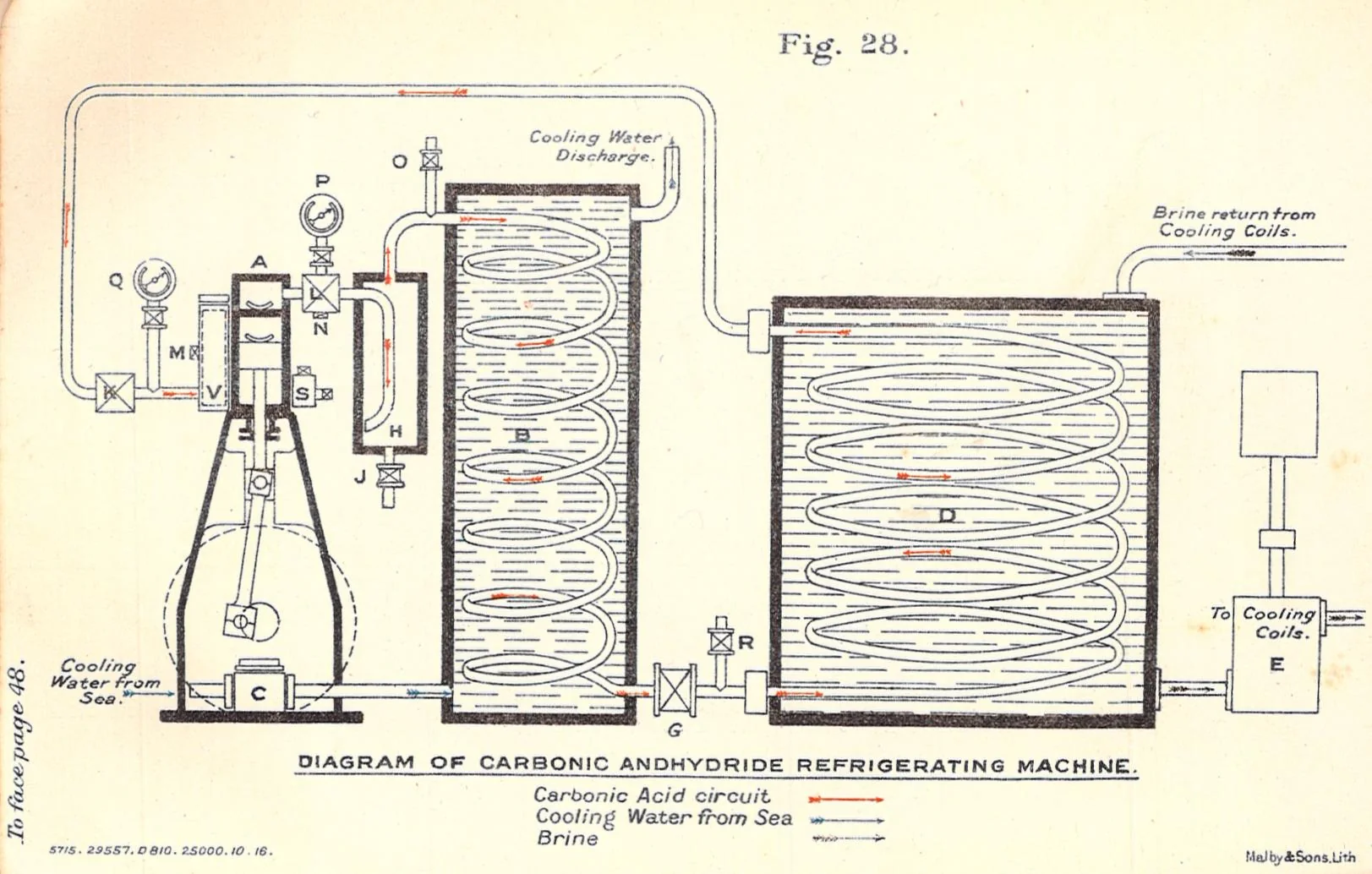
Filed under Engineering
The modern world is built from inventions whose social consequences outgrew their original purpose.
Read story: The Invention That Made Modern Refrigeration Possible
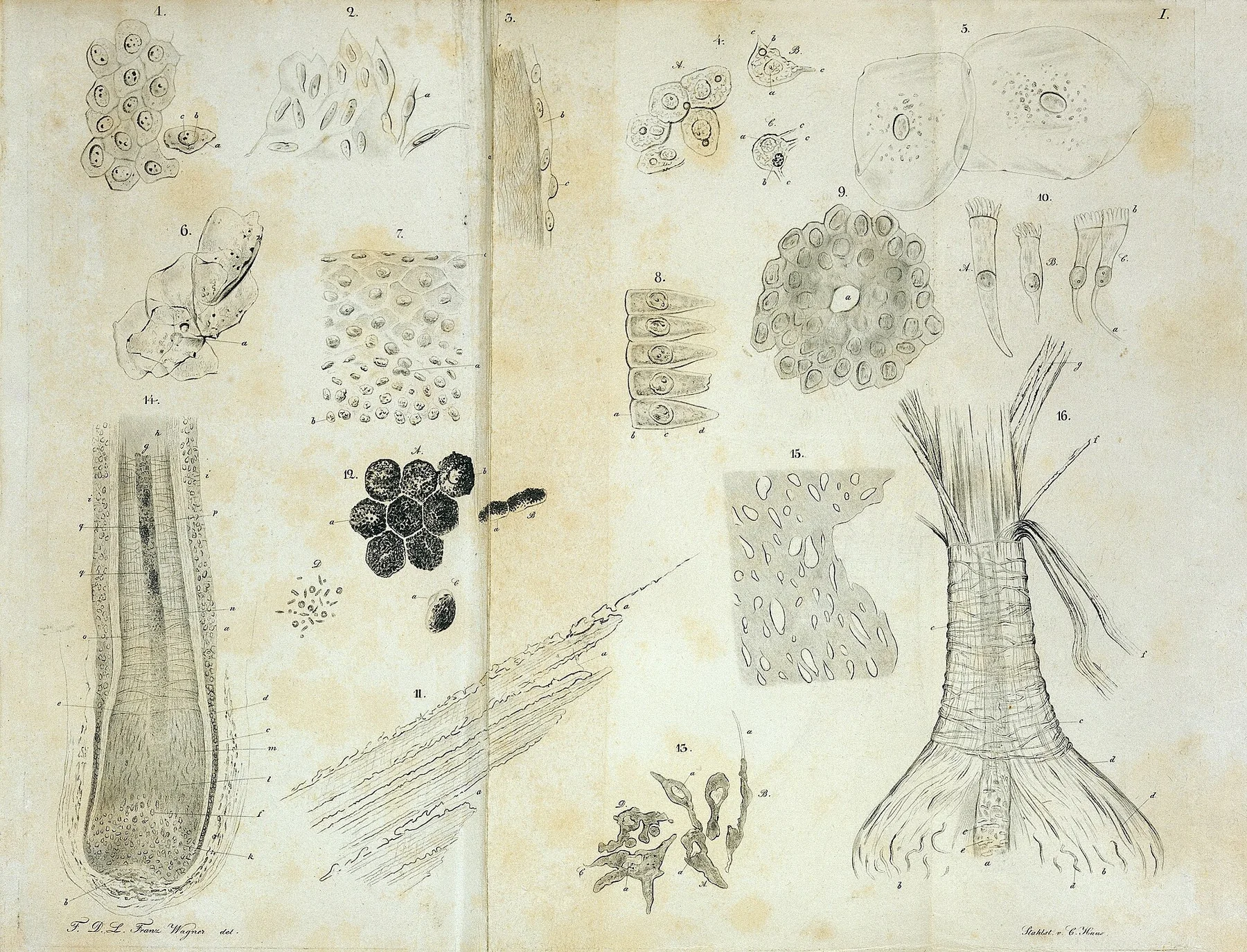
Filed under Ideas
A simple question opens onto a much larger idea about how people organise knowledge and society.
Filed under Ideas
The present did not appear fully formed; it was built through choices, systems and consequences.
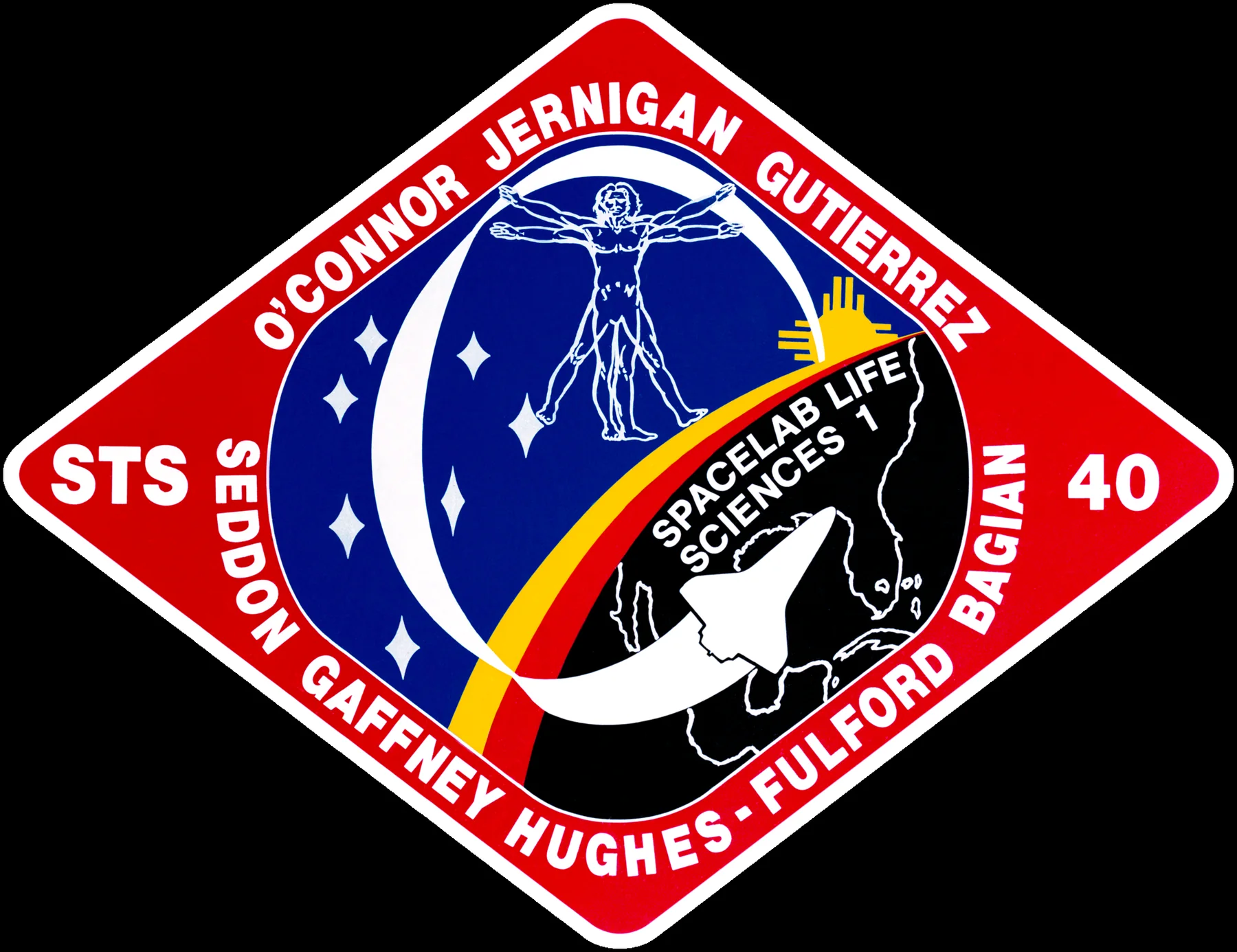
Filed under Ideas
A simple question opens onto a much larger idea about how people organise knowledge and society.
Filed under Ideas
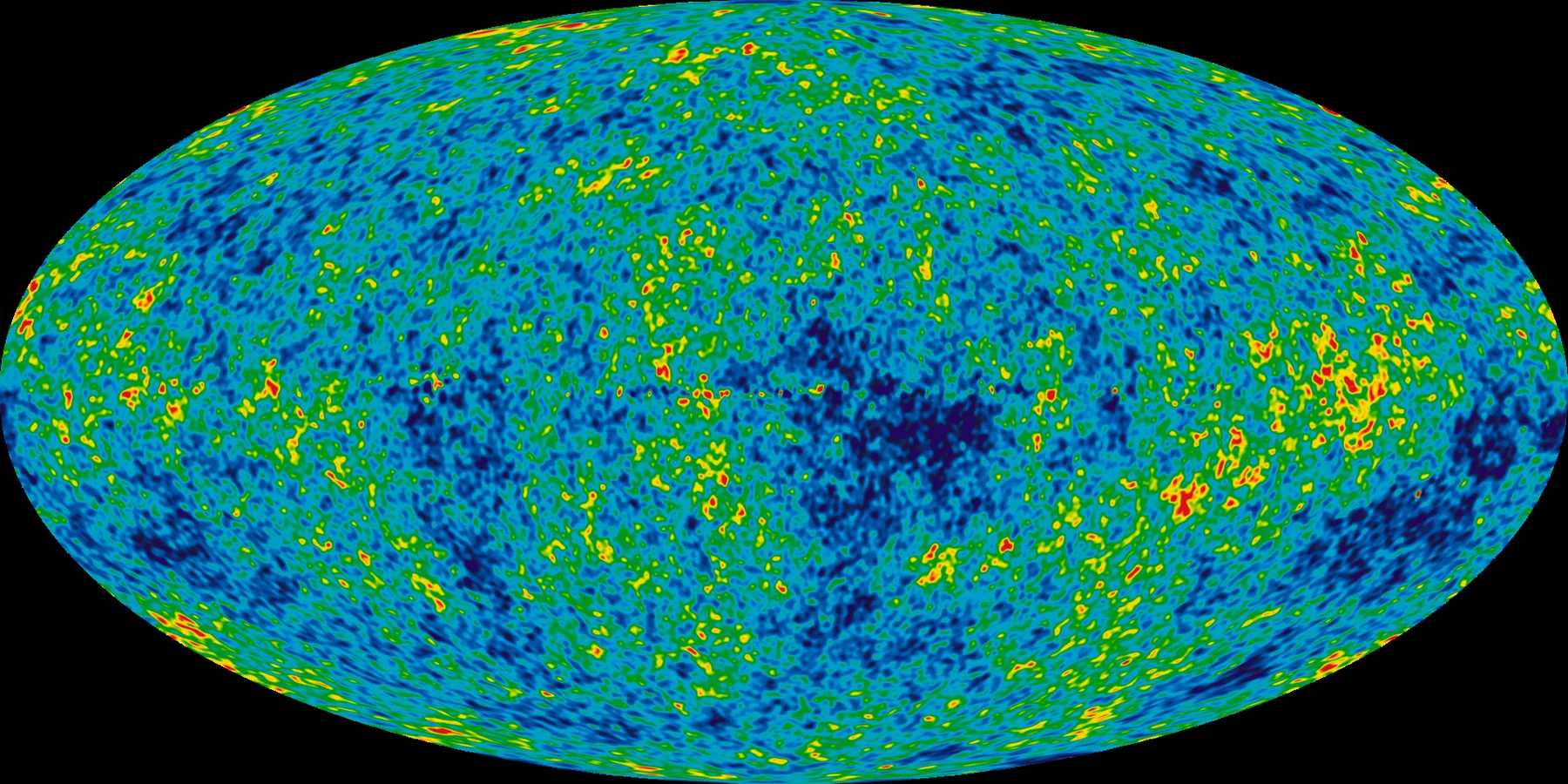
An ordinary feature of modern life has a history worth questioning: Why Can't We See Dark Matter.

Filed under Ideas
An ordinary feature of modern life has a history worth questioning: Why Do We Age.

Filed under Ideas
A life, idea or discovery can matter far beyond the moment in which it first appeared.

Filed under Ideas
A life, idea or discovery can matter far beyond the moment in which it first appeared.
Filed under Ideas
A simple question opens onto a much larger idea about how people organise knowledge and society.
Filed under Ideas
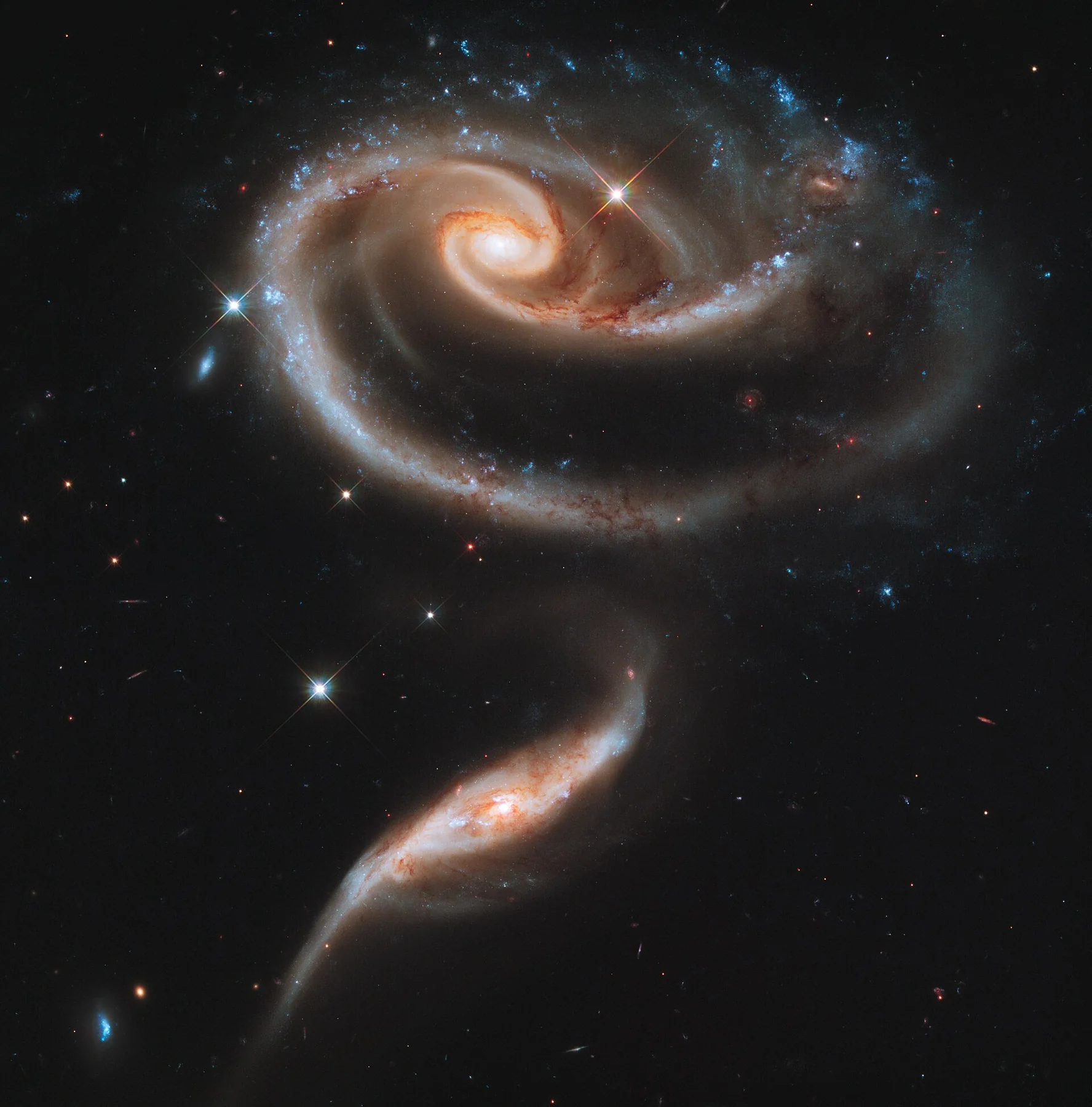
An ordinary feature of modern life has a history worth questioning: Why Does Gravity Exist.
Filed under Ideas
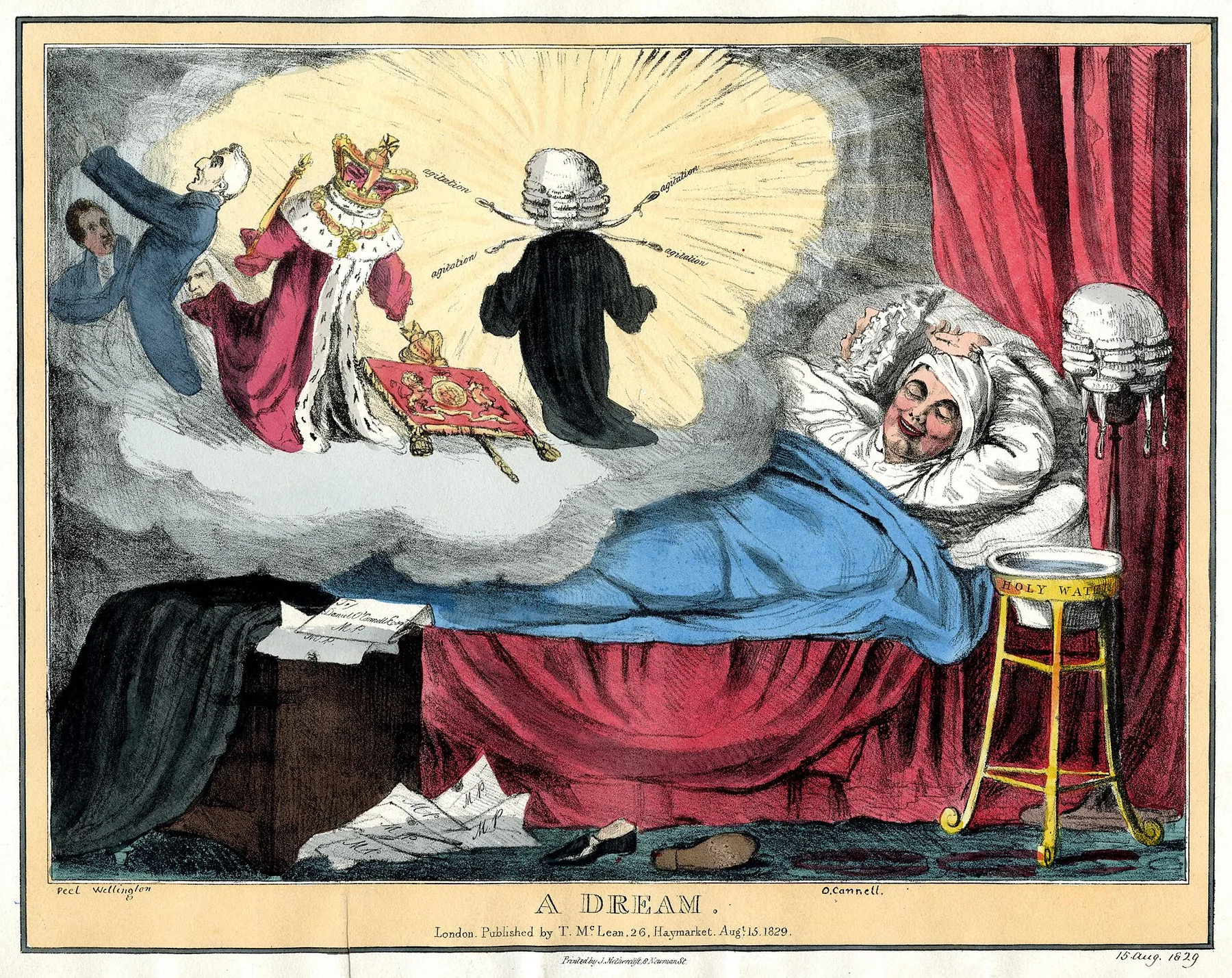
An ordinary feature of modern life has a history worth questioning: Why Do We Dream.
Filed under Ideas
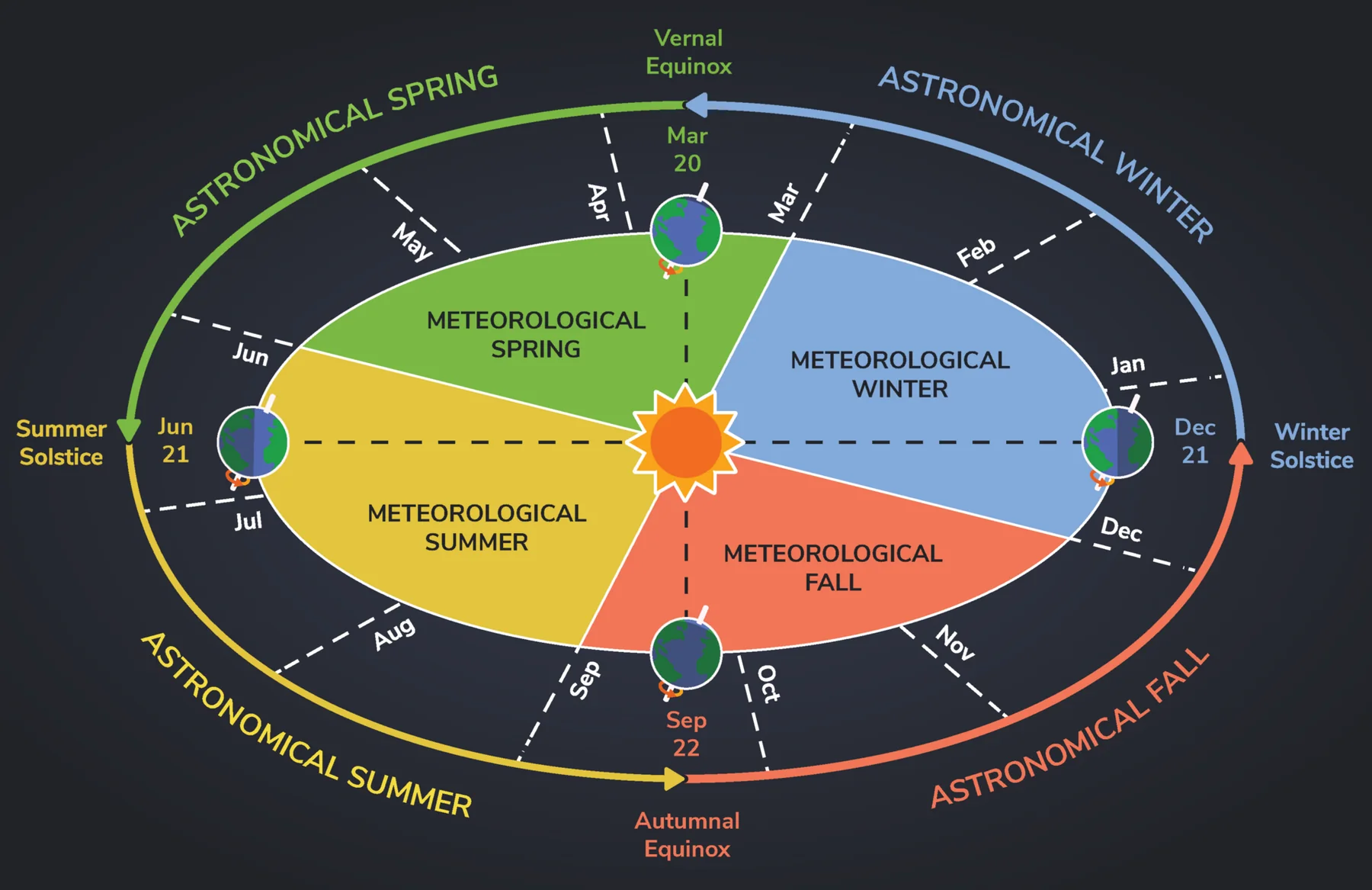
An ordinary feature of modern life has a history worth questioning: Why Does the Earth Have Seasons.
Filed under Ideas
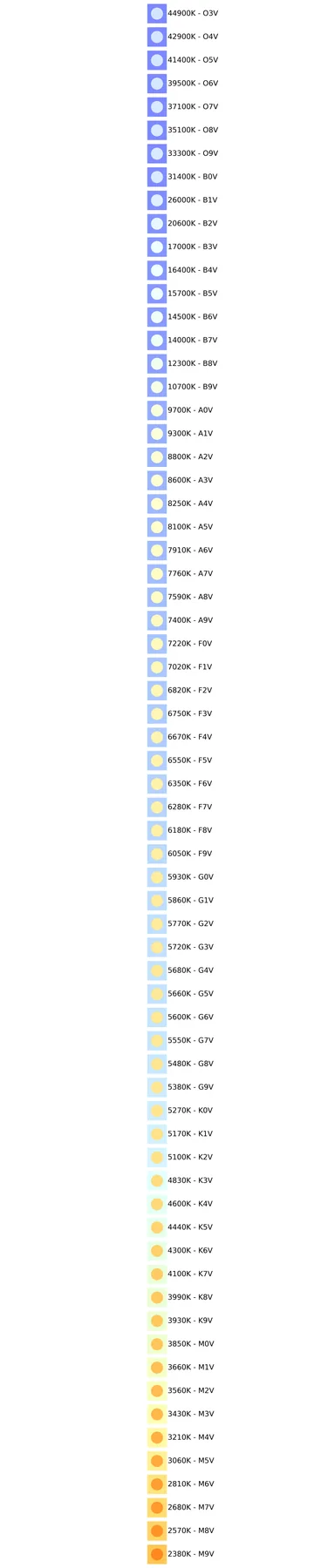
An ordinary feature of modern life has a history worth questioning: Why Is the Sky Blue.
Filed under Ideas
A familiar word can carry centuries of history inside it.
Filed under Ideas
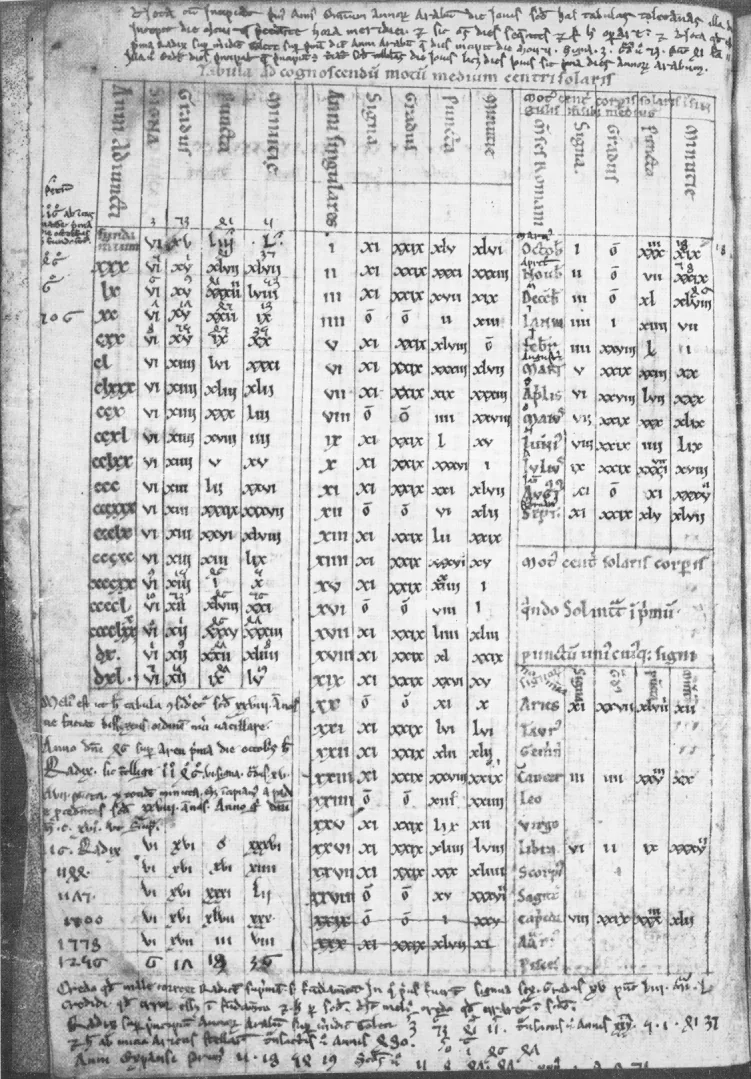
An ordinary feature of modern life has a history worth questioning: Why Do We Call It a “Pandemic”.
Filed under Ideas
A familiar word can carry centuries of history inside it.

Filed under Ideas
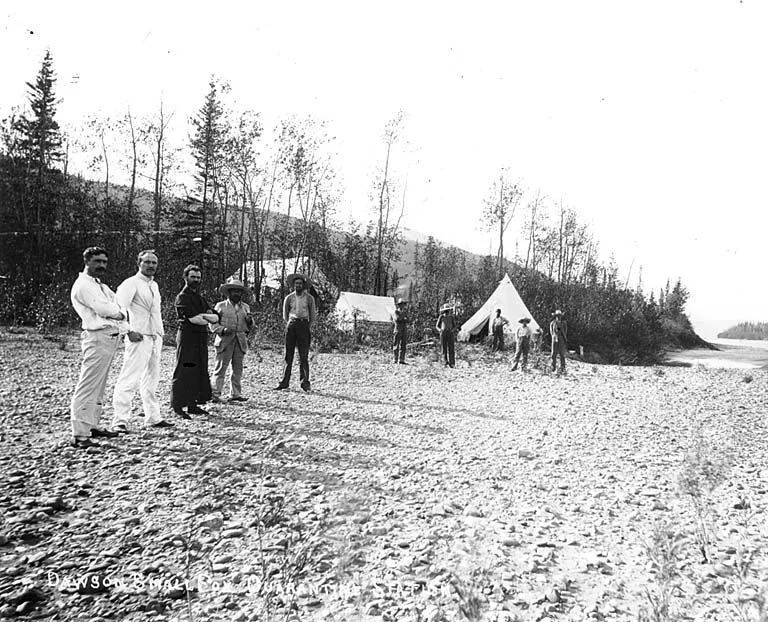
An ordinary feature of modern life has a history worth questioning: Why Is “OK” Called OK.
Filed under Ideas
A familiar word can carry centuries of history inside it.
Filed under Ideas
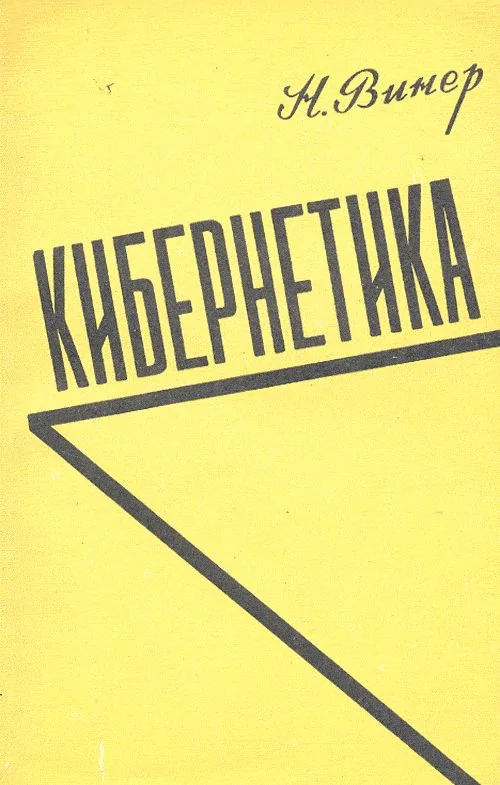
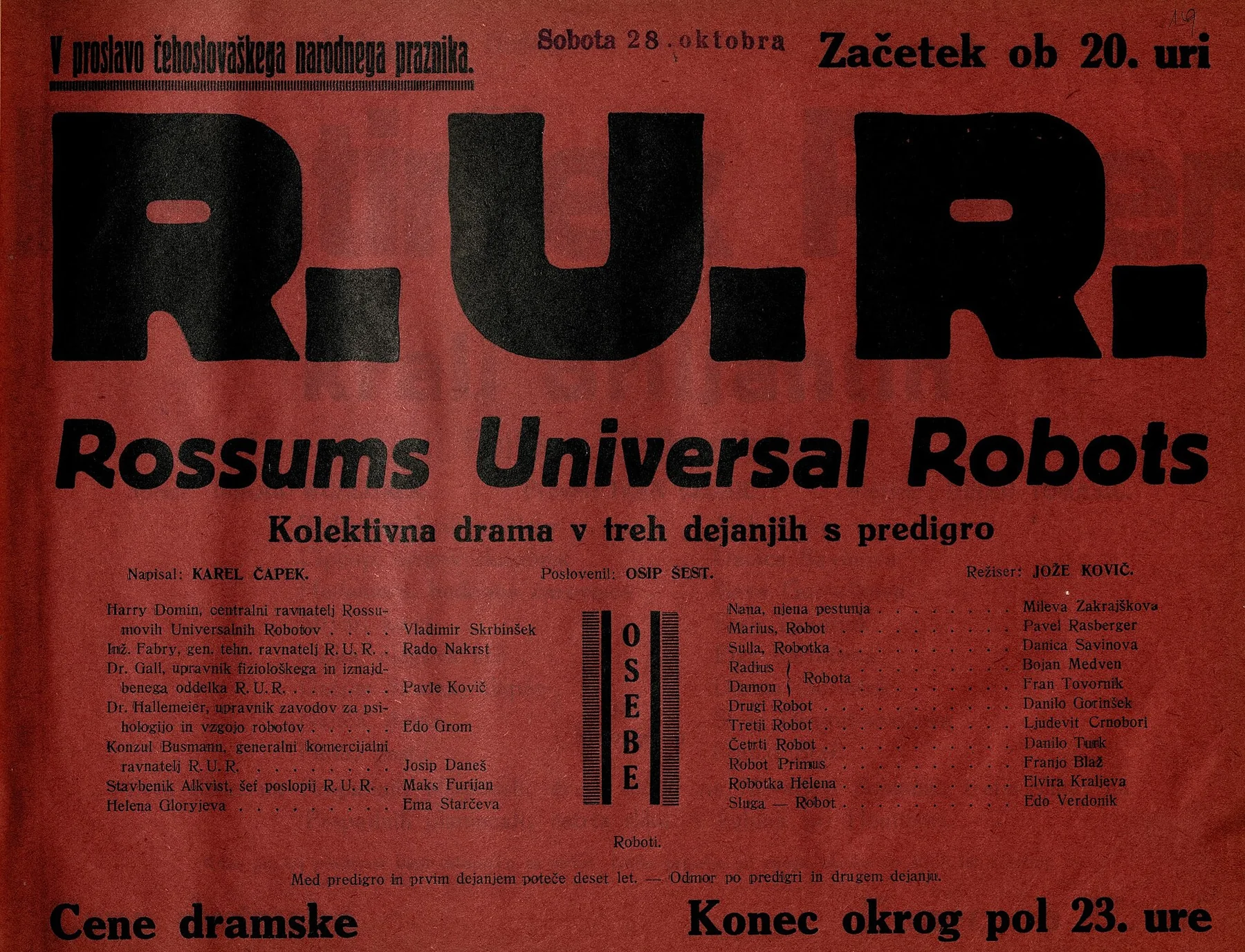
An ordinary feature of modern life has a history worth questioning: Why Do We Call It “Cyber”.
Filed under Ideas
A familiar word can carry centuries of history inside it.
Filed under Ideas
A simple question opens onto a much larger idea about how people organise knowledge and society.
Filed under Ideas
A familiar word can carry centuries of history inside it.
Filed under Ideas
A familiar word can carry centuries of history inside it.
Filed under Ideas
A simple question opens onto a much larger idea about how people organise knowledge and society.
Filed under Ideas
A simple question opens onto a much larger idea about how people organise knowledge and society.
Filed under Ideas
A simple question opens onto a much larger idea about how people organise knowledge and society.

Filed under Ideas
A simple question opens onto a much larger idea about how people organise knowledge and society.
Filed under Ideas
A simple question opens onto a much larger idea about how people organise knowledge and society.
Filed under Ideas
A simple question opens onto a much larger idea about how people organise knowledge and society.
Filed under Ideas
A simple question opens onto a much larger idea about how people organise knowledge and society.
Filed under Ideas
A simple question opens onto a much larger idea about how people organise knowledge and society.
Filed under Ideas
A simple question opens onto a much larger idea about how people organise knowledge and society.
Filed under Ideas
A simple question opens onto a much larger idea about how people organise knowledge and society.

Filed under Ideas
A simple question opens onto a much larger idea about how people organise knowledge and society.
Filed under Ideas
A simple question opens onto a much larger idea about how people organise knowledge and society.
Filed under History
The familiar version of the story is rarely the whole story.
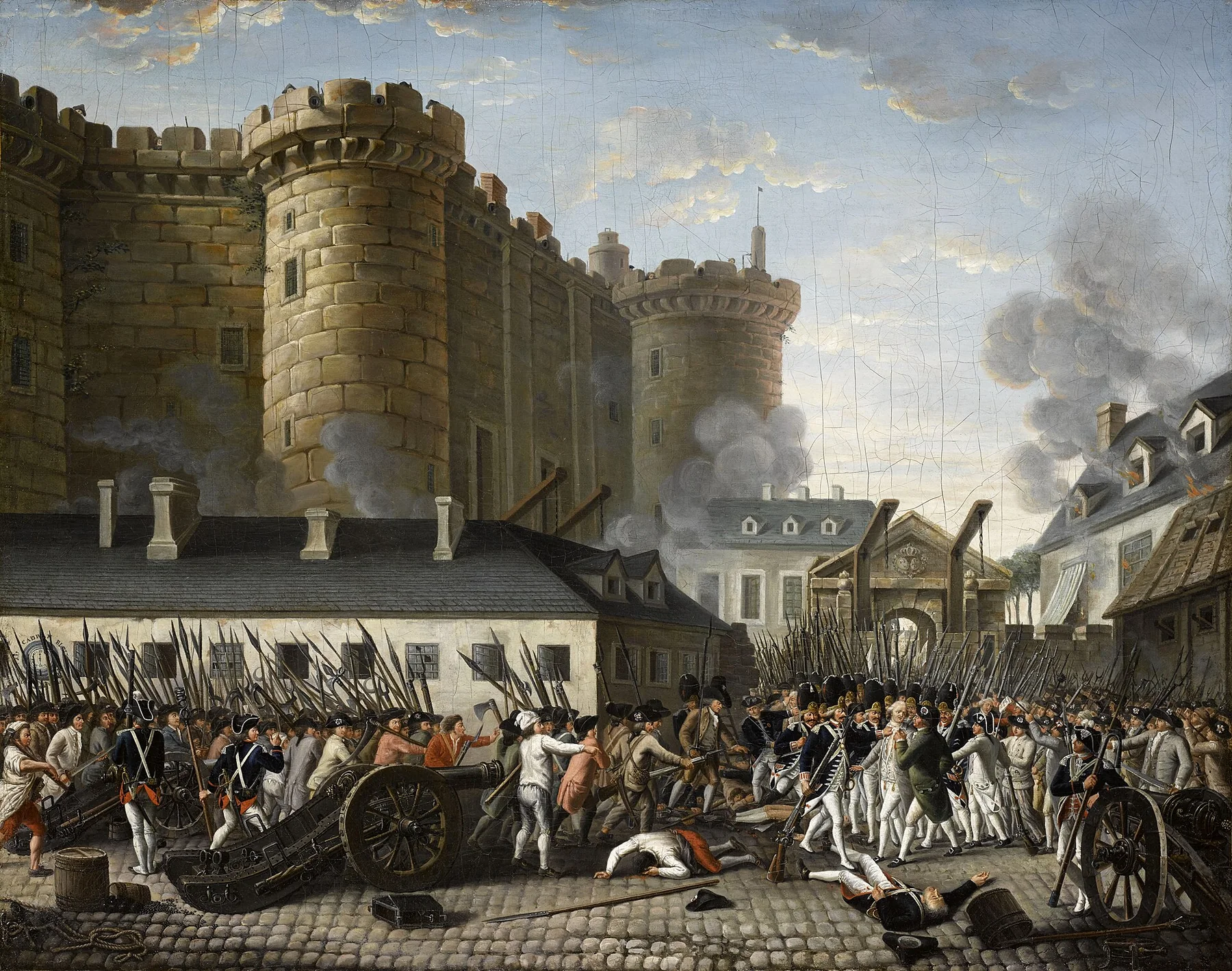
Read story: What Actually Happened During the French Revolution?

Filed under History
The familiar version of the story is rarely the whole story.
Filed under History
The familiar version of the story is rarely the whole story.
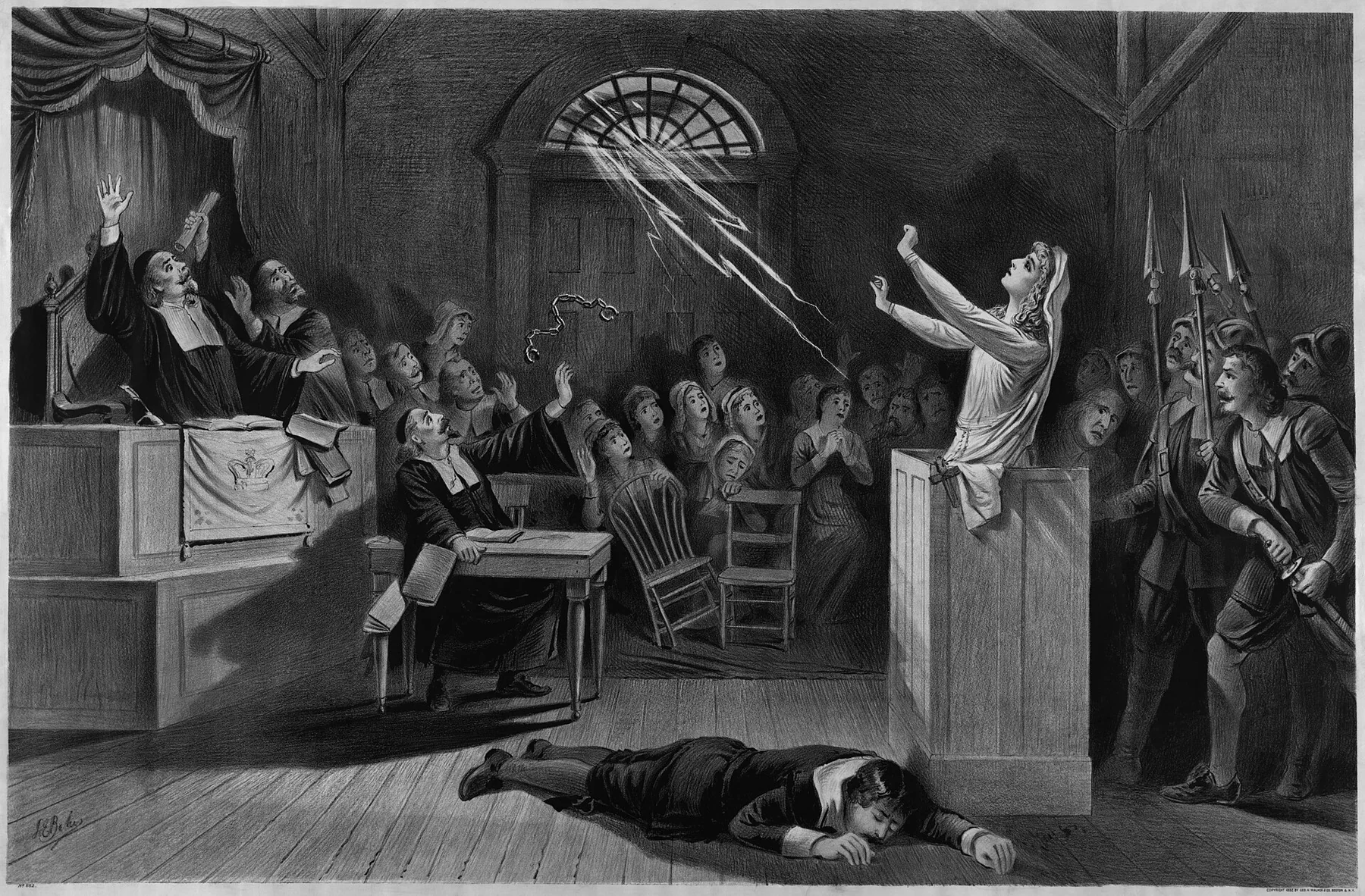
Read story: What Actually Happened During the Salem Witch Trials?
Filed under History
The familiar version of the story is rarely the whole story.
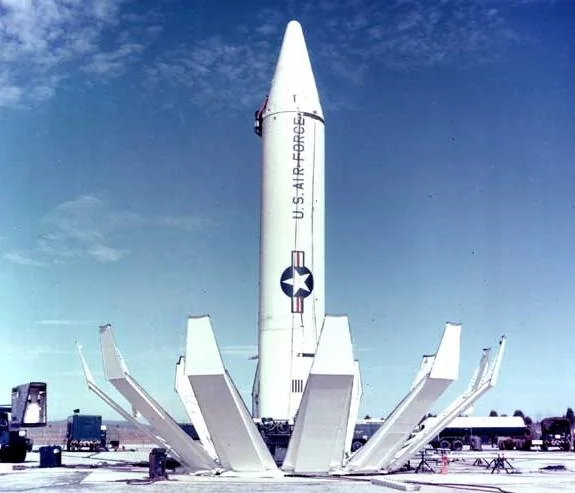
Filed under History
The familiar version of the story is rarely the whole story.
Read story: What Actually Happened During the Cuban Missile Crisis?
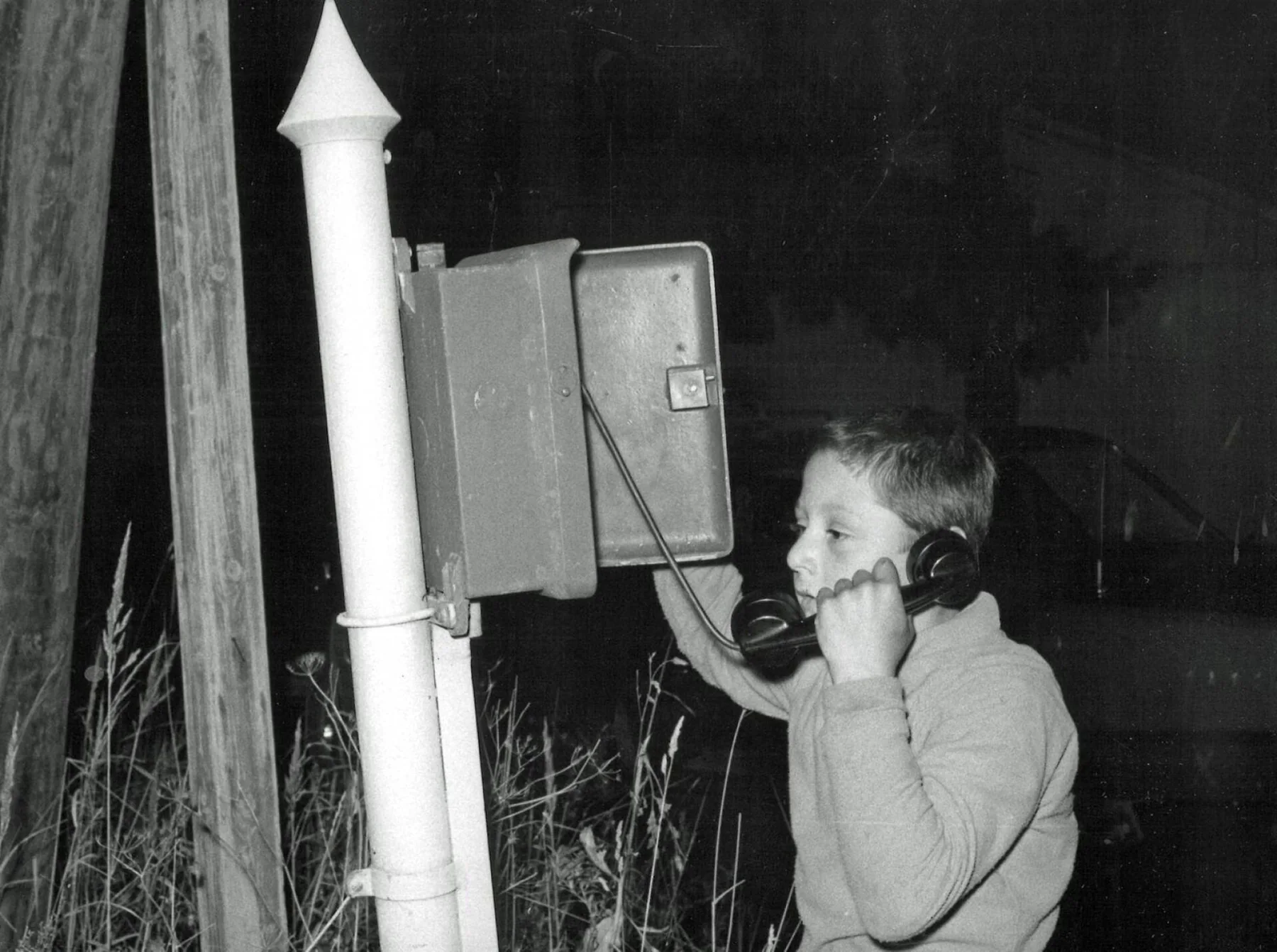
Filed under Society
An ordinary feature of modern life has a history worth questioning: Why Do Emergency Numbers Exist.
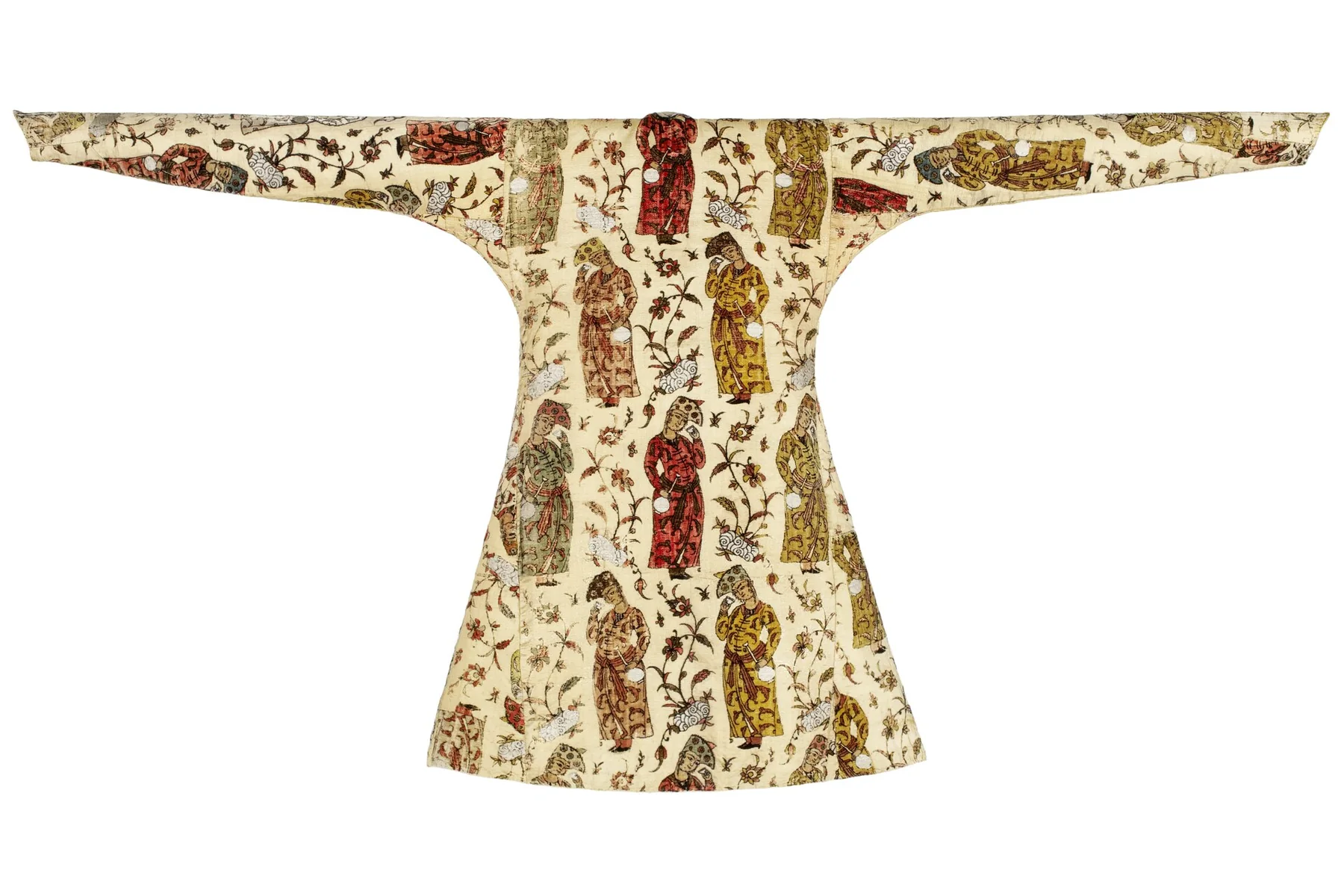
Filed under Society
An ordinary feature of modern life has a history worth questioning: Why Are Clothing Sizes Standardized.
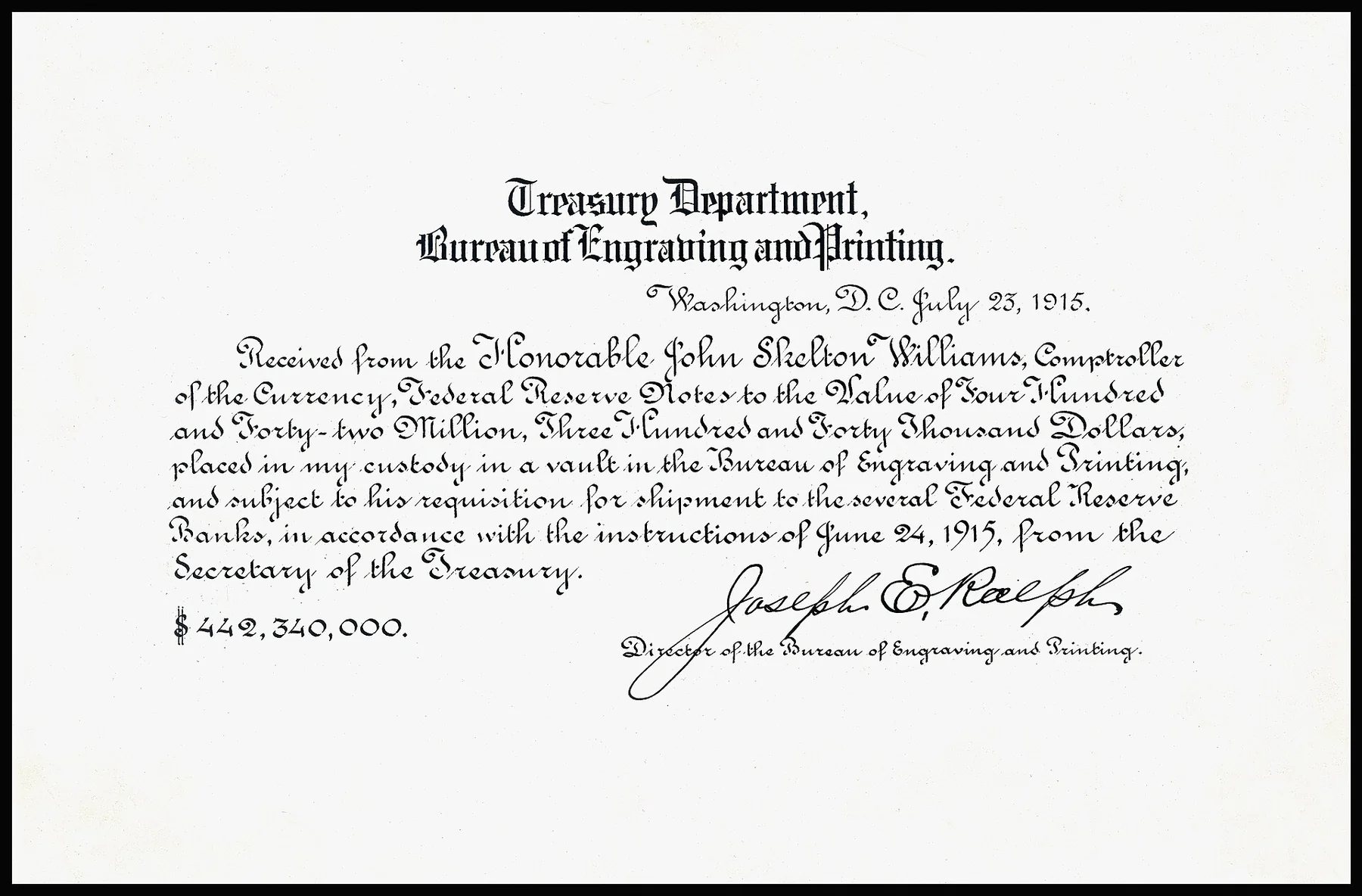
Filed under Society
An ordinary feature of modern life has a history worth questioning: Why Do We Get Receipts.
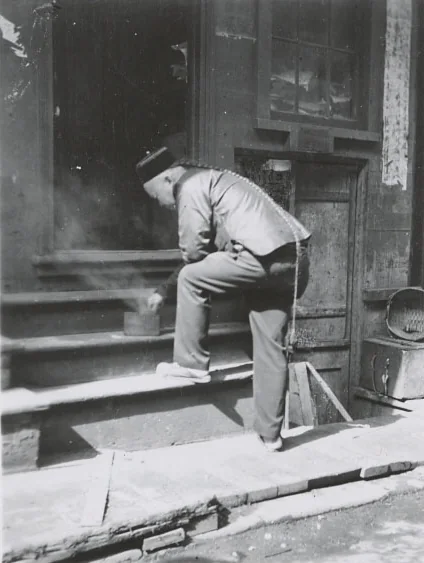
Filed under Society
An ordinary feature of modern life has a history worth questioning: Why Do We Queue.
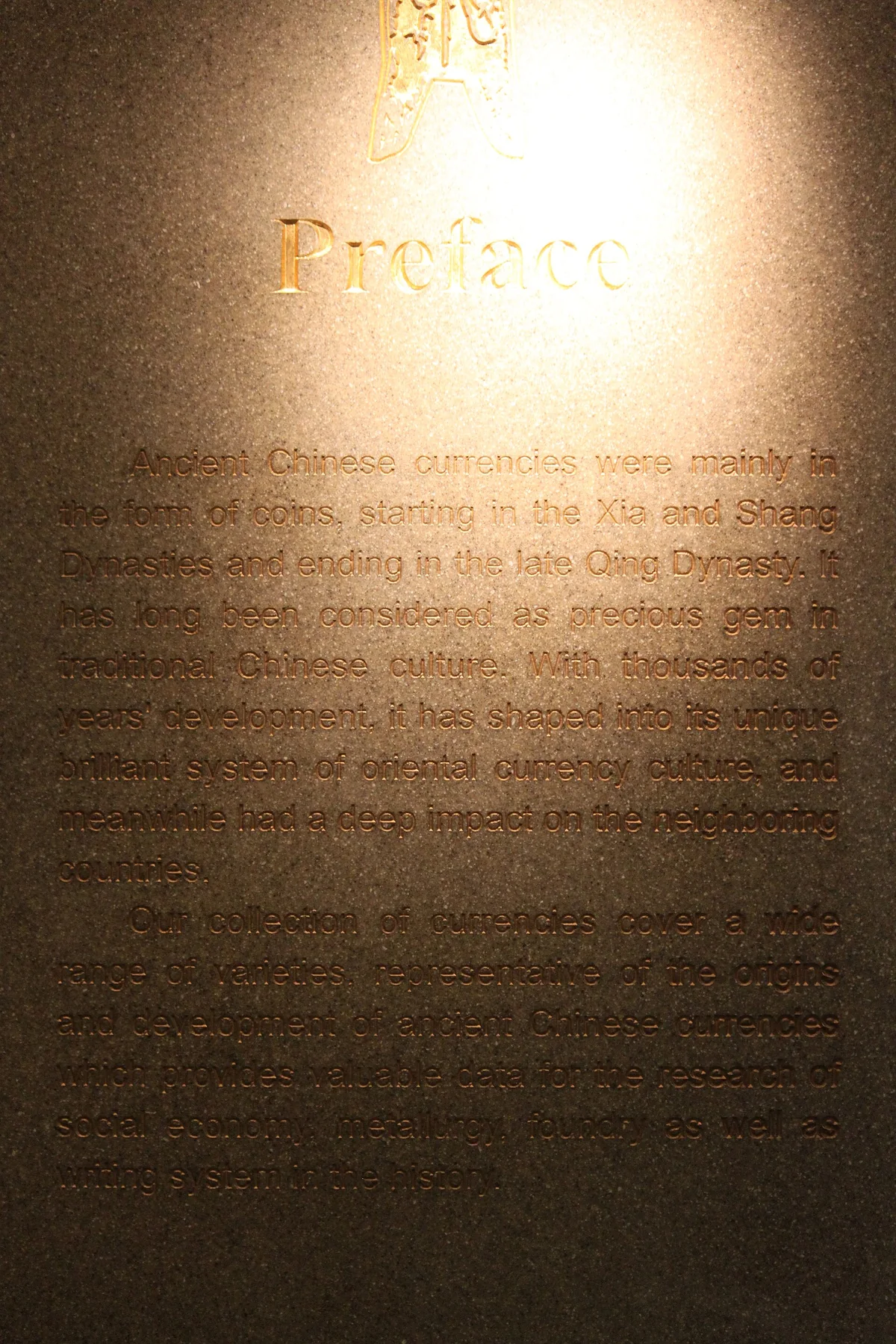
Filed under Society
An ordinary feature of modern life has a history worth questioning: Why Do We Use Currency.
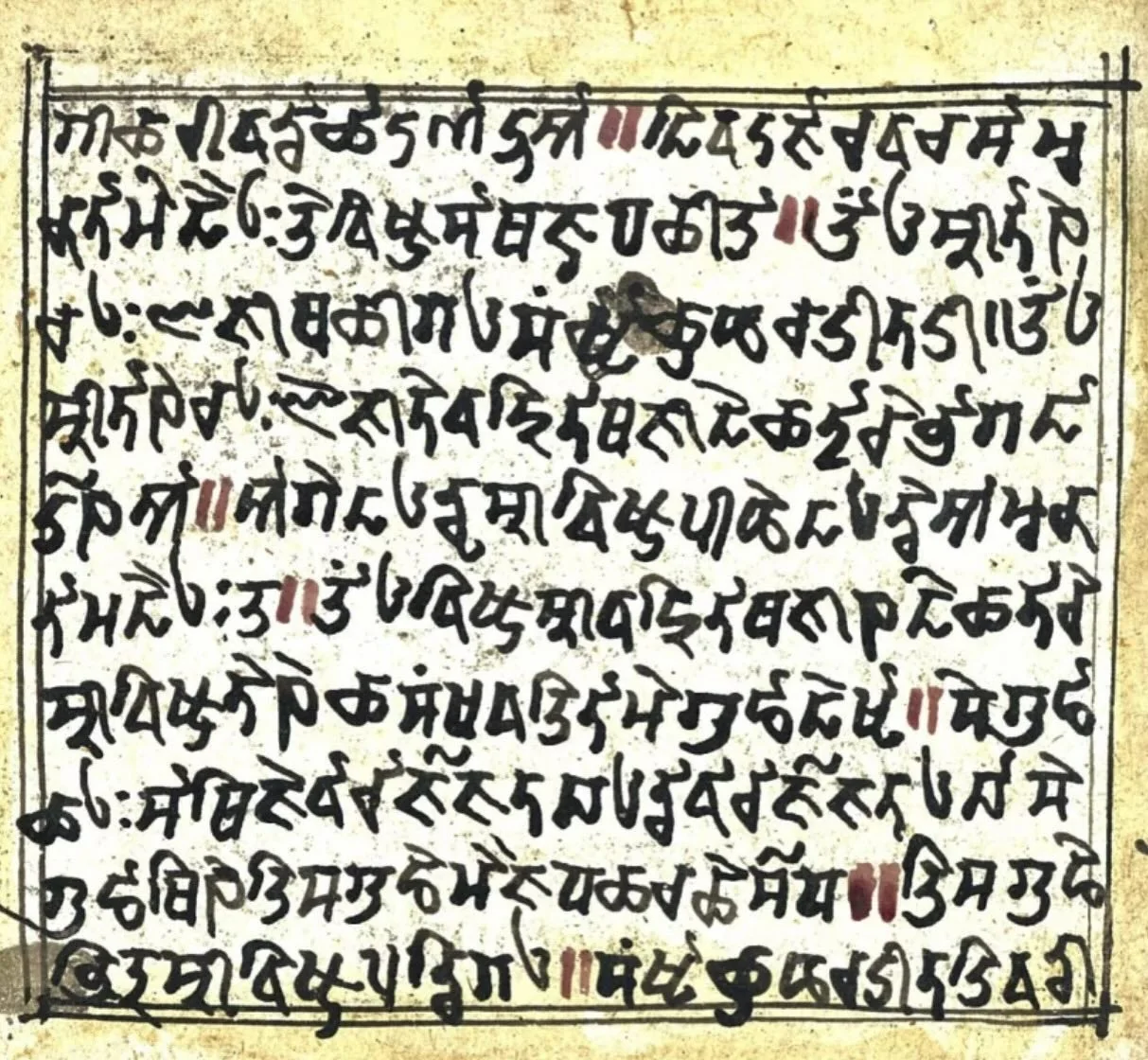
Filed under Society
An ordinary feature of modern life has a history worth questioning: Why Do We Have Calendars.
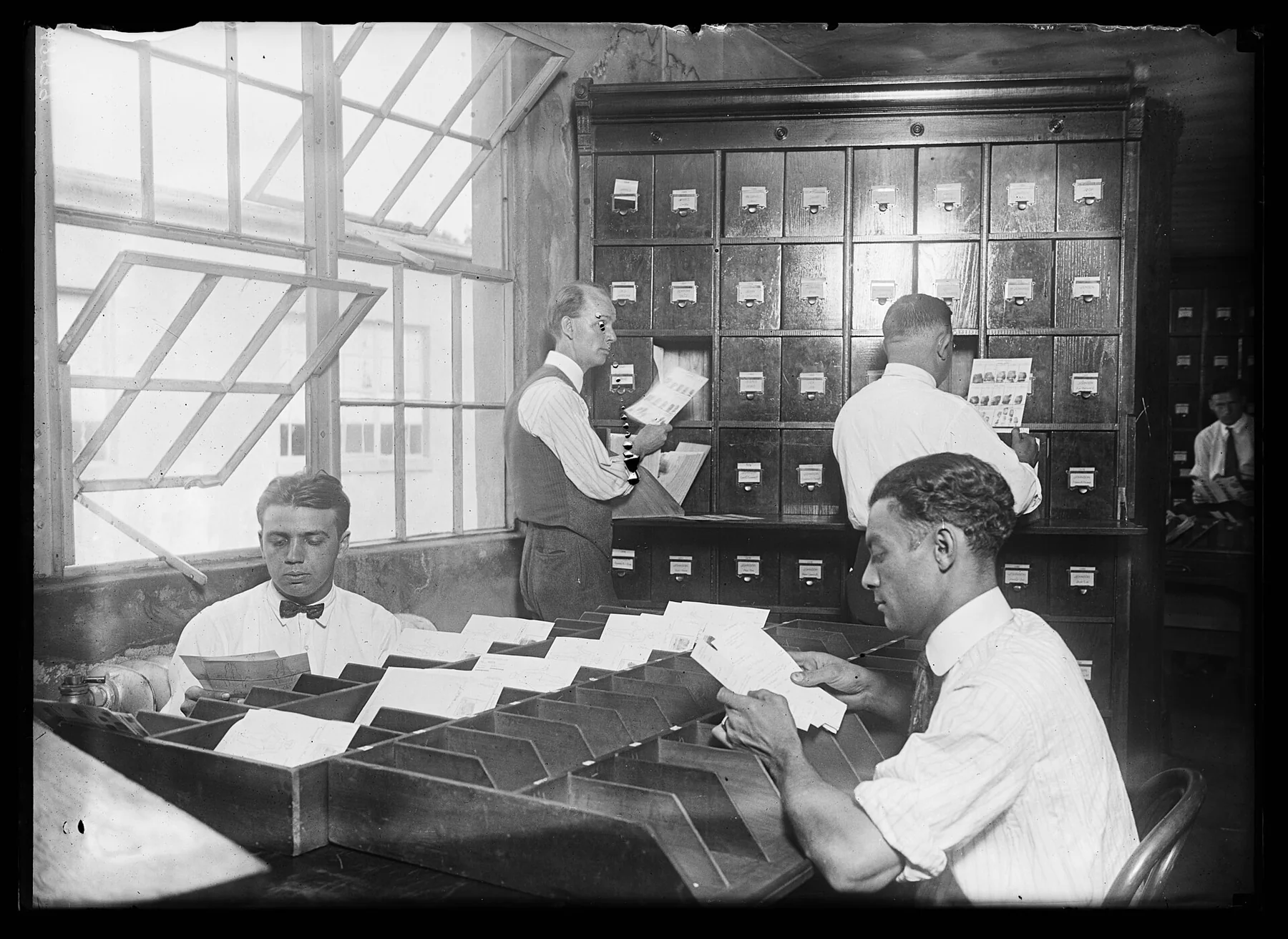
Filed under Society
An ordinary feature of modern life has a history worth questioning: Why Do We Have Fingerprints.

Filed under Society
An ordinary feature of modern life has a history worth questioning: Why Do We Have Street Addresses.
Filed under Society
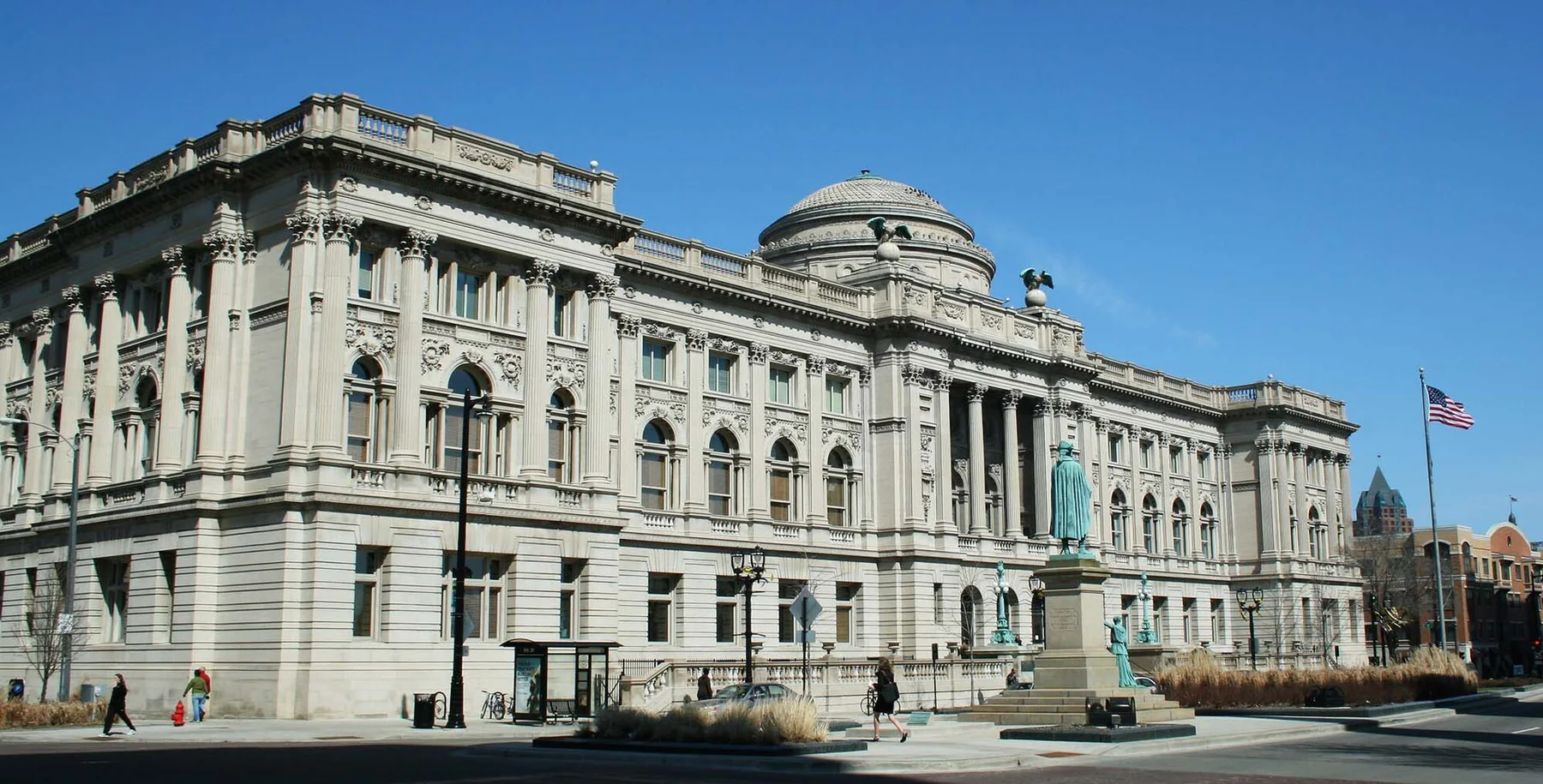
An ordinary feature of modern life has a history worth questioning: Why Do Public Libraries Exist.
Filed under Society
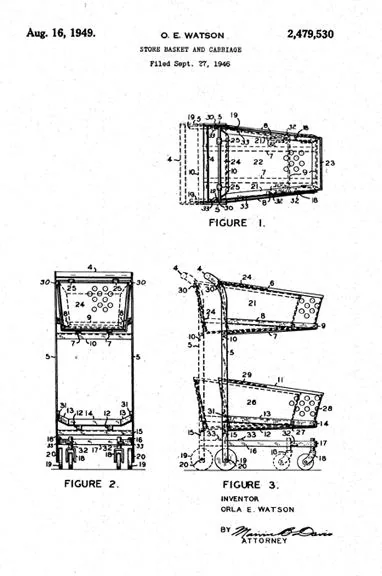
An ordinary feature of modern life has a history worth questioning: Why Do Shopping Carts Exist.
Filed under Society
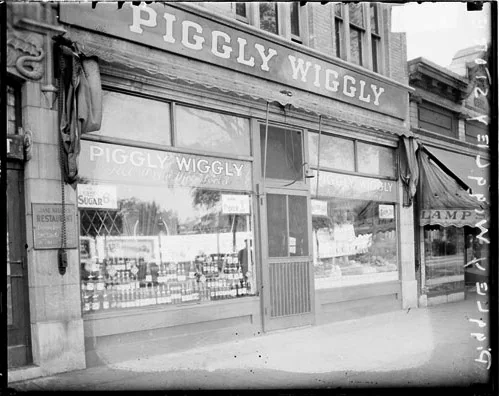
An ordinary feature of modern life has a history worth questioning: Why Do Supermarkets Work the Way They Do.
Filed under Society
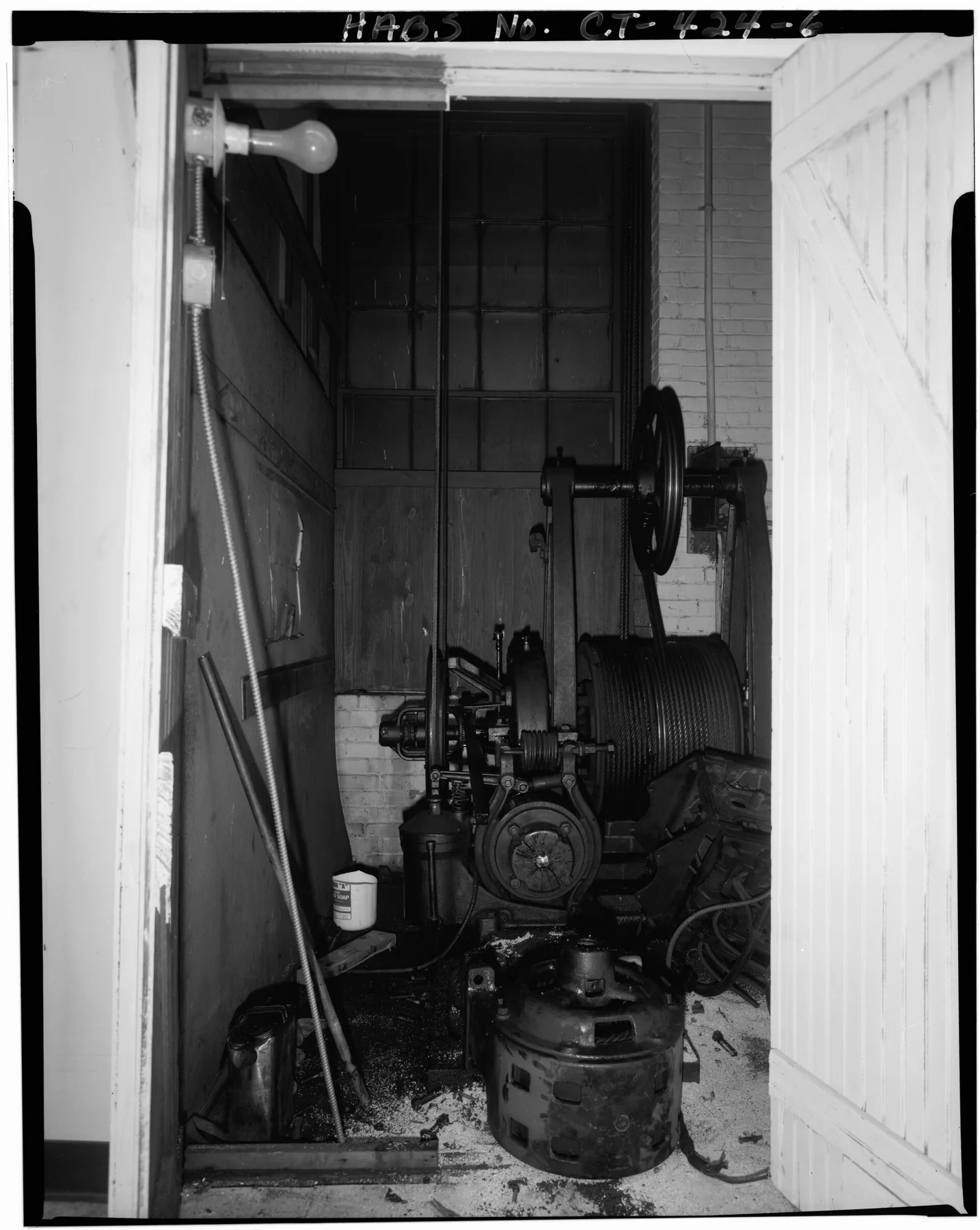
An ordinary feature of modern life has a history worth questioning: Why Do We Have Elevators.
Filed under Society
An ordinary feature of modern life has a history worth questioning: Why Do We Have Traffic Lights.
Filed under Society
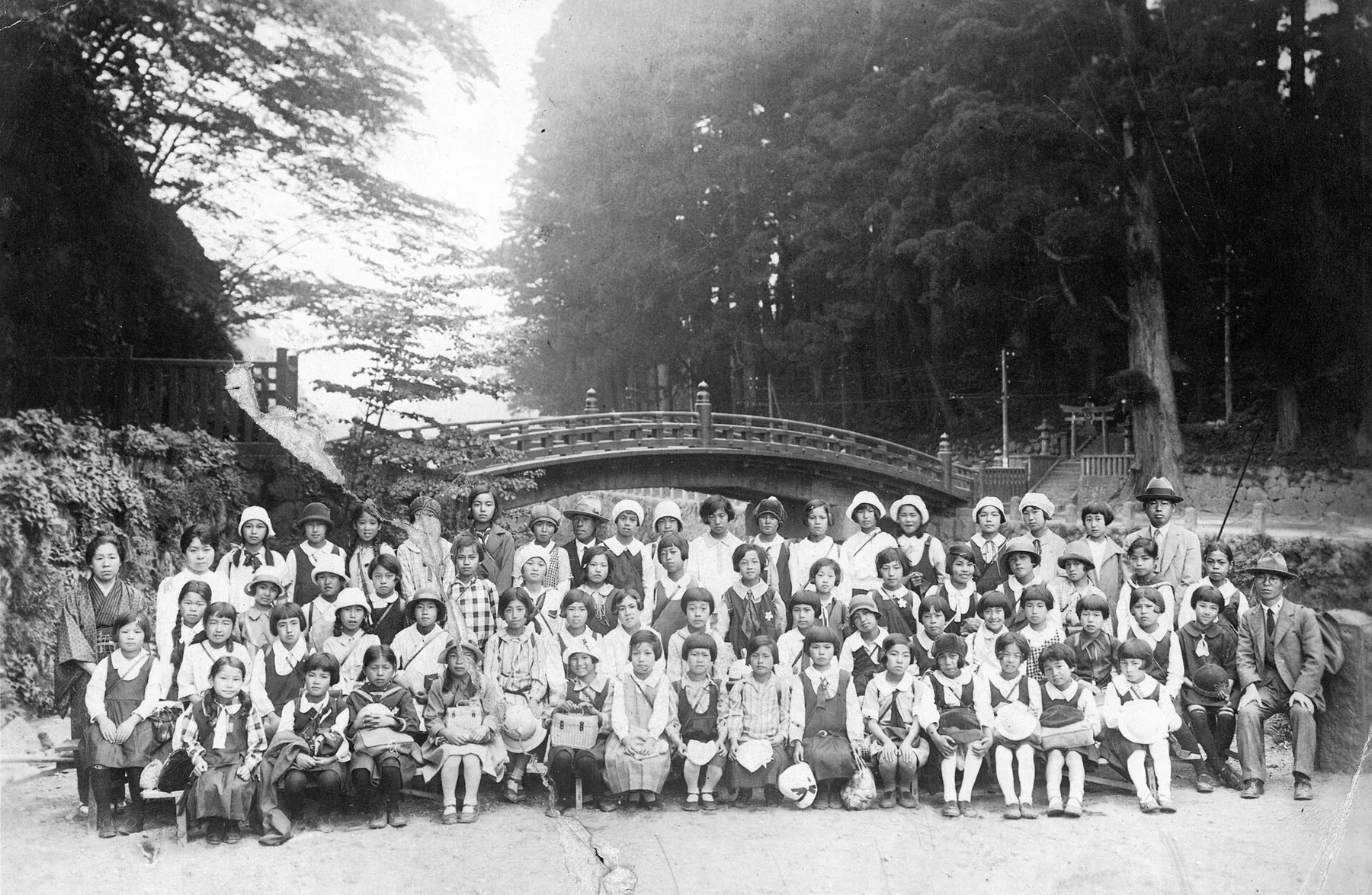
An ordinary feature of modern life has a history worth questioning: Why Do Schools Have Uniforms.
Filed under Society
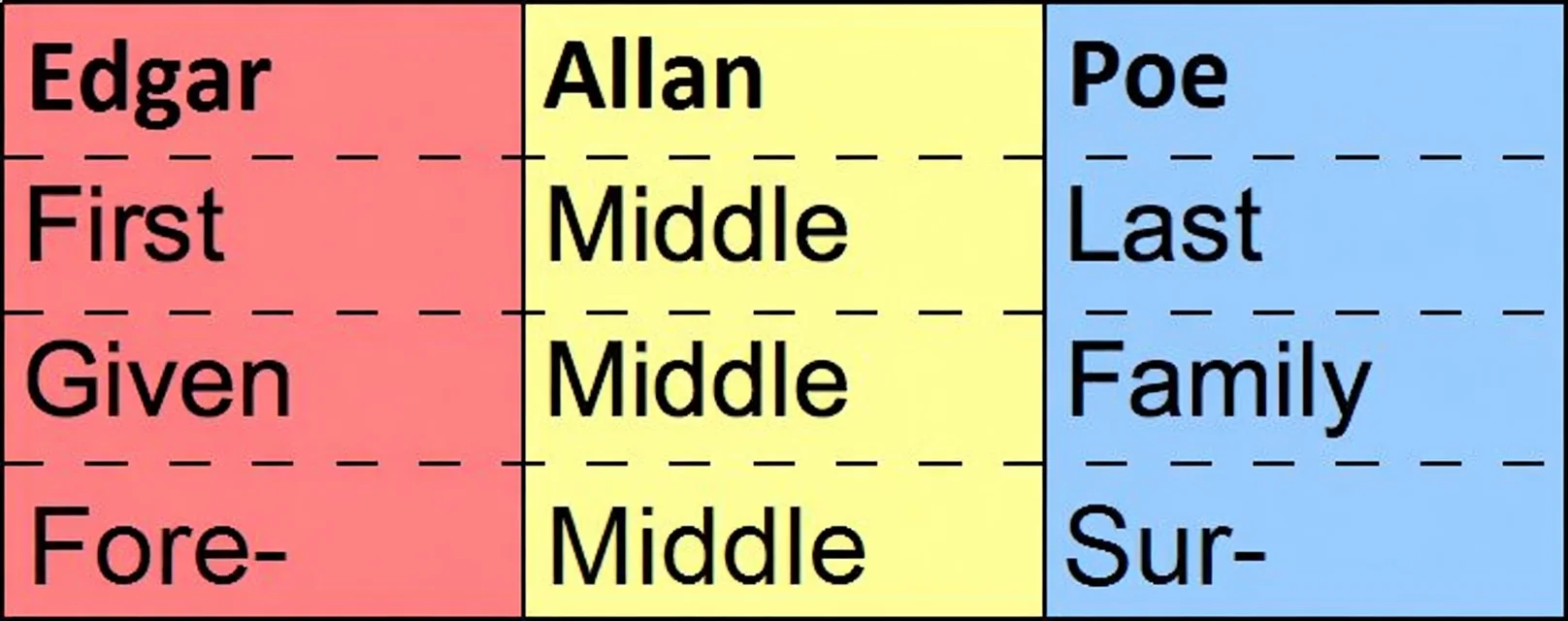
An ordinary feature of modern life has a history worth questioning: Why Do We Have Surnames.
Filed under Society
An ordinary feature of modern life has a history worth questioning: Why Do We Have Passports.
Filed under History
The present did not appear fully formed; it was built through choices, systems and consequences.
Filed under History
The present did not appear fully formed; it was built through choices, systems and consequences.

Filed under History
The present did not appear fully formed; it was built through choices, systems and consequences.
Filed under History
The present did not appear fully formed; it was built through choices, systems and consequences.
Filed under History
The present did not appear fully formed; it was built through choices, systems and consequences.
Filed under History
The present did not appear fully formed; it was built through choices, systems and consequences.
Filed under History
The present did not appear fully formed; it was built through choices, systems and consequences.
Filed under History
The present did not appear fully formed; it was built through choices, systems and consequences.
Filed under History
The present did not appear fully formed; it was built through choices, systems and consequences.
Filed under History
The present did not appear fully formed; it was built through choices, systems and consequences.
Read story: How Did Democracy Become a Global Political Ideal?
Filed under History
The present did not appear fully formed; it was built through choices, systems and consequences.
Filed under History
The present did not appear fully formed; it was built through choices, systems and consequences.
Filed under People
A life, idea or discovery can matter far beyond the moment in which it first appeared.
Filed under People
A life, idea or discovery can matter far beyond the moment in which it first appeared.
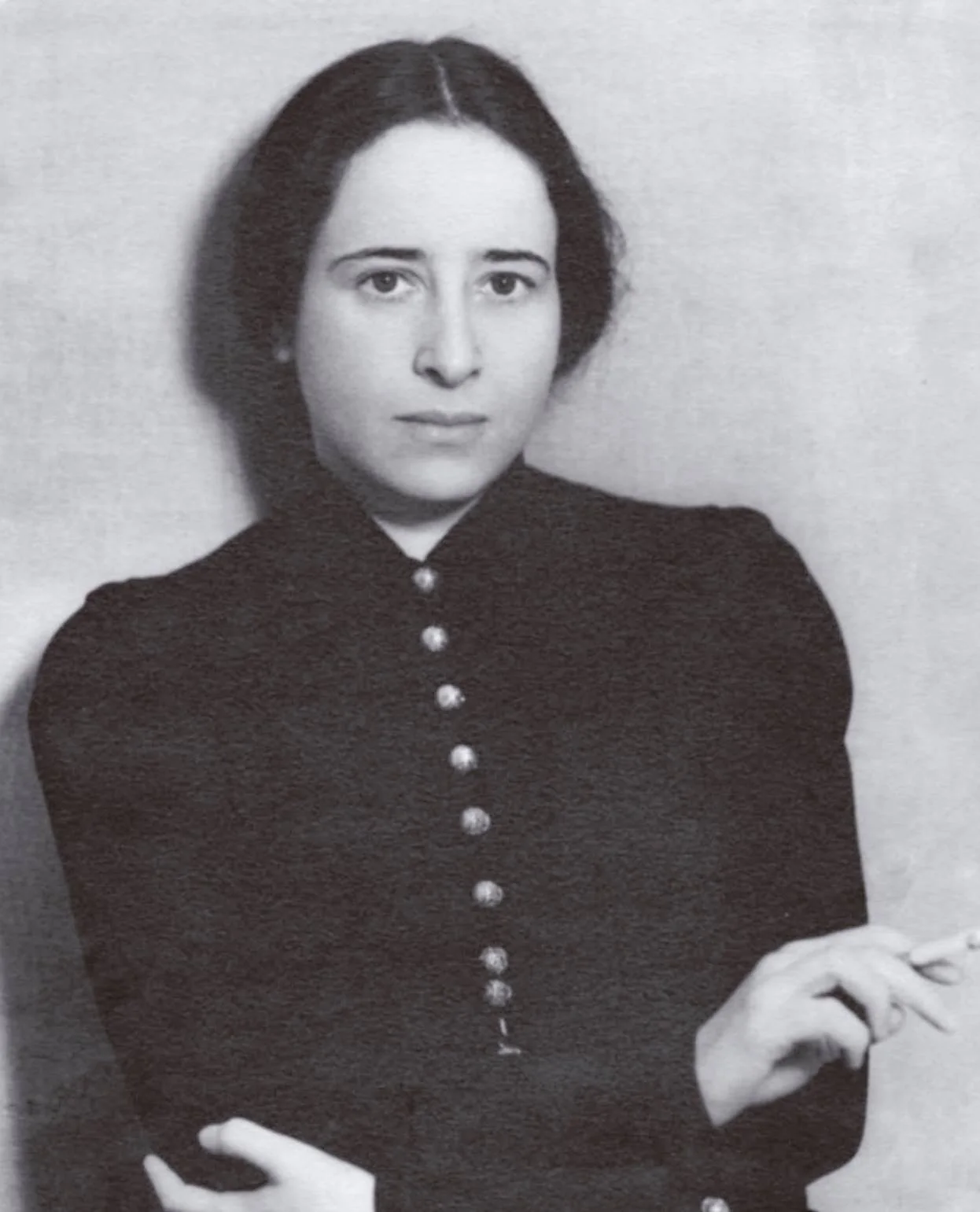
Read story: Hannah Arendt: What Did She Mean by “The Banality of Evil”?
Filed under People
A life, idea or discovery can matter far beyond the moment in which it first appeared.
Filed under People
A life, idea or discovery can matter far beyond the moment in which it first appeared.
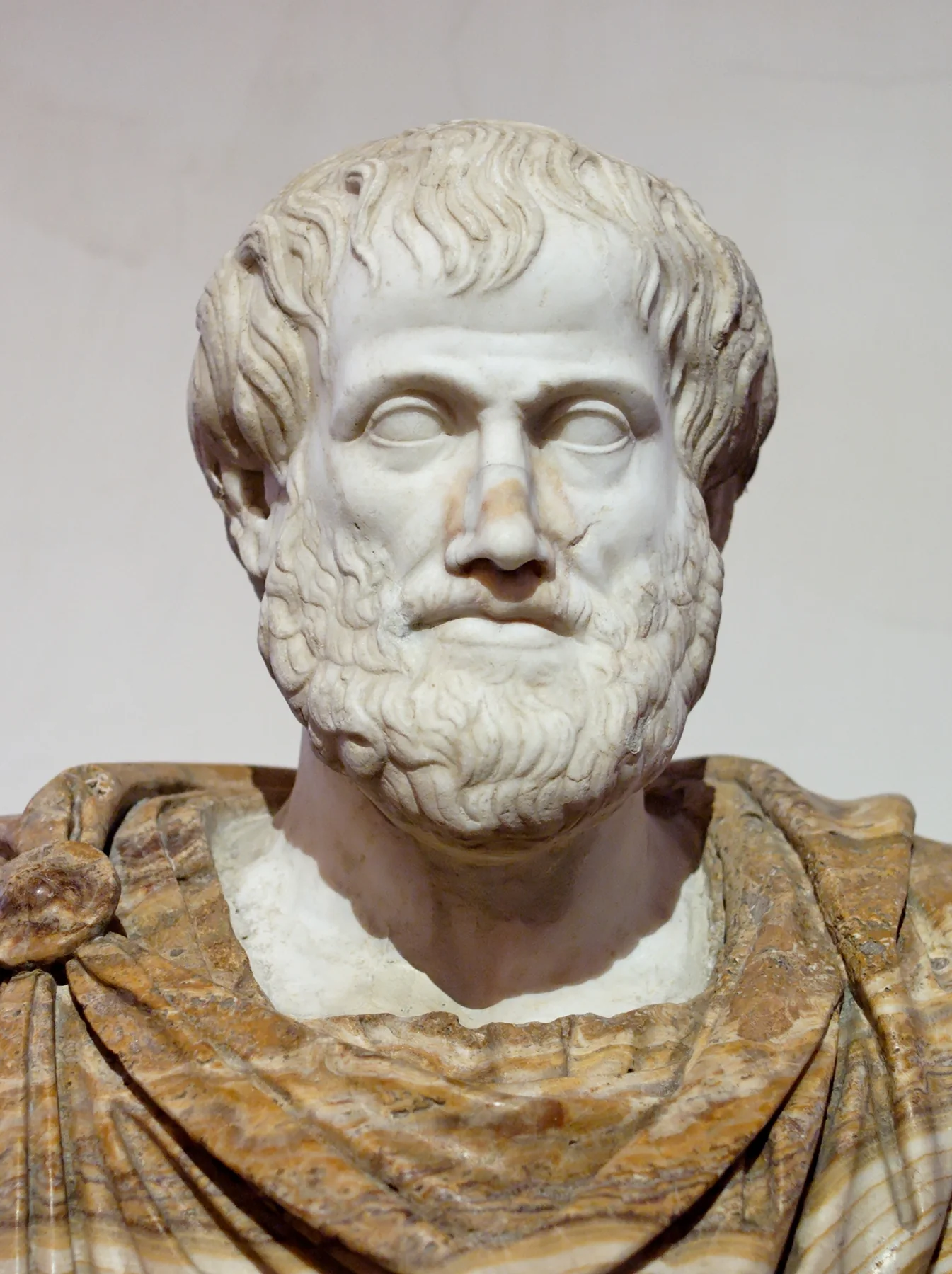
Read story: Aristotle: How Did One Man Influence So Many Fields?
Filed under People
A life, idea or discovery can matter far beyond the moment in which it first appeared.
Filed under People
A life, idea or discovery can matter far beyond the moment in which it first appeared.
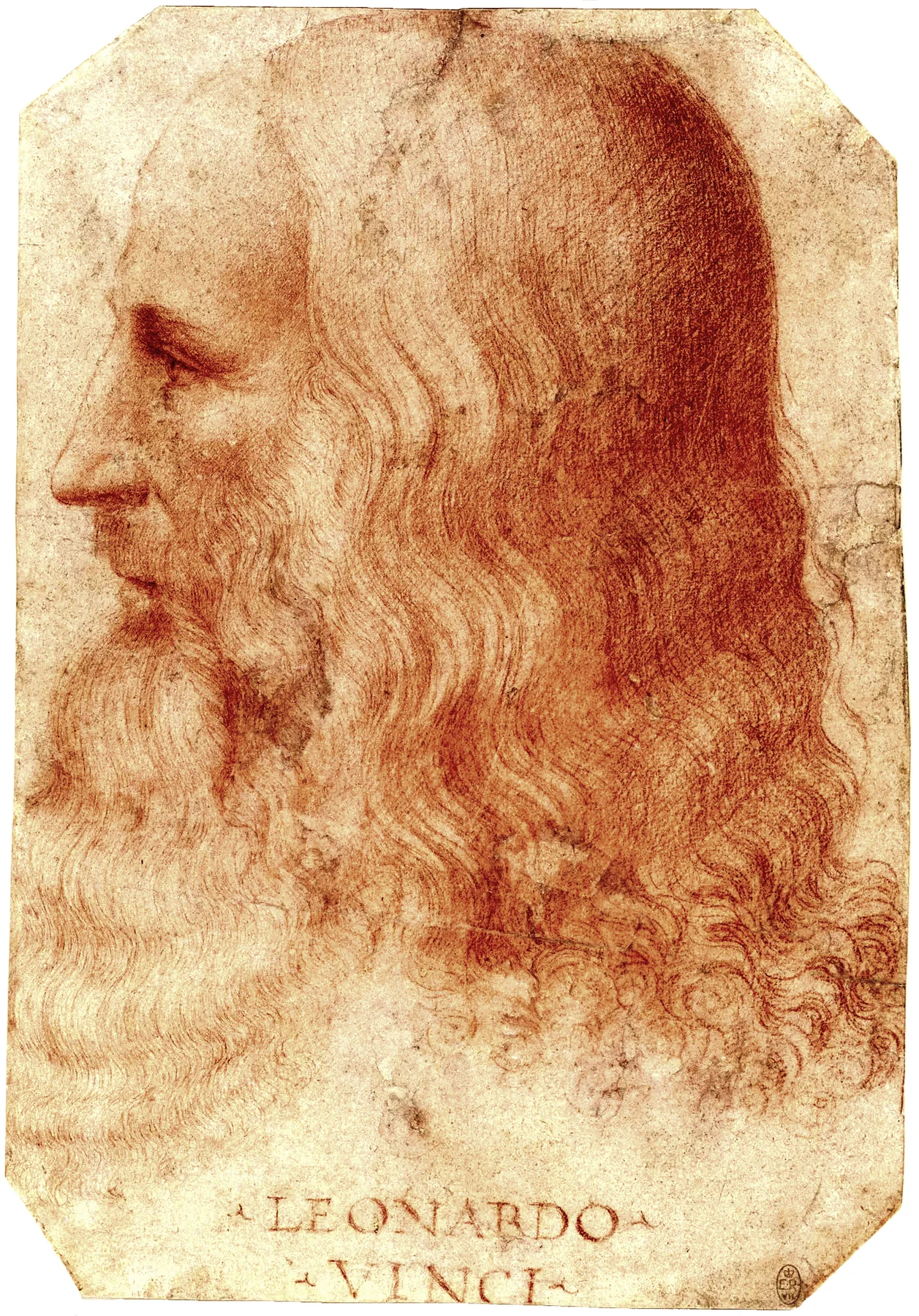
Read story: Leonardo da Vinci: Why Was He So Far Ahead of His Time?
Filed under People
A life, idea or discovery can matter far beyond the moment in which it first appeared.
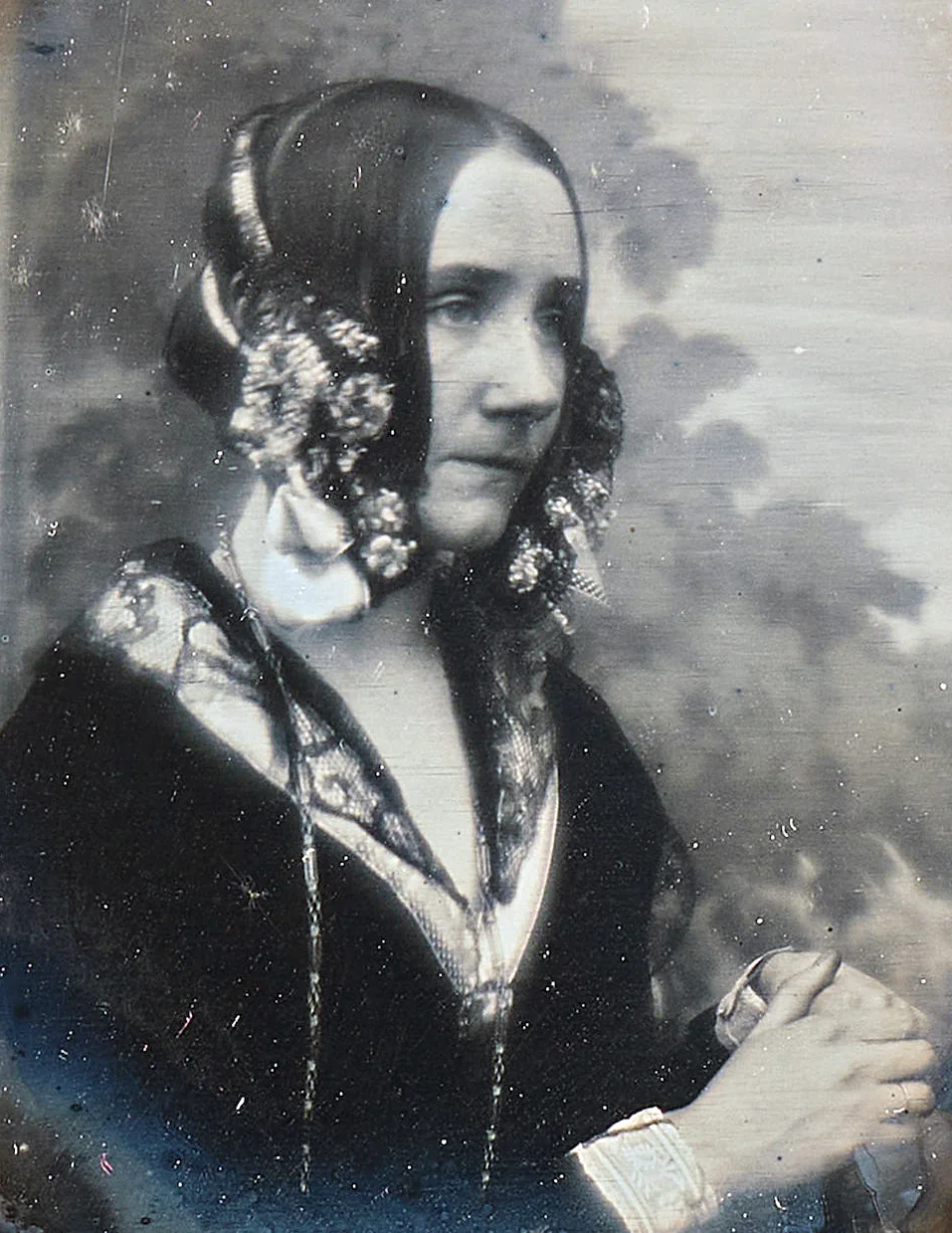
Read story: Ada Lovelace: Was She Really the First Computer Programmer?
Filed under People
A life, idea or discovery can matter far beyond the moment in which it first appeared.
Filed under People
A life, idea or discovery can matter far beyond the moment in which it first appeared.
Filed under People
A life, idea or discovery can matter far beyond the moment in which it first appeared.

Filed under Society
An ordinary feature of modern life has a history worth questioning: Why Do We Use the Latin Alphabet.
Filed under Society
An ordinary feature of modern life has a history worth questioning: Why Do We Say “Hello” When We Answer the Phone.
Filed under Society
An ordinary feature of modern life has a history worth questioning: Why Do We Shake Hands.
Filed under Society
An ordinary feature of modern life has a history worth questioning: Why Do We Have Public Holidays.
Filed under Society
An ordinary feature of modern life has a history worth questioning: Why Do We Have Weekends.
Filed under Society
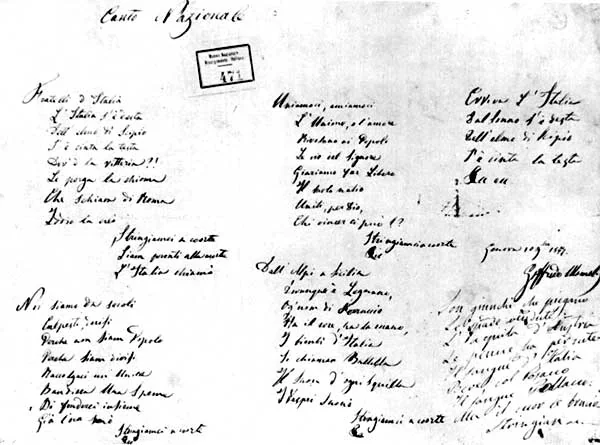
An ordinary feature of modern life has a history worth questioning: Why Do We Have National Anthems.
Filed under Society
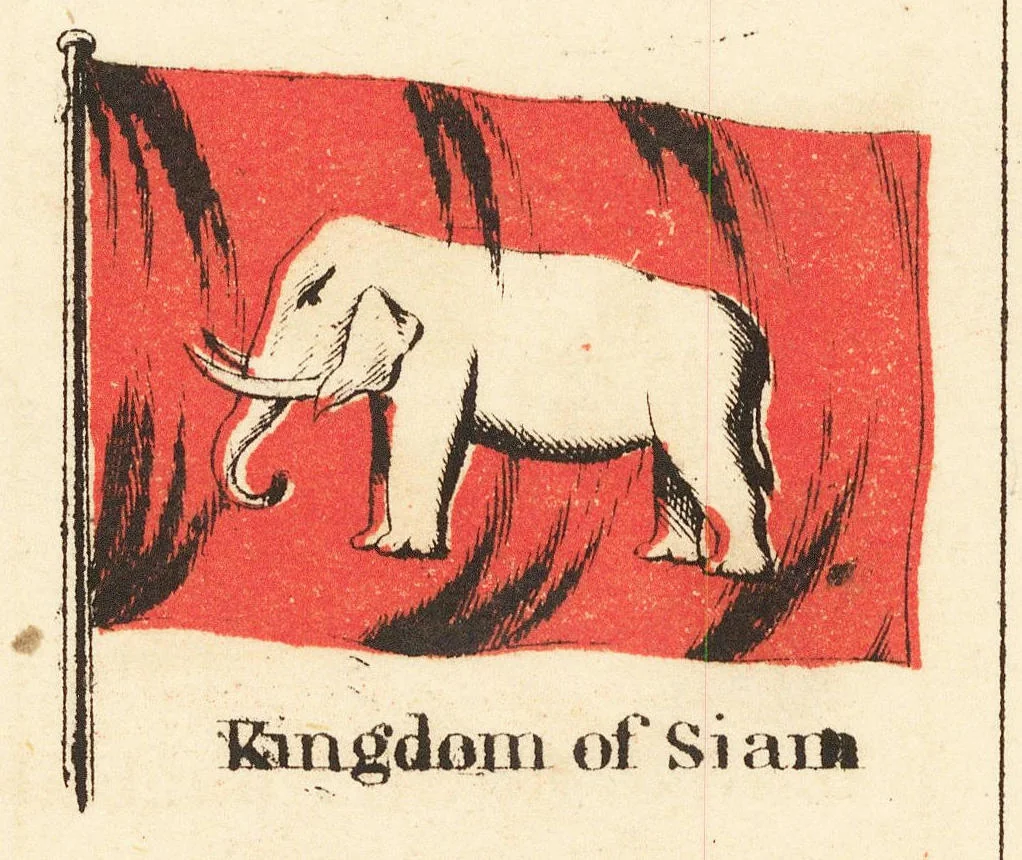
An ordinary feature of modern life has a history worth questioning: Why Do Countries Have Flags.
Filed under Society
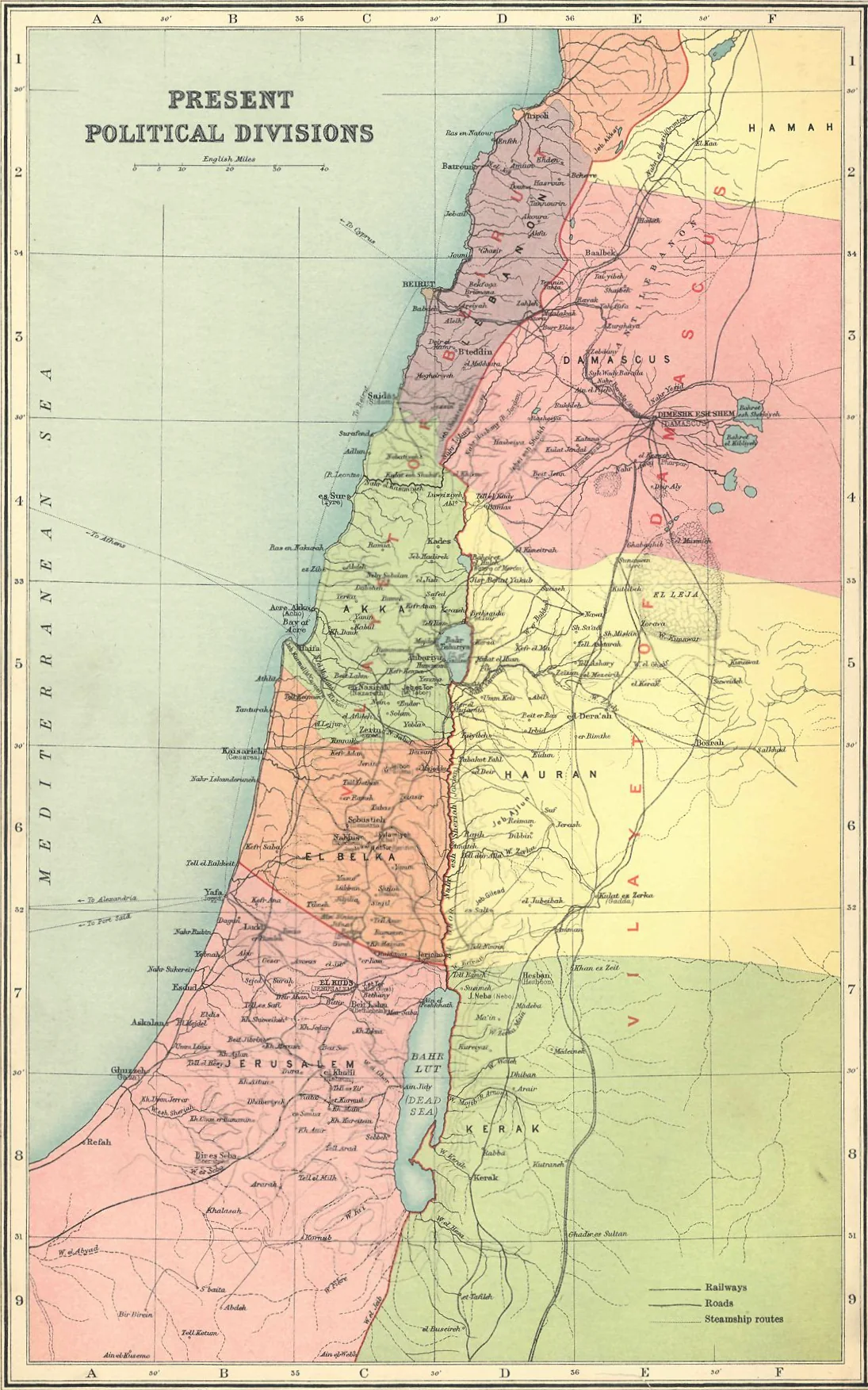
An ordinary feature of modern life has a history worth questioning: Why Do Countries Have Borders.
Filed under Society
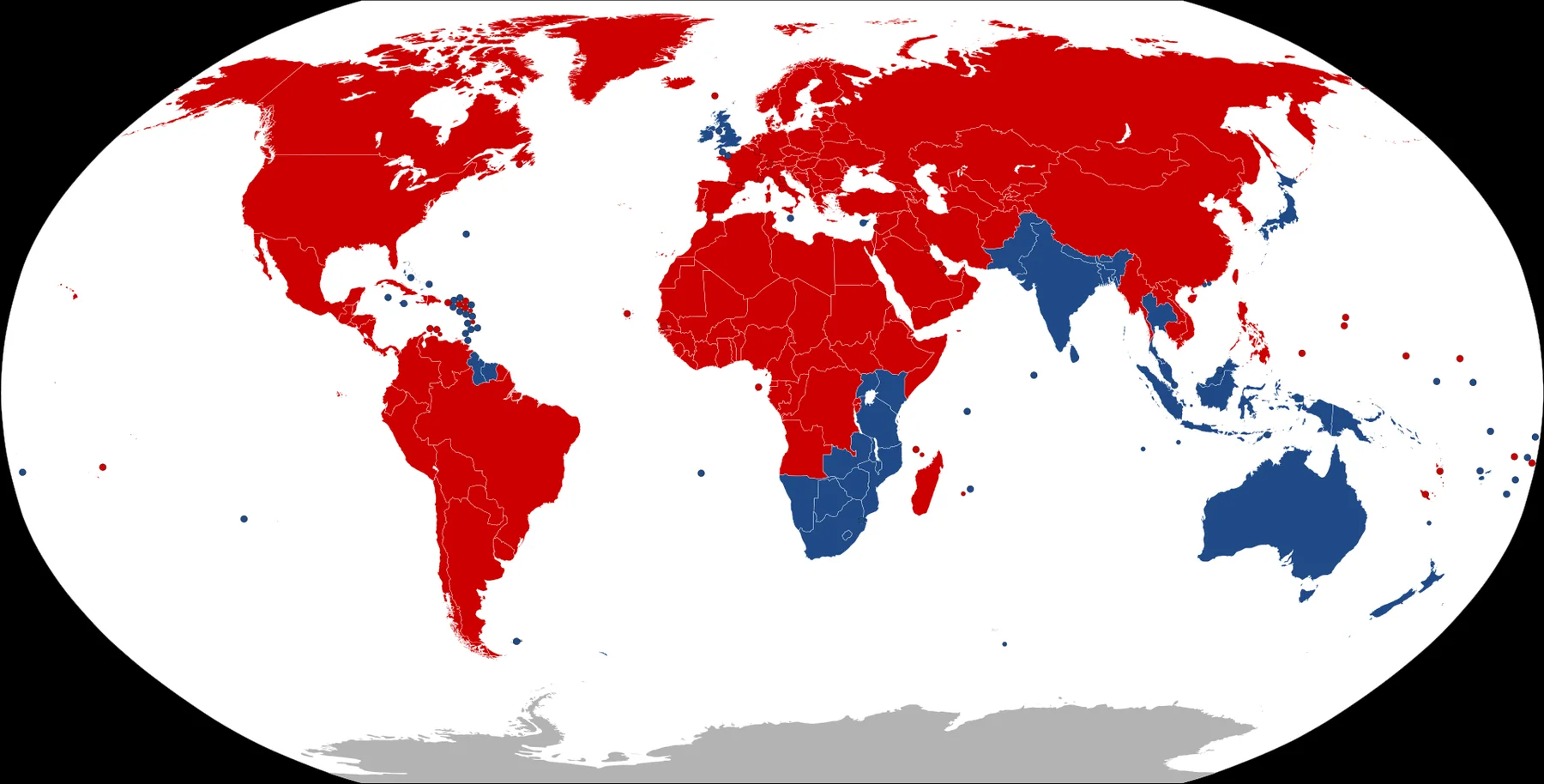
An ordinary feature of modern life has a history worth questioning: Why Do We Drive on Different Sides of the Road.
Filed under Society
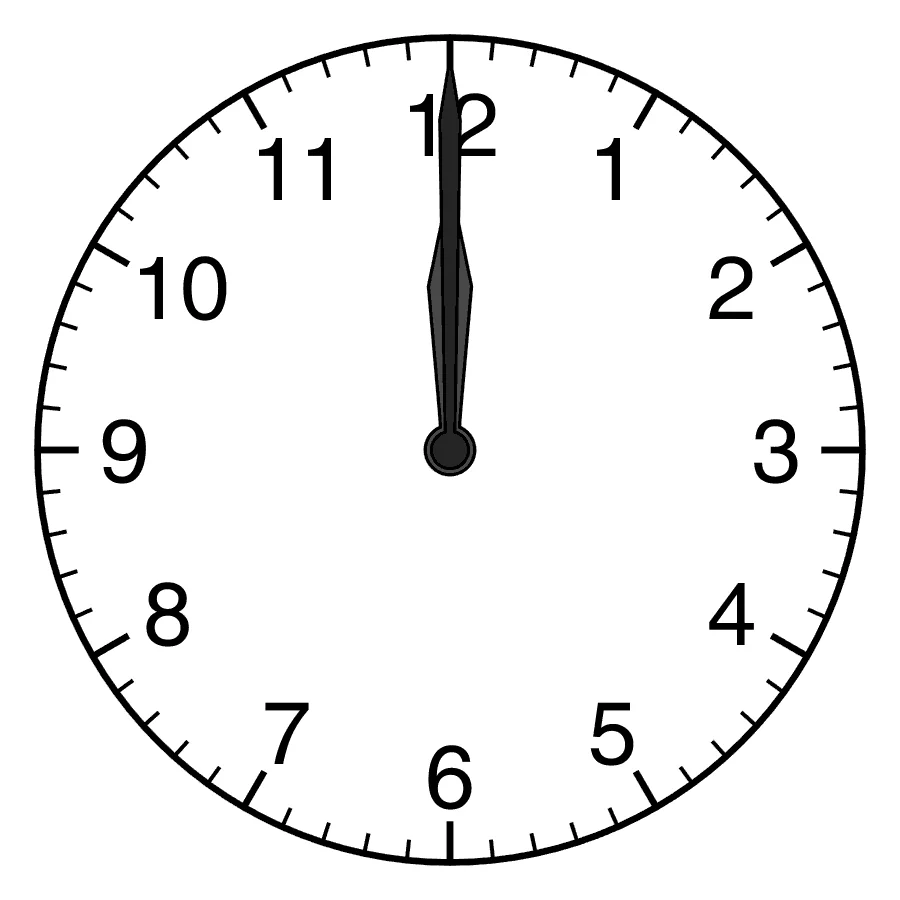
An ordinary feature of modern life has a history worth questioning: Why Are There 60 Minutes in an Hour.
Filed under Society
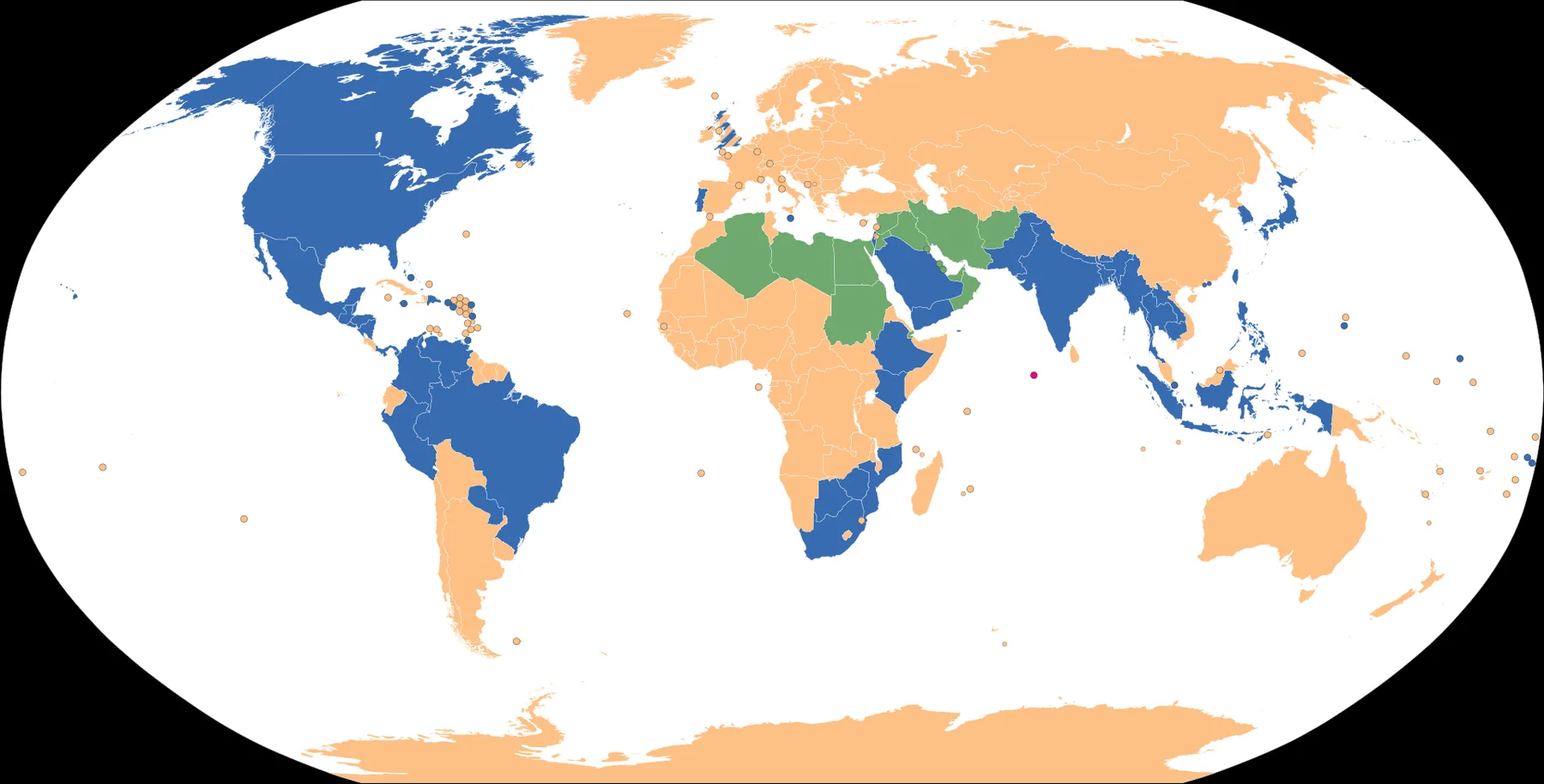
An ordinary feature of modern life has a history worth questioning: Why Does the Week Have Seven Days.
Filed under Society
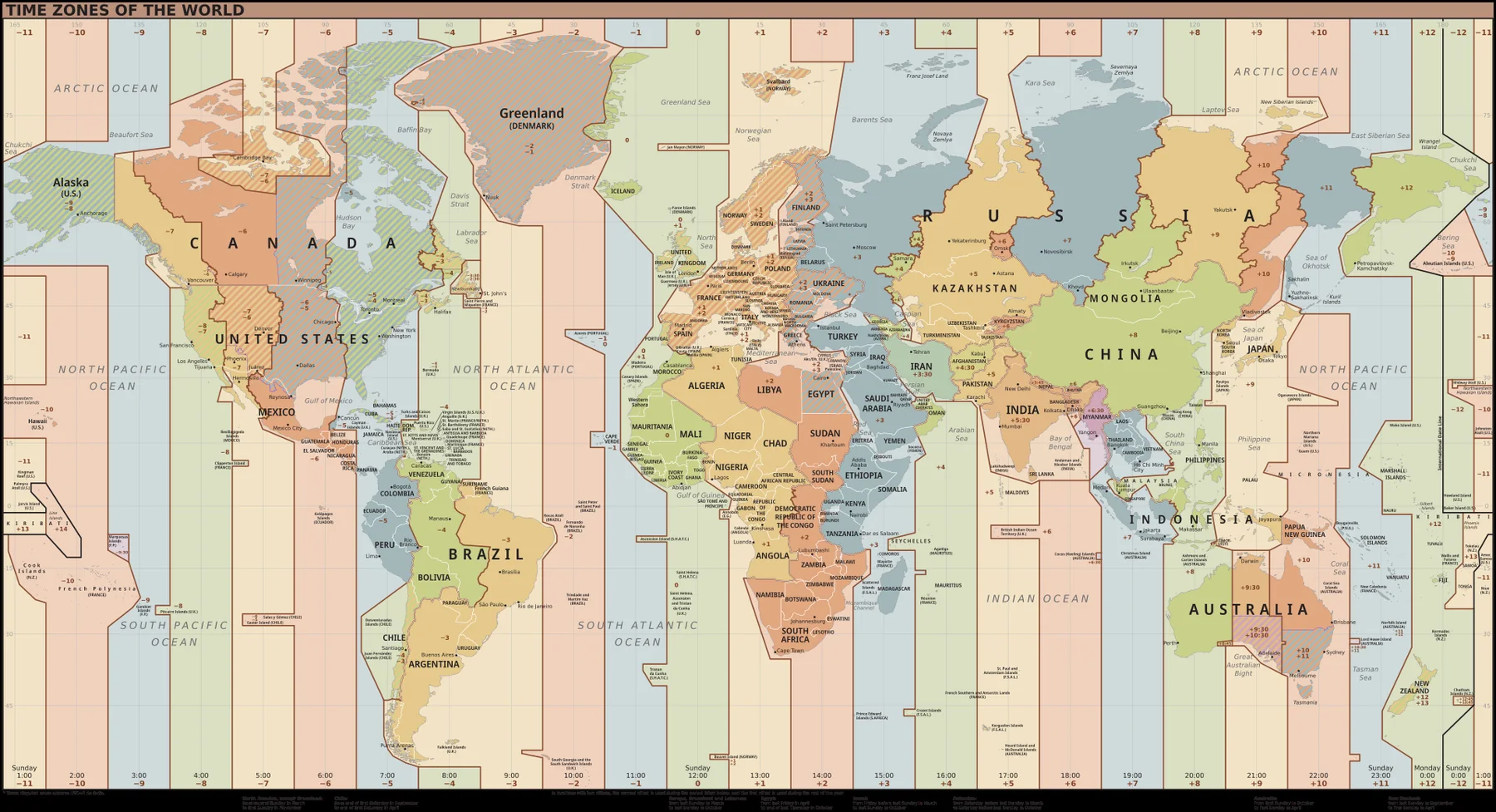
An ordinary feature of modern life has a history worth questioning: Why Do We Have Time Zones.
Filed under Ideas
The final transformation in this collection is also the most familiar: moving pictures no longer need a theatre, a broadcast schedule or even a television set. They need a connection.
Filed under Ideas
Black Panther did not invent Black representation in cinema. It demonstrated something different: a film centred on Black identity could become a global cultural event at blockbuster scale.
Read story: Black Panther: When Representation Became the Main Event
Filed under Ideas
Black filmmakers had been working in American cinema for decades. By the late twentieth century, a growing body of Black cinema insisted that representation could be a form of authorship, argument and confrontation.
Read story: Do the Right Thing: When the Screen Started Answering Back
Filed under Ideas
A new generation of filmmakers treated the rules of cinema less as laws than as suggestions. The result was a more personal, restless and self-conscious kind of filmmaking.
Read story: French New Wave: When Filmmakers Stopped Asking Permission
Filed under Ideas
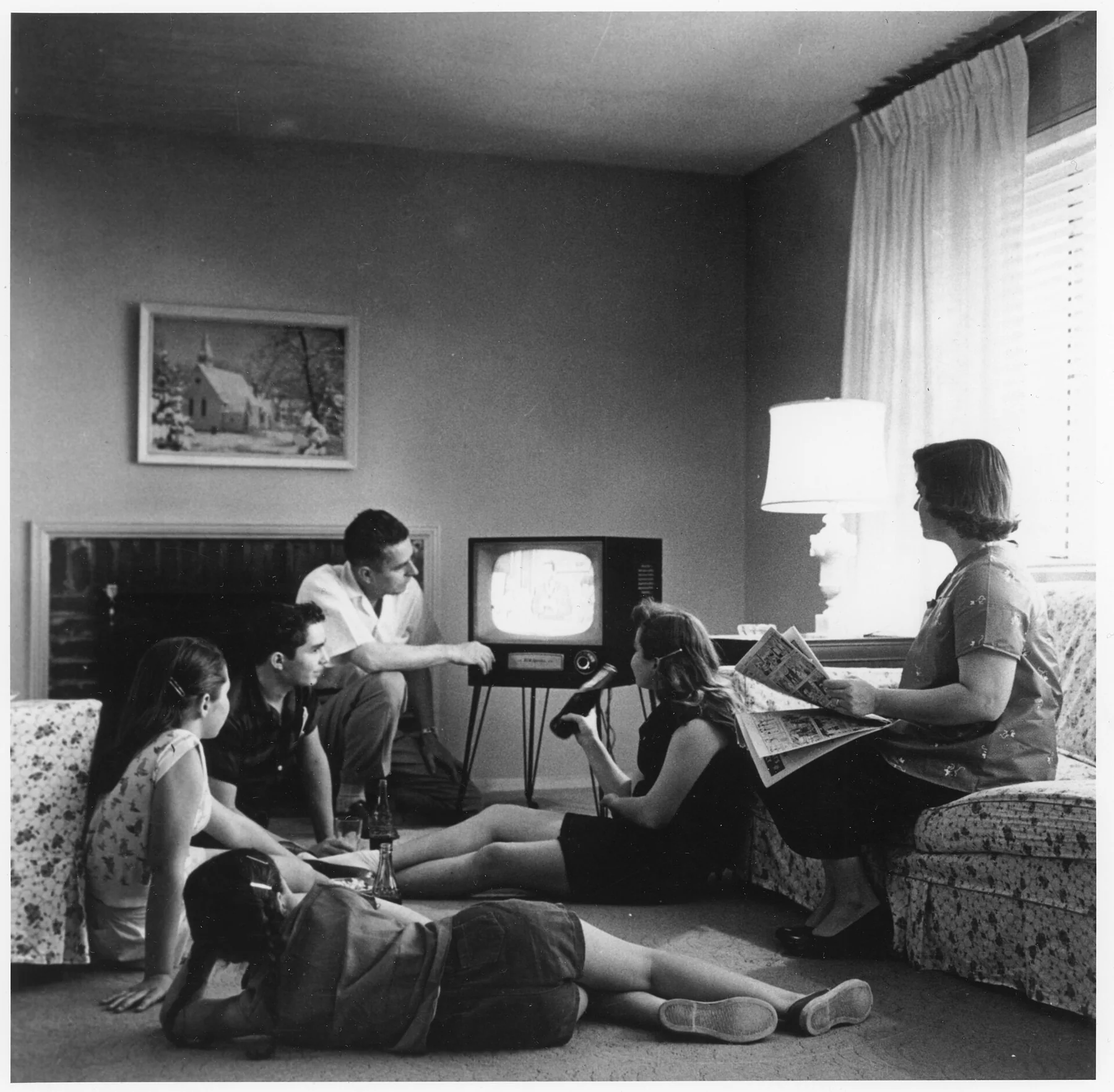
The screen stopped being a destination. Television brought moving pictures into living rooms and made visual media part of everyday domestic life.
Filed under Ideas
Postwar Italian neorealism challenged the idea that cinema needed glamour, spectacle or extraordinary heroes. Ordinary people could carry an entire film.
Read story: Bicycle Thieves: When Ordinary Life Became Worth Filming
Filed under Ideas
Citizen Kane helped make a new idea visible: a film could have a point of view as distinctive as a novel, a painting or a piece of music.
Filed under Ideas
As cinema became more powerful, pressure grew to control what audiences could see. The result was one of the most influential systems of self-censorship in film history.
Read story: The Hays Code: When Society Tried to Decide What Movies Were Allowed to Show
Filed under Ideas
The arrival of synchronised sound changed the basic grammar of popular cinema. Suddenly, moving pictures could speak, sing and sound like the world itself.
Read story: The Jazz Singer: When the Movies Found Their Voice
Filed under Ideas
One of cinema’s most technically influential films also demonstrated one of its darkest possibilities: moving pictures could turn prejudice into spectacle and influence public belief.
Read story: The Birth of a Nation: When Cinema Learned It Could Change What People Believed
Filed under Ideas
Cinema became more than a machine. It became a place where strangers could sit together, disappear into darkness and share the same imagined world.
Read story: The Movie Theatre: When Strangers Started Watching the Same Dream
Filed under Ideas
In December 1895, a room in Paris became a new kind of public space. People did not simply look at a picture. They watched reality move — together.
Read story: The Lumière Screening: When Reality Began Moving
Filed under Ideas
The rise of the album as a serious artistic format changed how popular music could be created, listened to and interpreted.
Read story: The Beatles and the Album Era: When Pop Musicians Became Cultural Authors
Filed under Ideas
Digital distribution changed music from something people physically owned and collected into something increasingly accessed through platforms.
Read story: Digital Music and Streaming: When the Record Store Disappeared
Filed under Ideas
Disco emerged from nightlife communities where Black, Latino and LGBTQ+ people created spaces of music, identity, connection and release.
Read story: Disco and the Dance Floor: When Marginalised Communities Built the Party
Filed under Ideas
Amplification and electric instruments changed the physical limits of music and helped create sounds that could not exist in the same way acoustically.
Read story: The Electric Revolution: When an Instrument Stopped Being What It Used to Be
Filed under Ideas
Born from the social and economic pressures of 1970s New York, hip-hop became a global language of self-representation, creativity and social commentary.
Filed under Ideas
In the 1920s and 1930s, music became part of a wider cultural transformation in which African American artists reshaped ideas about identity, creativity and modern life.
Read story: Jazz and the Harlem Renaissance: When Black Modernity Became Impossible to Ignore
Filed under Ideas
Music television and later digital platforms transformed songs into audiovisual experiences, changing how artists built identity and how audiences discovered music.
Read story: The Music Video: When a Song Became a Visual World
Filed under Ideas
When recorded sound turned music from a fleeting performance into something that could be preserved, reproduced and carried into homes.
Read story: The Phonograph: The Moment Music Escaped the Room
Filed under Ideas
Across civil rights, antiwar and other movements, songs helped people organise, endure pressure and express collective demands.
Read story: The Protest Song: When Music Became a Tool for Resistance
Filed under Ideas
Punk challenged the assumption that musical legitimacy required technical perfection, institutional backing or permission from the established industry.
Read story: Punk: When You Didn’t Need Permission to Make Music
Filed under Ideas
In the 1950s, a new musical culture helped make youth identity visible, commercially powerful and increasingly independent.
Read story: Rock ’n’ Roll: When Teenagers Became a Cultural Force
Filed under Ideas
Sampling changed the idea of musical originality by turning existing recordings into building blocks for new works.
Read story: Sampling and the Remix: When the Past Became Raw Material
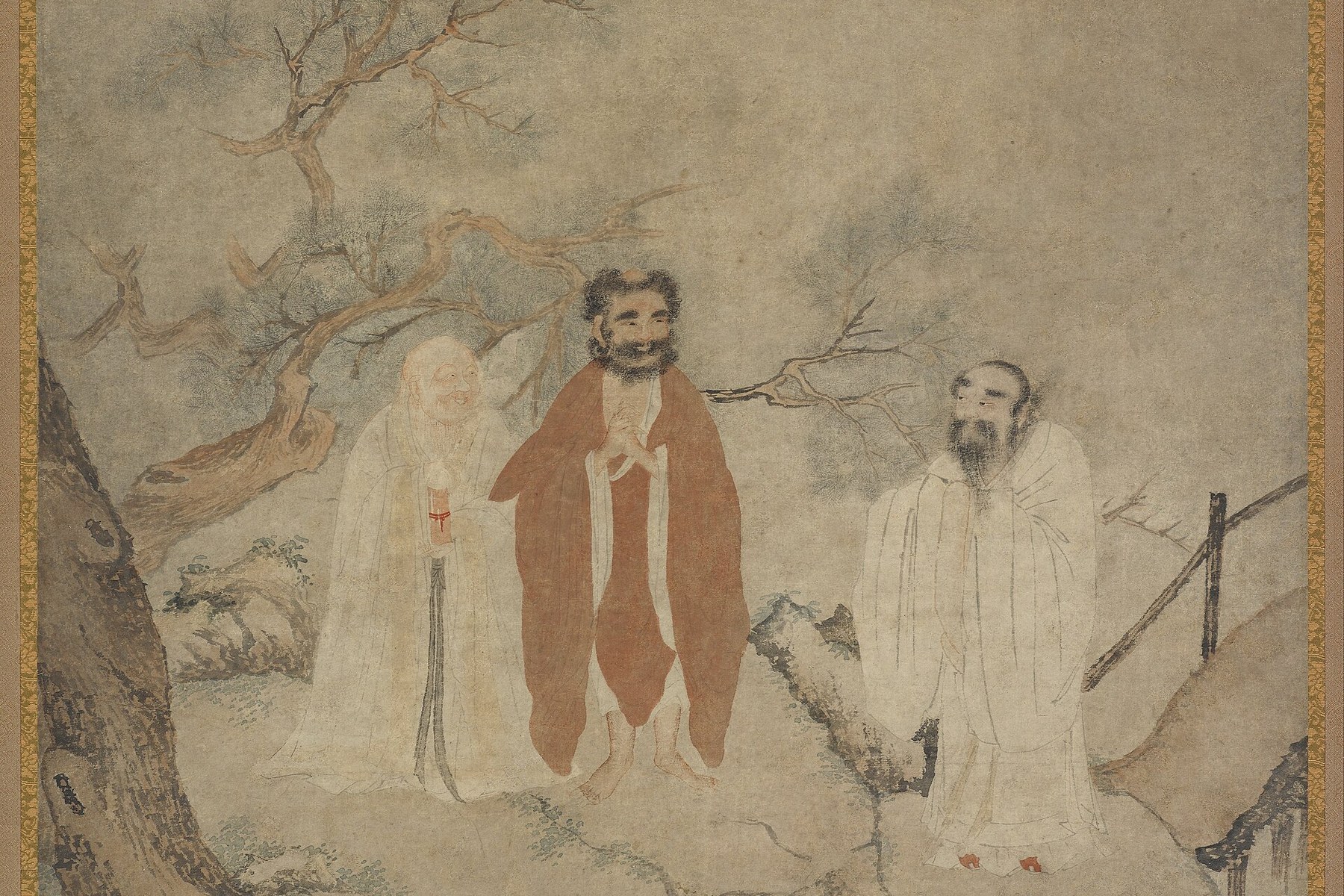
Filed under Culture
Philosophy changed society by making questions a cultural force. What happens when no belief is completely beyond examination?
Read story: The Birth of Philosophy: When Humanity Began Questioning Everything
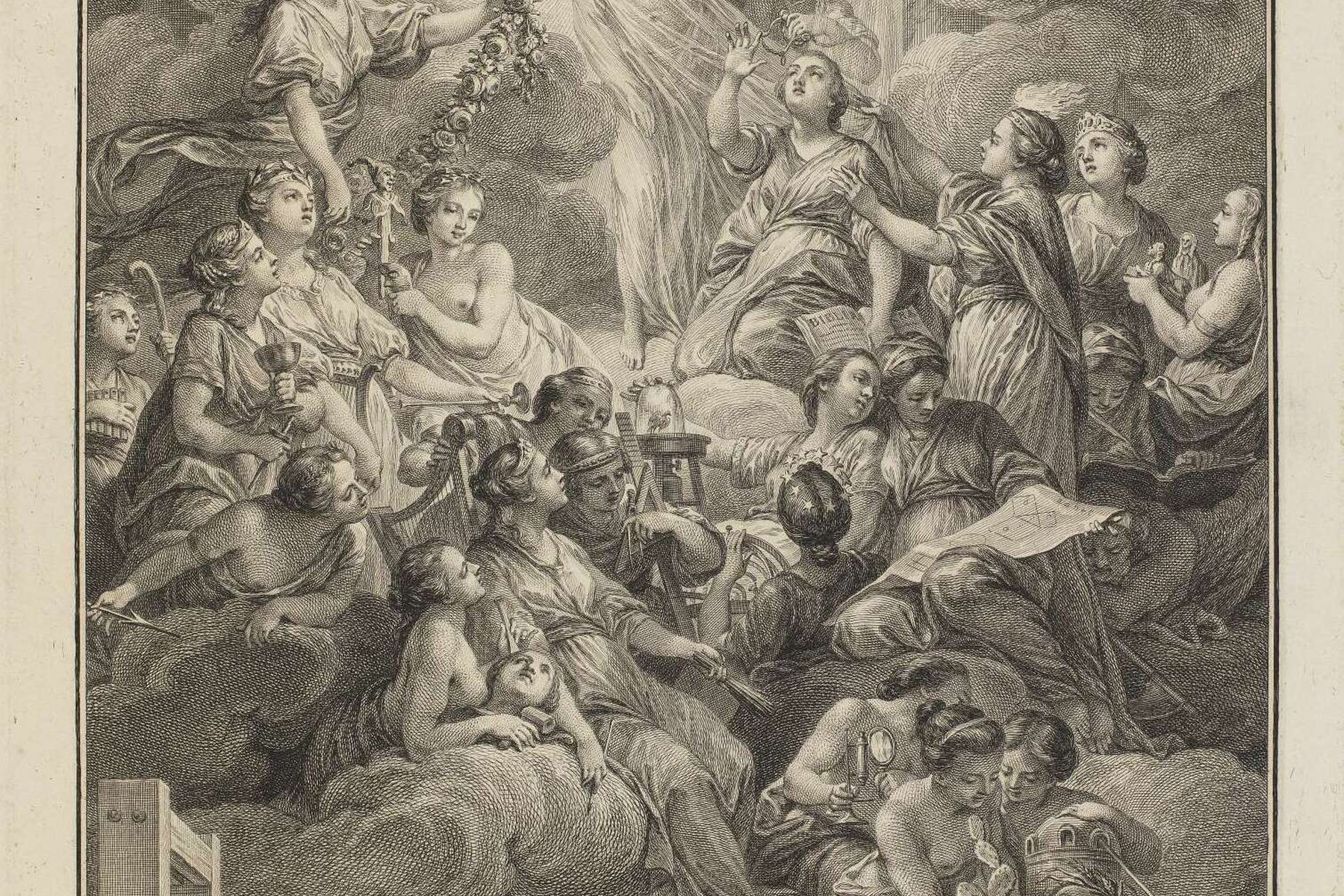
Filed under Culture
The Enlightenment asked whether inherited authority deserved obedience. That question still shapes democracy today.
Read story: The Enlightenment: When Society Began Questioning Authority
Filed under Ideas
Slavery wasn't always treated as a crime — for centuries, it was simply commerce. How a movement led largely by the enslaved themselves forced the world to see it differently.
Filed under Ideas
Democracy began in one ancient city, nearly vanished for two thousand years, and came back to become the ideal even dictatorships now pretend to follow. The story of an unfinished argument.
Filed under Ideas
In 1792, a writer argued that women's inferiority wasn't natural — just unequal education and law. It took over a century, and it's still unfinished. The story of an idea that redefined "natural."
Filed under Ideas
For two centuries, the mind was assumed to be rational and self-aware. Then Freud argued that most of what drives behavior happens somewhere the conscious mind can't see.
Filed under Ideas
For most of history, power that wouldn't negotiate was met with force — or not met at all. Gandhi proposed a third option, and it changed how movements around the world fight for change.
Filed under Ideas
Marx didn't invent poverty or privilege — he changed how the world explained them. From personal fate to structural fact: the idea that reshaped economics, labor rights, and the modern welfare state.
Filed under Ideas
"All men are created equal" wasn't written to include everyone — but its logic couldn't stay narrow for long. How one Enlightenment idea outgrew the people who first wrote it.
Filed under Ideas
For two centuries, growth was treated as a story with no natural ending. A biologist and a team of modelers, a decade apart, argued the planet disagreed. The idea that reshaped modern economics.
Filed under Ideas
For most of history, a king didn't need a reason to rule you. Then three philosophers asked him to produce one — and the world has been arguing about the answer ever since.
Filed under Ideas
It has no army, no court, and no binding legal power. It's still one of the most influential documents in modern history. The story of the 1948 declaration that redefined human dignity.