Filed under Ideas · Ideas
Streaming When Cinema Lost Its Address
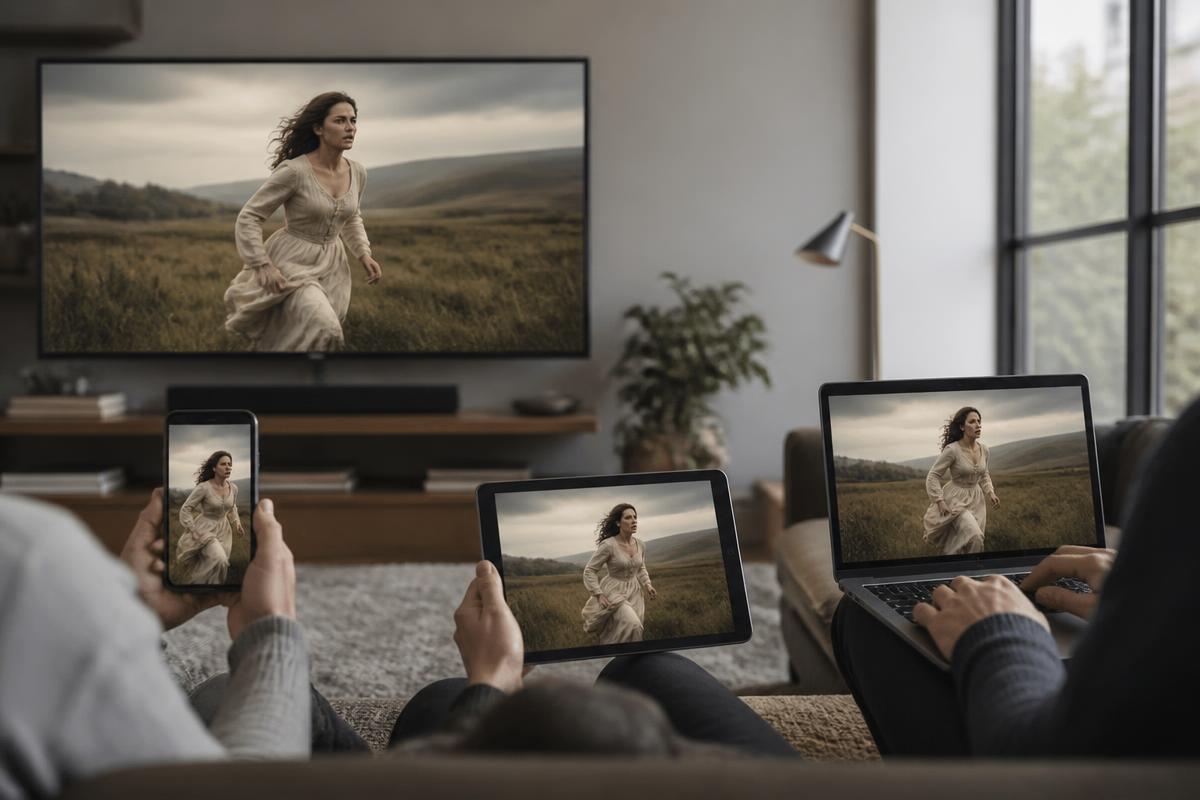
The final transformation in this collection is also the most familiar: moving pictures no longer need a theatre, a broadcast schedule or even a television set. They need a connection.
- Share “Streaming: When Cinema Lost Its Address” on X
- Share “Streaming: When Cinema Lost Its Address” on Facebook
- Share “Streaming: When Cinema Lost Its Address” on LinkedIn
- Share “Streaming: When Cinema Lost Its Address” on WhatsApp
- Share “Streaming: When Cinema Lost Its Address” on Telegram
- Share “Streaming: When Cinema Lost Its Address” on Reddit
- Share “Streaming: When Cinema Lost Its Address” on Email
THE OLD NORMAL
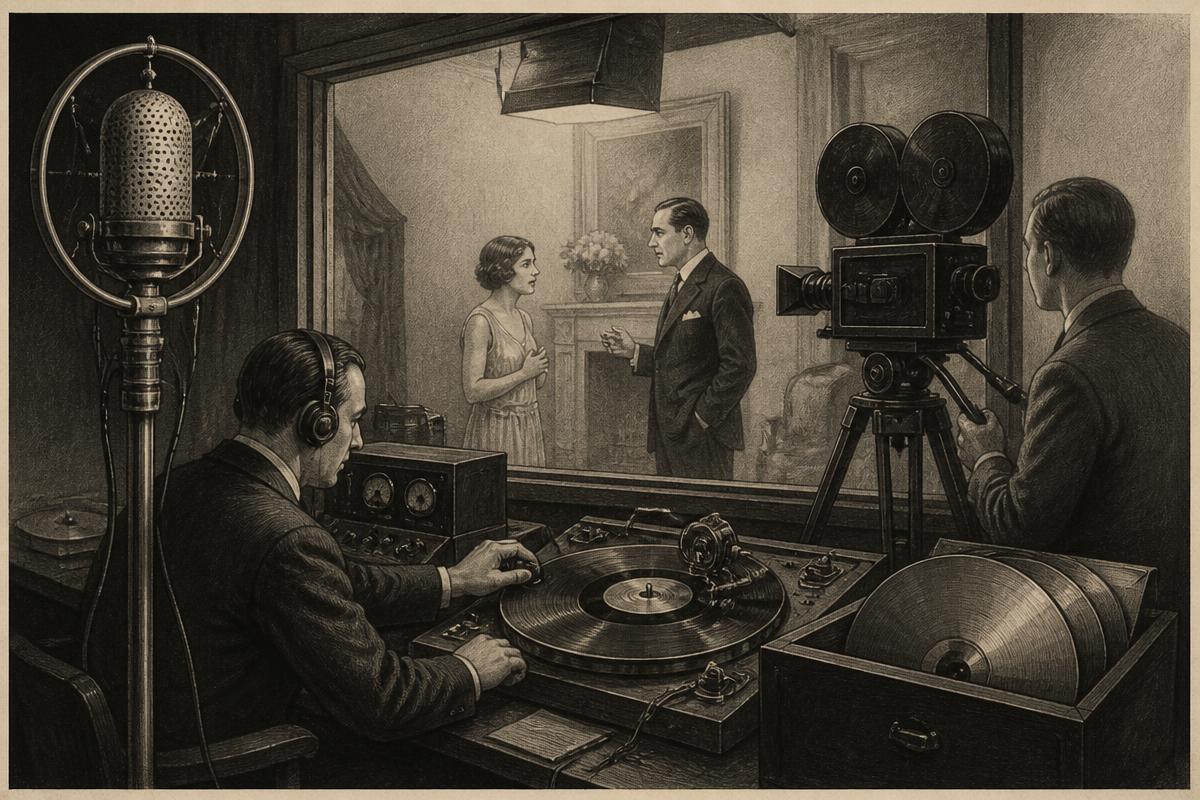
Cinema had a physical address. Television had a schedule. Even recorded video depended on a physical format. Access to moving pictures was tied to places, objects or timetables.
THE QUESTION
What if a film did not have to live anywhere specific?
THE BREAKTHROUGH
Digital video, broadband internet and on-demand platforms progressively separated moving pictures from physical media and fixed broadcast schedules. Streaming turned the connected device into a gateway to an enormous catalogue.
THE CHANGE
The relationship between audience and content became more immediate and personalised. People could watch when they wanted, pause, resume and receive recommendations shaped by their viewing behaviour.
THE NEW NORMAL
On-demand video became a central way to consume moving pictures. The distinction between television and internet video increasingly blurred.
WHAT WE STILL MISUNDERSTAND
Streaming did not simply make cinema more convenient. It changed economics, release strategies, discovery and the role of algorithms. It also created new questions about ownership, access, preservation and cultural visibility.
THE MODERN CONNECTION
Short-form video, creator platforms, connected TVs and AI-generated video continue the same trajectory: moving pictures are becoming increasingly detached from fixed places and traditional gatekeepers.
THE RETHINK
The history of moving pictures began by freeing images from stillness. It ended this journey by freeing them from an address.