Filed under Ideas · Ideas
The Lumière Screening When Reality Began Moving
In December 1895, a room in Paris became a new kind of public space. People did not simply look at a picture. They watched reality move — together.
- Share “The Lumière Screening: When Reality Began Moving” on X
- Share “The Lumière Screening: When Reality Began Moving” on Facebook
- Share “The Lumière Screening: When Reality Began Moving” on LinkedIn
- Share “The Lumière Screening: When Reality Began Moving” on WhatsApp
- Share “The Lumière Screening: When Reality Began Moving” on Telegram
- Share “The Lumière Screening: When Reality Began Moving” on Reddit
- Share “The Lumière Screening: When Reality Began Moving” on Email
THE OLD NORMAL
Photography had already created a powerful new relationship with images. A photograph could preserve a person, a place or an instant. But it remained still. A picture could show movement, yet it could not reproduce movement itself.
THE QUESTION
What if an image did not merely represent an event, but appeared to make time visible? What if people could watch movement return to them?
THE BREAKTHROUGH
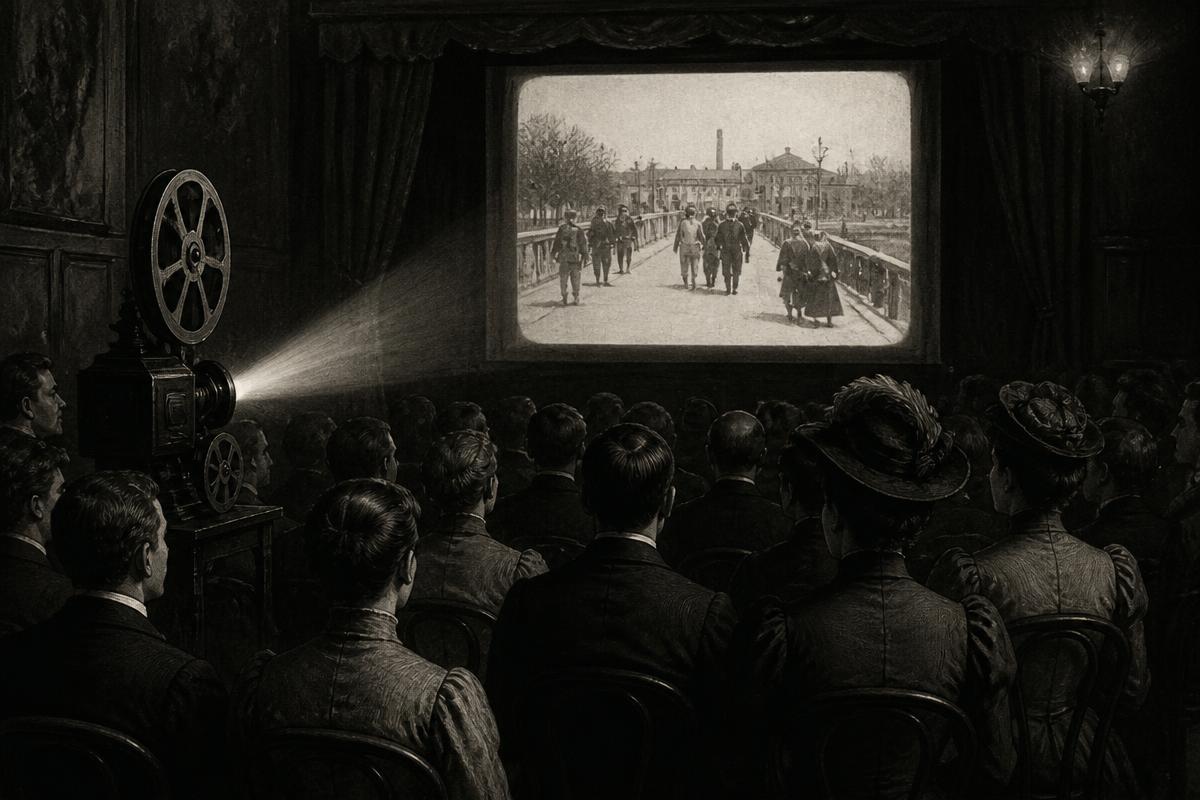
On December 28, 1895, the Lumière brothers held a public exhibition in Paris using their Cinématographe. The device combined filming, printing and projection, allowing moving images to be shown to an audience. The event became one of the defining early public moments in cinema.
THE CHANGE
The significance was larger than the individual films. Moving images became a shared public experience. Instead of one person looking at a photograph, a roomful of strangers could look at the same moving world at the same time.
THE NEW NORMAL
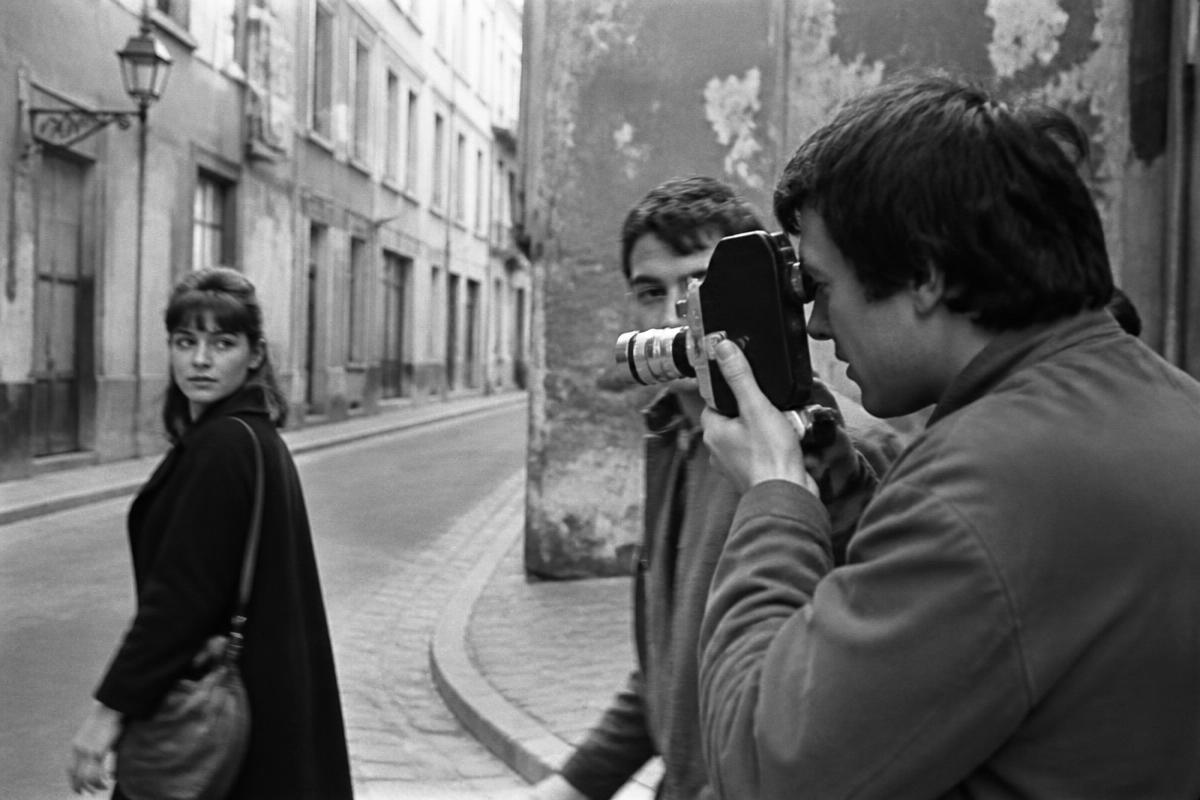
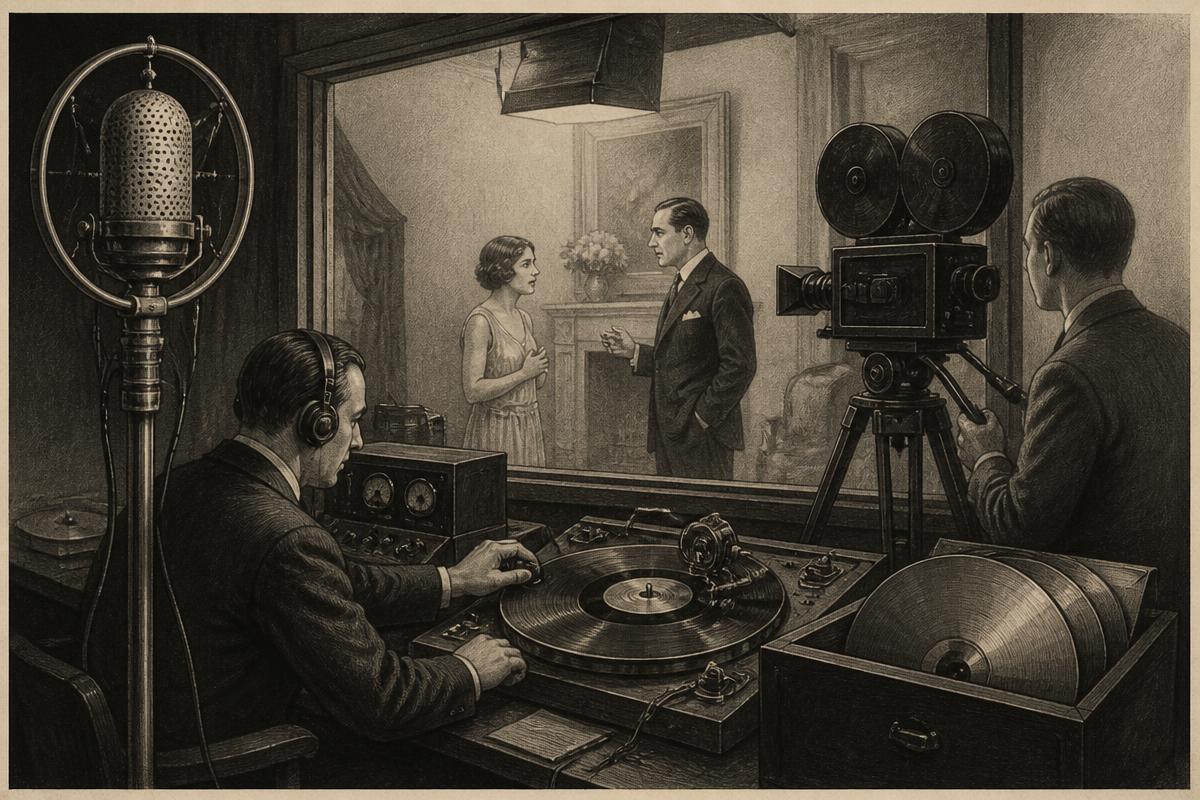
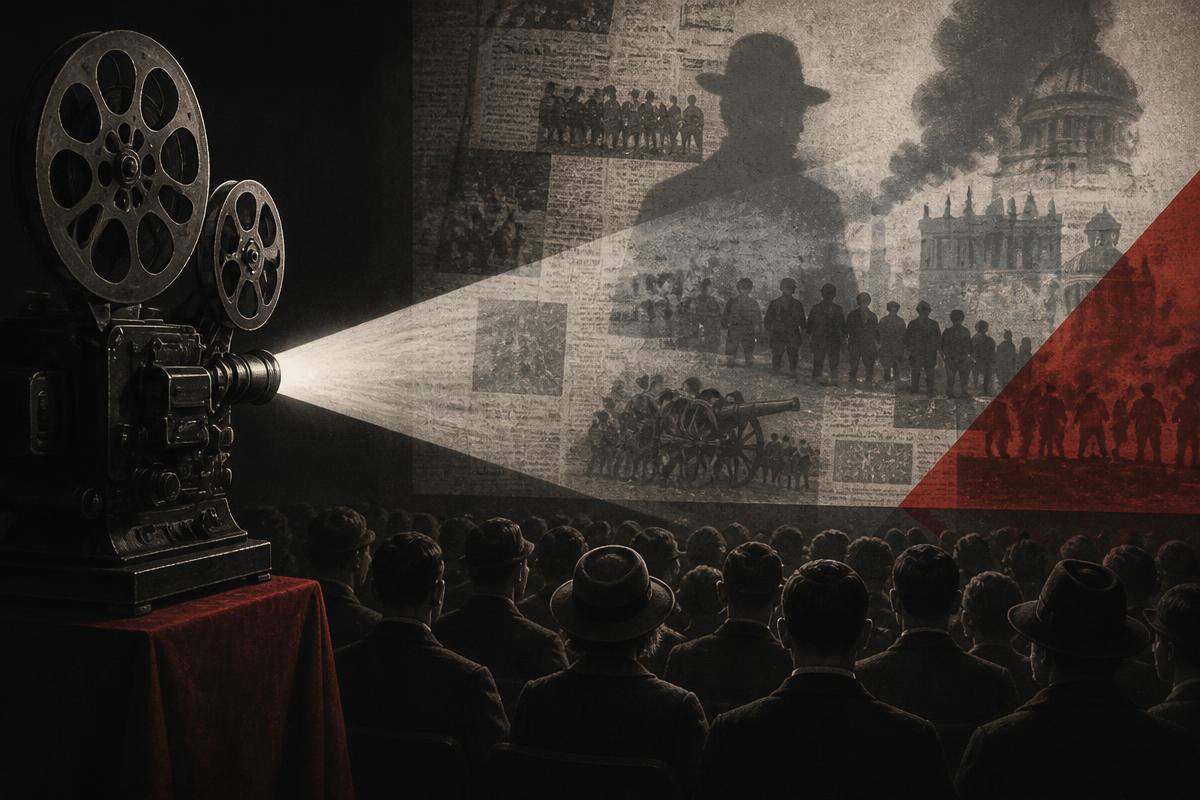
Cinema gradually developed into an industry, a social venue and a new form of storytelling. The moving image was no longer merely a scientific curiosity. It could become entertainment, news, art, propaganda and memory.
WHAT WE STILL MISUNDERSTAND
The birth of cinema was not the achievement of one invention on one evening. Moving pictures emerged through many experiments in photography, projection, optics and mechanical reproduction. The Lumière screening matters because it crystallised several developments into a compelling public experience.
THE MODERN CONNECTION
Every time a person watches a film on a phone, computer or television, they participate in a cultural system that began when moving images became reproducible and publicly shareable.
THE RETHINK
The first great rethink was simple: a picture did not have to freeze the world. It could let us experience the world as movement.