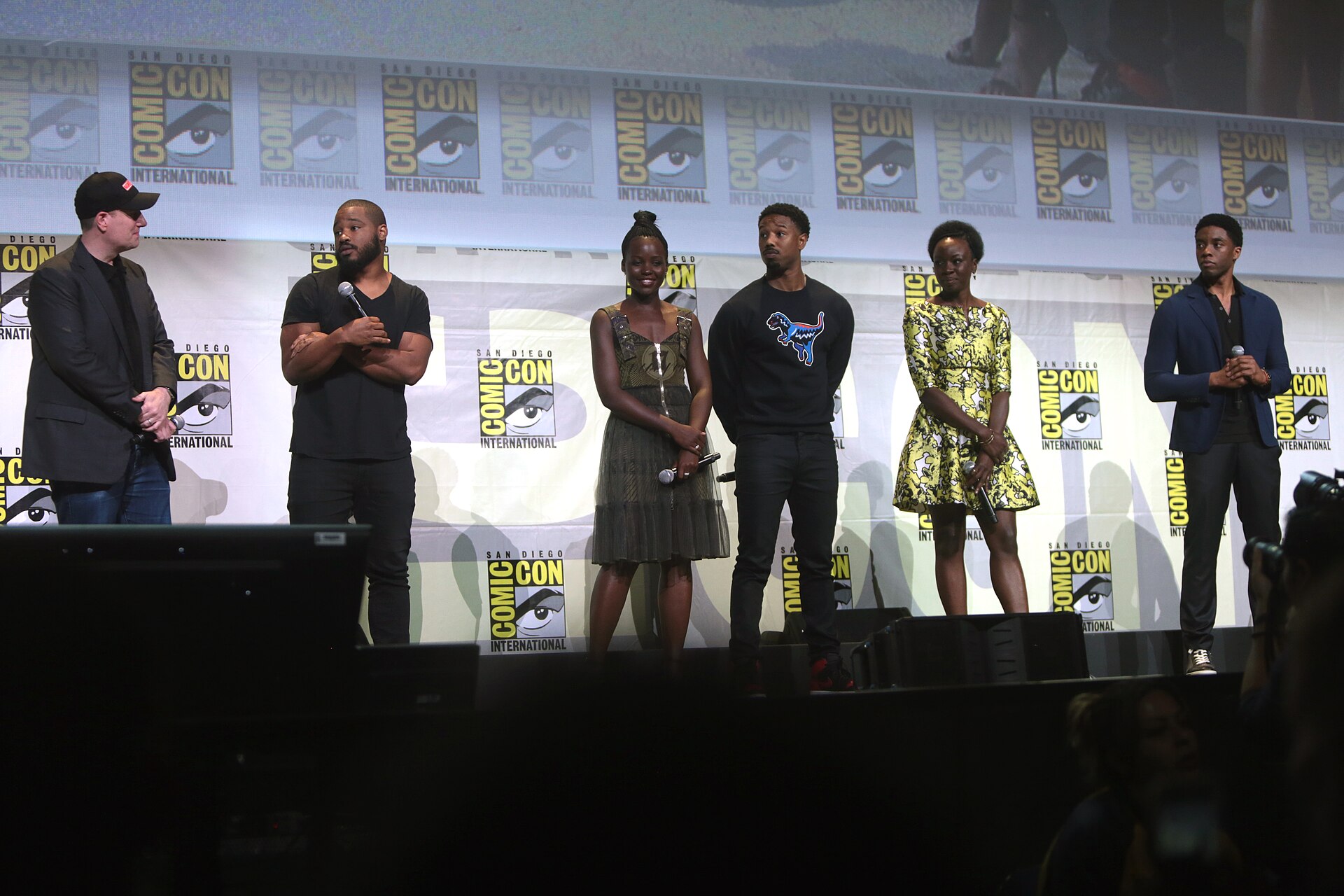
Filed under Ideas
Black Panther did not invent Black representation in cinema. It demonstrated something different: a film centred on Black identity could become a global cultural event at blockbuster scale.
Read story→: Black Panther: When Representation Became the Main Event
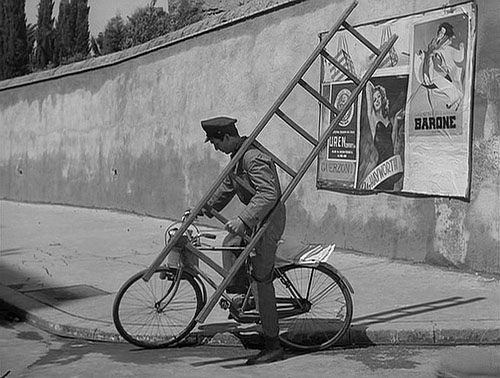
Filed under Ideas
Postwar Italian neorealism challenged the idea that cinema needed glamour, spectacle or extraordinary heroes. Ordinary people could carry an entire film.
Read story→: Bicycle Thieves: When Ordinary Life Became Worth Filming
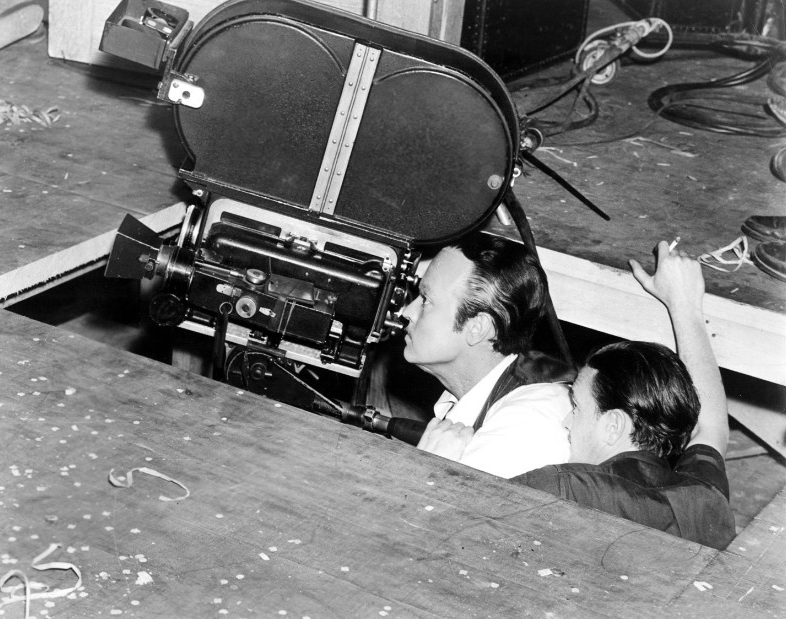
Filed under Ideas
Citizen Kane helped make a new idea visible: a film could have a point of view as distinctive as a novel, a painting or a piece of music.
Read story→: Citizen Kane: When the Camera Became an Author
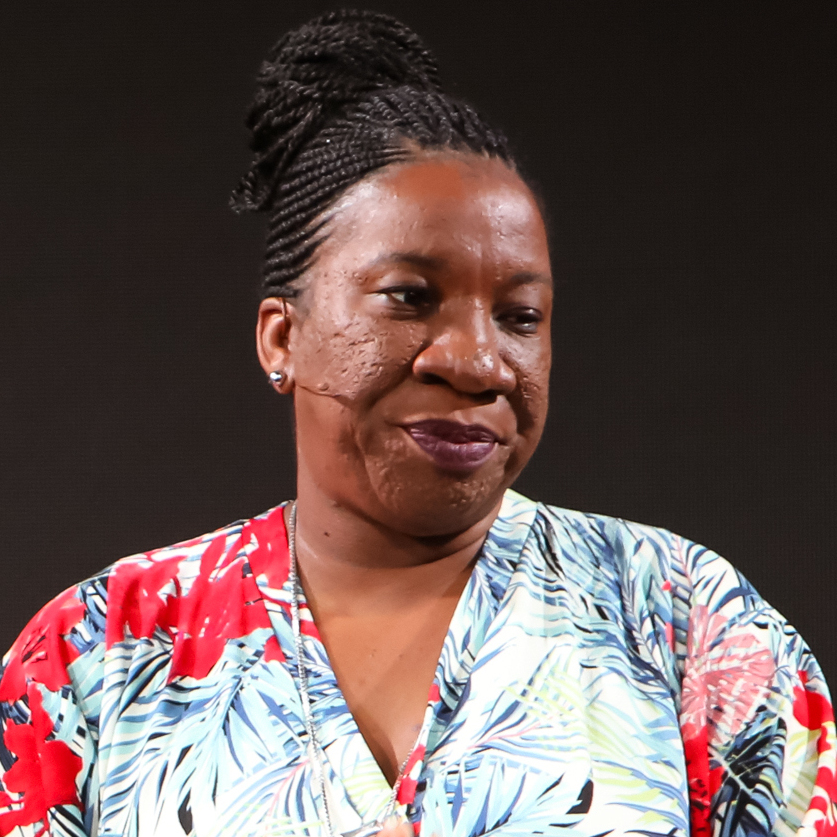
Filed under Activism
A phrase created by Tarana Burke became a global movement that changed how sexual harassment, abuse and power were discussed.
Read story→: #MeToo: When Millions Realised the Problem Was Bigger Than One Person
Filed under Ideas
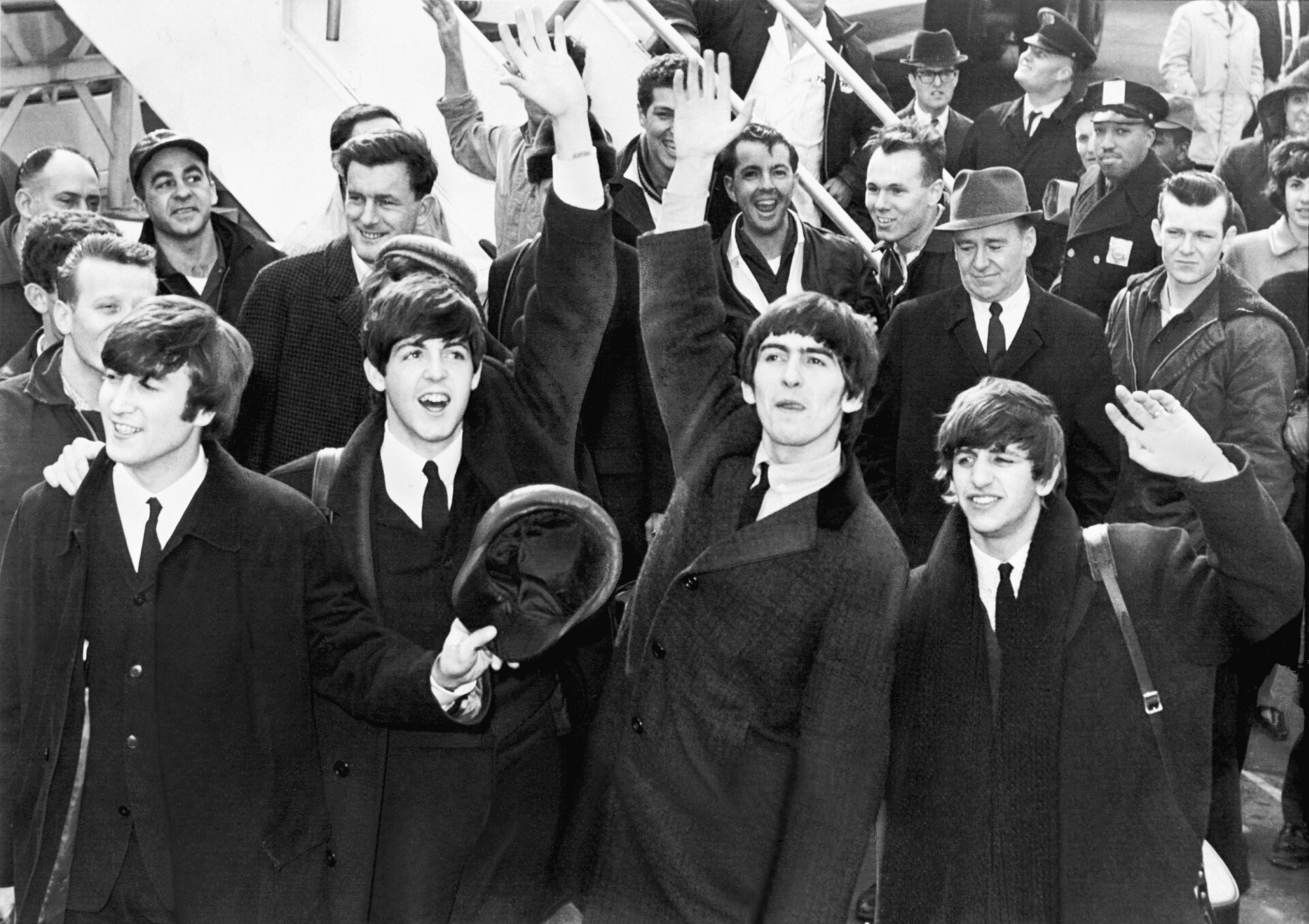
The rise of the album as a serious artistic format changed how popular music could be created, listened to and interpreted.
Read story→: The Beatles and the Album Era: When Pop Musicians Became Cultural Authors

Filed under Ideas
Digital distribution changed music from something people physically owned and collected into something increasingly accessed through platforms.
Read story→: Digital Music and Streaming: When the Record Store Disappeared
Filed under Ideas
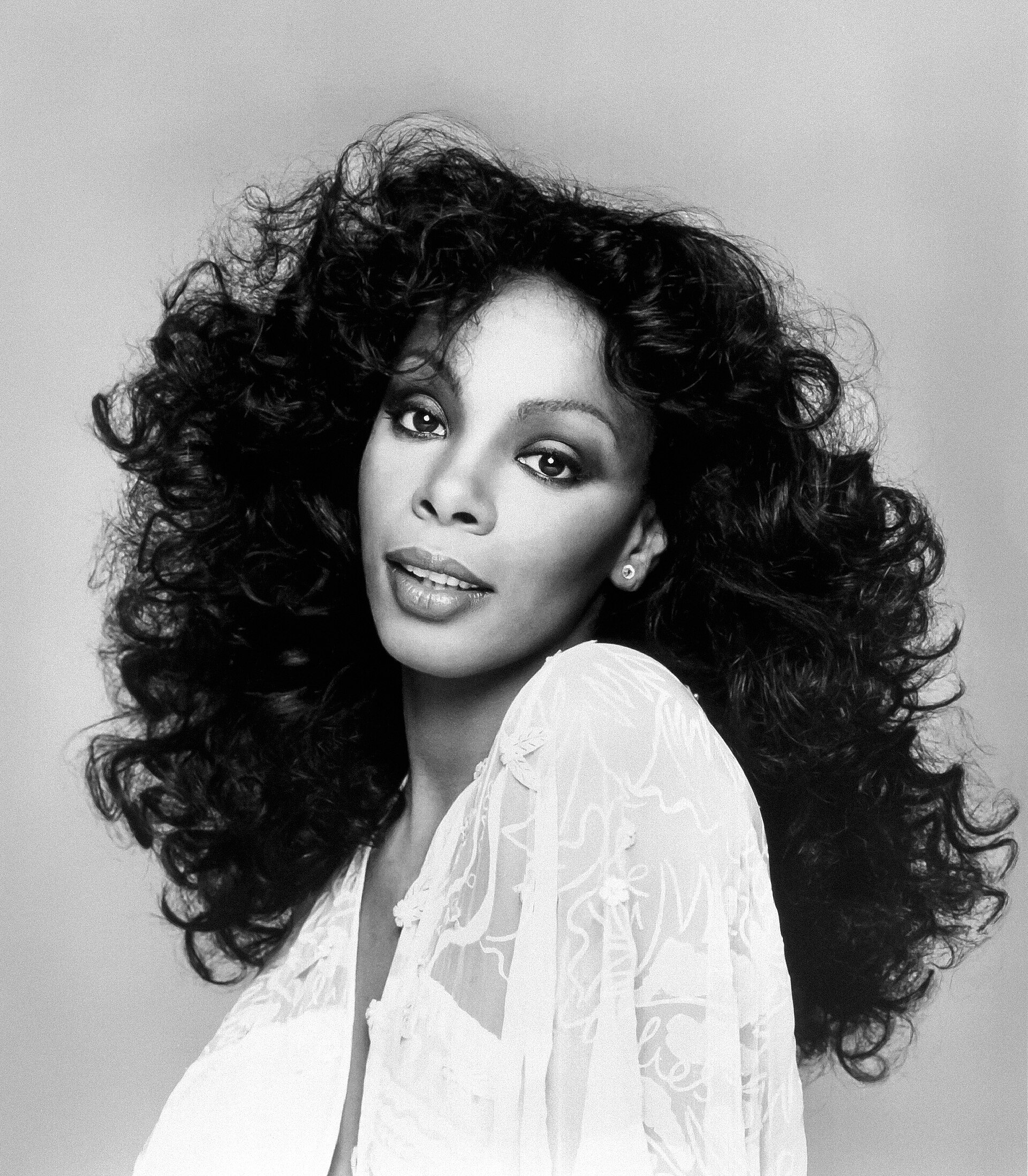
Disco emerged from nightlife communities where Black, Latino and LGBTQ+ people created spaces of music, identity, connection and release.
Read story→: Disco and the Dance Floor: When Marginalised Communities Built the Party
Filed under Ideas
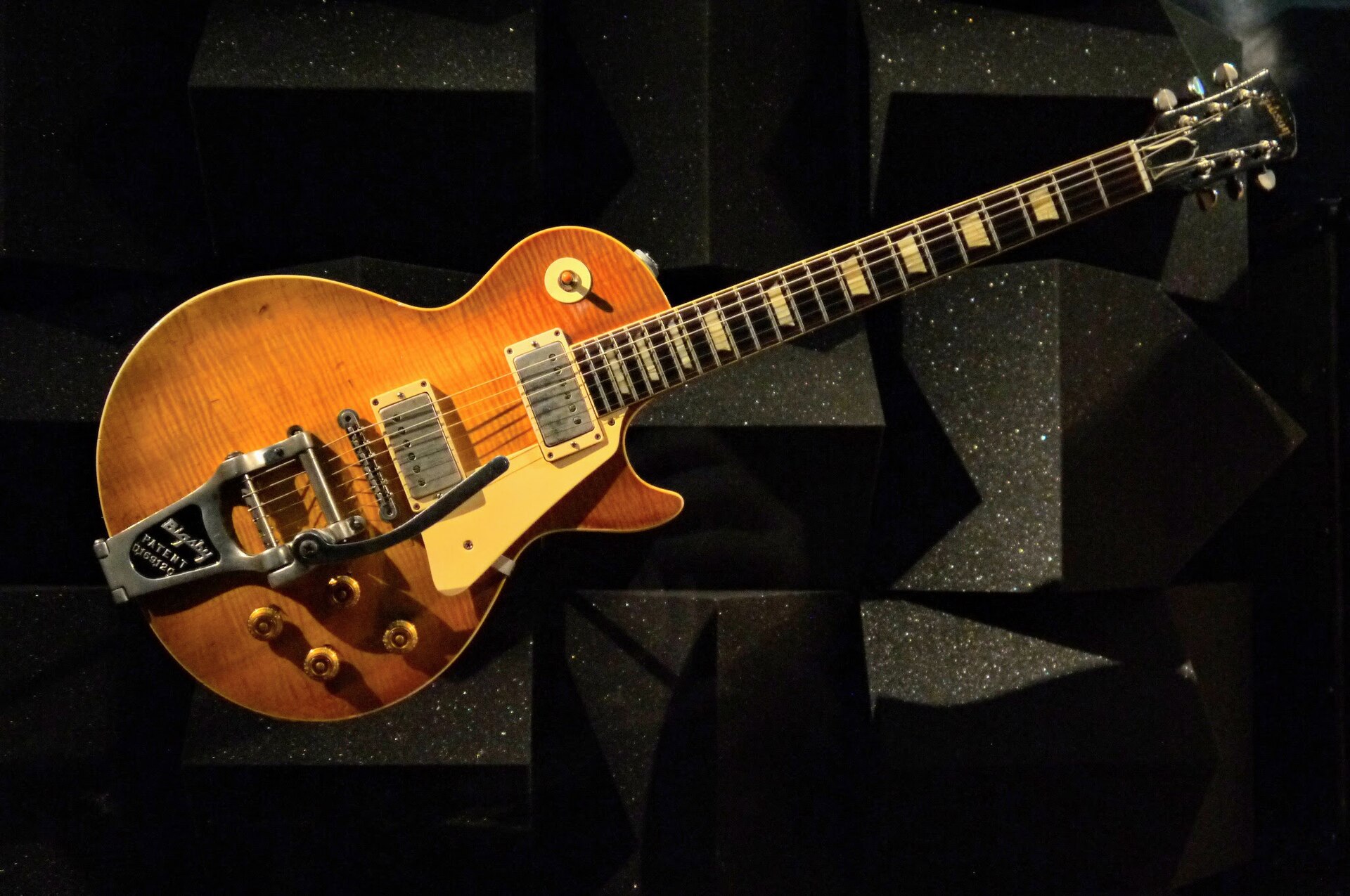
Amplification and electric instruments changed the physical limits of music and helped create sounds that could not exist in the same way acoustically.
Read story→: The Electric Revolution: When an Instrument Stopped Being What It Used to Be
Filed under Ideas
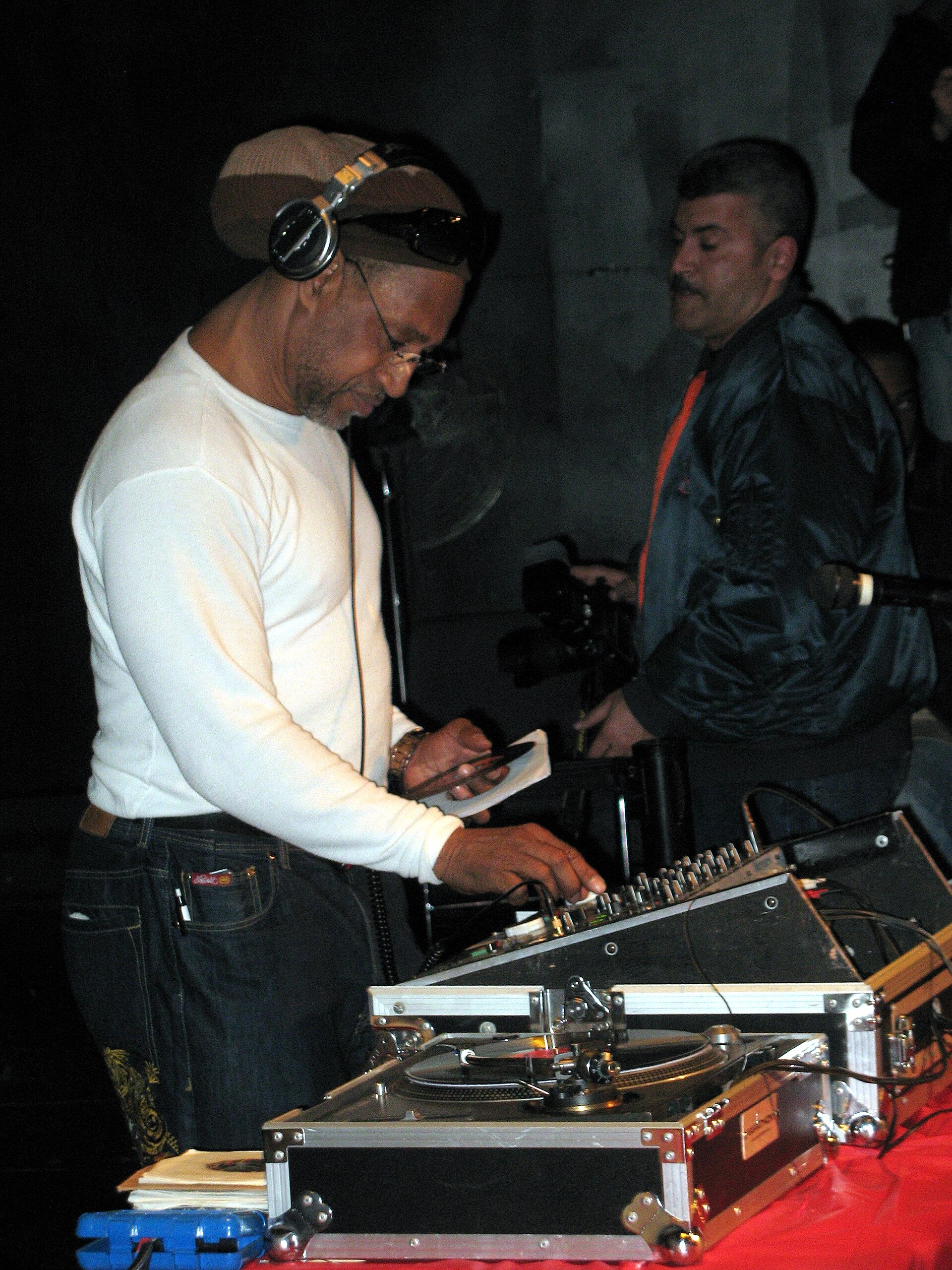
Born from the social and economic pressures of 1970s New York, hip-hop became a global language of self-representation, creativity and social commentary.
Read story→: Hip-Hop: When the Margins Became the Microphone
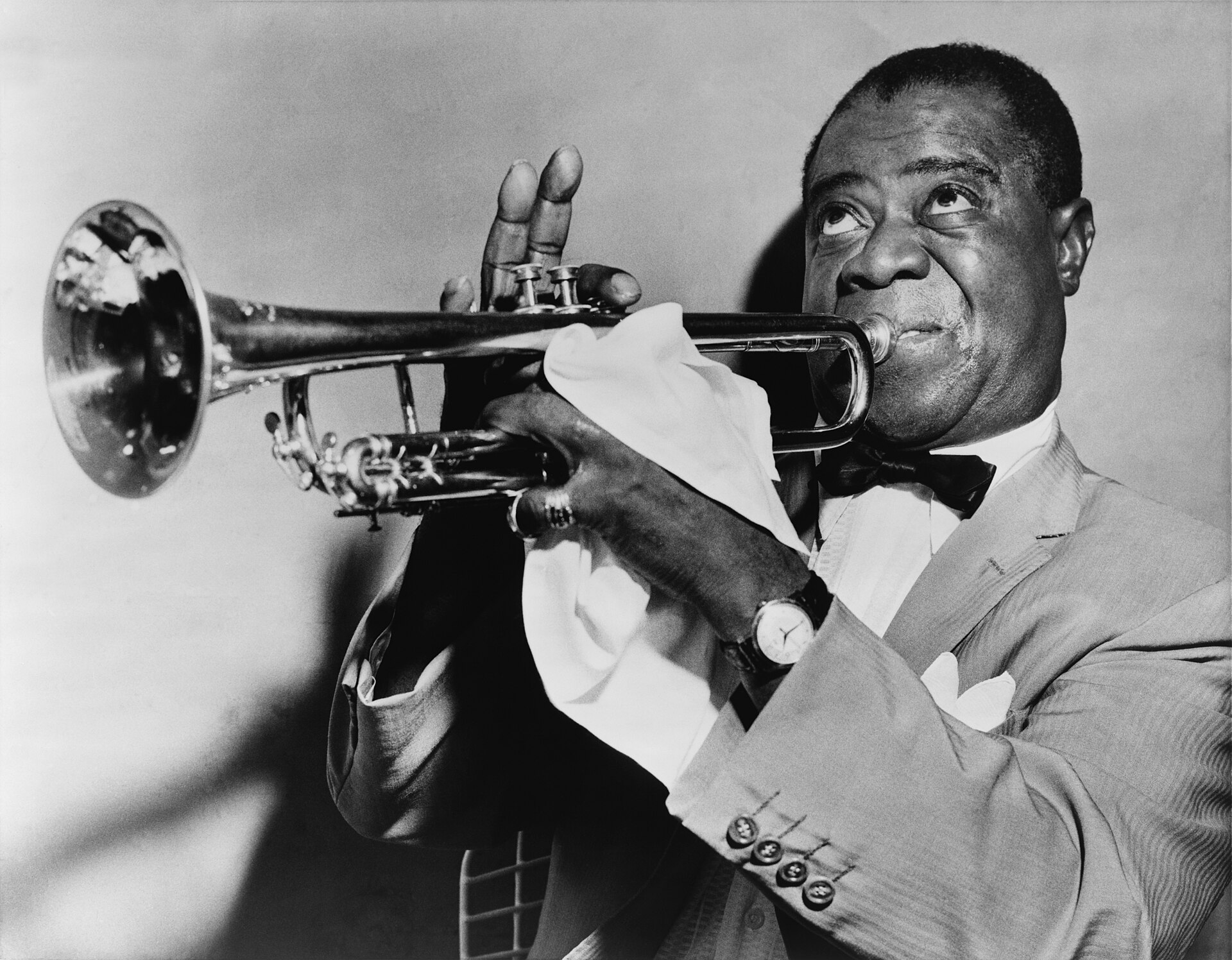
Filed under Ideas
In the 1920s and 1930s, music became part of a wider cultural transformation in which African American artists reshaped ideas about identity, creativity and modern life.
Read story→: Jazz and the Harlem Renaissance: When Black Modernity Became Impossible to Ignore
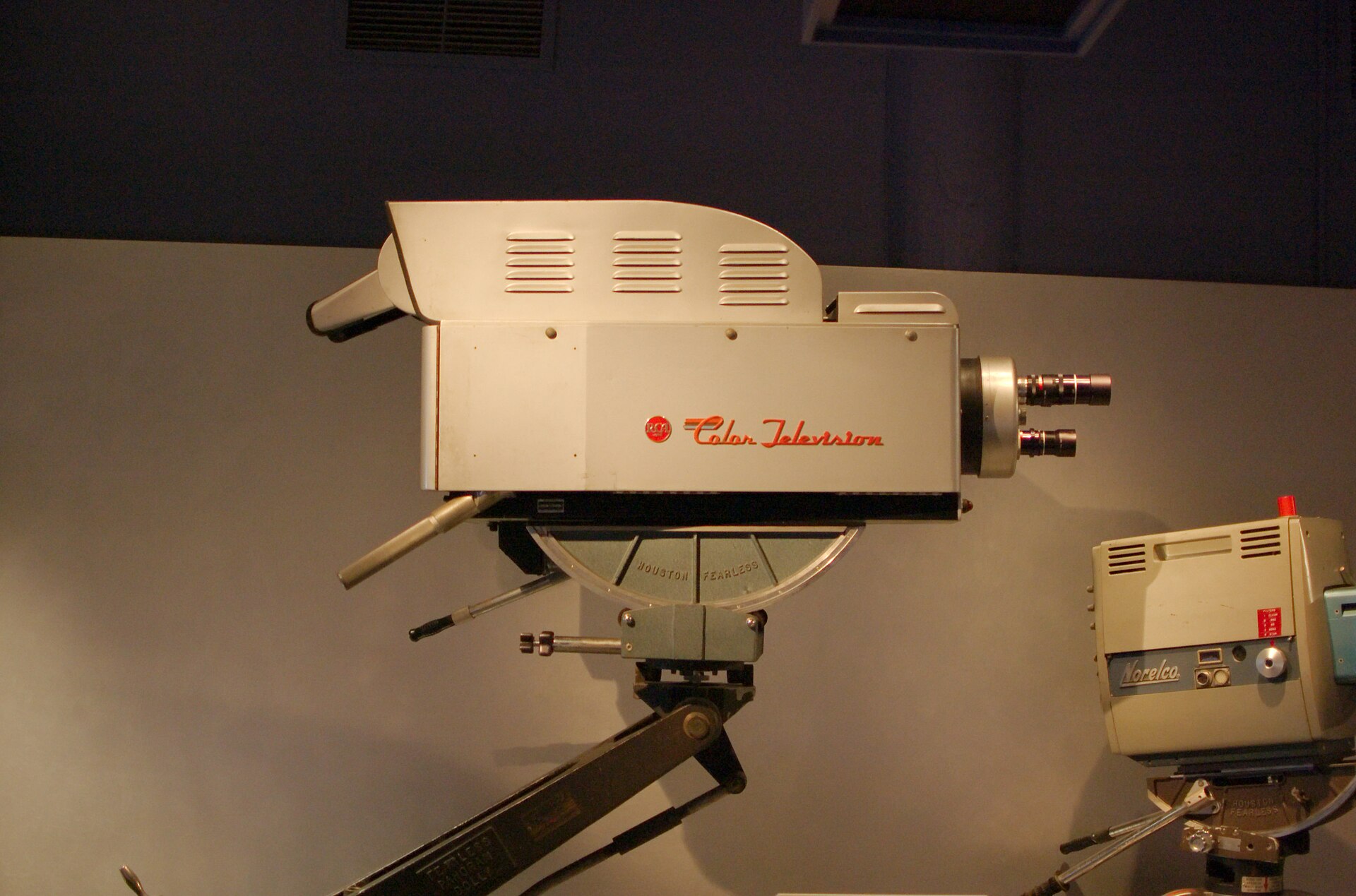
Filed under Ideas
Music television and later digital platforms transformed songs into audiovisual experiences, changing how artists built identity and how audiences discovered music.
Read story→: The Music Video: When a Song Became a Visual World
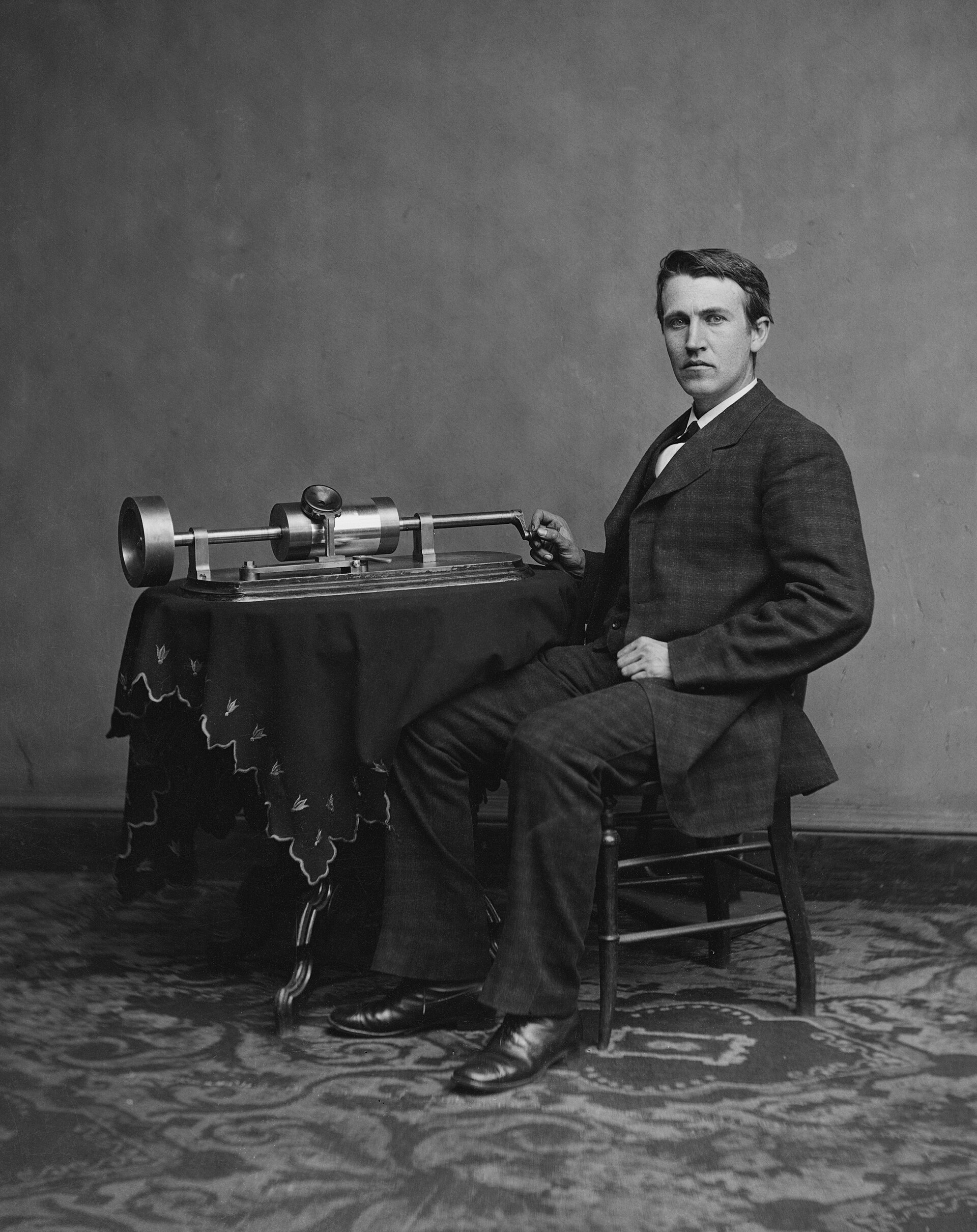
Filed under Ideas
When recorded sound turned music from a fleeting performance into something that could be preserved, reproduced and carried into homes.
Read story→: The Phonograph: The Moment Music Escaped the Room
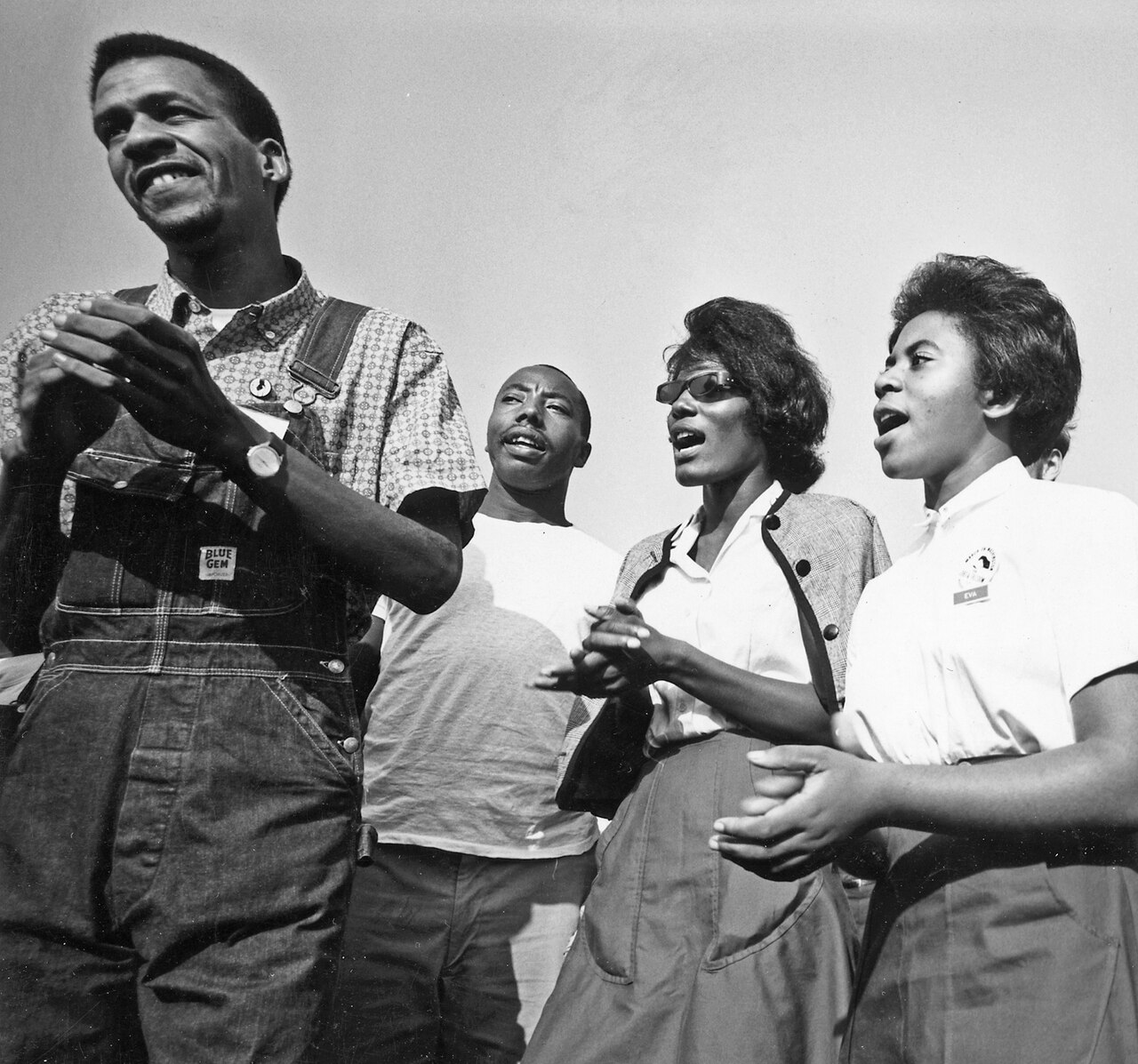
Filed under Ideas
Across civil rights, antiwar and other movements, songs helped people organise, endure pressure and express collective demands.
Read story→: The Protest Song: When Music Became a Tool for Resistance
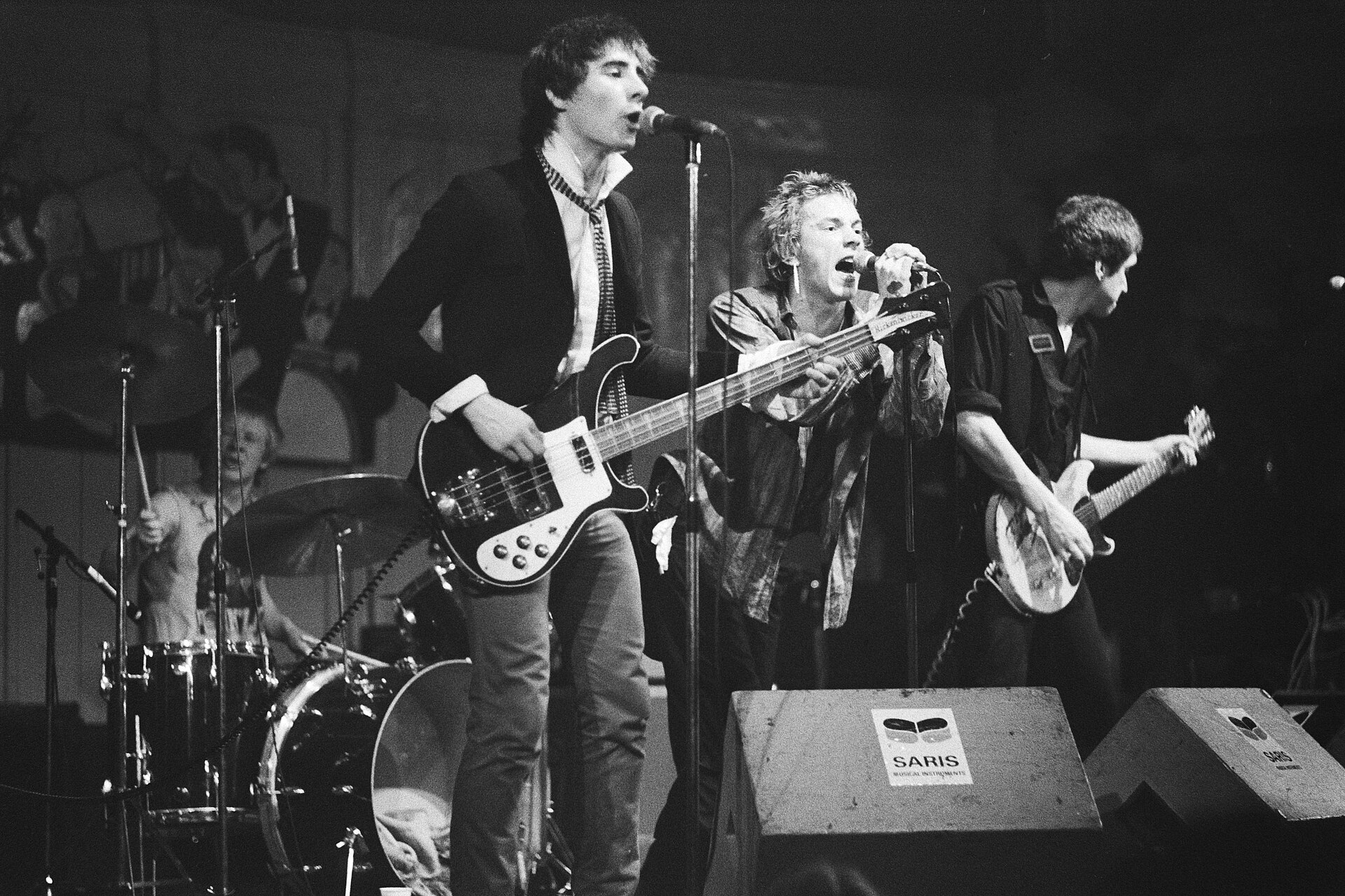
Filed under Ideas
Punk challenged the assumption that musical legitimacy required technical perfection, institutional backing or permission from the established industry.
Read story→: Punk: When You Didn’t Need Permission to Make Music
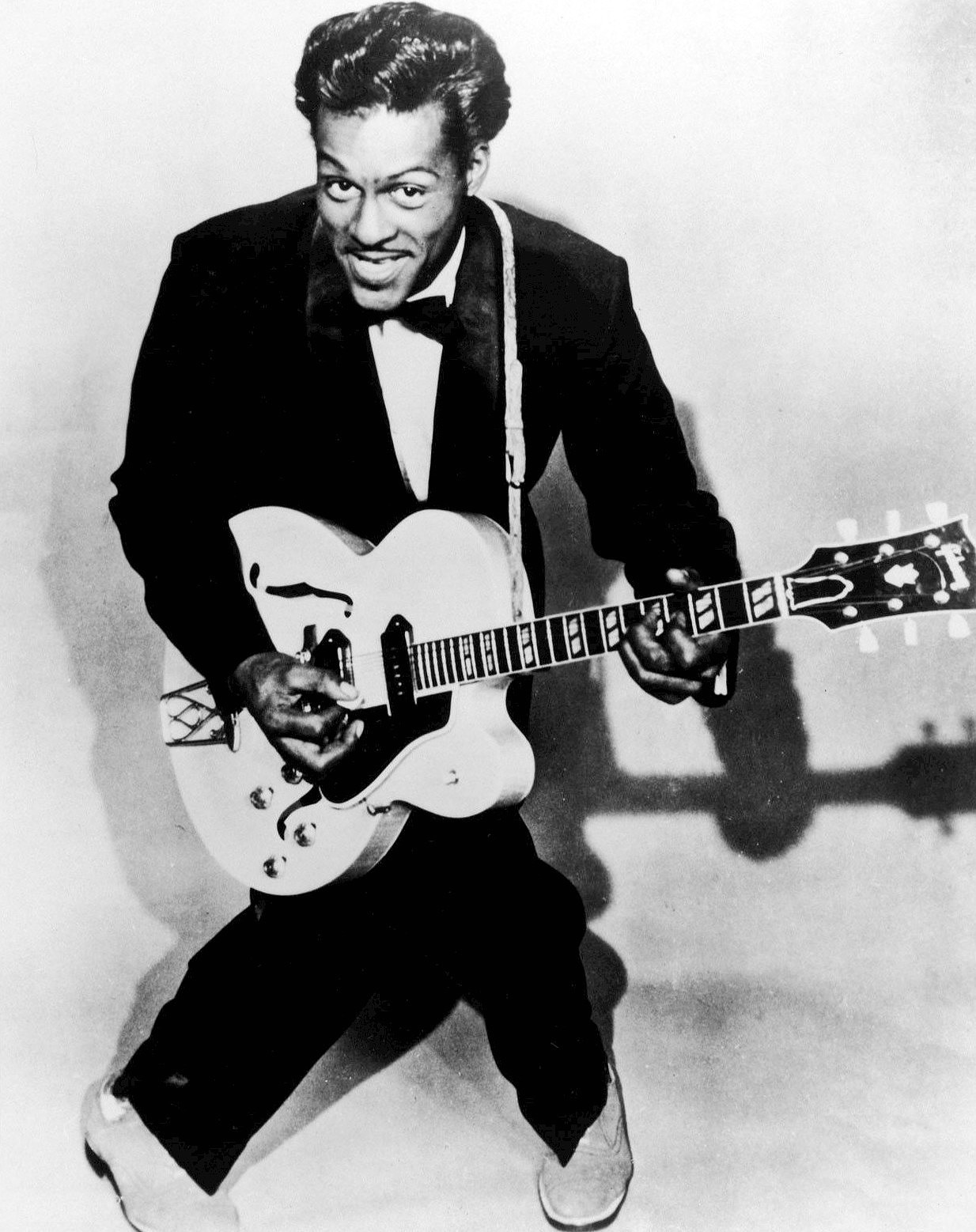
Filed under Ideas
In the 1950s, a new musical culture helped make youth identity visible, commercially powerful and increasingly independent.
Read story→: Rock ’n’ Roll: When Teenagers Became a Cultural Force
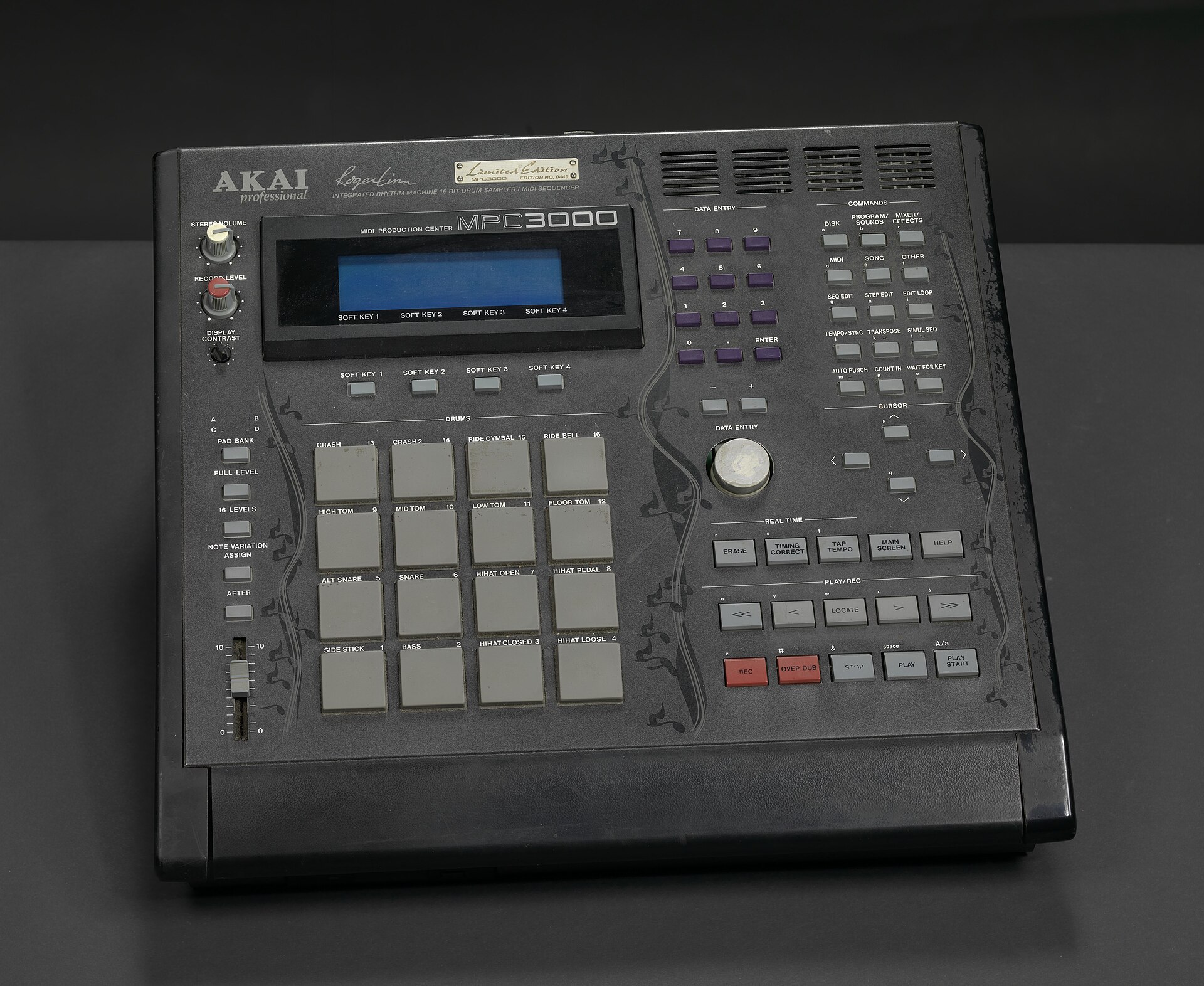
Filed under Ideas
Sampling changed the idea of musical originality by turning existing recordings into building blocks for new works.
Read story→: Sampling and the Remix: When the Past Became Raw Material
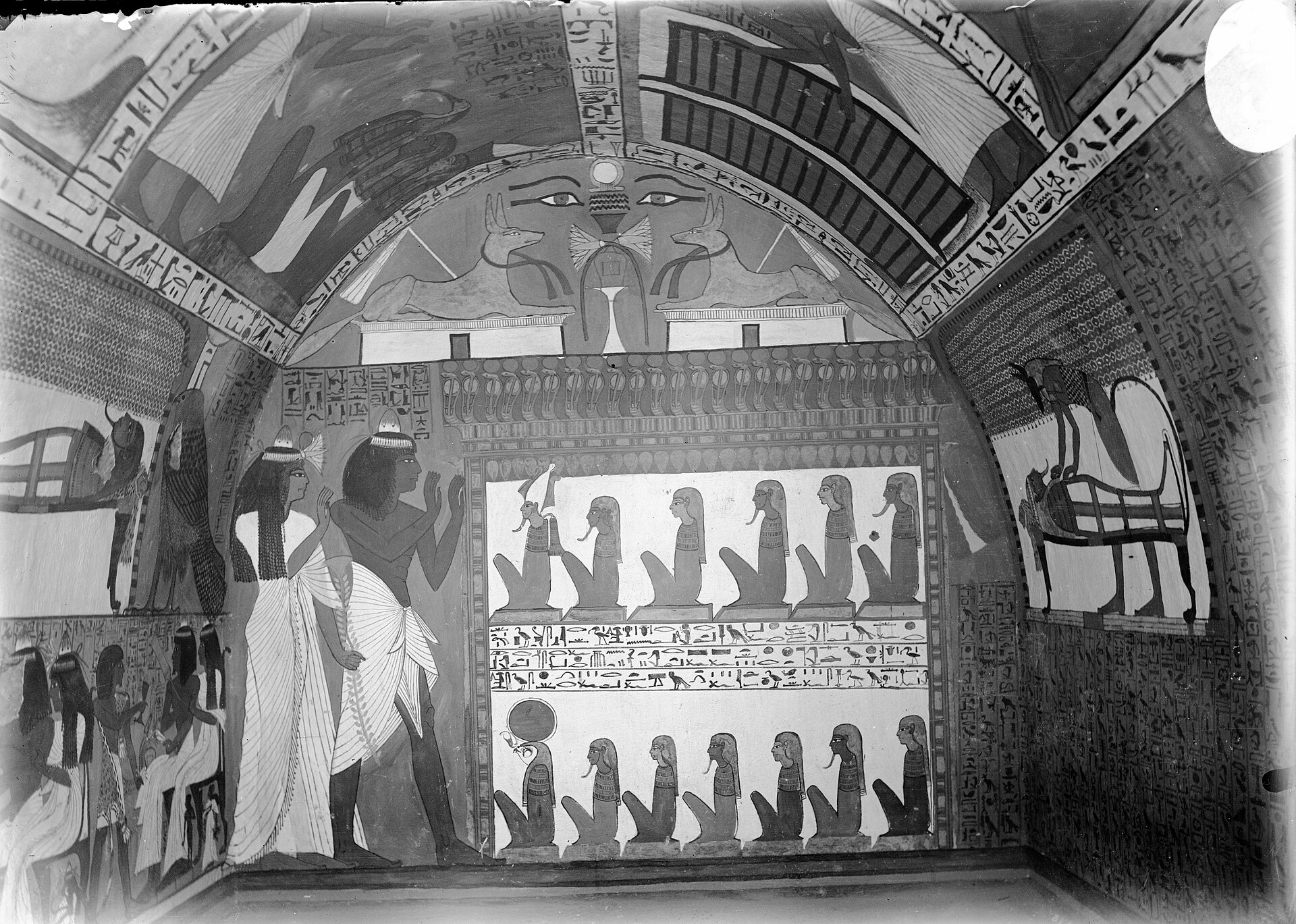
Filed under Culture
Ancient Egyptian art asks a question humanity still cannot escape: what, if anything, survives us?
Read story→: Ancient Egyptian Art — The Human Refusal to Let Death Have the Final Word
Filed under Culture
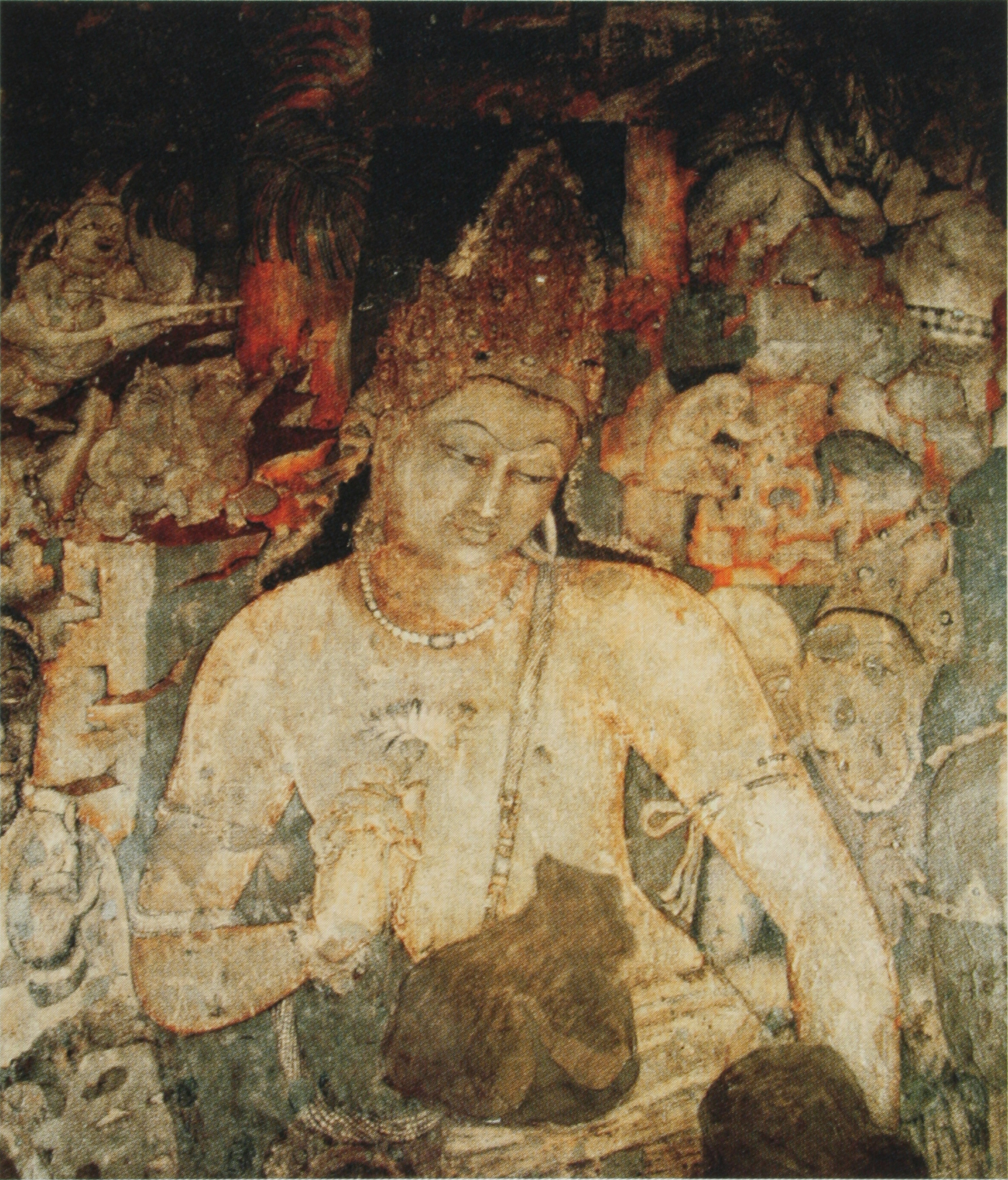
Art travelled the Silk Roads with merchants, monks and ideas—showing that culture has long been shaped by exchange.
Read story→: Buddhist Art Along the Silk Roads — When Images Carried Ideas Across Civilisations
Filed under Culture
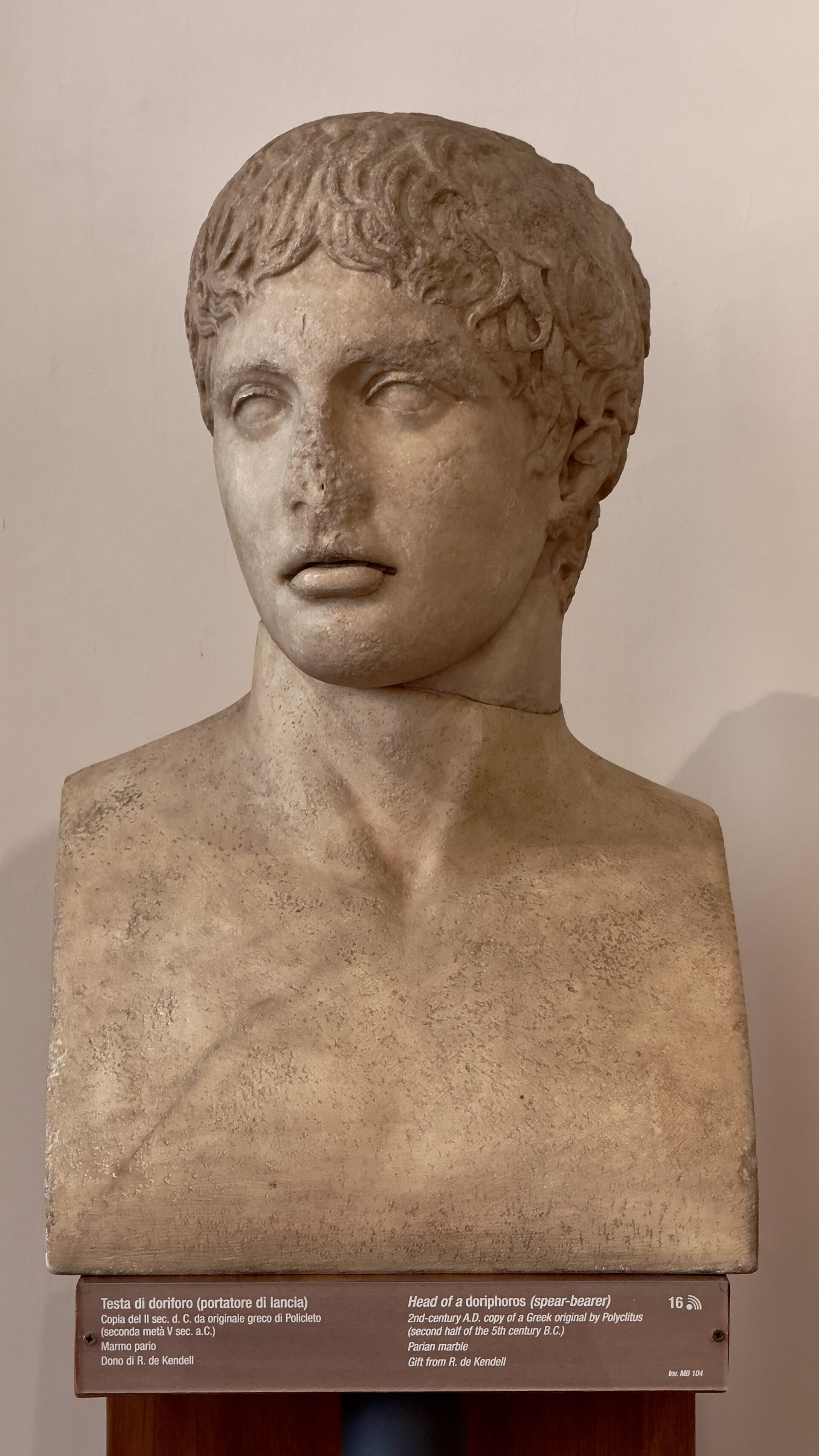
Greek art made the human body a central subject—but every ideal body also tells us who a society chooses to admire.
Read story→: Classical Greek Art — When the Human Body Became a Question About Humanity

Filed under Culture
If a machine produces an image that moves us, what exactly are we responding to—and who should receive credit?
Read story→: Digital and AI Art — When Humanity Had to Ask Who the Artist Is
Filed under Culture
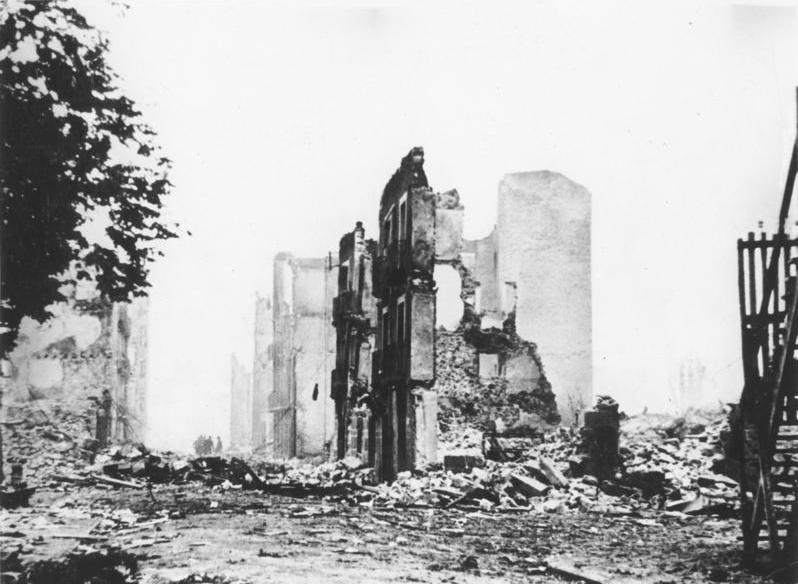
Facts can record destruction. Art can make us confront what destruction feels like. Guernica remains one of history's strongest visual arguments against war.
Read story→: Guernica — When Art Became a Witness Against the Destruction of War
Filed under Culture
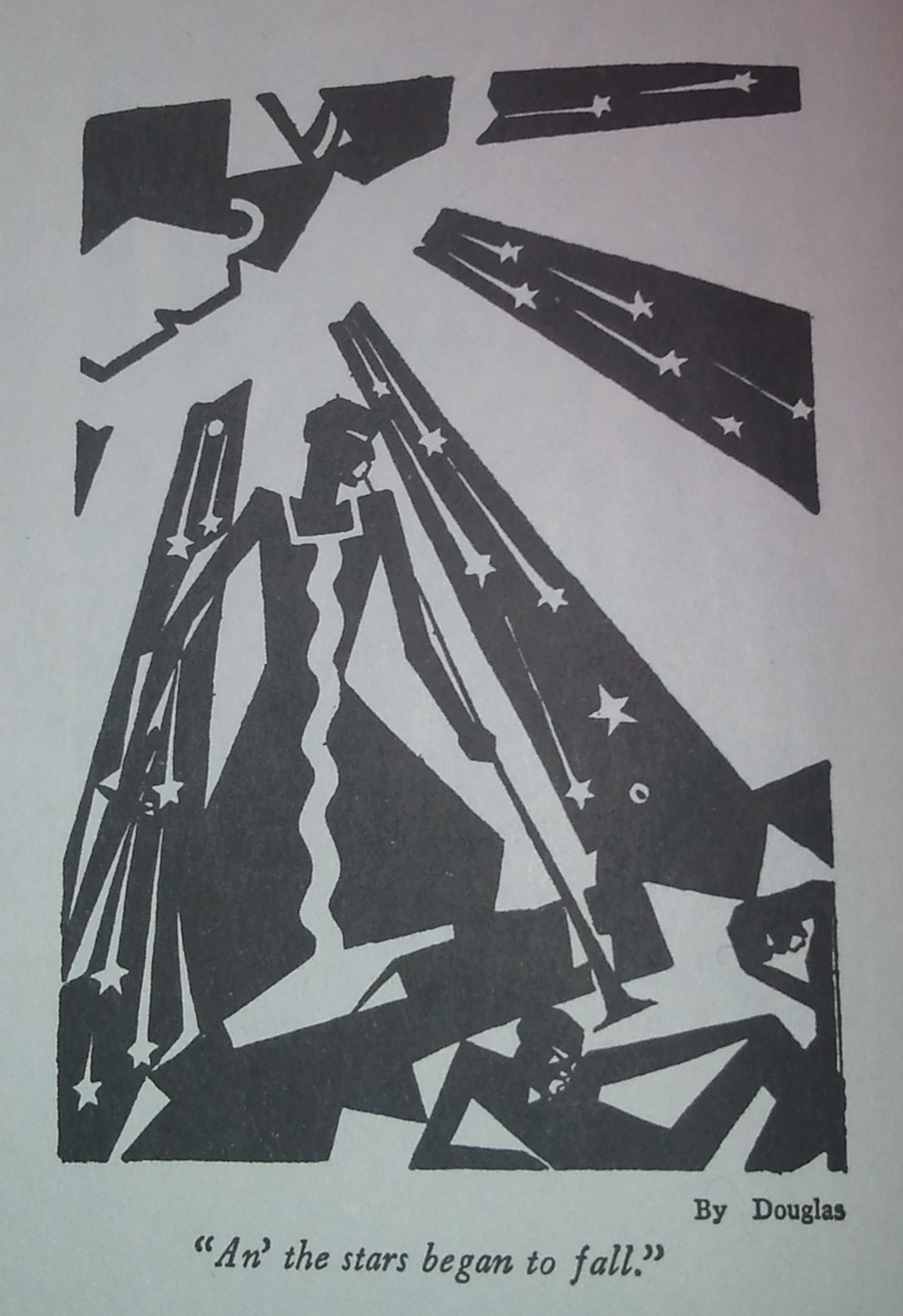
The Harlem Renaissance showed that cultural expression can become a declaration: we will define ourselves rather than be defined for us.
Read story→: The Harlem Renaissance — When Art Became a Claim to Voice, Identity and Human Dignity
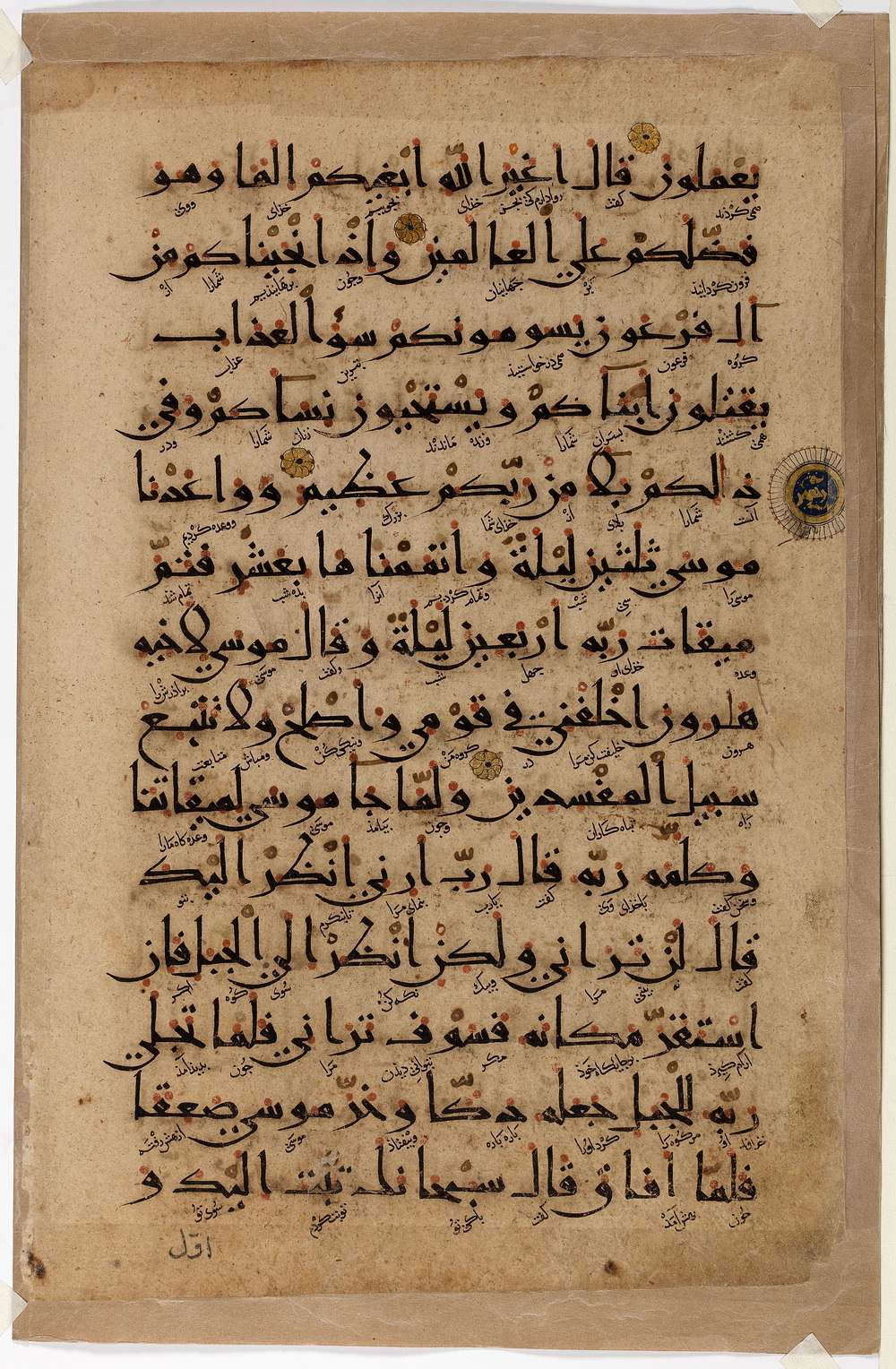
Filed under Culture
When writing becomes art, knowledge can be seen as well as read. Islamic visual traditions transformed language and pattern into enduring culture.
Read story→: Islamic Calligraphy and Geometry — When Art Made Knowledge, Language and Pattern Visible
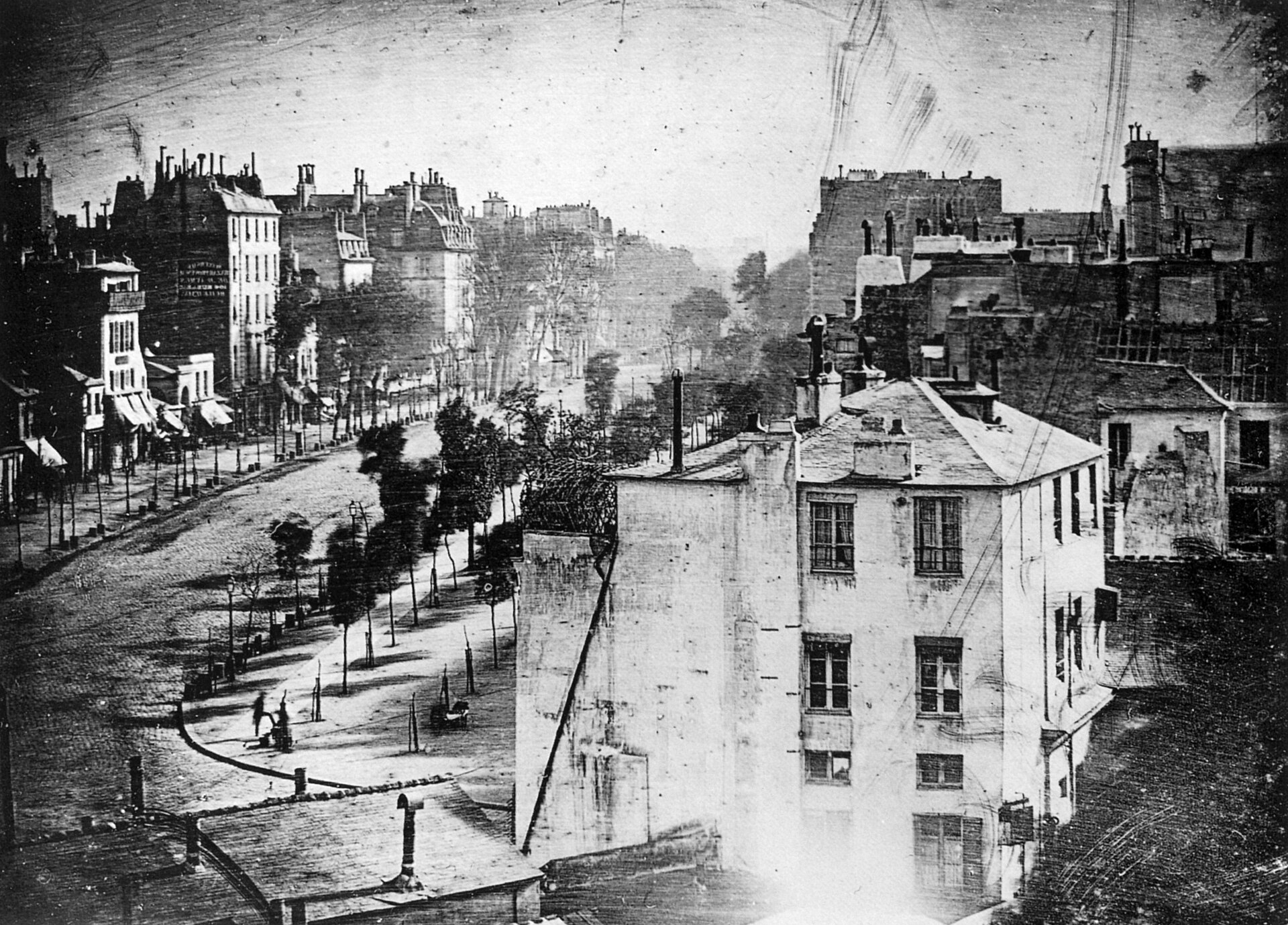
Filed under Culture
Photography changed history by preserving moments. It also taught us that an image can be real without telling the whole truth.
Read story→: Photography — When Reality Learned to Leave a Trace
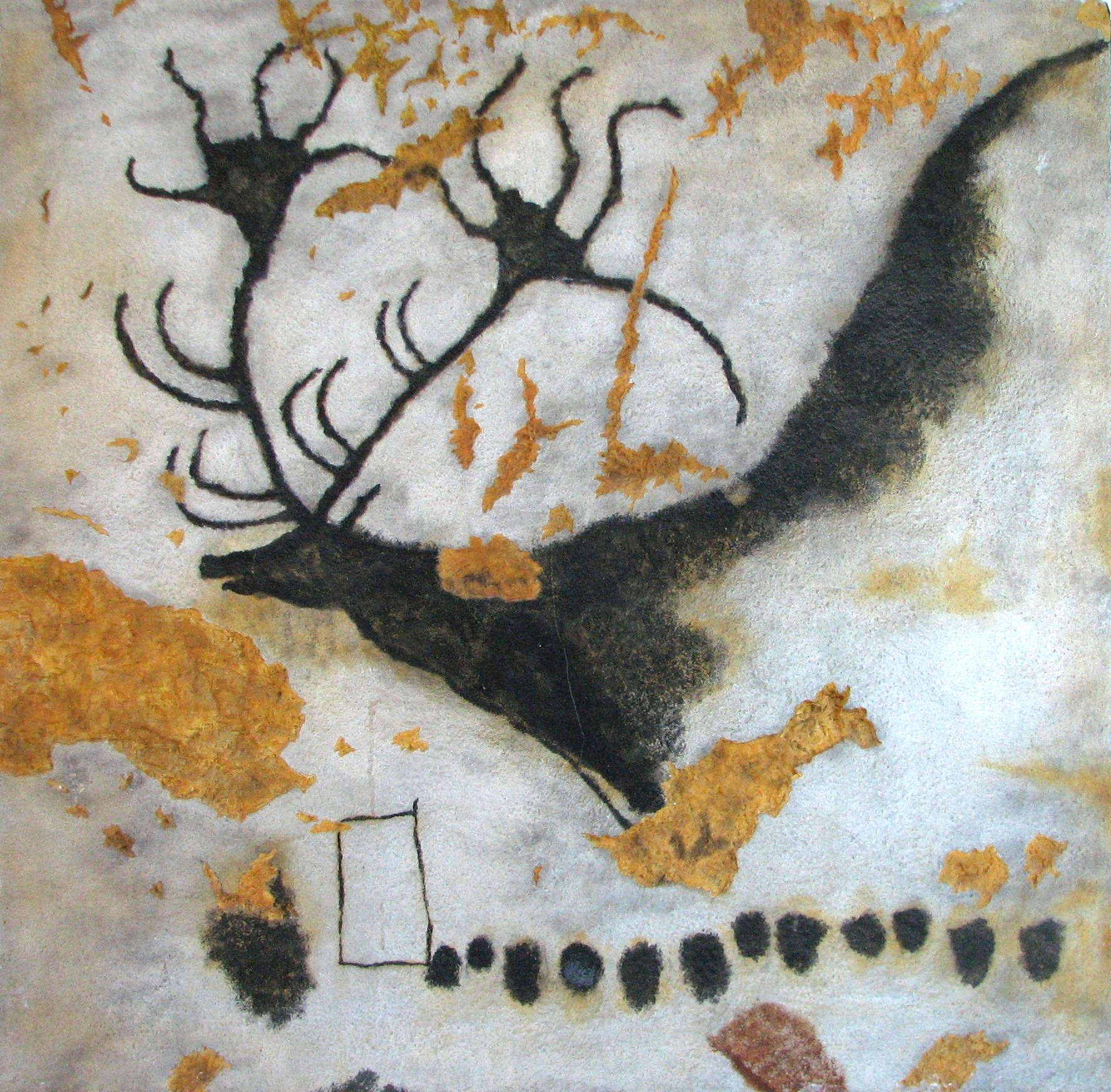
Filed under Culture
From ancient cave walls to the modern imagination: why humanity's earliest surviving art still changes how we understand ourselves.
Read story→: Prehistoric Cave Art — When Humanity Began Leaving Messages for the Future
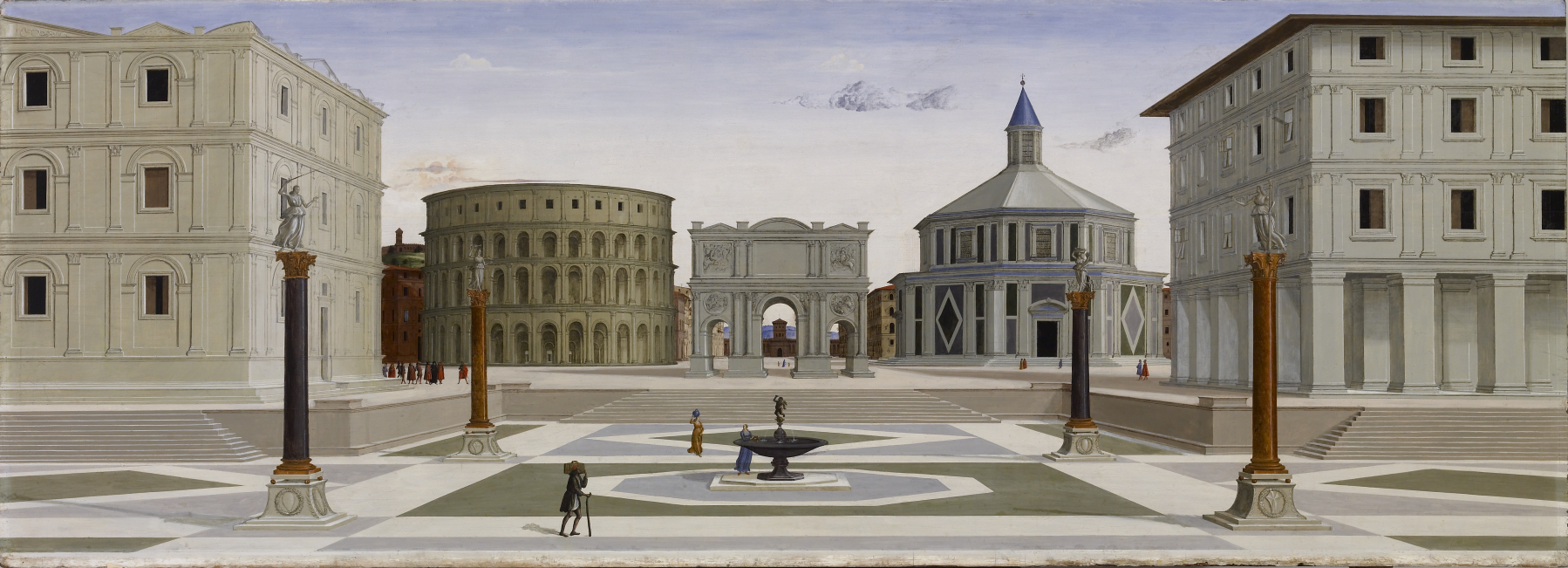
Filed under Culture
The Renaissance changed how artists constructed space—but no culture owns curiosity, observation or innovation.
Read story→: The Renaissance and Perspective — When Seeing Became a Method
Filed under Culture
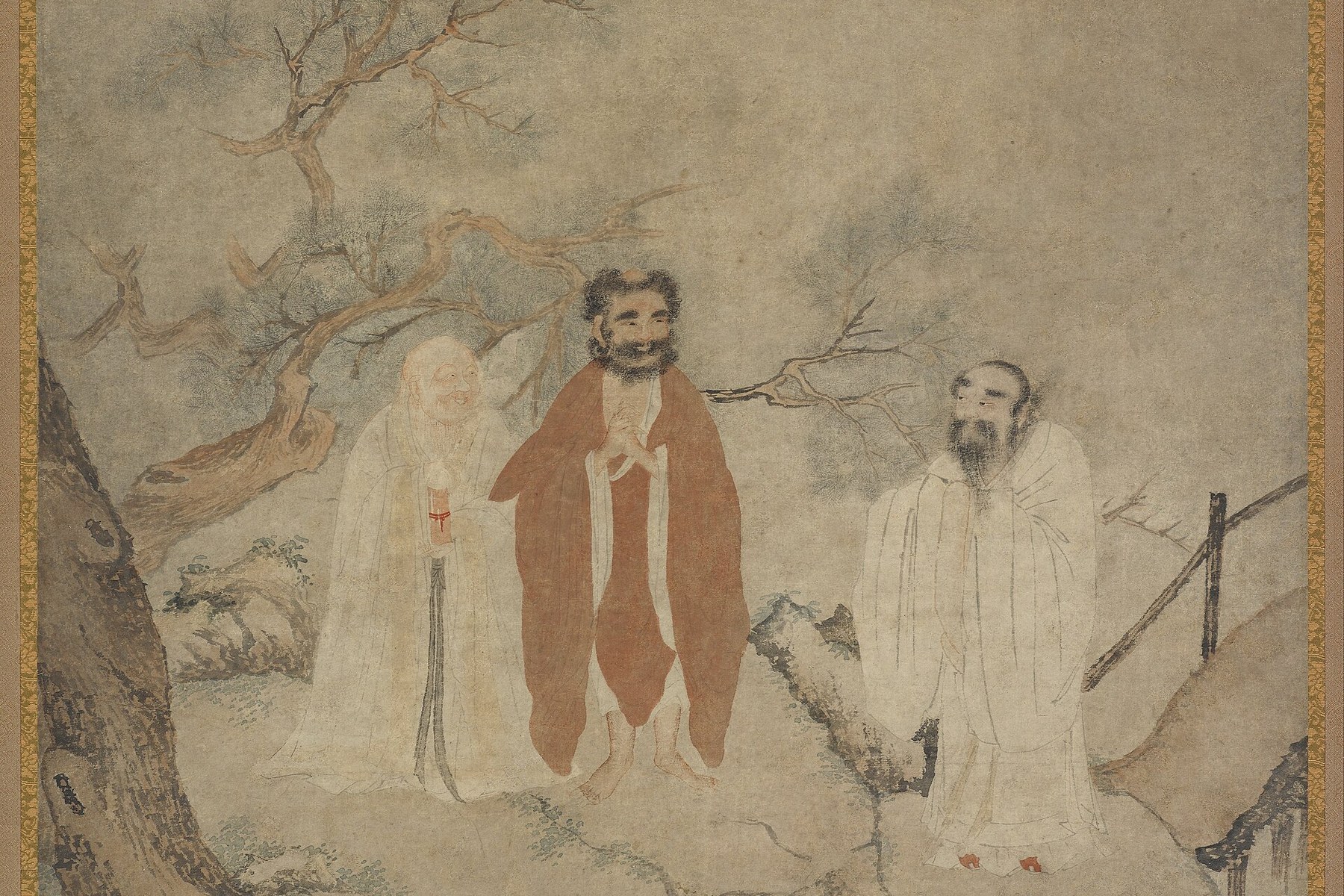
Philosophy changed society by making questions a cultural force. What happens when no belief is completely beyond examination?
Read story→: The Birth of Philosophy: When Humanity Began Questioning Everything
Filed under Culture
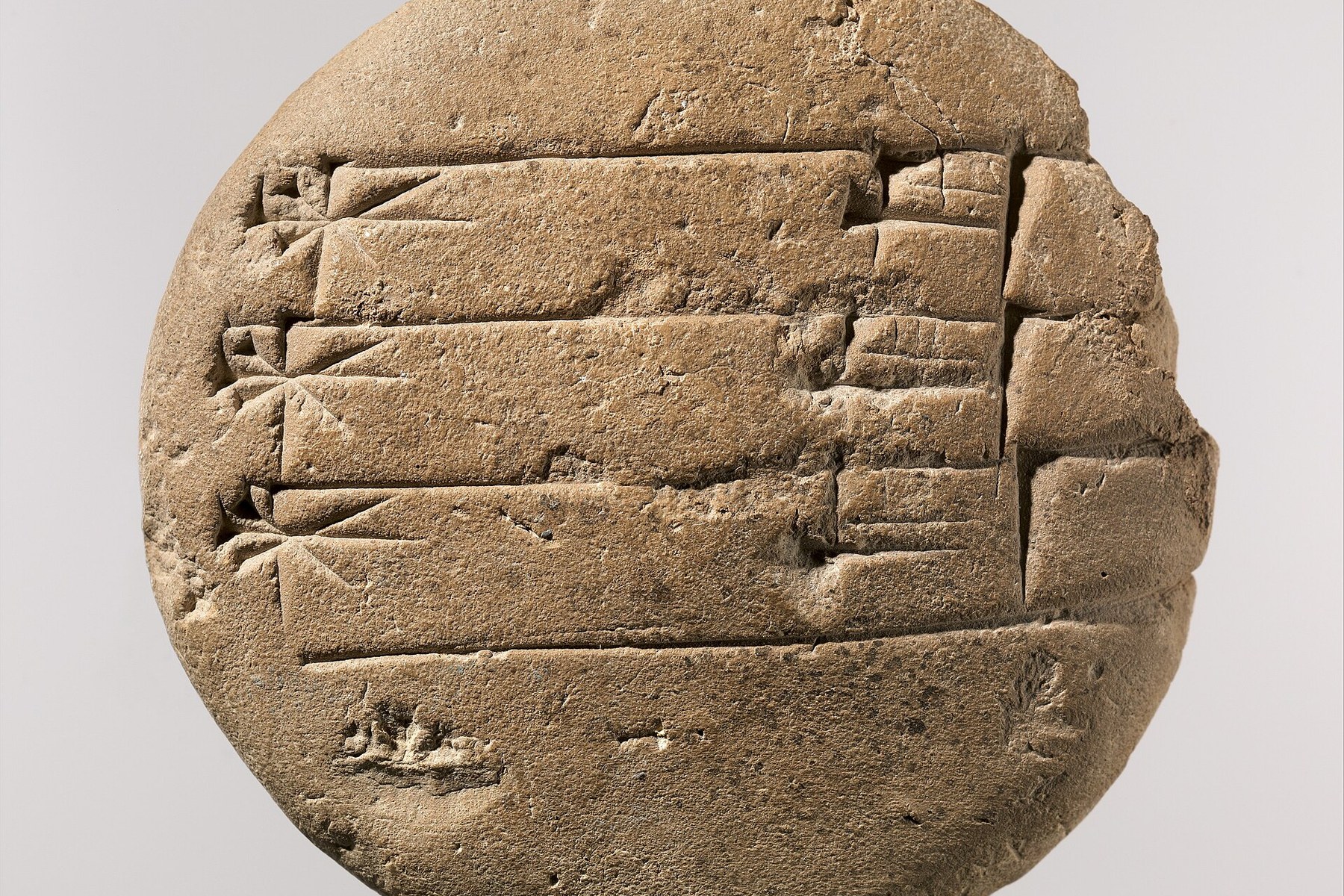
Writing changed more than communication. It transformed memory, power and humanity's ability to learn across generations.
Read story→: The Development of Writing: When Humanity Learned to Remember
Filed under Culture
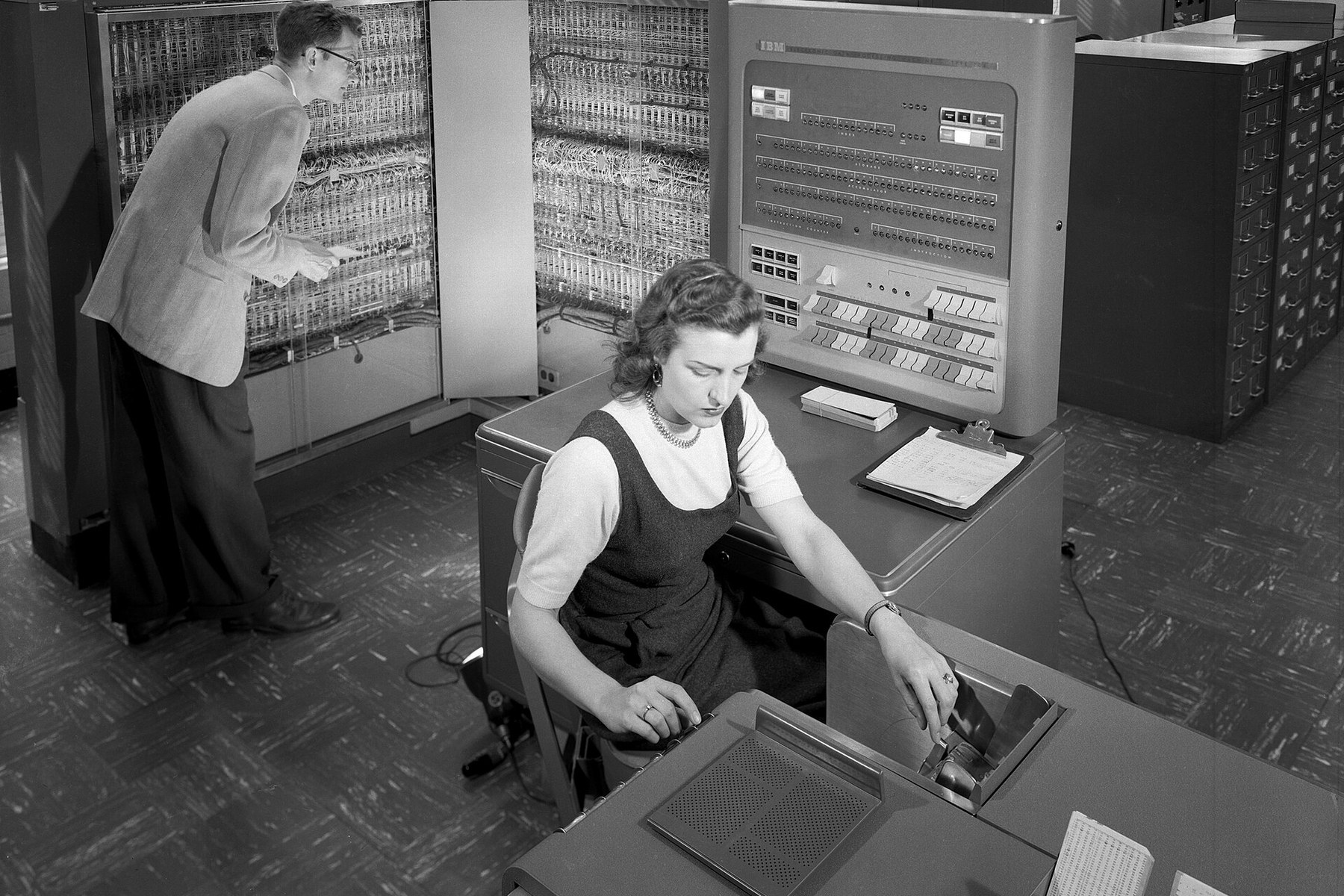
The digital revolution changed memory, truth, identity and power. Are we shaping technology—or is it shaping us?
Read story→: The Digital Revolution: Is Humanity Still in Control of Its Own
Filed under Culture
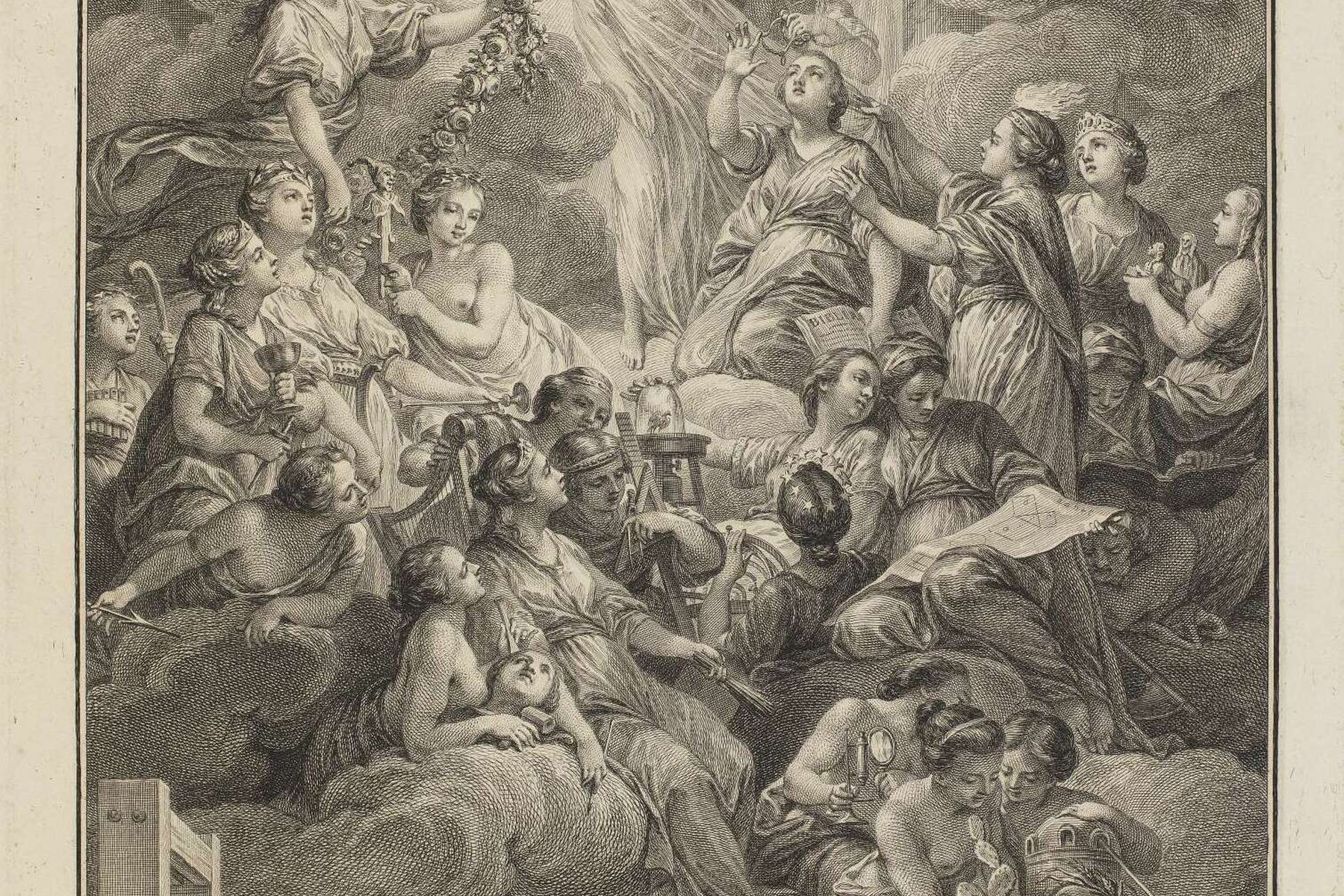
The Enlightenment asked whether inherited authority deserved obedience. That question still shapes democracy today.
Read story→: The Enlightenment: When Society Began Questioning Authority
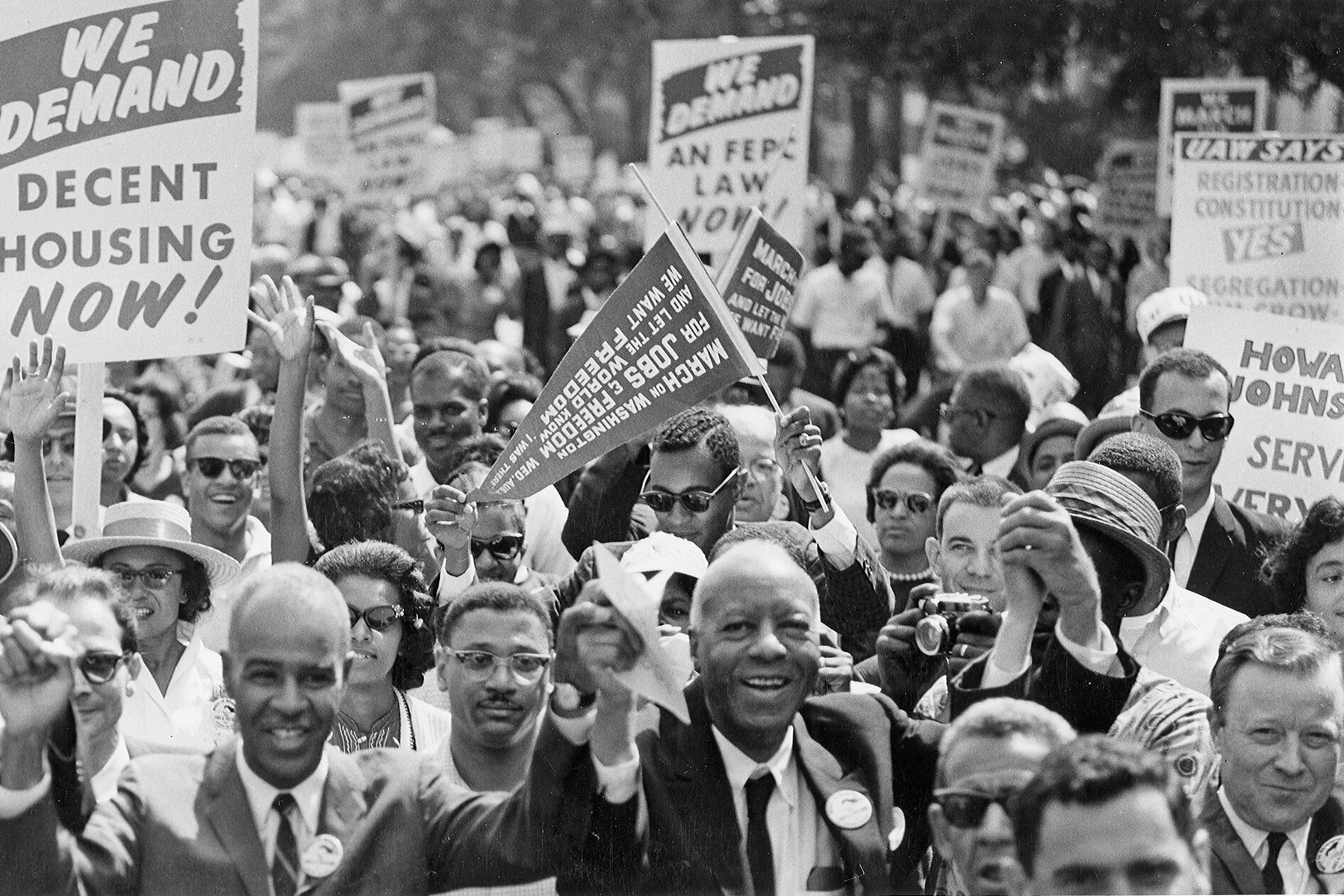
Filed under Culture
Equality was never simply granted. It was demanded by people who challenged society's definition of who belonged.
Read story→: The Global Struggle for Equality: Who Gets to Belong in Society?
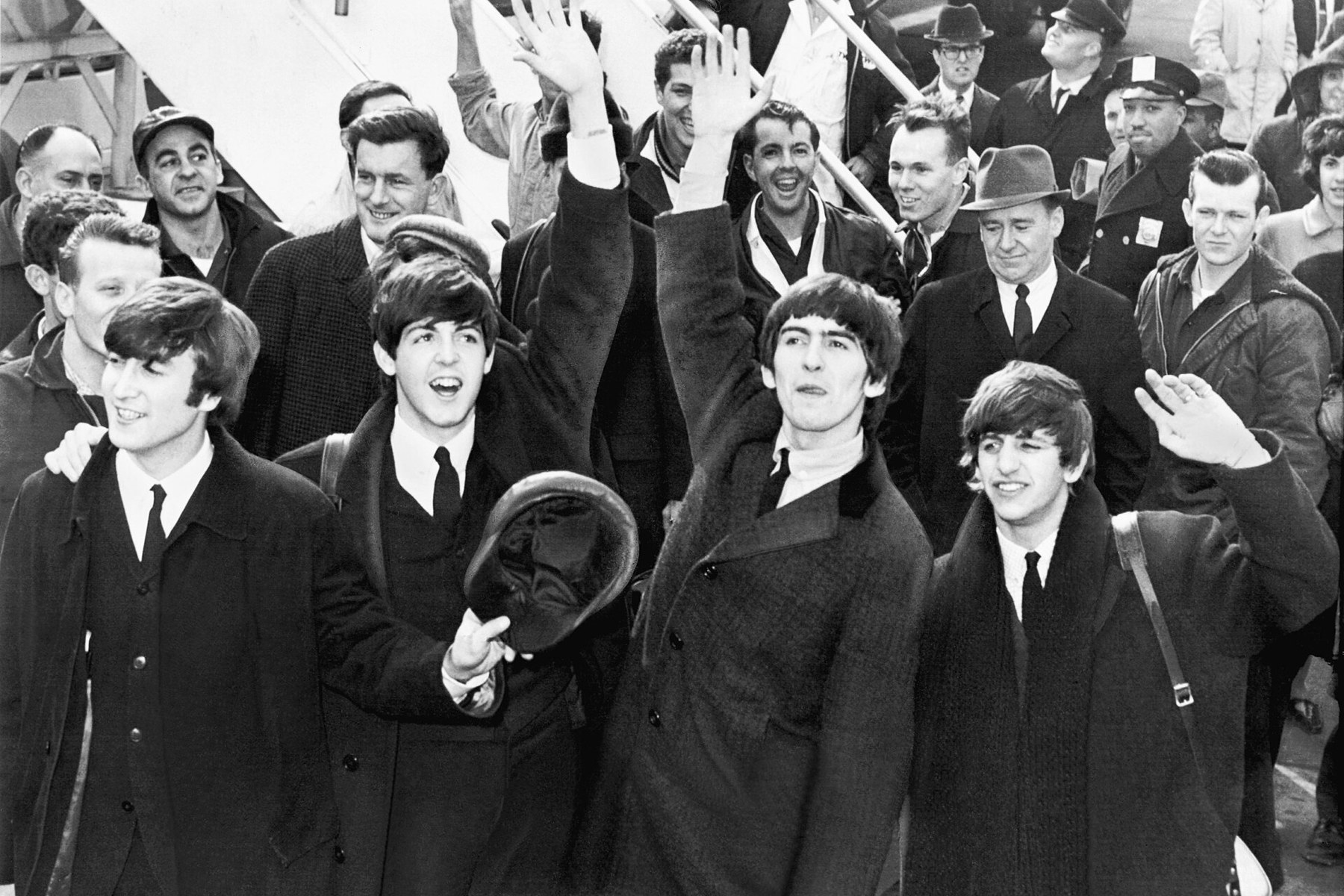
Filed under Culture
From jazz to K-pop and cinema to anime, popular culture created global communities. But does connection always create understanding?
Read story→: The Globalisation of Popular Culture: When Culture Crossed Every
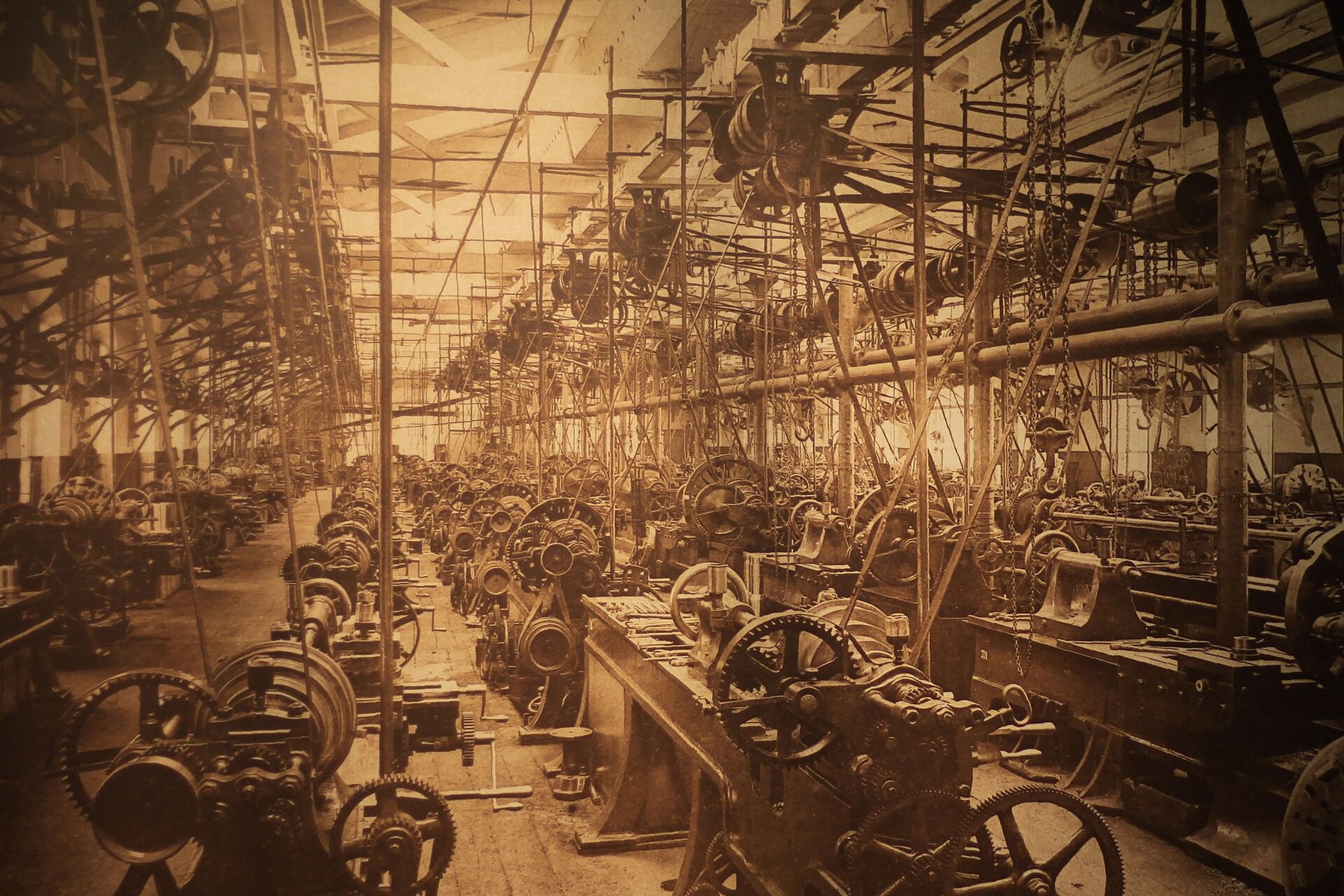
Filed under Culture
Industrialisation created modern wealth and modern inequality. What should progress mean in the age of AI?
Read story→: The Industrial Revolution: When Progress Changed the Meaning of
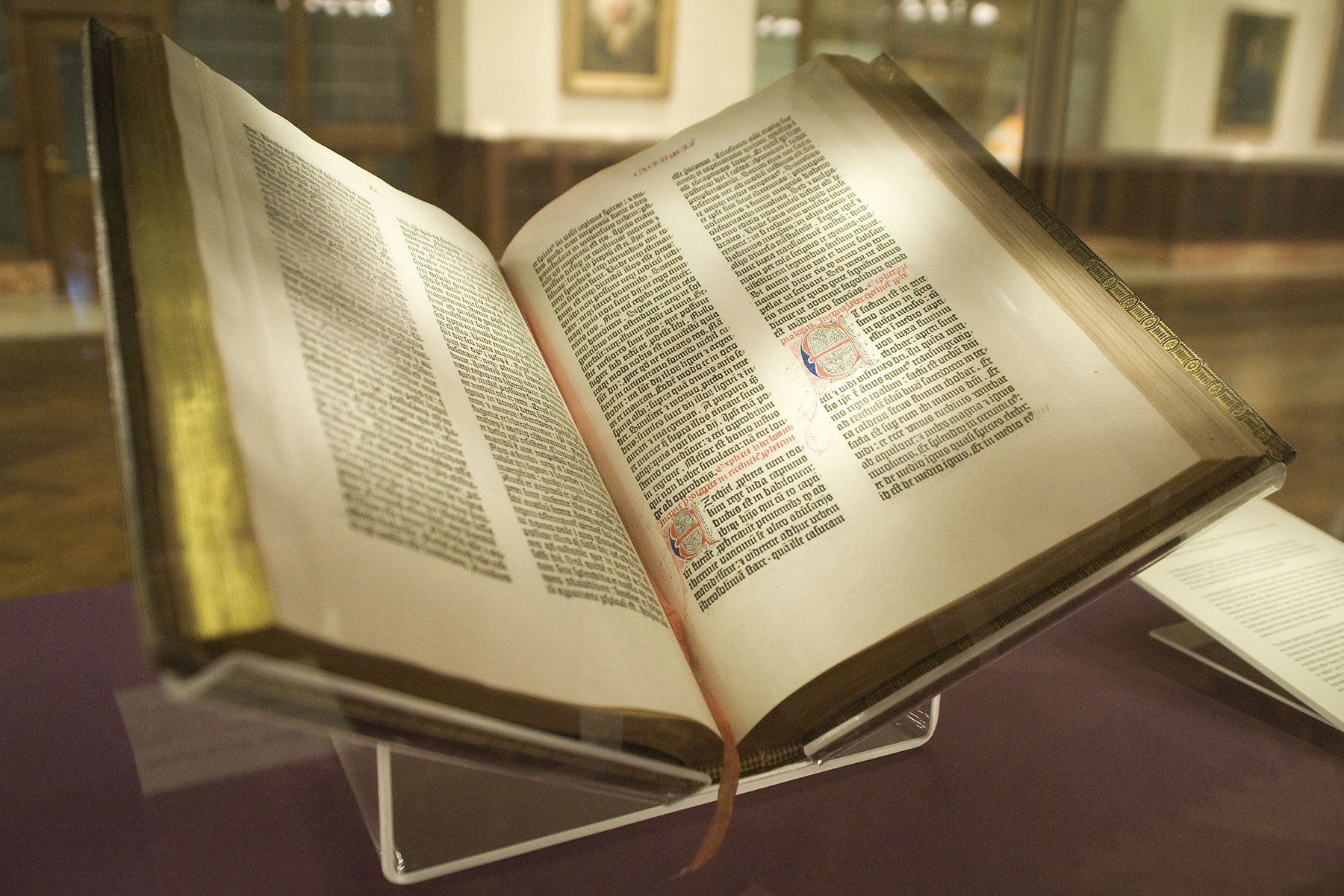
Filed under Culture
Before social media, there was another information revolution. Printing changed who could publish, learn and influence society.
Read story→: The Printing Revolution: When Knowledge Escaped the Elite
Filed under Culture
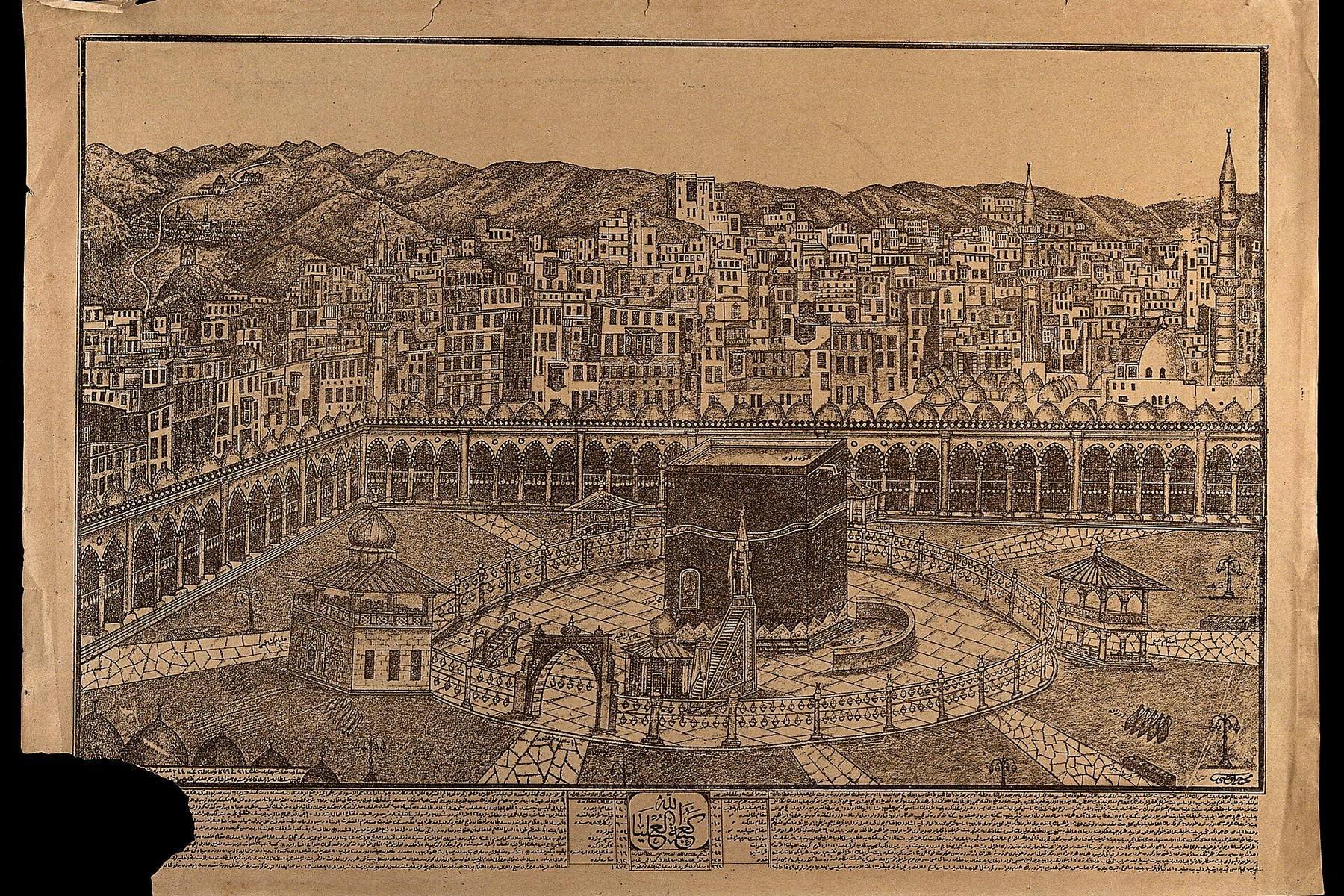
Shared beliefs built communities, inspired art and shaped moral life—but also created boundaries. What can plural societies learn from this history?
Read story→: Religion and Spiritual Thought: How Shared Beliefs Created
Filed under Culture
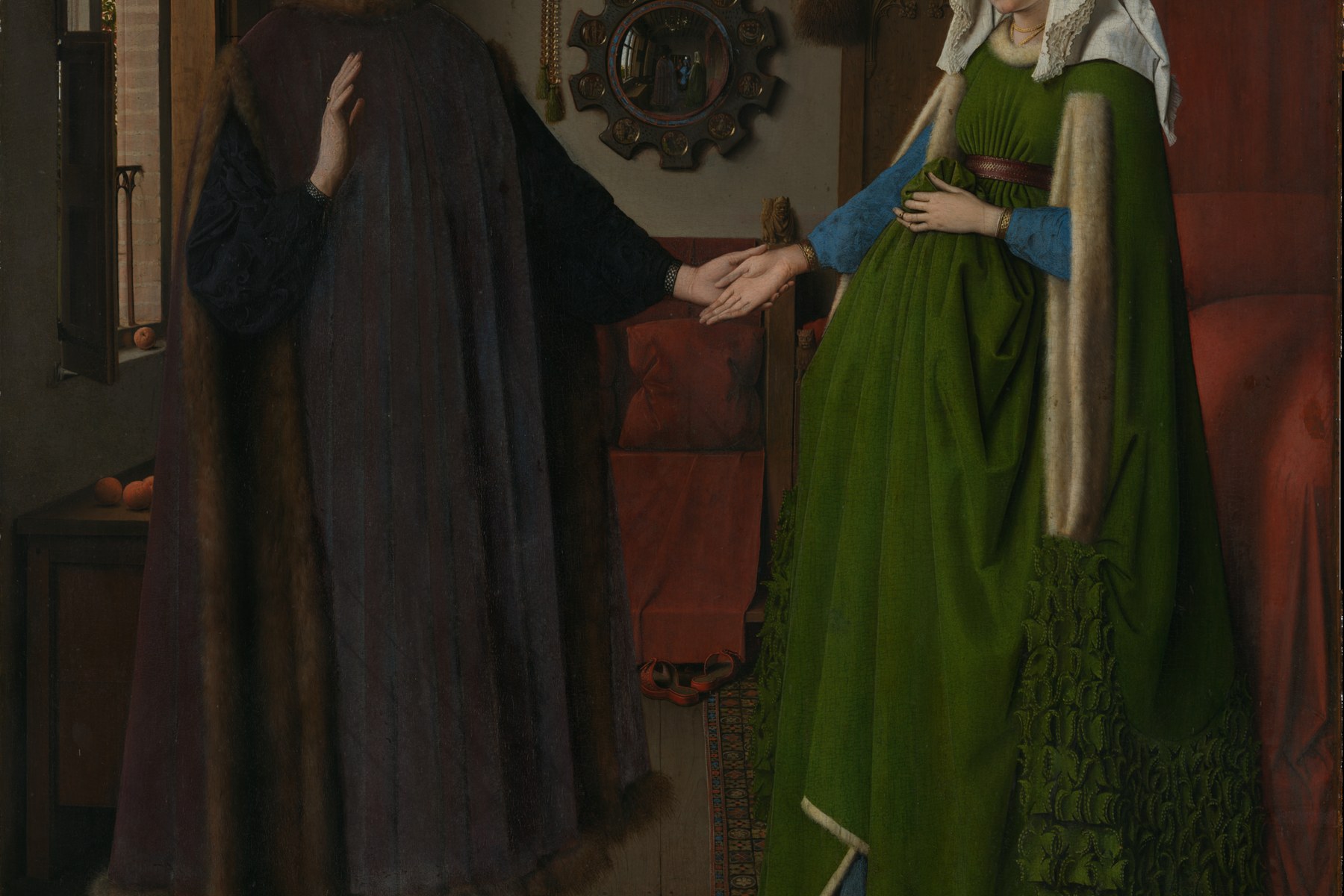
The Renaissance was more than a rebirth of art. It changed how people understood creativity, education and human potential.
Read story→: The Renaissance: When Humanity Rediscovered Itself
Filed under Ideas
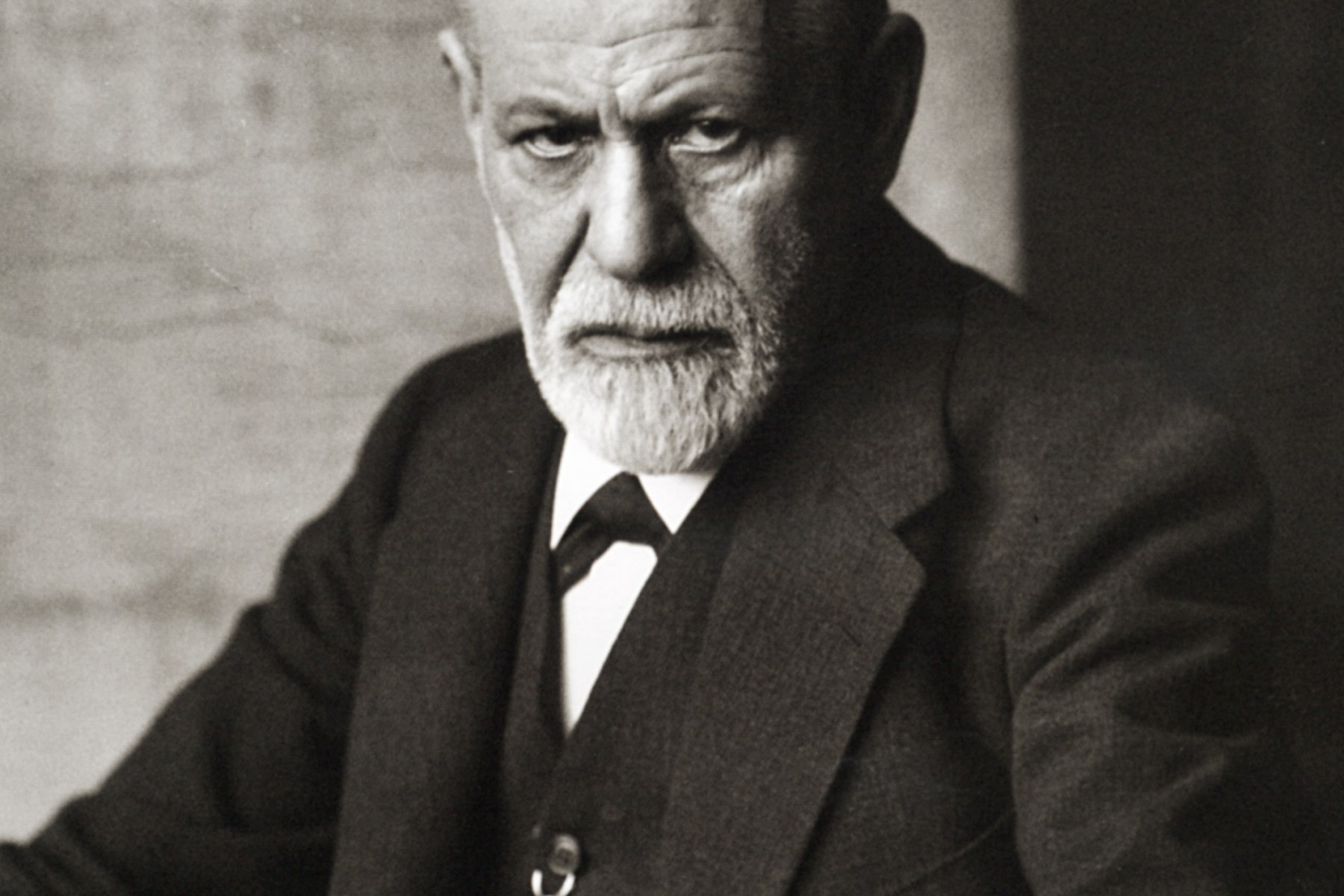
For two centuries, the mind was assumed to be rational and self-aware. Then Freud argued that most of what drives behavior happens somewhere the conscious mind can't see.
Read story→: The Mind That Wasn't Fully in Charge