Filed under Ideas · Ideas
French New Wave When Filmmakers Stopped Asking Permission
A new generation of filmmakers treated the rules of cinema less as laws than as suggestions. The result was a more personal, restless and self-conscious kind of filmmaking.
- Share “French New Wave: When Filmmakers Stopped Asking Permission” on X
- Share “French New Wave: When Filmmakers Stopped Asking Permission” on Facebook
- Share “French New Wave: When Filmmakers Stopped Asking Permission” on LinkedIn
- Share “French New Wave: When Filmmakers Stopped Asking Permission” on WhatsApp
- Share “French New Wave: When Filmmakers Stopped Asking Permission” on Telegram
- Share “French New Wave: When Filmmakers Stopped Asking Permission” on Reddit
- Share “French New Wave: When Filmmakers Stopped Asking Permission” on Email
THE OLD NORMAL
Film industries had developed established production methods and conventions. Many young filmmakers were critics before they became directors.
THE QUESTION
What if a filmmaker did not need to follow the established grammar of commercial cinema?
THE BREAKTHROUGH
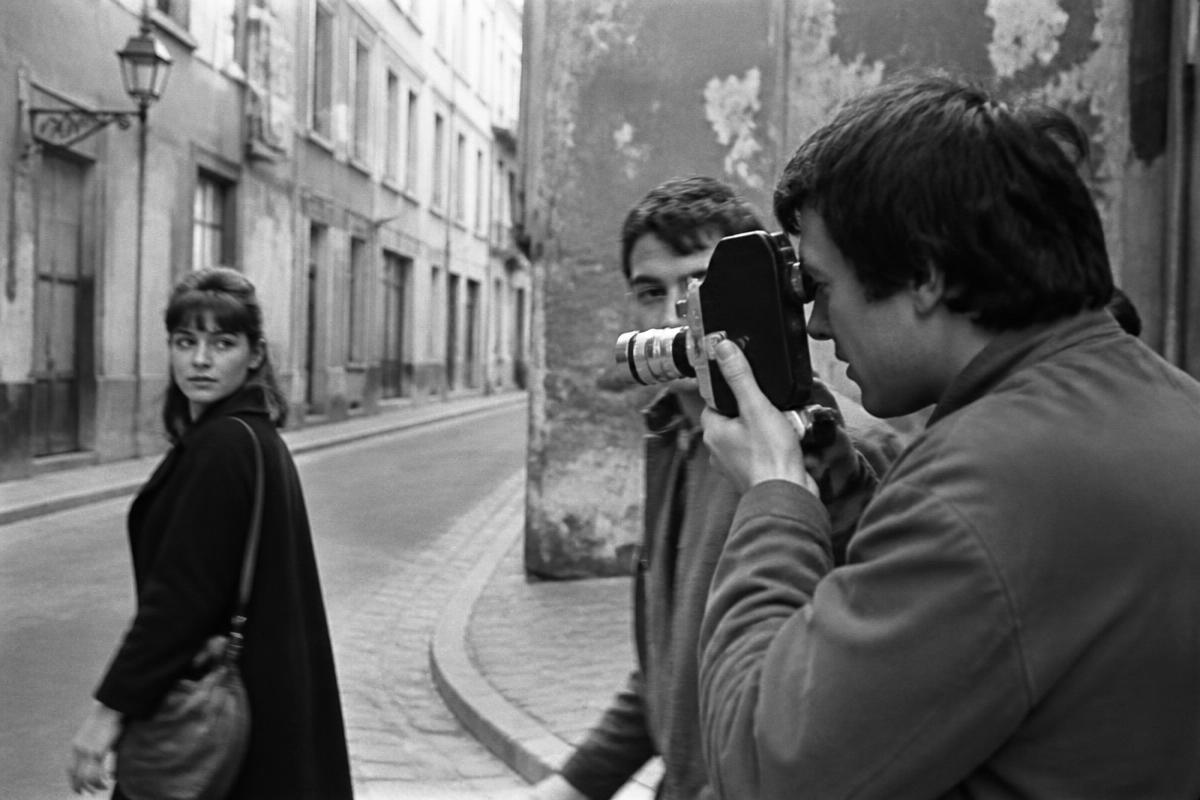
The French New Wave of the late 1950s and 1960s embraced location shooting, handheld cameras, jump cuts, unconventional narrative structures and a more personal relationship between director and film.
THE CHANGE
Cinema became visibly self-aware. A film could draw attention to its own construction while still telling a compelling story.
THE NEW NORMAL
The director-as-auteur became a powerful critical idea. Film culture increasingly valued personal style and experimentation.
WHAT WE STILL MISUNDERSTAND
The New Wave was not simply spontaneous rebellion. It grew from film criticism, cine-clubs, technological changes and a particular intellectual culture in postwar France.
THE MODERN CONNECTION
Digital cameras and editing software have lowered technical barriers further. A person with limited resources can now experiment with form in ways once requiring a studio.
THE RETHINK
Rules can preserve a language. But breaking them can create a new one.