Filed under Ideas · Social Rethinks
The Electric Revolution When an Instrument Stopped Being What It Used to Be
Amplification and electric instruments changed the physical limits of music and helped create sounds that could not exist in the same way acoustically.
- Share “The Electric Revolution: When an Instrument Stopped Being What It Used to Be” on X
- Share “The Electric Revolution: When an Instrument Stopped Being What It Used to Be” on Facebook
- Share “The Electric Revolution: When an Instrument Stopped Being What It Used to Be” on LinkedIn
- Share “The Electric Revolution: When an Instrument Stopped Being What It Used to Be” on WhatsApp
- Share “The Electric Revolution: When an Instrument Stopped Being What It Used to Be” on Telegram
- Share “The Electric Revolution: When an Instrument Stopped Being What It Used to Be” on Reddit
- Share “The Electric Revolution: When an Instrument Stopped Being What It Used to Be” on Email
THE OLD NORMAL
Traditional instruments were constrained by their physical construction. A guitar had a natural volume. A singer had a natural projection. A small ensemble could not simply become enormous by turning a dial.
THE QUESTION
What if technology could change the physical limits of an instrument? Amplification answered that question. Microphones, pickups, amplifiers and speakers made it possible to increase volume and, eventually, reshape tone itself.
THE BREAKTHROUGH
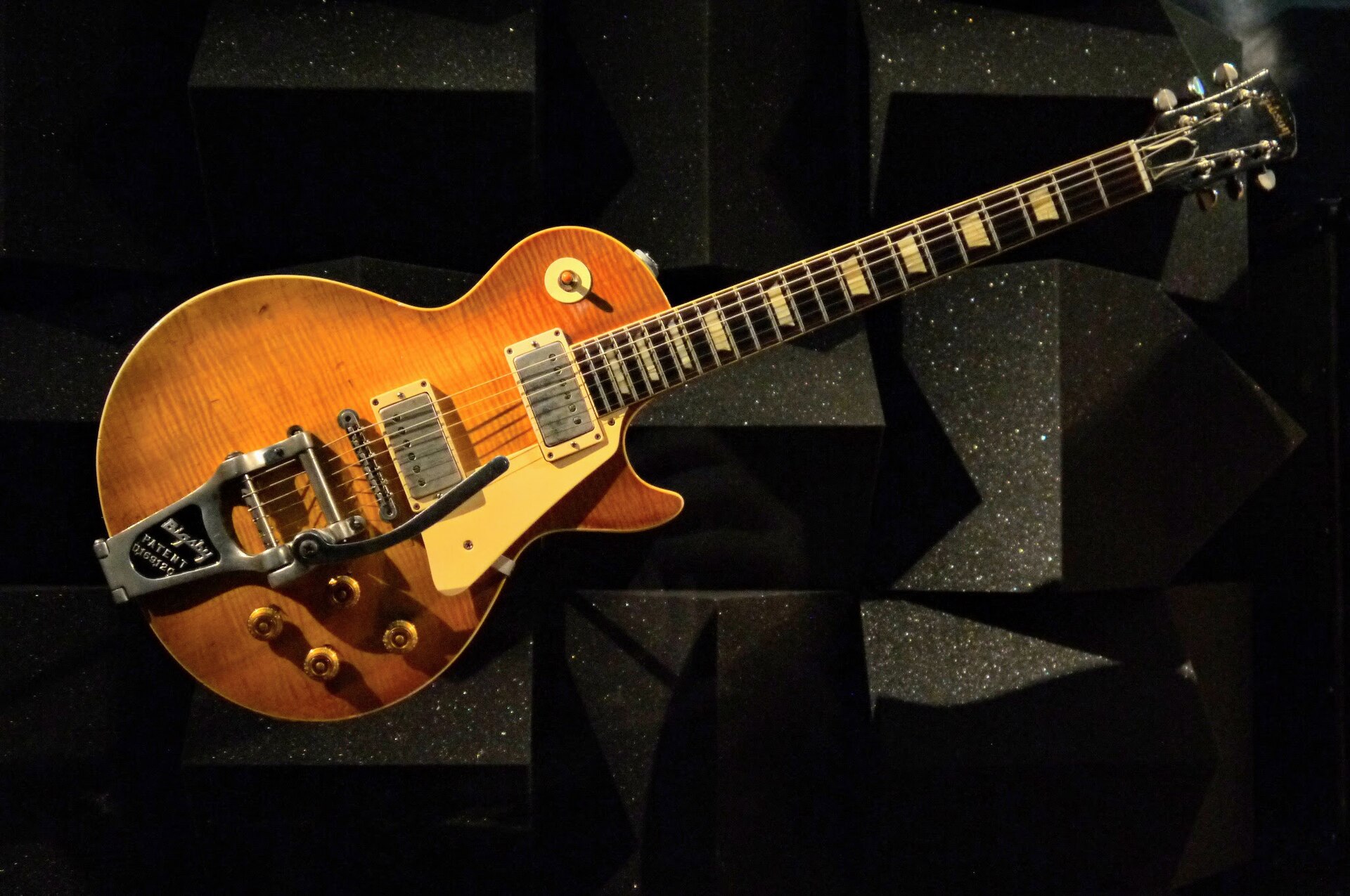
The electric guitar became one of the clearest examples. Its development was not one single invention but a gradual combination of instrument design, electromagnetic pickups, amplification and changing performance practices.
THE CHANGE
Once musicians could control amplification, volume became part of musical expression. Distortion, feedback and sustain could become sounds rather than technical problems. This helped create the sonic environment in which blues, rock and later popular genres could develop.
THE NEW NORMAL
The electric instrument stopped being simply an acoustic instrument made louder. It became a different creative tool. The stage also changed: musicians could perform to larger crowds, and the relationship between performer, equipment and audience became increasingly important.
WHAT WE STILL MISUNDERSTAND
Technology did not create new music by itself. Musicians experimented with available tools, and audiences responded to new sounds. The important rethink was reciprocal: technology changed musical possibilities, while musicians changed what the technology was expected to do.
THE MODERN CONNECTION
Digital effects, software instruments and music production continue the same process. The boundary between instrument and technology has become increasingly difficult to define.
THE RETHINK
An instrument does not have to remain what it was when it was invented. Amplification changed the assumption that technology should merely reproduce sound. It could become part of the sound itself.