Filed under Ideas · Social Rethinks
The Music Video When a Song Became a Visual World
Music television and later digital platforms transformed songs into audiovisual experiences, changing how artists built identity and how audiences discovered music.
- Share “The Music Video: When a Song Became a Visual World” on X
- Share “The Music Video: When a Song Became a Visual World” on Facebook
- Share “The Music Video: When a Song Became a Visual World” on LinkedIn
- Share “The Music Video: When a Song Became a Visual World” on WhatsApp
- Share “The Music Video: When a Song Became a Visual World” on Telegram
- Share “The Music Video: When a Song Became a Visual World” on Reddit
- Share “The Music Video: When a Song Became a Visual World” on Email

THE OLD NORMAL
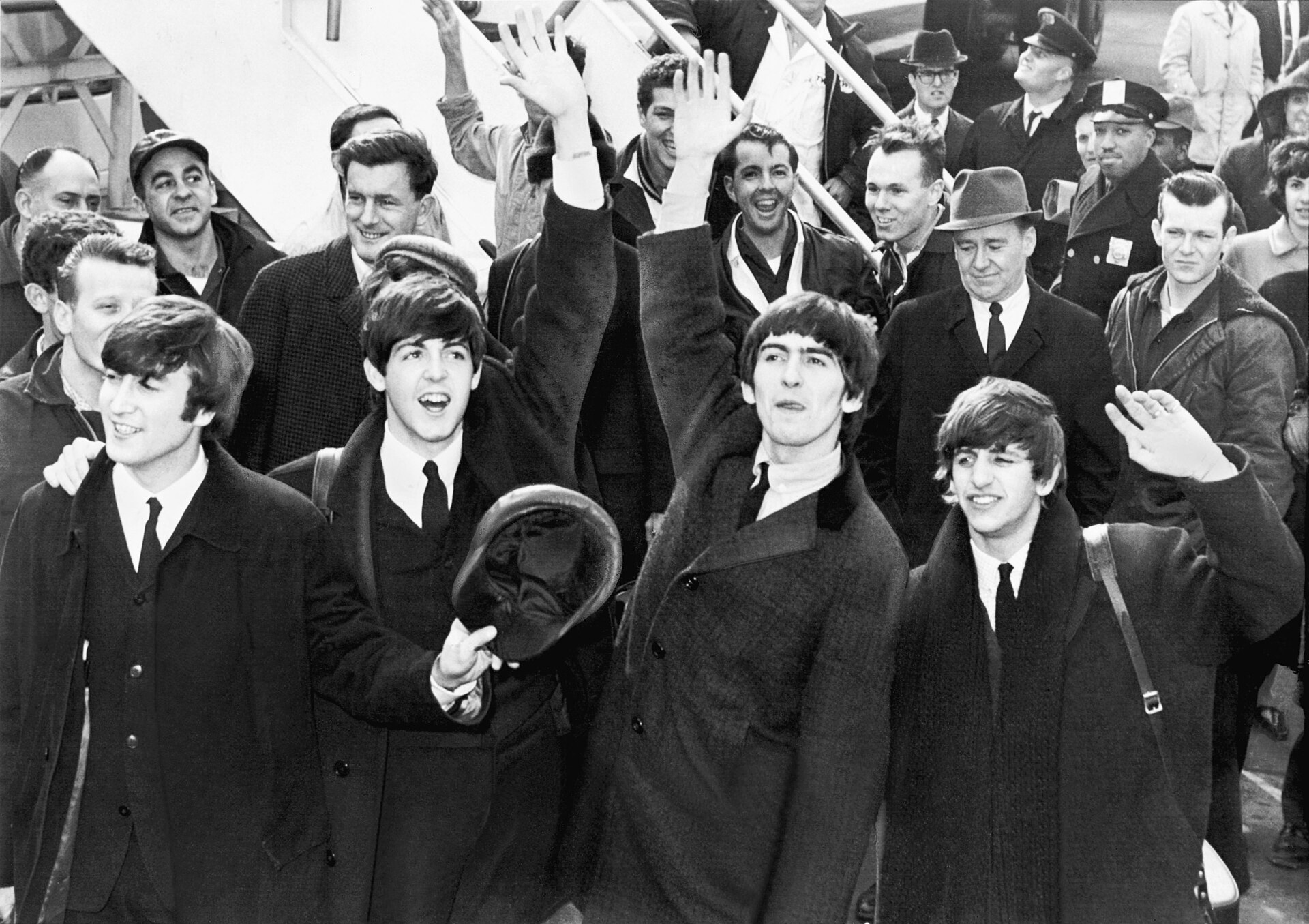
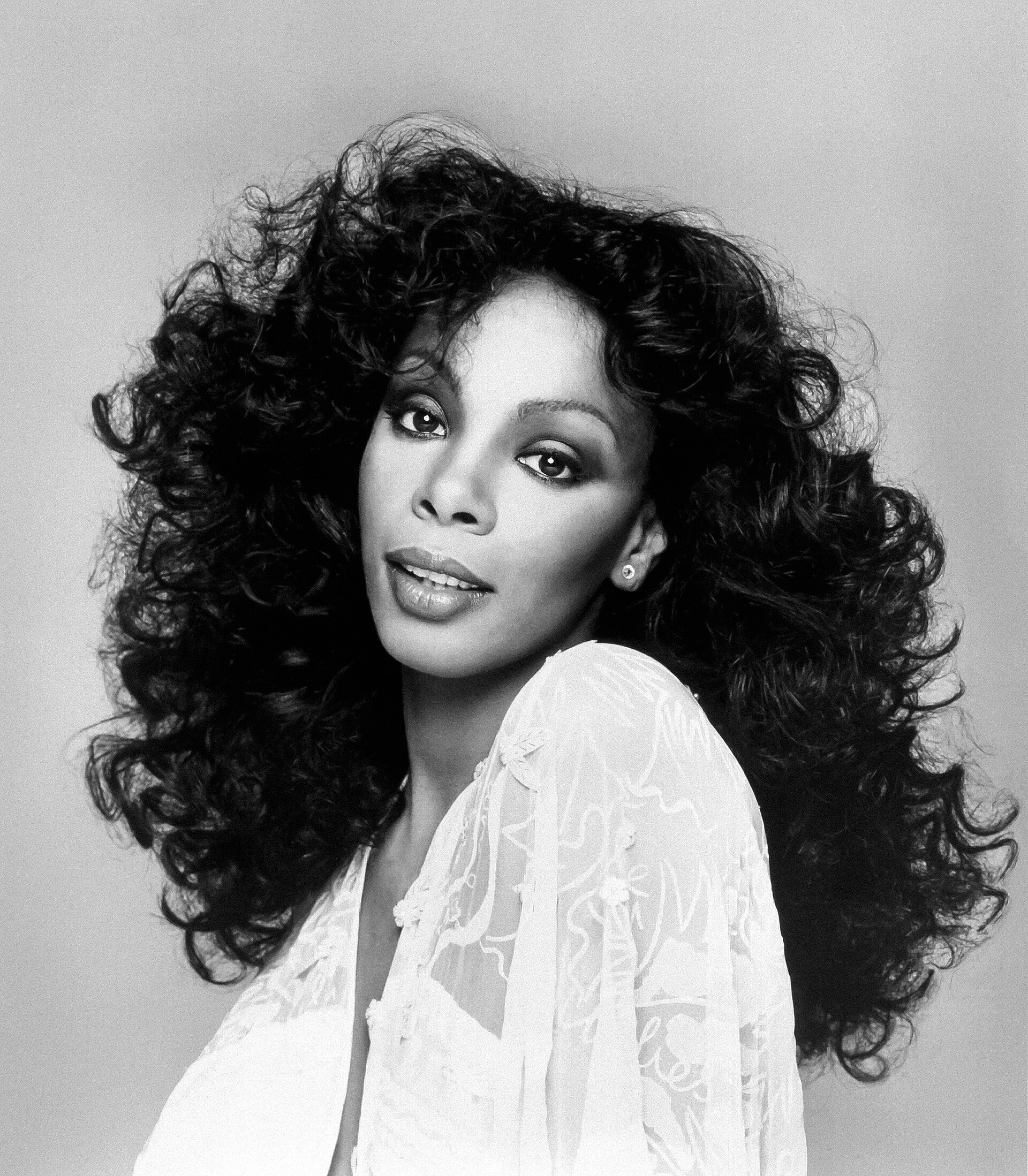
Popular musicians had always had images: photographs, album covers, stage costumes and television appearances. But the song itself remained primarily an audio experience.
THE QUESTION
What if the visual presentation of a song became part of the song’s cultural identity?
THE BREAKTHROUGH
Music television helped make the music video a central promotional and artistic format. Artists increasingly used short films, choreography, fashion, editing and narrative to create visual identities around songs.
THE CHANGE
The music video changed what it meant to be a pop star. A successful artist could build a recognisable visual world, not just a recognisable sound.
THE NEW NORMAL
Audiences began discovering and remembering music through audiovisual storytelling. Later, the internet and social platforms made music video production and distribution even more immediate.
WHAT WE STILL MISUNDERSTAND
The music video was not simply advertising. Some became important works of visual culture in their own right, while others functioned primarily as promotional tools.
THE MODERN CONNECTION
Short-form video now shapes music discovery on a scale far beyond television. A song can become popular because of a visual moment, choreography or meme before listeners know its full context.
THE RETHINK
The music video changed the assumption that a song has only one identity. A piece of music could become a sound, an image, a performance and a cultural symbol at the same time.