Filed under Ideas · Social Rethinks
Jazz and the Harlem Renaissance When Black Modernity Became Impossible to Ignore
In the 1920s and 1930s, music became part of a wider cultural transformation in which African American artists reshaped ideas about identity, creativity and modern life.
- Share “Jazz and the Harlem Renaissance: When Black Modernity Became Impossible to Ignore” on X
- Share “Jazz and the Harlem Renaissance: When Black Modernity Became Impossible to Ignore” on Facebook
- Share “Jazz and the Harlem Renaissance: When Black Modernity Became Impossible to Ignore” on LinkedIn
- Share “Jazz and the Harlem Renaissance: When Black Modernity Became Impossible to Ignore” on WhatsApp
- Share “Jazz and the Harlem Renaissance: When Black Modernity Became Impossible to Ignore” on Telegram
- Share “Jazz and the Harlem Renaissance: When Black Modernity Became Impossible to Ignore” on Reddit
- Share “Jazz and the Harlem Renaissance: When Black Modernity Became Impossible to Ignore” on Email
THE OLD NORMAL
American culture in the early twentieth century was deeply shaped by racial segregation and unequal access to cultural power. African American artists created extraordinary work, but institutions deciding what counted as mainstream culture were often controlled by others.
THE QUESTION
What happens when a community creates its own cultural language and refuses to remain invisible? The Harlem Renaissance provided one answer. In the 1920s and 1930s, African American writers, musicians, artists and performers created a period of intense cultural innovation centered in Harlem but influential far beyond New York.
THE BREAKTHROUGH
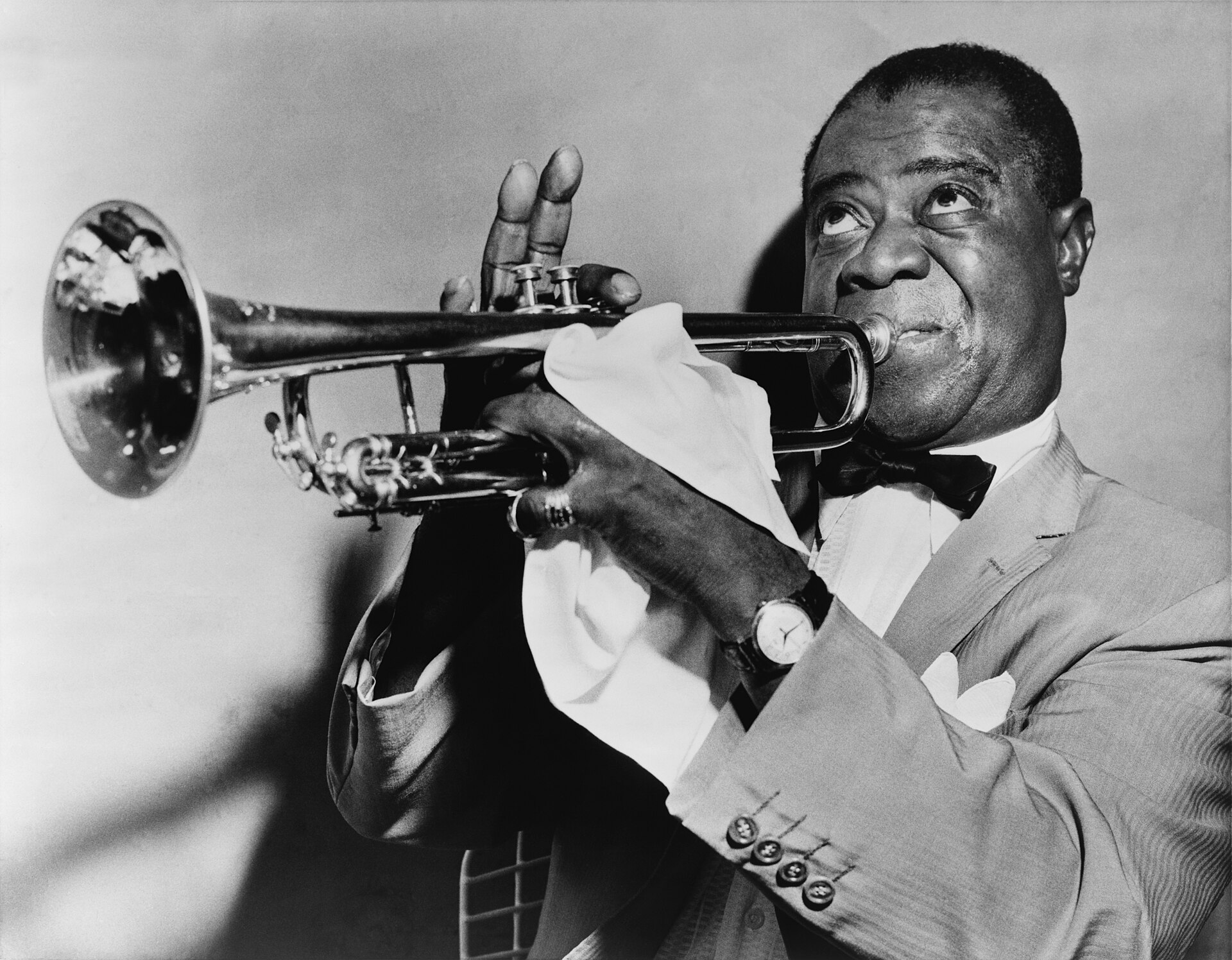
Jazz developed from complex musical traditions, including those of New Orleans, while performers such as Louis Armstrong and Duke Ellington pushed the form in new directions. Blues and other African American traditions also became central to the period’s cultural expression.
THE CHANGE
Music became part of a broader redefinition of Black identity. The Harlem Renaissance was connected to questions of race, education, dignity, artistic freedom and national identity. The New Negro Movement promoted racial pride, cultural self-expression and economic independence.
THE NEW NORMAL
Jazz increasingly became a language of modernity, experimentation and urban life. It crossed borders as well, reaching Europe and becoming part of debates about race, gender and modern culture.
WHAT WE STILL MISUNDERSTAND
The Harlem Renaissance was not one coordinated project, and its participants did not all understand themselves as part of a single movement. It was a network of people, places and ideas. Its importance lies partly in that complexity: culture changed because many people were experimenting at once.
THE MODERN CONNECTION
Today’s music industries still carry the legacy of this period. Genres born or transformed within African American communities routinely become global cultural languages. Cultural influence does not always begin with institutional power; sometimes it begins with a community creating something powerful enough that institutions eventually have to pay attention.
THE RETHINK
Jazz helped change a social assumption: that Black culture could exist at the margins of American modernity. The Harlem Renaissance showed something larger. A community could reshape the cultural centre without first receiving permission to enter it.