Filed under Ideas · Social Rethinks
The Inferiority That Was Never Natural
For centuries, women's legal and social subordination was treated as a fact of nature. Feminism's founding argument was simple and devastating: it wasn't nature. It was education, law, and custom — all of which could change.
- Share “The Inferiority That Was Never Natural” on X
- Share “The Inferiority That Was Never Natural” on Facebook
- Share “The Inferiority That Was Never Natural” on LinkedIn
- Share “The Inferiority That Was Never Natural” on WhatsApp
- Share “The Inferiority That Was Never Natural” on Telegram
- Share “The Inferiority That Was Never Natural” on Reddit
- Share “The Inferiority That Was Never Natural” on Email
OPENING
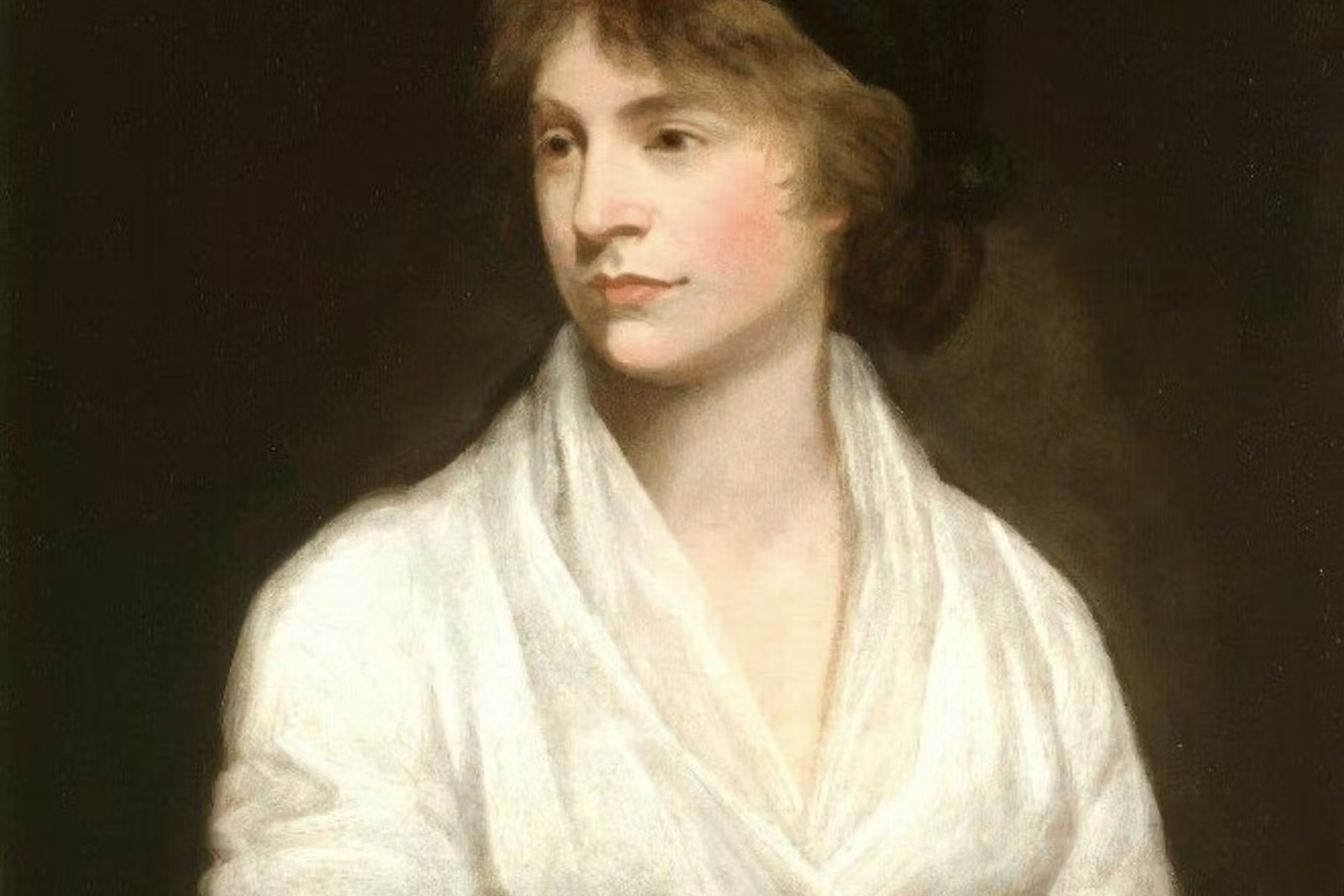
In 1792, a British writer named Mary Wollstonecraft published an argument that most of her contemporaries considered, at best, eccentric: that women were not naturally inferior to men, but had simply been denied the same education and legal standing, and that this denial — not nature — explained the apparent gap between the sexes. It took well over a century for that argument to translate into meaningful legal change, and the process is still underway. But the core claim reframed the entire premise of women's subordination, from an immutable fact to a policy choice — one that could, in principle, be reversed.
HISTORICAL CONTEXT
Across most legal systems in 18th- and 19th-century Europe and its colonies, women held the legal status of dependents — first of fathers, then of husbands. Married women in many jurisdictions could not own property independently, sign contracts, retain their own wages, or vote. Higher education was largely closed to women, a restriction frequently justified by claims that women's intellectual and emotional constitution made them naturally unsuited to public, professional, or political life. This wasn't treated as a live debate requiring evidence; it was widely presented as settled biological and social fact.
THE TURNING POINT
Mary Wollstonecraft's A Vindication of the Rights of Woman (1792) directly challenged that premise, arguing that women appeared less rational and capable than men not because of any inherent deficiency, but because they were systematically denied the education that would allow them to develop those capacities. It was among the earliest sustained philosophical arguments for women's equality grounded in Enlightenment reasoning about natural rights.
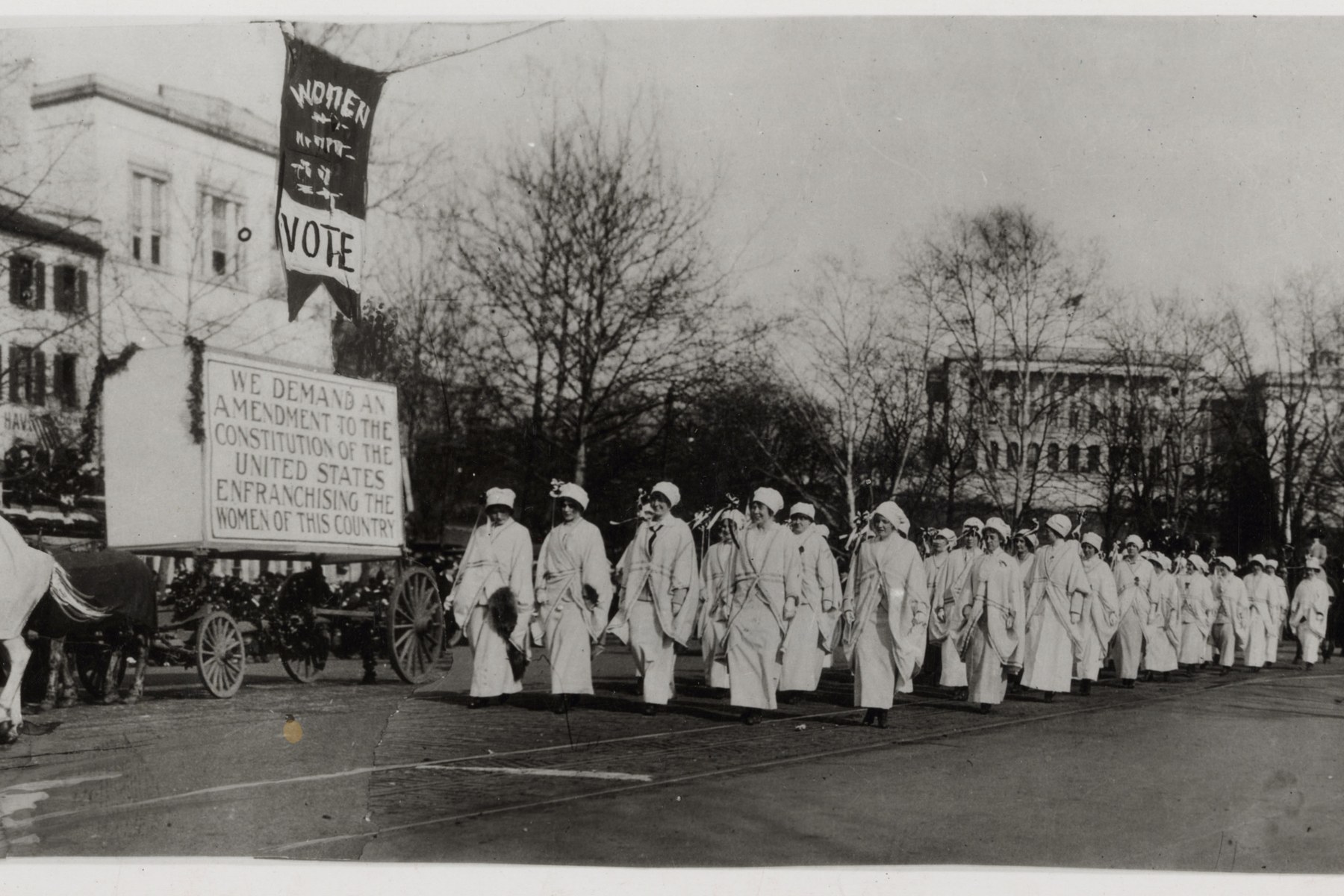
The suffrage movements that followed over the next century and a half translated this argument into sustained political organizing. In Britain, the Suffragettes led by figures such as Emmeline Pankhurst combined lobbying with civil disobedience; in the United States, decades of organizing culminated in the Nineteenth Amendment (1920), which granted women the right to vote, following earlier milestones such as New Zealand becoming the first self-governing nation to grant women's suffrage in 1893. Successive waves of feminist organizing through the 20th century expanded the fight beyond voting rights to workplace equality, reproductive rights, and legal protections against discrimination, achieving milestones such as equal pay legislation and expanded access to higher education and professional fields previously closed to women.
THE LONGER LEGACY
The cumulative effect of these movements reshaped family law, labor markets, and political representation across most of the world, though very unevenly and by no means completely. Women's legal status shifted from dependent to independent citizen in most legal systems; access to education and professional fields expanded dramatically, though disparities in pay, representation, and opportunity persist in nearly every country. The movement also expanded over time to reckon with its own limitations — early suffrage organizing in several countries prioritized the concerns of white, middle-class women, prompting subsequent generations of feminist organizing to more directly address the intersecting effects of race, class, and gender.
WHAT WE STILL MISUNDERSTAND
Feminism is sometimes treated as a single, unified movement with one continuous history, when in fact it has developed through distinct waves and competing schools of thought that disagreed, sometimes sharply, on strategy, priorities, and even the underlying goal of equality itself. Suffrage is also often mistaken for the movement's endpoint rather than one milestone among many; the right to vote did not, by itself, resolve unequal pay, unequal legal treatment in marriage and property, or unequal access to education and professional advancement, all of which required separate, sustained campaigns across the following century. And gains achieved in one country or region should not be assumed to be global or permanent — women's legal and social equality remains sharply uneven around the world today.
THE MODERN CONNECTION
Contemporary debates over the gender pay gap, workplace harassment, reproductive rights, and political representation are direct continuations of the argument Wollstonecraft first made: that apparent differences in achievement or status reflect unequal conditions and opportunity rather than fixed natural fact. The persistence of these debates more than two centuries later is less a sign of feminism's failure than evidence of how deeply embedded the assumptions it challenges had become.
The Social Rethink
Before feminism's founding arguments took hold, women's subordinate status was widely treated as a fact of nature requiring no explanation. Afterward, it became a policy — the product of specific, identifiable, and therefore changeable decisions about education, law, and custom. That distinction, between what is natural and what is merely customary, remains the single most important tool the movement has contributed to every subsequent fight for equality.
What differences we currently treat as simply "natural" between groups of people might, on closer inspection, turn out to be differences in the opportunities each group was ever given?