Filed under Rethink Society | Cultural Revolutions · 03 · Belief
Religion and Spiritual Thought: How Shared Beliefs Created
Shared beliefs built communities, inspired art and shaped moral life—but also created boundaries. What can plural societies learn from this history?
- Share “Religion and Spiritual Thought: How Shared Beliefs Created” on X
- Share “Religion and Spiritual Thought: How Shared Beliefs Created” on Facebook
- Share “Religion and Spiritual Thought: How Shared Beliefs Created” on LinkedIn
- Share “Religion and Spiritual Thought: How Shared Beliefs Created” on WhatsApp
- Share “Religion and Spiritual Thought: How Shared Beliefs Created” on Telegram
- Share “Religion and Spiritual Thought: How Shared Beliefs Created” on Reddit
- Share “Religion and Spiritual Thought: How Shared Beliefs Created” on Email
Civilisations
RETHINK SOCIETY | CULTURAL REVOLUTIONS COLLECTION
Long before modern nation-states, human communities organised themselves around stories of origins, sacred places, ancestors and forces larger than individual life. Religion and spiritual thought helped people interpret suffering, death, morality and belonging. They also shaped calendars, architecture, law, art and political authority. To understand the history of society, it is impossible to separate human culture entirely from the systems of meaning people created to explain their place in the world.
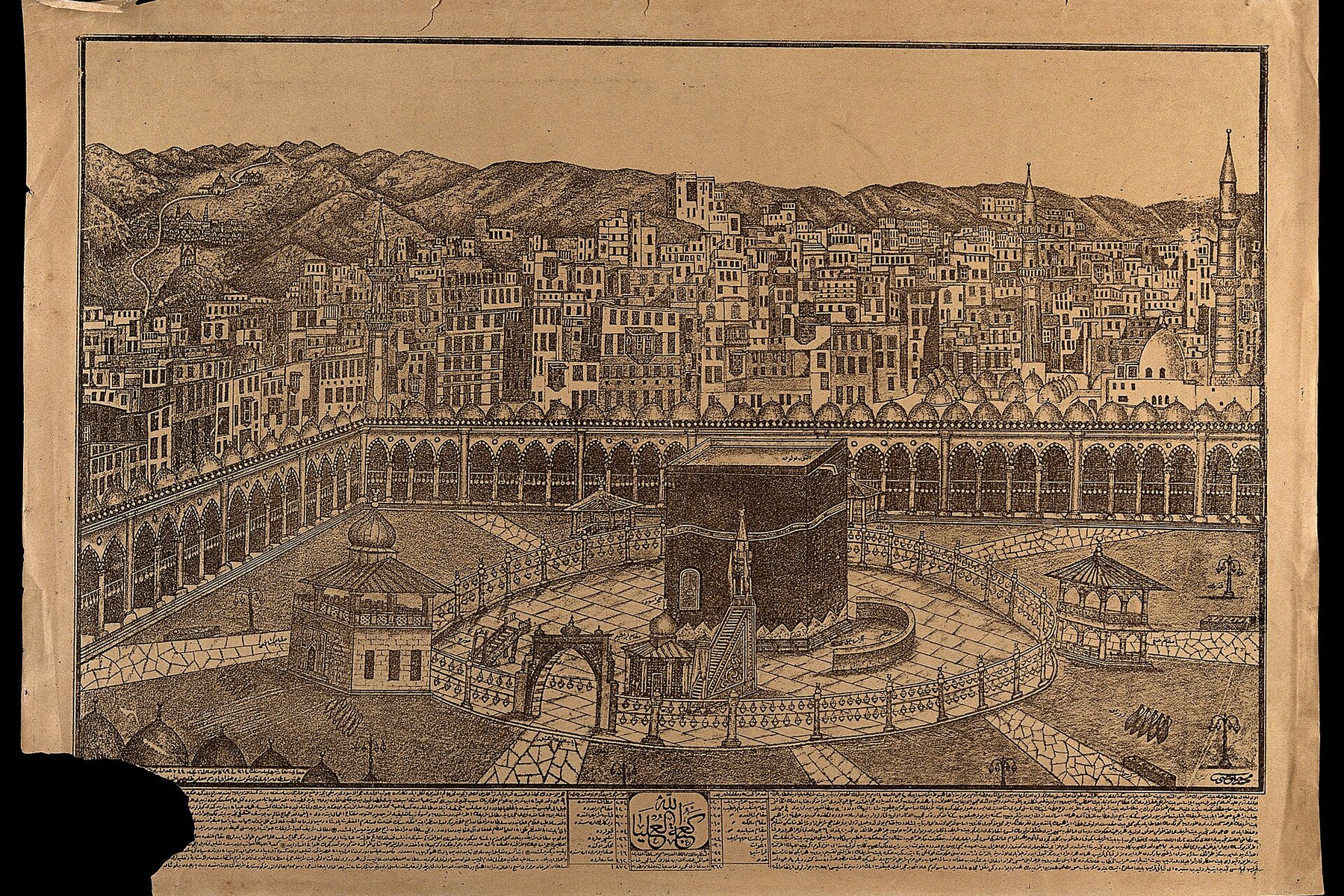
There is no single origin story for religion. Spiritual traditions developed across every inhabited region through different histories and beliefs. Indigenous traditions preserved relationships with land, ancestors and community. Hindu traditions developed over long periods in South Asia. Judaism emerged from the religious life of ancient Israel. Buddhism developed from the teachings associated with Siddhartha Gautama. Christianity grew from Jewish and early Mediterranean contexts. Islam emerged in seventh-century Arabia and rapidly became a global civilisation. Countless other traditions shaped humanity.
Shared belief could create extraordinary social cooperation. Religious institutions established communities that crossed kinship boundaries. Pilgrimage connected distant populations. Monastic and scholarly centres preserved texts and supported education. Religious charity created forms of welfare. Sacred art and architecture produced some of humanity's most enduring cultural achievements. At their best, traditions of compassion, hospitality and responsibility encouraged people to recognise obligations beyond immediate self-interest.
Yet religion has never existed outside power. Rulers claimed divine legitimacy. Institutions accumulated wealth. Religious differences sometimes became reasons for persecution, conquest and exclusion. It would be historically inaccurate to describe religion only as a source of peace or only as a source of conflict. The same traditions could inspire reformers and oppressors, mystics and bureaucracies, solidarity and division. Human interpretation matters.
The cultural revolution lay partly in moral imagination. Many traditions asked people to consider actions in relation to standards greater than personal advantage. What is justice? How should the vulnerable be treated? What do we owe strangers? These questions entered law and public life in different forms. Religious ethics did not invent morality, but they created powerful languages through which communities discussed moral responsibility.
Religion also shaped identity. For many people, faith became inseparable from family, language, memory and culture. This explains why religious questions can be emotionally powerful even in increasingly secular societies. Belief is rarely only an abstract opinion. It may connect an individual to ancestors, rituals and communities extending across centuries.
Modern societies often struggle to discuss religion without falling into extremes. One extreme assumes religion should be beyond criticism. Another assumes religion is simply irrational and historically obsolete. Both positions can prevent understanding. Religious traditions deserve serious examination precisely because they have shaped—and continue to shape—human lives so profoundly.
Social Rethink
The central question is not whether humanity will become completely religious or completely secular. It is whether societies can build shared civic life while protecting freedom of belief and freedom from belief. Pluralism requires more than tolerance as passive endurance. It requires the ability to understand that people may find meaning through fundamentally different worldviews.
Religion and spiritual thought made humanity rethink society because they expanded the idea of belonging. A community could be defined not only by blood or territory but by shared moral narratives. At the same time, those narratives could create boundaries between insiders and outsiders. That contradiction remains visible today.
Perhaps the most useful historical lesson is humility. Across thousands of years, people have repeatedly tried to answer questions that no civilisation has completely resolved: Why are we here? What makes a life meaningful? How should human beings live together? Religious and spiritual traditions do not provide one universal answer. Their historical importance lies in humanity's continuing attempt to make meaning—and in the societies built around that attempt.