Filed under Ideas · Social Rethinks
Digital Music and Streaming When the Record Store Disappeared
Digital distribution changed music from something people physically owned and collected into something increasingly accessed through platforms.
- Share “Digital Music and Streaming: When the Record Store Disappeared” on X
- Share “Digital Music and Streaming: When the Record Store Disappeared” on Facebook
- Share “Digital Music and Streaming: When the Record Store Disappeared” on LinkedIn
- Share “Digital Music and Streaming: When the Record Store Disappeared” on WhatsApp
- Share “Digital Music and Streaming: When the Record Store Disappeared” on Telegram
- Share “Digital Music and Streaming: When the Record Store Disappeared” on Reddit
- Share “Digital Music and Streaming: When the Record Store Disappeared” on Email
THE OLD NORMAL
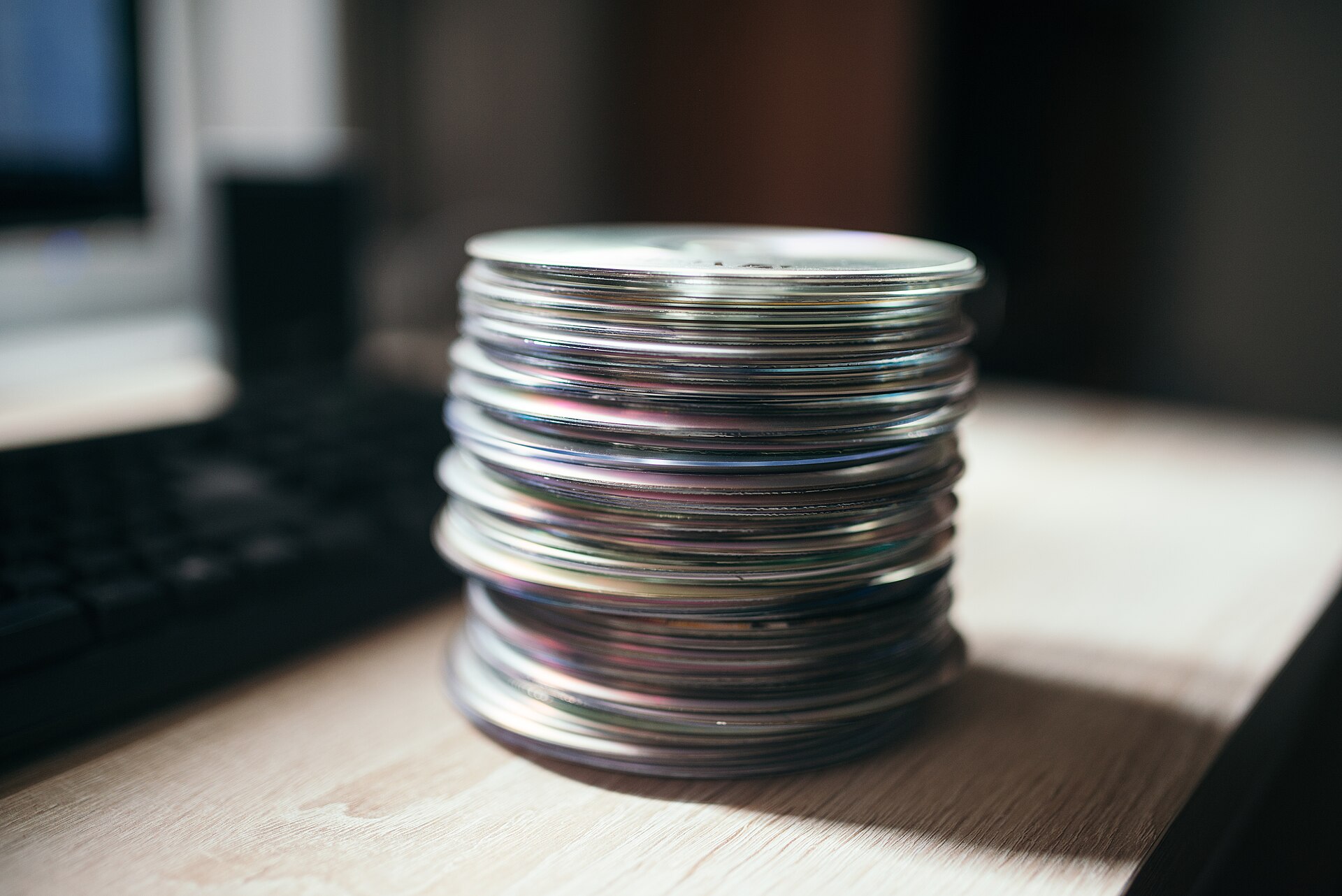
For much of the twentieth century, recorded music was tied to physical objects: records, tapes and CDs. Distribution depended heavily on manufacturing, retail networks, radio and record companies.
THE QUESTION
What if music became information that could move through networks rather than objects that had to be manufactured and transported?
THE BREAKTHROUGH
Digital audio and the MP3 format made music files small enough to distribute efficiently. File sharing then demonstrated how radically digital networks could disrupt established music distribution.
THE CHANGE
The industry moved through downloads and eventually streaming. The physical record store became less central to everyday listening, while online platforms became major intermediaries between artists and audiences.
THE NEW NORMAL
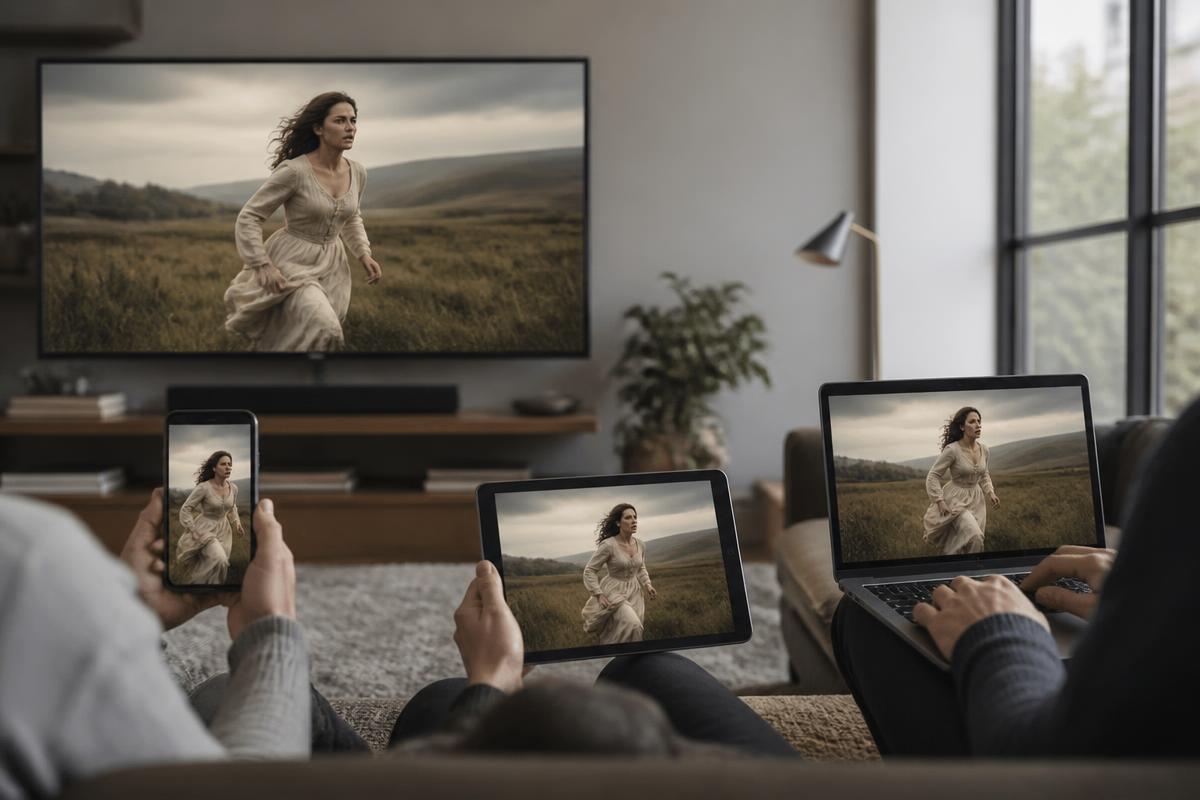
Music increasingly became an access service. A listener could access enormous catalogues without physically owning the recordings.
WHAT WE STILL MISUNDERSTAND
Digital distribution did not eliminate gatekeepers. It changed them. Instead of record stores and radio stations being the only major filters, platforms, playlists, algorithms and recommendation systems increasingly influence discovery.
THE MODERN CONNECTION
The streaming era has made music extraordinarily accessible while raising difficult questions about artist compensation, platform power, discoverability and the economics of attention.
THE RETHINK
Digital music changed a fundamental assumption about ownership. The future of listening did not require possessing the object. It required access to the network.