Filed under Rethink Society | Cultural Revolutions · 01 · Knowledge
The Development of Writing: When Humanity Learned to Remember
Writing changed more than communication. It transformed memory, power and humanity's ability to learn across generations.
- Share “The Development of Writing: When Humanity Learned to Remember” on X
- Share “The Development of Writing: When Humanity Learned to Remember” on Facebook
- Share “The Development of Writing: When Humanity Learned to Remember” on LinkedIn
- Share “The Development of Writing: When Humanity Learned to Remember” on WhatsApp
- Share “The Development of Writing: When Humanity Learned to Remember” on Telegram
- Share “The Development of Writing: When Humanity Learned to Remember” on Reddit
- Share “The Development of Writing: When Humanity Learned to Remember” on Email
Before writing, every society depended on living memory. Knowledge travelled through speech, ritual, performance, objects and repeated practice. Elders remembered genealogies; storytellers carried histories; communities preserved laws and beliefs through collective memory. These traditions were neither primitive nor empty. Oral cultures developed sophisticated ways of preserving knowledge. Yet memory had limits. It changed with people, generations and circumstances. Writing introduced a profound cultural possibility: information could remain present even when the person who created or remembered it was gone.
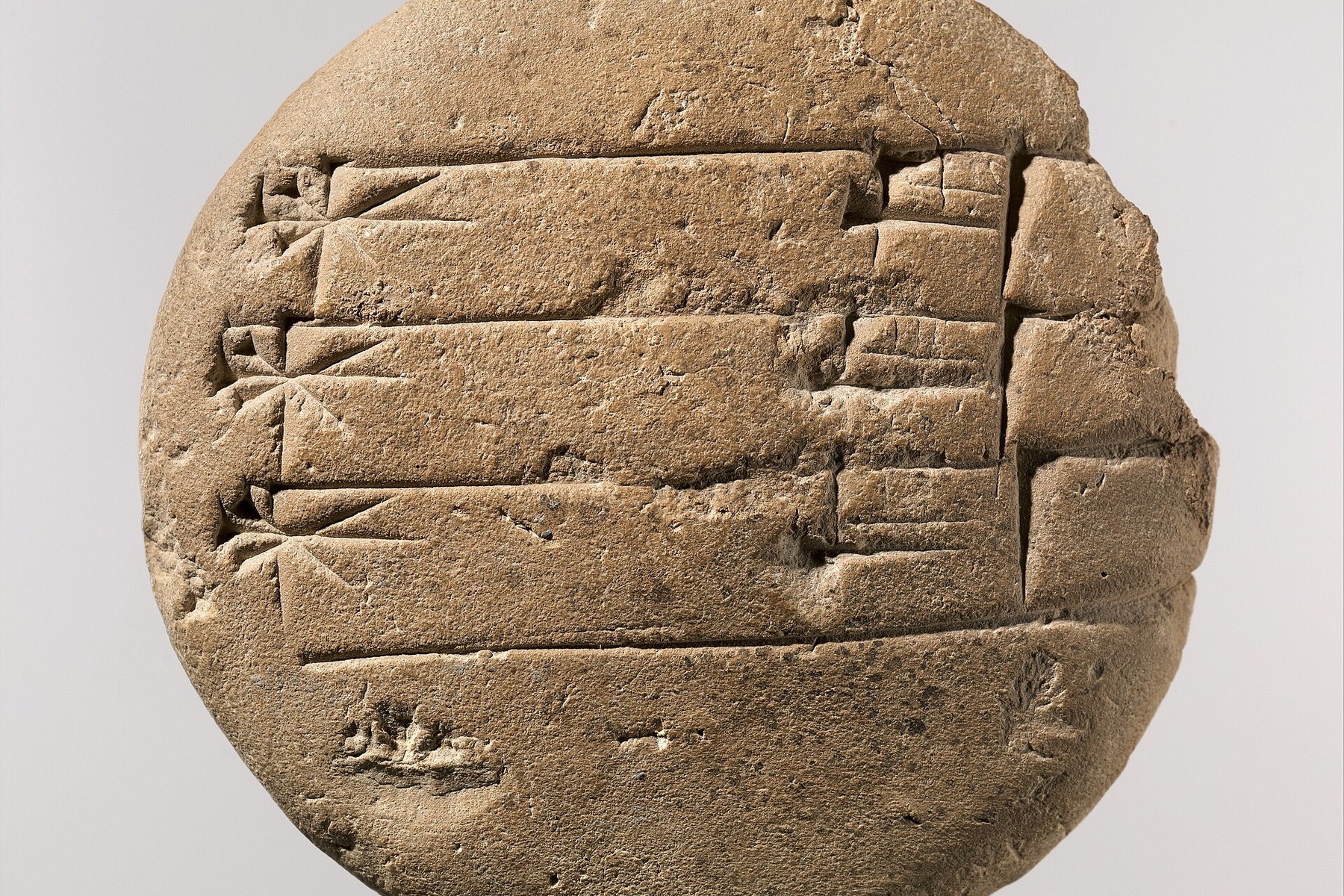
The earliest known writing systems emerged in more than one cultural setting. In southern Mesopotamia, cuneiform developed from administrative practices around the late fourth millennium BCE. Ancient Egyptian writing appeared at roughly the same broad period. Other systems later developed independently, including Chinese writing and the writing traditions of Mesoamerica. This matters because the history of writing is not the story of one civilisation simply teaching the rest of humanity how to communicate. Different societies created durable systems for recording language and information in response to their own political, economic, religious and cultural needs.
Early writing was closely connected to organisation. Temples, palaces and administrators needed to record goods, labour, taxes and transactions. Clay tablets could track grain, animals and obligations. But writing quickly became more than bureaucracy. It preserved myths, prayers, laws, letters, literature and scientific observations. The Epic of Gilgamesh, Egyptian funerary texts and later literary traditions demonstrate that writing allowed societies not only to count possessions but also to examine fear, friendship, mortality and meaning.
Writing changed power. A written law could appear more stable than a spoken rule. A ruler could issue instructions across distance. Religious traditions could preserve sacred texts. Scholars could build upon observations made by earlier generations. At the same time, literacy was often restricted. Scribes became specialists, and access to written knowledge could reinforce social hierarchies. The ability to read and write therefore became both a tool of liberation and a source of authority.
The most important transformation was cumulative knowledge. Human beings could increasingly communicate across time. A person could encounter the ideas of someone who had died centuries earlier. Knowledge no longer had to begin again with every generation. Mathematics, astronomy, medicine and philosophy could develop through criticism, copying and revision. Writing did not guarantee truth, but it made large-scale systems of learning and institutional memory possible.
The history of writing also reminds us that technology changes culture without replacing everything that came before. Oral traditions continued and remain vital today. Writing transformed memory; it did not eliminate storytelling. In many communities, spoken history retained authority even alongside documents. The cultural revolution was therefore not a simple movement from ignorance to knowledge. It was a change in how knowledge could be stored, transmitted and contested.
Today we are experiencing another transformation in collective memory. Search engines, cloud archives and artificial intelligence can retrieve and generate information at extraordinary speed. Yet the questions are familiar: Who controls knowledge? What deserves to be preserved? What happens when information is copied without context? Writing once moved memory beyond the individual mind. Digital technology has moved much of it beyond the individual community. That creates unprecedented access, but also dependence on institutions and systems that most people do not control.
Social Rethink
Writing teaches us that every information revolution redistributes power. Literacy expanded opportunities, but unequal access also created new hierarchies. The same tension exists today. Digital access does not automatically produce understanding, and more information does not automatically create wisdom. The challenge for modern society is not merely to preserve everything. It is to develop the ability to evaluate, contextualise and responsibly pass knowledge forward.
When humanity learned to write, it learned how to leave messages for people it would never meet. That simple cultural breakthrough made history itself possible in a new way. It allowed societies to remember institutions, arguments, stories and mistakes across generations. The question for us is equally important: what are we writing into humanity's future, and who will be able to read it?