Filed under Ideas · Social Rethinks
Sampling and the Remix When the Past Became Raw Material
Sampling changed the idea of musical originality by turning existing recordings into building blocks for new works.
- Share “Sampling and the Remix: When the Past Became Raw Material” on X
- Share “Sampling and the Remix: When the Past Became Raw Material” on Facebook
- Share “Sampling and the Remix: When the Past Became Raw Material” on LinkedIn
- Share “Sampling and the Remix: When the Past Became Raw Material” on WhatsApp
- Share “Sampling and the Remix: When the Past Became Raw Material” on Telegram
- Share “Sampling and the Remix: When the Past Became Raw Material” on Reddit
- Share “Sampling and the Remix: When the Past Became Raw Material” on Email
THE OLD NORMAL
Traditional ideas of musical authorship often emphasised composition and performance. A new song was imagined as something created from a blank page.
THE QUESTION
Can an existing recording become a piece of raw material for a new work?
THE BREAKTHROUGH
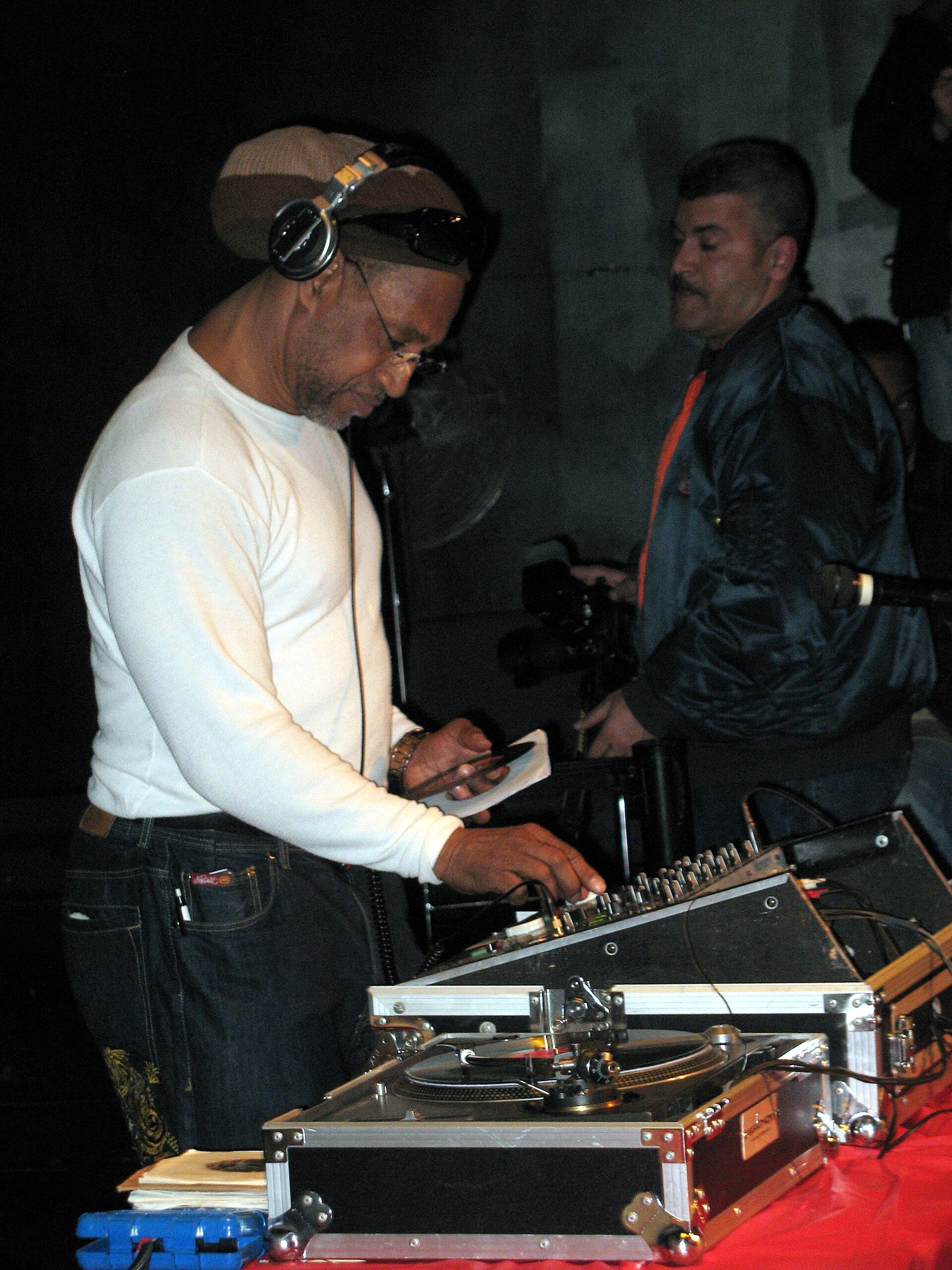
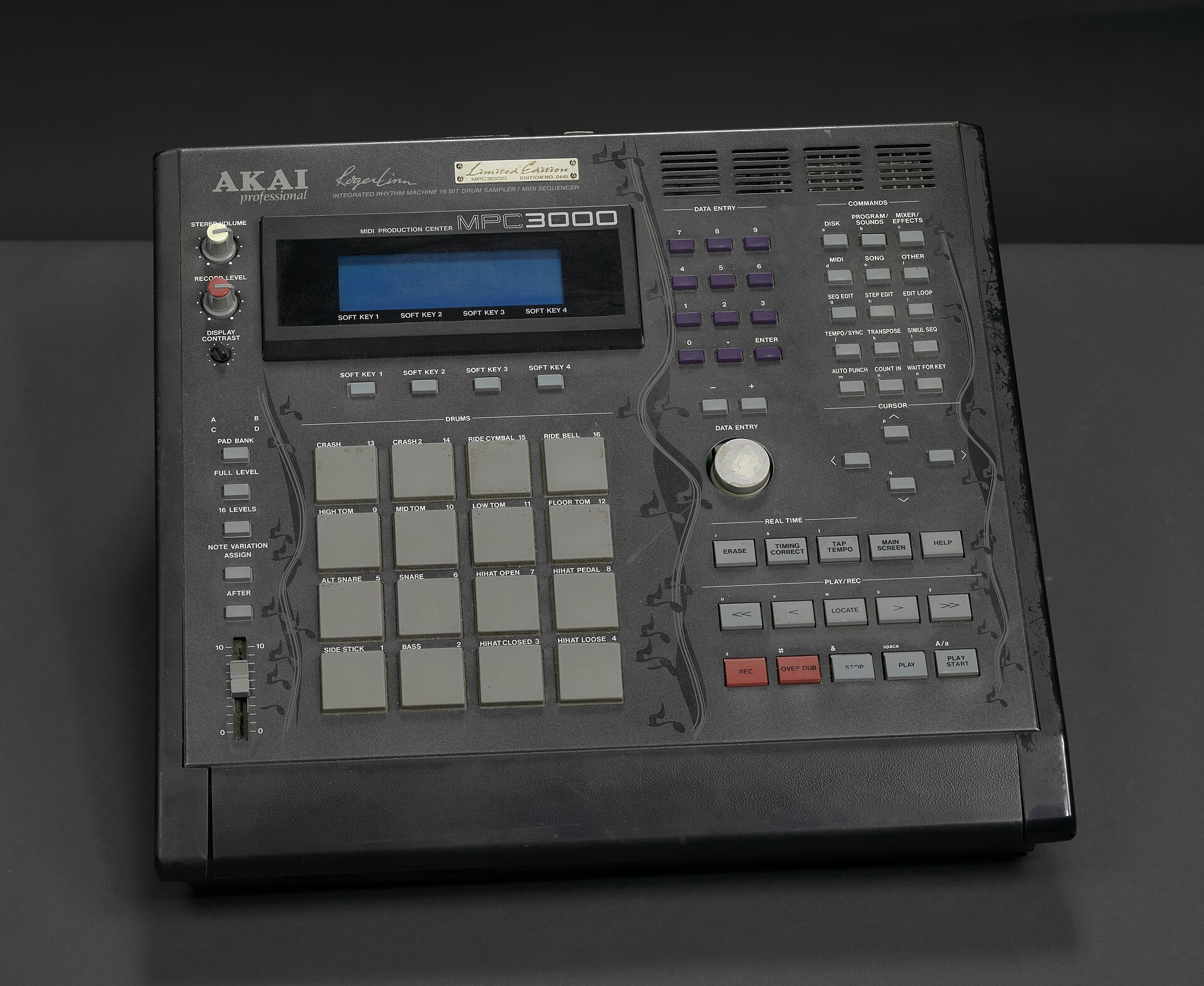
Sampling developed through technologies that allowed producers to isolate, repeat and manipulate fragments of existing recordings. It became especially important in hip-hop and later electronic music.
THE CHANGE
The past became a musical toolbox. A drum break, vocal fragment or melodic phrase could be removed from its original context and given a new function.
THE NEW NORMAL
Remixing and sampling became normal creative practices across popular music. The listener’s musical memory became part of the creative process because recognising a sample could itself be meaningful.
WHAT WE STILL MISUNDERSTAND
Sampling is not automatically theft or automatically harmless. It exists within a complex legal and ethical landscape involving copyright, licensing, transformation and artistic context.
THE MODERN CONNECTION
Digital editing has made remix culture almost universal. Memes, mashups, remixes and collaborative online works all rely on the idea that existing culture can become material for new culture.
THE RETHINK
Sampling changed originality from a simple question — ‘Did you create this from nothing?’ — into a more interesting one: ‘What did you do with what already existed?’