Filed under Stories · Social Rethinks
The Indian Independence Movement When Ordinary People Challenged an Empire
Decades of organising, civil resistance and mass participation helped turn independence from an aspiration into a political reality.
- Share “The Indian Independence Movement: When Ordinary People Challenged an Empire” on X
- Share “The Indian Independence Movement: When Ordinary People Challenged an Empire” on Facebook
- Share “The Indian Independence Movement: When Ordinary People Challenged an Empire” on LinkedIn
- Share “The Indian Independence Movement: When Ordinary People Challenged an Empire” on WhatsApp
- Share “The Indian Independence Movement: When Ordinary People Challenged an Empire” on Telegram
- Share “The Indian Independence Movement: When Ordinary People Challenged an Empire” on Reddit
- Share “The Indian Independence Movement: When Ordinary People Challenged an Empire” on Email
THE OLD NORMAL
For generations, British imperial rule shaped India's political and economic life. Independence was discussed by reformers and nationalists, but the scale of the challenge was enormous: an empire was not simply a government that could be replaced by winning one election.
THE QUESTION
Could an enormous population challenge imperial power without becoming dependent on conventional military victory?
The Indian independence movement produced a powerful answer: organised mass participation could make unjust rule increasingly difficult to sustain.
THE ACTION
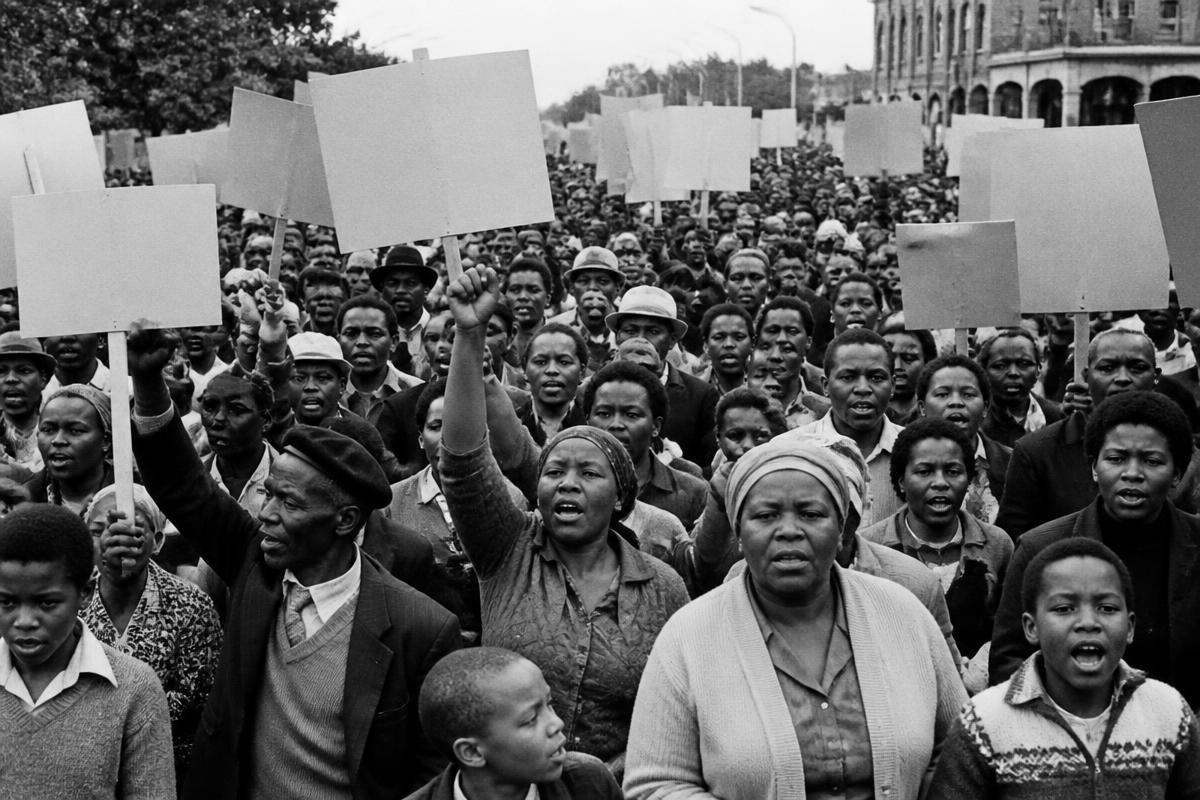
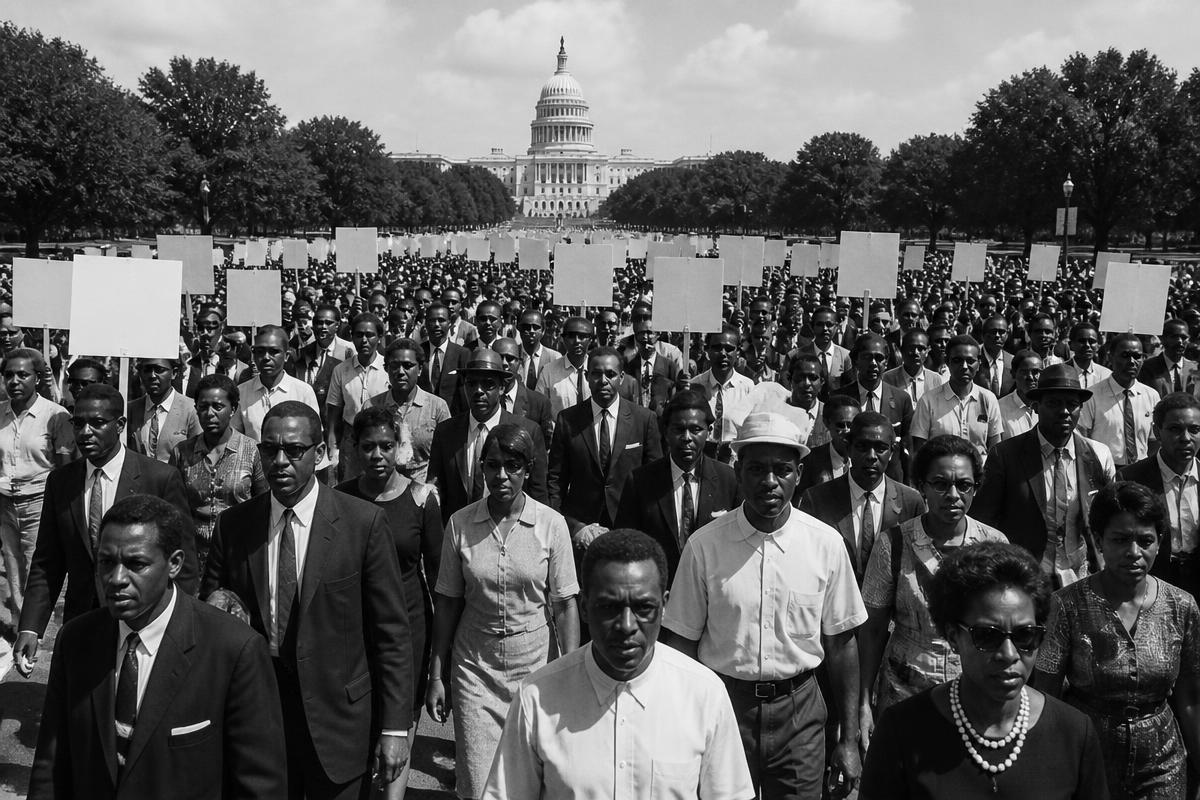
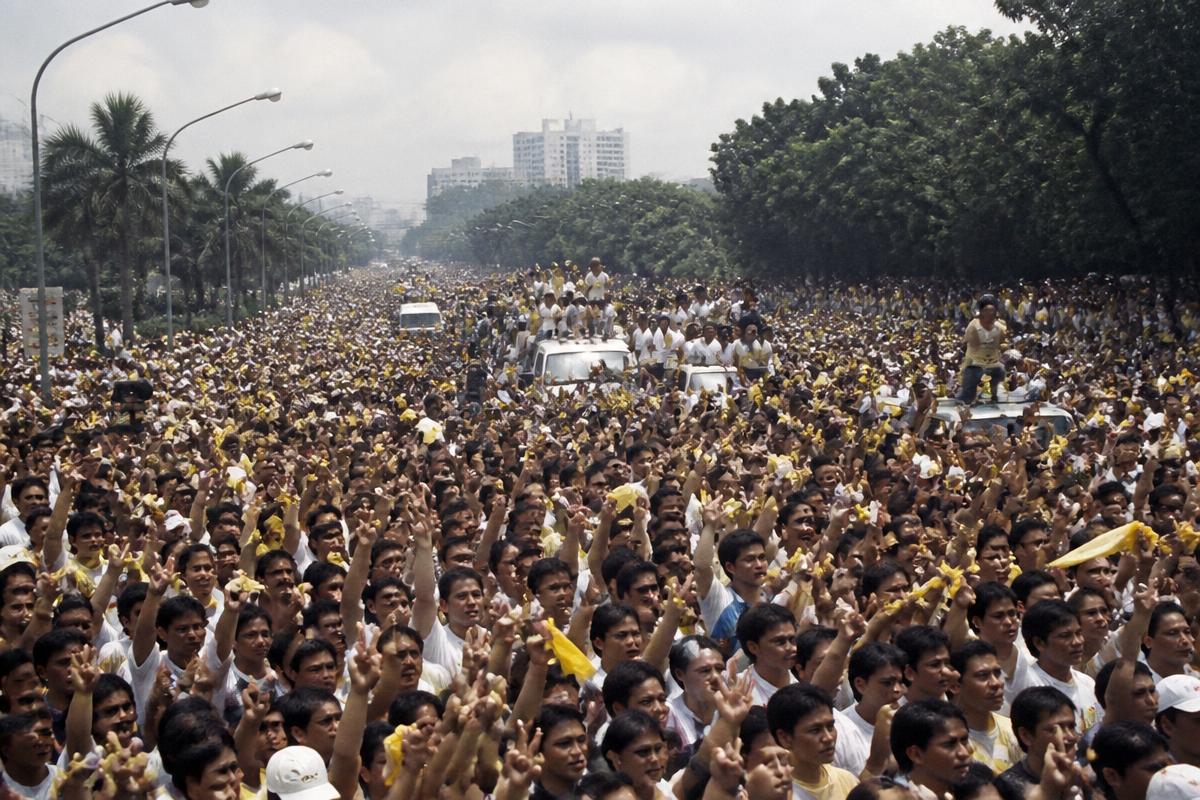
The movement was not one tactic and not one leader. It included political organising, journalism, boycotts, strikes, demonstrations, constructive community work and civil disobedience. Mohandas Gandhi became its most internationally recognisable strategist, but the movement depended on millions of participants and many organisations.
THE BREAKTHROUGH
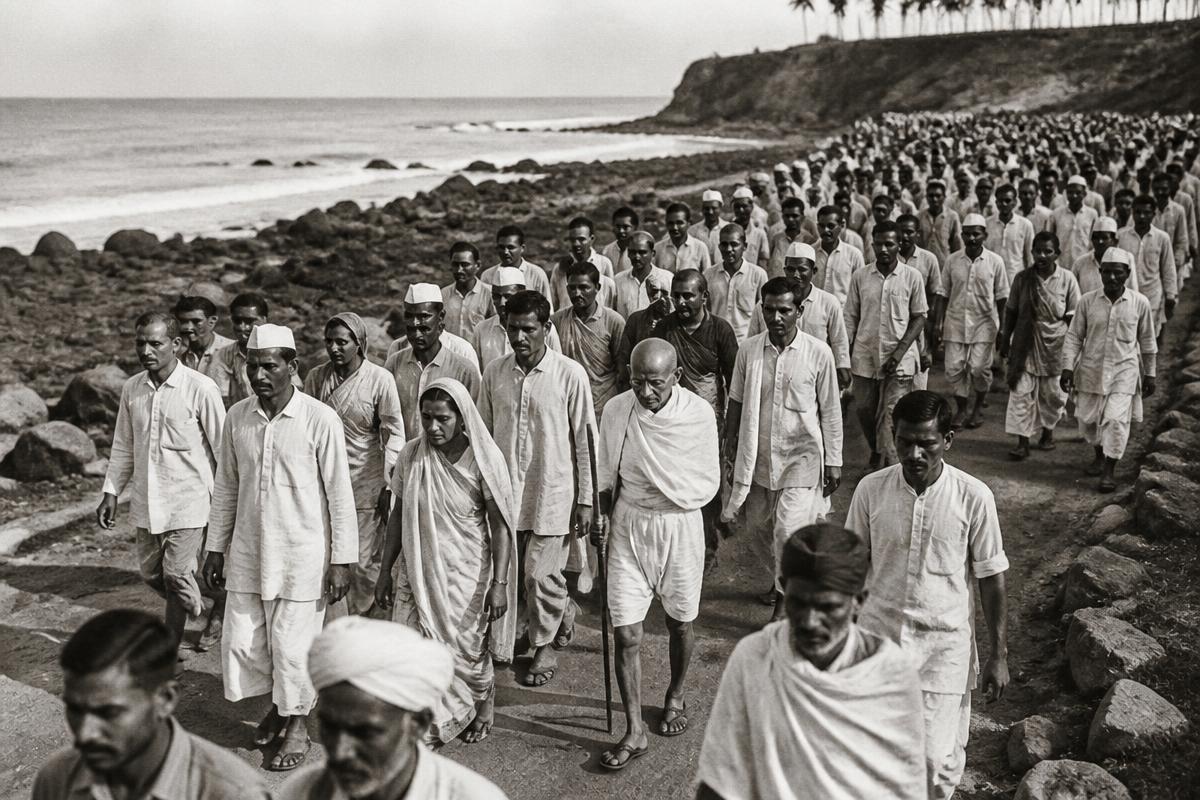
The 1930 Salt March became one of the clearest demonstrations of the movement's method. Challenging the British monopoly and tax on salt turned an ordinary necessity into a symbol of political power. The act was simple enough to understand and participate in, but significant enough to expose the reach of imperial authority.
THE CHANGE
Civil resistance made politics visible in everyday life. A boycott could change consumption. A march could transform a road into a political stage. Refusing cooperation could demonstrate that authority ultimately depended on the participation of the governed.
THE NEW NORMAL
India became independent on 15 August 1947. Independence was accompanied by the trauma of Partition and enormous human suffering, so the story should never be reduced to a simple triumphal narrative.
WHAT WE STILL MISUNDERSTAND
It is tempting to tell Indian independence as the story of Gandhi alone. That obscures the enormous diversity of the movement, including workers, students, women, revolutionaries, political parties, local organisers and communities that participated in different ways.
THE MODERN CONNECTION
Civil resistance movements around the world have continued to study the Indian experience. Its enduring lesson is not that nonviolence automatically wins, but that disciplined collective action can alter the political cost of maintaining an unjust system.
THE RETHINK
The movement changed an assumption about power. An empire could possess armies, laws and institutions, yet still depend on millions of people accepting its authority.
When enough people rethink that relationship, the political landscape can change.