Filed under Stories · Social Rethinks
LGBTQ+ Rights When Silence Was No Longer an Option
Decades of organising transformed homosexuality and LGBTQ+ identity from subjects of stigma and criminalisation into questions of rights, equality and public recognition.
- Share “LGBTQ+ Rights: When Silence Was No Longer an Option” on X
- Share “LGBTQ+ Rights: When Silence Was No Longer an Option” on Facebook
- Share “LGBTQ+ Rights: When Silence Was No Longer an Option” on LinkedIn
- Share “LGBTQ+ Rights: When Silence Was No Longer an Option” on WhatsApp
- Share “LGBTQ+ Rights: When Silence Was No Longer an Option” on Telegram
- Share “LGBTQ+ Rights: When Silence Was No Longer an Option” on Reddit
- Share “LGBTQ+ Rights: When Silence Was No Longer an Option” on Email
THE OLD NORMAL
For much of the twentieth century, LGBTQ+ people in many countries faced criminalisation, discrimination, medical stigma, social exclusion and pressure to conceal their identities.
THE QUESTION
What if people who had been told to remain invisible refused to remain invisible?
THE ACTION
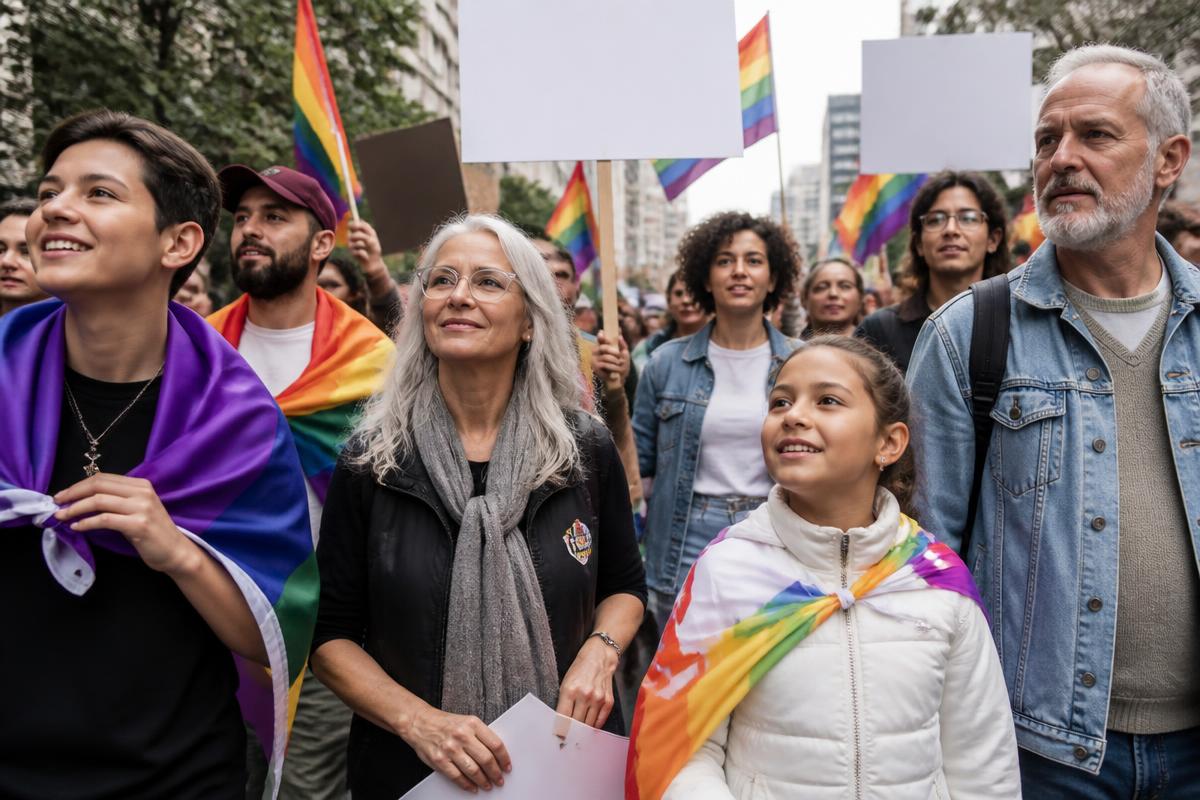
LGBTQ+ activism developed through community organisations, legal challenges, publications, demonstrations, mutual aid, Pride events and public campaigns. The 1969 Stonewall uprising became a powerful symbol within a much longer history of organising.
THE BREAKTHROUGH
Over subsequent decades, activists contributed to decriminalisation in numerous jurisdictions, anti-discrimination protections and, in some countries, marriage equality. These changes were uneven and remain incomplete.
THE CHANGE
The movement transformed the language of public debate. LGBTQ+ identity increasingly became discussed through concepts such as dignity, equality, family, privacy and human rights rather than only through morality or criminal law.
THE NEW NORMAL
In many societies, openly LGBTQ+ people now participate in public life in ways that would have been difficult to imagine several generations ago.
WHAT WE STILL MISUNDERSTAND
There was no single Stonewall moment that created LGBTQ+ rights. The movement was built through decades of local organising and different struggles involving lesbian, gay, bisexual, transgender and other communities.
THE MODERN CONNECTION
The movement also demonstrates that social progress is not always linear. Rights can expand, face backlash and require renewed organising.
THE RETHINK
Perhaps the deepest achievement was changing visibility itself.
A person who once had to disappear to be safe could increasingly insist on something different: the right to be seen and treated as a full member of society.