Filed under Rethink Society | Art History · 04 · Exchange
Buddhist Art Along the Silk Roads When Images Carried Ideas Across Civilisations
Cave temples and murals reveal that artistic influence often travels through contact, translation and exchange rather than isolated genius.
- Share “Buddhist Art Along the Silk Roads — When Images Carried Ideas Across Civilisations” on X
- Share “Buddhist Art Along the Silk Roads — When Images Carried Ideas Across Civilisations” on Facebook
- Share “Buddhist Art Along the Silk Roads — When Images Carried Ideas Across Civilisations” on LinkedIn
- Share “Buddhist Art Along the Silk Roads — When Images Carried Ideas Across Civilisations” on WhatsApp
- Share “Buddhist Art Along the Silk Roads — When Images Carried Ideas Across Civilisations” on Telegram
- Share “Buddhist Art Along the Silk Roads — When Images Carried Ideas Across Civilisations” on Reddit
- Share “Buddhist Art Along the Silk Roads — When Images Carried Ideas Across Civilisations” on Email
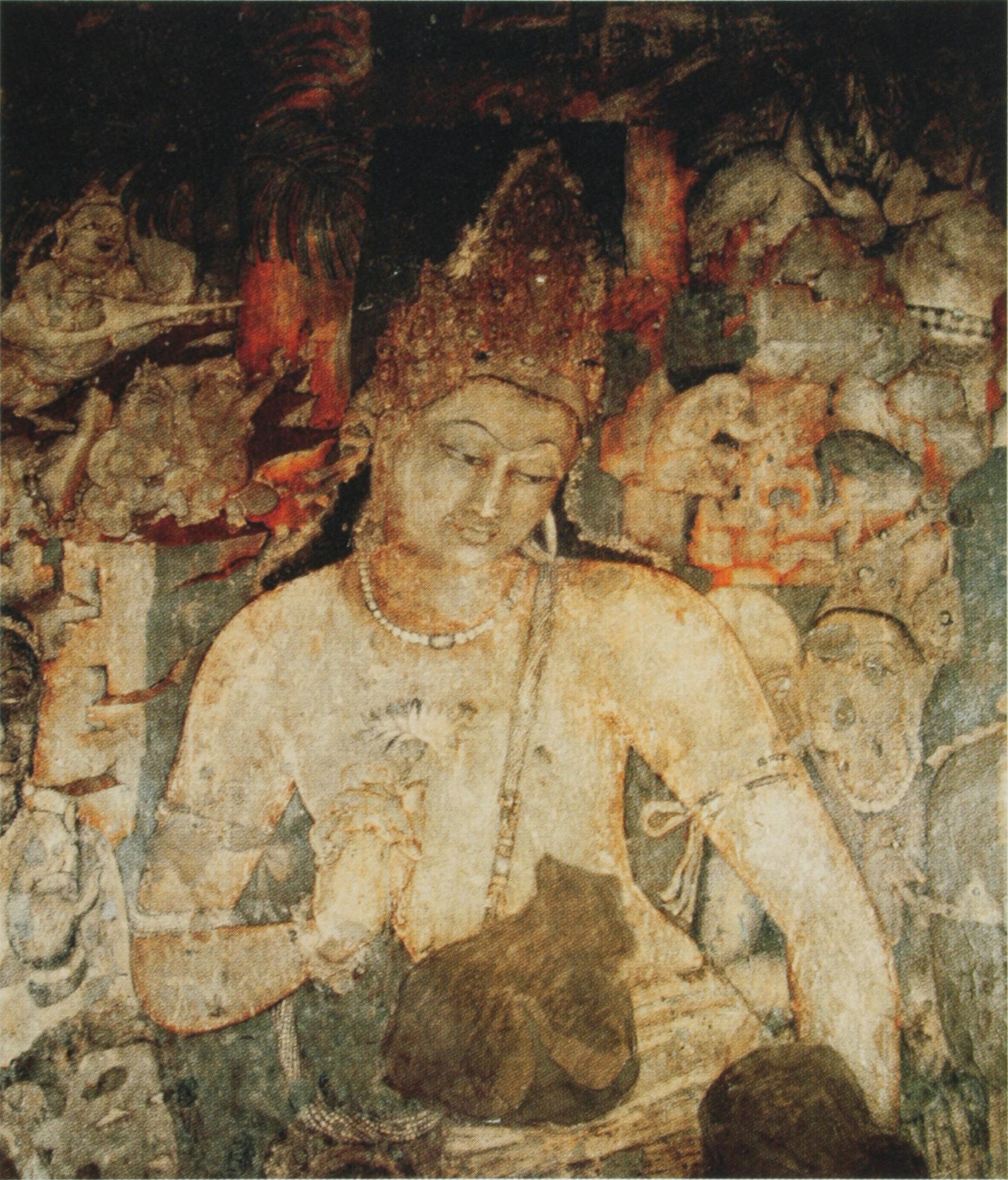
South Asia, Central Asia and East Asia · From early Buddhist visual traditions through the first millennium CE and beyond
One of the most important corrections to simplified art history is the recognition that cultures rarely develop in complete isolation. Artistic traditions travel with people, objects, beliefs and technologies. Buddhist art along the Silk Roads offers a particularly powerful example. Images, architectural forms and narratives moved across vast distances, were translated into local visual languages and then influenced new communities.
UNESCO describes the Ajanta caves in India as a major surviving body of ancient Buddhist art and a window onto traditions that influenced mural painting across the wider Silk Roads. The site contains rock-cut caves that functioned as monasteries and sanctuaries, preserving sculpture, murals and painted ceilings. The Kizil cave complex in what is now Xinjiang provides another important record: UNESCO highlights its murals as evidence for the transmission of Buddhism and for the development of Central Asian art, with scenes extending beyond explicitly religious subjects.
These sites challenge the myth of artistic purity. Cultural influence does not mean that one civilisation simply copies another. Artists select, adapt and reinterpret. A visual language can travel while changing its colours, figures, materials and meanings. Exchange is therefore creative rather than merely derivative.
The Silk Roads also complicate modern borders. The people represented in murals and the traditions that shaped them belonged to networks extending across regions that contemporary political maps separate. Merchants, travellers, monks and artisans carried more than goods. They carried stories and ways of seeing.
That does not mean every cultural encounter was equal or peaceful. Trade routes could also involve empire, competition and coercion. Rethink Society should therefore avoid romanticising exchange. The important question is how ideas moved and who had the power to define their value. Cultural influence can produce mutual enrichment while unequal systems determine whose work is preserved, collected or credited.
Buddhist art helped humanity by making abstract teachings visible and memorable. Images could communicate narratives and sacred ideas across linguistic boundaries. They also created places where communities gathered, travelled and learned. Art functioned simultaneously as devotion, education and cultural infrastructure.
For modern audiences, these works offer a lesson about identity. Contemporary debates often ask whether cultural traditions belong exclusively to one people. The Silk Roads demonstrate a more complicated history: traditions can have specific origins while also becoming shared, translated and transformed. Recognising exchange does not erase origin. It makes history more accurate.
The deepest contribution may be methodological. If we want to understand art, we must sometimes follow movement rather than draw boundaries. A mural can be evidence of a journey. A style can record contact between communities. An image can reveal that people were connected long before modern technologies made connection visible.
Art along the Silk Roads therefore invites a contemporary rethink: perhaps culture is not weakened by contact. Perhaps its greatest transformations often occur because people encounter something they did not create and decide to make it meaningful in a new way.
What We Know
The article's factual foundation is limited to the documented historical and institutional evidence identified in the source notes below. Claims of motive, universal meaning or direct causal impact are treated cautiously unless supported by evidence.
What Remains Open to Interpretation
Artistic meaning is often plural. Where original makers did not leave unambiguous explanations, this collection does not present modern interpretation as fact. Scholarly disagreement and uncertainty are part of the historical record, not editorial weaknesses.
Social Rethink
Can we honour cultural origins while also telling the truth about how profoundly cultures have always influenced one another?
Why It Matters Now
This historical development remains relevant because contemporary society still debates who controls memory, whose stories are preserved, what counts as truth, how cultures influence one another and whether technology changes the meaning of human creativity. The historical case does not automatically provide a modern answer; it gives us better questions.
The Question We Leave Behind
Can we honour cultural origins while also telling the truth about how profoundly cultures have always influenced one another?