Filed under Rethink Society | Art History · 08 · Voice
The Harlem Renaissance When Art Became a Claim to Voice, Identity and Human Dignity
Black creativity in the early twentieth century challenged who could define culture and whose experience counted as American history.
- Share “The Harlem Renaissance — When Art Became a Claim to Voice, Identity and Human Dignity” on X
- Share “The Harlem Renaissance — When Art Became a Claim to Voice, Identity and Human Dignity” on Facebook
- Share “The Harlem Renaissance — When Art Became a Claim to Voice, Identity and Human Dignity” on LinkedIn
- Share “The Harlem Renaissance — When Art Became a Claim to Voice, Identity and Human Dignity” on WhatsApp
- Share “The Harlem Renaissance — When Art Became a Claim to Voice, Identity and Human Dignity” on Telegram
- Share “The Harlem Renaissance — When Art Became a Claim to Voice, Identity and Human Dignity” on Reddit
- Share “The Harlem Renaissance — When Art Became a Claim to Voice, Identity and Human Dignity” on Email
United States, with global Black cultural connections · Primarily the 1920s and 1930s
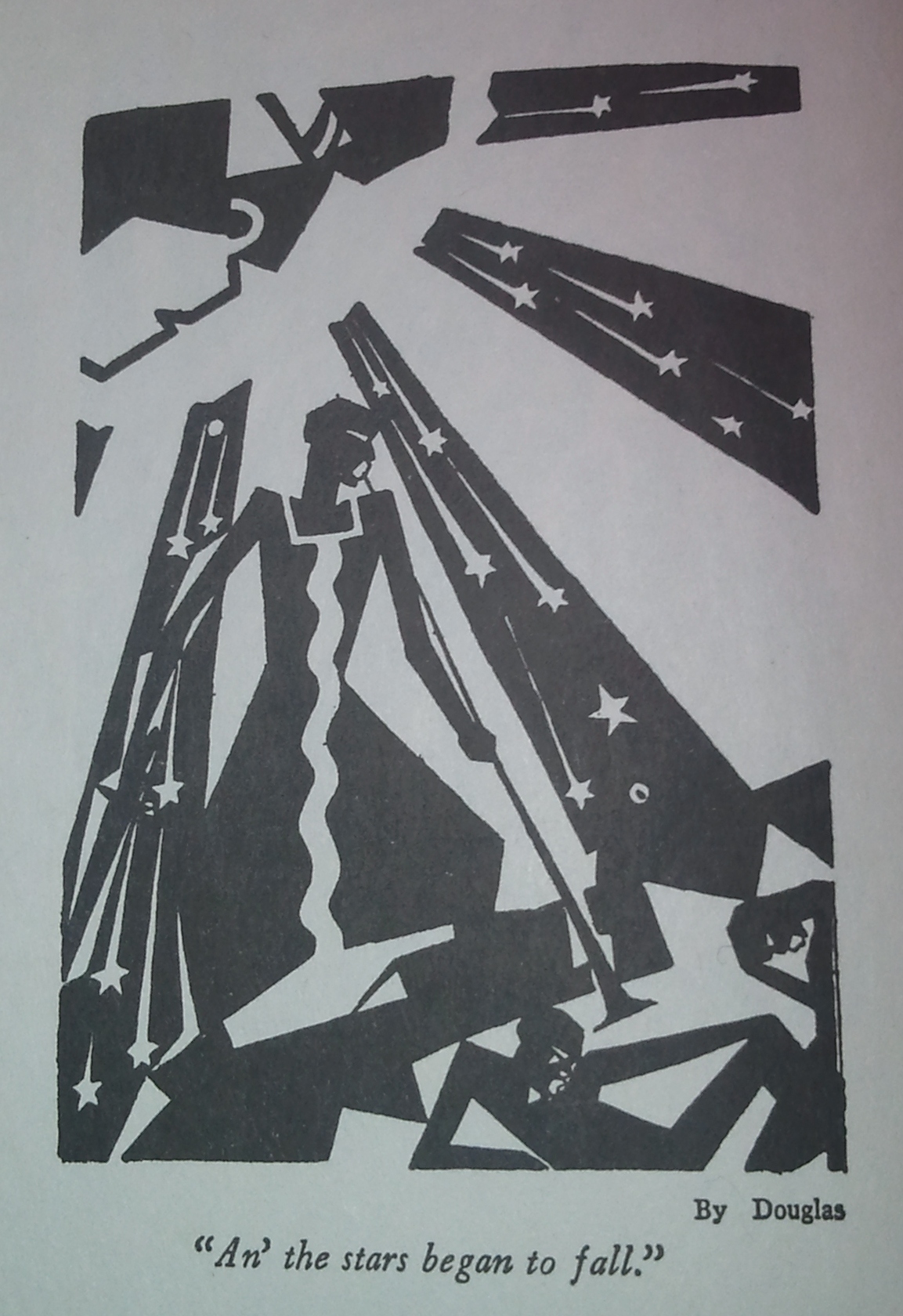
The Harlem Renaissance was not a single painting, manifesto or artist. It was a period of extraordinary Black creativity in literature, music, visual art and performance, associated especially with Harlem in New York during the decades surrounding the 1920s. The Smithsonian describes the period as a flourishing of African American creativity between World War I and the Great Depression and notes its connection to a renewed interest in Black art, culture, racial self-confidence and pride.
Its importance to world art history lies partly in what it challenged: the idea that dominant institutions alone could decide what counted as serious culture. Artists and writers created work that engaged African heritage, modern urban life, racism, migration, sexuality, spirituality and aspiration. Their creativity was not outside history; it was a way of interpreting and changing history.
The movement also demonstrates that representation is a question of power. A community can be depicted constantly and still lack the power to depict itself on its own terms. The Harlem Renaissance expanded the space in which Black artists could define identity through their own aesthetic choices, even while confronting economic barriers and institutional discrimination.
The Smithsonian's historical material identifies artists across disciplines, including Aaron Douglas, Duke Ellington, Zora Neale Hurston, Marian Anderson and others. This interdisciplinary character matters. Culture does not respect the administrative boundaries that later institutions impose. Music influenced visual art; literature influenced political identity; performance created new public images.
The movement should not be romanticised into a moment of complete liberation. Harlem's creative energy existed alongside racism, segregation and unequal access to resources. Nor did all Black artists agree about aesthetics or politics. A truthful account must preserve disagreement. A movement becomes less interesting when it is turned into a single message.
How did this help humanity? It demonstrated that art can change who is authorised to speak. When people previously reduced to stereotypes create their own images and narratives, culture gains evidence of experiences that dominant archives may distort or ignore. This does not make art a simple substitute for political change. But representation can alter imagination, and imagination influences what societies consider possible.
The Harlem Renaissance also reminds us that identity is creative. Heritage can be remembered without remaining frozen. Artists drew on African and African American traditions while producing modern forms suited to their own time. The past became material for a future rather than a museum in which people were trapped.
For Rethink Society, this is a crucial lesson about truth. Objectivity does not require pretending every perspective has historically received equal access to institutions. Sometimes greater truth requires expanding the archive. Who was allowed to publish? Who was collected? Who was reviewed? Who had the resources to survive as an artist? These questions help us understand why cultural history contains silences.
The Harlem Renaissance therefore changed more than style. It changed the terms of cultural legitimacy. It insisted, through creation itself, that identity could be self-defined and that a nation's culture was larger than the institutions that had previously narrated it.
What We Know
The article's factual foundation is limited to the documented historical and institutional evidence identified in the source notes below. Claims of motive, universal meaning or direct causal impact are treated cautiously unless supported by evidence.
What Remains Open to Interpretation
Artistic meaning is often plural. Where original makers did not leave unambiguous explanations, this collection does not present modern interpretation as fact. Scholarly disagreement and uncertainty are part of the historical record, not editorial weaknesses.
Social Rethink
Can a society truly understand its culture if some communities have been systematically prevented from telling their own stories?
Why It Matters Now
This historical development remains relevant because contemporary society still debates who controls memory, whose stories are preserved, what counts as truth, how cultures influence one another and whether technology changes the meaning of human creativity. The historical case does not automatically provide a modern answer; it gives us better questions.
The Question We Leave Behind
Can a society truly understand its culture if some communities have been systematically prevented from telling their own stories?