Filed under Ideas · Social Rethinks
The Protest Song When Music Became a Tool for Resistance
Across civil rights, antiwar and other movements, songs helped people organise, endure pressure and express collective demands.
- Share “The Protest Song: When Music Became a Tool for Resistance” on X
- Share “The Protest Song: When Music Became a Tool for Resistance” on Facebook
- Share “The Protest Song: When Music Became a Tool for Resistance” on LinkedIn
- Share “The Protest Song: When Music Became a Tool for Resistance” on WhatsApp
- Share “The Protest Song: When Music Became a Tool for Resistance” on Telegram
- Share “The Protest Song: When Music Became a Tool for Resistance” on Reddit
- Share “The Protest Song: When Music Became a Tool for Resistance” on Email
THE OLD NORMAL
Political movements often relied on speeches, newspapers, meetings and demonstrations. Music was present, but its role could be underestimated.
THE QUESTION
Can a song help people become a collective rather than a crowd?
THE BREAKTHROUGH
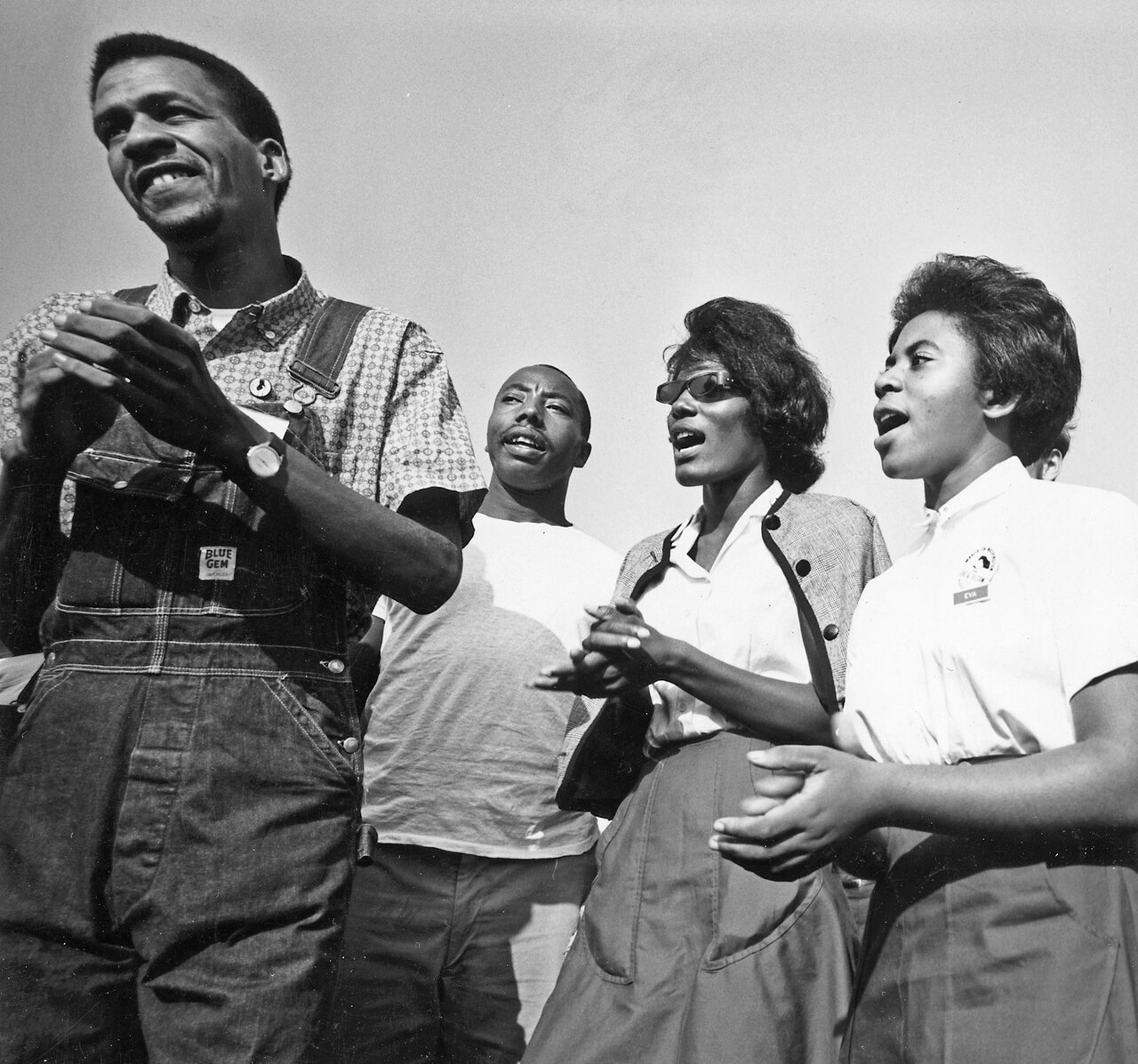
Spirituals, gospel, folk music and other traditions became important to the U.S. Civil Rights Movement. The Library of Congress documents how activists used songs for motivation, psychological strength, endurance and solidarity.
THE CHANGE
A song could be learned quickly, remembered without paper and adapted to circumstances. It could fill a march, a meeting or a moment of fear. Music therefore became not only commentary on political change but part of the social infrastructure of movements.
THE NEW NORMAL
Protest music became an established part of political culture. Artists could use songs to challenge war, racism, inequality, repression and other forms of power.
WHAT WE STILL MISUNDERSTAND
A protest song does not automatically create political change. Its power depends on people, organisations and circumstances. Music can create solidarity, but solidarity still has to become action.
THE MODERN CONNECTION
From climate activism to racial justice movements, music continues to provide a shared emotional language. Digital platforms have made it easier for political songs to travel rapidly across borders.
THE RETHINK
Music can carry an argument without sounding like an argument. The protest song changed the assumption that political participation had to be expressed only through formal political language.