Filed under Stories · Social Rethinks
Disability Rights When Society Realised the Barrier Could Be the System
Disability activism helped move public thinking from individual limitation toward rights, accessibility and the responsibility of institutions.
- Share “Disability Rights: When Society Realised the Barrier Could Be the System” on X
- Share “Disability Rights: When Society Realised the Barrier Could Be the System” on Facebook
- Share “Disability Rights: When Society Realised the Barrier Could Be the System” on LinkedIn
- Share “Disability Rights: When Society Realised the Barrier Could Be the System” on WhatsApp
- Share “Disability Rights: When Society Realised the Barrier Could Be the System” on Telegram
- Share “Disability Rights: When Society Realised the Barrier Could Be the System” on Reddit
- Share “Disability Rights: When Society Realised the Barrier Could Be the System” on Email
THE OLD NORMAL
People with disabilities were often expected to adapt themselves to environments designed without them in mind. Inaccessible buildings, transport, education and employment could make participation difficult or impossible.
THE QUESTION
What if the problem is not only a person's impairment, but the environment and institutions surrounding them?
THE ACTION
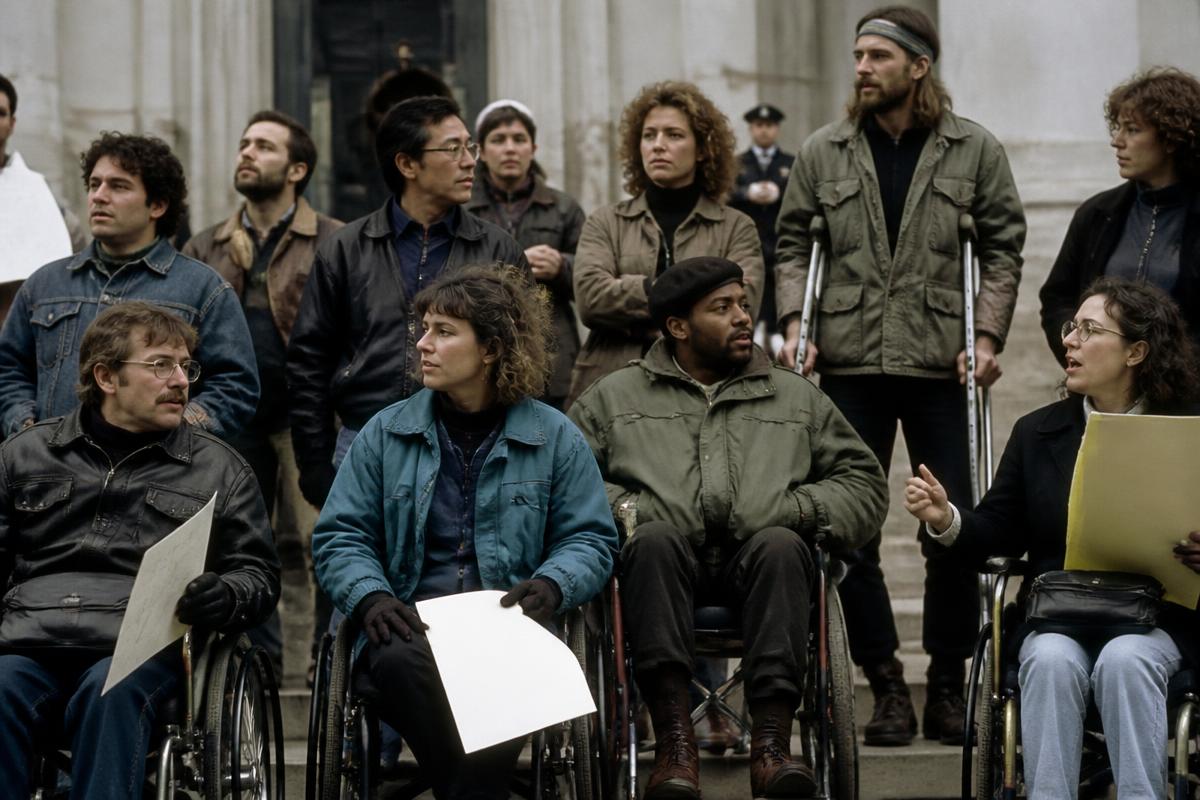
Disability activists organised around independent living, accessible transport, education, employment and equal treatment. Direct action became particularly important because inaccessible systems could otherwise make traditional political participation difficult.
THE BREAKTHROUGH
The Americans with Disabilities Act was signed into law in 1990. It prohibited discrimination against people with disabilities in major areas of public life and established accessibility as a civil-rights obligation.
THE CHANGE
The social meaning of disability began to shift. Accessibility could no longer be treated merely as charity or optional accommodation; it could be understood as a matter of rights and equal participation.
THE NEW NORMAL
Accessible design, reasonable accommodation and anti-discrimination principles became increasingly embedded in public policy and institutional practice, although implementation remains uneven.
WHAT WE STILL MISUNDERSTAND
Disability is not a single experience. Physical, sensory, intellectual and psychiatric disabilities can involve very different barriers and forms of exclusion.
THE MODERN CONNECTION
Universal design now influences buildings, transport, websites, software and consumer products. Accessibility benefits people far beyond the population originally targeted by disability-rights campaigns.
THE RETHINK
One of the movement's deepest achievements was conceptual.
Society began asking a different question: not simply 'What is wrong with this person?' but 'What have we built that prevents this person from participating?'