Filed under Rethink Society | Cultural Revolutions · 04 · Humanism
The Renaissance: When Humanity Rediscovered Itself
The Renaissance was more than a rebirth of art. It changed how people understood creativity, education and human potential.
- Share “The Renaissance: When Humanity Rediscovered Itself” on X
- Share “The Renaissance: When Humanity Rediscovered Itself” on Facebook
- Share “The Renaissance: When Humanity Rediscovered Itself” on LinkedIn
- Share “The Renaissance: When Humanity Rediscovered Itself” on WhatsApp
- Share “The Renaissance: When Humanity Rediscovered Itself” on Telegram
- Share “The Renaissance: When Humanity Rediscovered Itself” on Reddit
- Share “The Renaissance: When Humanity Rediscovered Itself” on Email
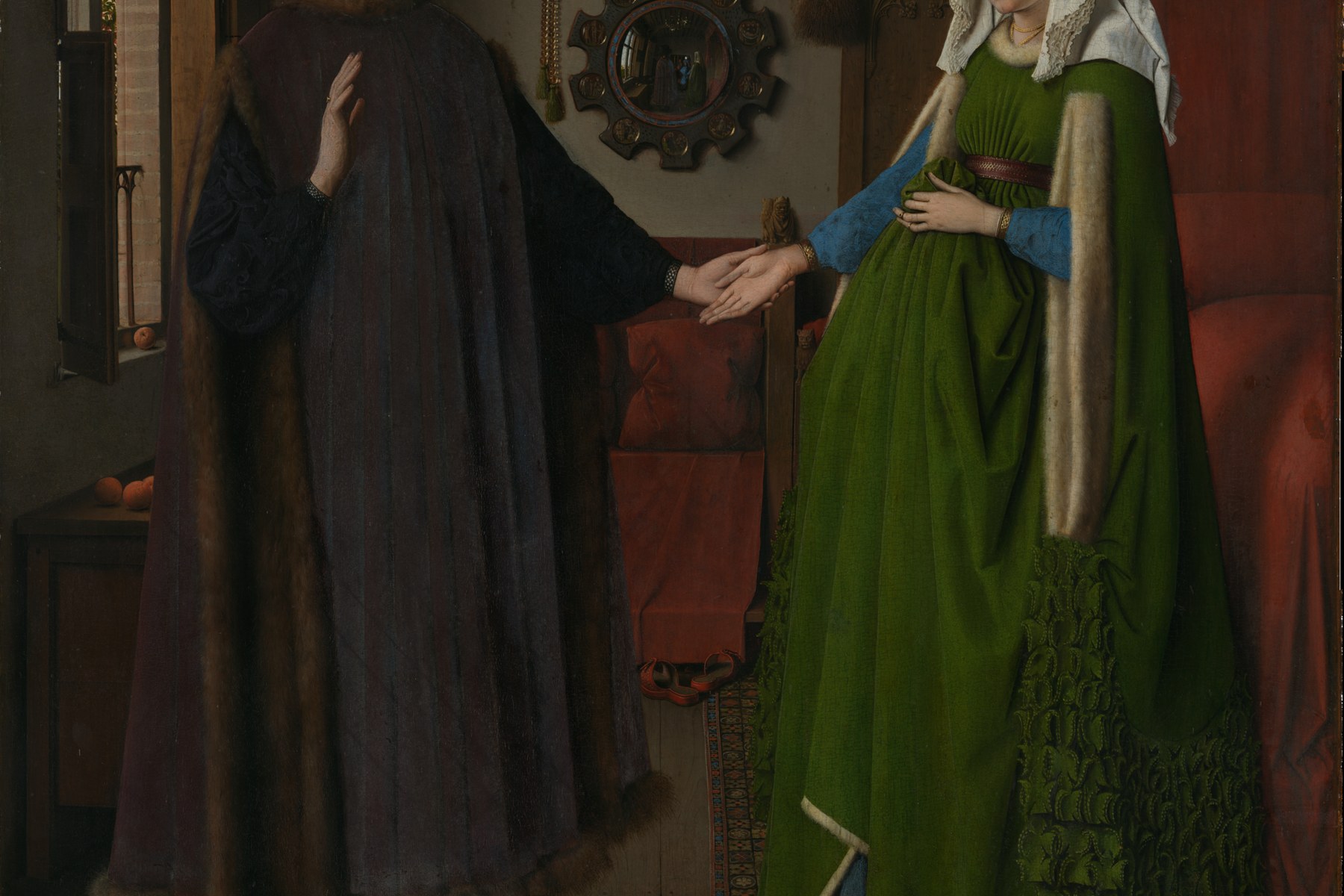
The Renaissance is often described as a rebirth. The word itself suggests that Europe suddenly awakened after a dark and inactive Middle Ages. That popular image is misleading. Medieval societies produced universities, art, philosophy and scientific knowledge, while scholars in the Islamic world and elsewhere preserved, developed and transmitted major intellectual traditions. The Renaissance was not the moment humanity invented culture. It was a major transformation in European intellectual and artistic life shaped by exchange, wealth, urbanisation and renewed engagement with classical sources.
Beginning in Italian city-states and developing across Europe between the fourteenth and seventeenth centuries, Renaissance culture placed growing emphasis on human experience, classical learning and artistic observation. Humanists studied language, rhetoric, history and moral philosophy. Artists experimented with perspective and anatomy. Patrons invested enormous resources in architecture and visual culture. Printing later accelerated the circulation of ideas.
Figures such as Leonardo da Vinci became symbols of Renaissance creativity because they moved across disciplines. Yet the Renaissance was not created by isolated geniuses. Workshops, apprentices, merchants, translators, craftspeople and patrons made cultural production possible. Nor was innovation confined to famous men. Women participated in intellectual and artistic life, although institutions frequently restricted their opportunities and historical records often preserved their work less effectively.
One of the Renaissance's most influential ideas was humanism. Renaissance humanism did not simply mean modern secular individualism. It referred broadly to the study of human affairs and classical texts, and to the belief that education could cultivate capable citizens. The human being became a subject worthy of detailed observation. Artists studied faces and bodies; writers explored personality and ambition; political thinkers examined how power actually operated.
This shift had contradictions. Renaissance societies remained deeply unequal. Slavery, colonial expansion and religious conflict were part of the wider world in which Renaissance culture developed. Celebrating human potential did not mean that all humans were treated equally. This is an important historical warning: cultural ideals can coexist with systems that contradict them.
The Renaissance also demonstrates the importance of exchange. European scholars engaged with Greek and Roman texts, but the movement was connected to wider Mediterranean networks. Knowledge travelled through Arabic, Persian, Jewish, Byzantine and European scholarly communities. Paper, mathematics, astronomy and philosophical texts crossed cultural boundaries. A story of purely isolated European genius therefore misses the interconnected world that helped make the Renaissance possible.
Modern society continues to celebrate creativity while often organising education around narrow specialisation. The Renaissance offers another model: curiosity can cross disciplines. Art can inform science. History can inform politics. Technology can raise philosophical questions. Human potential may be greatest when people are allowed to connect fields rather than remain permanently confined within them.
Social Rethink
The Renaissance asks a question modern societies still struggle to answer: What is education for? Is its purpose only economic productivity, or should education also develop judgement, imagination and civic responsibility? A society that values innovation while neglecting the humanities may eventually create powerful tools without equally powerful ways of thinking about their consequences.
The Renaissance made people rethink society by changing what human creativity could represent. The individual artist, scholar and inventor became symbols of possibility. Yet its deeper lesson is not that extraordinary people will save society. It is that cultures flourish when curiosity, learning and experimentation are treated as public values.
To rediscover humanity is also to rediscover its contradictions. The Renaissance produced beauty and ambition, learning and exclusion, innovation and conquest. That complexity is precisely why it remains useful. Rethinking society does not mean turning history into a collection of heroes. It means examining how great cultural achievements coexist with uncomfortable realities—and asking whether our own age is capable of the same honest self-examination.