Filed under Rethink Society | Cultural Revolutions · 08 · Equality
The Global Struggle for Equality: Who Gets to Belong in Society?
Equality was never simply granted. It was demanded by people who challenged society's definition of who belonged.
- Share “The Global Struggle for Equality: Who Gets to Belong in Society?” on X
- Share “The Global Struggle for Equality: Who Gets to Belong in Society?” on Facebook
- Share “The Global Struggle for Equality: Who Gets to Belong in Society?” on LinkedIn
- Share “The Global Struggle for Equality: Who Gets to Belong in Society?” on WhatsApp
- Share “The Global Struggle for Equality: Who Gets to Belong in Society?” on Telegram
- Share “The Global Struggle for Equality: Who Gets to Belong in Society?” on Reddit
- Share “The Global Struggle for Equality: Who Gets to Belong in Society?” on Email
Modern history contains a recurring contradiction. Societies have often declared that all people possess dignity while creating institutions that deny dignity to many. The global struggle for equality emerged from people challenging that contradiction. It was never one movement, one country or one ideology. Women, enslaved people, colonised populations, racial and ethnic minorities, workers, people with disabilities and LGBTQ+ communities fought different battles under different conditions. What connected many of them was a demand to be recognised as full participants in society.
The abolition of slavery was one of the most consequential transformations, but it did not occur simply because governments became morally enlightened. Enslaved people resisted through rebellion, escape, everyday defiance and organised political action. Abolitionists built campaigns, while economic and political forces also shaped outcomes. Ending legal slavery in particular systems did not end exploitation or racial hierarchy. The struggle continued through segregation, colonialism and discrimination.
Women's movements challenged the assumption that citizenship and public power belonged primarily to men. Suffrage campaigns demanded voting rights, while later feminist movements addressed employment, education, reproductive autonomy and gender-based violence. Progress differed dramatically across countries and remains incomplete. The history matters because rights once presented as impossible often became normal only after sustained activism.
Anti-colonial movements transformed the twentieth century. Peoples across Asia, Africa, the Caribbean and elsewhere challenged European imperial rule and demanded self-determination. Independence did not automatically solve economic inequality or political conflict, but decolonisation changed the map of the world and the moral language of international politics. Colonised people rejected the claim that powerful nations had the right to define civilisation for everyone else.
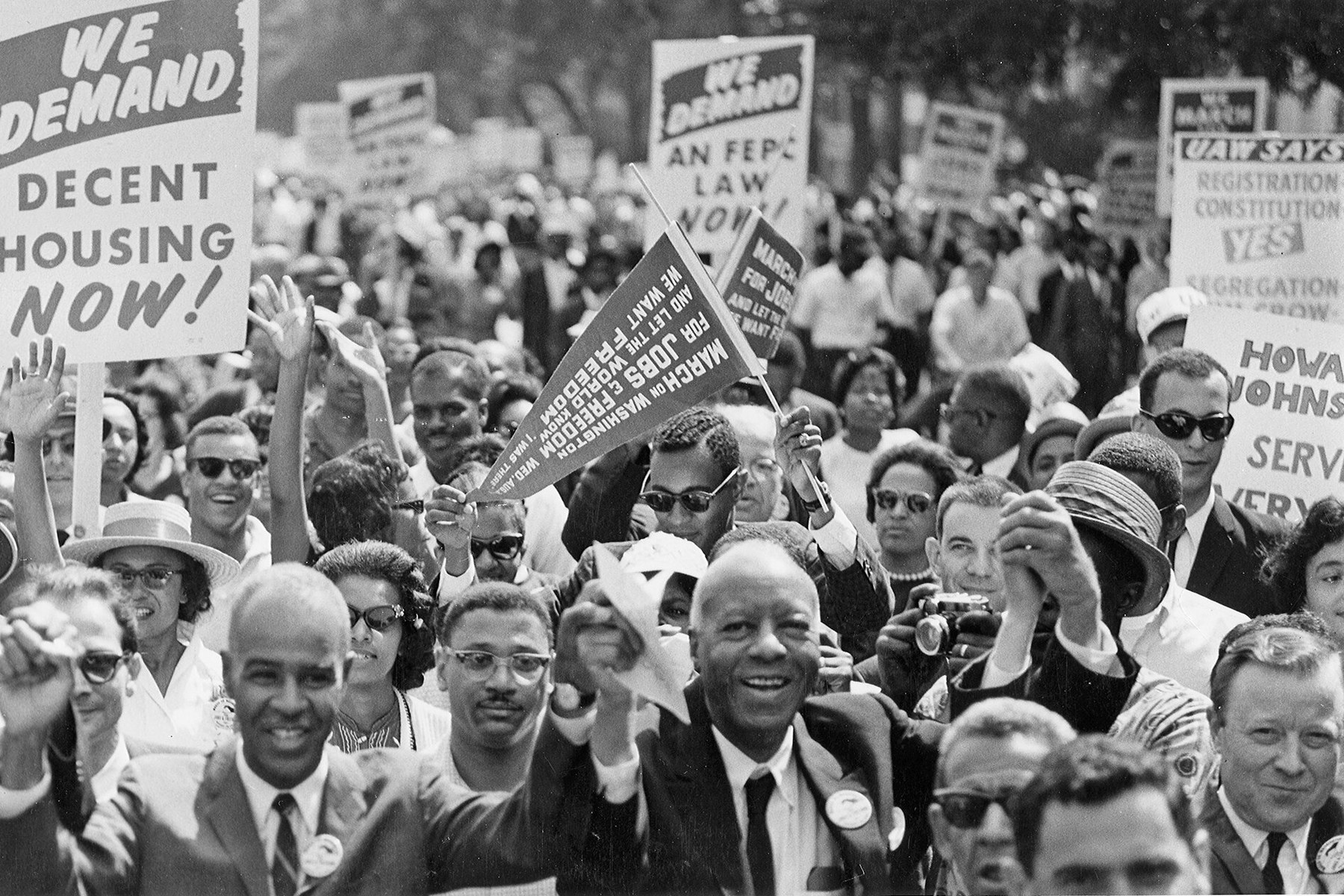
The civil rights movement in the United States became globally influential, but it should be understood within a wider history of struggles against racism. South Africa's anti-apartheid movement, indigenous rights movements and campaigns against ethnic discrimination demonstrate that equality has always required local and international action.
LGBTQ+ rights movements also transformed public understandings of identity and citizenship. What had been criminalised, pathologised or hidden increasingly entered public debate. Progress has been uneven and remains contested across the world. That is precisely why the history matters: social acceptance is not a natural endpoint but something built through law, culture and everyday relationships.
Disability rights introduced another important rethinking. The question shifted from asking only how to change disabled individuals to asking how society creates barriers. Accessibility became a political and cultural issue. This change in perspective influenced wider discussions about inclusion.
Social Rethink
Equality does not mean pretending that human differences do not exist. It means asking whether differences are being used to deny dignity, opportunity or participation. A society becomes more equal when institutions stop treating some people's humanity as conditional.
There is also a danger in telling this history as a simple march toward progress. Rights can be reversed. New forms of discrimination can emerge. Movements may succeed in law before succeeding in culture. Equality requires maintenance. Each generation must decide whether inherited rights remain meaningful in new circumstances.
The global struggle for equality made humanity rethink the boundaries of society itself. Who counts as a citizen? Who deserves protection? Who gets to speak? For centuries, the answers were often limited by gender, race, class, religion, sexuality or ability. Social movements repeatedly expanded the circle.
The lesson is uncomfortable for every generation because it invites self-examination. Future historians may ask which forms of exclusion our society treated as normal. The people who transformed history often began by identifying something that everyone else had learned not to notice.
Equality remains one of humanity's most powerful cultural ideas because it challenges society to compare its ideals with its behaviour. The distance between those two things is where reform begins.