Filed under Ideas · Social Rethinks
Punk When You Didn’t Need Permission to Make Music
Punk challenged the assumption that musical legitimacy required technical perfection, institutional backing or permission from the established industry.
- Share “Punk: When You Didn’t Need Permission to Make Music” on X
- Share “Punk: When You Didn’t Need Permission to Make Music” on Facebook
- Share “Punk: When You Didn’t Need Permission to Make Music” on LinkedIn
- Share “Punk: When You Didn’t Need Permission to Make Music” on WhatsApp
- Share “Punk: When You Didn’t Need Permission to Make Music” on Telegram
- Share “Punk: When You Didn’t Need Permission to Make Music” on Reddit
- Share “Punk: When You Didn’t Need Permission to Make Music” on Email
THE OLD NORMAL
Music industries could make cultural production appear distant from ordinary people. Recording, distribution and promotion required money, expertise and access to established institutions.
THE QUESTION
What if you did not need permission to participate?
THE BREAKTHROUGH
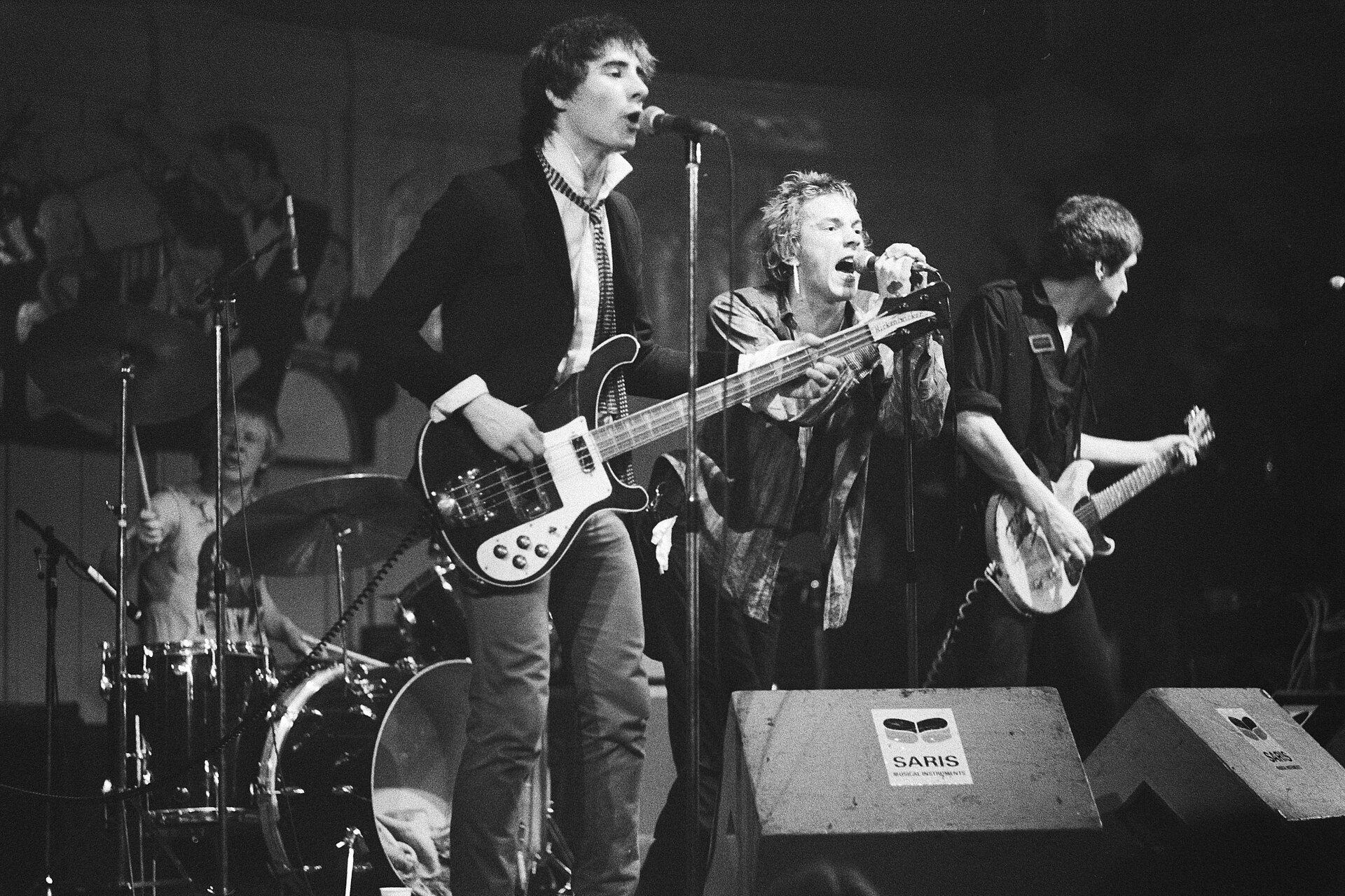
Punk scenes developed an approach in which low-cost equipment, small venues, independent labels, zines, posters and self-promotion could become part of the creative process.
THE CHANGE
The boundary between artist and audience became less rigid. Fans could form bands. Bands could create labels. Musicians could produce their own artwork and organise their own shows.
THE NEW NORMAL
DIY became more than a music strategy. It became a cultural philosophy that influenced independent publishing, fashion, design, activism and later internet culture.
WHAT WE STILL MISUNDERSTAND
Punk was never one unified ideology. Different scenes contained very different politics and aesthetics. Its enduring significance lies less in a single political message than in its challenge to cultural gatekeeping.
THE MODERN CONNECTION
Social platforms and inexpensive digital tools have made self-publishing normal. Much of today’s creator economy operates on a principle punk helped popularise: you can make something before an institution decides whether you are allowed to.
THE RETHINK
Punk changed the question from ‘Am I good enough to be accepted?’ to ‘Can I make something and put it into the world?’ That is a powerful cultural shift.