Filed under Ideas · Social Rethinks
Hip-Hop When the Margins Became the Microphone
Born from the social and economic pressures of 1970s New York, hip-hop became a global language of self-representation, creativity and social commentary.
- Share “Hip-Hop: When the Margins Became the Microphone” on X
- Share “Hip-Hop: When the Margins Became the Microphone” on Facebook
- Share “Hip-Hop: When the Margins Became the Microphone” on LinkedIn
- Share “Hip-Hop: When the Margins Became the Microphone” on WhatsApp
- Share “Hip-Hop: When the Margins Became the Microphone” on Telegram
- Share “Hip-Hop: When the Margins Became the Microphone” on Reddit
- Share “Hip-Hop: When the Margins Became the Microphone” on Email
THE OLD NORMAL
In the early 1970s, parts of the Bronx faced severe economic hardship, disinvestment and social disruption. Young people often had limited access to formal cultural institutions.
THE QUESTION
What happens when a community builds its own cultural infrastructure?
THE BREAKTHROUGH
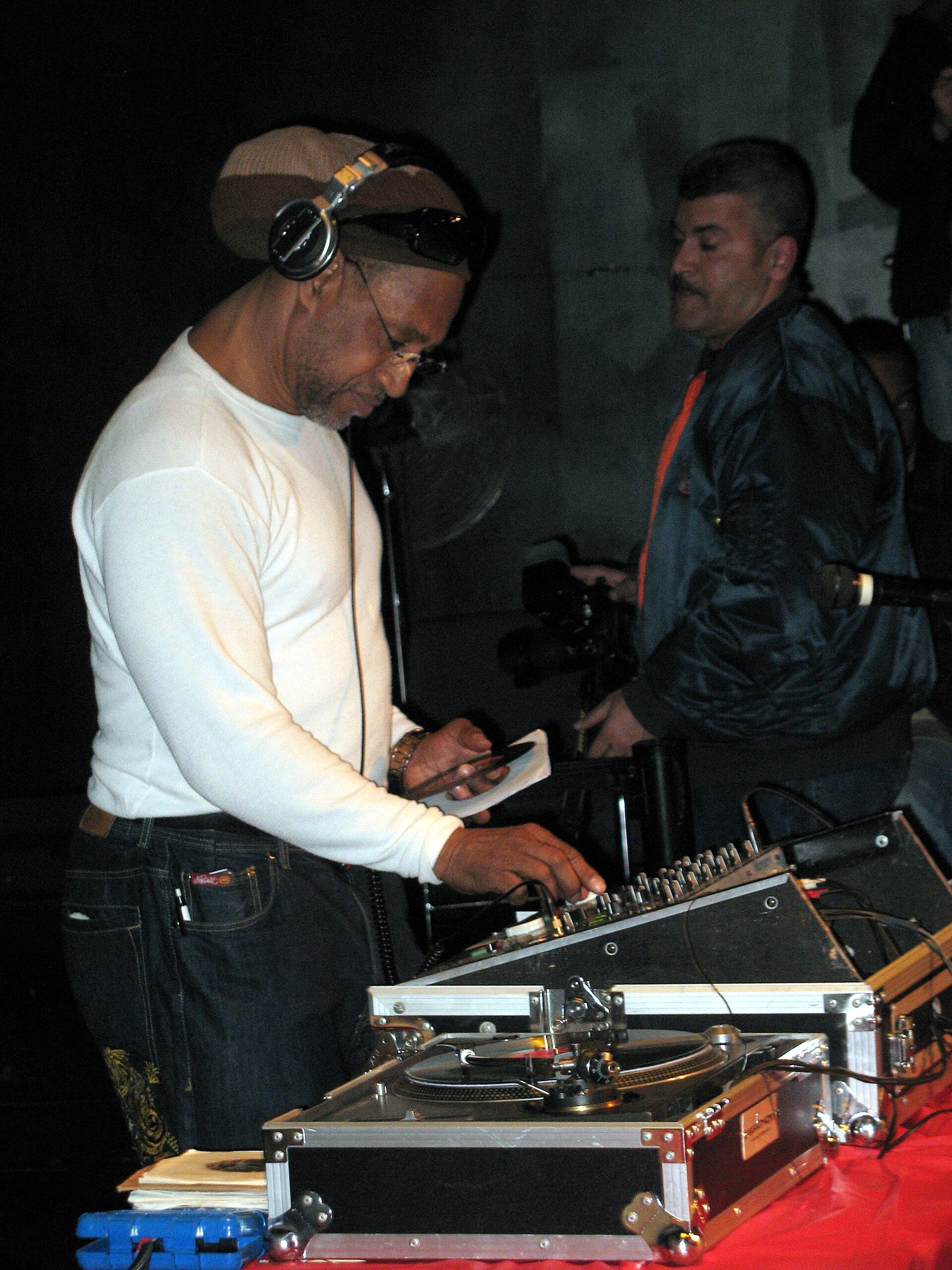
Hip-hop emerged through interconnected practices including DJing, MCing, breakdancing and graffiti. DJ Kool Herc’s 1973 Bronx party is widely treated as a landmark in the culture’s early history. Smithsonian coverage places the emergence within the Bronx’s economic and social pressures.
THE CHANGE
Instead of waiting for established music institutions to tell their stories, young people created platforms for themselves. The Library of Congress describes hip-hop as developing older African American musical traditions through spoken word, sampling, scratching and drumming.
THE NEW NORMAL
Hip-hop became a global cultural language. It transformed not only music but vocabulary, fashion, visual art, dance, business and political expression.
WHAT WE STILL MISUNDERSTAND
Hip-hop is often presented as if it emerged fully formed from a single party or a handful of pioneers. Its history is broader: it grew from communities, technologies, older musical traditions and many creators.
THE MODERN CONNECTION
Hip-hop’s basic principle — taking available tools and turning them into a new language — has become central to digital culture. Sampling, remixing, collaboration and self-publishing now define much of online creativity.
THE RETHINK
Hip-hop changed who could be heard. A community that had often been described by outsiders began describing itself, on its own terms, and eventually exported that language to the world.