Filed under Rethink Society | Art History · 05 · Knowledge
Islamic Calligraphy and Geometry When Art Made Knowledge, Language and Pattern Visible
Across the Islamic world, writing and geometry became powerful artistic languages without requiring one universal style or interpretation.
- Share “Islamic Calligraphy and Geometry — When Art Made Knowledge, Language and Pattern Visible” on X
- Share “Islamic Calligraphy and Geometry — When Art Made Knowledge, Language and Pattern Visible” on Facebook
- Share “Islamic Calligraphy and Geometry — When Art Made Knowledge, Language and Pattern Visible” on LinkedIn
- Share “Islamic Calligraphy and Geometry — When Art Made Knowledge, Language and Pattern Visible” on WhatsApp
- Share “Islamic Calligraphy and Geometry — When Art Made Knowledge, Language and Pattern Visible” on Telegram
- Share “Islamic Calligraphy and Geometry — When Art Made Knowledge, Language and Pattern Visible” on Reddit
- Share “Islamic Calligraphy and Geometry — When Art Made Knowledge, Language and Pattern Visible” on Email
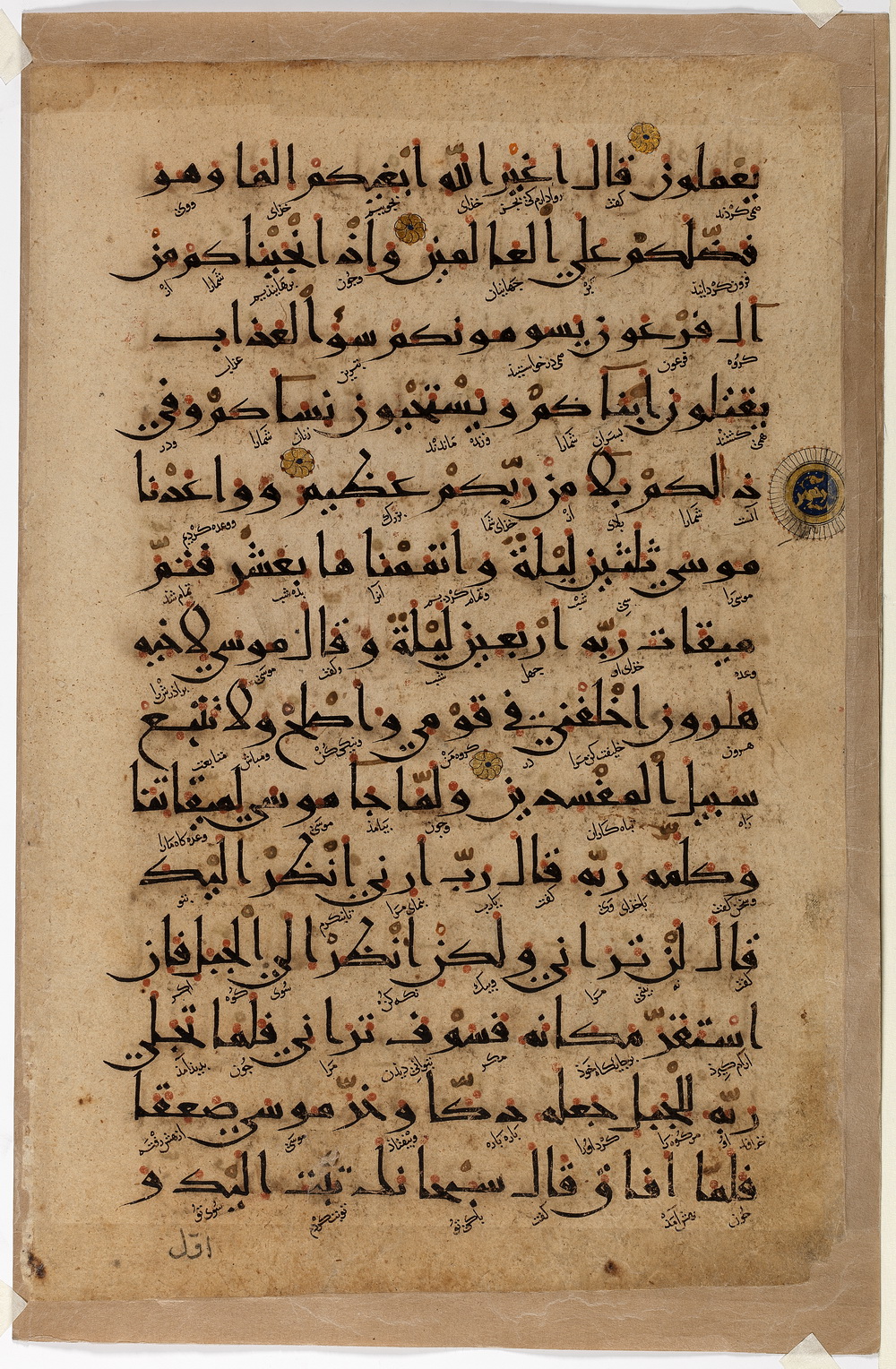
Islamic world, from North Africa and Iberia to West and South Asia · From the early centuries of Islam through the present
Islamic art cannot be reduced to a single image, rule or style. It spans many centuries, languages and regions. Yet calligraphy and geometric ornament provide two especially influential ways of understanding how visual culture can connect knowledge, belief, craft and design. The Metropolitan Museum of Art describes calligraphy as a fundamental and highly regarded element of Islamic art, while its research on geometry explains the importance of abstract pattern across architecture and objects.
Calligraphy demonstrates that writing can carry more than semantic content. A script communicates words, but its form can also create rhythm, balance and ornament. The Met notes that calligraphy was used across media and that inscriptions could be both legible and decorative. This creates an important Rethink Society question: is meaning contained only in what language says, or can the way language is made visible also change how we experience it?
Geometry offers a related lesson. Complex patterns can be built from repeated shapes and transformations. The Met identifies geometric patterns as one of the major forms of nonfigurative decoration in Islamic art, alongside calligraphy and vegetal motifs. Their sophistication demonstrates mathematical thinking translated into material form. Yet we should avoid claiming that every pattern contains one hidden mystical code. Some works may carry religious or symbolic significance; others are better understood through craft, aesthetics, architecture and cultural convention.
These traditions helped humanity by preserving and transmitting knowledge. Manuscripts, buildings and objects carried texts, names, beliefs and artistic techniques across generations. They also demonstrate that intellectual and artistic practice need not be separate categories. A calligrapher's mastery could involve language, discipline, material knowledge and visual judgement. A geometric artisan could transform abstract relationships into a physical environment.
The global history is also essential. Islamic visual traditions developed through contact with earlier and neighbouring cultures while generating distinctive forms that travelled widely. The Met notes that sources for geometric forms existed in late antiquity, while later Islamic artists and craftspeople developed extraordinarily complex applications. Influence here is not evidence of imitation alone; it is evidence of transformation.
Modern design still benefits from these traditions. Contemporary architects, typographers and digital artists continue to study repetition, symmetry, modularity and the expressive possibilities of script. But appreciation should be accurate. Borrowing a pattern without understanding its history can turn a living cultural tradition into decoration detached from context.
The social significance is equally important. Islamic art challenges narrow definitions of what art must be. A museum culture trained to search primarily for individual paintings can overlook architecture, manuscripts, textiles and everyday objects. Calligraphy and geometry broaden the question. What if art is not always a separate object to be framed? What if it can be part of a page, a wall, a vessel or a city?
That shift is liberating. It invites us to see culture in systems of relationship rather than isolated masterpieces. A line of writing can become an image. A mathematical pattern can become an atmosphere. Knowledge can become beauty without losing its meaning.
What We Know
The article's factual foundation is limited to the documented historical and institutional evidence identified in the source notes below. Claims of motive, universal meaning or direct causal impact are treated cautiously unless supported by evidence.
What Remains Open to Interpretation
Artistic meaning is often plural. Where original makers did not leave unambiguous explanations, this collection does not present modern interpretation as fact. Scholarly disagreement and uncertainty are part of the historical record, not editorial weaknesses.
Social Rethink
What changes when we stop asking whether art is useful and begin asking how usefulness, knowledge and beauty can exist together?
Why It Matters Now
This historical development remains relevant because contemporary society still debates who controls memory, whose stories are preserved, what counts as truth, how cultures influence one another and whether technology changes the meaning of human creativity. The historical case does not automatically provide a modern answer; it gives us better questions.
The Question We Leave Behind
What changes when we stop asking whether art is useful and begin asking how usefulness, knowledge and beauty can exist together?