Filed under Ideas · Social Rethinks
The Rights No One Handed Out
Before the Enlightenment, rights were privileges granted by rulers. Then a new idea proposed that some rights belong to people simply for being human — and gave every excluded group a claim they could make.
- Share “The Rights No One Handed Out” on X
- Share “The Rights No One Handed Out” on Facebook
- Share “The Rights No One Handed Out” on LinkedIn
- Share “The Rights No One Handed Out” on WhatsApp
- Share “The Rights No One Handed Out” on Telegram
- Share “The Rights No One Handed Out” on Reddit
- Share “The Rights No One Handed Out” on Email
OPENING
Imagine trying to argue for your own freedom in a legal system that has no concept of freedom as something you're owed. Before the 17th and 18th centuries, that was the position most people were in. Rights existed where a ruler, a guild, or a legal code chose to grant them — as privileges, not entitlements. Natural rights theory proposed something different: that certain claims, to life, liberty, and the pursuit of one's own good, belong to human beings simply by virtue of being human, independent of what any government chooses to recognize. It was a philosophical argument. It became one of history's most repeatedly used tools for demanding justice.
HISTORICAL CONTEXT
Legal systems across early modern Europe and its colonies distributed rights unevenly and explicitly: nobles had privileges peasants did not, men had standing women did not, and free people had protections the enslaved were denied entirely by design. This wasn't treated as an oversight to be corrected — it was the structure itself. Whatever protections existed were framed as concessions from a sovereign or tradition, revocable in principle because they had never been anything but granted. There was no widely accepted concept of a right that existed independently of, and prior to, the law.
THE TURNING POINT
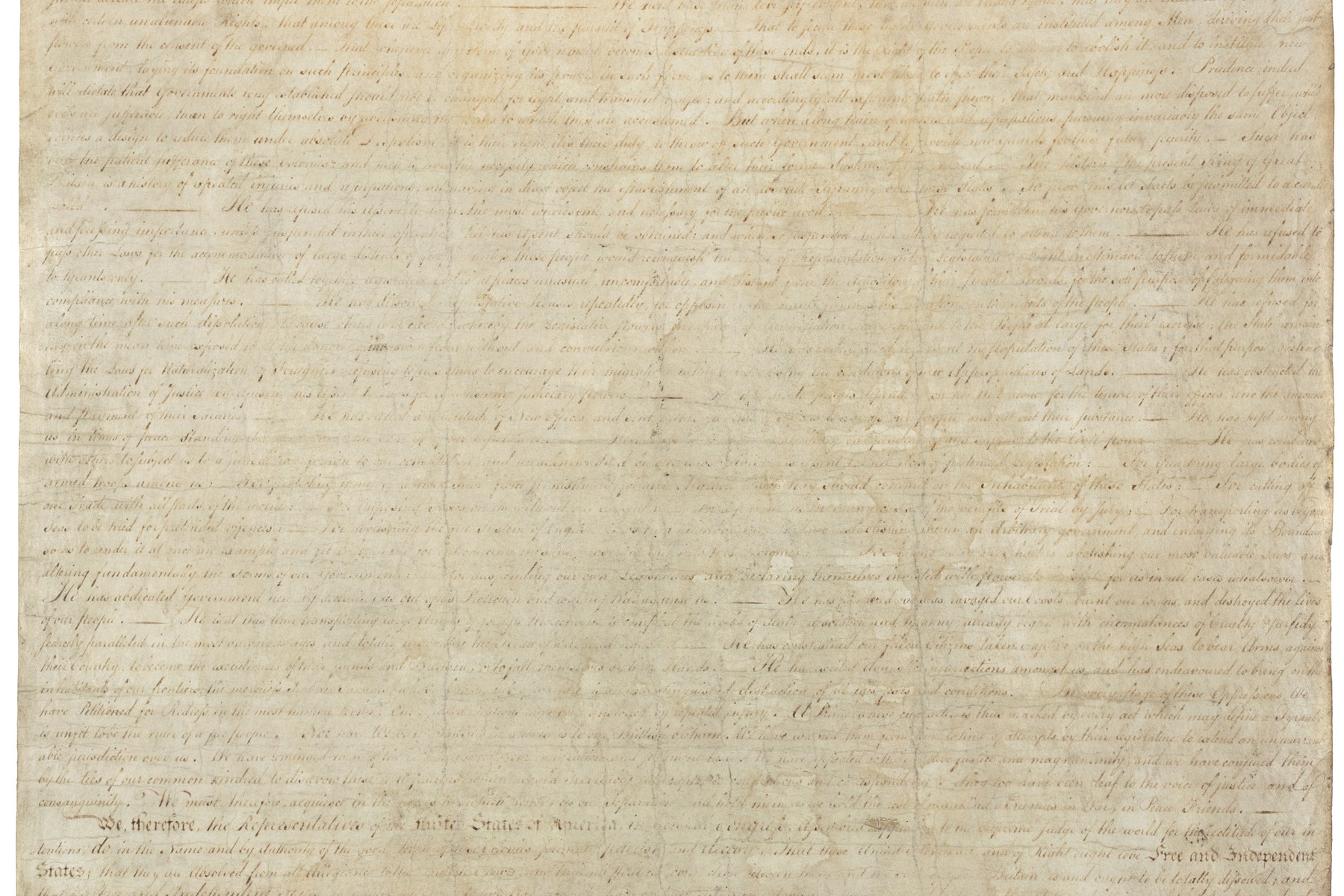
Enlightenment philosophers, building on natural law traditions stretching back to antiquity, argued that reason alone could identify rights inherent to human beings — rights that governments were obligated to respect rather than free to dispense. John Locke's formulation of rights to "life, liberty, and property" fed directly into Thomas Jefferson's redrafting of the phrase as "life, liberty, and the pursuit of happiness" in the American Declaration of Independence (1776), a document that opened by asserting these truths as "self-evident."
France's Declaration of the Rights of Man and of the Citizen (1789) went further, framing liberty, property, security, and resistance to oppression as natural and imprescriptible rights belonging to all men — a claim radical enough that it was immediately contested over exactly who "all men" included.
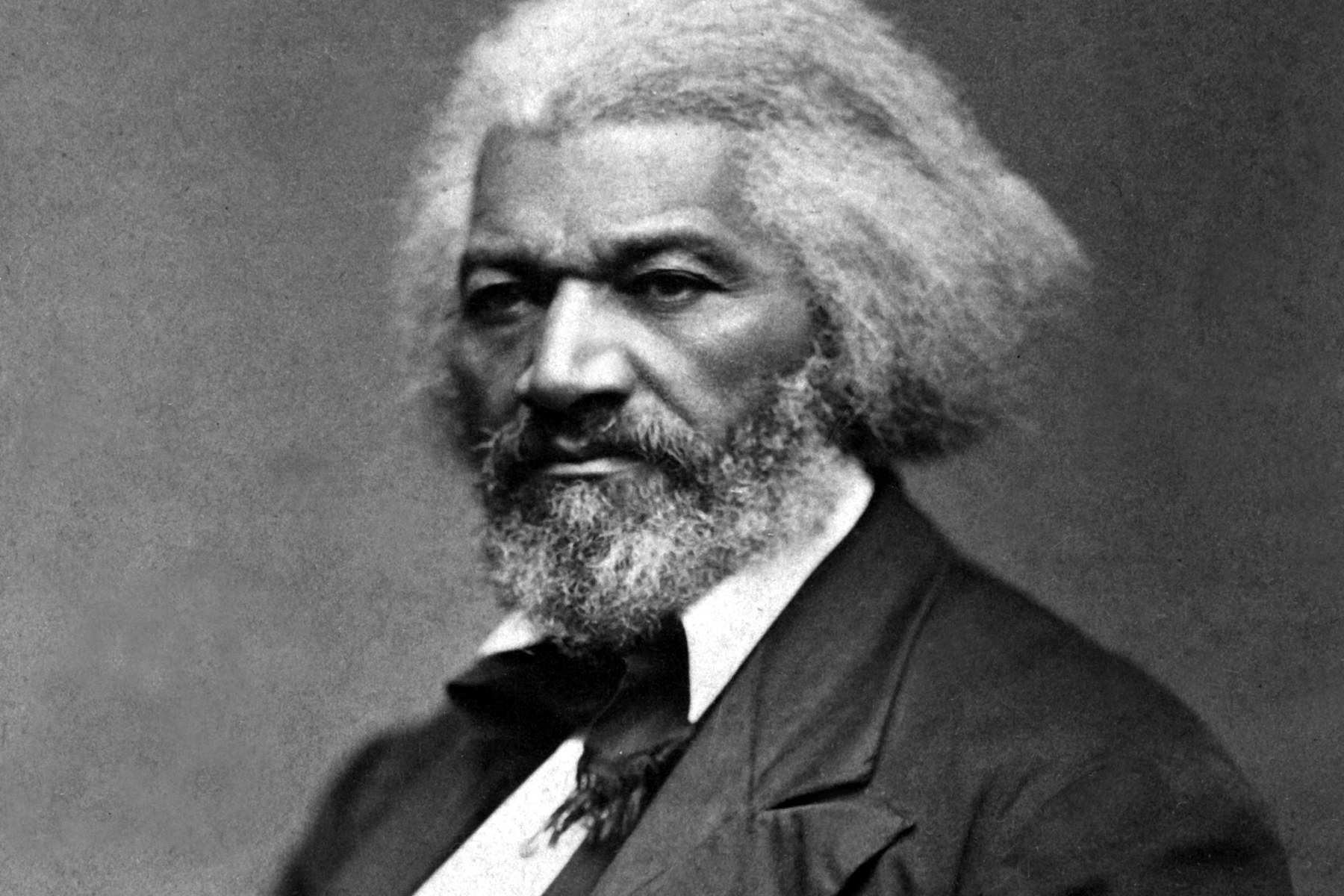
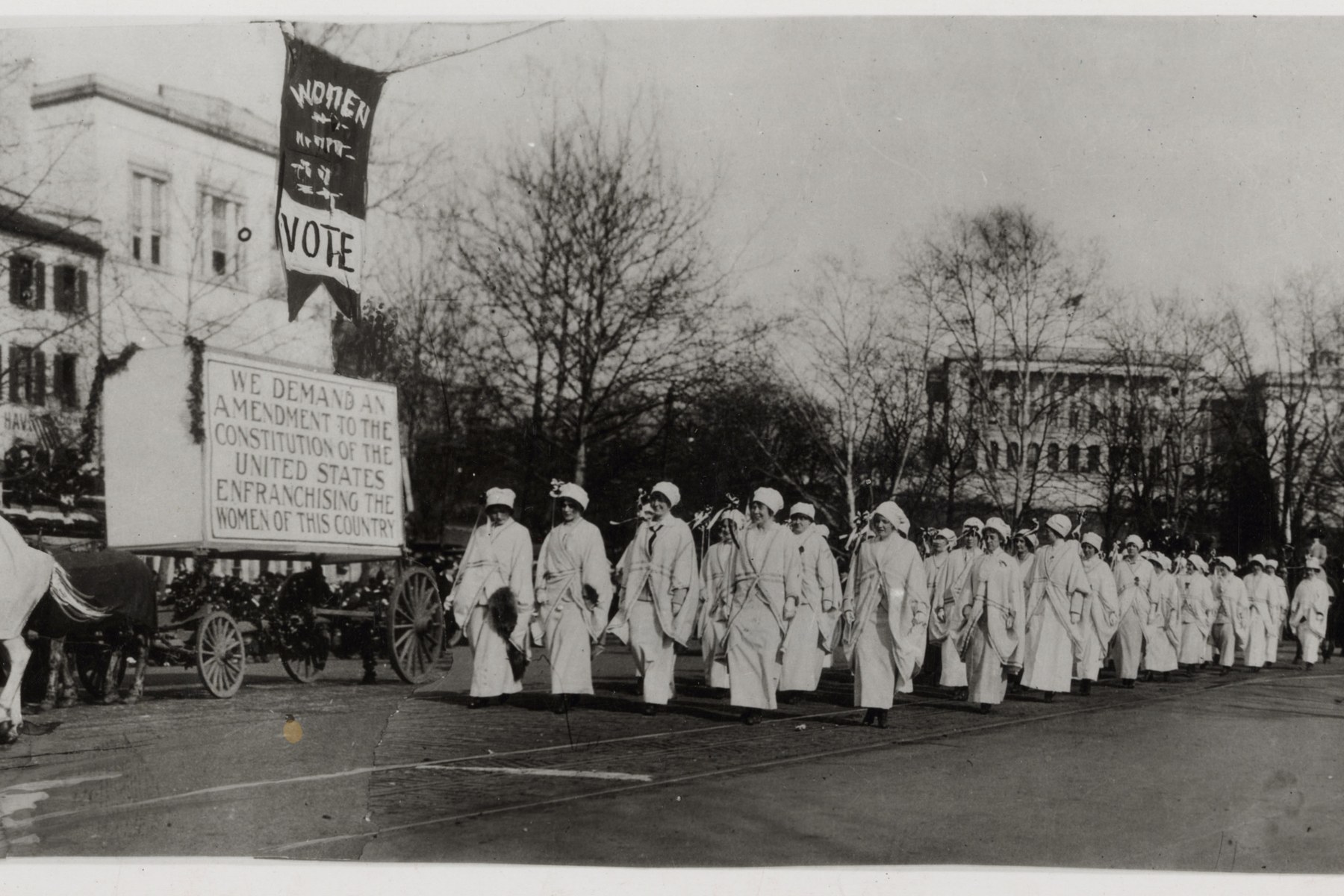
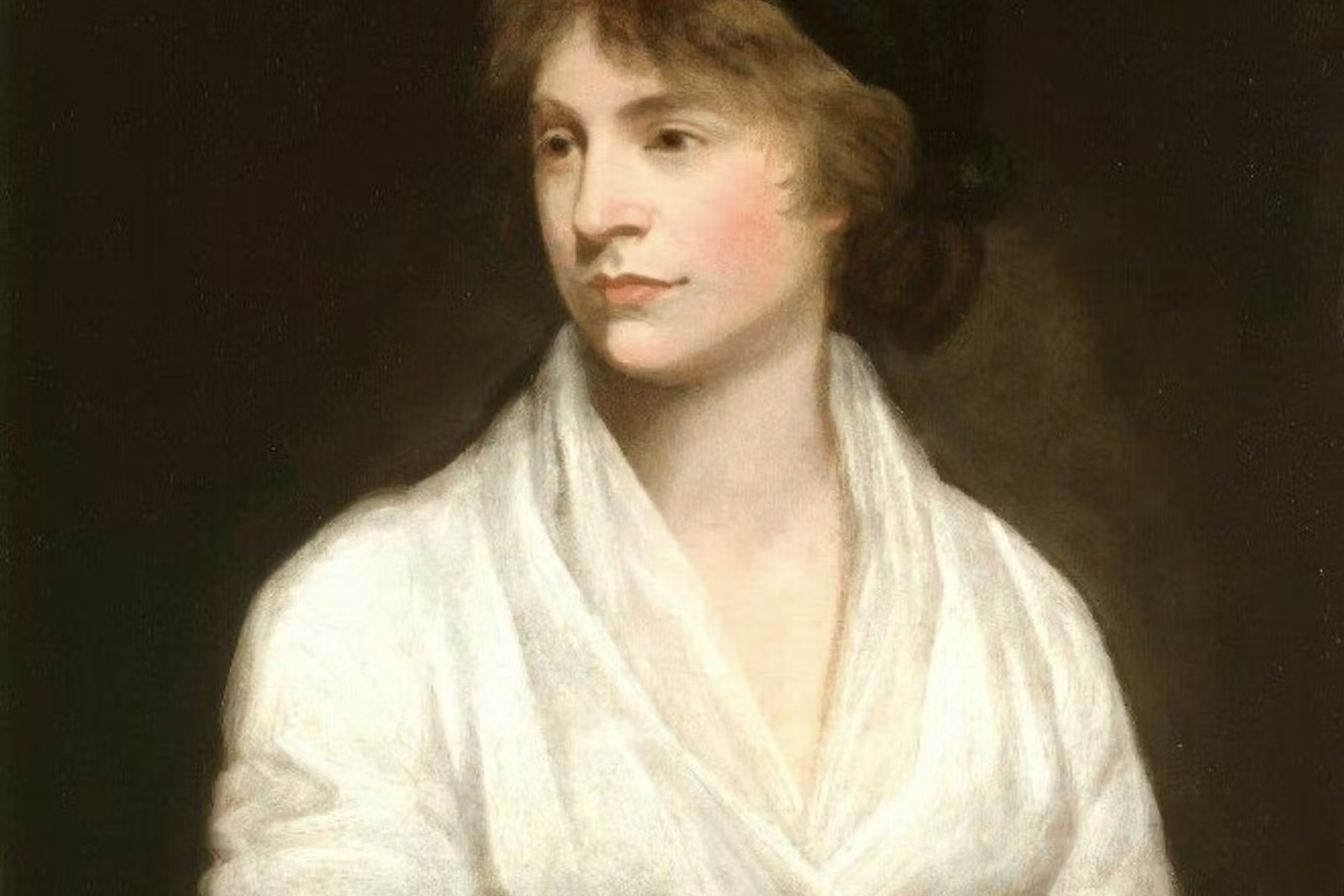
That contest is the real story of natural rights theory's influence. Because the argument's structure was universal — rights belong to humans as such — it could be, and repeatedly was, turned against the very people who first articulated it narrowly. Abolitionists used it to argue that enslaved people were owed the same rights their enslavers claimed for themselves. Suffragists used it to argue that "all men" could not coherently exclude women. Colonized peoples used it to argue that the same logic justifying European self-governance applied to their own nations.
THE LONGER LEGACY
Natural rights language became the shared grammar of nearly every subsequent rights movement, even when those movements disagreed on almost everything else. It shaped the abolition of slavery, the expansion of suffrage, decolonization movements throughout the 20th century, and eventually the postwar international human rights framework. Its power lay precisely in its universality: once a society commits, even rhetorically, to the idea that rights are inherent rather than granted, excluding any group from them requires an explanation the founding logic doesn't easily provide.
WHAT WE STILL MISUNDERSTAND
It's tempting to read Enlightenment declarations of universal rights as though they were immediately, genuinely universal in application. They were not. The authors of "all men are created equal" and "the rights of man" largely did not extend those rights, in practice, to enslaved people, women, or colonized populations — a contradiction that later movements had to force into the open through argument and struggle, not one the original authors resolved themselves. Natural rights theory is also sometimes treated as though it were uncontested philosophy; in reality, its metaphysical basis — where, exactly, these rights "come from" — remains debated among philosophers to this day, even as its political influence has been immense regardless.
THE MODERN CONNECTION
Contemporary debates over digital privacy, bodily autonomy, and the rights owed to refugees and stateless people all draw, whether explicitly or not, on the same underlying claim: that certain protections are owed to people because they are people, not because a particular government has chosen to extend them. The argument's reach today — into questions its original authors never anticipated — is a direct consequence of the universal form in which it was first made.
The Social Rethink
Once rights were reframed as inherent to being human rather than granted by rulers, exclusion from those rights stopped being simply the natural order and became something that required justification — justification that grew harder to supply with each generation that took the original claim seriously. The idea outgrew the limits of the people who first wrote it down, and that overflow is arguably its most important legacy.
If a right is truly inherent to being human, what does it mean that so many humans have had to fight, for centuries, simply to be counted as included in "human"?