Filed under Rethink Society | Art History · 10 · Authorship
Digital and AI Art When Humanity Had to Ask Who the Artist Is
Computers expanded artistic creation; generative AI now intensifies older questions about authorship, originality and meaning.
- Share “Digital and AI Art — When Humanity Had to Ask Who the Artist Is” on X
- Share “Digital and AI Art — When Humanity Had to Ask Who the Artist Is” on Facebook
- Share “Digital and AI Art — When Humanity Had to Ask Who the Artist Is” on LinkedIn
- Share “Digital and AI Art — When Humanity Had to Ask Who the Artist Is” on WhatsApp
- Share “Digital and AI Art — When Humanity Had to Ask Who the Artist Is” on Telegram
- Share “Digital and AI Art — When Humanity Had to Ask Who the Artist Is” on Reddit
- Share “Digital and AI Art — When Humanity Had to Ask Who the Artist Is” on Email
Global · Late 20th century to the present
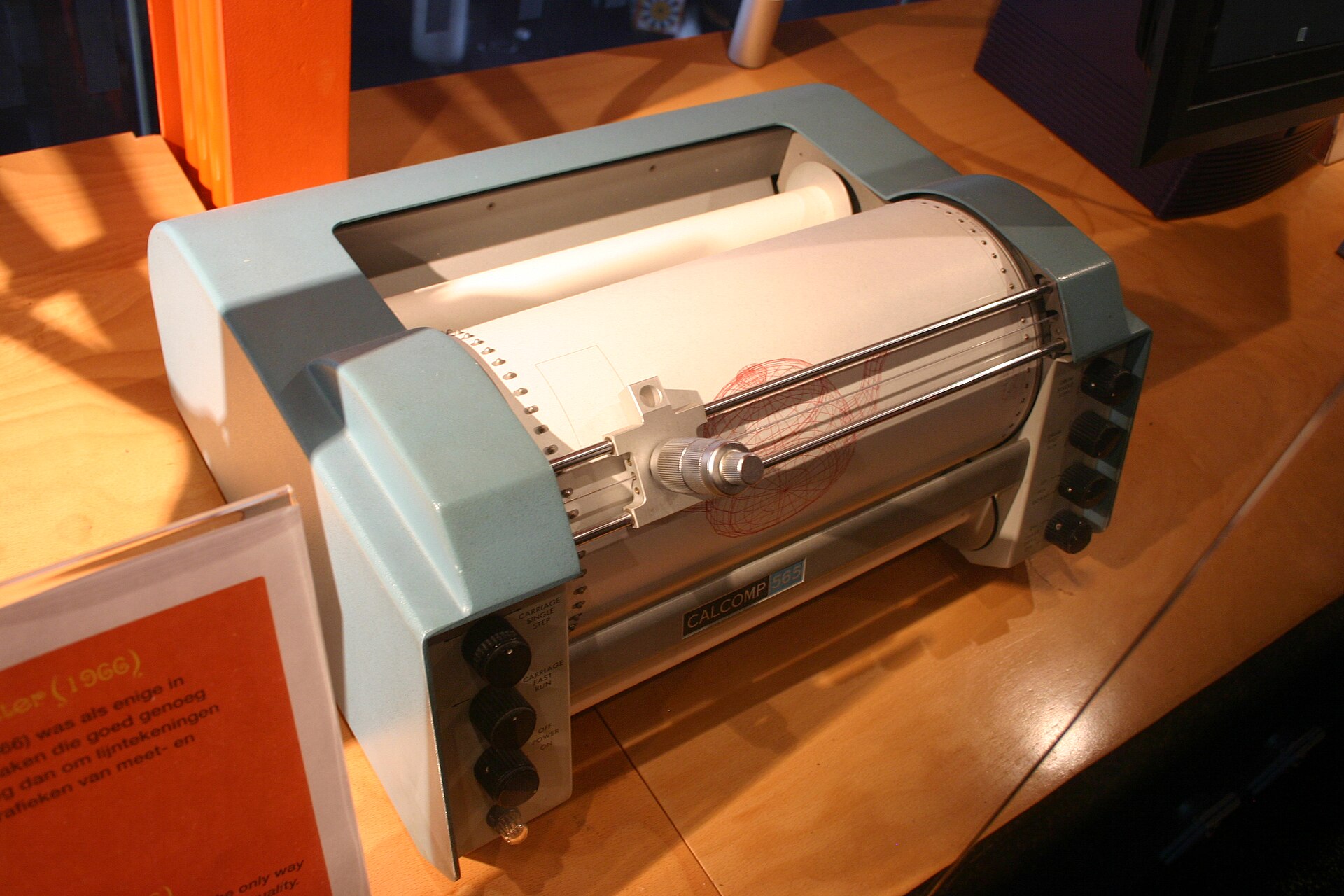
Digital art did not begin with generative AI. Artists have used computers, code, video, networks and interactive systems for decades. The more recent rise of generative systems has nevertheless created a new public argument because machines can now produce images and other media from relatively simple prompts. The speed and accessibility of this production force old questions into new forms: what is creativity, what is authorship and what does originality mean?
The first fact to establish is that AI systems do not emerge from nowhere. They are designed, trained and deployed through human institutions. Their outputs depend on technical architectures, datasets, objectives and user interaction. This means the simple question 'human or machine?' can be misleading. Contemporary generative art often involves networks of contribution.
At the same time, legal and ethical questions remain unresolved in many jurisdictions. Training data, copyright, consent and attribution are subjects of active debate. A responsible Rethink Society article should not claim that there is one settled global legal answer. Law changes by country and technology develops quickly.
The artistic question is different from the legal one. An output can move a viewer emotionally regardless of whether the system experiences emotion. The viewer's response is real. But emotional impact does not automatically establish intentional authorship. Human artists have historically been valued not only for final objects but for decisions, methods, context and lived experience.
Generative AI therefore exposes a weakness in narrow definitions of art. If art is only a visually impressive object, machines can challenge human exclusivity. If art also involves intention, responsibility, context and communication, the role of the human remains central in different ways. Reasonable people can disagree because they are often using different definitions.
Digital tools have also democratised creation. People who lack traditional training can experiment with images, sound and design. This can expand participation, but access is not the same as equality. Platforms, hardware, subscriptions and data infrastructure remain concentrated. The future of digital art is therefore also a question about power.
Perhaps the most useful contribution of AI art is that it forces humanity to articulate what it previously assumed. Why do we care who made an image? Is originality the absence of influence, or the transformation of influence into something new? Can an artist use a machine without surrendering authorship? What obligations exist toward the people whose work shaped the cultural environment from which models learn?
These questions are not reasons to reject technology automatically. Nor are they reasons to celebrate every innovation as progress. The truth is more demanding: capability creates responsibility. The faster a tool changes cultural production, the more carefully society must examine consent, labour, attribution and human benefit.
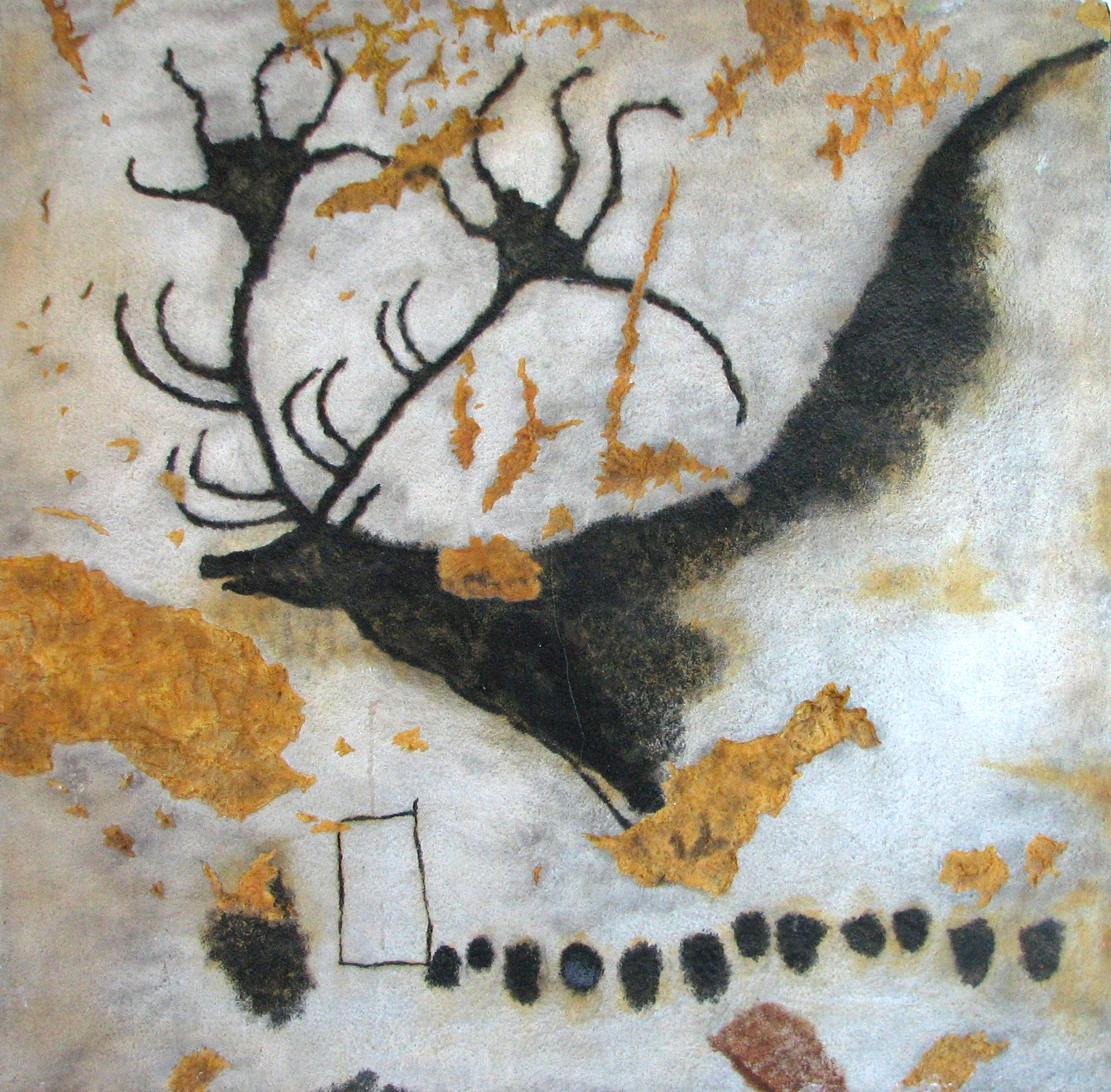
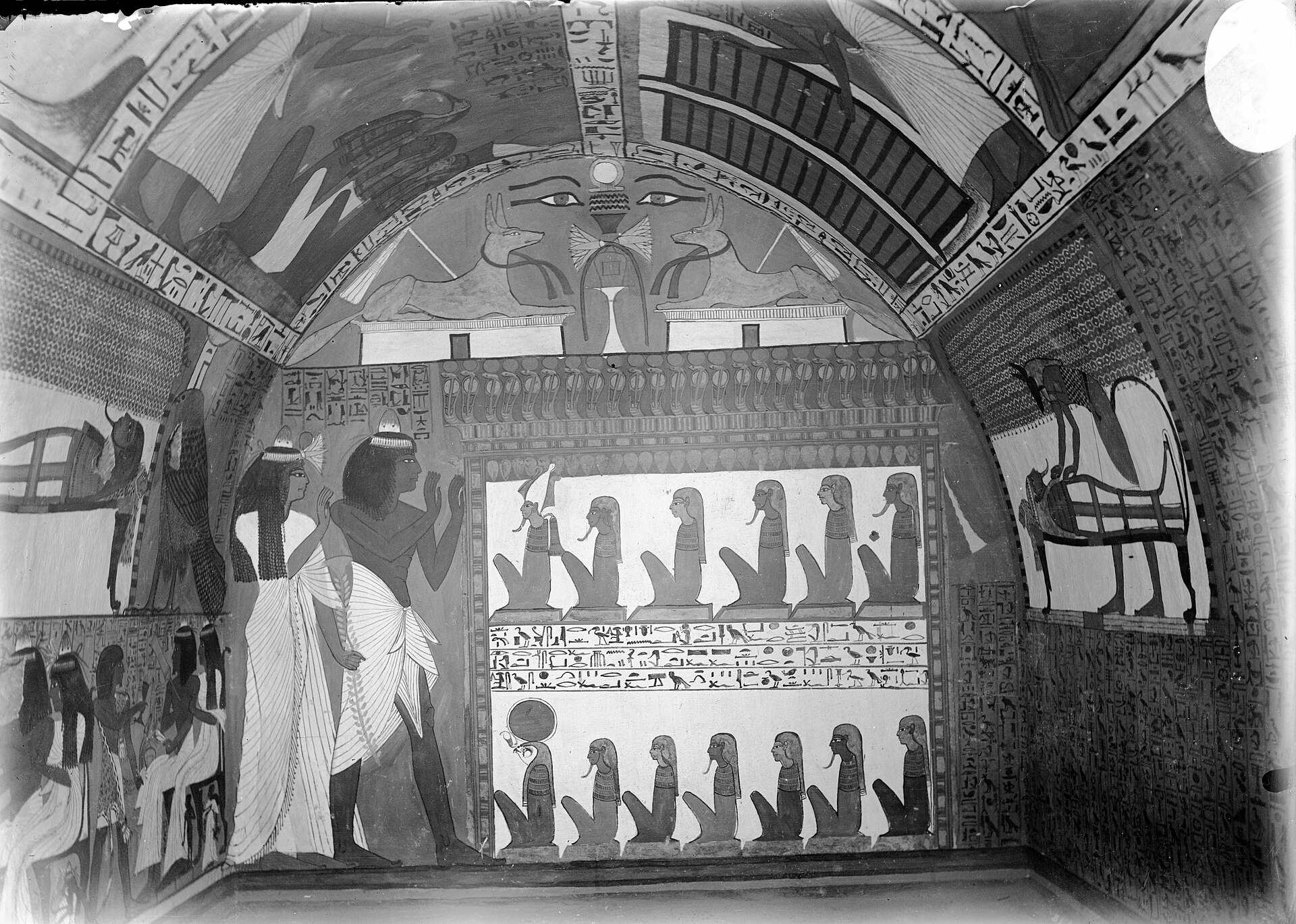
Digital and AI art belong at the end of this collection because they bring its earlier questions together. Cave artists left traces for strangers. Egyptian artists confronted memory. Silk Roads traditions revealed exchange. Photography complicated truth. Guernica turned art toward witness. AI now asks whether the maker itself must understand meaning.
The answer is not settled. That is precisely why this moment matters.
What We Know
The article's factual foundation is limited to the documented historical and institutional evidence identified in the source notes below. Claims of motive, universal meaning or direct causal impact are treated cautiously unless supported by evidence.
What Remains Open to Interpretation
Artistic meaning is often plural. Where original makers did not leave unambiguous explanations, this collection does not present modern interpretation as fact. Scholarly disagreement and uncertainty are part of the historical record, not editorial weaknesses.
Social Rethink
If a work of art changes how you see the world, does the identity of its maker change the meaning— or only the story we tell about it?
Why It Matters Now
This historical development remains relevant because contemporary society still debates who controls memory, whose stories are preserved, what counts as truth, how cultures influence one another and whether technology changes the meaning of human creativity. The historical case does not automatically provide a modern answer; it gives us better questions.
The Question We Leave Behind
If a work of art changes how you see the world, does the identity of its maker change the meaning— or only the story we tell about it?