Filed under Rethink Society | Art History · 09 · Witness
Guernica When Art Became a Witness Against the Destruction of War
Picasso's 1937 mural transformed one atrocity into an enduring argument about civilians, violence and collective memory.
- Share “Guernica — When Art Became a Witness Against the Destruction of War” on X
- Share “Guernica — When Art Became a Witness Against the Destruction of War” on Facebook
- Share “Guernica — When Art Became a Witness Against the Destruction of War” on LinkedIn
- Share “Guernica — When Art Became a Witness Against the Destruction of War” on WhatsApp
- Share “Guernica — When Art Became a Witness Against the Destruction of War” on Telegram
- Share “Guernica — When Art Became a Witness Against the Destruction of War” on Reddit
- Share “Guernica — When Art Became a Witness Against the Destruction of War” on Email
Spain and international modern art · 1937
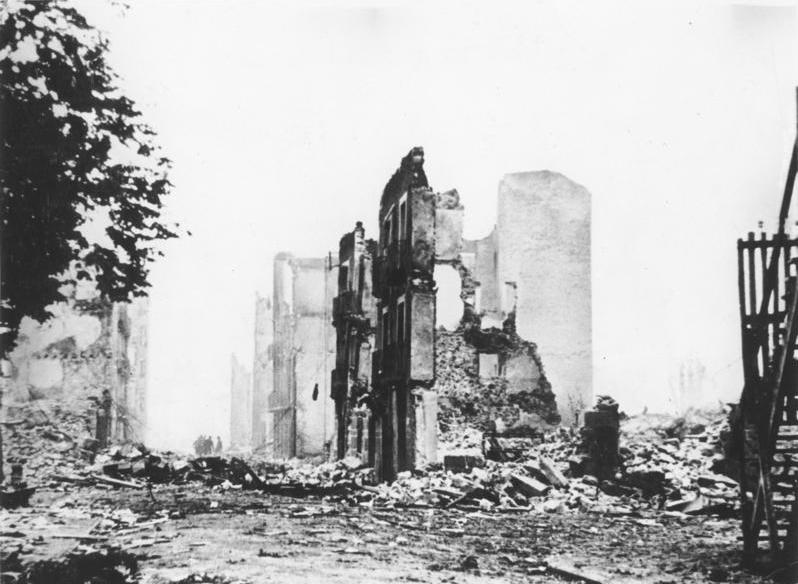
On 26 April 1937, during the Spanish Civil War, the Basque town of Gernika was bombed by German and Italian forces supporting the nationalist side. The event became the catalyst for Pablo Picasso's Guernica, created for the Spanish Pavilion at the Paris International Exposition. Museo Reina Sofía's extensive research project documents the commission, the bombing, Picasso's rapid development of sketches and the work's subsequent transformation into an international symbol.
Guernica is important because it demonstrates that art can preserve historical truth without functioning like a photograph or official report. Picasso did not provide a literal documentary panorama of the bombing. The painting's fractured figures, animals and architecture create an experience of terror and disorientation. Its truth is therefore partly interpretive and emotional.
That distinction should not weaken the work's historical significance. It clarifies it. Facts can establish what happened and who participated. Art can ask what violence does to bodies, families and moral imagination. Neither replaces the other. Together they produce a fuller encounter with history.
The Museo Reina Sofía describes Guernica as an image whose symbolic and political life expanded beyond the event that inspired it. Since its public unveiling in 1937, the painting travelled and became associated with later episodes of violence and civilian vulnerability. Its meaning was therefore not frozen at the moment Picasso completed it.
This raises a difficult question about artistic witness. Can one artwork become so famous that it begins to represent suffering too generally, obscuring the specific people and histories involved? The answer is a risk worth considering. Universal symbolism can build solidarity, but universality should not erase particular victims. The strongest interpretation holds both levels together: Guernica is about a specific historical event and about broader patterns of modern warfare.
The work also changed assumptions about political art. It proved that a modern artist could create an image that entered public memory without becoming simple propaganda. Viewers continue to debate symbols and meanings. The painting does not instruct everyone to feel one precise emotion. Instead, it confronts them with a visual language of rupture.
Why did this help humanity? Because societies can become accustomed to statistics. Numbers are necessary for accountability, but they can become psychologically abstract. Art restores scale at the level of experience. A scream, a broken body or a terrified face can make an event morally difficult to ignore.
Yet art alone cannot prevent war. Claims that a painting 'changed everything' should be treated skeptically. Guernica did not end armed conflict. Its contribution was different: it created a durable cultural memory through which later generations could recognise and contest the destruction of civilians.
In an era of instant images, this legacy remains relevant. We see more visual evidence of war than previous generations could have imagined, but visibility does not guarantee understanding or action. Guernica asks whether witnessing is enough. What responsibility follows once we have seen?
What We Know
The article's factual foundation is limited to the documented historical and institutional evidence identified in the source notes below. Claims of motive, universal meaning or direct causal impact are treated cautiously unless supported by evidence.
What Remains Open to Interpretation
Artistic meaning is often plural. Where original makers did not leave unambiguous explanations, this collection does not present modern interpretation as fact. Scholarly disagreement and uncertainty are part of the historical record, not editorial weaknesses.
Social Rethink
Can art make us more accountable to suffering—or can repeated images eventually make us look away?
Why It Matters Now
This historical development remains relevant because contemporary society still debates who controls memory, whose stories are preserved, what counts as truth, how cultures influence one another and whether technology changes the meaning of human creativity. The historical case does not automatically provide a modern answer; it gives us better questions.
The Question We Leave Behind
Can art make us more accountable to suffering—or can repeated images eventually make us look away?