Filed under Stories · Social Rethinks
The Anti-Apartheid Movement When the World Refused to Accept Apartheid as Normal
South African resistance and international solidarity helped turn racial apartheid from an entrenched political system into an increasingly isolated one.
- Share “The Anti-Apartheid Movement: When the World Refused to Accept Apartheid as Normal” on X
- Share “The Anti-Apartheid Movement: When the World Refused to Accept Apartheid as Normal” on Facebook
- Share “The Anti-Apartheid Movement: When the World Refused to Accept Apartheid as Normal” on LinkedIn
- Share “The Anti-Apartheid Movement: When the World Refused to Accept Apartheid as Normal” on WhatsApp
- Share “The Anti-Apartheid Movement: When the World Refused to Accept Apartheid as Normal” on Telegram
- Share “The Anti-Apartheid Movement: When the World Refused to Accept Apartheid as Normal” on Reddit
- Share “The Anti-Apartheid Movement: When the World Refused to Accept Apartheid as Normal” on Email
THE OLD NORMAL
After 1948, South Africa's apartheid system legally enforced racial segregation and political domination. The system affected where people lived, worked, studied and travelled and denied the majority meaningful political power.
THE QUESTION
Can a system of racial domination remain legitimate if people inside the country and around the world systematically refuse to accept it?
THE ACTION
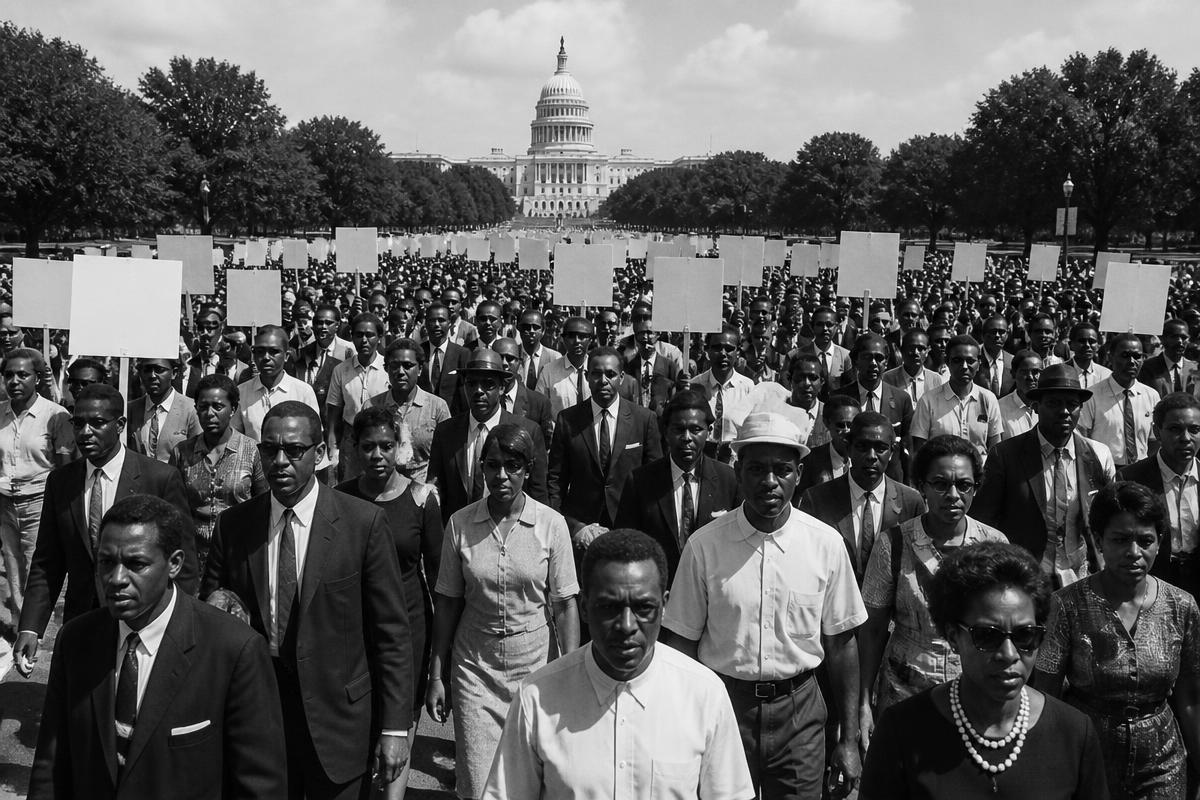
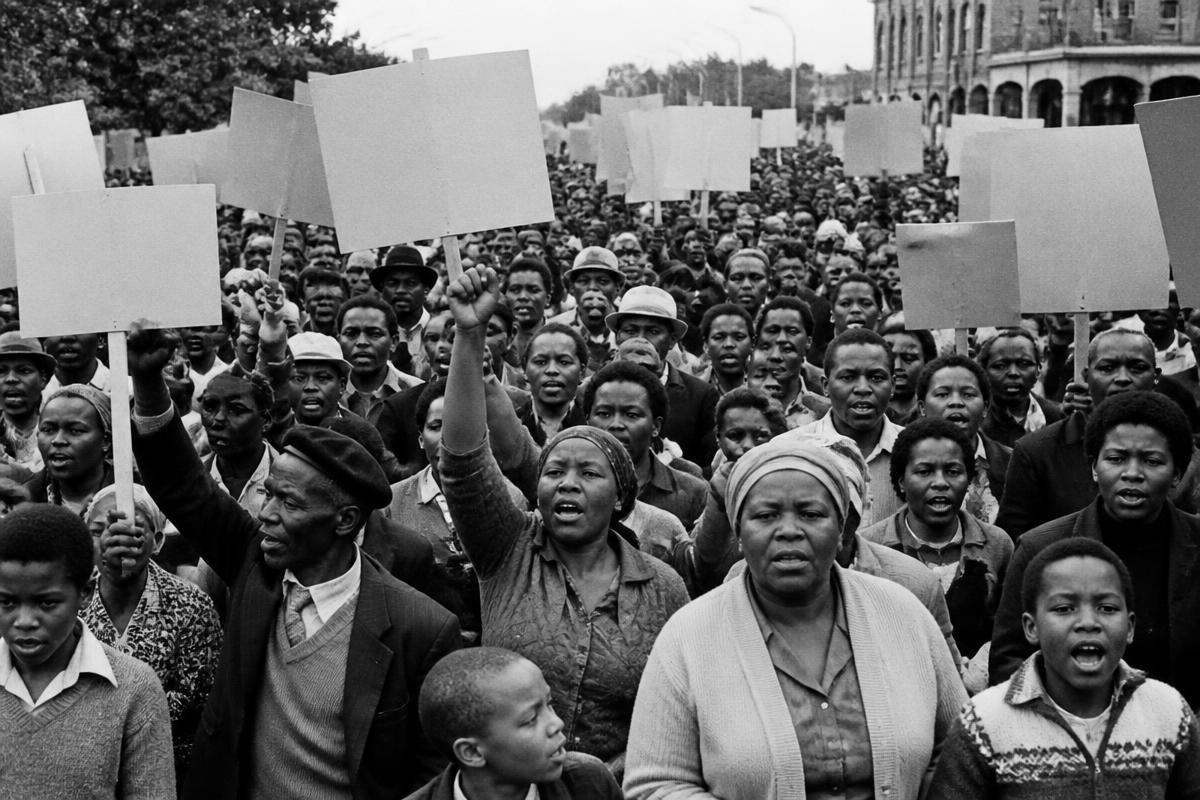
Resistance took many forms: strikes, boycotts, student mobilisation, political organising, underground activity, cultural resistance and international solidarity. South African activists were joined by churches, trade unions, universities, artists and civil-society organisations abroad.
THE BREAKTHROUGH
International pressure mattered because apartheid increasingly became a reputational, political and economic liability. Campaigns encouraged governments, companies, institutions and consumers to reconsider their relationship with the regime.
THE CHANGE
The movement helped change the international meaning of apartheid. What the regime presented as an internal political system increasingly became recognised as a global human-rights issue.
THE NEW NORMAL
Negotiations in the early 1990s led to the dismantling of apartheid's political order and the 1994 democratic election in which Nelson Mandela became president.
WHAT WE STILL MISUNDERSTAND
The end of apartheid cannot be attributed to one person or one tactic. Internal resistance, economic pressures, international activism, geopolitical changes and negotiations all interacted.
THE MODERN CONNECTION
Contemporary campaigns for human rights continue to use boycotts, divestment, cultural pressure and international solidarity. The anti-apartheid experience shows both the possibilities and limitations of these tools.
THE RETHINK
Apartheid looked permanent because it had been turned into an entire system.
Activism helped demonstrate that even deeply institutionalised injustice can lose legitimacy when enough people refuse to treat it as normal.