Filed under Rethink Society | Cultural Revolutions · 10 · Digital Humanity
The Digital Revolution: Is Humanity Still in Control of Its Own
The digital revolution changed memory, truth, identity and power. Are we shaping technology—or is it shaping us?
- Share “The Digital Revolution: Is Humanity Still in Control of Its Own” on X
- Share “The Digital Revolution: Is Humanity Still in Control of Its Own” on Facebook
- Share “The Digital Revolution: Is Humanity Still in Control of Its Own” on LinkedIn
- Share “The Digital Revolution: Is Humanity Still in Control of Its Own” on WhatsApp
- Share “The Digital Revolution: Is Humanity Still in Control of Its Own” on Telegram
- Share “The Digital Revolution: Is Humanity Still in Control of Its Own” on Reddit
- Share “The Digital Revolution: Is Humanity Still in Control of Its Own” on Email
Future?
RETHINK SOCIETY | CULTURAL REVOLUTIONS COLLECTION
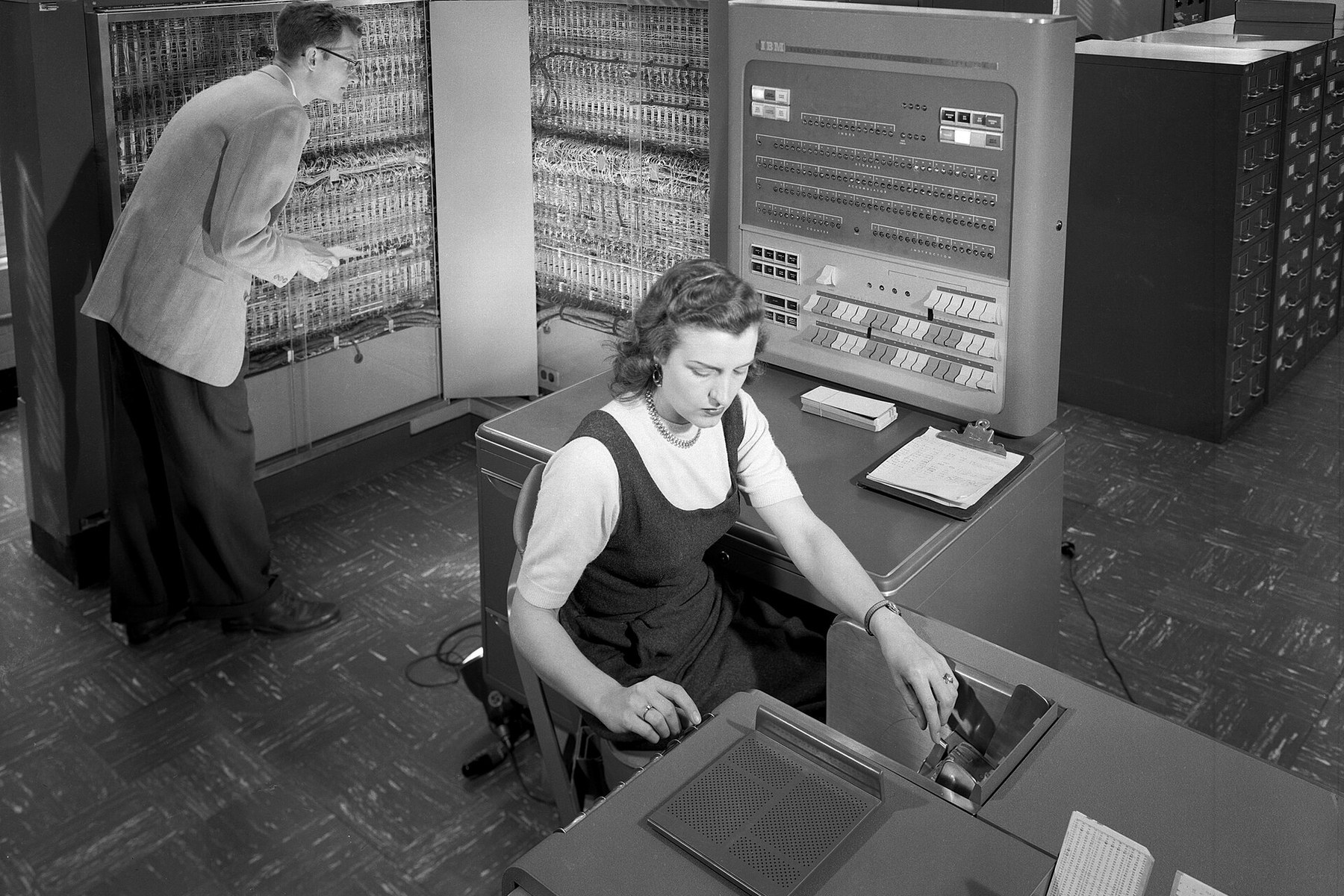
The digital revolution did not begin with social media. It developed through decades of computing, telecommunications, semiconductor technology and network research. The internet gradually connected institutions and then households. Personal computers moved digital tools into everyday life. Smartphones placed communication, cameras, maps and publishing platforms into people's pockets. Within a remarkably short historical period, digital systems became infrastructure for work, education, culture and relationships.
The greatest cultural transformation may be participation. Individuals who once depended on publishers, broadcasters or studios can now publish globally. A video, article or song can reach an international audience almost instantly. Communities can form around identities and interests that would have been geographically isolated in earlier generations. Digital networks have created opportunities for education, activism and creativity.
But participation has a cost. The same systems that allow people to speak also collect enormous amounts of data about them. Online behaviour can be tracked, analysed and monetised. Privacy is no longer only about whether someone knows a secret; it is increasingly about whether systems can predict preferences, relationships and behaviour from ordinary activity.
The digital revolution has also changed truth. Traditional media had gatekeepers, sometimes flawed and exclusionary, but digital networks reduced barriers to publication dramatically. This democratised communication while making misinformation easier to spread. A false claim can now travel through social networks faster than careful correction. The cultural challenge is therefore epistemic: how do citizens know what to trust?
Algorithms add another layer. People do not simply choose information; information is increasingly selected for them. Recommendation systems can help users discover relevant material, but they can also reward engagement, outrage and repetition. The architecture of attention influences public debate without always being visible to those participating in it.
Artificial intelligence intensifies these questions. AI can translate languages, assist research, generate images and support accessibility. It can also produce convincing false content, reinforce bias and change labour markets. The issue is no longer whether machines can perform isolated tasks. It is how much cultural and economic decision-making society is willing to delegate to systems that may be difficult to understand.
Digital technology also changes identity. People maintain profiles, archives and relationships across platforms. The boundaries between private and public life become unstable. A comment can be permanent. A photograph can be copied endlessly. At the same time, online spaces allow people to experiment with identity and find communities.
Social Rethink
The digital revolution is forcing humanity to decide whether convenience should always be treated as progress. A system may make life easier while reducing privacy, autonomy or attention. The question should not only be 'Can technology do this?' but also 'Who benefits, who is harmed and who remains accountable?'
The comparison with earlier cultural revolutions is revealing. Writing expanded memory. Printing expanded access to information. Industrialisation expanded productive power. Digital technology expands all three at once: memory, communication and automation. Its speed may be the defining difference.
This creates a governance problem. Culture and technology often move faster than laws and institutions. By the time society understands a new platform's consequences, millions of people may already depend on it. Regulation therefore requires technical knowledge, but technology companies cannot be the only institutions deciding the future.
The digital revolution has not made humanity less human. It has made human weaknesses and strengths more scalable. Compassion can spread globally. So can cruelty. Knowledge can become accessible. So can deception. Communities can support isolated people. Algorithms can also isolate people inside personalised realities.
Whether humanity remains in control of its future depends on what control means. No individual can control technological change alone. Collective control requires democratic institutions, education, ethical standards and informed citizens.
The digital revolution is still unfinished. That is why it may be the most important cultural transformation in this collection. We are not only studying it. We are living inside it.
The generations who invented writing could not predict artificial intelligence. The generations who built printing presses could not predict global social networks. Our inability to predict the future should create caution, not paralysis. Rethinking society means recognising that technology is never merely a collection of tools. It becomes part of the environment in which human beings learn who they are.
The final question is therefore not whether technology will shape the future. It already does. The question is whether humanity will shape technology with enough wisdom to deserve the future it creates.