Filed under Ideas · Social Rethinks
The Agreement Nobody Signed
Before the social contract, political power didn't need a reason. Then a handful of philosophers asked kings to produce one — and the answer changed how the world understands government.
- Share “The Agreement Nobody Signed” on X
- Share “The Agreement Nobody Signed” on Facebook
- Share “The Agreement Nobody Signed” on LinkedIn
- Share “The Agreement Nobody Signed” on WhatsApp
- Share “The Agreement Nobody Signed” on Telegram
- Share “The Agreement Nobody Signed” on Reddit
- Share “The Agreement Nobody Signed” on Email
OPENING
For most of recorded history, if you asked a subject why their king ruled them, the honest answer was usually: because he always had. Royal power passed through bloodlines, was blessed by religious authority, and required no further justification. Then, across the 17th and 18th centuries, a set of philosophers in England and France proposed something that sounds obvious today and sounded dangerous then: that legitimate government exists only because the people living under it have, in some sense, agreed to it. This idea — the social contract — did not simply describe politics differently. It gave ordinary people a standard against which to judge their rulers, and the tools to conclude that a ruler could fail that standard.
HISTORICAL CONTEXT
In much of pre-modern Europe, political authority rested on the doctrine of divine right: monarchs governed because God had ordained it, and to resist the king was to resist God's order. This was not treated as a metaphor. It was law, theology, and common sense woven together. Questioning a monarch's legitimacy wasn't simply risky — it was close to incoherent, since the very idea of "legitimacy" was defined by bloodline and religious sanction rather than by any relationship between ruler and ruled. Ordinary people had obligations to the crown. The crown, in this framework, had no equivalent obligations back.
THE TURNING POINT
Thomas Hobbes, writing in the aftermath of the brutal English Civil War, argued in Leviathan (1651) that people originally existed in a chaotic "state of nature" and voluntarily surrendered their freedoms to a sovereign in exchange for order and protection from mutual destruction. It was a bleak justification for strong authority, but a revolutionary one in its mechanics: legitimacy came from an agreement, not from birth.
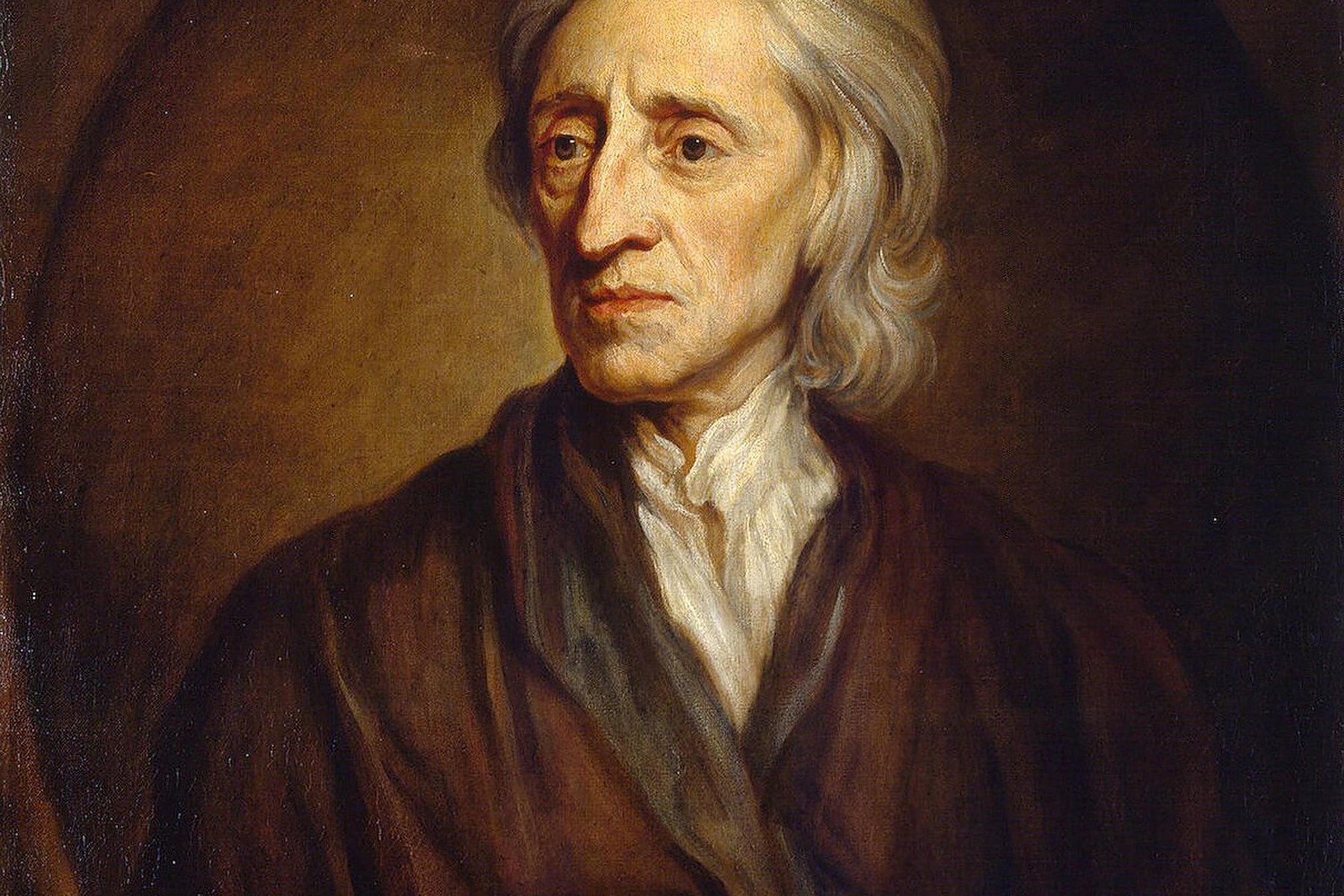
John Locke took Hobbes's premise somewhere very different. In his Two Treatises of Government (1689), Locke argued that people retain natural rights — to life, liberty, and property — even after entering political society, and that government exists specifically to protect those rights. Crucially, Locke concluded that if a government violated this trust, the people had the right to resist and replace it. This was not an abstract point. Locke's ideas were read closely by the authors of the American Declaration of Independence roughly ninety years later, and his fingerprints are visible in its central claim: that governments derive their just powers from the consent of the governed.
Jean-Jacques Rousseau pushed the idea further still. In The Social Contract (1762), he argued that legitimate authority must express the "general will" of the people as a collective — a demanding, sometimes controversial standard that influenced the French Revolution's insistence on popular sovereignty over inherited rule.
THE LONGER LEGACY
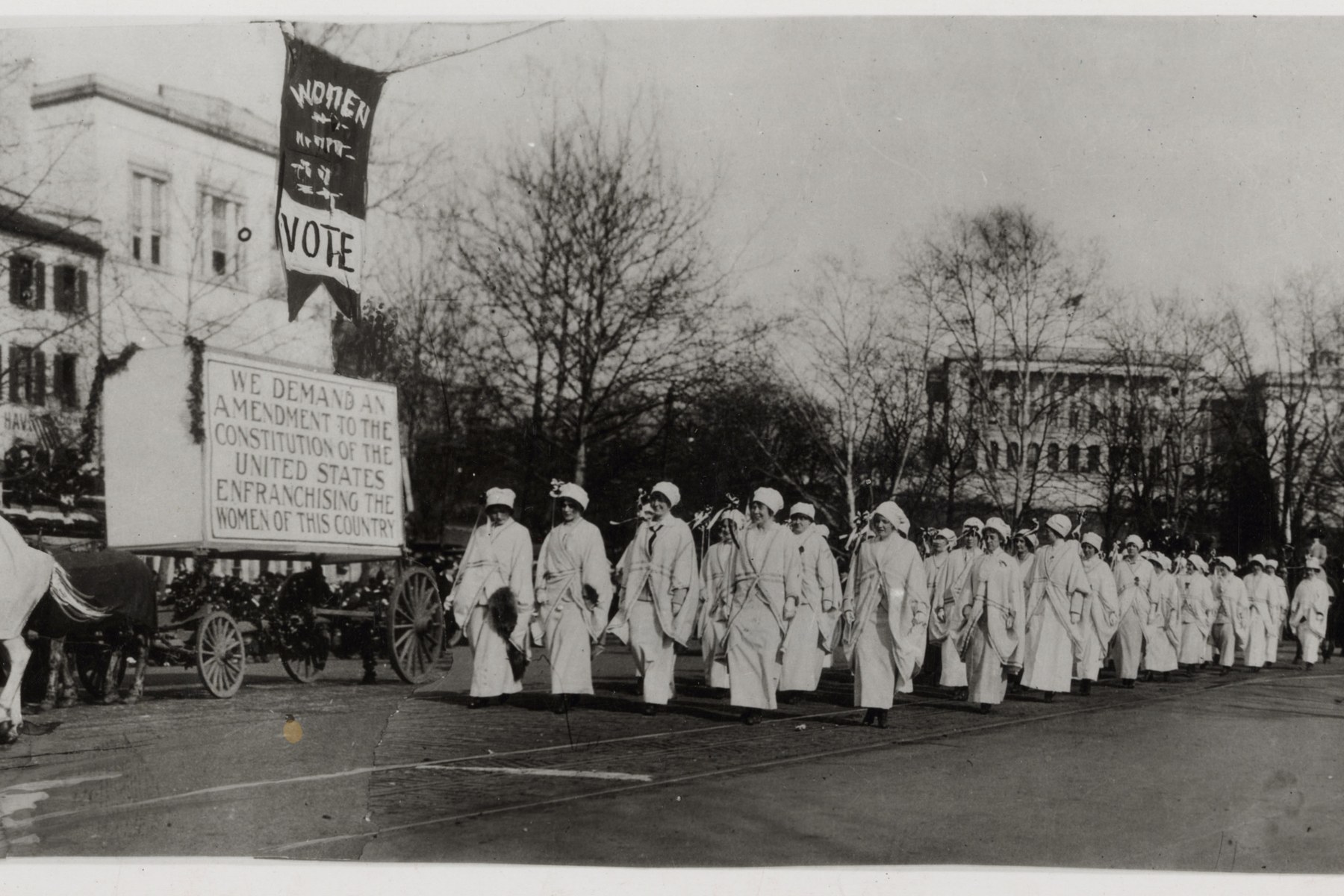
Once the idea took hold that government requires the consent of the governed, the practical question became unavoidable: consent expressed how, and by whom? This question drove centuries of subsequent struggle — over who counted as a citizen, who could vote, and what happened when consent was withdrawn. Constitutions across the world, from the American Constitution to the charters of newly independent 20th-century nations, encode some version of the social contract's core claim: that power is held in trust, not by right of birth. Even revolutions that rejected each other's specific politics — American, French, and later many decolonization movements — shared this same underlying grammar of legitimacy.
WHAT WE STILL MISUNDERSTAND
The "social contract" is often described as though it were a single, agreed theory, when in fact Hobbes, Locke, and Rousseau disagreed sharply with one another — about human nature, about how much freedom people should surrender, and about what justified resistance. There was also no literal contract or founding meeting; the "contract" is a philosophical device for reasoning about legitimacy, not a historical event. And while the theory helped inspire arguments for expanded rights, its original authors held views — particularly regarding who counted as a full member of political society — that were far narrower than modern applications of their ideas.
THE MODERN CONNECTION
Every time a modern democracy debates the limits of executive power, the legitimacy of an election, or whether a government has broken faith with the people it serves, it is arguing, often without naming it, inside the framework the social contract philosophers built. The question "by what right does this government act?" remains one of the most consequential questions any society can ask.
The Social Rethink
Before the social contract, the legitimacy of power was assumed. After it, legitimacy became something that had to be earned and could be lost — a standard rulers are held to rather than a birthright they simply possess. That single shift, from power as inheritance to power as trust, underlies nearly every subsequent argument for expanded rights and accountable government.
If political power now requires the consent of the governed, what does a society owe the people from whom consent was never actually asked?