Filed under Ideas · Social Rethinks
Rock ’n’ Roll When Teenagers Became a Cultural Force
In the 1950s, a new musical culture helped make youth identity visible, commercially powerful and increasingly independent.
- Share “Rock ’n’ Roll: When Teenagers Became a Cultural Force” on X
- Share “Rock ’n’ Roll: When Teenagers Became a Cultural Force” on Facebook
- Share “Rock ’n’ Roll: When Teenagers Became a Cultural Force” on LinkedIn
- Share “Rock ’n’ Roll: When Teenagers Became a Cultural Force” on WhatsApp
- Share “Rock ’n’ Roll: When Teenagers Became a Cultural Force” on Telegram
- Share “Rock ’n’ Roll: When Teenagers Became a Cultural Force” on Reddit
- Share “Rock ’n’ Roll: When Teenagers Became a Cultural Force” on Email
THE OLD NORMAL
Young people certainly had their own tastes and communities, but teenagers were not yet treated to the same extent as a distinct cultural market with its own music, fashion and media identity.
THE QUESTION
What happens when young people become a major audience with their own money, preferences and cultural language?
THE BREAKTHROUGH
Rock ’n’ roll emerged from overlapping traditions, particularly African American blues and rhythm and blues, alongside country and other popular forms. Its development involved many musicians rather than a single inventor.
THE CHANGE
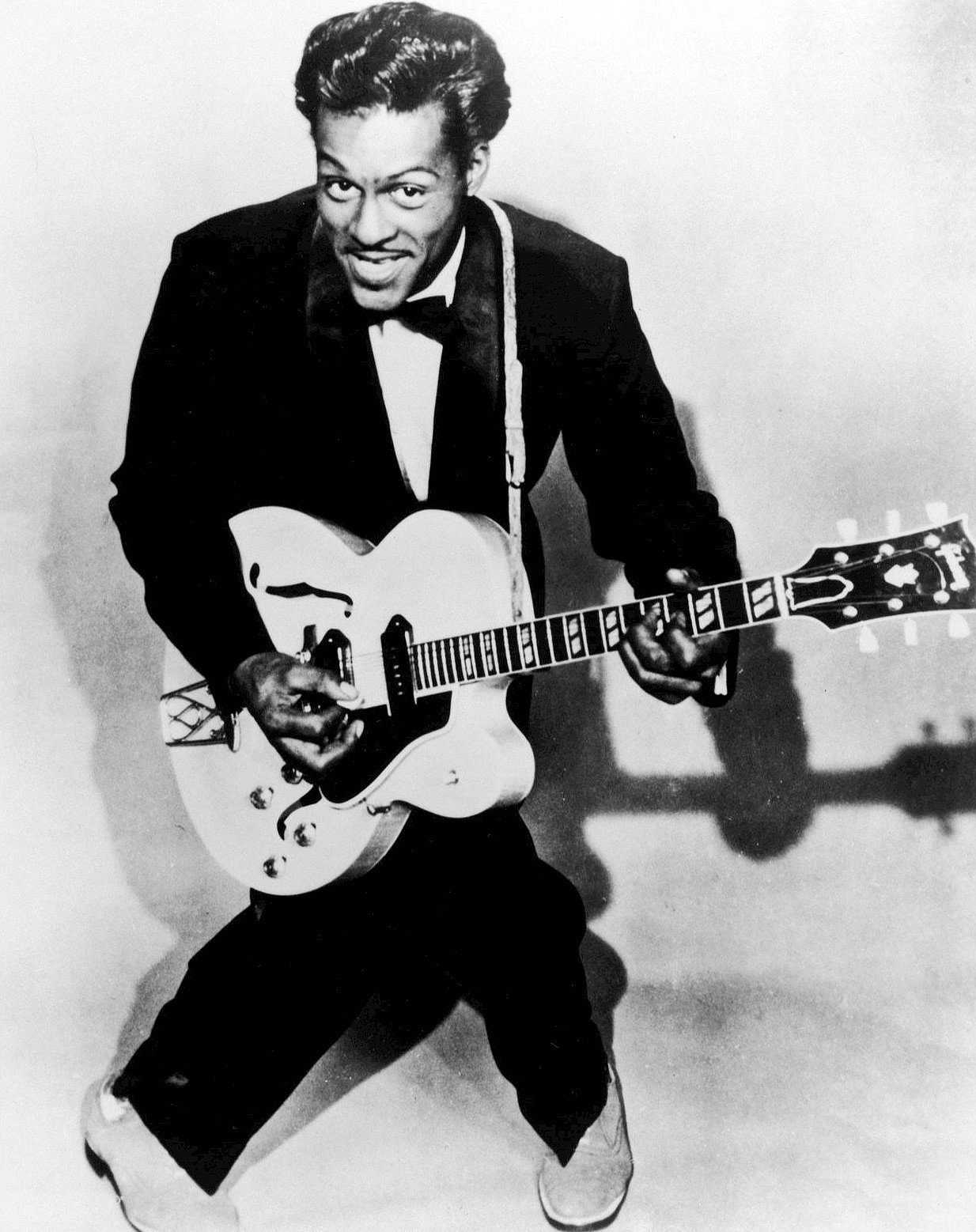
Radio, records and television helped new sounds travel rapidly. Performers such as Little Richard and Chuck Berry became central figures in a musical culture that crossed racial and regional boundaries, even while segregation remained deeply embedded in American society.
THE NEW NORMAL
Youth became a commercial and cultural identity. Music increasingly became a way for young people to distinguish themselves, and the teenage audience became a major force in entertainment and consumer culture.
WHAT WE STILL MISUNDERSTAND
Rock ’n’ roll is often remembered through a small number of stars, but its history is rooted in a much wider network of Black musicians, regional scenes, independent labels, radio programmers and audiences.
THE MODERN CONNECTION
The modern idea of youth culture as a major force in fashion, entertainment and consumer behaviour owes much to this period. Today’s music scenes still demonstrate how quickly young audiences can turn cultural preference into social identity.
THE RETHINK
Rock ’n’ roll helped society rethink teenagers not simply as children approaching adulthood, but as a cultural force capable of shaping the adult world.