Filed under Rethink Society | Art History · 03 · The Human Ideal
Classical Greek Art When the Human Body Became a Question About Humanity
Classical Greek artists pursued vitality, harmony and representation while revealing how every ideal of the human is historically constructed.
- Share “Classical Greek Art — When the Human Body Became a Question About Humanity” on X
- Share “Classical Greek Art — When the Human Body Became a Question About Humanity” on Facebook
- Share “Classical Greek Art — When the Human Body Became a Question About Humanity” on LinkedIn
- Share “Classical Greek Art — When the Human Body Became a Question About Humanity” on WhatsApp
- Share “Classical Greek Art — When the Human Body Became a Question About Humanity” on Telegram
- Share “Classical Greek Art — When the Human Body Became a Question About Humanity” on Reddit
- Share “Classical Greek Art — When the Human Body Became a Question About Humanity” on Email
Ancient Greece • Mediterranean · c. 480–323 BCE for the conventional Classical period
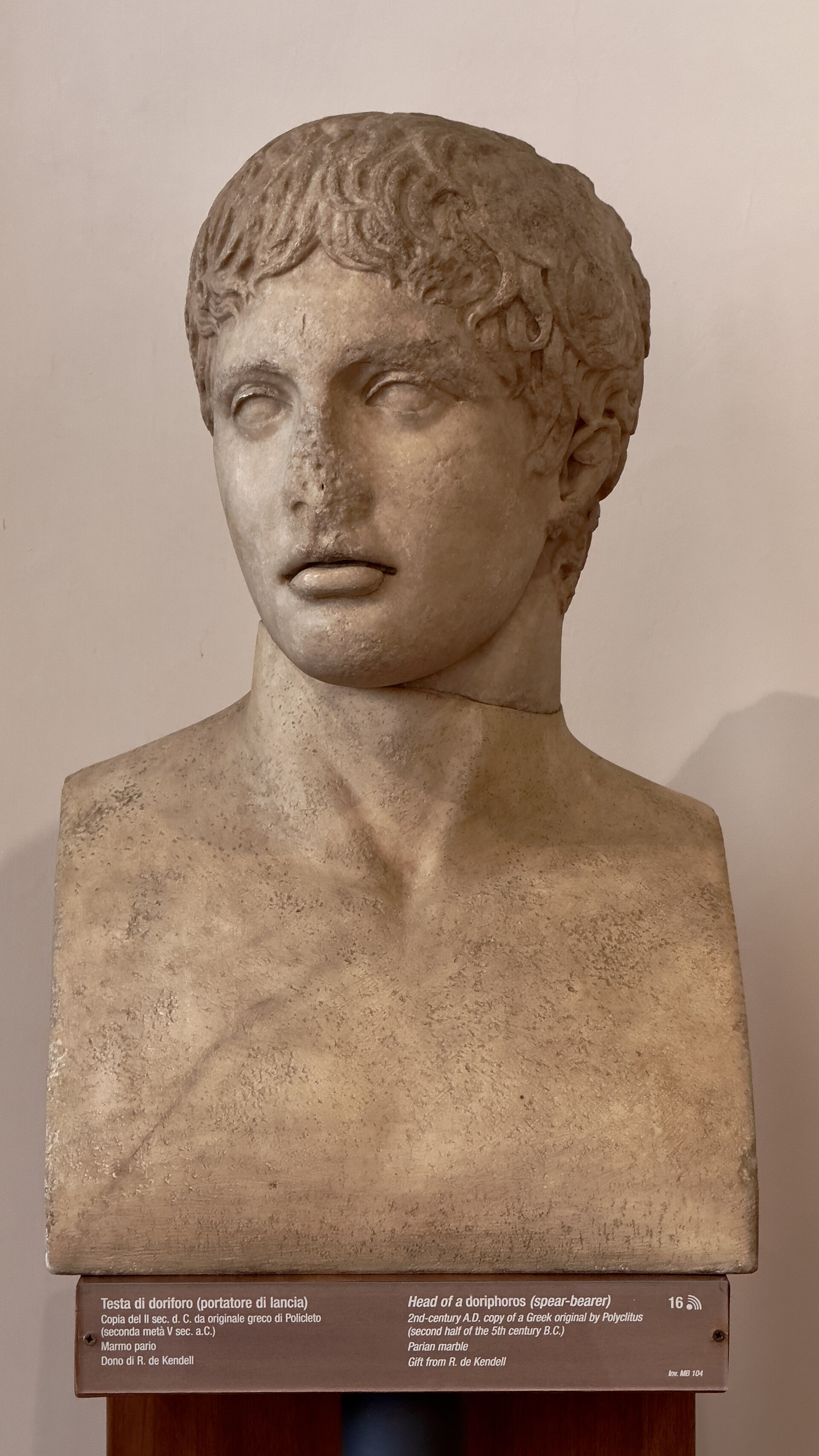
Classical Greek art is often presented as the moment when humanity 'discovered' the human body. That slogan is too simple. Humans had represented bodies long before fifth-century BCE Greece, and many cultures developed sophisticated ideas about human form. What Classical Greek artists did develop with extraordinary influence was a manner of representation that later viewers associated with vitality, balance, proportion and idealisation.
The Metropolitan Museum of Art describes Greek artists of the fifth and fourth centuries BCE as attaining representations that conveyed vitality together with permanence, clarity and harmony. These qualities became enormously influential through later Roman collecting, Renaissance study and modern museum culture. Yet influence should not be confused with universal superiority. The canon that elevated Greek art was itself shaped by later European institutions.
Greek sculpture asks an enduring question: what is an ideal human being supposed to look like? Artistic bodies can communicate age, gender, status, athleticism, divinity and civic identity. They are not neutral records. An idealised figure reflects choices about proportion and value. This is precisely why Greek art remains relevant: it reveals that visual standards of humanity are made, taught and inherited.
The historical context matters. Classical art developed amid independent city-states, warfare, religious practice and Athenian imperial power. Artistic achievement cannot be separated entirely from the political and economic systems that supported workshops, sanctuaries and public monuments. Celebrating beauty while ignoring power produces an incomplete history.
At the same time, Greek art expanded the technical and conceptual possibilities of representation. Artists experimented with pose, anatomy and movement, making figures appear more responsive and alive. Later generations repeatedly returned to these works not because Greek artists settled the question of beauty, but because they created a vocabulary that others could imitate, challenge and transform.
The social lesson is therefore double. Art can deepen attention to the human being; it can also create standards against which real bodies are judged. Modern culture still negotiates this tension. Images can celebrate diversity and individuality while advertising, fashion and media continue to manufacture ideals. The history of Greek art helps us see that neither admiration nor idealisation is politically innocent.
Perhaps its most useful legacy is the invitation to look carefully. Classical artists treated observation as a serious intellectual activity. What does a body reveal about movement, emotion and identity? But Rethink Society should add another question: who was missing from the bodies that became canonical? History becomes more truthful when admiration is joined by scrutiny.
Classical Greek art helped humanity by making representation itself a field of inquiry. It taught later artists to study form, but it also left later societies with a responsibility: never confuse one historical image of the human with humanity as a whole.
What We Know
The article's factual foundation is limited to the documented historical and institutional evidence identified in the source notes below. Claims of motive, universal meaning or direct causal impact are treated cautiously unless supported by evidence.
What Remains Open to Interpretation
Artistic meaning is often plural. Where original makers did not leave unambiguous explanations, this collection does not present modern interpretation as fact. Scholarly disagreement and uncertainty are part of the historical record, not editorial weaknesses.
Social Rethink
When a society calls one image of the body 'ideal', what does that teach everyone else about belonging?
Why It Matters Now
This historical development remains relevant because contemporary society still debates who controls memory, whose stories are preserved, what counts as truth, how cultures influence one another and whether technology changes the meaning of human creativity. The historical case does not automatically provide a modern answer; it gives us better questions.
The Question We Leave Behind
When a society calls one image of the body 'ideal', what does that teach everyone else about belonging?