Filed under Rethink Society | Cultural Revolutions · 02 · Ideas
The Birth of Philosophy: When Humanity Began Questioning Everything
Philosophy changed society by making questions a cultural force. What happens when no belief is completely beyond examination?
- Share “The Birth of Philosophy: When Humanity Began Questioning Everything” on X
- Share “The Birth of Philosophy: When Humanity Began Questioning Everything” on Facebook
- Share “The Birth of Philosophy: When Humanity Began Questioning Everything” on LinkedIn
- Share “The Birth of Philosophy: When Humanity Began Questioning Everything” on WhatsApp
- Share “The Birth of Philosophy: When Humanity Began Questioning Everything” on Telegram
- Share “The Birth of Philosophy: When Humanity Began Questioning Everything” on Reddit
- Share “The Birth of Philosophy: When Humanity Began Questioning Everything” on Email
There may never have been a single moment when humanity suddenly became philosophical. Human beings had always asked questions about death, nature, justice and meaning. What changed in several parts of the ancient world was the development of enduring traditions that made questioning itself a disciplined cultural practice. Thinkers and teachers increasingly asked not only what society believed, but why it believed it. They examined the good life, political authority, knowledge and human responsibility.
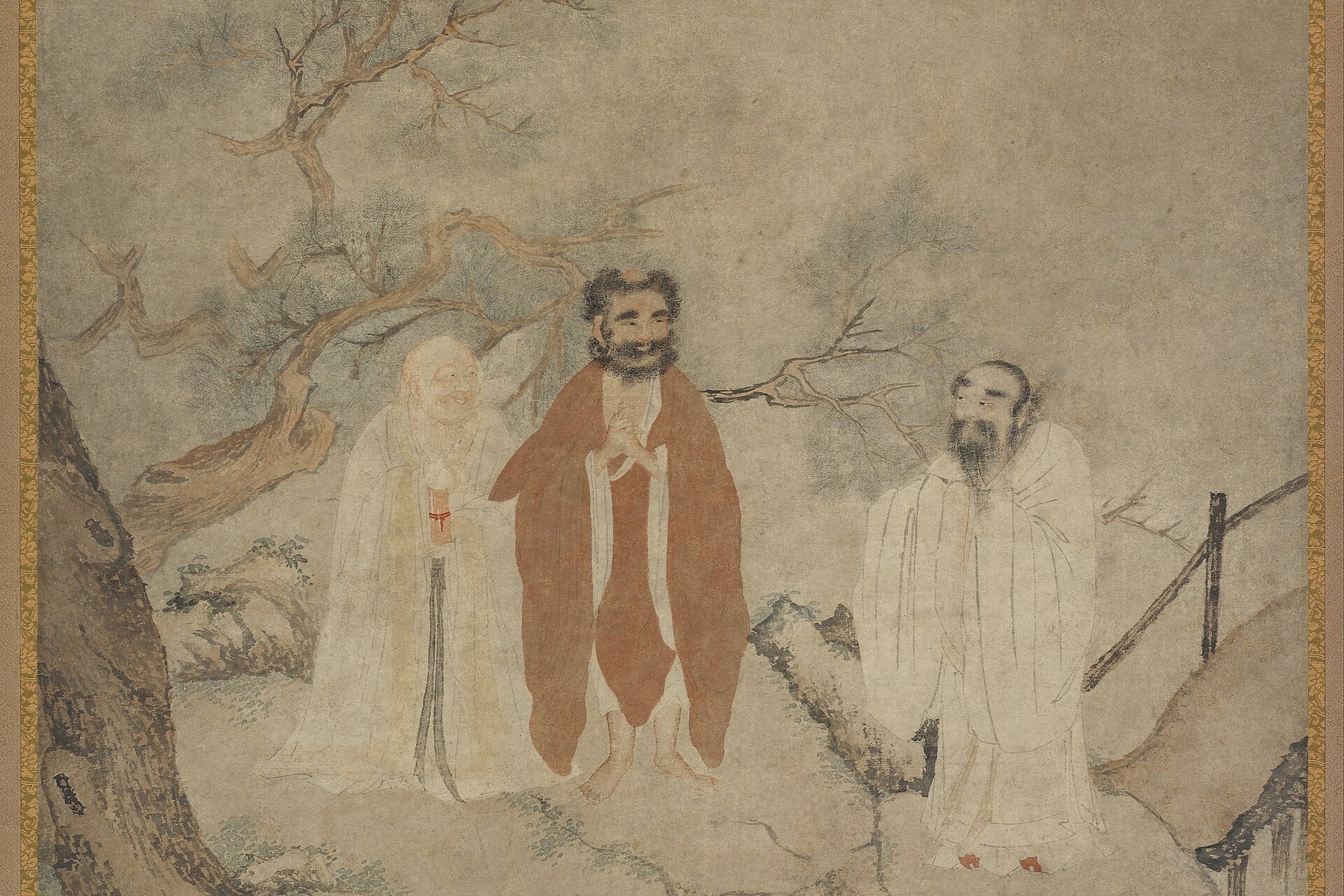
The period sometimes called the Axial Age is often used to describe the remarkable flowering of influential philosophical and religious thought across Eurasia during the first millennium BCE. The label is debated, and historians rightly warn against treating different cultures as one coordinated movement. Nevertheless, it is striking that traditions associated with Confucius in China, the Buddha in South Asia, Greek philosophers, Hebrew prophetic traditions and many others developed new ways of discussing ethics, society and human conduct.
Greek philosophy became particularly influential in later European intellectual history. Socrates challenged assumptions through questioning; Plato explored justice and political order; Aristotle studied ethics, politics and the natural world. But philosophy was never exclusively Greek. Confucian thought examined social responsibility, education and good government. Indian philosophical traditions debated consciousness, suffering and reality. Chinese thinkers disagreed about nature, order and authority. Philosophical inquiry emerged through multiple cultural conversations.
What made these developments revolutionary was the possibility that inherited authority could be examined. A custom might be ancient and still be questioned. A ruler might be powerful and still be judged by ethical standards. A popular belief might be widely accepted and still be false. This did not make ancient societies democratic by modern standards. Many philosophical traditions remained connected to hierarchy, privilege or exclusion. But the cultural principle of reasoned criticism created a new intellectual space.
Philosophy also made disagreement productive. A philosophical tradition does not require everyone to reach the same answer. It develops through argument, interpretation and revision. Socrates' questioning could unsettle citizens; Confucian scholarship generated centuries of commentary; Buddhist traditions developed competing schools. The survival of these arguments demonstrates that societies can preserve disagreement rather than treating every difference as a threat.
The political consequences were significant. Questions about justice eventually influenced debates about law, citizenship and government. Questions about virtue shaped education. Questions about knowledge encouraged scientific inquiry. Yet philosophy could also be used by institutions to justify existing systems. Ideas do not automatically produce liberation. They can challenge power or serve it. The critical issue is whether a society allows ideas to remain open to examination.
Modern life often gives us more information than reflection. We react quickly, share immediately and form opinions before understanding the question. The philosophical tradition offers a counter-cultural discipline: slow down, define the problem, test assumptions and recognise uncertainty. In an age of algorithms and instant commentary, this may be more relevant than ever.
Social Rethink
Philosophy teaches that disagreement is not necessarily social failure. A healthy society requires methods for arguing without destroying one another. The question is not whether everyone thinks alike. It is whether people can explain their beliefs, listen to criticism and change their minds when evidence or reasoning requires it.
The birth of philosophy did not give humanity final answers. Its greater gift was permission to continue asking. Justice remains contested. Happiness remains difficult to define. Good government remains unfinished. Thousands of years later, humanity still lives inside questions first made central by ancient thinkers. Perhaps that is the point: a society begins to rethink itself when it accepts that some of its most important answers should never be immune from questions.