Filed under Rethink Society | Cultural Revolutions · 09 · Global Culture
The Globalisation of Popular Culture: When Culture Crossed Every
From jazz to K-pop and cinema to anime, popular culture created global communities. But does connection always create understanding?
- Share “The Globalisation of Popular Culture: When Culture Crossed Every” on X
- Share “The Globalisation of Popular Culture: When Culture Crossed Every” on Facebook
- Share “The Globalisation of Popular Culture: When Culture Crossed Every” on LinkedIn
- Share “The Globalisation of Popular Culture: When Culture Crossed Every” on WhatsApp
- Share “The Globalisation of Popular Culture: When Culture Crossed Every” on Telegram
- Share “The Globalisation of Popular Culture: When Culture Crossed Every” on Reddit
- Share “The Globalisation of Popular Culture: When Culture Crossed Every” on Email
Border
RETHINK SOCIETY | CULTURAL REVOLUTIONS COLLECTION
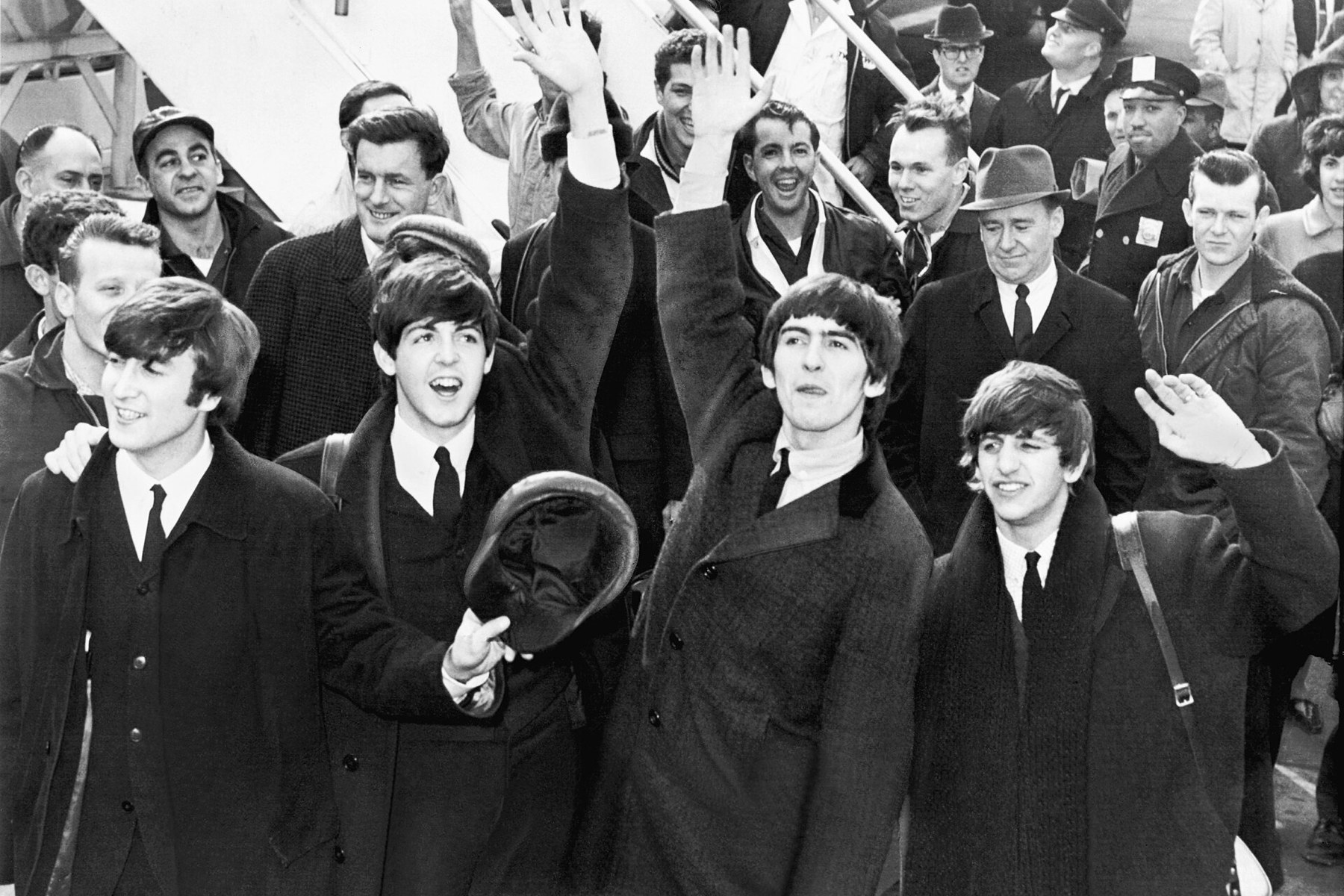
For most of human history, culture travelled slowly. Stories moved with traders, migrants and armies. Music crossed borders through instruments and performers. Religious and artistic traditions spread through networks of exchange. The twentieth century changed the speed and scale. Radio, recorded music, cinema, television and later the internet allowed cultural products to reach millions of people far from where they were created.
Hollywood became one of the most visible symbols of global popular culture, but globalisation was never simply Americanisation. Indian cinema developed enormous audiences and distinctive industries. Latin American music travelled across continents. Japanese anime became a global cultural force. Korean popular culture achieved extraordinary international influence. African musicians and diasporic traditions transformed global sound. Popular culture became increasingly networked and hybrid.
Music offers a powerful example. Jazz emerged from African American traditions and became internationally influential. Rock drew from blues, country and other musical forms before becoming a global youth culture. Hip-hop developed in the Bronx and spread into countless local languages and styles. Reggae, salsa, Afrobeat and electronic music all crossed borders while changing through local interpretation.
This movement created new forms of identity. A teenager could feel connected to artists, films or communities thousands of kilometres away. Generational identity increasingly became transnational. Fashion, slang and music could create a sense of belonging beyond nationality.
Popular culture also became political. Songs expressed protest. Films challenged stereotypes. Television introduced audiences to lives they might never otherwise encounter. Representation mattered because visibility could change who society considered normal or important. At the same time, media industries could reproduce stereotypes and concentrate enormous cultural power in a small number of corporations.
Commercialisation is central to the story. Popular culture is both creative expression and business. Companies decide what to finance and distribute. Algorithms increasingly influence what audiences discover. Cultural success can therefore depend on infrastructure as much as artistic quality. Global audiences may appear free to choose while platforms quietly shape the available choices.
Cultural exchange also raises questions about appropriation and power. When does inspiration become exploitation? Who profits when a local tradition becomes global fashion? Can a dominant industry absorb a minority culture while ignoring the people who created it? These questions do not have simple answers, but they are essential to understanding global culture ethically.
Social Rethink
Popular culture can make strangers feel familiar, but familiarity is not the same as understanding. Seeing another culture on a screen can challenge prejudice, yet it can also create simplified stereotypes. Global culture should encourage curiosity rather than the illusion that consuming an image means understanding a society.
The internet intensified these processes. A local creator can now reach international audiences without a traditional studio or broadcaster. Yet digital platforms also reward trends, repetition and attention. Culture travels faster, but speed can flatten context.
The globalisation of popular culture made humanity rethink who gets to shape culture. For centuries, cultural prestige was often controlled by institutions and national elites. Mass media opened new spaces for ordinary audiences and subcultures. A dance, song or style created by marginalised communities could influence the world.
That possibility remains revolutionary. Culture is not only something governments preserve in museums. It is something people constantly create through language, humour, music and everyday life.
The challenge for the future is diversity without fragmentation and connection without cultural domination. A genuinely global culture should not make every city, voice and imagination look the same. Its greatest potential lies in exchange: allowing people to encounter difference while preserving the right of communities to define themselves.
Popular culture crossed borders and changed the boundaries of belonging. The question now is whether global connection will create deeper understanding—or simply a larger marketplace for attention.