Filed under Ideas · Social Rethinks
The Phonograph The Moment Music Escaped the Room
When recorded sound turned music from a fleeting performance into something that could be preserved, reproduced and carried into homes.
- Share “The Phonograph: The Moment Music Escaped the Room” on X
- Share “The Phonograph: The Moment Music Escaped the Room” on Facebook
- Share “The Phonograph: The Moment Music Escaped the Room” on LinkedIn
- Share “The Phonograph: The Moment Music Escaped the Room” on WhatsApp
- Share “The Phonograph: The Moment Music Escaped the Room” on Telegram
- Share “The Phonograph: The Moment Music Escaped the Room” on Reddit
- Share “The Phonograph: The Moment Music Escaped the Room” on Email
THE OLD NORMAL
For most of human history, music was temporary. A song existed when someone sang it. A melody lived in a room, a theatre, a church or a street. Once the performance ended, the sound was gone. Musical traditions could be remembered and taught, but the performance itself could not simply be replayed.
THE QUESTION
What if sound itself could be captured? The question was technological, but its consequences were cultural. If a performance could be recorded, music would no longer have to depend entirely on memory, geography or the presence of musicians.
THE BREAKTHROUGH
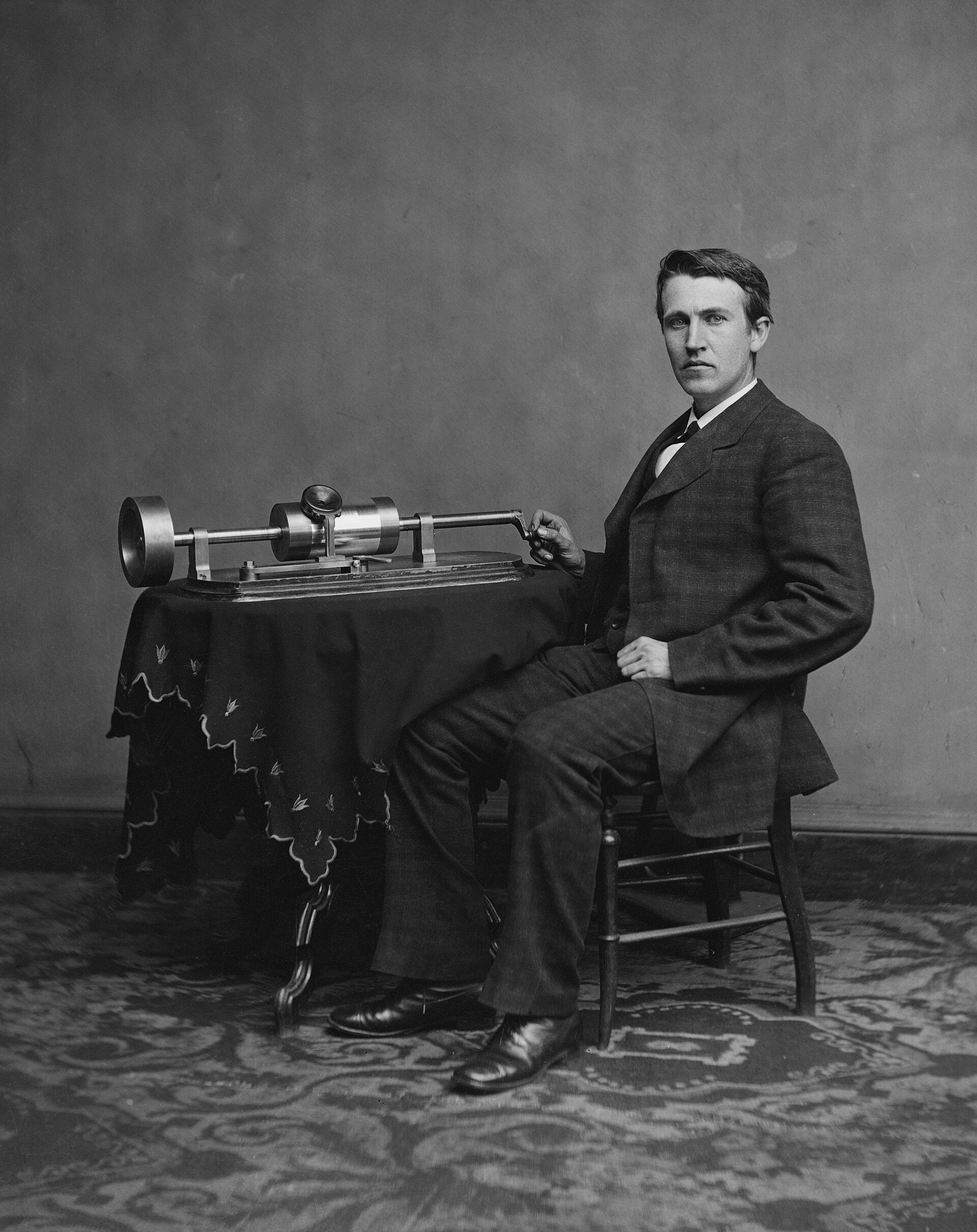
The development of sound recording in the late nineteenth century made reproducible audio possible. Thomas Edison’s 1877 phonograph became a landmark in this transformation. The Library of Congress describes the phonograph record as shrinking the musical world: listeners could bring artists, composers and musical styles from distant places into their homes. [Source: Library of Congress.]
THE CHANGE
Music became an object that could be stored, sold, transported and replayed. A listener no longer needed to wait for a concert, live near a famous performer or learn directly from another musician. The recording became a new cultural intermediary. It also helped musical traditions travel, including styles rooted in African American musical traditions.
THE NEW NORMAL
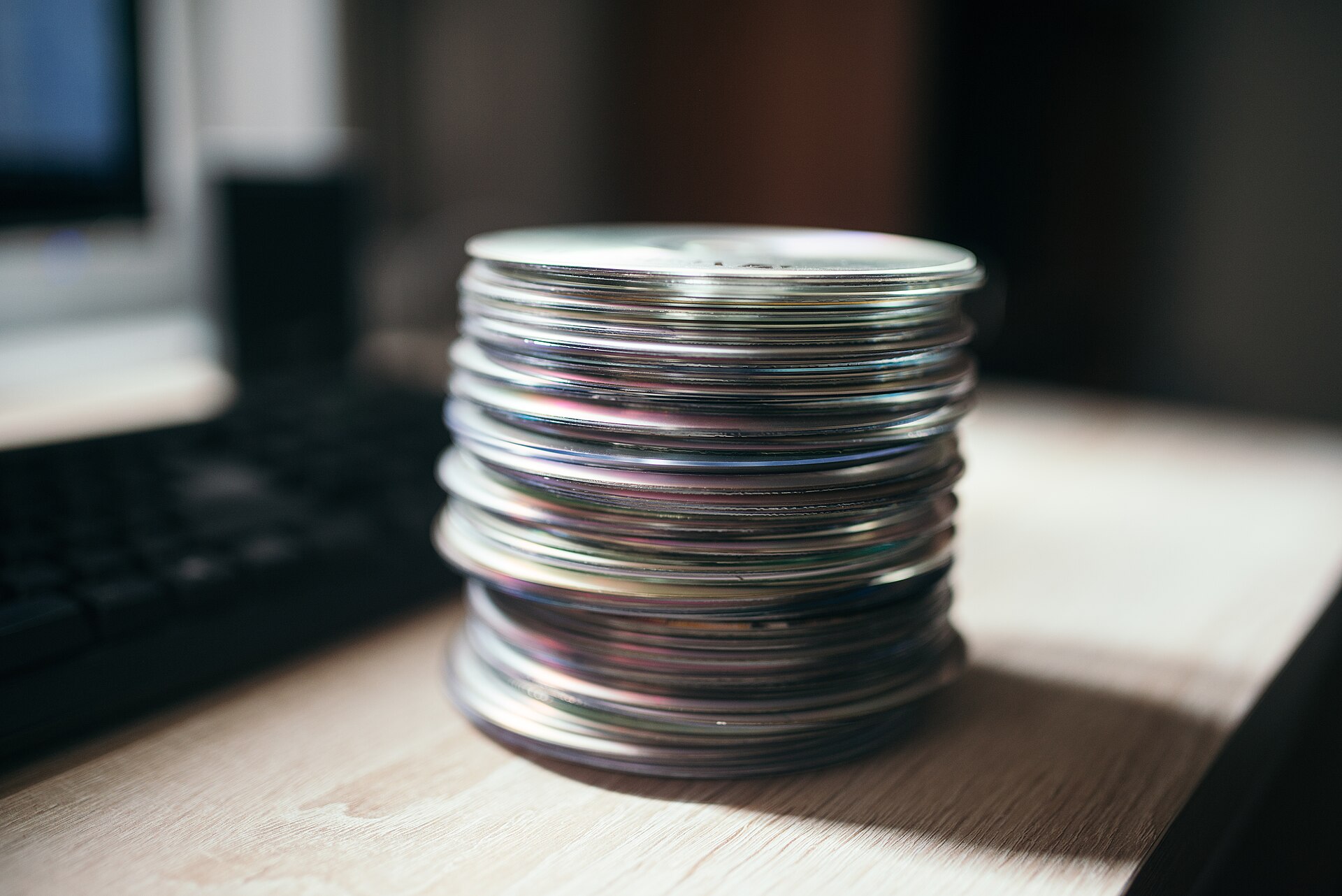
Eventually, recorded music became so ordinary that the opposite began to feel strange: a world without instant access to recorded sound. Records, cassettes, CDs, digital files and streaming all followed the same fundamental rethink. Music could exist independently of the moment in which it was performed.
WHAT WE STILL MISUNDERSTAND
The phonograph did not simply make music more convenient. It changed who could hear what, how musicians could build audiences and how music could become an industry. It also introduced a new form of power: whoever controlled recording, distribution and later broadcasting could influence which sounds became widely heard.
THE MODERN CONNECTION
Streaming looks technologically distant from a nineteenth-century phonograph, but the underlying idea is similar. Music remains detachable from the live moment. The difference is that today’s listener carries access to an enormous catalogue in a pocket, while recommendation systems increasingly influence what gets heard.
THE RETHINK
The phonograph changed music by changing time itself. A performance no longer had to disappear when it ended. Once sound could be preserved, music could travel farther than the musician, survive longer than the performance and reach people the performer would never meet.